
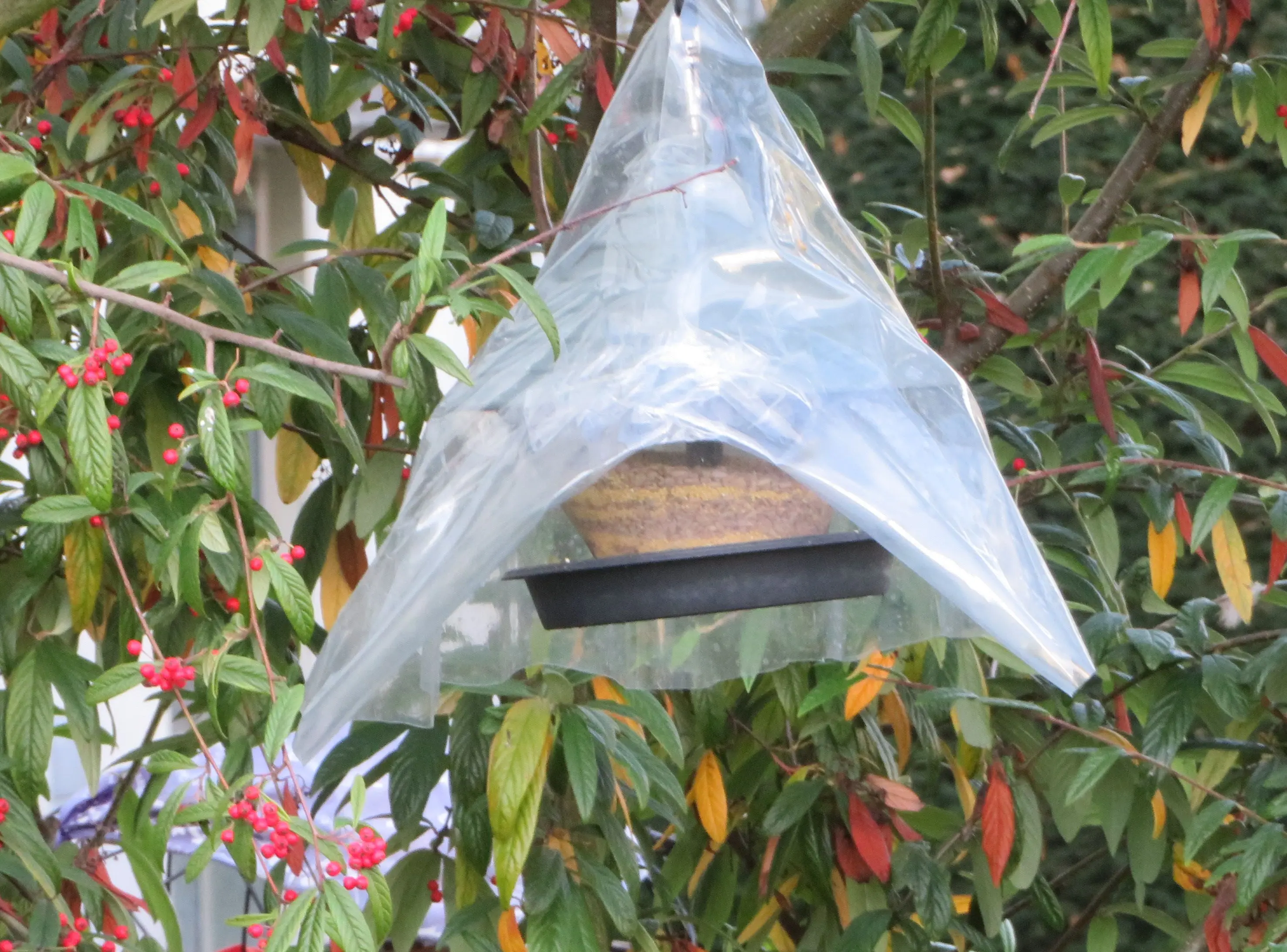
Songbirds are the most common visitors to backyard feeders, but not every feeder suits every species. Choosing the right style, along with the right seed, brings in the birds you most want to see.
Tube feeders
Tube feeders are cylinders with several small feeding ports and short perches. They hold sunflower seed or a mix, and they work well for chickadees, titmice, nuthatches and finches. Look for models with short perches, which make it harder for larger birds to take over. Some tube feeders accept a mesh insert for nyjer seed.
Hopper feeders
A hopper feeder has a seed reservoir with glass or plastic sides and a wide tray at the bottom. It holds a lot of seed and suits cardinals, sparrows, jays and doves. Choose one with drainage holes so rainwater does not pool in the tray.
Tray and platform feeders
A flat tray lets birds feed in the open. It suits doves, sparrows, juncos and other species that prefer to feed on the ground. Trays are simple and inexpensive, but they need frequent cleaning, because droppings and wet seed collect quickly. A tray with drainage holes and a small roof keeps seed drier.
Suet cages
Wire suet cages hold cakes of suet and attract woodpeckers, nuthatches, wrens and creepers. Hang them from a sturdy branch or pole. Cages with a tail prop give woodpeckers something to brace against while they feed.
Window feeders
Suction-cup feeders attach to a window and bring birds close enough to see fine detail. They are ideal for watching the birds from indoors. Clean them often and check the suction cups regularly.
What to look for
Choose metal or sturdy, UV-resistant plastic that comes apart easily for washing. Drainage holes, a wide base and a roof help keep seed dry. Avoid feeders with sharp edges, and choose seed ports sized for the birds you want. Larger ports let in bigger birds that can empty a feeder quickly.
Many feeders fail because they are the wrong size for the birds that visit. A tube feeder with wide ports will be emptied by starlings, while one with small ports gives finches and chickadees a fair chance. Pair each feeder with the seed it suits, and check it every morning. Within a few weeks the regulars will know where to find it, and that is when a feeder really starts to work.
Think about the number of birds, too. A single hopper may feed a pair of cardinals and a few sparrows, but a flock of finches will empty a small feeder in a morning. If you want to host many birds, put out two or three feeders of different styles so that no single one is crowded, and so that shy species have a quiet place to feed away from the bold ones.
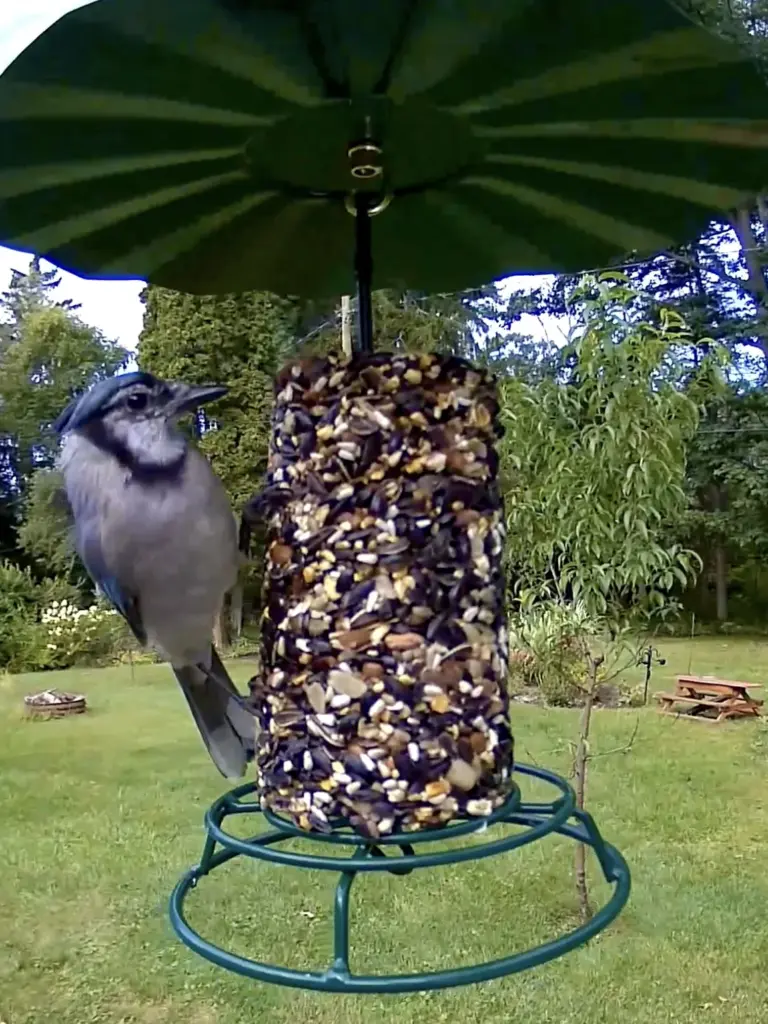
Photo: Birdfeeder for songbirds 2 by Sciencia58, CC0, via Wikimedia Commons.
From the QT Bird Community
Join the conversation
Comments on QT Bird articles live in our community. Joining is free: share your tips, ask questions and get replies.
Sign up to PostLog in