
This month at QT Bird
November
gratitude and giving
November is the quiet turn of the year. The last leaves come down and the juncos are back under the feeder. Indoors, it’s time to pot up the amaryllis, and the kitchen smells like cinnamon and roasting squash. It’s a month for slowing down, counting blessings, and making something by hand for the people we love.
- Nature’s calendar
- At the feeder
- Indoor blooms
- Baking
- A November supper
- Gratitude and giving
- Make it
- Books
- Old lore
Phenology
Nature’s calendar
What to watch for, week by week, as fall gives way to winter. Timing shifts with where you live, so the North runs a little ahead and the South a little behind.
Early November
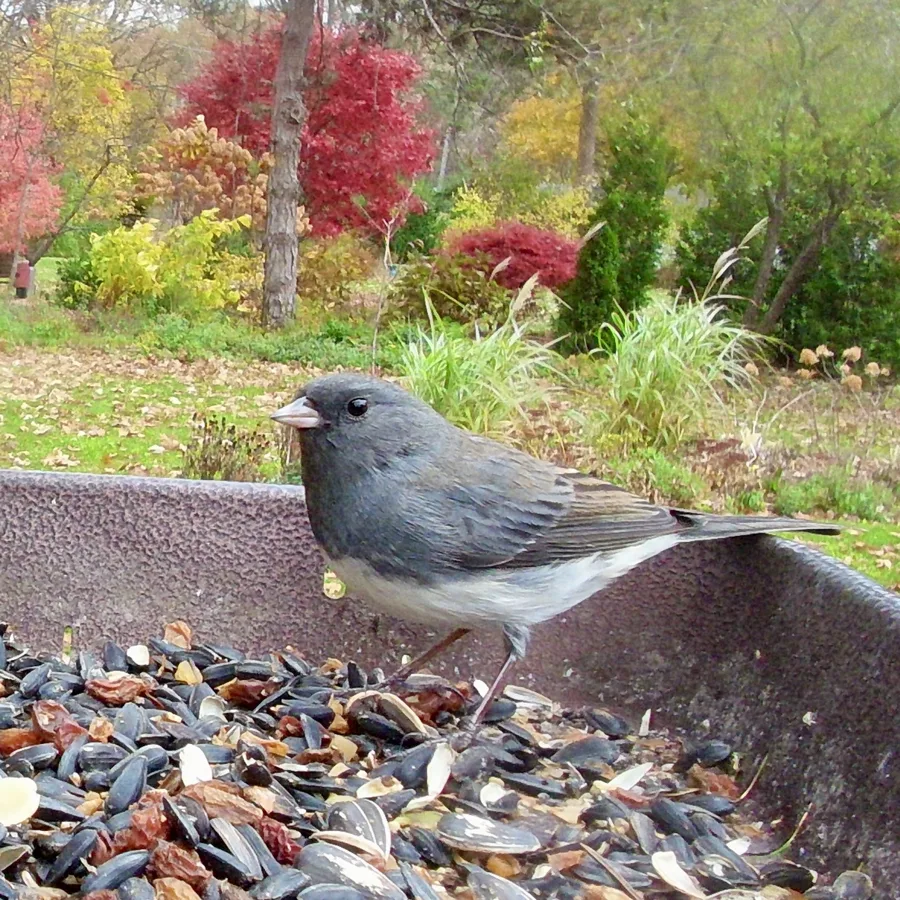
- Dark-eyed juncos, the little gray “snowbirds,” arrive for the winter.
- Oaks hold on to their brown leaves long after the maples are bare.
- Tamaracks turn gold and drop their needles in the North.
- Deer are in the rut, so watch the roadsides at dawn and dusk.
Mid-November
- Witch hazel blooms, spidery yellow flowers on bare branches.
- The last geese, ducks, and sandhill cranes pass overhead.
- Great horned owls begin their deep hoo-hoo courtship calls.
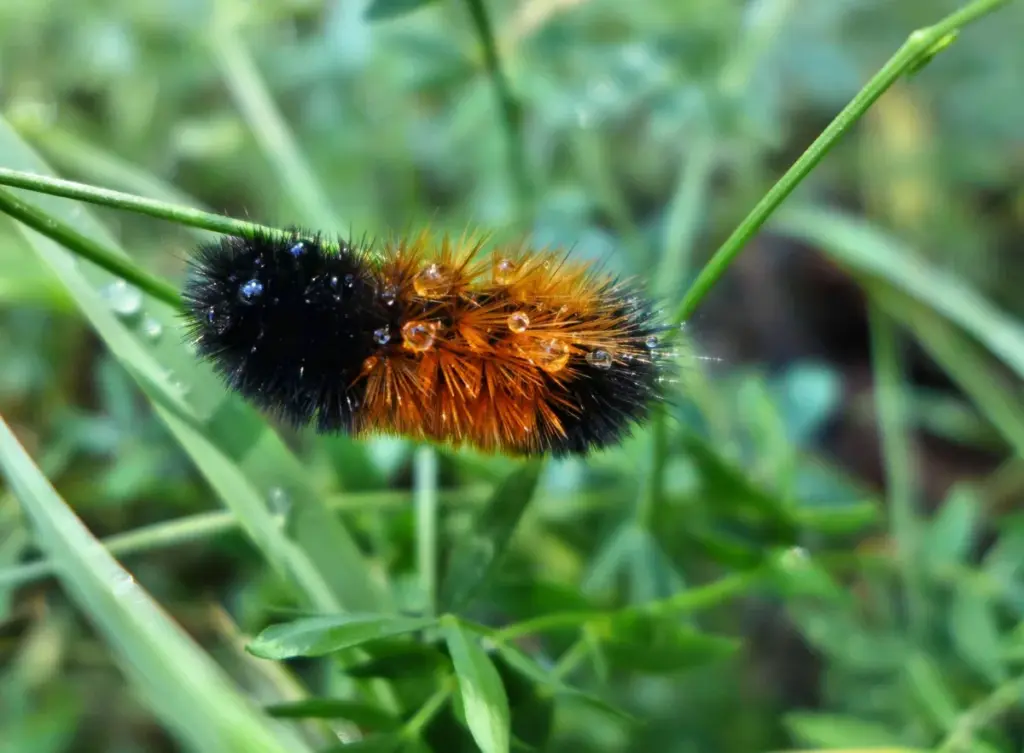
- Woolly bear caterpillars hunt for a sheltered spot to spend the winter.
Late November
- First hard freezes, and a skin of ice on the birdbath in the morning.
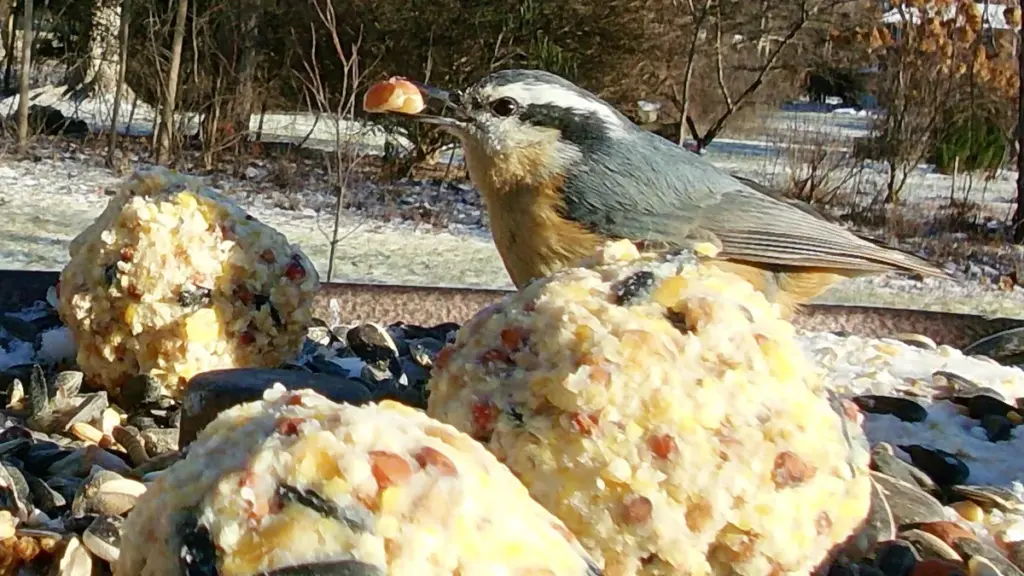
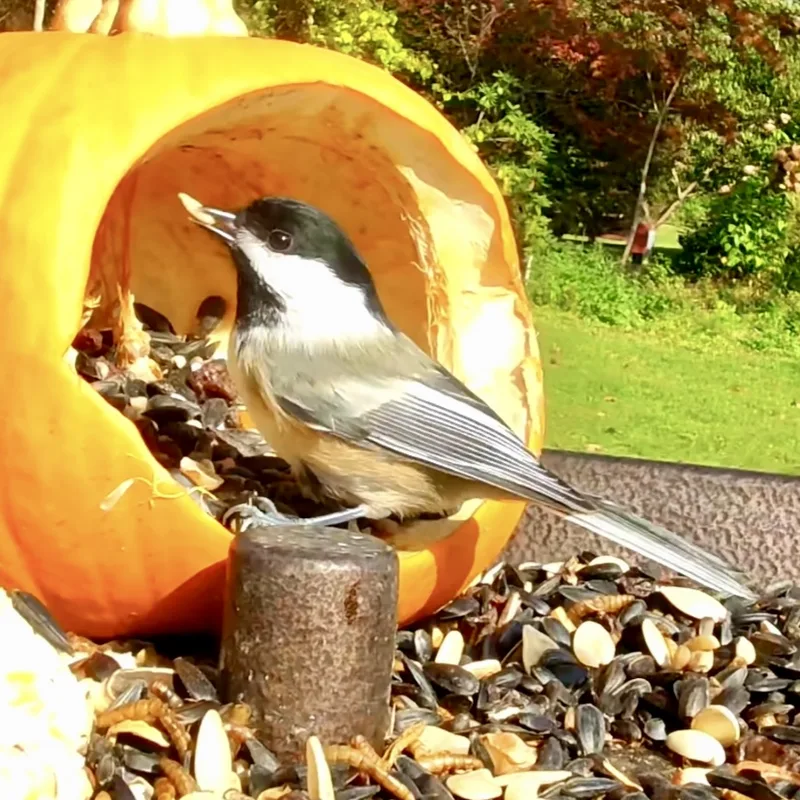
- Chickadees, titmice, and nuthatches travel together in winter flocks.
- Beavers finish their lodges and food piles under the water.
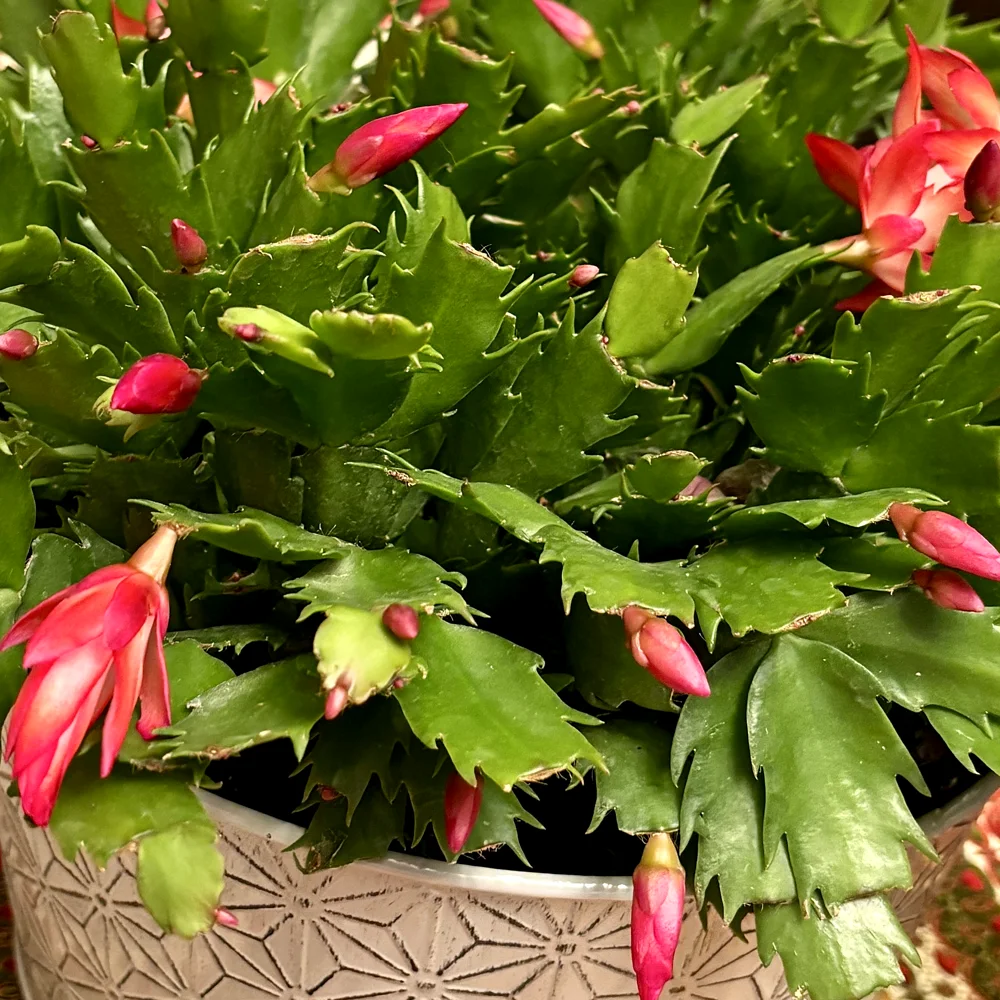
- The Thanksgiving cactus opens its first blooms.
At the feeder
Suet season begins
Cold nights mean birds burn through their energy fast, so this is the month to put out suet and black oil sunflower seed. Here are the best foods to feed birds in winter. Juncos like millet scattered on the ground, and a heated birdbath is the best gift you can give once the water starts to freeze.
It’s also the start of Project FeederWatch, the winter-long count from the Cornell Lab of Ornithology, which runs from November 1 through April. Anyone can join, with or without a feeder. You pick two days in a row, count the most birds of each kind you see at one time, and send in your counts as often as once a week. Here’s how to count your backyard birds for Project FeederWatch.
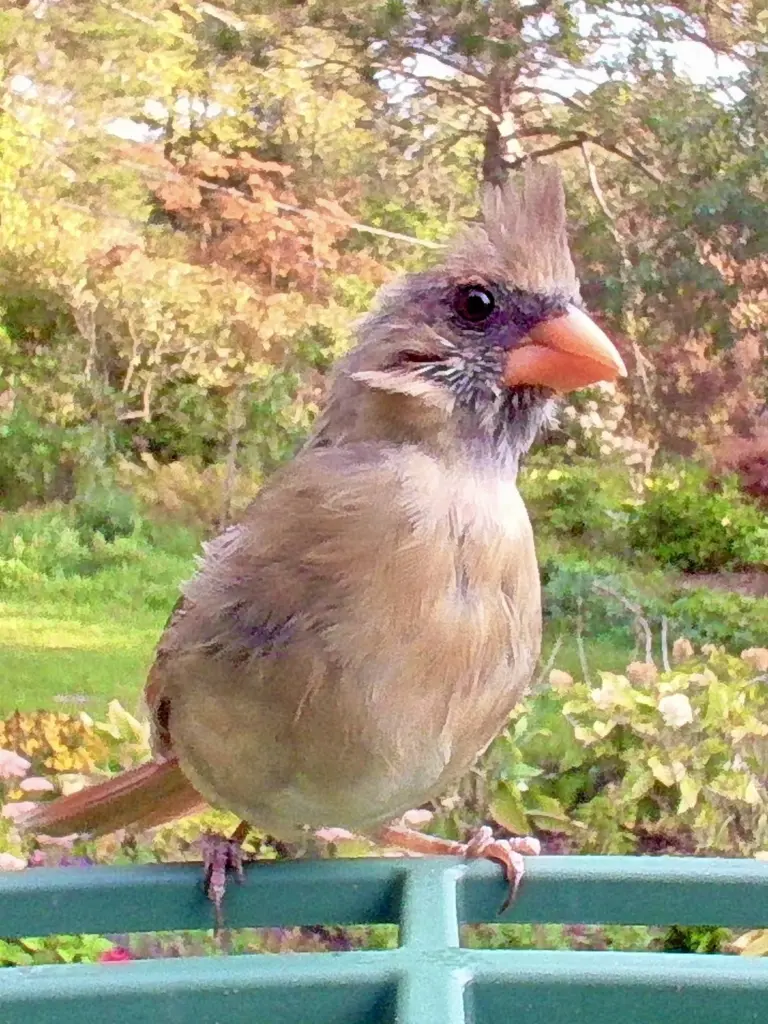
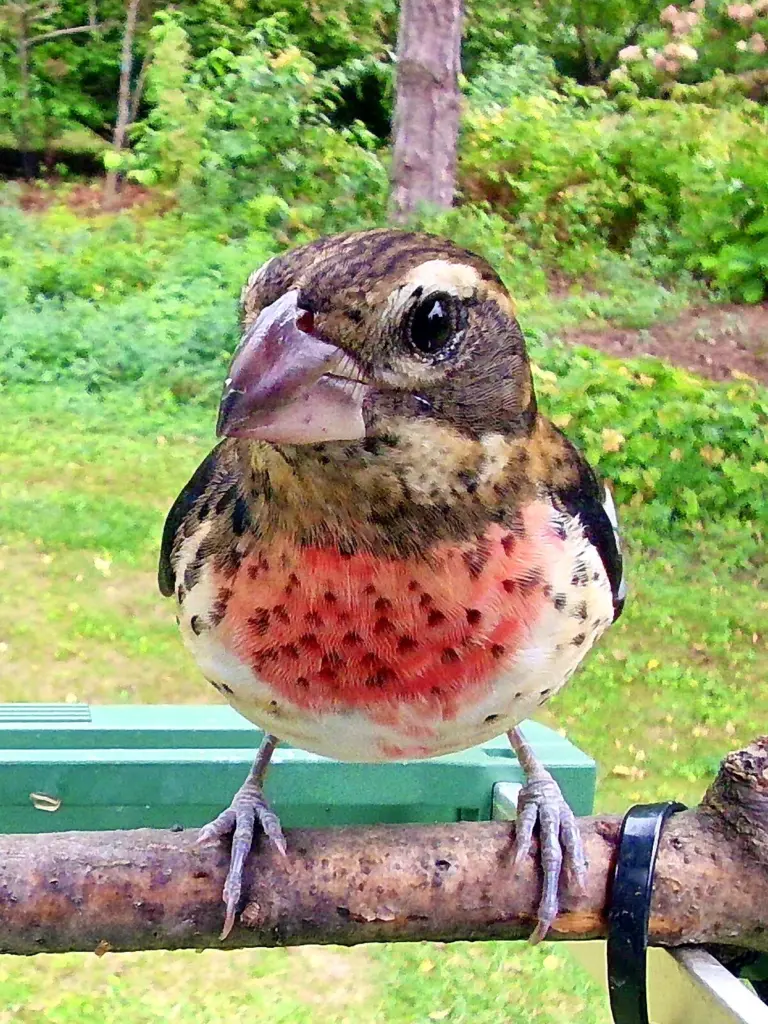
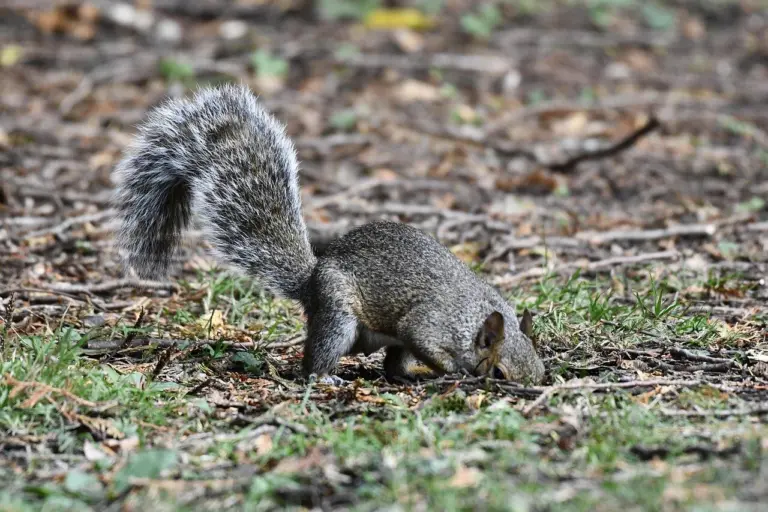
At your feeder this month
Indoor blooms
Flowers for the windowsill
The garden is going to sleep, but the windowsill is just waking up. Holiday plants carry us through the gray months, and most of them start now.
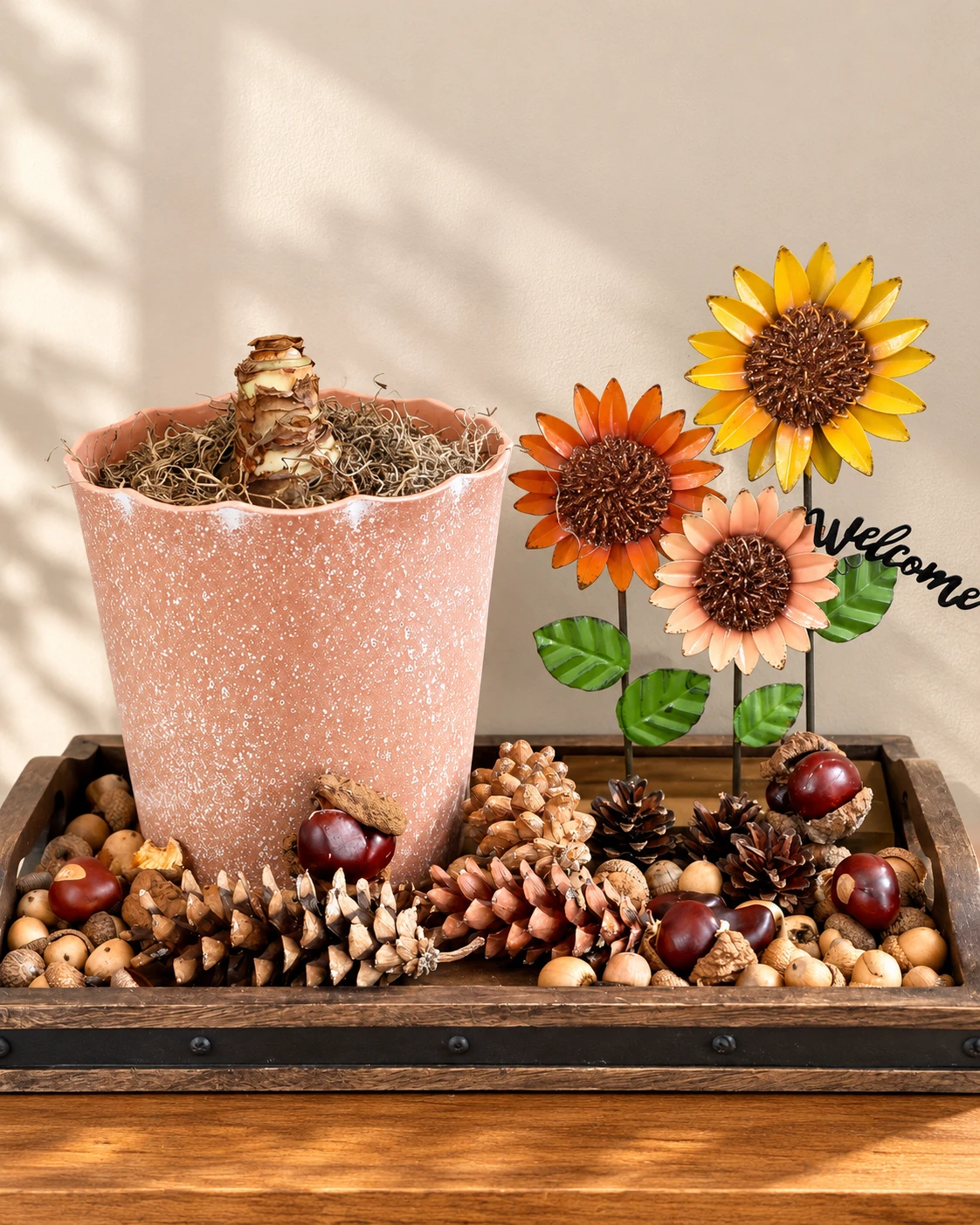
Amaryllis
Pot the bulb with its top third above the soil and keep it warm and bright. It takes about 6 to 10 weeks to bloom. Saving last year’s bulb? Here’s how.
Paperwhites
No chilling needed. Set the bulbs in pebbles and water, and they bloom in about 4 to 6 weeks.
Thanksgiving cactus
You can tell it from a Christmas cactus by the pointed claws on its leaf segments; a Christmas cactus has rounded edges. Long nights set its buds. Keep it in a cool room away from lamps in the evening, and water when the top of the soil is dry.
Poinsettia
Bring it home wrapped, keep it away from cold drafts and heat vents, and water when the soil surface feels dry.
From the oven
Baking season
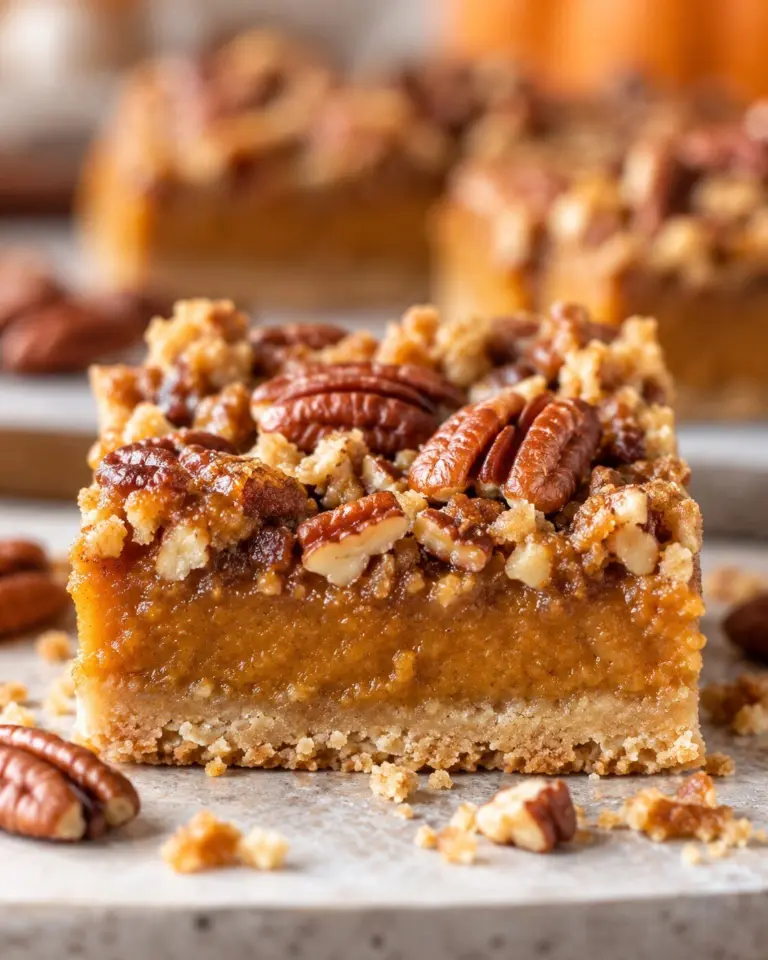
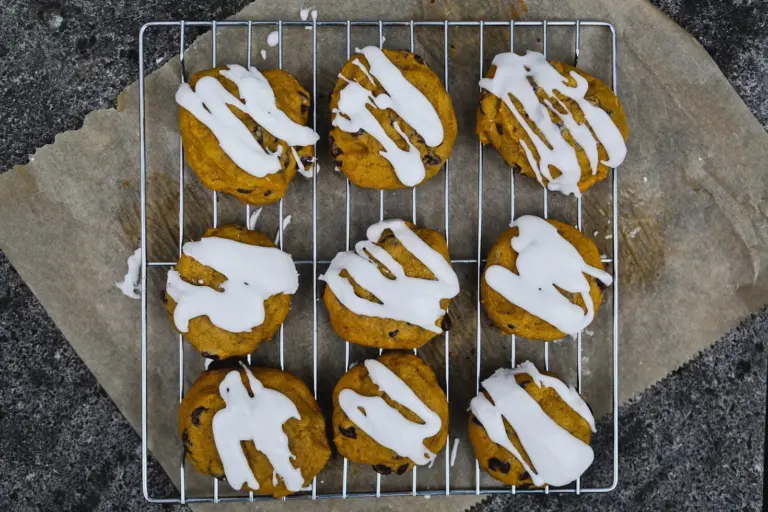
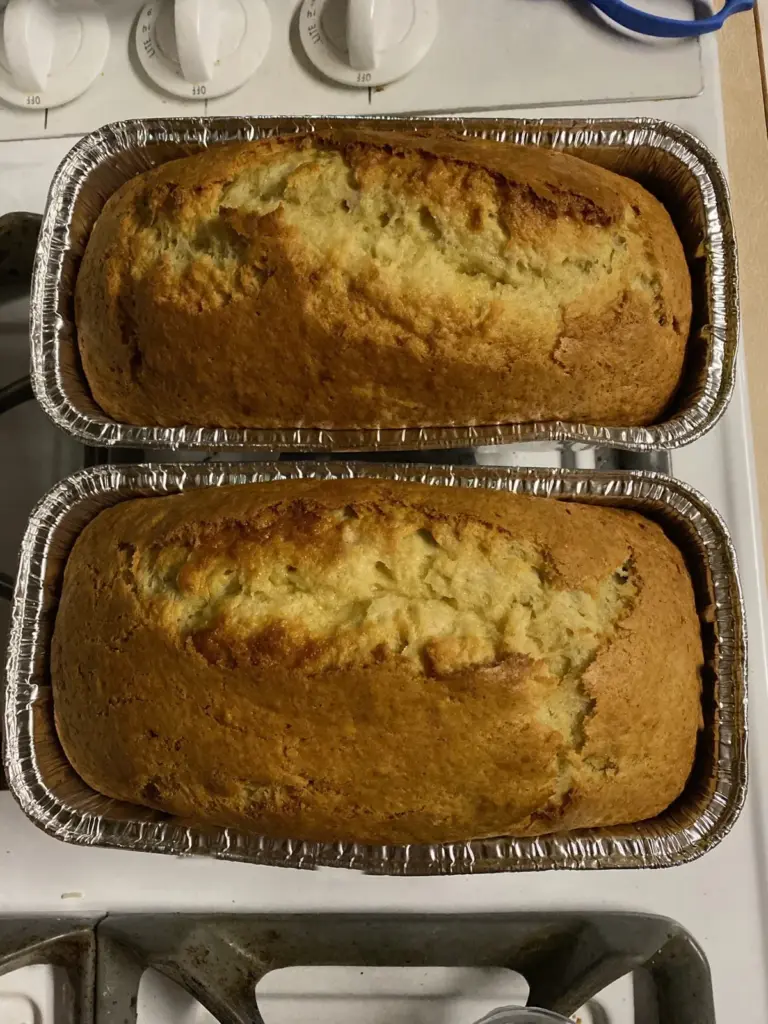
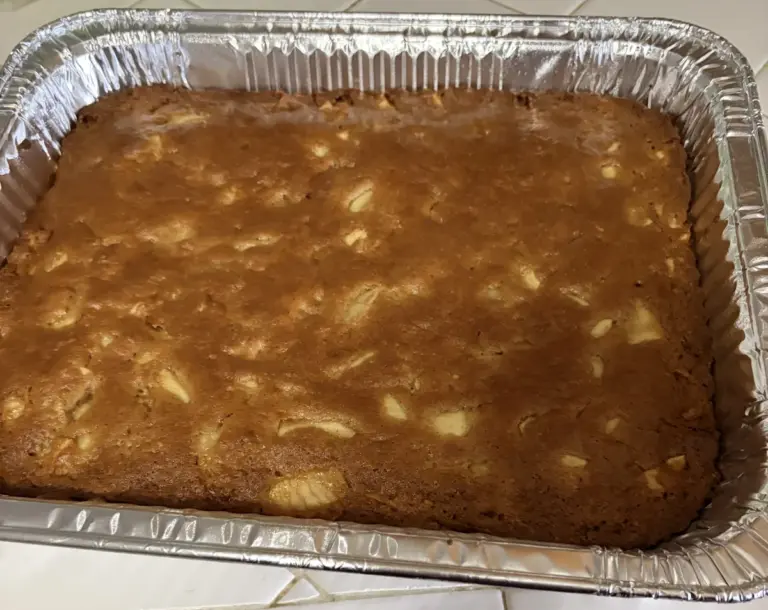
Pumpkin, apples, and warm spice. The oven earns its keep this month, and the house smells wonderful for it.

A November supper
Chili night
let the crockpot do the work
- MainBig-Batch Crockpot Pumpkin Chili With Sweet Potato
- On the sidePancake Mix Cornbread
- Vintage DessertApple Crisp That Is as Easy as Pie
Made too much? Good. Here’s how to freeze soup and chili for the busy weeks ahead.
In season
At the market this month
Gratitude and giving
A homemade holiday
The best gifts are often the simplest ones, made by hand in your own kitchen. A jar of cocoa mix says more than most things from a store.
Gifts in a jar
Cookie, soup, and cocoa mixes layered in a jar. Browse Homemade Mixes & Jar Gifts.
A gratitude jar
Keep a jar and a stack of paper slips on the table this month. Everyone adds one thing they’re thankful for, then read them together on Thanksgiving.
Give where you live
Food pantries need help most in the weeks before the holidays. A bag of groceries or an hour of your time goes a long way.
Make it
Flutter Nutter Butter™
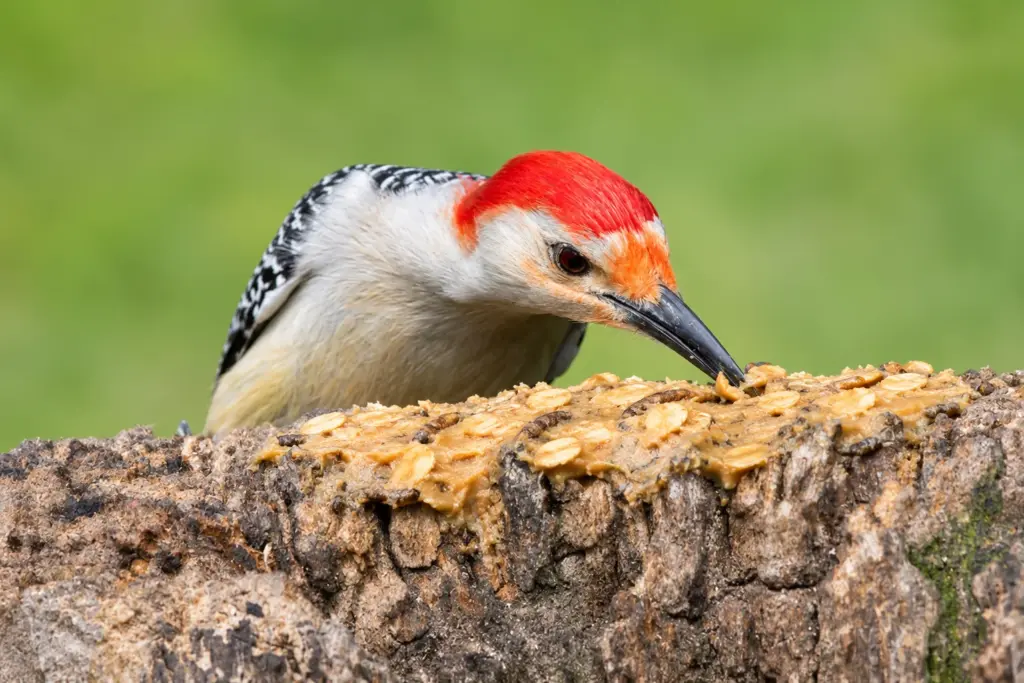
Our homemade Flutter Nutter Butter™: a soft, spreadable suet that you smear right on the tree bark. Woodpeckers, nuthatches, chickadees, and titmice find it in no time.
Make it
- Melt 1 cup of lard or suet with 1 cup of natural, unsalted crunchy peanut butter over low heat, stirring until smooth.
- Stir in 2 cups of quick oats, 1 cup of cornmeal, and 1 cup of flour. (Optional: skip the flour and use 1 cup of quick oats pulsed fine in a blender instead.)
- Stir in 1 cup of dried black soldier fly larvae or mealworms. The larvae are the better choice, with much more calcium.
- Let it cool until it’s soft and spreadable, like thick frosting.
- Keep it in a covered container in the refrigerator, and freeze any extra. For a firmer treat, try my Sweet Potato Beak Treats.
Spread it
- Use a butter knife to work a thin layer into the cracks of a tree trunk, a log, or a big pinecone.
- Pick a spot near cover that you can see from a window.
- Put out only what the birds will finish in a day or two, so it stays fresh.
- It’s at its best in cold weather. Save it for the cool months, when birds need the fat most.
On the nightstand
Books for a November evening
A Sand County Almanac
Aldo Leopold, 1949
A year on a Wisconsin farm told month by month, with a November chapter on axes, pines, and wind.
Braiding Sweetgrass
Robin Wall Kimmerer, 2013
A botanist’s essays on gratitude, gifts, and our place in the natural world. Made for this month.
What It’s Like to Be a Bird
David Allen Sibley, 2020
Beautifully illustrated answers to the questions we wonder about while watching the feeder.
Nature’s Best Hope
Douglas W. Tallamy, 2019
How a backyard full of native plants can feed birds and insects. A good one to plan next year’s garden with.
Find them all in one place: my November reading list in my Amazon shop.
See the books (opens in a new tab)Old lore
Sayings and Signs
- Old names
- The Anglo-Saxons called November “blood month,” the time to butcher livestock and put up meat for the winter.
- The moon
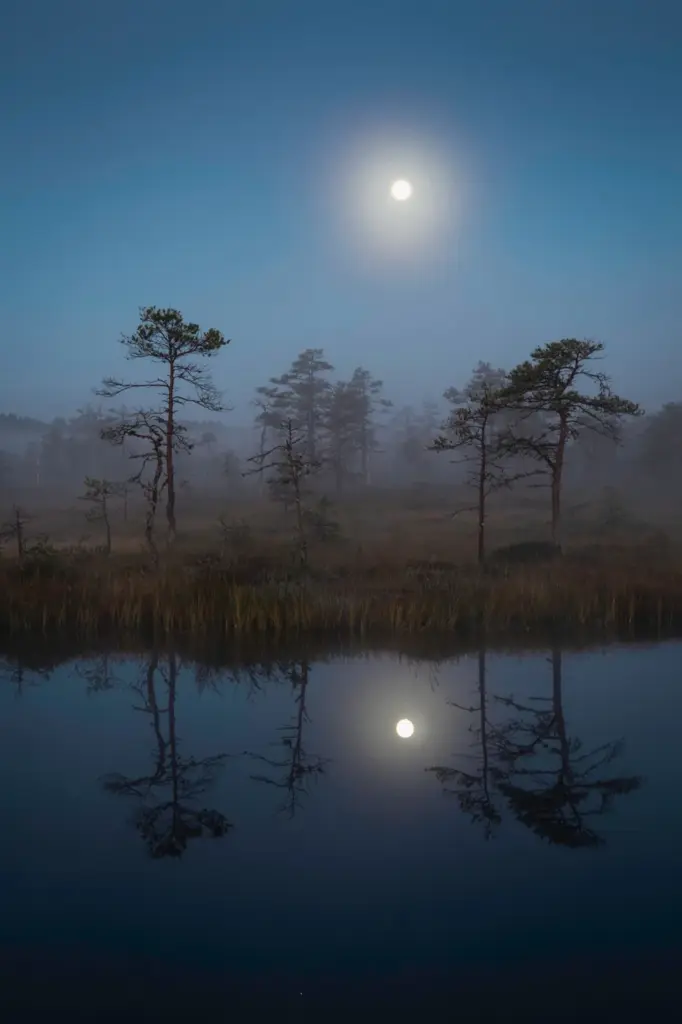
- November’s full moon is the Beaver Moon, or Frost Moon, from the season when beavers ready their lodges for winter. In 2026 it is full on Tuesday, November 24.
- St. Martin’s summer
- A warm spell around St. Martin’s Day, November 11, was called St. Martin’s summer, a last gift of mild days before winter.
- Woolly bears
- Folk wisdom says a woolly bear with a wide brown band means a mild winter. It’s more fun than science, but kids love checking.
Dates to know
November 2026
Free printable: the November garden checklist, with spots to note your first frost and the birds at your feeder.
Download the PDF