
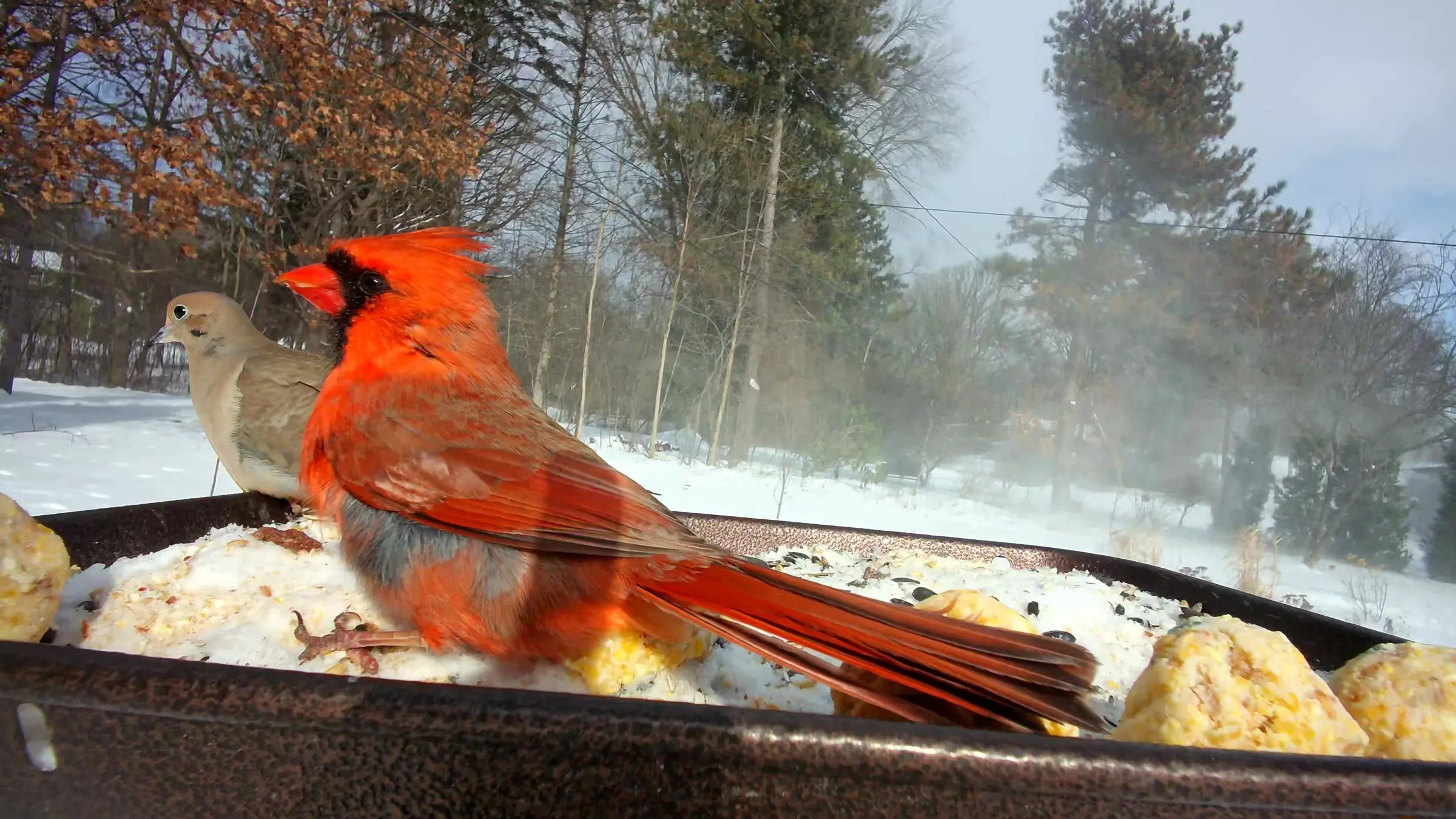
Some holiday traditions involve cookies and twinkle lights. This one involves a warm drink, a window, and the cardinals at your feeder.
Every December, volunteers across the Americas spend a day counting birds for the Christmas Bird Count. Some head out at dawn in boots and scarves. Others never leave the house. If you live in the right spot, you can join right from your kitchen table.
What is the Christmas Bird Count?
The Christmas Bird Count is a yearly bird census run by the National Audubon Society. Counts take place between December 14 and January 5. Each local count covers a circle 15 miles across and happens on a single day, led by a volunteer called a compiler or count leader.
It’s free and open to bird lovers of every skill level, according to Audubon. In Canada, Birds Canada works with Audubon on the count.
How it started
Before 1900, many people celebrated the holidays with a Christmas “side hunt,” a contest to see which team could shoot the most birds and animals. On Christmas Day 1900, ornithologist Frank M. Chapman, an early officer in the Audubon Society, suggested counting birds instead, according to Audubon.
That first year, 27 people held 25 counts, from Toronto, Ontario, to Pacific Grove, California, and found about 90 species. Today, tens of thousands of volunteers take part in thousands of circles across all 50 states and beyond, the U.S. Fish and Wildlife Service says.
Two ways to take part
Join a field team. Groups walk trails or drive back roads through part of the circle during the day, counting every bird they see or hear. Some counts also go out at night to listen for owls. New birders are paired with people who know their birds, so it’s a wonderful way to learn.
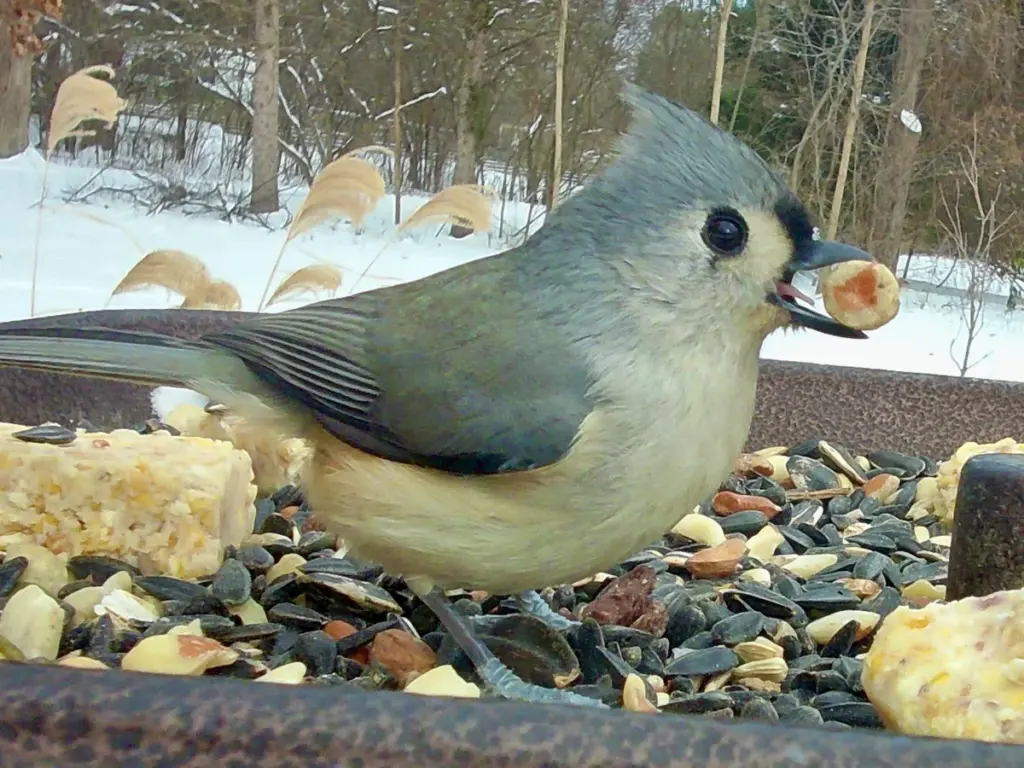
Be a feeder watcher. If your home is inside a count circle, you can count the birds at your own feeders on count day. No binoculars or hiking required, as Audubon puts it. It’s perfect if you’d rather stay warm and cozy.
How to sign up
- Find a count near you. Audubon has a map of count circles on its Christmas Bird Count page. A local Audubon chapter, nature center, or park can also point you to one. Most national wildlife refuges fall inside a count circle, according to the U.S. Fish and Wildlife Service.
- Get in touch with the count leader. Let them know whether you’d like to join a team or count at your feeder. They’ll tell you the date for your circle and how to send in your list.
- Mark your calendar. Each circle counts on just one day, and you can only count on that day. If you enjoy it, you can join more than one circle.
How to count at your feeder
Counting at home is simple, but one rule matters more than any other: count the most birds of each kind that you see at one time.
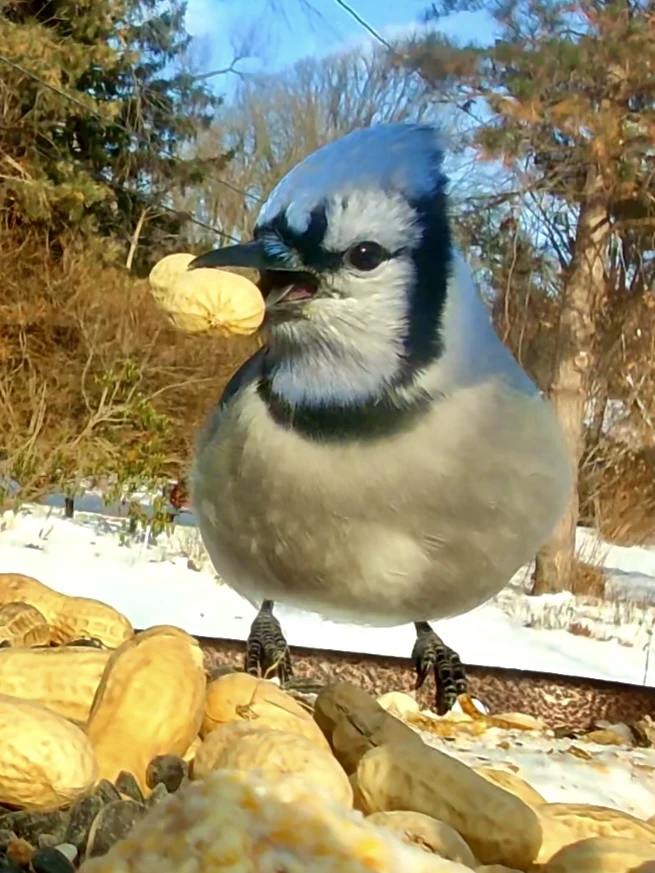
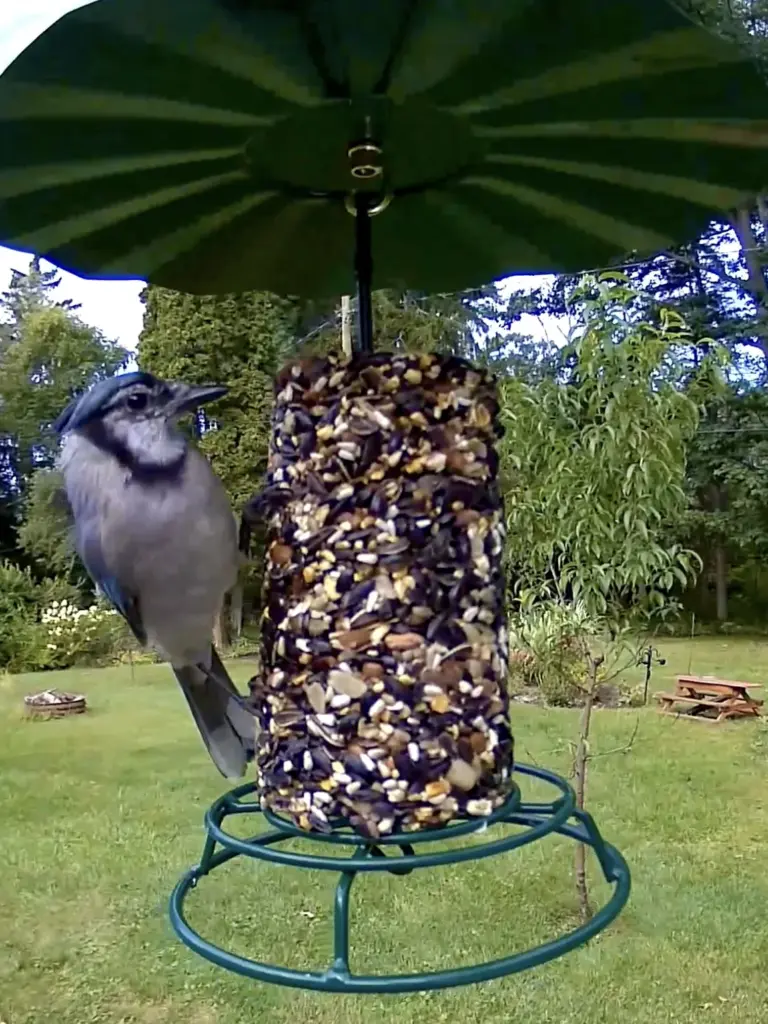
Say two blue jays land at your feeder. Write down two. Later, one blue jay comes back. Don’t add it, since it’s probably one of the same two. Your count only goes up if three or more blue jays show up together. Do the same for every kind of bird you see.
- Keep track of your time. Note when you start and stop watching, and add up the hours. Count leaders need to know how long you watched.
- Write down who counted. If family members help, list everyone who watched.
- Not sure what a bird is? Make a note of what it looked like, and ask your count leader. Our Backyard Birds guide can help, too.
- Send in your list. Your count leader will tell you how, often a paper checklist or the free eBird app.
Good to know
Not inside a count circle? You can still count all winter long with Project FeederWatch, which runs from November through April and takes counts from anywhere in the U.S. and Canada.
Free printable: Download our Bird Count Tally Sheet (PDF). It lists 30 common feeder birds, with room for the date, the time you watched, and any mystery birds.
Get your feeders ready
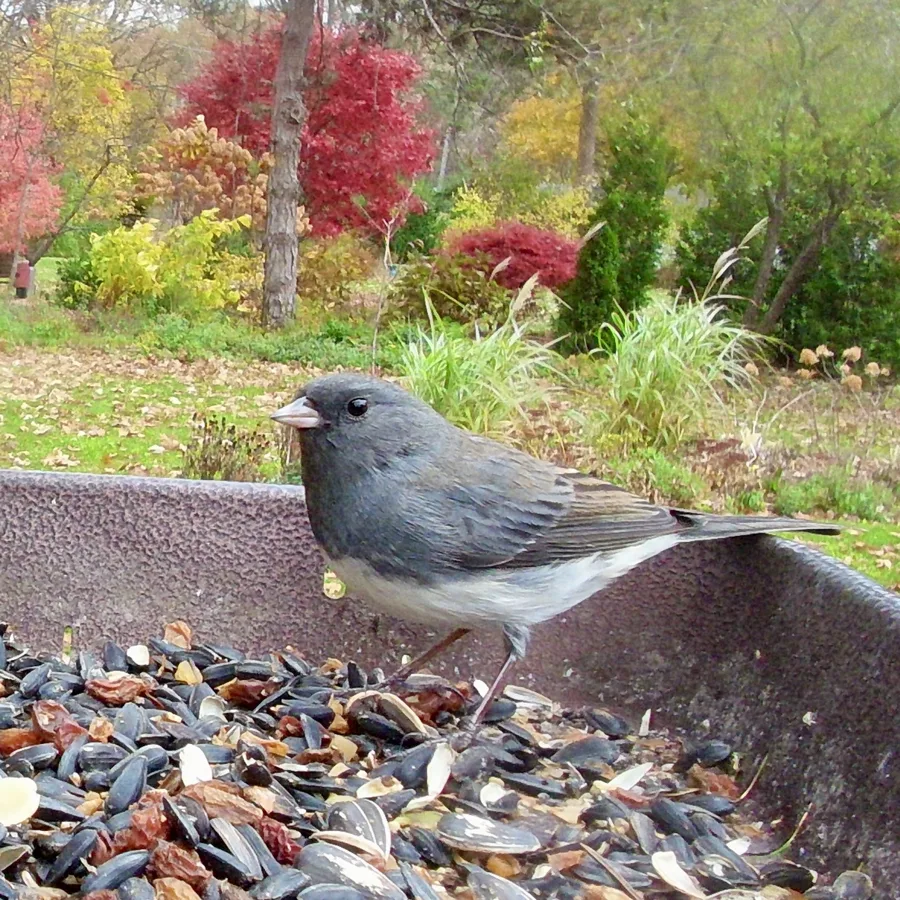
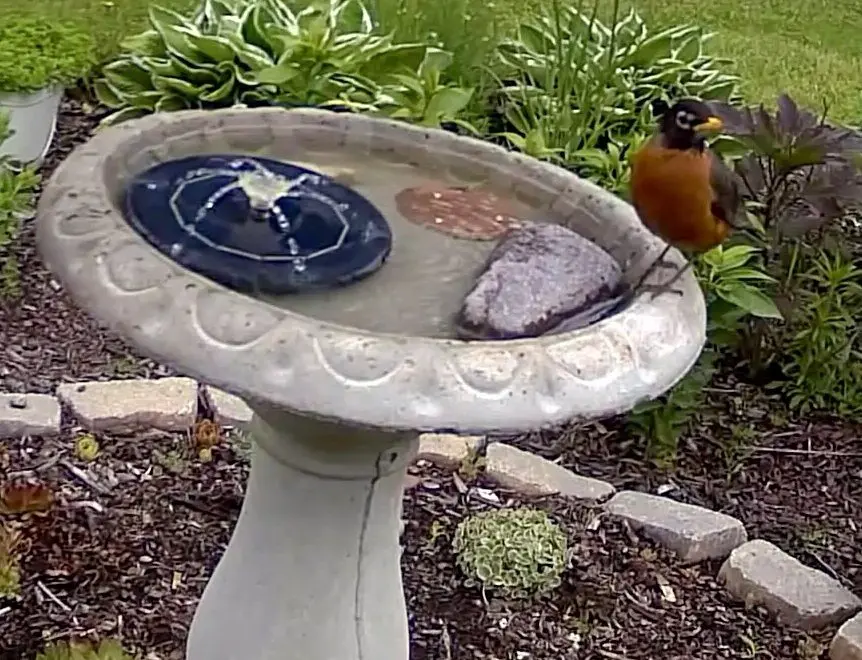
A few days before count day, fill your feeders so the birds know where to find breakfast. Black oil sunflower seed, suet, and peanuts bring in the most variety. Here are the best foods to feed birds in winter, and a batch of No-Melt Suet Dough is easy to make ahead. Scatter some millet on the ground for juncos, and keep a heated birdbath going if the water freezes.
For more ideas for the season, see December at QT Bird.
What the counts tell us
After more than a century, the Christmas Bird Count has one of the longest records of bird life anywhere. Audubon says researchers and government agencies use the counts to judge how bird populations are doing and to guide conservation. Together with the Breeding Bird Survey, the counts show how North America’s birds have changed over the last hundred years, and they’ve helped scientists see how birds are shifting as the climate changes. The counts also feed into the State of the Birds report.
How to join
Find a count near you on the Audubon Christmas Bird Count page. It opens in a new tab, so you can come right back here.
Frequently asked questions
When is the Christmas Bird Count? Counts take place between December 14 and January 5. Each circle picks one day in that window.
Does it cost anything? No. The Christmas Bird Count is free.
Can beginners join? Yes. Beginners are welcome, and field teams pair new birders with experienced ones.
Can I count at my feeder? Yes, if your home is inside a count circle. Check with your count leader before count day.
What if I don’t live in a count circle? You can still count birds all winter with Project FeederWatch.
From the QT Bird Community
Join the conversation
Comments on QT Bird articles live in our community. Joining is free: share your tips, ask questions and get replies.
Sign up to PostLog in