
I make Beak Treats a few times a year, and fall migration is always one of those times.
Migration takes an incredible amount of energy. By October, colder temperatures mean fewer active insects are available, just as migrating birds are using enormous amounts of energy to rest, refuel, and continue their journey. I like offering nutrient-rich supplemental foods that are easy to find and quick to grab.
Fall brings all kinds of movement to the backyard. I've already noticed an uptick in American goldfinches at my feeders, which fits their seasonal movement and tendency to gather in flocks this time of year.
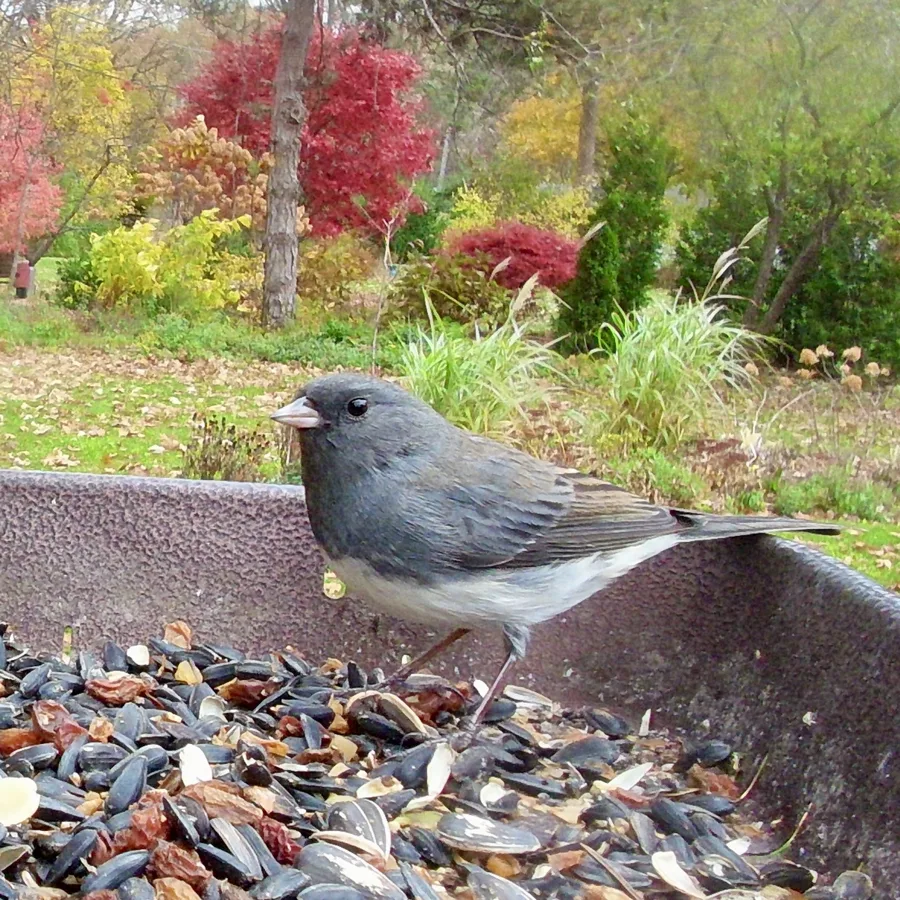
Some birds are simply passing through the Great Lakes Bay Region, using the area as a stopover to rest and refuel. Others may linger longer before continuing south. I was still seeing rose-breasted grosbeaks at my feeders into mid-October last year. And then there are fall arrivals like my beloved dark-eyed juncos that come south to spend the winter in Michigan.
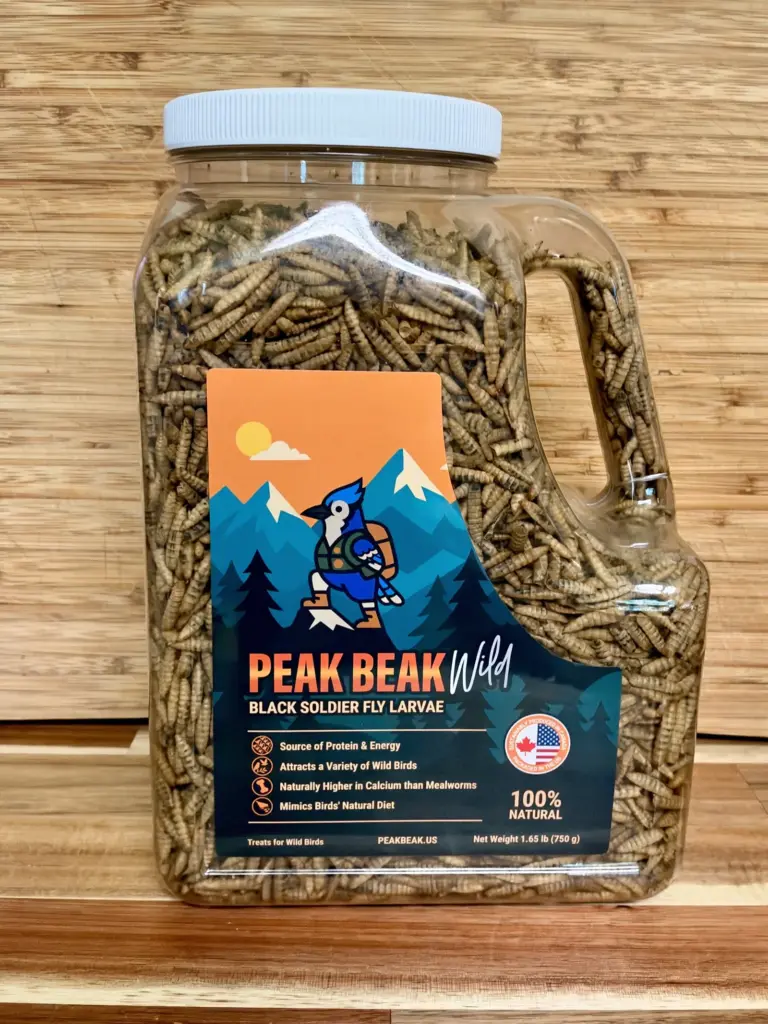
When Peak Beak Wild sent me their black soldier fly larvae, I couldn't have been happier with the timing!
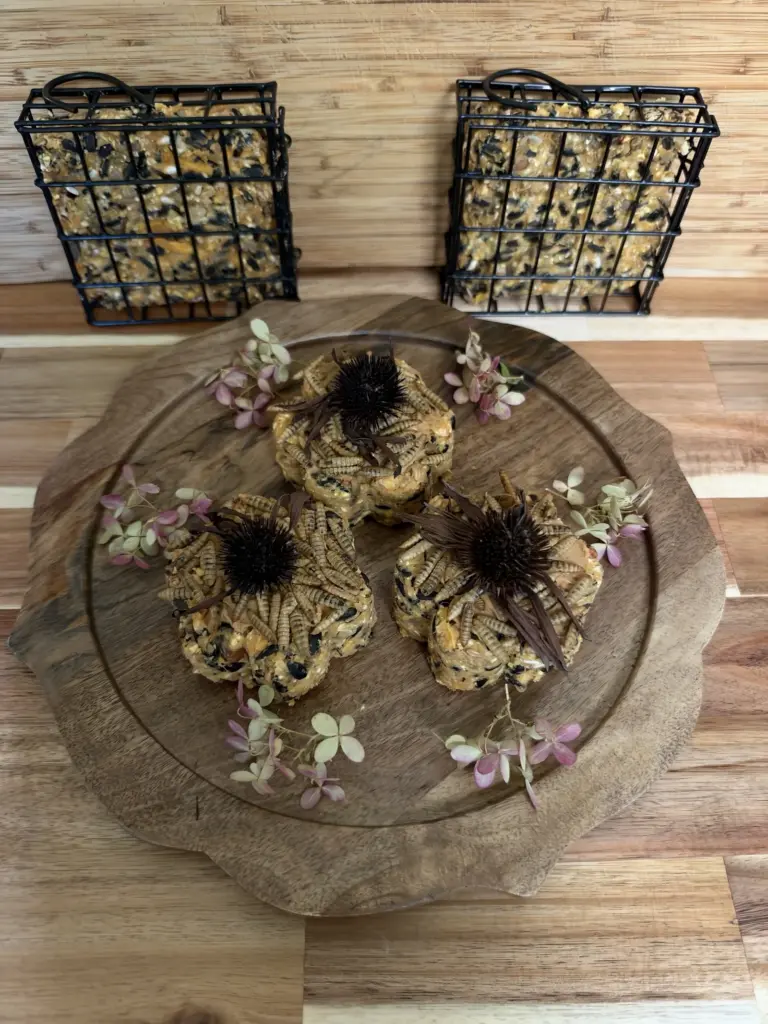
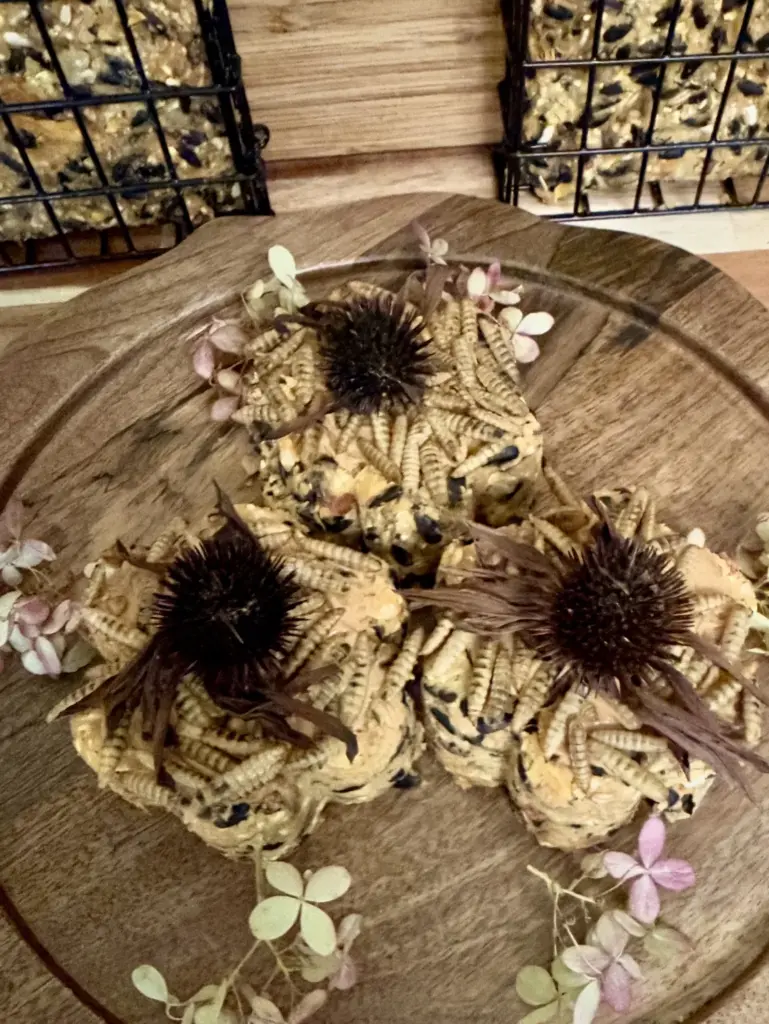
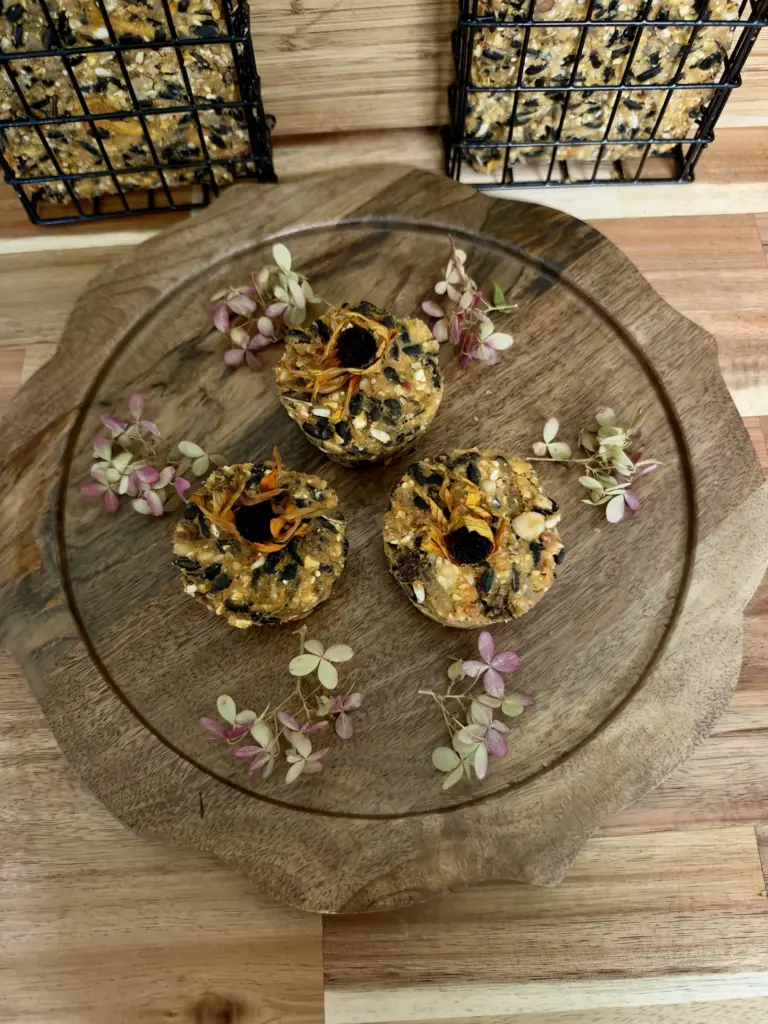
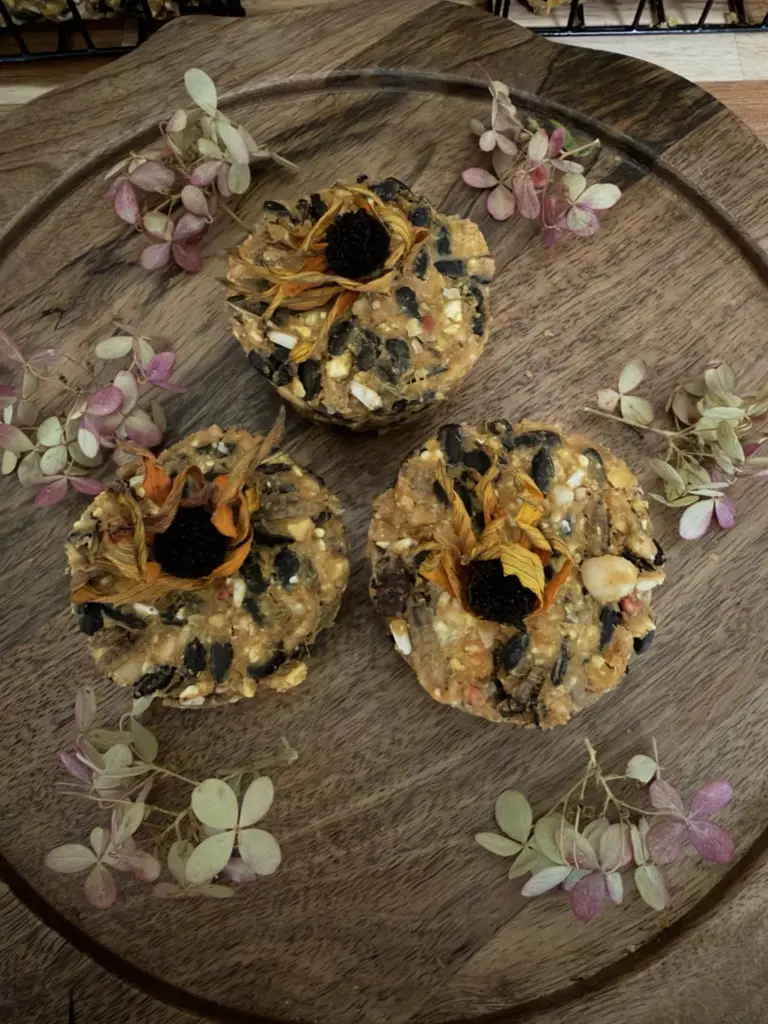
I used them in my Beak Treats, along with sweet potato, birdseed, suet, peanut butter, mealworms, and native flower seeds. These cookie-inspired treats provide a combination of fat and protein along with familiar foods my backyard birds already enjoy.
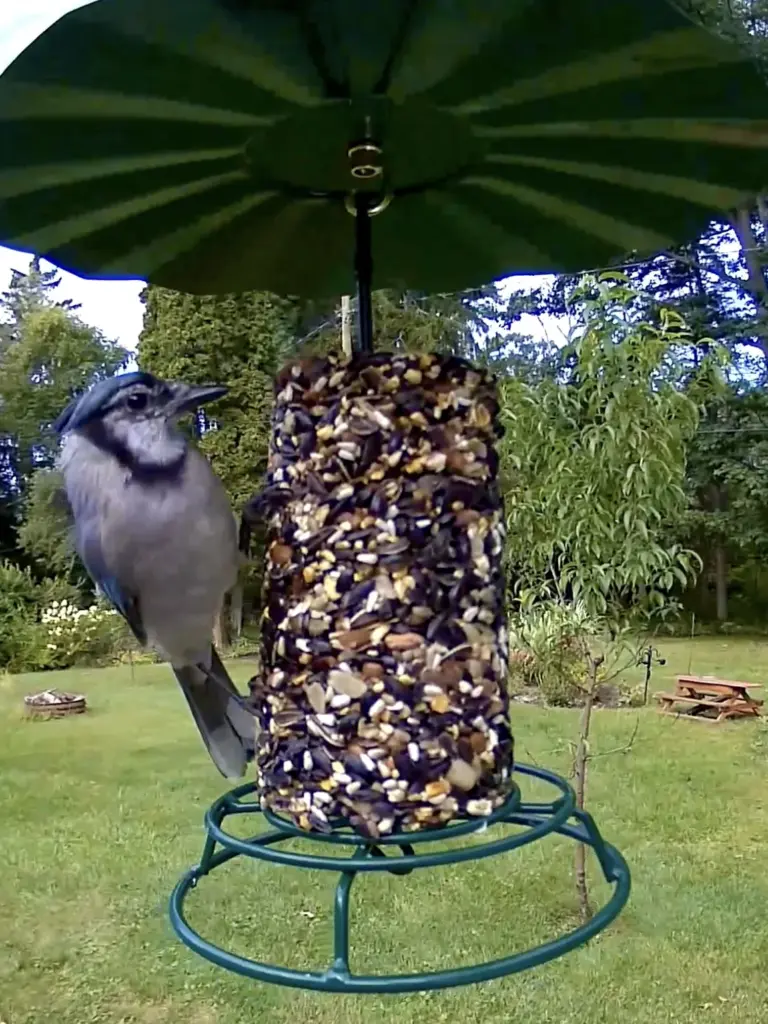
I also made a suet mix for my cages and a seed cylinder with Peak Beak Wild BSFL, and I'm planning to use them in my annual Snack-o-Lantern too. 🎃
This post is a paid partnership with Peak Beak Wild.
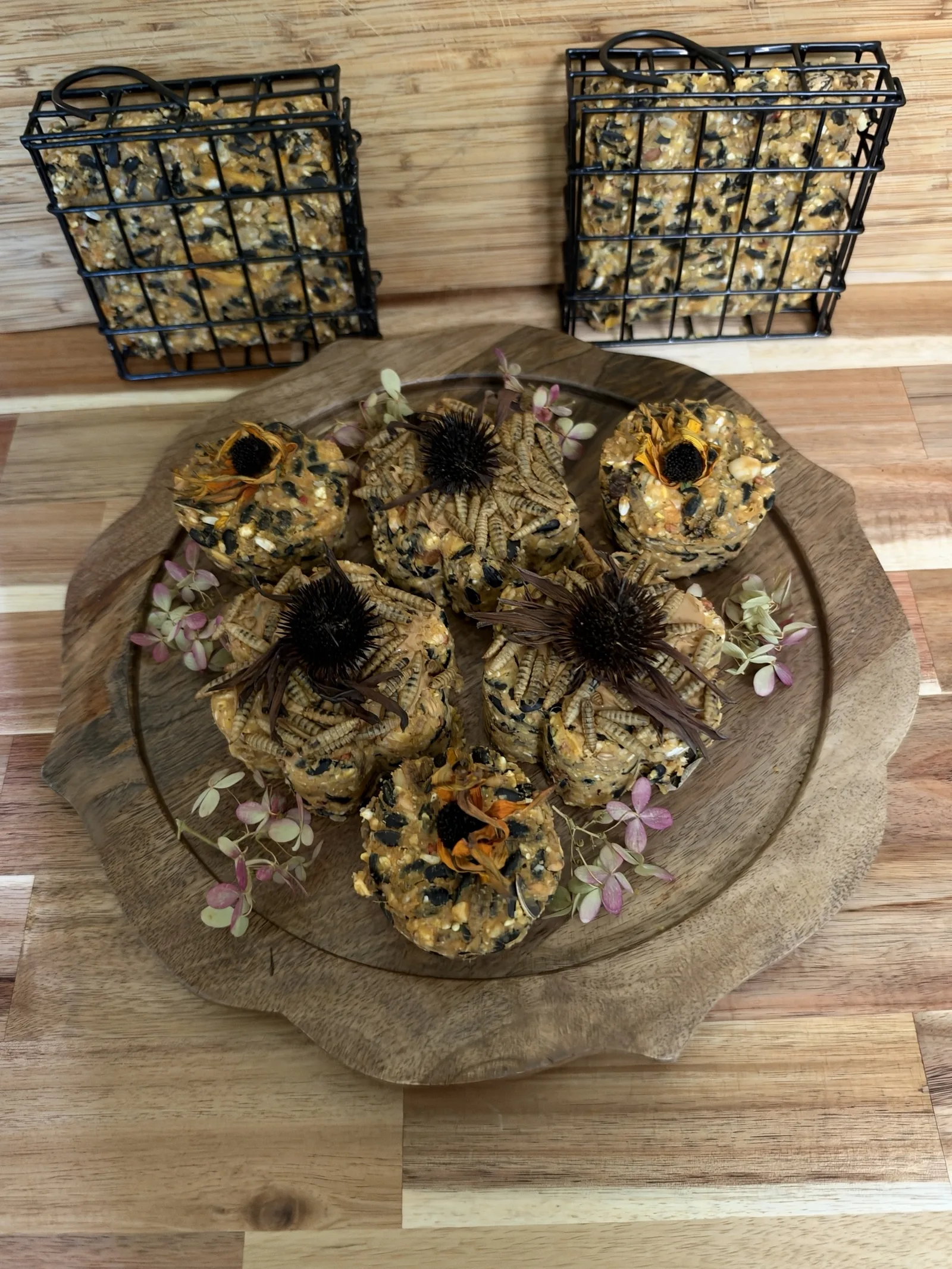
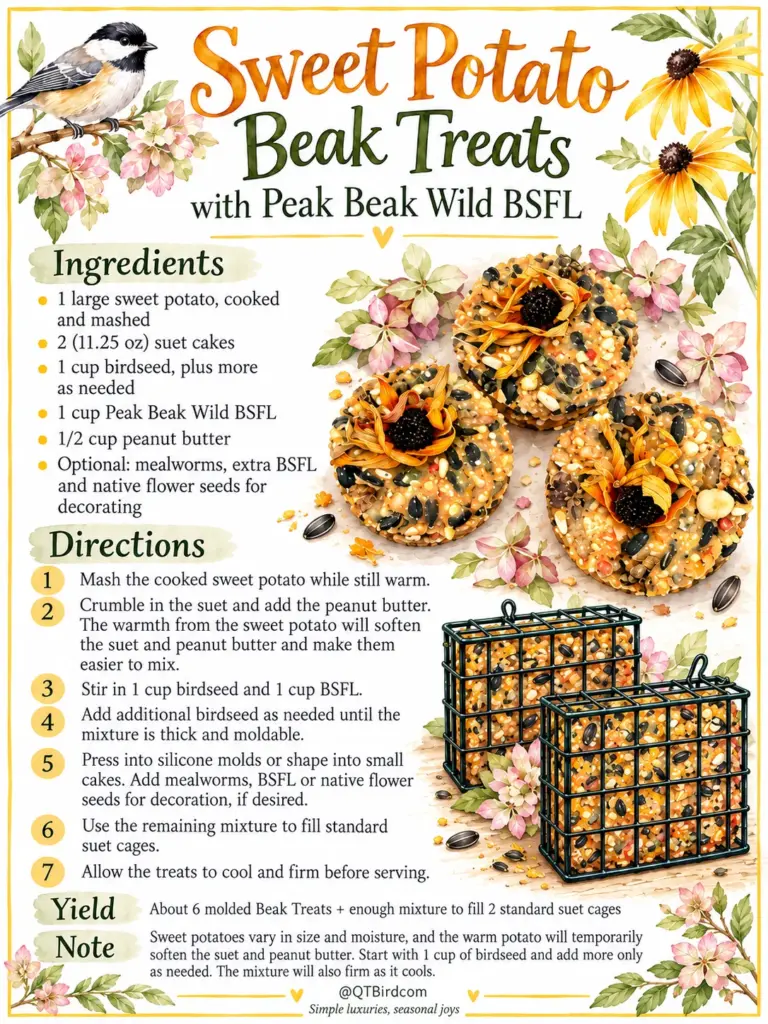
Sweet Potato Beak Treats
Ingredients
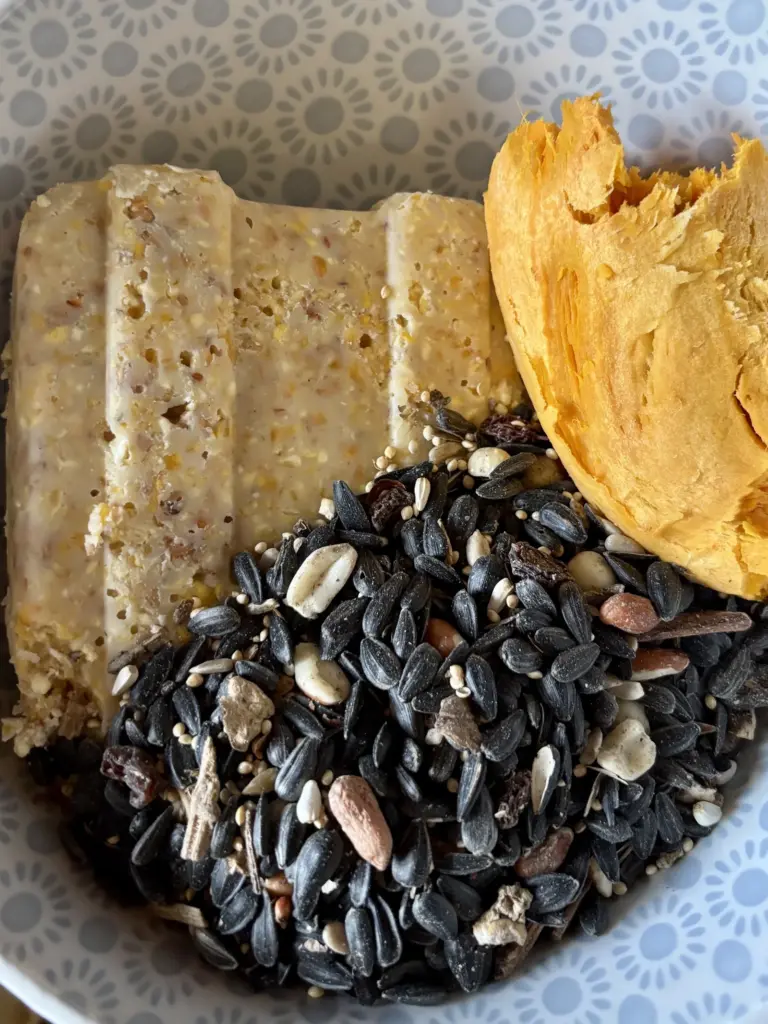
- 1 large sweet potato cooked and mashed
- 2 suet cakes 11.25 ounces each
- 1 cup birdseed plus more as needed
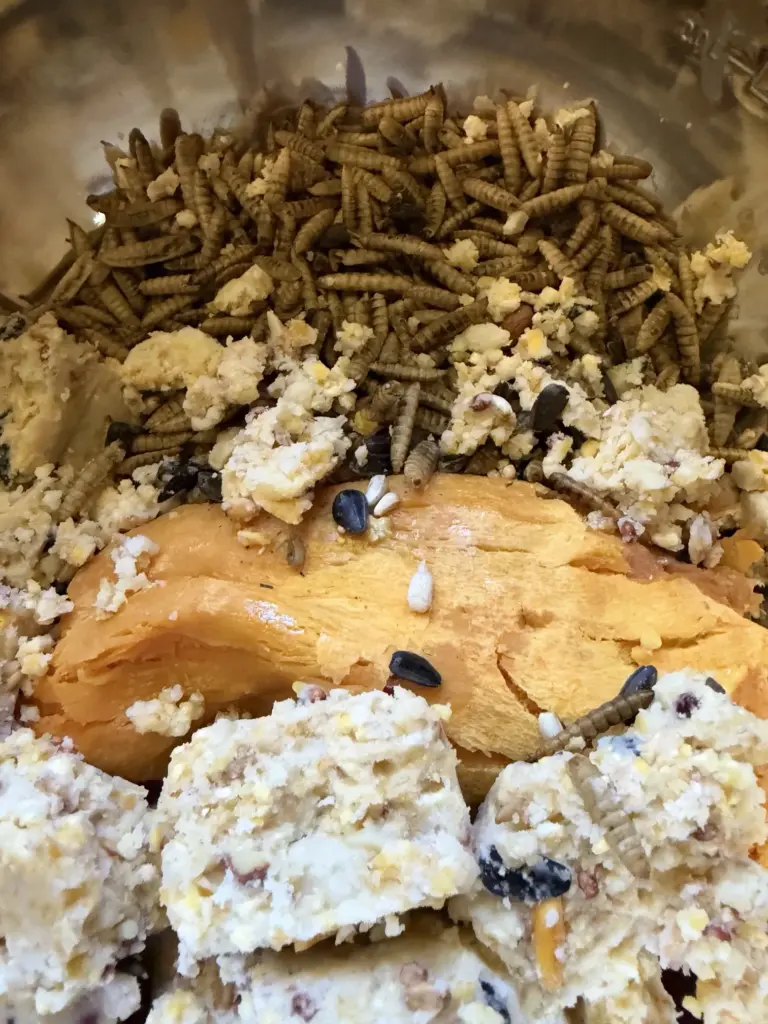
- 1 cup Peak Beak Wild black soldier fly larvae (BSFL)
- 1/2 cup natural, unsalted peanut butter
- mealworms, extra BSFL, and native flower seeds optional, for decorating
Directions
- Mash the cooked sweet potato while it is still warm.
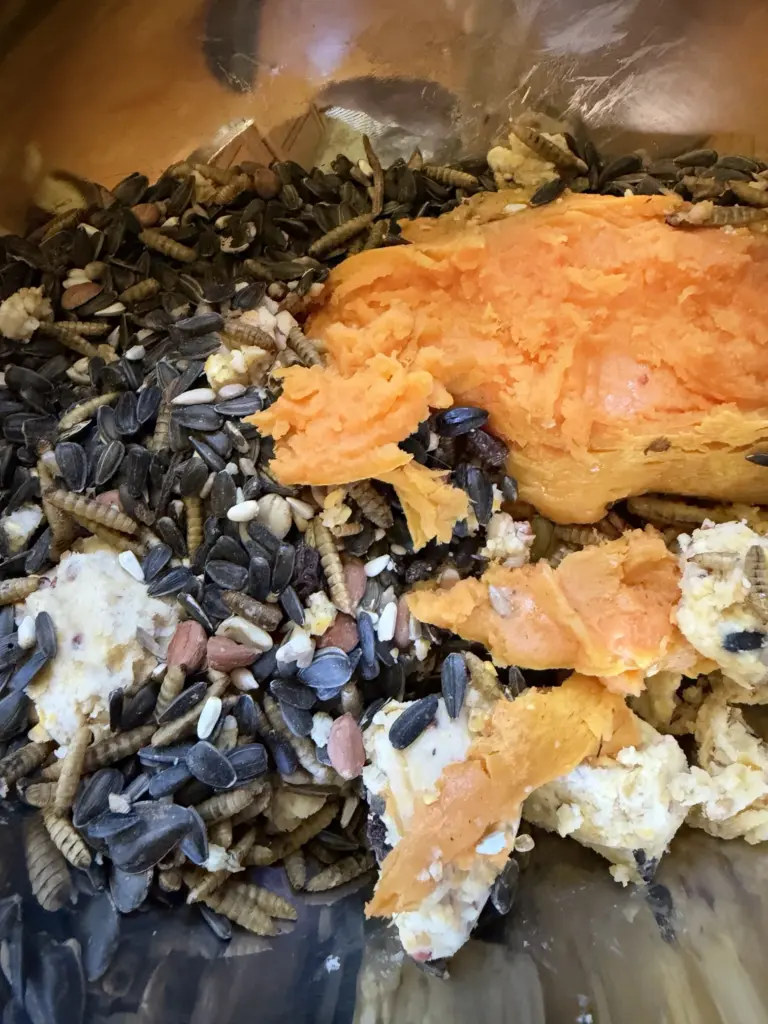
- Crumble in the suet and add the peanut butter. The warmth from the sweet potato will soften the suet and peanut butter and make them easier to mix.
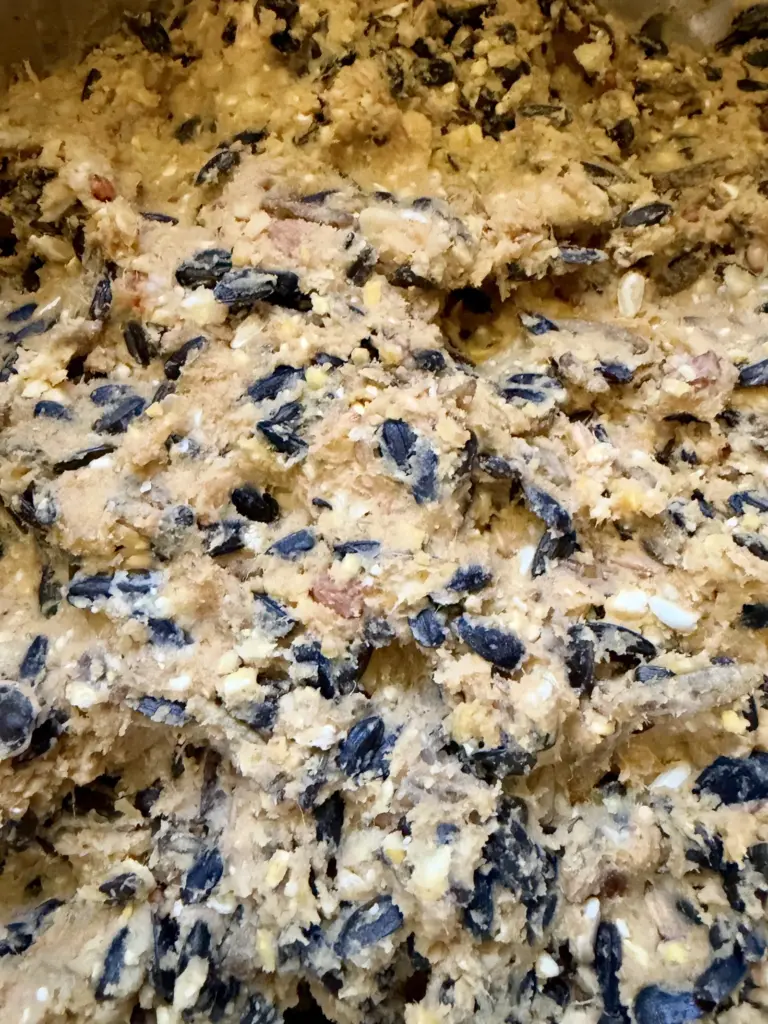
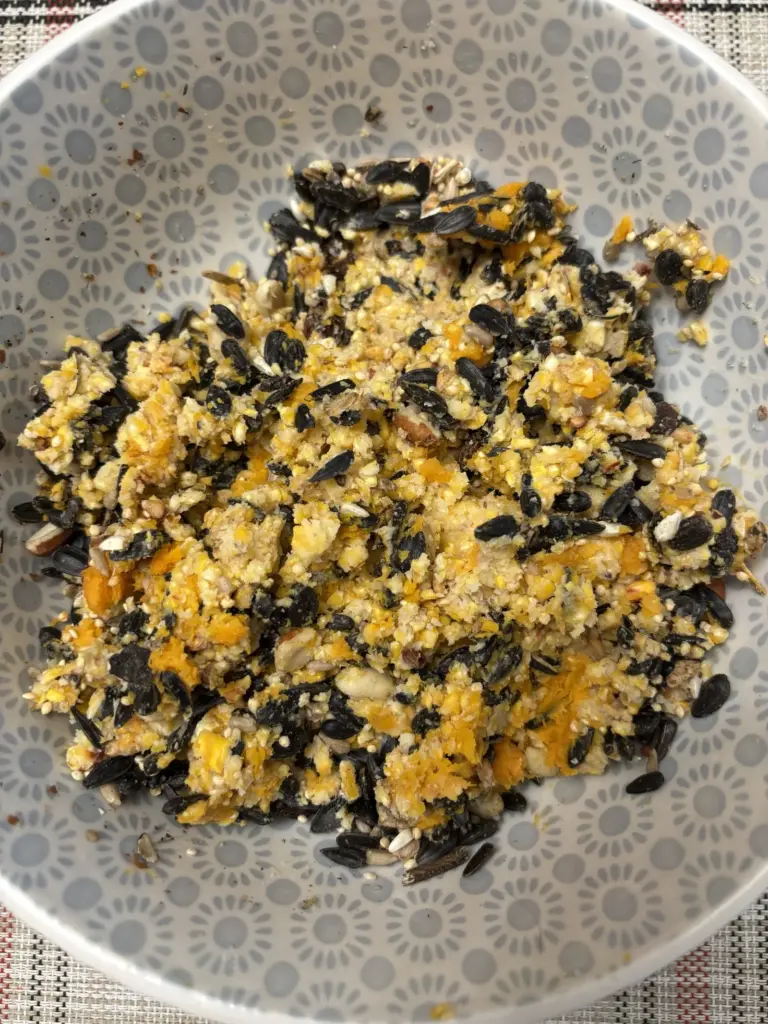
- Stir in 1 cup birdseed and 1 cup BSFL.
- Add more birdseed as needed until the mixture is thick and moldable.
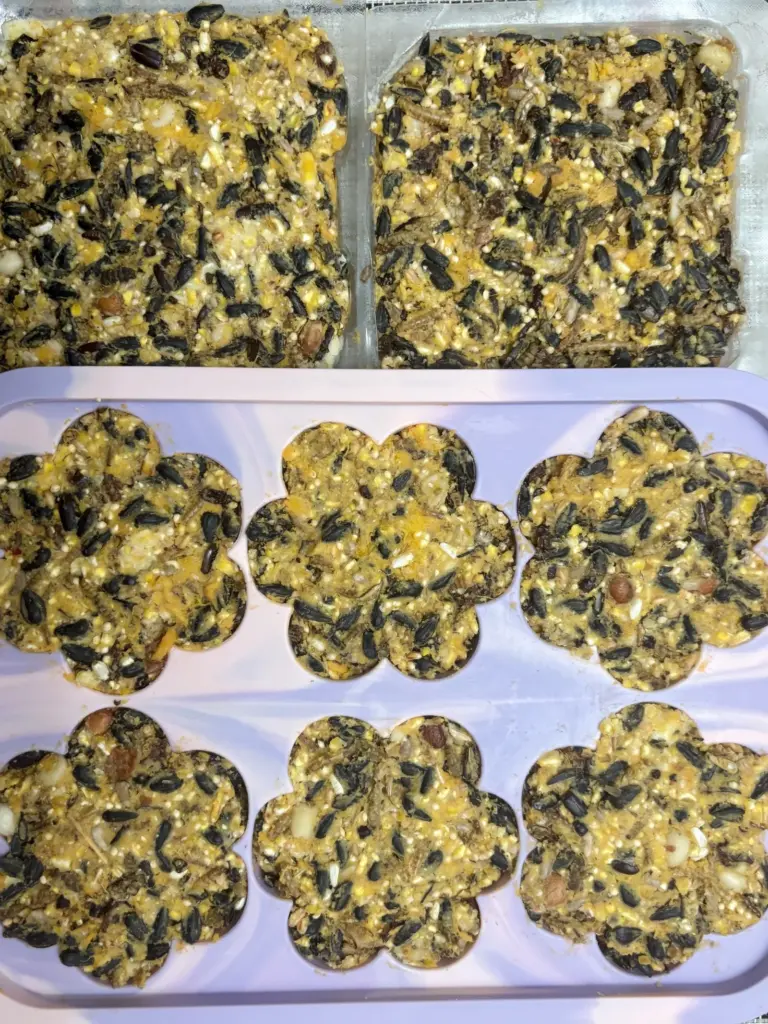
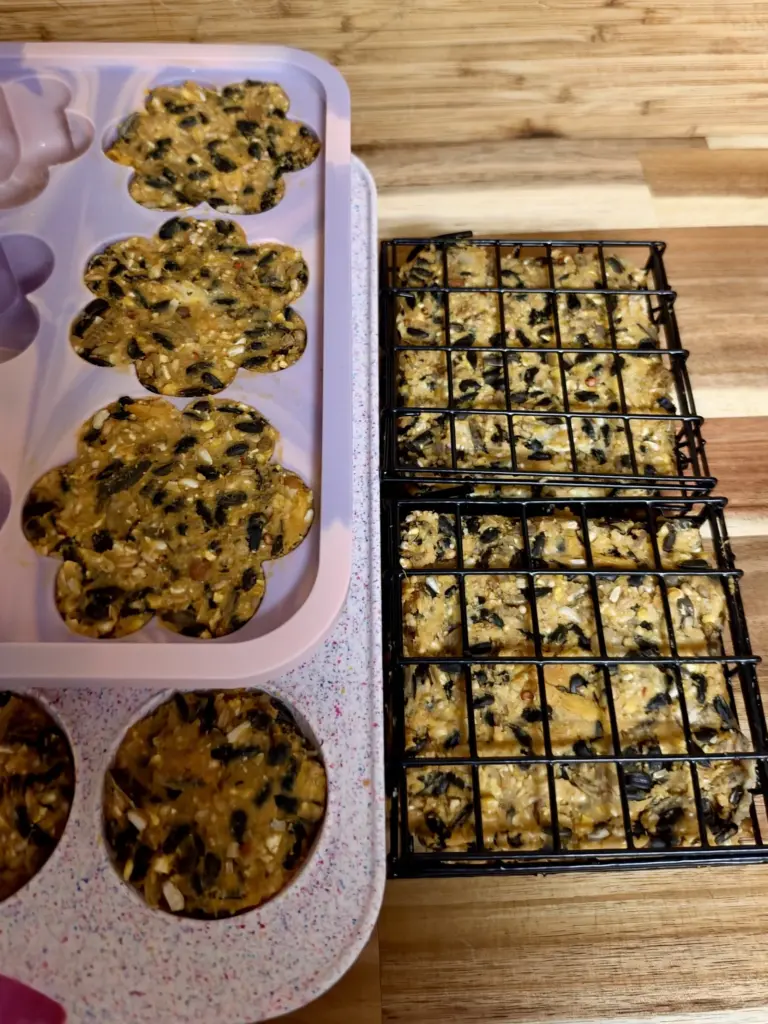
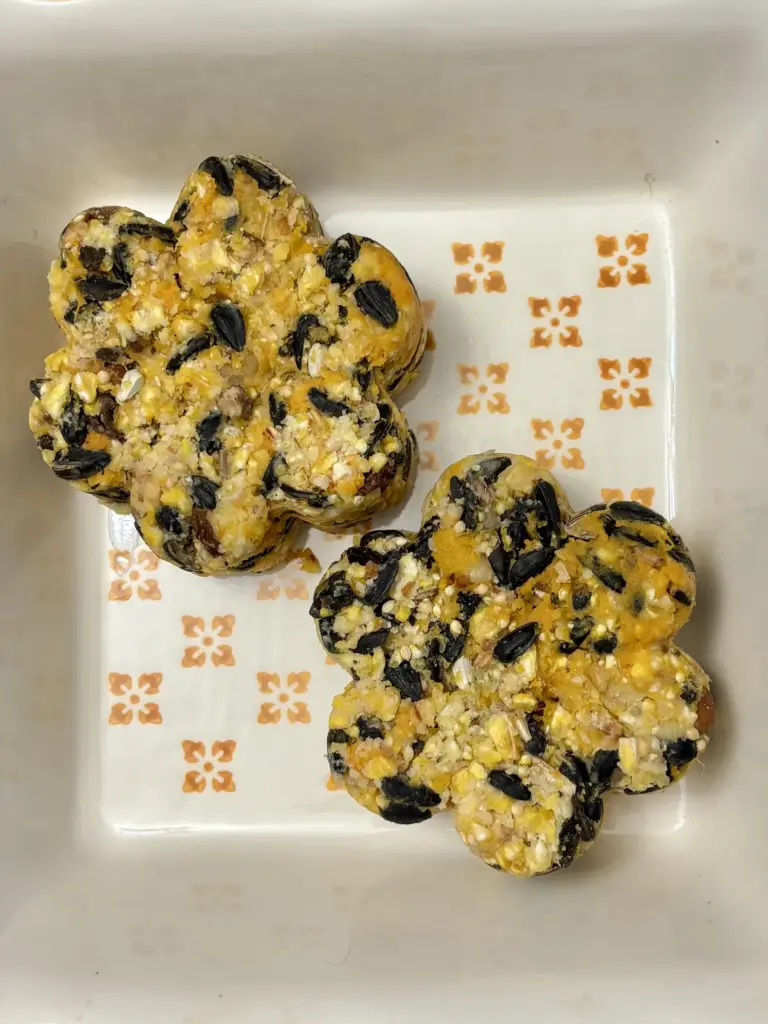
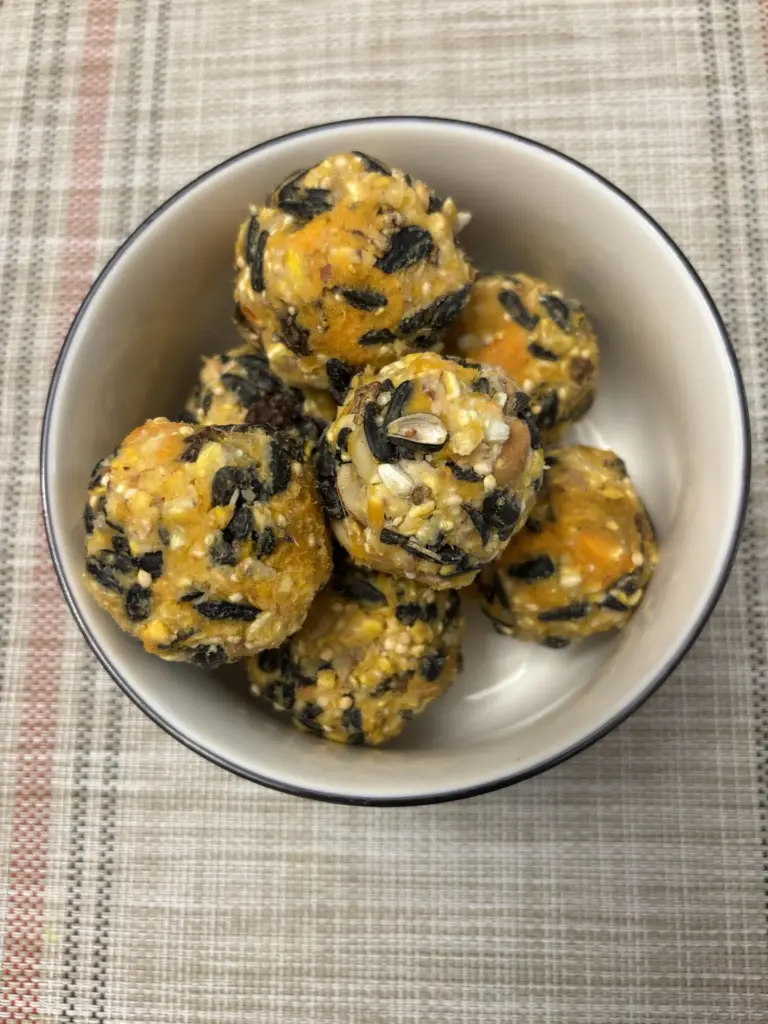
- Press into silicone molds or shape into small cakes. Add mealworms, BSFL, or native flower seeds for decoration, if desired.
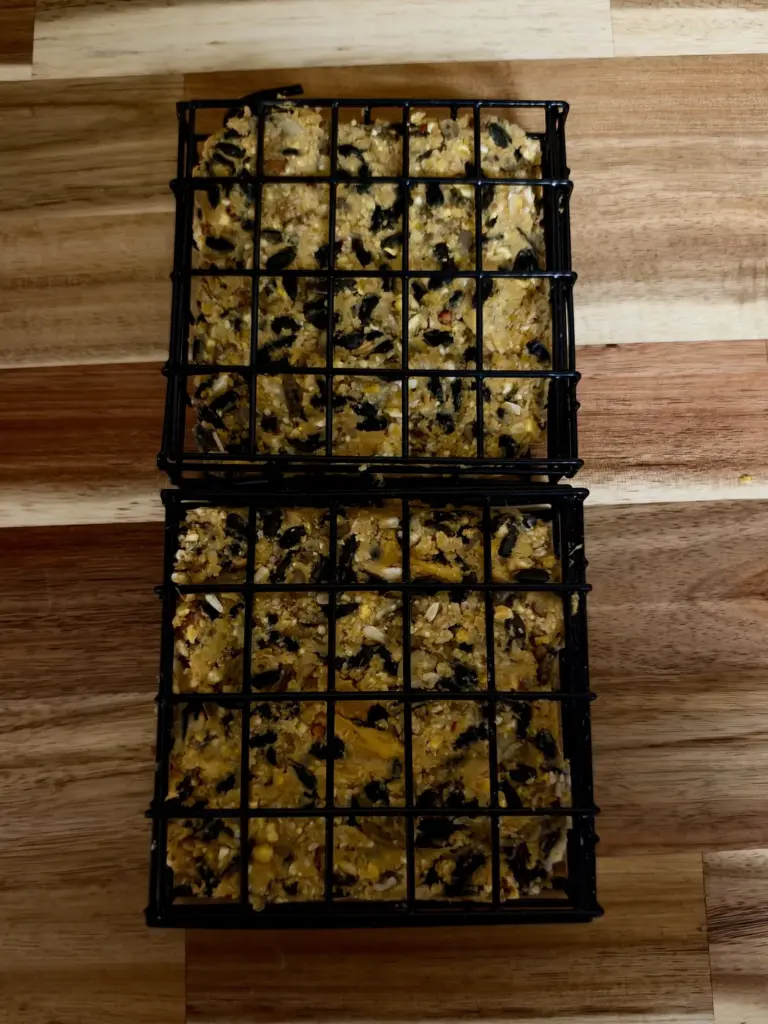
- Use the remaining mixture to fill standard suet cages.
- Allow the treats to cool and firm before serving.
Notes
Making Them
Ready for the Flock
Flock Tested
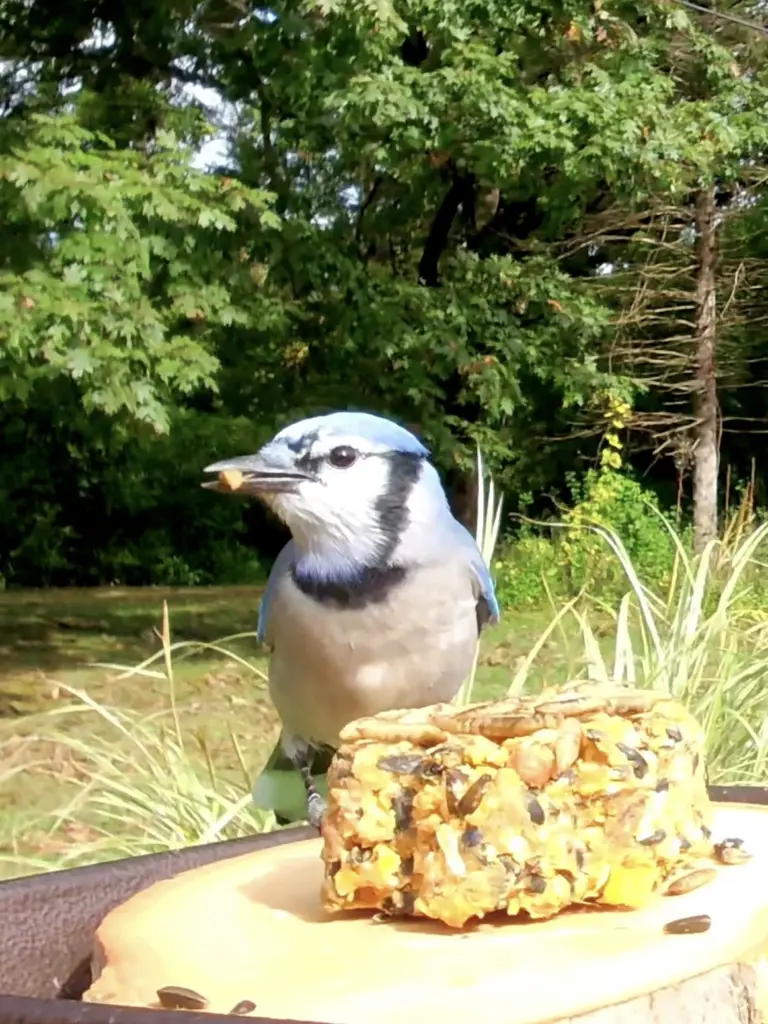
Flock tested and Beakfluencer approved: Peak Beak Wild black soldier fly larvae earned a Beakscore of Two Wings Up.
From the QT Bird Community
Join the conversation
Comments on QT Bird articles live in our community. Joining is free: share your tips, ask questions and get replies.
Sign up to PostLog in