
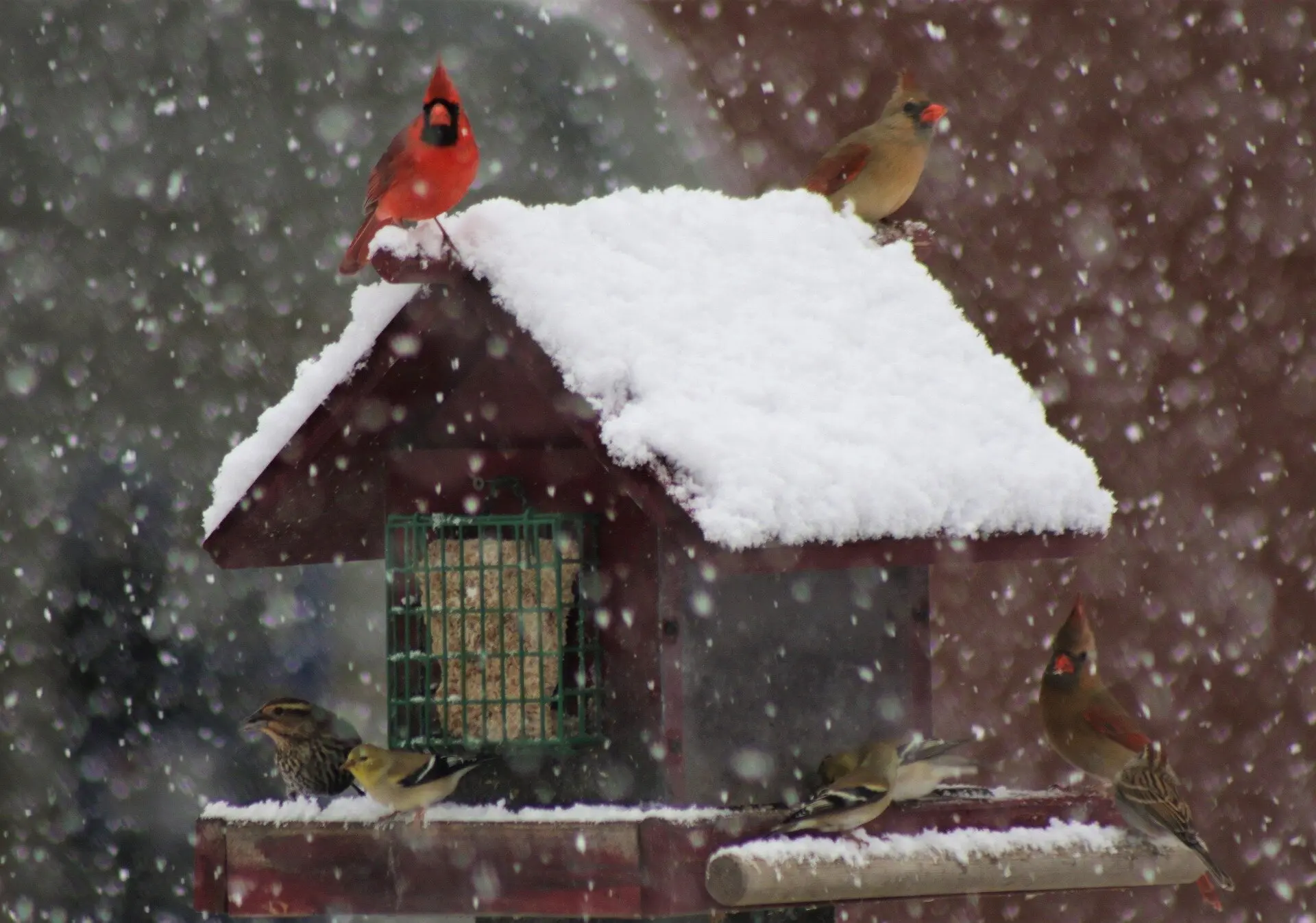
The dishes are done, most of the leftovers are put away, and there’s still half a bag of fresh cranberries with no plan. Outside the window, the juncos are picking through the fallen seed under the feeder. Sharing a little of the holiday feast feels natural. But what’s safe to give, and what should you skip?
Some holiday leftovers make a fine treat for backyard birds. Plenty of others, from the gravy to the pie, can make them sick. The difference almost always comes down to three things: salt, sugar, and grease.
Here are the holiday leftovers that are safe for birds, the ones to keep in the kitchen, and how to serve treats so they help instead of hurt.
Should you feed leftovers to birds at all?
Yes, but only a few, and only plain ones. Fresh fruit, unsalted nuts, raw seeds, and raw fat are good winter treats. Most table scraps are not. Think of leftovers as a small extra on top of seed, suet, and water, never a replacement for them.
Bread and most table scraps spoil quickly and don’t give birds the nutrition they need, and salty or sugary foods can be dangerous for small birds, according to the Maryland Department of Natural Resources. For the foods that matter most in cold weather, see my guide to the best foods to feed birds in winter.
12 holiday leftovers that are safe for birds
1. Fresh cranberries
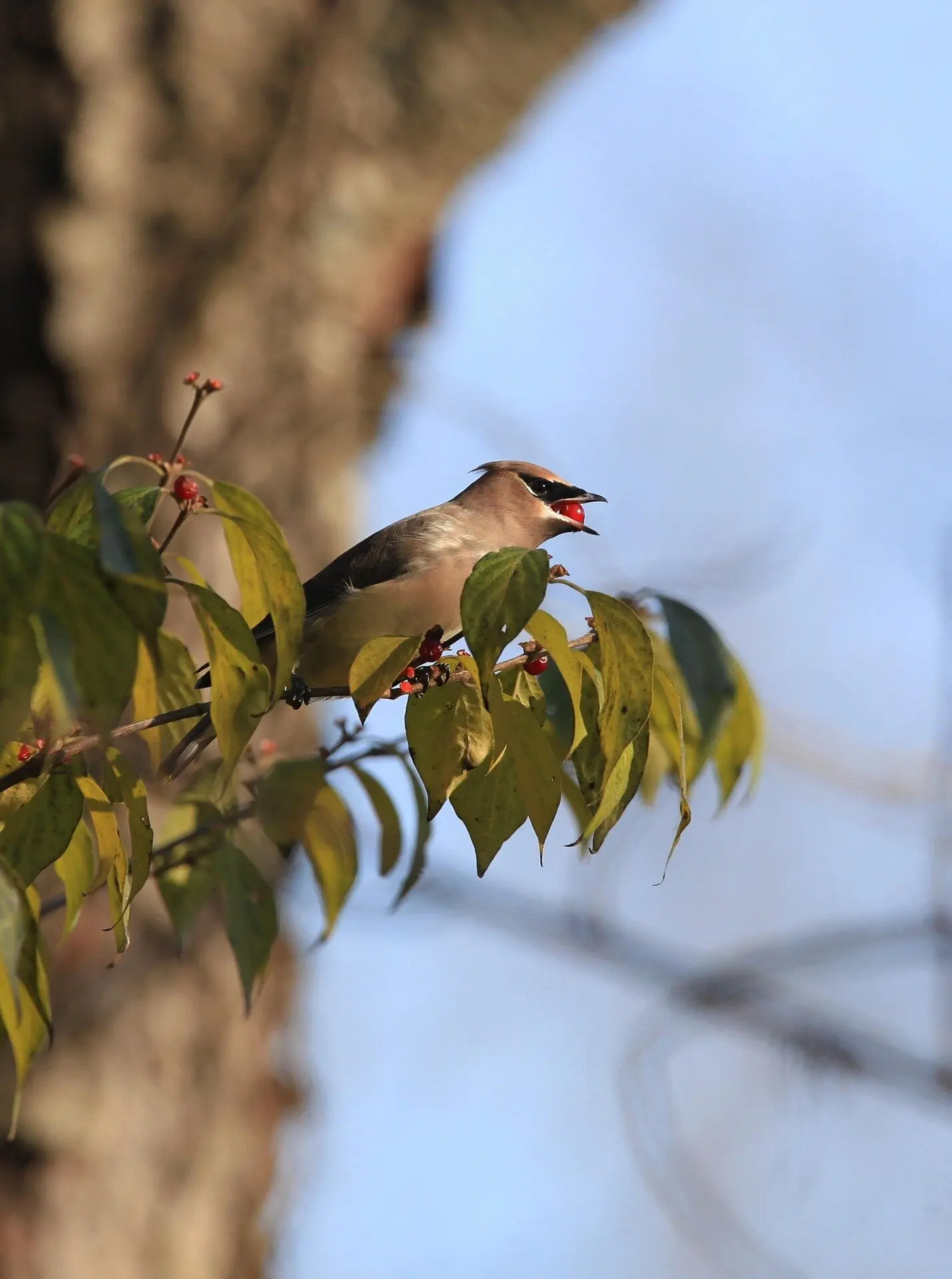
Raw cranberries left over from baking are a bright winter treat for fruit eaters like robins, bluebirds, mockingbirds, and cedar waxwings. Cut them in half so smaller birds can manage them, and scatter a handful on a platform feeder.
Keep it to raw berries only. Cranberry sauce and dried cranberries are loaded with sugar.
2. Apples, pears, oranges, and grapes
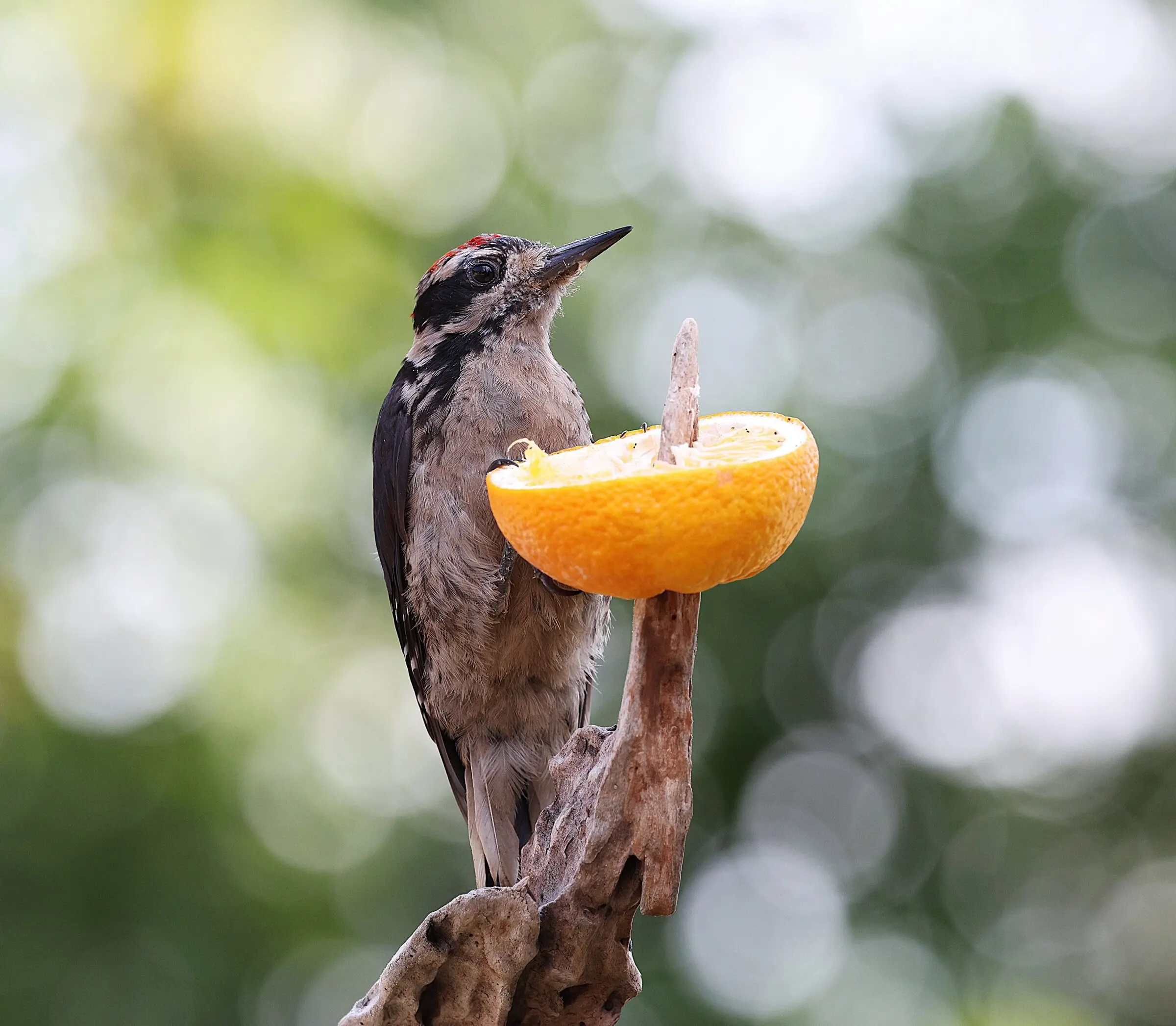
The last apple in the fruit bowl, the pear going soft, the oranges from the stockings, the grapes nobody finished: all of it works. Cut apples and pears into chunks, halve the oranges and grapes, and set them out on a tray or push the halves onto a branch stub.
Fresh fruit is the safe choice. Many dried fruits have added sugar, so leave the raisin box in the pantry. Swap out fruit after two or three days, before it molds. My guide to attracting backyard birds with fruit covers which birds come for which fruits.
3. Unsalted nuts from holiday baking
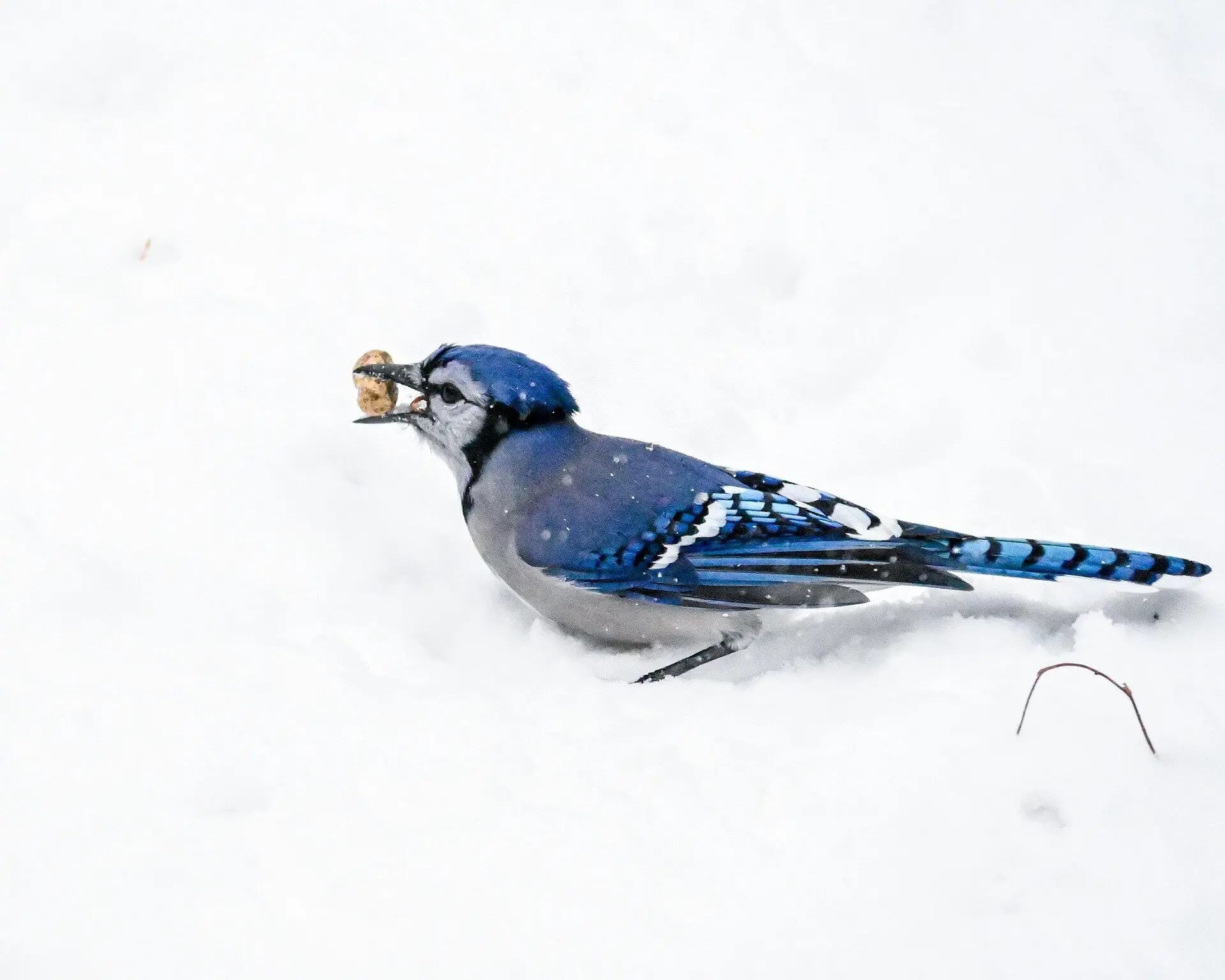
Walnuts, pecans, almonds, and plain peanuts left over from cookie season are pure energy for jays, woodpeckers, chickadees, titmice, and nuthatches. Chop them into small pieces so little birds don’t struggle with them.
Only plain, unsalted nuts belong outside. Skip candied, spiced, honey-roasted, and salted nuts, and toss any that smell stale or look moldy.
4. Pumpkin, squash, and sweet potato
If you cooked a pie pumpkin, a butternut squash, or sweet potatoes, save a scoop before the sugar, butter, and spices go in. Plain cooked or raw flesh, mashed or cut into chunks, is a soft, filling treat for jays, cardinals, and woodpeckers.
Save the seeds, too. Rinse off the pulp, dry them on a towel, and offer them whole; chop them for smaller birds. Raw is best. If you already roasted a batch, share only seeds with no salt, oil, or seasoning.
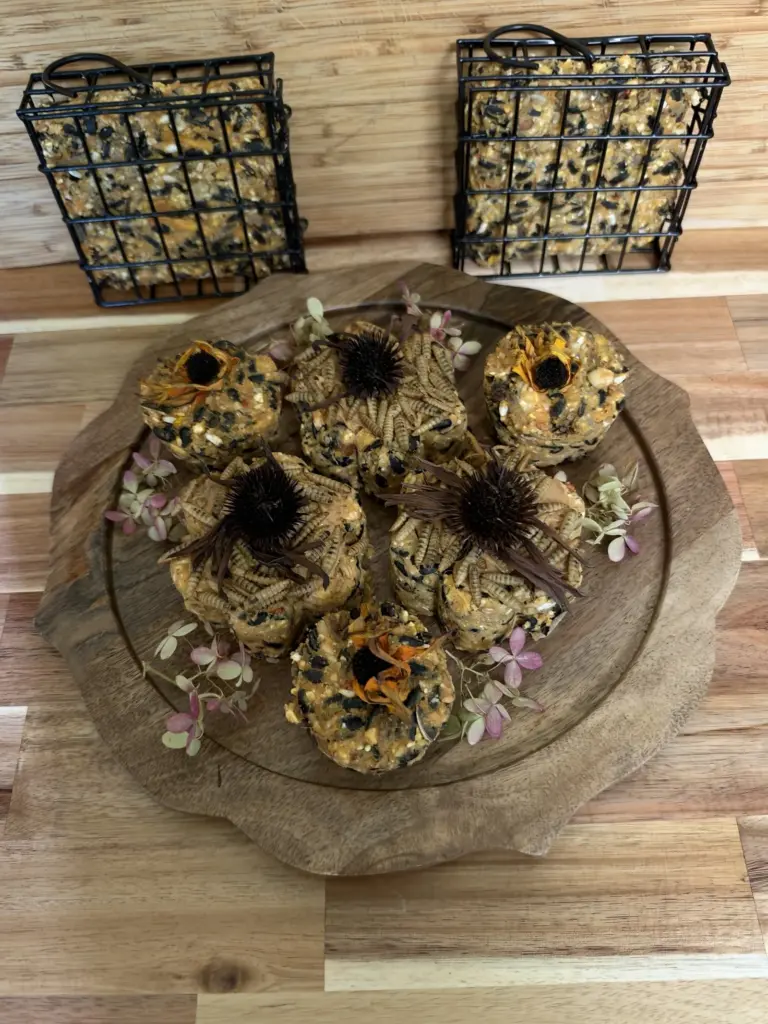
Plain sweet potato is also the base of my Sweet Potato Beak Treats, if you’d rather make something special.
5. Plain popcorn and a cranberry garland
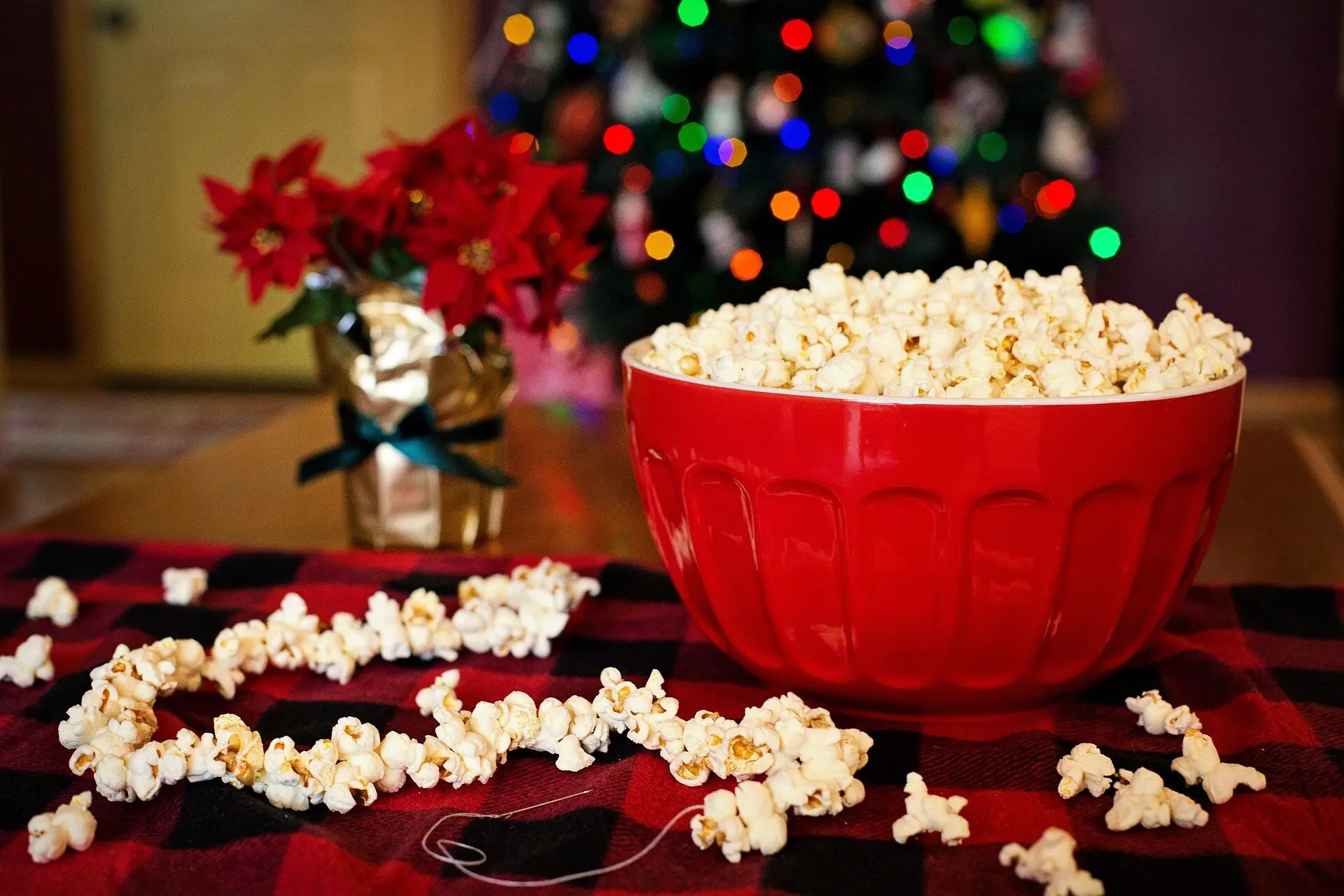
Air-popped popcorn with no salt and no butter is a safe, old-fashioned treat. String it with fresh cranberries on cotton thread and drape the garland on an outdoor shrub or a porch railing.
Microwave popcorn is the one to avoid. It is coated in salt, butter flavoring, and oil. When the garland is picked clean, take the thread down so birds don’t tangle in it.
6. Raw beef fat trimmings
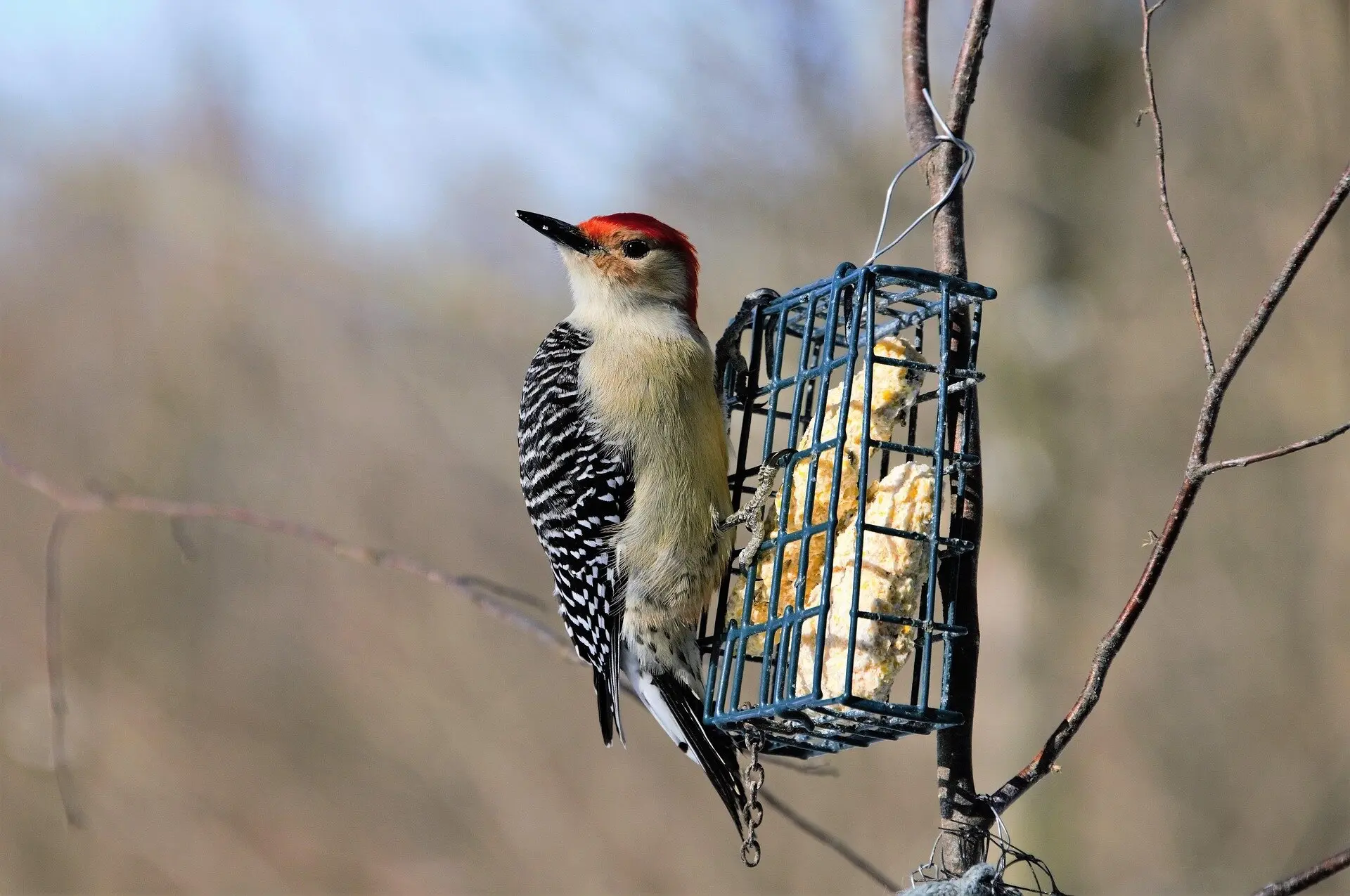
Trimming a holiday roast or brisket? The raw white fat you cut away is close to suet, the beef fat woodpeckers, nuthatches, and chickadees love in winter. Before suet cakes were sold in stores, this was what people hung for the birds. Birds like plain fat trimmings as much as true suet, according to Laura Erickson, a former science editor at the Cornell Lab of Ornithology.
Put it in a wire suet cage, not a mesh onion bag, which can trap a bird’s toes. Offer raw fat only in freezing weather. Once days warm above freezing, it turns rancid, so take it down.
7. Eggshells
Holiday baking leaves a pile of eggshells, and birds can use the calcium and grit. Rinse the shells, then bake them at 250°F for 20 minutes to sterilize them, as the Maryland Department of Natural Resources recommends. Crush them into small bits and sprinkle them on a tray.
8. Plain pasta and potatoes
A spoonful of pasta or boiled potato scooped out before the butter and salt went in is fine for doves, sparrows, juncos, and jays. Serve it cooled, in small amounts, and clear away what’s left by evening so it doesn’t sour.
That rules out most holiday potatoes. Mashed potatoes with butter, milk, and salt stay in the kitchen.
9. Plain vegetables set aside before seasoning
Peas, corn, and carrots are all safe, as long as they never met butter, salt, or a sauce. Set a little aside before you season the dish. Mash or chop it, and serve it on a tray.
10. Whole grains from the pantry
The half-used bags from holiday cooking make a good tray treat: rolled oats, cracked corn, barley, farro, and wild rice. Serve them dry and uncooked. Doves, juncos, sparrows, and jays will pick through them.
Wild rice is the best of the bunch. It isn’t true rice but the seed of a marsh grass, and ducks and blackbirds eat it in the wild.
Plain white or brown rice is fine, too, cooked or raw. The old warning that raw rice swells up inside a bird and kills it is a myth, according to the Cornell Lab of Ornithology.
Keep the oats dry. Cooked oatmeal turns into a wet, sticky mush that spoils fast, so leave the breakfast pot in the kitchen.
11. A little hard cheese
A mild hard cheese, grated, is a good winter treat for small birds that feed on the ground, according to the Royal Society for the Protection of Birds. Birds can’t digest milk, but aged hard cheeses like cheddar have very little lactose left.
Salt is the catch, so use a pinch at a time. Skip blue, smoked, and very salty cheeses, and anything moldy.
12. Natural peanut butter
An open jar left from holiday baking can go to the birds, as long as it is natural peanut butter with no salt and no added sugar. Read the label: some reduced-sugar brands use xylitol, which can be fatal to birds.
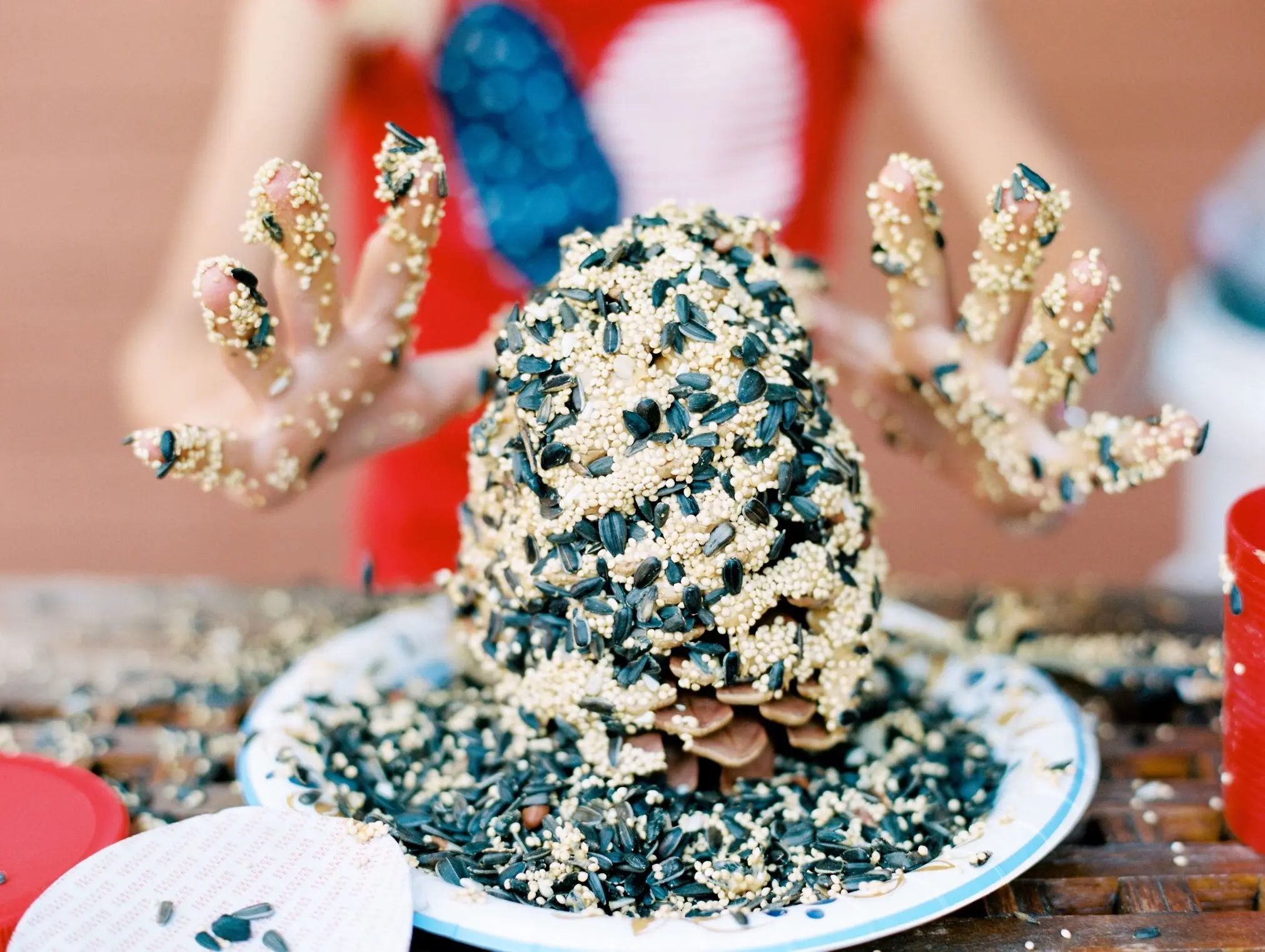
Spread it into the scales of a pinecone, the cracks of tree bark, or the holes of a log feeder, or stir in rolled oats so it’s crumbly instead of sticky. Chickadees, nuthatches, woodpeckers, and titmice will find it fast. My guide to whether peanut butter is safe for birds has more on choosing and serving it.
Leftovers to keep out of the bird feeder
| Leftover | Why to skip it |
|---|---|
| Turkey drippings, gravy, and pan grease | Pan fat mixed with meat juices stays soft, coats feathers, and spoils fast |
| Ham, bacon, and other salty meats | Salt can sicken or kill small birds |
| Stuffing and dressing | Onions, garlic, salt, and butter |
| Mashed potatoes and creamed vegetables | Butter, milk, and salt |
| Pie, cookies, fudge, candy canes, and cranberry sauce | Sugar, and often chocolate or spices |
| Chocolate and anything with cocoa | Toxic to birds, as it is to dogs and cats |
| Guacamole and avocado | Avocado can cause heart damage and death in birds |
| Bread, rolls, and stuffing cubes | Fills birds up with little nutrition and molds quickly |
| Chips, pretzels, crackers, and salted nuts | Salt |
| Raw dough | Yeast dough can swell in the stomach and form alcohol |
| Coffee, tea, and alcohol | Caffeine and alcohol are toxic |
| Anything moldy or rancid | Mold can cause a serious lung infection in birds |
Avocado can cause cardiovascular damage and death in birds, according to the ASPCA Animal Poison Control Center, which also warns about chocolate, onions and garlic, raw yeast dough, caffeine, and alcohol for pets.
Good to know
Grapes and raisins are fine for birds but toxic to dogs. If your dog patrols the yard, put fruit up on a platform feeder rather than on the ground.
Skip this old tip: pouring bacon grease over seed
Pouring pan drippings over birdseed, or saving them in a coffee can for the birds, is an old habit. It seems thrifty, but pan drippings are a different thing from pure suet or lard.
Fat from the roasting pan is mixed with meat juices and salt, so it stays soft when it cools. It can smear onto feathers and ruin their waterproofing and insulation, the Royal Society for the Protection of Birds warns. In winter, that can leave a bird wet and cold. The juices also spoil quickly at room temperature.
For a fat treat, use raw trimmings in freezing weather or a store-bought suet cake. Let the pan grease cool, then scrape it into the trash.
How to serve leftovers safely
- Keep portions small: Put out only what the birds will finish in a day. Leftover scraps draw mice, rats, and raccoons overnight.
- Use a tray, not the ground: A platform feeder or tray keeps food out of the mud and makes cleanup easy. Scrape it off and wash it every few days.
- Toss anything that turns: Throw out fruit that browns or softens, and any food that looks moldy or smells off. Moldy seed and food can give birds aspergillosis, a lung infection, the Pennsylvania Game Commission warns.
- Add water: A heated birdbath does more for winter birds than any treat. When ponds and puddles freeze, fresh water can be harder to find than food.
- Stay with plain: If you can’t tell whether something was salted, buttered, or sweetened, leave it out.
After the holidays: give the tree a second job
Once the decorations come down, set the Christmas tree outside near your feeders. Strip every bit of tinsel and every hook first. The branches give chickadees and sparrows a sheltered spot to rest between feeder visits, and you can hang orange halves or a fresh popcorn garland right on it.
It’s a good time to count, too. The Christmas Bird Count runs Dec. 14 to Jan. 5, and your feeder birds can be part of it.
Frequently asked questions
Can birds eat leftover turkey? Not usually. Most holiday turkey is brined, salted, or buttered, and the skin and drippings are mostly salty pan fat. Raw fat trimmings from a roast are a better choice for birds.
Is cranberry sauce safe for birds? No. Cranberry sauce is full of sugar. Fresh, raw cranberries cut in half are a safe treat.
Can birds eat stuffing? No. Stuffing usually holds onions, garlic, salt, and butter, and the bread in it has little nutrition for birds.
Is bread bad for birds? It isn’t poison, but it’s junk food for birds. It fills them up without the fat and protein they need in winter, and it molds quickly.
Can I put bacon grease out for birds? No. Bacon grease stays soft, can coat feathers, and carries salt. Use raw beef fat or a suet cake instead.
Can birds eat pumpkin pie? No. Pie has sugar, spices, and a buttery crust. Plain cooked pumpkin and raw pumpkin seeds are fine.
A handful of cranberries, a few chopped walnuts, and a garland on the porch rail make a nice holiday gift for the yard. Put them out on a cold morning, refill the birdbath, and watch who comes to the party.
From the QT Bird Community
Join the conversation
Comments on QT Bird articles live in our community. Joining is free: share your tips, ask questions and get replies.
Sign up to PostLog in