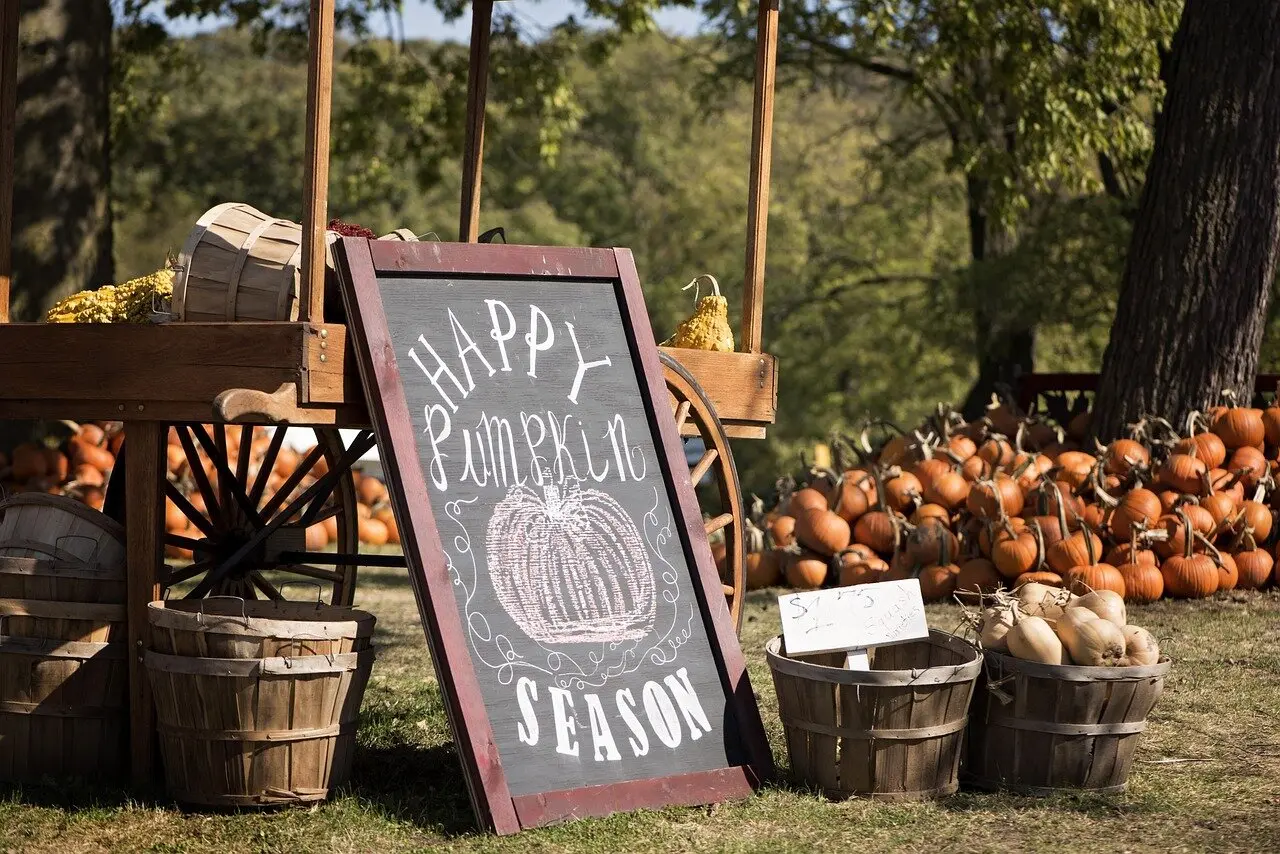
There’s something special about a crisp afternoon at the pumpkin patch. Rows of orange, a wagon to fill, and the hunt for the one that’s just right.
But a pumpkin can do a lot more than sit on the porch. With a little planning, one trip to the patch can give you decorations, a freezer full of puree, a crunchy snack, and an old-fashioned cake worth sharing.
Here’s how to make the most of every pumpkin this season.
Pick a pumpkin that will last
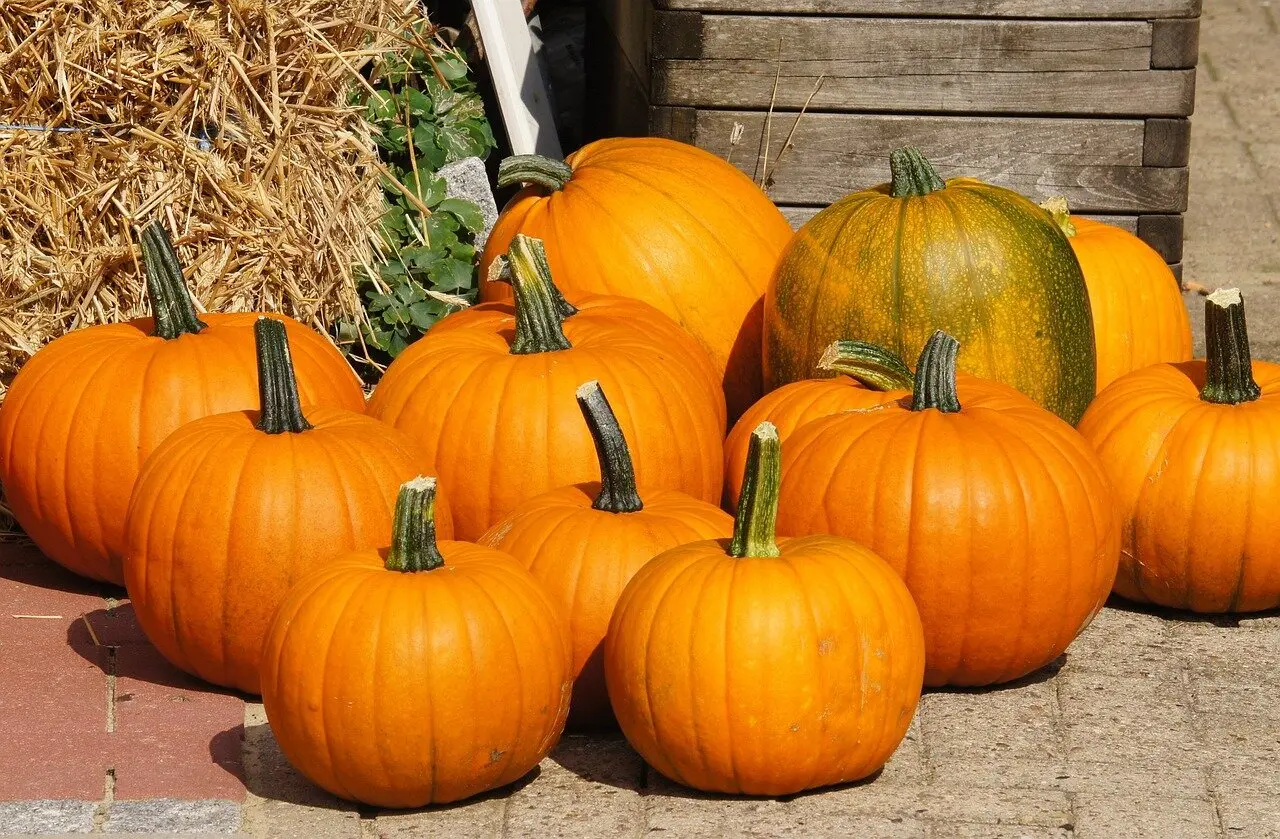
A good display starts with a healthy pumpkin. Illinois Extension suggests a few quick checks before you buy:
- Look for a stem at least 1 to 2 inches long. Never carry the pumpkin by it.
- Choose one with a flat bottom so it stands upright.
- Skip pumpkins with holes, cuts, or soft spots. Those areas will rot.
- Try the thumbnail test. If your nail scratches the skin, keep looking.
Color matters, too. Lighter pumpkins have softer skin that’s easier to carve, but they don’t keep as well as darker ones, according to Illinois Extension.
Before you carve or display your pumpkin, wash it with warm water and let it dry. Then keep it somewhere cool.
Choose the right pumpkin for cooking
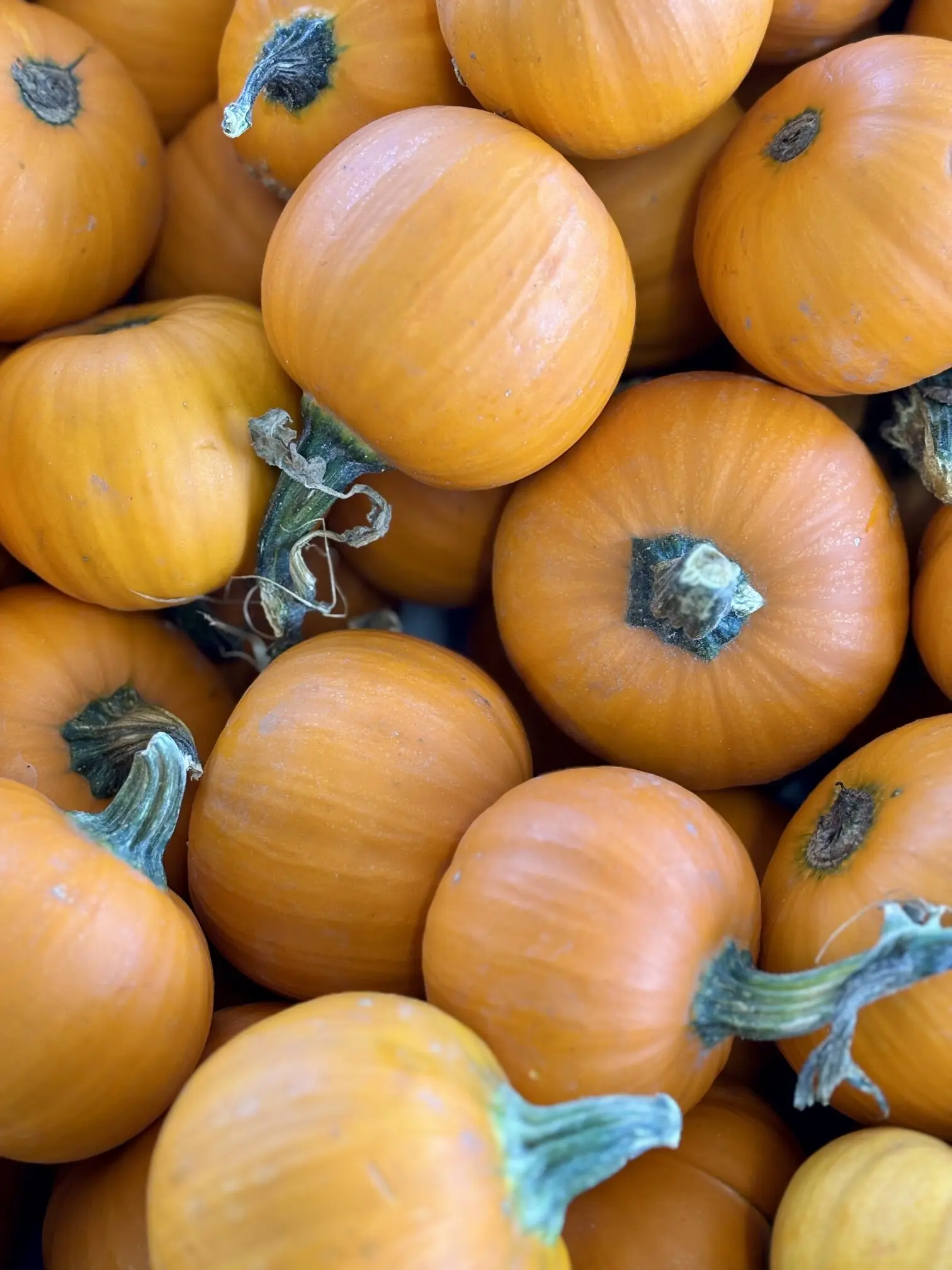
Every pumpkin is fun to decorate, but not every pumpkin is great to eat.
Jack-o’-lantern pumpkins tend to be large, with stringy pulp, Nebraska Extension says. Smaller sugar or pie pumpkins are less stringy and work better in recipes. Clemson Cooperative Extension adds that sugar pumpkins are sweeter, with finer-textured flesh.
If you plan to bake, pick up a pie pumpkin or two along with your carving pumpkin.
Decorate without a knife
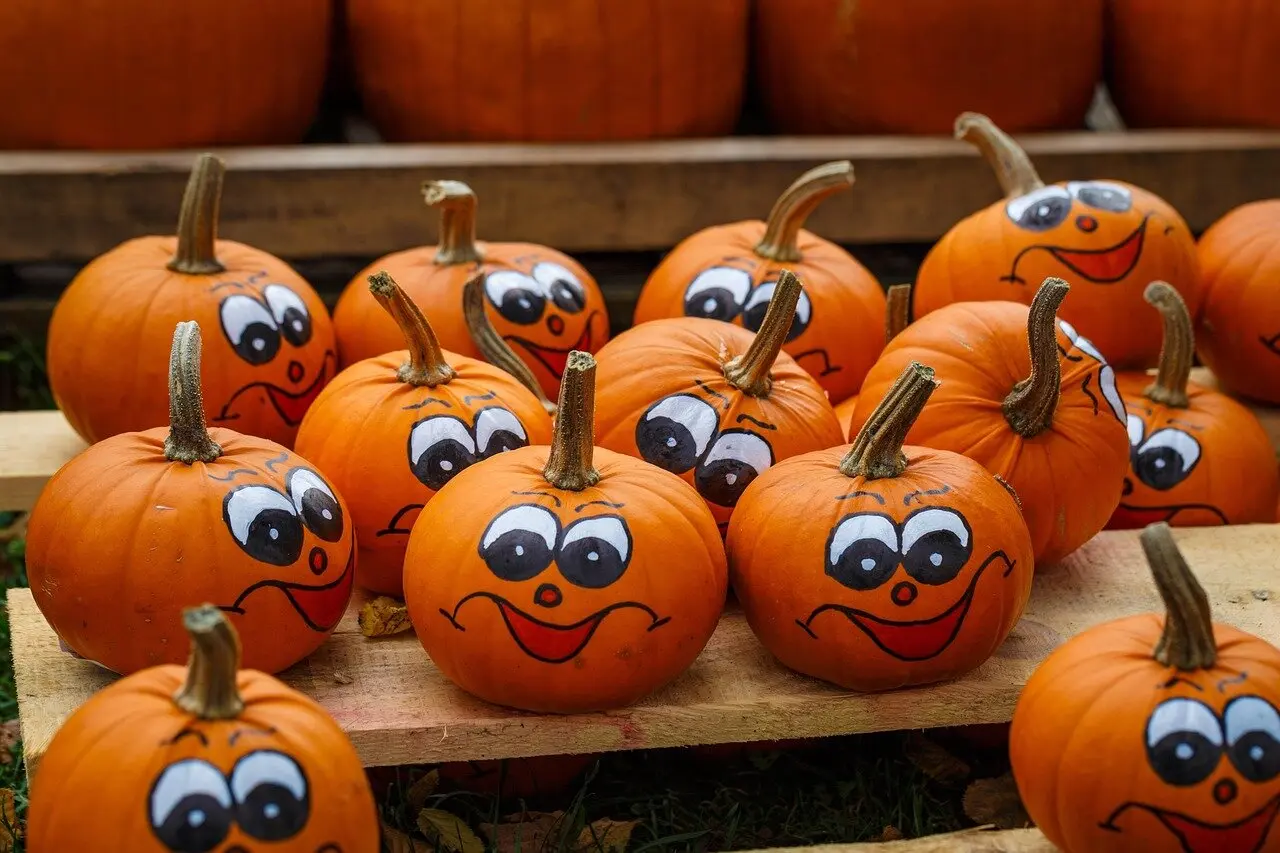
Painting is a great choice for young children. Texas A&M AgriLife Extension suggests it as a safer option than carving for little ones.
Try markers, stencils, acrylic paint, stickers, sequins, buttons, glitter, or yarn. Older kids can decoupage a pumpkin with sealer and magazine cutouts.
A few more ideas:
- Lollipop minis. Hot-glue a small piece of floral foam to the top of a mini pumpkin, then poke lollipops into the foam.
- Pumpkin vase. Carve out just enough room to hold a vase, then put the flowers and water in the vase rather than the pumpkin itself. Texas A&M AgriLife Extension says this keeps moisture down so the pumpkin lasts longer.
- Treat bowl or drink cooler. Hollow out a large pumpkin and set a jar or plastic container inside. Fill it with candy or ice and bottled drinks.
Carve smarter
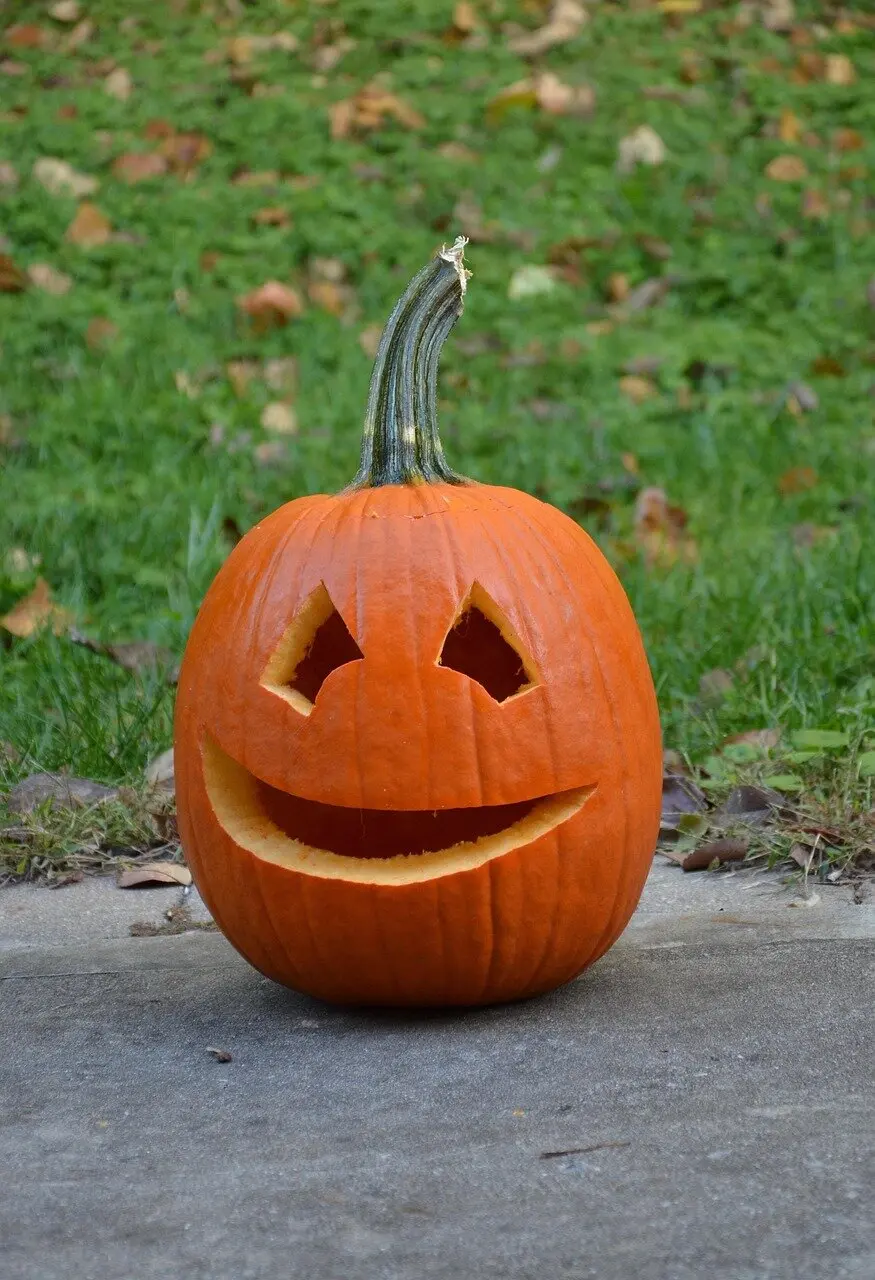
Carving is a Halloween classic, but pumpkins can be slippery and the rind can be tough in some spots and soft in others. Texas A&M AgriLife Extension recommends slow, controlled cuts. Turn the pumpkin so you cut away from your body, and keep track of your free hand.
To help your jack-o’-lantern last:
- Coat the inside and the cut edges with petroleum jelly, Illinois Extension suggests.
- Skip real candles. Their heat cooks the flesh and shortens the pumpkin’s life. A battery-powered light works well.
- Time it right. A carved pumpkin lasts about 7 to 10 days, depending on the weather, according to Illinois Extension. Carving during the last week of October keeps it fresh for Halloween night.
One food safety note: Don’t cook your jack-o’-lantern. Once a pumpkin is carved and the pulp sits out for more than a couple of hours, assume it’s no longer safe to eat, Texas A&M AgriLife Extension says. If you want to use the pulp or seeds, refrigerate or prepare them right away.
How to cook fresh pumpkin
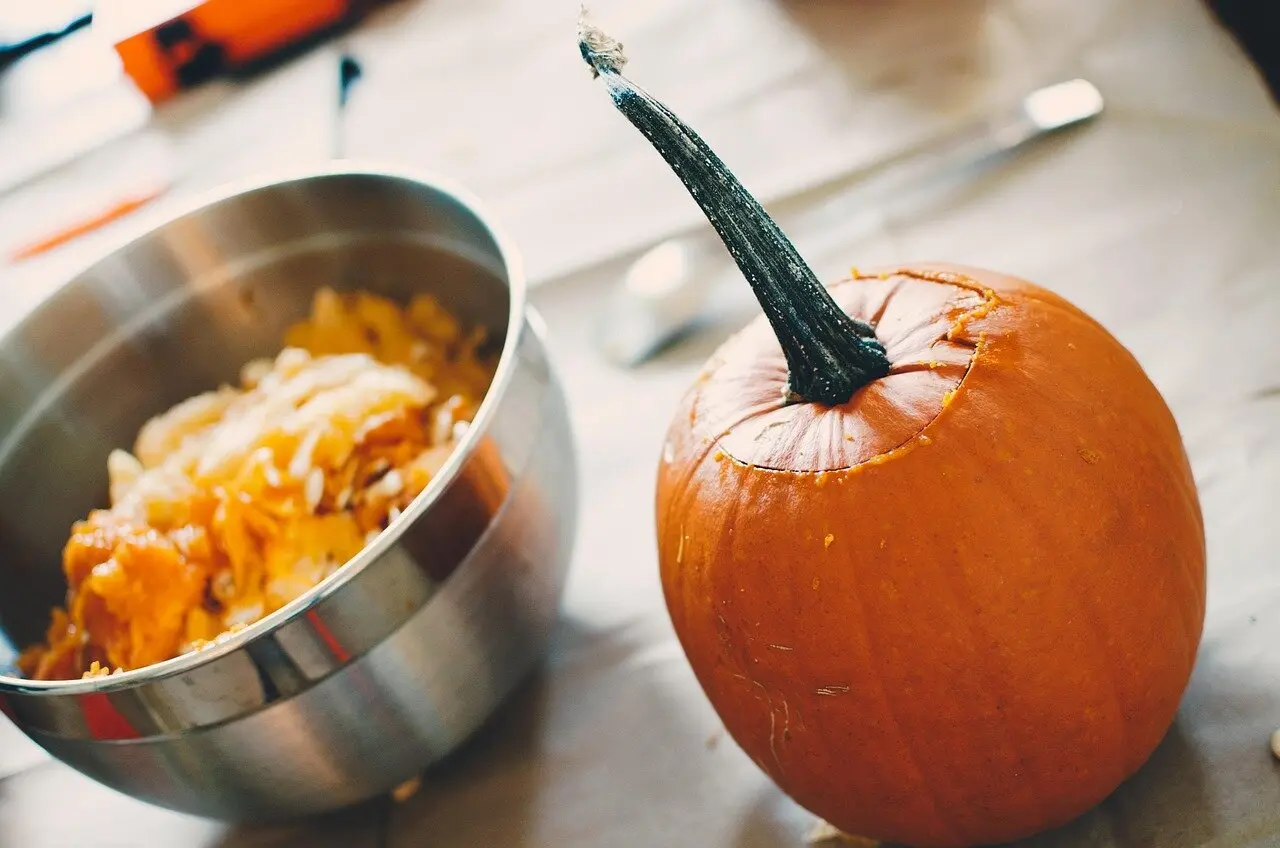
Homemade pumpkin can stand in for canned pumpkin in most recipes. To start, wash the outside, cut the pumpkin in half, and scoop out the seeds and stringy pulp. Then pick a method.
Baked. Place the halves flesh side down in a baking pan with a little water. Bake at 350 F for about 1½ hours, or until tender, according to Clemson Cooperative Extension. Scrape the soft flesh away from the peel.
Boiled. Peel the pumpkin and cut it into 2-inch chunks. Cook in boiling water until tender.
Steamed. Peel and cut the pumpkin into chunks, then steam until soft.
Microwaved. Microwave the halves until the flesh is soft, checking every few minutes. Microwave times vary with the pumpkin’s size and your oven’s power.
Once it’s cooked, mash the flesh by hand or puree it in a food processor or blender. Nebraska Extension says you can swap homemade puree for canned pumpkin in equal amounts.
Store your puree
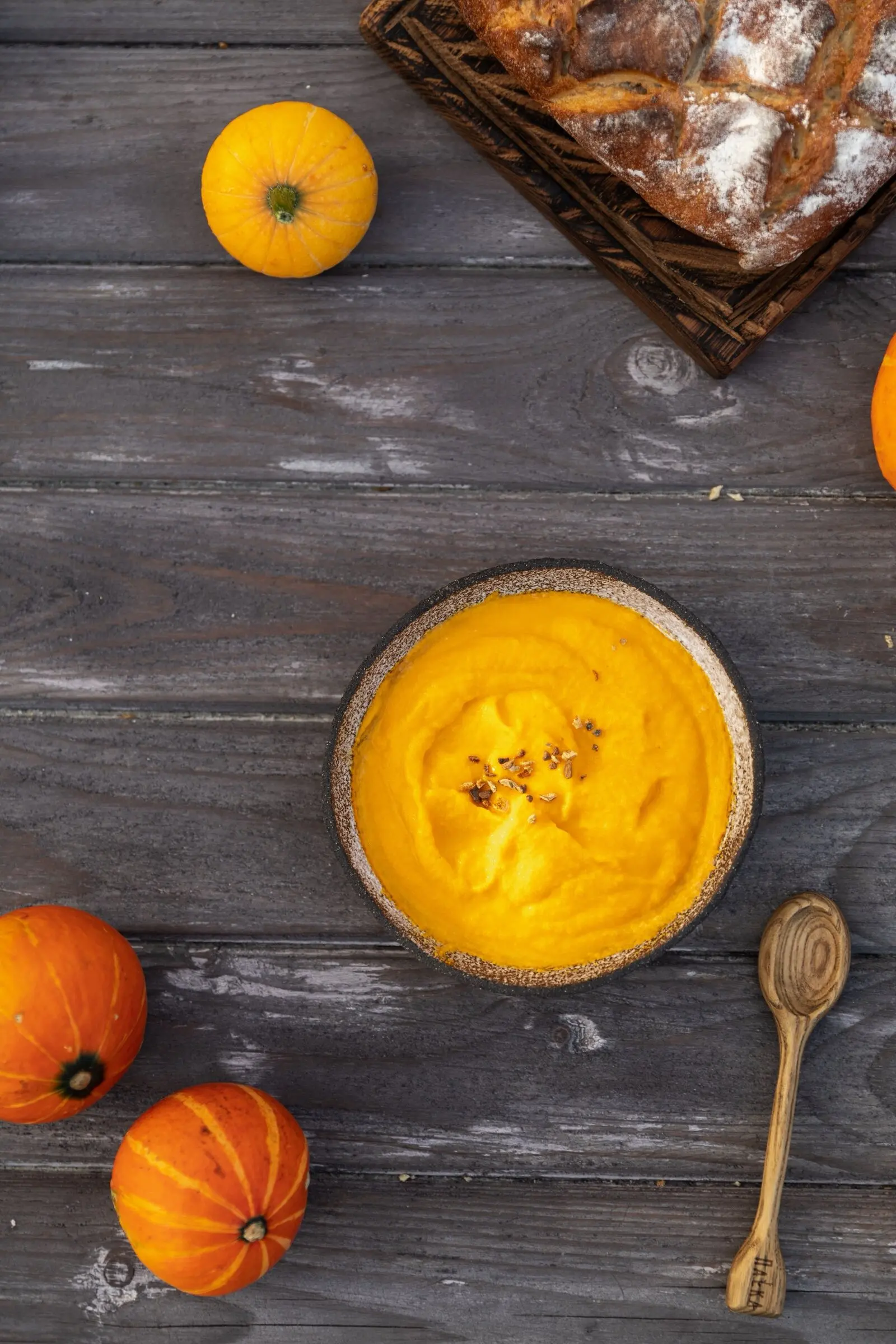
- Refrigerator: About 4 days, according to Texas A&M AgriLife Extension.
- Freezer: Up to one year, Nebraska Extension says.
To freeze, cool the puree quickly by setting the pan in cold water and stirring now and then, Clemson Cooperative Extension suggests. Measure it into 1-cup portions in freezer bags or containers, and leave ½ inch of space at the top. Label and date each one.
Don’t toss the seeds
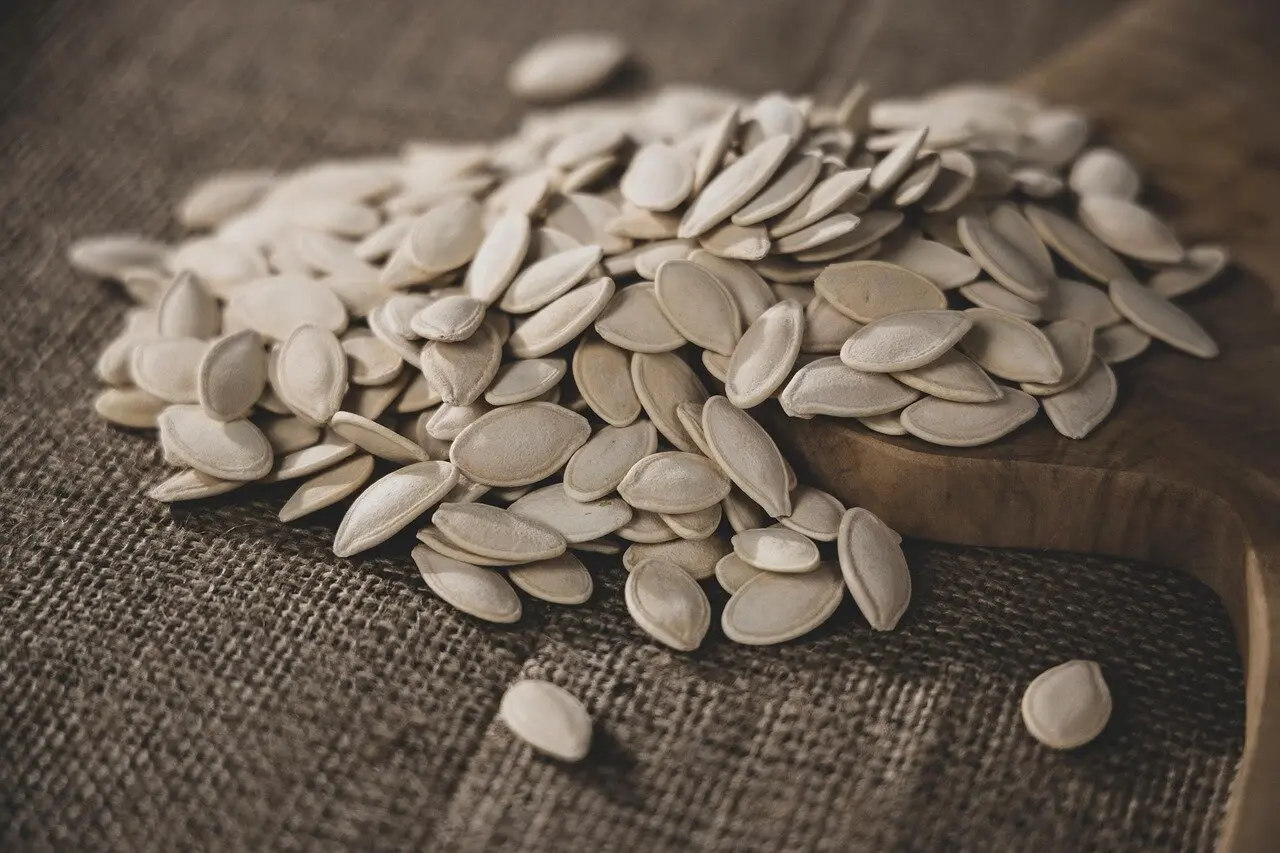
Pumpkin seeds make a crunchy fall snack, and they’re easy to prepare.
Clean them. Rinse the seeds in a colander and pull away as much pulp and stringy fiber as you can.
Oven-roasted. Clemson Cooperative Extension recommends drying the seeds first, in an oven on its warm setting for 3 to 4 hours or a dehydrator at 115 to 120 F for 1 to 2 hours. Stir often so they don’t scorch. Toss the dried seeds with 1 teaspoon of oil per cup, season, and roast at 250 F for 10 to 15 minutes.
Stovetop. Add about 1 cup of seeds at a time to a skillet over medium heat. Stir often until they puff up and turn golden brown. Season once they’re off the heat.
Flavor ideas: seasoned salt, garlic salt, celery salt, cayenne pepper, soy sauce, Worcestershire sauce, or cinnamon and sugar. Texas A&M AgriLife Extension suggests experimenting with sweet and savory blends while keeping an eye on added salt and sugar.
Old-fashioned pumpkin layer cake
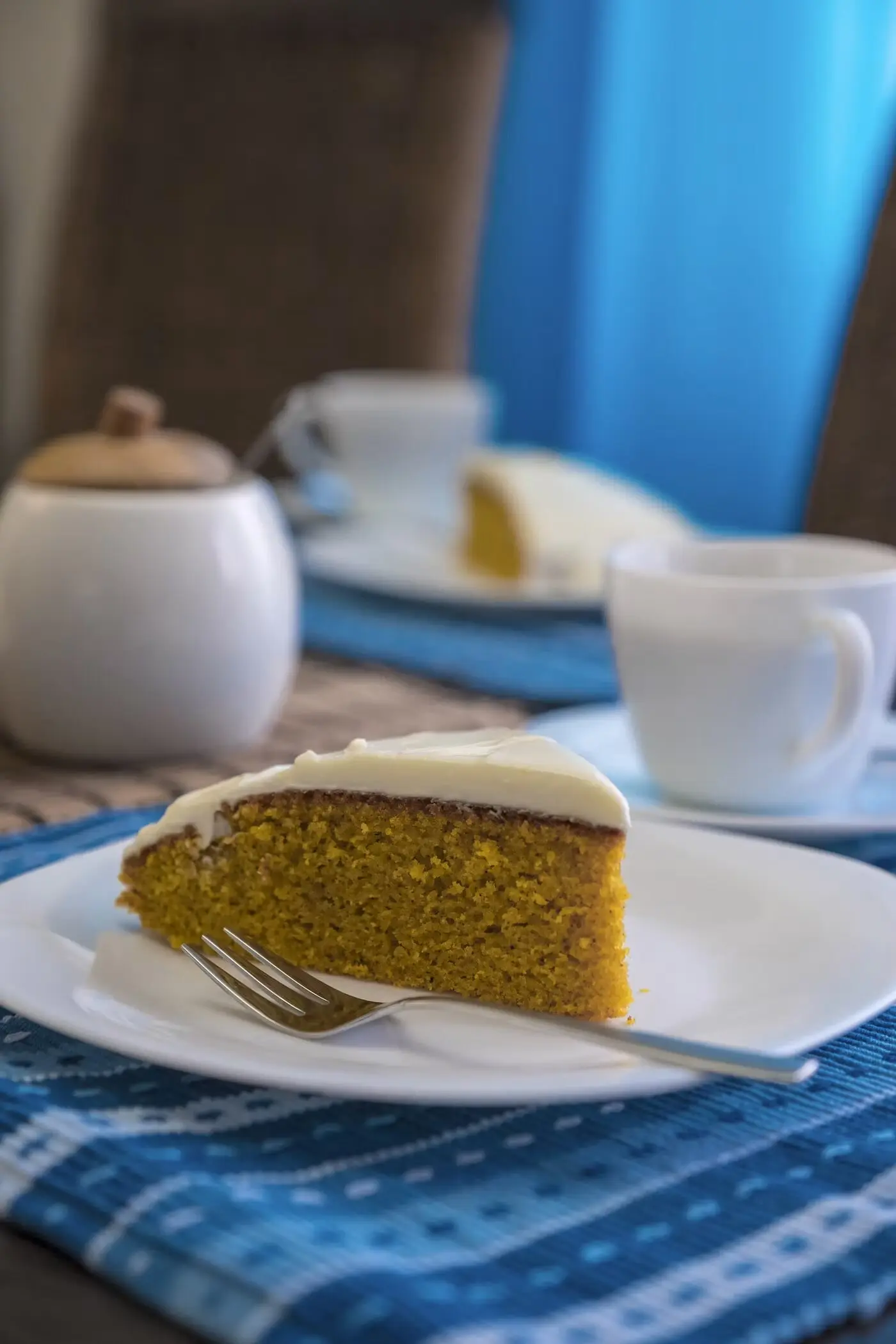
Looking for something besides pie this Thanksgiving? This tender, two-layer spice cake gets a fluffy brown sugar frosting that tastes a little like toasted marshmallow.

Ingredients
- 2½ cups sifted cake flour
- 4 teaspoons baking powder
- 1 teaspoon salt
- 1½ cups granulated sugar
- 2 teaspoons pumpkin pie spice
- ⅔ cup vegetable shortening
- ¾ cup milk divided
- 1 cup canned or homemade pumpkin puree
- 2 eggs
- 2 egg whites at room temperature
- 1½ cups packed brown sugar
- ⅓ cup water
- 2 teaspoons light corn syrup
- Pinch of salt
- 1 teaspoon vanilla
Directions
- Heat the oven to 375 F. Grease and flour two deep 8-inch round cake pans.
- Put the shortening in a large mixing bowl.
- Sift the flour, baking powder, salt, sugar, and pumpkin pie spice together over the shortening.
- Add ½ cup of the milk and the pumpkin. Beat with a mixer for 1 minute.
- Add the remaining ¼ cup milk and the eggs. Beat 2 more minutes, scraping the bowl often.
- Divide the batter between the pans. Bake about 35 minutes, or until a toothpick inserted in the center comes out clean.
- Cool the layers completely before frosting.
- In the top of a double boiler, beat the egg whites, brown sugar, water, corn syrup, and salt for about 1 minute, until blended.
- Set the pan over simmering water, without letting the bottom touch the water. Beat on high for about 7 minutes, until the frosting is glossy and holds stiff peaks. If you have an instant-read thermometer, it should reach at least 161 F.
- Take the pan off the heat. Beat in the vanilla for 1 to 2 minutes, until thick and fluffy.
- Spread it between the layers and over the top and sides right away, because it sets quickly.
Sometimes called sea foam frosting, this is a seven-minute frosting that swaps white sugar for brown.
Plan to frost the cake the day you serve it. This frosting is at its best when it’s fresh.
When the season’s over
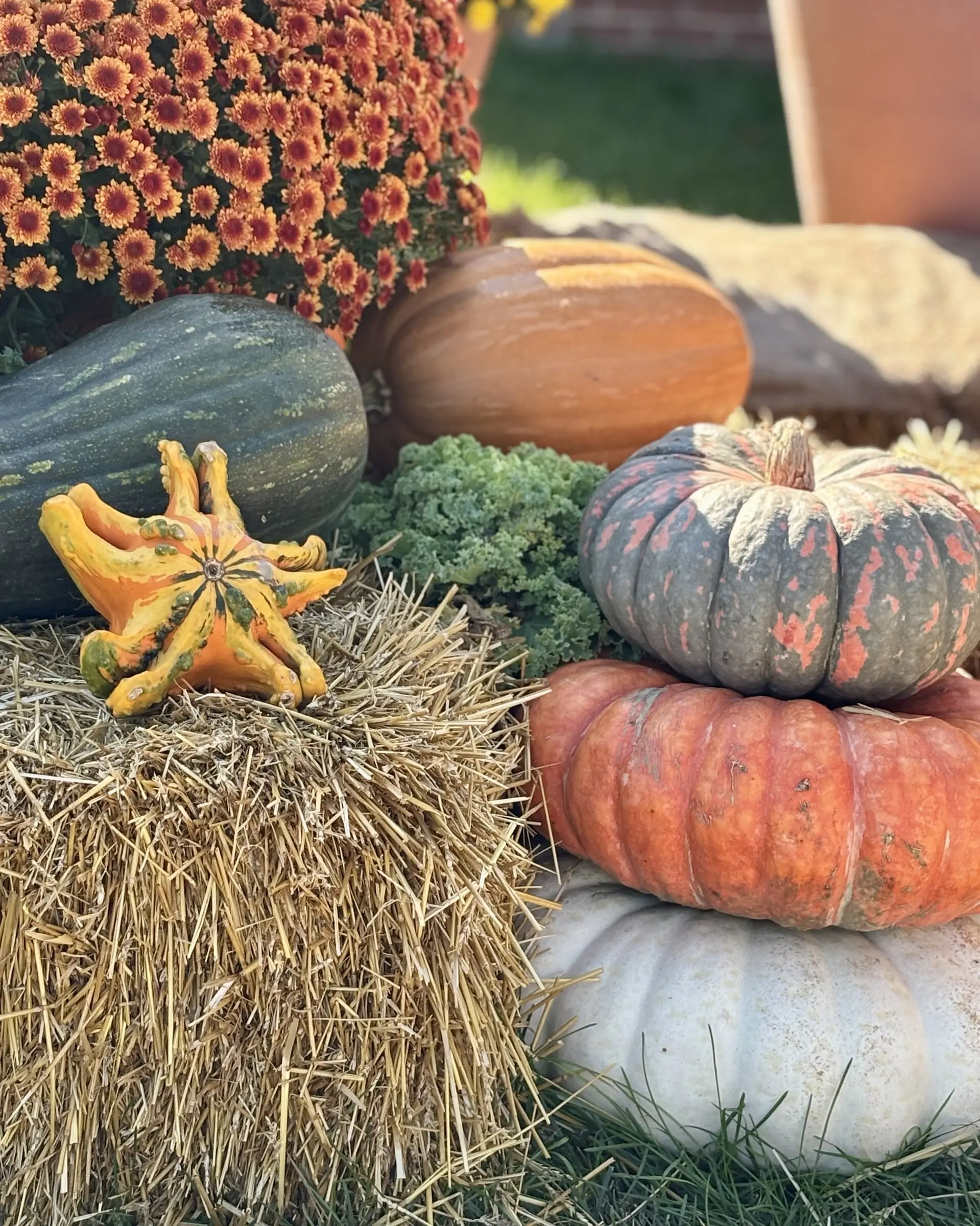
When your pumpkins start to soften, send them to the compost pile instead of the trash. Remove any candles, paint, glitter, or other decorations first.
Texas A&M AgriLife Extension says smaller pieces break down faster, so chop or smash the pumpkin before adding it. Break up the seeds, too, or some may sprout in your compost.
Frequently asked questions
Can you eat a carved jack-o’-lantern? No. Once a pumpkin is carved and the pulp sits out for more than a couple of hours, Texas A&M AgriLife Extension says to assume it’s not safe to eat. Cook with a separate, uncut pie pumpkin.
What kind of pumpkin is best for pie? Choose a small sugar or pie pumpkin. They’re sweeter and less stringy than large carving pumpkins.
How long does homemade pumpkin puree last? About 4 days in the refrigerator, or up to one year in the freezer.
How long does a carved pumpkin last? About 7 to 10 days, depending on the weather, according to Illinois Extension. Warm days shorten its life.
How do I keep my jack-o’-lantern from rotting? Start with a firm pumpkin with a healthy stem and no soft spots. Coat the cut edges with petroleum jelly, use a battery-powered light instead of a candle, and keep it in a cool, well-drained spot.
Do I need to dry pumpkin seeds before roasting? Drying first helps them turn crisp. Clemson Cooperative Extension recommends drying cleaned seeds before tossing them with oil and roasting.