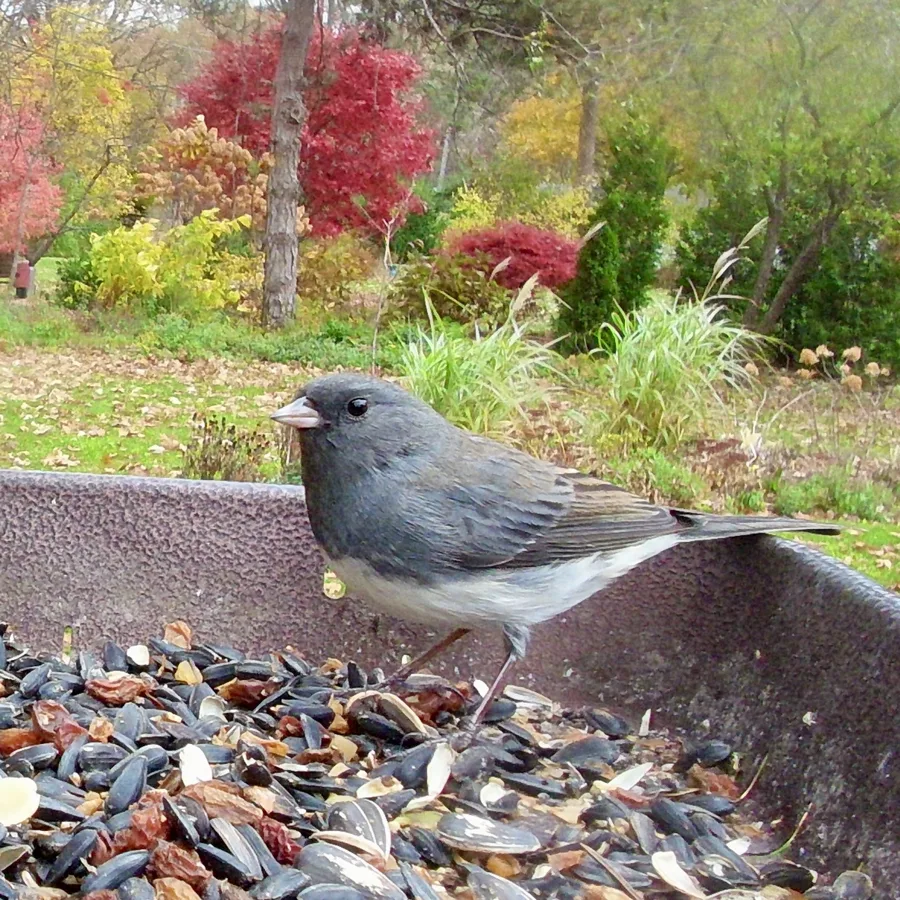
There’s something cozy about a cup of coffee by the window on a cold morning, watching the chickadees take turns at the feeder. What if those few minutes could also help scientists learn how our birds are doing?
That’s the idea behind Project FeederWatch. Every winter, thousands of people across North America count the birds in their yards and send in what they see. You don’t need to be an expert or buy special equipment. If you can tell a junco from a cardinal, or you’re happy to learn, you can take part.
What is Project FeederWatch?
Project FeederWatch is a winter bird count run by the Cornell Lab of Ornithology in the U.S. and Birds Canada in Canada. According to the Cornell Lab, it began in 1976 as the Ontario Bird Feeder Survey, started by Erica Dunn, and later grew to cover the U.S. as well.
The season runs from November 1 through April 30. You choose when to count, where to count, and how long to watch.
Do you need a bird feeder?
No. FeederWatch says you can count birds even if you don’t put out feeders. You count the birds that come for the food or water you provide. Feeders usually bring in more birds, but counts from yards without them help scientists see what difference feeding makes.
How counting works
- Pick your count site. Choose a part of your yard that’s easy to watch, ideally from one spot, like the kitchen window.
- Pick two days in a row. You can count as often as once a week, with at least five days between counts. Counting less often is fine, too.
- Watch as much or as little as you like. A few minutes with your morning coffee counts. Keep track of about how long you watch.
- Count the most of each kind you see at one time. If you see three juncos in the morning and five together that afternoon, your count is five, not eight. That way, no bird gets counted twice.
- Skip the flyovers. Birds that just fly over your yard don’t count.
Good to know
Keep a notepad and a bird guide by the window. Our Backyard Birds guide shows the birds you’re most likely to see this winter, with tips for bringing each one in.
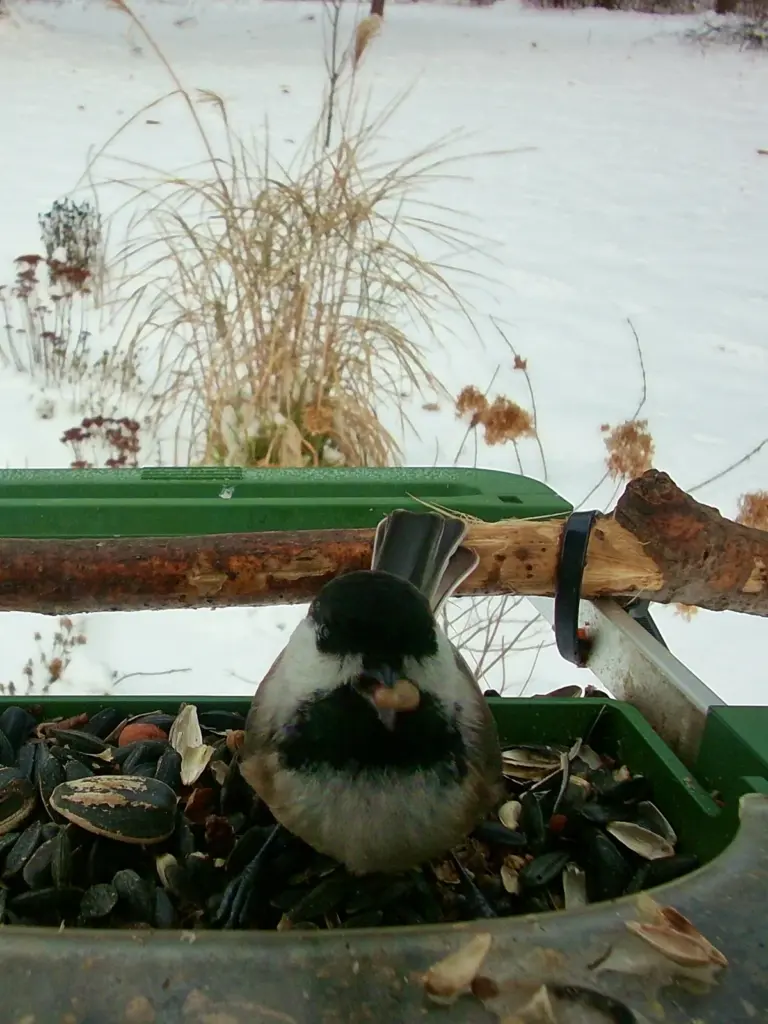
Free printable: Download our Bird Count Tally Sheet (PDF). It lists 30 common feeder birds, with room for the date, the time you watched, and any mystery birds.
How to send in your counts
You can enter your counts on the FeederWatch website, or tally birds as you go with the FeederWatch app for iPhone and Android.
What it costs
In the U.S., there’s a small yearly fee that helps pay for the website, the materials, and the work of studying the counts. In Canada, you join by donating any amount to Birds Canada. Everyone who takes part gets the year-end report, Winter Bird Highlights, and you can ask for a printed poster of feeder birds and a calendar. U.S. members also get digital access to Living Bird magazine.
What your counts tell scientists
Because people count winter after winter, scientists can spot changes no single backyard would show. The Cornell Lab uses FeederWatch counts to follow where birds spend the winter and how that is shifting, when winter finches like pine siskins move south in big numbers, which foods draw which birds, and how illness spreads among birds at feeders.
One example the Cornell Lab shares: FeederWatch counts showed painted buntings wintering in Florida had been dropping steadily since the 1980s. That helped lead the state to start keeping a closer watch on the species.
Get your yard ready
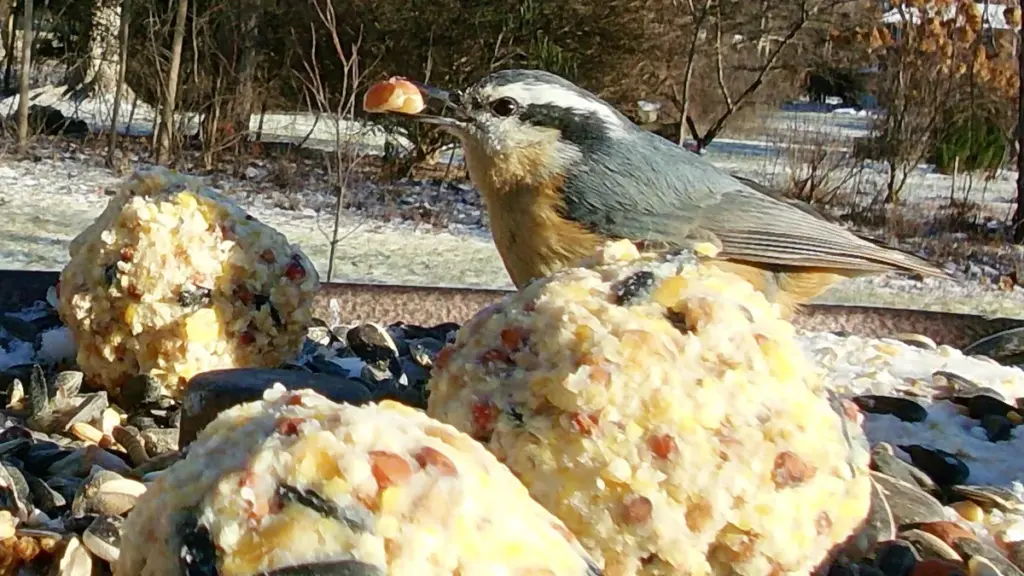
- Fill feeders with black oil sunflower seed and put out suet. Here are the best foods to feed birds in winter.
- Scatter millet on the ground or on a low tray for juncos and sparrows.
- Make a batch of No-Melt Suet Dough or Peanut Butter Suet.
- Keep water open with a heated birdbath once it freezes.
- Clean your feeders often, especially when a big flock is visiting.
For more of what’s happening in the backyard this time of year, see November at QT Bird. And in December, you can count for one more day with the Christmas Bird Count.
How to join
Sign up on the Project FeederWatch website. The page opens in a new tab, so you can come right back here.
Frequently asked questions
When does Project FeederWatch start? The season starts November 1 and runs through April 30.
Do I have to count every week? No. You can count as often as once a week, but counting less often is fine.
Do I need to know every bird? No. Write down what you can’t name, with the time and how many you saw, and add it later if you figure it out.
Do I need a feeder? No. You can count the birds that come for any food or water you provide.
Can I join from Canada? Yes. In Canada, you join through Birds Canada by donating any amount.