
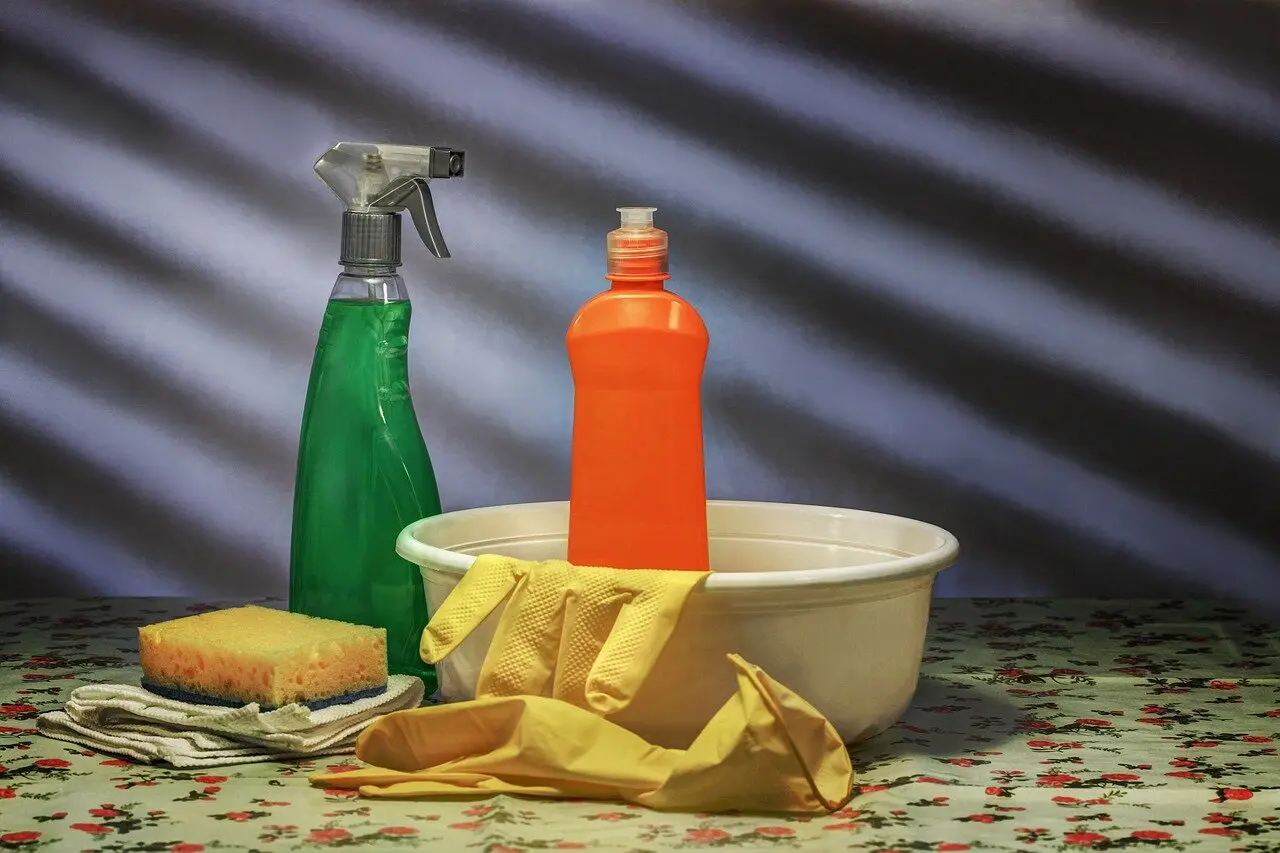
“Don’t toss it, reuse it” sounds like great advice until your cabinet is packed with empty bottles you never get around to using. Saving every container doesn’t make you frugal. It just makes clutter.
The good news is that a dish soap bottle is one of the few empties worth keeping. That flip-top squirt nozzle gives you control over every drop, and the bottle is sturdy enough to use for months. Below are 25 practical ways to put one back to work, plus four easy recipes to fill them with, a few safety rules to know first and one popular tip you can skip.
Quick ideas at a glance
✔ Turn the last drops into an all-purpose cleaner.
✔ Mix homemade window cleaner or stain pre-treater.
✔ Feed and water small potted plants.
✔ Store homemade bubbles, glue or craft paint.
✔ Freeze it for a no-mess cooler ice pack.
✔ Keep water handy for rinsing hands, feet and paws.
Start by buying less packaging
The cheapest bottle to deal with is the one you never bring home. Products with lots of packaging usually cost more, and all of it ends up in your trash or recycling bin.
A few habits help:
- Choose concentrated dish soap. A little goes further, so you buy fewer bottles.
- Buy a large jug and use it to refill one small bottle by the sink.
- Look for a refill station at a local zero-waste shop or co-op, where you bring your own bottle.
- Try dish soap in a bar or dissolvable sheets, which often come in paper or cardboard instead of plastic.
- When you do buy plastic, pick containers your local program accepts for recycling.
Another way to stretch soap is to dilute it. A pump bottle or spray bottle with watered-down dish soap keeps you from squirting out more than you need.
Even with those habits, a few empty bottles will still turn up. Before one hits the bin, take a second and ask: Can I use this for something else? If not, can it be recycled?
Before you reuse a dish soap bottle
A few minutes of prep keeps your reused bottle safe and useful.
- Rinse it well. Add warm water, cap it, shake and pour it out. Repeat until no more bubbles appear.
- Let it dry. Stand it upside down with the cap off so the inside dries completely.
- Label it. Use a permanent marker or a piece of masking tape to write what is inside. Add the date for homemade cleaners.
- Keep it away from food. Dish soap bottles are not made from food-grade plastic. Don’t use them for syrup, pancake batter, salad dressing or drinking water. If you want a squeeze bottle for the kitchen, buy one made for food.
- Store cleaners up high. A bottle that once held soap can confuse kids, and pets don’t read labels either.
Safety first
Never mix bleach with ammonia or with any other cleaner. Bleach plus ammonia releases chloramine gas, which can damage your lungs. If it happens, get to fresh air and call Poison Control at 1-800-222-1222.
Cleaning uses
1. Turn the last drops into an all-purpose cleaner
When the bottle is almost empty, don’t fight to squeeze out the last bit. Fill it about halfway with warm water, add a splash of white vinegar and shake. Now you have a mild cleaner for counters, sinks, stovetops and soaking pans. It’s a smart way to get every penny’s worth of soap you already paid for.
2. Mix your own window cleaner
This streak-fighting cleaner costs pennies to make. Squirt it on a cloth rather than straight on the glass to avoid drips.
Window cleaner
- 2 cups water
- ¼ cup white vinegar
- ½ teaspoon liquid dish soap
- Pour the water, vinegar and dish soap into a clean, empty dish soap bottle.
- Cap the bottle and swirl gently to mix.
- Label the bottle.
- Squirt onto a lint-free cloth and wipe the glass.
3. Pre-treat laundry stains
A squeeze bottle lets you aim the pre-treater right at the stain instead of soaking the whole shirt. Make sure your detergent has no bleach added. Read the label twice, because mixing ammonia and bleach is dangerous.
Laundry stain pre-treater
Makes about one 20-ounce bottle
- ⅓ cup lemon ammonia
- ⅓ cup liquid laundry detergent without bleach
- 1¾ cups cold water
- Pour the ammonia into a clean, empty dish soap bottle.
- Add the laundry detergent.
- Slowly add cold water until the bottle is nearly full.
- Cap the bottle and swirl gently until mixed. Label it clearly.
- Soak the stain with the pre-treater and let it sit a few minutes.
- Wash in the warmest water the care label allows. Don’t use it on silk or delicate fabrics.
4. Carry detergent to the laundromat
Hauling a big jug to the laundromat is a pain. Fill a dish soap bottle with just enough liquid detergent for your loads and toss it in your laundry bag. Measure once at home and mark a fill line on the side so you know how much to pour every time.
5. Keep a cleaning bottle in the car
Fill a bottle with your window cleaner and keep it in the trunk with a microfiber cloth. It’s handy for smudged windows, a sticky dashboard or bugs on the headlights.
6. Get into grout lines and tight corners
The narrow tip puts cleaner exactly where you need it. Squirt a thin line of cleaner along grout, around a faucet base or into the track of a sliding door, then scrub with an old toothbrush.
7. Rinse spot-cleaned carpet
After you blot a spill and dab on carpet cleaner, squirt a little plain water on the spot and blot again. Rinsing out the soap keeps the spot from turning sticky and attracting dirt later.
8. Blow dust out of tight spots
Rinse a bottle and let it dry completely, then use it as a free air duster. A few quick squeezes puff dust out of keyboard keys, picture frame edges, window tracks and the grooves of carved furniture.
Garden uses
9. Feed small potted plants without the mess
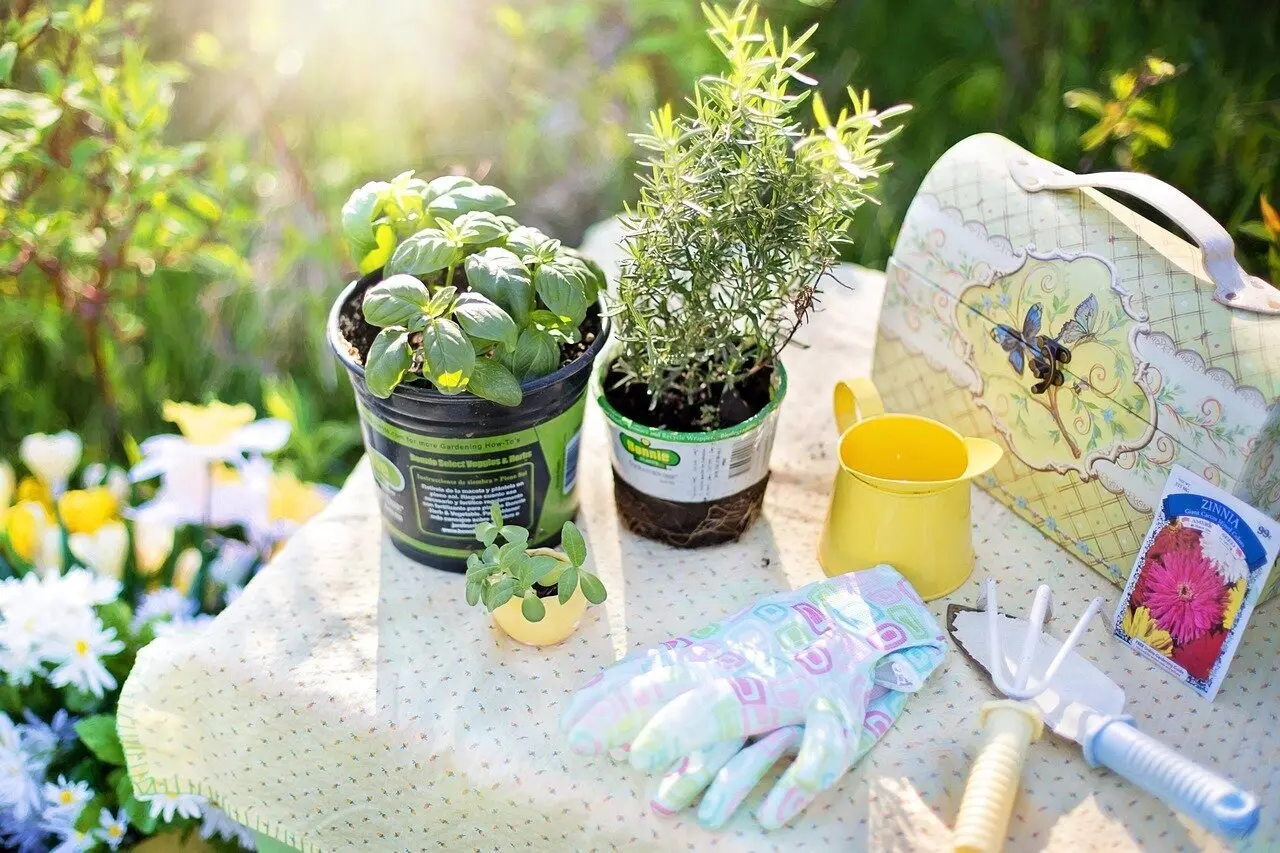
One reader mixes concentrated Miracle-Gro and water right inside an old soap bottle. The skinny nozzle lets you feed little pots without splashing fertilizer all over. Just label the bottle so nobody mistakes plant food for dish soap.
10. Water seedlings and hard-to-reach plants
Tiny seedlings can wash right out of their cells when you pour from a watering can. A gentle squeeze delivers a slow stream at the soil line. The bottle also reaches the back of a crowded windowsill or a hanging basket without a step stool.
11. Make a slow drip waterer
Poke three or four tiny holes in the cap with a pushpin. Fill the bottle with water, screw the cap back on and push it upside down into the soil of a potted plant. The water seeps out slowly, which helps when you’re away for a weekend.
12. Start seeds in the bottom half
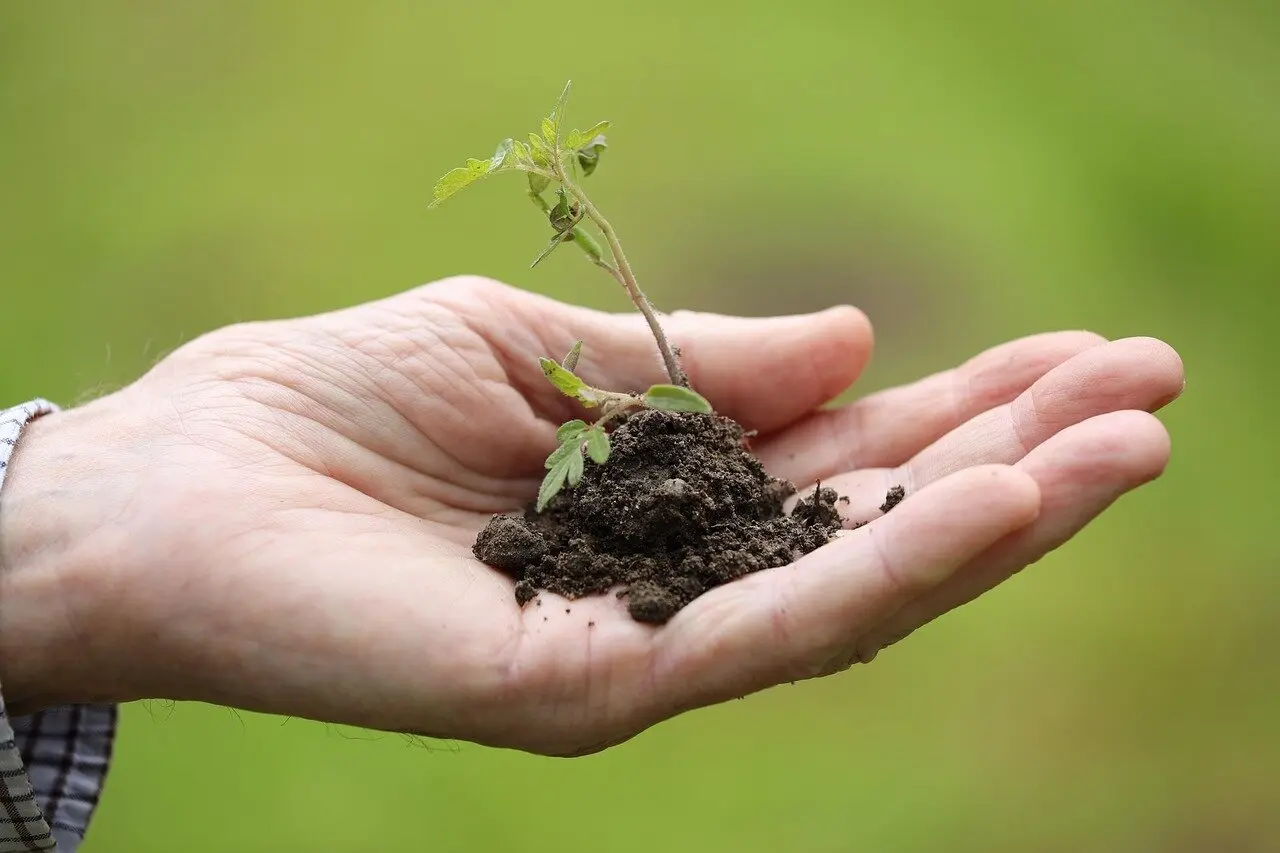
Cut a bottle in half and poke a few drainage holes in the bottom piece. Fill it with seed-starting mix and plant two or three seeds. It’s just the right size for herbs or a single tomato seedling on a sunny windowsill.
Kids and crafts
13. Make bath and pool squirt toys
Kids love squirting water, and an old soap bottle works as well as any store-bought toy. Use them in the tub to rinse shampoo out of hair, toss a few in the kiddie pool or rinse grass and dirt off little feet before they come inside.
One caution: water left inside can grow mold. After play, squeeze out as much water as you can, pull off the cap and let the bottle dry upside down. If the water coming out looks cloudy or has dark flecks, recycle it and use a fresh one.
14. Build a bathtub sailboat
Lay a bottle on its side with the cap on tight. Poke a straw or craft stick into the top for a mast and tape on a paper or foam sail. It floats in the tub or kiddie pool, and kids can decorate their own.
15. Store homemade bubbles
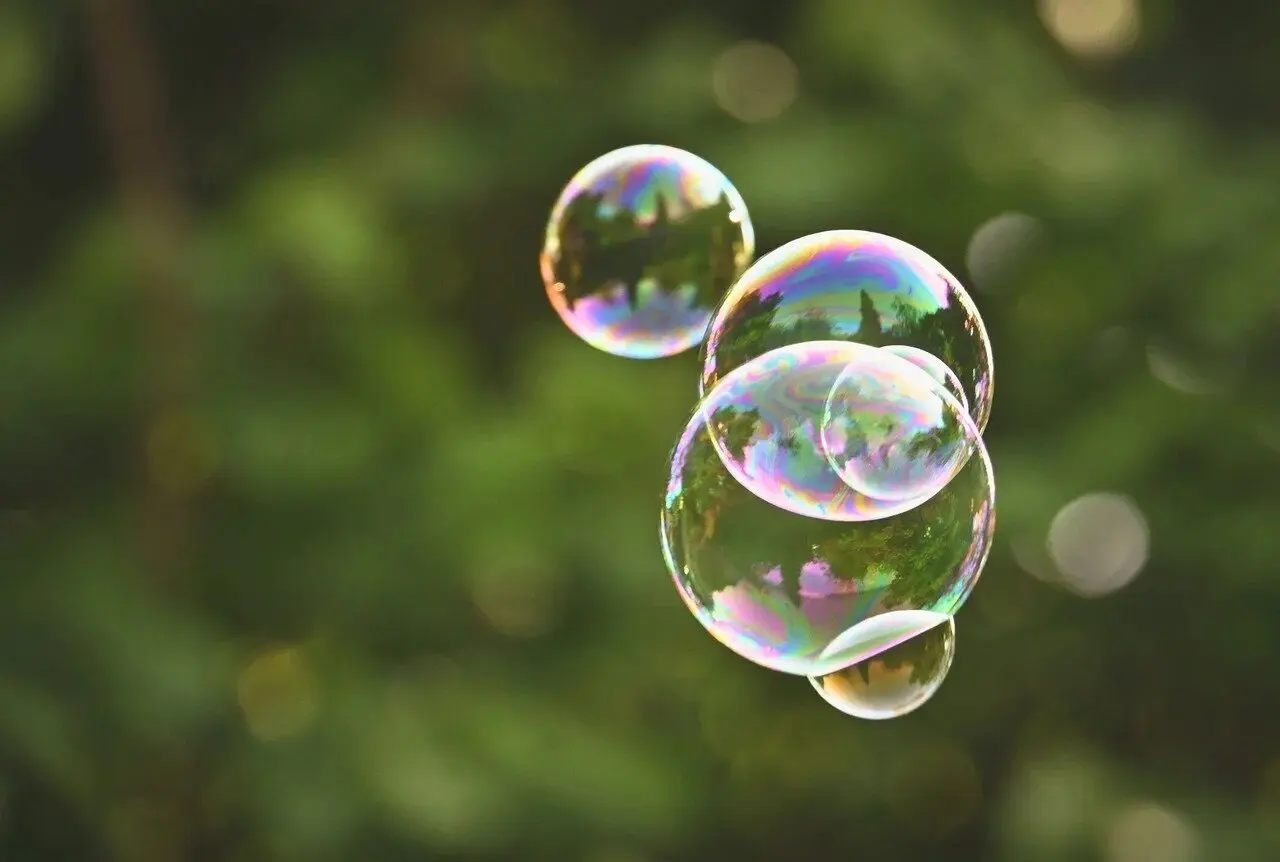
A gallon of homemade bubble solution is a lot to keep in a bucket. Divide it into squeeze bottles so kids can refill their bubble wands without spilling.
Homemade bubbles
- 1 gallon water
- ⅔ cup liquid dish soap
- 2 to 3 tablespoons glycerin or light corn syrup
- Gently stir the water, dish soap and glycerin together. Try not to create foam.
- Test a few bubbles. Add a bit more soap or glycerin if they pop too fast.
- Pour into clean squeeze bottles and label them.
16. Squirt sidewalk chalk paint
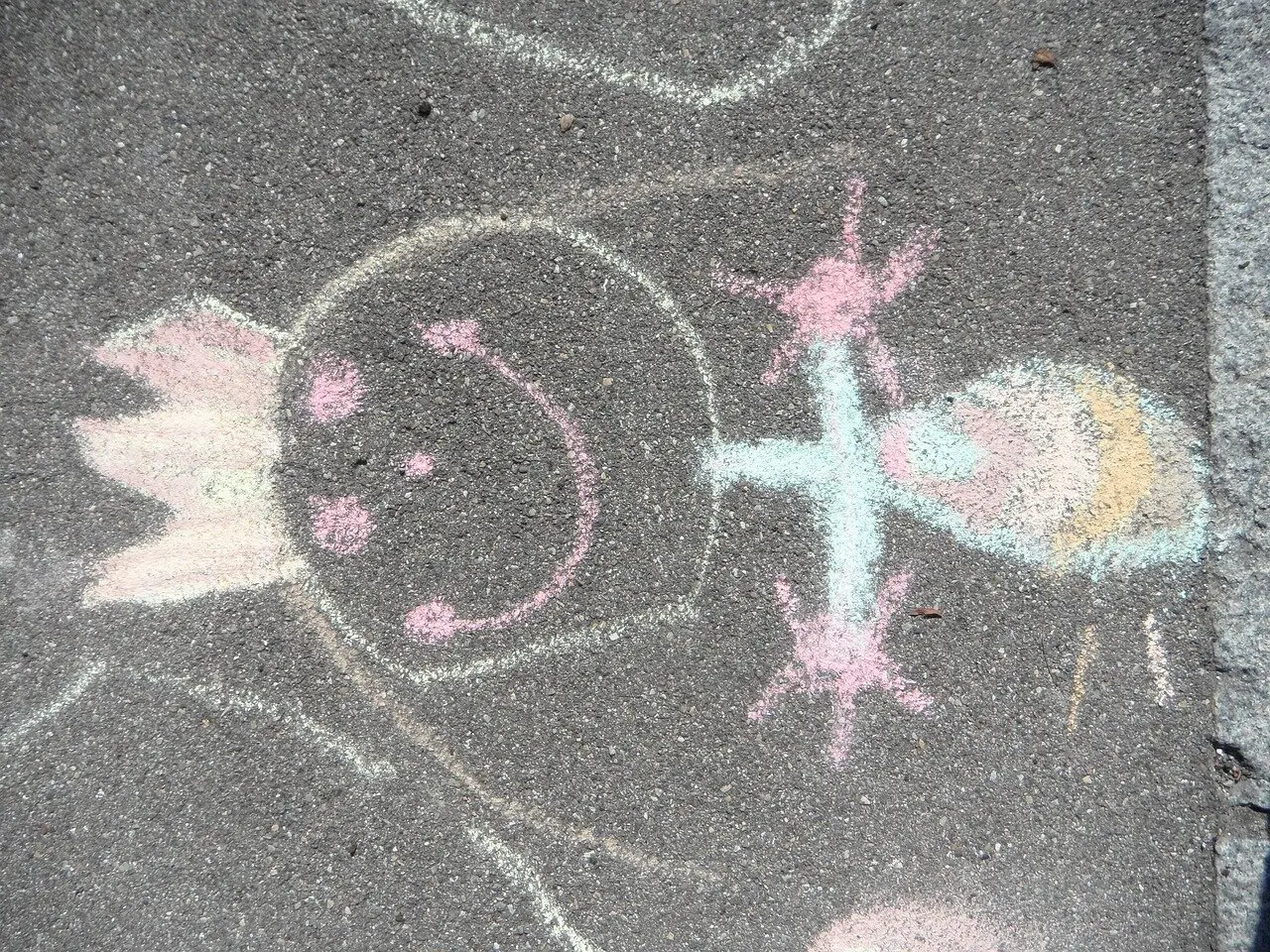
Mix up a batch of chalk paint, pour it into a few bottles and let kids squirt designs on the driveway. It washes away with a hose or the next rain.
Sidewalk chalk paint
- ½ cup cornstarch
- ½ cup water
- 5 to 10 drops food coloring
- Stir the cornstarch and water together until smooth.
- Add food coloring until you like the shade.
- Pour into a clean squeeze bottle. Shake before each use, since the cornstarch settles.
17. Refill with bulk glue and paint
School glue and craft paint cost less by the big bottle. Pour some into old soap bottles for kids to use, and save the rest for refills. The flip-top cap keeps it from drying out between projects.
18. Use them for tie-dye
Tie-dye kits usually come with only a few small squeeze bottles. Mix extra colors in old soap bottles and you won’t run short. Wear gloves and work outdoors, and don’t reuse those bottles for anything else afterward.
Around the house and garage
19. Save leftover wall paint for touch-ups
Pour a little leftover wall paint into a clean bottle and label it with the room and color name. Squeeze out the extra air before you cap it. When a chair or the vacuum leaves a scuff, you can dab on a few drops without prying open a whole can.
20. Give a clogged glue bottle a new cap
If your glue bottle has a crusty, clogged tip, try the flip-top cap from a dish soap bottle. When the threads match, it seals better and opens with one thumb.
21. Cut a small funnel
Cut the bottom off a bottle and take off the cap, and the top half becomes a handy funnel. Use it to fill bird feeders, pour sand into a jar or top off the car’s windshield washer fluid. Keep it in the garage so it never ends up near food.
On the go
22. Freeze one as an ice pack
Fill a bottle about three-quarters full of water, leaving room for the ice to expand, and freeze it the night before a trip. It keeps your cooler cold, and unlike loose ice, the melted water stays inside instead of soaking your sandwiches.
23. Rinse off sand and sticky hands
Once your frozen bottle melts, you have a ready supply of cool water. Use it to clean grubby hands, rinse sand off feet, cool off the back of your neck or splash a hot slide before kids climb on.
24. Set up an outdoor hand-washing station
Fill one bottle with water and another with a little diluted hand soap. Keep them by the garden hose, in the camping box or in the car for messy picnics. Kids can wash up without running inside.
25. Rinse muddy paws
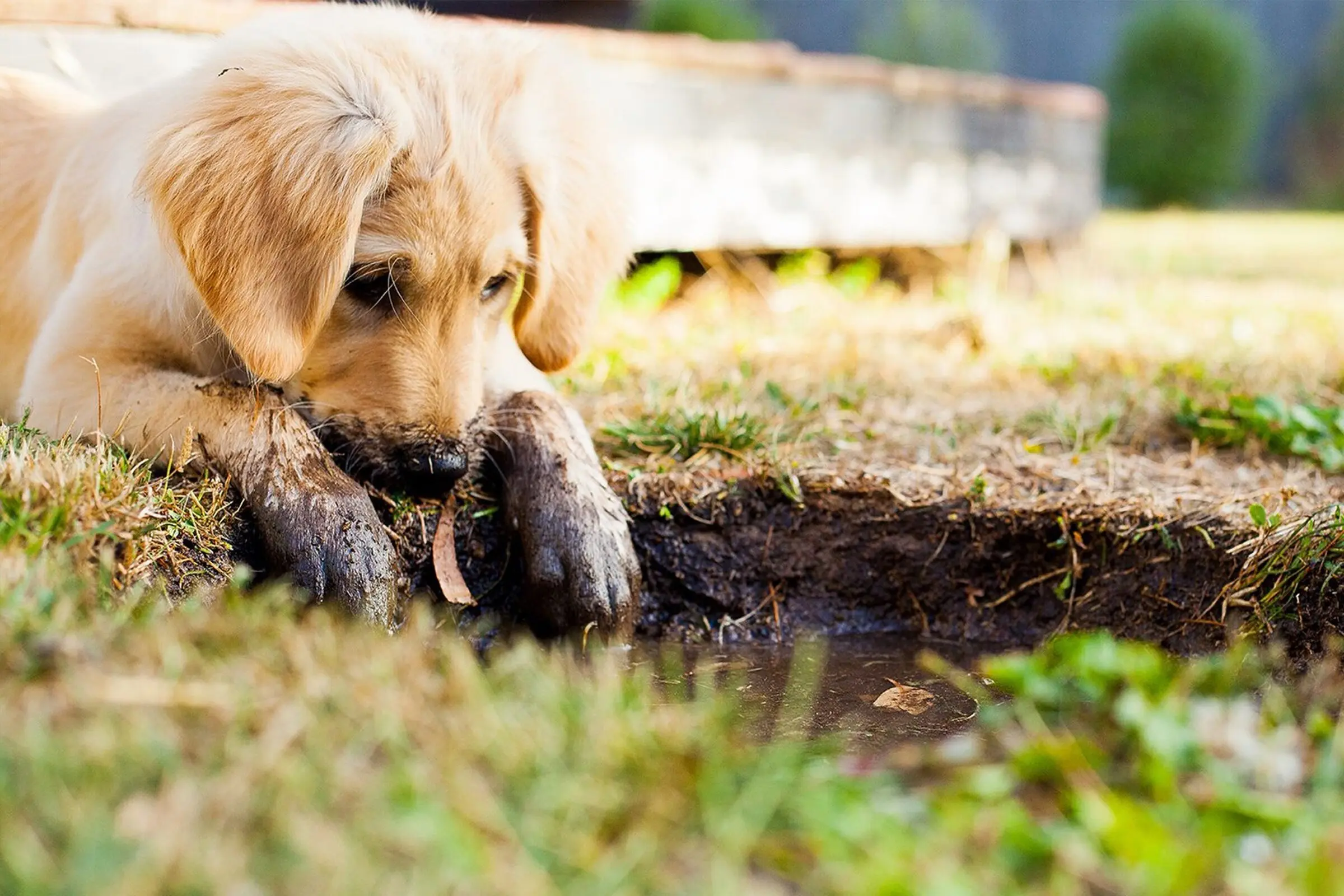
Keep a water-filled bottle by the back door. A quick squirt and a towel rub clean muddy paws before your dog tracks dirt across the floor.
Skip this old tip: a bottle in the toilet tank
You may have heard that putting a filled bottle in the toilet tank saves water. That made sense with older toilets. Toilets sold in the U.S. since 1994 use 1.6 gallons per flush or less, and many newer models use 1.28 gallons or less. In a modern toilet, taking up space in the tank can lead to weak flushes and double flushing, which wastes water instead of saving it.
A better way to save water is to check for a leak. Add a few drops of food coloring to the tank and wait about 15 minutes without flushing. If color shows up in the bowl, the flapper probably needs replacing.
When to recycle instead
Not every bottle deserves a second life. Recycle it if it’s cracked, cloudy, smells musty or held something you don’t want to reuse. Don’t hang on to more bottles than you’ll actually use.
Most U.S. recycling programs now ask you to empty the bottle and put the cap back on before recycling. The cap is recyclable, and loose caps are small enough to slip through sorting machines. Check with your local program, since rules vary.
Frequently asked questions
Can I reuse a dish soap bottle for food? No. Dish soap bottles aren’t made from food-grade plastic, so don’t use them for syrup, batter, sauces or drinking water. Buy squeeze bottles made for food instead.
How do I get all the soap out of the bottle? Add warm water, cap it and shake, then pour it out. Repeat until no suds appear. Or skip the rinse and turn the leftover soap into an all-purpose cleaner with water and a splash of vinegar.
Is it safe to keep homemade cleaners in old dish soap bottles? Yes, as long as you label each bottle clearly and store it where kids and pets can’t reach. Never mix bleach with ammonia, vinegar or any other cleaner.
Should I leave the cap on when I recycle a dish soap bottle? In most areas, yes. Empty the bottle and screw the cap back on. Check your local program’s rules to be sure.
Can kids safely play with old dish soap bottles? Yes, if the bottle is rinsed well and has only held dish soap. Dry it between uses to prevent mold, and recycle it once it looks dirty inside.
From the QT Bird Community
Join the conversation
Comments on QT Bird articles live in our community. Joining is free: share your tips, ask questions and get replies.
Sign up to PostLog in