The list starts in November and grows every week: gifts for the grandkids, cookies for the neighbors, the big dinner, the cards, the tree. By mid-December, the calendar is full, the bank account is thin, and the season you looked forward to feels like a job.
A frugal holiday isn’t about cutting the joy. It’s about choosing what matters most, starting early, and letting the rest go.
This guide walks you through a month-by-month holiday plan, from setting a number in October to paying it off in January, with gifts, decorating, hosting the big meal, family traditions, and the stress side of the season that most budgets leave out.
What makes a holiday frugal?
A frugal holiday spends on what your family will remember and skips what it won’t. In practice, that means setting one number for the whole season, planning gifts early, making some of them by hand, keeping the meal simple, and talking openly with family about what you can do this year. The result is a season with less debt, less rushing, and more time together.
Your holiday plan, month by month
Most holiday stress comes from doing everything in December. Spread it out, and the season gets lighter.
| When | What to do |
|---|---|
| October | Set your holiday number and make the gift list |
| Early November | Talk with family about gifts, start homemade gifts, plan the menu |
| Late November | Shop the list, bake and freeze cookies, gather decorations |
| Early December | Mail cards and packages, wrap as you go |
| The week before | Thaw, shop for fresh food, prep ahead |
| January | Pay off any balance, note what worked, save for next year |
Set one number for the season

Before you buy a single gift, decide what the whole season can cost: gifts, food, decorations, cards, postage, travel, and the extras like teacher gifts and the office party. Write it down. One number you can see is easier to keep than a vague promise to “be careful.”
Then divide it by category, and keep a running total on paper or in your phone as you go. When a category runs out, it’s done. If you can, pay with cash or a debit card. Holiday spending on credit can take months to pay off, and the interest makes every gift cost more.
How to start: Look at last year’s December bank or card statements to see what the season really cost.
Gifts that mean more and cost less
Make the list, then trim it

Write down everyone you usually buy for. Then ask: Who would truly be hurt by a homemade gift, a card, or a shared gift instead? For many families, the list gets shorter fast.
Talk to family early
Most relatives are relieved when someone suggests spending less. Bring it up in early November, before anyone starts shopping. A few ways to say it:
“We’re keeping things simple this year. Want to draw names instead of buying for everyone?”
“Could we do gifts for the kids only, and a cookie swap for the grown-ups?”
“Let’s plan a day together instead of exchanging gifts.”
Draw names
A gift exchange, where each person buys for one other person with a set limit, works for big families, friend groups, and the office. Grandparents with many grandchildren can give one family gift, like a board game or a day out, instead of something for each child.
Make some gifts by hand
Homemade gifts are often the ones people keep. Layered jar mixes, cookies, and bath gifts are simple to make in batches. My Gifts in a Jar guide covers how to make, layer, and tag them, Spa Gifts in a Jar has 10 bath and body gifts, and 10 Homemade Christmas Gifts for Kids gives little hands something to make.
Start in early November, so you’re not up past midnight the week before Christmas.
Give your time
Some of the best gifts aren’t things at all: a coupon for a home-cooked dinner, a day of babysitting, a ride to appointments, or an afternoon of yard work for an older neighbor.
Wrap without buying wrap
Save gift bags, tissue, and ribbon from last year. Brown kraft paper with twine and a sprig of evergreen looks lovely, and so do the Sunday comics, old maps, and fabric scraps tied with ribbon.
Decorate with what you have

Look around before you shop. A bowl of pinecones, a jar of cranberries, a few branches of evergreen from the yard, and the ornaments you already own go a long way. Bring them out a few at a time, and the house will feel festive without a single new purchase.
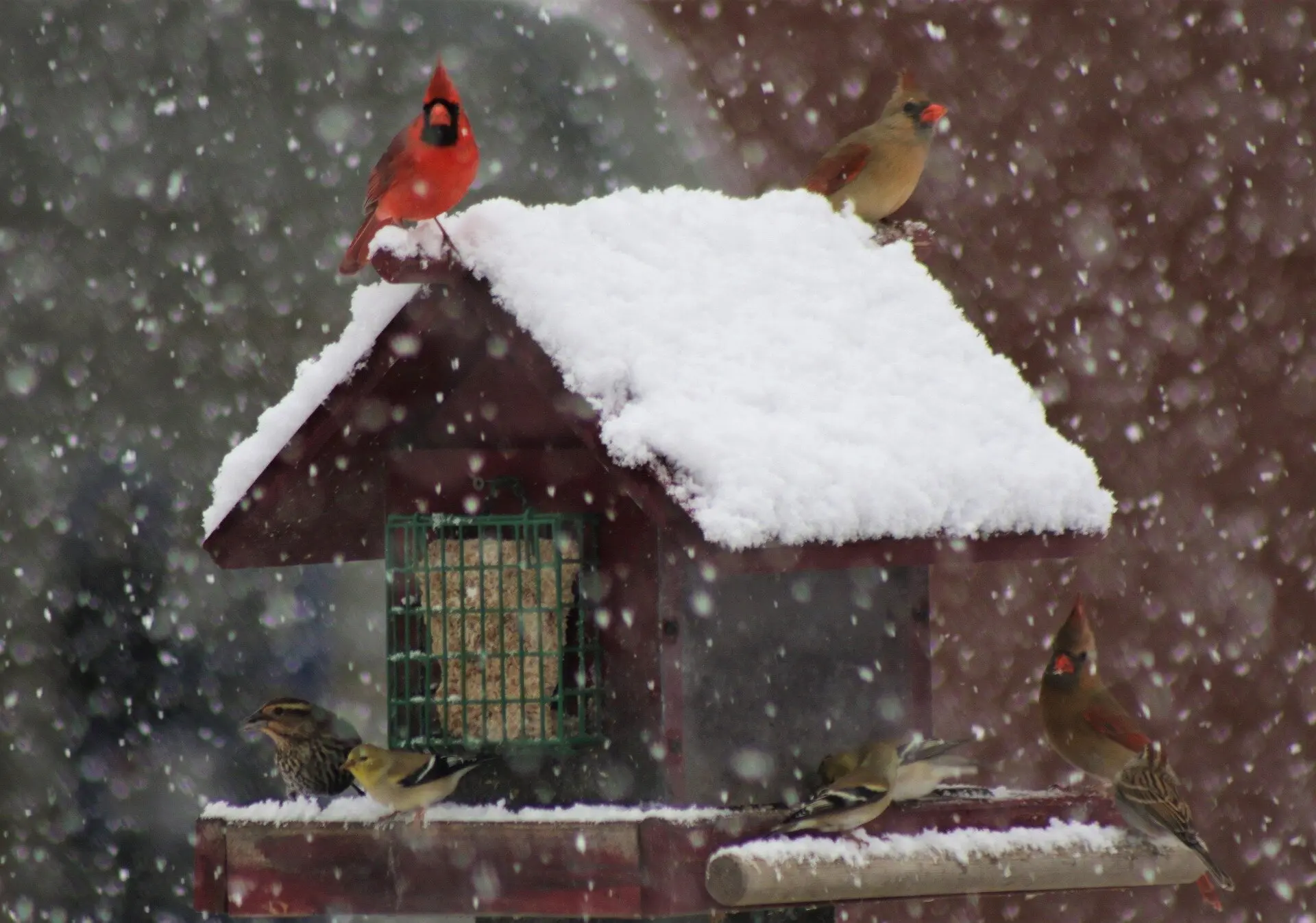
Make the yard festive for the birds, too. String popcorn and cranberries on an outdoor tree, hang pinecones spread with suet, and you’ll have the best show in the neighborhood right outside the window. The National Audubon Society’s Christmas Bird Count runs from Dec. 14 to Jan. 5 each year, if you’d like to count your visitors.
For the scent of the season, a holiday simmer pot of orange peels, cinnamon, and cloves costs next to nothing.
Safety first
December is the peak month for home candle fires, according to the National Fire Protection Association. Keep candles away from greenery, curtains, and wrapping, and blow them out before you leave the room. Battery candles give the same glow with no risk. Water a real tree every day, since a dry tree catches fire quickly.
Host the big meal without the big bill

Keep the menu short
Plan one main dish and three or four sides your family truly loves, instead of every dish anyone has ever made. Fewer dishes mean a shorter shopping list, less food left over, and a calmer cook.
Share the cooking
A potluck isn’t a cop-out. Most guests are glad to bring something. Assign dishes ahead, so you don’t end up with four pies and no vegetables.
Bake ahead and freeze
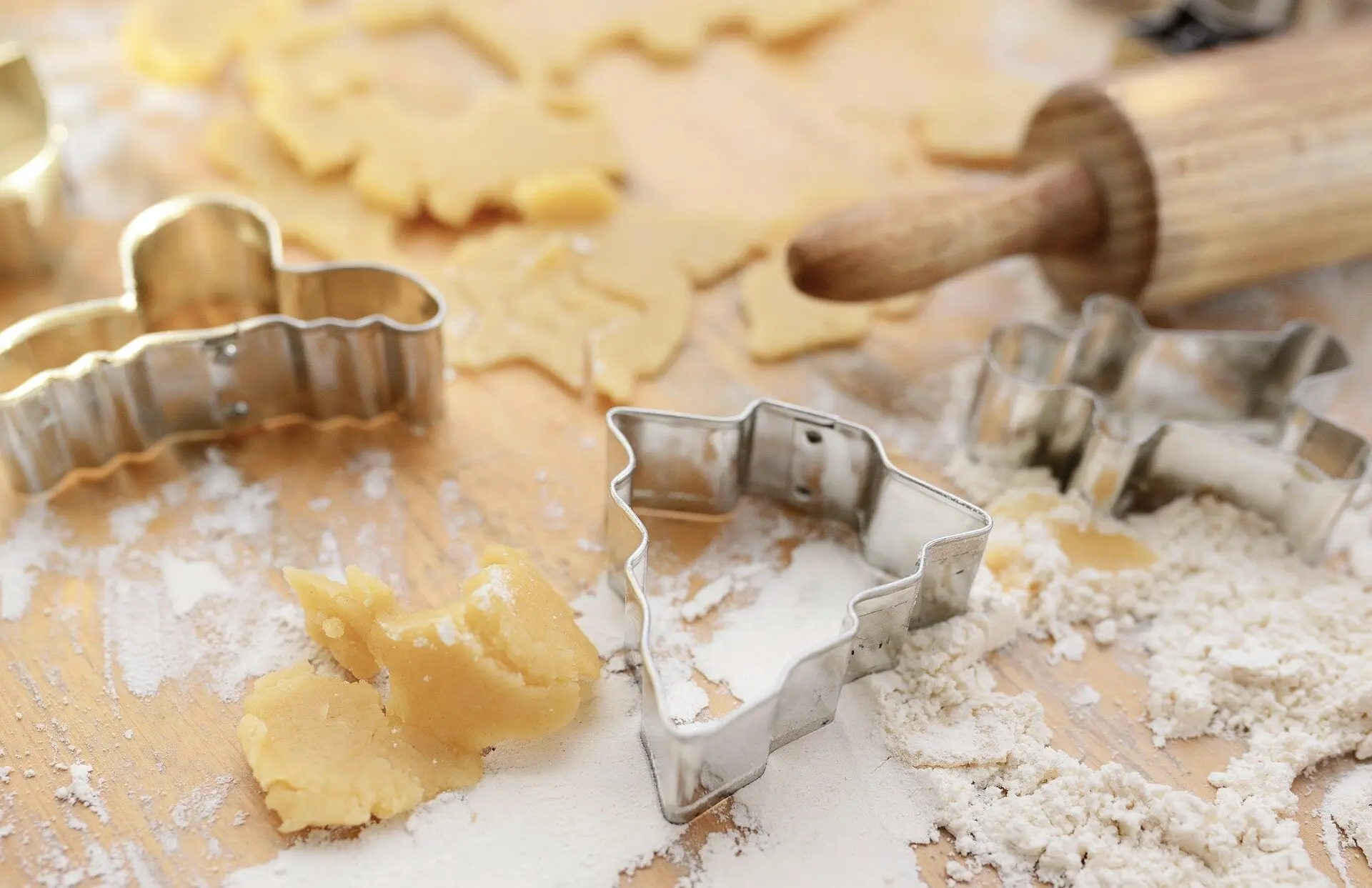
Cookie dough, pie crusts, rolls, and many desserts freeze well. Bake or mix them in late November, label them, and freeze them. December gets much lighter. My 5 Way Holiday Cookies make several kinds from one dough.
Thaw the turkey early
A frozen turkey takes about 24 hours in the refrigerator for every 4 to 5 pounds, the U.S. Department of Agriculture says. For a 20-pound bird, that means moving it to the fridge four or five days before the meal.
Handle the leftovers safely
Put leftovers in the refrigerator within two hours of serving, the USDA advises. Divide big batches into shallow containers so they cool quickly, and eat them within three to four days, or freeze them. Turkey soup, turkey pot pie, and leftover-stuffing waffles stretch the meal into the week.
Keep the traditions that matter
Every family collects traditions, and some of them stop being fun. Make a list of everything you usually do in December, then ask everyone to pick their top three. Keep those, and let the rest rest for a year.
Many of the best traditions cost nothing: a drive to see the lights, a cookie-baking afternoon, reading the same Christmas story every year, a family walk on Christmas Day, or watching the birds at the feeder with a cup of cocoa.
Take care of yourself, too

If the season wears you down, you’re not alone. In 2025, 41% of adults said they expected the holidays to be more stressful than the year before, according to the American Psychiatric Association.
The holiday work often lands on one person. If that’s you, hand off a few jobs. Someone else can wrap, someone else can do the dishes, and store-bought rolls are perfectly fine.
Protect a little quiet time every day, even 15 minutes with a cup of tea. Keep your usual sleep and walks as much as you can.
And if the season is hard this year because of a loss, an empty chair at the table, or being far from family, it’s all right to scale back. Do what brings you comfort, and skip what doesn’t. Reach out to a friend, a neighbor, or your place of worship, or volunteer somewhere, which can lift your spirits as much as it helps others.
After the holidays
In early January, pay off any holiday balance first. Then take a few minutes to write down what worked, what you’d skip, and what the season really cost. Tuck the note in with your decorations, and next October’s plan is already half done.
Shop the after-Christmas sales only for things on next year’s list, like wrapping paper or cards. To spread next year’s cost out, set aside a little every month starting now, so the money is waiting in November.
Frequently asked questions
How can I have a frugal Christmas? Set one number for the whole season, trim the gift list, draw names, make some gifts by hand, decorate with what you have, and keep the big meal simple.
How do I tell my family I’m spending less on gifts? Bring it up early, in a warm way. Suggest drawing names, gifts for the kids only, or a day together instead. Most relatives are relieved someone asked.
When should I start planning for the holidays? October is ideal. Set your number and gift list in October, start homemade gifts in early November, and shop by late November so December is for enjoying.
How do I make the holidays less stressful? Spread the work over two months, keep only your family’s favorite traditions, share the cooking, and protect a little quiet time each day.
How long do holiday leftovers last? Refrigerate them within two hours of the meal and eat them within three to four days, or freeze them for later.
What are good frugal gift ideas? Gifts in a jar, homemade cookies, bath gifts, a family experience, or your time, like a home-cooked dinner or a day of help.