
Restaurant meals and takeout are one of the easiest ways to blow a food budget. Once you add the tip, you’ve often paid more than a whole home-cooked dinner would cost. Picking up food feels like the fast, simple answer, especially after a long day.
Those quick fixes add up. U.S. households spent an average of $3,945 on food away from home in 2024, according to the Bureau of Labor Statistics. And restaurant prices keep climbing faster than grocery prices. The USDA Economic Research Service reports that restaurant prices were 3.4% higher in August 2026 than a year earlier, while grocery prices rose 2.2%.
Cooking at home won’t always cost less. It takes some effort, and you have to shop wisely. Still, even when a homemade meal costs a little more, you decide what goes into it, and that usually makes it the healthier choice.
The first step is figuring out what sends you out the door. Is it time, energy, a messy kitchen or simply not knowing what to cook? Once you know the reason, you can plan around it. Here are seven common roadblocks and ways to get past them.
Know your number
Before you change anything, add up what you spent last month on restaurants, takeout, delivery apps and drive-thru coffee. Your bank and card statements will show it. Seeing the total is often all the motivation you need. Then set a realistic goal, such as cutting that number in half.
Seven obstacles to eating at home and how to beat them
1. You’re cooking for one or two
Obstacle: Cooking just for yourself can feel like a lot of hassle for one plate. So many recipes make enough to feed a crowd. When you’re frustrated, it’s tempting to grab fast food or skip a real meal.
Solution: Make the full recipe anyway, then divide it into single portions and freeze them. A slow cooker is handy for make-ahead meals. When you get home from the grocery store, split meat and poultry into smaller packages so you only thaw what you need. Many recipes can be cut in half without a problem. For baked goods and other tricky recipes, a recipe conversion calculator does the math for you.
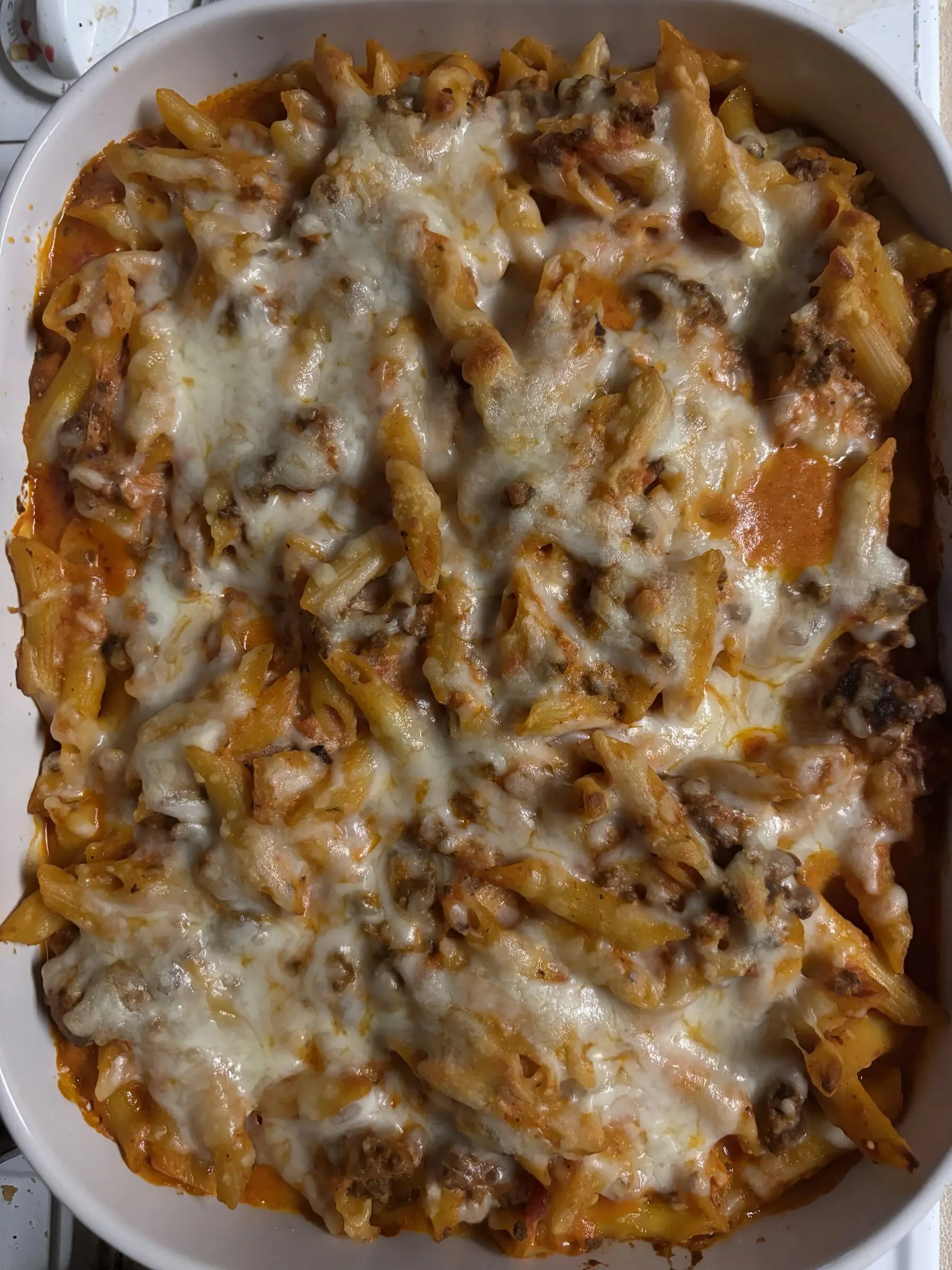
For one person, rice and pasta usually beat a big bag of white potatoes because they last much longer. You can still pick up one russet or sweet potato when you want it. Planning ahead makes all the difference. Look for cookbooks for one or two at your library, or browse sites such as Razzle Dazzle Recipes, which has a long list of recipes sized for two. You could also have a friend over for dinner, or team up to cook two meals and trade.
2. Your kitchen is a mess
Obstacle: It’s hard to get excited about cooking when the sink is full and the counters are covered. With no room to work, every step takes longer, and dinner starts to feel like a chore that isn’t worth the effort.
Solution: Share the work. If you cook, let your partner or kids handle cleanup. It also helps to set aside time to clear out your kitchen and get it organized, so it’s easier for you and everyone else to use. Grab a few boxes and sort things into piles to keep, throw away, store, sell or donate.
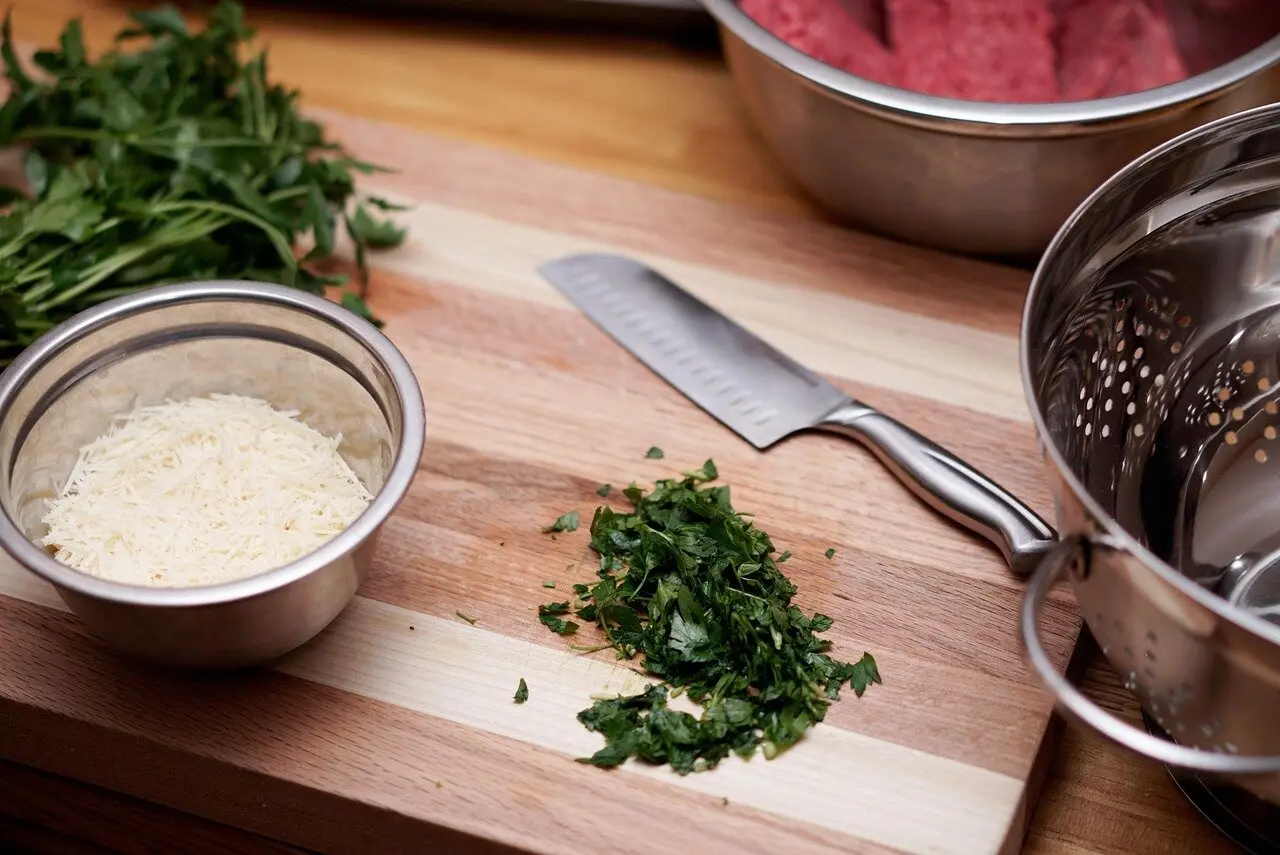
Start each cooking session with an empty sink and dishwasher, and wash or load as you go. Cleanup is much less of a chore when you’re not facing a mountain of dishes after dinner.
3. You’re worn out or short on time
Obstacle: On days when you’re worn out, short on time or under the weather, all you want is to put your feet up. Making dinner is the last thing on your mind.
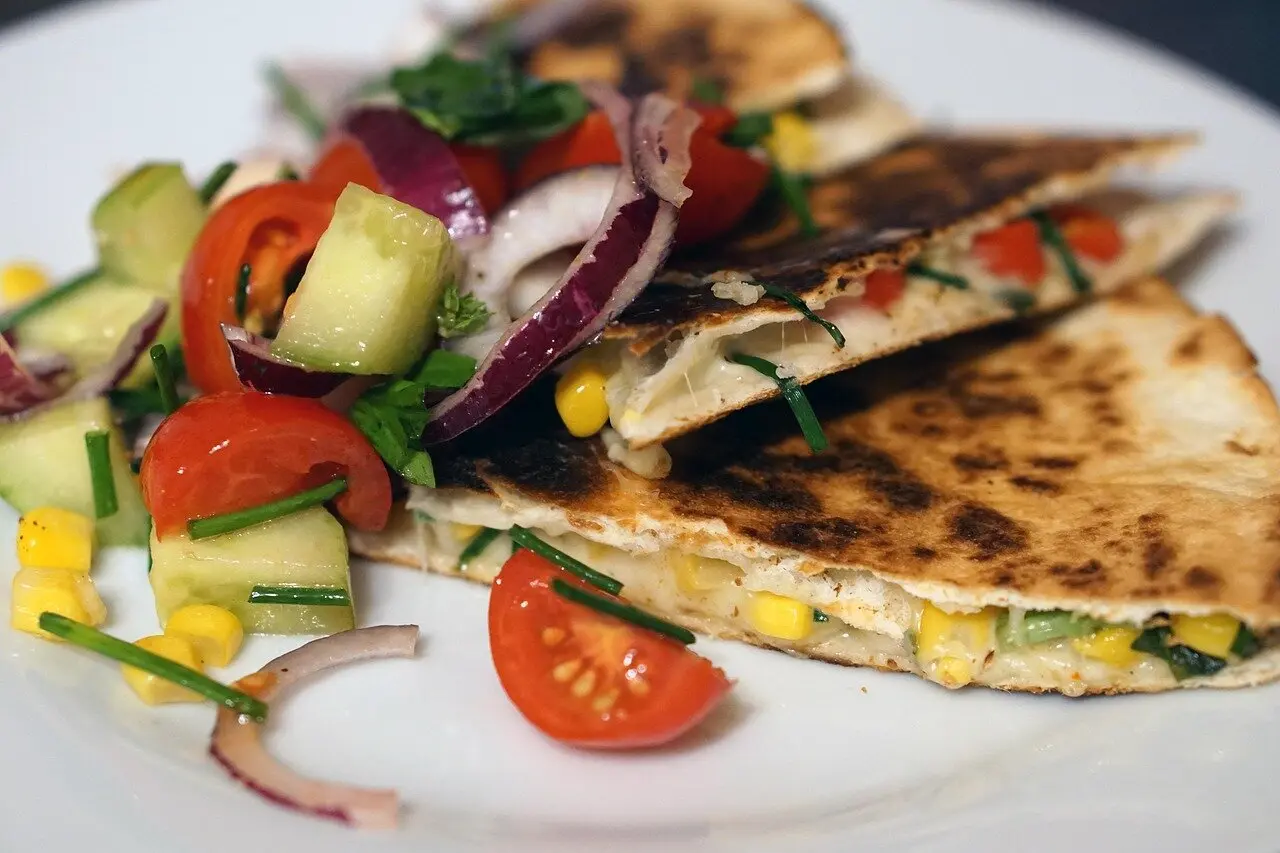
Solution: That’s what backup meals are for. Keep a few fast options in mind, like pancakes or eggs for dinner, frozen ravioli, or a bowl of soup with a sandwich. A package of tortillas in the fridge means wraps, quesadillas or fajitas are only minutes away.
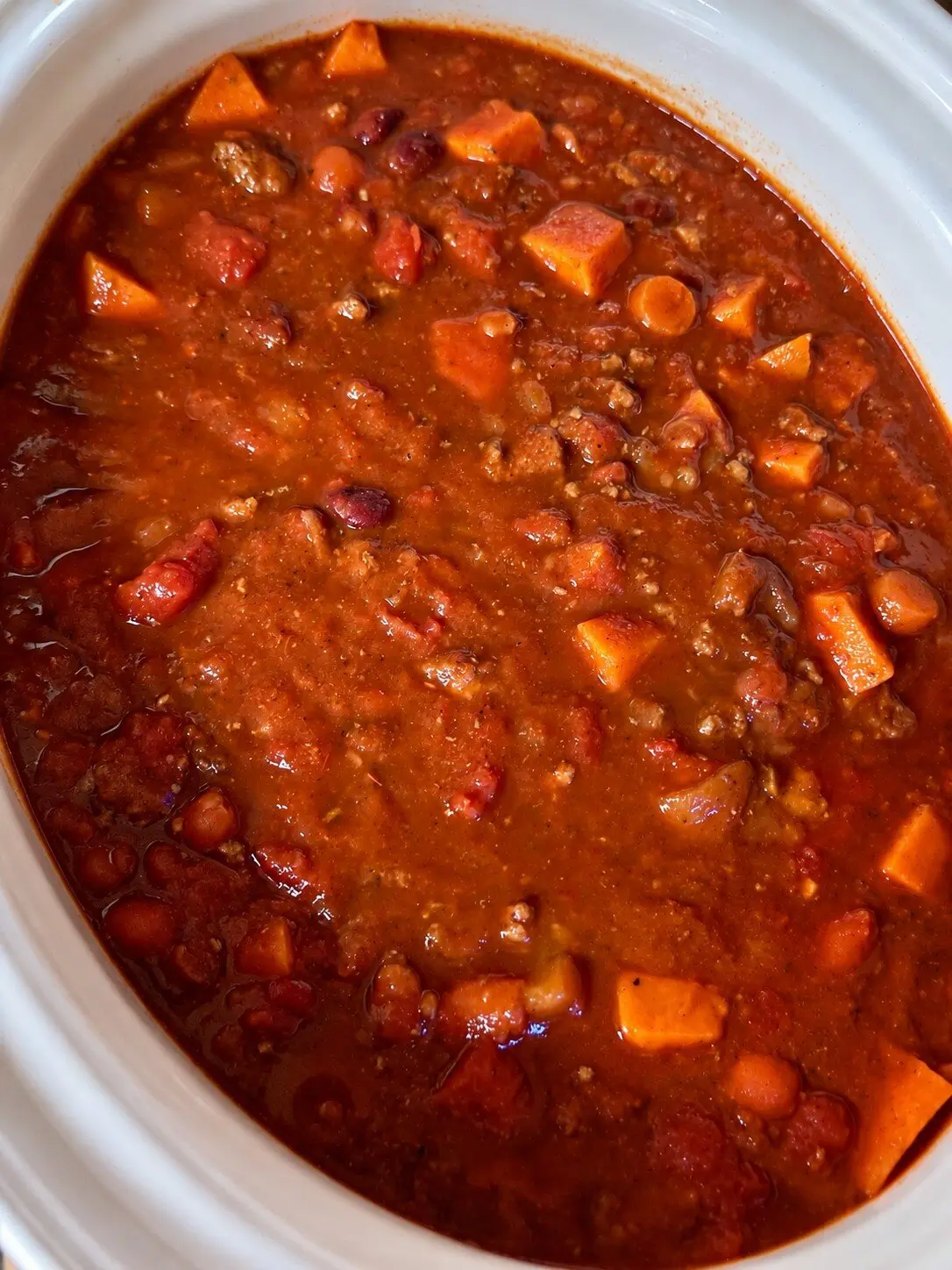
When you have a lighter day, double what you’re cooking. Make two lasagnas or roast two chickens, or cook a big pot of chili, soup, stew or pasta sauce. Freeze the extra and you’ve made your own convenience food.
4. You don’t know what to make
Obstacle: Sometimes the problem is simply drawing a blank. Standing in front of the refrigerator at 6 p.m. is how a lot of takeout orders start.
Solution: A menu plan fixes that. It doesn’t have to assign a meal to every night. Just keep a running list of dishes your household likes. When it’s time to cook, you can pick from the list instead of starting from scratch, and it doubles as a reminder of what to put on your shopping list and what to pull out of the freezer. Theme nights, such as soup night or pizza Friday, cut down on decisions even more.
5. You crave your takeout favorites
Obstacle: Sometimes you’re not hungry for just anything. You want the burger, the pizza or the lo mein from your favorite place.
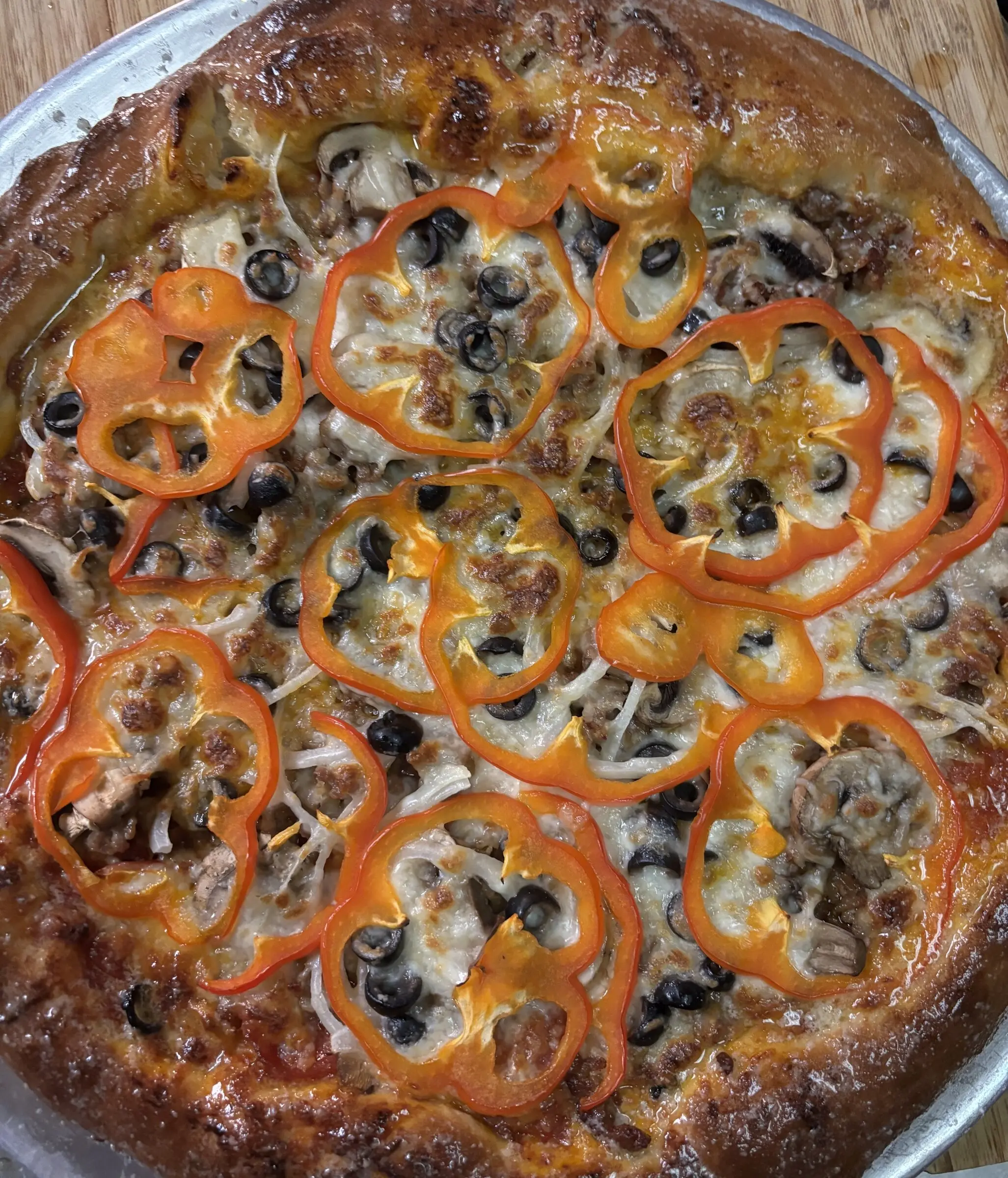
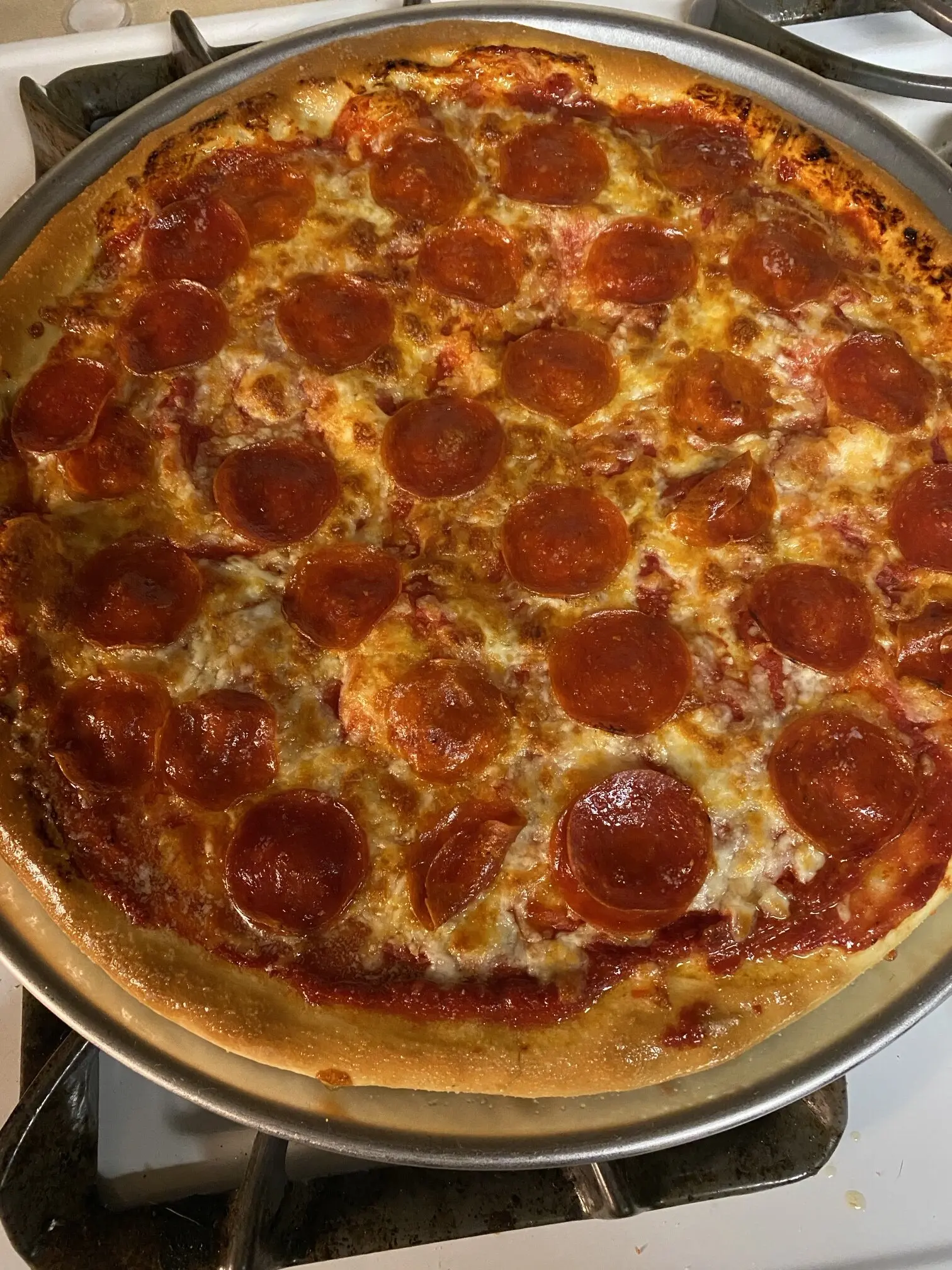
Solution: Make a list of the takeout meals you order most, and try making your own versions. Pizza dough, meatballs and burger patties are easy to shape ahead and freeze. You can also chop vegetables in advance and precook ground beef, chicken or a pork roast to stash in the freezer. Homemade versions won’t be identical, but they’ll be close enough to beat a trip to the drive-thru.
6. Lunch and errands catch you away from home
Obstacle: Lunch is one of the easiest meals to buy without thinking. So is the snack or coffee you grab while running errands.
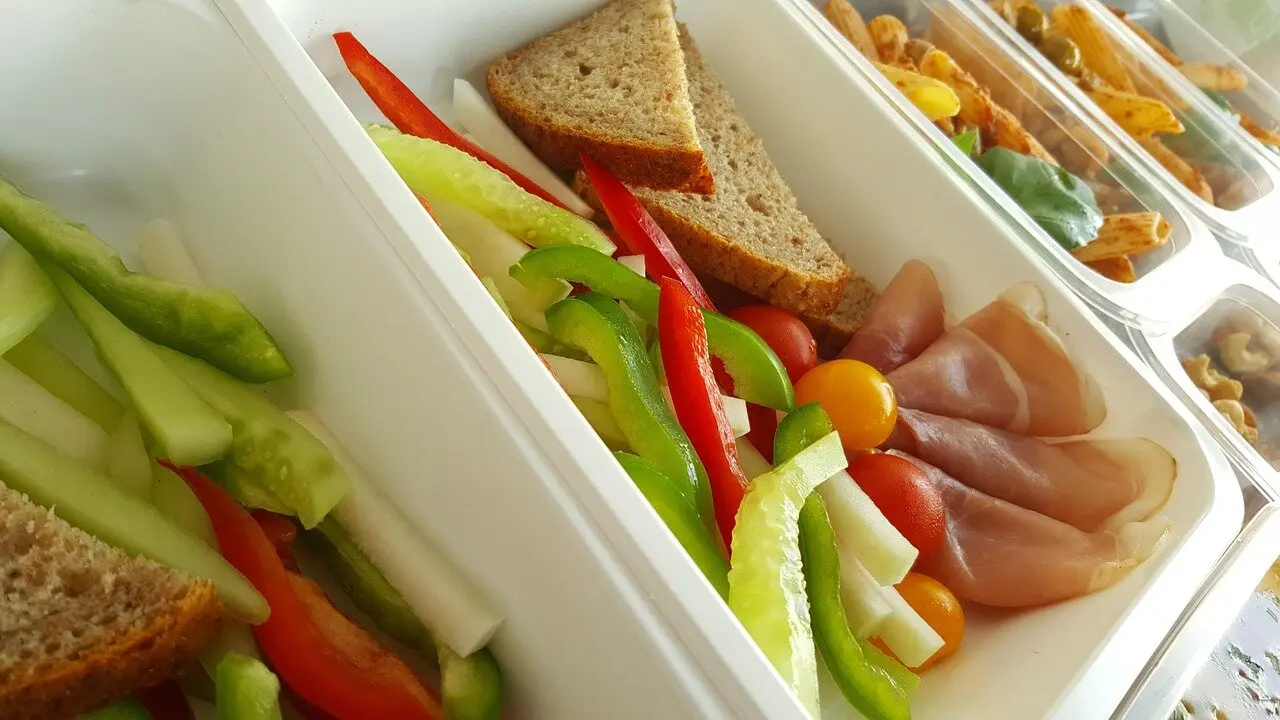
Solution: Pack your lunch the night before, and plan leftovers on purpose so tomorrow’s lunch is already made. Keep a few shelf-stable snacks in your bag or car, such as nuts, granola bars or crackers, so hunger doesn’t steer you into a drive-thru.
7. You want the break, not the food
Obstacle: Sometimes eating out isn’t about food at all. You want a night off from cooking and cleaning, or a change of scenery.
Solution: Give yourself the break at home. Make one night a week a no-cook night with leftovers or sandwiches, and use paper plates if that helps. Eat on the porch or pack a picnic. If you still want to go out, eat dinner at home and go out for dessert or coffee instead. And when you do dine out, make it a planned treat, not a fallback.
Keep emergency meals on hand
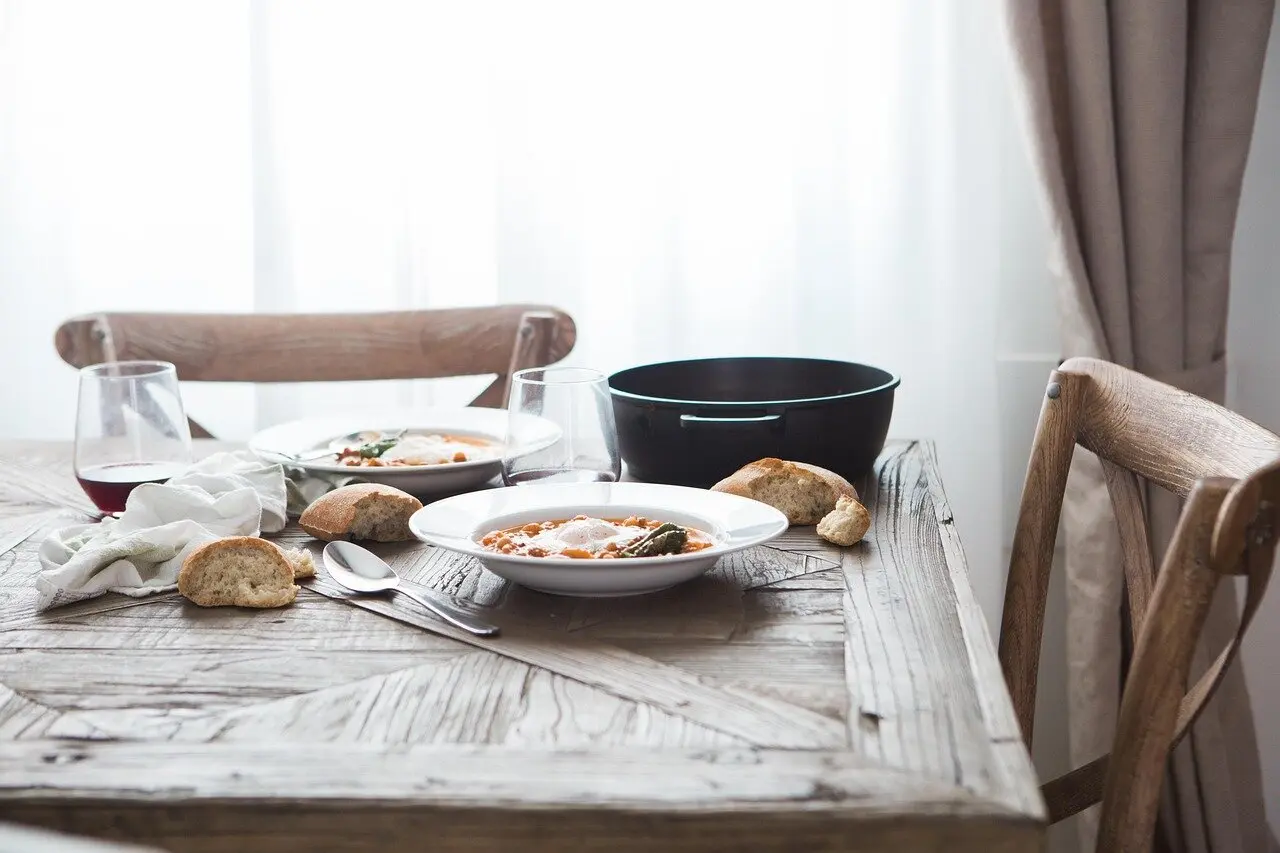
A well-stocked freezer and pantry are your best defense against takeout. Keep the makings for a few of these on hand:
- Breakfast for dinner: eggs, pancakes or French toast
- Frozen ravioli or pasta with jarred sauce
- Soup and grilled cheese sandwiches
- Wraps, quesadillas or fajitas with tortillas
- Baked potatoes with leftover chili or broccoli and cheese
- Fried rice with frozen vegetables and an egg
- Homemade freezer meals: lasagna, chili, meatballs or soup
Get some support
Changing a habit is easier with company. The Frugal Village forum hosts food challenges on topics such as going without restaurant meals, planning menus, trying new recipes and cooking from your pantry and freezer.
Frequently asked questions
How do I stop eating out when I’m busy? Plan for busy nights before they happen. Keep a short list of emergency meals and the ingredients to make them, and cook double batches on slower days so you have meals in the freezer.
Is cooking at home always cheaper than eating out? Not always. Some homemade meals cost more than a value menu, especially if you buy specialty ingredients. But smart shopping, cooking in batches and using leftovers usually make home cooking much cheaper, and you control what goes into your food.
How can I cook for one without wasting food? Cook full recipes and freeze individual portions, repackage meat into single servings and buy staples that keep, such as rice and pasta. Cookbooks and recipe sites for one or two people help, too.
What are easy meals to make instead of ordering takeout? Breakfast for dinner, quesadillas, frozen ravioli, soup with a sandwich, and baked potatoes with toppings are all quick. You can also make homemade versions of takeout favorites, such as pizza and burgers.
How often is it OK to eat out? That depends on your budget and goals. Track what you spend now, set a realistic limit and treat restaurant meals as planned occasions rather than a fallback.

From the QT Bird Community
Join the conversation
Comments on QT Bird articles live in our community. Joining is free: share your tips, ask questions and get replies.
Sign up to PostLog in