
Autumn brings rising utility bills. For some, heating costs aren’t merely an annoyance, but have become a bill that needs to be well planned for. Now is a good time to prepare for the upcoming colder temperatures.
The following are some strategies to prepare for cold weather, starting with the cheapest and easiest.
Bulk up before you turn up the heat
Pull out the flannel or polar fleece sheets, layers of clothing, extra blankets, wool socks or slippers. A warm body feels comfortable at a lower thermostat setting, and that’s money you keep.
Electric blankets and mattress pads, hot water bottles and homemade rice heating pads can be used to warm up, too. To make a rice heating pad, fill a clean 100% cotton sock or small cotton pouch with uncooked rice, flaxseed or dried beans, and tie or stitch it closed. Heat it in the microwave in short bursts until it’s warm, not hot. Use it to warm up before bed, but don’t leave it under the covers overnight.
Comfort foods help. Frugal hot soups and stews, or hot beverages such as cocoa and tea, can chase away a chill. If you get chilly inside, it’s also a great motivator to get off the couch and use exercise equipment that’s been collecting dust.

Seal out the drafts
Drafts are where a lot of heating money disappears. The Environmental Protection Agency’s Energy Star program estimates homeowners save an average of 15% on heating and cooling costs by sealing air leaks and adding insulation in places such as the attic.
You don’t have to spend much to get started:
- Window film or shrink kits. Many put up plastic window film. It’s inexpensive and comes off in spring.
- Removable caulk. Look for a removable weatherstrip sealant, often labeled “seal and peel,” that can be applied around doors and windows and pulled off when warm weather returns.
- Draft stoppers. Use them at the bottom of doors. A rolled towel works in a pinch.
- Foam outlet gaskets. Outlets and switch plates on outside walls can leak cold air. Foam gaskets fit behind the cover plates and cost very little.
- Window quilts, space blankets and bubble wrap. Window quilts, space blankets from the sporting goods department, foam insulation, door insulation kits or bubble wrap can all add a layer on drafty windows.
- Curtains and blinds. Close them at night and open them during the day to let the sun in.
If you have a fireplace, keep the damper closed tightly when you’re not using it. The U.S. Department of Energy lists an open or leaky fireplace flue as a common air leak. If your damper doesn’t seal well, consider an inflatable draft stopper made for chimneys.
Get smart with the thermostat
Lower your thermostat a bit when you leave your home for an hour or more. (Think: work, errands, the library or when visiting friends and family.) Do the same at bedtime, when you’re snuggled under those extra blankets anyway.
The Department of Energy estimates you can save as much as 10% a year on heating by turning your thermostat back 7°F to 10°F from its normal setting for eight hours a day. It suggests setting the thermostat around 68°F while you’re awake and lower while you’re asleep or away.
If you don’t have one already, look into a programmable or smart thermostat so you don’t have to remember to change it. Some utilities offer rebates on them.
Good to know
Many people believe the furnace works so hard to warm the house back up that you lose any savings. The Department of Energy says that’s a myth. A cooler house loses heat more slowly, so you use less energy overall.
Take care of the furnace and water heater
Have your furnace serviced before you need it. A technician will typically check the burners, blower, motors, safety controls and for leaks, and you’ll know about problems before the coldest night of the year. Clean or change the filter, too, and keep checking it through the winter. A clogged filter makes your system work harder.
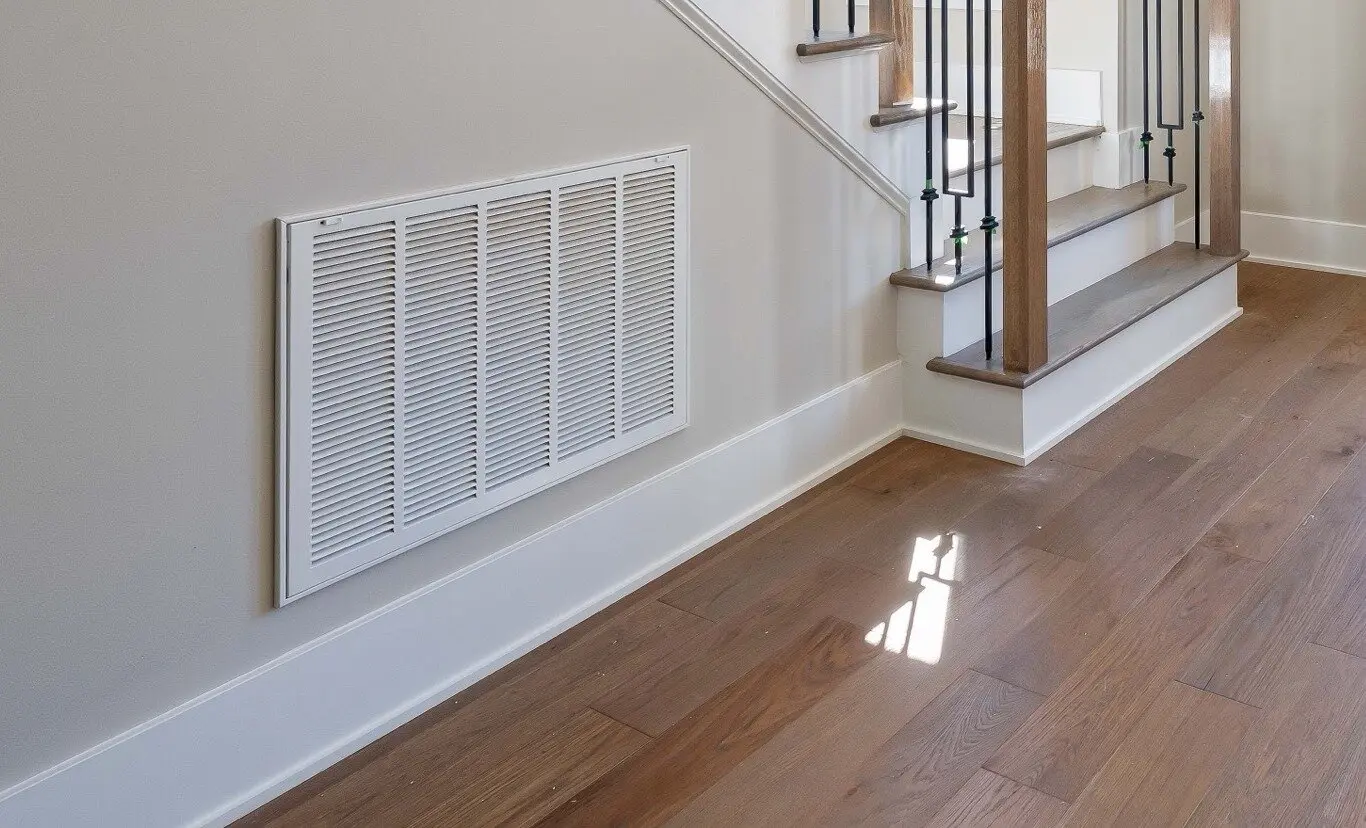
Have your ducts checked for leaks and loose connections, especially in the attic, basement or crawl space. Sealing leaky ducts keeps the heat you’re paying for inside your living space.
Insulate your hot water tank and consider lowering its temperature. The Department of Energy says 120°F is enough for most households, and many water heaters come set higher than that. Check your owner’s manual before you adjust it.
Protect your pipes
A burst pipe can cost far more than an entire winter’s heating bill, and preventing one is cheap.
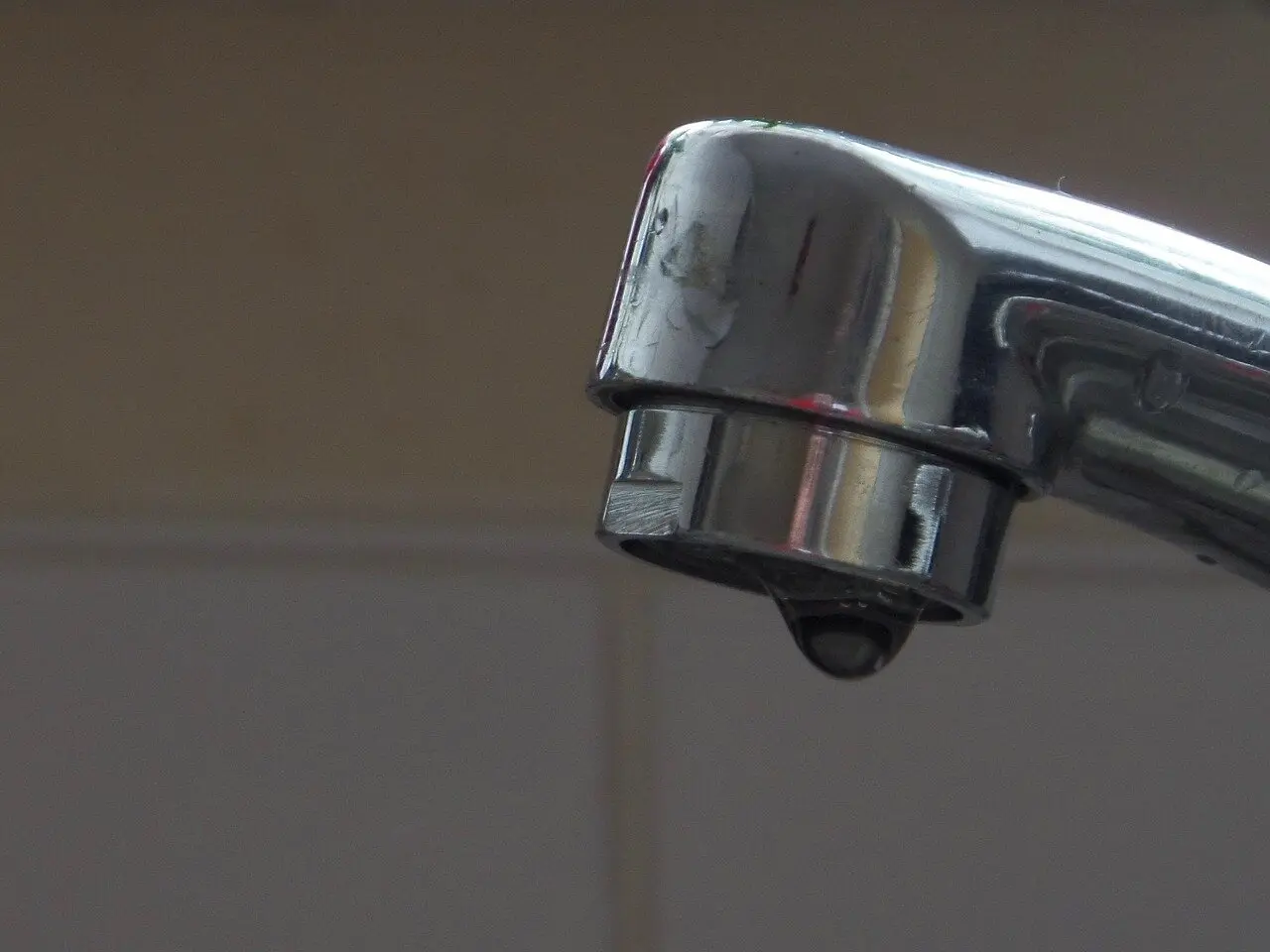
- Disconnect garden hoses and shut off and drain outdoor faucets before the first hard freeze. Foam faucet covers cost a few dollars.
- Wrap exposed pipes in unheated areas, such as the garage, crawl space or basement, with foam pipe sleeves.
- On very cold nights, open the cabinet doors under sinks on outside walls so warm air can reach the pipes, and let a faucet drip.
- If you travel, don’t turn the heat off. Keep the house at 55°F or above.
- Know where your main water shut-off valve is, so you can turn it off fast if a pipe does break.
Check the outside of your home
Take the time to clean your gutters so they’re free from leaves and debris. Clogged gutters can cause a lot of damage to your roof and the exterior of your home when snow and ice thaw.
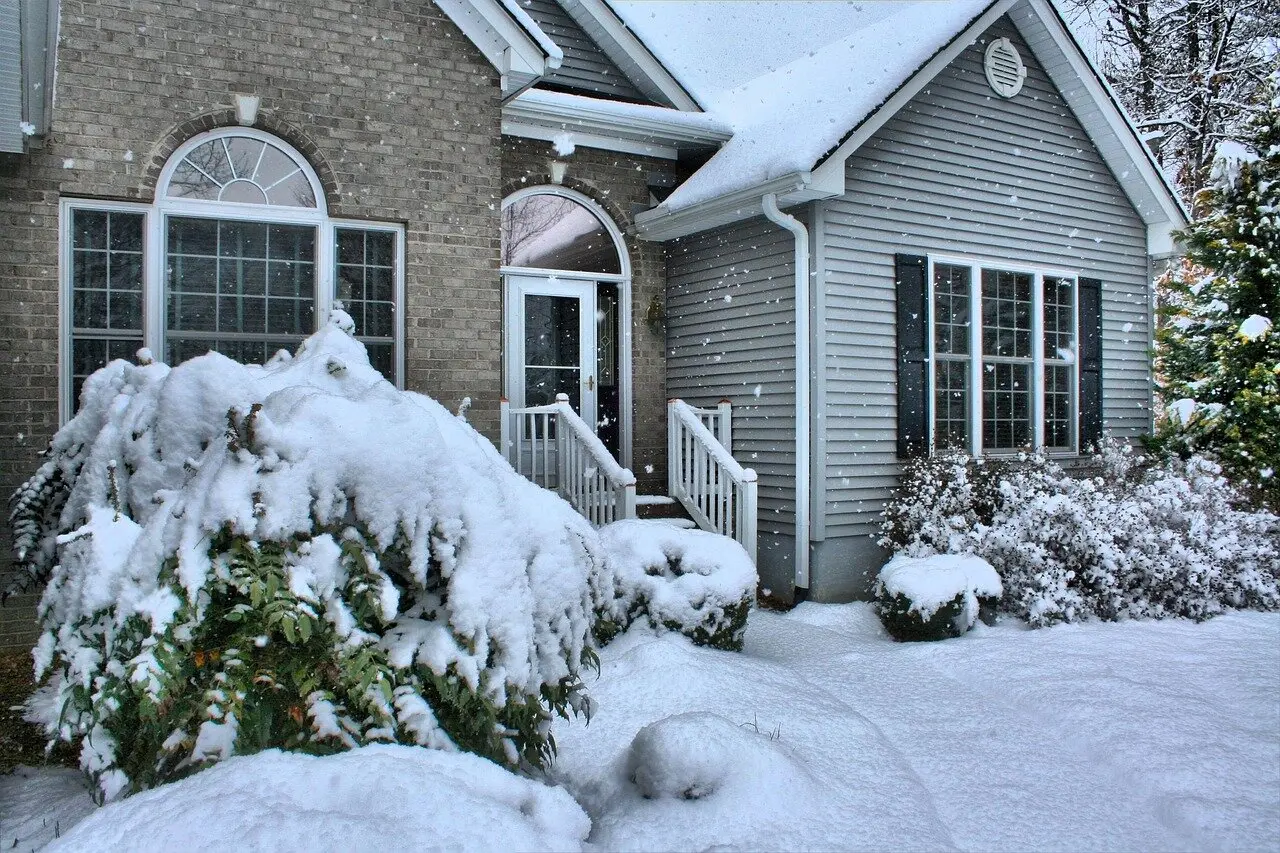
Check to see if any trees need trimming so they don’t fall on your electrical lines or damage your roof or windows during a storm. Leave anything near power lines to the utility company or a professional. If you live in a heavy snow area, consider investing in a roof rake.
Over the long term, consider outdoor landscaping that can serve as a wind barrier, such as a row of evergreens like blue spruce on the side of the house that gets the most wind.
Plan for the bills
Pay attention to any money leaks now, so you can set aside more money for the increased winter costs.
- Budget billing. Look into the budget plan with your utility company. It averages your bills over the year, so you pay about the same amount each month instead of getting a shock in January.
- Energy audits and rebates. Ask your utility if it offers free or low-cost energy audits, weatherization help or rebates on Energy Star appliances and thermostats.
- Heating assistance. If money is tight, contact your utility or your local community action agency about heating help. Many state assistance programs open applications in the fall, and some run until funds run out, so apply early.
- Weigh your options. Discover whether a wood-burning stove, insulated drapes and space heaters are cost-effective for your family. A space heater can save money when you heat only the room you’re in and turn the furnace down, but not if the furnace keeps running full blast.
Space heater safety
Keep space heaters at least 3 feet from anything that can burn, such as curtains, bedding and furniture. Plug them directly into a wall outlet, never an extension cord or power strip. Choose one that shuts off automatically if it tips over, and turn it off when you leave the room or go to sleep.
Assemble emergency kits
Winter storms can knock out power or leave you stuck on the road. Assemble kits for your home and vehicles before the first storm.
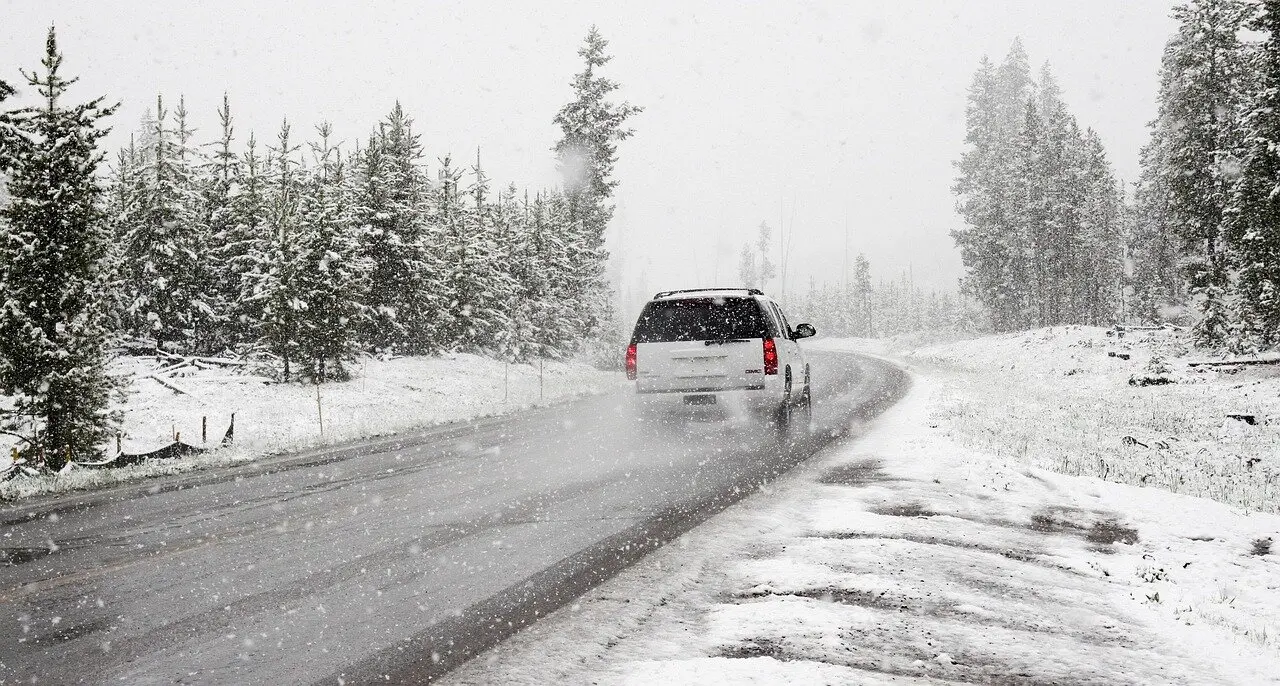
For your car, include items such as extra blankets or clothing, hats and gloves, a first-aid kit, basic tools, a flashlight, flares or reflective triangles, jumper cables, water, an ice scraper, a small shovel, kitty litter or sand for traction, a phone charger and nonperishable food such as energy bars. Keep your gas tank at least half full in winter.
For your home, check smoke and carbon monoxide detectors and replace the batteries. You can have a fire drill and discuss emergency safety plans, too. Your home kit should include:
- Flashlights and spare batteries
- A crank or battery-powered radio
- Food and water for at least three days
- A manual can opener and a utility knife
- A first-aid kit, prescriptions and personal hygiene items
- Basic tools, matches or a lighter, and candles (never leave them burning unattended)
- Clothing, bedding and baby wipes
- Whistles and garbage bags
- Copies of important documents
- Some cash in small bills, since card readers and ATMs don’t work without power
- Entertainment such as books, cards and board games
- A fire extinguisher
Never use a gas stove, grill, camp stove or generator to heat your home or run it indoors or in a garage. They can produce deadly carbon monoxide.
Stock up on cold-season supplies
Stock your medicine cabinet with cold and flu supplies such as cough drops, cold and cough medicine, tissues and a thermometer, so you don’t have to run to the pharmacy if you get sick.

Buy a cool-mist humidifier if you don’t have one. It can make you more comfortable when you’re sick and adds moisture to the dry air in your house during the winter. Cool-mist models are the safer choice around children because there’s no hot water to cause burns. Empty, rinse and dry the tank daily so bacteria and mold don’t grow in it.
Have a few books handy for winter reading, too. A pile of library books, a warm blanket and a hot cup of tea is one of the best frugal ways to spend a cold evening.
Frequently asked questions
When should I start preparing my home for winter? Early to mid-fall is ideal. It’s easier to clean gutters, shut off outdoor faucets and caulk windows while it’s still mild, and furnace service companies are less busy before the first cold snap.
What temperature should I set my thermostat to in winter? The U.S. Department of Energy suggests about 68°F while you’re awake and lower while you’re asleep or away. Turning it back 7°F to 10°F for eight hours a day can save as much as 10% a year on heating.
What is the cheapest way to winterize a house? Start with the free and low-cost fixes: close curtains at night, put draft stoppers at doors, add plastic window film, seal gaps with removable caulk and turn the thermostat down when you’re away or asleep.
Does it save money to turn the heat down when I’m not home? Yes. A cooler house loses heat more slowly, so it uses less energy overall, even counting the time it takes to warm back up.
What should I keep in my car for winter? Blankets, warm clothes, a flashlight, a first-aid kit, jumper cables, an ice scraper, a small shovel, kitty litter or sand for traction, water, snacks and a phone charger.
How can I get help paying my heating bill? Ask your utility about budget billing and payment plans, and contact your local community action agency about heating assistance programs. Apply early, since some programs run until funds are gone.
From the QT Bird Community
Join the conversation
Comments on QT Bird articles live in our community. Joining is free: share your tips, ask questions and get replies.
Sign up to PostLog in