Most advice about meal planning for one starts with shrinking recipes. Cut everything in half, buy the smallest packages, and figure out what to do with half an egg.
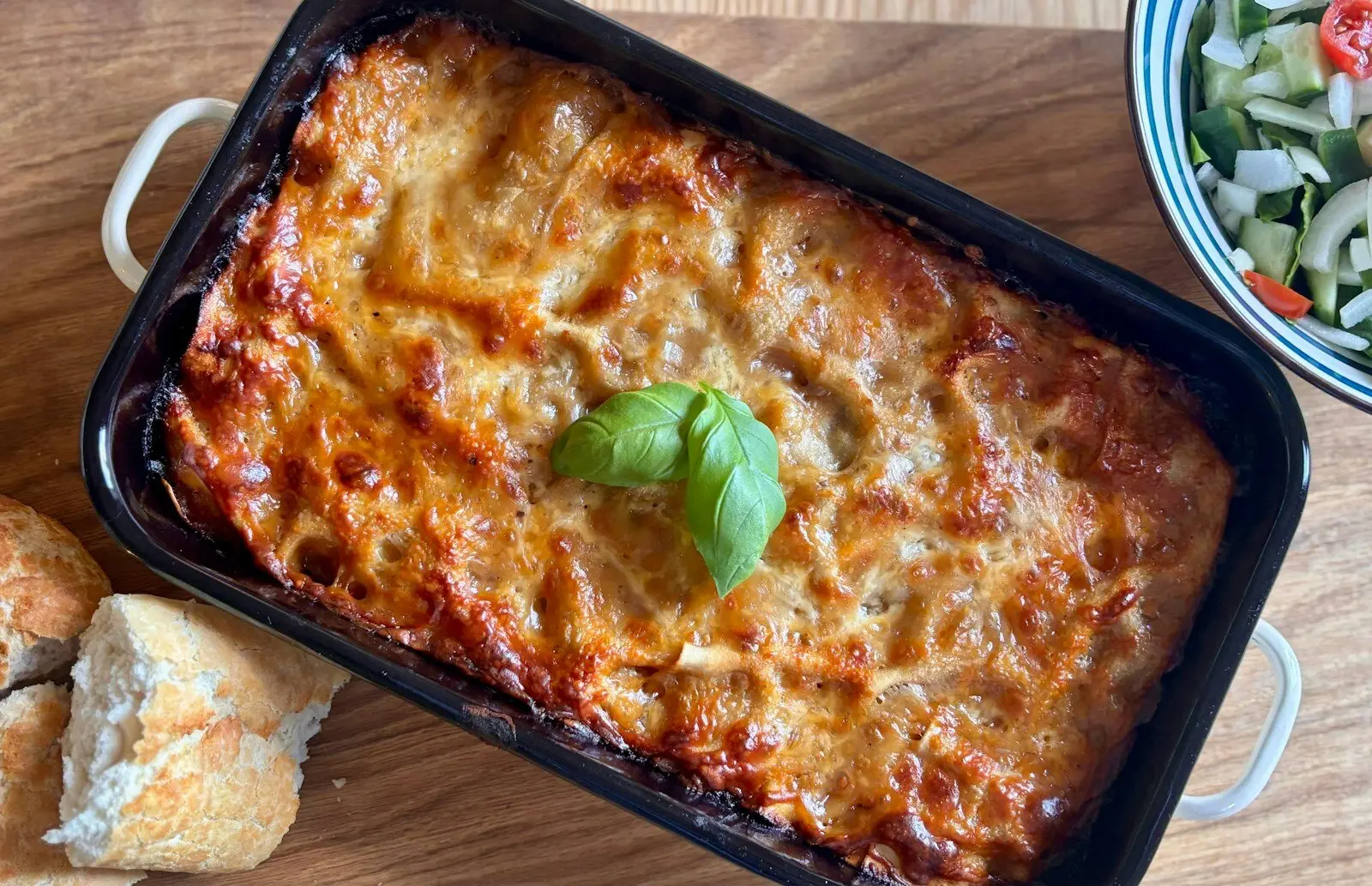
I’ve never understood that. Why scale down a recipe? Cooking for one is the same as cooking for four. You make the whole pan of lasagna, eat one serving, and freeze the rest. Do that a few times and rotate what you freeze, and with a little work you can have dinner covered for the entire month.
It’s cheaper, too. The family pack of ground beef and the big can of tomatoes cost less per serving than the small ones, and nothing goes bad in the back of the refrigerator because you finally got sick of eating it.
Here’s how to do it, with a sample month, what to freeze, and how to handle the groceries that don’t come in single servings.
Why scale down? Cook the whole recipe instead
Cooking for one person isn’t rare. There were 39.7 million one-person households in the United States in 2025, 29% of all households, according to the U.S. Census Bureau. But most recipes, packages, and sales are still built for a family of four.
You can fight that, or you can use it.
Scaling down is more work. Half a recipe takes almost as long to make as a whole one. You still chop the onion, brown the meat, and wash the pan.
Scaling down is harder. Recipes don’t always divide neatly. Half of three eggs, a third of a can of soup, and a quarter teaspoon of something already measured in pinches all turn into guesswork, and baked dishes don’t always turn out.
Scaling down costs more. Small packages usually cost more per pound or per ounce. And the half-used ingredients you buy for a halved recipe are the ones that end up in the trash.
Cooking the whole recipe saves your future self. Every time you cook a four-serving recipe, you eat one dinner and put three dinners in the freezer. On a tired night, dinner is already made. (Scaling down still has its place, and there’s more on that below.)
How meal planning for one works: cook once, freeze three
- Cook a regular recipe that makes four servings, or six or eight.
- Eat one serving fresh that night.
- Divide the rest into single servings while it’s still warm, and put them in the refrigerator or freezer right away.
- Label each one with the name and the date.
- Rotate. Eat from the freezer on the nights you don’t cook, and add new dishes as the freezer empties.
Is it safe to put warm food straight into the freezer? Yes. The USDA says hot food can go right into the refrigerator or freezer, so there’s no need to let it cool on the counter first. What matters is speed. Get cooked food chilled within two hours, or within one hour when it’s above 90°F, and spoon it into shallow, single-serving containers so it cools quickly. A whole pot of chili or a full pan of lasagna stays warm in the middle for hours, so divide it first. Leftovers keep three to four days in the refrigerator, so freeze anything you won’t eat by then.
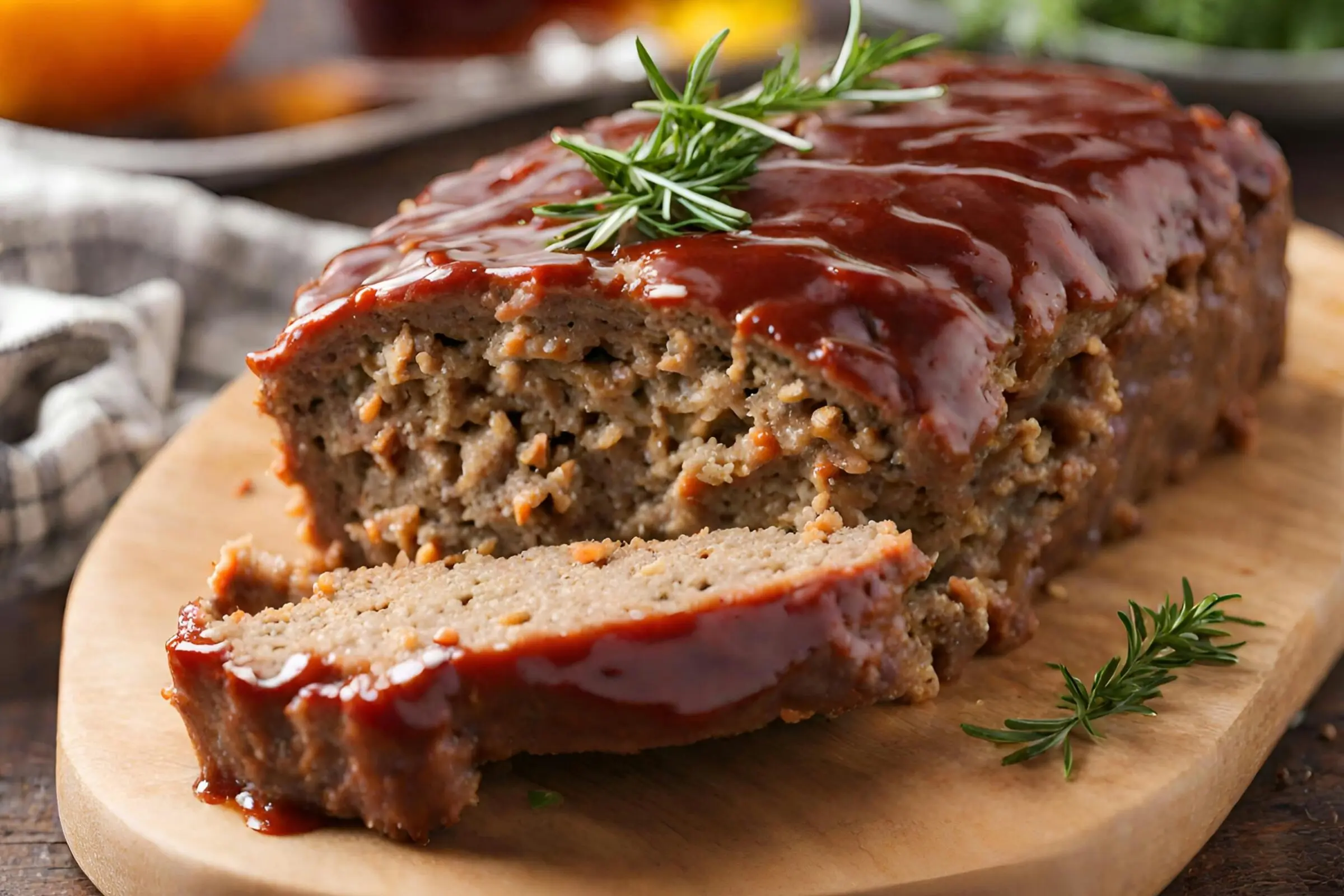
Most things freeze, so one recipe goes a long way. A meatloaf that serves four is meatloaf once a week for the whole month.
A sample month of dinners for one
Here’s the simplest way to start meal planning for one. Cook a different dinner every night for one week. Each recipe makes four servings, so you eat one and freeze three. That’s the next three weeks of dinners, done.
| Night | Week 1: cook it | Weeks 2, 3, and 4: from the freezer |
|---|---|---|
| Monday | Meatloaf | Meatloaf |
| Tuesday | Chicken enchiladas | Chicken enchiladas |
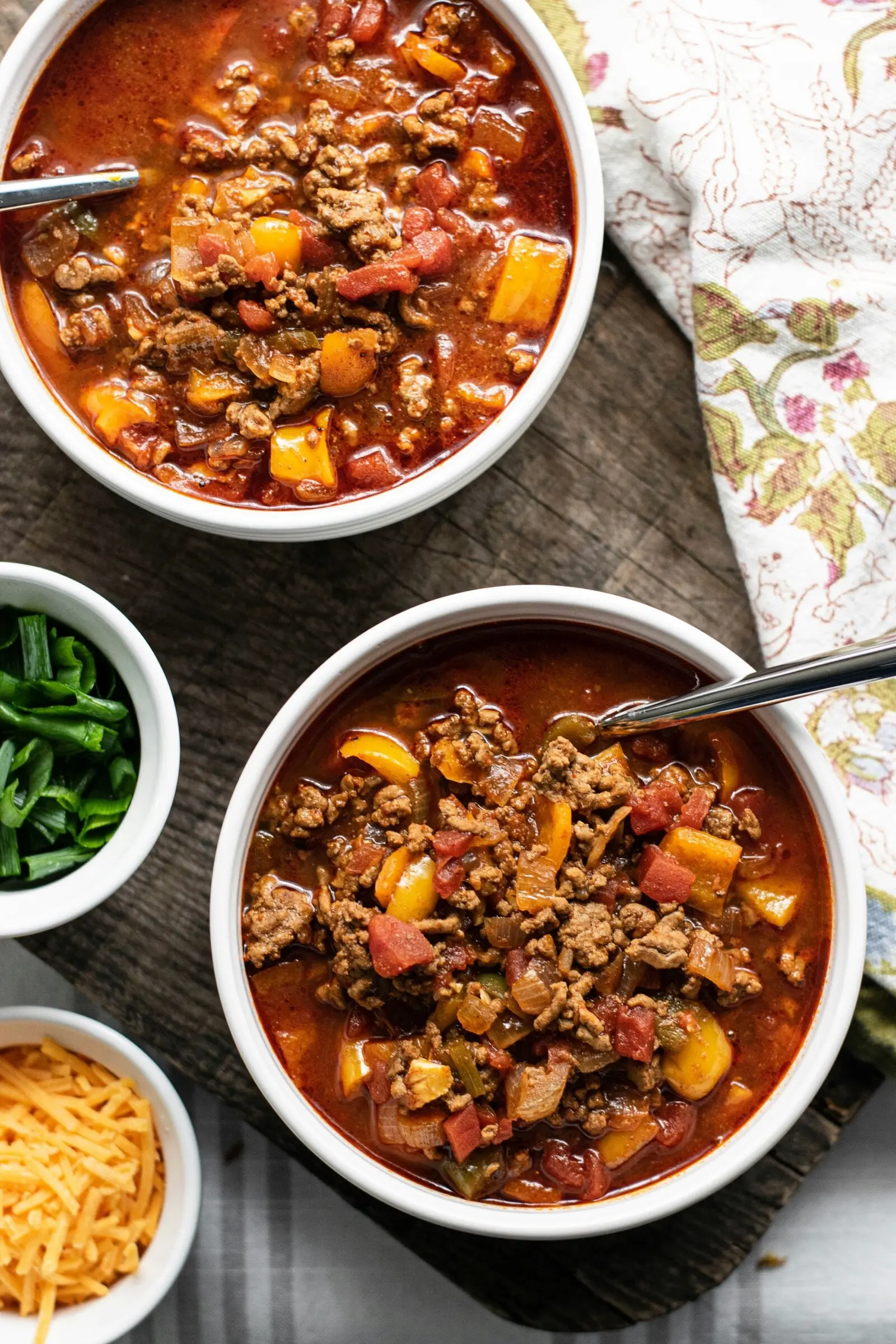
| Wednesday | Chili | Chili |
| Thursday | Lasagna | Lasagna |
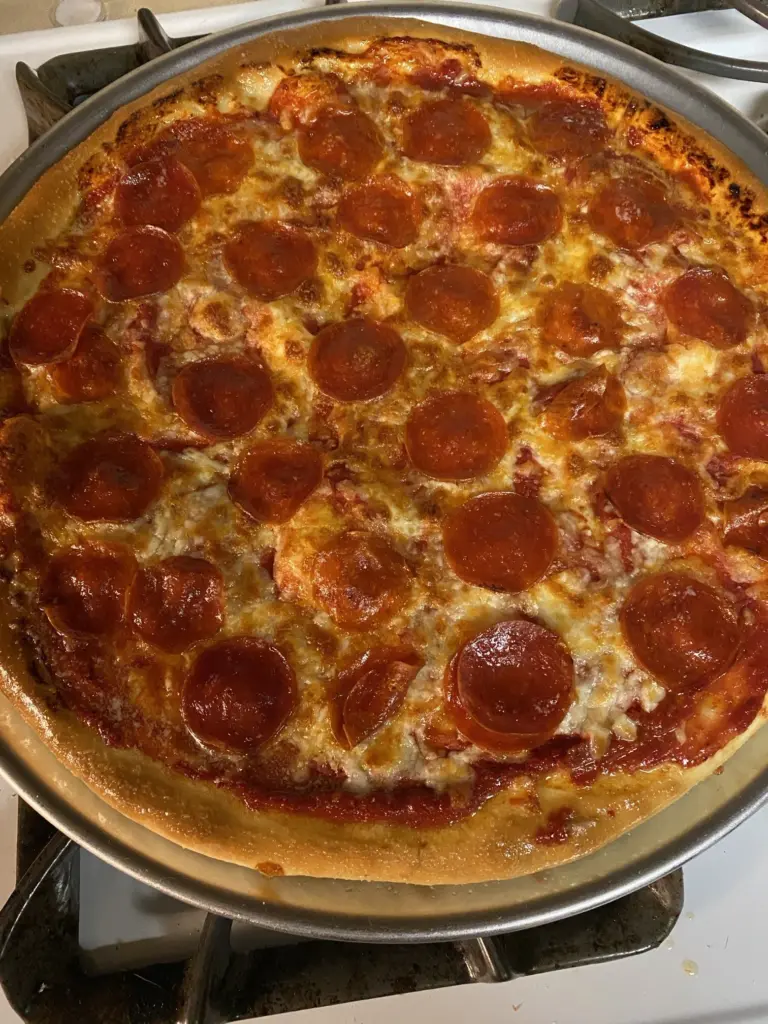
| Friday | Homemade pizza | Homemade pizza |
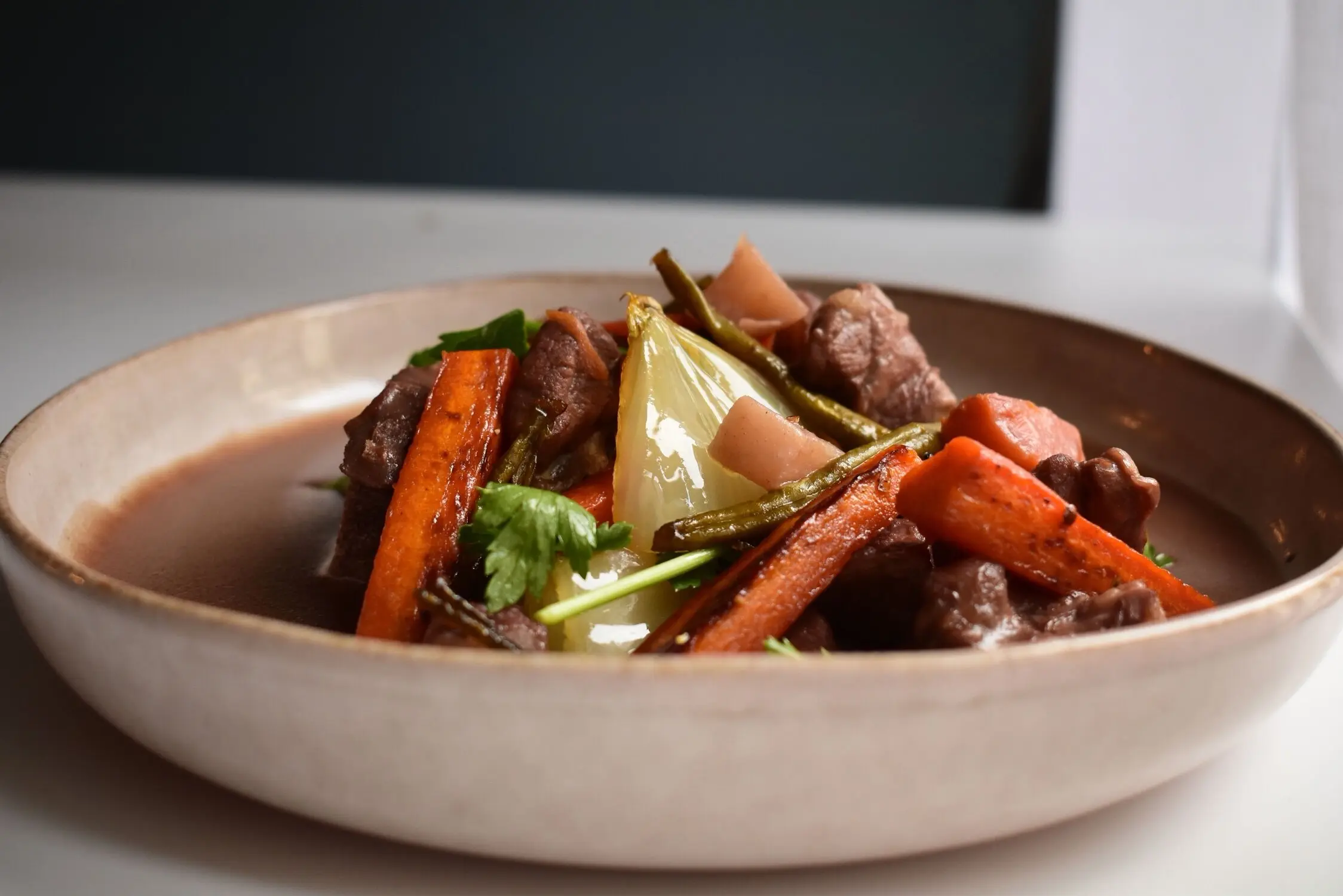
| Saturday | Beef stew | Beef stew |
| Sunday | Chicken and rice casserole | Chicken and rice casserole |
That’s seven nights of cooking for 28 dinners. In weeks 2 through 4, all you do is move tomorrow’s dinner from the freezer to the refrigerator and heat it up.
Mix up the order. You don’t have to eat meatloaf every Monday. Grab whatever sounds good, oldest first, and you’ll still have a different dinner every night of the week.
You don’t have to eat it all this month, either. Cook something new when you feel like it, and the freezer dinners will keep. Most casseroles, soups, and stews are at their best for two to three months, so a dinner you make today is still good two months from now.
Don’t want to cook every night for a week? Spread it out. Cook two or three recipes a week, and eat from the freezer on the other nights. The freezer fills more slowly, but by the end of the month, you’ll have the same variety.
Next month, swap a few. Keep the favorites and trade the rest for something new: stuffed shells, sloppy joes, meatballs in sauce, shepherd’s pie, or vegetable beef soup. That way, the freezer never gets boring.
Not every night has to come from the plan. A night out, an egg sandwich, or a bowl of cereal is fine. The freezer will wait.
The [Meal Planner](/meal-planner/) can build a week like this for you from the freezer meals and recipes on this site, and print the shopping list.
How to rotate what you freeze
A full freezer only helps if you actually eat what’s in it. A few habits keep it moving.
Eat the oldest first. Put new dinners in the back or the bottom, and take from the front. Cooked casseroles, soups, and stews keep their best quality for two to three months in the freezer, according to the U.S. Department of Agriculture’s cold storage chart. Food kept at 0°F stays safe indefinitely, but it slowly dries out and loses flavor.
Repeats are fine. It’s frozen, so making chili two weeks in a row isn’t a problem. You have months to eat it, so you’re never stuck eating chili night after night. One batch doesn’t have to be the same dinner every time, either. Chili can be a bowl of chili one week and chili mac, chili dogs, or a chili-topped baked potato the next. The same goes for preps: a bag of taco meat, plain browned ground beef, or cooked chicken can become tacos, spaghetti, a casserole, or soup. A bag of chopped onions, peppers, and celery saves a step in all of them. And you don’t need a giant pot. A batch of four to six servings is plenty, and once it’s in the freezer, you won’t have to make it again for a month.
Keep a list on the freezer door. Write each dinner and the date when it goes in, and cross it off when it comes out. A magnetic whiteboard or a sheet of paper and a pencil works. You’ll know at a glance what you have without digging.
Mix up the main ingredient. Try for a mix of beef, chicken, pork, beans, and pasta dishes so you’re not eating ground beef every night.
Leave room for fresh food. The freezer covers dinner. Add a salad, fresh fruit, or a steamed vegetable on the side when you have them.
Best meals to cook for one and freeze
Almost anything saucy, soupy, or baked in a pan freezes well. These are the easiest to portion into single servings.
Casseroles and baked pasta
- Lasagna
- Baked ziti
- Stuffed shells or manicotti
- Chicken and rice casserole
- Enchiladas
- Shepherd’s pie
- Tuna noodle casserole
- Mac and cheese
Soups, stews, and chili
- Chili
- Beef stew
- Vegetable beef soup
- Split pea soup
- Ham and bean soup
- Taco soup
- Chicken tortilla soup
Meat and sauce
- Meatloaf
- Meatballs in marinara
- Sloppy joes
- Pulled pork
- Taco meat
- Spaghetti sauce with meat
- Swedish meatballs
- Shredded chicken in barbecue sauce
Single-serving bakes
- Burritos
- Calzones and pizza pockets
- Pot pies baked in ramekins or foil tins
- Stuffed peppers
- Twice-baked potatoes
Better made fresh: Fried foods lose their crunch, and lettuce, cucumbers, and raw potatoes don’t freeze well. Pasta in soup turns soft, so freeze the soup and cook a handful of noodles when you heat it. Our guide on [how to freeze food](/all/how-to-freeze-food/) has a full list of what freezes well and what doesn’t.
Find more ideas in the [Freezer Meals library](/freezer/), where every recipe has freezer and cooking-day directions, plus our guide to [freezer casseroles](/all/freezer-casseroles/).
How to freeze single servings
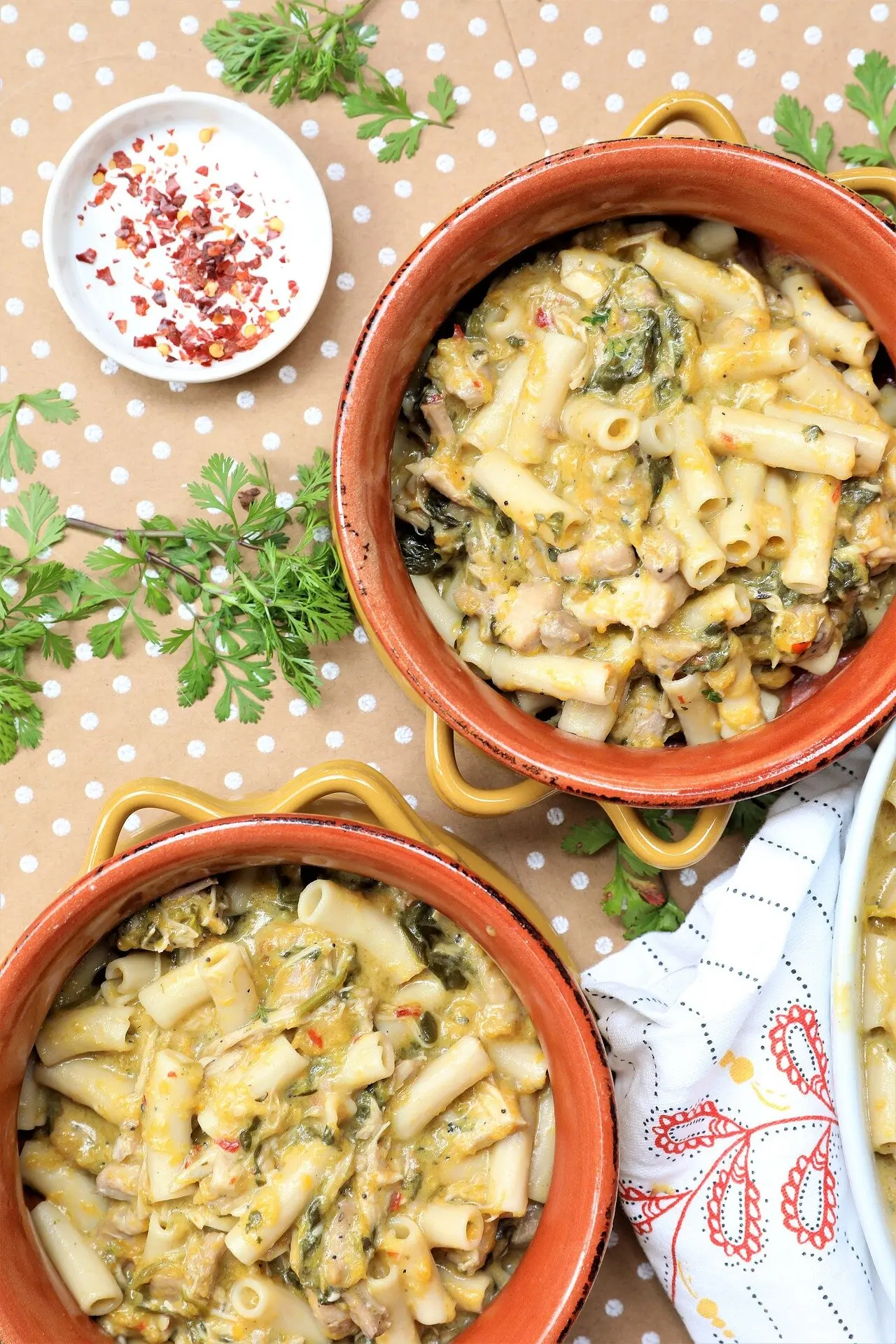
Freeze dinners in the size you’ll eat them. Then you take out exactly one dinner, with nothing left over to refreeze.
Cool it fast. Divide food into small, shallow containers and get it into the refrigerator within two hours of cooking, according to the USDA. Freeze it once it’s cold.
Pick the right container. Small glass or plastic freezer containers work for casseroles. Quart freezer bags work for soup, chili, and sauces.
Freeze soup flat. Fill a bag with one serving, press out the air, and lay it flat on a baking sheet until solid. Then stand the bags up like books. They stack neatly and thaw fast.
Use a muffin tin for small portions. Freeze single portions of taco meat, sauce, or mac and cheese in a jumbo muffin tin, then pop them out and store them together in one bag.
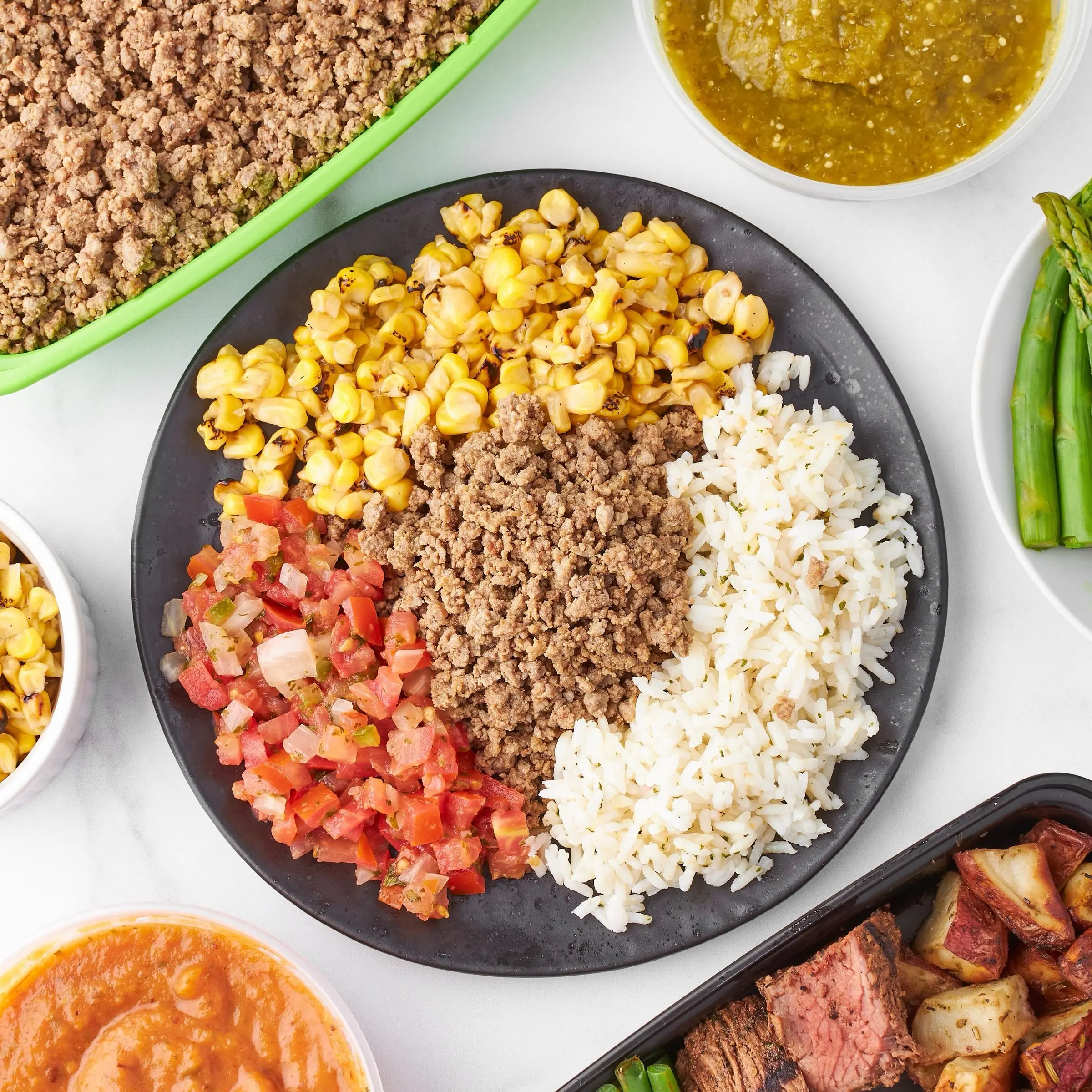
Cut casseroles before freezing. Bake the lasagna, let it cool, cut it into squares, and wrap each one. Or bake it in small foil pans from the start.
Label everything. Write the name, the date, and how to reheat it. You won’t remember in six weeks.
How to thaw and reheat dinner for one
Move it to the refrigerator the night before. Thawing in the refrigerator is the safest way, according to the USDA. One serving usually thaws overnight.
Forgot? Single portions in bags thaw in a bowl of cold water in about an hour. Change the water every 30 minutes. The microwave works too, if you’ll heat it right away.
Many dinners heat straight from frozen. Soups and casseroles can go right into a saucepan, the oven, or the microwave. They take about half again as long.
Heat it to 165°F. That’s the safe temperature for reheated leftovers, according to the USDA. Stir soups and casseroles halfway through so they heat evenly.
When to scale a recipe down instead
Cooking the whole recipe isn’t the only way to cook for one. Plenty of people cook a single serving, and some dinners are better that way. Choose what works for you, or do both: cook big for dinners that freeze well, and cook small for the ones that don’t.
Scaling down makes sense when:
- The dish doesn’t freeze or reheat well. Green salads, crispy fried foods, and soft-cooked eggs are best made fresh.
- You’re trying a new recipe. Make one or two servings first, and cook the full batch once you know you like it.
- Your freezer is small or full. If you live in an apartment or a small space with just the freezer on top of the fridge and no room for a chest or upright freezer, a whole month of dinners may not fit. Cook smaller batches and freeze a week or two at a time, or eat down what you have before you add more.
- You want something fresh tonight. A quick single-serving pasta or stir-fry is a nice break from the freezer.
How to scale a recipe down:
- Do the math first. Divide each ingredient by the number of servings, so a four-serving recipe gets divided by four. Write the new amounts down before you start cooking.
- Add salt and spices a little at a time. Start with the divided amount, then taste and add more if it needs it.
- Halve an egg by beating it. Whisk the egg in a cup and use about half. Save the rest for scrambled eggs the next morning.
- Use a smaller pan. A ramekin, a small baking dish, or a small skillet keeps a small portion from drying out.
- Start checking early. A smaller amount can cook faster, so check for doneness a few minutes before the recipe says.
- Pick recipes that divide easily. Ones with one egg or none, and whole cans or packages, are the easiest to cut down.
Either way, plan a second use for the rest of what you buy, so the half can of tomatoes or the extra celery doesn’t go to waste.
Grocery shopping for one without the waste
Cooking whole recipes takes care of the main dish. These tips handle everything else that comes in a size made for a family.
Buy the family pack. Meat is usually cheaper in bigger packages. Repackage it into smaller freezer bags the day you buy it, and freeze what you won’t cook in the next day or two.
- Chicken breasts, thighs, or pork chops: Put two in each freezer bag. Cook both, eat one for dinner, and use the other for another meal that week, like a chicken salad sandwich.
- A big bag of frozen chicken breasts: The kind sold at warehouse stores like Costco is frozen piece by piece, so you take out just one or two at a time. A 10-pound bag of thin-sliced breasts goes a long way when you cook for one.
- A rotisserie chicken: The ones at Costco and most grocery stores are a good deal. Eat some for dinner, then pull the rest off the bone and freeze it in one-cup bags for soup, quesadillas, or chicken salad. Most are injected with a salty seasoning solution, though, so they can be higher in sodium than chicken you cook yourself. Check the label.
- A chuck roast: Cut it in half and freeze one half for another month, or cook the whole thing in the slow cooker and freeze the extra servings of pot roast.
- Ground beef: Divide a big pack into one-pound bags and press them flat so they freeze and thaw fast.
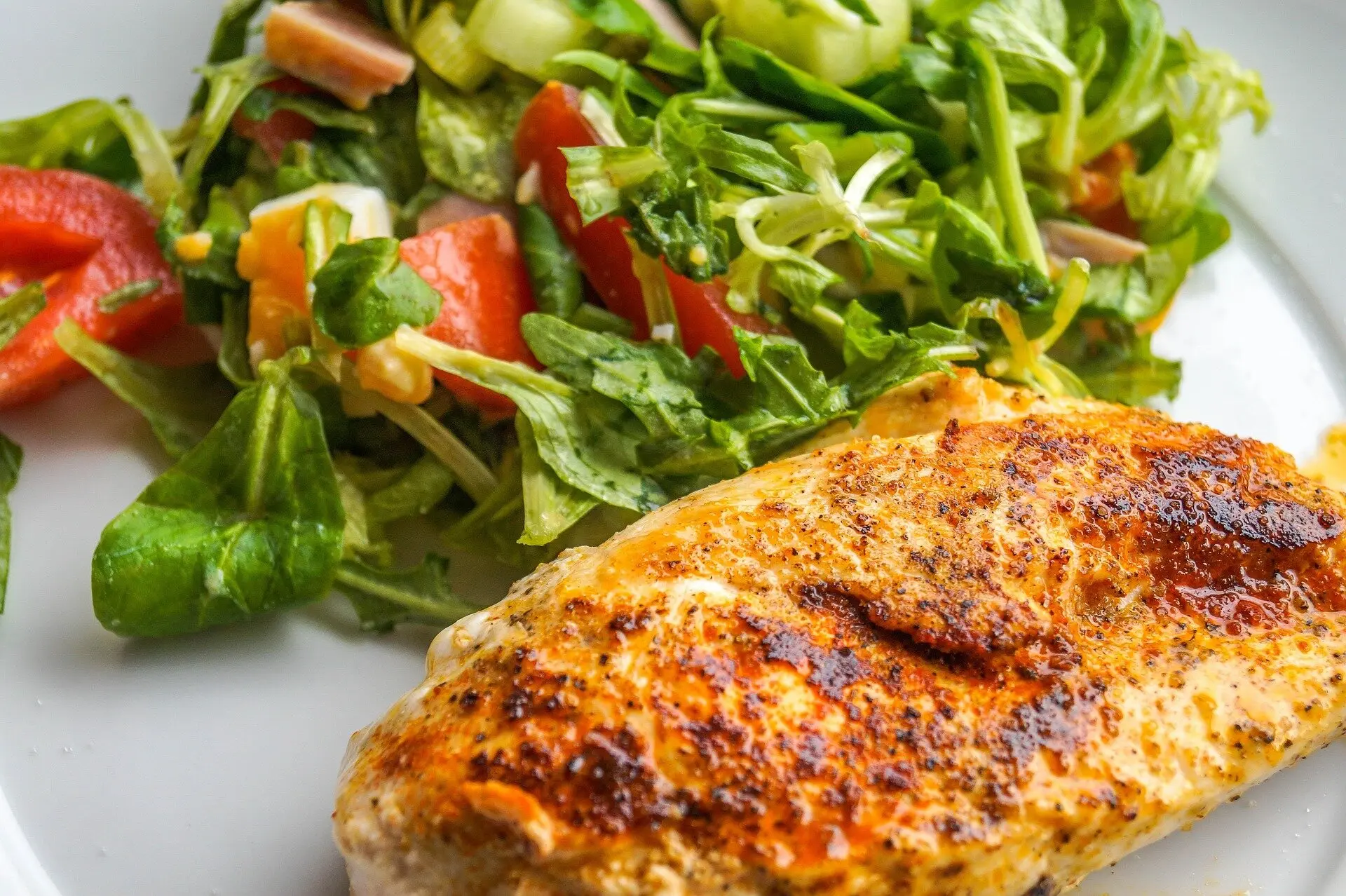
Ground beef keeps its best quality for three to four months in the freezer, and chicken pieces for nine months, the USDA says.
Freeze the leftover half. Half a can of tomato paste, the rest of the broth, or a few spoonfuls of pesto can go in ice cube trays or small bags for the next recipe. A tablespoon of tomato paste in each cube is handy.
Keep bread in the freezer. Take out slices as you need them. Toast them straight from frozen.
Buy produce by the piece. Pick up two apples instead of a bag, and one onion instead of three pounds, unless you’ll use them. Onions, carrots, potatoes, apples, and cabbage keep a long time, so the bags of those are usually still a good deal.
Lean on frozen vegetables. Take out a handful at a time. They’re picked and frozen fresh and don’t go bad in the crisper drawer.
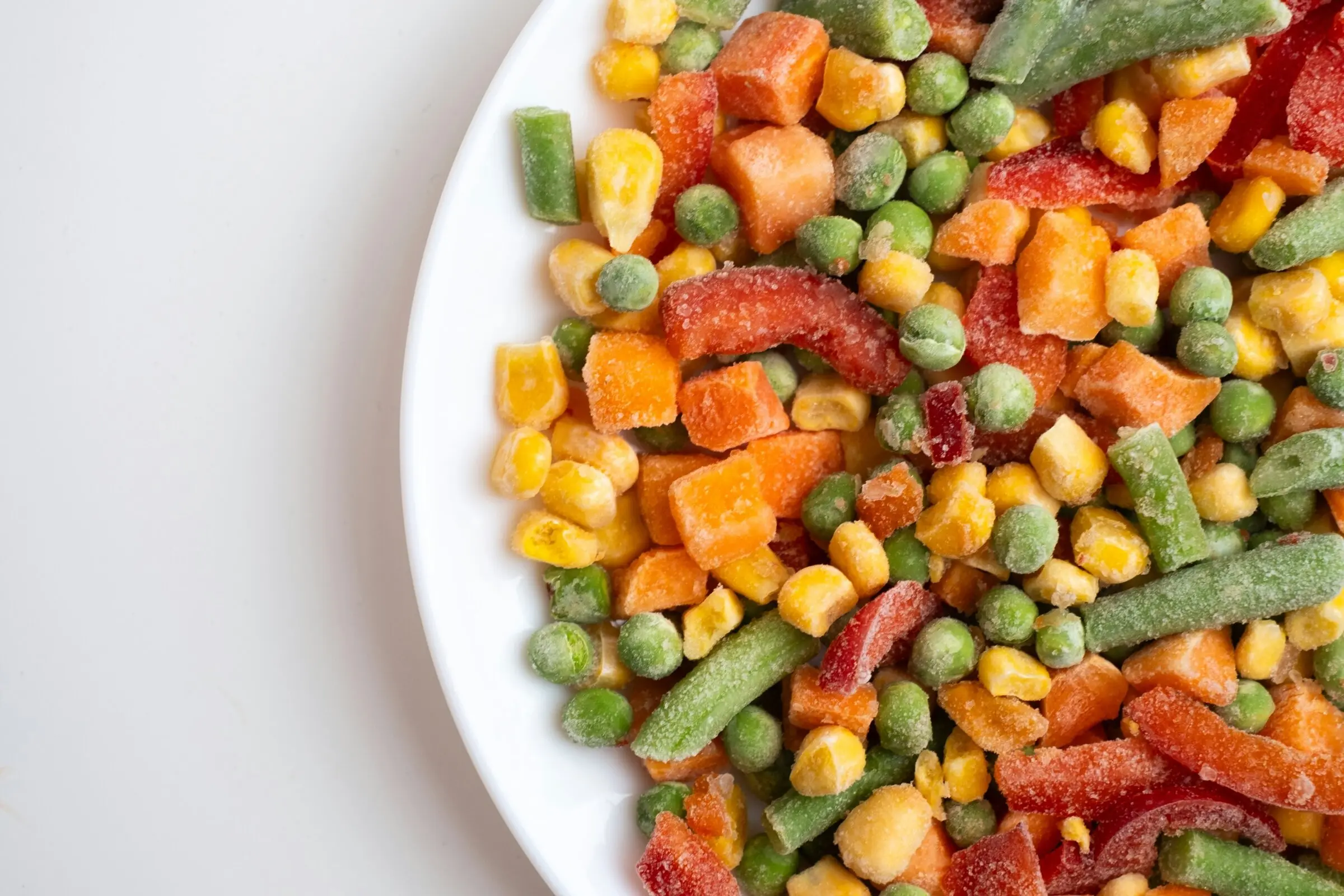
Freeze shredded cheese and butter. Shredded cheese keeps its best quality for three to four months in the freezer, and butter for six to nine months.
Plan a second use for perishables. If you buy sour cream for enchiladas, plan a baked potato or a dip later that week. If you buy a bunch of celery for soup, use the rest in tuna salad and snacks.
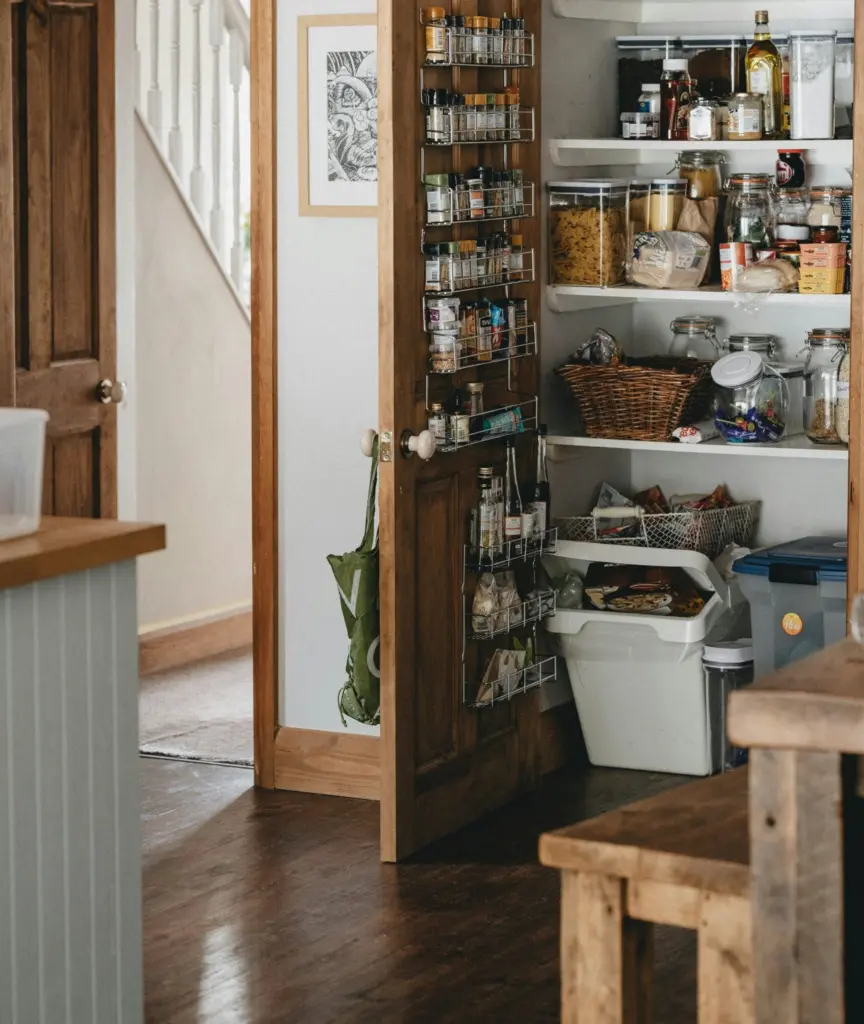
Shop the pantry first. Check what you have before you make the list. Our guide on [how to stock a pantry on a budget](/all/how-to-stock-a-pantry/) covers the basics worth keeping on hand.
Breakfast and lunch for one
The same idea works for the rest of the day.
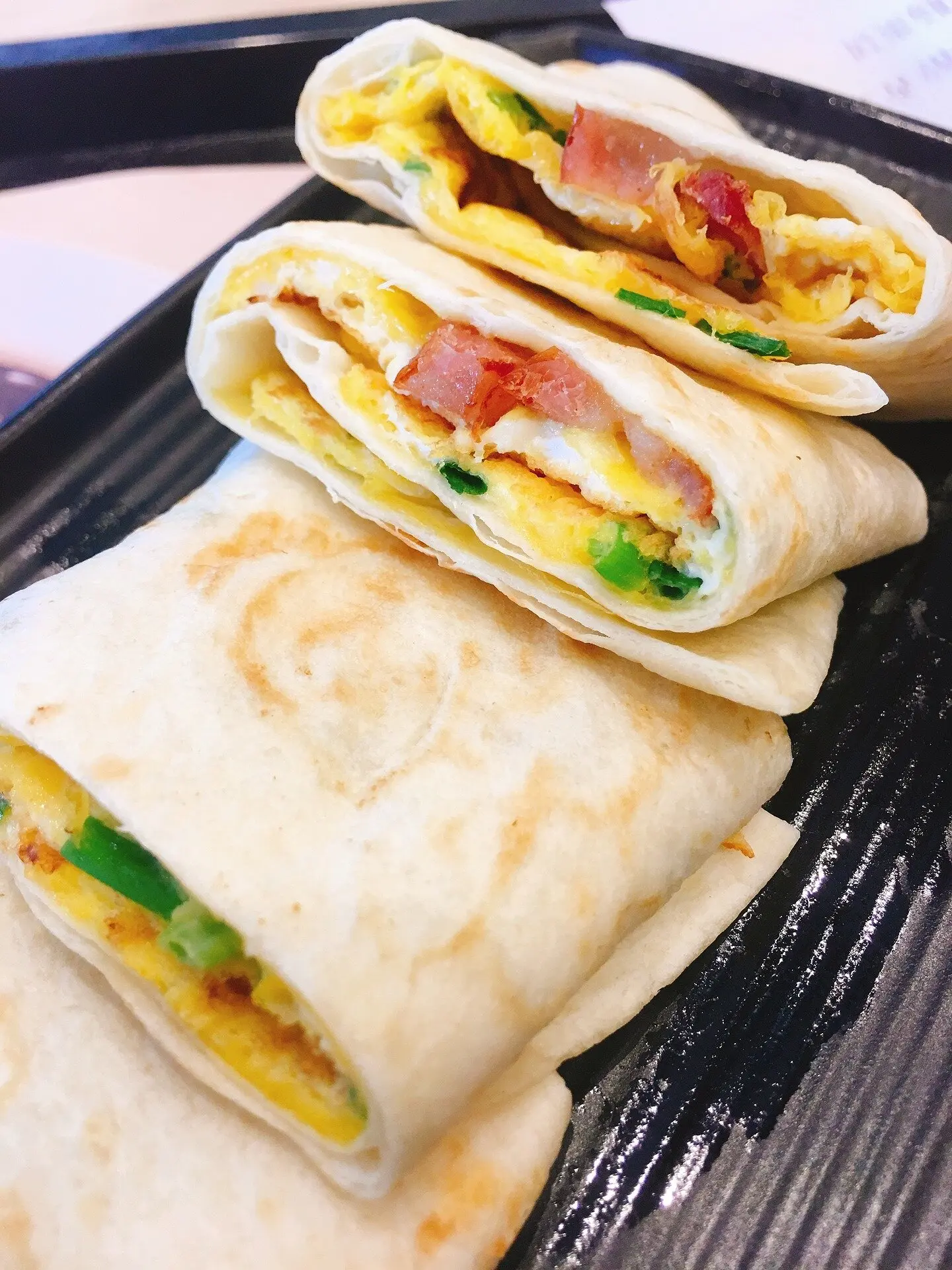
Breakfast: Make a full batch of breakfast burritos, muffins, pancakes, or egg muffins and freeze them in single servings. Reheat one in the morning. Our [make-ahead freezer breakfasts](/all/make-ahead-freezer-breakfasts/) guide has plenty of ideas.
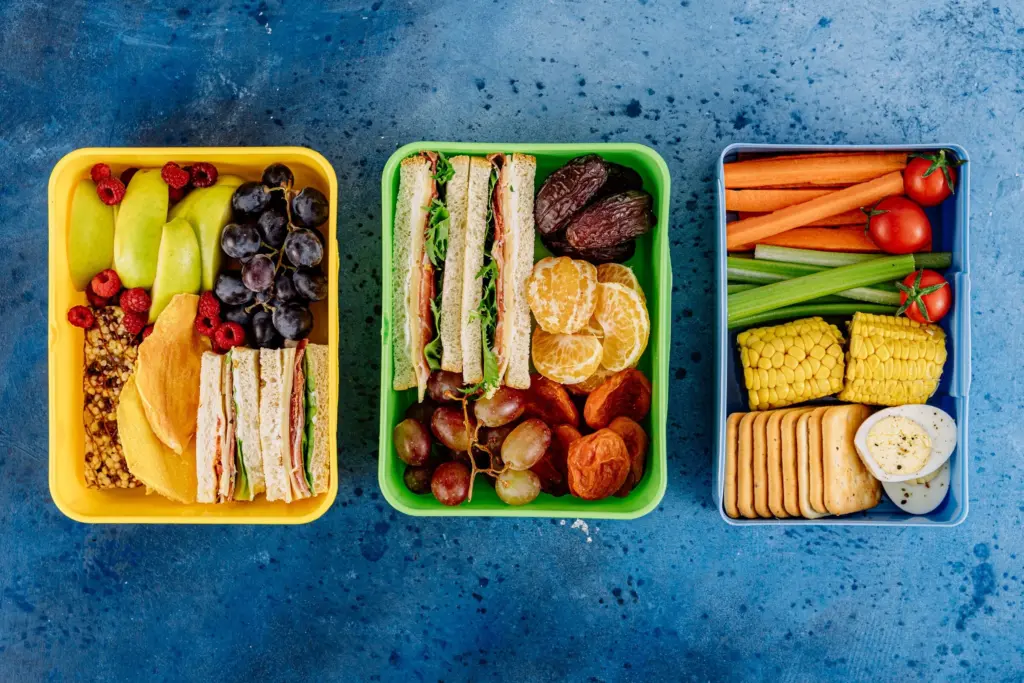
Lunch: A freezer dinner makes a great lunch, too. Take a container of soup or a square of lasagna to work, frozen, and it thaws by noon. For more ideas, see [packed lunch ideas](/all/packed-lunch-ideas/).
Meal planning for two
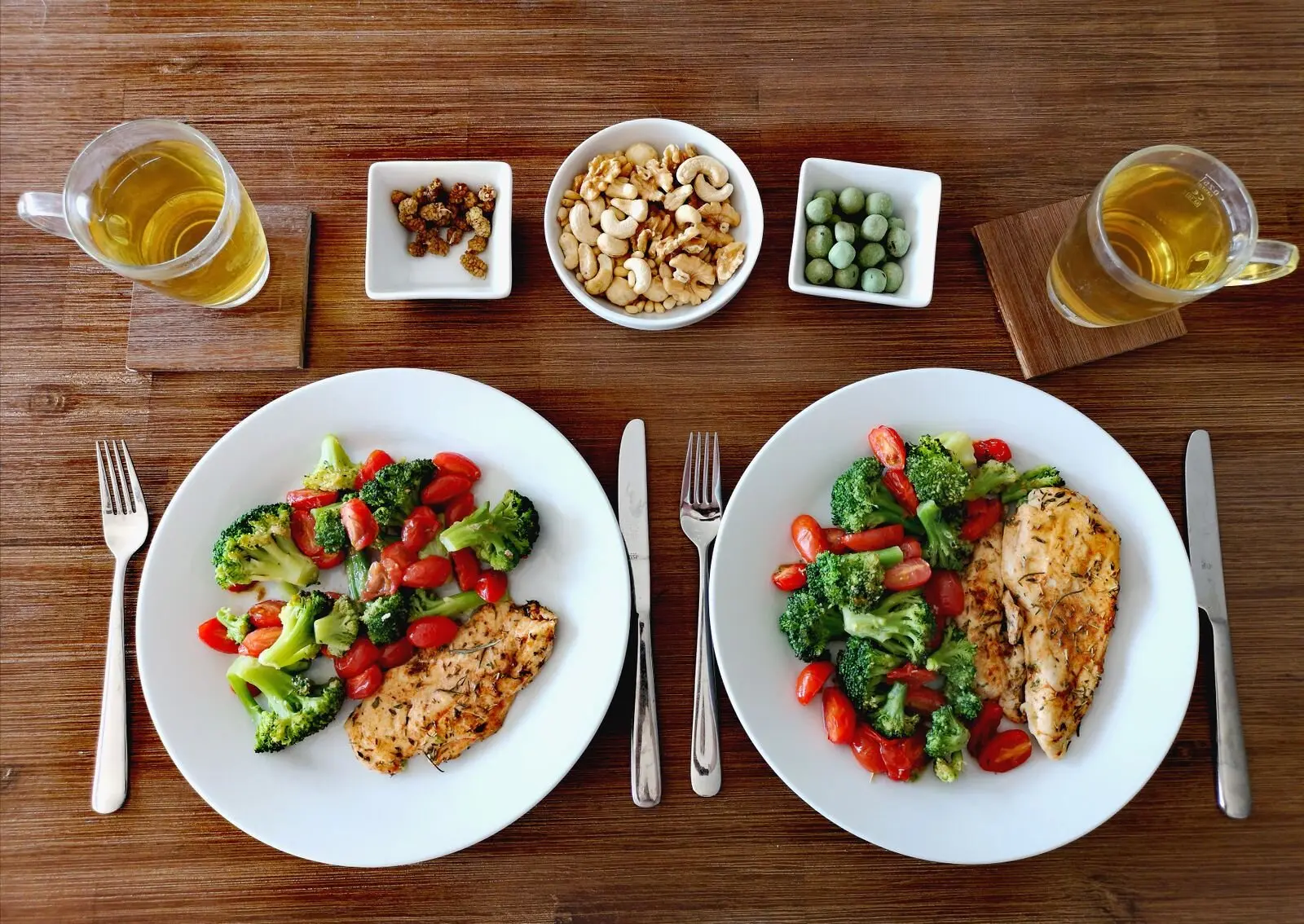
Cooking for two works the same way, just with two servings at dinner. Make a four-serving recipe, eat two, and freeze two. A six- or eight-serving recipe stocks the freezer even faster.
Freeze dinners in single servings anyway. Two single servings are easier to thaw than one double, and you can each pick something different on a freezer night.
If you’re cooking for two people with different tastes, the freezer helps there, too. One person can have the leftover chili while the other has stuffed shells.
Tips for sticking with it
Start with one recipe. This week, make one full recipe and freeze the extra servings. Next week, make another. The freezer fills up faster than you think.
Double what’s already on the stove. If you’re making spaghetti sauce, make two pans’ worth and freeze the second. It’s almost no extra work.
Cook on your easy days. Cook on the days you have time, and eat from the freezer on the busy ones.
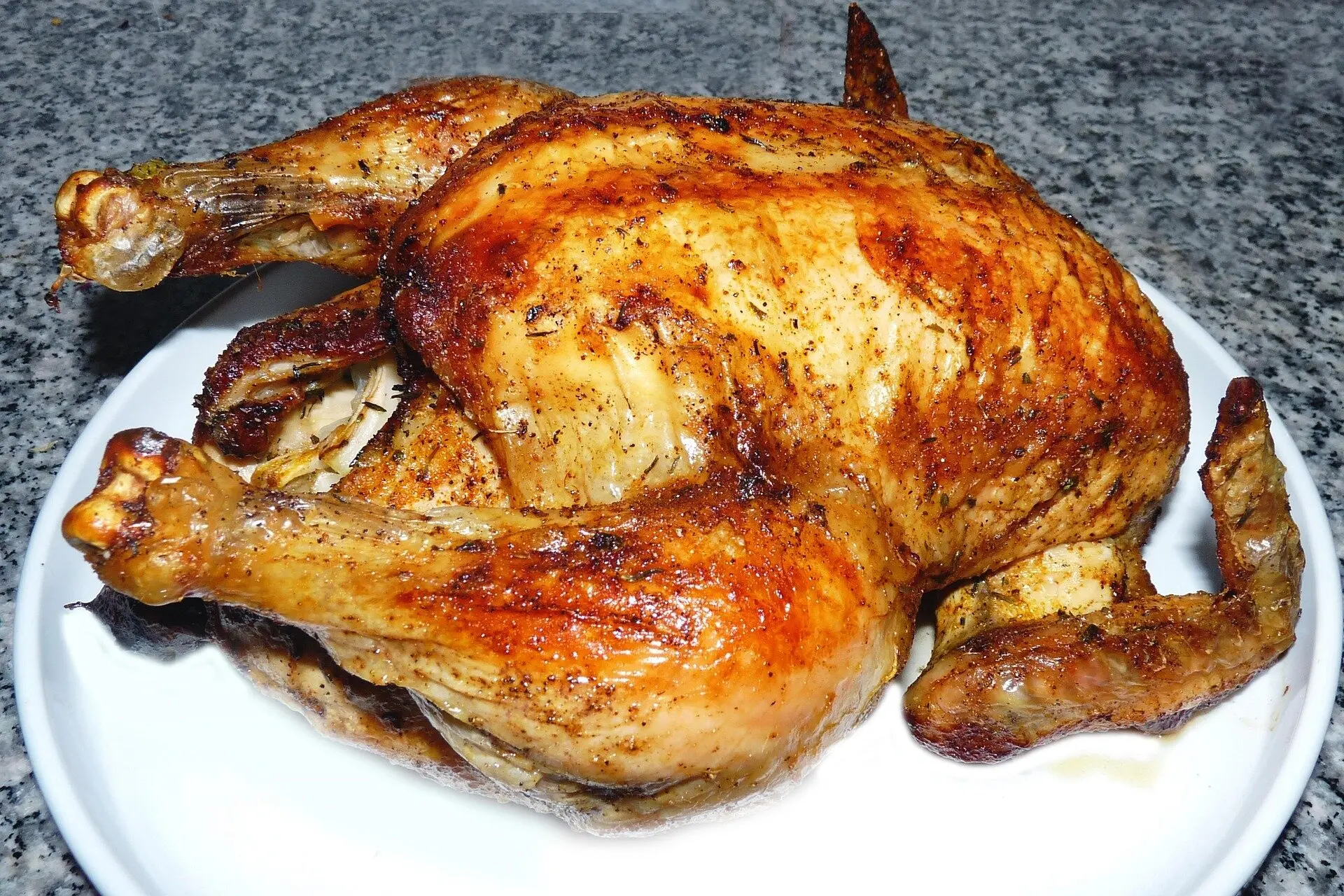
Turn leftovers into something new. A roast chicken can be dinner tonight, chicken salad tomorrow, and soup to freeze. Our guide to [cook once, eat twice](/all/cook-once-eat-twice/) has 15 foods that make more than one meal.
Plan a night off. Pizza Friday, a sandwich, or takeout once a week is part of the plan, not a failure.
For the basics of planning a week, start with [how to meal plan](/all/how-to-meal-plan/). And for doing all the cooking at once, see [how to meal prep for the week](/all/how-to-meal-prep/).
Frequently asked questions
How do I meal plan for one person? Cook regular recipes that make four servings, eat one, and freeze the rest in single servings. Cook seven different recipes in one week, and you have a different dinner every night for the month.
Should I cut recipes in half when cooking for one? You don’t have to. A whole recipe takes about the same time and work as half of one, costs less per serving, and gives you extra dinners for the freezer. Halving can also go wrong with baked dishes and eggs.
How long do frozen dinners last? Cooked casseroles, soups, and stews keep their best quality for two to three months, and cooked chicken dishes for four to six months, according to the USDA. Food kept at 0°F stays safe beyond that but slowly loses flavor.
How do I keep from getting tired of the same food? Rotate. Freeze a different dish each time you cook, eat the oldest first, and don’t eat the same dinner two nights in a row. With seven or more kinds in the freezer, it feels like a menu.
Is it cheaper to cook for one or buy frozen meals? Cooking your own is usually cheaper, especially when you buy family packs and big cans and use every serving. You also choose what goes in it.
What’s the best way to freeze single servings? Divide food into small, shallow containers or quart freezer bags while it’s fresh, refrigerate it within two hours, then freeze it once it’s cold. Lay bags flat to freeze, and label each one with the name and the date.
How do I meal plan for two people? The same way. Cook a four-serving recipe, eat two servings, and freeze two. Freezing in single servings lets each person pick a different dinner on freezer nights.