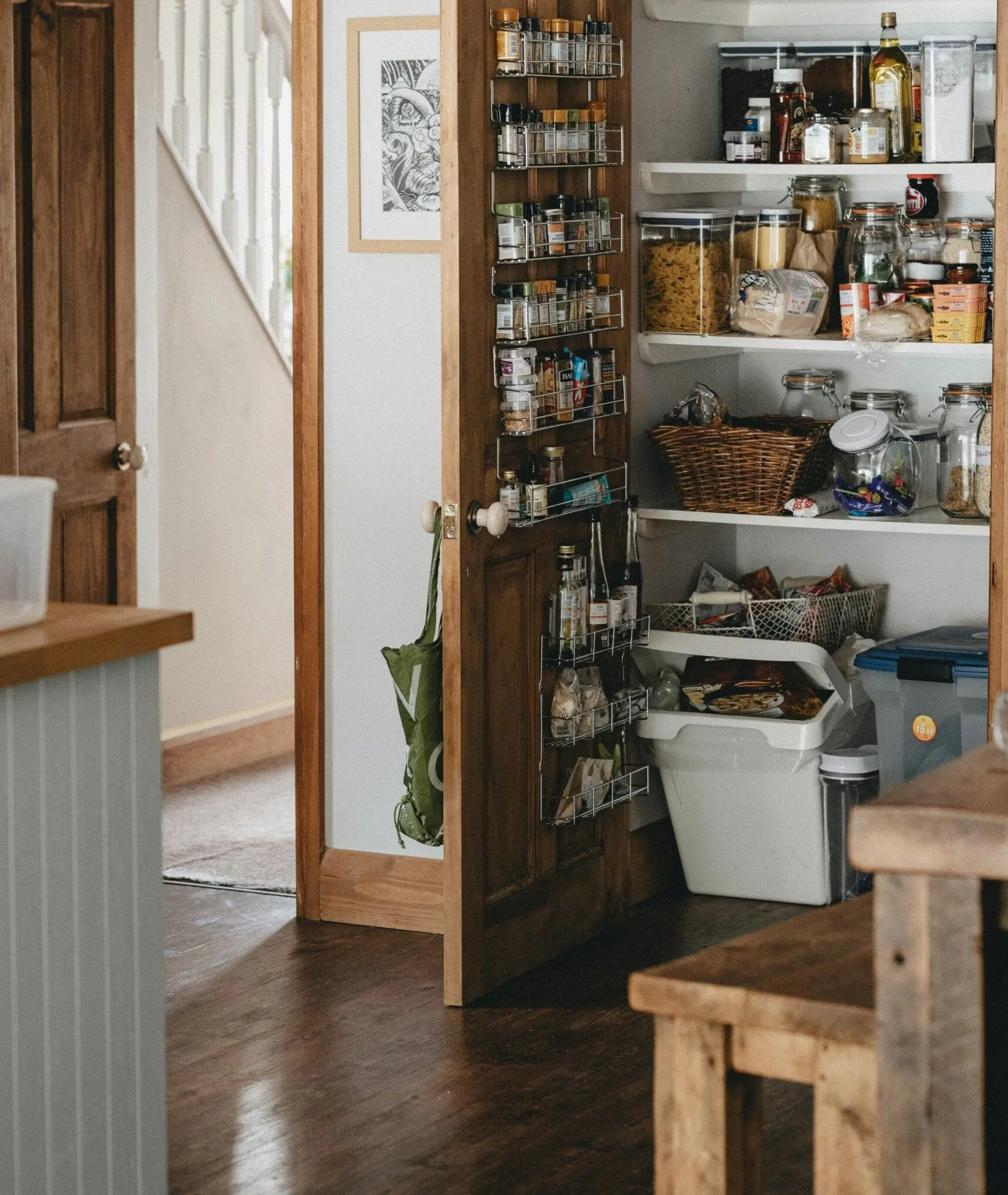
A good pantry is like money in the bank. When the cupboard holds rice, pasta, beans, canned tomatoes, and a few spices, you can always make dinner, even on the night before payday or when the weather keeps you home.
The trouble is that stocking a pantry all at once costs a lot. Walk into the store with a 50-item checklist, and you’ll walk out with a grocery bill you can’t afford.
The good news is you don’t have to do it all at once. Most frugal cooks build their pantries a few items at a time, buying staples when they’re on sale and using what they have before they buy more. This guide shows you how to do that, what to buy first, how long it all keeps, and how to keep it organized so nothing goes to waste.
Here’s the short version:
- Start with the meals you already make.
- Take stock of what you have.
- Set a small weekly pantry budget.
- Buy the basics first.
- Stock up when staples go on sale.
- Store food so it lasts.
- Use the oldest food first.
Why a stocked pantry saves money
A stocked pantry saves money in a few ways at once:
- You buy at the lowest price. When your staples go on sale, you can buy several instead of paying full price when you run out.
- You make fewer trips to the store. Every quick stop for one missing ingredient is a chance to grab a few extras.
- You skip takeout. When dinner is already in the cupboard, ordering pizza is less tempting.
- You cook from scratch. A bag of rice and a few seasonings cost far less than boxed side dishes and seasoned mixes.
A pantry stocked with the basics “can save time and money,” according to North Dakota State University Extension, because most of what you need for a recipe is already in the cupboard.
How to stock a pantry in 7 steps
1. Start with the meals you already make
Don’t start with someone else’s master list. Start with your own family’s favorite meals.
Write down 10 to 15 dinners you make often, like spaghetti, chili, tacos, chicken and rice, or soup. Then list the shelf-stable ingredients each one needs. Those are the staples your pantry should hold first.
A pantry full of food your family doesn’t eat isn’t a bargain. It’s waste.
2. Take stock of what you have
Pull everything out of the cupboards. Check the dates, toss anything spoiled, and group like items together. You’ll probably find three bottles of the same spice, a forgotten bag of rice, and a few cans you can use this week.
Make a list of what’s running low and what’s missing from your favorite meals. That’s your shopping list for the next few weeks.
3. Set a small weekly pantry budget
Instead of one big shopping trip, set aside a small amount each week just for the pantry, even $5 to $10. Spend it on one or two staples, like a bag of rice one week and a few cans of tomatoes the next.
In a couple of months, you’ll have a full pantry without one painful grocery bill. Once your pantry is stocked, that same money goes toward restocking items when they’re on sale.
4. Buy the basics first
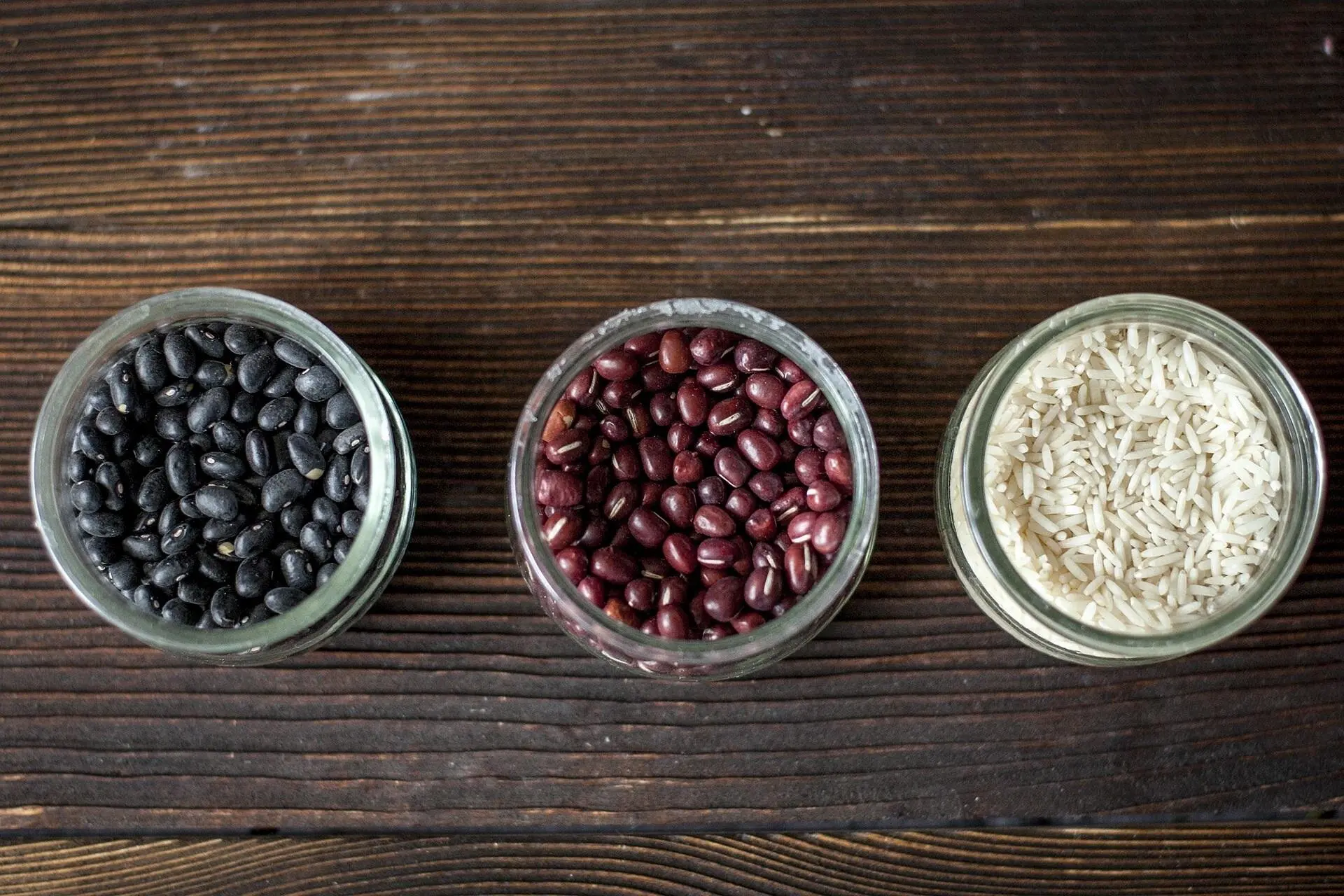
Some staples do more work than others. Start with the ones that turn into the most meals:
- Rice, pasta, and oats
- Dried or canned beans and lentils
- Canned tomatoes, tomato sauce, and tomato paste
- Flour, sugar, baking powder, and baking soda
- Cooking oil
- Broth or bouillon
- Salt, pepper, garlic powder, onion powder, chili powder, and Italian seasoning
- Peanut butter
- Canned tuna or chicken
With just these, you can make chili, red beans and rice, pasta with sauce, pancakes, biscuits, soup, and more.
5. Stock up when staples go on sale
Watch your store’s weekly ad for the staples on your list. When one goes on sale, buy enough to last until the next sale, but only what you’ll use before it loses quality.
A few tips to get the most from a sale:
- Compare unit prices. The small number on the shelf tag shows the cost per ounce or pound. A bigger package isn’t always the better deal.
- Try the store brand. For basics like flour, sugar, canned vegetables, and pasta, store brands often cost less, and many families can’t taste the difference.
- Keep a price book. Jot down the regular and sale prices of the 20 or so things you buy most. In a few months, you’ll know a real bargain when you see one.
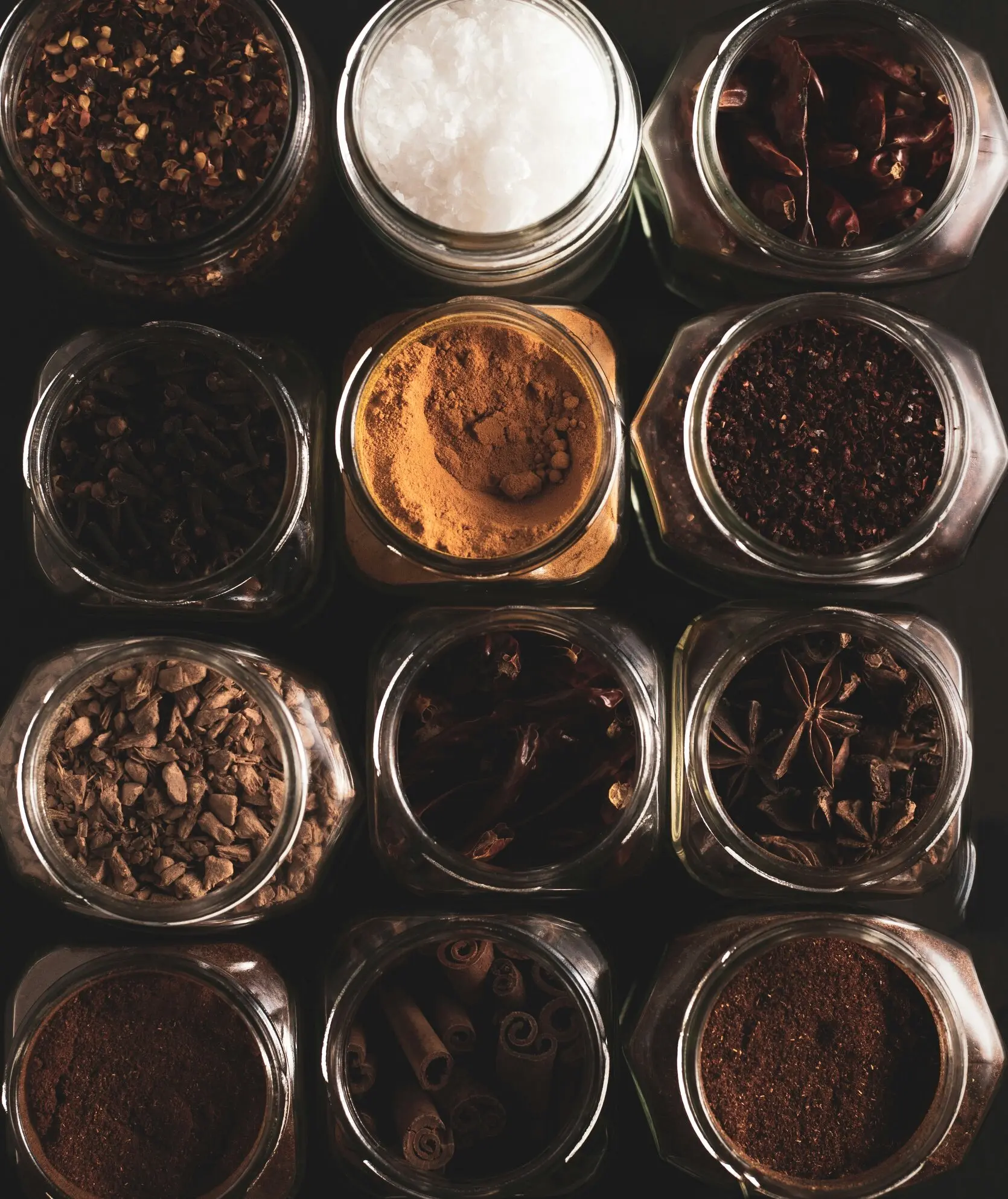
- Buy spices in bulk or from the international aisle. They’re often much cheaper than the small jars in the spice aisle.
Our guide to meal planning on a budget has more ways to stretch your grocery money.
6. Store food so it lasts
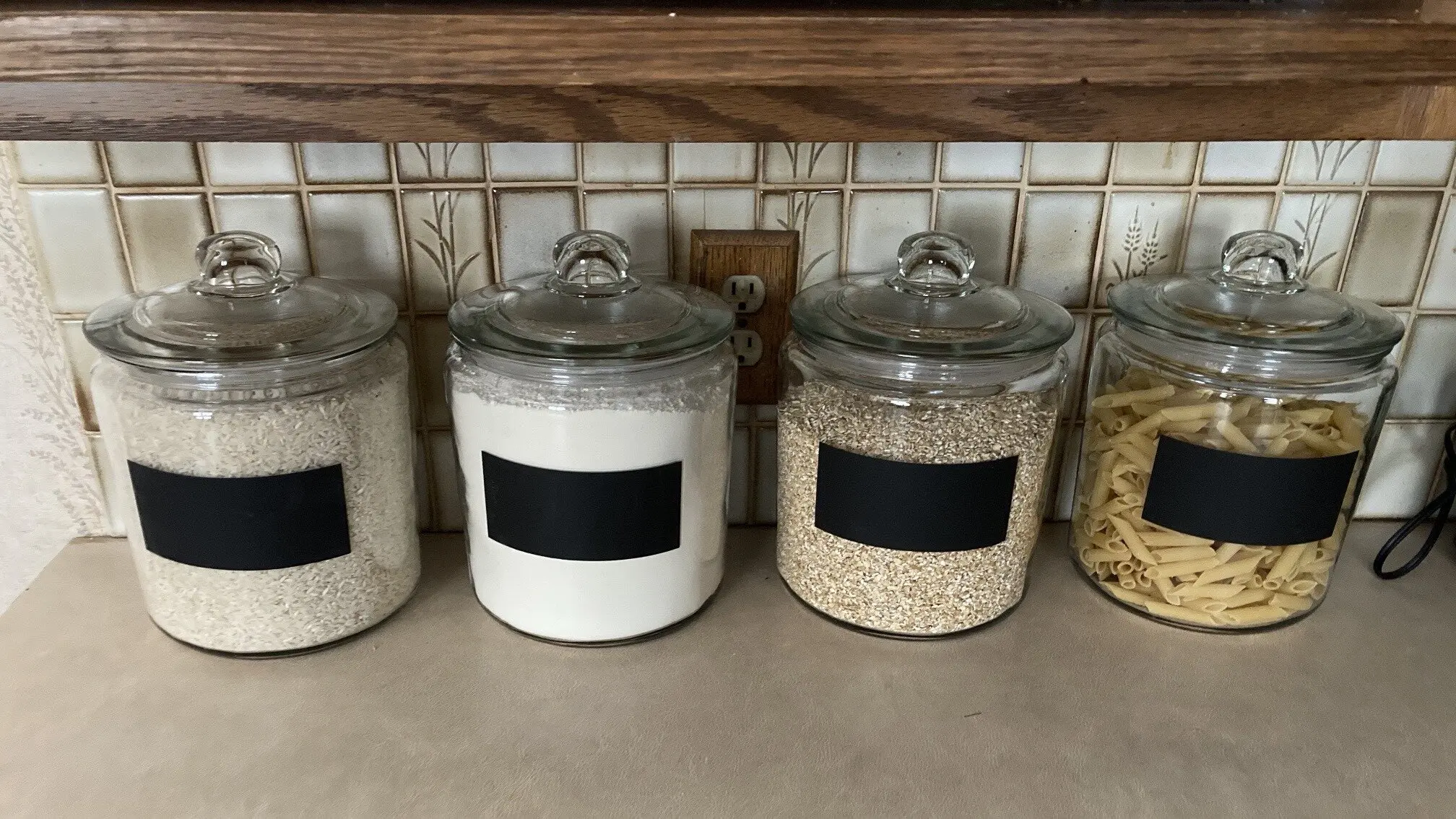
How you store food matters as much as what you buy:
- Keep it cool and dry. Store pantry food in a cool, dry cupboard. Washington State University Extension advises never keeping canned goods under the sink, above the stove, or in a damp garage or basement.
- Use airtight containers. Move flour, sugar, rice, oats, and beans into jars or containers with tight lids. They stay fresher and keep pantry pests out.
- Label and date everything. Write the date you bought it on the package or container with a marker.
- Use the freezer for whole grains and nuts. Whole wheat flour, brown rice, and nuts contain oils that can go rancid. They last longer in the refrigerator or freezer.
7. Use the oldest food first
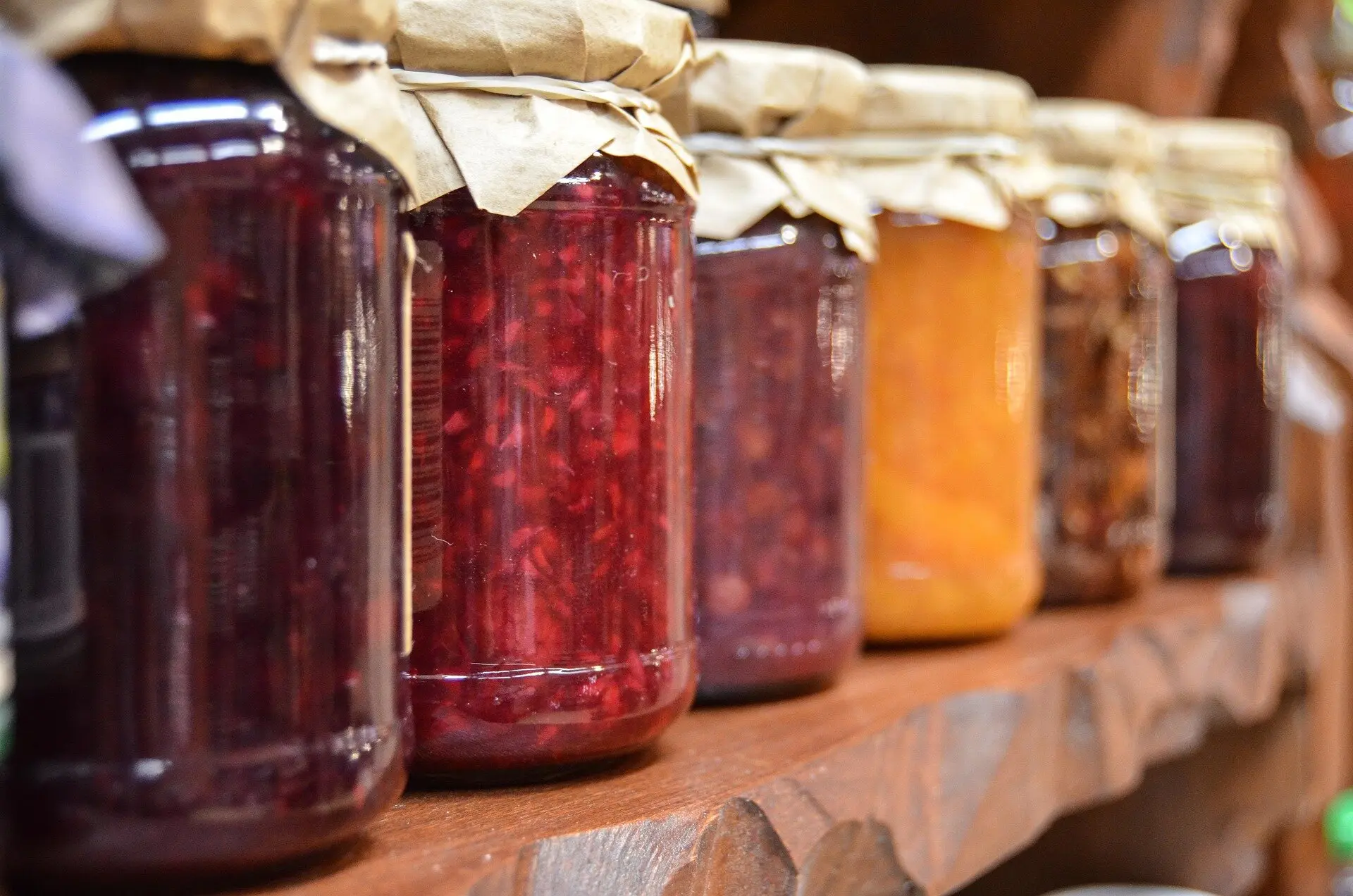
When you put groceries away, move the older cans and boxes to the front and put the new ones in the back. This is called “first in, first out,” and it’s how stores keep their shelves fresh. North Dakota State University Extension recommends labeling, dating, and arranging your pantry in first in, first out order.
Once a month, take a quick look at what’s getting close to its date, and plan a meal or two around it.
Pantry staples checklist
I wrote my first pantry list when my kids were little. As they grew, so did my pantry staples.
Use this list as a starting point, and cross off anything your family doesn’t use.
Mixes
- Pancake mix
- Biscuit mix
- Cornbread mix
- Muffin mix
- Season mixes
- Dried onion soup mix
- Ranch mix
Baking
- All-purpose flour
- Bread flour
- Cornmeal
- Granulated sugar
- Confectioners’ sugar
- Brown sugar
- Baking soda
- Baking powder
- Yeast
- Cornstarch
- Unsweetened cocoa
- Chocolate chips
- Vegetable shortening
- Vanilla
- Flavored extracts
- Corn syrup
- Marshmallows
Grains
- Pasta
- Rice
- Oatmeal
- Cereal
- Crackers
- Dried breadcrumbs
- Barley
- Tortillas
- Egg noodles
- Quick-cooking rice
- Instant mashed potatoes
- Popcorn
- Graham crackers
Beans
- Lentils
- Split peas
- Canned beans: kidney beans, navy beans, chili beans
- Canned black beans and pinto beans
- Refried beans
Canned goods
- Canned tomatoes: crushed, diced, sauce, paste, puree
- Spaghetti sauce
- Canned vegetables: cream of corn, garbanzo beans, peas, etc.
- Canned soup: cream soups
- Chicken and beef broth/bouillon
- Tuna
- Canned chicken
- Canned salmon
- Canned fruit
- Pie fillings
- Applesauce
- Olives
- Pickles
- Salsa
- Canned green chiles
- Enchilada sauce
- Pizza sauce
- Canned pumpkin
- Coconut milk
Milk and cheese
- Evaporated milk
- Sweetened condensed milk
- Powdered milk
- Creamer
- Grated cheese
Sauces and condiments
- Ketchup
- Mayo
- Mustard: yellow, Dijon
- Salad dressings
- Soy sauce
- Teriyaki sauce
- Hoisin sauce
- Worcestershire sauce
- Hot sauce
- Barbecue sauce
- Vinegar
- Oils
- Cooking spray
Sweets and spreads
- Peanut butter
- Jelly
- Honey
- Pancake syrup
- Puddings
- Jell-O
- Maple syrup
- Sugar substitute
- Nuts
- Raisins and other dried fruit
Drinks
- Coffee
- Tea
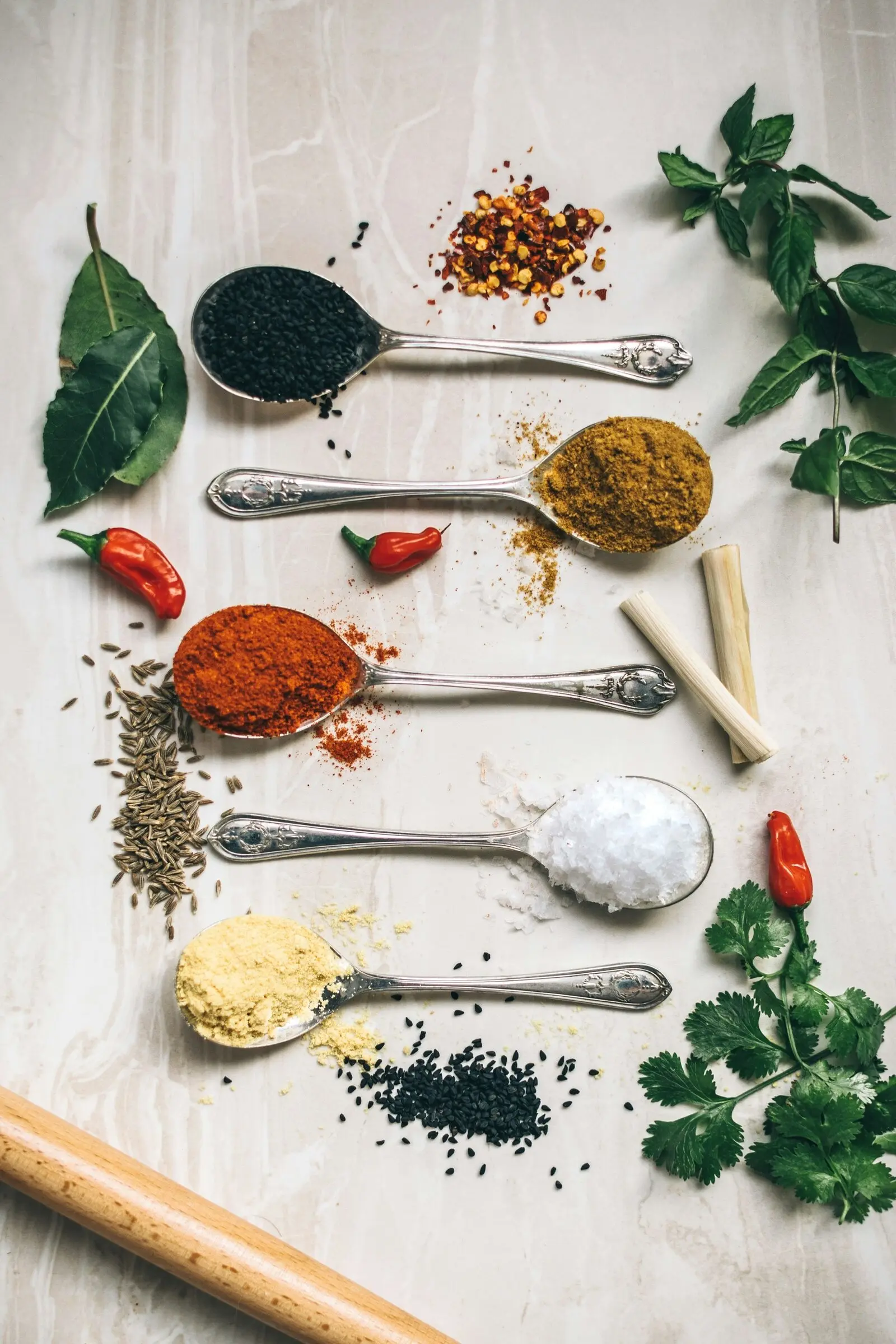
Herbs and spices
- Salt and pepper
- Herbs and spices
Produce that keeps
- Onions
- Garlic
- Potatoes
- Carrots
- Apples
The mixes on this list don’t have to come from a box. Our Homemade Mixes library shows you how to make your own pancake, biscuit, cornbread, and muffin mixes, plus seasoning and onion soup mixes, for much less.
Good to know
Rinse canned beans before you use them. Draining and rinsing canned beans removes about 40% of the sodium, according to North Dakota State University Extension.
How long pantry food lasts
These times are for best quality in a pantry kept between 50°F and 70°F, from the University of Nebraska-Lincoln Extension’s food storage chart. Most pantry foods stay safe past these times, but they slowly lose flavor and texture.
| Food | How long it keeps |
|---|---|
| White rice | 2 years |
| Brown rice | 1 year |
| Pasta | 1 to 2 years |
| Dried beans, lentils, and split peas | 1 to 2 years |
| Oats | 12 months unopened; 6 to 12 months opened |
| All-purpose flour | 6 to 12 months unopened; 6 to 8 months opened |
| Whole wheat flour | 3 to 6 months |
| Sugar | 18 to 24 months |
| Baking powder | 6 to 18 months unopened; 3 to 6 months opened |
| Baking soda | 2 to 3 years unopened; 6 months opened |
| Peanut butter | 6 to 24 months unopened; 2 to 3 months opened |
| Vegetable oil | 6 to 12 months unopened; 3 to 5 months opened |
| Honey | 2 years |
| Ground spices | 2 to 3 years |
| Canned fruit, tomatoes, and juice | 12 to 18 months |
| Canned meat, beans, soups, and vegetables | 2 to 5 years |
Canned food stays safe past its date as long as the can has no dents, rust, or swelling, according to Nebraska Extension. Throw out any can that’s bulging, leaking, or deeply dented.
Make your own mixes
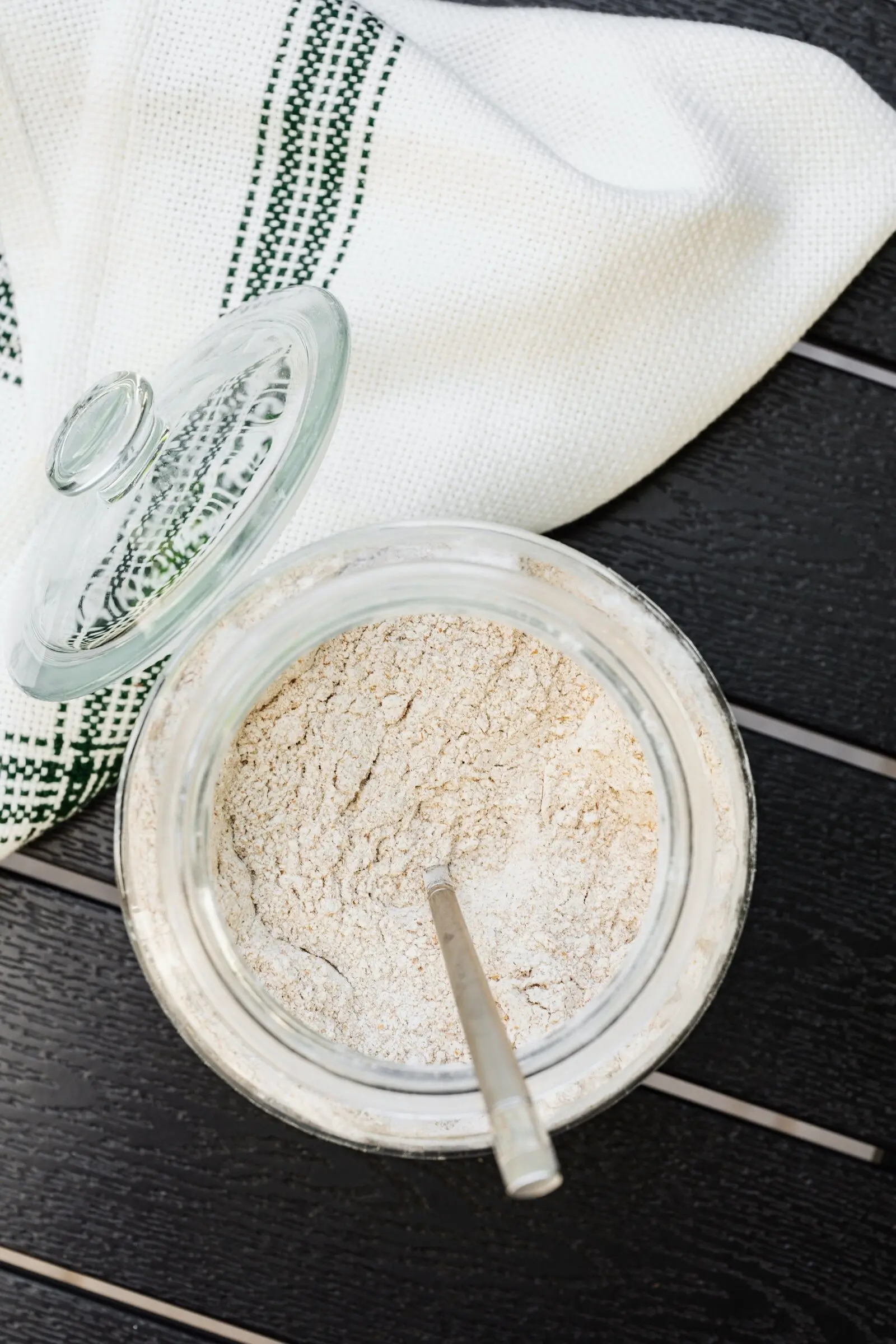
A well-stocked pantry lets you skip expensive boxed mixes and seasoning packets. With flour, sugar, and spices on hand, you can make your own taco seasoning, pancake mix, cream soup mix, and biscuit mix for a fraction of the price.
Our Homemade Mixes library has hundreds of recipes, from baking mixes to seasoning mixes.
Use your pantry for meals
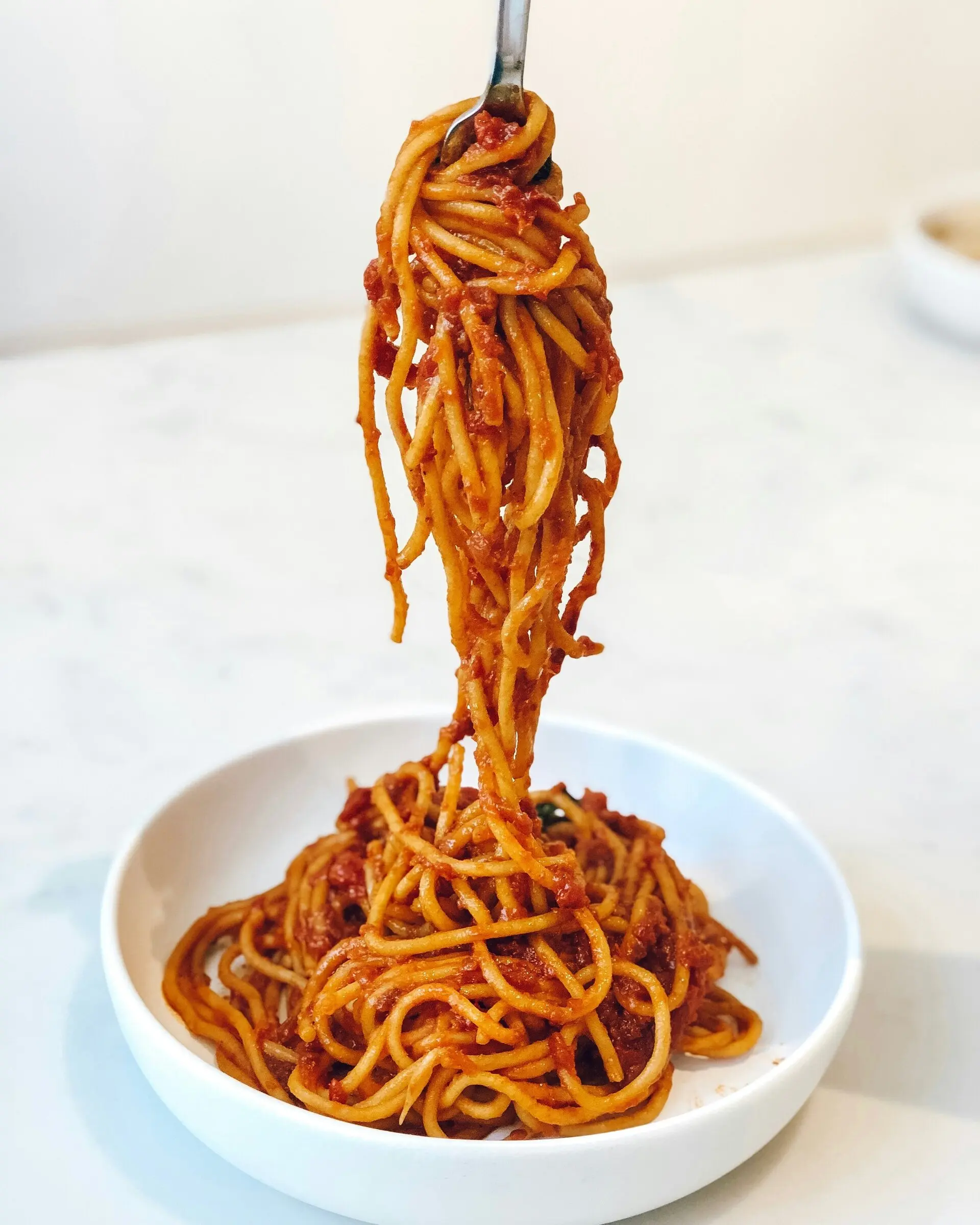
A pantry only saves money if you cook from it. Here are a few dinners you can make almost entirely from shelf-stable staples:
- Chili with canned beans, tomatoes, and spices
- Red beans and rice
- Pasta with tomato sauce, with canned tuna or chicken if you like
- Tuna noodle casserole
- Lentil soup
- Fried rice with frozen vegetables and eggs
- Pancakes or biscuits from your own mix
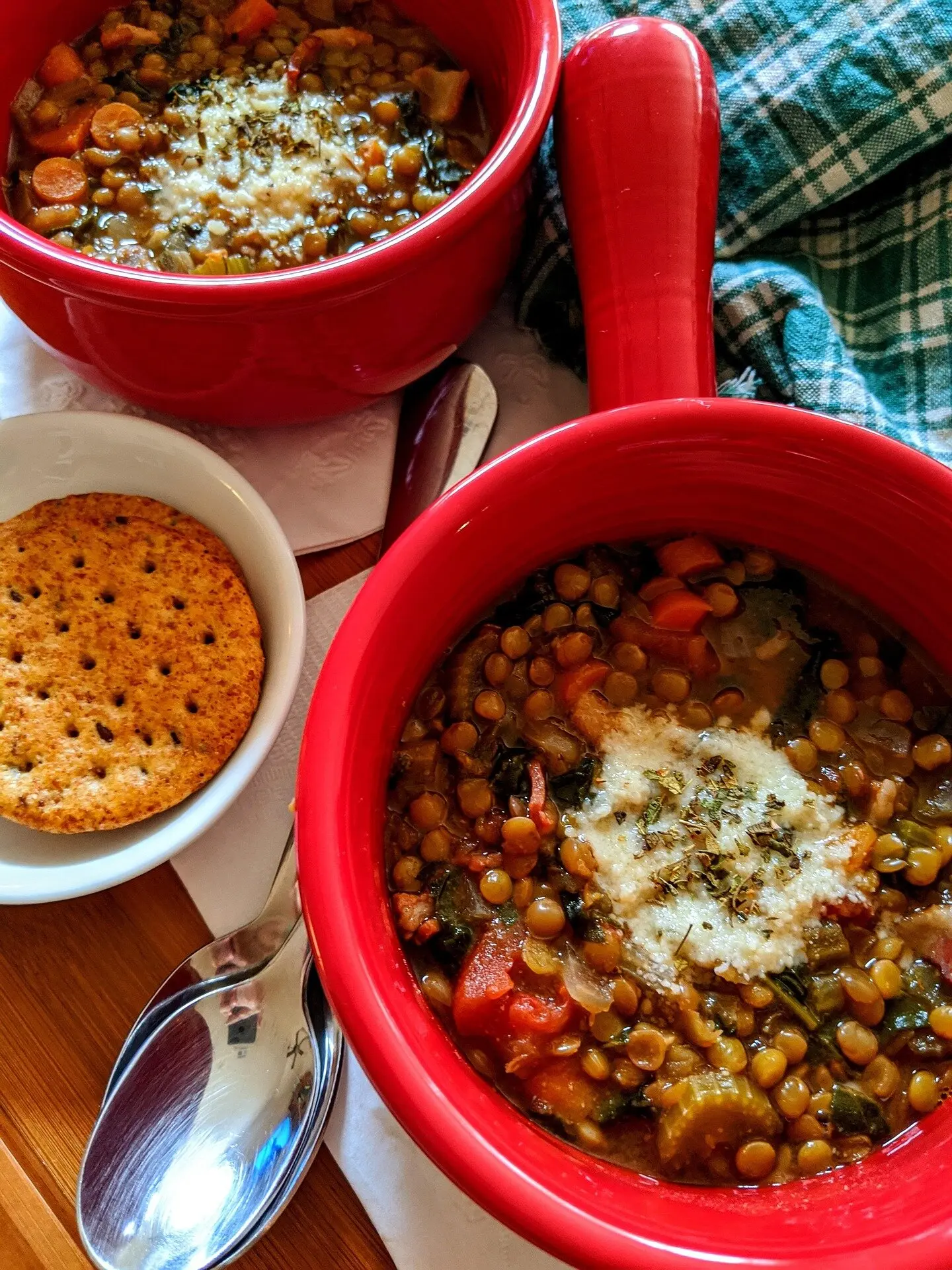
Pair your pantry with a freezer stocked with a few freezer meals, and you’ll always have dinner on hand. Our free Meal Planner can help you plan a week of dinners around what you already have.
Frequently asked questions
What should I buy first to stock a pantry? Start with rice, pasta, oats, dried or canned beans, canned tomatoes, flour, sugar, oil, broth, and a few basic spices. These turn into the most meals for the least money.
How much does it cost to stock a pantry? It depends on your family and what you already have. Instead of buying everything at once, set aside $5 to $10 a week for pantry staples, and build it up over a couple of months.
How do I stock a pantry with no money? Start by using what you already have, and add one or two staples a week as your budget allows. Rice, dried beans, oats, and pasta are some of the cheapest foods per serving.
How long does pantry food last? It depends on the food. White rice keeps about two years, dried beans one to two years, and canned vegetables two to five years for best quality, according to Nebraska Extension.
What is the first in, first out method? Move older food to the front of the shelf and put new groceries behind it, so you always use the oldest food first and nothing expires in the back.
Where should I store pantry food? In a cool, dry cupboard away from the stove, sink, and dishwasher. Keep flour, rice, and other dry goods in airtight containers to keep them fresh and pest-free.
Is it cheaper to buy pantry staples in bulk? Usually, for foods you use often and that keep well, like rice, oats, pasta, and dried beans. Compare unit prices, and only buy what you’ll use before it loses quality.