
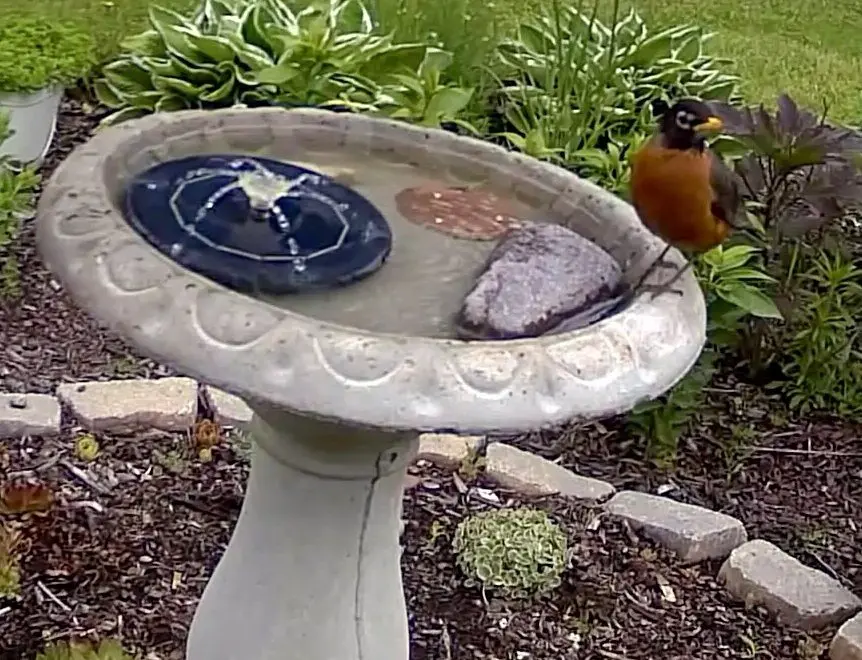
You settle into your pillow, and just as sleep arrives, a bird bursts into song outside your window. The clock reads 2 a.m. Birds that sing at night are more common than most of us think, and the performers are rarely the ones you would guess. Some live by moonlight and call the dark their daytime. Others work the day shift but stay up late for love, for territory or because a porch light fooled them. Here is who is singing after dark, why they do it and how to enjoy the show.
Seven birds that sing at night
1. Northern mockingbird (Mimus polyglottos)
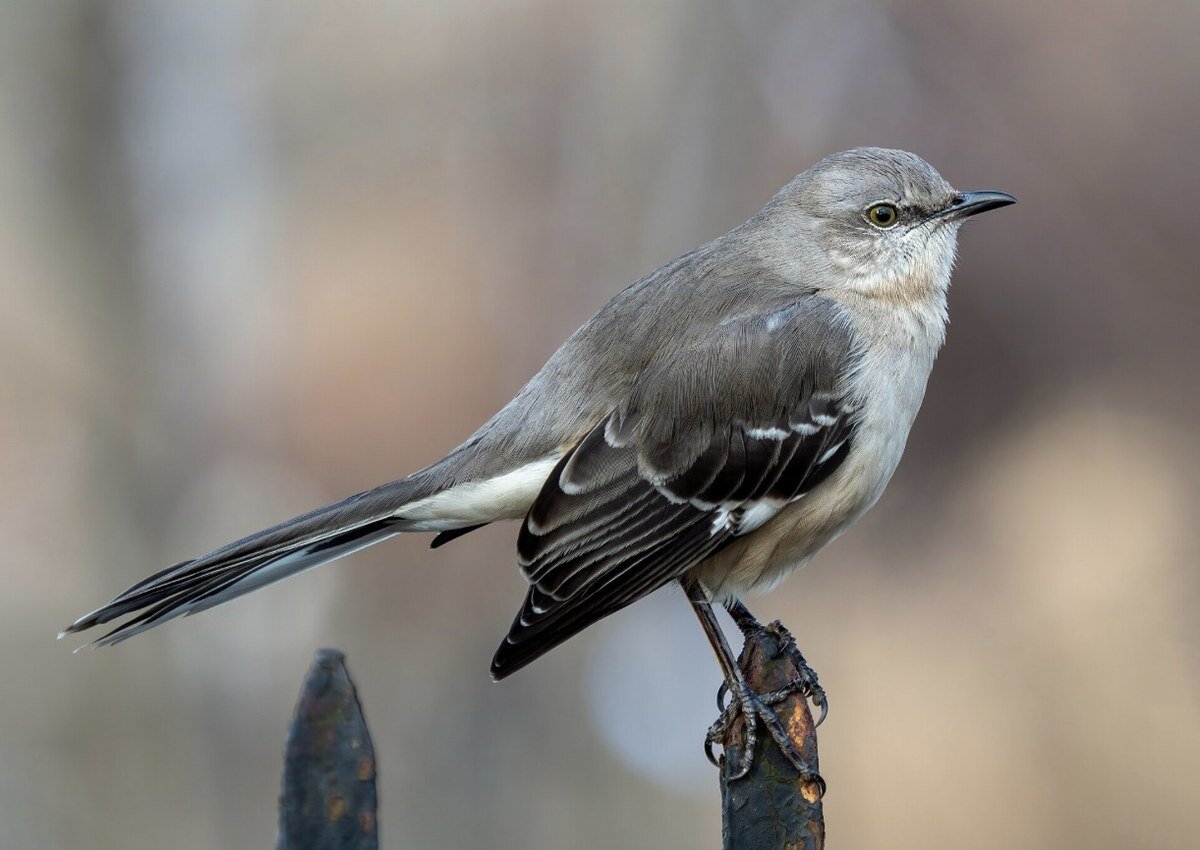
If a bird has kept you awake, this gray-and-white mimic is the likeliest culprit. The Cornell Lab of Ornithology says most mockingbirds that sing after dark are unmated males, and they sing more than paired males during the day, too. Listen for songs borrowed from other birds, and sometimes from car alarms or cell phone chimes, with the bird repeating each phrase several times before it moves on to the next. The late-night shows usually fade once he finds a mate, and you can catch an encore this month, because mockingbirds sing again from September to early November. Think of him as the neighborhood’s one-bird radio, flipping stations all night in hopes that a listener will tune in.
Hear it: Cornell Lab sound recordings.
2. Barred owl (Strix varia)
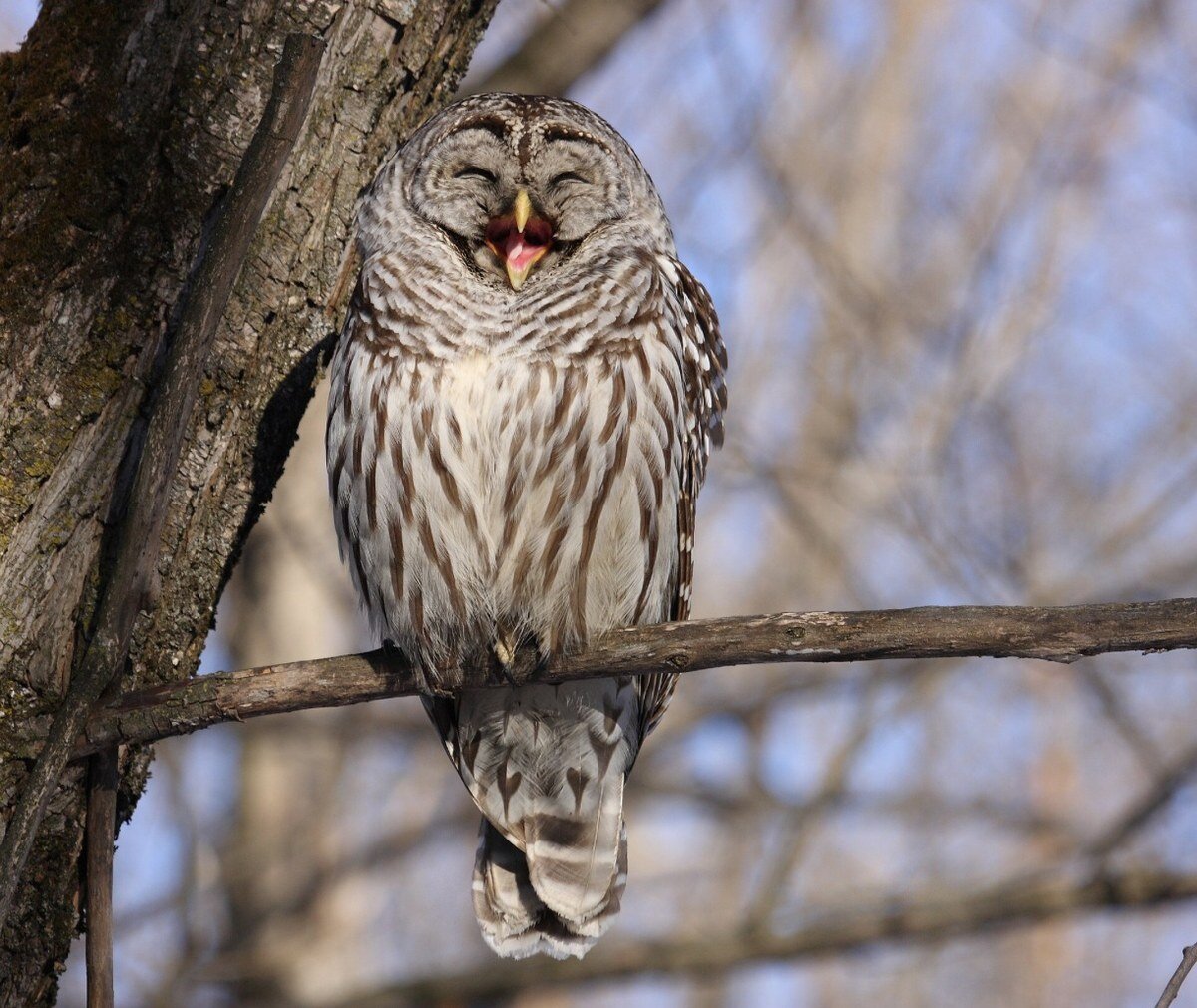
This big, round-headed owl may be the easiest night voice to learn, because its call comes with words: “Who cooks for you? Who cooks for you all?” The American Bird Conservancy says the hoots often come in a series of eight, which earned the owl the folk name “Eight-Hooter.” Mated pairs also duet, the conservancy adds, and the result sounds nothing like a simple hoot. They live in mature woods and forested swamps across the eastern United States and now in the Pacific Northwest, too. Late winter is prime listening time, when owls call more often to find mates and claim territory. Once you learn the phrase, you will start hearing it from every patch of woods.
Hear it: Cornell Lab sound recordings.
3. Eastern whip-poor-will (Antrostomus vociferus)
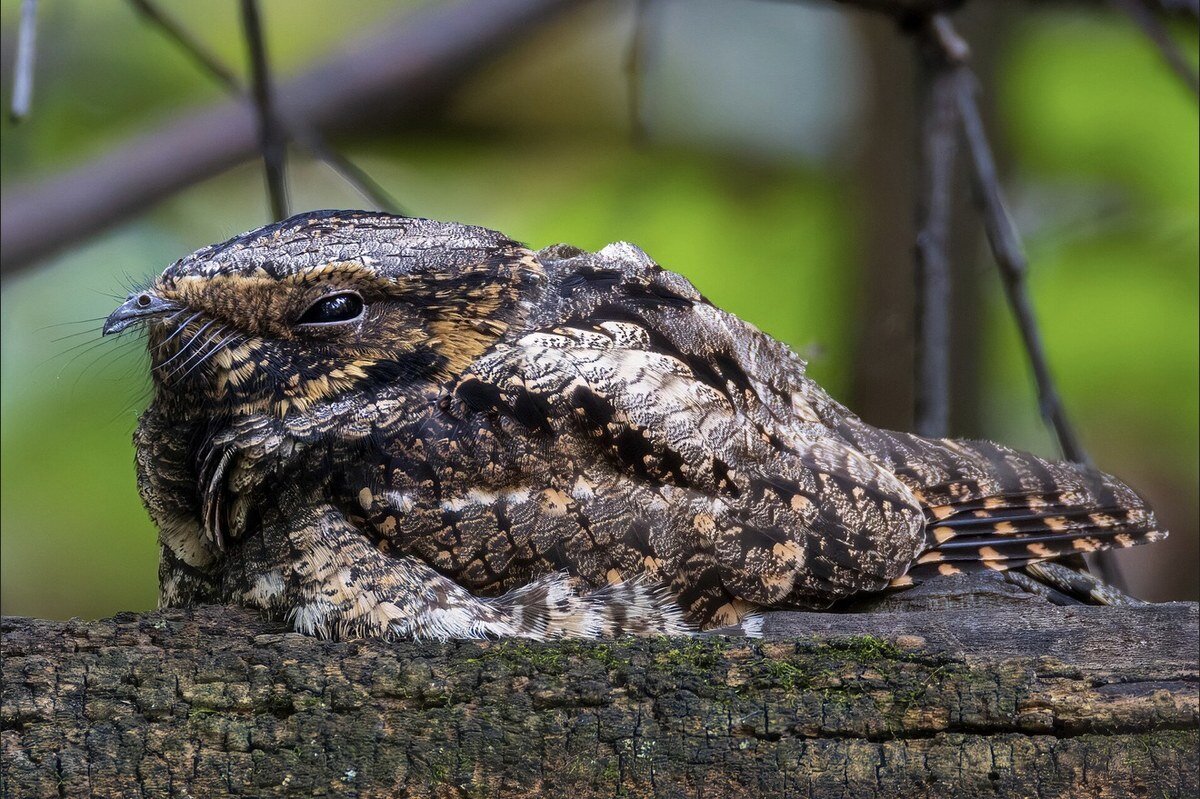
By day, this mottled brown-and-gray bird rests on the forest floor, where its feathers match the leaf litter so well that you could walk past one without a clue. After dark, the male repeats his own name, whip-poor-WILL, in long, rhythmic runs. The moon runs his schedule. The Cornell Lab of Ornithology says pairs time their eggs to the lunar cycle, so chicks hatch about 10 days before a full moon, and males call more often on bright nights. The whip-poor-will is a nightjar, not a songbird, and the American Bird Conservancy reports its numbers have dropped about 75% in 50 years as forests and insects disappear. Try a clear, moonlit evening from late May through early July at a forest edge away from lights; these birds winter in Mexico and Central America, so you will have to wait until spring. As the woods grow quieter, hearing one has become a small prize.
Hear it: Cornell Lab sound recordings and BirdNote’s Night Singers episode.
4. Eastern screech-owl (Megascops asio)
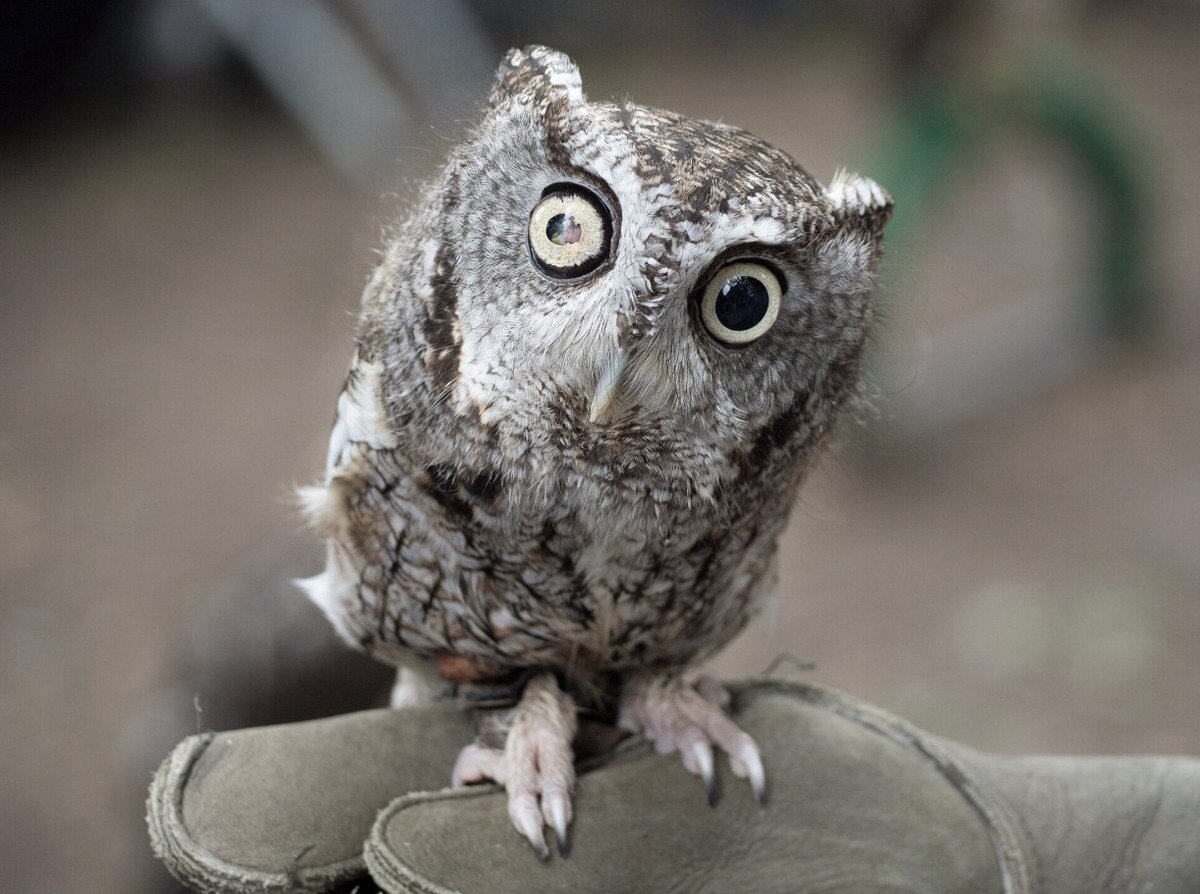
This pint-sized, ear-tufted owl has a misleading name, because its call is no screech. Instead, it gives a descending whinny that sounds like a tiny horse. The National Audubon Society reports that the whinny is the male’s territorial song, while courting males use a rapid trill on a single pitch. Many wooded neighborhoods across the eastern United States have one, so your own yard may qualify. The sound is gentle enough that many people mistake it for a distant horse and never think to look for an owl. Stand near mature trees on a still night and listen for the whinny drifting from the tree line.
Hear it: Cornell Lab sound recordings.
5. Yellow-breasted chat (Icteria virens)
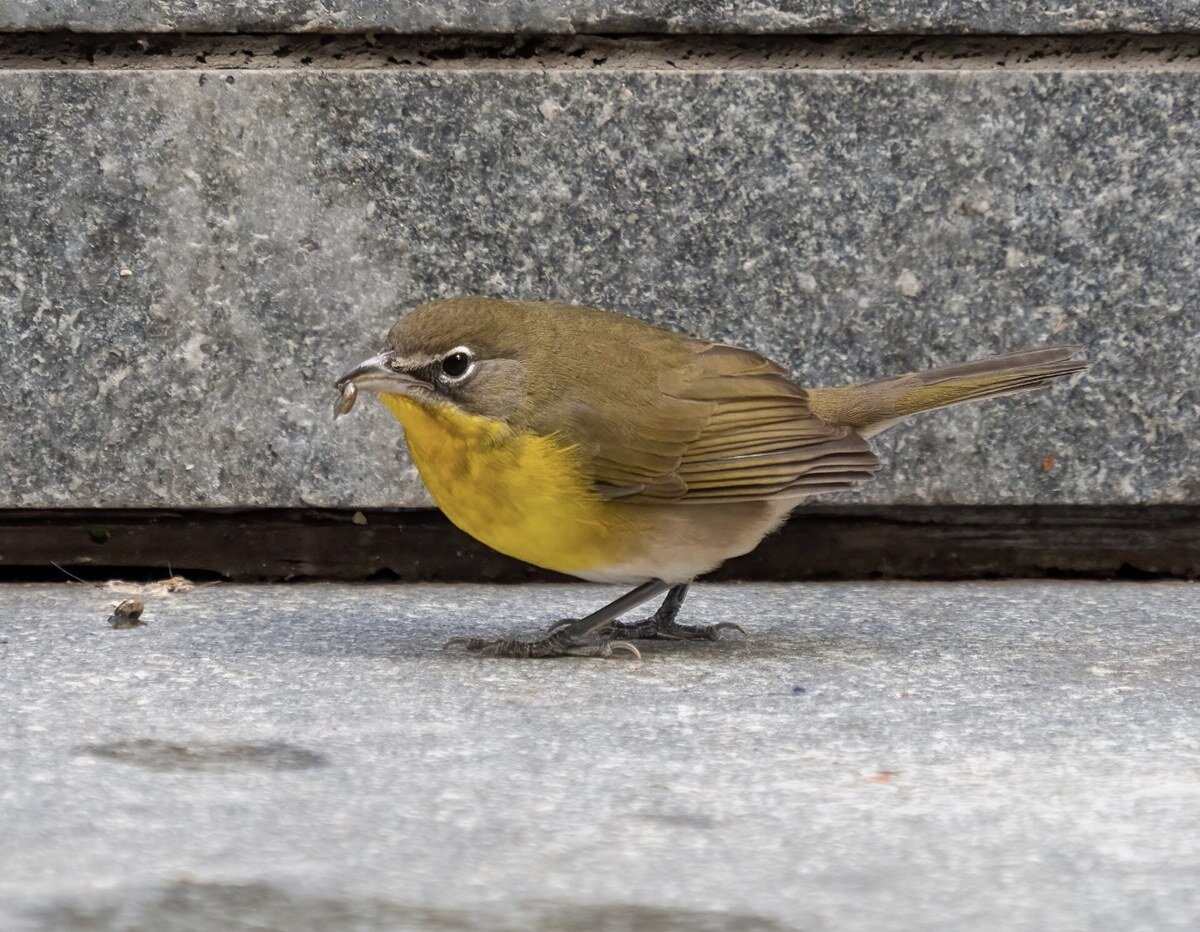
This large warbler wears a bright yellow throat and breast, a white belly and white “spectacles,” and it hides in dense scrub and thickets. It sings by day, but the nonprofit BirdNote reports that for a short spell each spring the males also sing in the dark to call arriving females, which migrate at night. After dark, the songs run shorter and lower, with longer pauses, and researchers think the lower pitch carries farther to travelers overhead. Few night sounds are stranger than a string of whistles and cackles from a bird you may never see. Once the females arrive, the males go quiet at night. Chats head south for the winter, so look for brushy thickets next spring.
Hear it: Cornell Lab sound recordings and BirdNote’s Night Singers episode.
6. Common poorwill (Phalaenoptilus nuttallii)
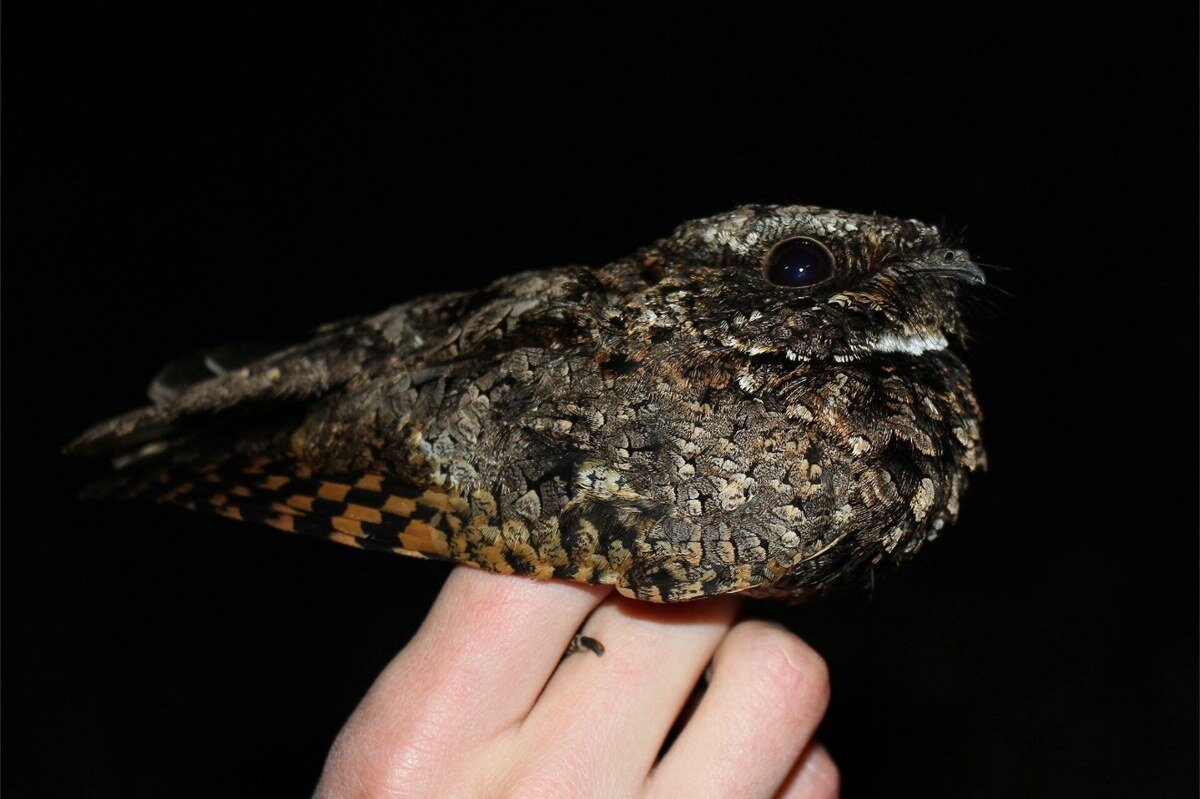
This small, pale gray nightjar blends into the dry, rocky slopes and scrub of the West, and it takes its name from its soft, two-note call. Its real claim to fame is winter sleep. Audubon reports that a poorwill can sink into a deep torpor that lasts weeks, cooling its body and slowing its heart and breathing, while hummingbirds and doves manage that only for short spells. That makes it a quiet marvel: a bird small enough to rest on your fingers that can all but press pause on winter. Head to open, rocky country at dusk and listen for the steady call repeating through the dark.
Hear it: Cornell Lab sound recordings and BirdNote’s Night Voices: Nightjars episode.
7. American robin (Turdus migratorius)
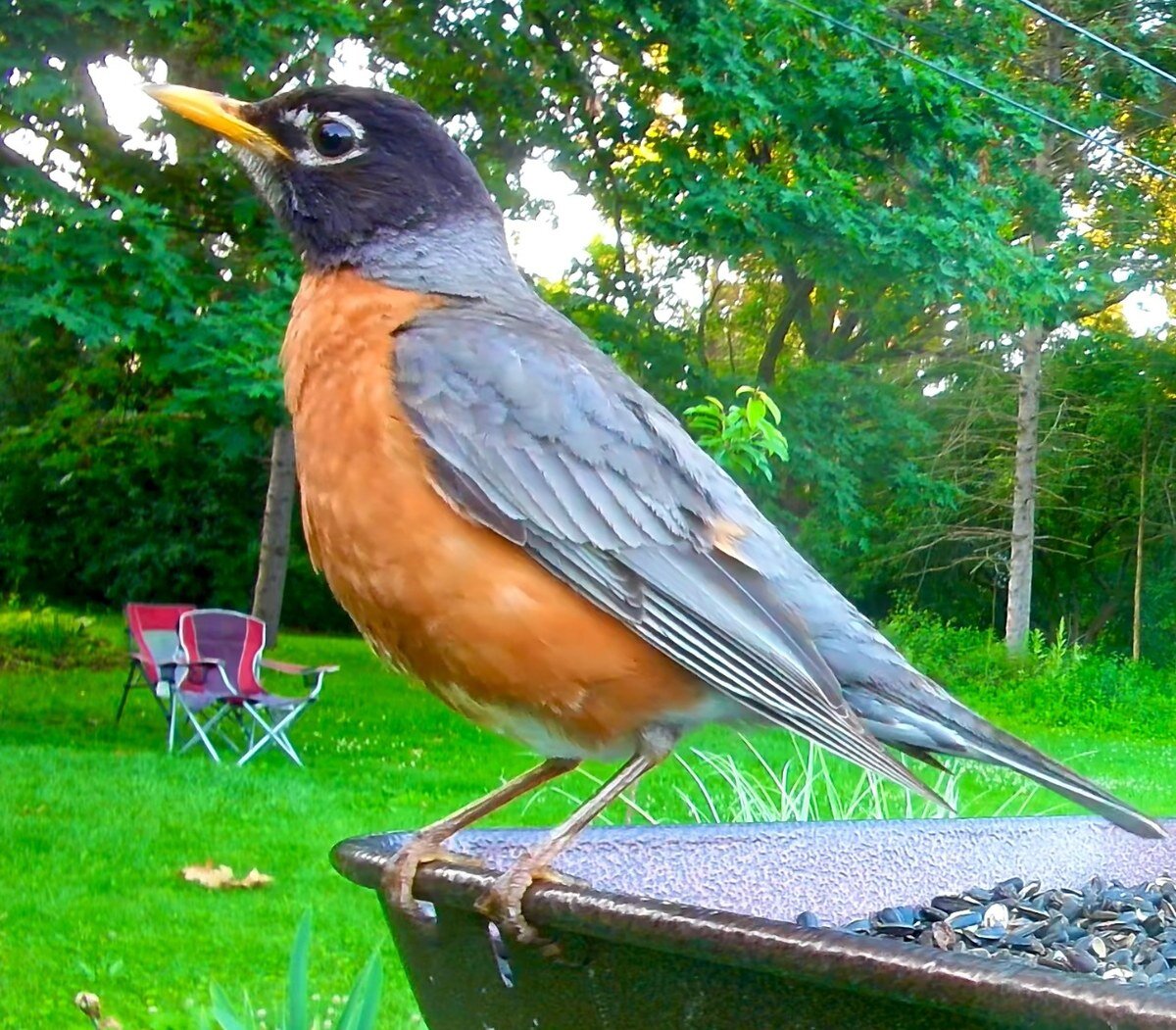
Yes, that robin. The orange-breasted bird tugging worms from your lawn usually sings at dawn and dusk, but bright lights can stretch its day. A 2025 study in the journal Science found robins among the species whose days stretch most under artificial light, and one of the researchers said robins sometimes sing two hours before sunrise. If a robin wakes you before sunrise, a streetlight or security light nearby may share the blame. In other words, the voice at your window may be a familiar neighbor with bad timing, not a rare visitor.
Hear it: Cornell Lab sound recordings.
Why birds sing at night
Birds sing for two main reasons at any hour: to attract a mate and to defend a territory. After dark, the same reasons apply, and a few twists join in.
Birds that live by night, such as the whip-poor-will and owls, sing after dark simply because that is when they are awake. Daytime birds that join them, such as the mockingbird and the chat, usually have a mating reason. With few rivals singing, one male’s voice stands out.
Light plays a part, too. Researchers at Oklahoma State University and Southern Illinois University analyzed millions of recordings of more than 500 bird species and found that artificial light stretches the singing day by about 50 minutes on average. Birds with large eyes and birds that nest in the open respond most.
How to enjoy birds that sing at night
- Pick a calm, clear night and sit outside in the dark for 10 minutes so your ears settle.
- Note the month. Whip-poor-wills sing in late spring and early summer, owls call most in late winter, and mockingbirds sing in spring and fall.
- Record unfamiliar sounds with Merlin Bird ID, the free app from the Cornell Lab.
- Switch off outdoor lights you do not need. It helps birds and neighbors sleep.
Frequently asked questions
What bird sings all night long?
In much of the United States, it is an unmated male northern mockingbird, especially in spring and early summer. Whip-poor-wills can also call for hours on end during the breeding season.
Is it normal for birds to sing at night?
Yes. Nocturnal birds sing at night because they are awake, and daytime birds sing after dark for mates, territory or because bright lights stretch their day.
Is that a nightingale singing in my yard?
Almost certainly not. The common nightingale lives in Europe, Asia and Africa, not in the Americas. Many Americans credit its legendary voice to the mockingbird, a master mimic with a huge repertoire.
Night is not as silent as it seems. The next time a voice drifts through your window after dark, try listening instead of rolling over. A few quiet minutes may introduce you to a neighbor you never knew you had.
From the QT Bird Community
Join the conversation
Comments on QT Bird articles live in our community. Joining is free: share your tips, ask questions and get replies.
Sign up to PostLog in