
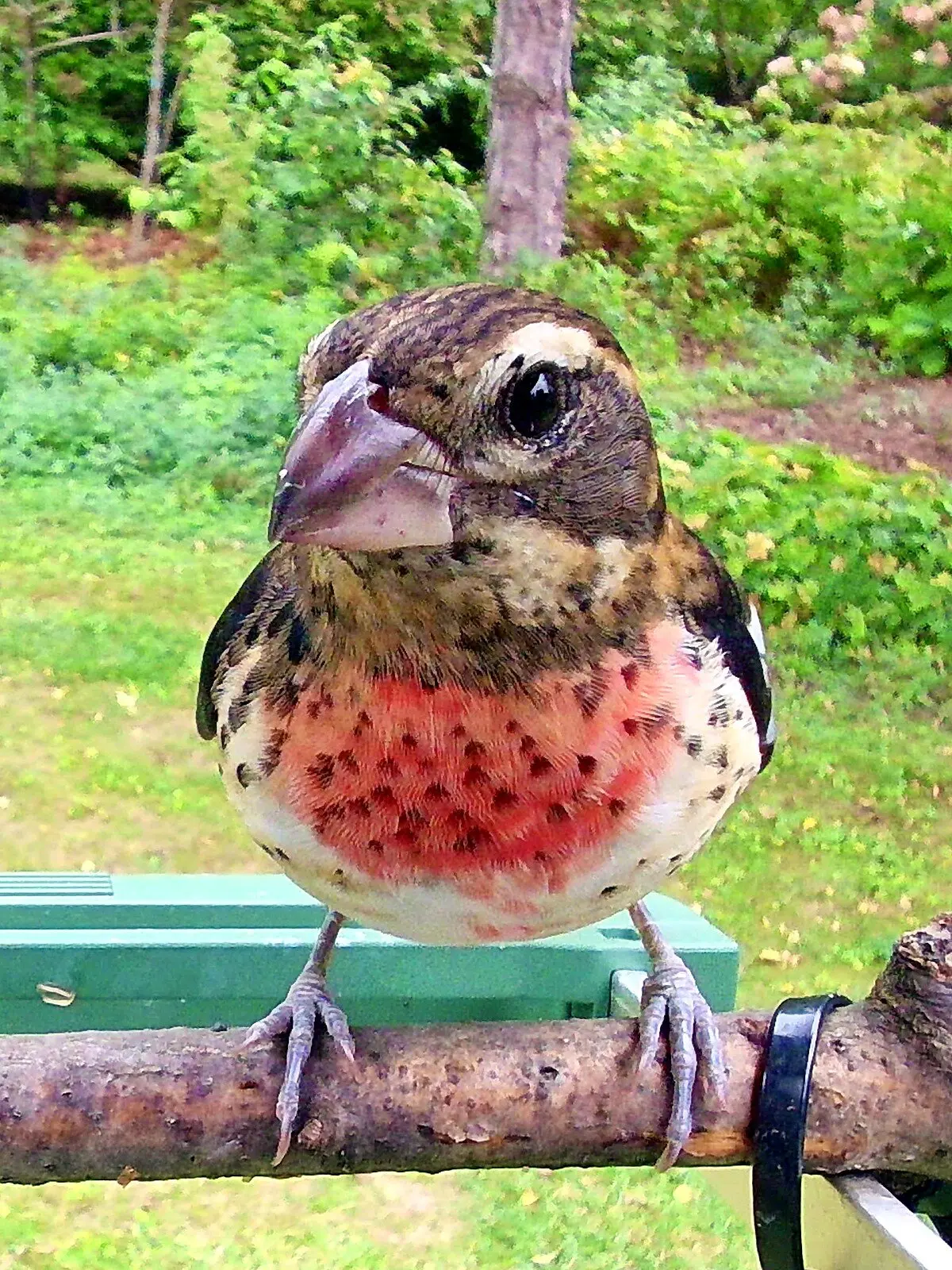
For about three months each spring and fall, millions of birds can pass over your roof in a single night while you sleep. Their journeys are one of nature’s best stories, and the nice surprise is how much you can do from an ordinary yard. If you want to help backyard birds during migration, a few easy changes make a real difference.
Why birds migrate
Food is the big reason. Birds that nest in the north are chasing a short, generous season, a few months when insects swarm and plants burst into bud. That is plenty to feed a nest of hungry chicks, and the birds time their trips to arrive just as it peaks. When food runs short in fall, they head south again.
You might guess cold weather drives them out, but the Cornell Lab of Ornithology says that is not a major factor. Plenty of birds shrug off freezing temperatures as long as there is something to eat. It is the shortage of food, not the chill, that sends them packing.
Day length acts as the alarm clock. As days grow shorter or longer, hormones shift in a bird’s brain, and the urge to travel builds with them.
Some of the plan is built in. Cornell describes caged birds that have never migrated turning restless right when their wild kin take off, which points to an inborn sense of timing and direction. Young birds often make their first trip without any adults to show them the way, heading for winter homes they have never seen. No map, no tour guide and no stopping to ask directions.
How birds find their way
Most of us get nervous when the phone signal drops on a back road. Birds manage with a whole toolkit instead. They check the position of the sun and the glow at sunset, and at night they follow the rotation of the stars. They also sense Earth’s magnetic field, which works as a built-in compass when the sky is hazy or dark. Landmarks such as ridgelines and river valleys fill in the details, and smell may play a part as well, according to Cornell.
Some trips are almost hard to believe. Audubon notes that certain Arctic terns may travel farther than any other bird, going from the high Arctic to the Antarctic.
Why so many fly at night
Most songbirds travel after dark. The sky holds fewer predators then, the air is calmer and birds that cannot feed in the dark lose little by flying instead. Hawks, ducks and swallows fly by day.
Night flying has one modern catch. Birds steer by the sky, and city lights can drown it out. Audubon says bright lights and skyglow can disorient them, pulling them off course and toward buildings and windows. Circling in the glare burns energy they were saving for the trip.
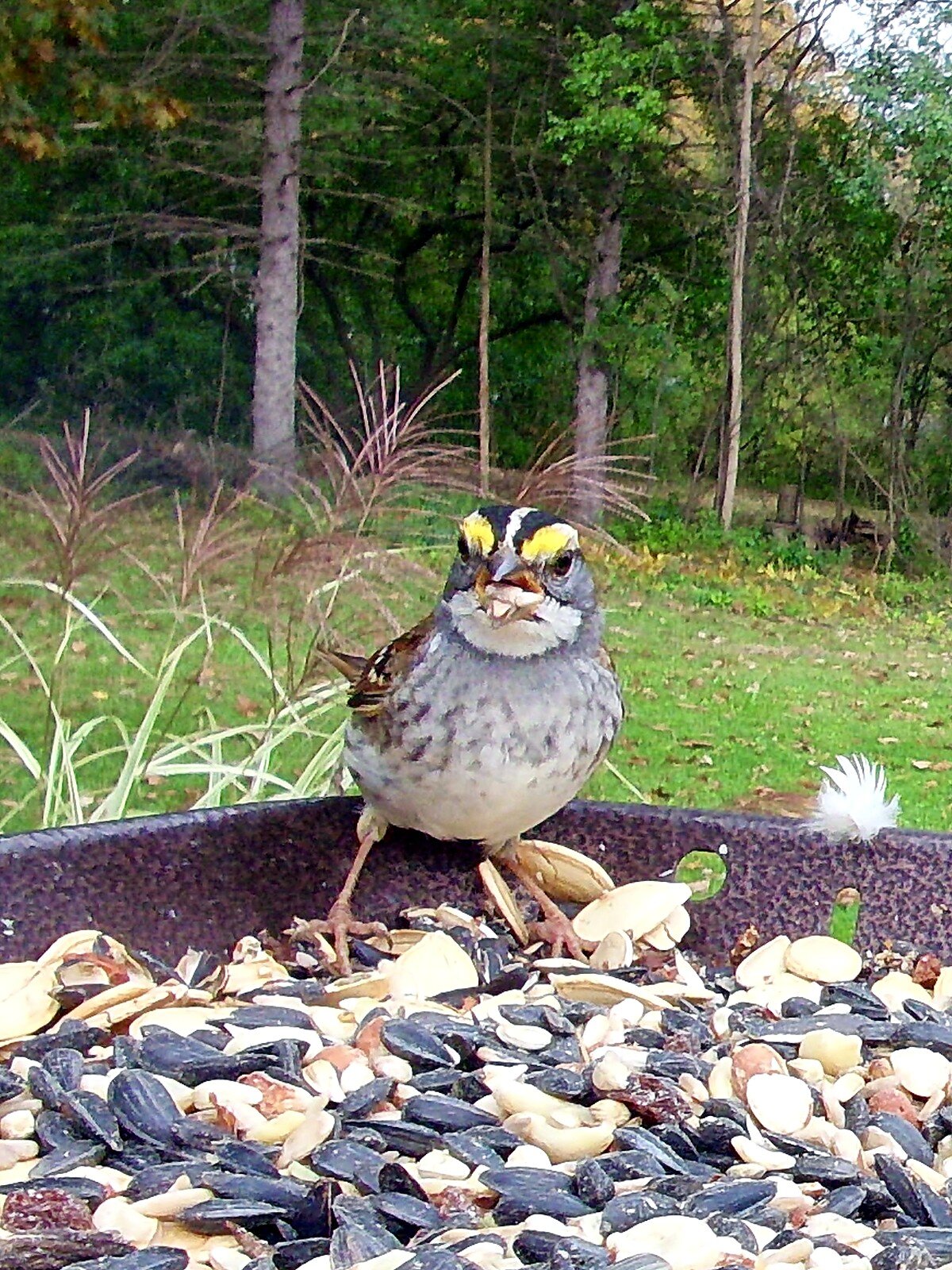
Easy ways to help
You do not need acres or a green thumb. A few habits go a long way.
- Plant natives. Oaks, dogwoods and viburnums are favorites of Cornell Lab experts because they supply both insects and berries. Leave some leaf litter and seed heads standing, since both shelter insects. Here is permission to skip the big garden cleanup until spring.
- Set out water. A shallow dish no more than 2 inches deep works nicely, with a rock in the middle for perching. Change the water daily so mosquitoes don’t move in.
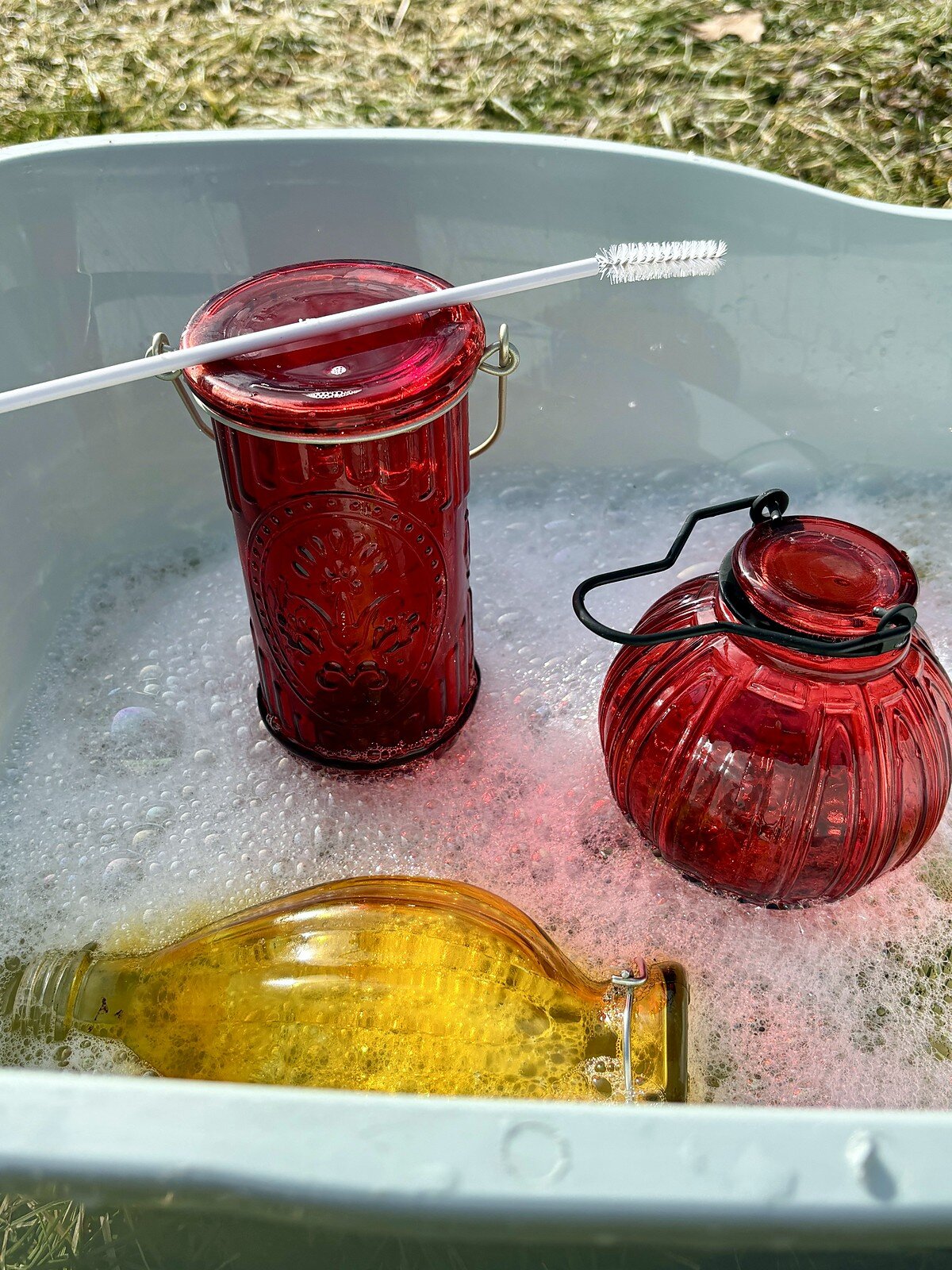
- Keep feeders clean. Wash feeders about every 2 weeks, and hummingbird feeders more often, per Cornell.
- Dim the lights. Turn off outdoor lights you do not need, and close the blinds when lamps are on. Audubon’s Lights Out program asks for this during the months birds are flying overhead, and it is the easiest job on this list.
- Make glass visible. To a bird, a clean window can look like open sky. Audubon says decals work only when they are placed no more than 2 to 4 inches apart. Patterns, tape, ribbons or screens on the outside of the glass work too.
- Keep cats indoors. The American Bird Conservancy estimates that free-roaming cats kill 2.4 billion birds a year in the United States.
- Share what you see. Logging sightings in the free eBird app helps scientists track who is passing through.
Migration FAQ
Can I help migrating birds with food?
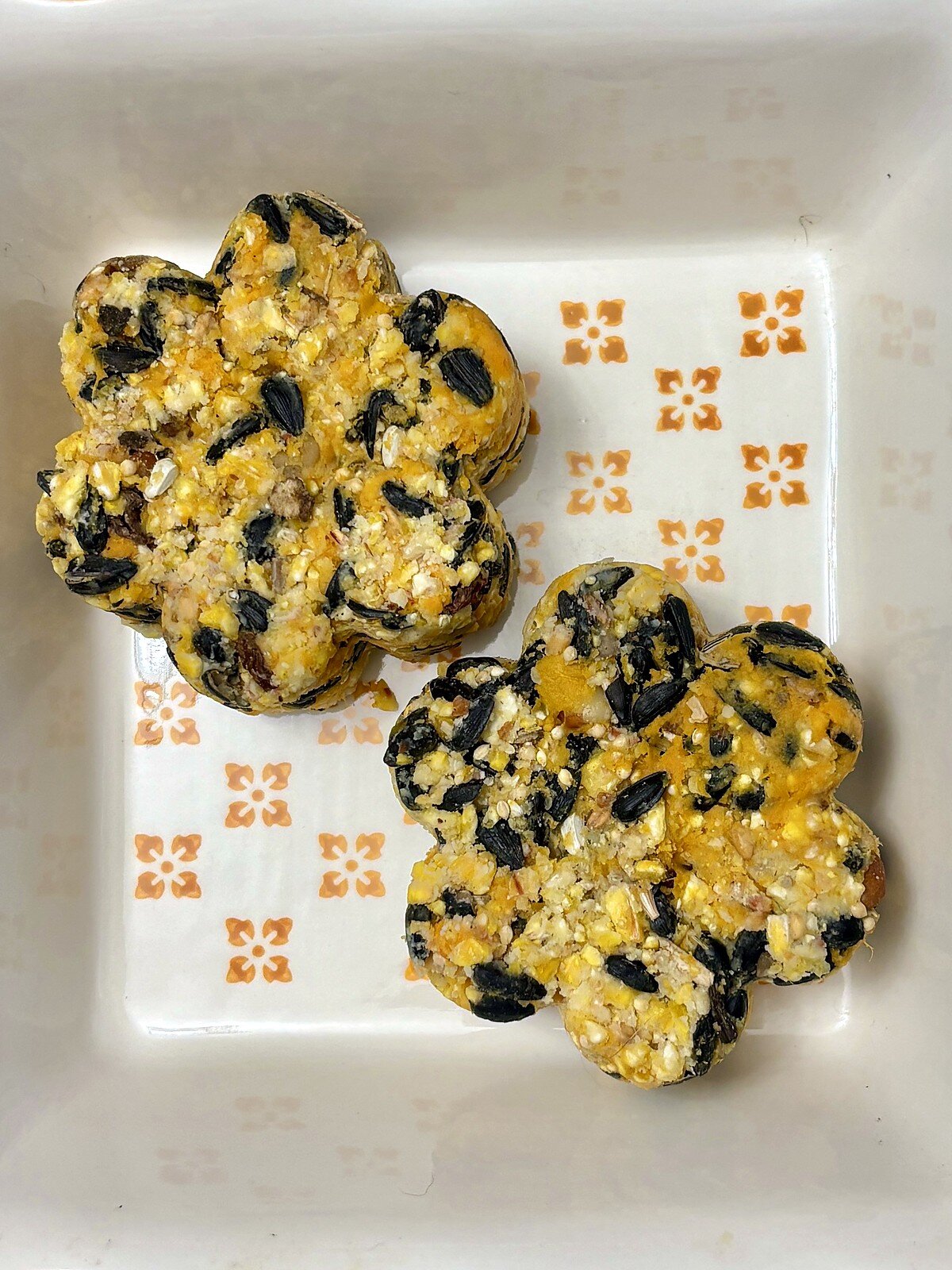
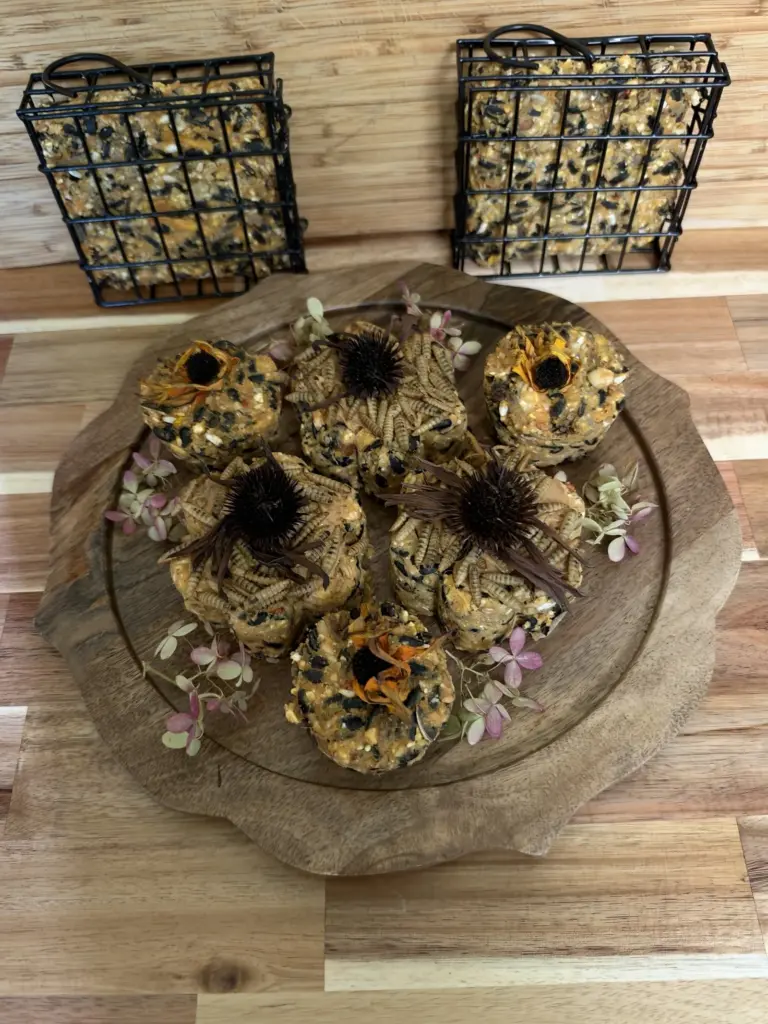
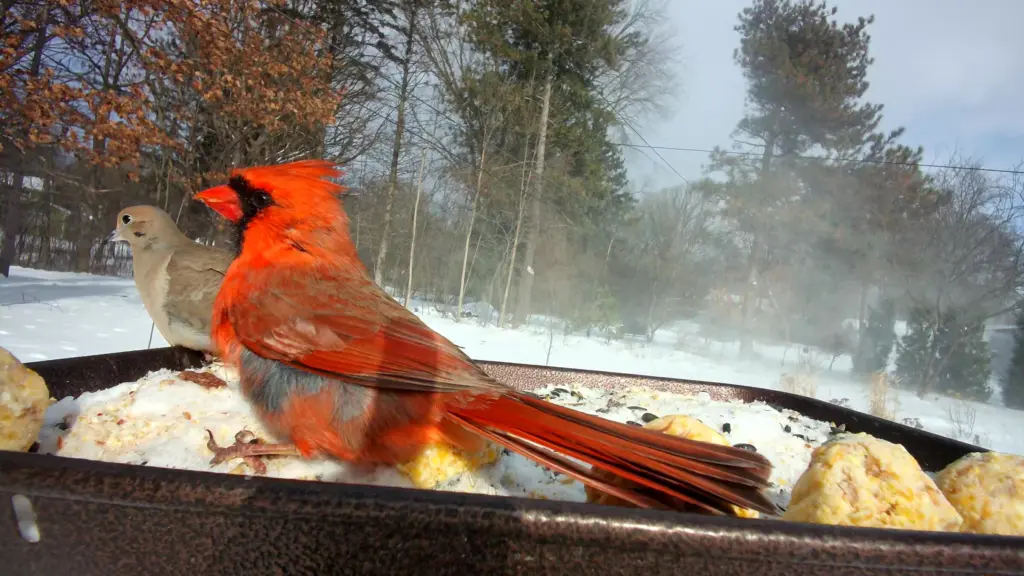
Yes, though nature’s menu does most of the work, so berry-producing plants are your best bet. Feeders can add extra. I like to offer homemade beak treats made with suet and unsalted peanut butter for fat, along with sweet potato, and black soldier fly larvae and mealworms for protein. You can find my favorites in my beak treats article. Suet suits the cool days of spring and fall, but skip it once warm weather arrives so it stays firm. In spring, females need extra calcium to lay eggs, and Audubon suggests crushed eggshells. Rinse, bake and crush them, then mix them into seed or scatter them on the ground. Hummingbird fans can see when the first ones are due near them on the Journey North hummingbird map.
Do all birds migrate?
No. Some stay put all year, and others travel only as far as they need to. Each species follows its own pattern.
When should I turn off my lights?
Audubon asks people to cut extra lighting during the months migrants are overhead. The free BirdCast forecast shows which nights will be busy in your area.
A welcome stop
After a stormy night, tired travelers drop into the nearest green spot, and sometimes that spot is your yard. Fresh water, a few berries and dark windows can make it a good one. Keep your eyes open the morning after bad weather, and take your coffee outside. You might catch a warbler or thrush for a day, gone by the next, and that is the thank-you.
From the QT Bird Community
Join the conversation
Comments on QT Bird articles live in our community. Joining is free: share your tips, ask questions and get replies.
Sign up to PostLog in