
Most of us don’t think twice about how much shampoo lands in our palm or how high we fill the detergent cap. We pour, squeeze, and spray out of habit. And habit usually means more than the job needs.
The good news? You don’t need a daily audit of every bottle in the house. A few small changes in how you measure and dispense everyday products can stretch each one further, with no drop in how well it works.
It only takes one person in the household paying attention to add up to real savings over a year. Here’s where most of the waste hides and what to do instead.
Why it’s so easy to use too much
Pourable and squeezable products are the biggest culprits. Wide caps, fast-flowing spouts, and hard-to-read fill lines all nudge you toward overpouring.
When nothing tells you to stop, you stop when it “looks right.” That’s usually too much.
Laundry detergent: measure, don’t pour
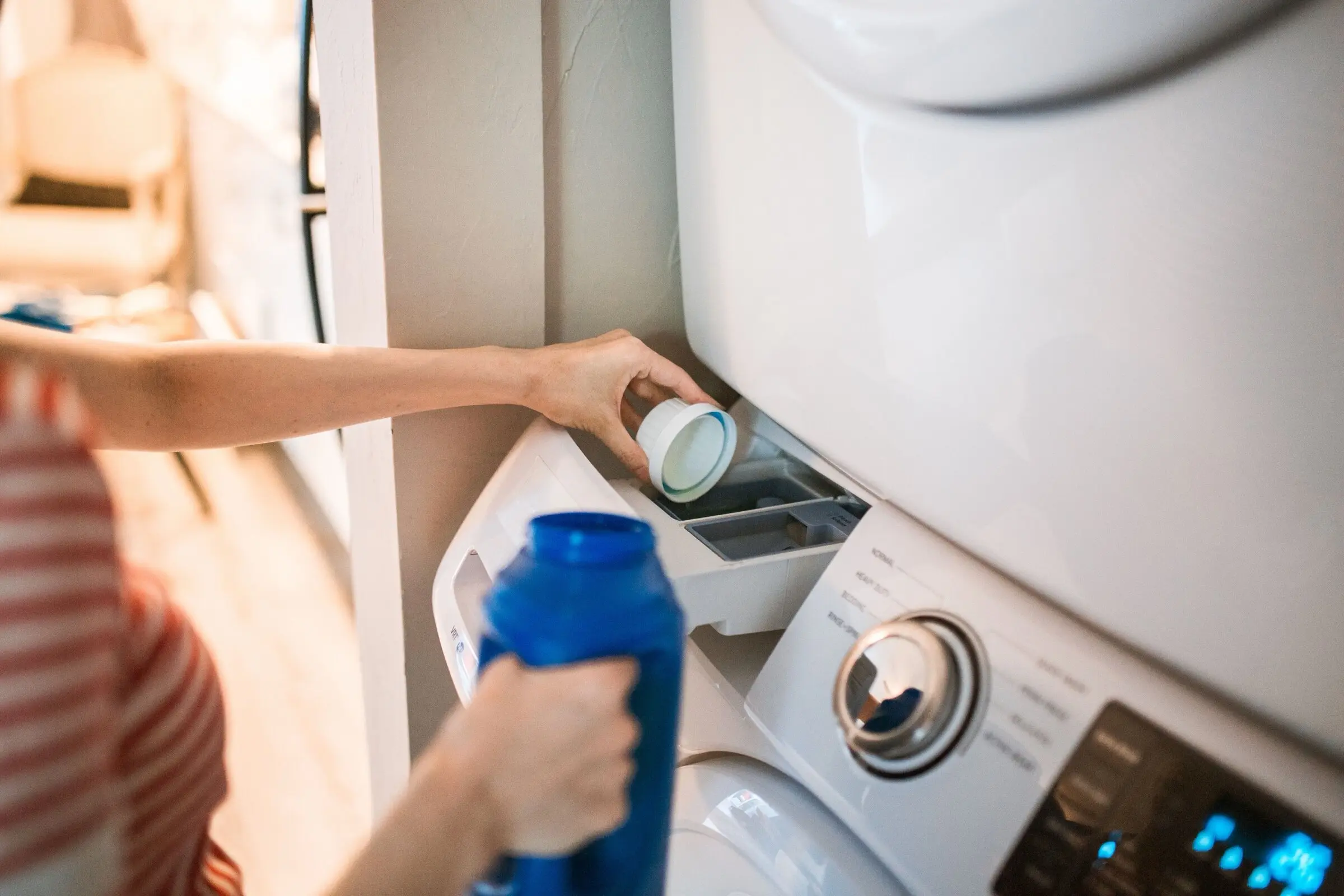
Laundry detergent may be the easiest place to start saving. Consumer Reports quoted a spokesman for the American Cleaning Institute, the trade group for detergent makers, who said many people use twice the recommended amount. Hard-to-read cap lines, a “more is better” mindset, and skipping the directions all play a part.
Extra detergent doesn’t buy cleaner clothes. Consumer Reports notes it wastes money and can drag out the rinse cycle, because some washers keep running when the water is too sudsy. LG’s washer troubleshooting guide adds that too much detergent may not dissolve completely and can leave streaks or residue on clothes.
Try this:
- Read the label for your load size. The recommended amounts are printed on the container, and they vary by load size and detergent concentration.
- Make the fill line easy to see. Consumer Reports suggests highlighting the cap’s fill lines with a marker. Or keep your own measuring cup or tablespoon with the detergent.
- Match detergent to your washer. Use HE detergent in front-loaders and high-efficiency top-loaders. Consumer Reports says other detergents make too many suds in those machines.
- Test the low end. If clothes come out clean at the label amount, try slightly less on lightly soiled loads and see how it goes.
If you’ve been using twice the recommended amount, as many people do, measuring correctly can potentially make each bottle last about twice as long.
Get every last drop
A bottle that seems empty still holds more than you’d think. Add a little water, cap it, swirl, and pour the rinse into your next load. Or stand the bottle upside down on its cap for a few hours so the rest drains toward the spout.
Buying a concentrated detergent in a large bulk container can lower your cost, too. Compare the price per load, not the price per bottle.
Shampoo: a smaller dollop, aimed at your scalp

Many of us fill a palm with shampoo and work it through every strand. The American Academy of Dermatology recommends applying shampoo to your scalp instead of the entire length of your hair. That washes away built-up product, dead skin, and excess oil without drying hair out, and it takes less shampoo.
- Start with about a quarter-size amount. Add a little more only if you need it. Very long or thick hair may need more.
- Skip the automatic second lather unless your hair still feels oily after the first.
- Wash when your hair needs it, not by the calendar. The AAD says people with straight hair and an oily scalp may want to shampoo daily. Dry, textured, curly, or thick hair can go much longer, washing as needed and at least once every 2 to 3 weeks.
- Move shampoo into a pump bottle. One pump is a consistent, measured dose. Pumps work just as well for hand soap, dish liquid, and condiments.
Try a blind shampoo test
Price doesn’t always predict what you’ll like best. Have someone pour a few shampoos at different price points into matching bottles labeled A, B, and C. Use each one for a week, pick your favorite, and then find out which it was. You may discover a cheaper bottle wins.
Cleaning sprays: wipe first, spray less
You don’t need to mist an entire counter to clean up crumbs. Much of that spray ends up soaked into a paper towel instead of working on the surface.
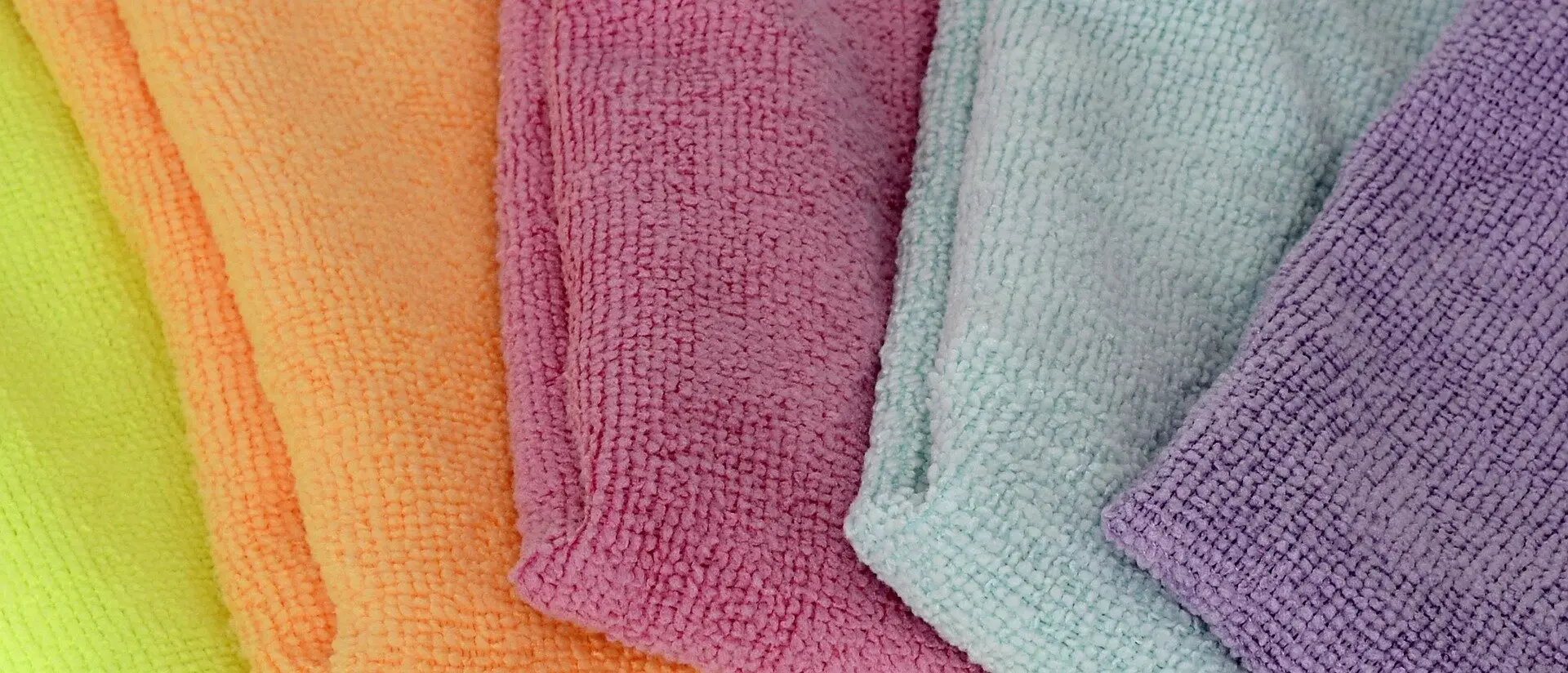
Start with water and a microfiber cloth. Microfiber’s ultrafine fibers reach into tiny cracks and can absorb 7 to 8 times their weight in liquid, according to a University of Washington fact sheet. The same fact sheet cites a University of California, Davis Medical Center comparison in which microfiber mops cut floor bacteria by 99%, compared with 30% for cotton-loop mops.
To keep microfiber working, the University of Washington advises washing it only with other microfiber and using laundry detergent, not bleach.
Then decide whether you need a product at all. For everyday dirt, water and microfiber or a mild soap solution often does the job. Save disinfectant for times you truly need to kill germs, such as high-touch surfaces when someone in the house is sick.
Use disinfectants the right way, once
When you do disinfect, using the product correctly keeps you from wasting it or doing the job twice. The EPA’s six steps for safe and effective disinfectant use include:
- Check the label for an EPA registration number.
- Read the directions for where and how to use the product.
- Pre-clean visibly dirty surfaces with soap and water first.
- Follow the contact time. The surface should stay wet for the full time listed.
- Wear gloves and wash your hands afterward.
- Lock it up. Keep lids tight and store products out of children’s reach.
Simple homemade cleaners
A few inexpensive basics, such as white vinegar, baking soda, castile soap, dish liquid, and salt, cover a lot of household cleaning. The American Lung Association’s safer cleaning recipes include an all-purpose spray made with 1 tablespoon of castile soap in 1 cup of warm water, and a window and mirror cleaner made with 2 parts white vinegar to 1 part water.
Keep in mind that homemade mixes don’t carry an EPA registration number, so they aren’t registered disinfectants.
Safety first: never mix cleaners
The American Lung Association warns never to use vinegar and bleach together. A New Jersey Department of Health hazard alert explains that bleach mixed with acids releases chlorine gas, lists lemon juice among those acids, and warns that hydrogen peroxide and vinegar together form an irritating acid. Keep vinegar and castile soap in separate bottles, too. Lisa Bronner of the Dr. Bronner’s soap family explains that vinegar breaks the soap down into a curdled, oily mess. If someone is exposed to fumes, call Poison Help at 1-800-222-1222.
Paper towels: switch to cloth for everyday messes
Paper towels are handy, but they add up fast at the register and in the trash. The EPA estimates that tissue paper and towels, not counting bathroom tissue, made up 3.8 million tons of U.S. municipal solid waste in 2018. The agency found no significant recycling of tissue products.
- Use half sheets. Select-a-size rolls make small spills cheaper to wipe up.
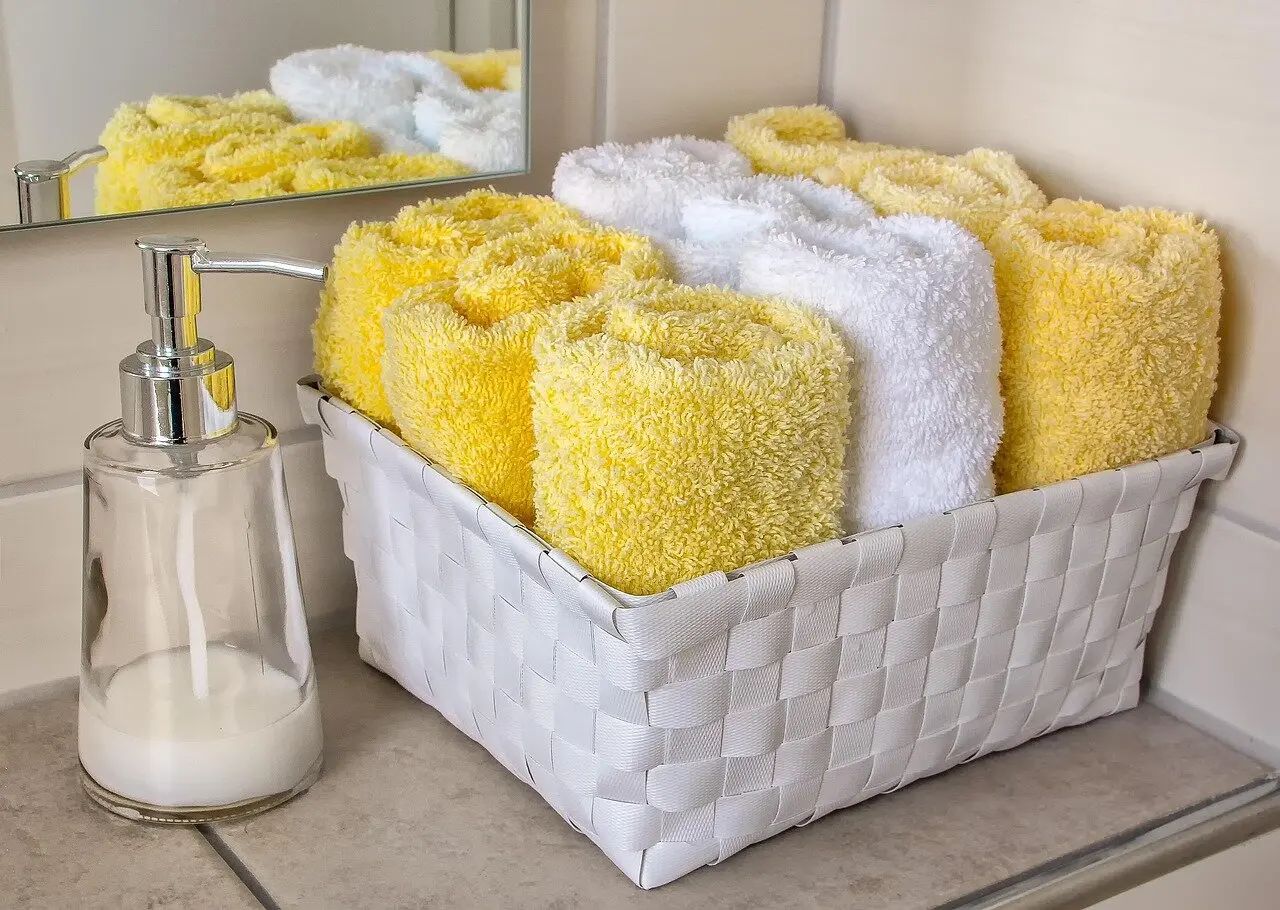
- Keep washcloths within reach. A stack of inexpensive white washcloths on the counter works for wiping spills and drying hands.
- Give cloths a second and third life. Older washcloths become dishrags, and worn dishrags become cleaning rags.
- Shop secondhand for rags. Old cloth diapers make excellent cleaning rags and often turn up at yard sales and thrift stores.
- Drain fried foods on coffee filters. Line a plate with a couple of inexpensive coffee filters for bacon or fried foods instead of reaching for paper towels.
Salad dressing: pour lightly, then shake

Pour dressing slowly into a large bowl that has a lid. Cover it and give it a good shake. The dressing coats every leaf evenly, so a small amount goes much further than a heavy pour over the top.
Quick reference: where the waste hides
| Product | Common habit | Try this instead |
|---|---|---|
| Laundry detergent | Pouring by eye or filling the cap | Measure to the label line for your load size and mark it |
| Shampoo | A palmful worked through all your hair | A quarter-size amount on the scalp, with no automatic second lather |
| Hand soap and dish liquid | Squeezing straight from the bottle | A pump bottle, one pump at a time |
| Cleaning spray | Misting the whole surface | Water and microfiber first, spray only where needed |
| Paper towels | A full sheet for every spill | Half sheets, washcloths, and a rag rotation |
| Salad dressing | Pouring until it looks right | Pour lightly, cover, and shake |
Make it stick with the marker trick
Here’s an easy way to see your savings. When you open a new bottle of detergent, shampoo, or dish soap, write the date on it with a permanent marker. When it runs out, you’ll know exactly how long it lasted.
Compare that with the next bottle. Watching a bottle stretch from four weeks to six is the kind of proof that turns a new habit into a lasting one.
Frequently asked questions
How much laundry detergent should I really use?
Use the amount on the label for your load size and detergent concentration, and measure it rather than pouring by eye. A spokesman for the American Cleaning Institute told Consumer Reports that many people use twice the recommended amount.
What happens if I use too much laundry detergent?
You waste money, and some washers run a longer rinse when there are too many suds, according to Consumer Reports. LG’s troubleshooting guide notes that excess detergent may not dissolve completely and can leave streaks or residue on clothes.
How much shampoo should I use?
Start with about a quarter-size amount and add more only if you need it. The American Academy of Dermatology recommends applying shampoo to your scalp rather than the entire length of your hair.
Is vinegar a disinfectant?
Homemade cleaners, including vinegar mixes, don’t carry an EPA registration number, so they aren’t registered disinfectants. For killing germs, use an EPA-registered product and follow its contact time. Never mix vinegar with bleach.
What can I use instead of paper towels?
Washcloths, microfiber cloths, and old cotton rags handle most everyday spills and can be washed and reused. For draining fried foods, inexpensive coffee filters work well.


From the QT Bird Community
Join the conversation
Comments on QT Bird articles live in our community. Joining is free: share your tips, ask questions and get replies.
Sign up to PostLog in