

Once the cold weather arrives, winter gear seems to multiply overnight. Coats pile up on chairs, boots end up in a puddle by the door and there is always one mitten missing on the busiest morning of the week. Your entryway and coat closet are the first places you, your family and your guests see when they walk in, so it pays to give them some attention.
The good news is that you can organize winter gear without a mudroom, built-ins or a big budget. Most of the best solutions use things you already own. Set up a simple system now, before the first snow, and you will save yourself a lot of hunting, stuffing and frustration later.
This guide covers everything: sorting what you have, storing hats, gloves and scarves, making room for bulky coats and boots, drying wet gear and putting it all away in the spring.
Start by sorting what you have
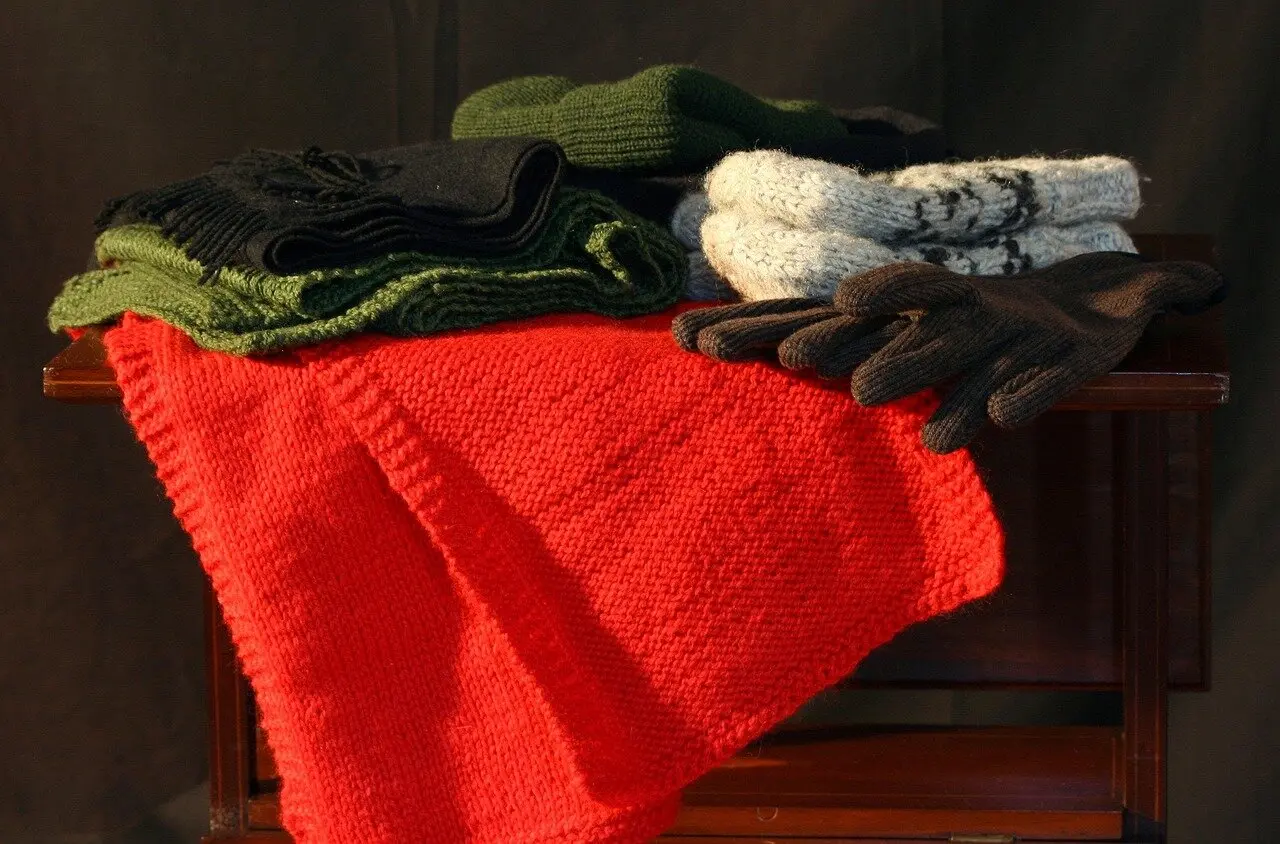
Before you buy a single bin, pull out every piece of winter gear in the house. Check the coat closet, the basement, the garage, the car and under the kids’ beds. Put it all in one spot so you can see exactly what you are working with.
Then sort it into four piles:
- Keep: Items that fit, are in good shape and get worn.
- Repair: Coats with broken zippers, mittens with small holes and boots with loose seams. If you won’t realistically fix it in the next week or two, move it to another pile.
- Donate: Gear that is too small or that nobody wears. Fall is the perfect time to give coats, hats and gloves to a local coat drive, shelter or school.
- Toss: Items that are worn out, stained or beyond repair.
Have the kids try on last year’s coats, snow pants, boots and gloves. Children can outgrow a whole winter wardrobe in one summer, and it’s much easier to find out now than on the morning of the first snow day.
Set aside any single gloves or mittens instead of throwing them out right away. Their partners often turn up once you start organizing.
Frugal tip
Shop your own house before you buy any organizers. Spare baskets, an old dresser, a shoe organizer you no longer use or a few extra hooks can do the job just as well as anything new.
Choose the right spot
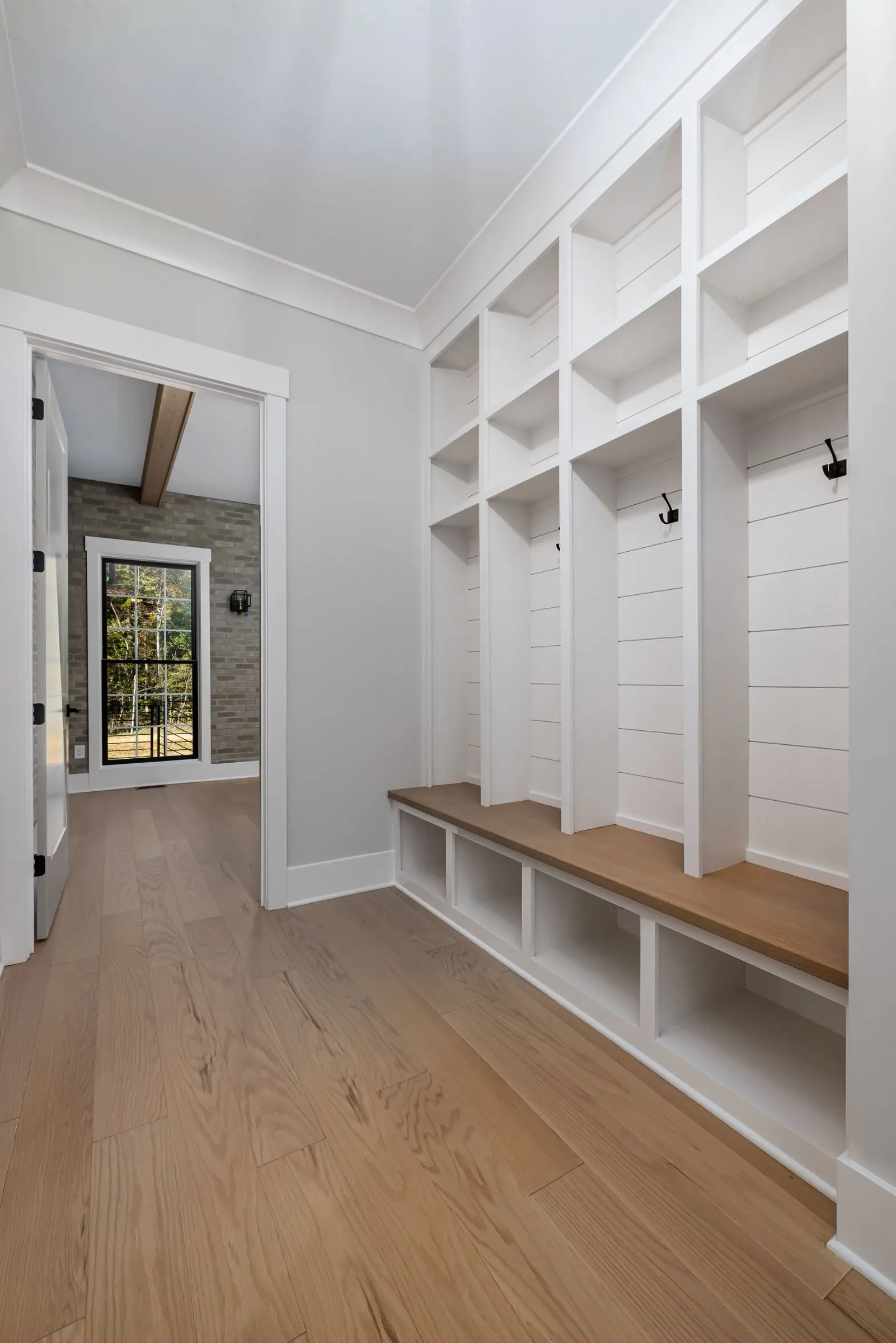
The best place for winter gear is the spot closest to the door your family uses most. For many families, that’s the back or garage door, not the front door. If the gear lives right where people take it off, they are far more likely to put it away.
No entryway space? A laundry room, mudroom, garage, basement landing or even a hallway closet can work. Just keep the location the same all season so everyone knows where to look.
Think in levels when you set things up:
- Up high: Gear you rarely use, such as ski goggles or spare hats.
- Eye level: Everyday items for adults.
- Down low: Everything the kids use, so they can reach it on their own.
Giving each person their own hook, basket, drawer or row also helps a lot. When everyone has a spot, it’s easy to see who left their things out.
Ways to store hats, gloves, mittens and scarves
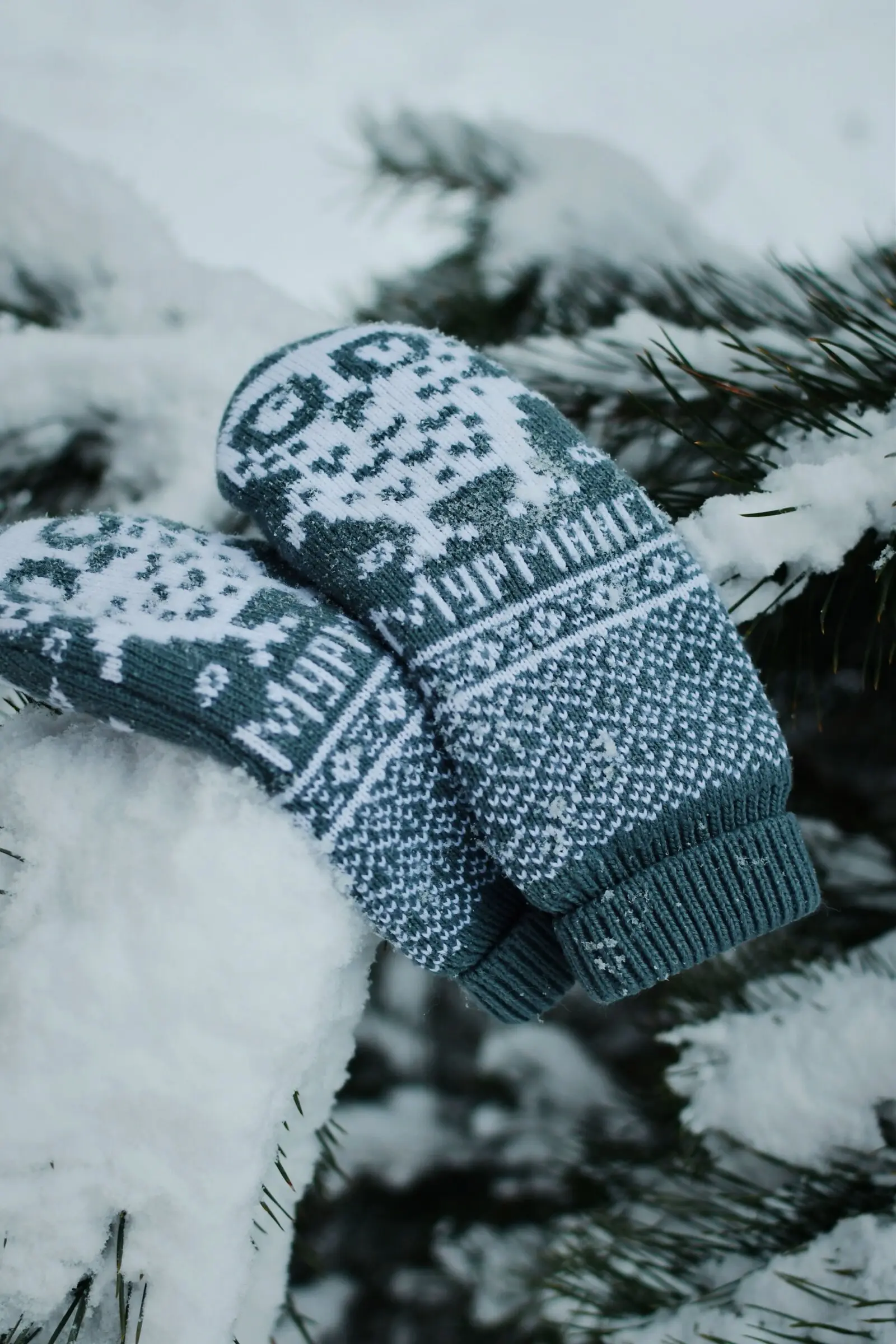
Small accessories cause most of the winter mess. Here are budget-friendly ways to keep them sorted. Pick one or two that fit your space and your family.
1. Rolling drawer cart
A plastic rolling cart with drawers, such as the ones Sterilite makes, fits nicely on a closet floor or in a corner where it won’t be noticed. Give each family member a drawer, or sort the drawers by item: one for hats, one for mittens and gloves, one for scarves. Add a label to the front of each drawer so nobody has to guess.
2. A spare dresser
An extra dresser makes a roomy winter gear station with a drawer for each person. It doesn’t need to be in the entryway. A mudroom, laundry room or garage works too, especially if that is where your family comes and goes.
3. Tuck accessories into coat sleeves
This one costs nothing. Put the mittens or gloves inside the hat, then push the hat into one sleeve of the coat. Everything stays together, so you grab the coat and go. If a scarf is too thick to fit, drape it over the same hanger or hook as the coat.
4. Old backpacks and tote bags
When the kids get new school backpacks, give the old ones a second job as winter gear bags. Hang them on hooks by the door. No spare backpacks? Reusable grocery bags, tote bags or small drawstring bags work well. Each person can hang their bag from a doorknob, a hook behind their bedroom door or a rod in their closet.
5. Over-the-door shoe organizer
A pocket shoe organizer hung on the back of a closet door holds a surprising amount: hats, gloves, mittens, rolled scarves, ear warmers, hand warmers, lip balm and even sunscreen for sunny sledding days. Give each person a row, with adults at the top and kids at the bottom. With four kids, I relied on over-the-door organizers to keep everyone’s hats and gloves sorted.
Clear plastic pockets let you see what’s inside at a glance. Fabric organizers usually hold up better over several winters. Either type works, so choose what fits your needs.
6. A mini clothesline
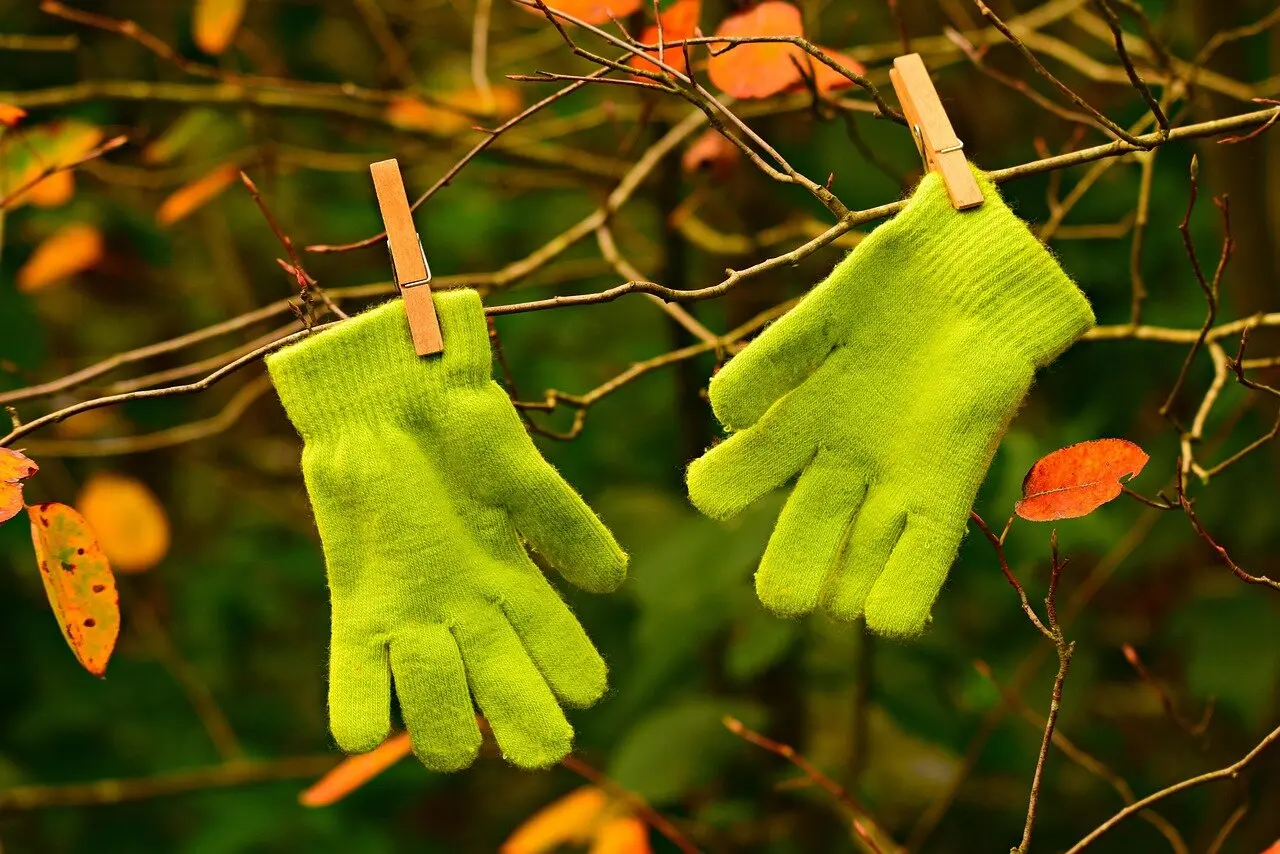
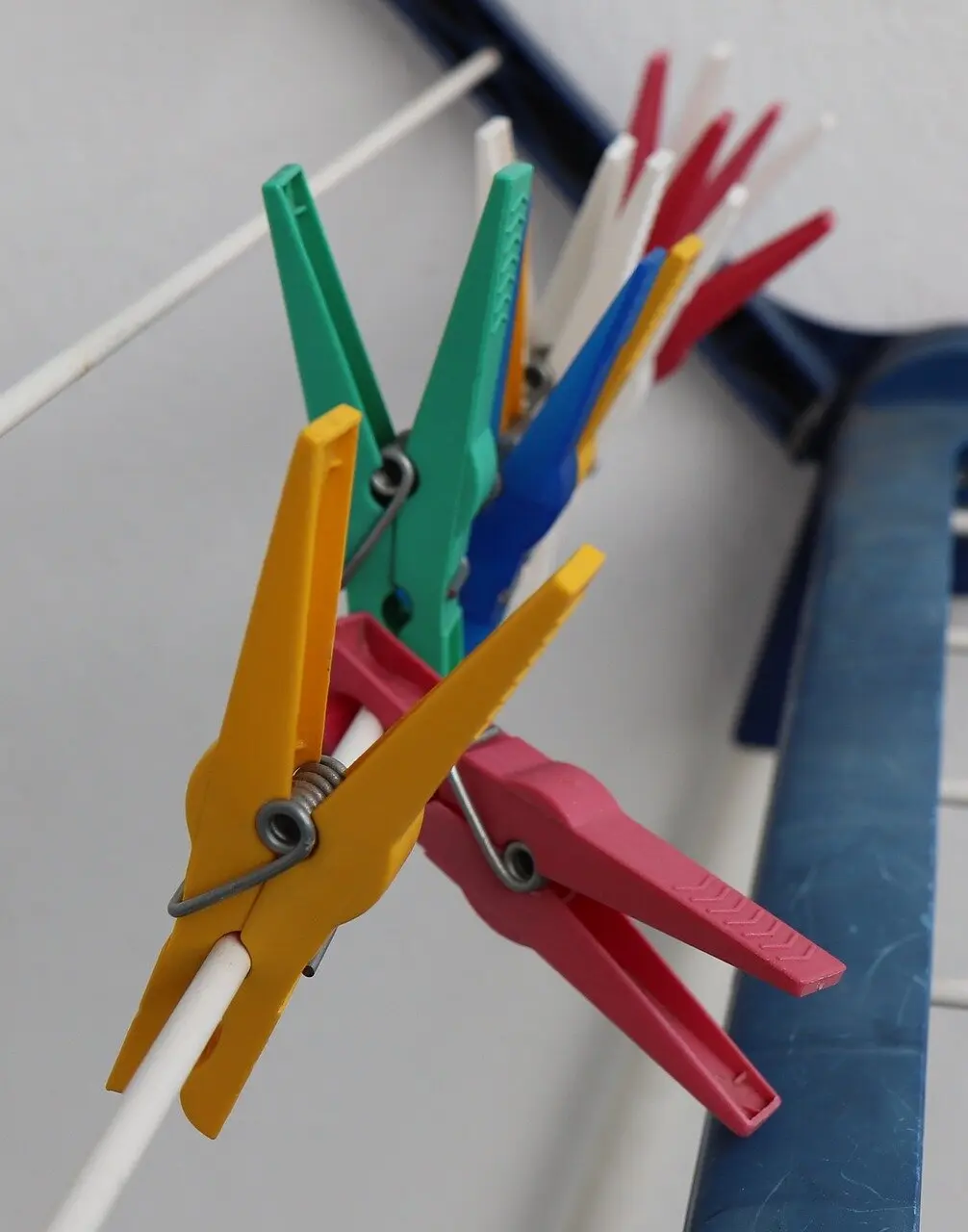
Hang a short line of rope or twine and clip mittens, gloves and hats to it with clothespins. Everything is in plain sight, and damp items can dry at the same time.
If you don’t have a good spot for a clothesline, a hanging toy organizer chain with clips is a great swap. It hangs from a ceiling hook in a corner and uses up no floor space. The clips often come in different colors, so you can assign one color to each person.
7. Hanging tiered organizers
Hanging mesh organizers, canvas closet organizers with a shelf for each day of the week and even tiered wire produce baskets can all hold winter accessories. Like the toy chain, they hang straight down, so they fit inside a closet without taking up shelf space.
8. Bins and baskets
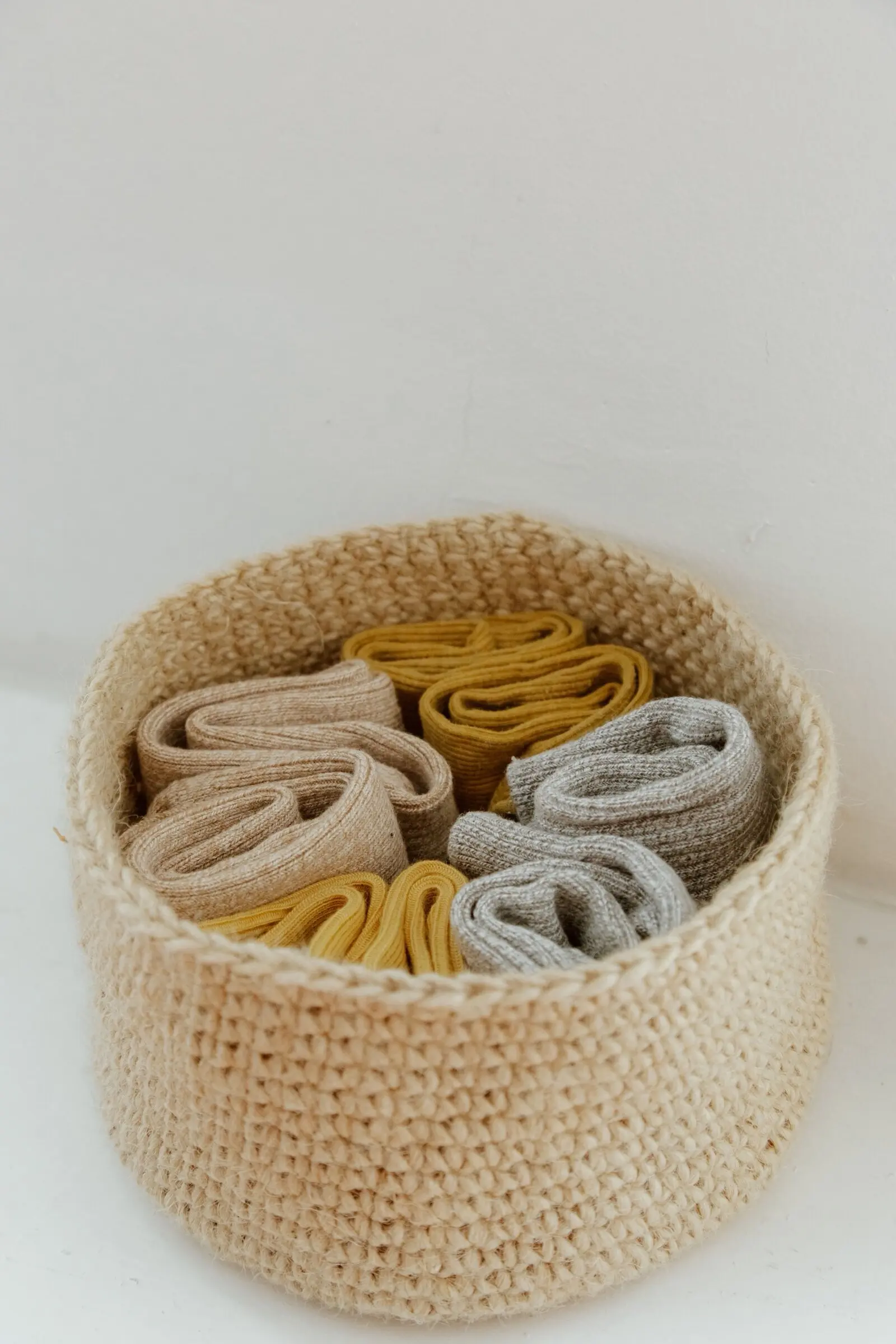
Bins and baskets come in every size and shape. Set them on a closet shelf, mount them on the wall or line them up on the floor or under a bench. For gear that gets daily use, plastic or wire holds up better than woven baskets. Wire and mesh have another benefit: air can move through them, which helps damp items dry.
Separate bins for hats and for gloves make it faster to find what you need, since nobody has to dig through a jumbled pile.
How to organize winter coats and snow pants
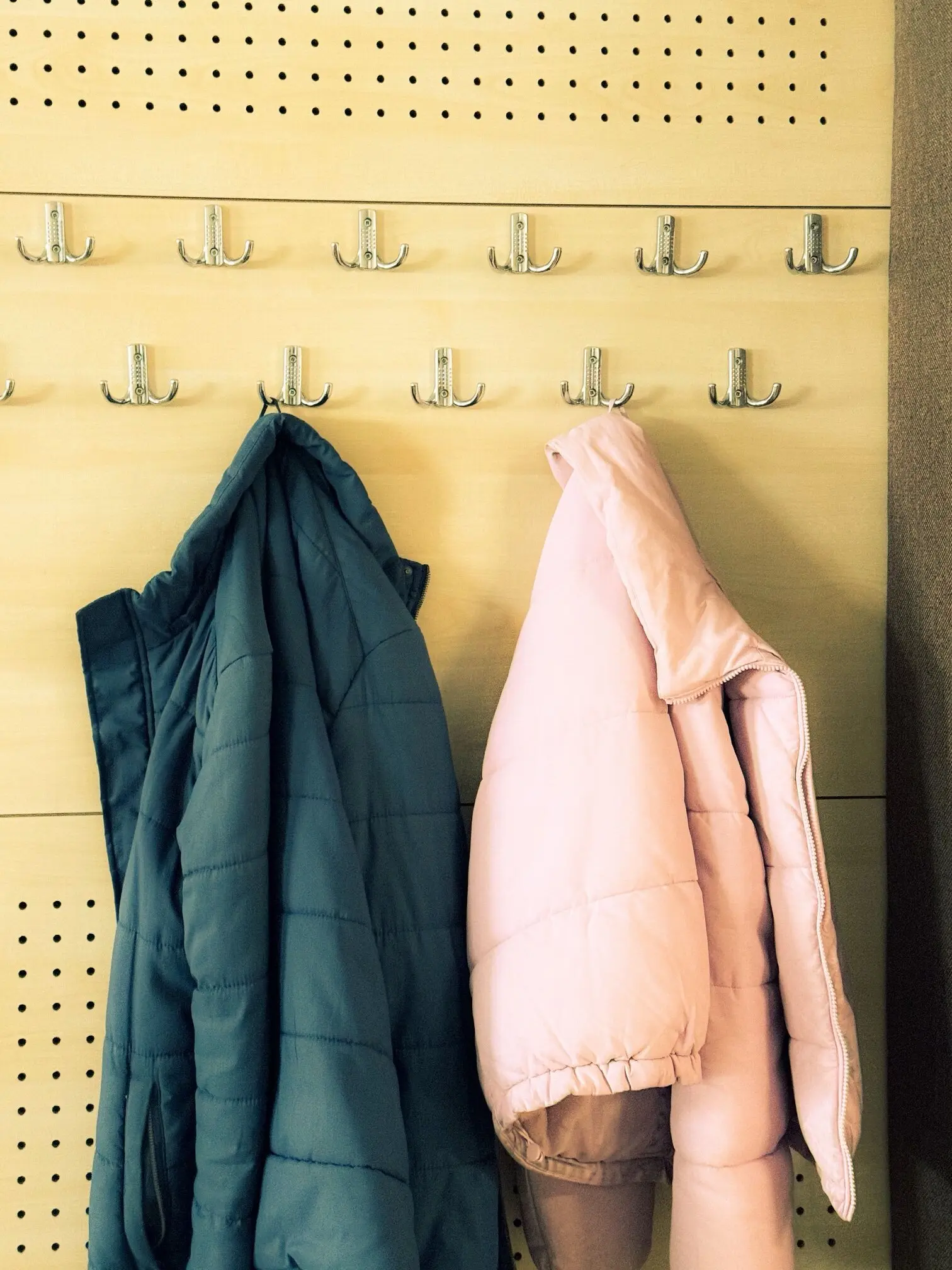
Bulky coats can fill a closet fast. A few small changes can make room for everything.
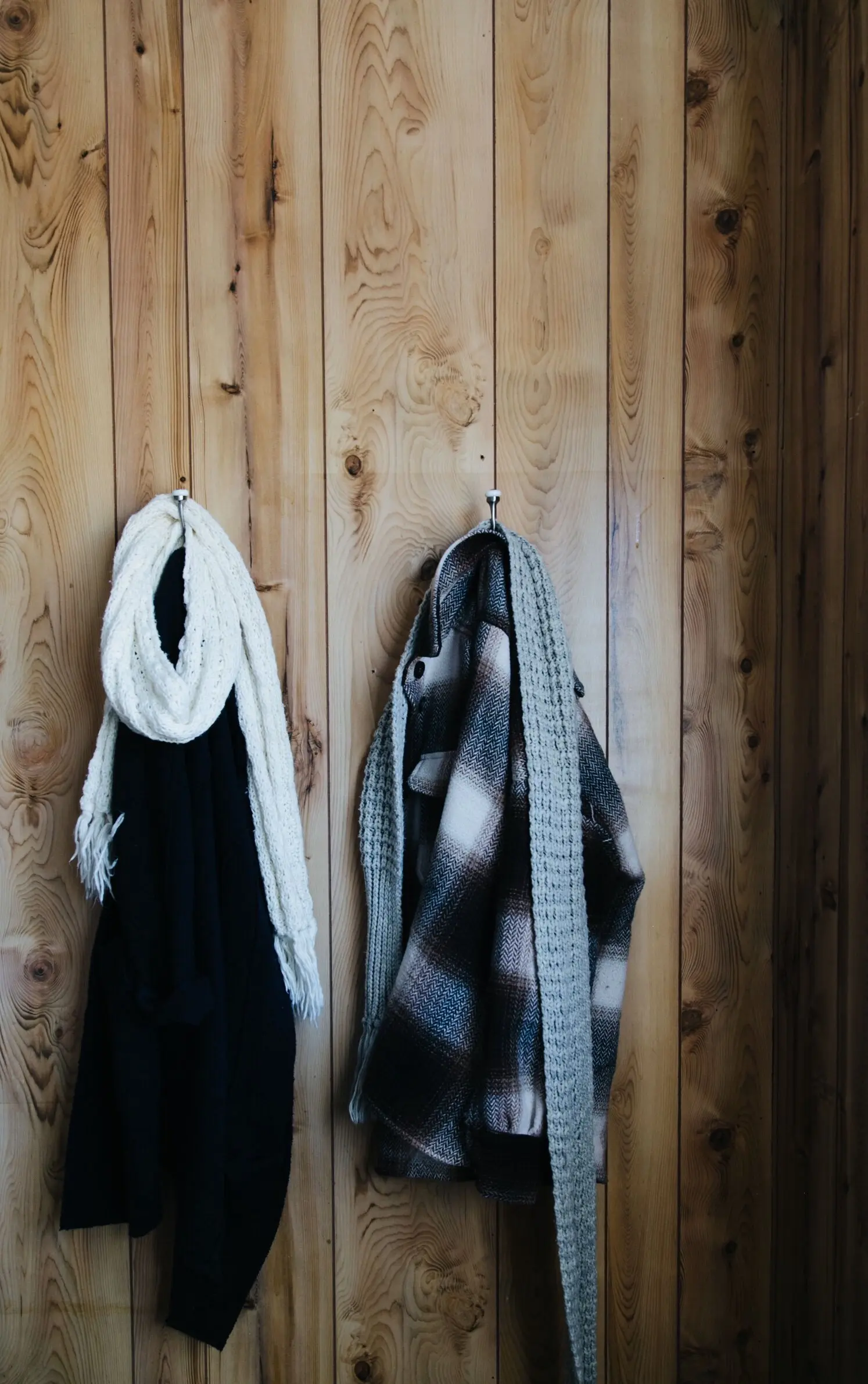
- Hooks: Hooks are cheap, quick to put up and easier than hangers for kids to use. Mount a row at adult height and a second row lower down for the children. Removable adhesive hooks, such as Command hooks, are a good choice for renters because they come off without damaging the wall. I have wall hooks in my entryway, and they’re the simplest way I know to hang coats when you walk into the house.
- Closet doubler rod: This hangs from your existing rod and adds a second, lower rod. It’s perfect for kids’ coats and for snow pants.
- Slim, non-slip hangers: Velvet-covered hangers, such as Huggable Hangers, are thin and keep slippery puffer coats from sliding onto the floor.
- Cascading hangers: Space-saving hangers, such as Wonder Hangers, let you hang several items in the space of one.
- Snow pants: Clip them by the waistband onto a skirt or pants hanger, or hang them by the suspenders on a hook.
- Keep only this season: Move spring jackets, rain gear and summer items to another closet or a storage bin until winter is over. You will be amazed how much room it frees up.
How to store winter boots
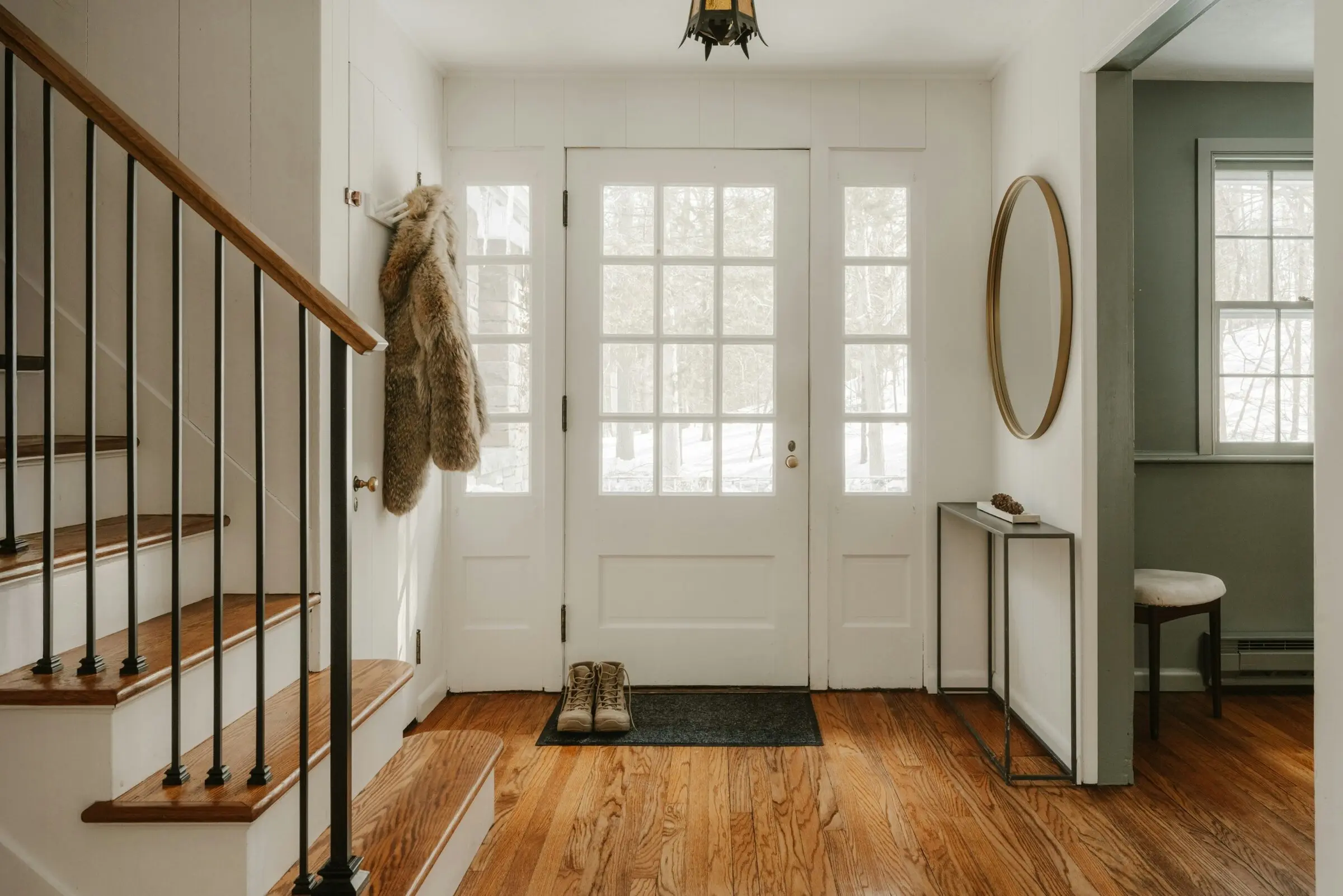
Wet, salty boots can ruin floors and spread slush through the whole house. Give them a set place to land.
- Double up on doormats: A tough mat outside catches most of the snow and mud. A second, absorbent mat inside catches the rest.
- Boot tray: A plastic or rubber tray with a raised edge keeps meltwater off the floor. Add a layer of small stones and the boots sit above the water so they dry faster.
- Boot rack or pegs: Racks that hold boots upside down let water drain out and air flow inside. Put a tray or mat underneath to catch drips.
- Bench with storage: A bench gives everyone a place to sit while they pull boots on and off. Cubbies or baskets underneath keep footwear in one spot.
- Tall boots: Slide a piece of a pool noodle into tall boots to keep them standing upright so they don’t slump and crease.
Give wet gear a place to dry
This is the step most people skip, and it’s one of the most important. Wet hats, gloves and coats that get stuffed into a drawer, bin or closet stay damp. That can lead to musty smells, mildew and gear that is still soggy the next morning.
Choose open storage for anything that comes in wet, and save the closed drawers and bins for dry items. At my house, wet hats and gloves go on a drying rack, and boots dry upside down on a boot rack.
Easy ways to dry gear:
- Clip mittens and hats to a clothesline or toy chain.
- Put a tension rod over the bathtub or laundry sink and hang wet items from it.
- Set up a folding drying rack in the laundry room or basement.
- Open up gear fully: unzip coats, pull out glove liners and unfasten boot laces so air can reach inside.
- Stuff wet boots with newspaper and change it once it gets soggy.
- Run a small fan nearby to speed things up.
- If your family spends a lot of time outside, a boot and glove dryer can be worth the money.
Safety first
Never put wet gear right on a space heater or radiator. Too much heat can be a fire hazard, and it can also melt synthetic fabrics and crack leather boots.
Habits that keep winter gear organized
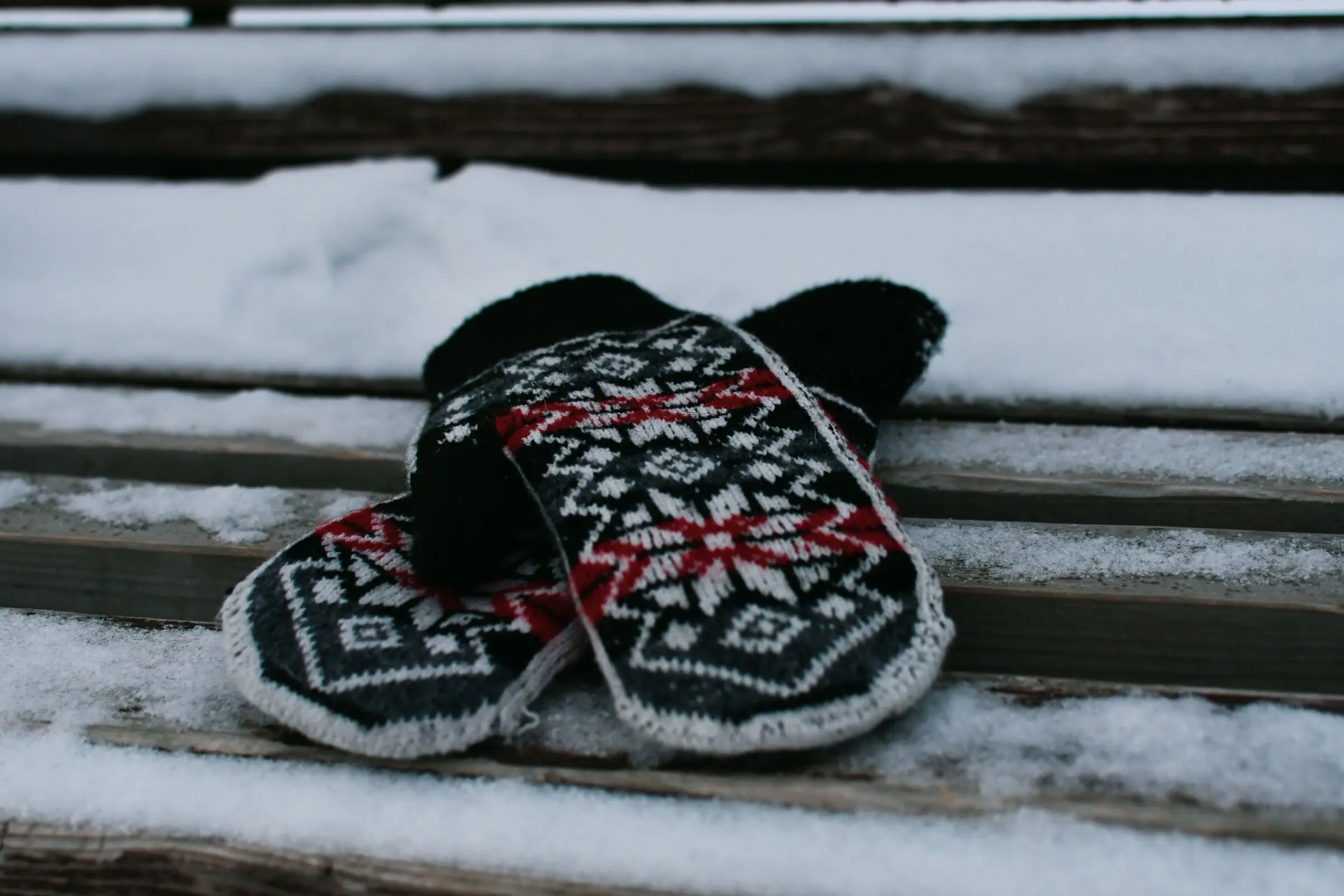
Any system only works if your whole family uses it. These habits make it stick:
- Keep it in one place: Don’t keep moving your winter gear station. Set it up right by the door you use most and leave it there all season.
- Buy matching sets: Pick up several pairs of the same plain gloves, mittens or hats. When one goes missing, the others still match. Dollar stores and end-of-season sales are great places to stock up.
- Keep a lost and found basket: Put single gloves, stray mittens and orphan hats in one basket. Anyone missing something checks there first. A plastic mesh basket with handles works well.
- Label kids’ gear: Write names inside hats, gloves and boots with a laundry marker or iron-on labels. It helps at home, and it helps lost items find their way back from school or the sledding hill.
- Do a weekly reset: Spend five minutes once a week putting things back where they belong, pairing up gloves and checking what needs washing.
- Make kids responsible for their own spot: When gear is within easy reach, kids can put it away themselves.
Storing winter gear at the end of the season
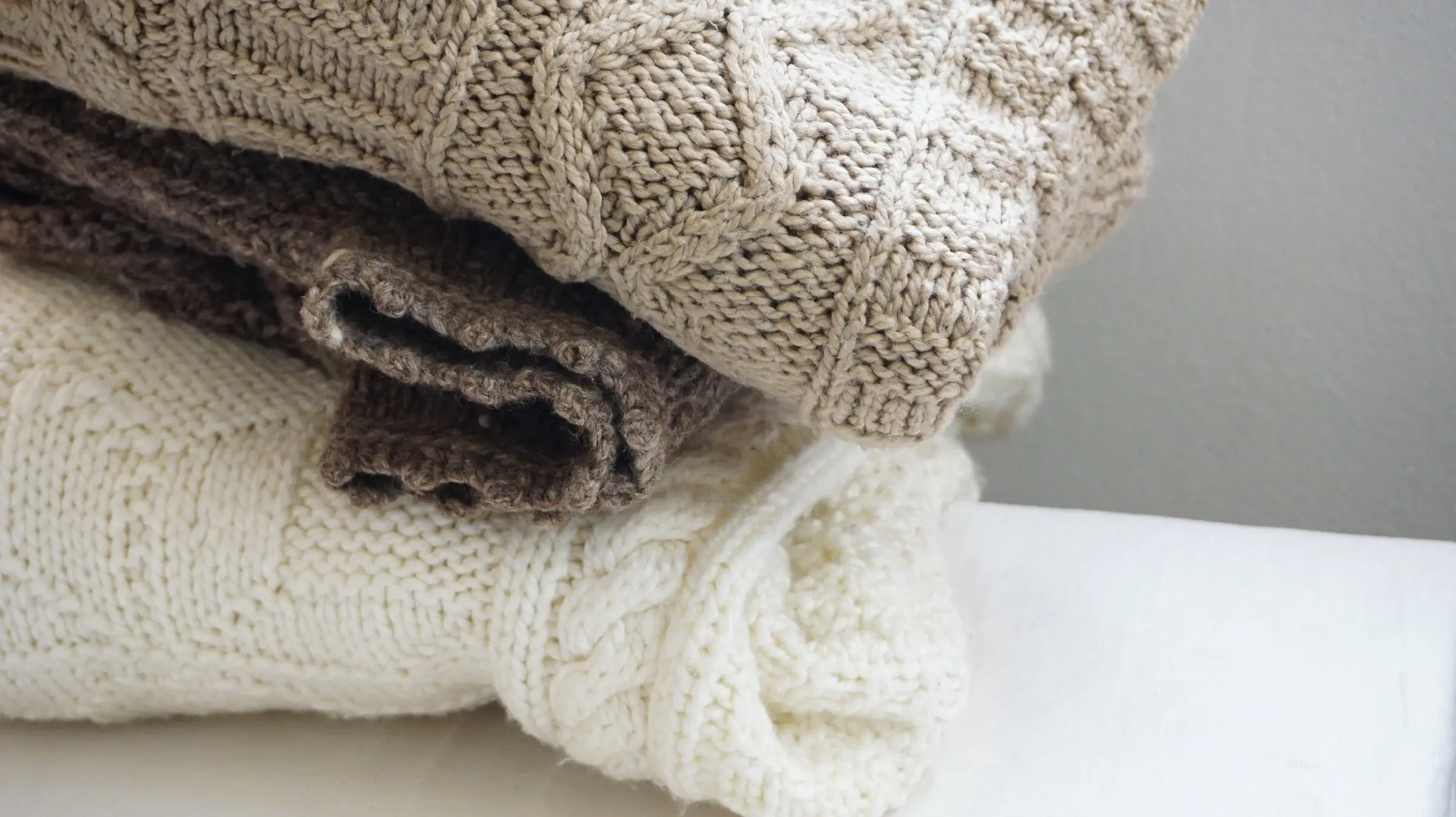
When spring finally arrives, a little care now means your winter gear will be ready to go next fall.
- Wash everything first. The Mississippi State University Extension Service advises that winter clothes be clean and completely dry before you put them away. Wool, silk, felt and fur are favorite foods for clothes moth and carpet beetle larvae, and they are drawn to items with sweat, body oils and food stains on them.
- Make sure it’s dry. Even slightly damp gear can grow mildew in storage.
- Use tight containers. Store wool and other natural fibers in sealed bins so pests can’t reach them. MSU Extension also recommends keeping clothes out of damp basements.
- Don’t count on cedar alone. According to MSU Extension, studies show cedar does not truly repel clothes moths. Clean clothes in a sealed container are your best protection.
- Make a list. Write down what is worn out, outgrown or missing. Then shop end-of-season clearance sales and buy next year’s gear at a discount.
- Label the bins. Mark each bin with the contents and the person’s name so unpacking next fall is quick.
Frequently asked questions
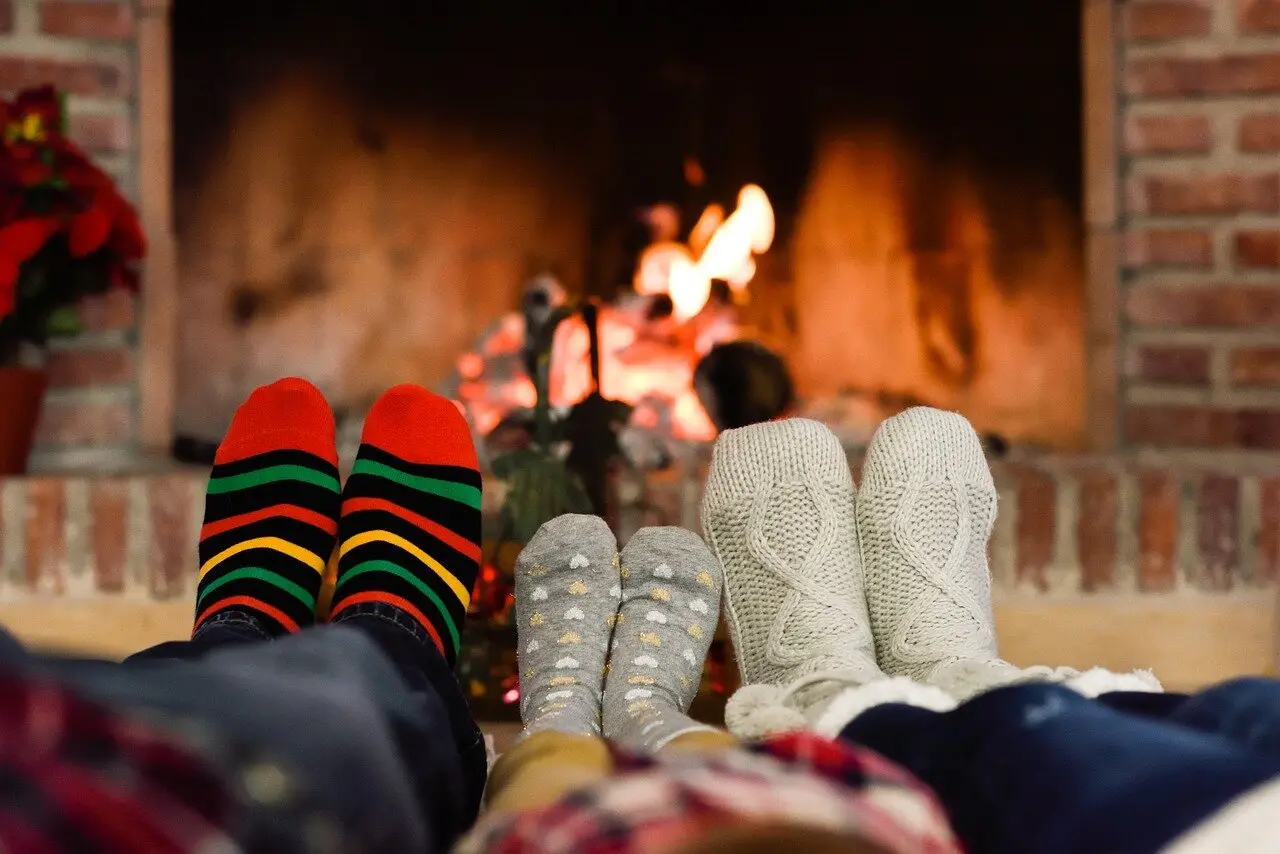
What is the best way to organize winter hats and gloves? The best method is the one your family will actually use. Over-the-door shoe organizers, labeled bins and a drawer for each person are all easy options. Keep them close to the door and give everyone their own spot.
How do I keep from losing gloves and mittens? Store each pair together, clipped with a clothespin or tucked into a hat inside the coat sleeve. Buy several identical pairs so a lost glove isn’t a big deal, and keep a lost and found basket for strays.
How do I organize winter gear without a mudroom? Use vertical space. Hooks, over-the-door organizers, hanging tiered organizers and a closet doubler rod all work in a small entryway or closet. A laundry room or garage can also serve as your winter gear station.
Should I store wet winter gear in bins? No. Let wet items dry completely first, or store them in open wire or mesh baskets where air can circulate. Wet gear in closed bins or drawers can turn musty and grow mildew.
How do I dry winter boots fast? Remove the insoles, loosen the laces and stuff the boots with newspaper, changing it when it gets wet. Setting boots upside down on a boot rack or near a fan also helps. Keep them away from direct heat.
How should I store winter clothes for the summer? Wash or dry-clean everything, make sure it’s completely dry and pack it in sealed containers. Store the bins somewhere cool and dry, not in a damp basement.


From the QT Bird Community
Join the conversation
Comments on QT Bird articles live in our community. Joining is free: share your tips, ask questions and get replies.
Sign up to PostLog in