
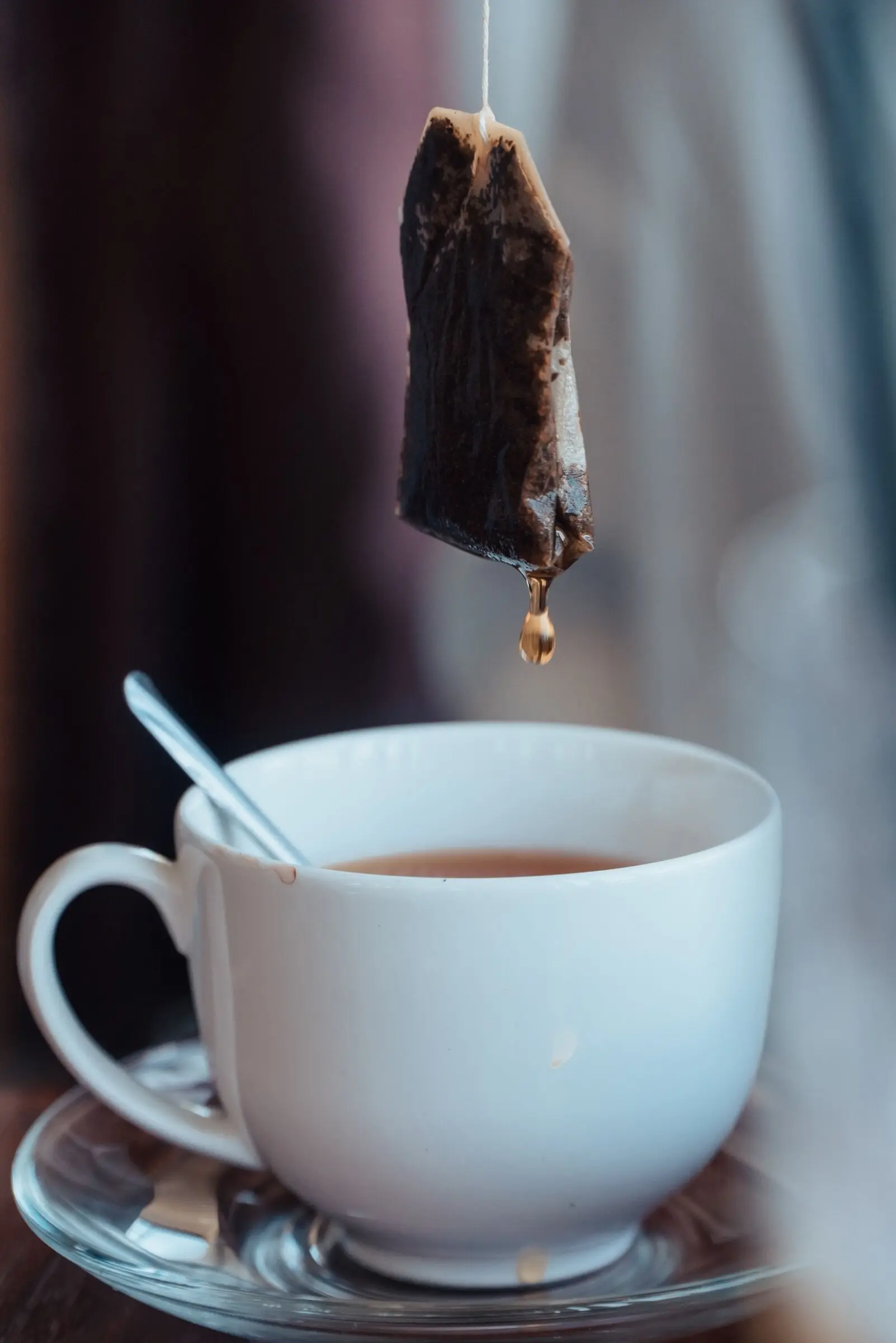
The kettle clicks off, the tea steeps, and a few minutes later the bag lands in the trash, still warm, still dark, and still holding plenty of color, scent, and flavor. It’s one of the smallest things a household throws away, and one of the easiest to put back to work.
Plenty of people already save a used tea bag for a second cup. A spent bag can also chill your iced tea, shine a mirror, freshen the fridge, feed the compost pile, soothe tired eyes, and light the woodstove.
This guide covers 29 uses for used tea bags, room by room, with real amounts and steps. It also covers how to store them so they don’t mold, how to tell whether your bags contain plastic, and which popular tea bag tips don’t hold up.
Before you save them

Dry them or freeze them
A wet tea bag starts to mold within a day or two. If you’ll use it soon, keep it in a covered dish in the refrigerator and use it within 24 hours. Otherwise, squeeze it gently, spread it on a plate or a rack until it’s completely dry, and store it in a jar. For kitchen uses, drop used bags into a container in the freezer and add to it until you have enough.
Toss any bag that smells sour, feels slimy, or shows fuzzy spots. And skip bags from sweetened tea, which turn sticky and draw ants.
Check for plastic
Many tea bags aren’t just paper. Silky mesh “pyramid” bags are usually nylon or another plastic, and many paper bags are heat-sealed with a thin layer of plastic so the edges hold together. Paper bags that are folded and closed with a staple or a knot of string are more often plastic-free. When in doubt, check the box or the brand’s website for the words “plastic-free” or “compostable.”
This matters most for the garden. For anything that goes in the soil or the compost, cut the bag open and use only the leaves.
Match the tea to the job
Black tea: The most tannins and the deepest color, so it’s the one for cleaning, dyeing, and darkening hair.
Green tea: Lighter in color and good for second cups, rice, and cool compresses.
Herbal tea: Chamomile, mint, and rooibos are made for baths, foot soaks, sachets, and anything where scent matters more than strength. Herbal teas are low in tannins, so they’re poor cleaners.
In the kitchen
1. Brew a second cup
Most black and green tea bags have a second, lighter cup left in them. Steep the bag a minute or two longer than you did the first time.
2. Make iced tea concentrate

This is the best use for a freezer container full of used bags. Once you have six to eight, put them in a heatproof pitcher, pour 1 quart of boiling water over them, and steep for 10 to 15 minutes. Squeeze out the bags and refrigerate the concentrate. Pour it over ice and add water to taste, a glass at a time. For a sweet version, my Ice Tea Syrup Concentrate has the method.
3. Freeze tea ice cubes
Pour leftover cooled tea or a weak second brew into an ice-cube tray. Tea cubes chill a glass of iced tea without watering it down, and a mint or hibiscus cube looks pretty in lemonade.
4. Flavor rice and grains
Drop one or two used bags into the pot while rice, barley, or oatmeal cooks, and lift them out before serving. Jasmine green tea suits rice, chai suits oatmeal, and a smoky black tea adds depth to barley for soup.
5. Braise a roast or chicken
Brew one or two used black tea bags in a cup of hot water and add the tea to a pot roast or chicken braise in place of some of the broth. It adds a gentle, rounded depth to the gravy without tasting like tea.
6. Soak a greasy pan
Fill a greasy baking dish or skillet with hot water, add three or four used black tea bags, and let it soak overnight. The next morning, the baked-on grease wipes off with less scrubbing. Skip this on cast iron, which should never sit in water.
Around the house
7. Wipe glass and mirrors
Steep two or three used black tea bags in 2 cups of hot water, then let the tea cool. Wipe it on windows, mirrors, and glass shelves with a soft cloth, and buff dry right away with a second cloth. Tea is a good fit for glass, where streaks are the problem and stains aren’t.
8. Cut grease on counters and stovetops
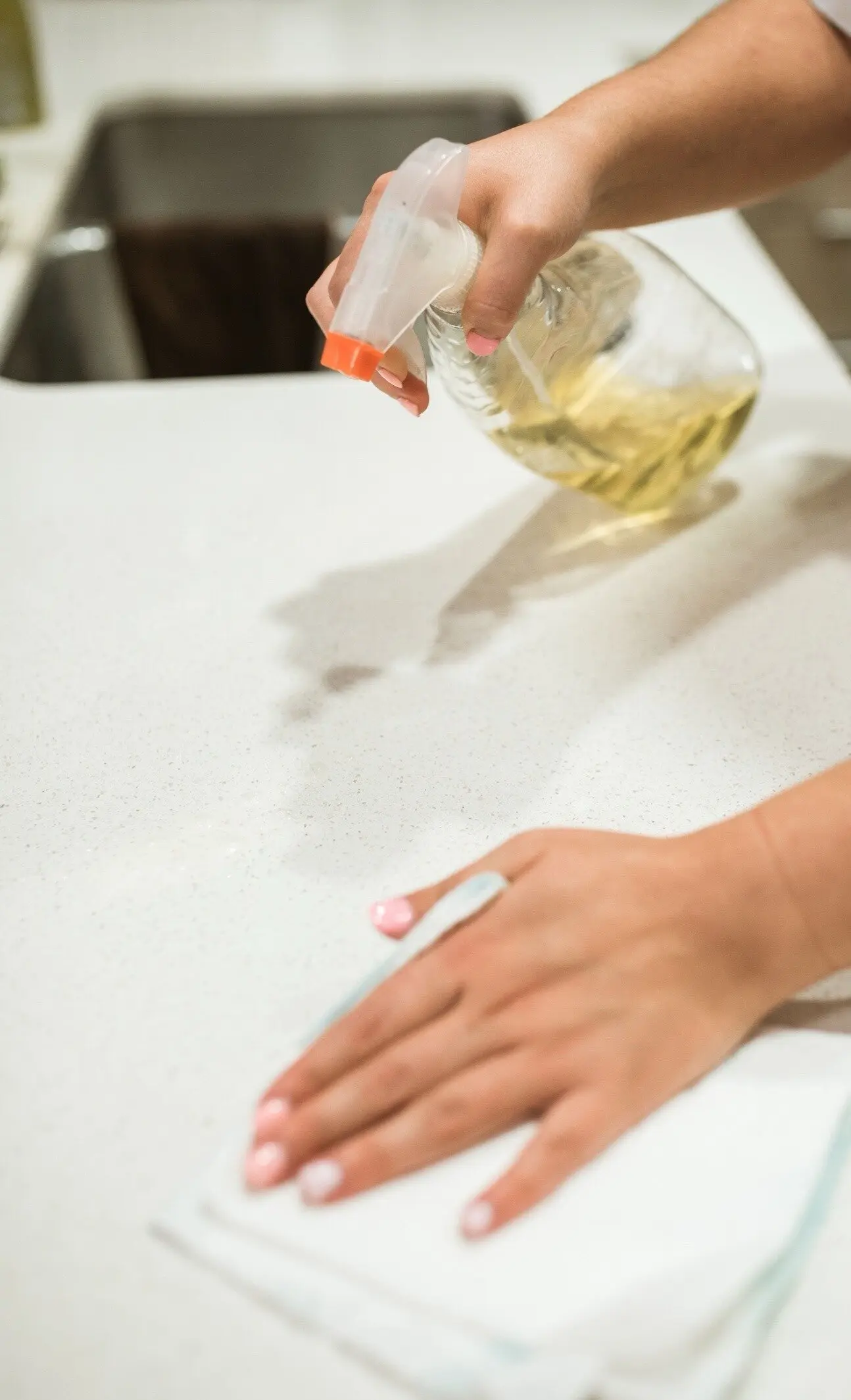
A damp used tea bag rubbed over a greasy stovetop or backsplash loosens the film, and a soft cloth wipes it away. Rinse with clean water and dry. Tea can stain, so test it first on light-colored counters, unsealed stone, and grout.
9. Freshen sealed wood
Cooled black tea is an old-fashioned way to clean and brighten sealed wood furniture and floors. Wring a soft cloth until it’s barely damp, wipe with the grain, and dry as you go. Never pour tea on a floor or use it on unfinished, waxed, or light-colored wood, where it can leave a stain.
10. Absorb odors in the fridge
Put four or five completely dry used tea bags in a small open jar on a refrigerator shelf, and swap them out every month or so. They’re a fine way to use up old bags, but for a strong smell, an open box of baking soda still does the heavy lifting.
11. Freshen shoes and gym bags
Tuck two dry used tea bags into each shoe or a few into a gym bag overnight. Empty them out in the morning. Mint and other herbal bags leave the nicest scent.
12. Simmer a pot of kitchen scraps
For a cozy scent, simmer apple peels, orange peels, a cinnamon stick, a few cloves, and the leaves from two or three used tea bags in a small pot of water on low. Add water as it cooks down, and never leave the stove while it’s on. My holiday simmer pot has more combinations.
13. Tuck sachets in drawers
Dry herbal tea bags, such as chamomile, lavender, or mint, make quick drawer sachets. Tie a few together with string and slip them into a dresser drawer or linen closet, then replace them when the scent fades.
In the garden
14. Add them to the compost
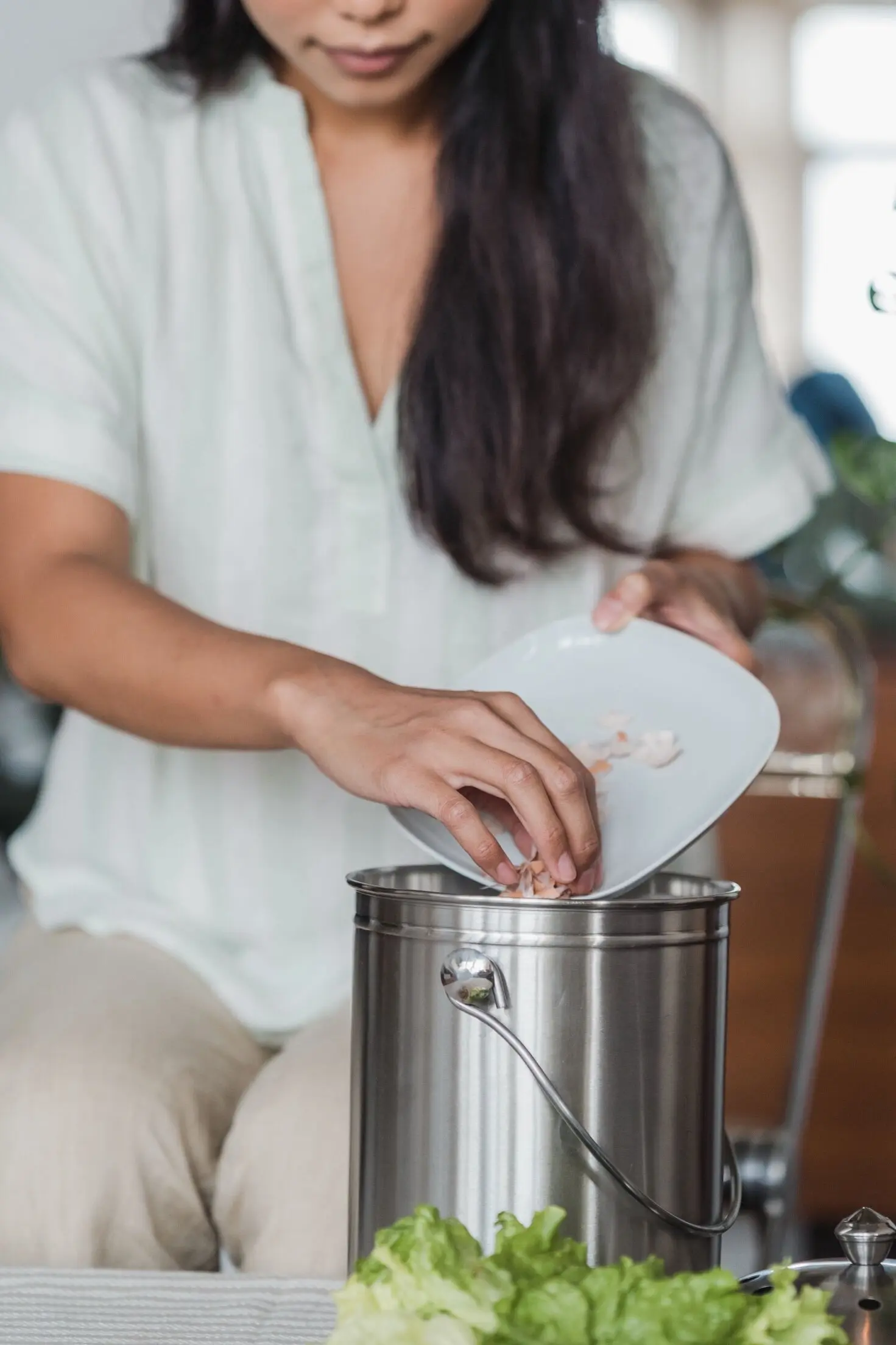
Used tea leaves are a good “green” for the compost pile, along with fruit and vegetable scraps, adding moisture and nitrogen to balance dry leaves and straw. Many tea bags contain plastics and shouldn’t go in the compost, according to the University of Maryland Extension, so open them, empty the leaves into your scrap bucket, and throw away the bag unless the box says it’s compostable.
15. Feed the worm bin
Worms will happily eat tea leaves. Remove the staple, string, and tag first, and empty plastic bags rather than burying them.
16. Water potted plants
Steep a few used bags in a gallon of water, let it cool completely, and use it to water houseplants or outdoor pots every few weeks in place of plain water. Use only unsweetened tea, without milk or lemon.
17. Mulch around plants
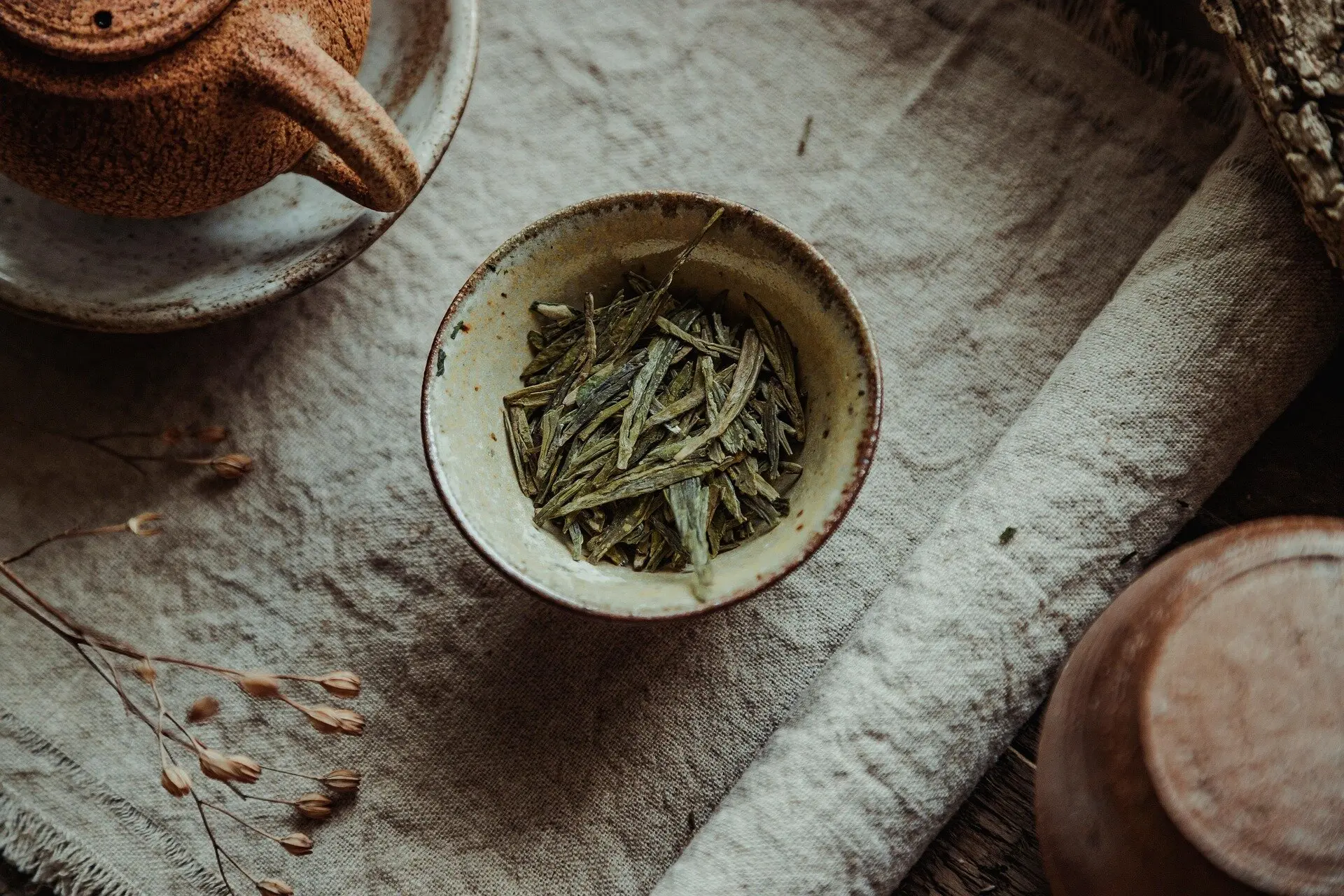
Cut used bags open and scatter the damp leaves in a thin layer around garden plants, then rake them lightly into the top of the soil. A thin layer breaks down quickly. A thick, wet layer can mat down and grow mold.
18. Start seeds
Paper tea bags make tiny, free seed starters. Snip open the top of a plastic-free bag, spoon in a little damp seed-starting mix, and press in one seed. Stand the bags upright in a shallow tray and keep them moist. When the seedling has a few true leaves, plant the whole bag in the garden.
19. Line flowerpots
Before you add soil, lay one or two flat, dried, plastic-free tea bags over the drainage hole of a flowerpot. They keep soil from washing out while water still drains through, and the paper breaks down slowly in the pot.
20. Keep baskets and window boxes moist
Hanging baskets and window boxes dry out fast in summer. When you plant them, tuck a handful of used tea leaves or a few opened paper bags into the bottom layer of soil, where the damp leaves hold a little extra moisture near the roots.
Two garden myths to skip
Many sites say used tea “acidifies” the soil for azaleas, blueberries, and roses. Most of the acid goes into your cup. With spent coffee grounds, the closest comparison, the University of Missouri Extension notes the grounds are less acidic than people expect and can even raise soil pH. Don’t count on tea to change your soil. Test the soil instead. Tea bags tucked around plants to keep slugs, ants, or mice away are the other popular tip, and there’s no good evidence that they work.
For comfort, not cures
Tea bags have long been a folk remedy for tired eyes and irritated skin. A cool, damp tea bag soothes the same way any cool compress does. Keep it to comfort, and see a doctor for an eye infection, a bad burn, or any rash that spreads.

21. Soothe tired, puffy eyes
Chill two damp used tea bags in a covered dish in the refrigerator for 15 to 20 minutes. Lie back and rest one on each closed eye for a few minutes. The cold does most of the work: the American Academy of Ophthalmology suggests a cool compress for bags under the eyes. Use only fresh bags from that day, and never use tea bags on an eye that is red, crusty, or sore.
22. Cool a mild sunburn
For a mild sunburn, a cool compress helps, and chilled tea bags or a cloth soaked in cooled black tea can do the job. The American Academy of Dermatology recommends cool baths or showers, or a cool, damp washcloth on the sunburned area. Don’t use tea on blistered or broken skin.
23. Calm bug bites and razor burn
Press a chilled, damp tea bag on an itchy bug bite or a patch of razor burn for a few minutes. It’s a cool compress with a little tea in it, and that’s enough to take the sting out for many people. For a bite that swells a lot or a sting from a bee, follow the usual first aid.
24. Soak tired feet
Simmer three or four used tea bags in 1 quart of water for 10 minutes. Pour the tea into a basin, add cool water until it’s comfortable, and soak your feet for 15 to 20 minutes. Peppermint and chamomile smell lovely. Black tea leaves a light tint on skin and may stain a light-colored basin.
25. Steep a bath
Drop four or five used herbal tea bags, such as chamomile, lavender, or mint, into a warm bath as it fills, and scoop them out before you get in. For a ready-made blend, my Bath Tea recipe makes a lovely gift.
26. Rinse dark hair
Some people with dark hair use cooled black tea as a final rinse after shampooing, for shine and a hint of color. Steep four or five used black tea bags in 2 cups of hot water, cool it completely, pour it through your hair, and rinse lightly. Skip it on blond, gray, or color-treated hair, which it can tint.
Crafts and fire starters
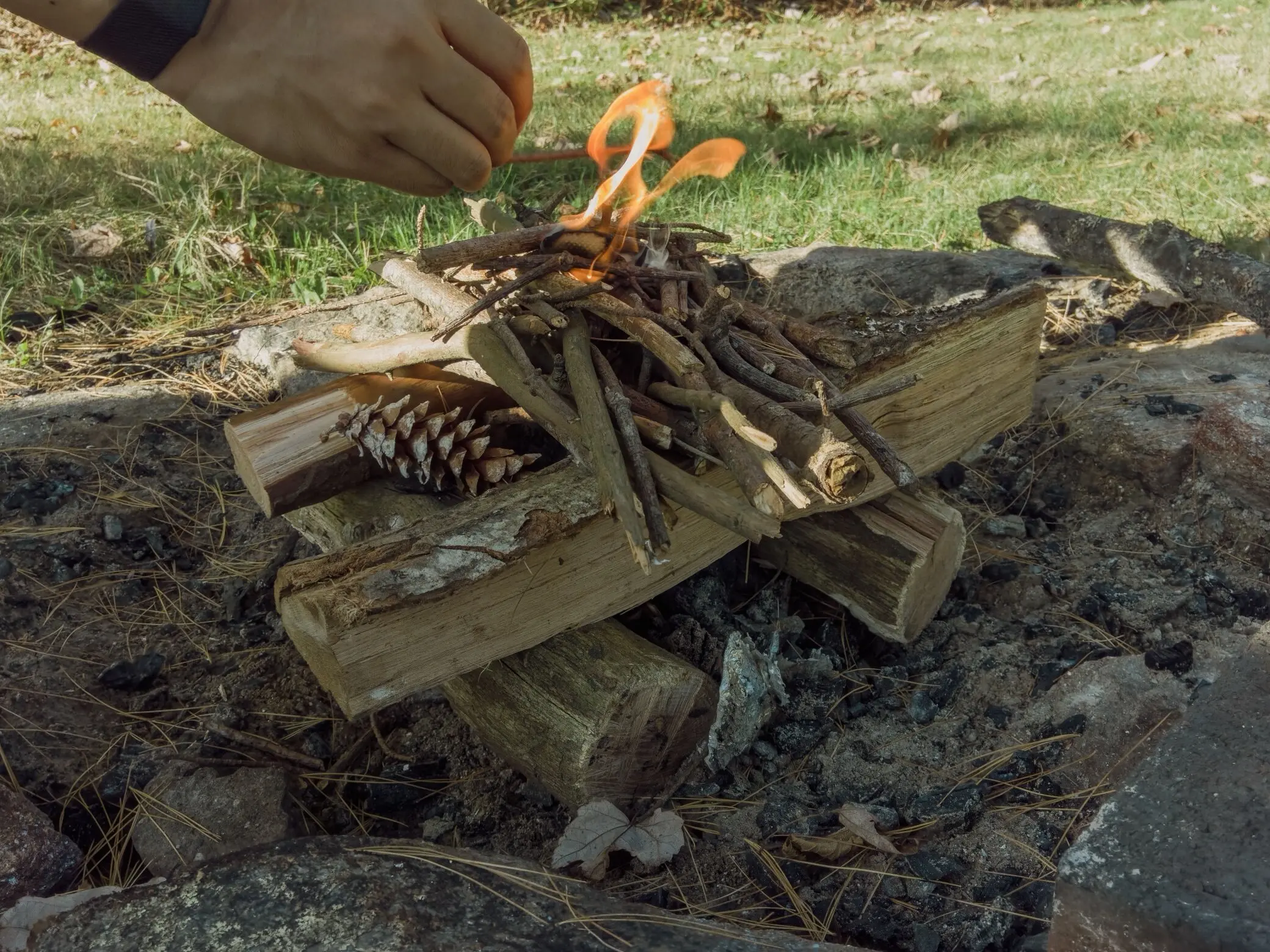
27. Make wax-dipped fire starters
Dry used tea bags and leftover candle wax turn into fire starters that light a woodstove, fire pit, or campfire. Each one burns for about five minutes, long enough to catch the kindling.
- Dry the tea bags completely. Cut off the tags.
- Put broken candle stubs in a clean, empty can or a heat-safe container you’ll keep for wax only.
- Set the can in a saucepan with about 2 inches of water, making a double boiler, and heat on low until the wax melts.
- Hold each tea bag by its string, dip it in the wax, and lay it on waxed paper to harden.
- Store the finished starters in a jar or a paper bag away from heat.
Utah State University Extension recommends melting wax slowly in a double boiler over medium or lower heat, never directly on the burner. Stay at the stove the whole time, and keep a lid nearby. Never melt wax in the microwave or pour water on a wax fire.
28. Fill a cardboard-tube fire starter
For a no-wax version, stuff a toilet paper tube with dry used tea bags, dryer lint, and crumpled newspaper, and fold the ends closed. It catches fast and burns long enough to get kindling going. Egg Carton Fire Starters use the same idea.
29. Age paper and dye fabric
Black tea gives paper and cotton a soft, antique look. Brush cooled strong tea over plain paper for vintage-style gift tags and recipe cards, and let it dry flat. To dye muslin, a lace doily, or a pale cotton napkin, soak it in a bowl of hot water with eight to 10 used black tea bags until it’s a shade darker than you want, since it lightens as it dries. Rinse and air-dry.
More things worth a second use
Tea bags are just the start. Before You Toss It covers 25 everyday things that deserve a second job, from glass jars to old sheets.
Frequently asked questions
Can you compost tea bags? Only plastic-free ones. Many tea bags contain plastic, which won’t break down. Cut the bag open, compost the leaves, and throw away the bag unless the box says it’s compostable. Remove staples, strings, and tags.
How can you tell if a tea bag has plastic? Silky mesh pyramid bags are usually plastic, and many paper bags are heat-sealed with plastic. Folded paper bags closed with a staple or string are more often plastic-free. Check the box or the brand’s website for “plastic-free” or “compostable.”
How long do used tea bags last? A wet bag should be used within about 24 hours and kept in the refrigerator. Dried completely, used bags keep for weeks in a jar. For iced tea and cooking, freeze them.
How many times can you reuse a tea bag? Most black and green tea bags make one good second cup. After that, the flavor is thin, but the bag still works for cleaning, compost, and fire starters.
Do tea bags really help puffy eyes? A chilled tea bag works as a cool compress, and the cold is what reduces puffiness. A cool washcloth works too. Don’t use tea bags for pink eye or any eye infection.
What can I do with old tea bags that I never used? Stale, unused tea makes a fine iced tea concentrate, cleaning tea, bath tea, or fire starter. If it smells musty or shows mold, throw it out.

From the QT Bird Community
Join the conversation
Comments on QT Bird articles live in our community. Joining is free: share your tips, ask questions and get replies.
Sign up to PostLog in