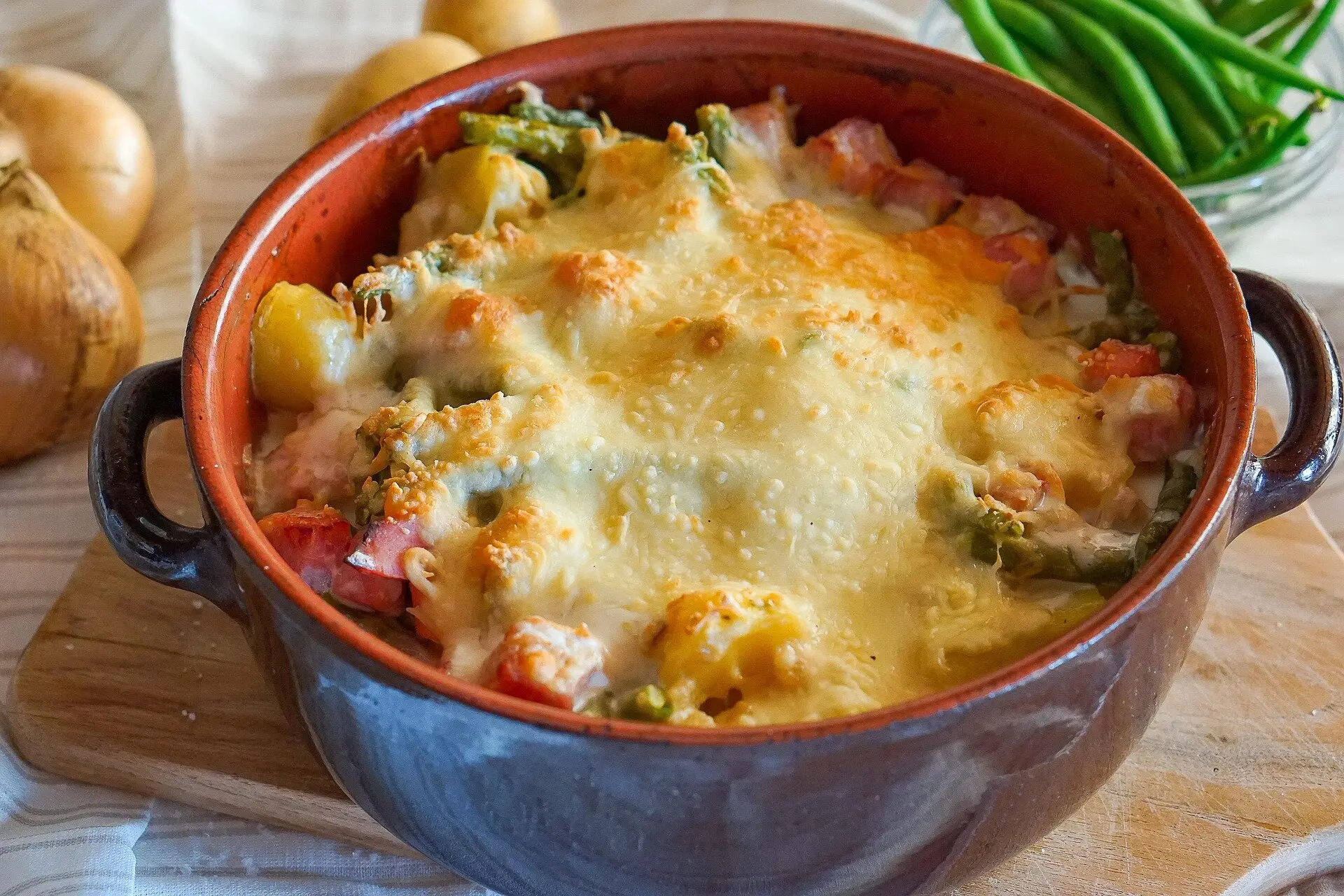
Casseroles are the original freezer meal. Grandma made two pans of lasagna, baked one and froze one, and that habit still makes sense today. A casserole is already a whole meal in one dish, it freezes in the same pan it bakes in, and on a busy night all you do is slide it into the oven.
This guide covers which casseroles freeze well, whether to bake them first, how to wrap them so they do not get freezer burn, and how to bake them from the freezer. When you are ready to cook, our Freezer Meals library has well over a hundred pasta bakes and casseroles to choose from.
Casseroles that freeze well
- Lasagna, baked ziti and stuffed shells. The classics, and some of the best freezer meals there are.
- Enchiladas. Corn or flour tortillas, beef, chicken, beans or cheese.
- Chicken and rice or chicken and noodle casseroles. Creamy, comforting and easy to double.
- Pot pies and shepherd’s pie. Freeze them with the crust or the mashed potato topping on.
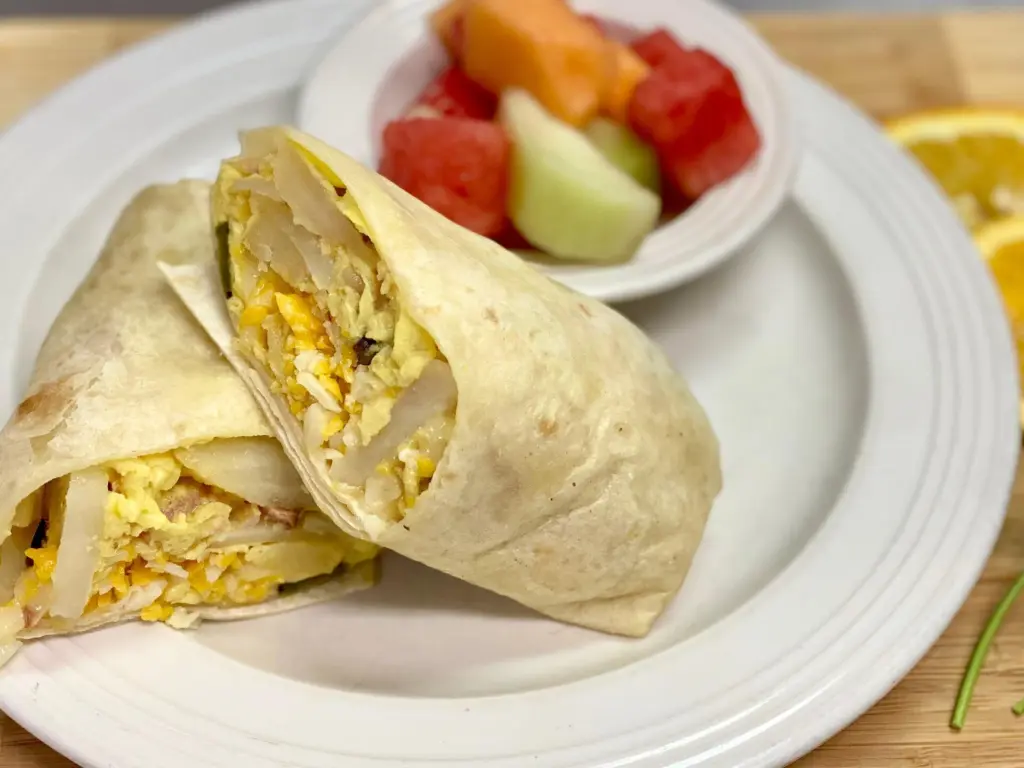
- Hash brown and breakfast casseroles. Frozen hash browns go straight from the freezer bag to the pan.
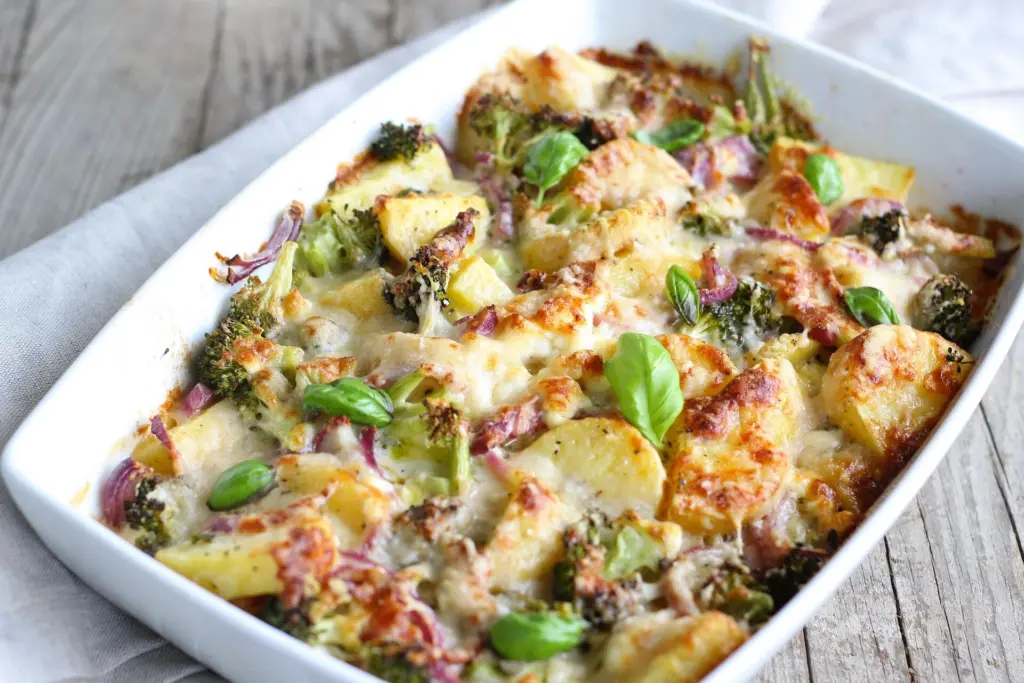
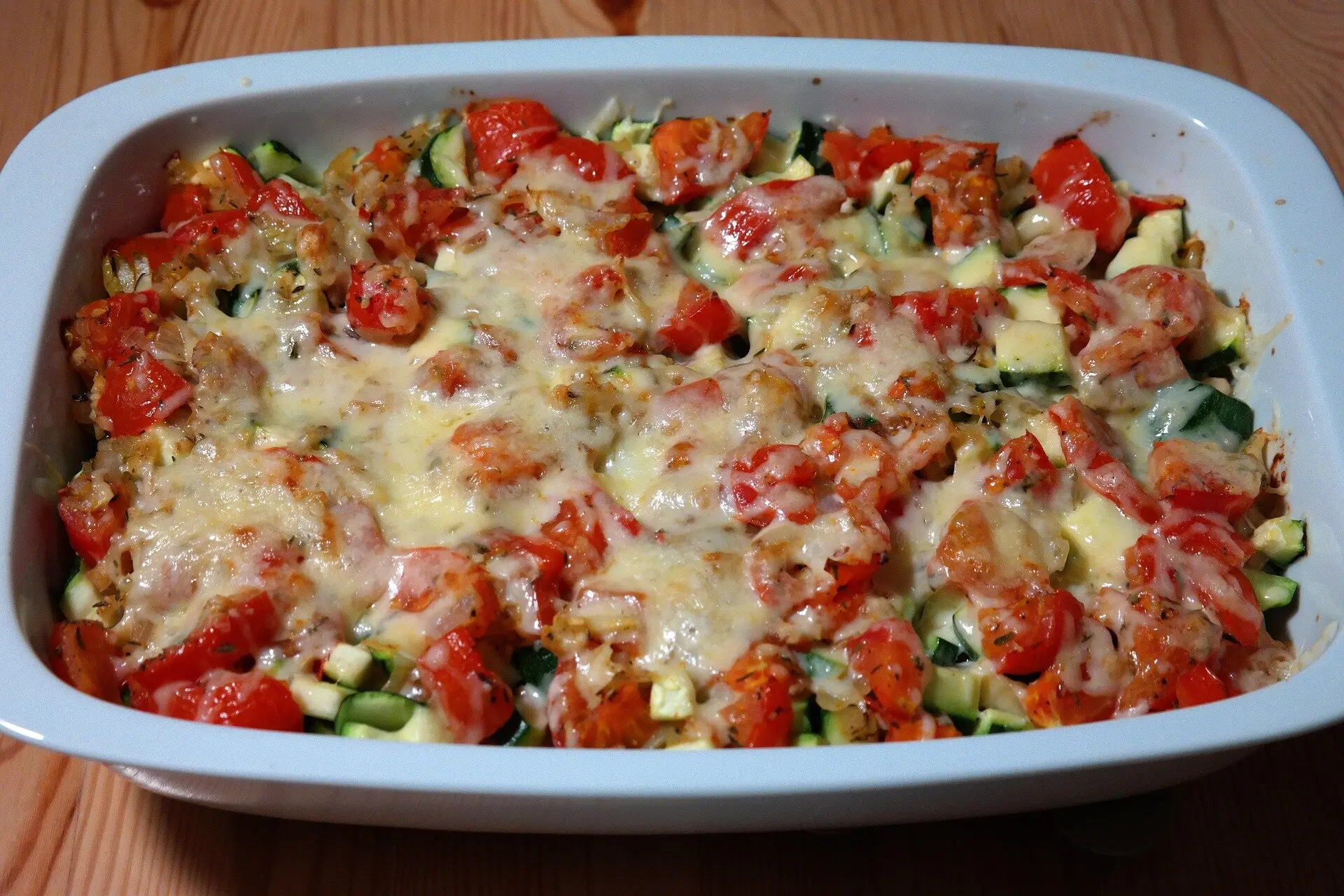
- Vegetable bakes. Zucchini, squash, eggplant and broccoli bakes, with cheese or sauce to keep them moist.
A few things are better added on baking day:
- Crunchy toppings. Breadcrumbs, crushed crackers, fried onions and potato chips go soggy in the freezer. Keep them in a small bag taped to the pan.
- Raw potatoes. They turn dark and watery. Use frozen hash browns or cooked potatoes instead.
- Hard-boiled eggs, mayonnaise and fresh greens. Their texture does not survive freezing.
- Sour cream and plain cream sauces. They can separate. Casseroles made with canned cream soups or a flour-thickened sauce freeze much better.
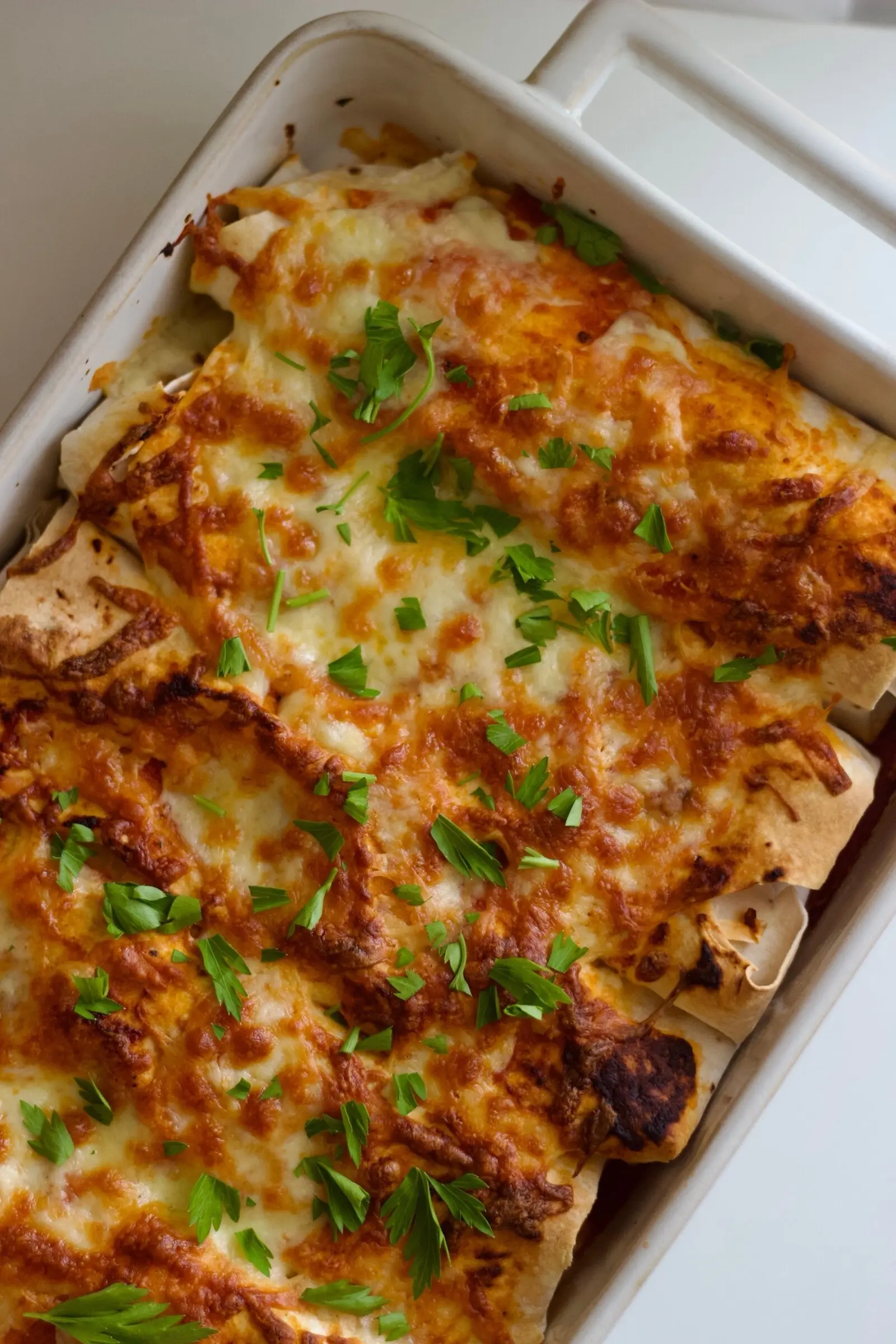
Bake it first, or freeze it unbaked?
For most casseroles, freeze them unbaked. The dish goes into the oven only once, so pasta, rice and vegetables do not overcook, and it tastes freshly made. This is what we call a Make & Bake meal in our library.
A few simple rules make it work:
- Cook pasta two or three minutes less than the package says. It finishes cooking in the oven and stays firm instead of mushy.
- Cook any raw meat first. Brown ground beef and sausage, and use cooked chicken. Raw meat and cooked pasta should not sit together in a dish that thaws slowly.
- Cool the fillings before you assemble. Warm sauce and meat raise the temperature of everything else in the pan.
Freezing a casserole already baked works too, and it is the easy way to save leftovers. Cool it, cut it into portions if you like, and freeze. Baked casseroles reheat faster, but pasta and rice turn a little softer.
How to freeze a casserole
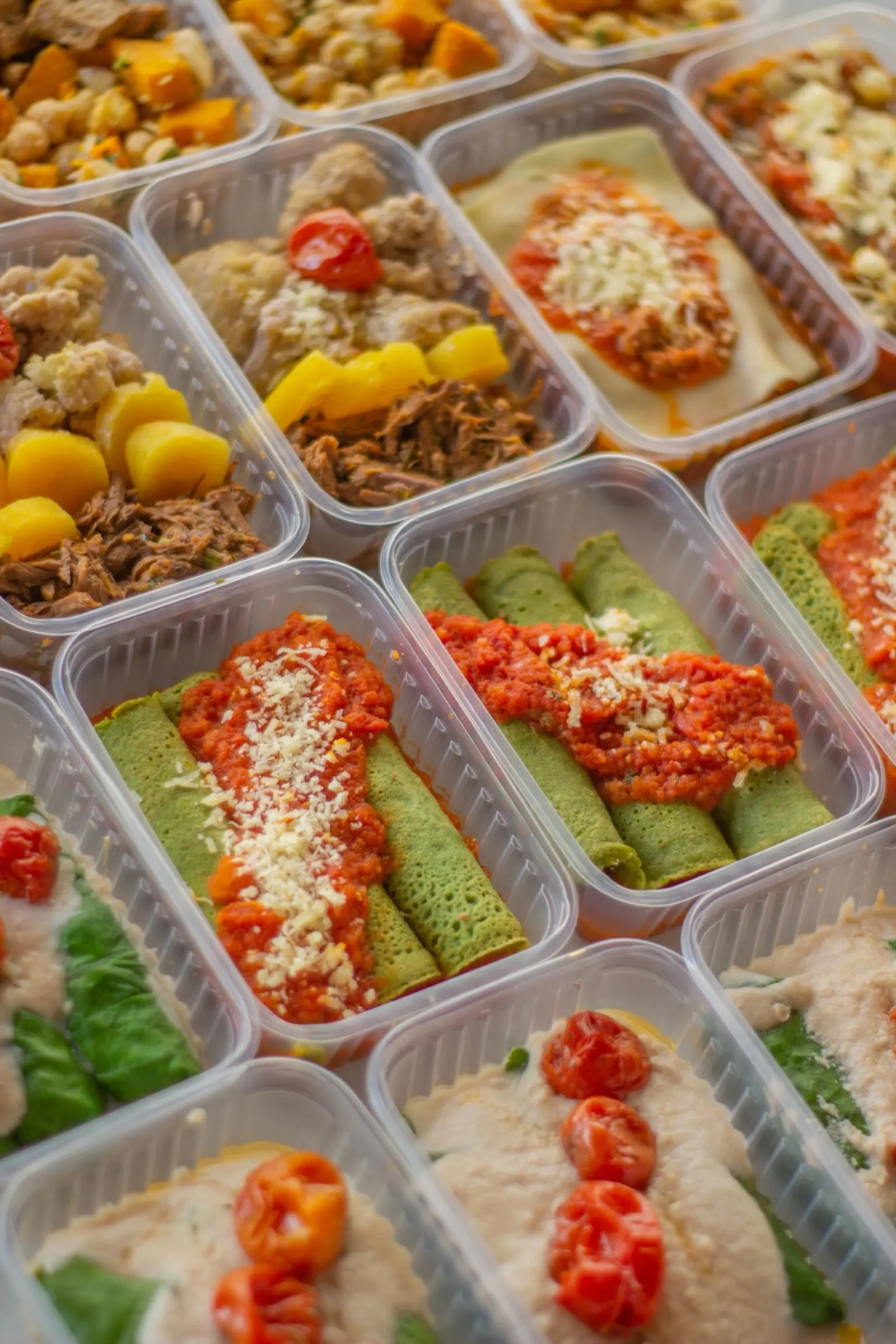
- Pick the right pan. Disposable foil pans are the easiest: they go from freezer to oven, and your good dishes stay free. If you use a glass or ceramic dish, check the bottom to make sure it is safe for the freezer and the oven.
- Try the foil trick. Line your baking dish with foil, leaving plenty hanging over the sides. Assemble the casserole, freeze it until solid, then lift out the frozen block, wrap it and slip it into a gallon freezer bag. Your dish is free again, and on baking day the block drops right back into it.
- Cool it completely. A baked casserole should go into the refrigerator within two hours and chill there until cold before it goes in the freezer. A warm dish thaws the food around it.
- Wrap it twice. Press plastic wrap or parchment right onto the surface of the casserole, then cover the whole pan tightly with foil. Air is what causes freezer burn. For tomato sauces, keep the plastic or parchment between the sauce and the foil, since acid can eat little holes in foil.
- Label the top. Write the name, the date, the oven temperature and the baking time, plus anything to add on baking day, such as “top with breadcrumbs” or “add cheese for the last 10 minutes.”
- Freeze it flat. Set the pan on a level shelf until it is solid, then stack.
Most casseroles taste best within two to three months.
Good to know
Cooking for one or two? Split a 9-by-13-inch recipe into two 8-by-8-inch pans. Bake one tonight and freeze the other.
Baking a casserole from the freezer
Thaw it in the refrigerator overnight if you can. A thawed casserole bakes in about the same time as a fresh one and cooks more evenly. Never thaw a casserole on the counter. Set it on a tray in the fridge in case it drips.
Baking straight from frozen works too. Plan on about one and a half to two times the usual baking time:
- Take off the plastic wrap or parchment, then put the foil back on.
- Bake covered at the temperature the recipe gives, usually 350°F to 375°F.
- Uncover for the last 15 to 20 minutes to brown the top, and add any crunchy topping then.
- Check the center with a food thermometer. A casserole is done at 165°F, according to the U.S. Department of Agriculture.
| Casserole | Thawed | From frozen |
|---|---|---|
| 8-by-8-inch pan | 30 to 45 minutes | About 1 to 1 1/2 hours |
| 9-by-13-inch pan | 45 minutes to 1 hour | About 1 1/2 to 2 hours |
| Lasagna, deep dish | About 1 hour | About 2 hours |
Times are a guide. Every oven and every dish is a little different, so the thermometer has the final word.
Do not put a cold glass or ceramic dish into a hot oven. A sudden change in temperature can crack it. Put the dish in the oven while it preheats, or let it sit on the counter for 20 minutes first. Foil and metal pans can go straight in.
Let the casserole rest 10 minutes before serving. It cuts into neater squares.
Casseroles to start with
These all freeze beautifully. Each one links to the full recipe in our library:
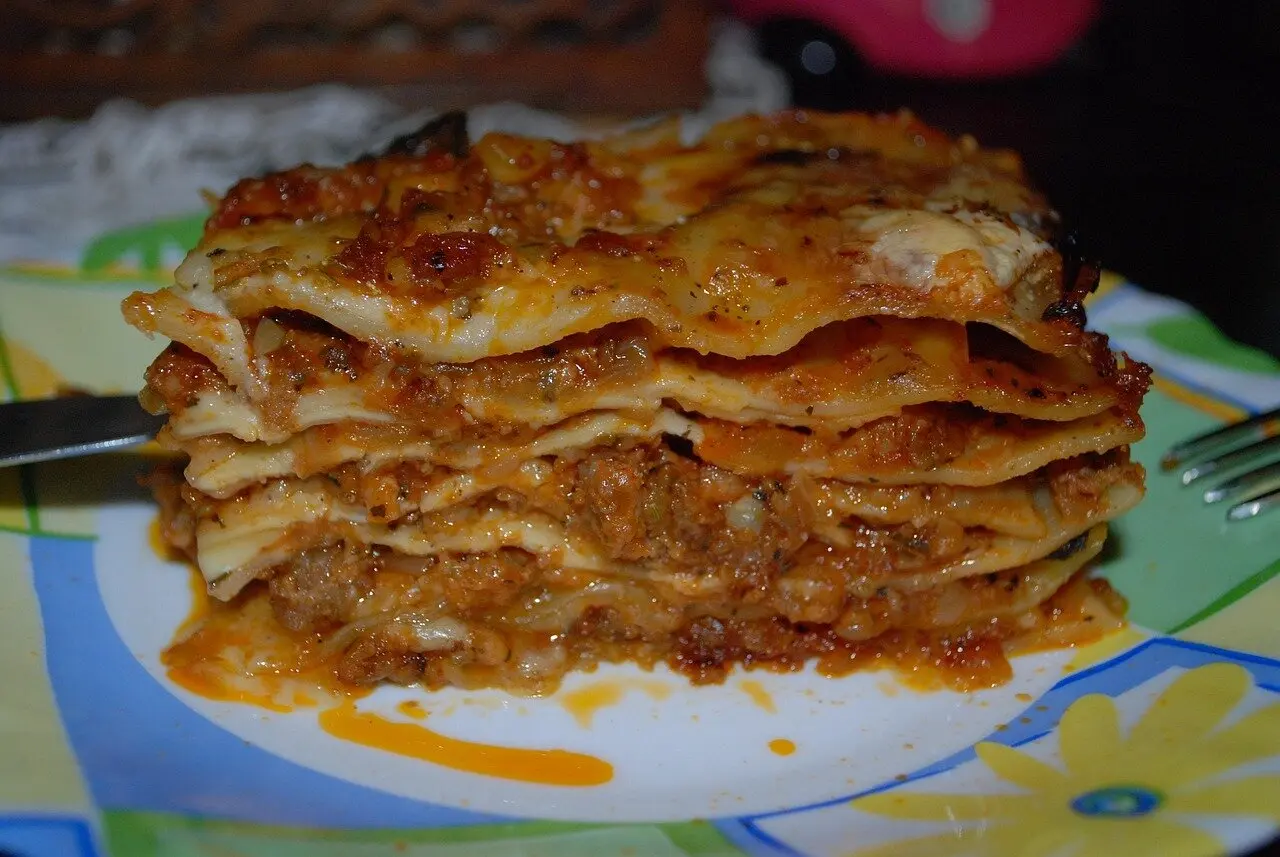
- Sausage and Ricotta Lasagna: three layers of sausage sauce, ricotta and mozzarella.
- Red Sauce Beef Enchiladas: beef and beans rolled in tortillas, under red sauce and cheese.
- Black Bean, Corn and Poblano Enchilada Bake: a meatless layered enchilada casserole.
- Ricotta Stuffed Shells with Beef Marinara: cheesy shells in a hearty meat sauce.
- Chicken and Wild Rice Casserole: creamy chicken, mushrooms and wild rice under Swiss cheese.
- Old-Fashioned Tuna Noodle Casserole: the classic, with the crumb topping kept fresh.
- Ham and Hash Brown Potato Casserole: it freezes flat in a bag, then goes into the pan on baking day.
- Classic Double-Crust Chicken and Vegetable Pot Pie: bakes straight from frozen.
Find more in the Freezer Meals library: tap Pasta & Casseroles, or tap Make & Bake for every dish you freeze unbaked.
Frequently asked questions
How long do frozen casseroles last? Kept at 0°F, food stays safe indefinitely, the USDA says, but casseroles taste best within two to three months. After that the flavor fades and freezer burn creeps in.
Is it better to freeze a casserole cooked or uncooked? Uncooked, for most. It bakes only once, so the pasta and vegetables keep their texture. Cooked casseroles freeze well too and reheat faster.
Can I bake a casserole straight from the freezer? Yes. Bake it covered, plan on about twice the usual time, and check that the center reaches 165°F.
Can I freeze a casserole in a glass dish? Yes, if the dish is marked safe for the freezer and the oven. Let it warm up a little before it goes into a hot oven so the glass does not crack.
Why is my casserole watery after freezing? Ice crystals melt as it bakes. Drain vegetables well, cook pasta a little short so it soaks up the extra sauce, and bake the last few minutes uncovered.
Can I freeze a casserole with a breadcrumb topping? Freeze it without the topping. Keep the crumbs in a small bag on top of the pan and sprinkle them on for the last 15 minutes of baking.