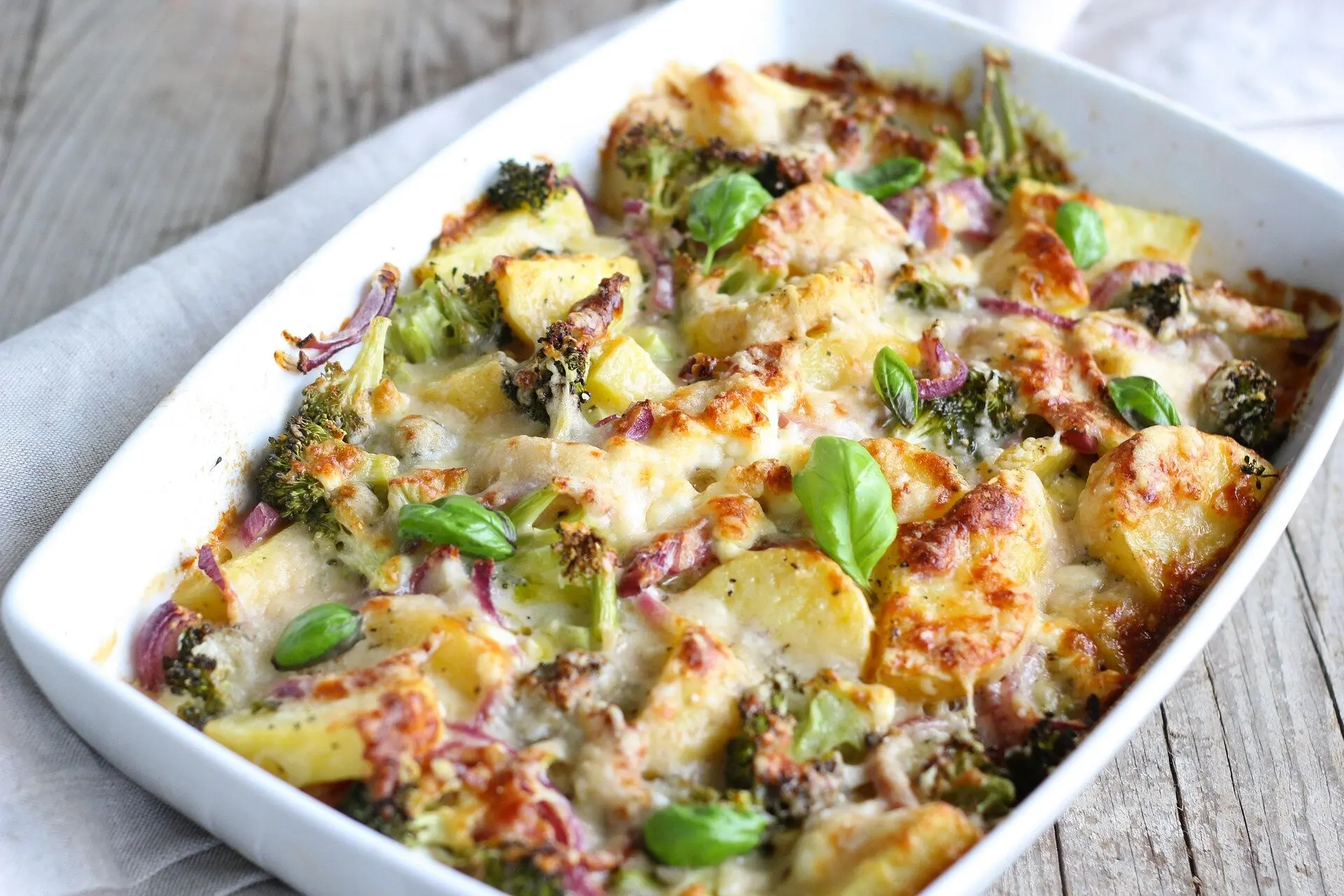
Some evenings the last thing anyone wants to do is cook. A freezer full of homemade meals changes that. You do the chopping and mixing on a calm afternoon, and on a busy night dinner is already waiting.
Freezer meals are not fancy. They are the same soups, casseroles and slow cooker dinners you already make, just packed away for later. Once you know a few simple rules, you can fill your freezer with meals your family actually wants to eat, and save money doing it.
This guide walks you through it from the start: the three kinds of freezer meals, what you need, how to freeze and thaw safely, and a simple plan for your first freezer day. When you are ready to cook, our Freezer Meals library has hundreds of recipes to choose from.
The three kinds of freezer meals
Every freezer meal falls into one of three groups. Knowing which kind you are making tells you how much work it takes now and how much is left for later.
Dump meals
Everything goes into a freezer bag raw: meat, vegetables, sauce and seasonings. On cooking day you thaw the bag and dump it into the slow cooker, Instant Pot or pan. These are the quickest to put together. Some ask for a few things to be added on cooking day, such as broth, cream or fresh spinach, so they stay fresh.
Make and bake
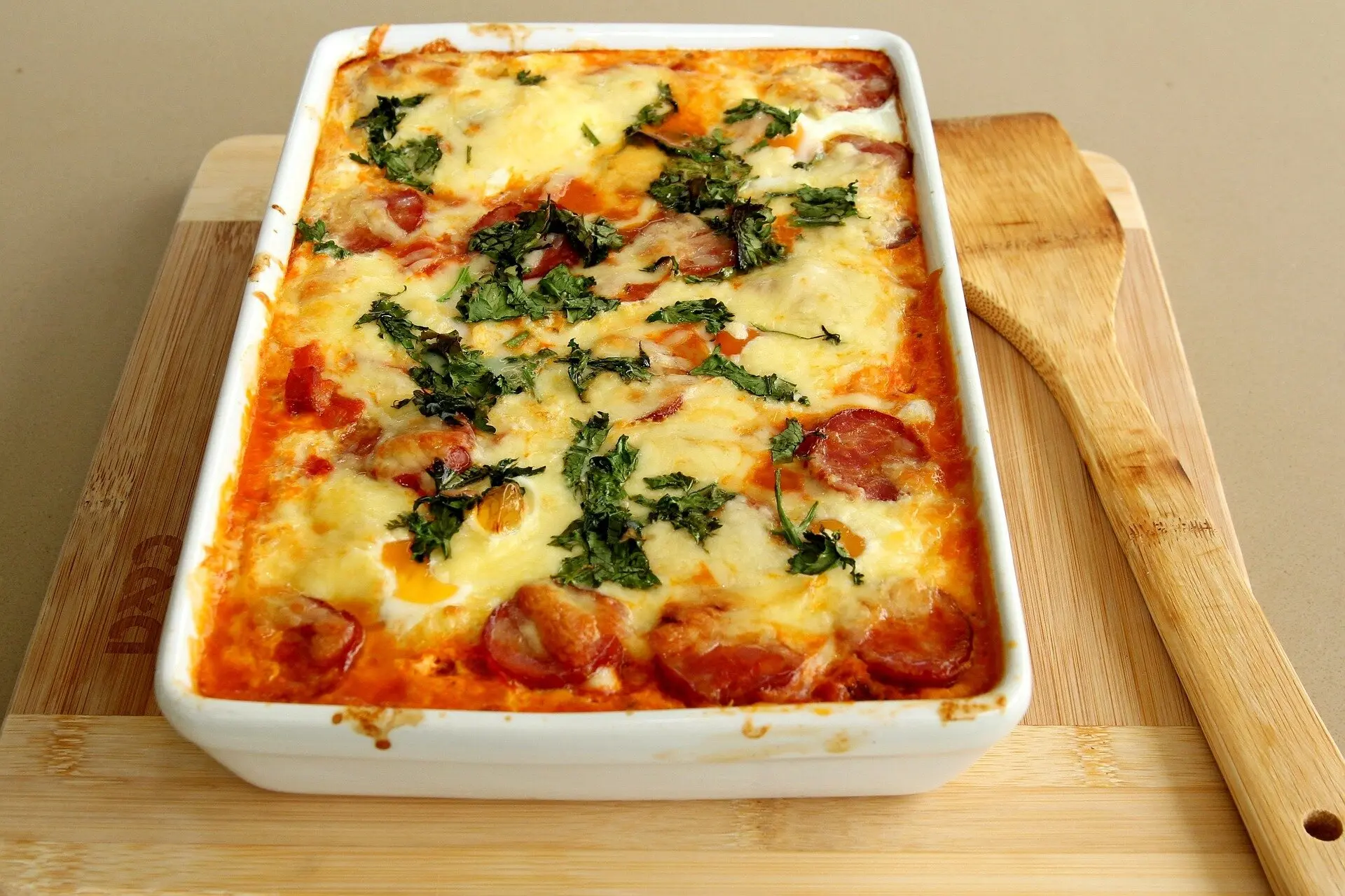
You put the whole dish together in its pan, freeze it unbaked, then bake it later. Lasagna, enchiladas, pot pies and stuffed shells are all make and bake meals. Some parts are usually cooked first, like browned beef or noodles.
Cooked, just reheat
The meal is fully cooked before it goes in the freezer. Soups, chili, curries and pulled meats are perfect for this. On a busy night you only warm them up.
Good to know
In the Freezer Meals library, the Dump Meals, Make & Bake and Cooked, just reheat buttons show you each kind.
What you need
You do not need special equipment. Most of it is already in your kitchen.
- Gallon freezer bags. Use bags made for the freezer, not storage bags. They are thicker and keep out freezer burn.
- A bag holder. A little stand that holds a freezer bag open while you fill it, so both hands are free. A wide jar or a tall bowl with the bag folded over the rim works too.
- Foil pans or freezer-safe baking dishes. For make and bake meals. Disposable foil pans let you freeze a casserole without tying up your good dishes.
- Freezer containers with lids. For soups and chili. Leave about an inch at the top, because liquids expand as they freeze.
- A permanent marker and labels or masking tape. You will thank yourself later.
- A baking sheet. Bags freeze flat on it, then stack like books.
- A food thermometer. The only sure way to know a reheated meal is safe.
Plan your freezer day
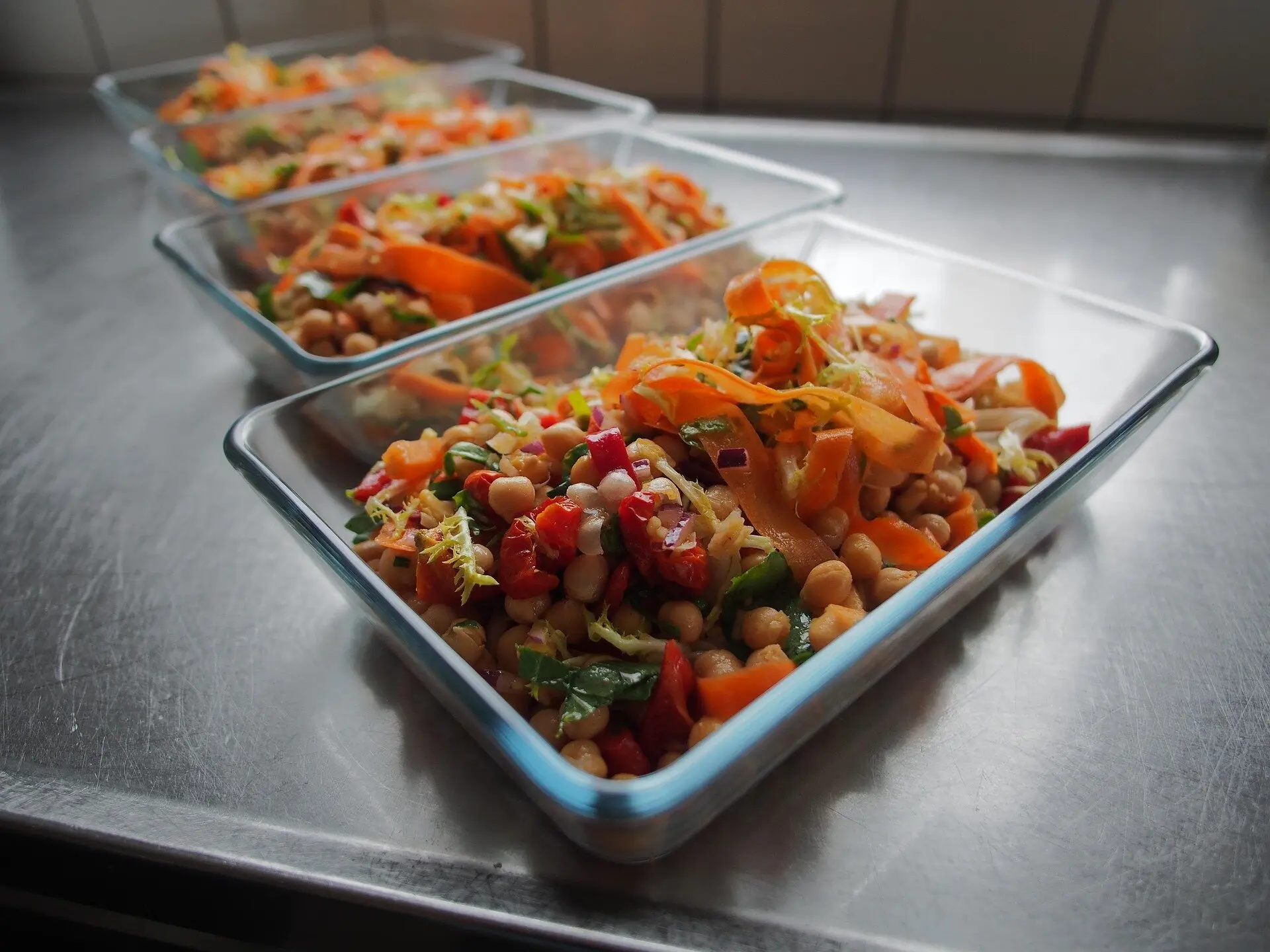
A little planning turns a freezer day from a messy marathon into an easy afternoon.
- Pick meals your family already loves. Save new experiments for later. Four or five recipes is plenty the first time.
- Shop with one list. Group it by store section, and buy meat when it is on sale. Freezer cooking is one of the easiest ways to stretch a grocery budget.
- Clear the counter and the freezer. You need room to work and a flat spot for the bags.
- Sort the groceries by meal. Set each recipe’s ingredients together so nothing ends up in the wrong bag.
- Chop everything at once. Dice all the onions, peppers and carrots in one go, then divide them among the recipes.
- Work like an assembly line. Label the bags first, stand them open in a bag holder or bowl, and fill them one recipe at a time.
Set aside two or three hours. It goes faster each time you do it.
Good to know
The easiest way to start is to make a double batch of tonight’s dinner. Eat one and freeze the other. A week of that, and you have five meals waiting.
How to freeze meals the right way
- Cool cooked food fast. Spread soups and sauces in shallow containers and put them in the refrigerator. Freeze them within two hours of cooking. Never put a big hot pot straight into the freezer.
- Press out the air. Air causes freezer burn, those dry, pale spots that taste of nothing. Lay the bag flat and push the air out toward the zipper before you seal it.
- Freeze flat. Lay bags on a baking sheet until frozen solid, then stand them up in a row or stack them. Flat bags thaw faster and more evenly.
- Label everything. Write the name of the meal, the date, and the cooking-day steps right on the bag. Add anything you still need on the day, such as “add 1 cup broth.”
- Keep your freezer at 0°F or colder. Most freezer meals taste best within about three months.
Thawing and cooking safely
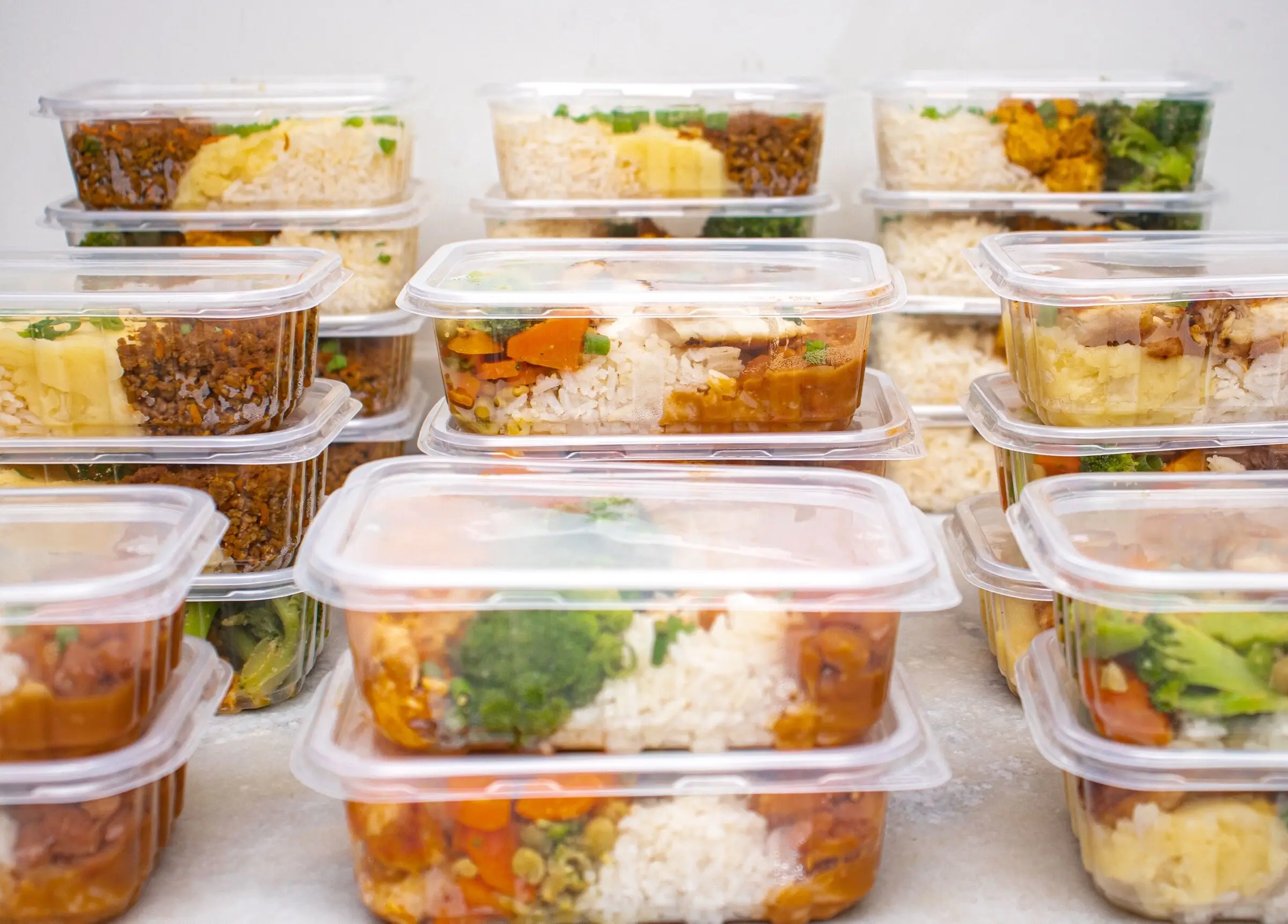
Thaw freezer meals in the refrigerator, never on the counter. Most bags need a day. A whole chicken or a big pan of lasagna can take two. Set the bag in a bowl or on a plate in case it leaks.
Never put frozen raw meat in a slow cooker. A slow cooker heats too gently, and frozen meat can sit too long at temperatures where bacteria grow. Thaw it first. Make and bake meals and many cooked meals can go into the oven or onto the stove straight from frozen; the recipe will say so.
Do not put a cold glass dish straight into a hot oven. A sudden change in temperature can crack it. Let a glass casserole sit on the counter for about 20 minutes, or put it in the oven while it preheats. Foil pans and metal pans can go straight in.
Use a thermometer to check doneness:
| Food | Safe temperature |
|---|---|
| Chicken and turkey, including ground | 165°F |
| Ground beef and pork | 160°F |
| Pork chops, roasts and steaks | 145°F, then rest 3 minutes |
| Fish and shrimp | 145°F |
| Leftovers and reheated cooked meals | 165°F |
Before you start, check what you need besides the freezer bag. Many dump meals ask for broth, cream or fresh greens on cooking day. In our library, those items are listed in a Have ready box at the top of each recipe’s cooking steps.
What freezes well, and what does not
| Freezes well | Better added fresh |
|---|---|
| Soups, stews and chili | Pasta and rice cooked in soup (they turn mushy) |
| Casseroles and lasagna | Cooked potatoes in soup (they go grainy) |
| Raw meat in a marinade | Cream, sour cream and milk (they can separate) |
| Meatballs, burgers and meatloaf | Lettuce, cucumbers and fresh herbs |
| Burritos, sandwiches and hand pies | Hard-boiled eggs |
| Muffins, pancakes and breakfast sandwiches | Crunchy toppings like chips, crackers or breadcrumbs |
You do not have to give up the second column. Just keep those ingredients out of the bag and add them on cooking day. Freeze soup without its noodles, then cook fresh noodles while the soup heats.
Your first freezer day
Start small. Four meals in one afternoon is plenty, and it gives you a taste of each kind. Here is a simple plan using recipes from our library:
- Salsa Verde Chicken with Black Beans and Corn: a dump meal for the slow cooker. Five minutes to bag.
- Weeknight Black Bean and Beef Chili: cook it while you work on the rest, then cool and freeze.
- Italian Sausage Baked Ziti: a make and bake for the oven.
- Mini Pancake Muffins: breakfast that heats straight from frozen.
Work in this order: start the chili first, since it needs time to simmer and cool. While it cooks, bag the chicken and assemble the ziti. Bake the pancake muffins last, then let everything cool before it goes in the freezer.
Good to know
Write a list of what is in your freezer and tape it to the door. You will use what you have instead of forgetting it at the back.
Frequently asked questions
How long do freezer meals last? Food kept at 0°F stays safe indefinitely, the U.S. Department of Agriculture says, but it tastes best within about three months. After that, flavor and texture slowly fade.
Do I have to thaw freezer meals before cooking? For the slow cooker, yes: always thaw raw meat in the refrigerator first. Many casseroles, muffins and burritos can be heated straight from frozen in the oven or microwave; the recipe will say so.
Can I refreeze a thawed meal? If it thawed in the refrigerator and you have not cooked it, you can refreeze it, though the texture may suffer. Food thawed in cold water or the microwave, or left out more than two hours, should be cooked before it goes back in the freezer, according to the USDA. Once it is cooked, you can freeze the leftovers again.
What is the best container for freezer meals? Gallon freezer bags for dump meals and soups, foil pans for casseroles. Bags take the least room because they freeze flat.
How do I keep freezer meals from tasting like the freezer? Squeeze out as much air as you can, wrap casseroles in a layer of plastic and then foil, and use meals within three months.