Your freezer is one of the best money savers in the house. It lets you buy meat on sale, cook once and eat twice, and rescue bread and bananas before they go bad. But we have all pulled out a bag of something gray, icy and tasting of nothing, and wondered why we bothered.
The freezer keeps food safe. Food kept at 0°F stays safe indefinitely, according to the U.S. Department of Agriculture. How good it tastes when it comes out is up to you, and a few simple habits make all the difference. This guide covers how to freeze food so it keeps its flavor, how to stop freezer burn, what freezes well and what does not, and how long food keeps its best quality.
Best practices for freezing food
- Freeze food at its best. The freezer does not improve anything. It holds food just as it went in, so freeze leftovers, meat and produce while they are fresh, not on their last day.
- Cool cooked food fast. Spread soups, sauces and casseroles in shallow containers and put them in the refrigerator within two hours of cooking. Freeze them once they are cold. Hot food warms everything around it and partly thaws it.
- Keep the air out. Air is what dries food out. Squeeze the air from bags before you seal them, press plastic wrap right onto the surface of soups and casseroles, and fill containers well.
- Use real freezer packaging. Freezer bags are thicker than storage bags. Foil, freezer paper, and freezer-safe glass and plastic all work. Store bread bags and old butter tubs are not made for the freezer and let air in.
- Leave room to grow. Liquids expand as they freeze. Leave about an inch at the top of containers so lids do not pop off and glass does not crack.
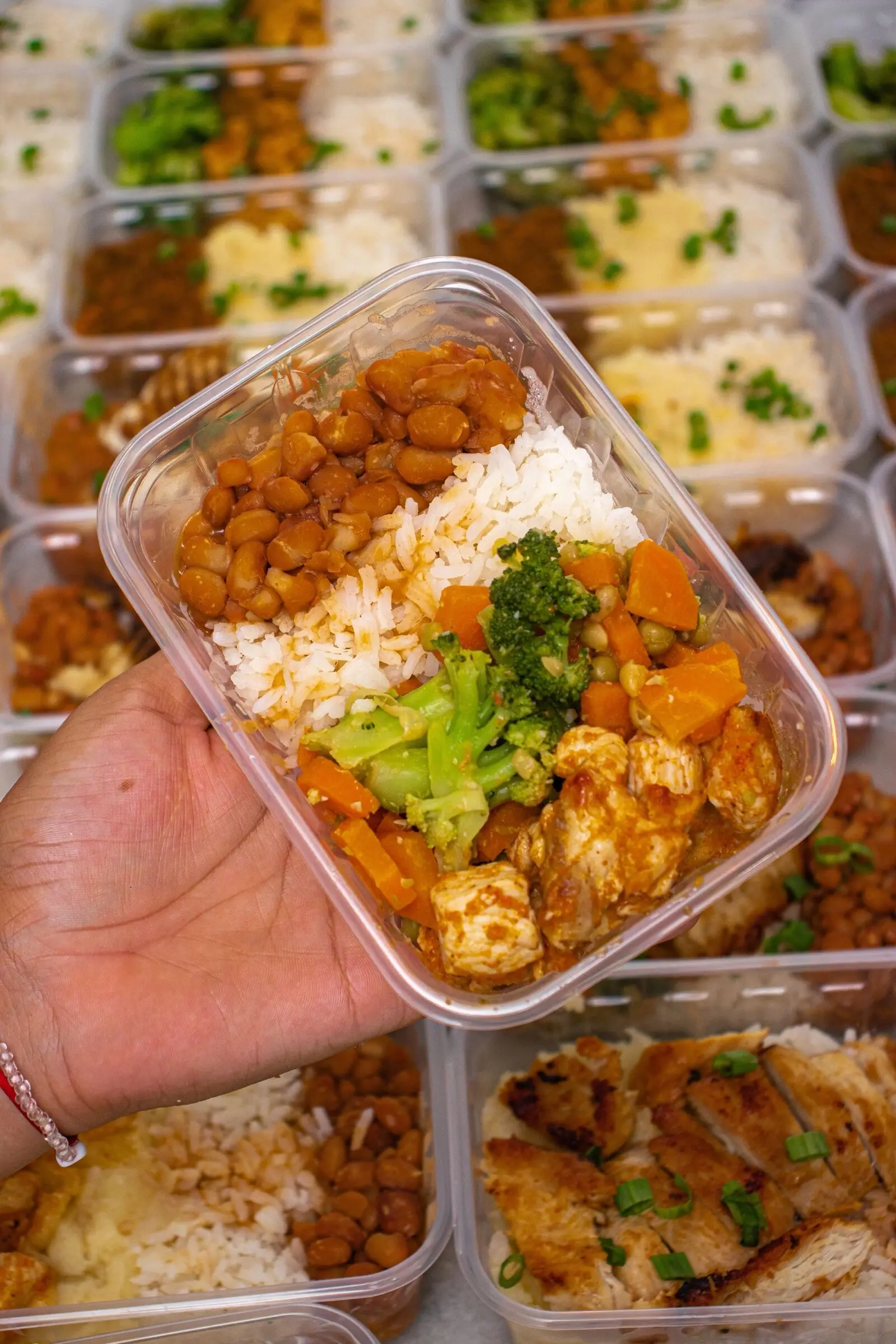
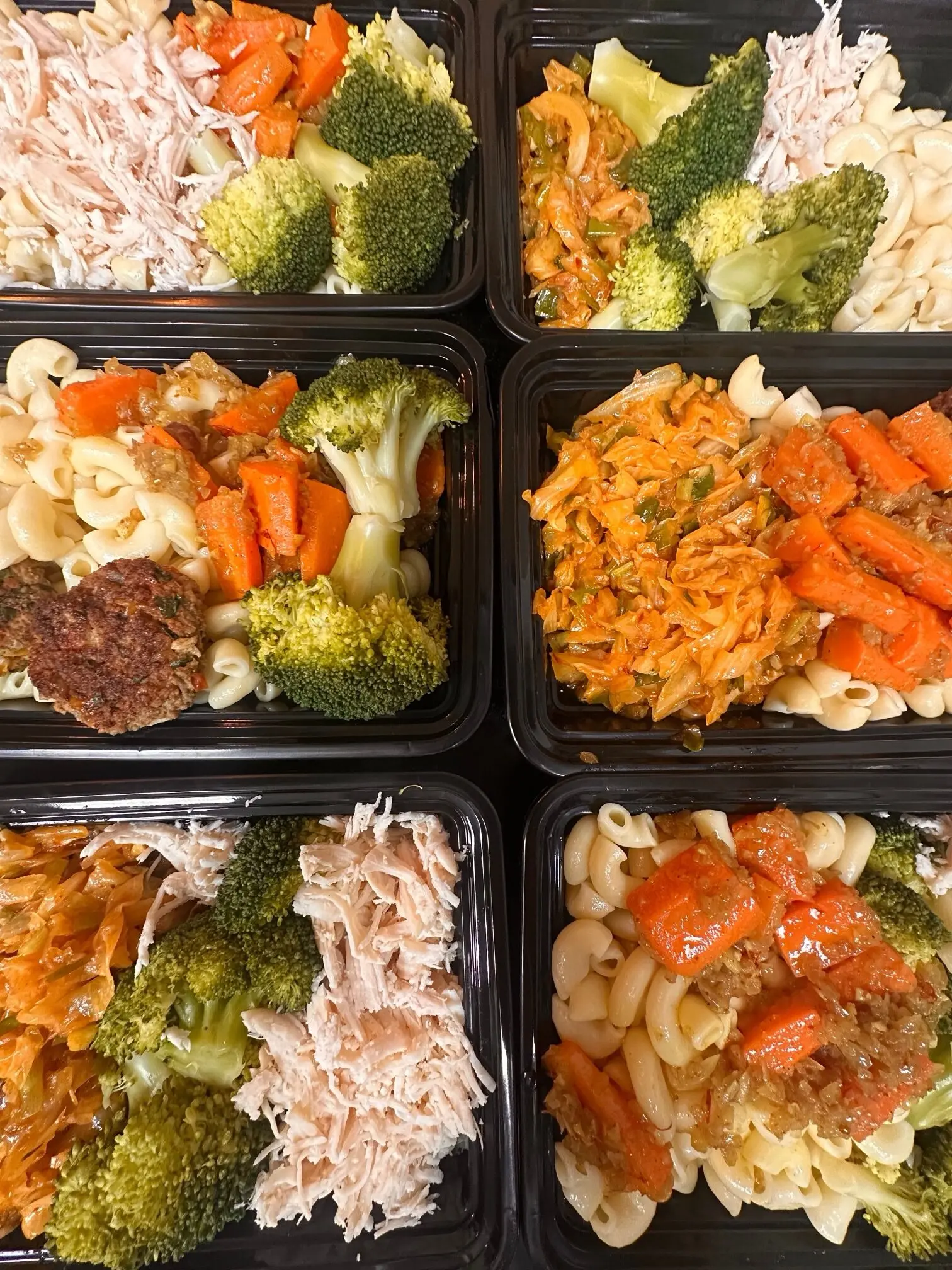
- Freeze in the portions you will use. Single servings for lunches, family size for dinners. Small portions freeze faster, thaw faster and taste better.
- Freeze it flat. Lay bags of soup, sauce and ground meat flat on a baking sheet until they are solid, then stand them up like books.
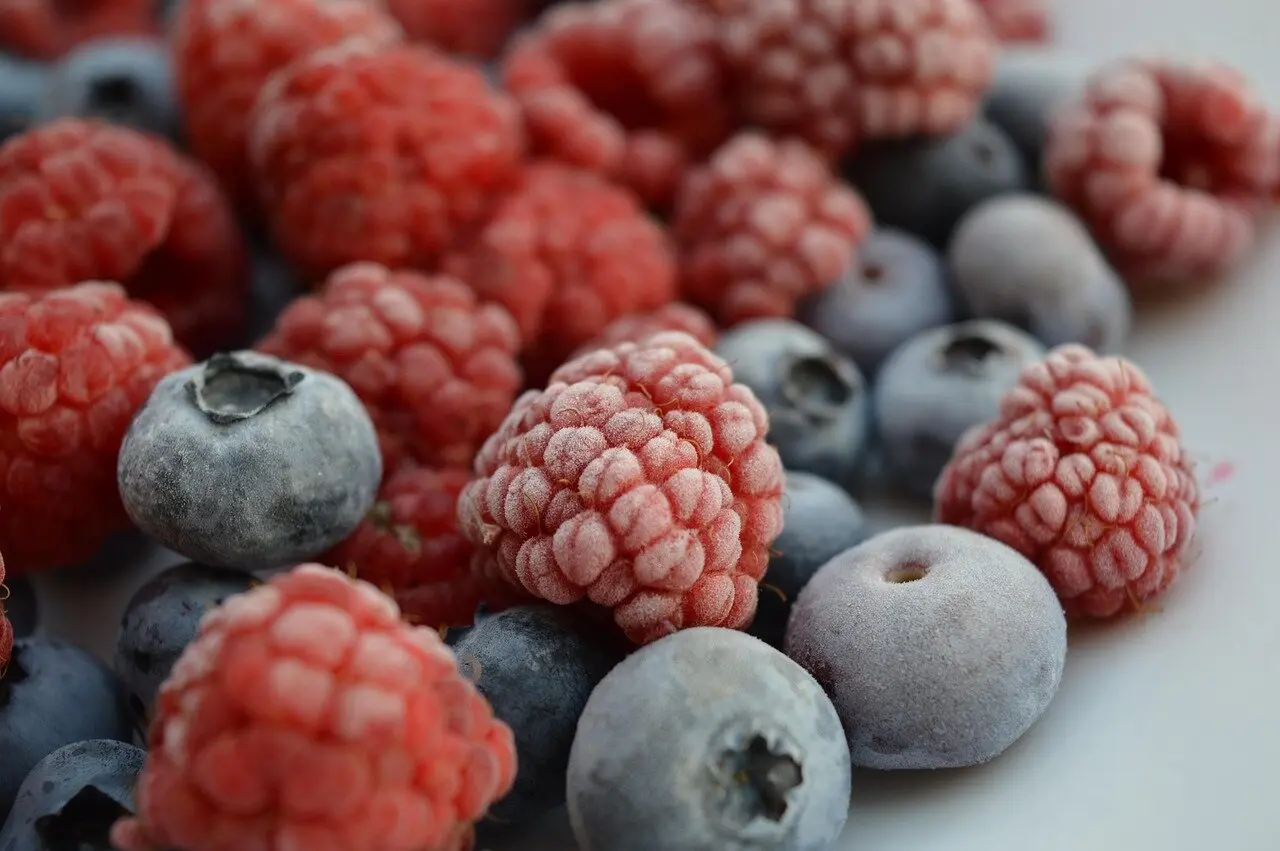
- Freeze single pieces first. Spread berries, meatballs, cookies and pancakes on a parchment-lined baking sheet. Freeze them for an hour or two, then bag them. They will not stick together, and you can take out just what you need.
- Label everything. Write what it is, the date, and how to cook it. Everything looks the same once it is frozen.
- Keep your freezer at 0°F or colder. A cheap freezer thermometer tells you for sure.
- Do not overload it. Add only a few pounds of unfrozen food at a time so it freezes quickly. The faster food freezes, the smaller the ice crystals and the better the texture.
How to stop freezer burn
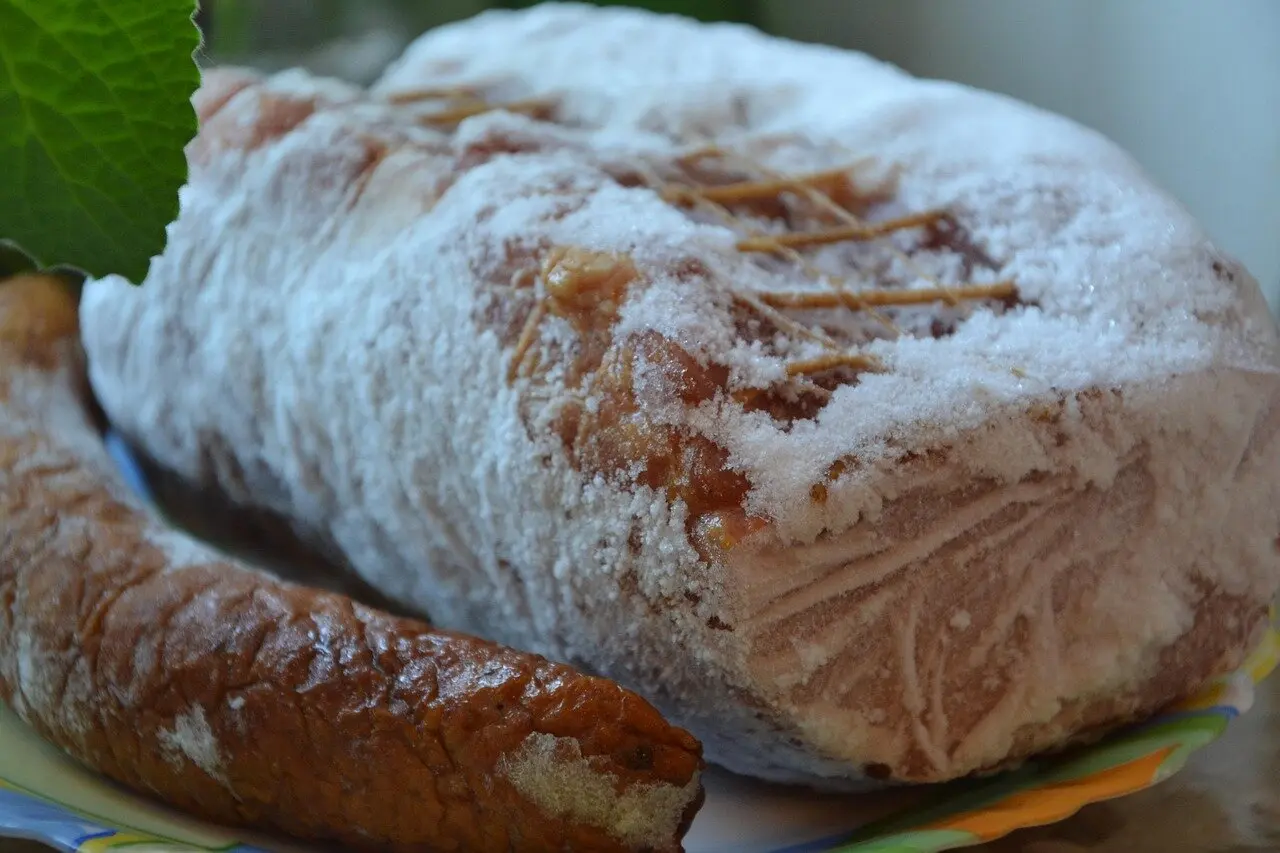
Freezer burn is the dry, pale or grayish patches on frozen food. It happens when air reaches the surface and moisture escapes as frost. Freezer-burned food is still safe to eat, the USDA says, but those spots taste dry and bland. Cut them away before or after cooking.
To prevent it:
- Wrap twice. Plastic wrap, then foil or a freezer bag, for meat, bread and baked goods.
- Rewrap store packages. The thin plastic on supermarket meat is fine for a week or two. For longer, put the package in a freezer bag or wrap it again.
- Press out every bit of air you can. A straw at the corner of the zipper helps pull out the last of it.
- Keep the door closed. Every time it opens, the temperature rises a little, and food slowly loses moisture.
- Use the oldest food first. Even well-wrapped food dries out in time.
Good to know
Lots of ice crystals inside a bag or container is a sign the food thawed a little and refroze, or was not wrapped tightly. It is still safe, but use it soon.
Foods that freeze well, and foods that do not
| Freezes well | Better not frozen |
|---|---|
| Raw meat, poultry and fish | Lettuce, cucumbers, radishes and celery for eating raw |
| Soups, stews, chili and sauces | Eggs in the shell and hard-boiled eggs |
| Casseroles and lasagna | Mayonnaise and creamy salad dressings |
| Bread, muffins, cookies and pie crust | Egg, tuna and macaroni salads |
| Butter and hard cheese | Sour cream, yogurt and soft cheeses (they turn grainy) |
| Berries, bananas and sliced peaches | Cream sauces and custards (they can separate) |
| Blanched vegetables | Raw potatoes |
| Cooked rice and beans | Fried foods (they lose their crunch) |
Many foods in the second column are fine in a cooked dish, just not served on their own. Grainy frozen yogurt or cheese is perfect in smoothies, soups and casseroles.
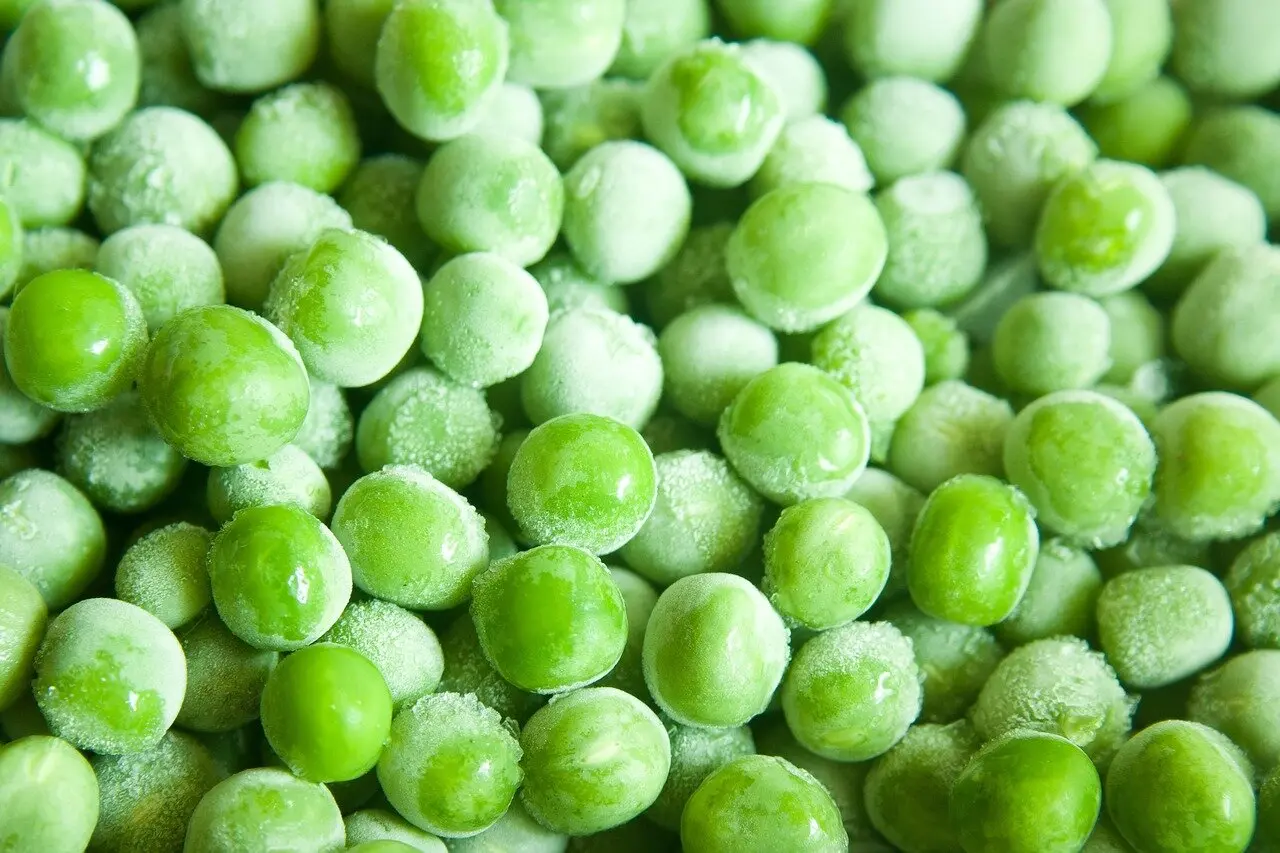
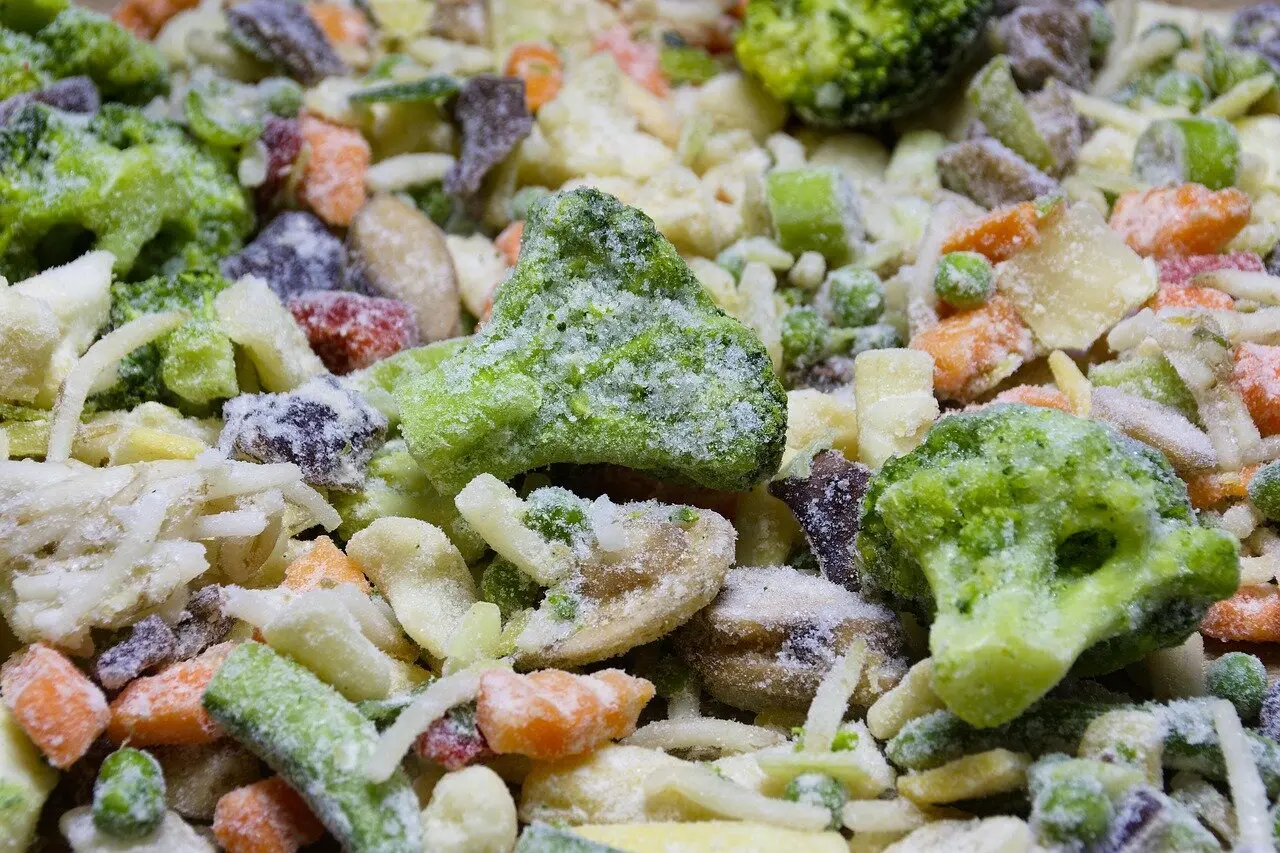
Blanch vegetables first. Most vegetables keep their color, flavor and crunch much better if you blanch them before freezing: boil them for one to three minutes, plunge them into ice water, then drain and dry them well. Onions, peppers and fresh herbs can be frozen raw.
How long does food last in the freezer?
These times are for the best taste and texture, not safety. Most come from the USDA’s cold storage chart, and the times for bread, dairy and produce come from the University of Nebraska-Lincoln Extension. Food kept at 0°F stays safe beyond these times, but it slowly dries out and loses flavor.
| Food | Best within |
|---|---|
| Meat and poultry | |
| Ground beef, turkey and pork | 3 to 4 months |
| Steaks, chops and roasts | 4 to 12 months |
| Whole chicken or turkey | 1 year |
| Chicken and turkey pieces | 9 months |
| Bacon | 1 month |
| Raw sausage | 1 to 2 months |
| Hot dogs, lunch meat and cooked ham | 1 to 2 months |
| Fish | |
| Raw fish and shellfish | 3 to 6 months |
| Cooked fish | 4 to 6 months |
| Cooked food and leftovers | |
| Soups and stews | 2 to 3 months |
| Cooked meat, meat dishes and casseroles | 2 to 3 months |
| Cooked chicken and turkey dishes | 4 to 6 months |
| Gravy and broth | 2 to 3 months |
| Dairy and eggs | |
| Butter | 6 to 9 months |
| Hard cheese | 6 months |
| Shredded cheese | 3 to 4 months |
| Milk | 3 months |
| Raw egg whites or yolks | 1 year |
| Baked goods | |
| Homemade bread | 3 months |
| Muffins and cakes | 6 months |
| Cookies | 6 to 12 months |
| Fruit pies | 8 months |
| Fruits and vegetables | |
| Berries and peaches | 8 to 12 months |
| Blanched vegetables like broccoli and carrots | 10 to 12 months |
Thawing food safely
There are three safe ways to thaw food, according to the USDA:
- In the refrigerator. The safest and best way. Plan ahead: small items thaw overnight, and a large turkey takes about a day for every 4 to 5 pounds.
- In cold water. Seal the food in a leak-proof bag and set it in cold water. Change the water every 30 minutes, and cook the food right away.
- In the microwave. Cook it right after thawing, because some parts may start to cook.
Never thaw food on the counter. The outside warms up long before the middle thaws.
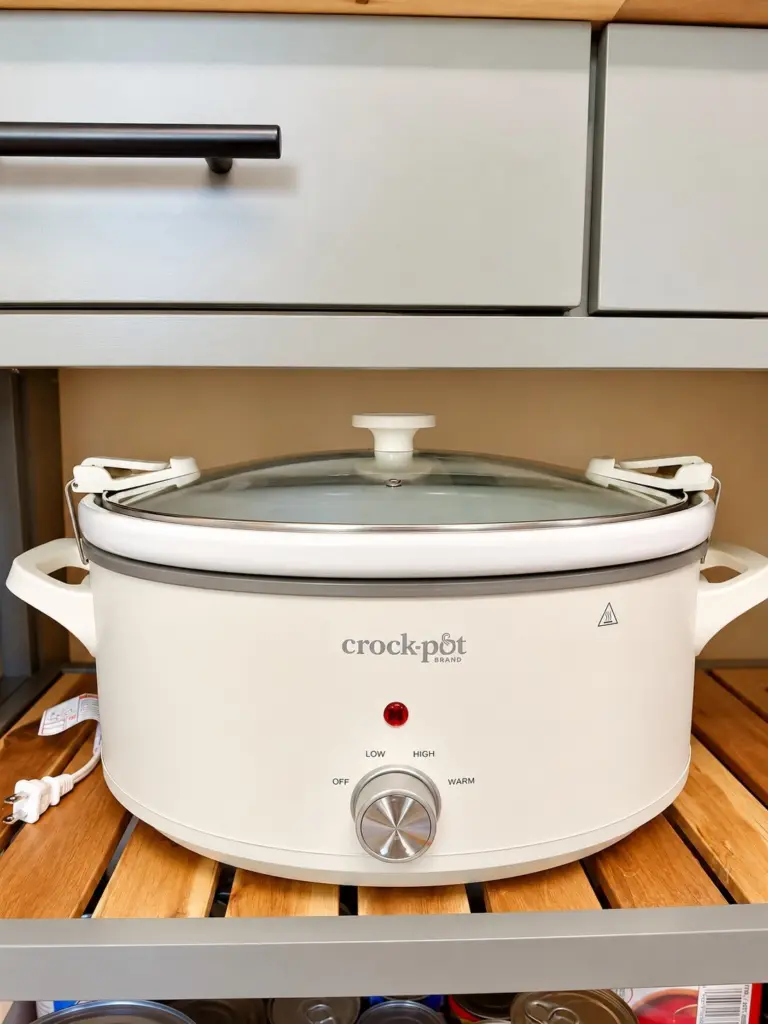
Many foods can be cooked straight from frozen, too: soups, casseroles, burgers, vegetables and muffins. They take about half again as long. The one exception is the slow cooker. Thaw meat first, because a slow cooker heats too slowly to cook frozen meat safely.
Can you refreeze it? Food thawed in the refrigerator can be refrozen without cooking, though it may lose some quality. Food thawed in cold water or the microwave should be cooked before it goes back in the freezer. Once raw food is cooked, you can freeze it again.
Keep your freezer organized
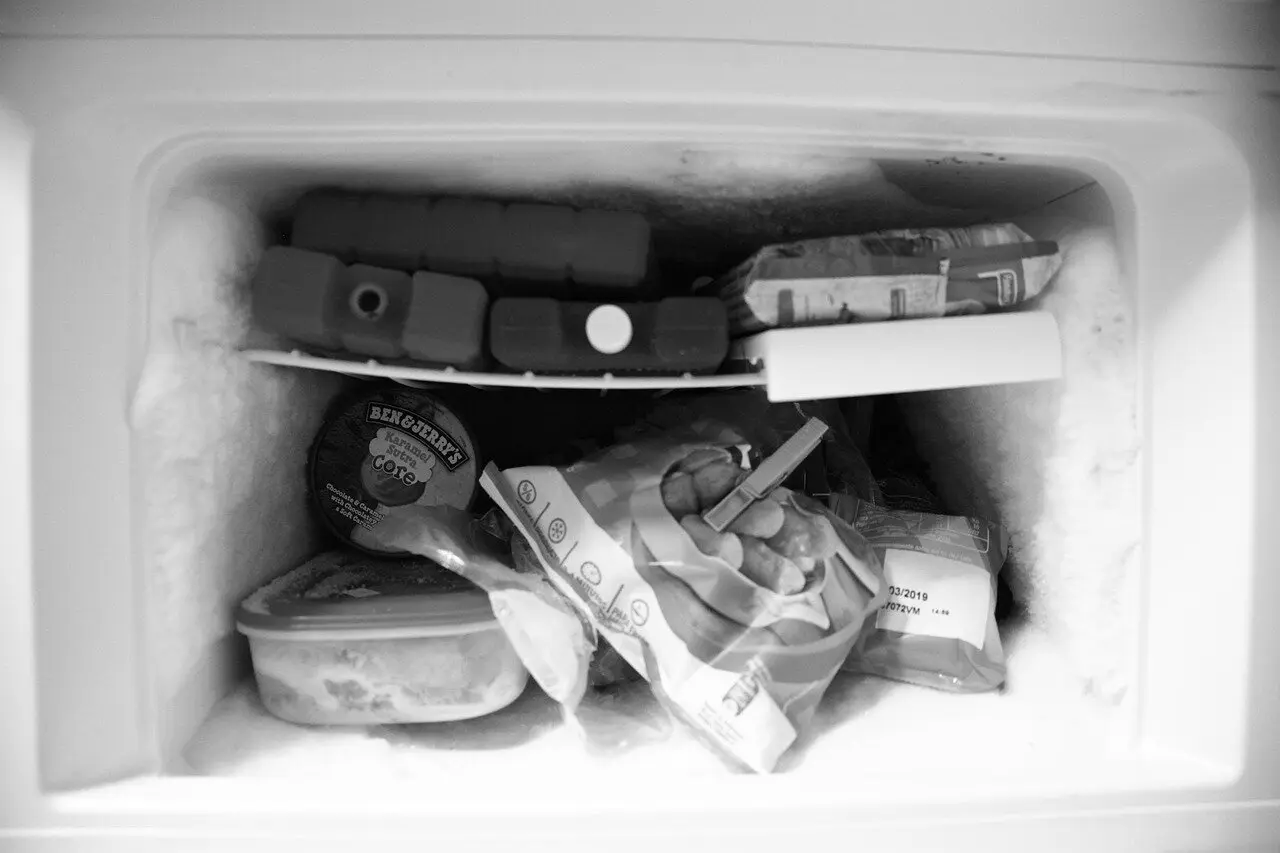
- Keep a list on the door. Cross things off as you use them, and you will always know what you have.
- Group like with like. Meats on one shelf, soups in a bin, bread and baked goods together.
- First in, first out. Put new food at the back or bottom and older food at the front.
- Stand flat bags up in a bin or a magazine file. You can flip through them like files.
- Keep it about three-quarters full. A full freezer holds its cold better, but cold air needs room to move.
- Clean it out every season. Use up what is getting old and make room for what is new.
- Defrost when the frost gets thick. Once it builds up to about a quarter inch, the freezer works harder and holds less.
When your freezer is in order, it is easy to keep it stocked with meals from our Freezer Meals library.
Frequently asked questions
Does freezing kill bacteria? No. Freezing stops bacteria from growing, but it does not kill them. Once food thaws, they become active again, so handle thawed food just as carefully as fresh.
Is freezer-burned food safe to eat? Yes. Freezer burn only affects taste and texture. Cut away the dry spots, or use the food in soups, stews and casseroles where it will not be noticed.
What temperature should my freezer be? 0°F or colder. Check it with an appliance thermometer, since the dial on the freezer does not tell you the actual temperature.
Can I freeze food in glass jars? Yes, if they are freezer-safe, straight-sided jars. Leave an inch at the top and let the food cool completely first.
What happens to food in the freezer during a power outage? A full freezer keeps food frozen for about 48 hours if the door stays closed, and a half-full one about 24 hours, according to the USDA. Food that still has ice crystals or feels refrigerator-cold can be refrozen.
Can I freeze milk and eggs? Milk freezes well for about three months, though it may separate. Shake it after thawing. Do not freeze eggs in the shell. Crack them into a container or muffin tin first.