

Pick up a seasoning packet. Flip it over and read the label. You’ll realize you already own most if not all of the spices on the list. The packet is mostly chili powder, cumin, salt, and a little cornstarch, and you have been buying it one tablespoon at a time.
This might be the moment that homemade stops seeming like a chore. Most convenience foods are a handful of pantry staples a company pre-measured for you. Mix them yourself and you decide how much salt goes in and you’ll have more than a single-use packet.
This guide covers 25 foods worth making at home, from seasoning blends and baking mixes to sauces, spreads, and freezer breakfasts, plus how long each one keeps, which ones are honestly better bought, and the safety steps most lists skip.
Why make it yourself
Cost is only part of it. Homemade versions of everyday convenience foods earn their place for other reasons, too.
You control what goes in: Less salt in the taco seasoning, less sugar in the granola, no fillers you can’t pronounce.
You stop running out: A jar of pancake mix on the shelf beats a trip to the store at 7 a.m. on a Saturday.
It takes less time than you think: Most mixes on this list come together in five minutes with measuring spoons and a jar.
It tastes better: Fresh salad dressing and still-warm tortillas are hard to go back from.
Most of the time, the real investment is a few good jars and an afternoon. A food processor and a stand mixer make several of these faster, and if you bake bread or make nut butter every week, both earn their counter space.
Seasonings and dry mixes
These are the easiest place to start. Measure, stir, jar, label. Spice blends lose flavor over time rather than spoiling, so make small batches you will use in a few months.
1. Taco and fajita seasoning
The gateway mix. Chili powder, cumin, paprika, garlic powder, onion powder, oregano, and a pinch of cayenne cover tacos; my [Fajita Seasoning Mix](/all/fajita-seasoning-mix/) adds a little cornstarch and chicken bouillon so it thickens in the pan like the packet does. About 2 tablespoons replaces one store packet.
Keeps: several months in a sealed jar; the flavor fades after that.
2. Ranch seasoning
Dried parsley, dill, chives, garlic powder, onion powder, salt, and pepper make the base. Stir a spoonful into sour cream for dip, or into mayonnaise and buttermilk for dressing. Leave out dried buttermilk powder and the mix keeps longer; add fresh buttermilk when you mix up the dressing.
Keeps: several months in a sealed jar.
3. Onion soup mix
Dried minced onion, beef bouillon, onion powder, and a little pepper. It goes into pot roast, meatloaf, and the classic sour cream dip. My [copycat onion soup mix](/all/copycat-lipton-onion-soup-mix/) makes the equivalent of one envelope.
Keeps: several months in a sealed jar.
4. Cream soup substitute
The dry mix that replaces a can of condensed cream soup in casseroles: nonfat dry milk, cornstarch, bouillon, and dried onion. Whisk it with water on the stove and it thickens in a few minutes. My [instant oatmeal and cream soup mix guide](/back-to-basics/frugal-living/homemade-instant-oatmeal-cream-soup-mix/) walks through it.
Keeps: up to 3 months in the refrigerator (see storage, below).
5. Pancake and baking mix
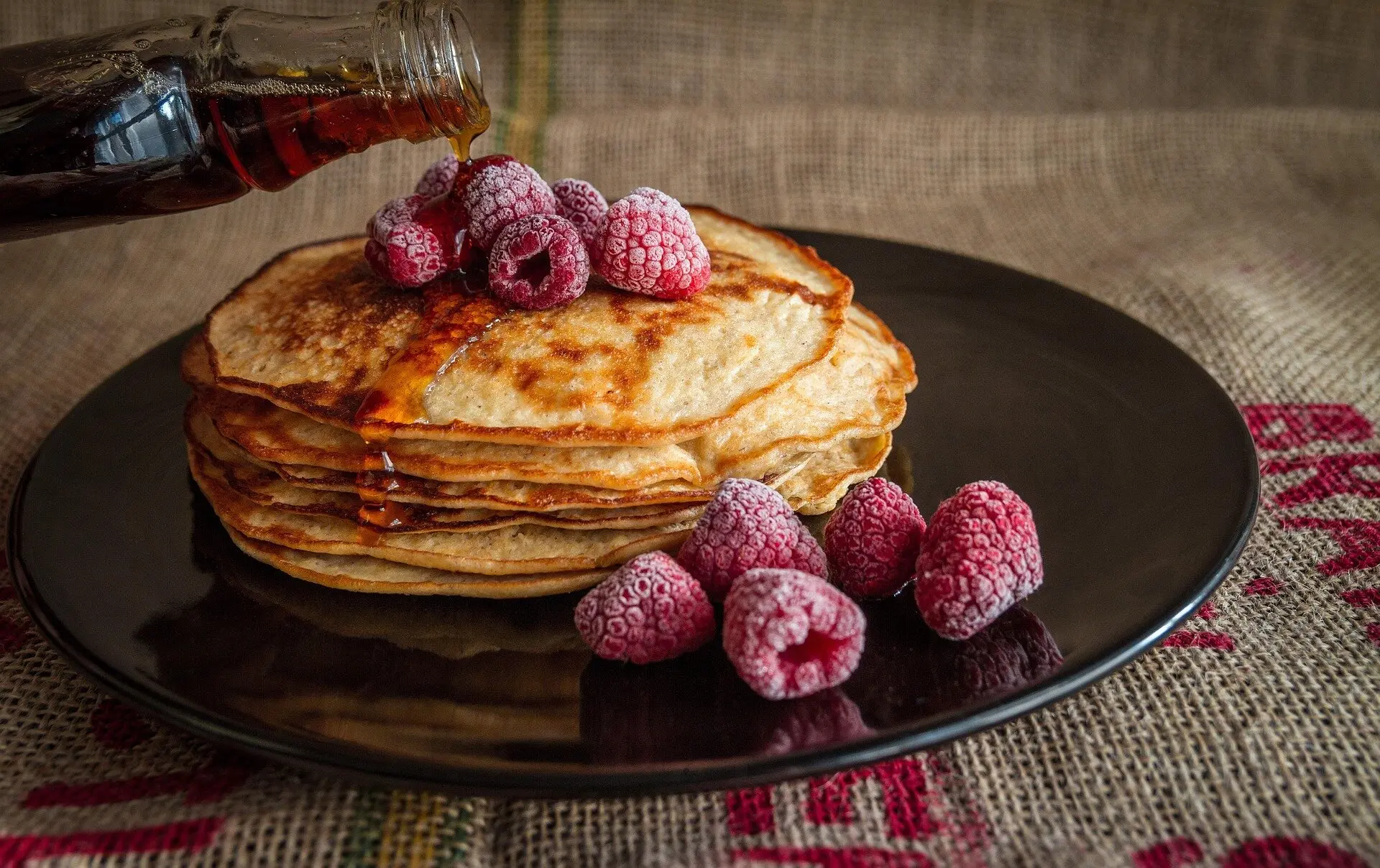
Flour, baking powder, baking soda, salt, and a little sugar, mixed in a big batch. Add eggs, milk, and melted butter when you’re ready to cook. A baking mix with fat cut in works like the boxed kind for biscuits and shortcakes. My [homemade baking mixes guide](/all/homemade-baking-mixes/) has 10 of them.
Keeps: up to 3 months, dated and stored airtight.
6. Instant oatmeal packets
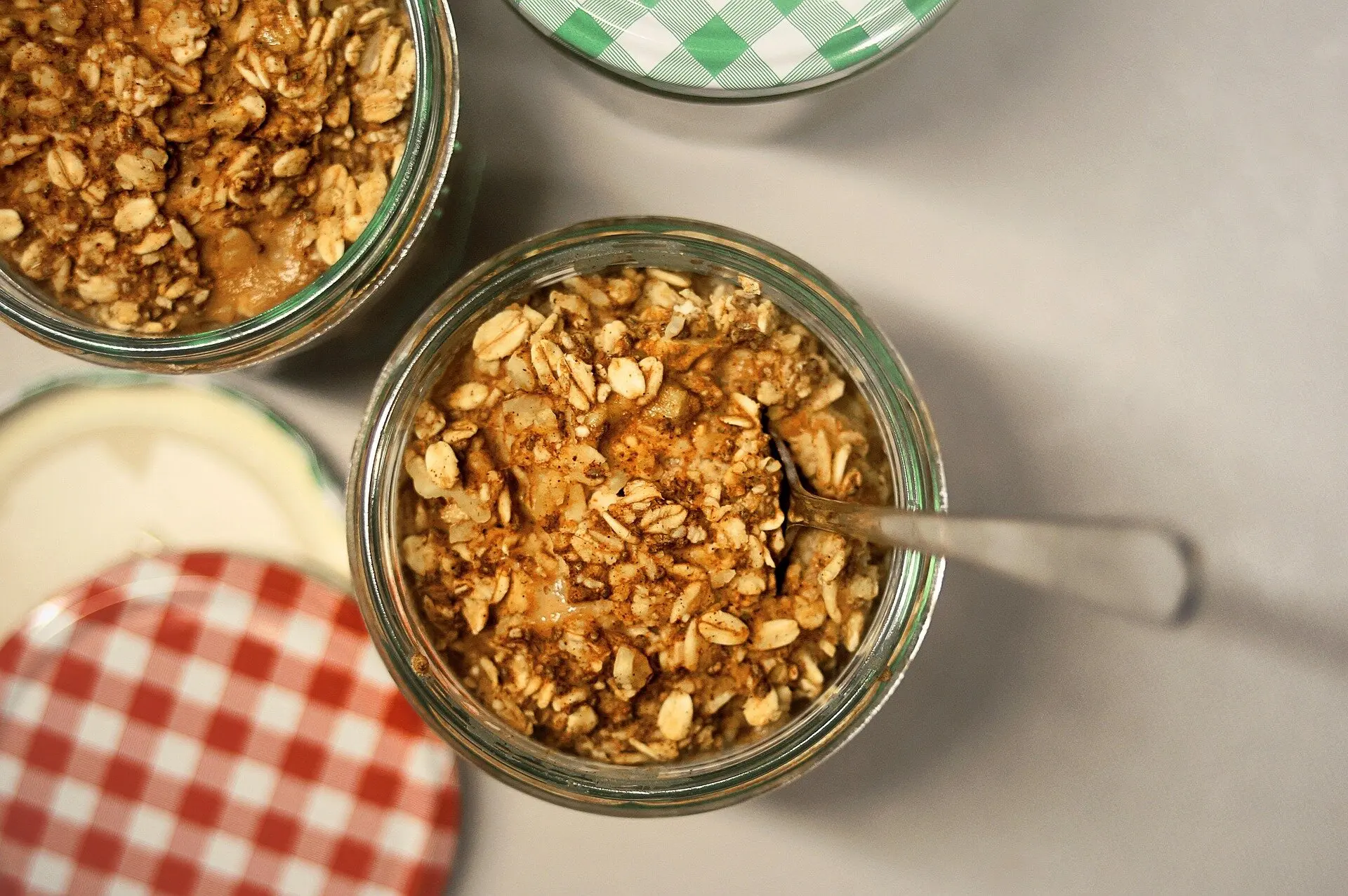
Quick oats, a little powdered milk, brown sugar, and cinnamon in small bags or jars. Pour in boiling water, stir, and wait two minutes. Add dried fruit or chopped nuts to the packets you want to dress up.
Keeps: a few months in a cool, dry cupboard.
7. Hot cocoa mix
Powdered sugar, cocoa, nonfat dry milk, and a pinch of salt. My [Homemade Hot Cocoa Mix](/all/homemade-hot-cocoa-mix/) stirs up richer than the envelopes and makes a good gift in a jar.
Keeps: several months in a sealed jar.
Good to know
Label every jar with what it is, the date you made it, and how to use it. “3 tablespoons per pound of meat” on a piece of tape saves you from hunting for the recipe later.
Pantry staples you can make in a pinch
These are the “I’m out of it and halfway through the recipe” fixes. Some are worth making every time; others are just good to know.
8. Brown sugar
Stir 1 tablespoon of molasses into 1 cup of white sugar for light brown sugar, or 2 tablespoons for dark. A fork does the job; a food processor does it in seconds. See my [homemade brown sugar](/all/homemade-brown-sugar/).
Keeps: for months in an airtight container, same as store-bought.
9. Powdered sugar
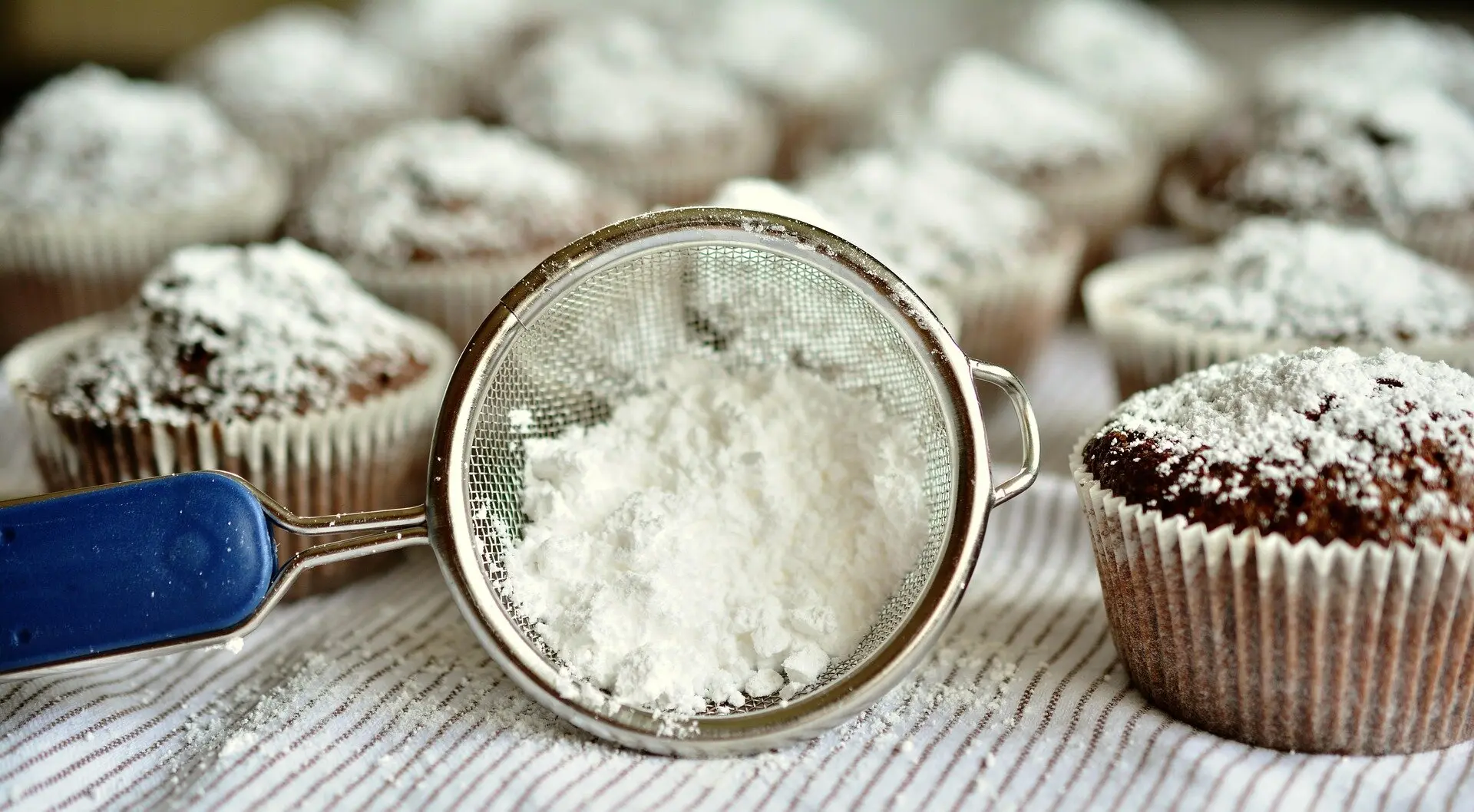
Blend granulated sugar with a little cornstarch until it turns to fine powder. It works in frosting and dusting, though it is a touch less silky than store-bought. Here’s my [homemade powdered sugar](/all/homemade-powdered-sugar/).
Keeps: months, sealed tight against moisture.
10. Self-rising flour
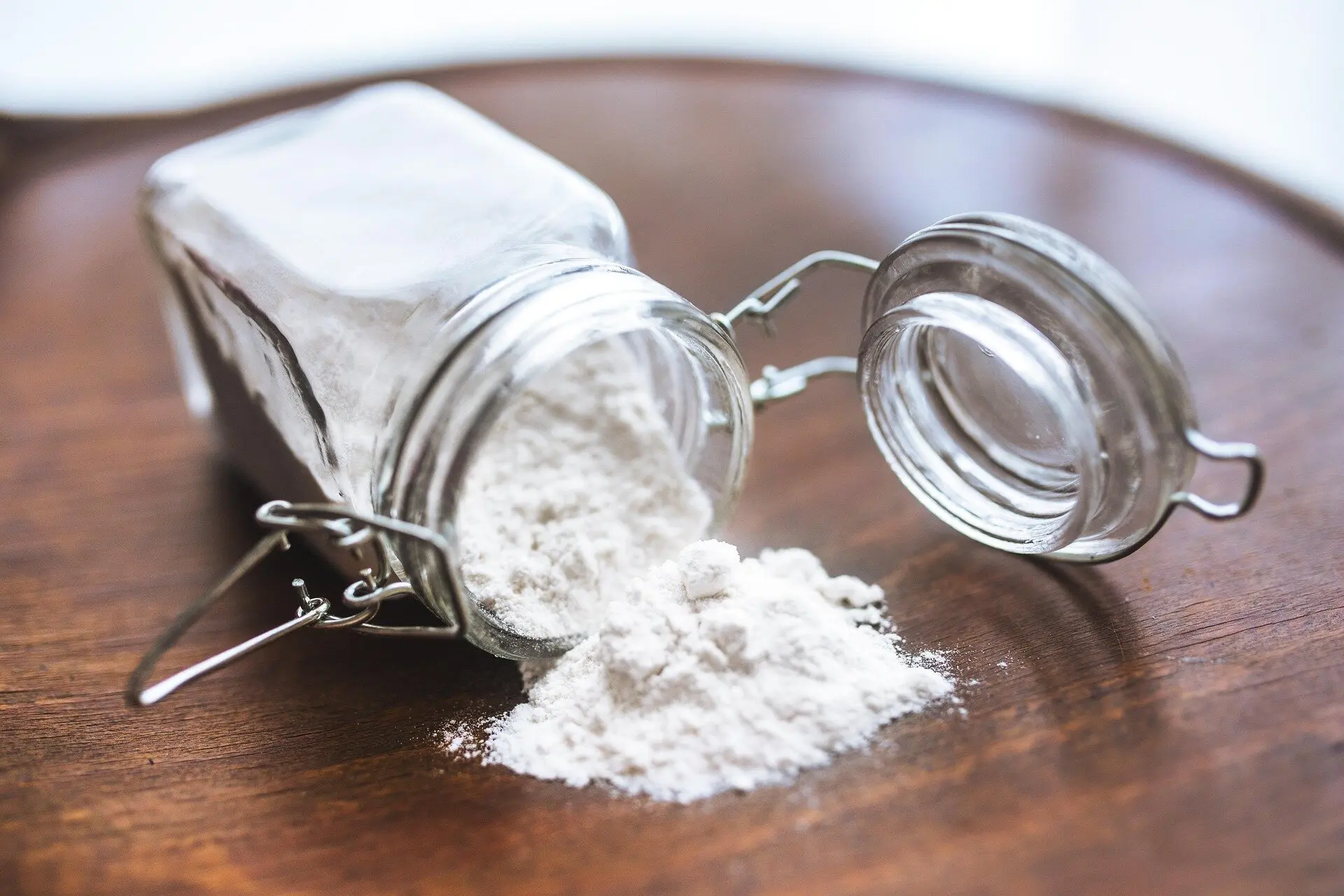
For each cup of all-purpose flour, whisk in 1½ teaspoons of baking powder and ¼ teaspoon of salt. It’s worth making instead of buying if you only use it now and then, because the baking powder in a bag of self-rising flour loses its lift over time. My [self-rising flour](/all/self-rising-flour/) has the details.
Keeps: mix only what the recipe needs.
11. Buttermilk
Stir 1 tablespoon of lemon juice or white vinegar into a cup of milk and let it stand 5 to 10 minutes. It curdles slightly and works in pancakes, biscuits, and quick breads. It won’t replace buttermilk you drink, but for baking, nobody will know.
Keeps: make it fresh each time.
12. Evaporated milk
Simmer 2¼ cups of milk gently, stirring often, until it cooks down to 1 cup. Let it cool before using it in pumpkin pie or fudge. It’s a fix for the day you’re out, not a reason to stop buying cans.
Keeps: 3 to 4 days in the refrigerator.
13. Bread crumbs
Dry the heels and stale slices in a low oven, then whirl them in a food processor. Season half with Italian herbs and keep the other half plain. It’s the best use for the end of a loaf.
Keeps: a few weeks in a jar, or months in the freezer.
Sauces, dressings, and spreads
14. Vinaigrette
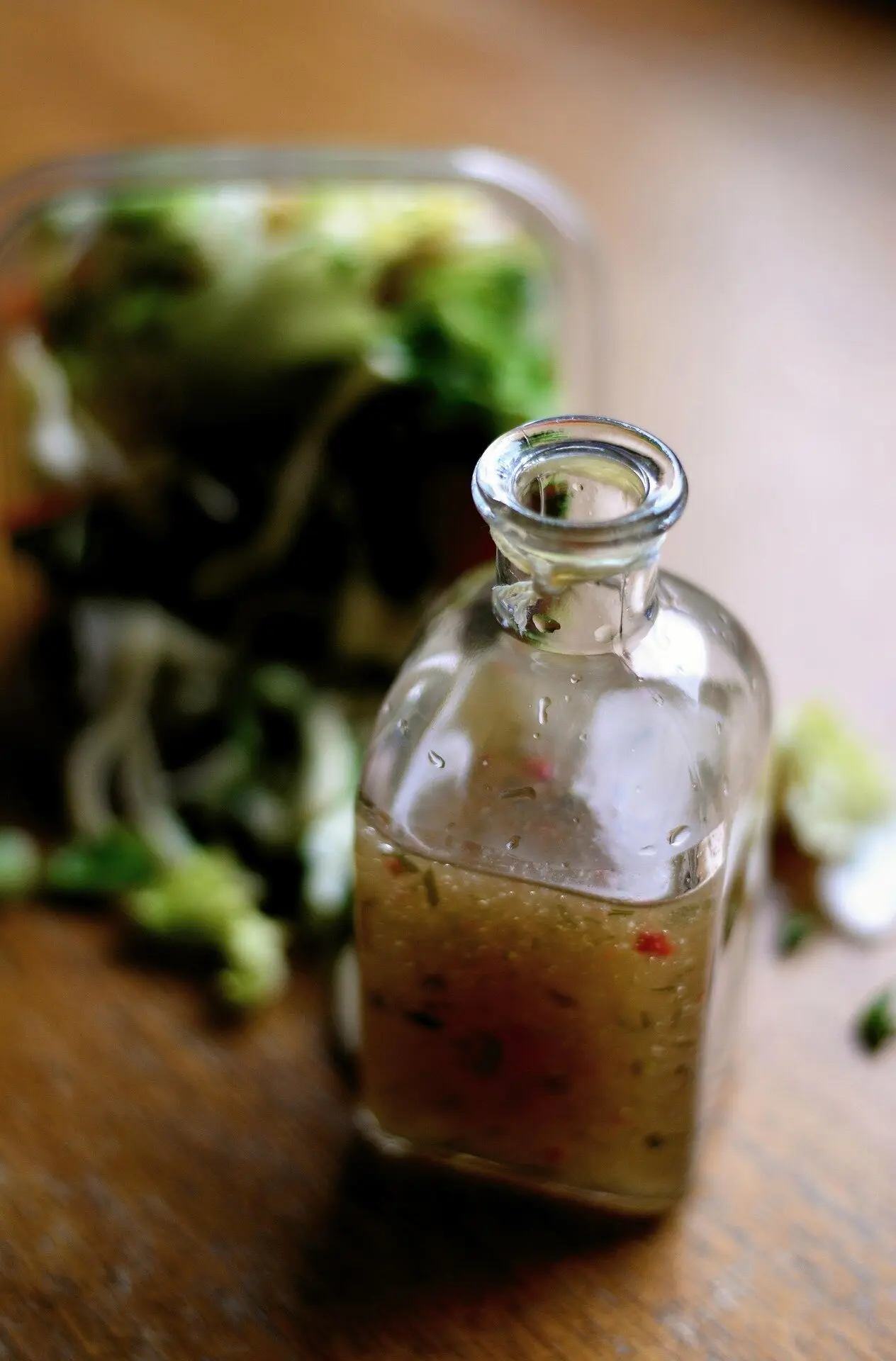
Three parts oil to one part vinegar, a spoonful of mustard, salt, and pepper, shaken in a jar. Change the vinegar and the herbs and you have a different dressing every week. Store-bought dressing is mostly oil and vinegar anyway, with a long ingredient list on top.
Keeps: about a week in the refrigerator if it has fresh garlic or herbs; longer without.
15. Mayonnaise
An egg yolk, lemon juice, mustard, and oil, whisked or blended until thick. Homemade mayonnaise tastes richer and lighter than the jar. Because the egg isn’t cooked, use eggs that have been treated to destroy salmonella or pasteurized egg products, according to the U.S. Food and Drug Administration. My [mayonnaise](/all/mayonnaise/) recipe takes about five minutes.
Keeps: only a few days in the refrigerator, so make small batches.
16. Barbecue sauce
Ketchup, brown sugar, vinegar, Worcestershire, and smoked paprika simmered for 15 minutes. Make it sweet, smoky, or vinegar-sharp to suit your family.
Keeps: 3 to 4 days in the refrigerator, or freeze it in small containers.
17. Pasta sauce
A can of crushed tomatoes, garlic sautéed in olive oil, a pinch of sugar, and dried basil and oregano. Simmer 20 minutes while the water boils. It’s a weeknight sauce, not an all-day one, and still better than most jars.
Keeps: 3 to 4 days in the refrigerator; freezes well.
18. Sloppy joe sauce
Skip the can. Ketchup, mustard, a little vinegar, and a spoonful of sugar turn browned beef, onion, and green pepper into supper in 25 minutes. Here’s my [Homemade Sloppy Joes](/all/homemade-sloppy-joes/).
Keeps: cooked filling, 3 to 4 days in the refrigerator, or freeze flat in a bag.
19. Peanut butter
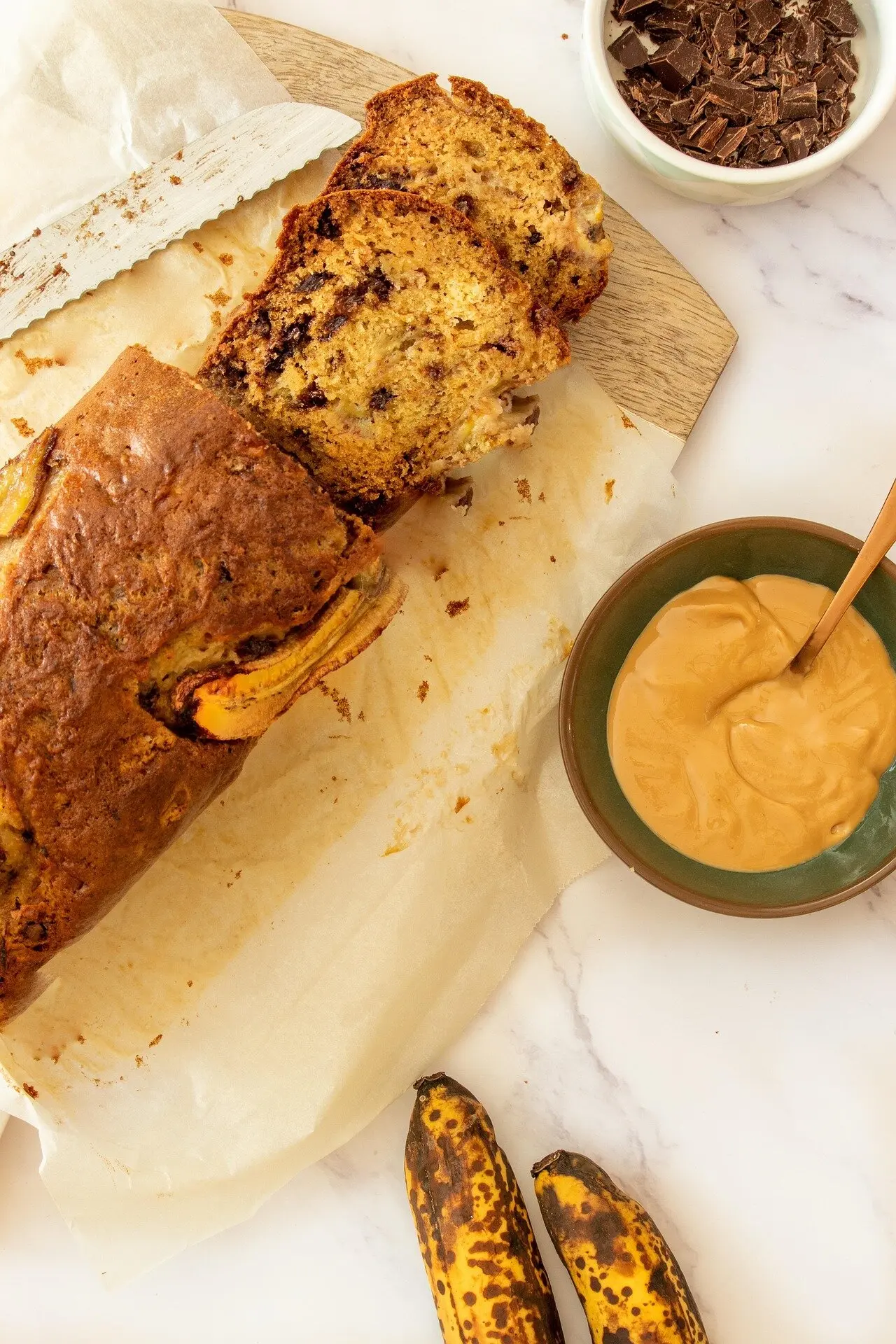
Salted roasted peanuts and a spoonful of oil in a food processor, and that’s it. Scrape the sides a few times and in a few minutes it turns smooth. My [Homemade Peanut Butter](/all/homemade-peanut-butter/) has the details.
Keeps: up to 2 weeks in the refrigerator. Stir in any oil that rises.
Breads, breakfasts, and the freezer
20. Granola
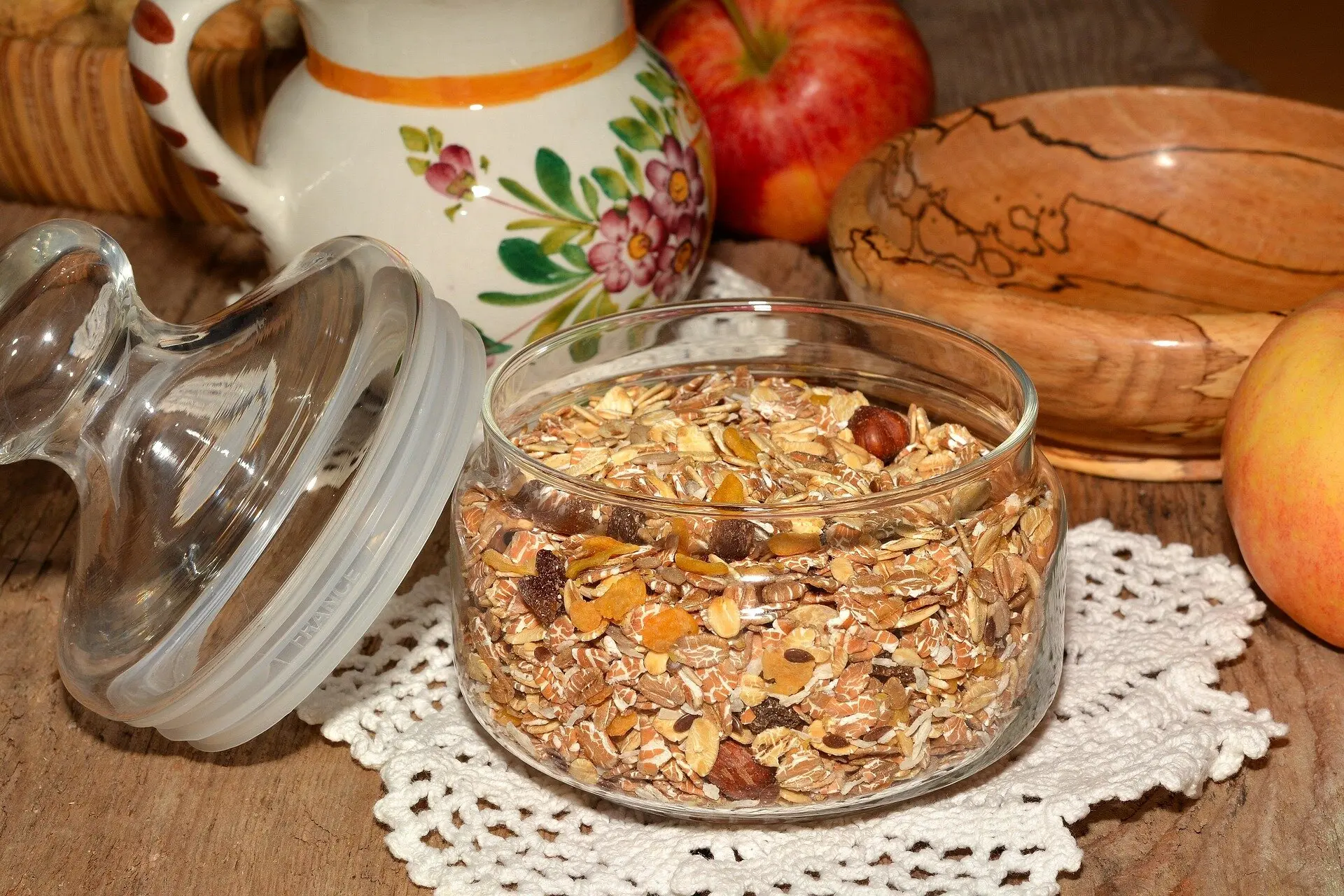
Oats, nuts, a little oil, and honey or maple syrup, baked low and slow and stirred a few times. Add dried fruit after it cools so it stays soft. Homemade granola is less sweet than most boxes, and you choose what goes in. Try my [granola mix](/all/granola-mix/).
Keeps: a few weeks in an airtight jar.
21. Pizza dough
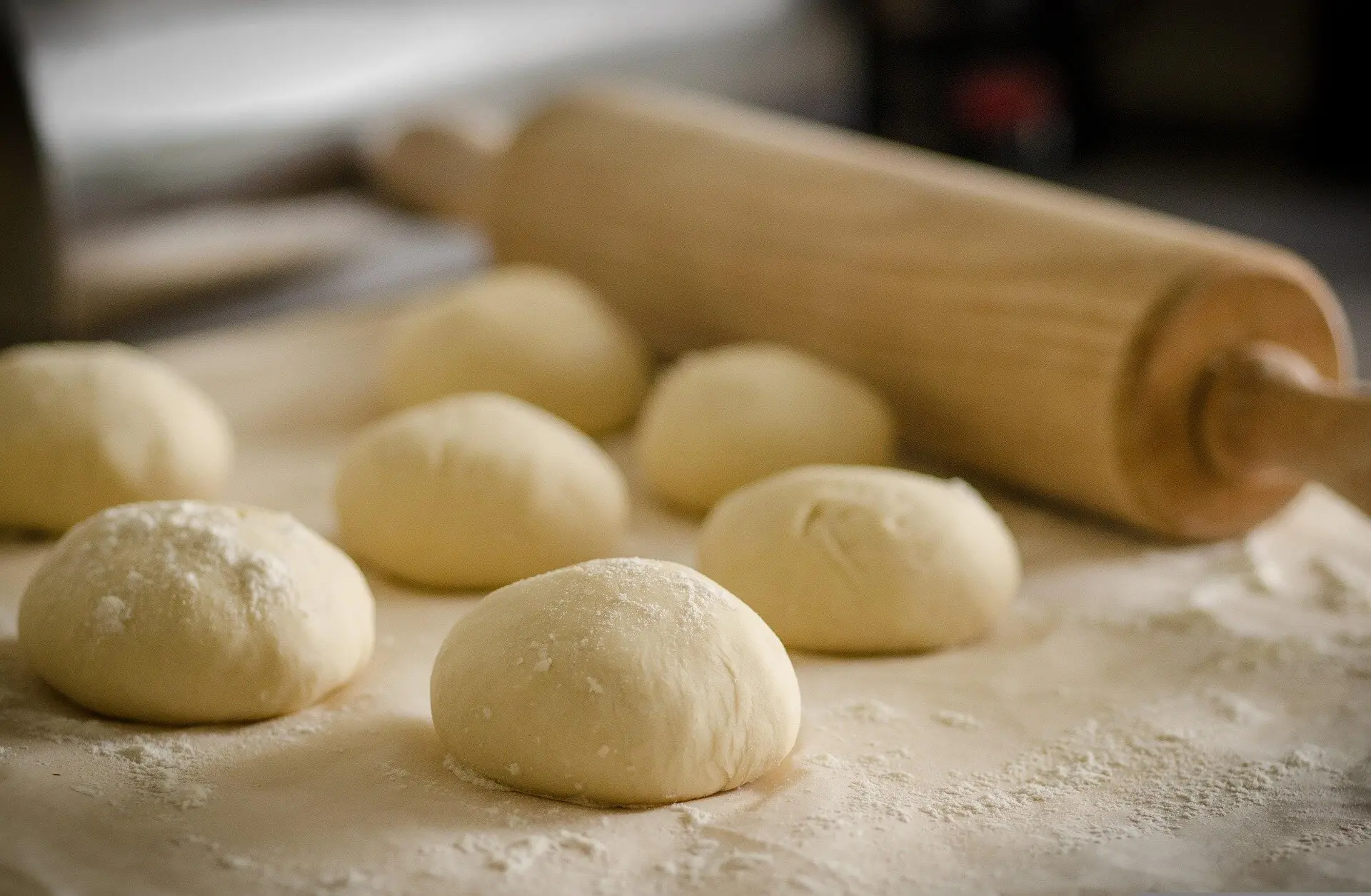
Flour, yeast, salt, warm water, and a little olive oil. A stand mixer kneads it while you make the sauce. Make a double batch and freeze half in an oiled bag. My [pizza dough mix](/all/pizza-dough-mix/) keeps the dry part ready on the shelf.
Keeps: dough freezes for later; thaw it overnight in the refrigerator.
22. Flour tortillas
Flour, salt, baking powder, fat, and warm water, rolled thin and cooked in a hot dry skillet. Warm homemade tortillas are soft and bendy in a way bagged ones rarely are. It takes practice to roll them round, but they taste just as good lopsided.
Keeps: a couple of days wrapped at room temperature, or freeze them with parchment between.
23. Sandwich bread
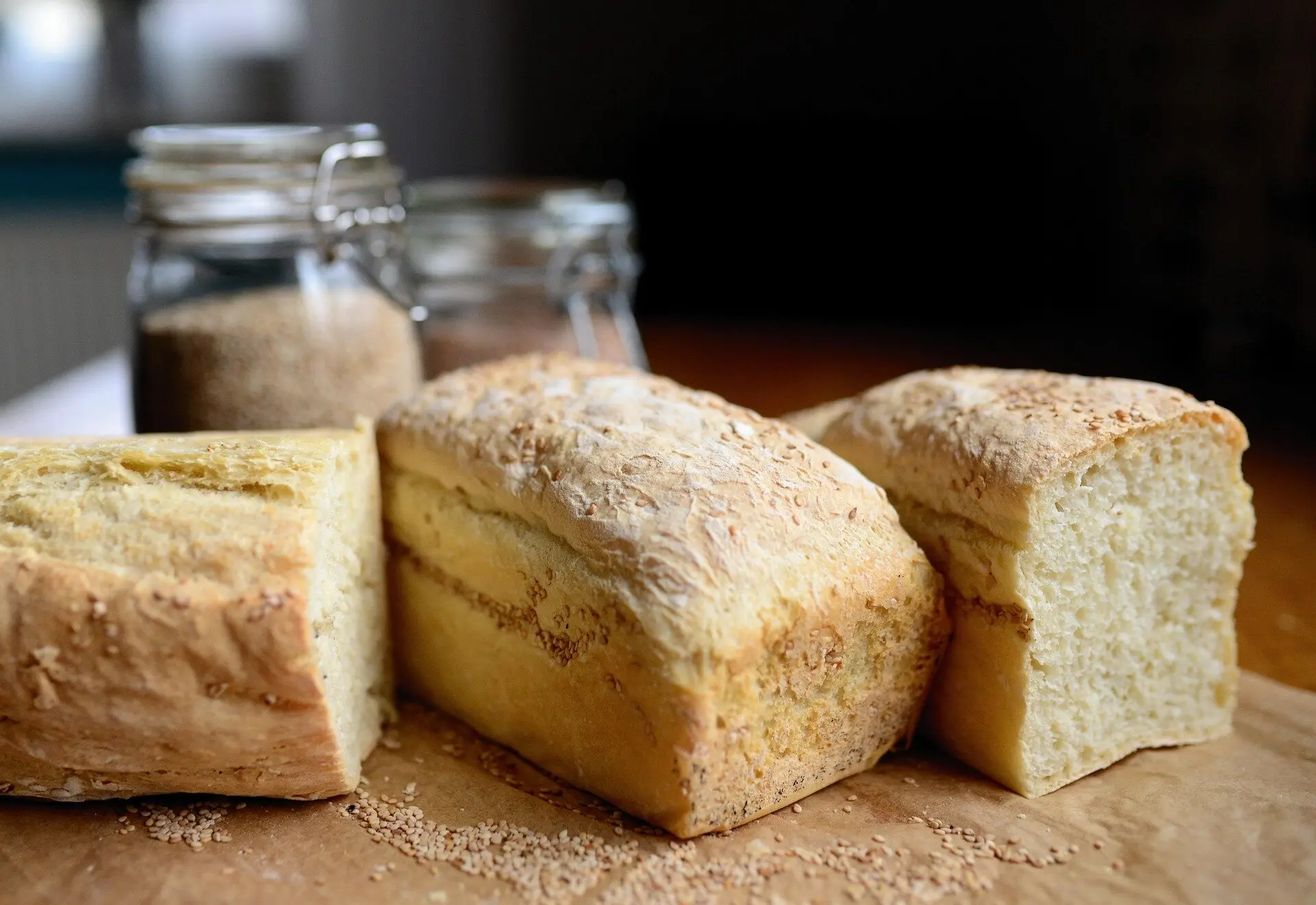
The biggest time investment on the list, and the one with the biggest payoff in your kitchen. A stand mixer or bread machine does the kneading; you shape it and bake. The smell alone is worth it on a cold afternoon.
Keeps: a few days on the counter; slice and freeze the rest.
24. Freezer waffles and pancakes
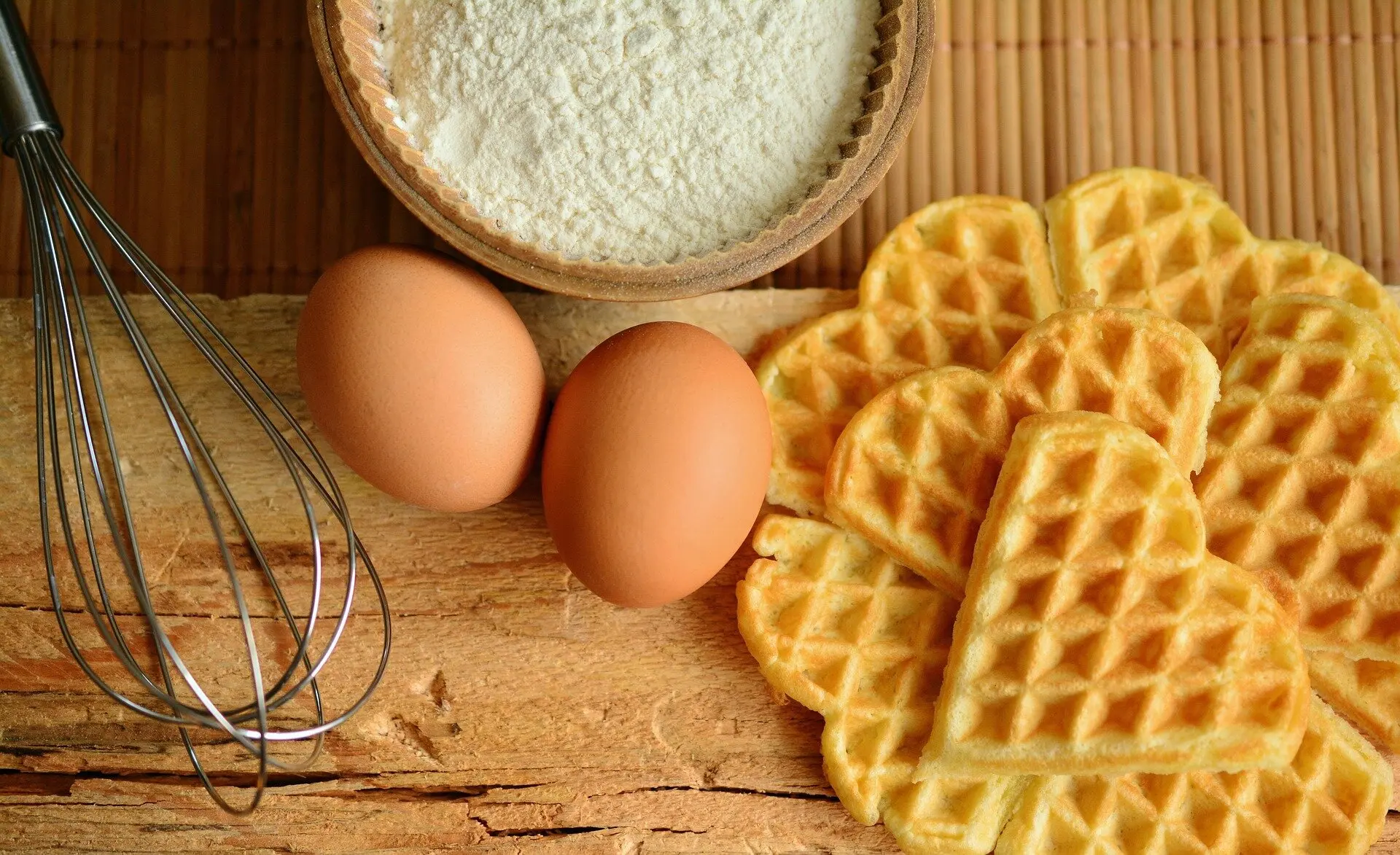
Make a double batch on Sunday, cool them on a rack, freeze them flat on a baking sheet, then bag them. They go from freezer to toaster just like the boxed kind.
Keeps: label and date the bag; use them within a couple of months for the best texture.
25. Chicken stock
Simmer the carcass from a roast chicken with an onion, a carrot, celery, and a bay leaf for a few hours, then strain. It turns something you’d throw away into the base for soup all winter.
Keeps: 3 to 4 days in the refrigerator; freeze it in 2-cup containers for soups and gravies.
Safety first
Don’t taste raw dough, batter, or homemade mixes made with flour. Raw flour can carry harmful bacteria, and the U.S. Food and Drug Administration says never to eat or taste raw flour, dough, or batter. Bake or cook it first.
How long homemade staples keep
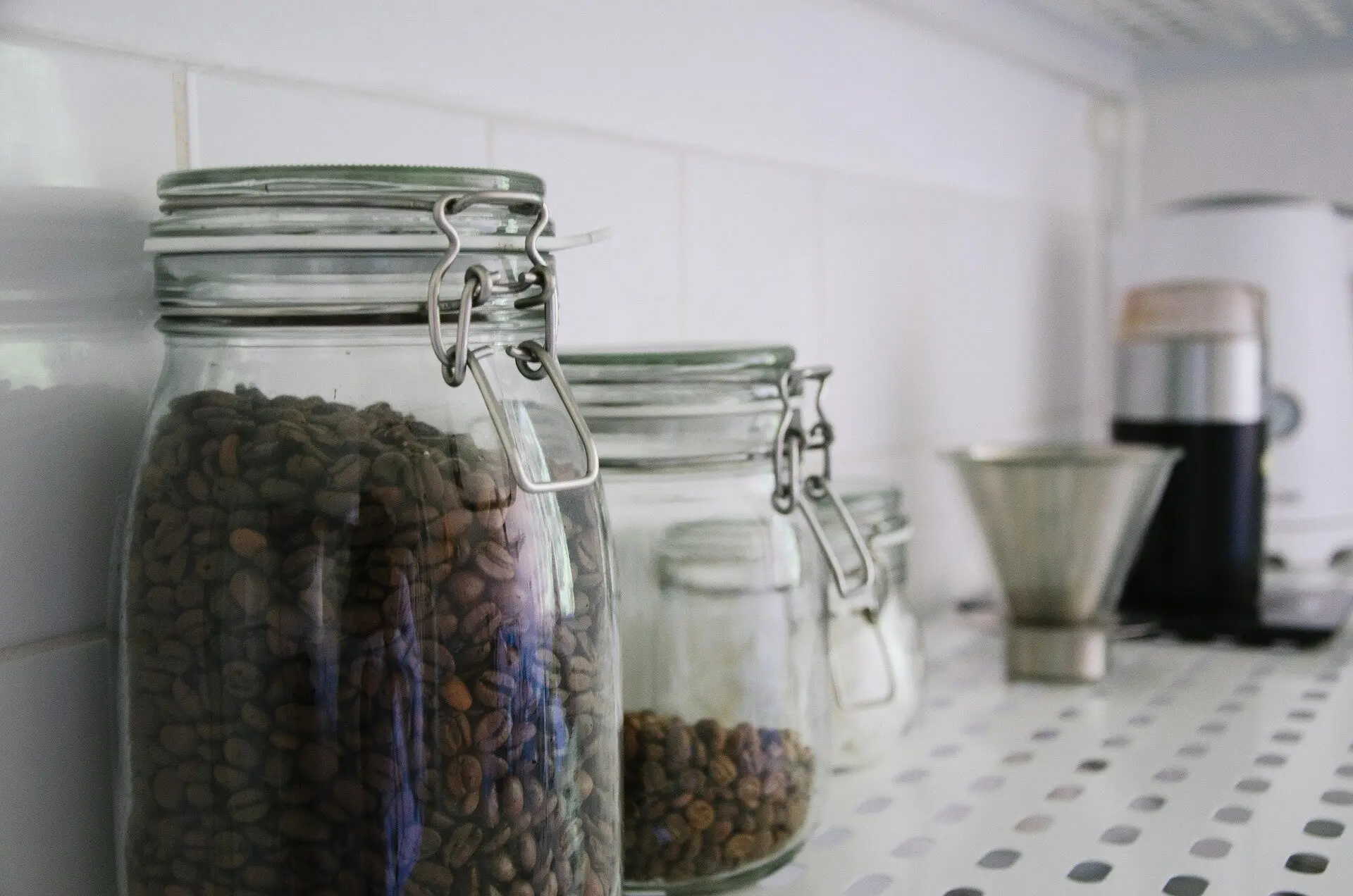
Homemade versions don’t have the preservatives store-bought ones do, so they keep for less time. Two rules cover most of this list. For flour-based mixes, store them airtight, label them, and “use within 3 months,” according to the University of Maine Cooperative Extension. Cooked sauces, stock, and other leftovers keep 3 to 4 days in the refrigerator, so freeze what you won’t use by then.
| Homemade | Where to keep it | How long |
|---|---|---|
| Spice blends and seasoning mixes | Sealed jar, cool cupboard | Several months; flavor fades after |
| Flour-based mixes (pancake, baking, cream soup) | Airtight, labeled, in the refrigerator | Up to 3 months |
| Cooked sauces, stock, sloppy joe filling | Refrigerator | 3 to 4 days, or freeze |
| Homemade peanut butter | Refrigerator | Up to 2 weeks |
| Homemade mayonnaise | Refrigerator | A few days |
| Granola | Airtight jar | A few weeks |
Use the dates on your labels. When in doubt, throw it out.
What’s better bought
Making it yourself isn’t always the smart choice. Some things are cheap, safe, and hard to beat from the store, and your time is worth something too.
Ketchup: Homemade is fun once, but store ketchup is inexpensive, keeps for months, and is what most families expect on their fries.
Puff pastry and phyllo: Possible at home, but hours of work for something the freezer case does very well.
Canned tomatoes: Unless you grow and can your own, canned tomatoes are picked and packed at their peak.
Garlic-infused oil: Garlic in oil can grow the bacteria that cause botulism. If you make it, refrigerate it and use it within 4 days, or freeze it, according to Oregon State University Extension. Bottled versions are made with safeguards a home kitchen can’t match.
Anything you would need to can without a tested recipe: Home canning is safe when you follow tested recipes exactly. Improvising acid or processing times is not worth the risk.
Frequently asked questions
Is it really cheaper to make food at home? Usually, yes, especially for seasoning mixes, baking mixes, and dressings, where you pay mostly for packaging and convenience. A few items, like ketchup and canned tomatoes, are rarely worth the effort.
What are the easiest foods to make instead of buy? Seasoning mixes, pancake mix, vinaigrette, and instant oatmeal packets. Each takes about five minutes and uses pantry staples you probably already have.
How long do homemade mixes last? Spice blends keep several months in a sealed jar. Flour-based mixes, such as pancake and baking mix, should be stored airtight, labeled, and used within 3 months.
Do homemade mixes need to be refrigerated? Spice blends don’t. Flour-based mixes keep best in the refrigerator, and anything with fat, eggs, or fresh ingredients belongs there too.
Is homemade mayonnaise safe? It can be. Use eggs treated to destroy salmonella or pasteurized egg products, keep it in the refrigerator, and use it within a few days.
Can I freeze homemade convenience foods? Many freeze well: pizza dough, tortillas, waffles, pancakes, bread, stock, and cooked sauces. Freeze them flat or in portions, and label every bag with the date.
What equipment do I need? Measuring spoons, a mixing bowl, and good jars cover most of this list. A food processor helps with nut butter and bread crumbs, and a stand mixer or bread machine makes bread and pizza dough much easier.
Should I make everything from scratch? No. Start with the two or three convenience foods your family uses most, make those at home, and buy the rest. That’s where the savings and the better flavor add up.
Pick one packet in your cupboard tonight and read the label. Chances are you have everything on it already. Mix up a jar, write the date on the lid, and the next time dinner calls for it, you won’t have to go anywhere.