
The cart looks reasonable. A gallon of milk, some chicken, a bag of apples, a few things for the kids’ lunches. Then the total comes up on the screen, and you wonder how it got there.
Most of a grocery bill isn’t decided at the register. It’s decided at home, before you leave, and in a handful of habits once you’re inside the store. Small changes in each place add up quickly, without clipping a single coupon if you’d rather not.
This guide walks you through your first week of saving money on groceries, step by step, then covers 20 habits that keep the bill down: before you shop, in the store, and at home. It works for a family of six or a household of one.
Your first week, step by step
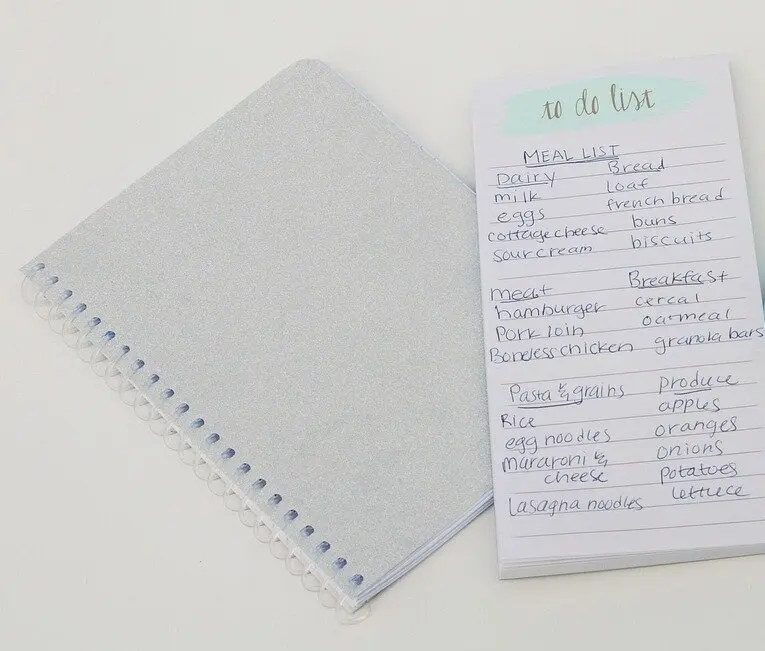
If you’re new to this, don’t try everything at once. Start with these five steps this week.
- Look before you list: Open the fridge, freezer, and pantry, and write down what needs to be used soon.
- Plan four or five dinners: Build them around what you already have and what’s on sale in this week’s ad. Plan one leftover night.
- Write the list from the plan: Only what those meals need, plus the true basics you’re out of.
- Shop once: One trip, with the list, after you’ve eaten.
- Save the receipt: Next week, compare. That’s your starting point.
That’s it. Once that rhythm feels normal, add the habits below a few at a time.
Before you shop
1. Set a grocery number
Look at a month of receipts or bank statements and add up what you really spend on food. Then set a weekly number a little below it. A number you can see is easier to stick to than “spend less.” The U.S. Department of Agriculture publishes monthly food plans by family size and age, which can help you see where you land.
2. Plan meals around what you have
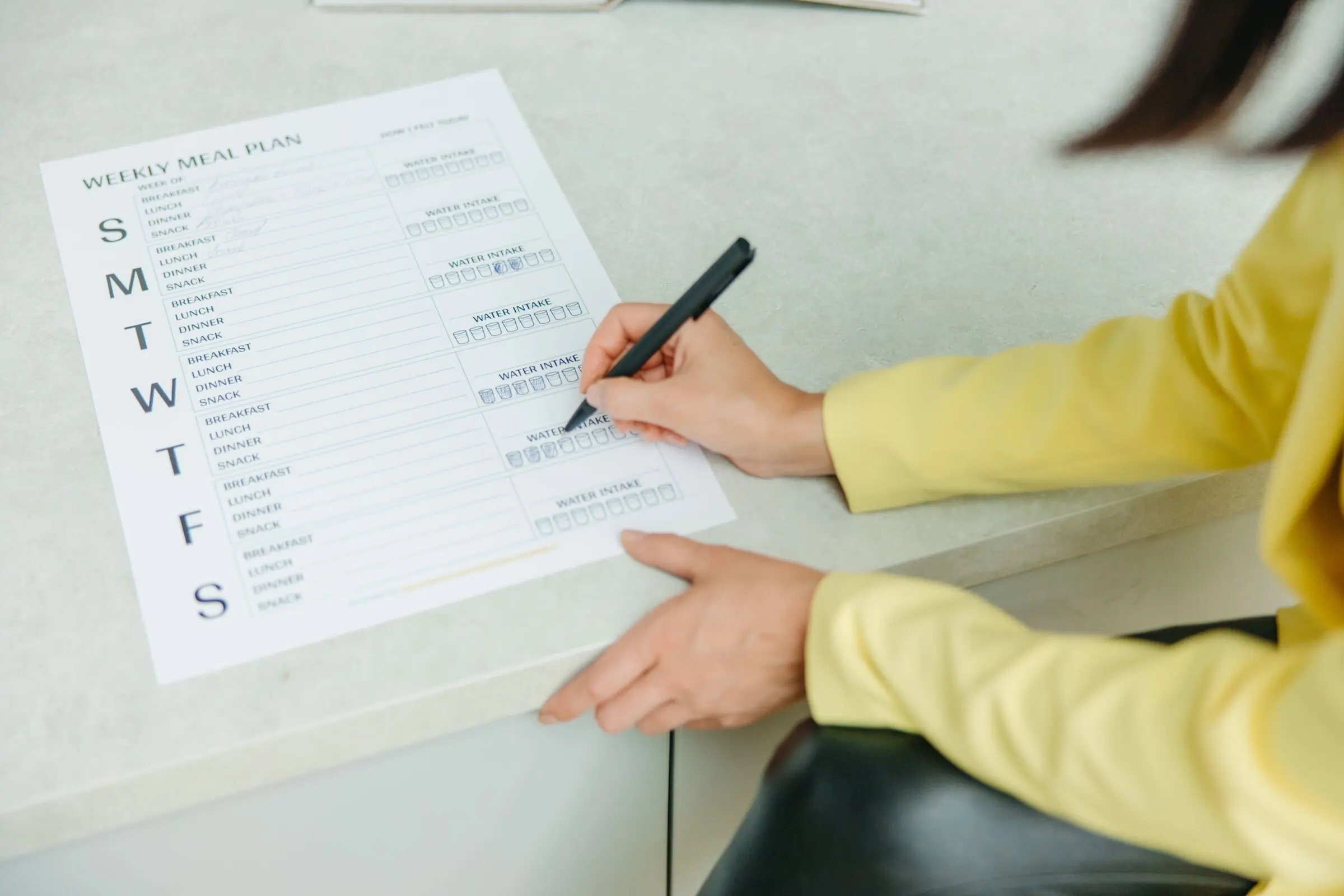
Most food waste starts with buying food you already own. Plan meals around what’s in the fridge first, then the freezer, then the pantry, and shop only for what’s missing. My free Meal Planner keeps the week on one page, and How to Meal Plan walks through it from the start.
3. Shop the weekly ad, not the whole store
Check the store’s weekly ad or app before you plan. The front-page deals, especially meat and produce, are where the real savings are. Plan your dinners around them instead of deciding what you want first and paying full price.
4. Keep a simple price list
Write down what you pay for the 15 or 20 things you buy most: milk, eggs, bread, chicken, coffee, cereal. After a few weeks, you’ll know a real sale from a fake one, and which store is cheapest for what.
5. Shop less often
Every extra trip is a chance for impulse buys. Aim for one big shop a week, and keep a running list on the fridge so nothing sends you back for one item.
6. Go after you eat, and alone if you can
Hungry shoppers buy more snacks and ready-made food. Shopping without little ones (or a hungry spouse) makes it easier to stick to the list.
In the store
7. Read the unit price
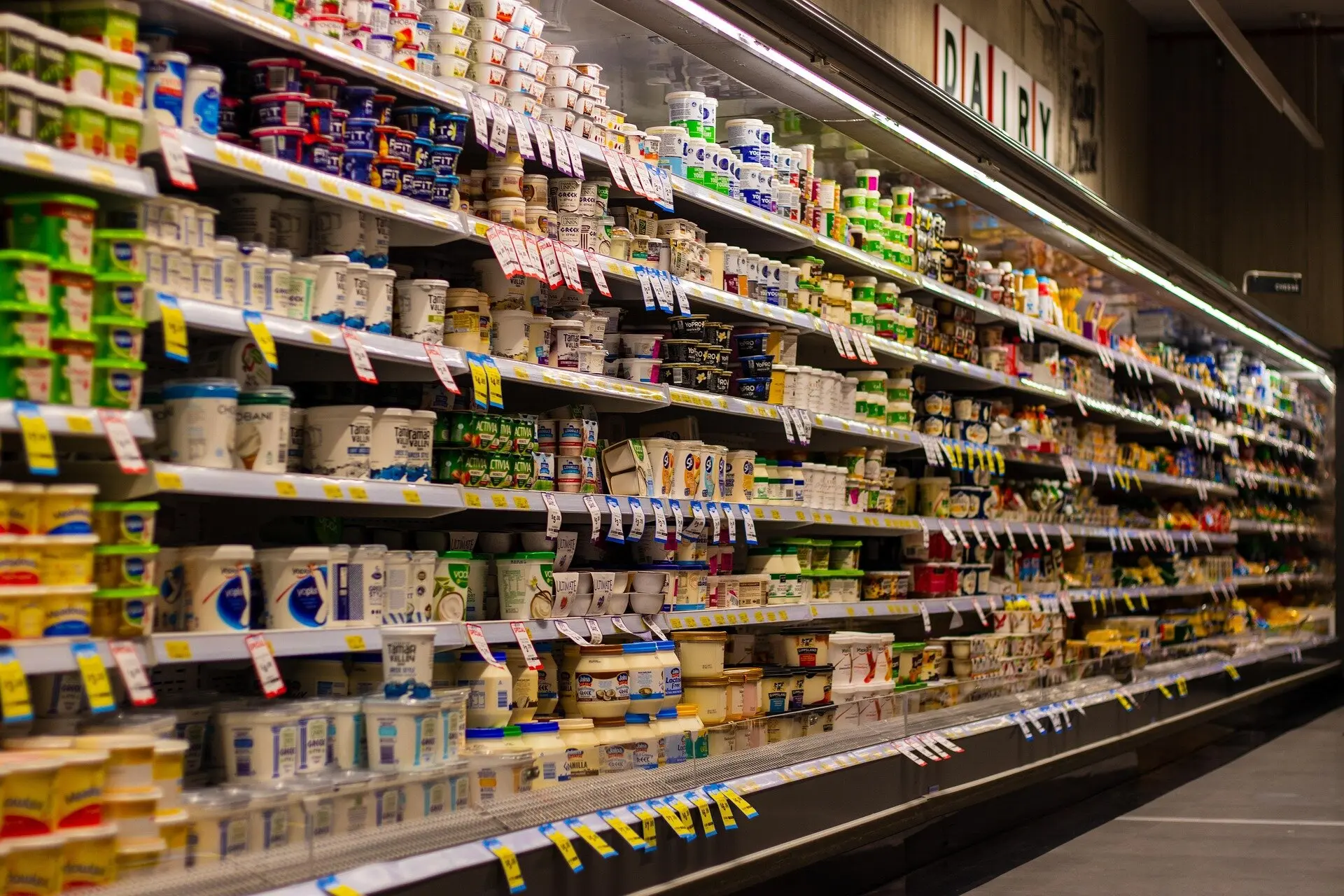
The shelf tag shows two prices. The big one is the price of the package. The small one, usually in a corner, is the unit price: the cost per ounce, per pound, or per count. Compare unit prices, not package prices. The bigger box isn’t always cheaper, and a sale on the small size sometimes beats the family size.
8. Try the store brand
Store brands are almost always cheaper, sometimes by as much as 70%, according to Consumer Reports, and in its blind taste tests many held their own against the name brands. Start with one swap a trip, such as flour, sugar, canned tomatoes, frozen vegetables, or cereal, and keep the ones your family doesn’t notice.
9. Look high and low
The most expensive brands sit at eye level. The better buys are often on the top and bottom shelves, so look up and down before you reach.
10. Buy produce in season
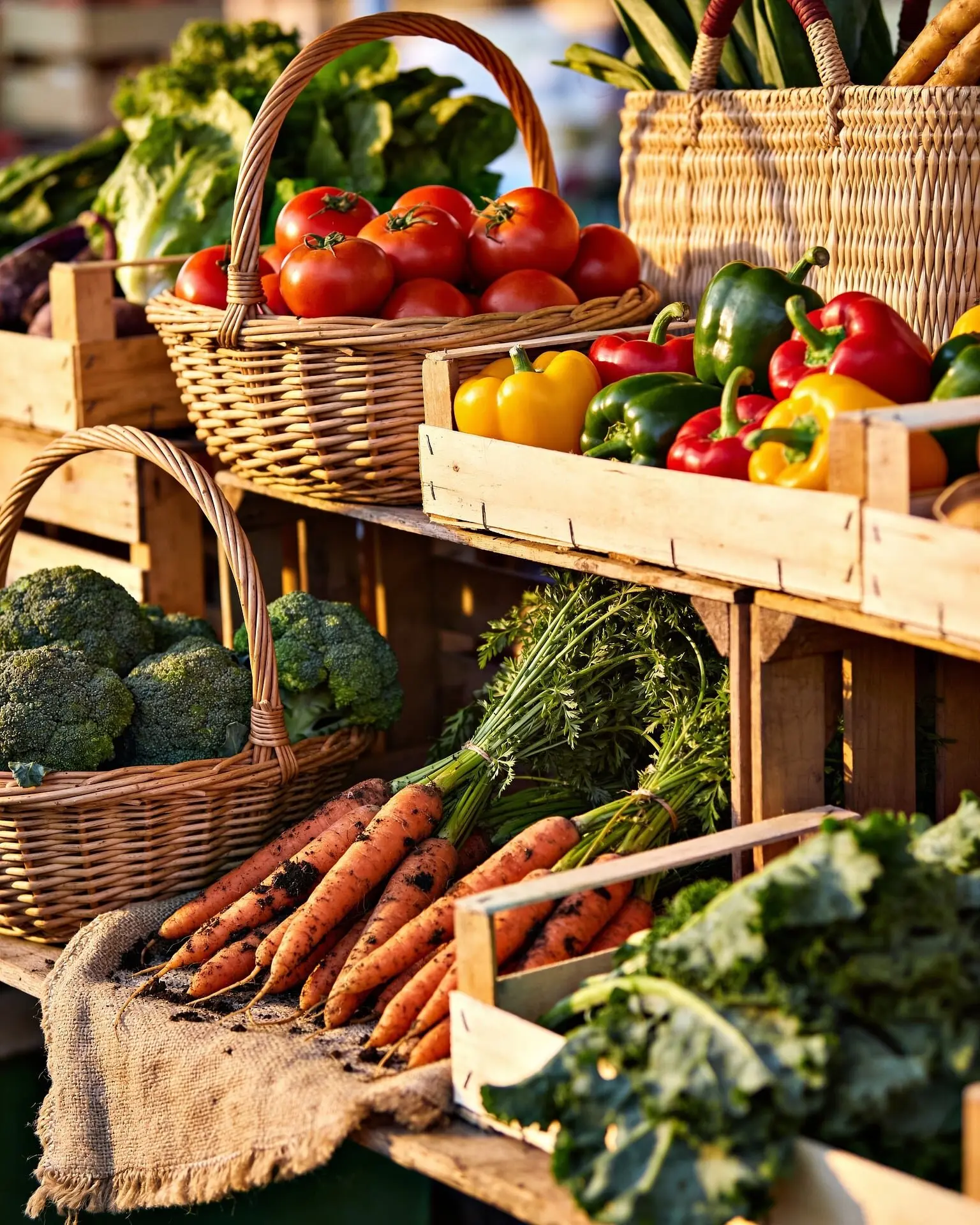
Fruit and vegetables cost less when they’re plentiful. In fall and winter, that means apples, cabbage, carrots, potatoes, winter squash, and citrus. In spring and summer, berries, corn, tomatoes, zucchini, and stone fruit. Out of season, frozen fruit and vegetables are often cheaper than fresh and just as good for cooking.
11. Skip the pre-cut and pre-made
You pay extra for someone else’s knife work. A head of lettuce, a whole melon, and a block of cheese cost much less per serving than bagged salad, melon chunks, and shredded cheese. The same goes for marinated meats and store-made meals.
12. Buy meat on sale and stretch it
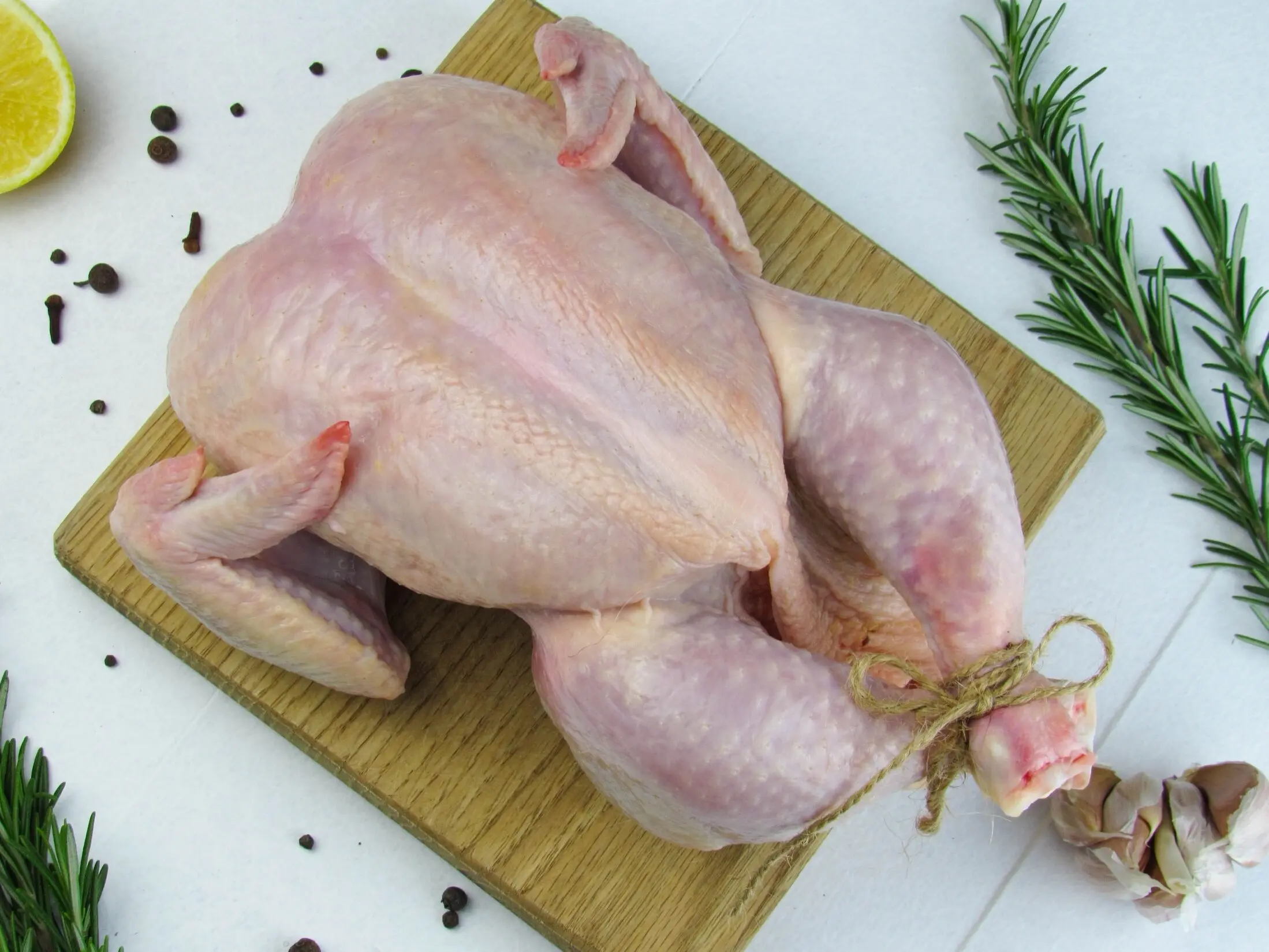
Stock up when meat is on a deep sale and freeze it in meal-size portions. Choose cheaper cuts for the slow cooker, and stretch ground meat with beans, lentils, or oats. A whole chicken costs less per pound than parts and gives you a second meal and broth.
13. Buy in bulk only what you’ll use
Bulk buying pays off on things that keep, such as rice, oats, flour, dried beans, canned goods, and the meat you’ll freeze. It wastes money on anything that spoils before you finish it. If you’re cooking for one or two, split a bulk pack with a friend or neighbor.
14. Use your store’s loyalty program and app
Most grocery chains put their best prices and digital coupons in their free app or loyalty card. Load the coupons for things already on your list. Use coupons only for things you’d buy anyway, since a coupon for something you don’t need isn’t a saving.
15. Ask about markdowns
Many stores mark down meat, bakery bread, and ripe produce early in the morning or late in the day. Cook or freeze markdowns the same day. Pass on badly dented cans: the U.S. Department of Agriculture advises throwing away cans with deep dents, especially on the seams, along with any can that’s bulging or leaking.
At home
16. Put groceries away the smart way
Move older food to the front and put the new food behind it, so the oldest gets used first. Wash and cut a few vegetables right away, and they’ll get eaten instead of forgotten.
17. Freeze it before it goes bad
The freezer is the best money saver in the kitchen. Freeze bread, ripe bananas, leftover tomato paste by the spoonful, and meat you won’t cook in a day or two. Label every bag with what it is and the date. My freezer meals guides cover the rest.
18. Keep a use-it-up shelf
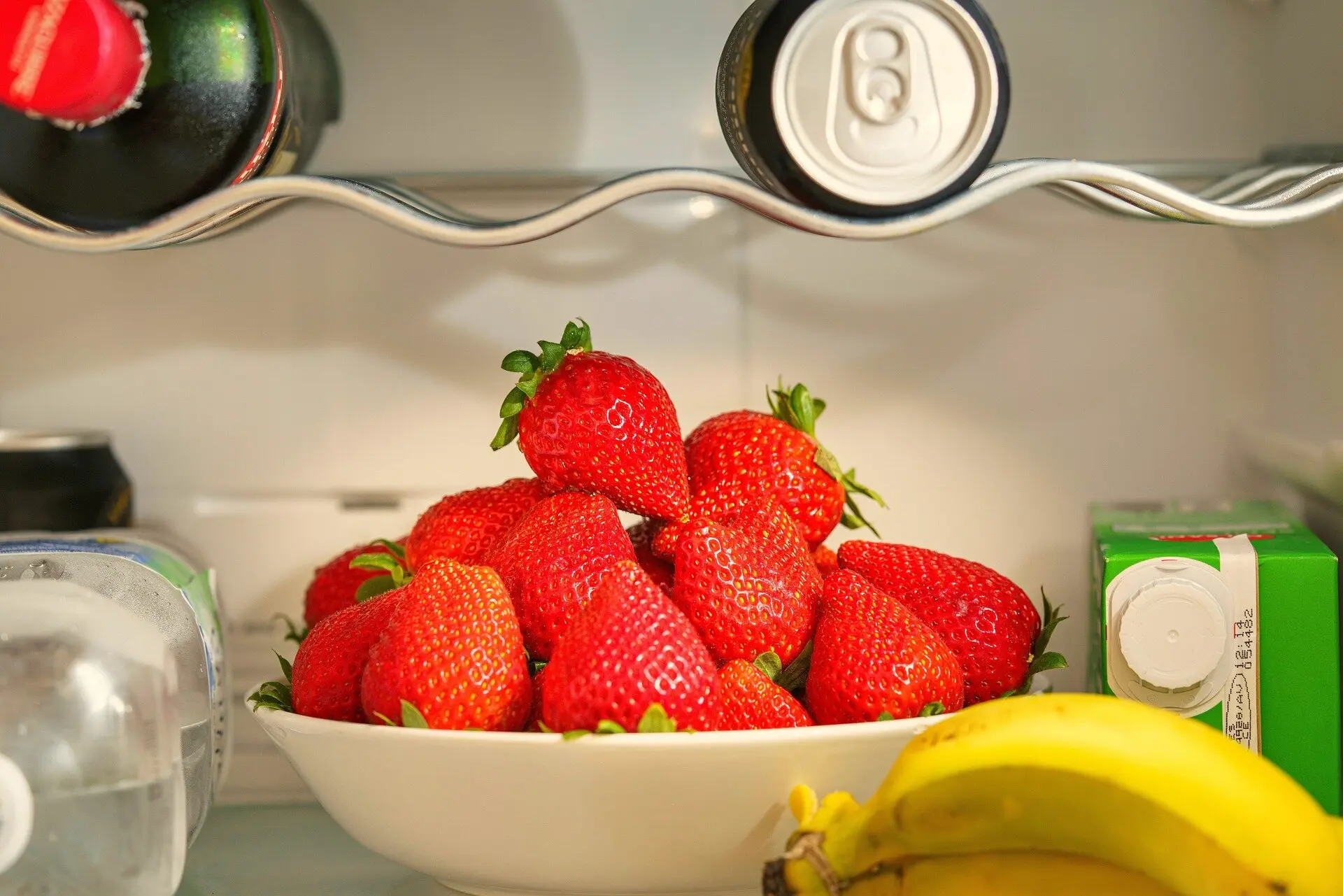
Give one shelf in the fridge a job: food that needs to be eaten soon. Check it before you cook or pack a lunch. Refrigerated leftovers should be eaten within 3 to 4 days, according to the U.S. Department of Agriculture, so anything older goes in the trash.
19. Cook once, eat twice
Cook a big batch of chili, soup, or a roast and plan a second meal from it. Cook Once, Eat Twice has dozens of ideas. Cooking for one? My Cooking for One recipes are sized right, so nothing goes to waste.
20. Make your own mixes and staples
Taco seasoning, pancake mix, hot cocoa, and salad dressing cost much less made at home from pantry staples. My Homemade Mixes library has hundreds of recipes. A well-stocked pantry makes all of this easier, and How to Stock a Pantry on a Budget shows you how to build one slowly.
Saving on groceries for one or two
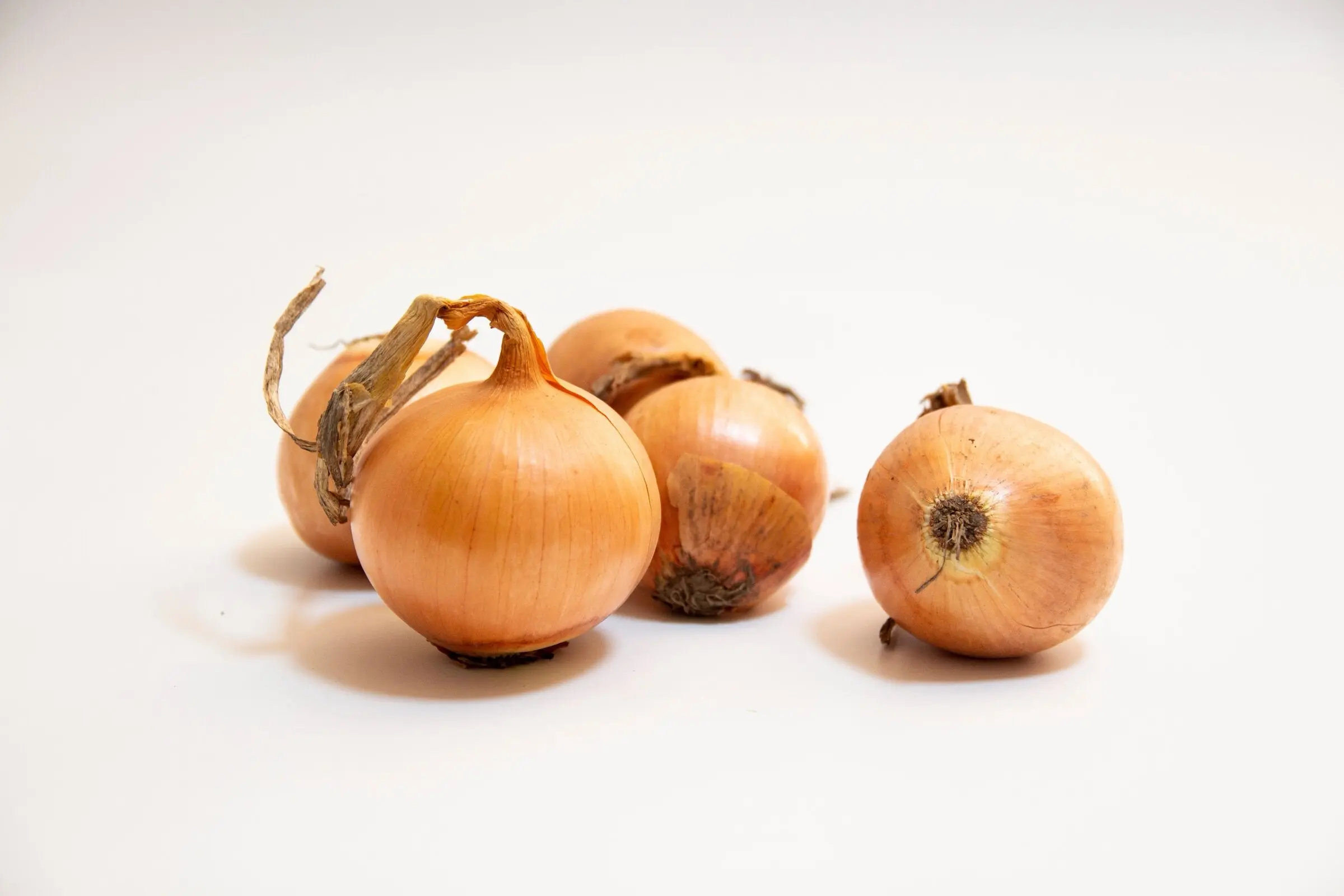
Most grocery advice assumes a family of four. In a smaller household, the trick is buying less without paying more per serving.
Buy loose, not packaged: Pick the exact number of apples, onions, or potatoes you need instead of a bag.
Use the salad bar and deli for small amounts: A few celery sticks or a quarter pound of sliced meat can cost less than a whole package you won’t finish.
Freeze in single portions: Divide family packs of meat and loaves of bread into single servings as soon as you get home.
Share bulk buys: Split warehouse-size packs with a friend, neighbor, or grown child.
If money is very tight
Help is there. SNAP (food stamps), WIC for pregnant women and young children, and senior farmers market programs can stretch a grocery budget a long way. Call 211 or ask your local food pantry what’s available where you live.
Frequently asked questions
How can I save money on groceries fast? Shop your fridge and pantry first, plan four or five dinners around the weekly ad, shop once with a list, and switch to store brands. Those four steps make the biggest difference in the first week.
How much should I spend on groceries a month? It depends on how many people you feed, their ages, and where you live. The U.S. Department of Agriculture’s monthly food plans are a good guide; start from your own receipts and aim a little lower each month.
Are store brands as good as name brands? Often, yes. Many are made to similar standards for a lower price. Try one swap at a time and keep the ones your family likes.
Is buying in bulk always cheaper? No. Compare the unit price, and only buy in bulk what you’ll use before it spoils. Bulk works best for rice, oats, flour, dried beans, canned goods, and meat you’ll freeze.
How do I save on groceries and still eat healthy? Buy produce in season, use frozen fruit and vegetables, cook from scratch, and build meals around beans, eggs, oats, and whole grains, which are both inexpensive and good for you.
How can one person save on groceries? Buy loose produce instead of bags, freeze single portions, use the deli and salad bar for small amounts, and cook recipes sized for one.


From the QT Bird Community
Join the conversation
Comments on QT Bird articles live in our community. Joining is free: share your tips, ask questions and get replies.
Sign up to PostLog in