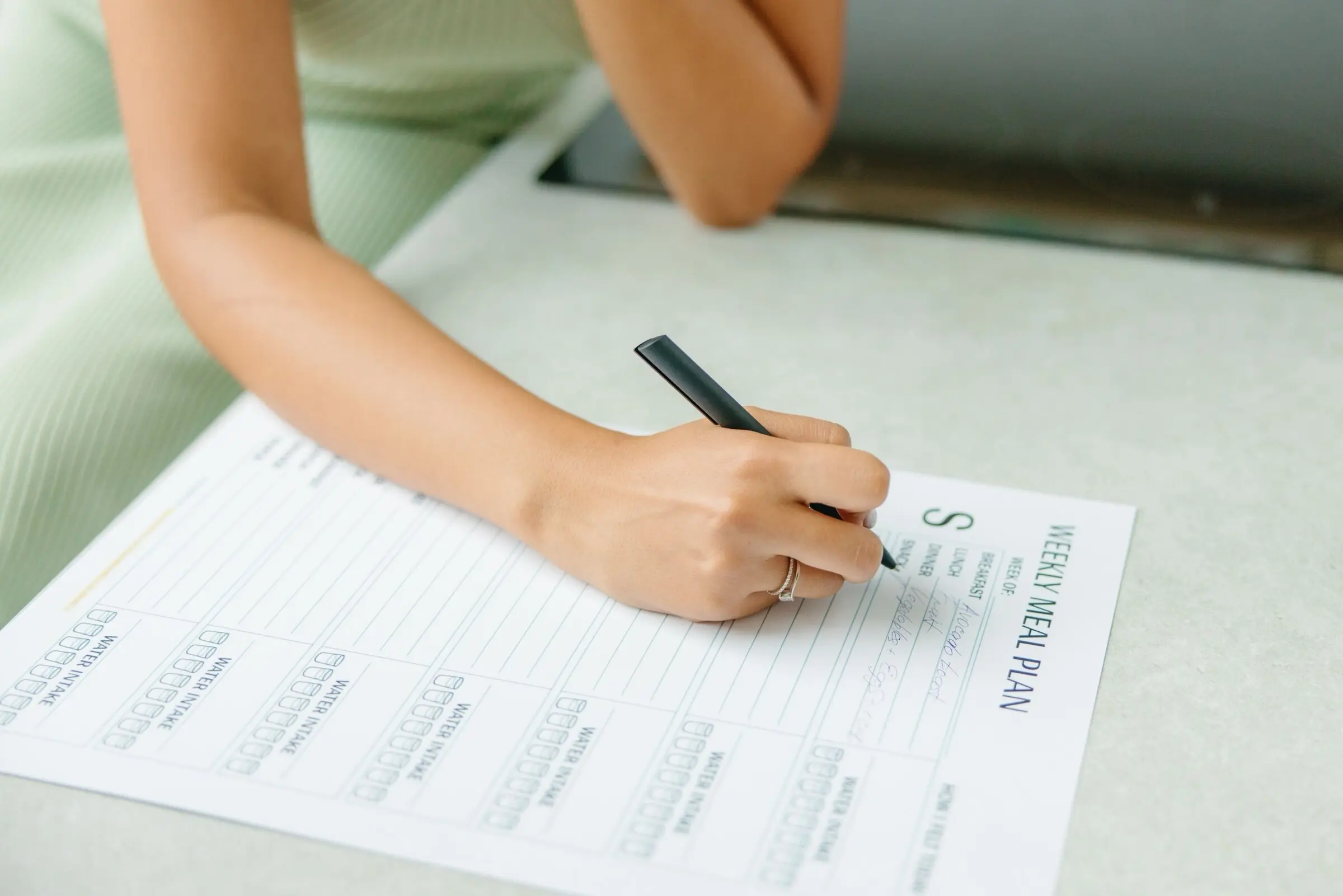
It’s 5 o’clock, everyone is hungry, and someone asks the question: “What’s for dinner?” You open the refrigerator, stare at half a bag of spinach and a pound of ground beef, and end up ordering pizza. Again.
Meal planning fixes that. It means deciding what you’ll eat for the week before you go to the store, then buying only what those meals need. It doesn’t have to be fancy, and it doesn’t take long. Once you get the hang of it, a week of dinners takes about 20 minutes to plan.
This guide walks you through it step by step, from checking your calendar to writing a shopping list that actually works, with a sample week you can copy. Here’s the short version:
- Look at the week ahead.
- Shop your own kitchen first.
- Decide how many dinners to plan.
- Pick meals your family already likes.
- Plan your leftovers on purpose.
- Write the plan where you’ll see it.
- Make your shopping list by aisle.
Why meal planning is worth it
You spend less. A plan keeps you from buying the same thing twice, grabbing extras you don’t need and paying for takeout on nights you meant to cook.
You throw out less food. Between 30% and 40% of the U.S. food supply goes to waste, according to the U.S. Department of Agriculture. A lot of that is food bought with good intentions that sat in the crisper drawer until it went bad. When every item on your list has a job, less of it ends up in the trash.
You eat better. In a 2017 study of more than 40,000 French adults, published in the International Journal of Behavioral Nutrition and Physical Activity, people who planned their meals ate a wider variety of foods and were more likely to follow nutrition guidelines than people who didn’t. Women who planned meals were also less likely to be obese. The researchers noted that the study shows a link, not proof that planning causes better eating.
You make one decision instead of seven. Deciding once on Sunday is much easier than deciding every night when you’re tired.
How to meal plan in 7 steps
1. Look at the week ahead
Start with your calendar, not a cookbook. Which nights are busy with ball practice, late meetings or church? Which nights will someone be out? Is anyone coming over?
Think about your energy, too, not just your time. You might be home by 5 on Thursday but worn out from the week. Be honest with yourself, and plan the easy meals for the nights you’ll be tired.
Busy nights need a fast meal, a slow cooker meal or a freezer meal. Save the recipes that take more time for the nights you’ll be home early.
2. Shop your own kitchen first
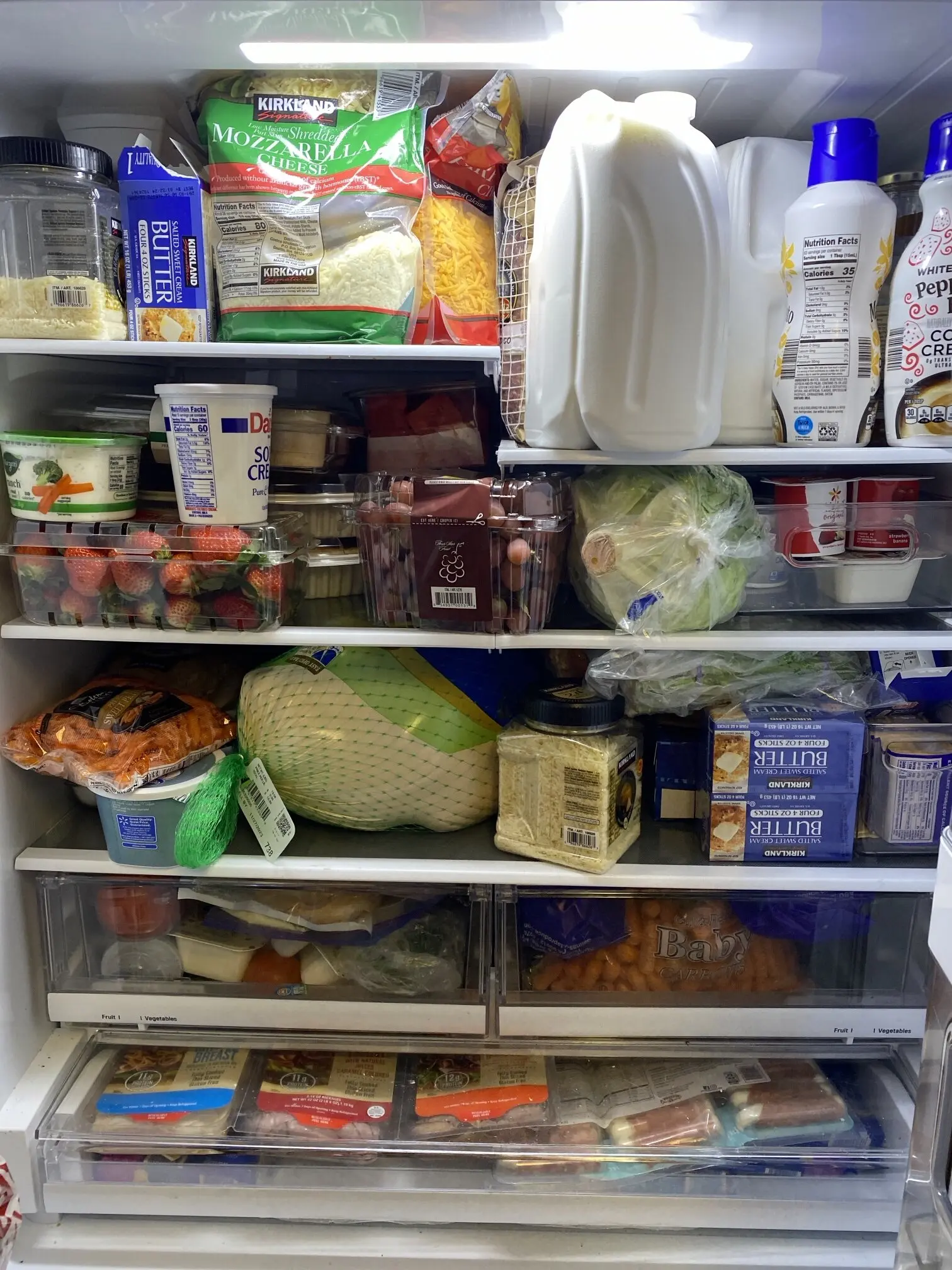
Before you pick a single recipe, look in your refrigerator, freezer and pantry. That half bag of spinach, the chicken thighs in the freezer and the can of black beans are the start of this week’s plan.
Use up what’s oldest first, especially fresh produce, dairy and leftovers. This one habit saves more money than any coupon.
Then check your store’s weekly sale ad. If chicken thighs or ground beef are on sale, build two or three dinners around them, and buy extra for the freezer if the price is good.
3. Decide how many dinners to plan
You don’t need to plan all seven nights. Most families do best with five planned dinners, one leftovers night and one flexible night for eating out, breakfast for dinner or “fend for yourself.”
If you’re brand new to this, start with three or four dinners. The Harvard T.H. Chan School of Public Health suggests beginners start by cooking ahead for just two or three weekday dinners and build from there.
4. Pick meals your family already likes
This is where many people go wrong. They plan seven brand-new recipes, buy a cart full of ingredients they’ve never used and burn out by Wednesday.
Start with what you already make. Write down 10 to 15 dinners your family likes, and you have the backbone of every plan you’ll ever make. Then add one new recipe a week, at most.
Look for meals that share ingredients, too. If Monday’s tacos use half a bag of shredded cheese and half an onion, plan Wednesday’s quesadillas to use the other half. Nothing sits in the drawer waiting to spoil.
Theme nights make picking even easier:
| Night | Theme | Ideas |
|---|---|---|
| Monday | Meatless | Bean chili, vegetable soup, black bean quesadillas |
| Tuesday | Tacos | Ground beef tacos, chicken tacos, taco salad |
| Wednesday | Slow cooker or freezer meal | Pot roast, pulled pork, a casserole from the freezer |
| Thursday | Pasta | Spaghetti, baked ziti, chicken Alfredo |
| Friday | Leftovers or pizza night | Whatever is left, or homemade pizza |
5. Plan your leftovers on purpose
Leftovers are not a failure. They’re a free meal, as long as you plan for them.
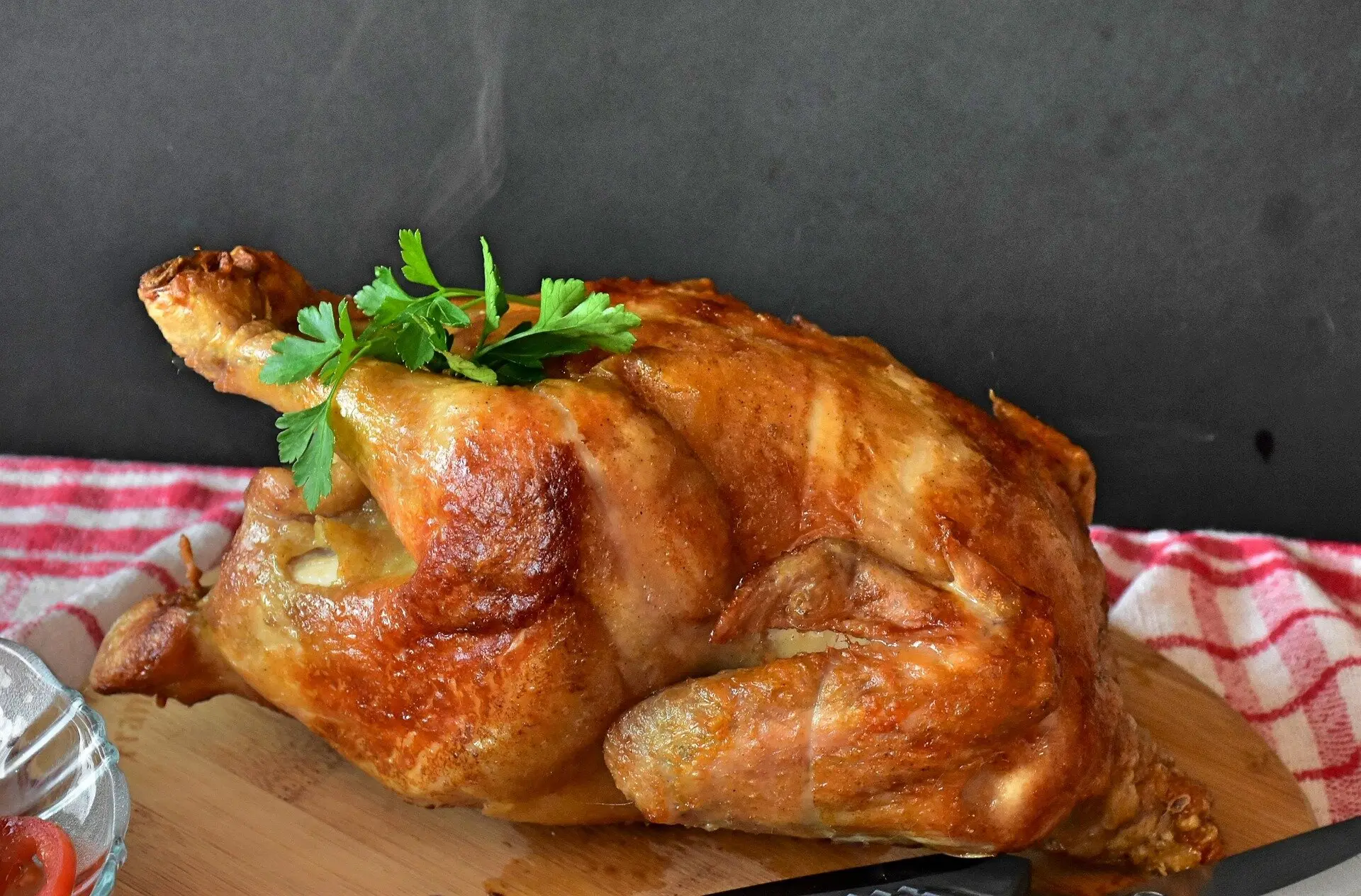
The trick is to cook once and eat twice, with a different meal the second time so nobody feels like they’re eating the same thing:
- Roast chicken on Sunday becomes chicken tacos or chicken noodle soup on Tuesday.
- A big pot of chili on Monday turns into chili-topped baked potatoes on Thursday.
- Pulled pork from the slow cooker becomes sandwiches one night and pork fried rice another.
- Extra taco meat goes into a taco casserole or stuffed peppers.
If you won’t eat the extra within a few days, freeze it the same day you cook it.
How long do leftovers keep?
Eat refrigerated leftovers within three to four days, according to the USDA. For longer storage, freeze them; most taste best within three to four months. Reheat leftovers to 165°F.
6. Write the plan where you’ll see it
A plan only works if you look at it. Write it on the refrigerator whiteboard, pin it to a cork board, print it or keep it on your phone.
Put each dinner on a day, and add a reminder the night before for anything that needs to thaw. Frozen meat and freezer meals should thaw in the refrigerator, not on the counter, the USDA says. Most need a full day, so the reminder goes on the night before you cook.
7. Make your shopping list by aisle
Go through each recipe and write down every ingredient you’ll need. Then check your kitchen and cross off what you already have.
Group what’s left the way your store is laid out: produce, meat, dairy, canned goods, frozen foods. You’ll shop faster and forget less. Put frozen foods last on the list so they go in your cart last and stay cold on the ride home. If two meals use the same item, like onions or shredded cheese, add the amounts together so you buy it once.
The Academy of Nutrition and Dietetics also recommends keeping a running grocery list during the week. When you use the last of the ketchup or the flour, add it to the list right then so it’s there when you shop.
Short on time? Many grocery stores offer free online ordering with curbside pickup. You order straight from your list, so there’s no wandering the aisles and no impulse buys.
Give yourself a head start
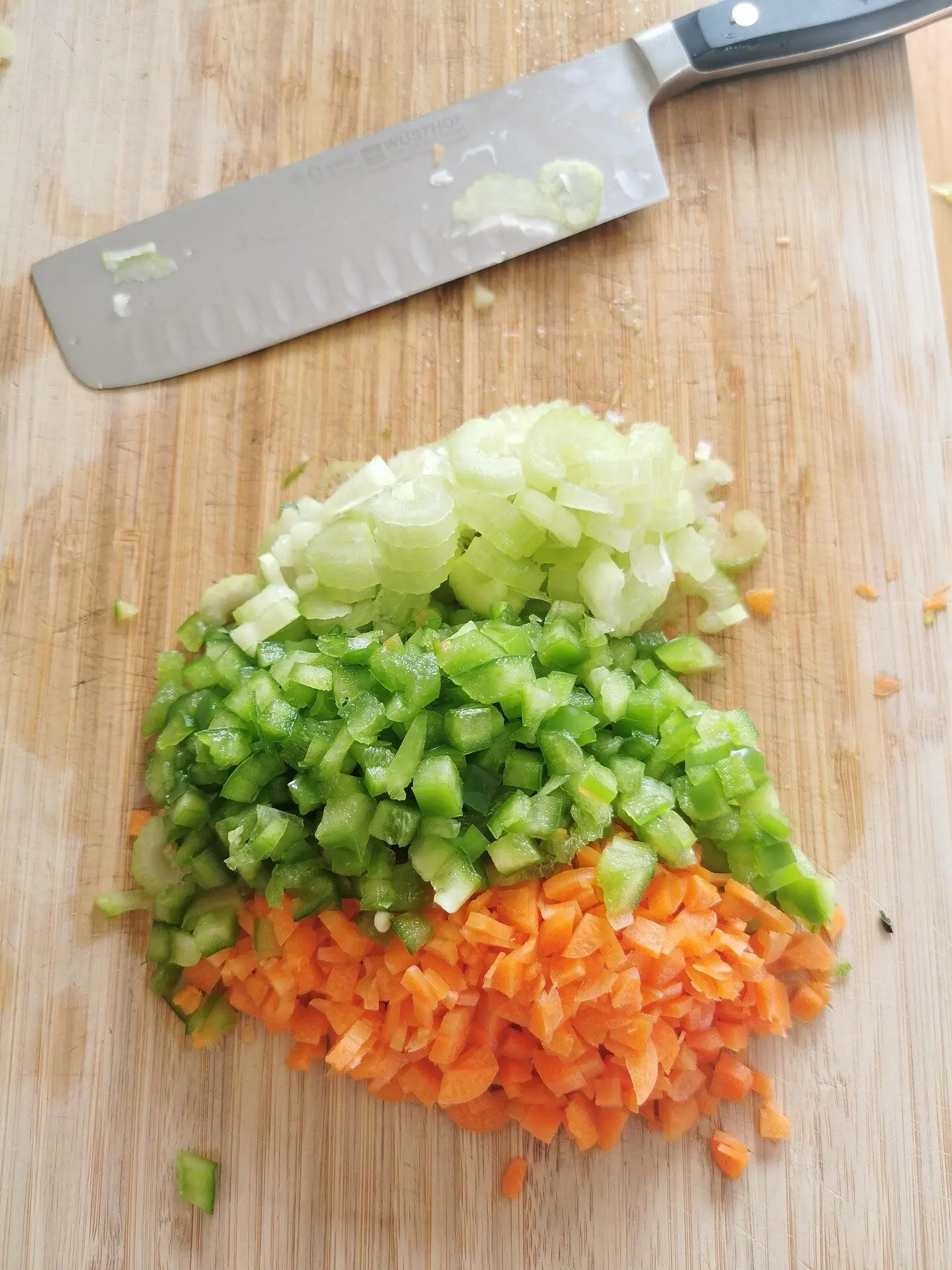
A plan tells you what to cook. An hour of prep after you shop makes it easy to actually cook it.
You don’t have to make whole meals ahead. Pick the jobs that slow you down on a weeknight:
- Chop onions, peppers and carrots for the first few days.
- Wash and dry lettuce, then store it wrapped in a paper towel.
- Brown a few pounds of ground beef for tacos, chili and casseroles.
- Cook a pot of rice or pasta for the next couple of meals.
- Move anything that needs to thaw for Monday or Tuesday into the refrigerator.
A good rhythm for many families: plan on Friday or Saturday, shop on Saturday, and prep on Sunday afternoon.
A sample week of dinners
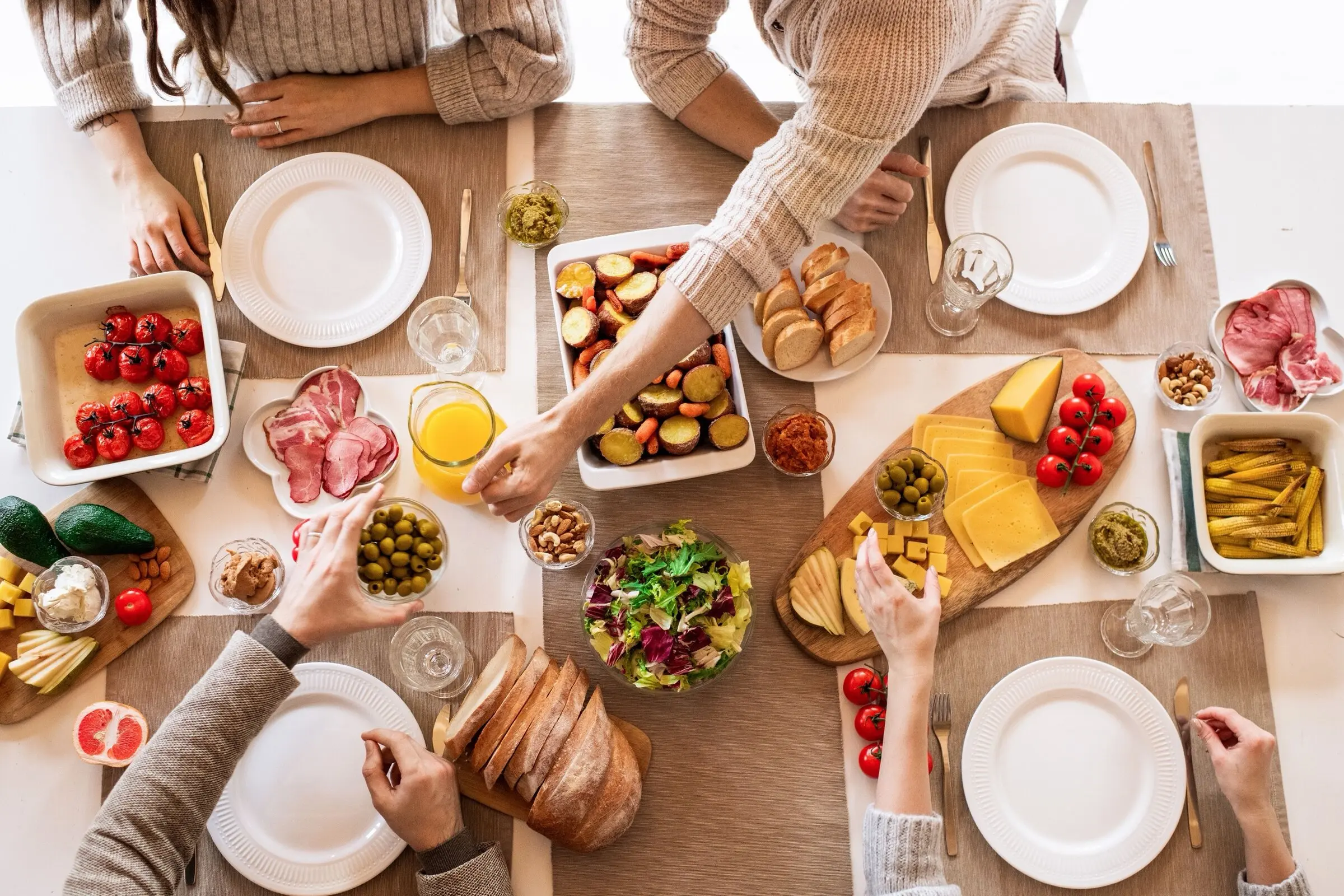
Here’s what a simple, budget-friendly week might look like. Notice how Sunday’s chicken and Monday’s chili both come back later in the week.
| Day | Dinner | Prep note |
|---|---|---|
| Sunday | Roast chicken, potatoes and green beans | Roast two chickens, or one big one, and save the extra meat |
| Monday | Slow cooker chili | Make a double batch and freeze half |
| Tuesday | Chicken tacos | Uses Sunday’s leftover chicken |
| Wednesday | Baked ziti | Assemble two and freeze one for later |
| Thursday | Chili-topped baked potatoes | Uses Monday’s leftover chili |
| Friday | Leftovers or homemade pizza | Clean out the refrigerator |
| Saturday | Flexible night | Breakfast for dinner works too |
By the end of the week, you’ve cooked five times and have a pan of baked ziti and a bag of chili waiting in the freezer for a future busy night.
Use freezer meals as your backup plan
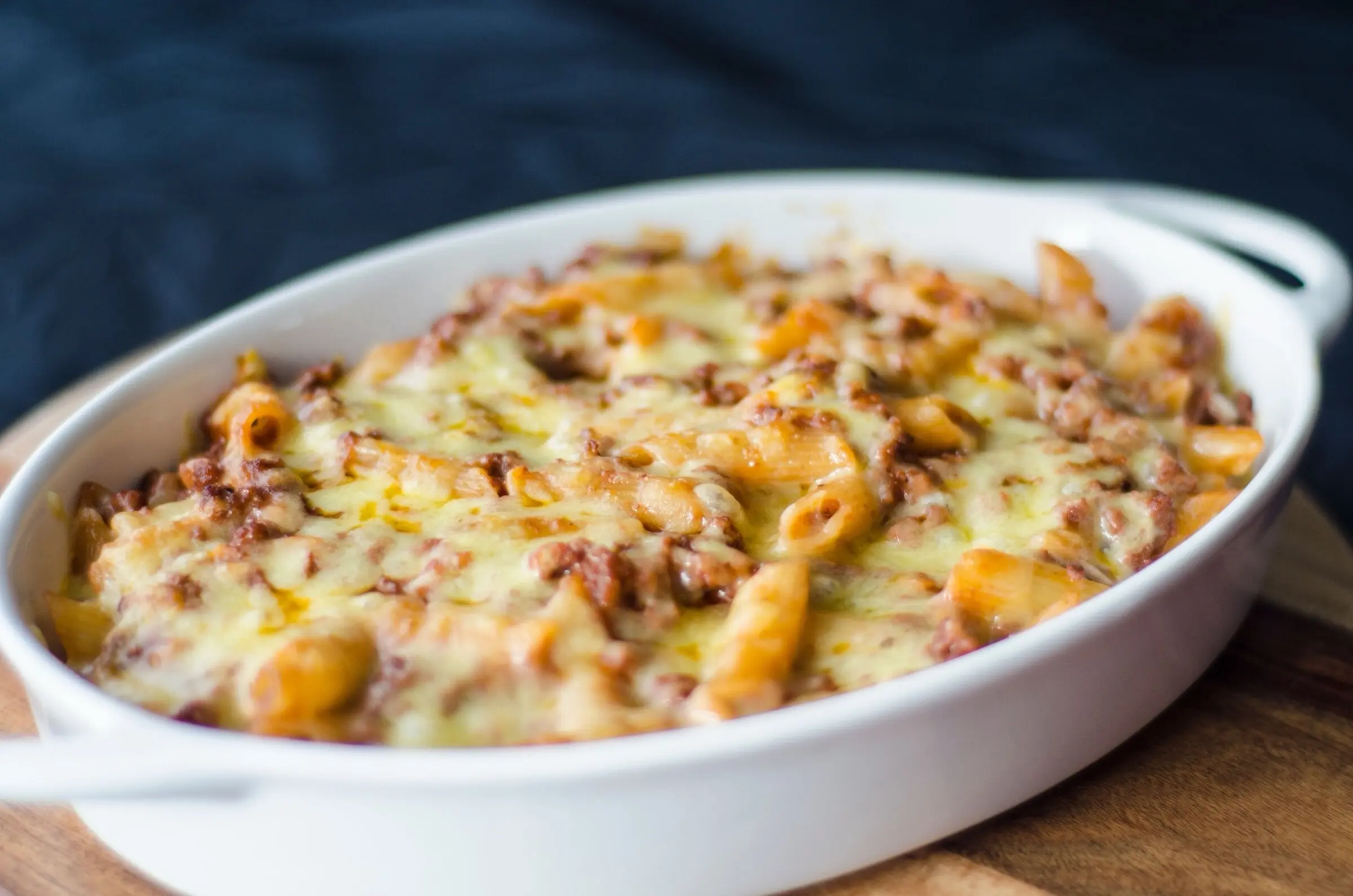
Even the best plan falls apart sometimes. Someone gets sick, practice runs late or you just don’t feel like cooking. That’s what freezer meals are for.
When you make a casserole, soup or slow cooker meal, make two and freeze one. In a few weeks, you’ll have a stash of dinners that only need to thaw and heat. Our Freezer Meals library has hundreds of ideas, sorted by how you cook them on serving day.
Good to know
Never put solidly frozen raw meat in a slow cooker. Thaw it in the refrigerator first so it reaches a safe temperature fast enough, according to the USDA.
Meal ideas to get you started
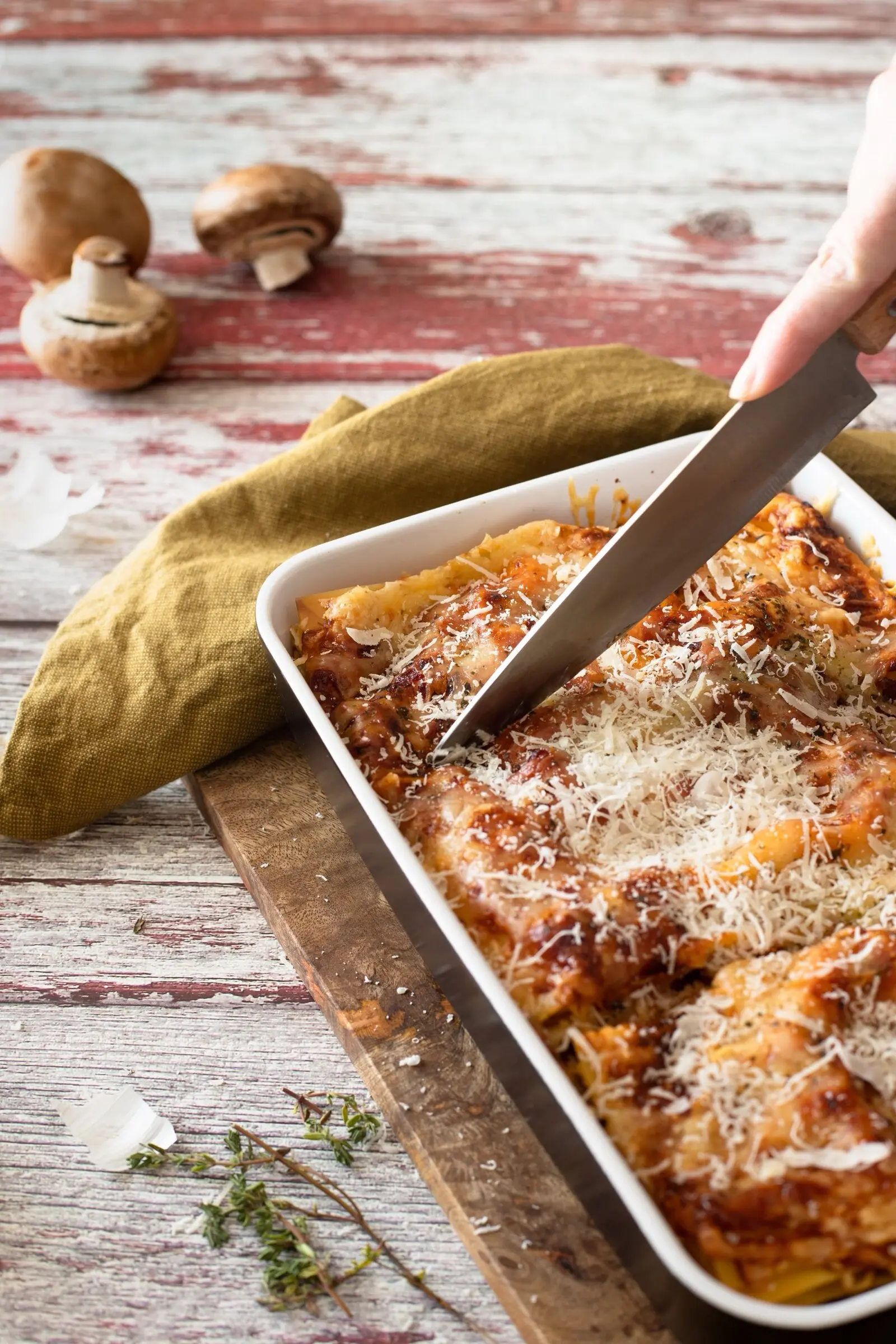
Stuck on what to put in your plan? Start with one of these:
- Casseroles and pasta bakes: Make one for dinner and one for the freezer.
- Soups, chili and stews: Cheap, filling and even better the next day.
- Slow cooker meals: For the nights you’ll be out until dinnertime.
- Instant Pot meals: For the nights you forgot to plan ahead.
- Chicken dinners: The most popular weeknight protein there is.
- Meatless meals: An easy way to stretch the grocery budget.
- Dump meals: Everything goes raw into one bag, then into the slow cooker or oven on cooking day.
Should you plan by the week or the month?

Weekly planning is the easiest place to start. It fits around one grocery trip, and you can adjust as you go.
Monthly planning works well once you have a list of meals your family likes. You plan four weeks of dinners at once, buy meat and pantry staples in bulk when they’re on sale, and pick up fresh produce and milk each week. It takes longer up front, but then you’re done for the month.
Whichever you choose, keep your old plans. After a few months, you’ll have a stack of tested weeks you can reuse whenever you’re short on time.
Common meal planning mistakes
- Planning too many new recipes. Stick with one new recipe a week until planning feels easy.
- Planning all seven nights. Leave room for leftovers and the nights that don’t go as planned.
- Ignoring your calendar. A two-hour recipe on a soccer night won’t get made.
- Buying fresh food you won’t get to. Plan meals with delicate produce, like salad greens and berries, early in the week, and save sturdier foods, like carrots, cabbage and frozen vegetables, for later.
- Forgetting to thaw. Set a reminder the night before.
- Making it complicated. A plan on the back of an envelope still counts.
Let the Meal Planner do the work
If you’d rather not start from a blank page, try our free Meal Planner. Pick what your family likes and how you want to cook it, choose five or seven dinners for a week or a month, and it builds a plan for you. Don’t like a meal? Shuffle that day until you find one you do.
It also writes your shopping list by aisle, reminds you which nights need something thawed, and lets you print your plan or save the link to come back to it later.
Frequently asked questions
What is the easiest way to start meal planning? Pick three dinners your family already likes, write them on three days of the week and buy only what they need. Once that feels easy, plan five.
How many meals should I plan a week? Most families do well with five planned dinners, one leftovers night and one flexible night. Beginners can start with three or four.
How long does meal planning take? About 20 to 30 minutes a week once you have a list of favorite meals. Your first few plans will take a little longer.
Does meal planning really save money? Yes. A plan cuts down on impulse buys, duplicate purchases, takeout and food that spoils before you use it. Shopping your own kitchen first and buying ingredients that work in more than one meal save the most.
What is the best day to meal plan? The day before you grocery shop. Many people plan on Saturday or Sunday and shop the same day or the next.
How do I meal plan for picky eaters? Build your list of meals from what everyone already eats, and let each person pick one dinner a week. Serve sides separately so picky eaters can build their own plates.
How long do leftovers last in the refrigerator? Three to four days, according to the USDA. Freeze anything you won’t eat in that time.
What is the difference between meal planning and meal prep? Meal planning is deciding what you’ll eat and making the shopping list. Meal prep is doing some of the cooking ahead of time, like chopping vegetables or cooking a batch of rice. You can plan without prepping, but prepping is much easier with a plan.