Groceries cost more than they used to, and it shows up every time you check out. The good news is that the biggest savings don’t come from clipping coupons. They come from planning what you’ll eat before you walk into the store.
A meal plan on its own won’t save you money, though. A plan full of salmon, berries and recipes that each need a new jar of something will cost more, not less. A budget meal plan is built on purpose around what’s cheap, what’s on sale and what you already own.
Here’s how to do it, in short:
- Know your number.
- Shop your kitchen first.
- Plan around the sale ad.
- Build meals from cheap staples.
- Stretch the meat.
- Plan one or two meatless nights.
- Cook once, eat twice.
- Buy in bulk only what you’ll use.
- Compare unit prices and try the store brand.
- Freeze the extras.
If you’ve never made a meal plan at all, start with our guide on how to meal plan, then come back here to make that plan cheaper.
How much should a family spend on groceries?
It depends on where you live and who you’re feeding, but the U.S. Department of Agriculture gives a useful starting point. Its Thrifty Food Plan, the lowest-cost of the government’s food plans, put a healthy diet for a family of four with two school-age children at about $1,020 a month in June 2026, or about $236 a week. Prices run higher in Alaska and Hawaii.
Your own number matters more. For one month, keep every grocery receipt and every takeout and restaurant receipt. Add them up. That’s what you really spend on food, and it’s usually more than people guess.
Then set a weekly grocery budget a little below it. Divide your monthly number by four and round down. Write it at the top of your meal plan each week, so you plan to the number instead of hoping you land under it.
10 ways to meal plan on a budget
1. Know your number
Count takeout, school lunches and coffee runs in your food budget, not just groceries. A $40 pizza night is part of the food budget, and a plan that prevents it saves more than any sale.
2. Shop your kitchen first
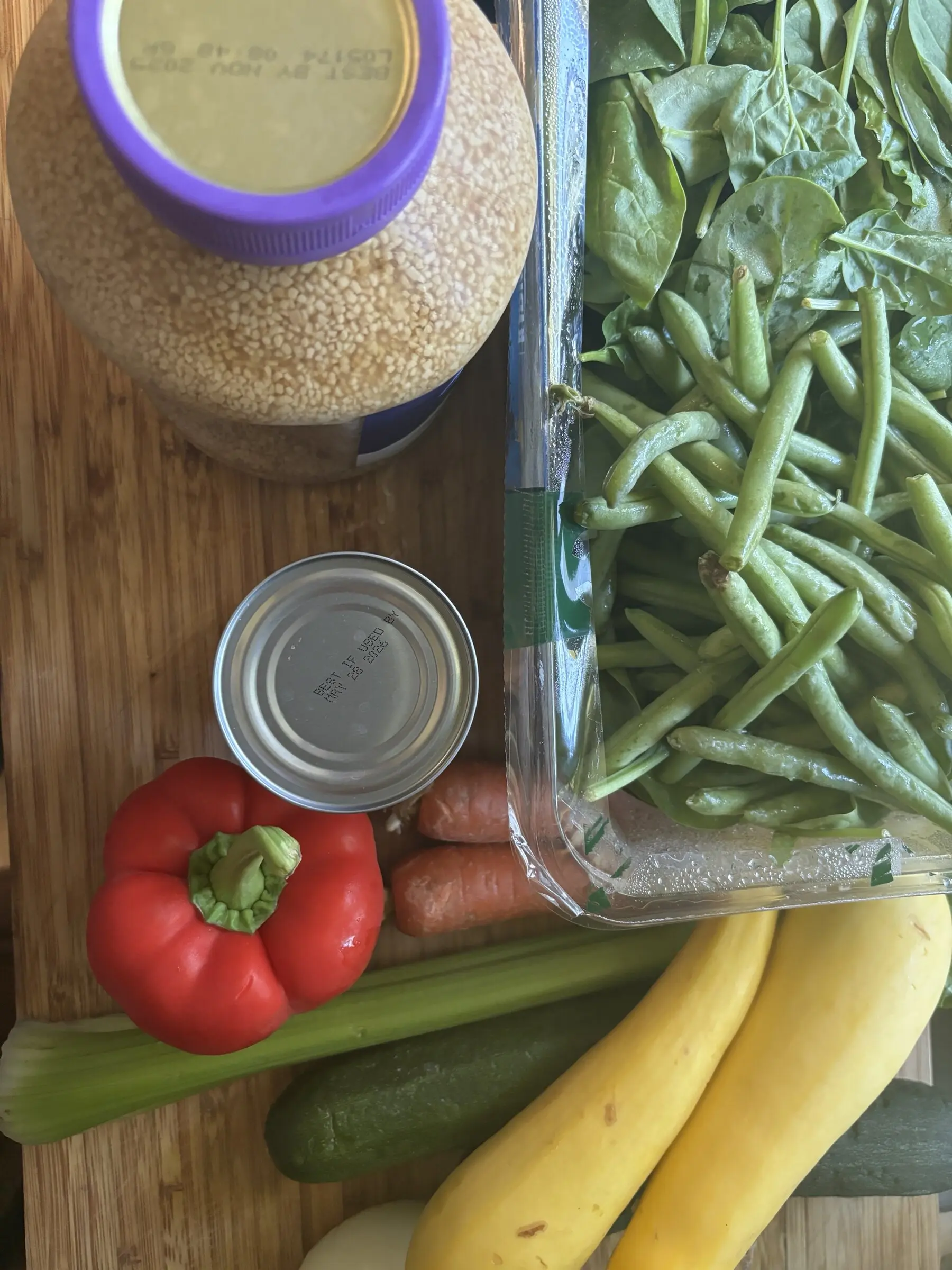
Before you plan anything, look in the refrigerator, freezer and pantry. Plan the first dinners of the week around what needs to be used up: the half bag of spinach, the leftover ham, the chicken thighs in the freezer. Every meal you make from food you already bought costs you nothing extra this week.
3. Plan around the sale ad
Most stores post their weekly ad online or in their app. Look at it before you choose meals, not after.
The big front-page deals, usually on meat, produce or dairy, are priced low to get you in the door. Build two or three dinners around them. When a staple you always use hits a really good price, buy extra and freeze it.
Many stores also have a free loyalty card or app with digital coupons. Load them before you shop. It takes a few minutes and can knock dollars off a weekly trip.
4. Build meals from cheap staples
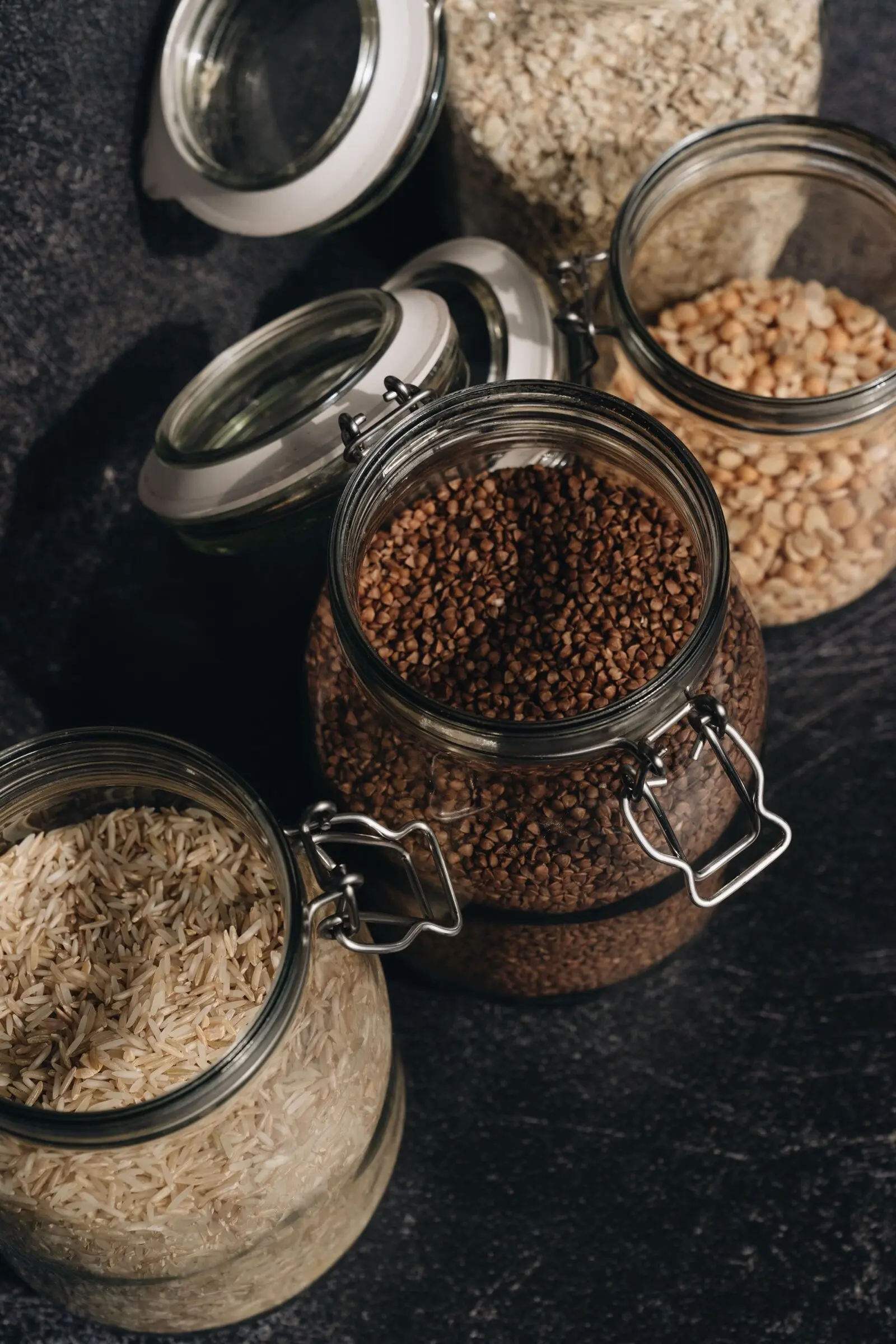
A few ingredients do most of the work in a budget kitchen. Plan your week around them, and use pricier foods as the accent instead of the center of the plate.
| Staple | Easy dinners |
|---|---|
| Dried or canned beans | Chili, bean burritos, red beans and rice, bean soup |
| Lentils | Lentil soup, sloppy joes, stretching taco meat |
| Rice | Fried rice, rice bowls, stuffed peppers, casseroles |
| Pasta | Baked ziti, pasta with meat sauce, pasta e fagioli |
| Potatoes | Baked potato bar, potato soup, sheet pan dinners |
| Eggs | Breakfast for dinner, frittata, fried rice |
| Oats | Breakfast, meatloaf and meatballs (as the filler) |
| Frozen vegetables | Stir fry, soups, casseroles, side dishes |
| Canned tomatoes | Chili, pasta sauce, soups |
| Cabbage, carrots, onions | Soups, slaws, stir fry, roasted vegetables |
Frozen and canned produce is a smart buy, not a shortcut. Fresh, frozen, canned and dried fruits and vegetables all count toward a healthy diet, according to the USDA’s MyPlate. Frozen vegetables also won’t spoil in the crisper drawer before you get to them.
5. Stretch the meat
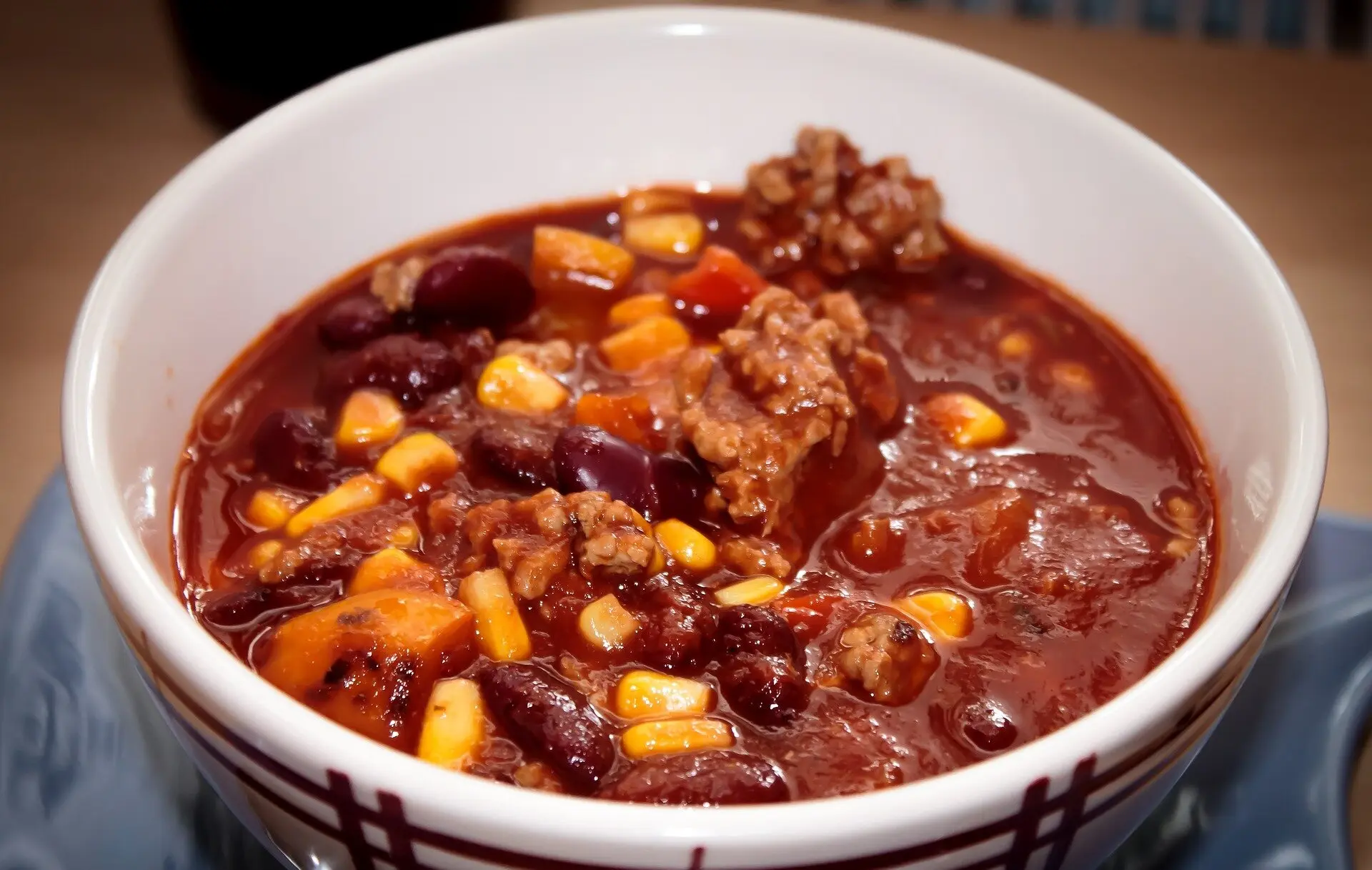
Meat is usually the most expensive thing in the cart, so use less of it per meal without anyone feeling shortchanged:
- Replace half the ground beef in chili, tacos or sloppy joes with beans or cooked lentils.
- Cut chicken into strips for a stir fry or fajitas instead of serving a whole breast per person.
- Make soups, casseroles and fried rice, where a little meat goes a long way.
- Buy cheaper cuts: chicken thighs and drumsticks, whole chickens, pork shoulder and chuck roast are often cheaper per pound, and the slow cooker makes them tender.
6. Plan one or two meatless nights
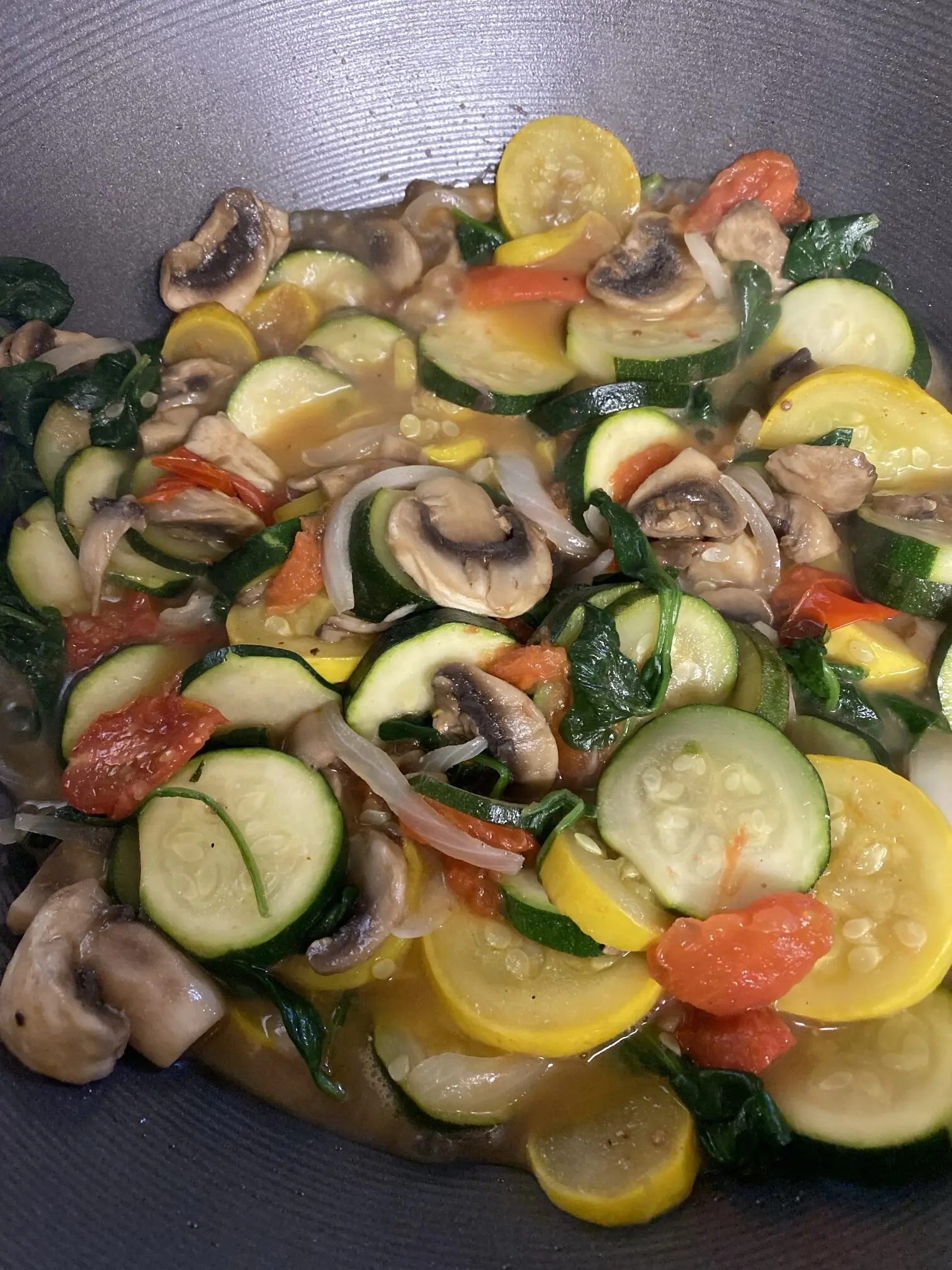
A pot of bean chili, a pan of cheese enchiladas or a frittata costs a fraction of a meat dinner. Two meatless nights a week can make a real dent in the grocery bill. Our meatless freezer meals and meals made with beans and lentils are good places to start.
7. Cook once, eat twice
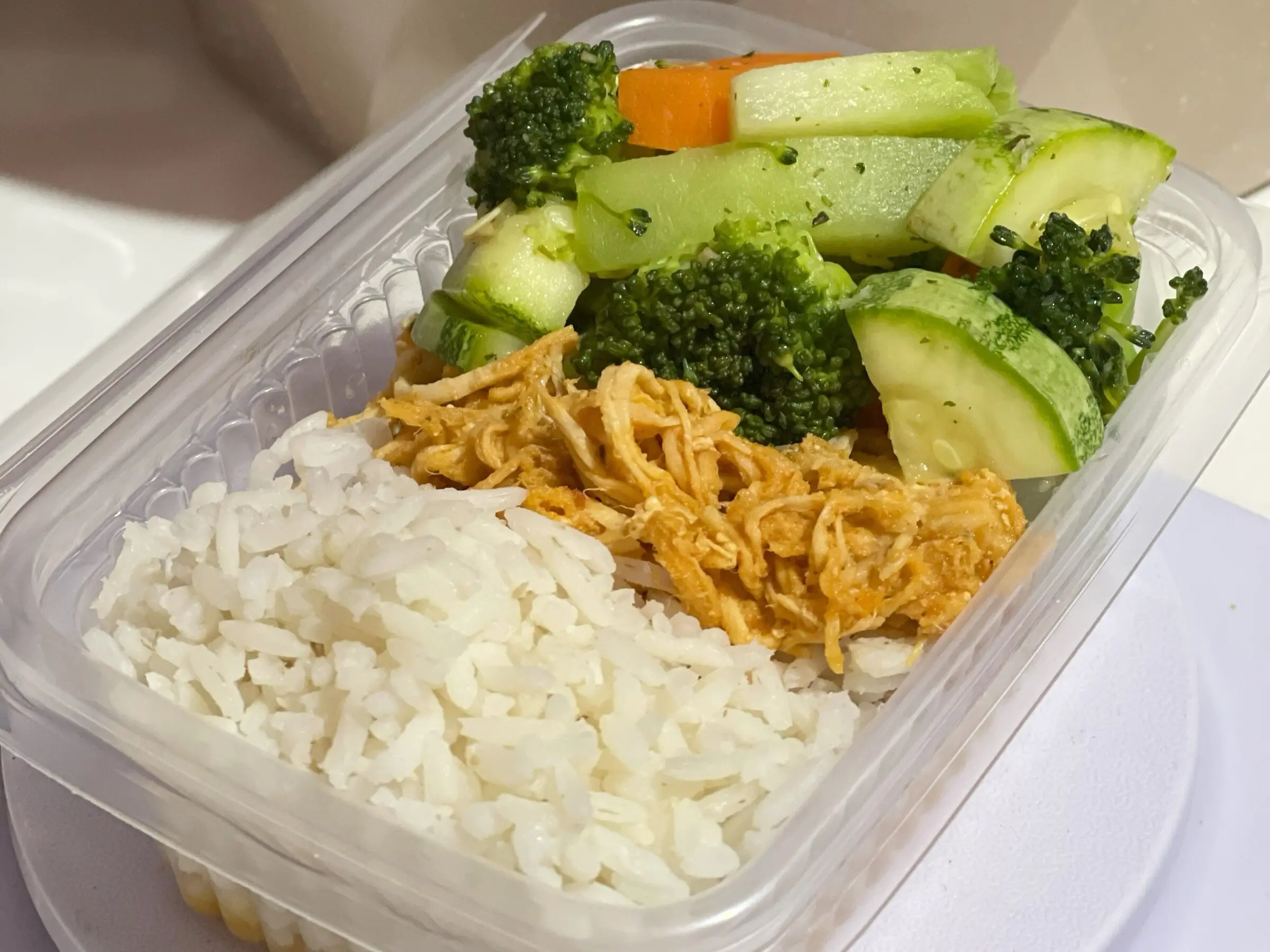
Planned leftovers are free dinners. A whole roast chicken on Sunday can become chicken tacos on Tuesday, and the bones can make broth for soup on Thursday. A double batch of chili feeds you tonight and fills a freezer bag for next month.
When you plan, look for meals that share ingredients. If Monday needs half a head of cabbage, plan a slaw or soup for Wednesday that uses the other half.
8. Buy in bulk only what you’ll use
Warehouse clubs and big packages save money only if nothing goes to waste. Buy in bulk for foods your family eats steadily and that keep: rice, oats, pasta, canned goods, frozen vegetables, and meat you’ll portion and freeze the day you get home.
Skip the bulk deal on anything perishable you’re not sure you’ll finish. A giant bag of spinach is only a bargain if you eat it.
9. Compare unit prices and try the store brand
The shelf tag under each item shows the unit price, the cost per ounce or per pound. It’s the only fair way to compare a big box with a small one, and the bigger package isn’t always cheaper.
Store brands are often made to the same standards as the name brands next to them and cost less. Try them on basics like flour, sugar, canned vegetables, pasta and spices. If your family can’t tell the difference, you’ve found a permanent savings.
10. Freeze the extras
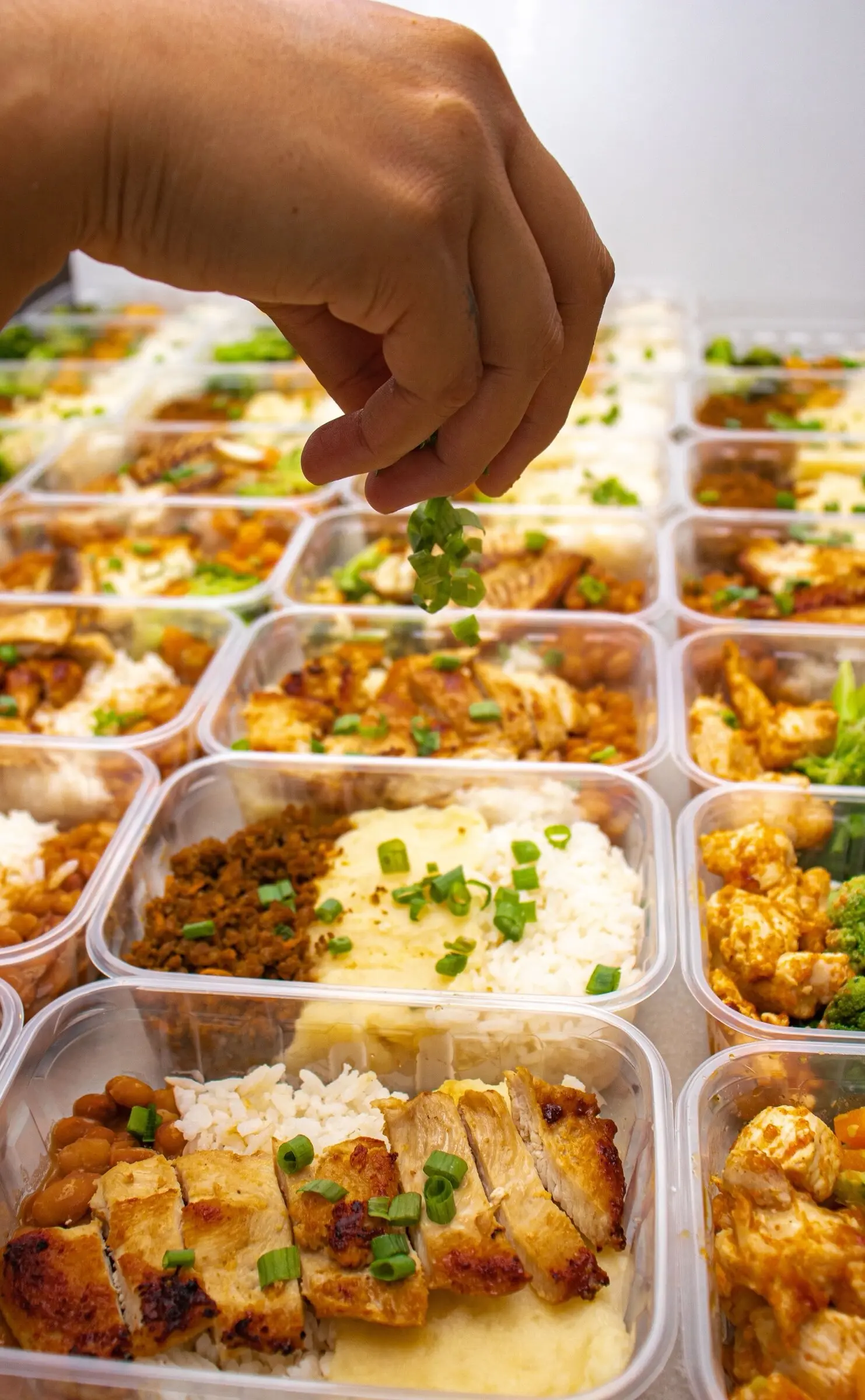
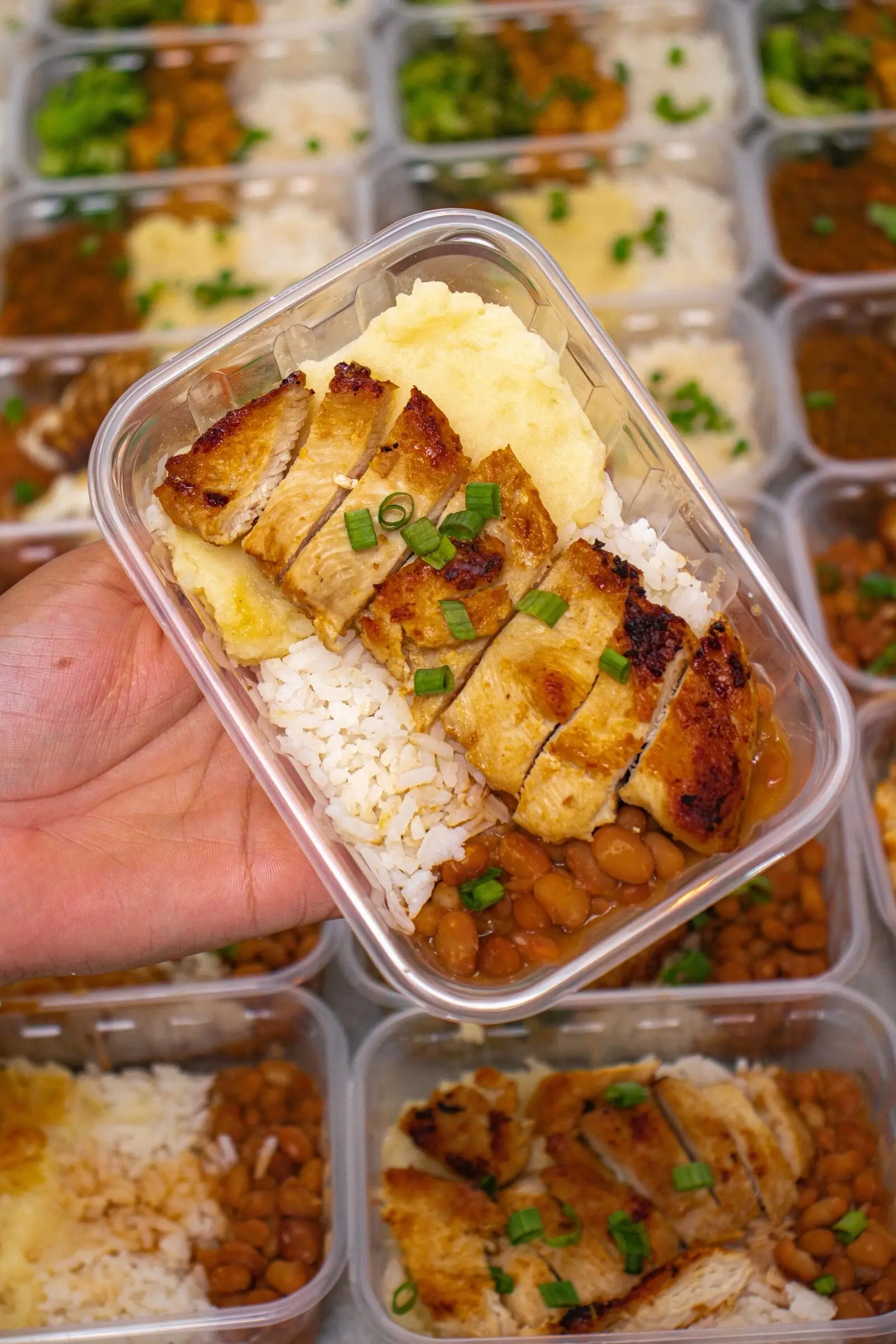
Your freezer is your best budget tool. Freeze meat bought on sale, bread before it goes stale, bananas before they go brown, and extra portions of soups and casseroles. A freezer full of ready meals also saves you from expensive takeout on a hard night.
Our Freezer Meals library has hundreds of make-ahead dinners, from soups and chili to casseroles.
Freezer basics
Wrap food tightly, press the air out of freezer bags, and label everything with the name and date. Thaw in the refrigerator, not on the counter. Most cooked leftovers taste best within three to four months, according to the USDA.
A week of budget dinners
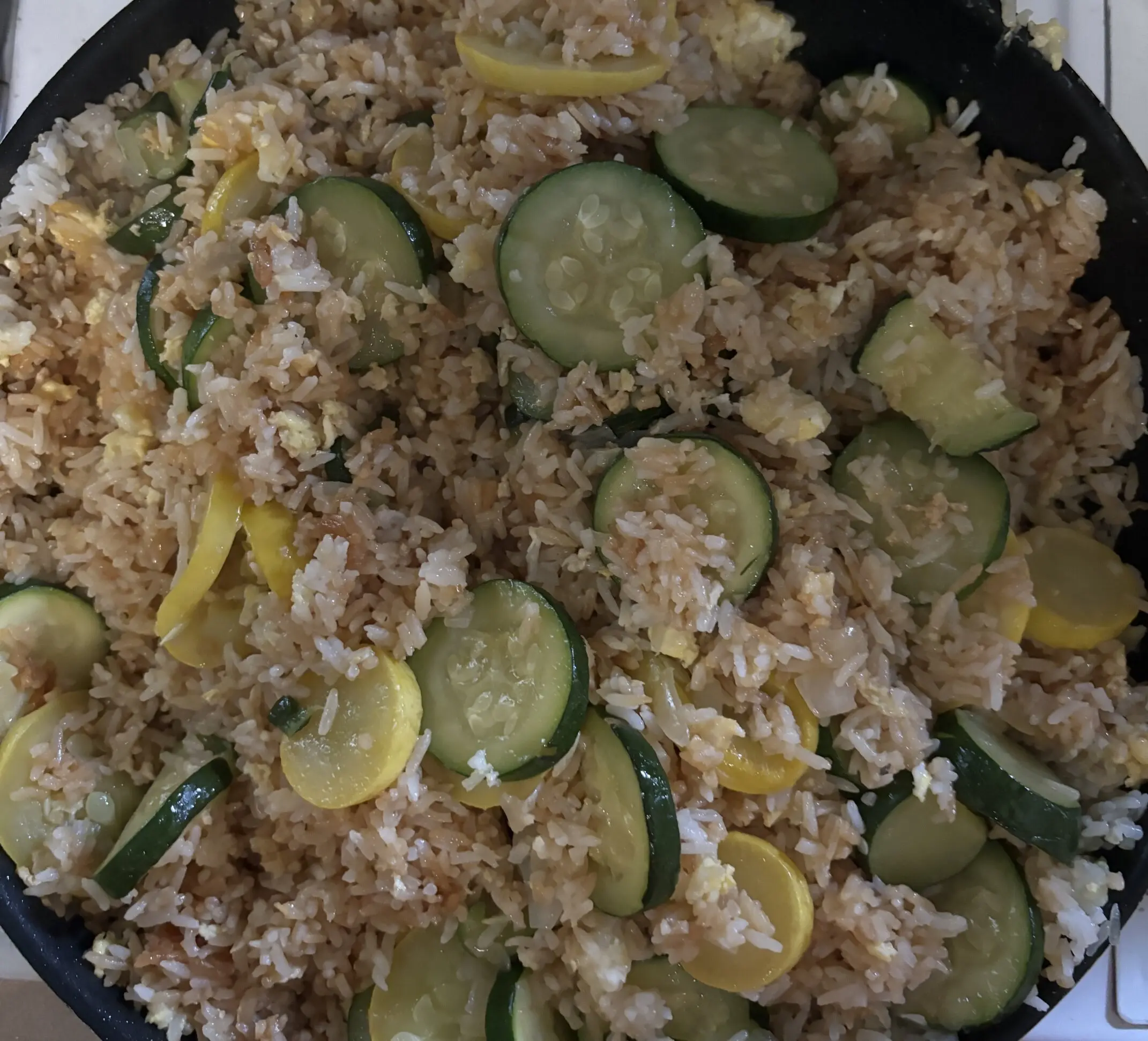
This week leans on cheap staples and planned leftovers. Prices vary by region, so think of it as a pattern, not a price list.
| Day | Dinner | Why it’s cheap |
|---|---|---|
| Sunday | Roast whole chicken with potatoes and carrots | Whole chickens cost less per pound than parts |
| Monday | Bean and beef chili, double batch | Half the beef is replaced with beans; half goes in the freezer |
| Tuesday | Chicken fried rice | Uses Sunday’s leftover chicken, rice and frozen vegetables |
| Wednesday | Pasta with meat sauce | Pasta and canned tomatoes are pantry staples |
| Thursday | Baked potato bar with chili | Uses Monday’s chili |
| Friday | Breakfast for dinner: eggs, pancakes and fruit | Eggs and pancake mix stretch far |
| Saturday | Chicken noodle soup | Broth made from Sunday’s chicken bones |
Keep a budget pantry
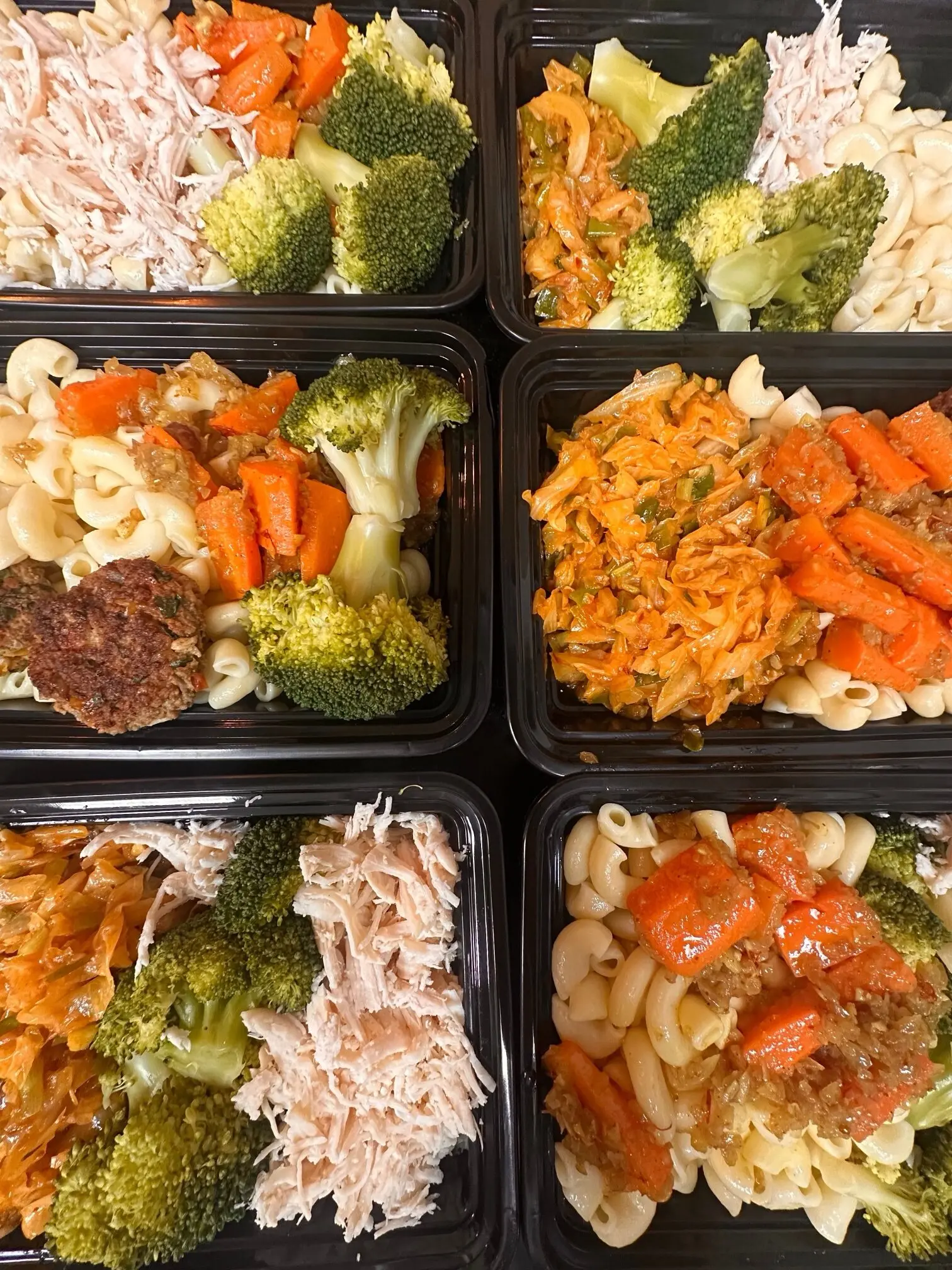
You don’t need a huge stockpile. A small, steady pantry means you can always make dinner without a trip to the store, and you can buy each item when it’s on sale instead of when you run out.
- Dry goods: rice, pasta, oats, flour, sugar, dried beans and lentils
- Cans and jars: tomatoes, tomato sauce, beans, broth, tuna, peanut butter
- Freezer: frozen vegetables, ground beef or turkey, chicken thighs, bread
- Fridge: eggs, butter, cheese, milk
- Produce that keeps: onions, potatoes, carrots, cabbage, apples
- Flavor: salt, pepper, garlic powder, chili powder, Italian seasoning, cumin, bouillon
When you use the last of something, add it to your running grocery list right away.
Smart shopping trip habits
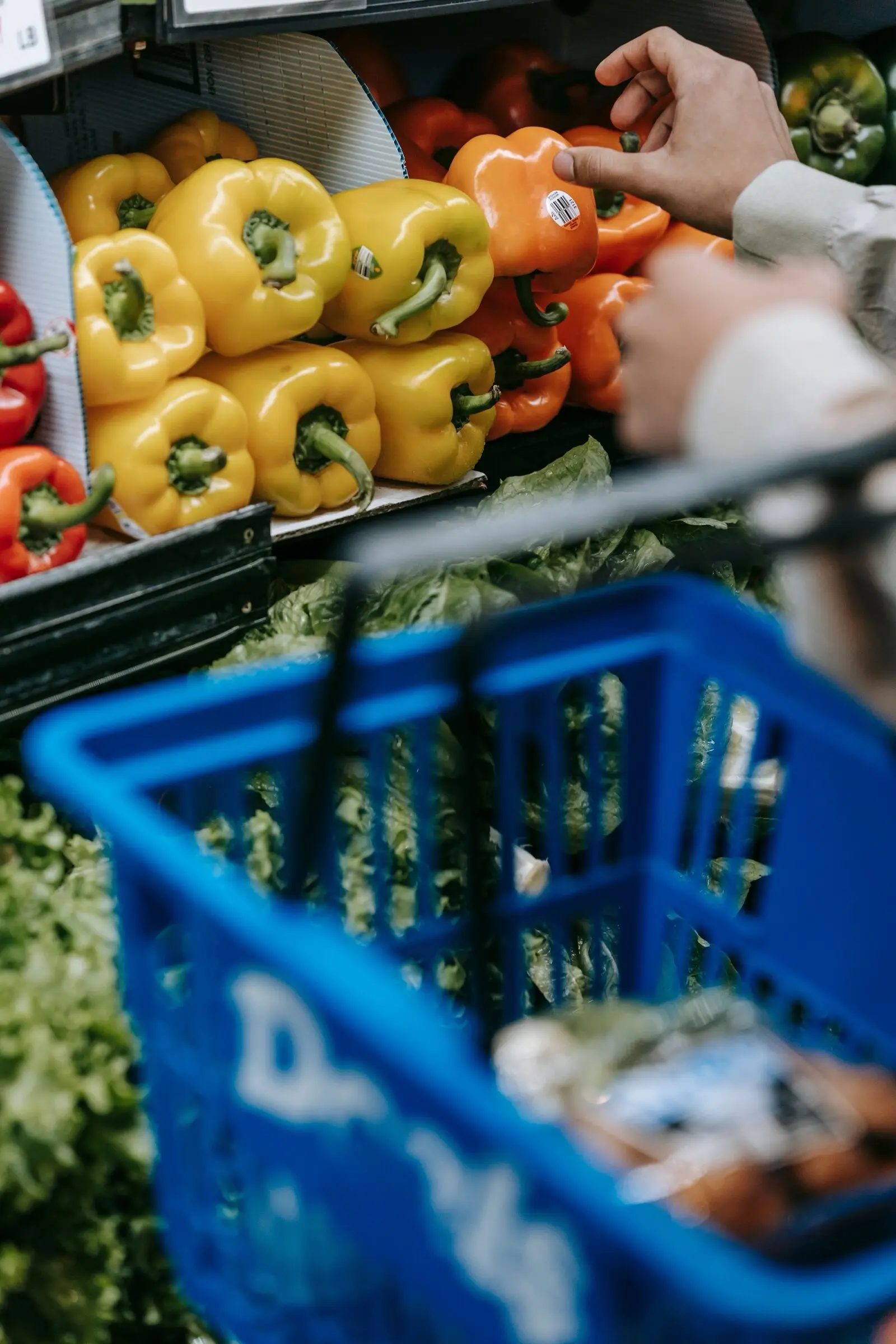
- Make one trip a week. Every extra stop is a chance to grab things that aren’t on the list.
- Eat before you go. Hungry shoppers buy more snacks and convenience food.
- Stick to the list. If something isn’t on it, it waits until next week.
- Try curbside pickup. Many stores offer it free. You order from your list and never walk past the bakery case.
- Check your receipt. Make sure sale prices rang up correctly.
Waste less, save more
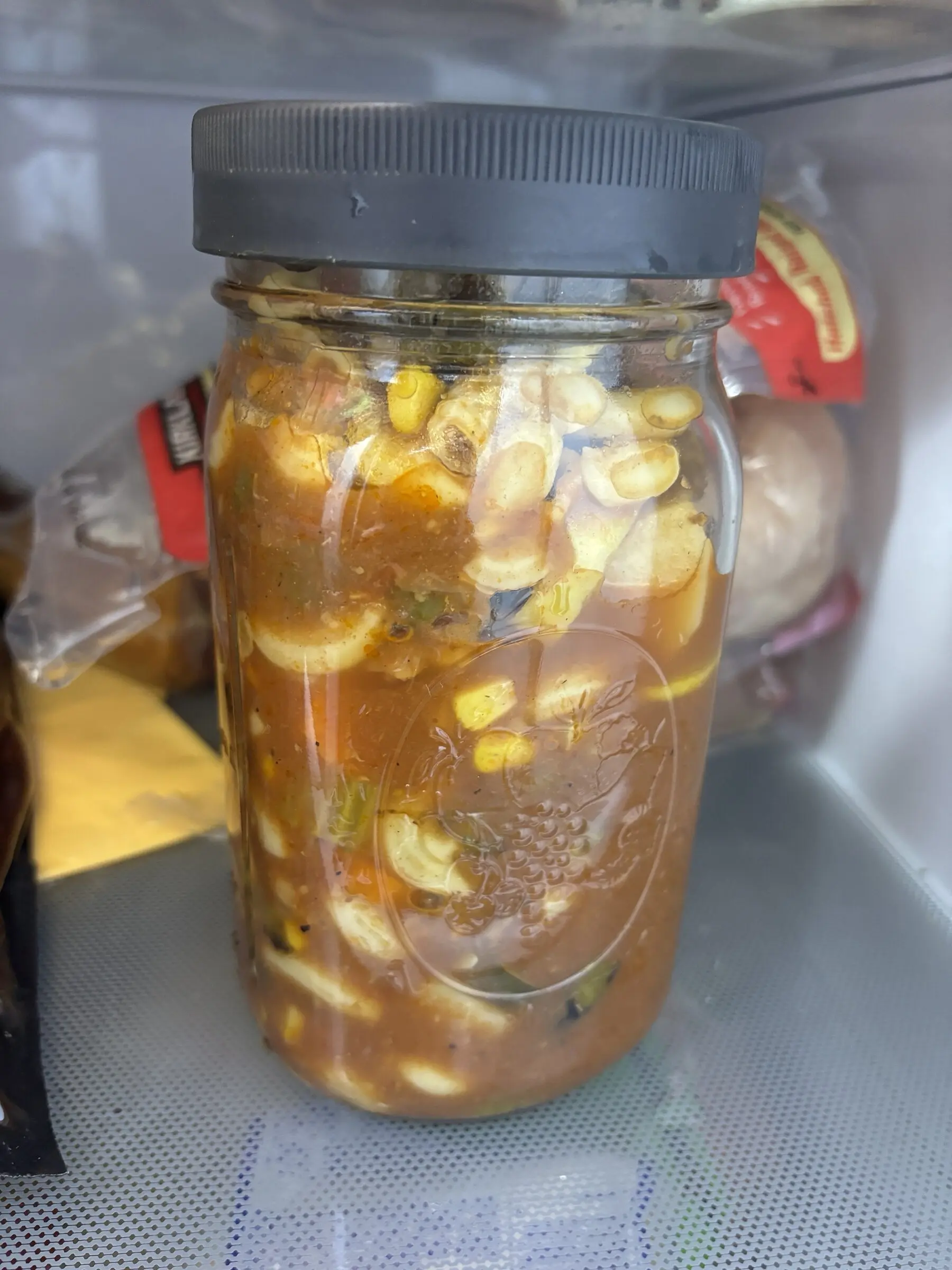
Food you throw away is money you throw away. Between 30% and 40% of the U.S. food supply goes to waste, according to the USDA, and a lot of it is lost at home.
- Plan meals with delicate produce, like lettuce and berries, early in the week.
- Use the “first in, first out” rule: move older food to the front of the shelf.
- Turn odds and ends into soup, fried rice, frittatas or casseroles.
- Eat refrigerated leftovers within three to four days, the USDA says, or freeze them.
Let the Meal Planner help
Our free Meal Planner builds a week or a month of dinners for you. Choose meatless meals, freezer meals or “use up leftovers,” shuffle any night you don’t like, and print a shopping list grouped by aisle. Planning around what you already have and what’s on sale is still up to you, but the planner takes care of the rest.
Frequently asked questions
What is the cheapest way to meal plan? Start with what’s already in your kitchen, add meals built around the week’s sale items, and fill in with cheap staples like beans, rice, pasta, eggs and potatoes. Plan leftovers on purpose so one meal covers two nights.
How much should a family of four spend on groceries? The USDA’s Thrifty Food Plan put a healthy diet for a family of four with two school-age children at about $1,020 a month in June 2026. Your number depends on where you live, your family’s ages and how much you cook from scratch.
How do I set a weekly grocery budget? Add up one month of grocery and takeout receipts to see what you really spend. Divide by four, round down a little, and plan each week to that number.
What are the cheapest dinners to make? Bean chili, lentil soup, pasta with meat sauce, fried rice, baked potato bars, breakfast for dinner and soups made from leftovers are some of the least expensive family dinners.
Is it cheaper to buy in bulk? Only for foods you’ll use before they spoil. Bulk rice, oats, pasta, canned goods and meat you freeze right away usually save money. Big packages of fresh produce often don’t.
Are frozen vegetables as good as fresh? Yes, for most cooking. Fresh, frozen and canned vegetables all count toward a healthy diet, according to the USDA’s MyPlate, and frozen vegetables keep for months, so less goes to waste.
How can I make meat go further? Mix beans or lentils into ground meat dishes, slice meat thin for stir fries and fajitas, buy cheaper cuts like chicken thighs and pork shoulder, and make soups and casseroles where a little meat flavors the whole dish.