
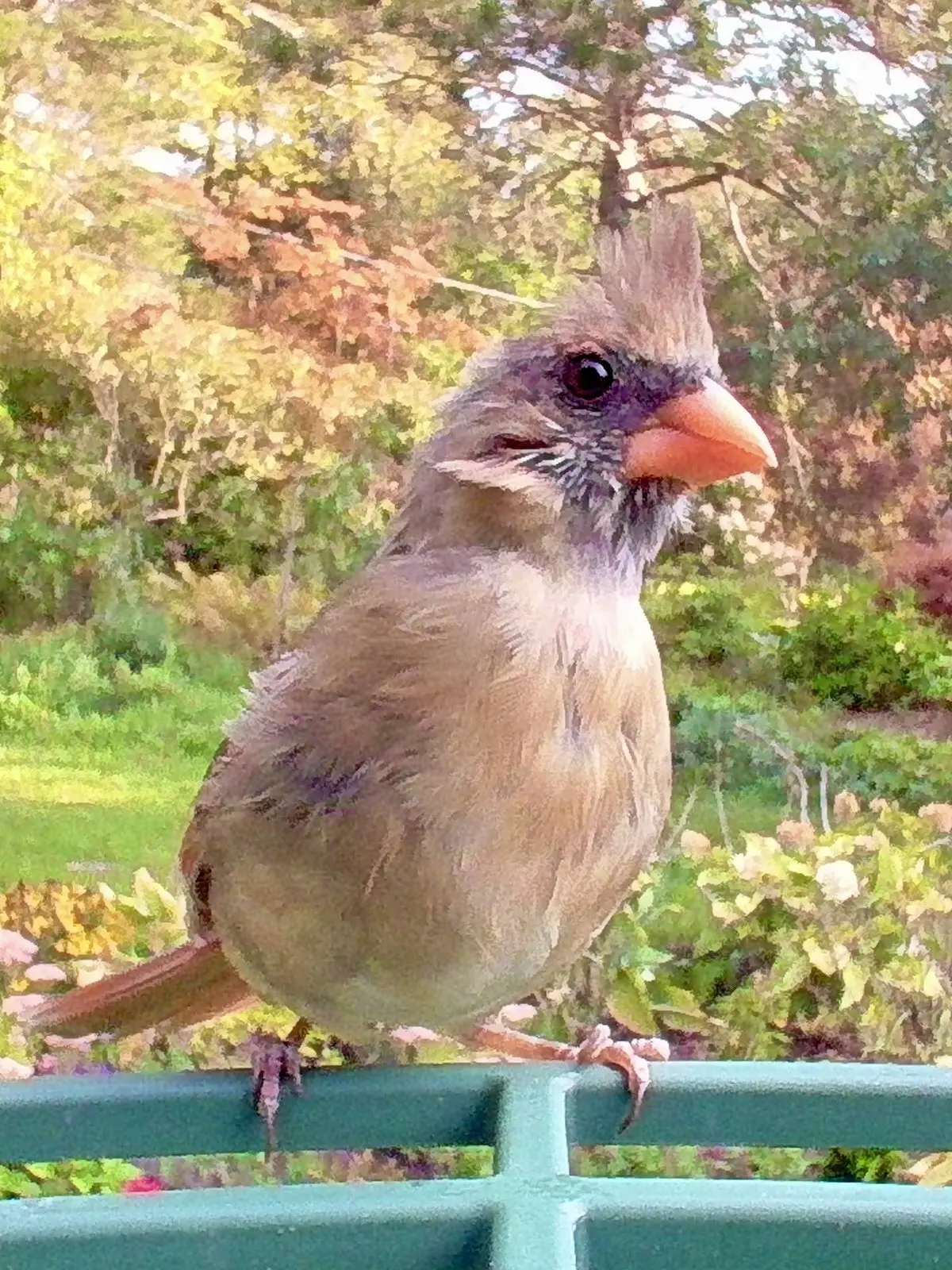
A bird feeder can hold the tastiest seed in town and still sit empty if it’s in the wrong spot. Where you put a bird feeder decides whether birds drop by all day or skip your yard. The right location makes birds feel safe, keeps seed dry and sends squirrels looking elsewhere. Before you buy a pole or a hook, take a slow walk around your yard and look at tree coverage, wind, sun and the places you’d like to sit to view them.
Keep it close to tree cover, but not too close
Birds feel safest when a hedge, shrub or small tree sits a quick dash away. If a hawk swoops in, they can dive into the branches instead of into the open. Evergreens make especially good cover, because the Cornell Lab of Ornithology notes that their dense branches block winter wind and give birds a place to hide all year.
Aim for about 10 feet between the feeder and that cover. Closer than that, and cats and squirrels can hide in the branches and use them as launch pads. Much farther, and birds treat your feeder like an exposed parking lot and mostly stay away.
Keep feeders well away from windows
Birds see sky and branches reflected in glass and fly straight into it. Collisions kill millions of birds in the U.S. each year, and a feeder at a middle distance from the house makes the problem worse. The National Audubon Society advises putting feeders more than 30 feet from windows, which gives birds room to see the house and turn. If your yard is too small for that, cover the outside of your windows with decals, cords or screens to break up the reflection.
Outsmart squirrels and cats
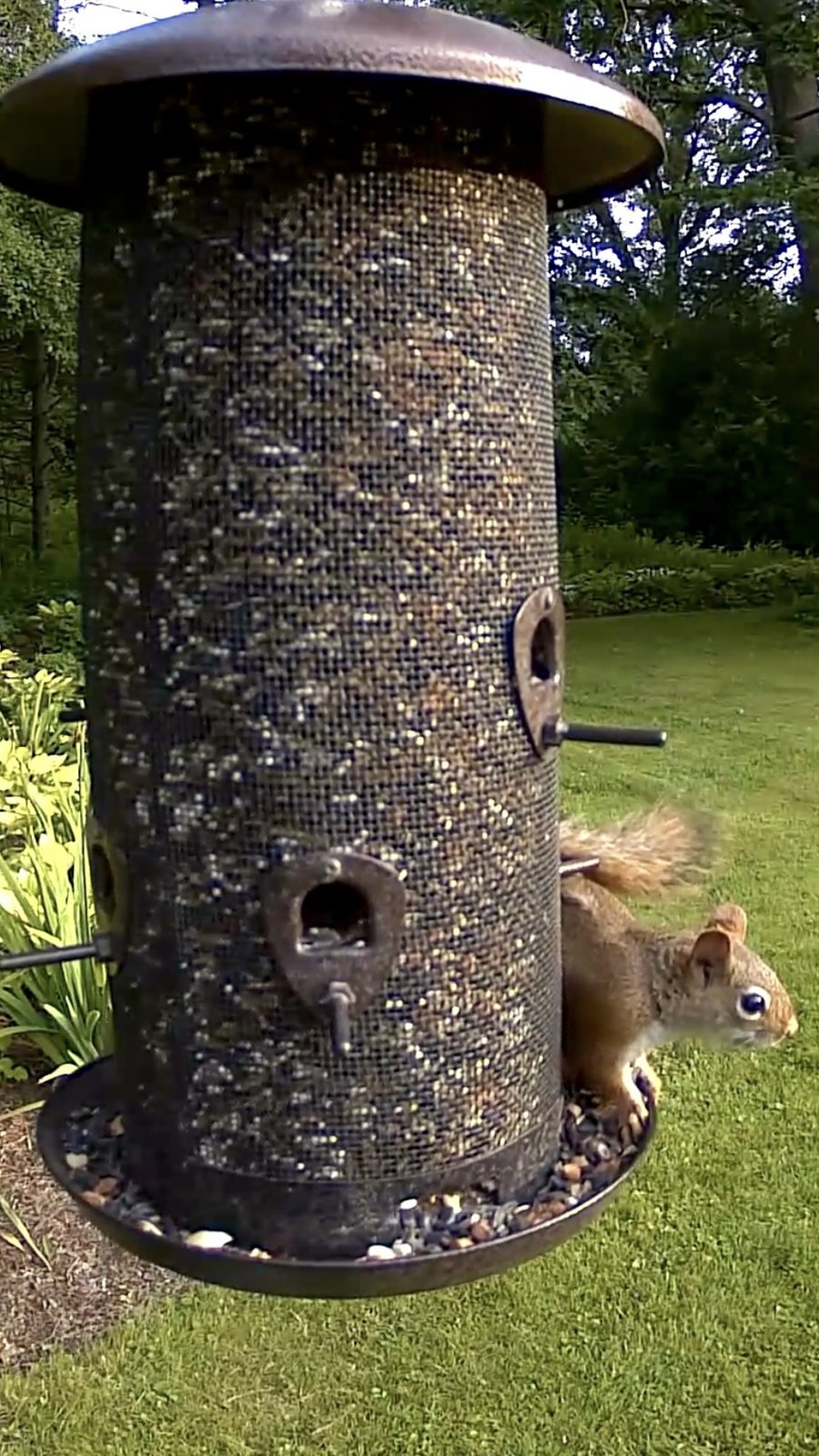
Squirrels jump farther than most people expect, so distance works better than cleverness. Backyard birders rely on the 5-7-9 rule. Mount the feeder at least 5 feet off the ground, keep 7 feet clear on every side of fences, deck rails and shrubs, and place it at least 9 feet below any overhanging branch, because squirrels will drop onto a feeder from above. That height also keeps house cats from pouncing on birds as they eat.
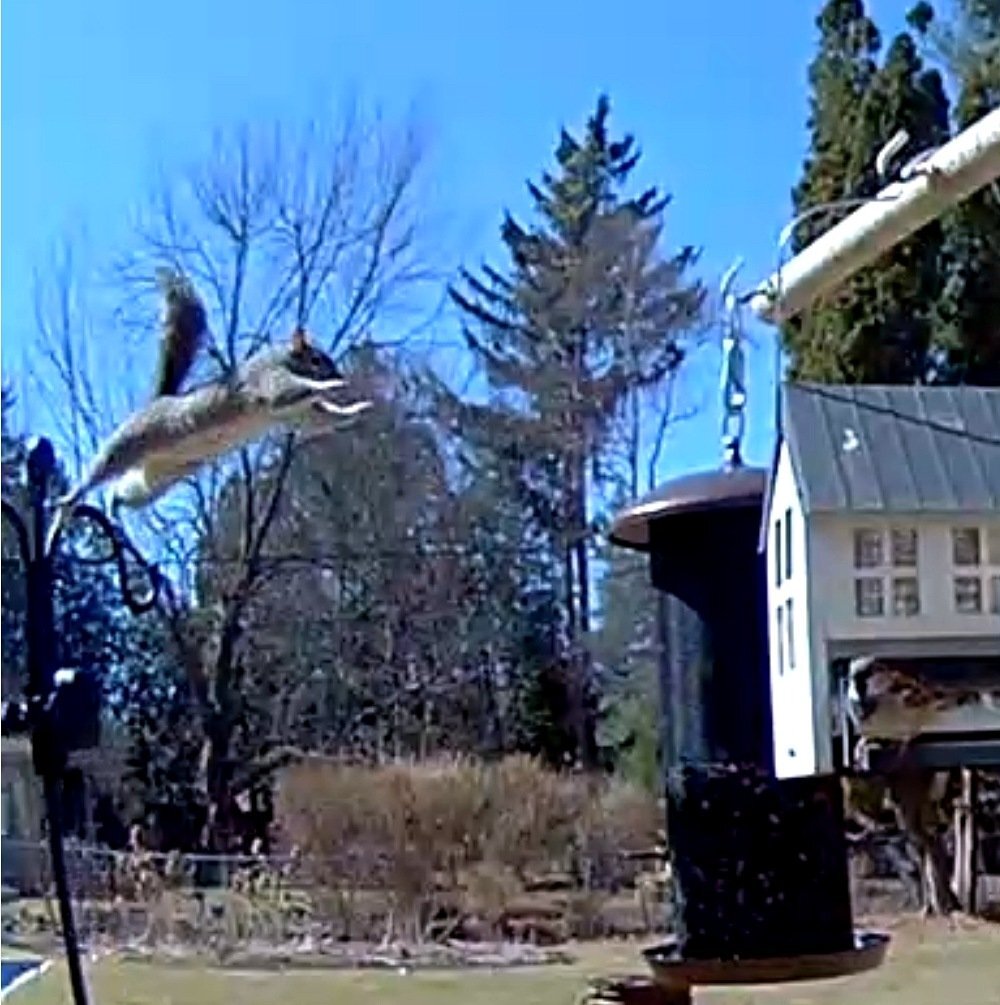
If you use a pole, add a baffle with its top at least 4 feet off the ground, as the University of Nebraska–Lincoln Extension advises. A hanging feeder follows the same measurements.
Make room for ground-feeding birds
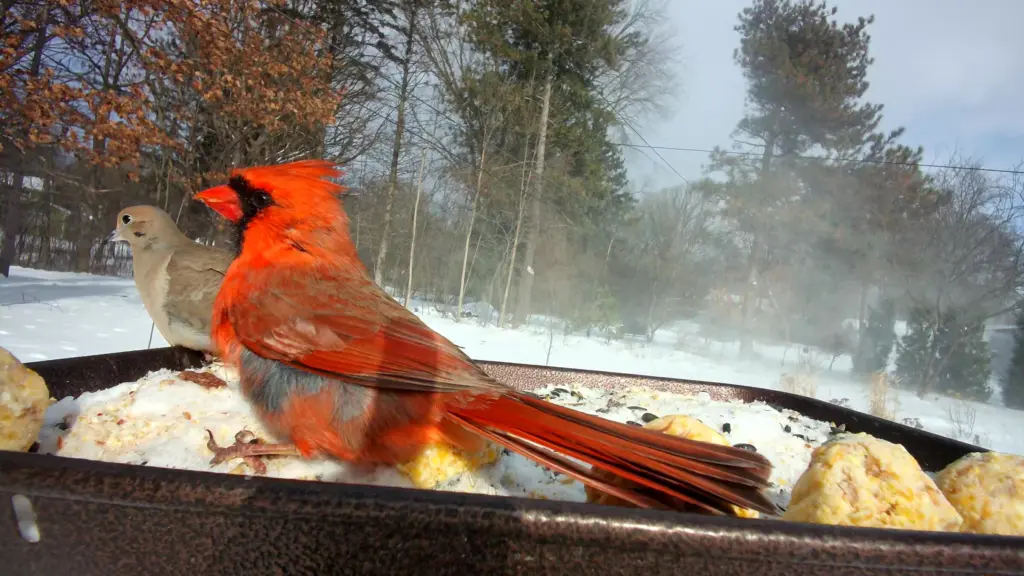
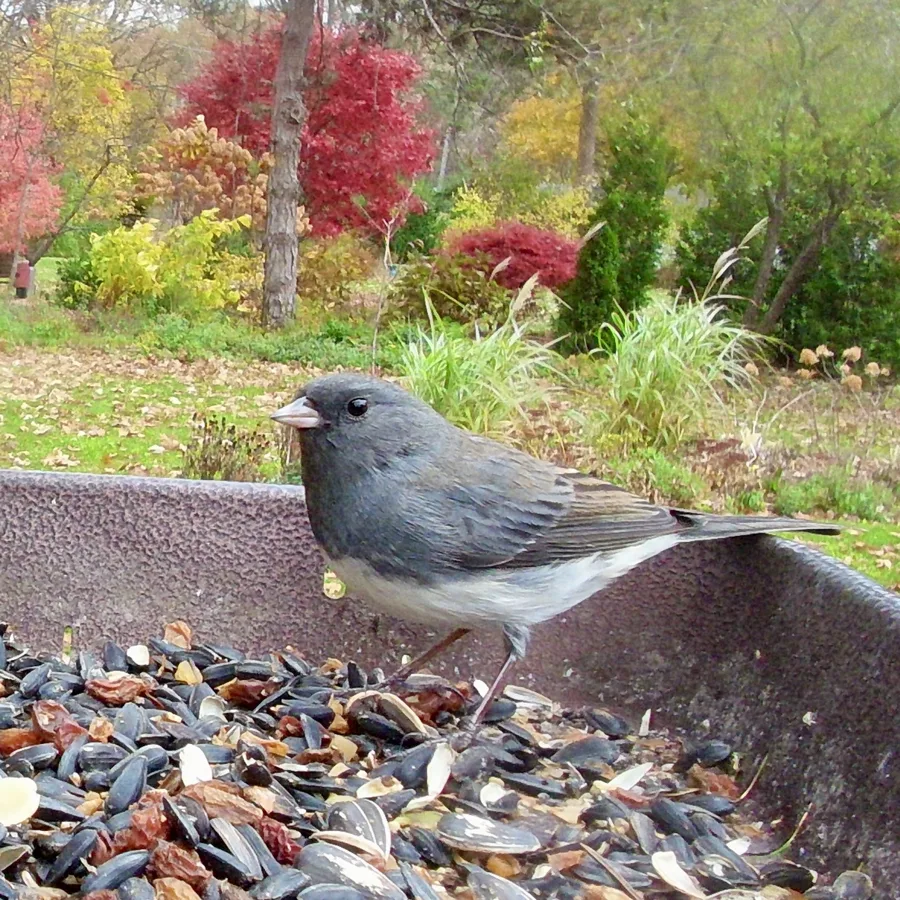
Not every bird eats at a perch. Mourning doves, sparrows and juncos like to feed low, so a tray or platform feeder on or near the ground suits them better than one mounted 5 feet up. Put it near cover, and stack a loose brush pile beside it so birds have a place to rest and slip out of sight.
Think about rain, sun and wind
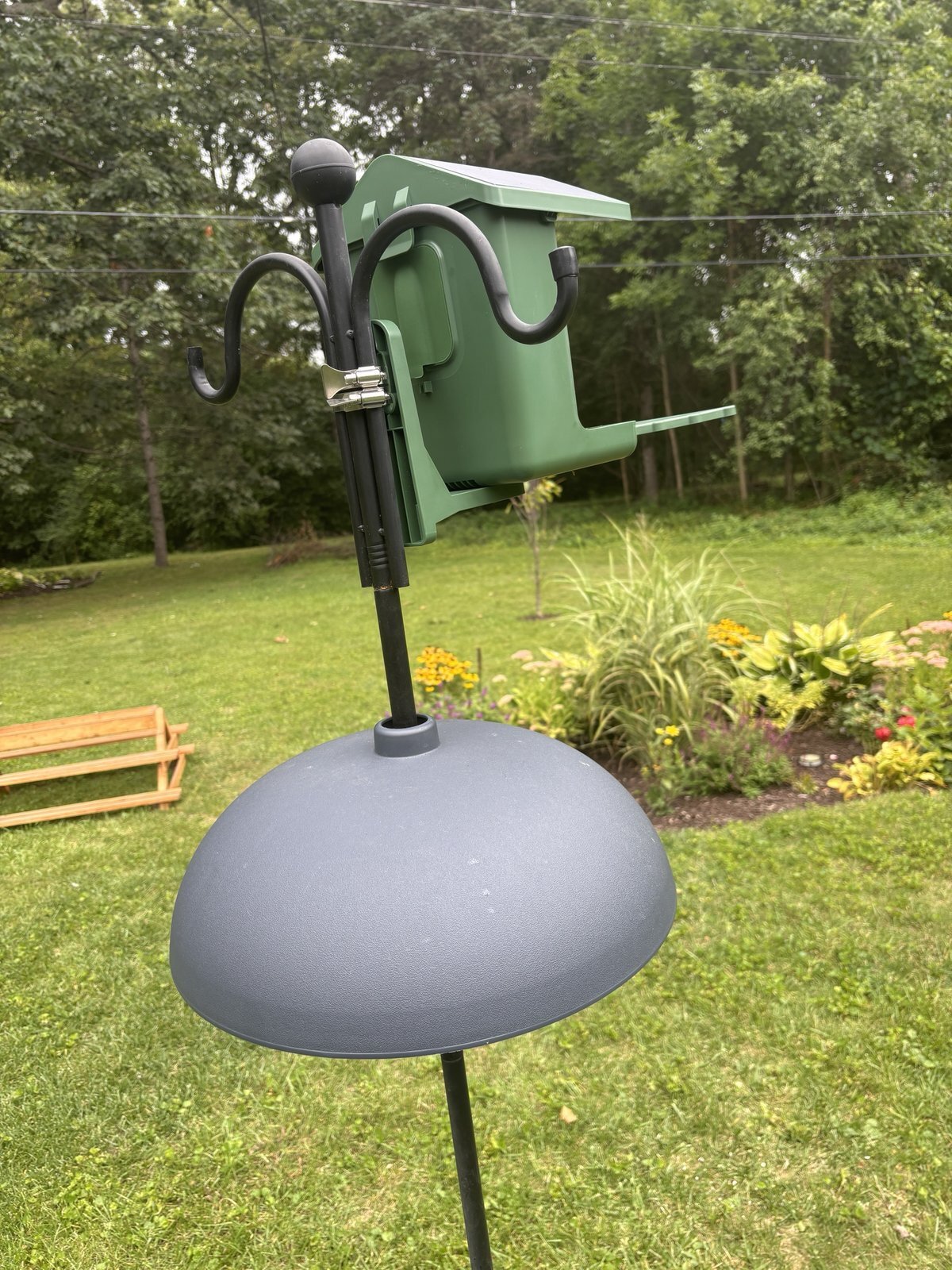
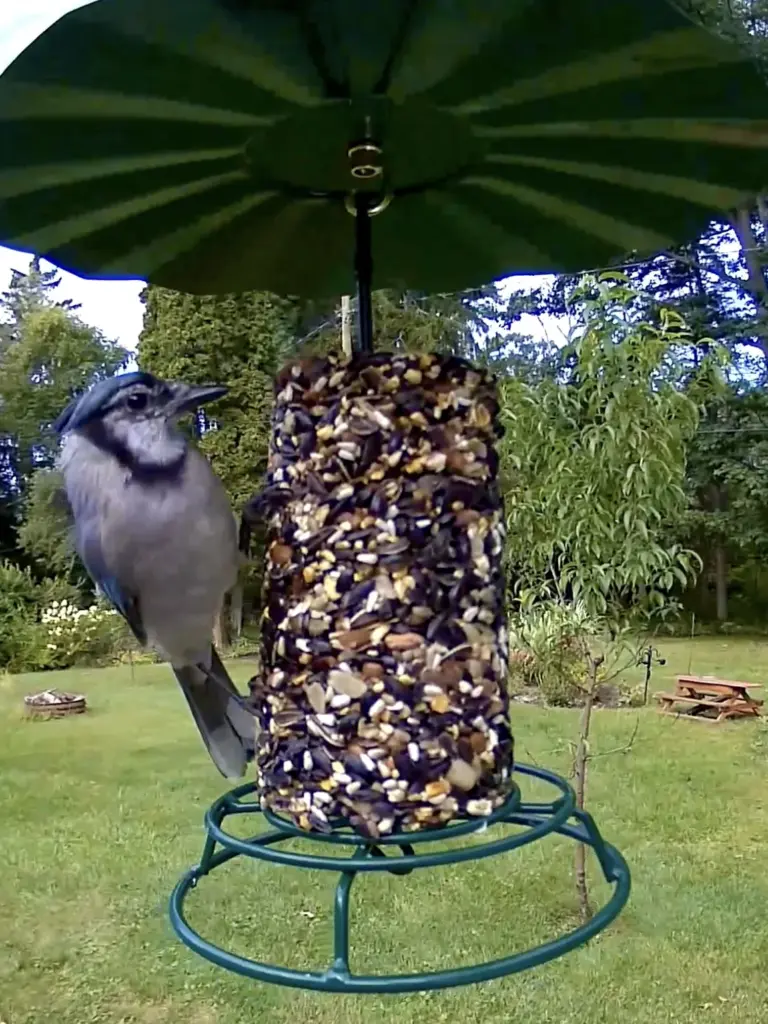
Wet seed clumps and grows mold, which can make birds sick, so skip spots where rain drips from a roof or branch onto the feeder. A dome over the feeder gives extra protection.
Morning sun warms birds and dries the dew, while afternoon shade keeps seed from baking. A spot with some shelter from strong wind also keeps seed in the feeder and birds comfortable.
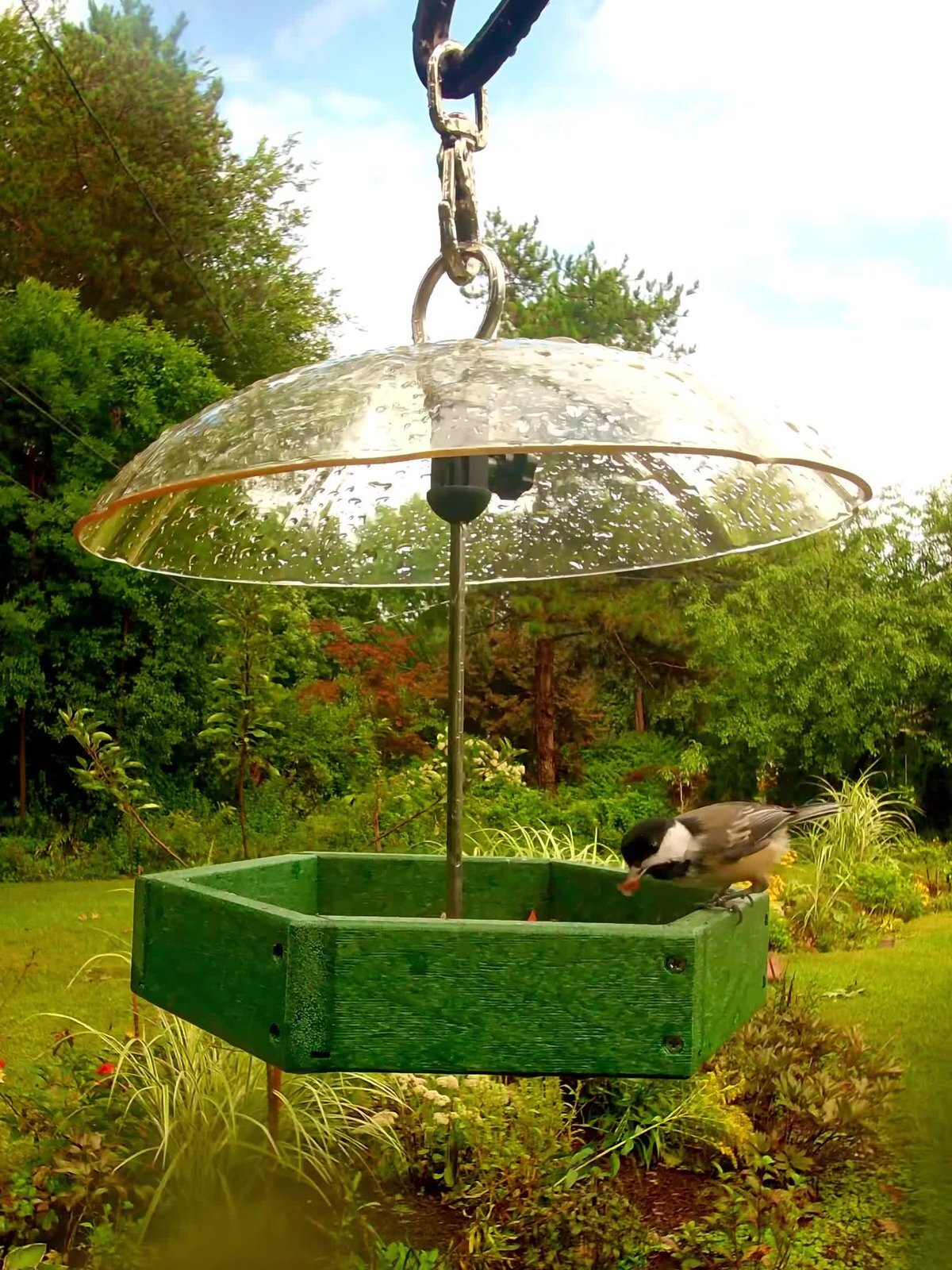
Choose a place you can reach easily for refilling and cleaning, because people neglect a feeder that’s a chore to reach. Clean the feeder regularly, even in winter, so spoiled seed doesn’t spread disease.
Pick a spot you can enjoy
Part of the fun is watching your visitors, so put the feeder where you can see it from your patio, deck or favorite chair. A pair of binoculars brings it closer. A feeder you watch daily helps you notice problems early, such as a sick bird or a cat lurking nearby. If you enjoy birds near the house, you can also add a water source in view.
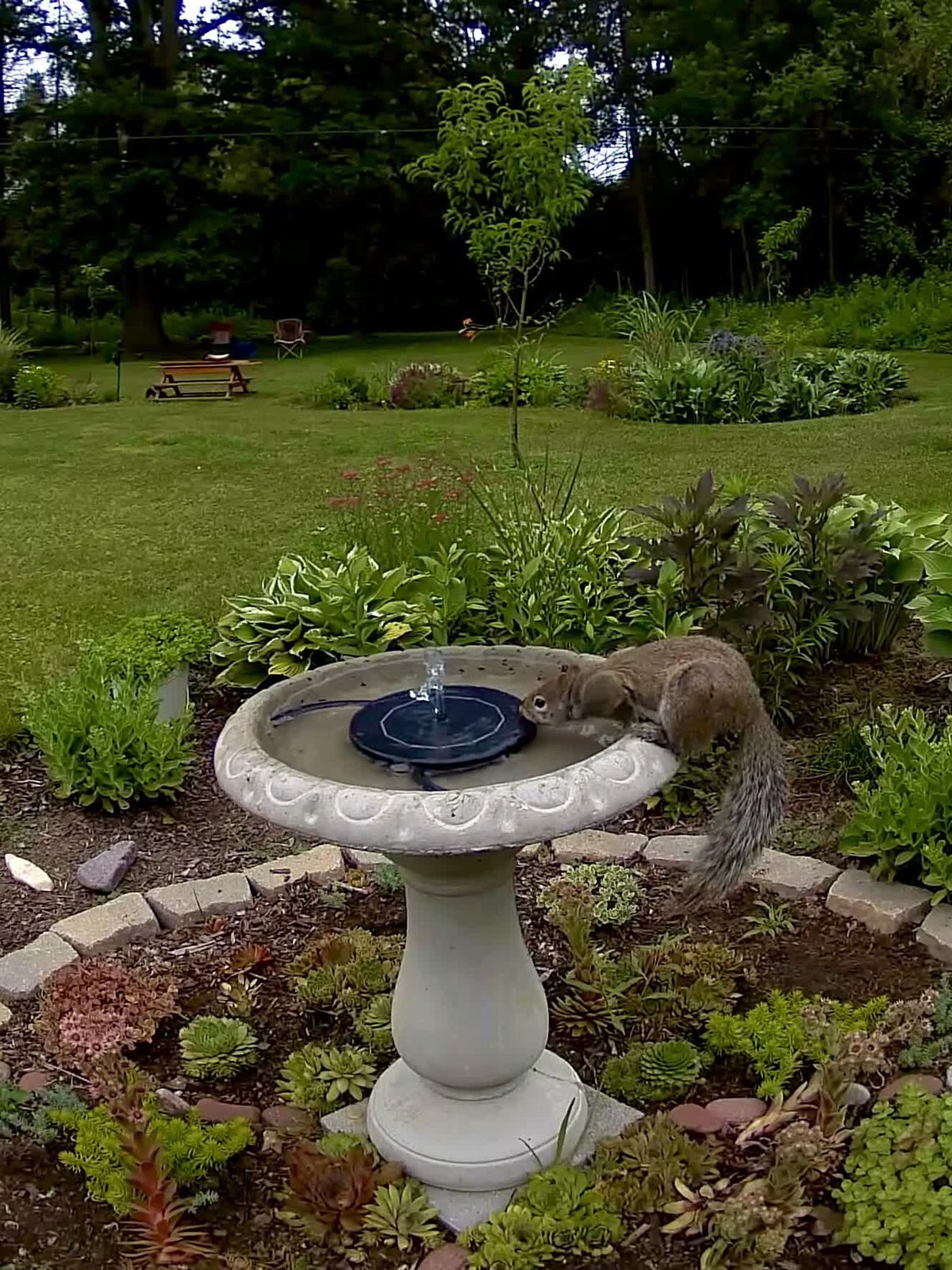
If the best spot is out of sight, a smart feeder with a built-in camera solves that. A motion-activated camera records photos and short video clips and sends alerts to your phone, so you can watch from the kitchen table or while you’re away.
Not everyone knows every bird, so many smart feeders also offer bird ID. It sometimes helps me tell my sparrows apart, though accuracy varies. Check two things before you buy. Most smart feeders need a steady Wi-Fi signal, so it has to sit within range of your router.
A solar model also needs plenty of sunlight, which is one more reason to scout the sun before you settle on a spot. Some models charge a subscription for cloud storage or species recognition.
Give birds time to find it
A new feeder can sit quiet for days, and sometimes weeks, because local birds have to discover it first. If nothing shows up after a few days, scatter some seed on the ground nearby to draw attention. Resist moving the feeder often, so birds can learn where it is.
Check your spot through the seasons
Autumn is a good time to settle on a location, because falling leaves show how much coverage a shrub really gives. A spot that was sunny in summer may turn shady and damp by winter.
Notice where squirrels and cats travel and where birds perch before they feed. Moving a feeder a few feet is easy, and far simpler than rearranging the yard later.
Frequently asked questions
How high should a bird feeder be off the ground? Mount it 5 to 6 feet up. That keeps seed out of reach of cats and other ground animals and leaves room for a baffle below it.
How far should a bird feeder be from a window? More than 30 feet. Distances in between give birds enough room to build up speed but not enough to notice the glass.
How close should a bird feeder be to trees and shrubs? About 10 feet. Birds get a quick escape route, and predators get fewer places to hide and jump from.
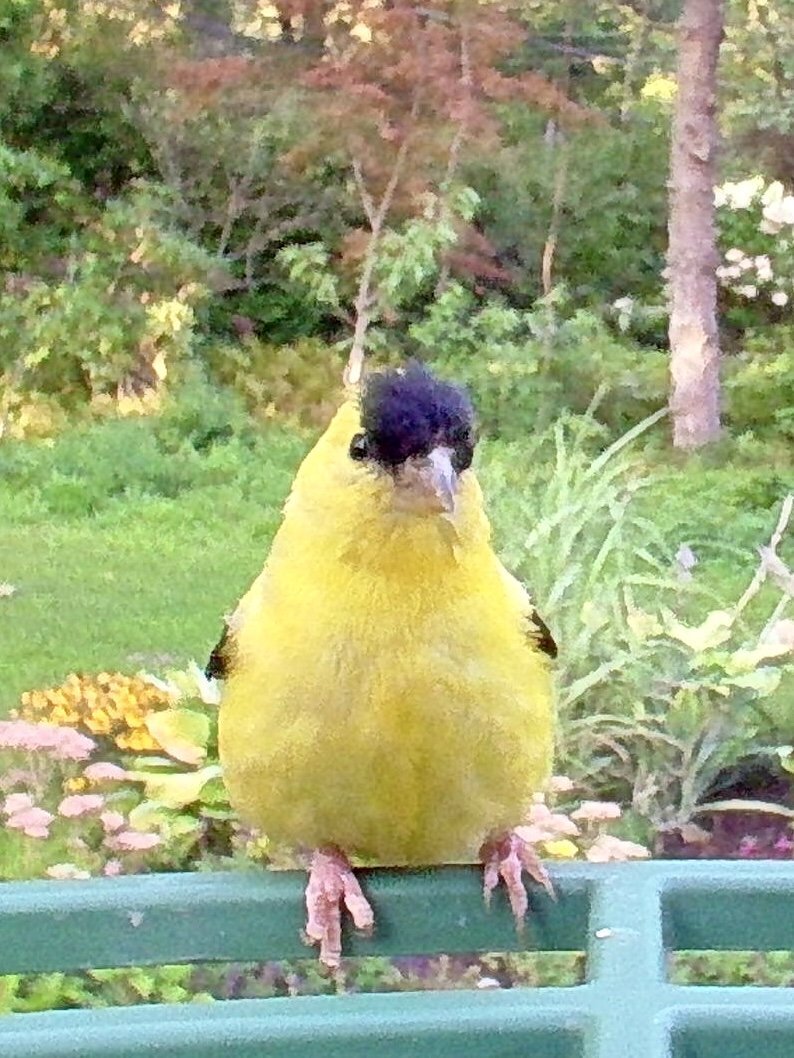
You don’t need a perfect spot on day one. Start with one feeder, give birds a few weeks to find it, then adjust a few feet at a time until the yard feels right. Birds will tell you what they like, and you’ll enjoy every new arrival.
From the QT Bird Community
Join the conversation
Comments on QT Bird articles live in our community. Joining is free: share your tips, ask questions and get replies.
Sign up to PostLog in