
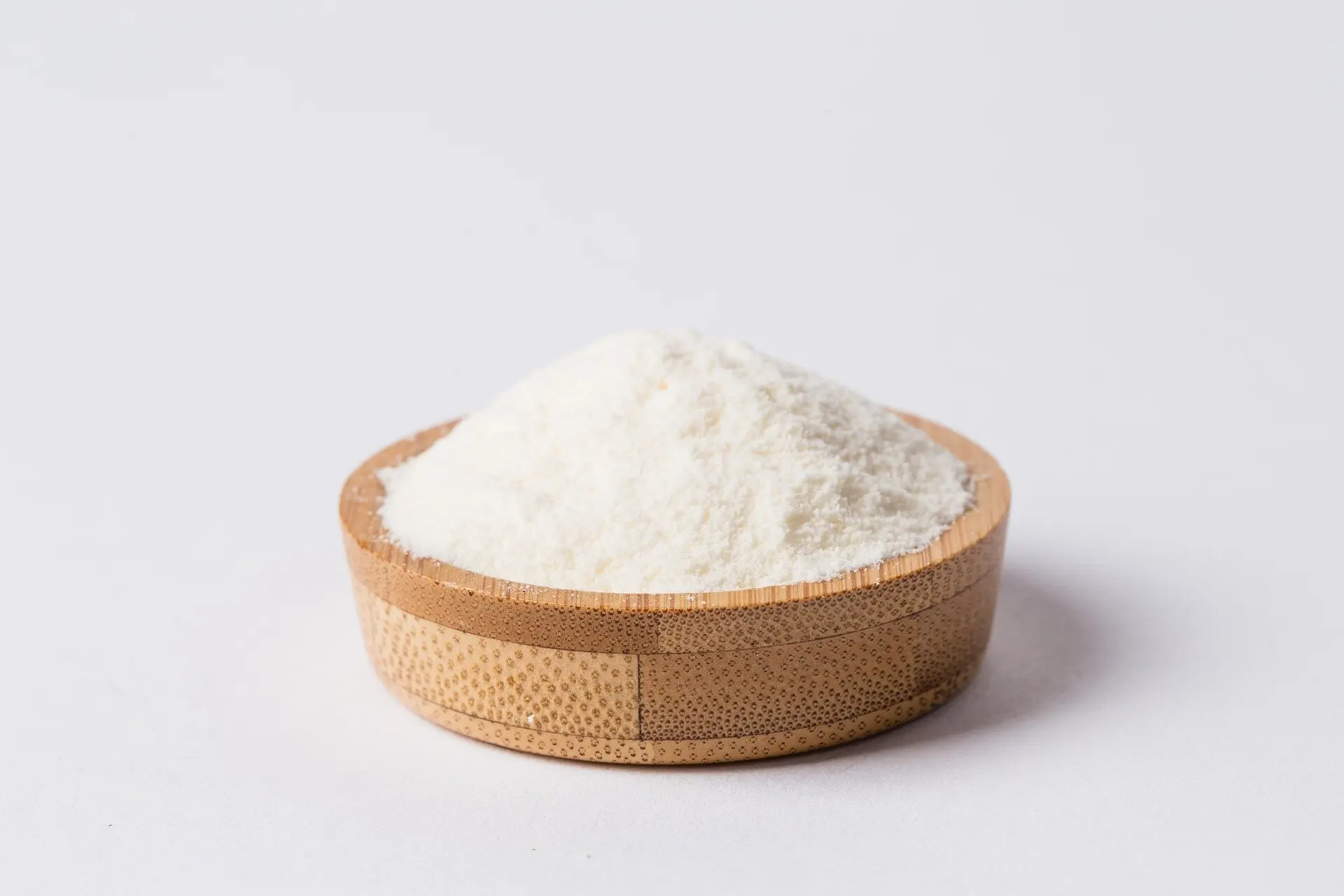
The milk carton is down to a splash, the recipe calls for a full cup, and the store is 20 minutes away. A box of powdered milk in the pantry solves that in about a minute.
Powdered milk has a reputation as emergency food, the stuff of camping trips and storm shelves. It deserves better. Bakers add it to bread for a softer crumb and a deeper golden crust, ice cream makers use it for a smoother scoop, and frugal households have long used it to make a gallon of milk go further.
Here’s how to mix powdered milk so it tastes right, which kind to buy, how to stretch fresh milk with it, how long it keeps, and how to use it in your baking.
What powdered milk is
Powdered milk is pasteurized milk with almost all of the water taken out. What’s left is a fine, dry powder of milk protein, milk sugar, and minerals. Add the water back, and you have milk again.
You’ll see it sold under a few names: powdered milk, dry milk, nonfat dry milk, and milk powder. They mean the same thing. The kinds you’ll find:
Nonfat dry milk: The most common, made from skim milk. It keeps the longest because it has almost no fat to go stale.
Dry whole milk: Made from whole milk, so it tastes richer. It’s harder to find, often in the international aisle, and it doesn’t keep as long.
Buttermilk powder: Dried cultured buttermilk, usually sold in the baking aisle. It’s made for baking, not for drinking.
Look for “fortified with vitamins A and D” on the label. Nutritionally, reconstituted nonfat dry milk is a close match for skim milk.
Instant or regular?
This is the detail most guides skip, and it’s why so many people end up with watery milk.
Instant: The powder found in most grocery stores. It’s light and fluffy, and it dissolves easily in cold water.
Regular, or non-instant: Denser and finer, often sold for baking or in bulk. It takes a little more stirring.
Because instant powder is so much fluffier, you need more of it by the cup. A cup of instant weighs a little over half as much as a cup of regular. Check the label to see which one you have before you measure.
Low heat or high heat?
Bakeries and ice cream shops sort milk powder by how much heat it saw before drying. Low-heat powder tastes the most like fresh milk and dissolves easily. High-heat powder has a slightly cooked, caramel flavor, and its proteins have already changed in a way that helps bread rise higher. The U.S. Dairy Export Council lists high-heat nonfat dry milk as the type for bakery products.
Grocery store boxes don’t usually say which one they are, and that’s fine. Ordinary instant nonfat dry milk works in every use in this guide.
How to mix powdered milk
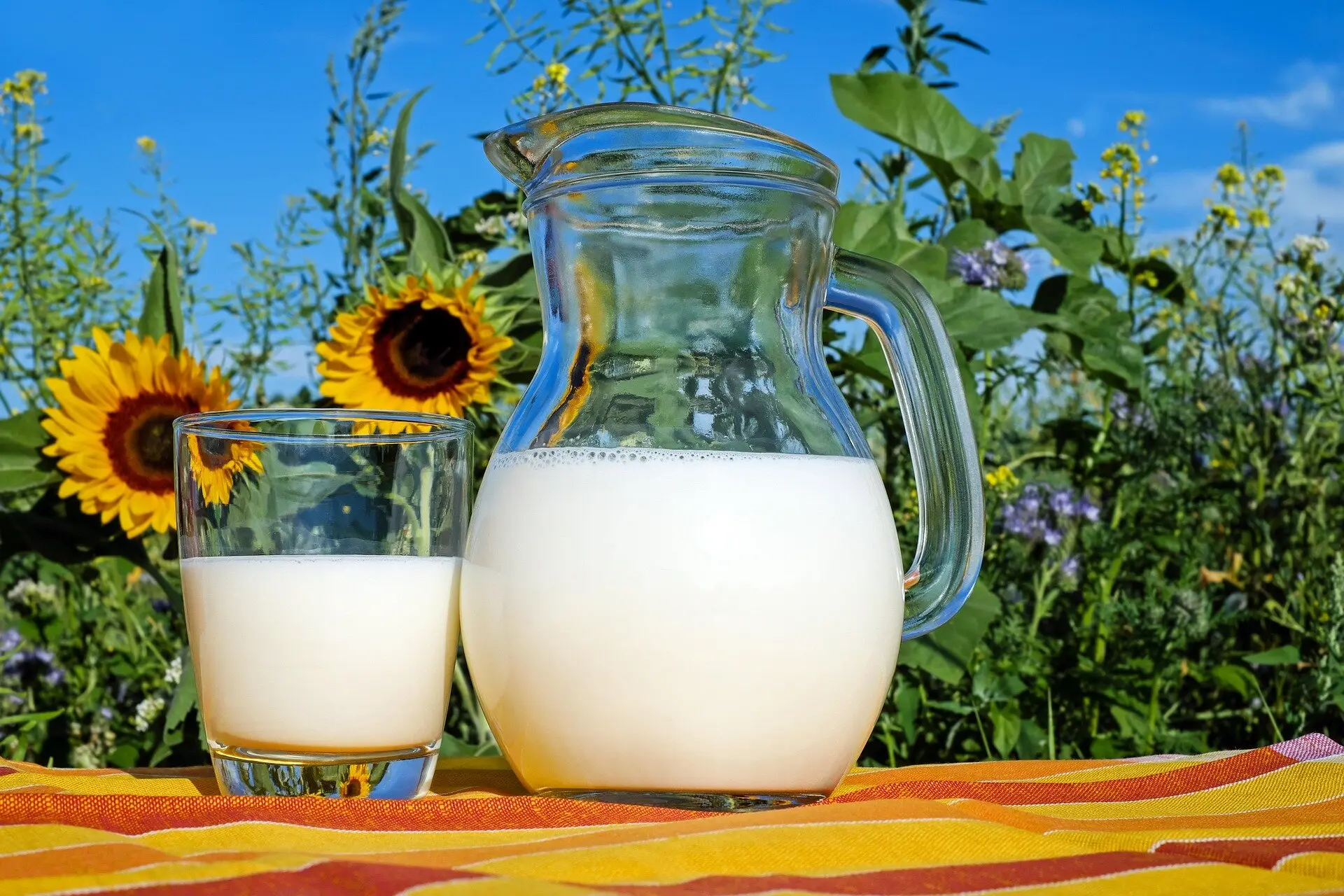
Most grocery store powder is instant. To make 1 cup of milk, stir 1/3 cup of instant nonfat dry milk into 1 cup of cold water, according to the U.S. Department of Agriculture.
For regular (non-instant) powder, you need less, about 3 tablespoons per cup of water.
| To make | Instant powder | Regular powder | Cold water |
|---|---|---|---|
| 1 cup | 1/3 cup | 3 tablespoons | 1 cup |
| 1 quart | 1 1/3 cups | 3/4 cup | 4 cups |
| 1/2 gallon | 2 2/3 cups | 1 1/2 cups | 8 cups |
Whisk the powder into the water, or shake it in a jar with a tight lid, until there are no lumps. Then chill it. Powdered milk tastes flat warm and much better cold, so mix it the night before when you can. North Dakota State University Extension suggests refrigerating it overnight for the best flavor.
A pinch of salt, a drop of vanilla, or a small spoonful of sugar in a quart rounds out the flavor if your family finds it plain.
Stretch a gallon of fresh milk
This is the oldest frugal use of powdered milk, and still one of the best. When you open a new gallon, pour half of it into a clean jug. Top off both jugs with mixed powdered milk, then shake and chill them.
You now have two gallons of half-and-half milk, and served cold, most people can’t tell the difference.
A few tips:
Mix ahead: Make the powdered milk a day early, so it’s cold and smooth when you combine them.
Start with less: Try one part powdered milk to three parts fresh, then work up to half and half.
Use it by the date: Use the blend by the date on the fresh milk, and sooner if it smells off.
Skim tastes closest: Powdered milk blends most easily into skim or 1% milk. In whole milk, the blend tastes thinner.
How long powdered milk keeps

Unopened, powdered milk lasts a long time if you keep it cool. Unopened dry milk keeps 12 to 24 months at 70°F and 24 to 48 months at 50°F, but only about 3 months at 90°F, according to Utah State University Extension. A cool basement shelf beats a cabinet above the stove.
Once opened, nonfat dry milk keeps for a few months. Dry whole milk lasts only a few weeks after opening, because its fat goes stale.

Store it airtight: Moisture makes the powder cake, and it soaks up odors from the pantry. Move it into a glass jar or a tight-lidded canister once the box is open.
Keep it dark: Light speeds up the flavor changes.
Date it: Write the date you bought it on the box, and buy only as much as you’ll use in a reasonable time.
Mixed milk belongs in the refrigerator, covered. It keeps 5 to 7 days, University of Missouri Extension says.
How to tell when it’s gone bad
Toss powdered milk that smells sour, stale, or like old crayons. Other signs: it has turned yellow or tan, or it has hard clumps that won’t break apart. Mix a small glass first if you’re unsure. If it tastes off, the whole box is done.
Safety first
Powdered milk is not a substitute for infant formula. Babies under 12 months shouldn’t drink cow’s milk in any form, and homemade formula made from milk powder can leave them short of nutrients they need. Talk to your pediatrician if you can’t find formula.
How to bake with powdered milk

When a recipe calls for milk, you don’t have to mix the milk first. Whisk the powder in with the flour and other dry ingredients, then add the water along with the eggs and other liquids. Use about 1/4 cup of instant powder plus 1 cup of water for each cup of milk.
That’s also how bread machine bakers set up a loaf on the timer: milk powder can sit in the pan overnight, and fresh milk can’t.
Powdered milk can also go into recipes that never called for milk, adding milk solids without adding liquid.
Bread and rolls: A few tablespoons per loaf gives a softer, more tender crumb and a richer brown crust. Bread with milk powder stays soft a little longer, too.
Cinnamon rolls and sweet doughs: Enriched doughs, the ones with butter, eggs, and sugar, rise higher and taste rounder with a spoonful or two of milk powder.
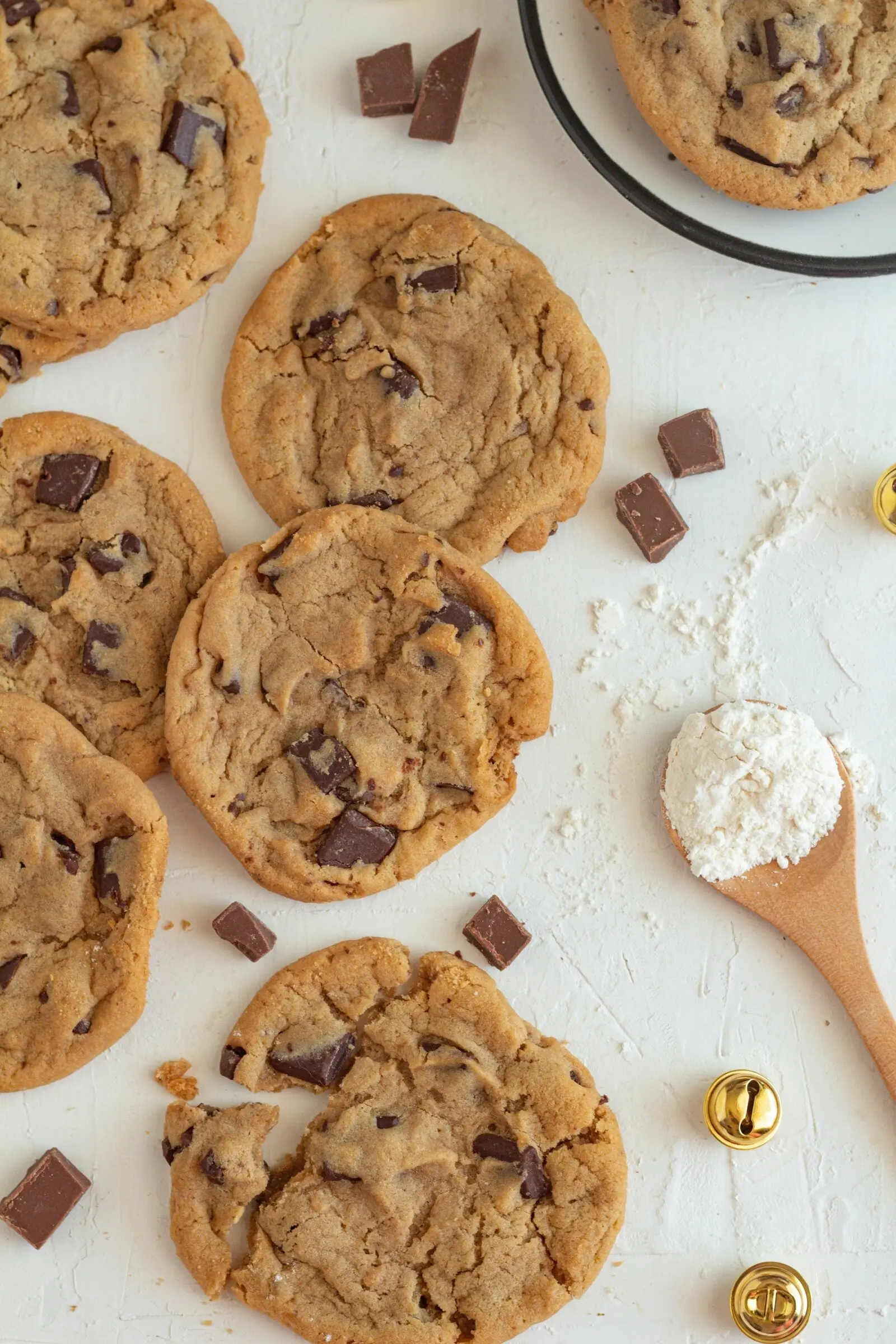
Cookies: A tablespoon or two in a batch of chocolate chip cookies makes them chewier, with a toasty, butterscotch edge.
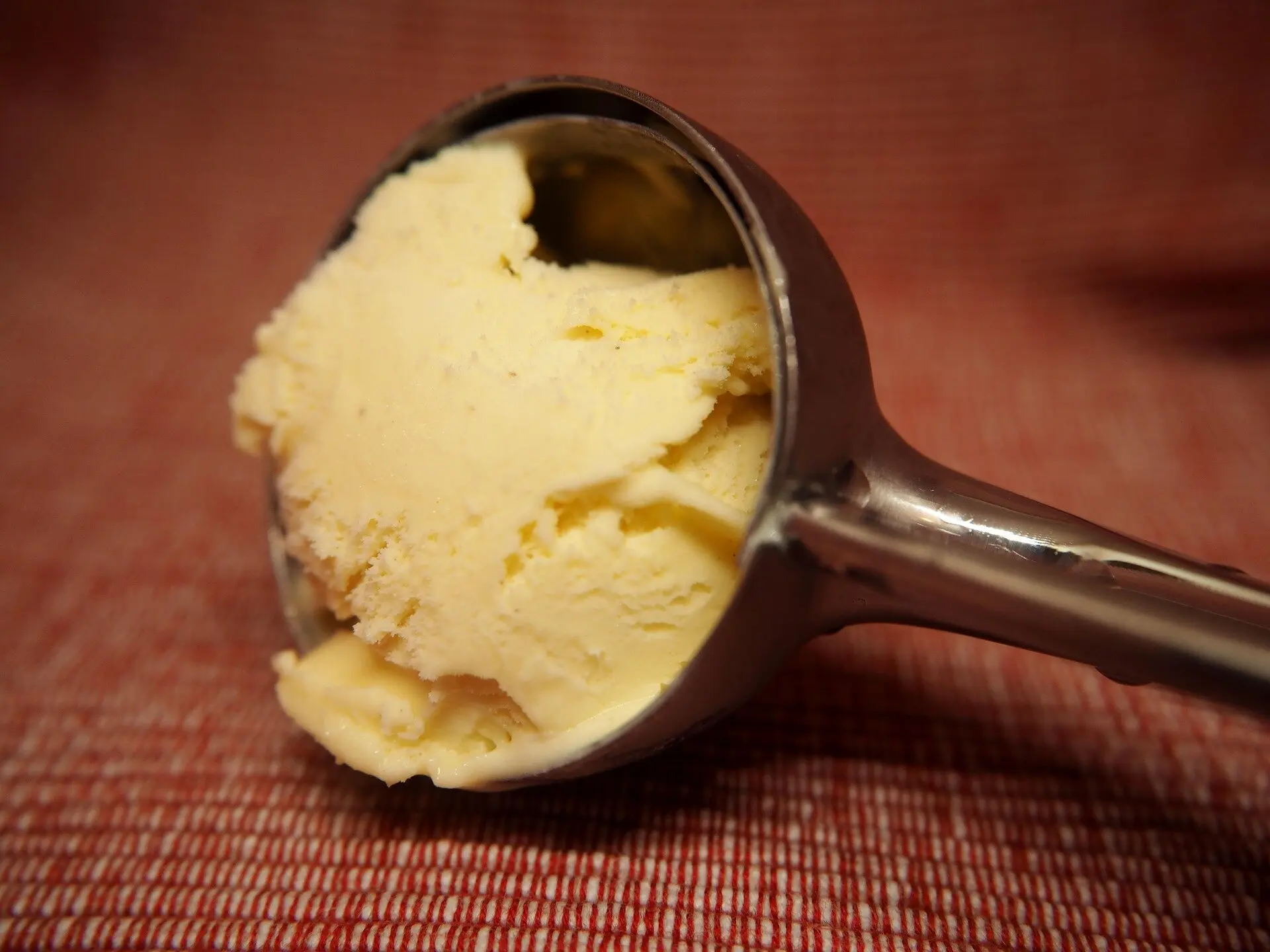
Homemade ice cream: A few tablespoons of milk powder in the base adds milk solids without more water, so the ice cream freezes smoother, with fewer ice crystals.
Pancakes and waffles: Keep milk powder in your homemade pancake mix, and all you’ll need on a busy morning is water and an egg. My Homemade Mixes library has mixes that use it.
More ways to use powdered milk
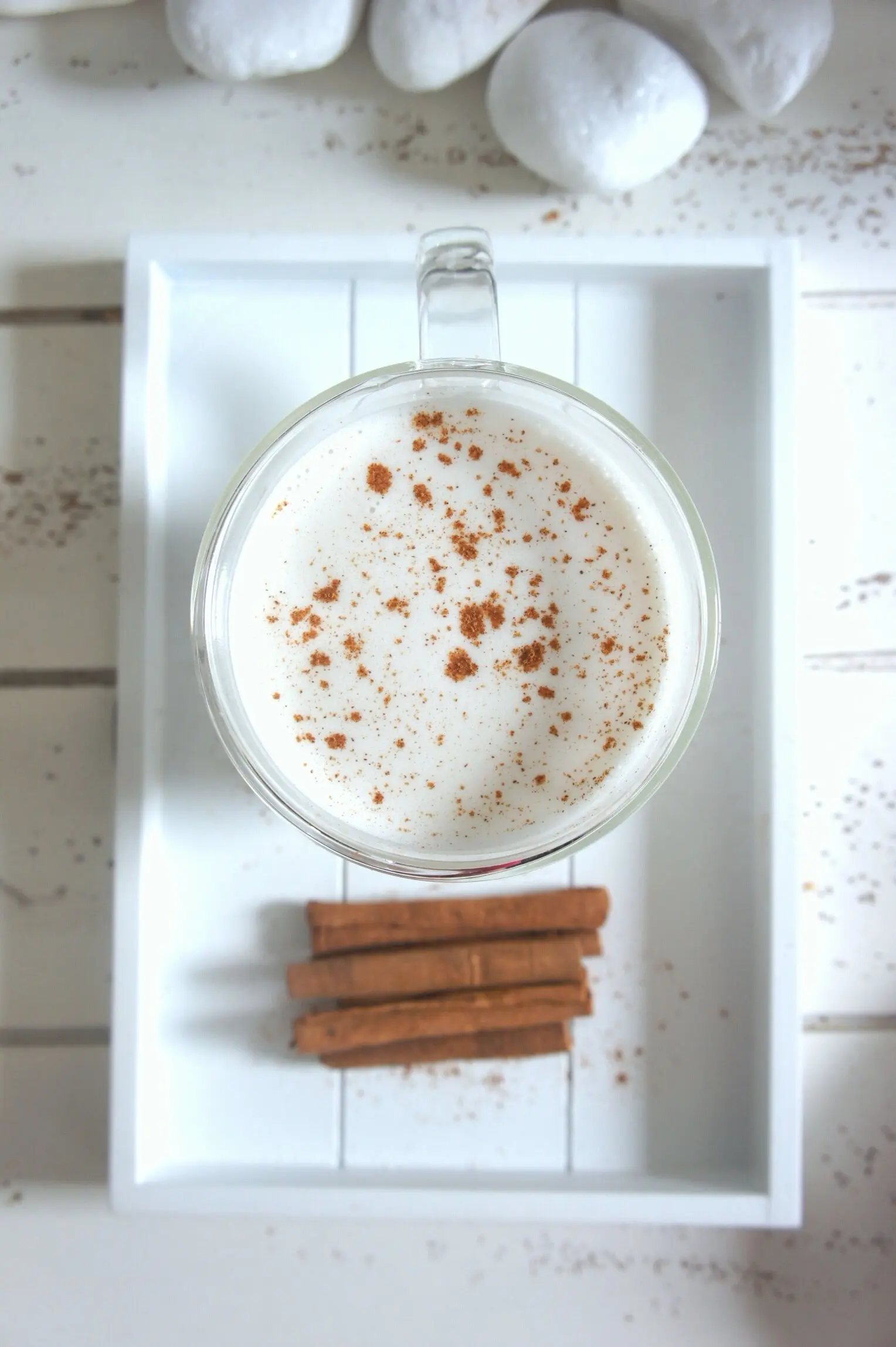
Powdered milk earns its place well beyond the baking shelf.
Creamier mashed potatoes: Stir in a few spoonfuls along with the butter.
Meat loaf and meatballs: North Dakota State University Extension suggests 1/4 to 1/2 cup per pound of meat. It adds protein and keeps them tender.
Hot cereal and smoothies: A tablespoon or two makes oatmeal, smoothies, and milkshakes creamier.
Cream soups and sauces: Whisk it into a white sauce or a pot of potato soup for body without extra cream.
Hot cocoa mix: Powdered milk is the backbone of most homemade cocoa mixes.
Coffee creamer: A spoonful stirred into hot coffee works in a pinch, though instant powder dissolves best.
Toast it for a butterscotch flavor
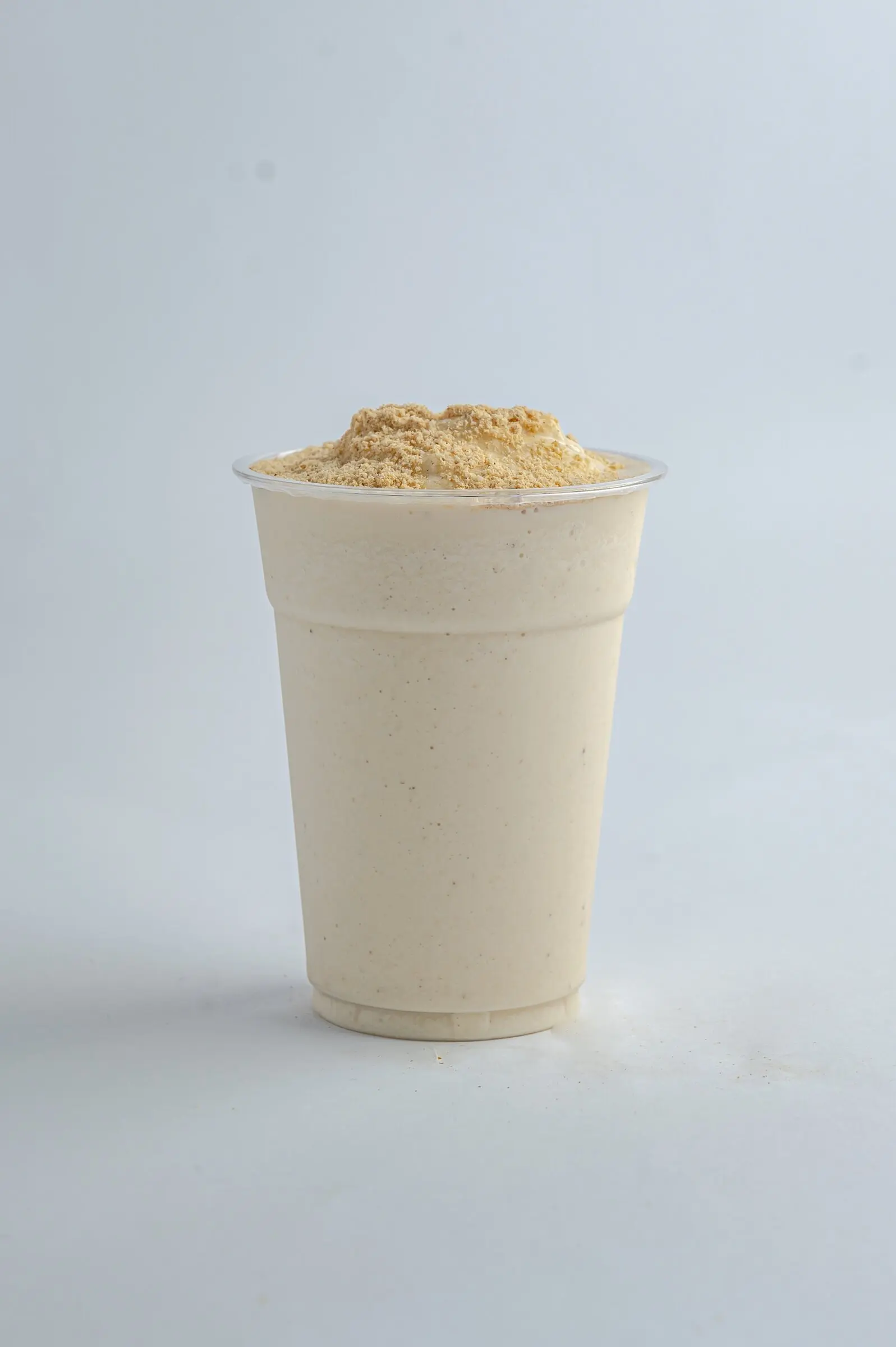
Spread 1/2 cup of milk powder in a thin layer in a baking dish and toast it in a 250°F oven, stirring every 10 minutes, until it turns golden and smells like butterscotch, 20 to 40 minutes. Watch it closely near the end, since it goes from golden to scorched quickly. Let it cool, break up any clumps, and stir it into cookie dough, ice cream, coffee, or pudding.
Don’t confuse it with malted milk powder
Malted milk powder, the kind in malted milkshakes, is a different product. It contains malted barley and wheat along with milk, so it’s sweeter and has a malt flavor. It doesn’t swap in for powdered milk in bread or for drinking.
Frequently asked questions
How do you make milk from powdered milk? For instant nonfat dry milk, stir 1/3 cup of powder into 1 cup of cold water. For regular (non-instant) powder, use about 3 tablespoons per cup. Chill it before drinking for the best taste.
Does powdered milk taste like regular milk? Close, especially cold. It tastes most like skim milk. Mixing it the night before and serving it well chilled makes the biggest difference.
How long does powdered milk last after opening? Opened nonfat dry milk keeps a few months in an airtight container in a cool, dark place. Dry whole milk keeps only a few weeks.
How long does mixed powdered milk last in the refrigerator? About 5 to 7 days, covered.
Can I use powdered milk instead of milk in baking? Yes. Add about 1/4 cup of instant powder to the dry ingredients and 1 cup of water to the liquids for each cup of milk.
Can I give powdered milk to a baby? No. Babies under 12 months need breast milk or infant formula, not cow’s milk in any form.
Is powdered milk the same as malted milk powder? No. Malted milk powder contains malted grain and tastes sweeter. Don’t use it in place of powdered milk.




From the QT Bird Community
Join the conversation
Comments on QT Bird articles live in our community. Joining is free: share your tips, ask questions and get replies.
Sign up to PostLog in