Soup and chili are the easiest freezer meals there are. You already make a big pot, the leftovers keep beautifully, and on a cold evening a container from the freezer turns into a hot supper in fifteen minutes. Many soups even taste better the second time, once the flavors have had a chance to settle in.
A few simple habits make all the difference between a bowl that tastes freshly made and one that tastes like the freezer. This guide covers which soups freeze well, how to cool and pack them, how to thaw and reheat them safely, and a handful of favorites from our Freezer Meals library to start with.
Which soups freeze well
| Freeze beautifully | Freeze with care |
|---|---|
| Chili of every kind | Cream soups and chowders: freeze the base, add the cream when reheating |
| Bean, lentil and split pea soups | Soups with noodles, pasta or rice: freeze without them, cook them fresh |
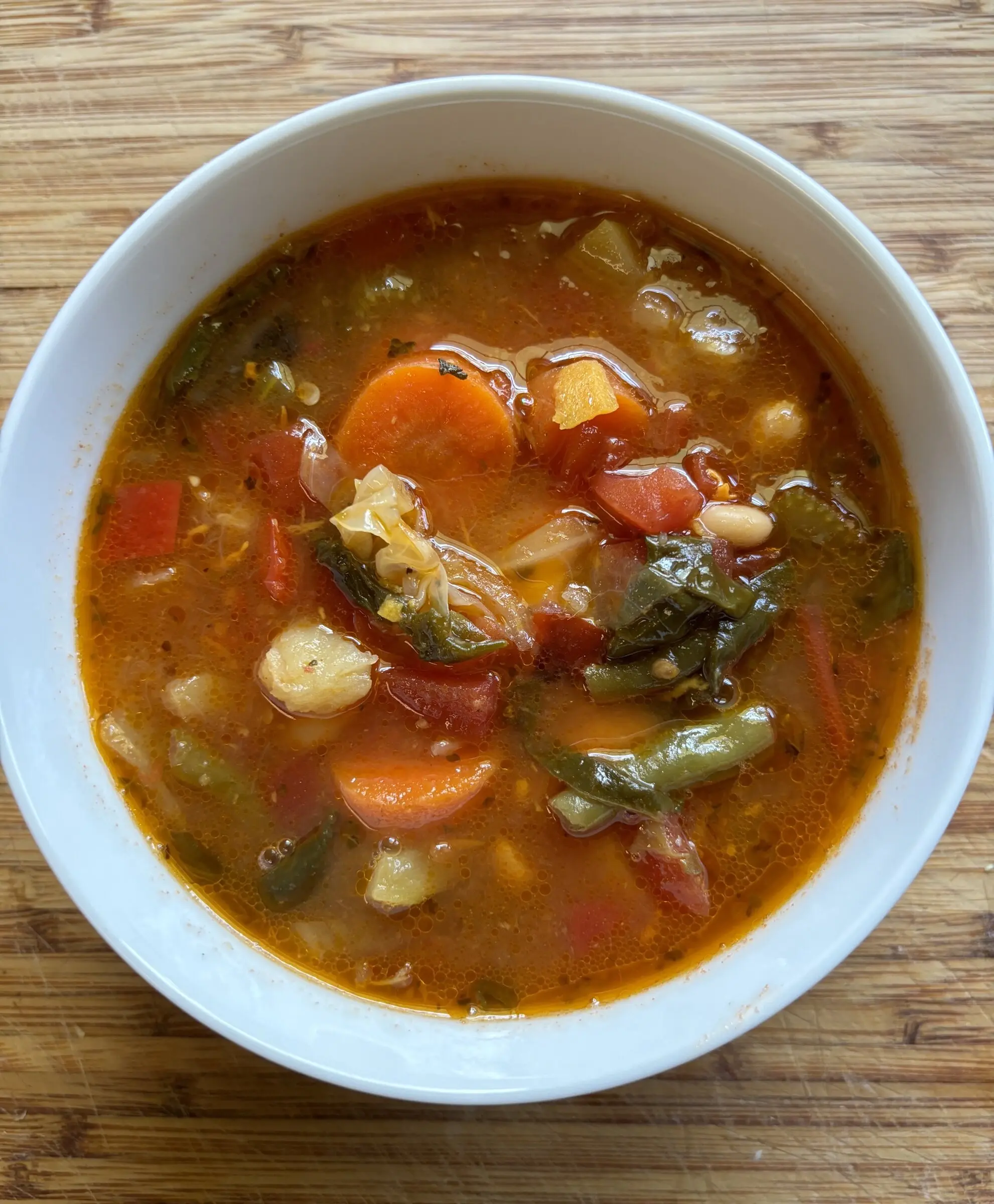
| Broth-based vegetable soups and minestrone | Potato soups: potatoes can turn grainy, so blend them smooth or add them fresh |
| Chicken, beef and turkey soups | Soups with cheese stirred in: add the cheese when reheating |
| Stews and curries | Delicate greens like spinach: stir them in at the end |
| Pureed soups like tomato, squash and carrot | |
| Homemade broth and stock |
The second column is not off limits. You simply freeze the soup base and add the tender ingredients on the day you serve it.
How to freeze soup and chili
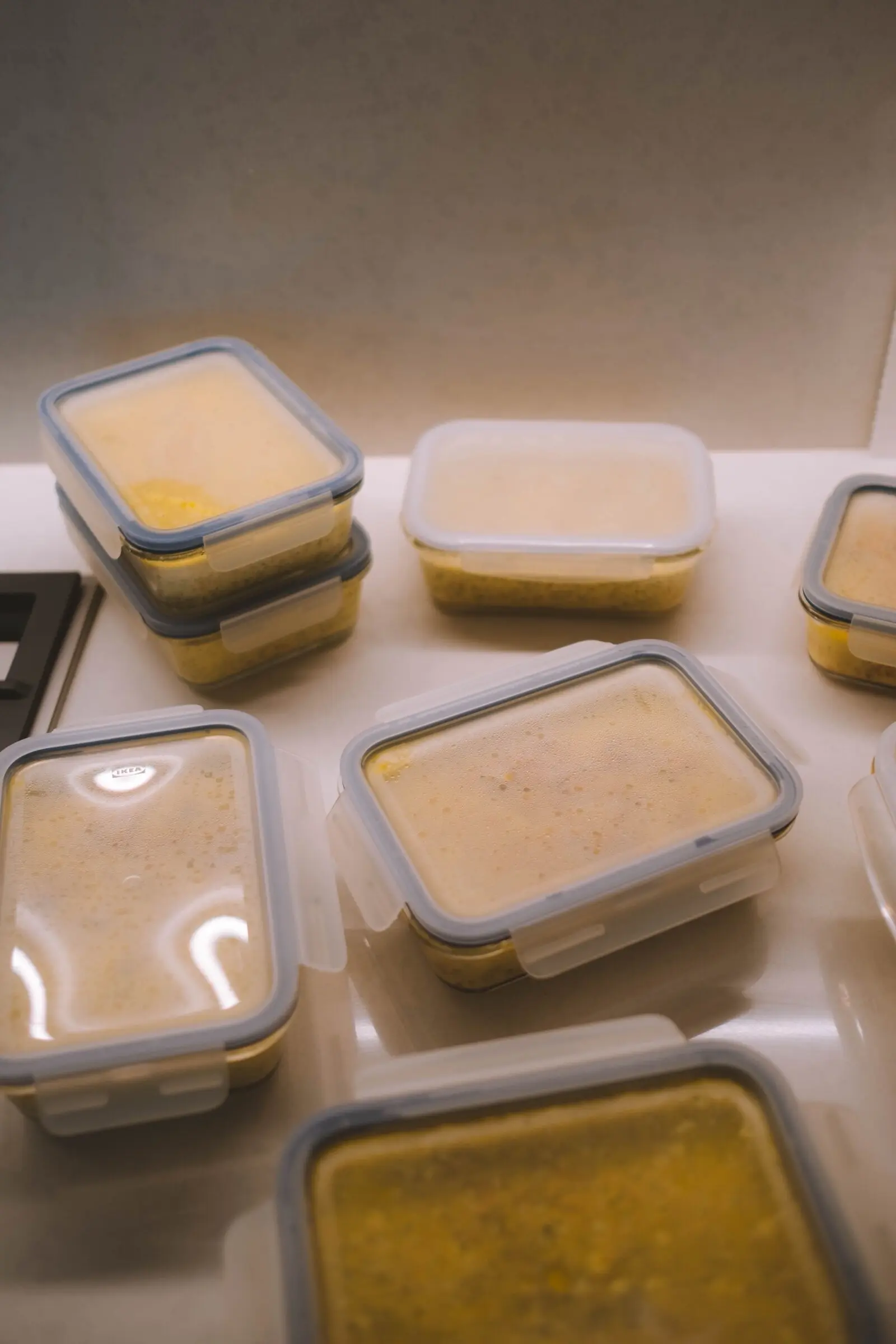
- Cool it quickly. Divide the hot soup into shallow containers and put them in the refrigerator, uncovered, until cold. Get it there within two hours of cooking, as the U.S. Department of Agriculture advises. A big pot left on the stove cools too slowly to be safe.
- Choose your containers. Freezer bags take the least room. Freezer-safe glass or plastic containers with tight lids stack well and go straight to the microwave. Silicone soup trays freeze neat blocks you can pop out and bag.
- Portion it the way you will eat it. Single servings for lunches, family-size for dinners. Small portions thaw and reheat much faster than one big block.
- Leave room at the top. Soup expands as it freezes. Leave about an inch of space in containers so the lids do not pop off and glass does not crack.
- Keep the air out. Press out the air from bags before sealing. In containers, a piece of plastic wrap pressed onto the surface of the soup helps prevent freezer burn.
- Freeze bags flat. Lay them on a baking sheet until frozen solid, then stand them up in a row like files.
- Label everything. Write the name, the date, and anything to add when reheating, such as “stir in 1 cup cream” or “cook noodles separately.”
Most soups and chilis taste best within about three months.
Thawing and reheating soup safely
In the refrigerator. The best way. Move the soup to the fridge the night before; most portions thaw in 12 to 24 hours.
In cold water. For a quicker thaw, set the sealed bag or container in a bowl of cold water and change the water every 30 minutes. Cook it right away.
Straight from frozen. Soup and chili can go into a saucepan frozen. Run the container under warm water for a minute to loosen the block, set it in the pan with a splash of water or broth, cover, and heat over medium-low, stirring as it melts. The microwave works too, in short bursts with stirring in between.
Heat the soup until it is steaming hot all the way through, 165°F, or bring it to a gentle boil. Reheat on the stove or in the microwave, not in the slow cooker, which warms too slowly. Add a splash of broth or water if it has thickened in the freezer, then stir in any cream, cheese, greens or freshly cooked noodles at the end.
Tips for soup that tastes freshly made
- Undercook the vegetables a little. Carrots, celery and squash soften more as they freeze and reheat.
- Season again after reheating. Freezing dulls flavors. A pinch of salt, a squeeze of lemon or lime, or a spoonful of fresh herbs wakes the soup right up.
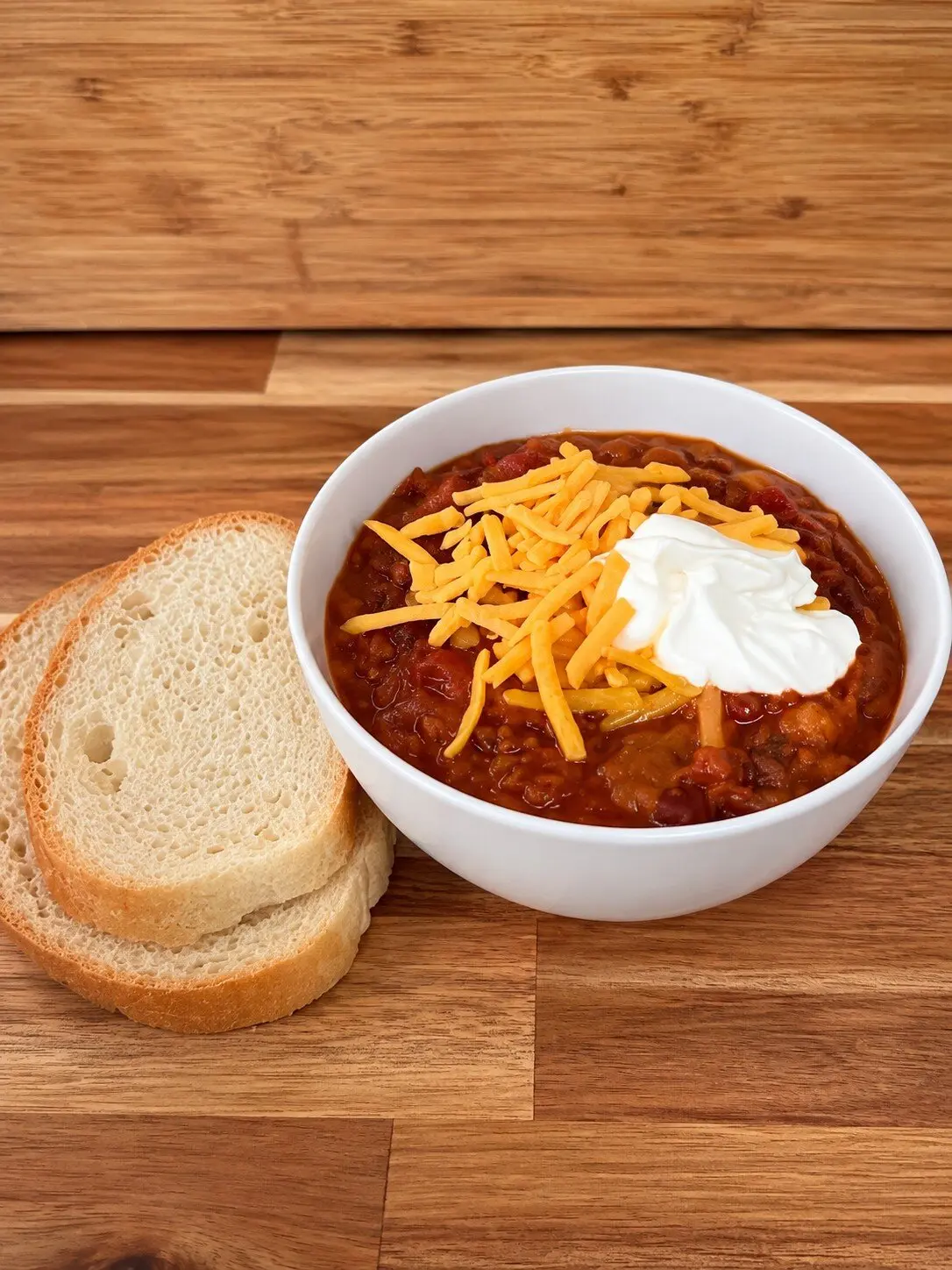
- Keep toppings fresh. Sour cream, shredded cheese, avocado, tortilla strips and croutons go on at the table, never in the freezer.
- Freeze broth in small amounts. Muffin tins or ice cube trays make handy portions for gravies and sauces. Pop them out once frozen and keep them in a bag.
- Skim the fat. Fat floats to the top as soup chills. Lift it off before freezing for a cleaner taste.
- Make a double batch. Chili and soup take no longer in a big pot. Eat one, freeze one.
Good to know
In our recipes, anything to add after reheating shows up in a Have ready box at the top of the cooking steps.
Soups and chilis to start with
These all freeze beautifully. Each one links to the full recipe in our library:
- Weeknight Black Bean and Beef Chili: three cans of black beans and ready in about 30 minutes.
- Poblano Chicken and White Bean Chili: a mild green chili with tender shredded chicken.
- Ham and Split Pea Soup: the classic way to use a leftover ham bone.
- Mediterranean Lentil Soup with Kale: warm cumin and cinnamon with a bright squeeze of lemon.
- Chicken Tortilla Soup: freeze the soup, then crisp fresh tortilla strips for the top.
- Chicken Noodle Soup: freeze it without the noodles and cook them fresh while the soup heats.
Find more than a hundred others in the Freezer Meals library: tap Soups, Chili & Stews.
Frequently asked questions
How long does soup last in the freezer? It stays safe as long as it is kept at 0°F, but it tastes best within about three months. Chili and bean soups often hold up a little longer.
Can you freeze soup in glass jars? Yes, if they are freezer-safe, straight-sided jars. Leave at least an inch at the top and let the soup cool completely first, or the glass can crack.
Can you freeze soup with potatoes? You can, though chunks of potato may turn grainy. Pureed potato soups freeze better. For chunky soups, add freshly cooked potatoes when you reheat.
Can you freeze cream soups? Freeze the soup before adding the cream, milk or cheese, then stir them in while reheating. If a frozen cream soup separates, whisk it well or blend it smooth.
Can I refreeze soup after thawing it? If it thawed in the refrigerator, yes, though the texture may suffer. Soup thawed in cold water or the microwave should be eaten, not refrozen.
Why does my soup taste bland after freezing? Freezing mutes seasoning. Taste it after reheating and add a little salt, pepper, lemon juice or fresh herbs.