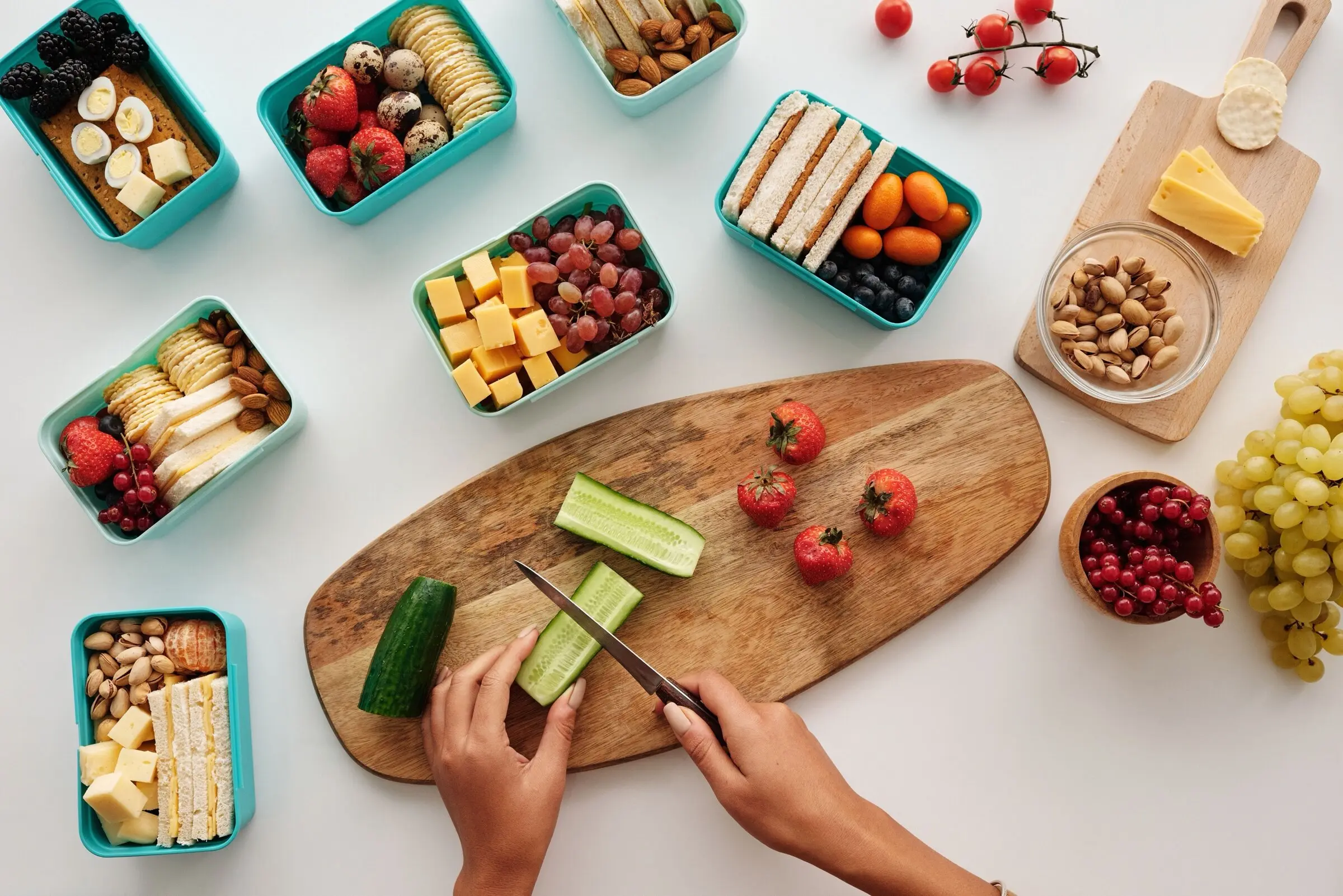
Weeknights go a lot smoother when half the work is already done. The onions are chopped, the rice is cooked, the chicken is ready to go, and dinner is 20 minutes away instead of an hour.
That’s meal prep. You spend a couple of hours on the weekend getting food ready, so you spend less time in the kitchen when everyone’s tired and hungry.
You don’t need a fridge full of matching containers or the same chicken and broccoli five days in a row. This guide shows you how to meal prep for a family, what to make ahead and what to leave for later, how long it keeps, and exactly what a prep afternoon looks like.
Here’s the short version:
- Plan your meals first.
- Pick the kind of prep that fits your week.
- Shop with a list.
- Prep in the right order.
- Cool and store it safely.
- Put it together on busy nights.
What is meal prep?
Meal prep means cooking or getting food ready ahead of time, usually once or twice a week, so meals come together fast later.
It’s not the same as meal planning. Meal planning is deciding what you’ll eat and making the shopping list. Meal prep is the work you do after you shop: washing, chopping, cooking, and packing. You can plan without prepping, but prepping is much easier with a plan. If you’re new to both, start with our guide on how to meal plan.
Three ways to meal prep
There’s more than one way to do it. Pick the one that fits your family, or mix them.
Ingredient prep. You get the pieces ready, but cook dinner each night. Wash and chop vegetables, brown ground beef, cook a pot of rice, and mix sauces and marinades. Dinner still feels fresh, and it takes half the time. This is the easiest place to start, and it works best for families.
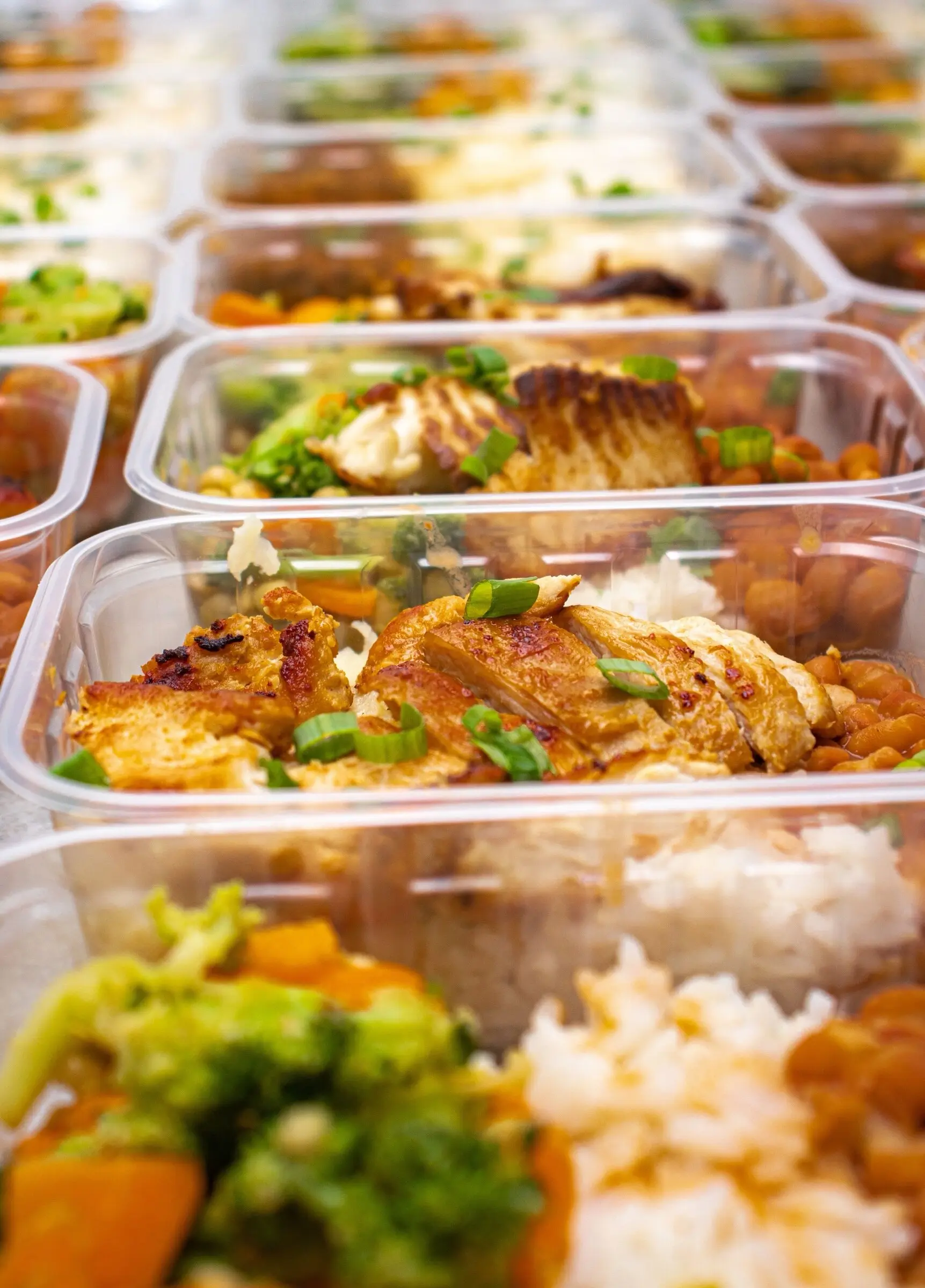
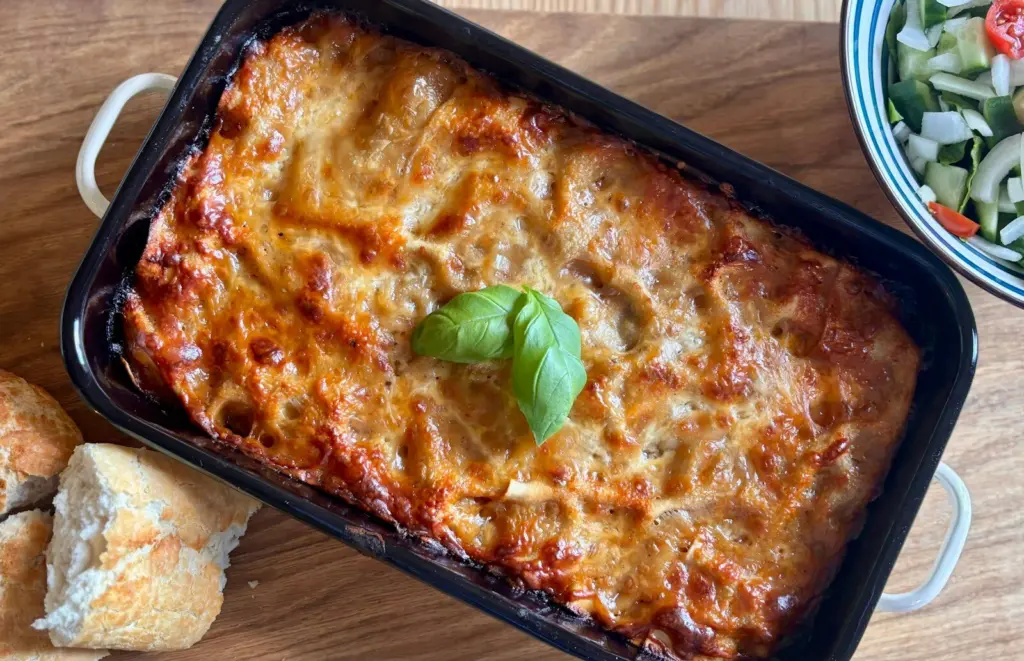
Batch cooking. You cook whole meals, like a pot of chili, a pan of enchiladas, or a casserole, and reheat them during the week. It’s the fastest on busy nights, and it’s great for lunches.
Make-ahead freezer meals. You assemble meals and freeze them for weeks or months from now. It takes the most time up front, but it fills the freezer with backup dinners. Our Freezer Meals library has hundreds of them.
Good to know
Prepped food doesn’t keep all week in the refrigerator. Plan to prep for the first three or four days, and freeze or cook fresh for the rest.
How to meal prep in 6 steps
1. Plan your meals first
Look at your week before you pick recipes. Which nights are busy? How many dinners do you need? Will anyone need lunches?
Start small. Plan three or four dinners for your first prep, not seven. The Harvard T.H. Chan School of Public Health suggests beginners start with just two or three weekday dinners and build from there.
Pick meals that share ingredients. If Monday’s tacos and Wednesday’s burrito bowls both use seasoned ground beef, peppers, and onions, you can prep them all at once.
2. Pick recipes that hold up
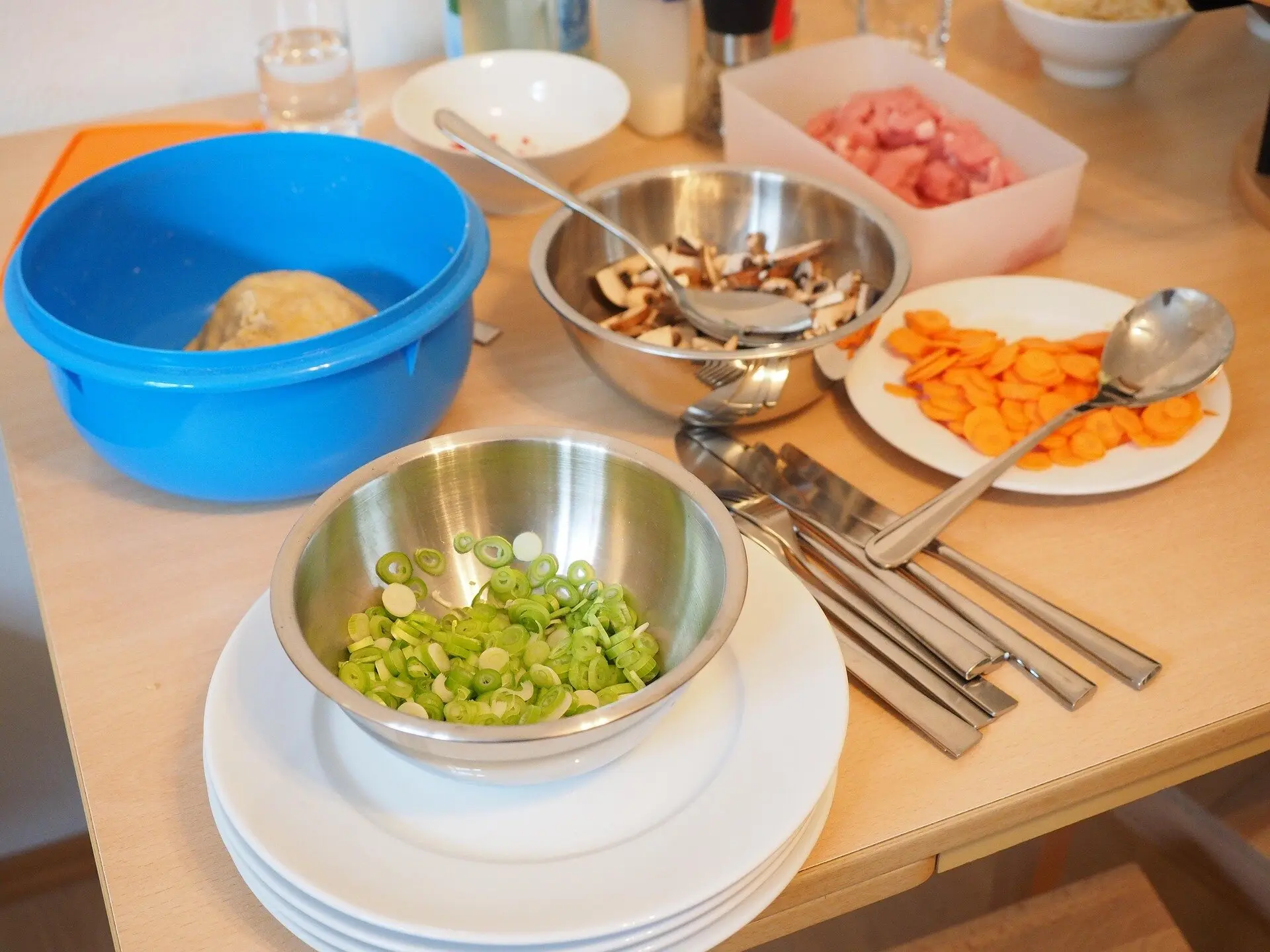
Some foods are made for meal prep. Others turn soggy, dry, or brown by Tuesday.
| Prep ahead | Wait until you cook |
|---|---|
| Rice, quinoa, and other grains | Cooked pasta for salads (it can get mushy; undercook it a little if you prep it) |
| Dried beans and lentils | Cut apples, pears, and bananas |
| Shredded chicken and browned ground beef | Fried and crispy foods |
| Soups, chili, stews, and sauces | Dressed salads |
| Chopped onions, peppers, carrots, and celery | Avocado and fresh herbs |
| Roasted vegetables | Delicate fish |
| Casseroles and enchiladas | Toppings like chips, crackers, and croutons |
| Hard-boiled eggs | Sliced tomatoes |
| Marinades, dressings, and sauces | Anything you’re not sure your family will eat |
3. Shop with a list
Go through each recipe and write down everything you’ll need. Then check your refrigerator, freezer, and pantry, and cross off what you already have. Group the list by store section so you shop faster and forget less.
Our free Meal Planner builds the shopping list for you, grouped by aisle, and shows which recipe each item is for.
4. Prep in the right order
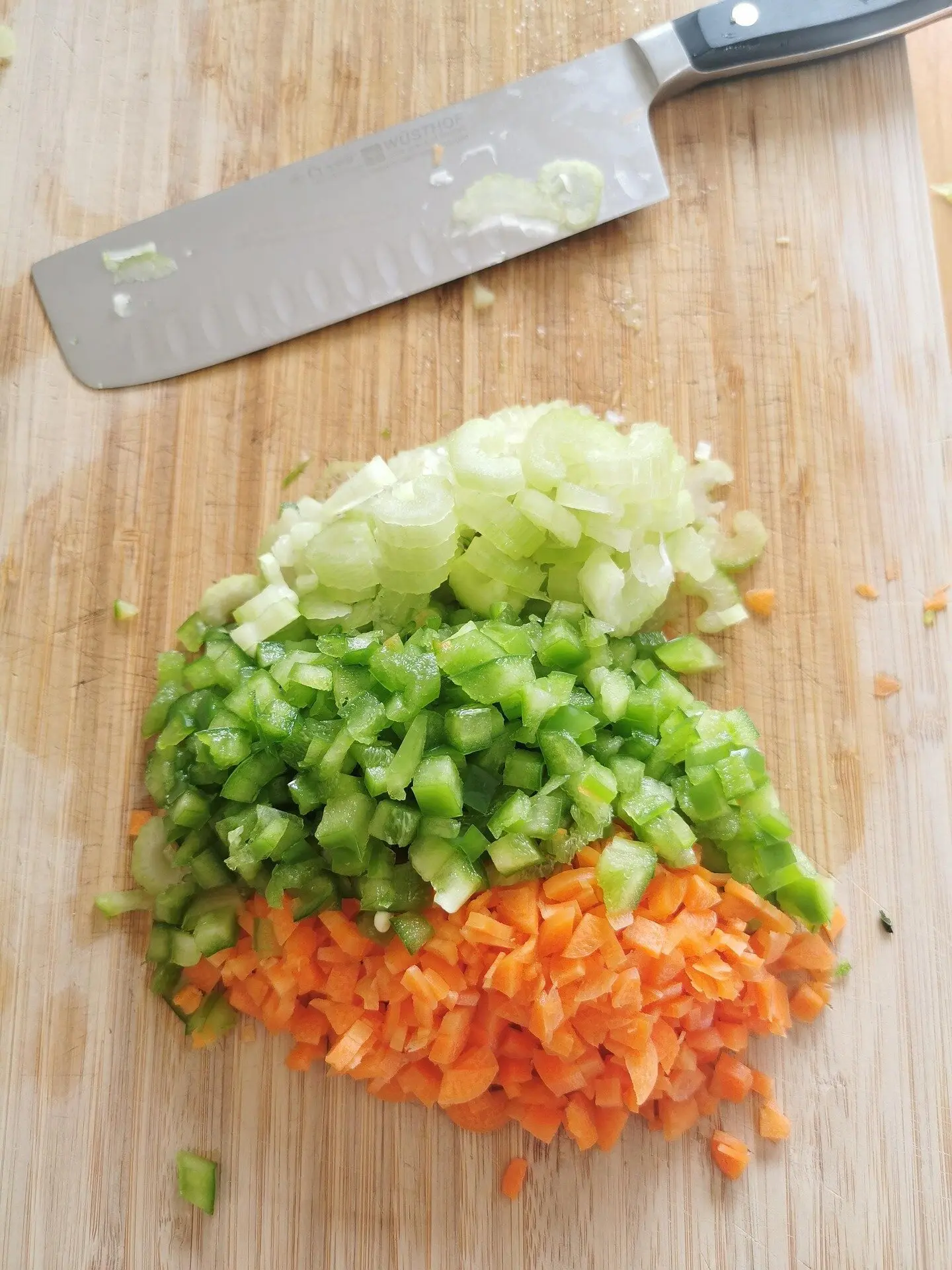
Order matters. If you start the slow stuff first, everything finishes around the same time. The Harvard T.H. Chan School of Public Health recommends starting with the foods that take longest to cook, like proteins, whole grains, dried beans, and roasted vegetables.
A good order:
- Start anything that simmers or roasts. Put a whole chicken or chicken breasts in the slow cooker or oven, start a pot of beans or rice, and slide a pan of vegetables into the oven.
- Brown the ground meat. While the oven works, brown ground beef or turkey with onions on the stove.
- Chop. Wash and chop vegetables while everything cooks.
- Mix. Stir together sauces, marinades, and dressings.
- Assemble. Put together any casseroles or freezer meals.
- Cool and pack. Divide everything into containers.
5. Cool and store it safely
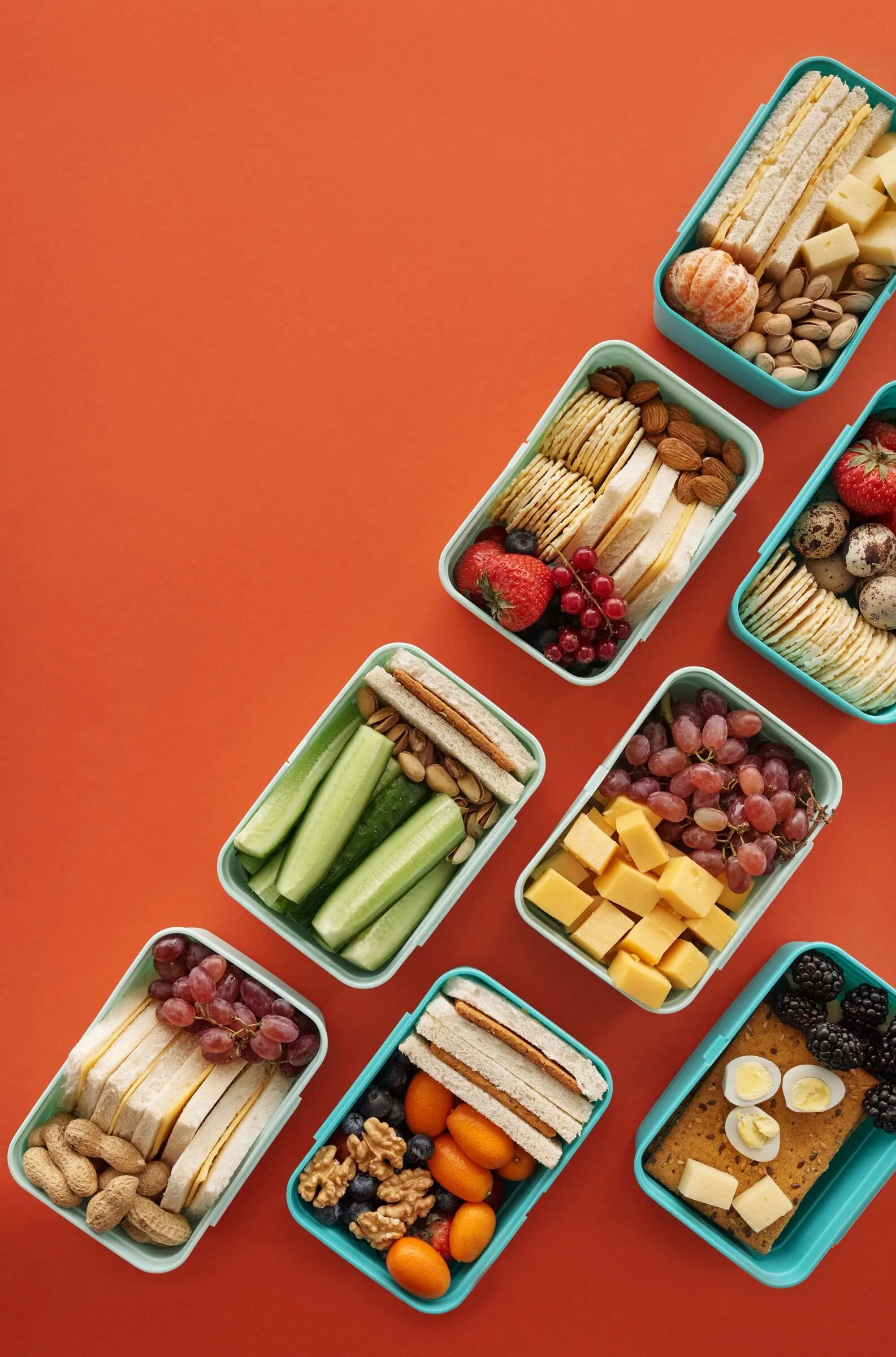
Food safety is where most meal prep guides fall short, and it matters most when you’re cooking days ahead.
- Refrigerate within two hours. Cooked food shouldn’t sit out longer than two hours, or one hour if it’s above 90°F, according to the U.S. Department of Agriculture’s Food Safety and Inspection Service.
- Cool it fast. Divide big batches into smaller, shallow containers so they chill quickly. A deep pot of chili can stay warm in the middle for hours. Food shouldn’t spend more than two hours between 40°F and 140°F, where bacteria grow fastest, according to Texas A&M AgriLife Extension’s Dinner Tonight program.
- Cover it loosely at first. Clemson Cooperative Extension suggests leaving the lid loose so heat can escape, stirring now and then with a clean spoon, and sealing the container tightly once the food is cold. Sealing hot food also traps steam, which makes it soggy.
- Keep the refrigerator at 40°F or below and the freezer at 0°F, the USDA says.
- Label everything with what it is and the date you made it.
- Eat it within three to four days. That’s how long cooked leftovers keep in the refrigerator, according to the USDA. Freeze anything you won’t eat by then.
- Reheat to 165°F. Stir food in the microwave so it heats evenly.
6. Put it together on busy nights
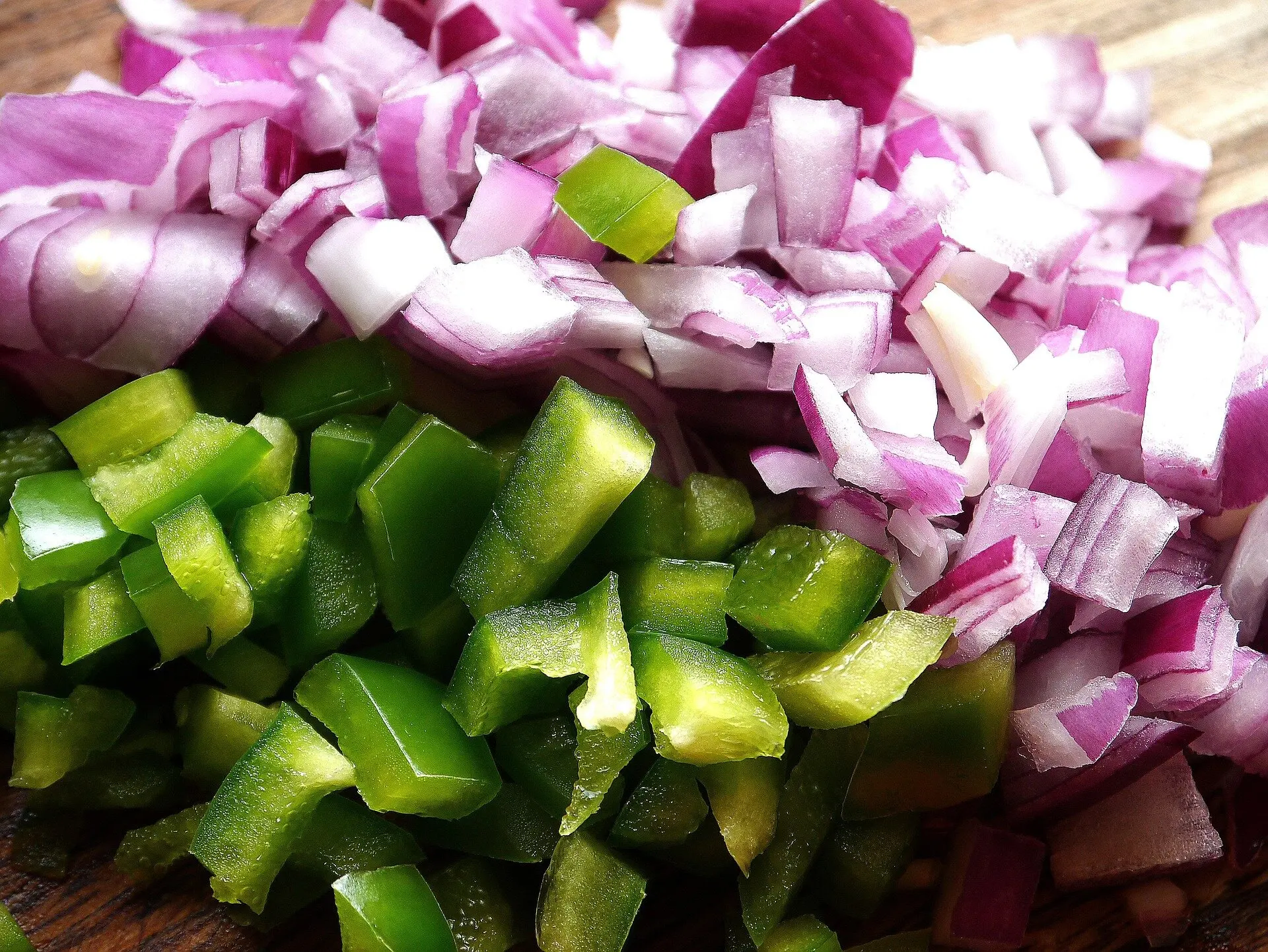
On a weeknight, dinner is just assembly and a little cooking. Toss the chopped vegetables into a skillet with the cooked chicken, warm the rice, and add a sauce. Or reheat the casserole you put together on Sunday.
Eat the most perishable meals first. Fish, salads, and anything with fresh greens go early in the week; casseroles, soups, and chili hold up better for Thursday.
Change the flavors as the week goes on so nobody gets bored. The same shredded chicken can be tacos with salsa on Monday, barbecue sandwiches on Wednesday, and chicken Alfredo on Thursday.
How long does meal prep last?
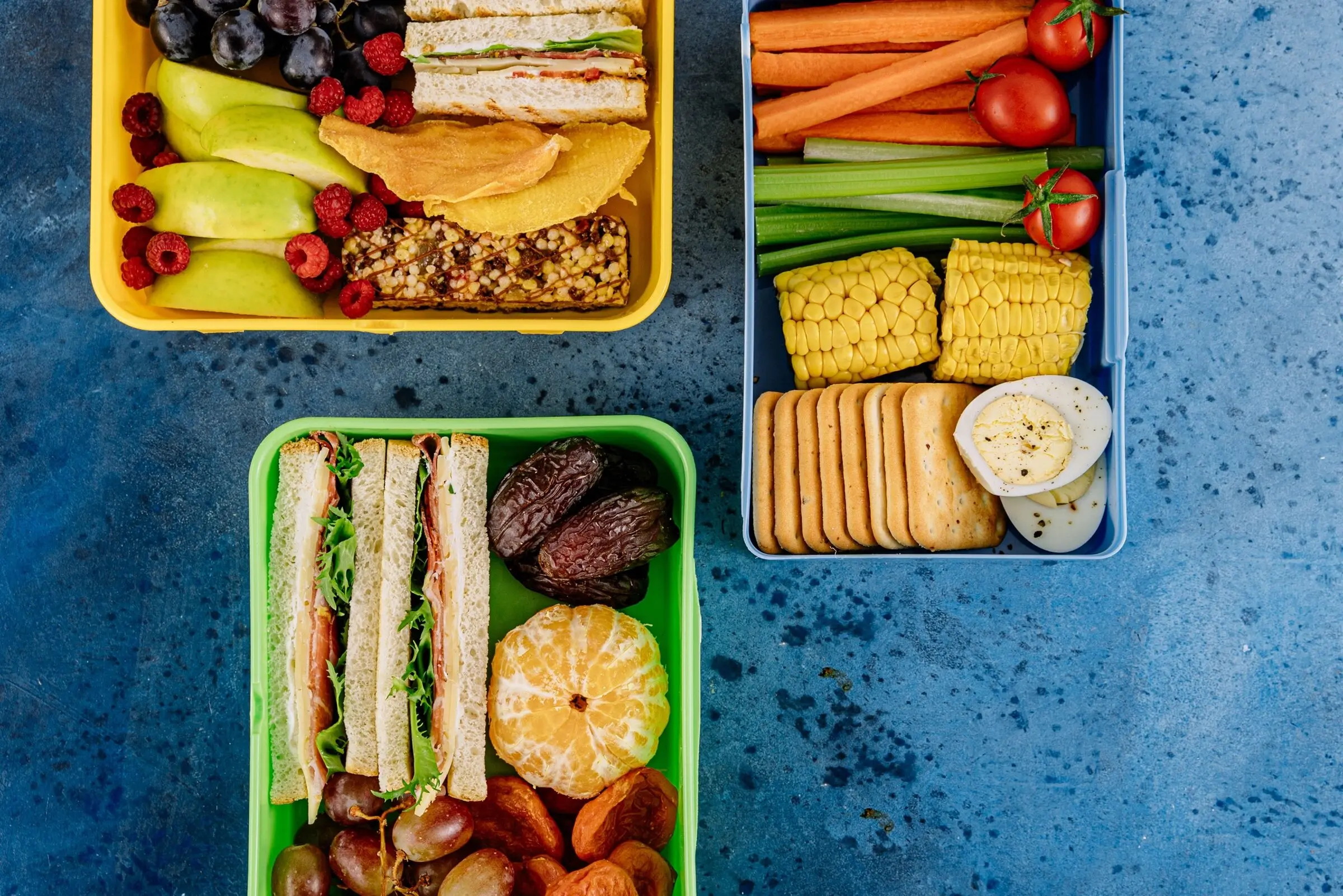
These are general guidelines for food kept in the refrigerator at 40°F or below. When in doubt, freeze it.
| Food | Refrigerator | Freezer, for best quality |
|---|---|---|
| Cooked chicken, beef, and pork | 3 to 4 days | 3 to 6 months |
| Soups, chili, and stews | 3 to 4 days | 2 to 3 months |
| Casseroles | 3 to 4 days | Freeze well; wrap tightly |
| Cooked beans | 5 days | 2 to 3 months |
| Hard-boiled eggs | 1 week | Not recommended |
| Chopped raw vegetables | Up to 1 week in an airtight container | 8 to 12 months, blanched first |
Refrigerator times for cooked meat, soups, and casseroles come from the USDA. The other times come from the Harvard T.H. Chan School of Public Health. Frozen food stays safe indefinitely at 0°F, but it slowly loses flavor and texture, so freezer times are for best quality.
A sample prep afternoon for 5 family dinners
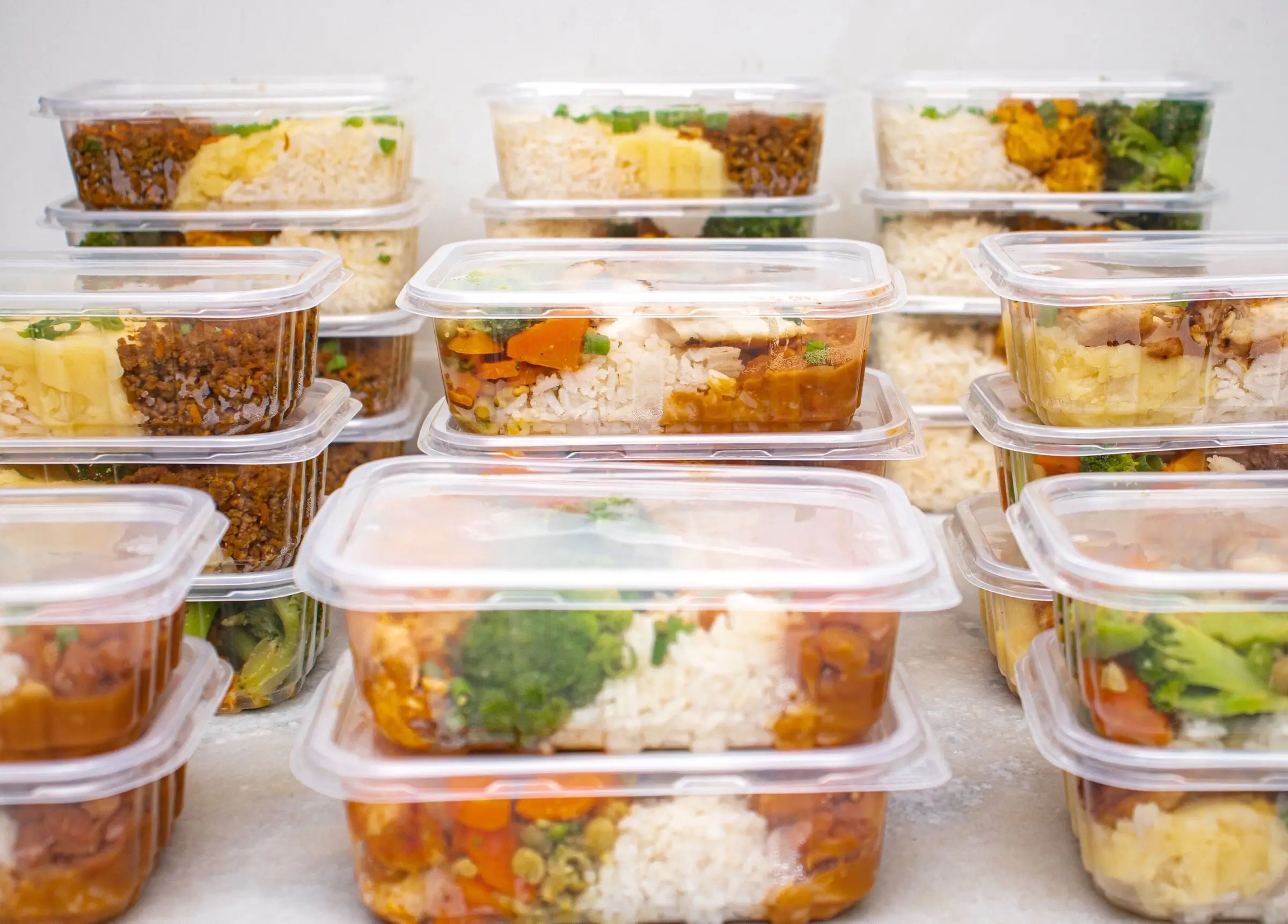
Here’s what a two-hour Sunday prep can look like, and the week of dinners it sets up.
Shopping list highlights: 3 pounds of chicken breasts or thighs, 2 pounds of ground beef, onions, bell peppers, carrots, broccoli, rice, a can of black beans, tortillas, shredded cheese, salsa, and a jar of pasta sauce.
Hour one
- Put the chicken in the slow cooker with broth and seasoning.
- Start a big pot of rice.
- Toss broccoli and carrots with oil and salt, and roast them at 425°F.
- Brown both pounds of ground beef with a chopped onion. Season half with taco seasoning.
Hour two
- Chop the peppers and the rest of the onions.
- Shred the chicken.
- Assemble a pan of baked ziti with the plain ground beef and pasta sauce. Cover and refrigerate, or freeze it for later.
- Cool everything, pack it into containers, and label it.
The week:
| Night | Dinner | What’s already done |
|---|---|---|
| Monday | Beef tacos | Taco meat, chopped peppers and onions |
| Tuesday | Chicken stir-fry over rice | Shredded chicken, rice, roasted vegetables |
| Wednesday | Baked ziti | Assembled on Sunday; just bake |
| Thursday | Burrito bowls | Leftover taco meat, rice, black beans |
| Friday | Barbecue chicken sandwiches | The rest of the shredded chicken |
On Wednesday, check the dates on what’s left. Anything you won’t use by Thursday can go in the freezer.
How to keep meal prep from getting soggy
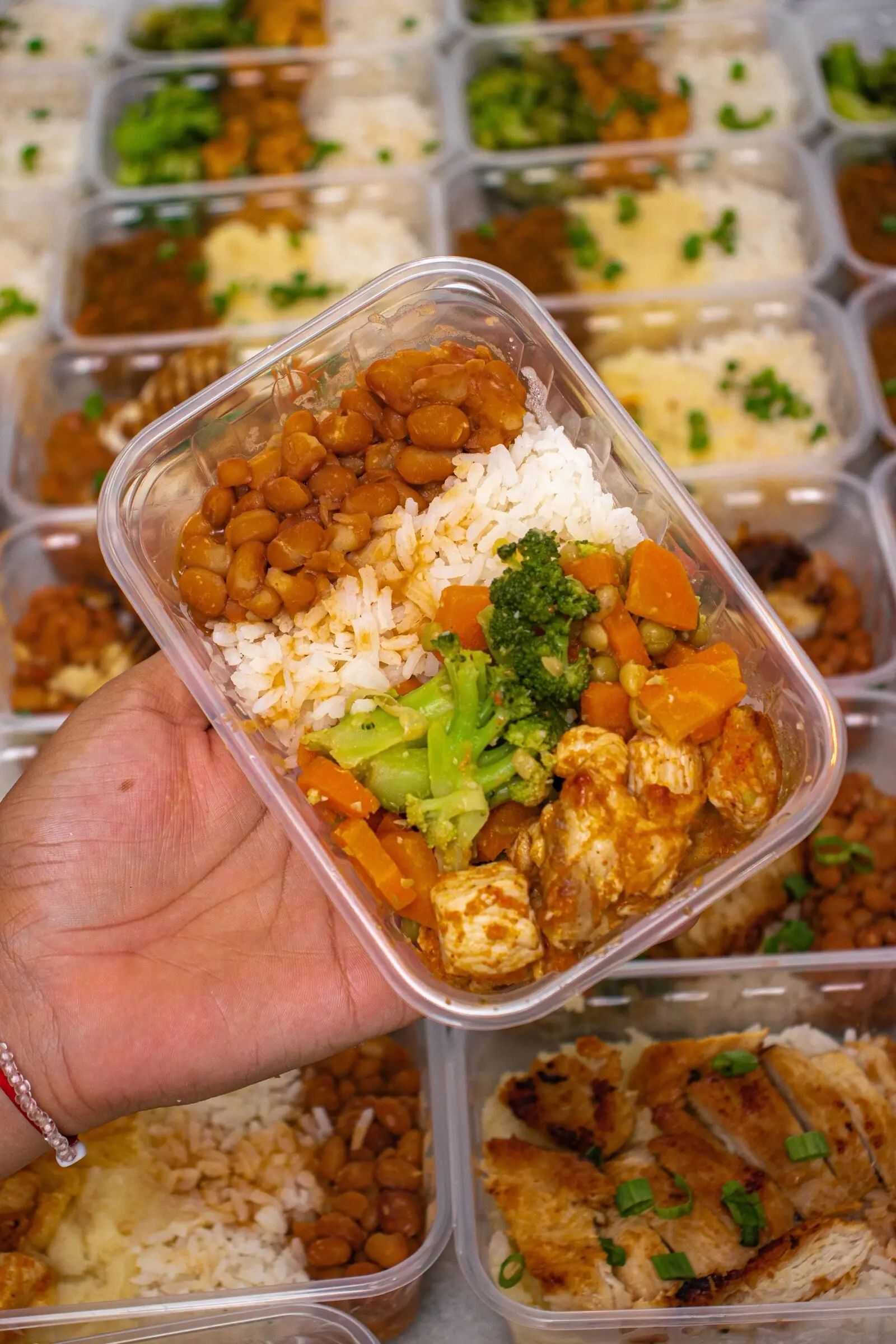
Soggy food is the No. 1 reason people give up on meal prep. A few habits fix most of it:
- Let food cool before you seal it. Steam trapped under a lid turns into water.
- Undercook vegetables a little. They’ll soften more when you reheat them.
- Keep sauces and dressings separate. Add them when you eat.
- Drain the fat from browned ground meat before you store it.
- Pair watery vegetables with something absorbent. Zucchini, tomatoes, and cucumbers release water, so put them with rice, potatoes, or grains instead of on their own.
- Pack crunchy toppings on the side. Chips, croutons, nuts, and crispy onions go on at the table.
Don’t forget breakfast
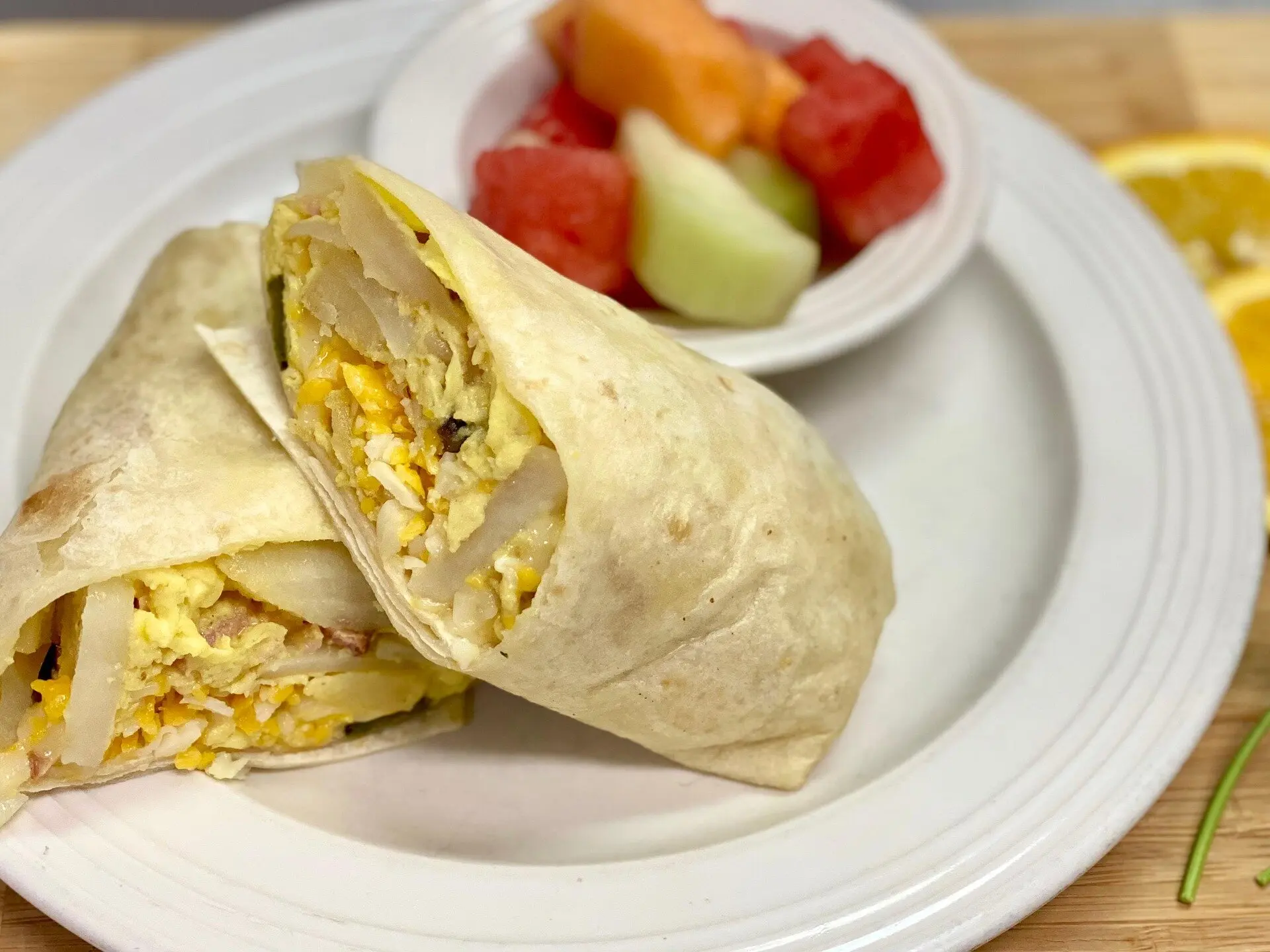
Mornings can use prep, too. These keep well and reheat fast:
- Breakfast burritos: Wrap them one at a time in foil and freeze.
- Egg muffins or a breakfast casserole: Bake on Sunday, and reheat by the slice.
- Pancakes and waffles: Make a double batch and freeze the extras flat. Toast them straight from the freezer.
- Overnight oats: Portion them into jars for three or four days.
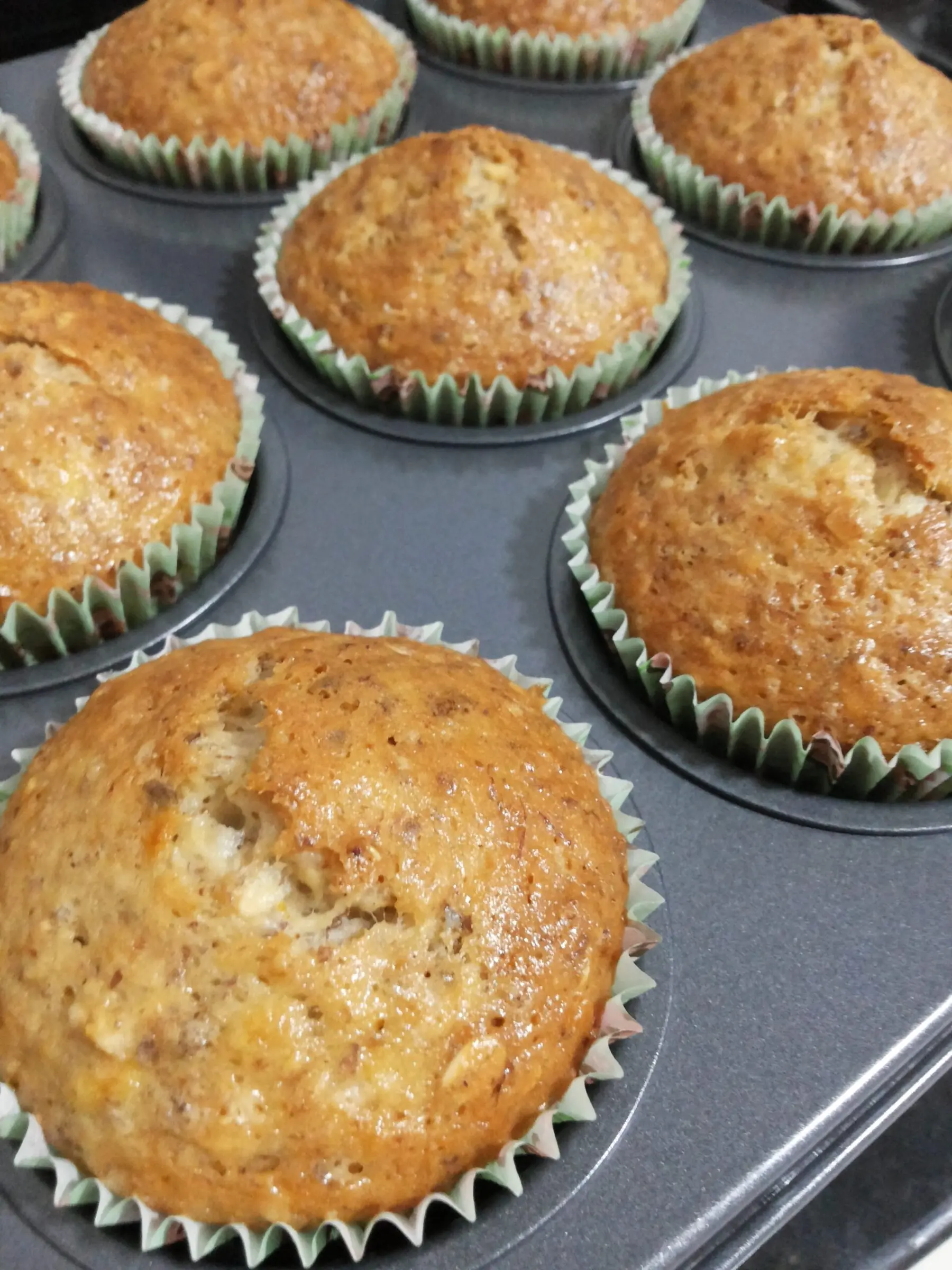
- Muffins: Bake a dozen, and freeze what you won’t eat in a couple of days.
Meal prep containers: what you really need
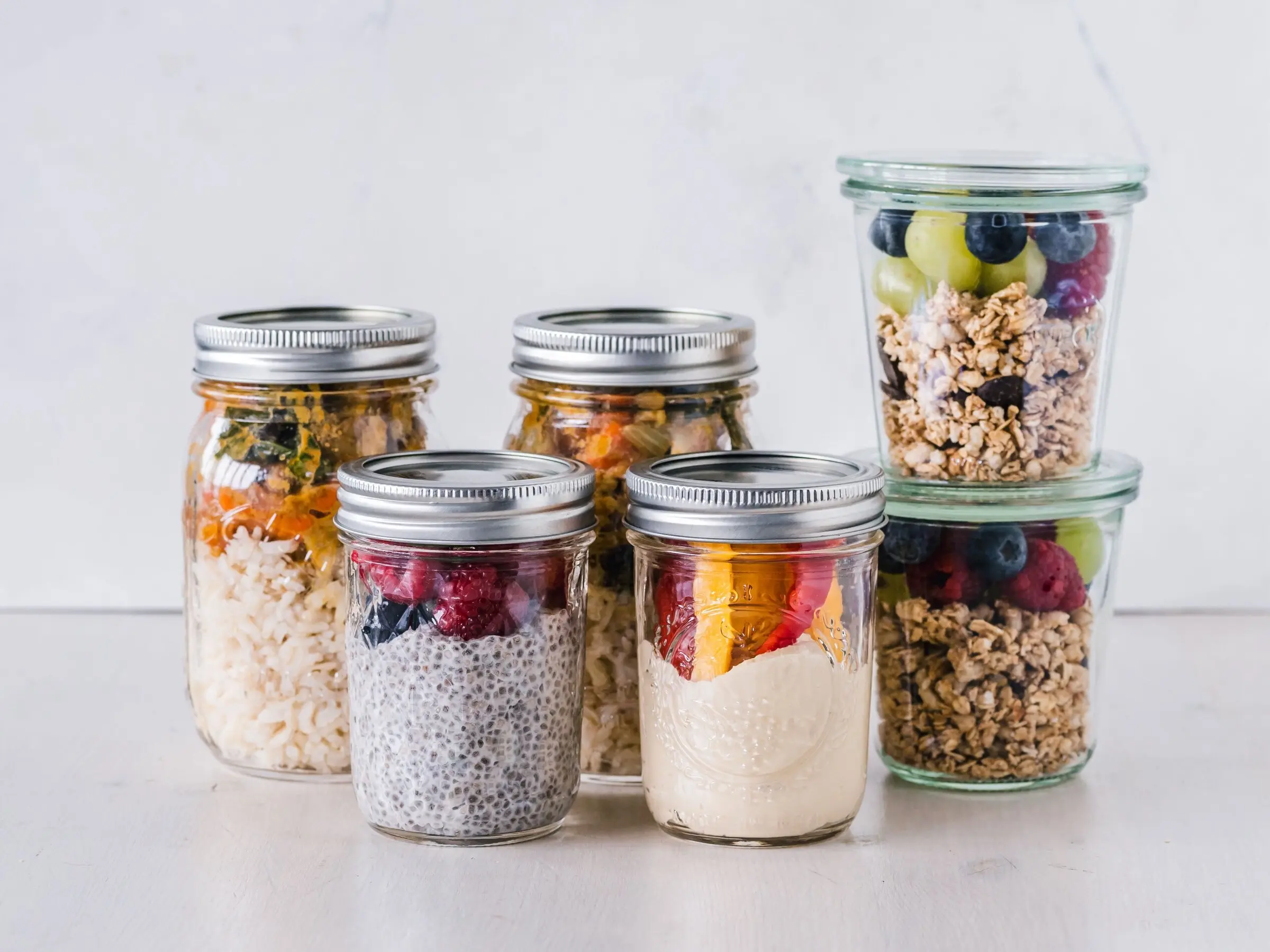
You don’t need to buy a whole set to get started. Use what you have, and add to it slowly.
- Glass containers with lids go from refrigerator to microwave and don’t stain. Rectangles stack better than circles.
- Freezer bags work for soups, chili, marinades, and browned meat. Freeze them flat, and they stack like files.
- Mason jars are good for soups, overnight oats, and salads with the dressing on the bottom.
- 9-by-13-inch pans with lids are perfect for casseroles.
- Masking tape and a marker are the cheapest labels there are.
Look for containers labeled microwave-safe and freezer-safe, and leave a little room at the top of anything you freeze, since food expands.
Meal prep tips for families
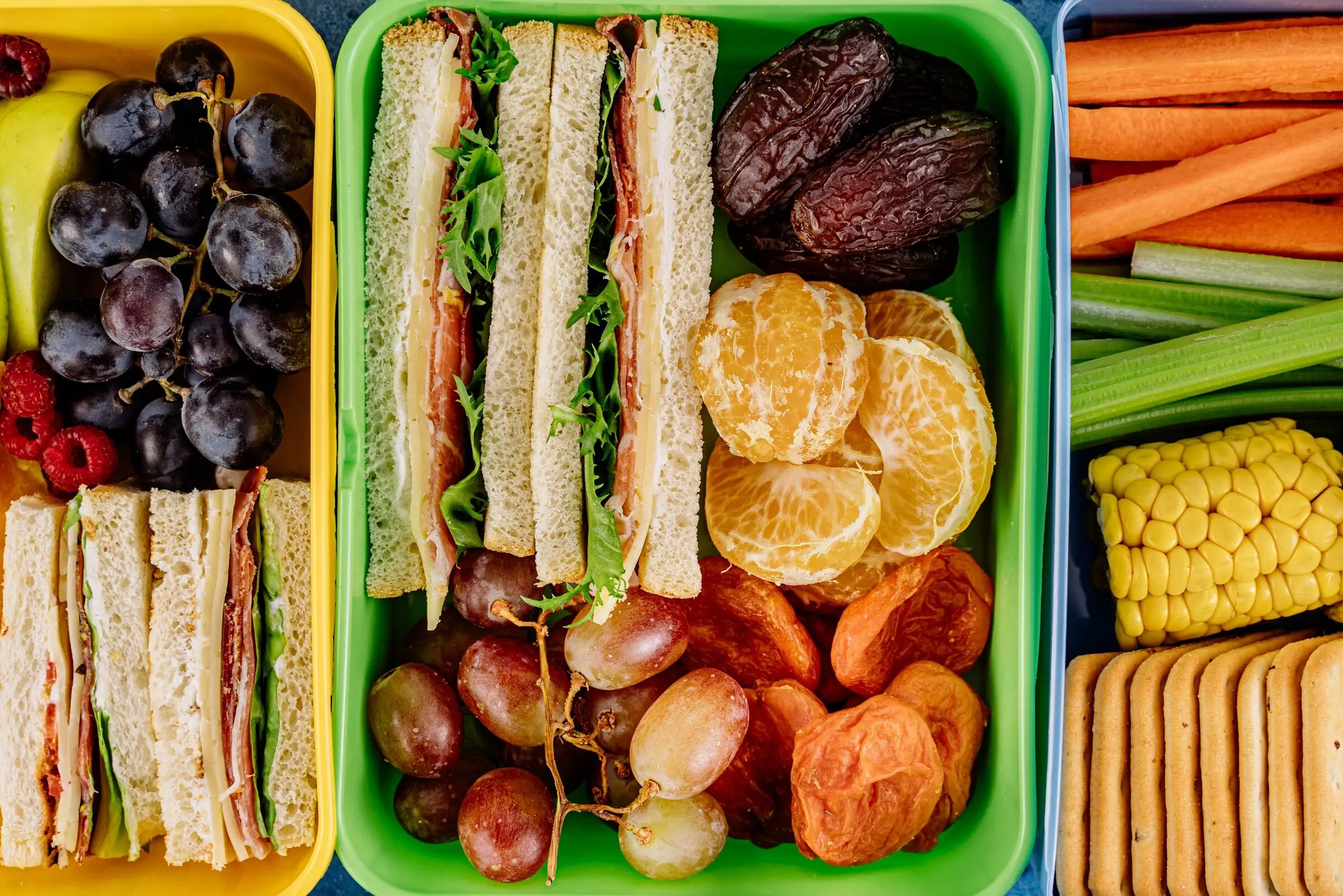
- Prep ingredients, not plates. Families rarely want the same thing in five matching boxes. Prepped ingredients let everyone build their own taco or bowl.
- Plan together. Take 15 minutes on the weekend and let everyone pick one dinner. Kids eat better when they had a say.
- Get the kids involved. Even young kids can wash vegetables, tear lettuce, or scoop rice into containers.
- Make double and freeze half. When you’re already making chili or a casserole, the second batch takes almost no extra time.
- Keep one night flexible. Plans change. Leave a night open for leftovers or whatever needs to be used up.
- Don’t prep for the whole week at once. A smaller second prep on Wednesday keeps food fresher.
Let the Meal Planner do the planning
Prep goes faster when the plan is already made. Our free Meal Planner builds a week or a month of dinners from what your family likes, with a shopping list grouped by aisle and reminders for which nights need something thawed. For more on making one meal stretch into two, see cook once, eat twice.
Frequently asked questions
What is the easiest way to start meal prepping? Start with ingredient prep. Cook a pot of rice, brown some ground beef, and chop a few vegetables for three or four dinners. Once that feels easy, add a casserole or a batch of soup.
How long does meal prep last in the refrigerator? Most cooked food keeps three to four days in the refrigerator, according to the USDA. Plan to eat prepped meals early in the week, and freeze anything you won’t eat in time.
Is it safe to meal prep for 5 days? Not for cooked meat and most cooked meals. Prep for three or four days, then freeze the rest or do a quick second prep midweek.
What foods should you not meal prep? Cut apples and bananas, avocado, fried and crispy foods, dressed salads, sliced tomatoes, and delicate fish don’t hold up well. Prep the parts that keep, and add these when you eat.
What is the difference between meal prep and meal planning? Meal planning is deciding what to eat and making the shopping list. Meal prep is cooking or preparing that food ahead of time.
How long does meal prep take? Plan on about two hours for a week of family dinners, including cleanup. Ingredient prep alone can take about an hour.
Can you freeze meal prep? Yes. Soups, chili, stews, casseroles, cooked meat, and cooked grains all freeze well. Cool them first, freeze them in airtight containers or freezer bags, and thaw them in the refrigerator.
How do you keep meal prep from getting soggy? Let food cool before sealing it, undercook vegetables slightly, keep sauces and dressings separate, and add crunchy toppings when you eat.
Do I need special meal prep containers? No. Any airtight container works. Glass containers with lids, freezer bags, mason jars, and baking pans with lids cover almost everything.