
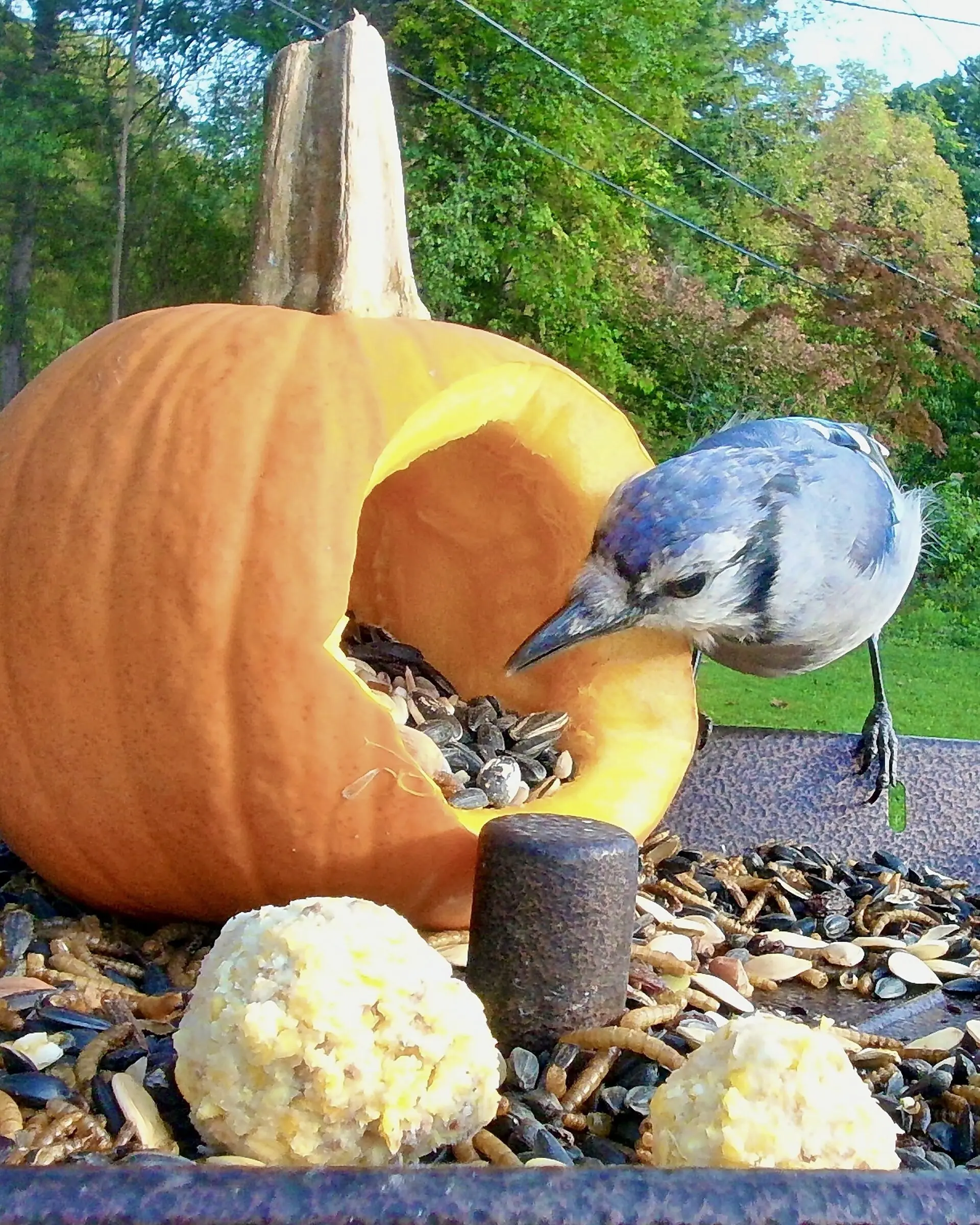
Feeding birds seeds gets most of the attention, but fruit can bring in a whole different bird crowd. Many of the prettiest visitors never touch birdseed, so you can fill every feeder in the yard and still miss them. If you want to attract backyard birds with fruit, the supplies are probably already in your kitchen. Here’s what to offer, how to serve it and a few ways to keep the fruit coming all season.
Fruit lovers
Fruit is quick fuel for birds, especially in fall, when migrating songbirds stop to eat it as other food dwindles. Plenty of birds enjoy it, and they fall into two groups.
Primarily fruit eaters
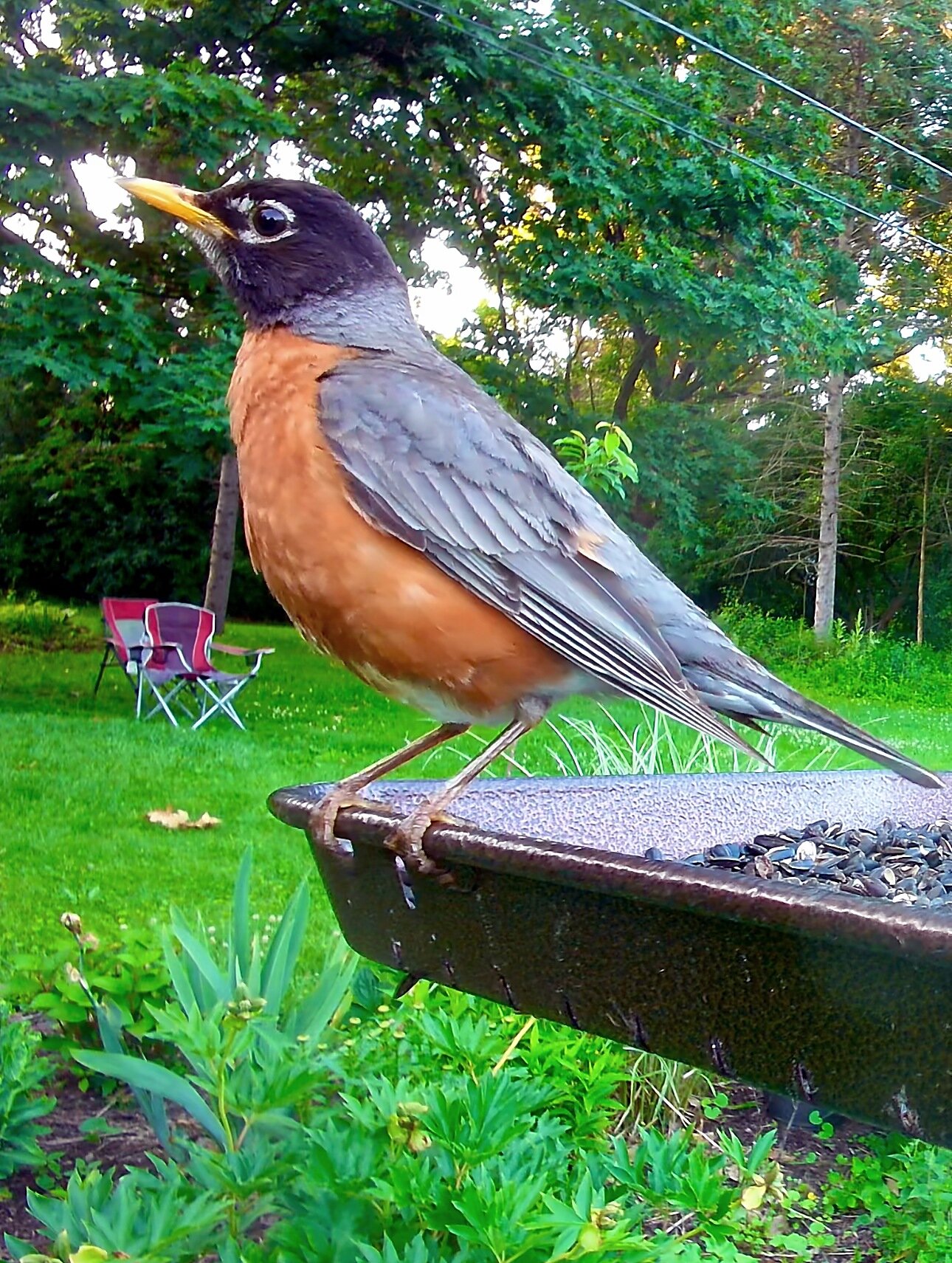
A few birds skip seed feeders altogether, so fruit is the way to reach them. Audubon names robins, waxwings, bluebirds and mockingbirds among them.
Supplemental fruit eaters
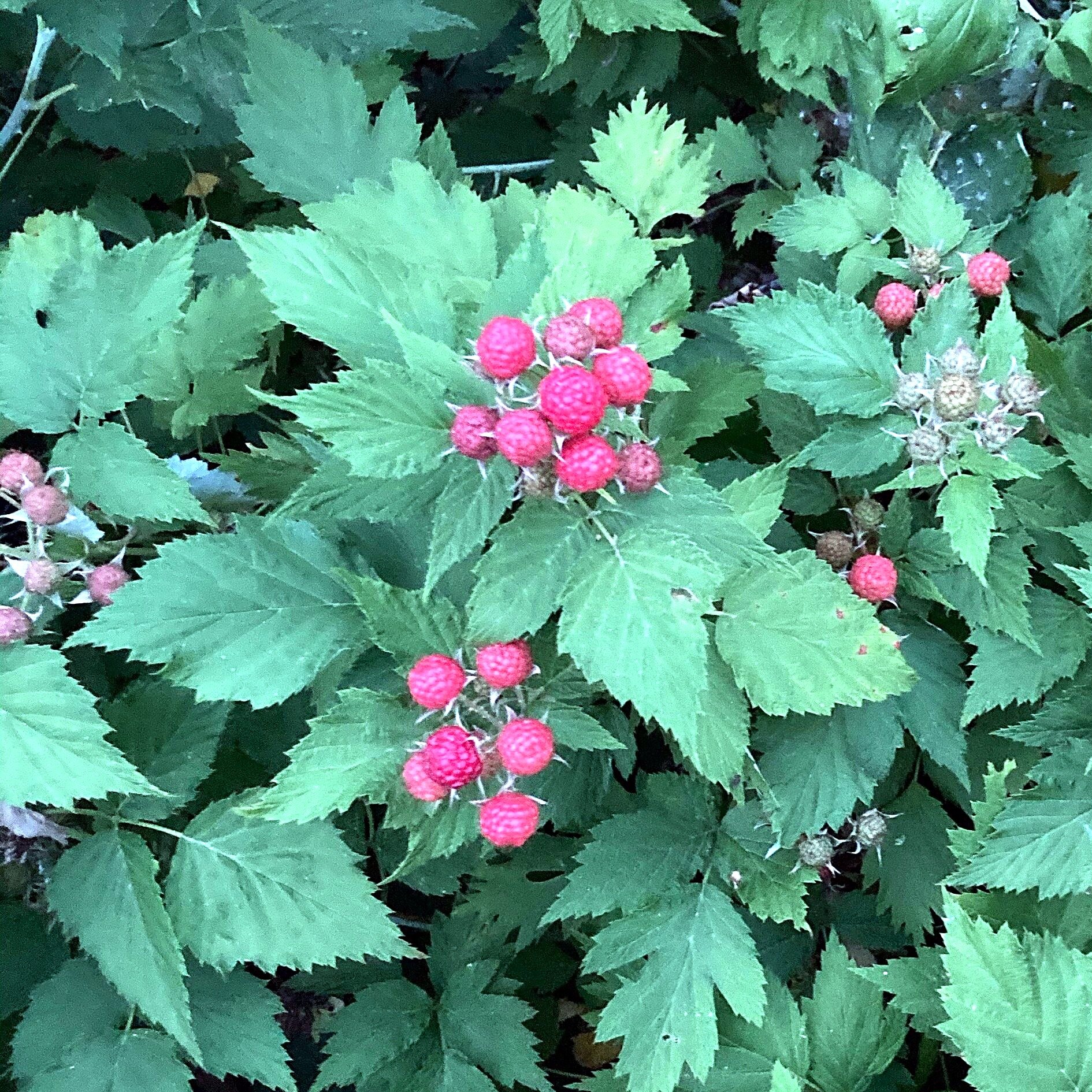
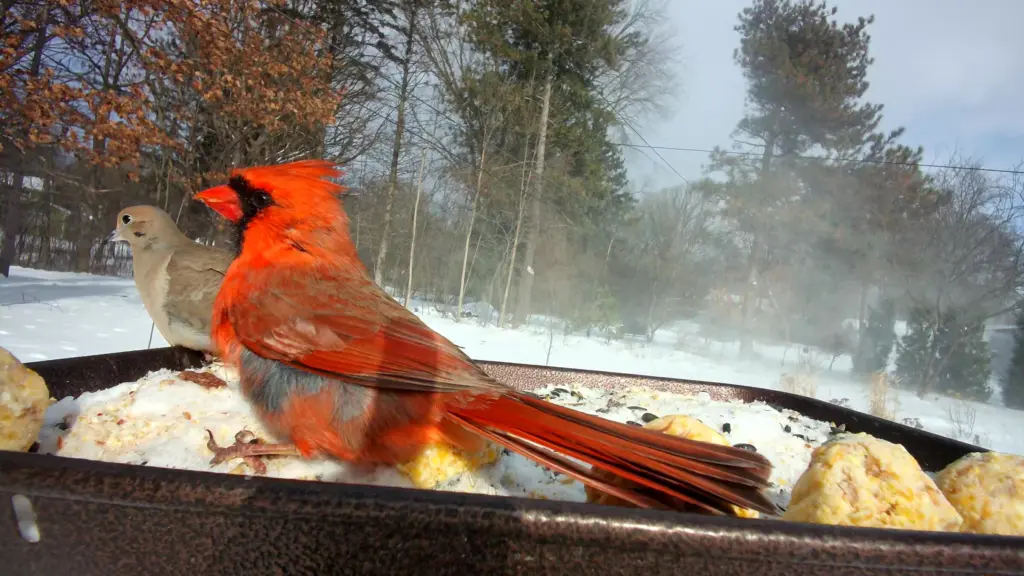
Many other birds add fruit to their usual menu. Madison Audubon Society suggests raisins and bananas for cardinals, raspberries and blackberries for purple finches, and apples and oranges for woodpeckers.
Fruits birds love and how to prepare them
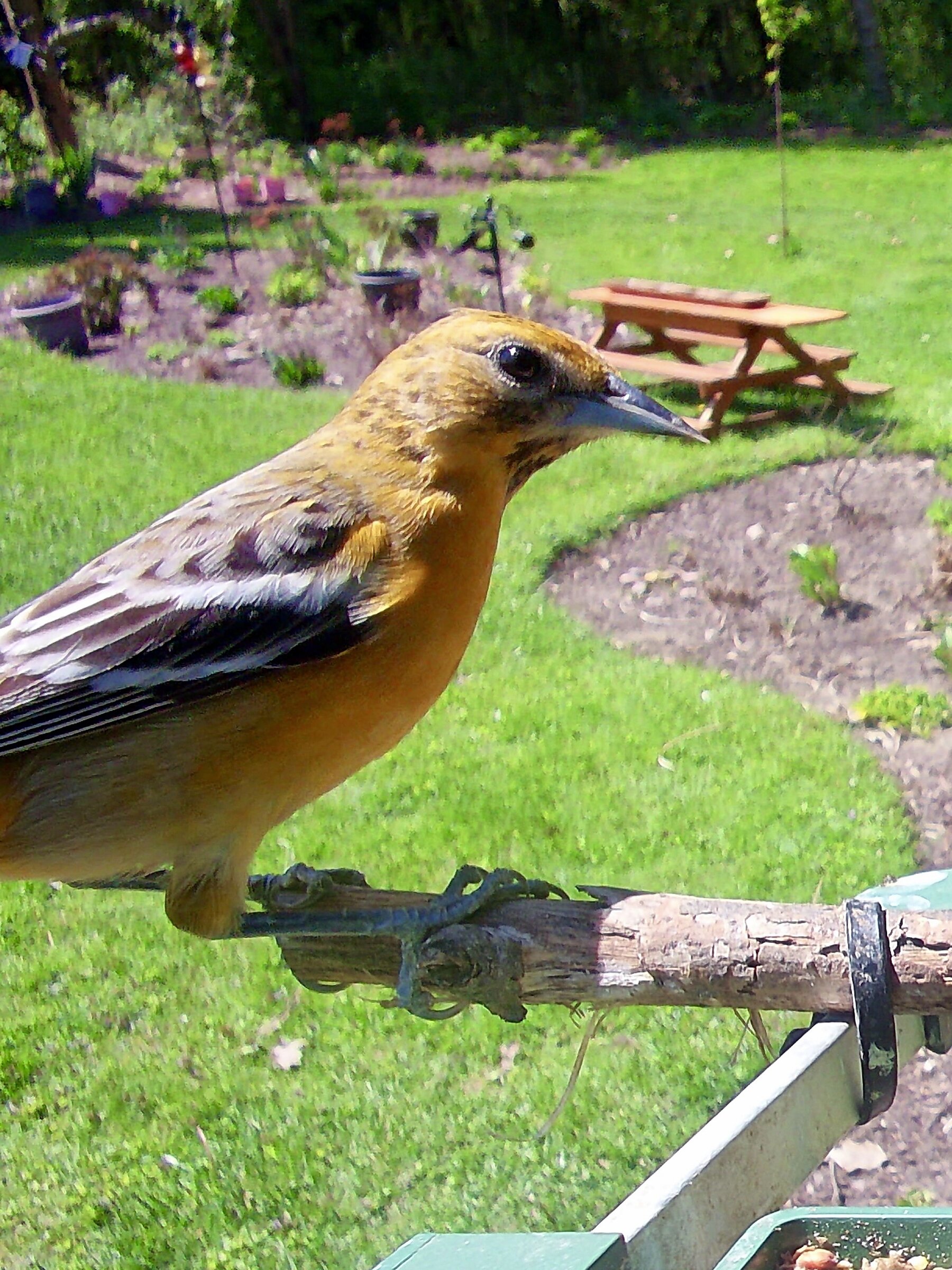
- Oranges: Cut one in half and set it cut side up on a tray or spike. Orioles are the classic visitors, along with tanagers and woodpeckers.
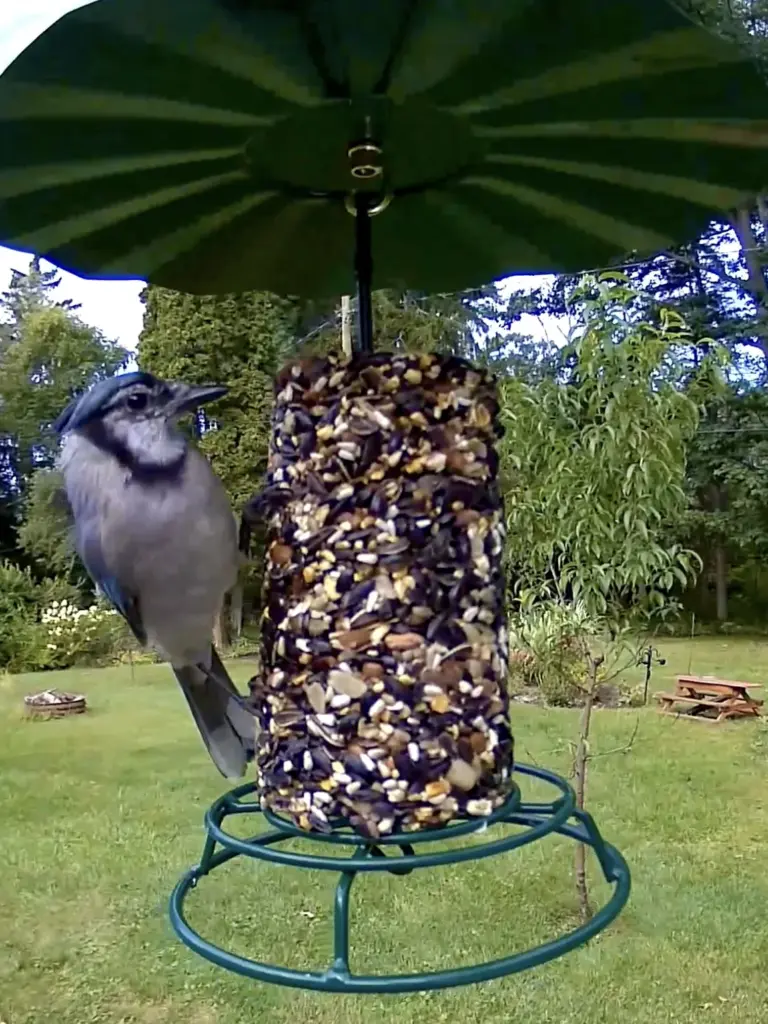
- Apples: Cut in half and score the surface so it doesn’t dry into a second skin. Softer, less tart varieties such as Golden or Red Delicious work best. Robins, blue jays, orioles and woodpeckers are among the many birds that eat them.
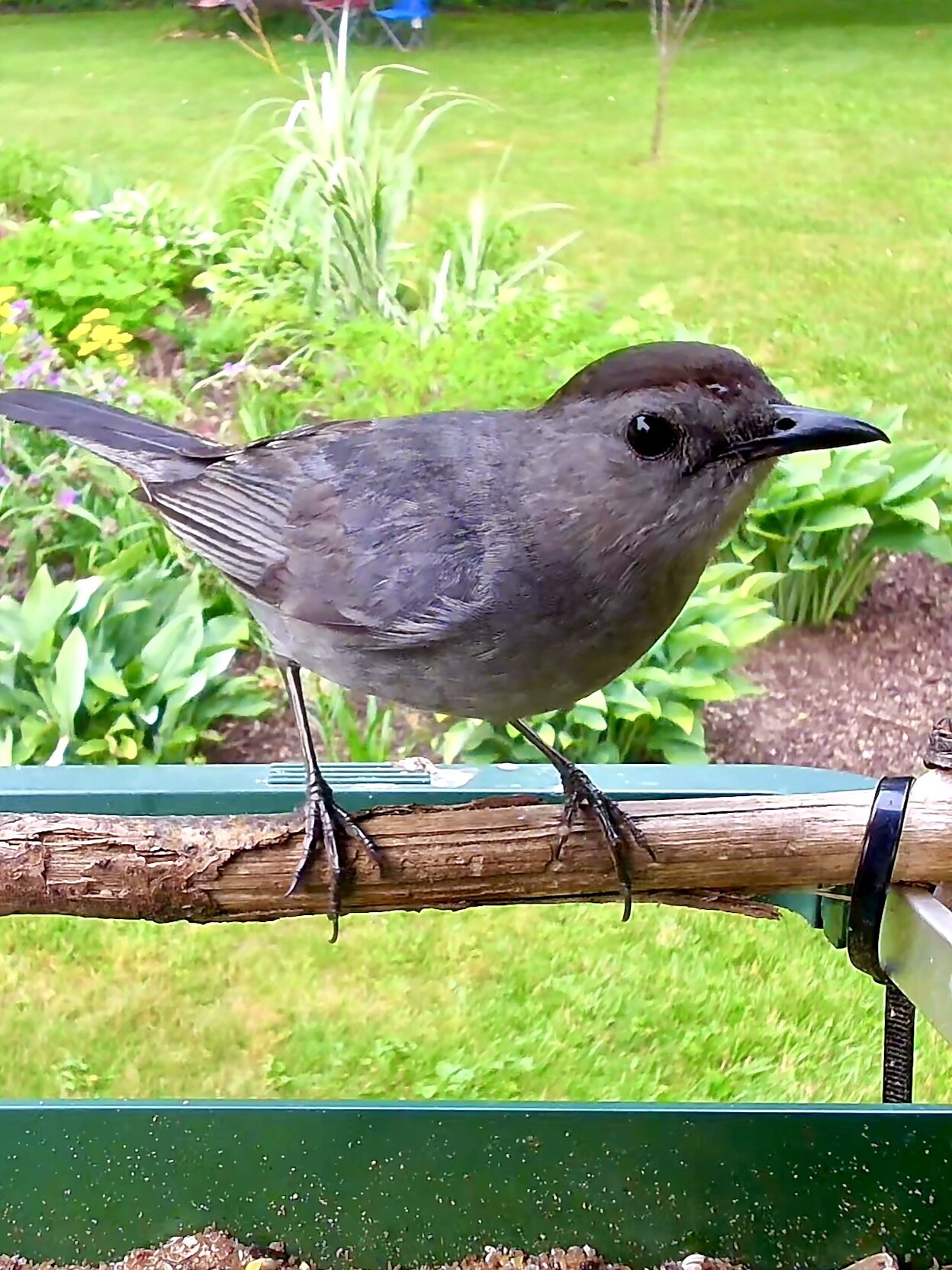
- Blueberries: Set a small handful on a tray. Bluebirds, catbirds, mockingbirds and waxwings eat them.
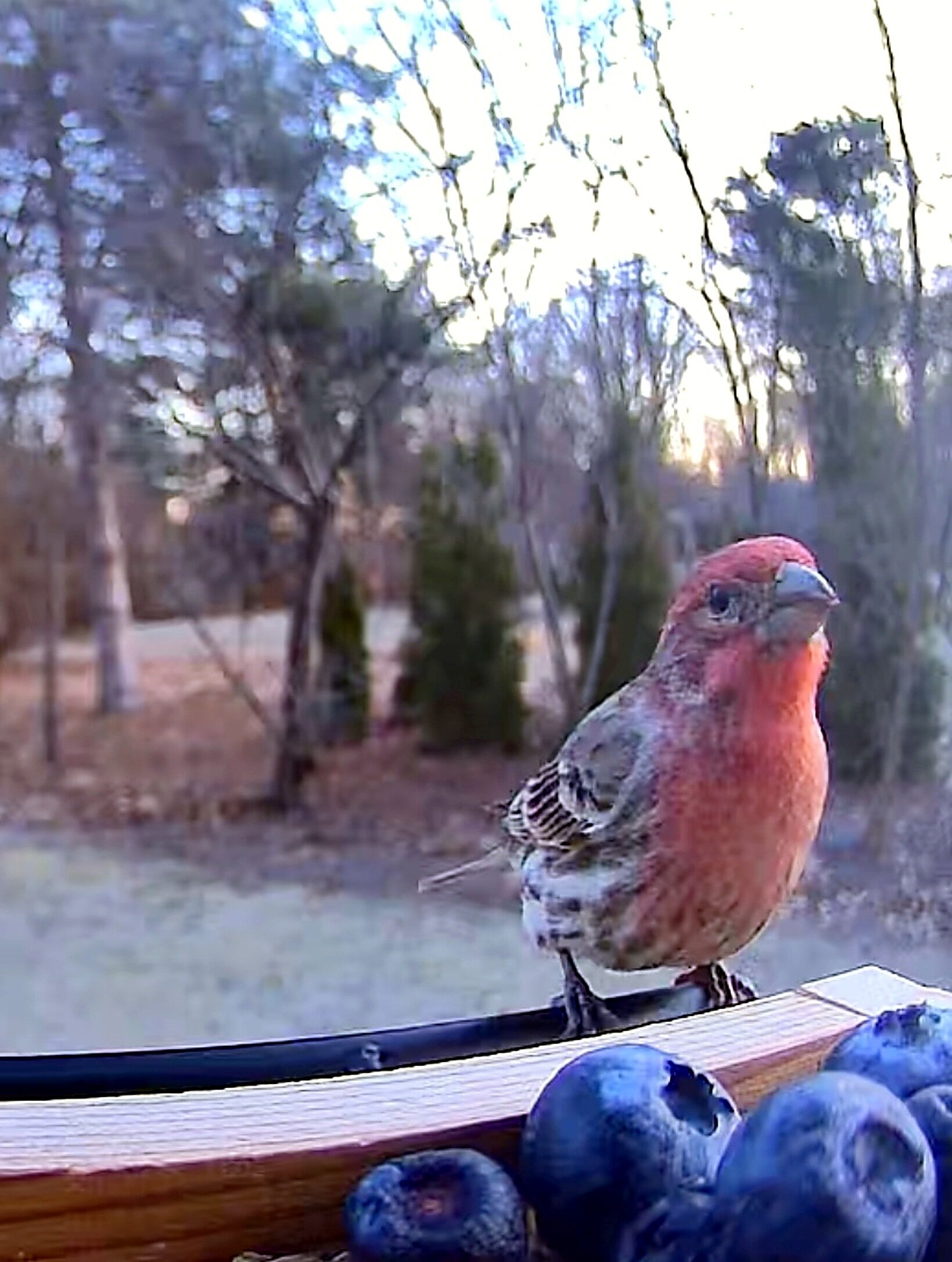
- Grapes: Offer seedless grapes whole or halved if you worry about choking. Robins, catbirds, mockingbirds and waxwings are among the birds that eat them.
- Cranberries: Offer them fresh, or soak dried ones in water overnight first. Bluebirds, catbirds, mockingbirds and waxwings eat them.
- Cherries: Cut them up or break them open, since whole pits can be a choking hazard. Bluebirds, catbirds, mockingbirds and waxwings are among the birds that eat them.
- Plums: Cut them into pieces and set them out on a tray.
- Raisins: Serve plain raisins only, never yogurt or chocolate coated. Soak raisins and currants in water overnight first. Robins, mockingbirds and cardinals like them.
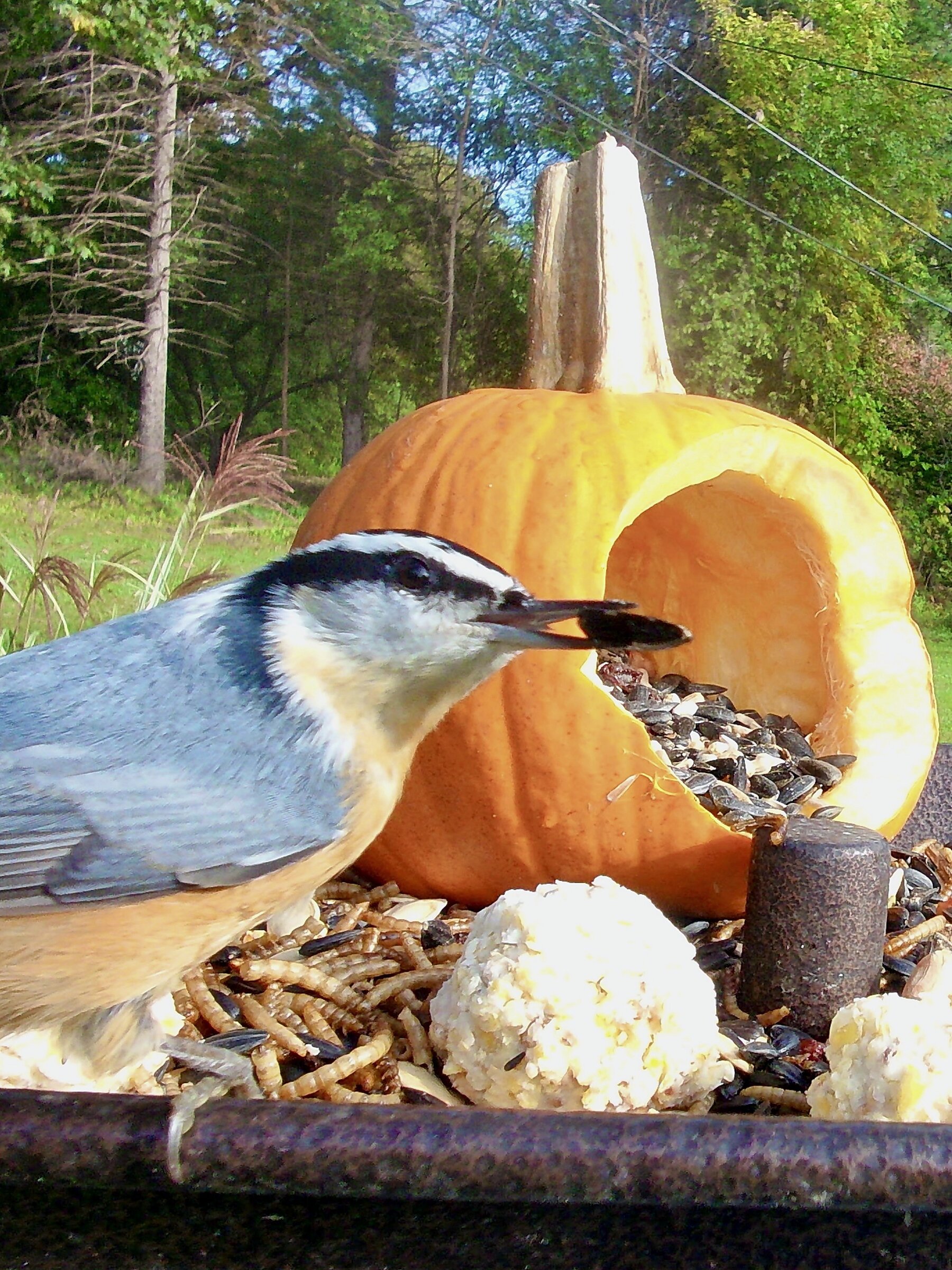
- Pumpkin: Offer fresh pieces while the flesh is firm and mold-free. Plain roasted pumpkin seeds are another treat, and blue jays, cardinals and titmice love them.
How to serve fruit
A tray or platform feeder works best. Offer small amounts so nothing sits long. Set out only what birds will eat in a day or two. Clean fruit feeders every few days and remove any moldy fruit, as the Maryland Department of Natural Resources advises.
Expect ants, and sometimes bees and wasps, to show up too. Pennington notes that insects are less active in cool weather, so they’re less likely to find your feeder.
Plant fruit for birds
Native shrubs ripen at different times, so a mix keeps berries on the branches from early summer into winter. Ask a local nursery which natives suit your area, since Audubon reports that migrating birds in a New England study chose native berries over invasive ones.
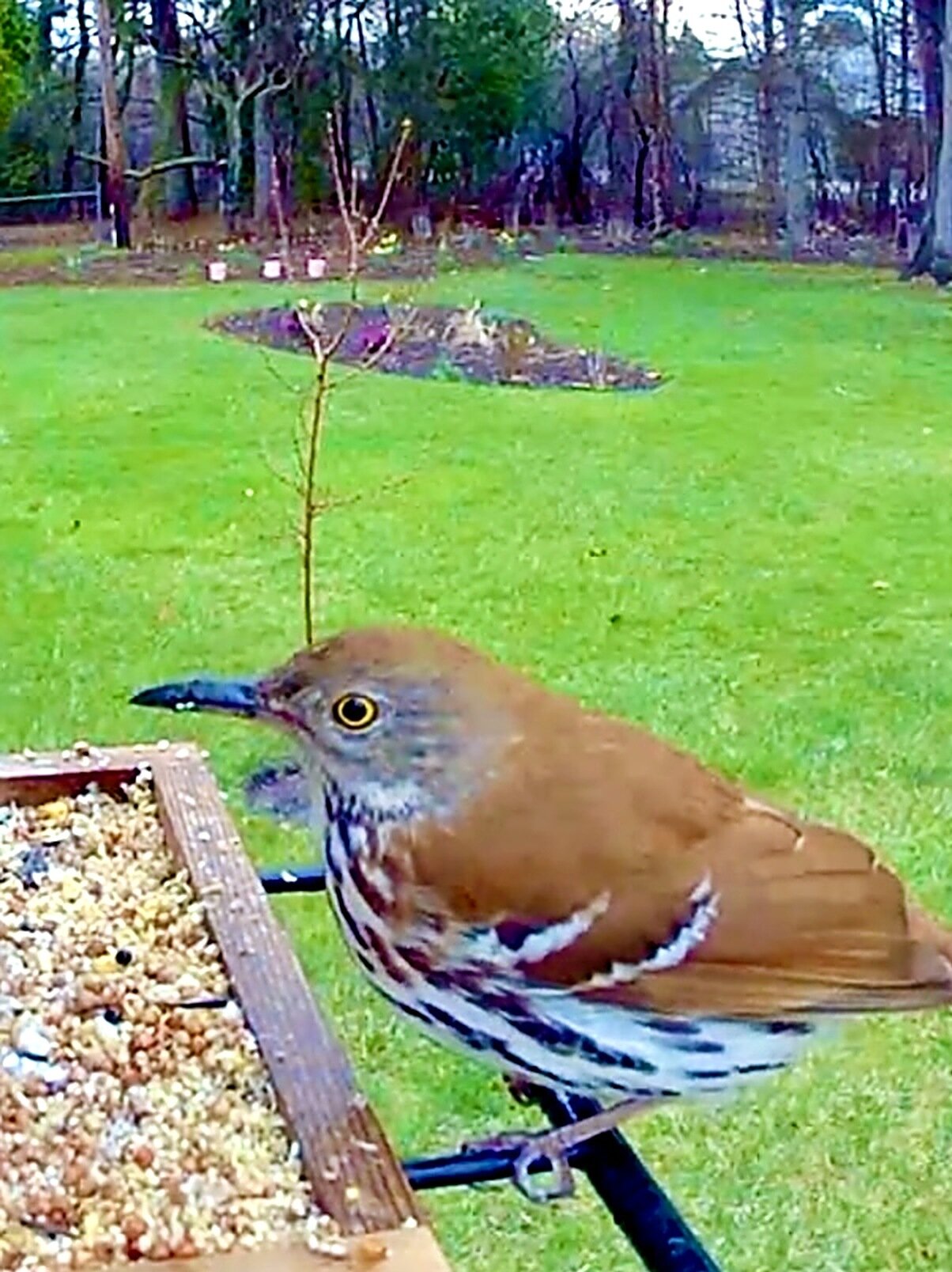
- Serviceberry (Amelanchier): This shrub or small tree has white spring flowers, purple berries in June and red fall color. Robins, cardinals, blue jays and thrashers eat the fruit. Expect berries two to three years after planting.
- Elderberry (Sambucus canadensis): This shrub has white flower clusters in June and dark purple-black berries in late summer. Waxwings, cardinals and robins eat the berries. It spreads by suckers, so give it room.
- Dogwood (Cornus): Gray, red-osier and pagoda dogwoods produce white or bluish-white berries from late summer into fall. Catbirds, thrashers, waxwings and woodpeckers are among the dozens of birds that eat the fruit.
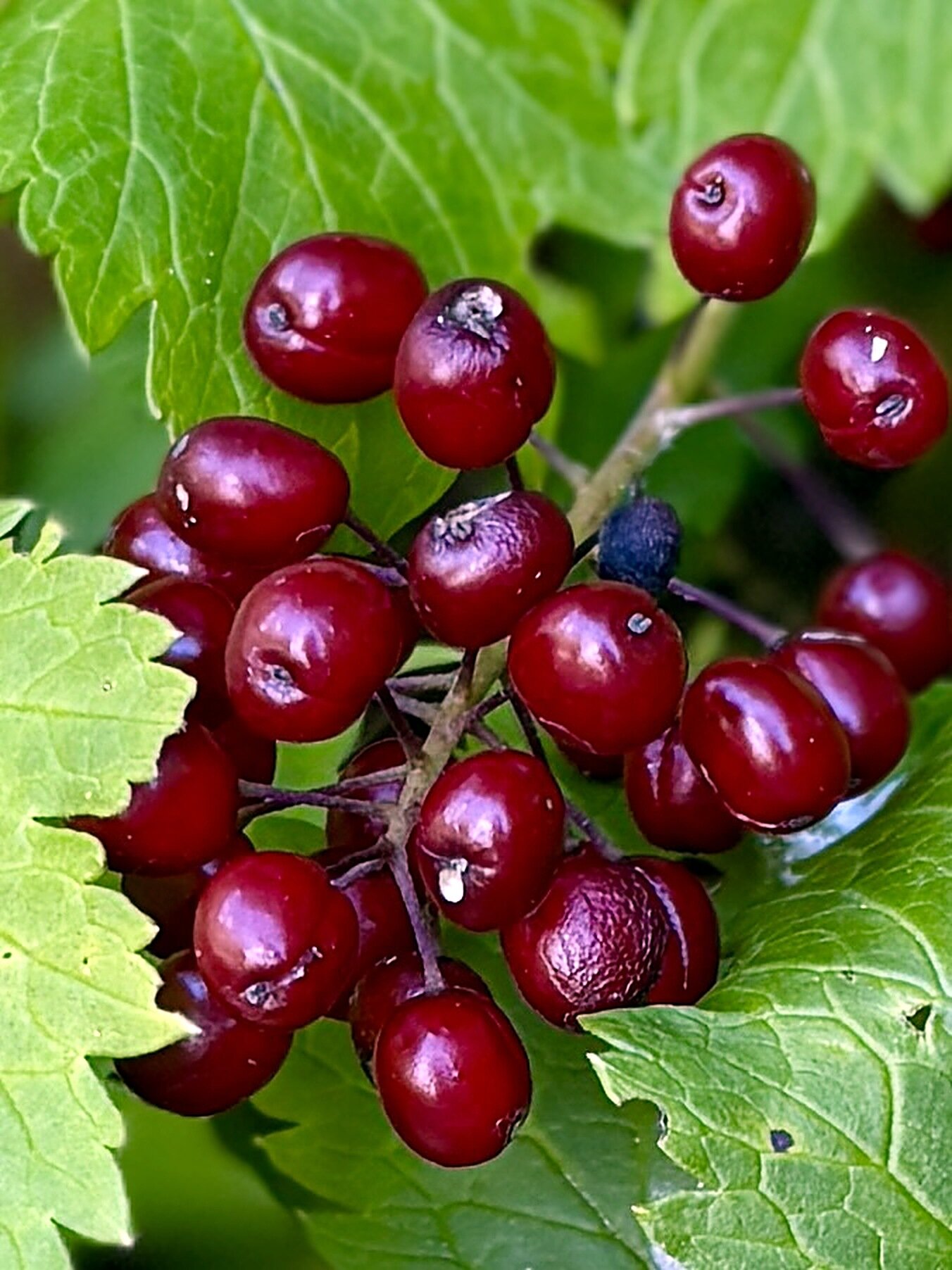
- Viburnum (Viburnum): Native types such as arrowwood, nannyberry, blackhaw and American cranberrybush have white spring flowers and red or blue-black berries in late summer or fall. Bluebirds, catbirds, robins and cardinals eat them.
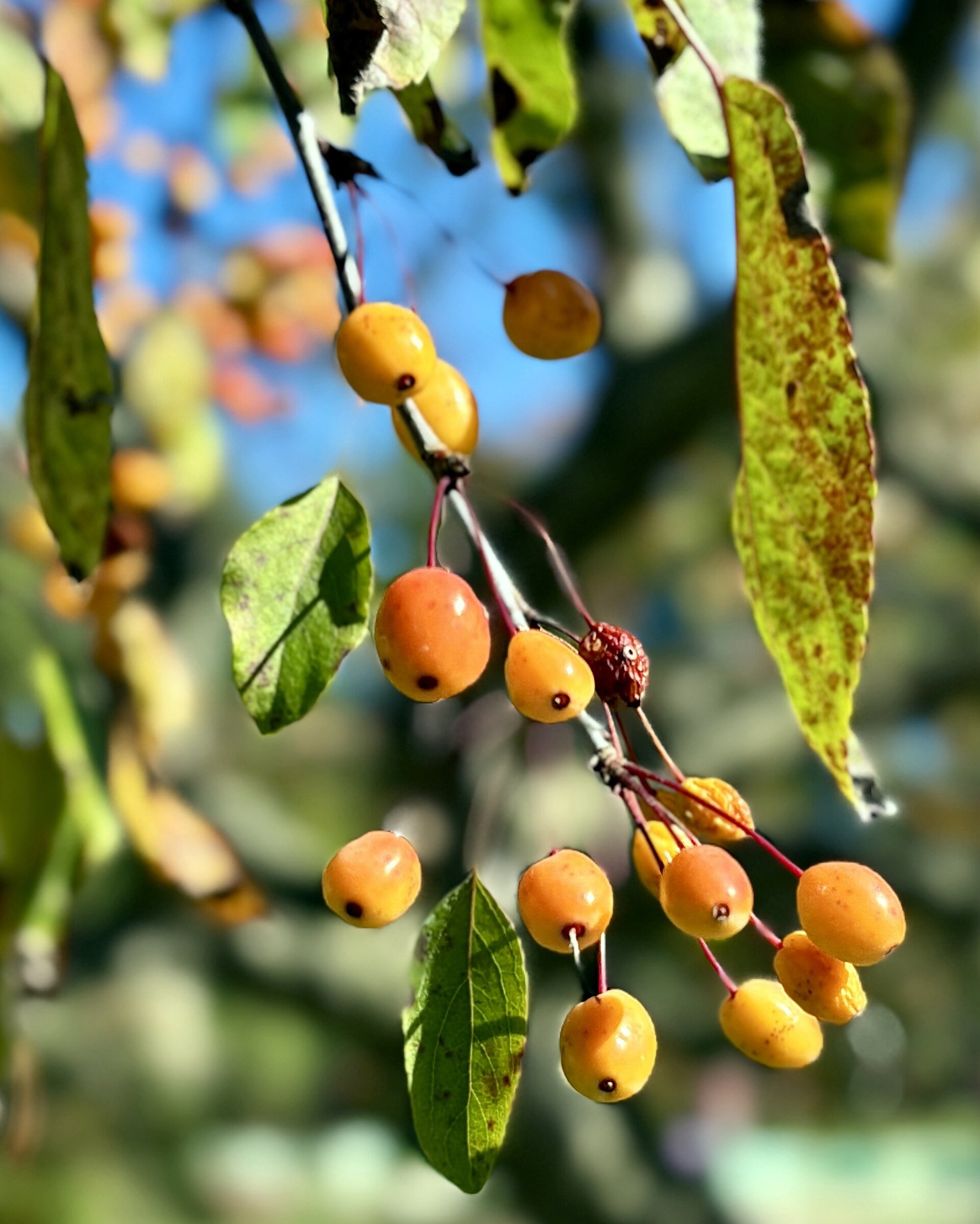
- Crabapple (Malus): Spring blossoms give way to small red or orange fruit in fall. Robins, waxwings, catbirds, bluebirds and orioles eat it.
- Hawthorn (Crataegus): White spring flowers turn to red fruit in fall. Cedar waxwings, robins, catbirds and hermit thrushes eat it.
- Holly (Ilex): Male and female flowers grow on separate plants, so you need a female for berries. Robins, bluebirds, catbirds, mockingbirds and cardinals eat American holly berries.
- Chokeberry (Aronia): This compact shrub has white spring flowers and berries that ripen in late summer or fall. Mockingbirds, thrashers, cedar waxwings and blue jays eat red chokeberry fruit. It spreads by suckers, so give it room.
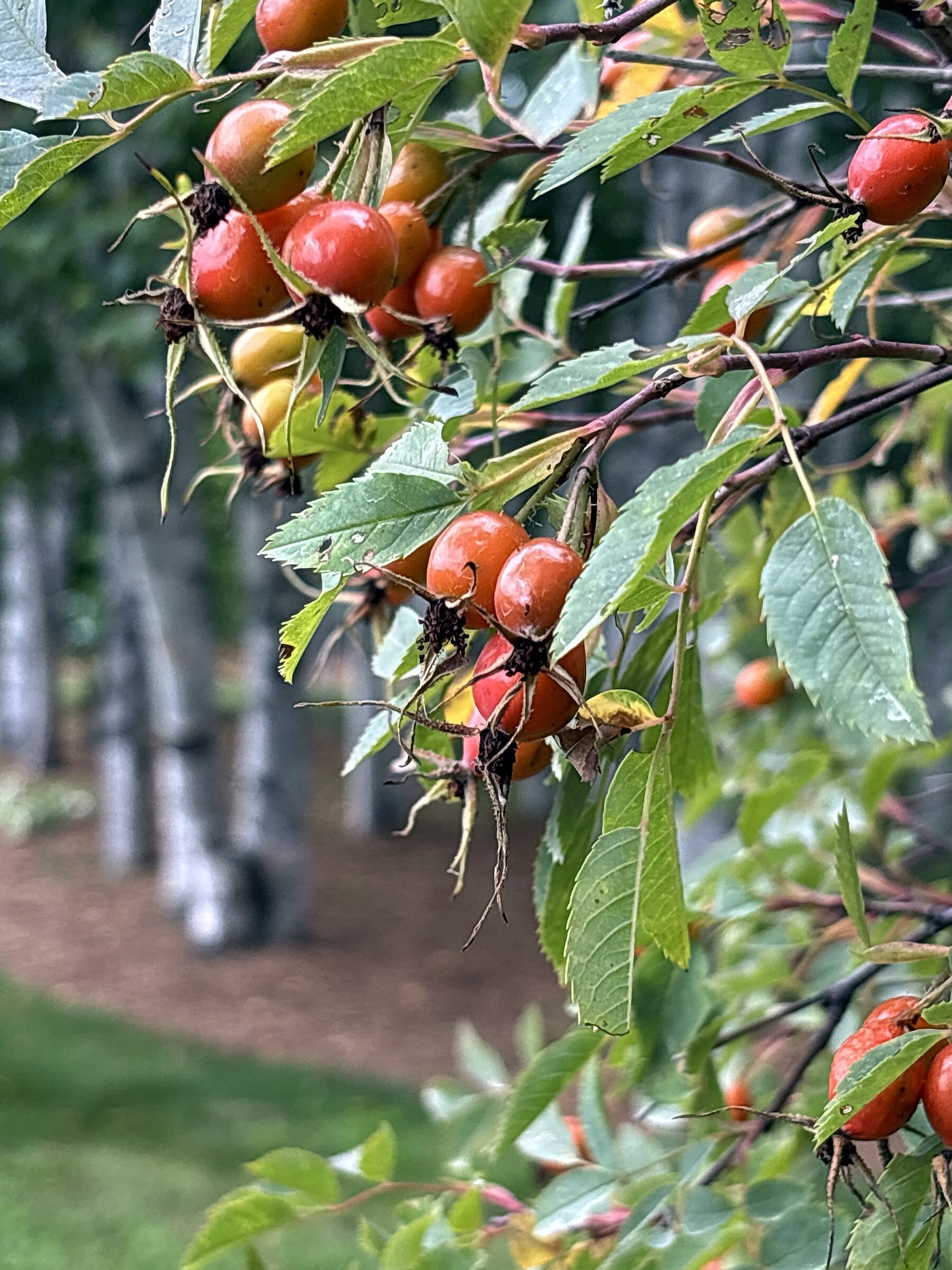
- Rose (Rosa): Native roses such as Carolina rose produce red hips from August to October. Cedar waxwings, cardinals, catbirds, mockingbirds and robins eat them.
A single fruit tree can draw a crowd. A Virginia Department of Wildlife Resources blog reported 21 bird species eating cherries from one tree over two weeks. Add a few of these shrubs, and your yard keeps serving fruit long after the feeder is empty.
Frequently asked questions
What is the best fruit for backyard birds?
Oranges are a favorite with orioles, while Wild Birds Unlimited calls apples the easiest choice because so many kinds of birds enjoy them.
Are any fruits unsafe for birds?
Yes, avocado. The University of Illinois veterinary college says its persin is toxic to the heart, and Pet Poison Helpline lists it as toxic to birds.
Can birds get drunk on fruit?
Yes. Smithsonian Magazine reports that fermented berries, such as after an early frost, can leave birds tipsy and flying erratically, usually only briefly. Remove old fruit before it spoils.
Fruit feeding rewards the patient. Set out a few orange halves, add a handful of blueberries and let the birds find them in their own time. Then settle in with a warm drink and see who comes calling.
From the QT Bird Community
Join the conversation
Comments on QT Bird articles live in our community. Joining is free: share your tips, ask questions and get replies.
Sign up to PostLog in