
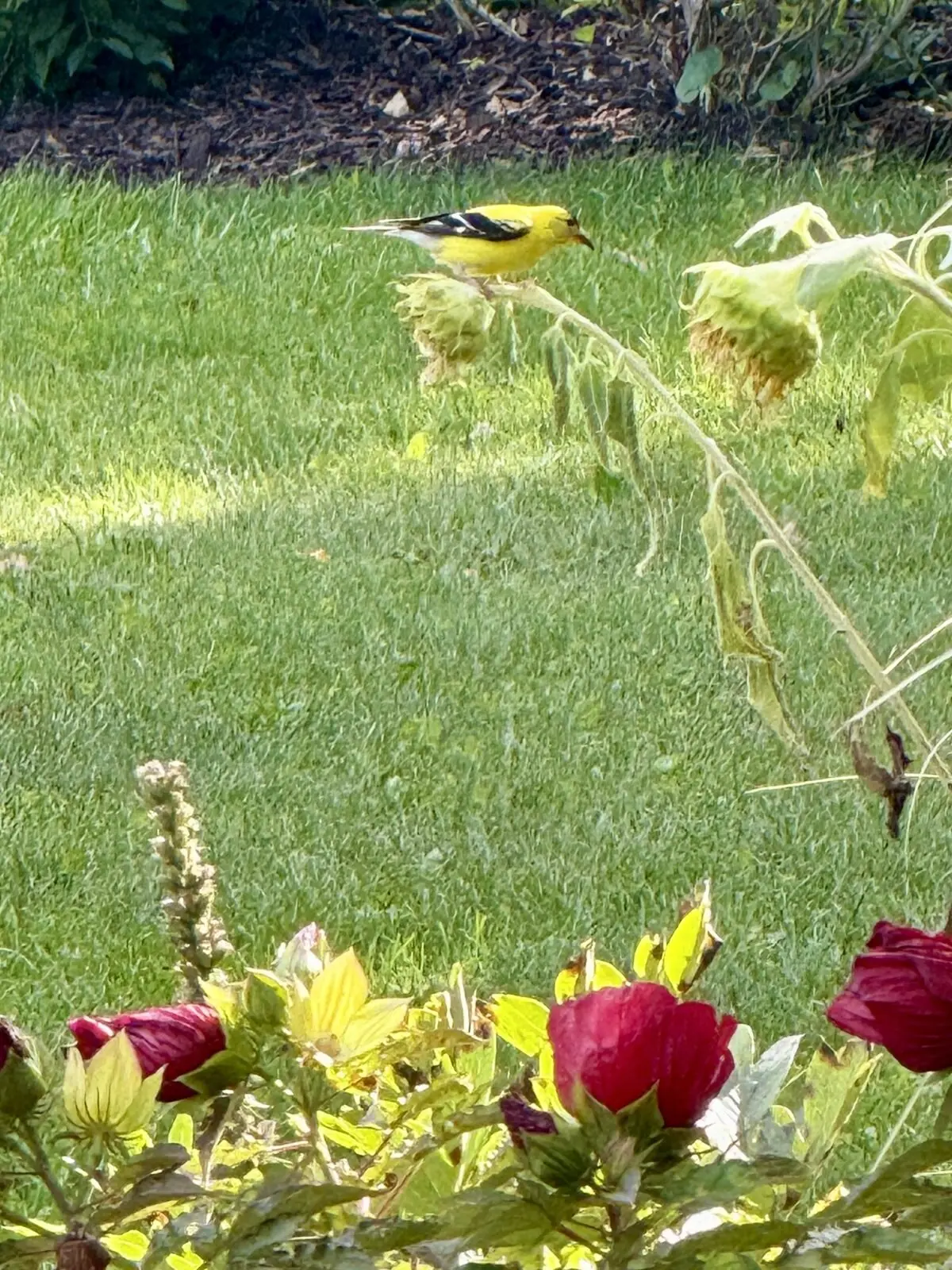
Your garden can double as a bird buffet. When you grow your own birdseed plants, the birds do the harvesting. The flowers and grasses below are pretty to look at and loaded with seed that songbirds will pick right off the stalk. Here’s what to plant, who eats the seed and how to grow each one.
Birdseed plants at a glance
Use this chart to pick your plants and see which birds each one feeds.
| Plant | Type | Birds it feeds |
|---|---|---|
| Purple coneflower | Perennial | Goldfinches and other birds |
| Black-eyed Susan | Biennial or short-lived perennial | Goldfinches, chickadees, nuthatches, sparrows |
| Joe-Pye weed | Perennial | Songbirds |
| Blazing star | Perennial | Goldfinches |
| Bee balm | Perennial | Hummingbirds visit the blooms |
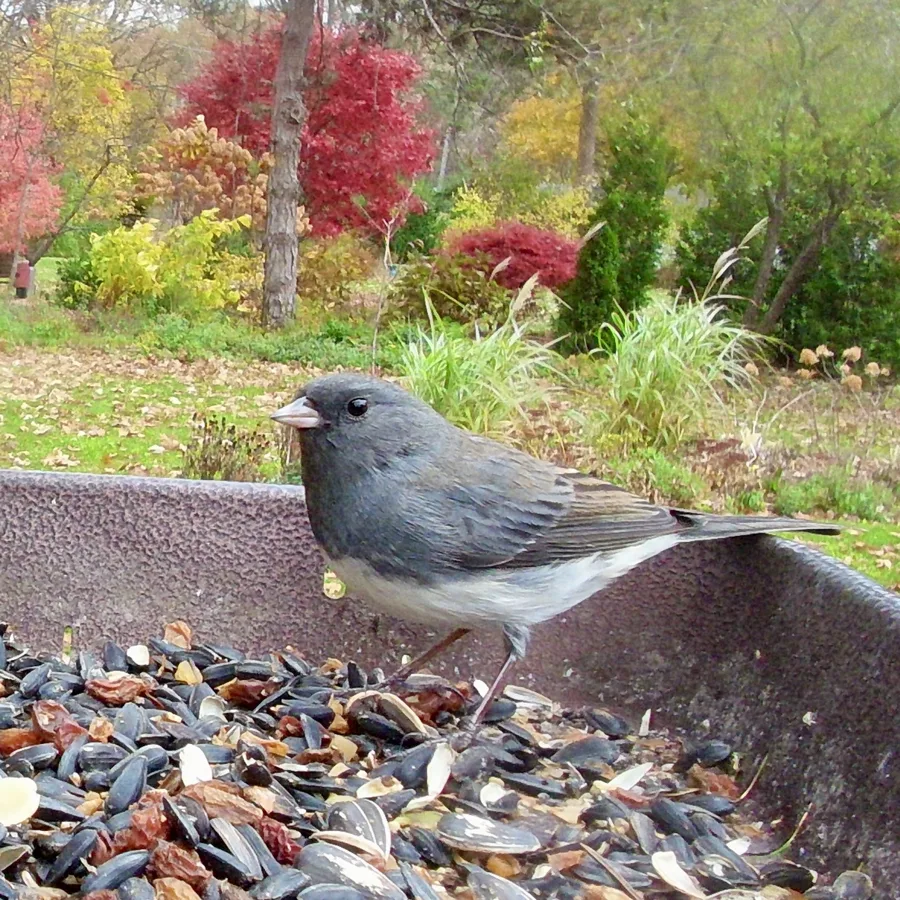
| Aster | Perennial | Juncos, goldfinches, indigo buntings |
| Coreopsis | Perennial | Finches, sparrows |
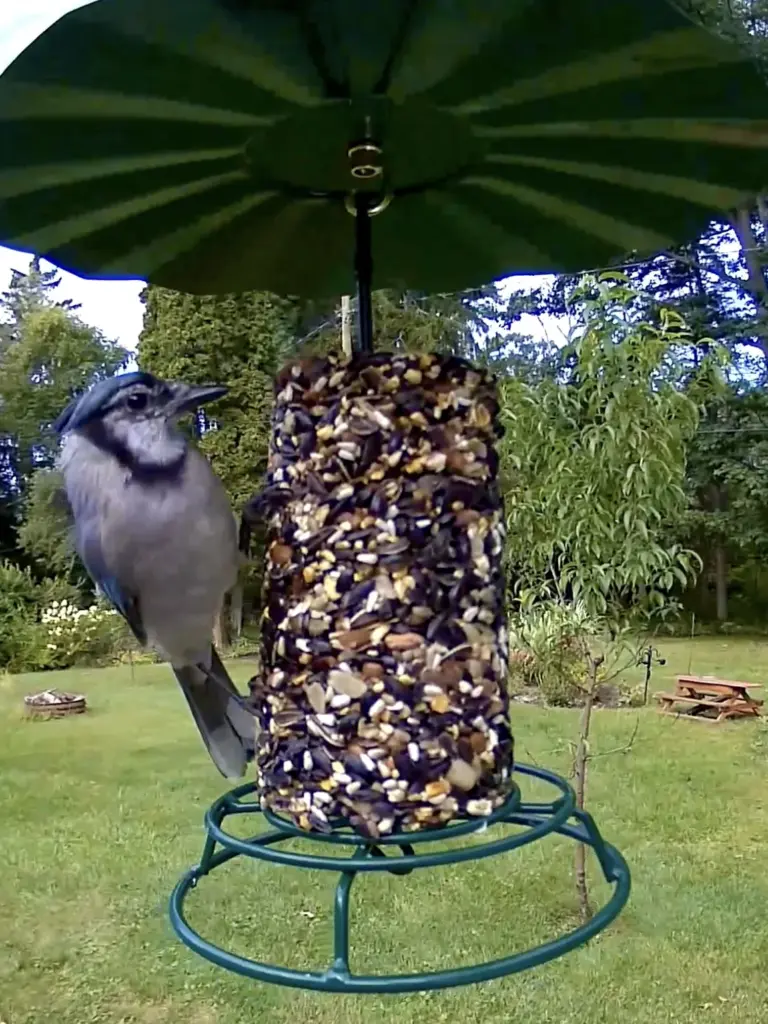
| Sunflowers | Annual | Cardinals, blue jays, woodpeckers, chickadees, nuthatches |
| Cosmos | Annual | Attracts birds |
| Mexican sunflower | Annual | Goldfinches |
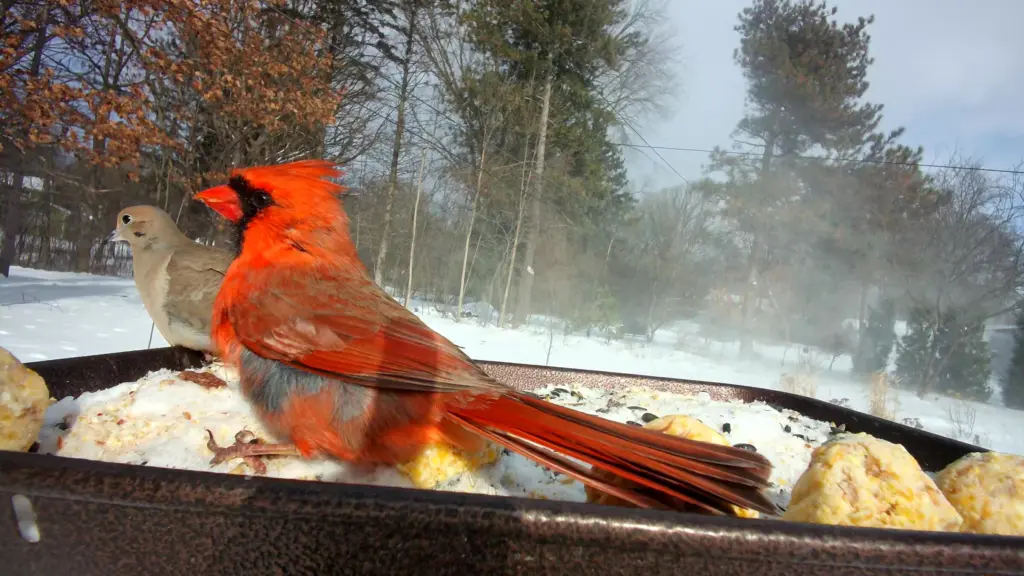
| Safflower | Annual | Cardinals, grosbeaks, chickadees, doves |
| ‘Purple Majesty’ millet | Annual | Goldfinches and sparrows |
Choose native plants when you can
Native plants pull double duty. Birds eat their seeds in fall and winter, and their leaves host the caterpillars birds need in spring. Most birds feed insects to their young. The National Wildlife Federation says one chickadee family needs more than 5,000 insects.
Buy untreated seed and plants
Some seeds and nursery plants carry systemic insecticides called neonicotinoids, which a plant absorbs and spreads through its tissues. Ask your nursery whether its plants have been treated, and look for labels that say neonicotinoid-free.
Native perennials birds love
You don’t need a big garden. Pick two or three plants from this list and see who shows up. Most come back each spring once they settle in. Winter sowing is another option if you’d like to get a jump on spring.
Purple coneflower (Echinacea purpurea): Blooms from midsummer in purple, pink, yellow or white. Goldfinches eat the seeds, so wait until spring to cut the stalks. Grows in full sun to part shade and handles drought once established.
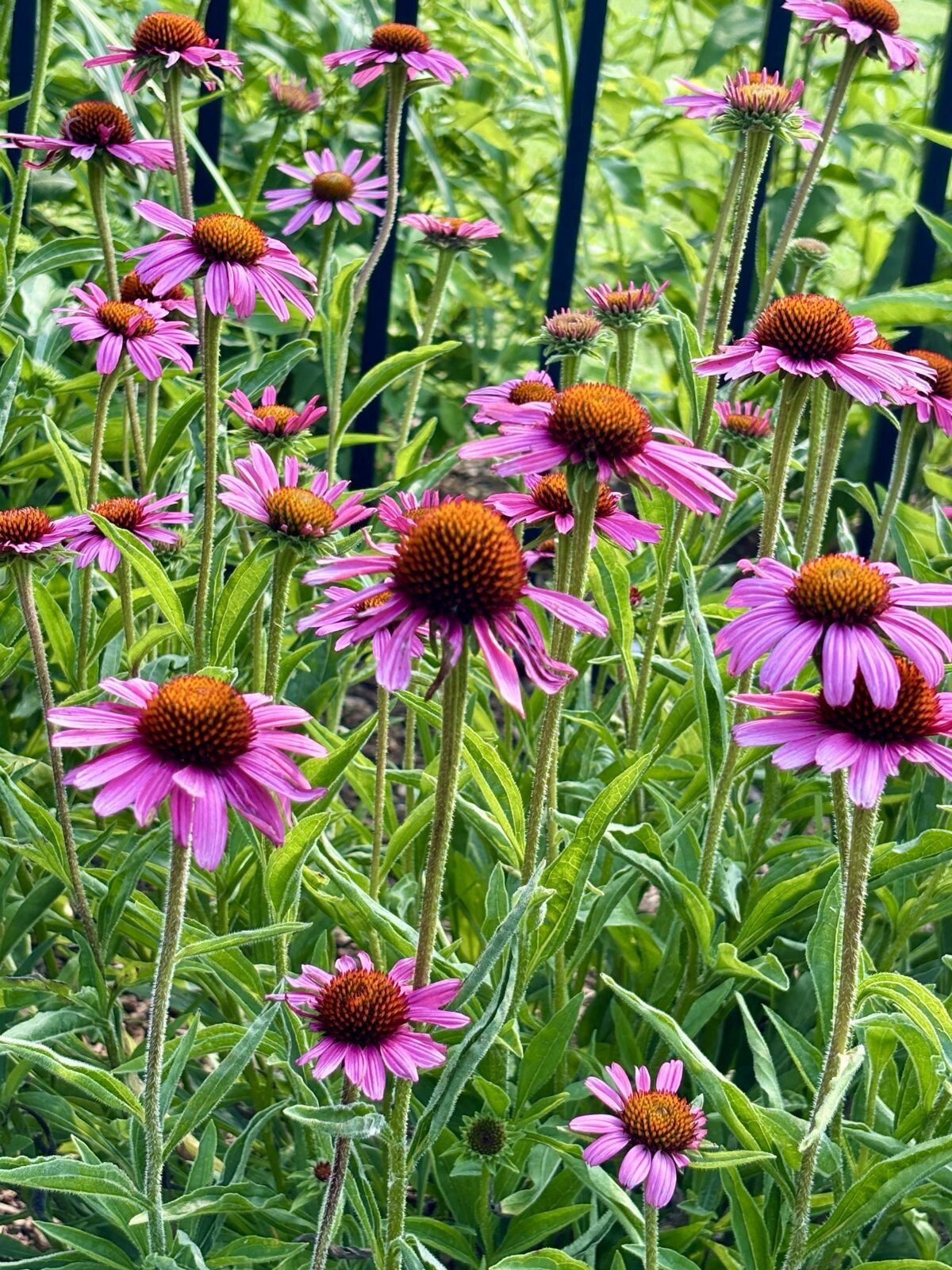
Black-eyed Susan (Rudbeckia hirta): Yellow blooms arrive from late spring into summer. Skip deadheading once blooms fade so seed can form. Goldfinches eat the seeds, and Audubon says they draw 13 bird families, including chickadees, nuthatches and sparrows. It can be short-lived, so replant if it fades.
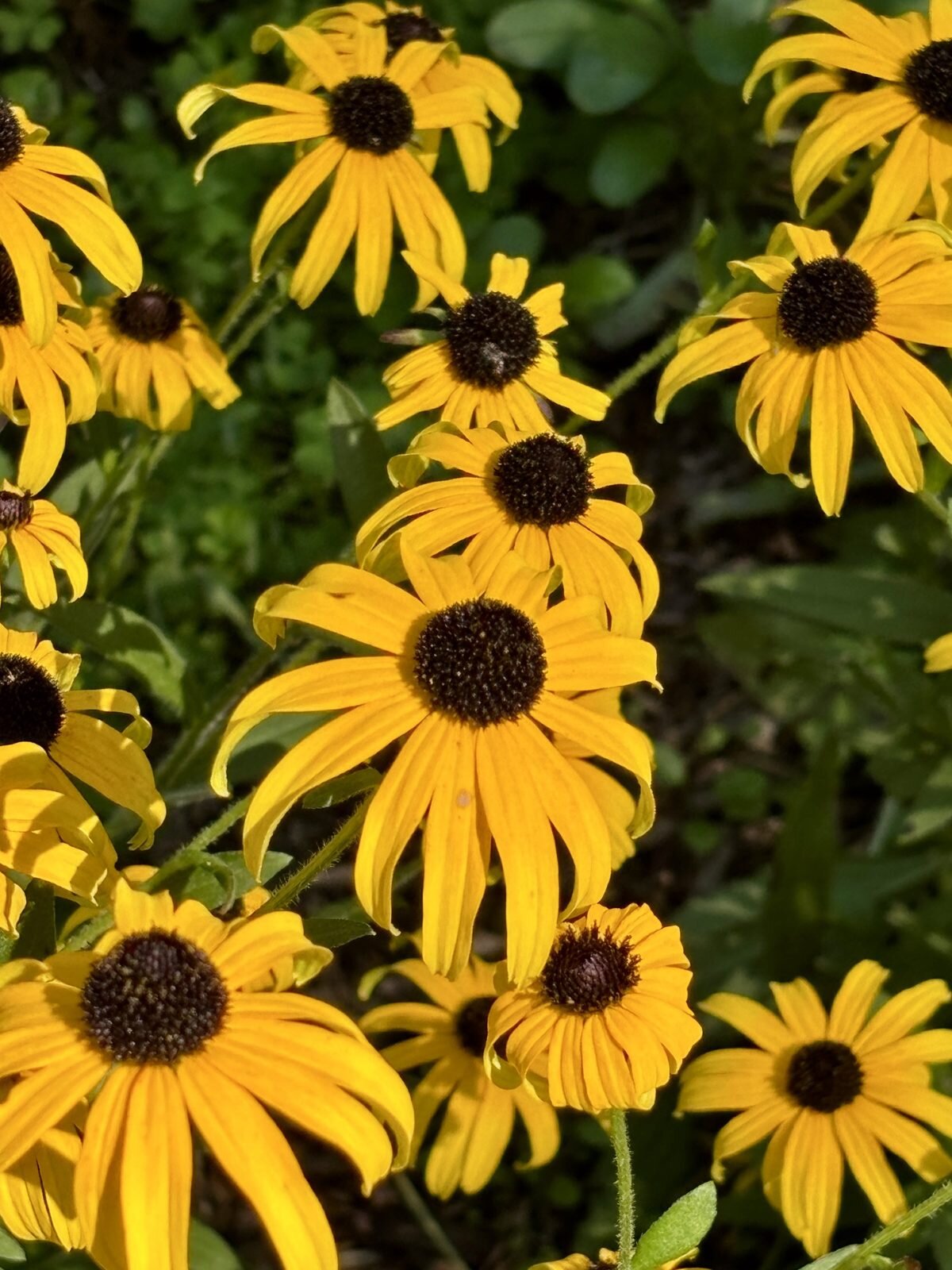
Joe-Pye weed (Eutrochium): A tall back-of-the-border plant, 5 to 7 feet, with domed pinkish-purple blooms from July through September. Butterflies and bees visit the flowers, and the seed heads feed songbirds into winter. It likes moist, well-drained soil.
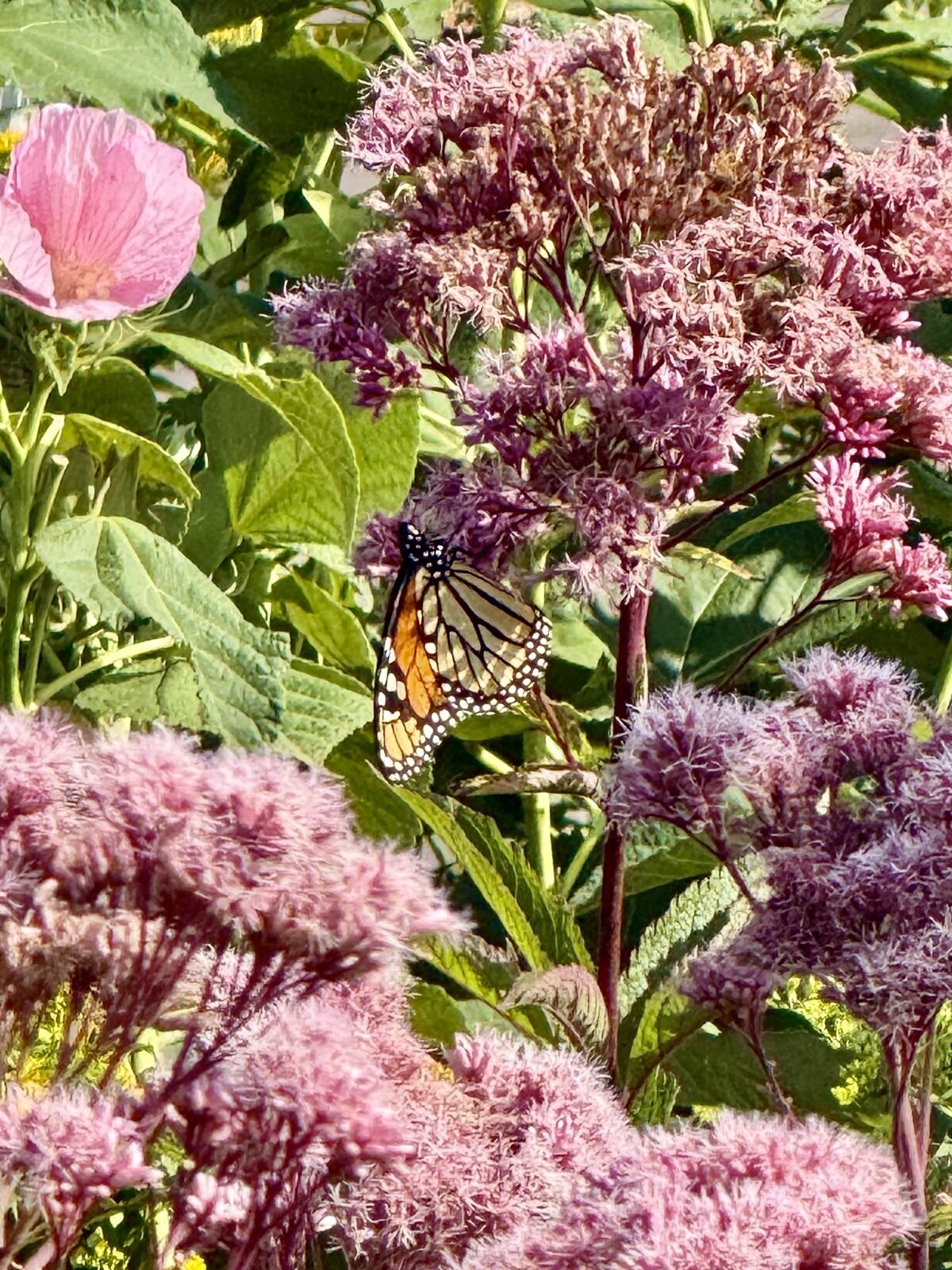
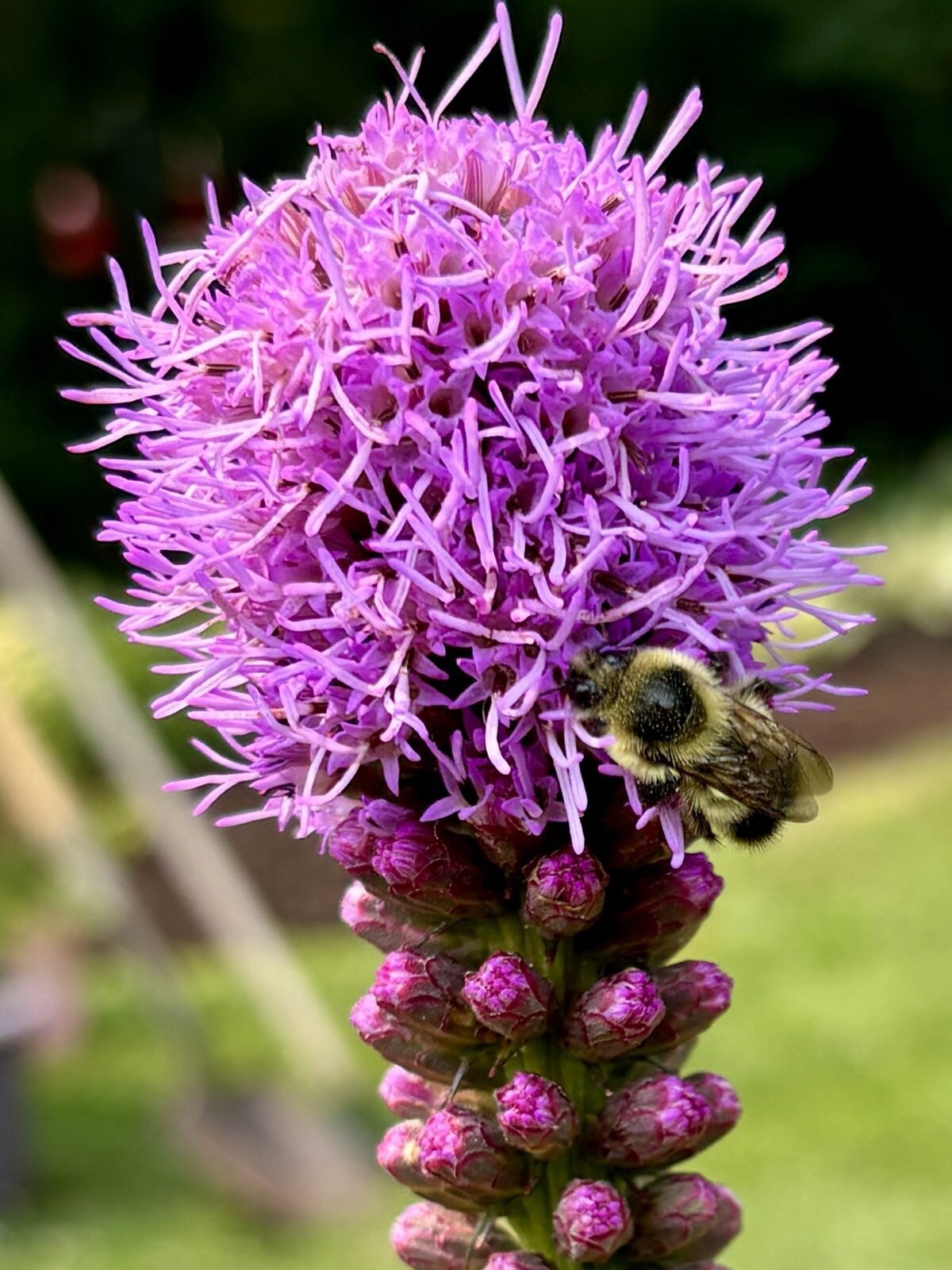
Blazing star (Liatris spicata): Purple spikes bloom from July through September and draw bees and hummingbirds. Goldfinches eat the seeds later. In my zone 6a Michigan garden, the seed heads turn fluffy and tan in fall, and I save some seeds to plant and leave most of them for the goldfinches. It grows 2 to 3 feet tall in full sun or part shade.
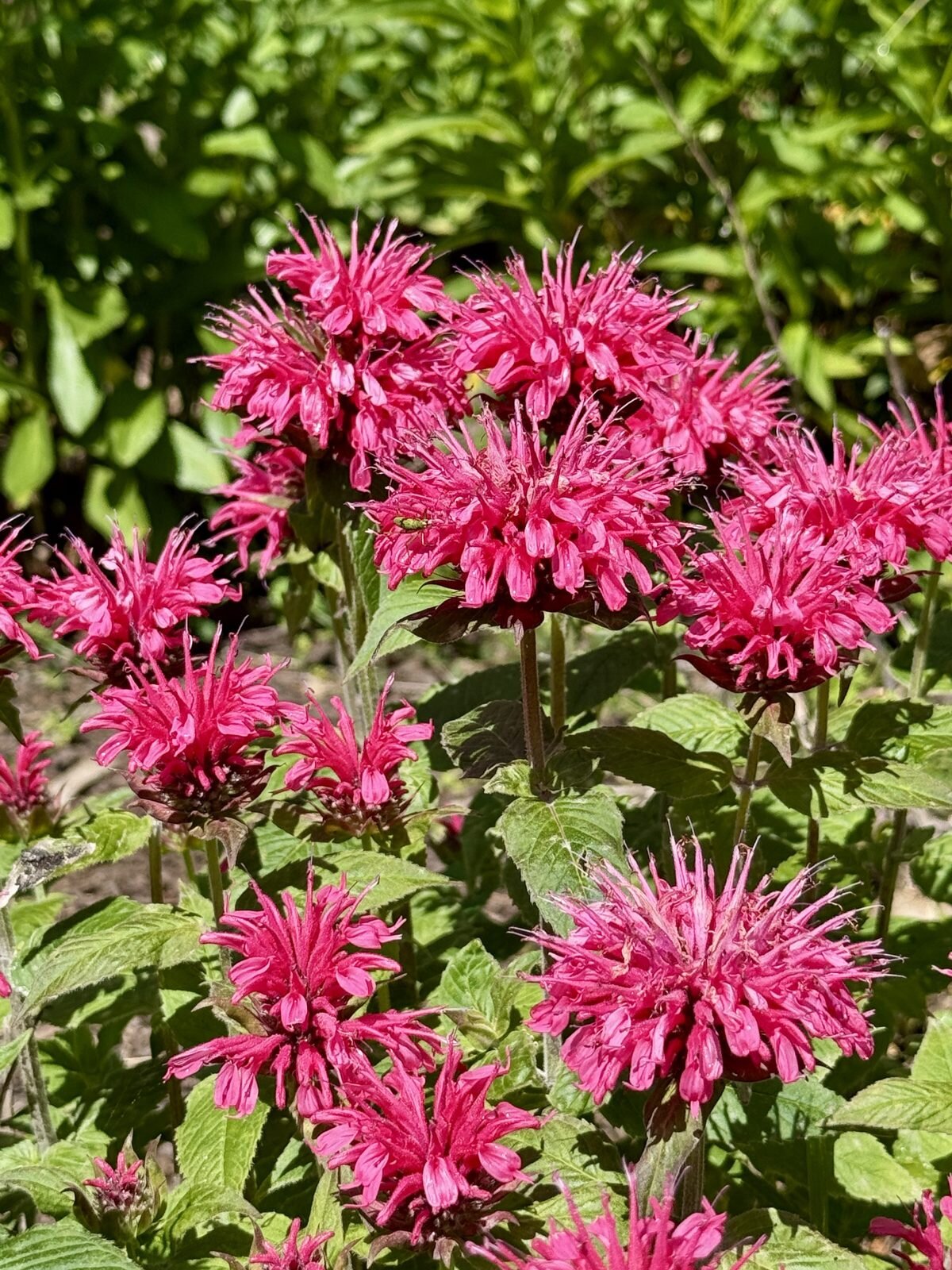
Bee balm (Monarda fistulosa), also called monarda: Pink to lavender blooms from June through September attract hummingbirds, bees and butterflies. Leave the seed heads standing in fall. It grows best in full sun with good drainage.
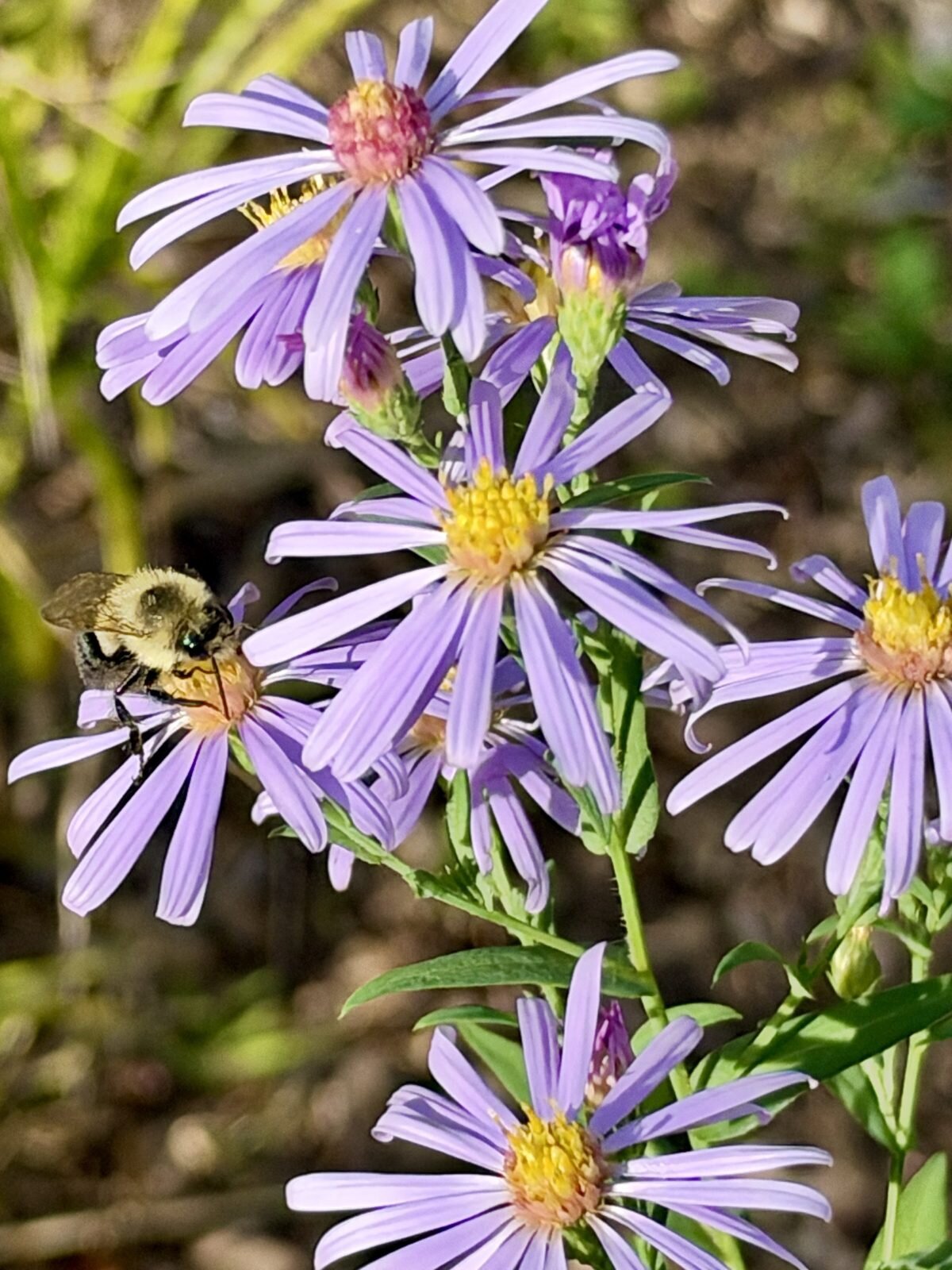
Aster (Symphyotrichum): Late-season blooms, August to October for New England aster, give bees and monarchs nectar when much of the garden has faded. Songbirds eat the seeds, including juncos, goldfinches and indigo buntings, according to Penn State Extension. Pinch the stems in spring for a bushier plant.
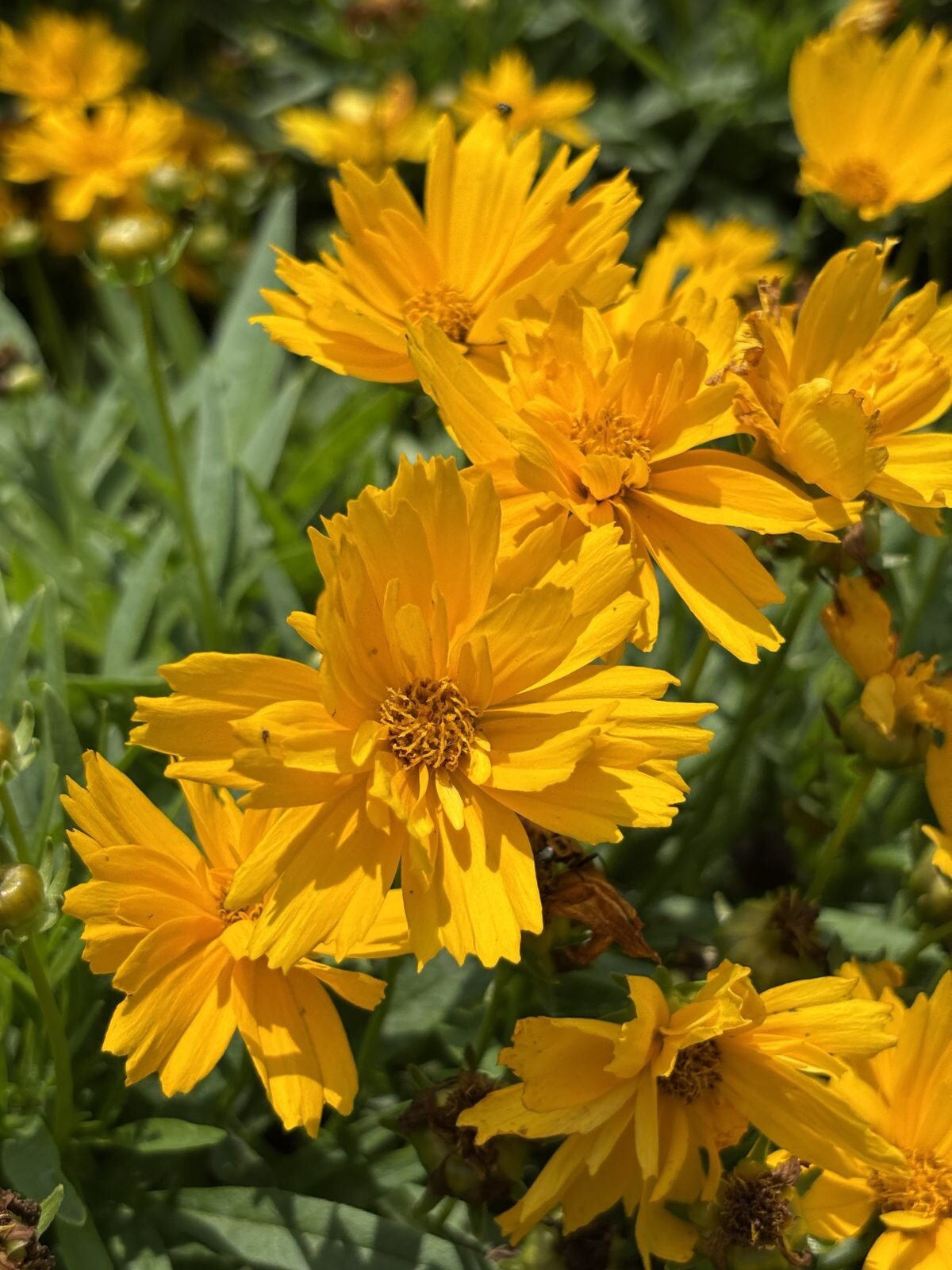
Coreopsis (also called tickseed): Wants full sun and well-drained soil, and it is extremely drought tolerant once established. Finches, sparrows and other songbirds eat the seeds.
Annuals to sow each spring
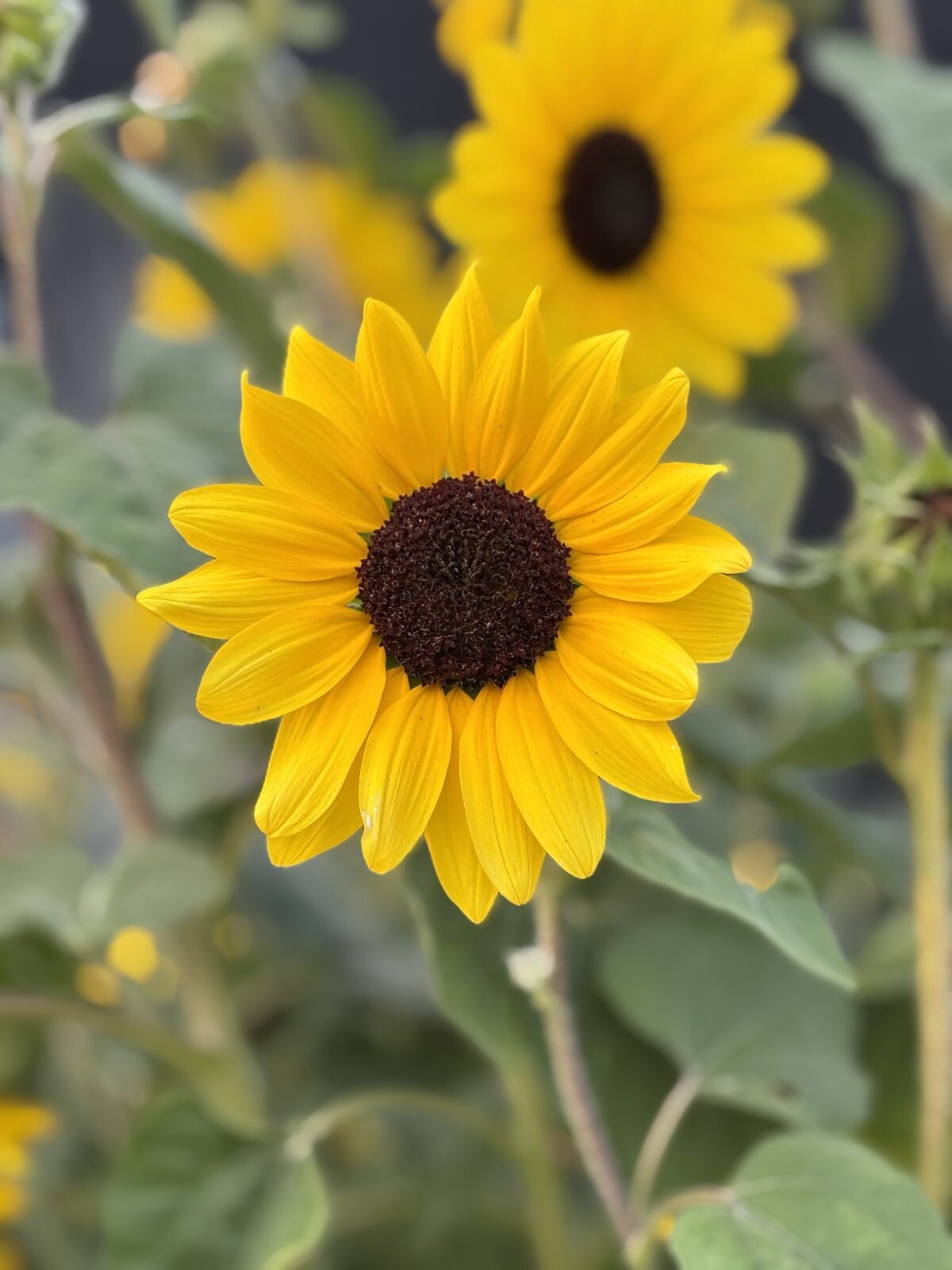
Sunflowers (Helianthus annuus): Cardinals, blue jays, woodpeckers, chickadees and nuthatches eat the seeds. Black-oil seed has thin shells nearly all seed-eating birds can crack, while striped types have thicker shells. Sow seeds about an inch deep in full sun, at least 6 hours a day, after the last frost. They sprout in 7 to 10 days, and varieties of about 3 feet or less grow well in pots. Cut a few heads for a feeder or leave them standing for birds.
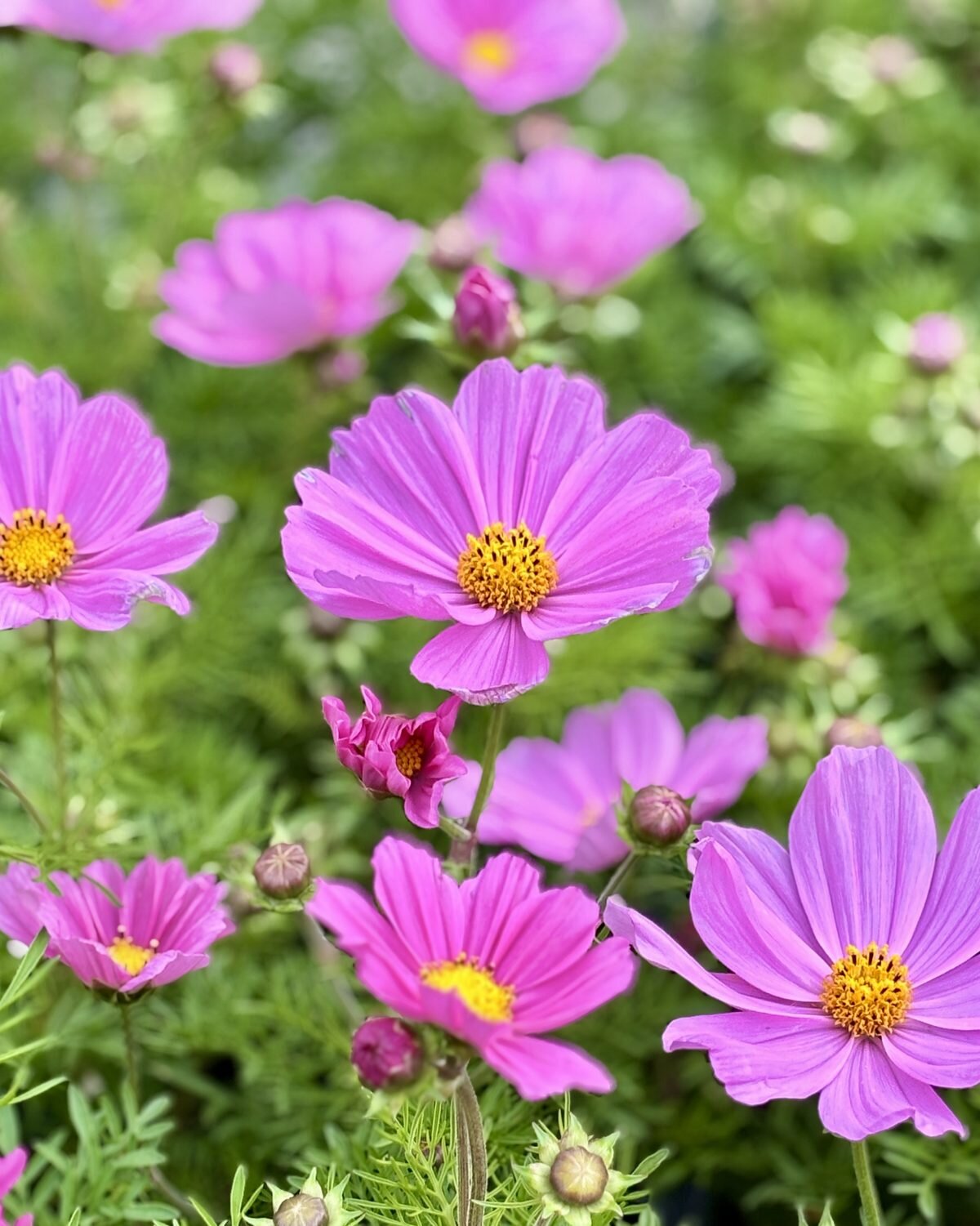
Cosmos (Cosmos bipinnatus): Blooms from June through October, self-seeds freely and attracts birds. Give it full sun.
- Mexican sunflower (Tithonia rotundifolia): Bold orange blooms open from late summer until frost on plants 2 to 6 feet tall. Goldfinches feed on the seeds. It wants full sun and tolerates moderate drought once established.
- Safflower (Carthamus tinctorius): A thistle-like annual with a tough shell. Cardinals favor the seeds, and grosbeaks, chickadees and doves eat them, too. Sow seeds about an inch deep in spring.
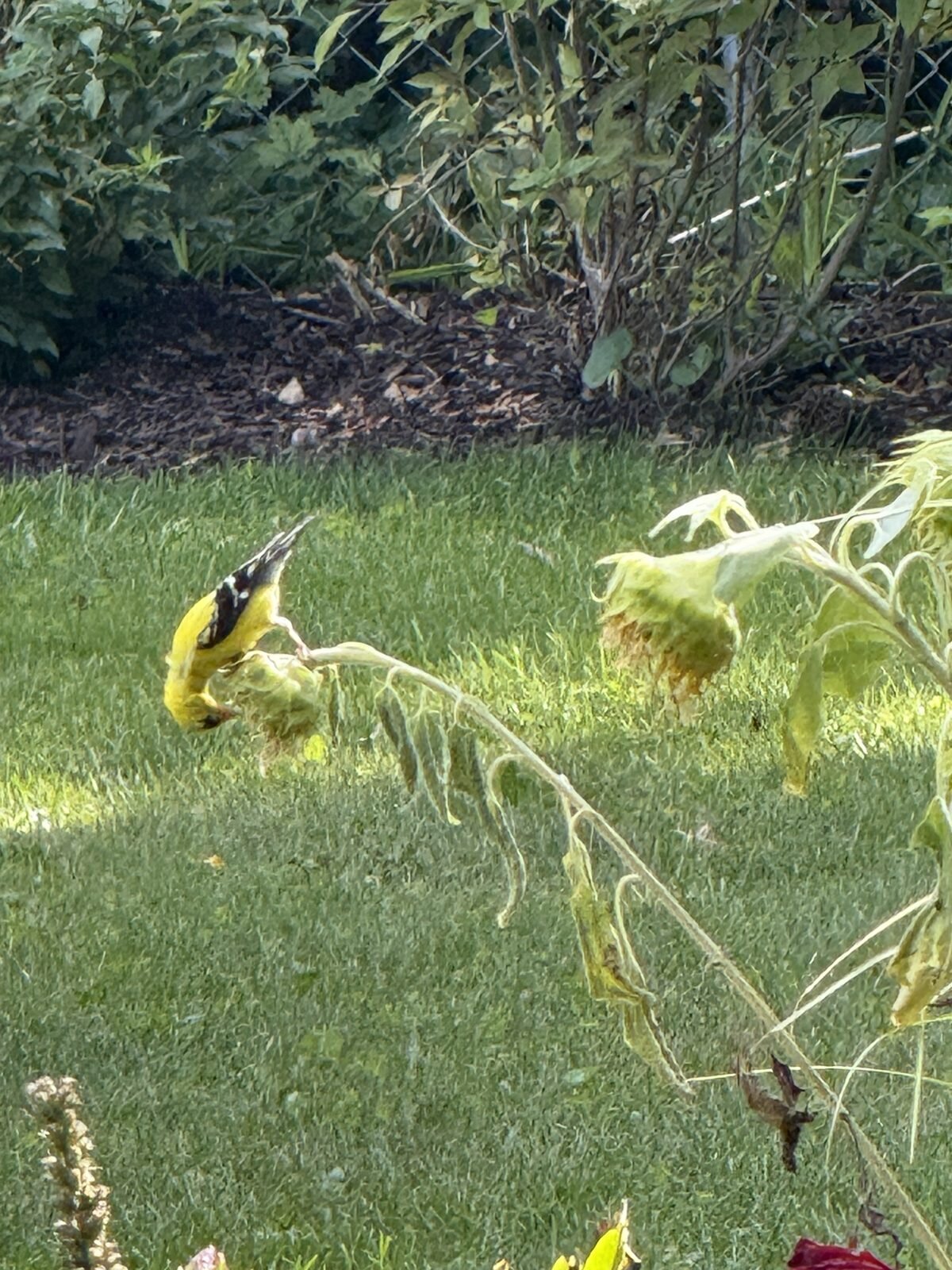
In my own garden, goldfinches are on the sunflowers by the end of August.
A grass to try
The ornamental ‘Purple Majesty’ pearl millet (Pennisetum glaucum) is an annual grass that grows 4 to 5 feet tall with dark purple leaves. Goldfinches and sparrows eat the seeds. Give it full sun for the deepest color.
White proso millet attracts juncos and sparrows. Switchgrass and feather reed grass add seed and winter interest.
How to harvest and store sunflower seed
Want to stock a feeder from your own garden? Sunflowers are the easiest place to start. They are ready when the heads droop and dry out. Cut each head with about a foot of stem, and do it early so birds and squirrels don’t beat you to it.
Hang the heads in a warm, dry, well-ventilated spot where rodents and insects can’t reach them, and let them cure for several weeks. Once the seeds are fully dry, rub them loose with your hands or a stiff brush. Store them in airtight containers.
Let the seed heads stand
Resist the urge to clean up in fall. Standing stems and seed heads give birds food and shelter through winter, and hollow stems give helpful insects a place to lay eggs. Birds will also scratch through fallen leaves and the ground below for seeds that have dropped. I always leave some heads standing for the birds.
If you cut plants back in spring, pile the stems in the yard before moving them to compost. Cutting too early can keep eggs from hatching.
Common questions about growing birdseed plants
Can you really grow your own birdseed? Yes. Sunflowers, safflower and millet are common birdseed crops, and many garden flowers, including coneflowers and black-eyed Susans, form seed that songbirds eat.
What is a good birdseed plant to start with? Sunflowers. The University of Minnesota Extension calls them easy to grow. Sow them outdoors after the last frost.
Should I cut back my flowers in fall? Leave the seed heads standing through winter so birds can eat from them. For a tidier look, trim plants closer to the ground instead of cutting them all the way back.
Why choose native plants for birds? Birds eat native plants’ seeds in fall and winter, and their leaves host the caterpillars birds need in spring. The National Wildlife Federation says one chickadee family needs more than 5,000 insects.
Variety is the key to attracting more kinds of birds, so plant a mix. Your garden will look lovely, and you’ll have a front-row seat to the visitors it brings.
From the QT Bird Community
Join the conversation
Comments on QT Bird articles live in our community. Joining is free: share your tips, ask questions and get replies.
Sign up to PostLog in