
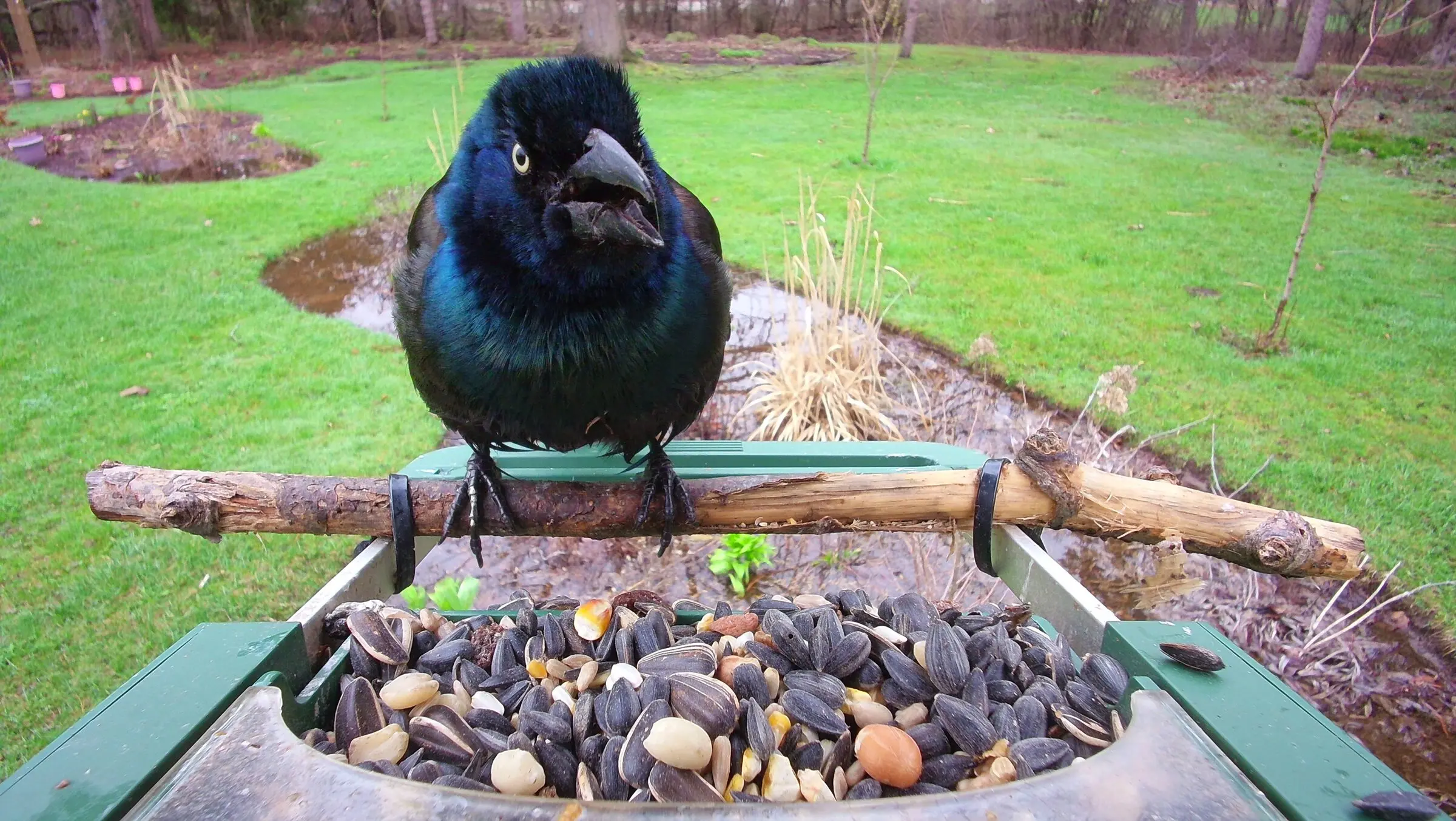
Grackle birds have a reputation, and a flock in your yard shows why. These long-tailed, yellow-eyed blackbirds can crowd onto your feeders and empty them in an afternoon, which leaves many people asking: are grackles as bad as they seem? Many also want to know how to keep grackles away from bird feeders. Yet in the right light, those same visitors gleam with purple, bronze and blue. So are they bullies or beauties? This guide covers what grackles eat, whether they harm other birds and how to keep the peace at your feeders.
What a grackle looks like
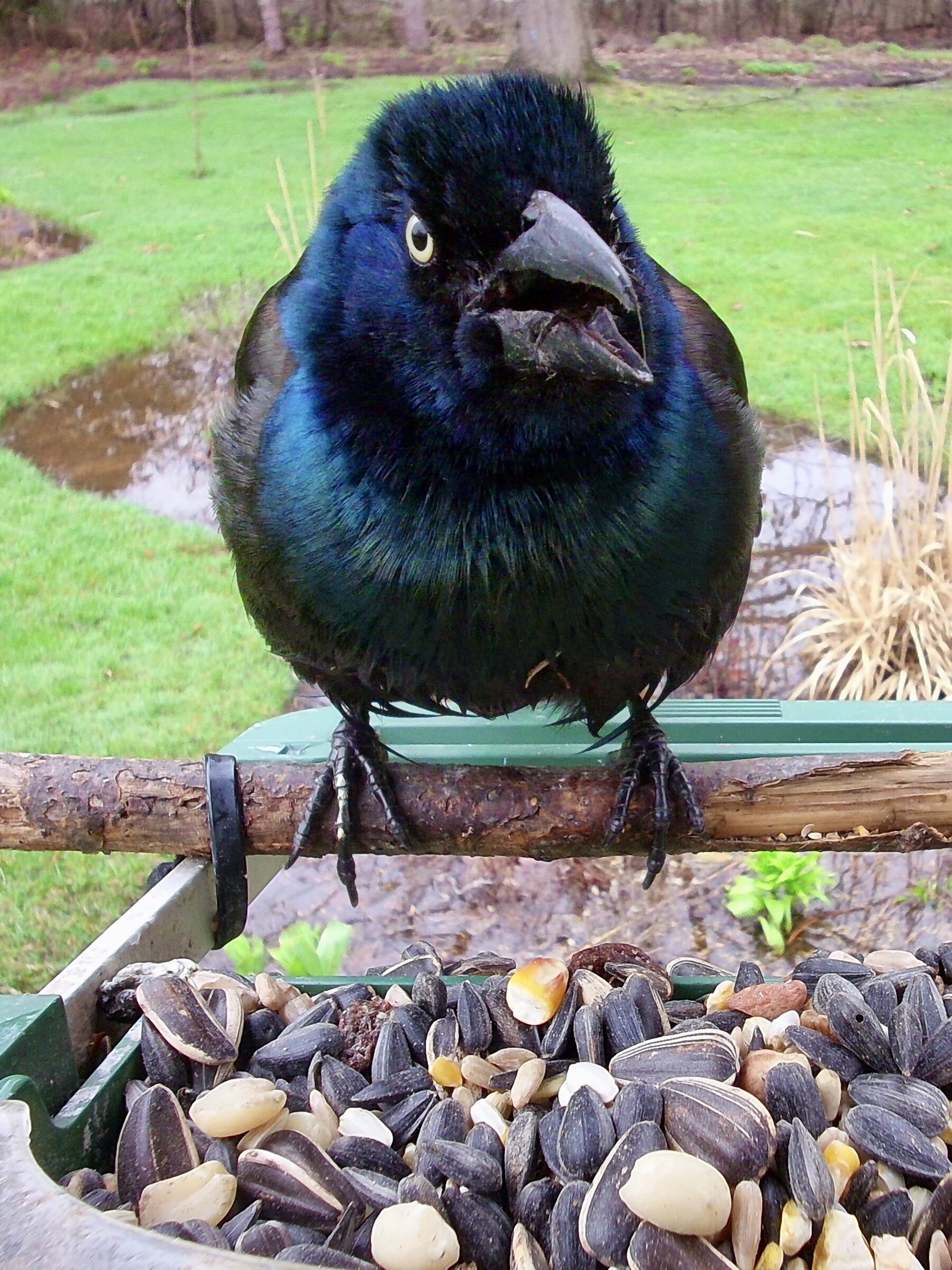
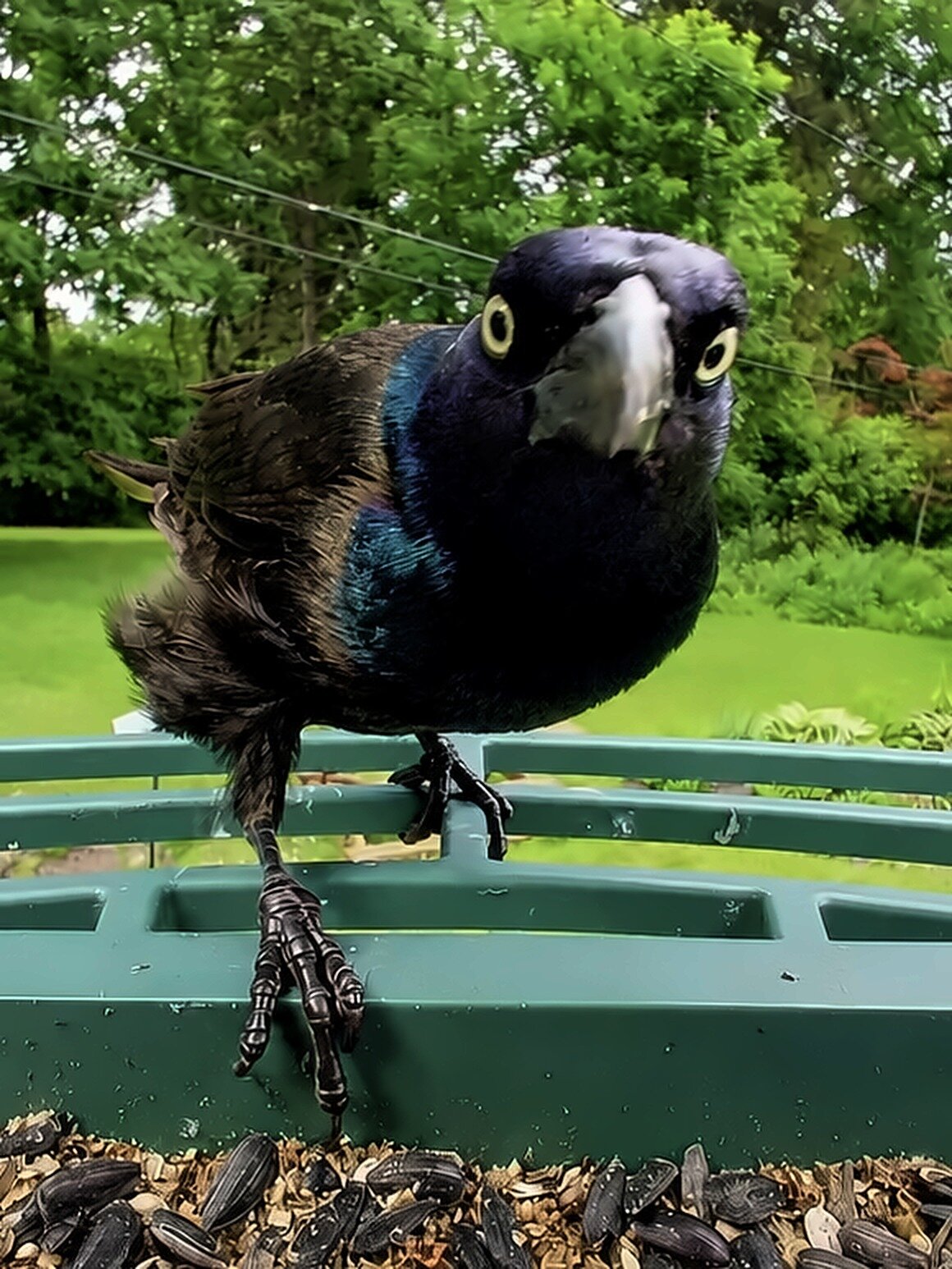
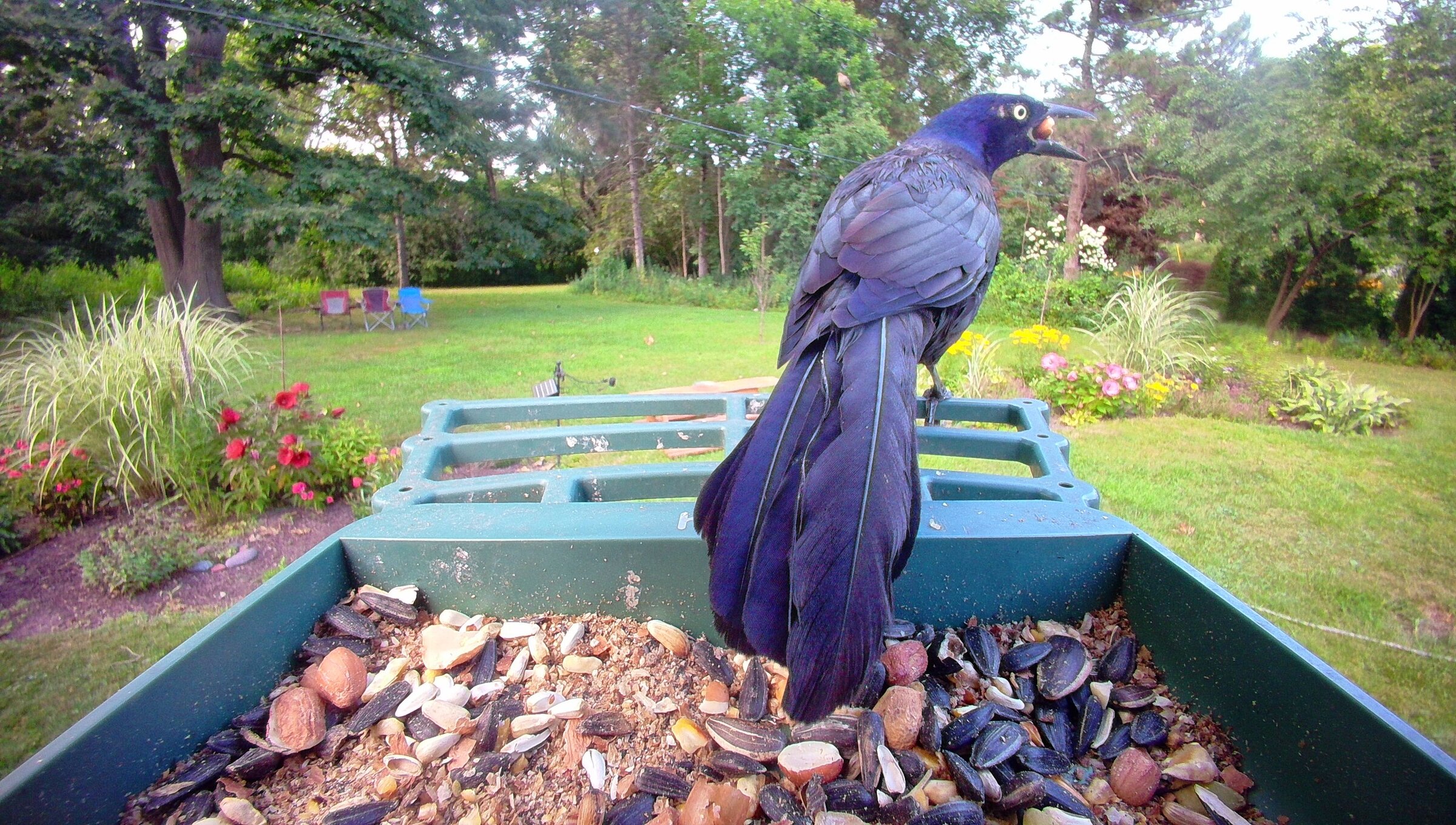
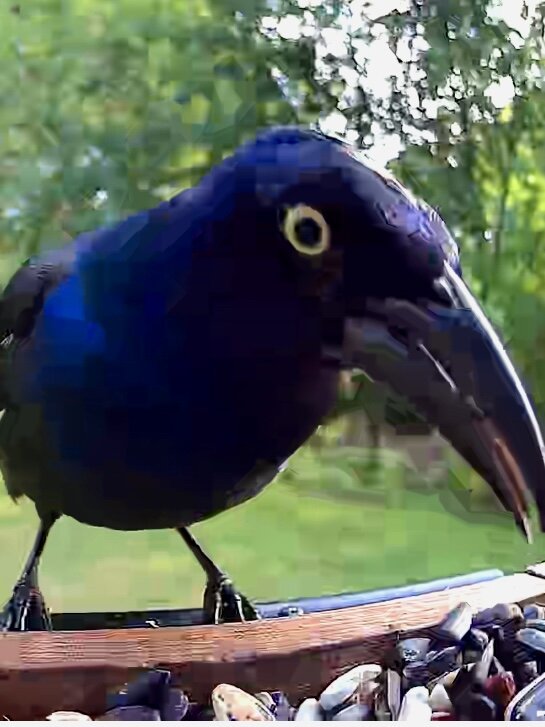
The common grackle (Quiscalus quiscula) is a big, lanky blackbird, 11 to 13 inches long, with long legs, a long tail and a heavy bill. From a distance, males look plain black. In good light, the Cornell Lab of Ornithology says, they show a bluish head and a bronzy body. Females look slightly less glossy. Both sexes stare out through pale yellow eyes, and both strut across the lawn instead of hopping.
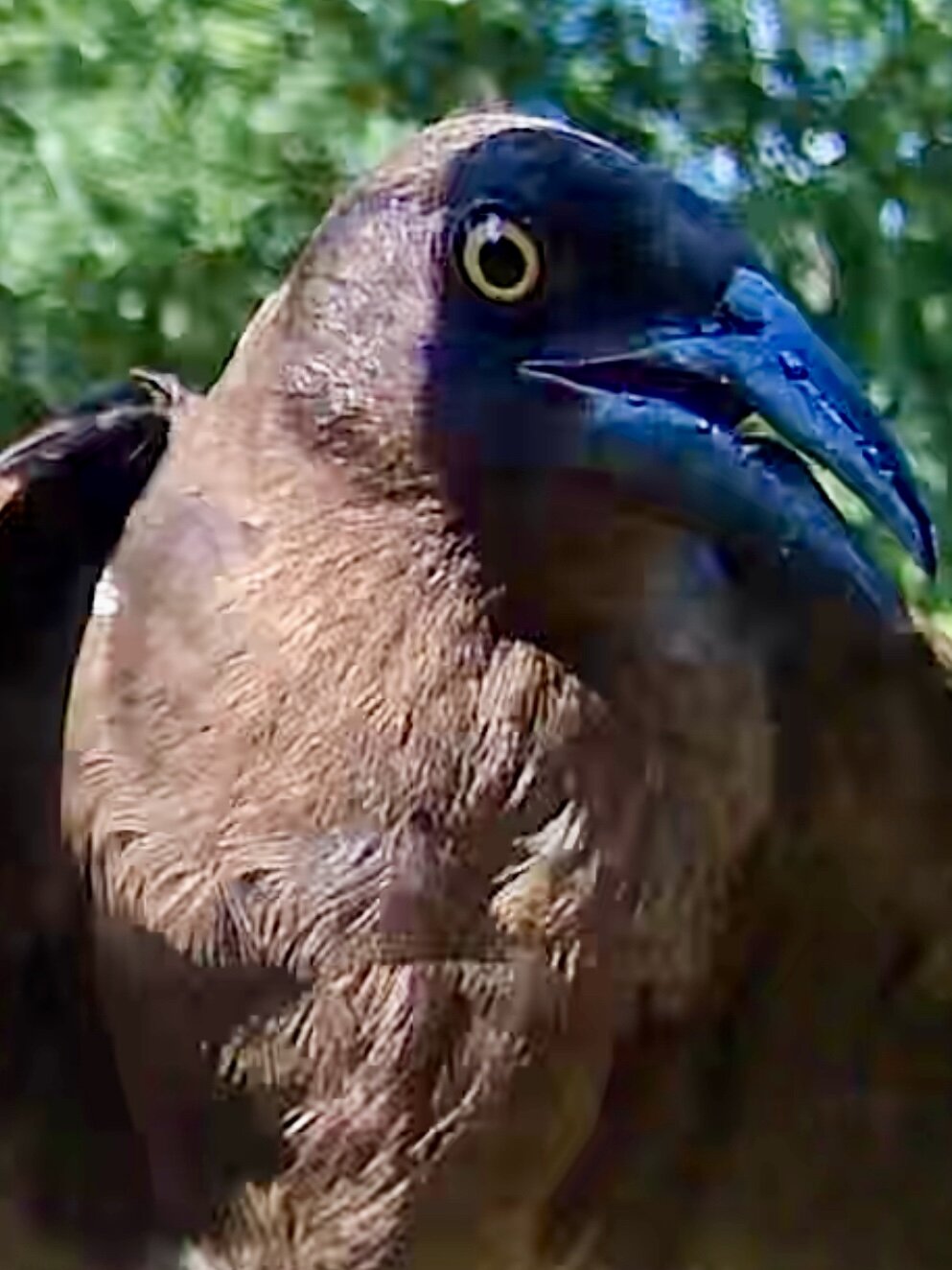
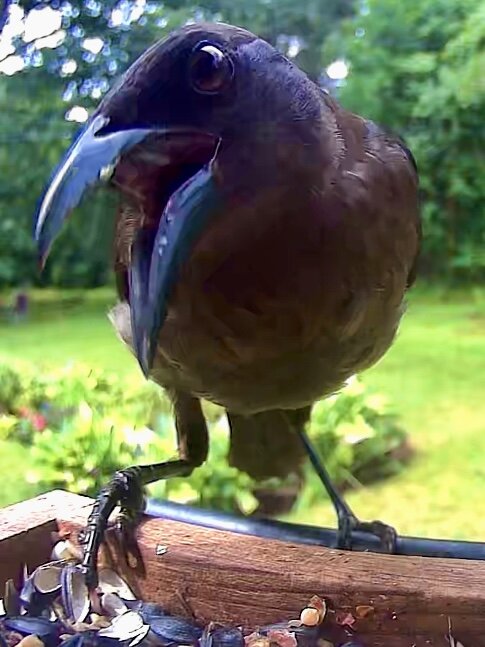
You may also meet grackles that look a little different. The great-tailed grackle (Quiscalus mexicanus) and the boat-tailed grackle (Quiscalus major) are relatives of the common grackle, and both are larger, with longer, keel-shaped tails. If your visitors look bigger than the ones described here, you may be watching one of these cousins. The great-tailed grackle also returns later in this article, because researchers have studied it closely and found it adapts well to change.
Why grackles earn the bully label
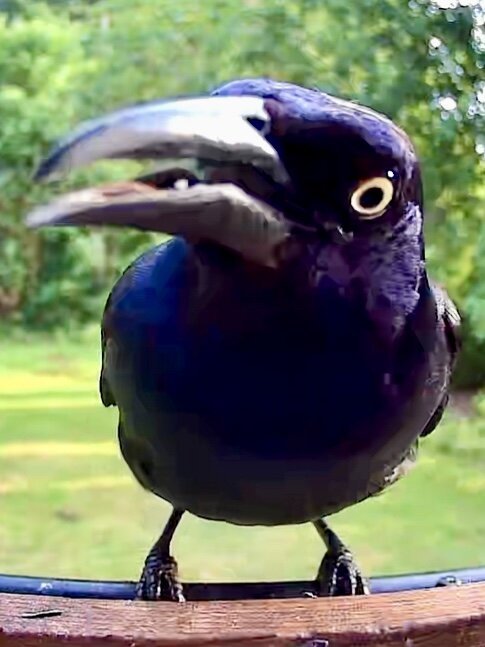
Grackles travel in noisy flocks, and a flock that lands on a feeder can leave smaller birds waiting in the shrubs. Sunflower seed is a favorite, and grackles also gobble the grain and spilled seed on the ground. They sometimes swipe food from robins, too, according to the National Audubon Society.
Then there is the darker side. In summer, a quarter or more of a grackle’s diet may come from animals, from beetles and caterpillars to frogs, mice and other birds. That includes the eggs and nestlings in other birds’ nests and, once in a while, a grown bird. Before you judge too harshly, remember that grackles act like opportunists, not villains. A grackle that finds an unguarded nest does what a crow or jay would do.
Farmers hold the biggest grudge. Large winter flocks can cause millions of dollars in damage to corn, rice and sunflower crops, according to the American Bird Conservancy.
I’ll admit it: I enjoy having grackles around. Maybe it’s because they visit, don’t linger the way starlings do, and then move on. They are loud, they hog the feeder and they leave a mess, yet I never tire of how they look. Those eyes are piercing! And when they march across the lawn, I stop to watch. Their legs and feet look downright reptilian, like something out of a storybook.
The beauty side
Give grackles a second look and the charm shows. Birders often compare the song to a rusty gate, and singing males puff up their feathers and spread their tails like tiny black peacocks.
Grackles also have odd habits. They practice “anting,” rubbing ants (or substitutes) over their feathers, possibly to fend off parasites. Grackles have used marigold petals, walnut juice and limes, and some have even used mothballs. Please don’t set mothballs out for them. They contain pesticide, and observers have reported grackles falling ill afterward.
Grackles also make devoted parents. Both adults feed their nestlings, mostly insects, so a nesting pair helps control pests in your yard. Adults carry away the nestlings’ waste in tidy packets, and Audubon reports that they often drop those packets in water, including birdbaths and pools. The oldest known common grackle lived at least 22 years.
Grackles share traits with crows and ravens
Plenty of people admire crows and ravens for their brains, their boldness and the way they thrive around us. Grackles share much of that. Like ravens, they are omnivores that take advantage of almost any food they find. Researchers studying great-tailed grackles found they adapt unusually well when conditions change, which helps explain how the species has spread across so much of North America. Common grackles also do well in human landscapes, and they show real resourcefulness in how they use ants, fruit and even marigold petals to care for their feathers. Both parents feed the young, and a glossy head, a bronze body and a yellow eye add a little glamour.
A common bird in trouble
Here is the twist. Grackles seem to be everywhere, yet their numbers have fallen. The Cornell Lab reports that common grackle populations have dropped nearly 2 percent a year since 1966, a cumulative loss of about 54 percent. Bird conservation groups list the species as a common bird in steep decline, and about 67 million birds remain.
Scientists don’t know all the reasons. Control programs aimed at crop damage may play a part, and researchers are studying whether insecticides in the insects and grain grackles eat also contribute. When a bird this common struggles, it can signal that something in the environment needs attention.
How to keep the peace at your feeders
In the North, grackles arrive early in spring and leave late in fall, so patience helps. Meanwhile, these four changes can tip the balance toward smaller birds.
- Choose tube feeders with short perches. Project FeederWatch, a Cornell Lab program, recommends feeders made for small birds, such as tube feeders with short perches and no catch basin at the bottom. Finches and other small birds manage fine, while big birds like grackles have a harder time settling in. Fill them with nyjer (thistle) seed for finches. Hang them where you can watch the show.
- Add cages. Feeders enclosed in wire mesh leave openings that small birds slip through and large birds can’t. Chickadees, nuthatches and finches get a safe meal, and grackles go hungry. Pick cages made for small birds so the openings stay narrow.
- Try safflower seed. This white seed has a thick hull. Cardinals, chickadees, finches and nuthatches enjoy it, and many feeder watchers find grackles lose interest. Offer it in its own feeder rather than mixed with sunflower seed, because grackles toss out the seeds they don’t want while hunting for the ones they do. Give it up to a week to work. Some grackles will still sample it.
- Tidy the ground and spread out your feeders. Grackles love to forage below feeders, so sweep up spilled seed daily or add a seed-catcher tray, and avoid scattering food on the ground. Fill feeders with smaller amounts so a flock can’t empty them in an afternoon. Place a few feeders in different spots, and small birds will always find a quiet one.
Frequently asked questions
Are grackles bad?
Not simply. Grackles crowd feeders, raid nests for eggs and nestlings and, now and then, kill a grown bird, usually in summer. Large flocks also damage crops such as corn. But grackles are native birds that eat many insects, and both parents work hard to raise their young. Their numbers have also dropped by more than half since 1966, so they deserve a fair look.
What do grackles eat?
Mostly seeds and grain, such as corn and rice. They also eat insects, spiders, frogs, fish and mice, plus berries, acorns and scraps people leave behind.
Do grackles migrate?
Partly. Birds in the colder North head south for winter, while many in the East stay all year. Large flocks gather in fall and form huge roosts that can reach hundreds of thousands of birds.
Grackles may never win a popularity contest, but they deserve a fair look. They are smart, glossy, devoted to their young and a lot more fragile than their numbers suggest. If you love crows or ravens, next time a flock lands in your yard, stop for a moment and watch the light play across those feathers. You may find yourself rooting for the grackle after all.
From the QT Bird Community
Join the conversation
Comments on QT Bird articles live in our community. Joining is free: share your tips, ask questions and get replies.
Sign up to PostLog in