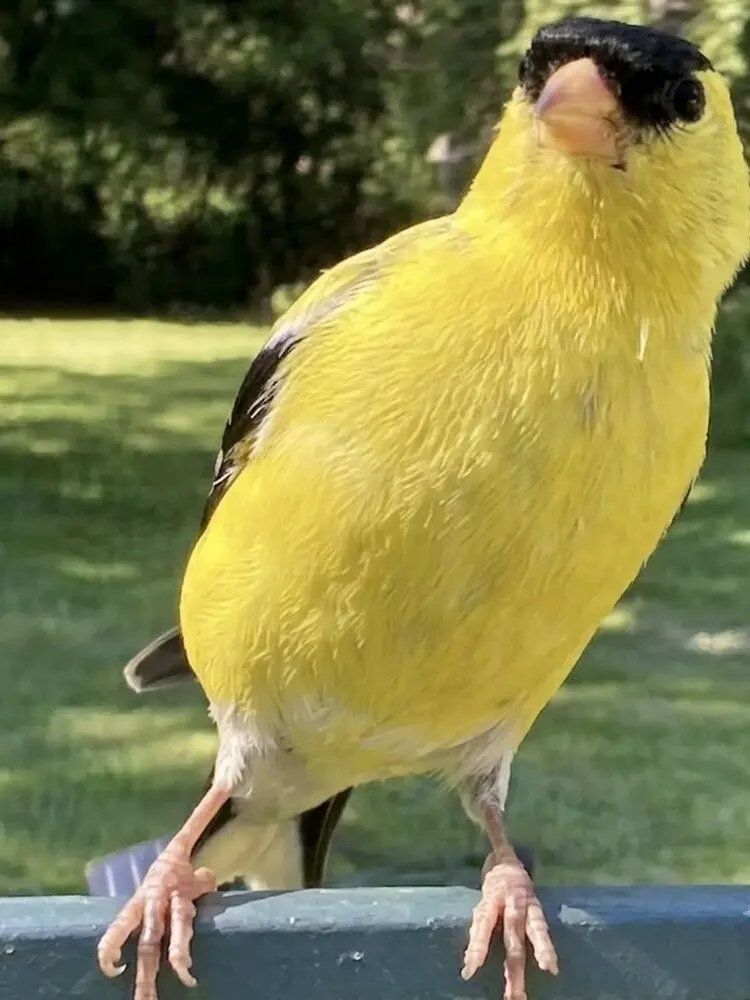
Few backyard visitors brighten a gray day like a goldfinch. I love their sunny yellow and watching their plumage change with the seasons. It’s hard to believe the color can change so much. If you want to attract goldfinches, offer fresh seed, grow a patch that goes to seed, and give them leafy cover for raising a family. Do all three and your yard becomes a place goldfinches return to again and again. A few changes to your feeders, flowerbeds and shrubs can turn an occasional drop-in into a chattering flock.
What goldfinches look for in a yard
In the wild, goldfinches live in open, overgrown spots full of seed-bearing plants, with a few shrubs and small trees nearby for nesting, according to the Cornell Lab of Ornithology. A lawn alone offers them little. A yard with seed, water and cover offers plenty. Build all three and you give them reasons to stay.
Feed goldfinches: seeds, feeders and water
- Nyjer (thistle) seed. These tiny black seeds, which stores also sell as thistle seed, are the goldfinch’s favorite feeder food. They’re rich in oil, which fuels these busy little birds. Nyjer attracts goldfinches more than most other feeder birds, so expect to wait while they find it. Nyjer spoils faster than larger seeds, so buy only what you’ll use within a few weeks and store it in an airtight container.
- Sunflower hearts or chips. Goldfinches also love hulled sunflower seeds. Hearts are high in oil, and many other small birds eat them too, so they bring a livelier crowd. If your Nyjer feeder sits quiet, try a feeder of hearts or a blend of both. Hearts also help goldfinches get started when they haven’t yet spotted a thistle feeder.
- Black oil sunflower. Goldfinches will also eat regular black oil sunflower seed, though the shells make it harder work for their small bills. Put it in a general-purpose feeder and keep the finch feeder for Nyjer and hearts.
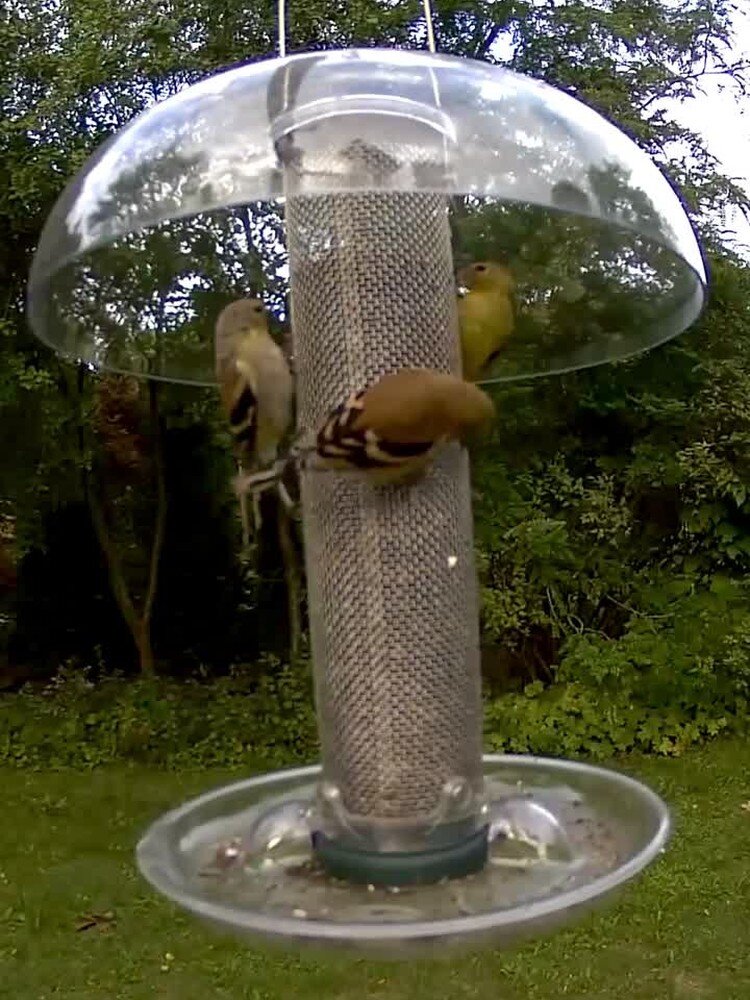
In my yard, goldfinches love having a feeder of their own. I use a mesh feeder with no perches or ports, which keeps many other birds off it, so it’s primarily theirs. I added a dome on top for weather and a tray on the bottom, in case they want to hang out and to catch seed that drops. I fill the feeder with a mix of sunflower hearts and Nyjer seed. Goldfinches cling and eat at any angle, so they don’t need a perch. A tube or sock feeder with small feeding ports works too, because small ports keep larger birds from digging through the seed and spilling it. Because goldfinches find food by sight, set the feeder somewhere open and easy to spot. Put it away from busier feeders where bigger birds crowd, and near shrubs or small trees where goldfinches can duck for cover.
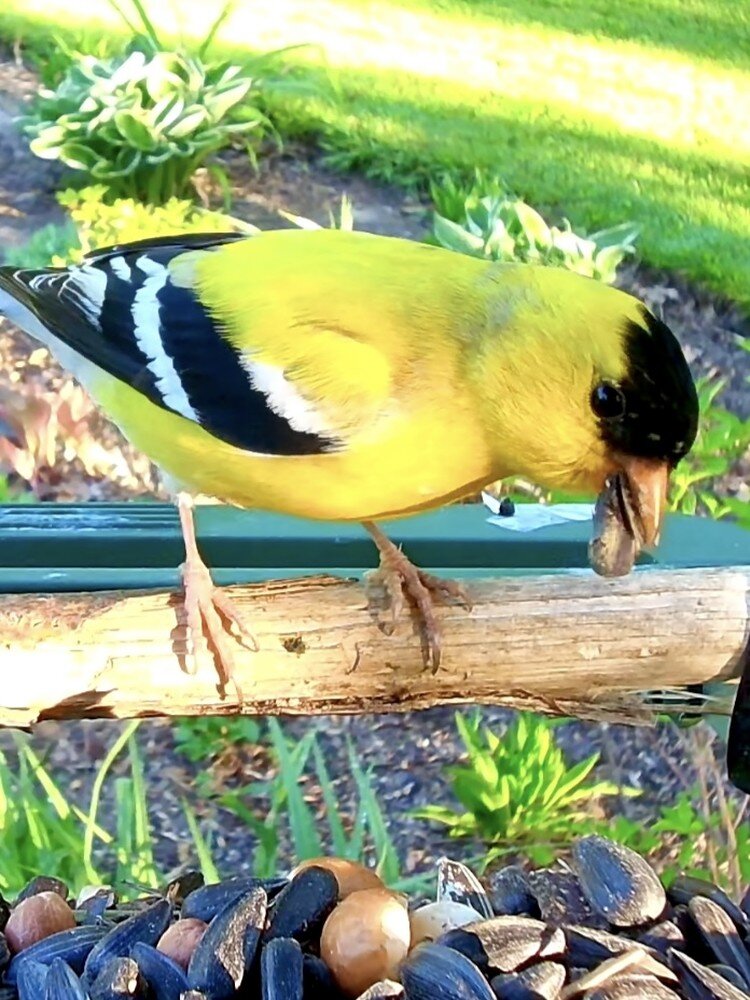
Keep the seed fresh and dry. Replace Nyjer that sits untouched for more than three to four weeks. Dump it if you see mold, clumping or a loss of that nutty smell, then clean and dry the feeder before you refill it. A shallow birdbath also draws goldfinches, and you should change the water every few days.
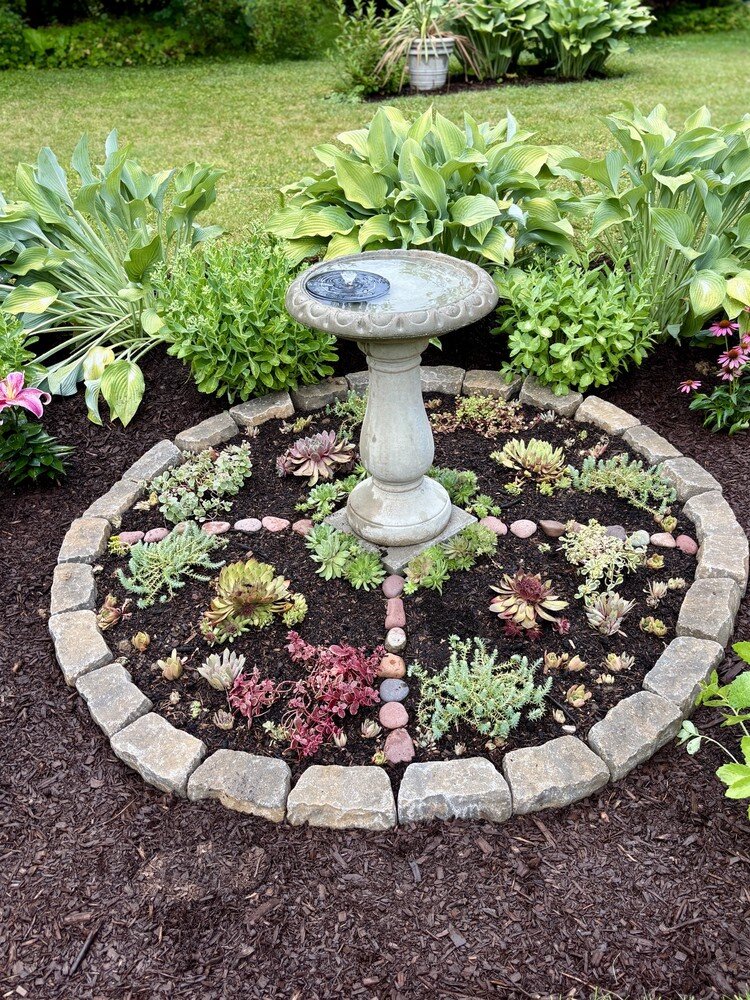
Plant seed-bearing flowers for goldfinches
Goldfinches eat seeds from the daisy family and from many weeds and grasses, so a patch of seed-heavy flowers works as a natural feeder. Choose plants that produce seed, not just blooms. A mix of bloom times keeps seedheads coming from summer into fall.
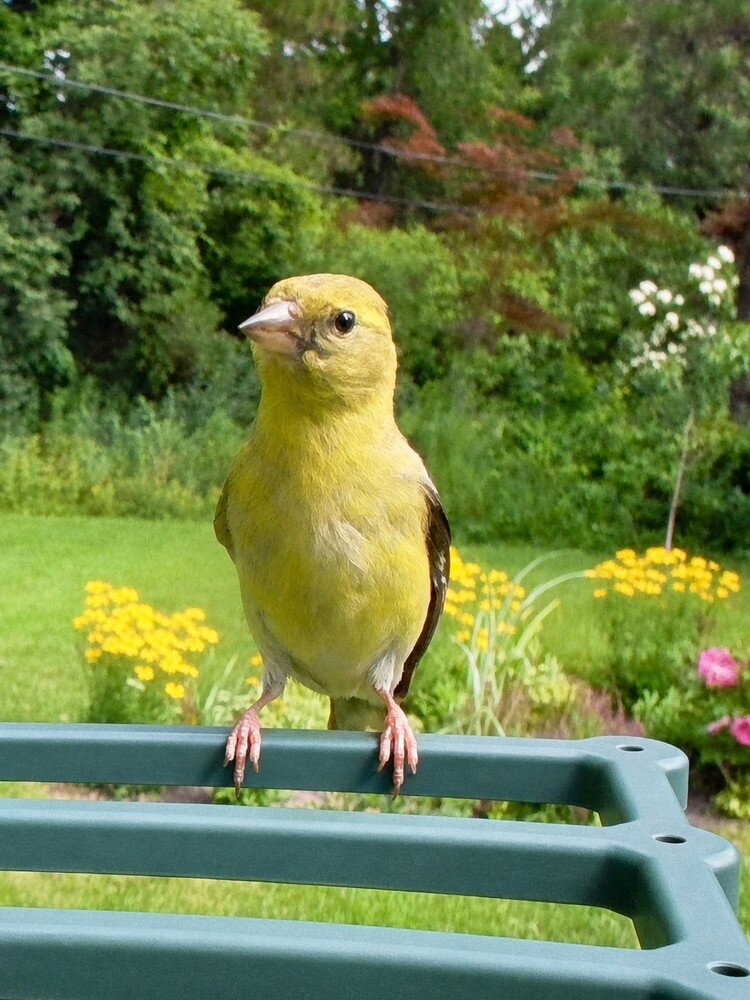
Annuals
- Sunflowers (Helianthus annuus). Their big, seed-packed heads give goldfinches plenty to pick through. Goldfinches cling to the drooping heads, sometimes upside down. Plant a row along a fence or sunny border and leave the heads standing when the petals fade.
- Zinnias (Zinnia elegans). The sturdy stems make good perches, and goldfinches pluck seeds from the spent blooms. Zinnias grow easily from seed and fill gaps in a flowerbed fast. Let the last flowers of the season dry on the plant.
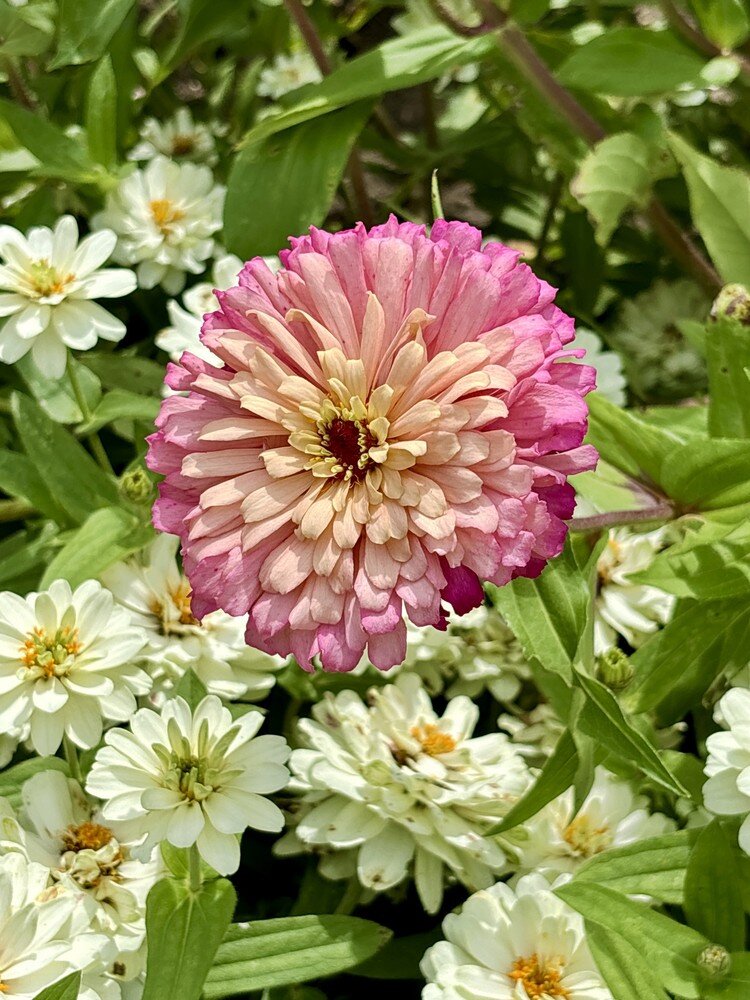
Perennials
- Purple coneflower (Echinacea purpurea). This is one of the most reliable goldfinch plants, and garden centers stock it everywhere. Goldfinches perch on the spiky cones and pull out the seeds. Choose plain native types, since some heavily bred, frilly varieties set little seed.
- Black-eyed Susan (Rudbeckia hirta) and cutleaf coneflower (Rudbeckia laciniata). Black-eyed Susans bloom for weeks and drop seed that goldfinches often take later than coneflower seed. Cutleaf coneflower towers over a border and gives a bigger crop of seedheads. Plant several kinds for staggered seed.
- Asters. Asters bloom late and set seed into autumn, when goldfinches want food most. They also feed pollinators while they flower. Tuck them in front of taller plants.
- Goldenrod (Solidago spp.). This native fills meadow-style beds and produces plenty of small seeds. Choose a species suited to your region, since some spread aggressively.
- Native thistles. Goldfinches eat the seeds, and females line their nests with the fluff. Good native choices include field thistle (Cirsium discolor), Flodman’s thistle (C. flodmanii) and wavyleaf thistle (C. undulatum). Check your state’s noxious weed list before you plant any thistle, because many are invasive.
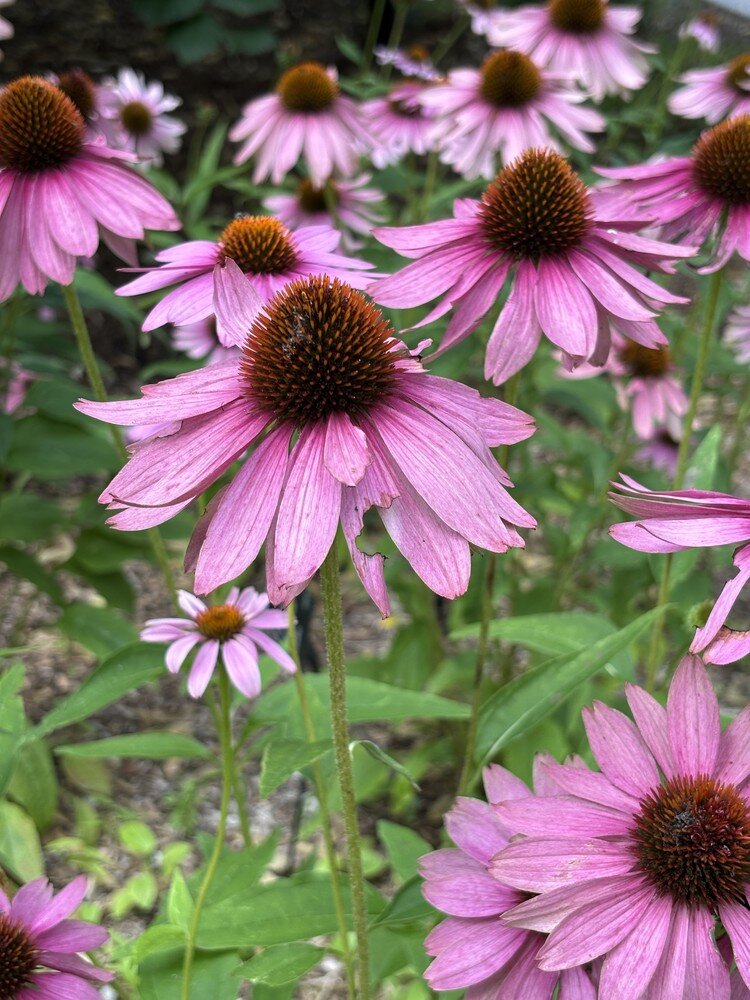
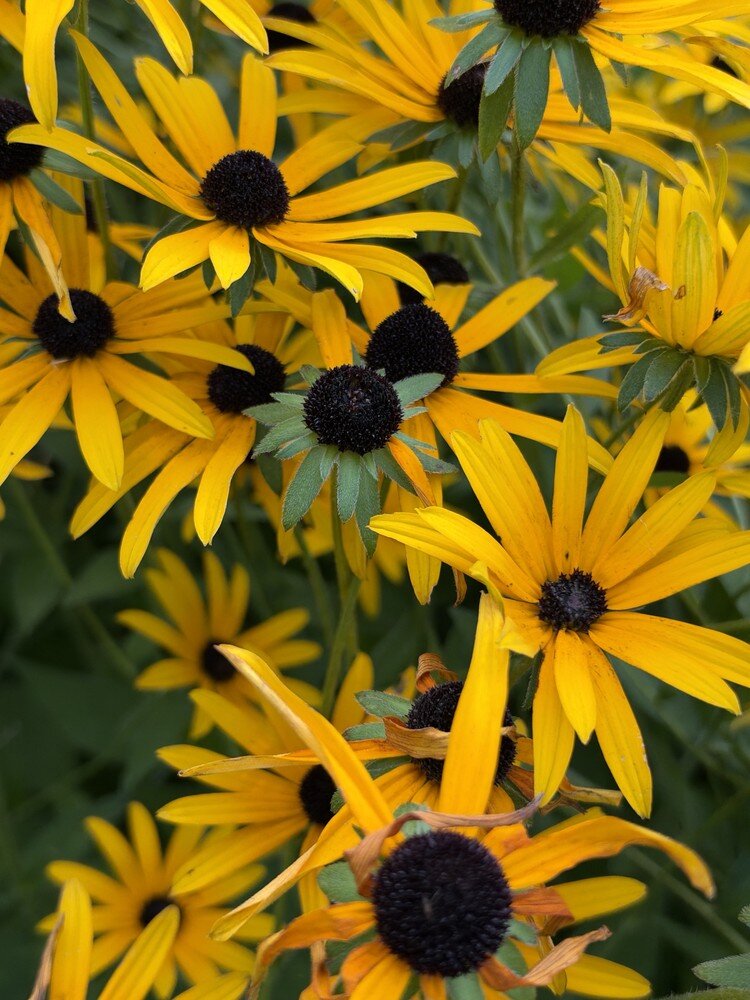
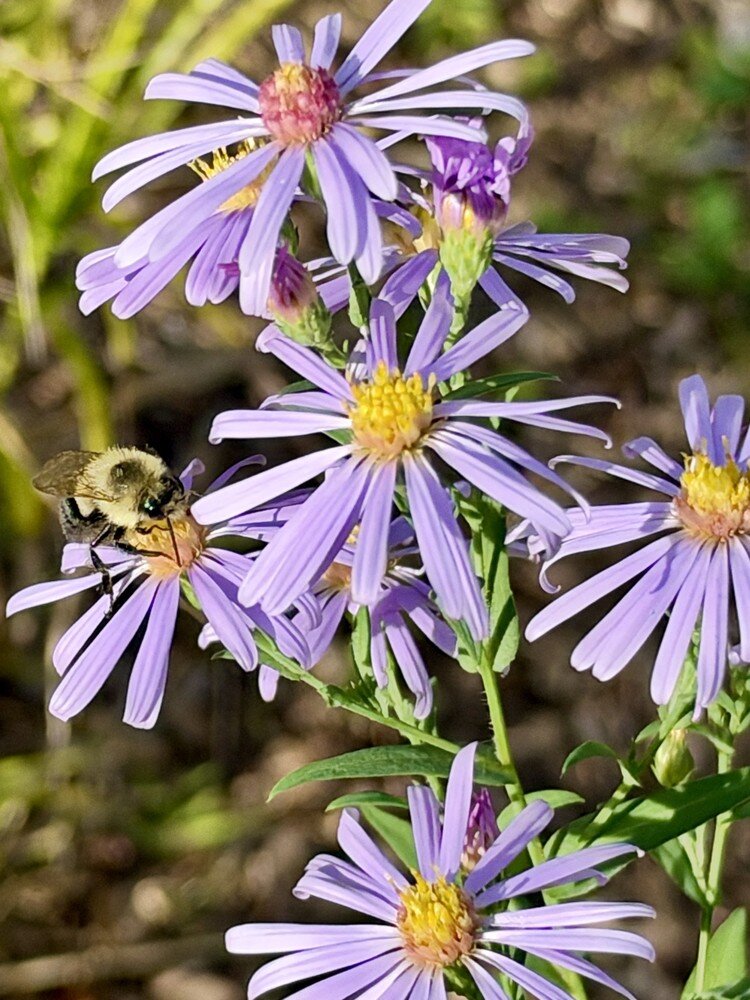
Leave one corner of the yard a little wild, with dandelions and other weeds going to seed. And resist the urge to cut everything back in fall. I leave my seedheads standing, and seed-eating birds count on them.
Add shrubs and nesting material for goldfinches
Goldfinches nest late, usually in mid-summer, after thistles and other weeds have gone to seed, Cornell reports. The female weaves a tight cup from plant fibers, binds it to branches with spider silk and lines it with fluff from seedheads. The nest holds water well. A yard with milkweed, native thistles and a few spiders gives her what she needs.
She usually builds in a shrub or sapling in a fairly open setting, often where two or three upright branches join. Leaves above usually shade the nest. Dense native shrubs such as dogwood and hawthorn make good nest sites, and many nests sit somewhere around 6 to 10 feet up. Check that any hawthorn you choose isn’t a problem plant in your area. Low, dense evergreens give goldfinches shelter from wind and weather in winter.
Pull out burdock if it grows nearby. Its hooked burrs can trap and kill small songbirds, and goldfinches have turned up among the victims. Cut it before the burrs form, and don’t toss the seedheads on the compost pile.
FAQ
Why don’t goldfinches come to my feeder?
Stale or damp seed is the most common reason. Replace Nyjer that has sat for more than a month, and move the feeder to an open spot with shrubs nearby. Give goldfinches time to find it, since they locate food by sight.
Do goldfinches stay for winter?
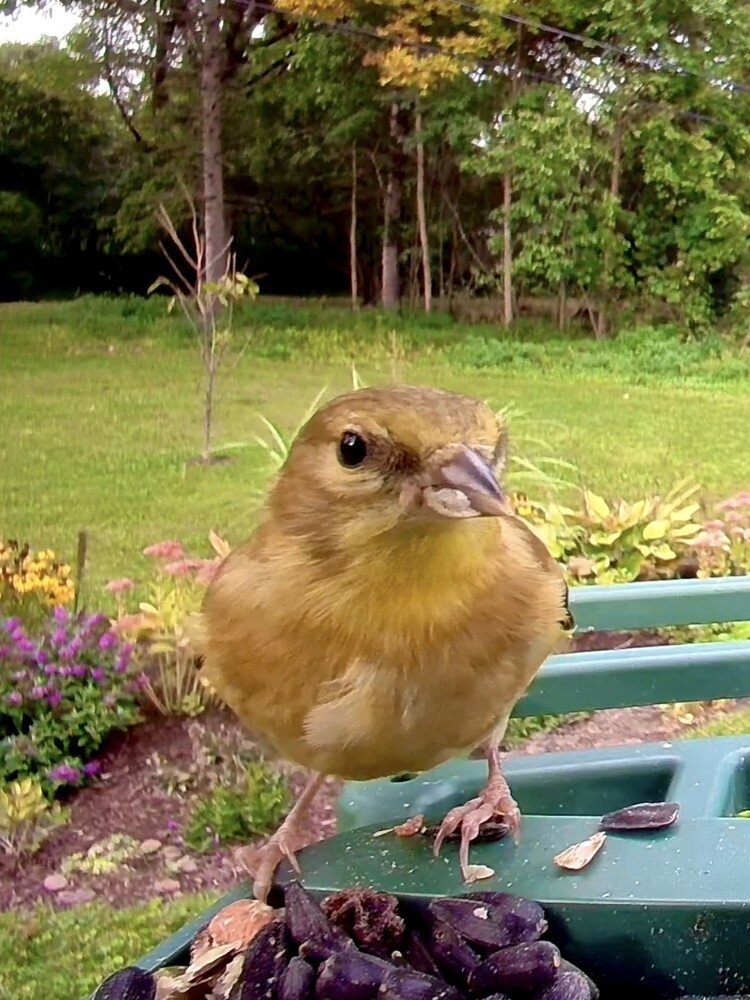
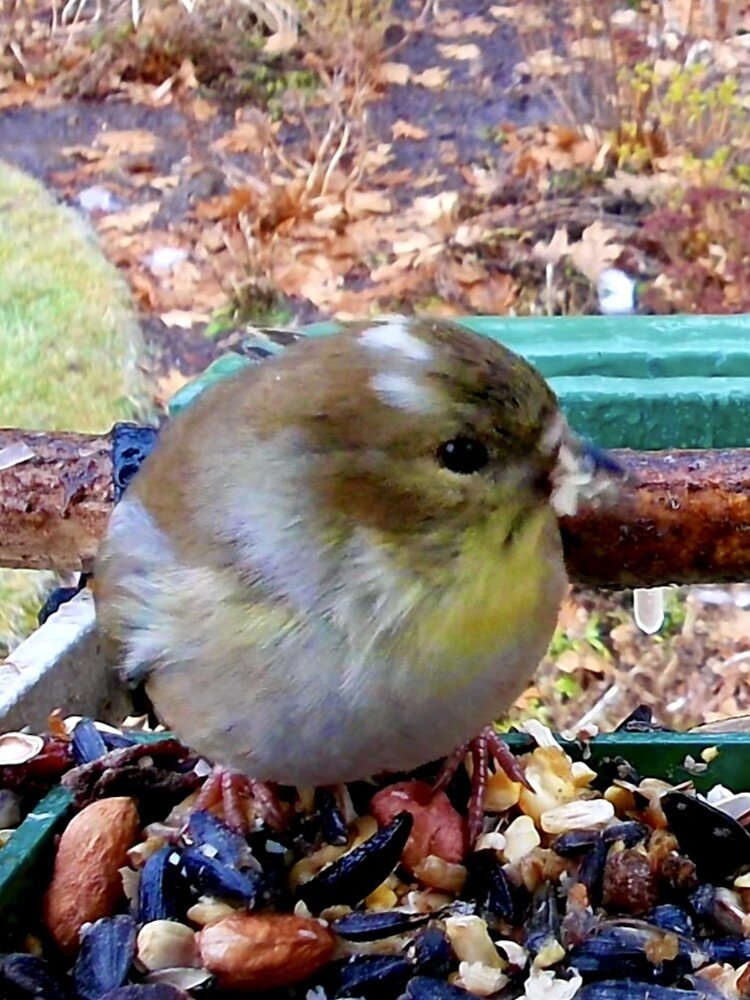
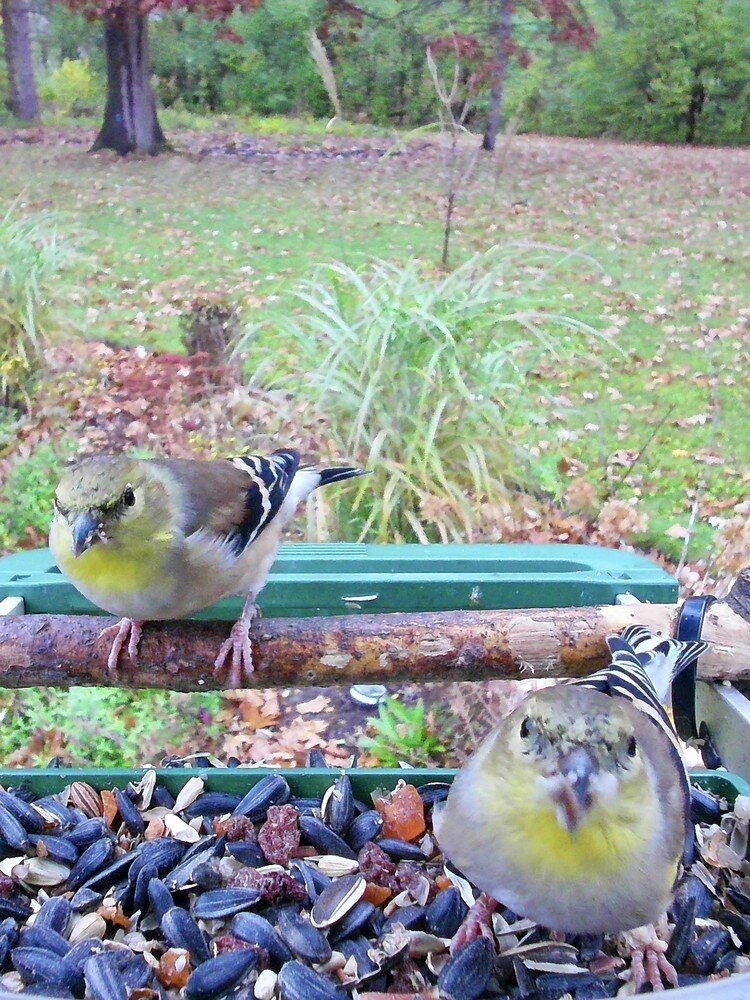
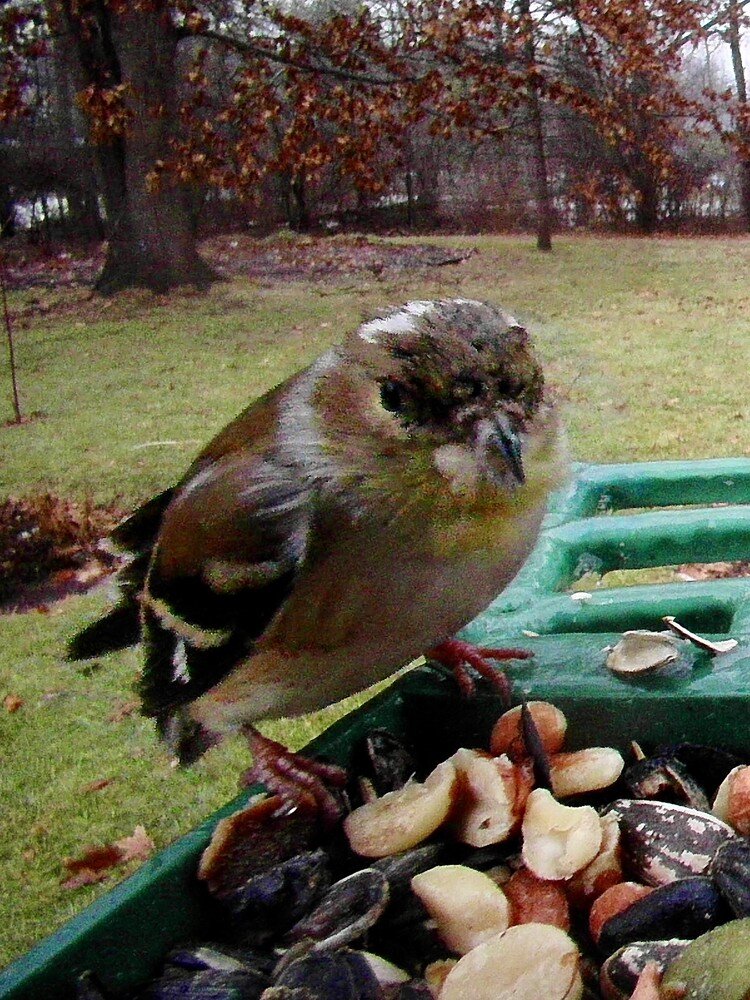
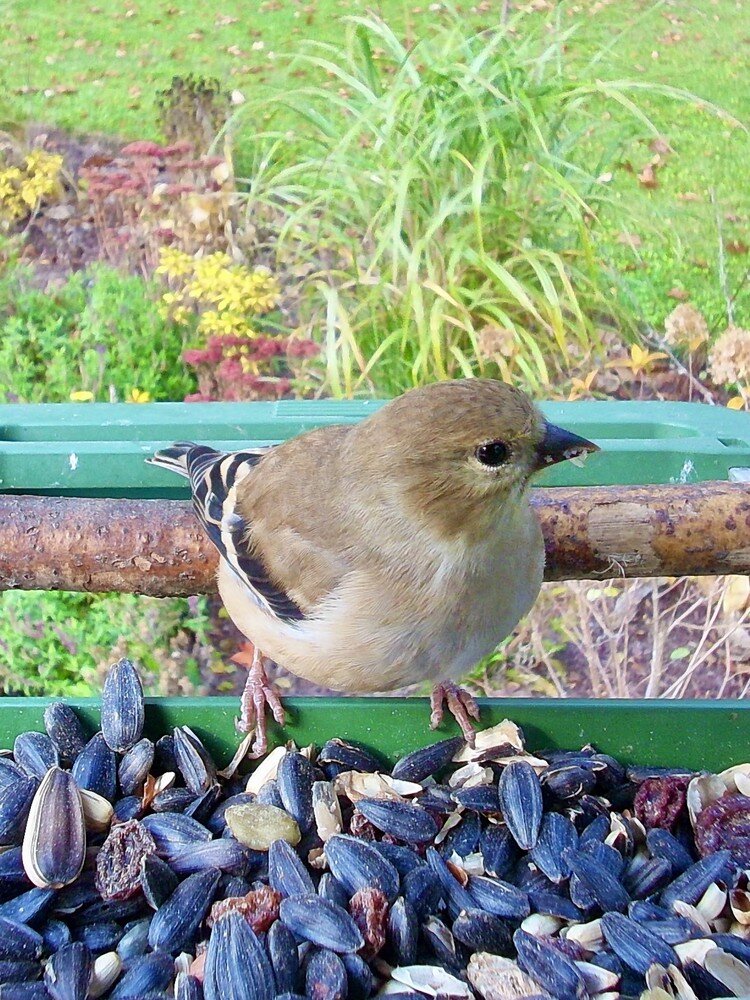
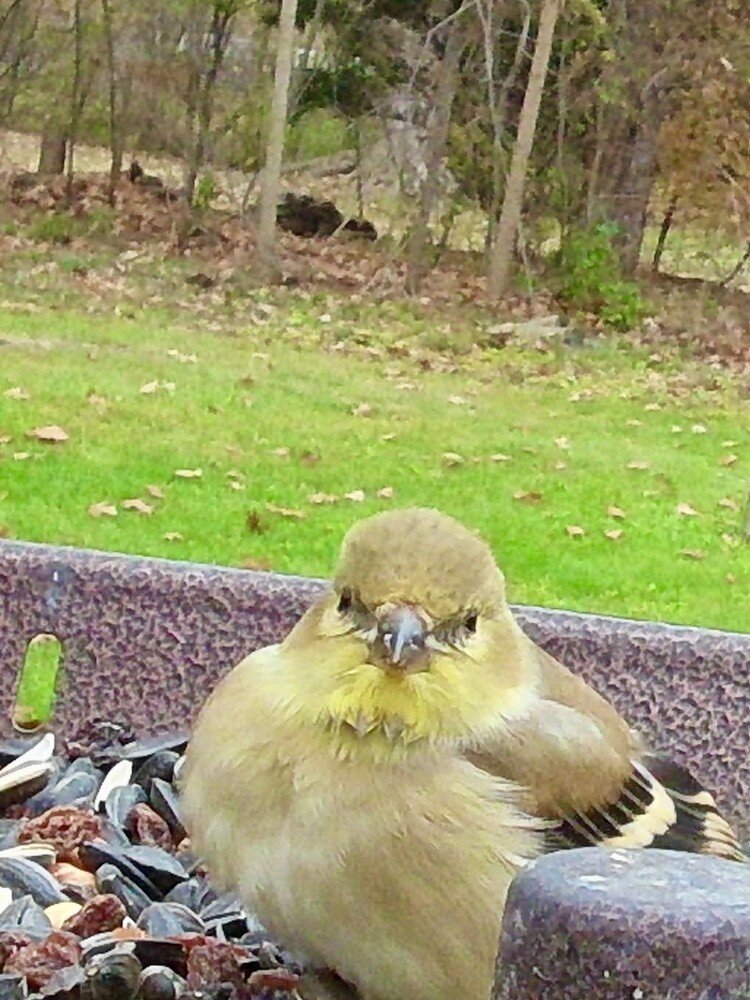
Many do, though they come and go. Winter flocks can show up in large numbers one year and vanish the next, depending on food supplies. Males also turn dull olive-brown in winter, so the drab birds at your feeder may be goldfinches.
What is the best food for goldfinches?
Fresh Nyjer is their favorite feeder seed, and sunflower hearts run a close second. Seeds from coneflowers, sunflowers and asters round out the menu.
Goldfinches reward patience. Plant a seed patch, keep the feeder fresh and let a few weeds go to seed, and you’ll soon watch them swing from the seedheads right outside your door. Then keep watching as the seasons turn, because that sunny yellow fades to soft olive-brown in winter and glows again by spring.