That drawer of old T-shirts might be worth more than you think. Some could sell for real money. Others can replace paper towels, plastic bags and store-bought cleaning pads, or keep you and your pets cozy this winter. And the ones that are truly worn out still have somewhere better to go than the trash.
The trash is where most of them end up. The U.S. Environmental Protection Agency estimates that landfills took in 11.3 million tons of textiles in 2018, the latest year it has measured, and only 13% of clothing and footwear was recycled. Some states are now stepping in. Massachusetts banned textiles from household trash in 2022, and California passed the first U.S. law making clothing makers pay for recycling in 2024.
Here’s a fresh, practical plan for every shirt in the pile, in the order you should think about it: sell it, use it, make something with it, then recycle it.
Before you cut: sell or swap your shirts
1. Sell vintage and collectible tees
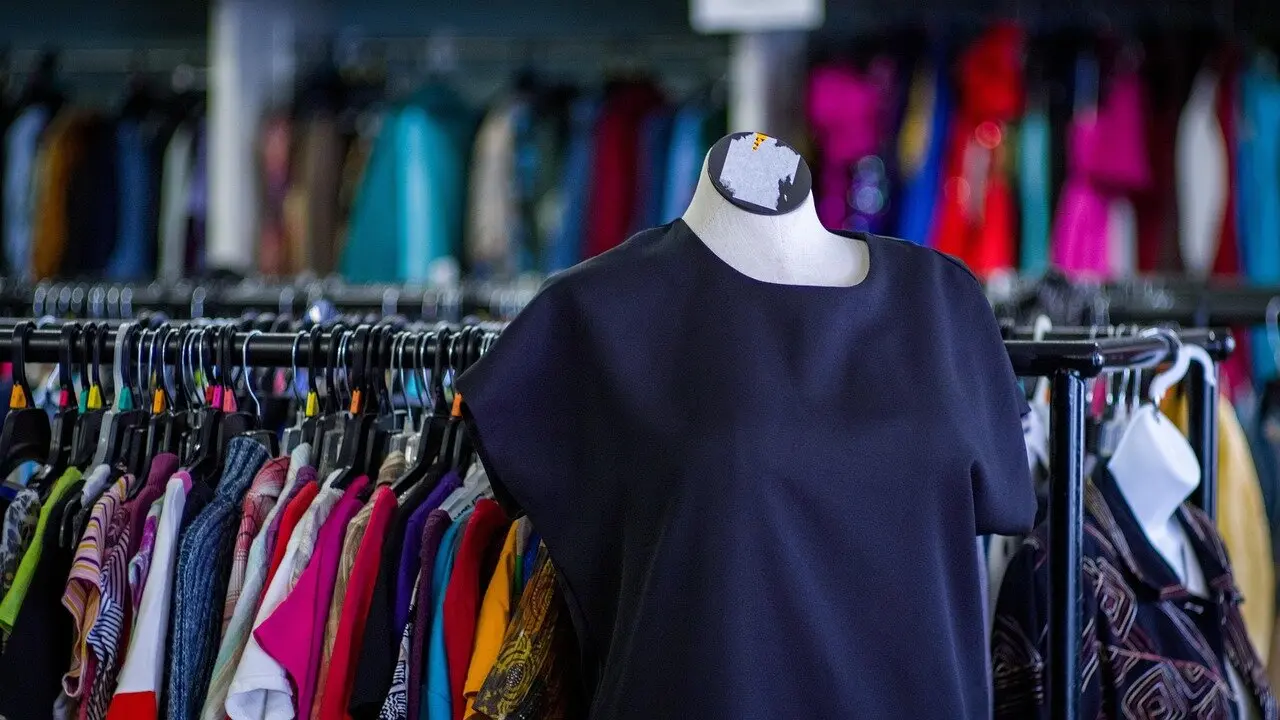
Old concert, sports and souvenir shirts are hot in the resale market, so look before you grab the scissors. Rare tour shirts have sold for thousands of dollars on eBay. FinanceBuzz reports that a 1993 Nirvana tour tee sold for $5,750 in 2024.
Most shirts won’t bring that kind of money, but a few clues tell you one might be worth listing:
- Single stitching. Look at the hem and sleeve edges. One row of stitching instead of two usually means the shirt was made before the mid-1990s, according to vintage retailer Ragstock.
- Tour dates or old logos. Shirts printed with tour dates, defunct teams or retired brand logos draw collectors.
- Original wear. Soft, thin cotton and a gently faded print are good signs. A print that looks too crisp and bright may be a reproduction.
List promising shirts on eBay, Poshmark or Depop, or take a stack to a local resale shop. Search “sold” listings first so you know what similar shirts actually brought in.
2. Host a clothing swap
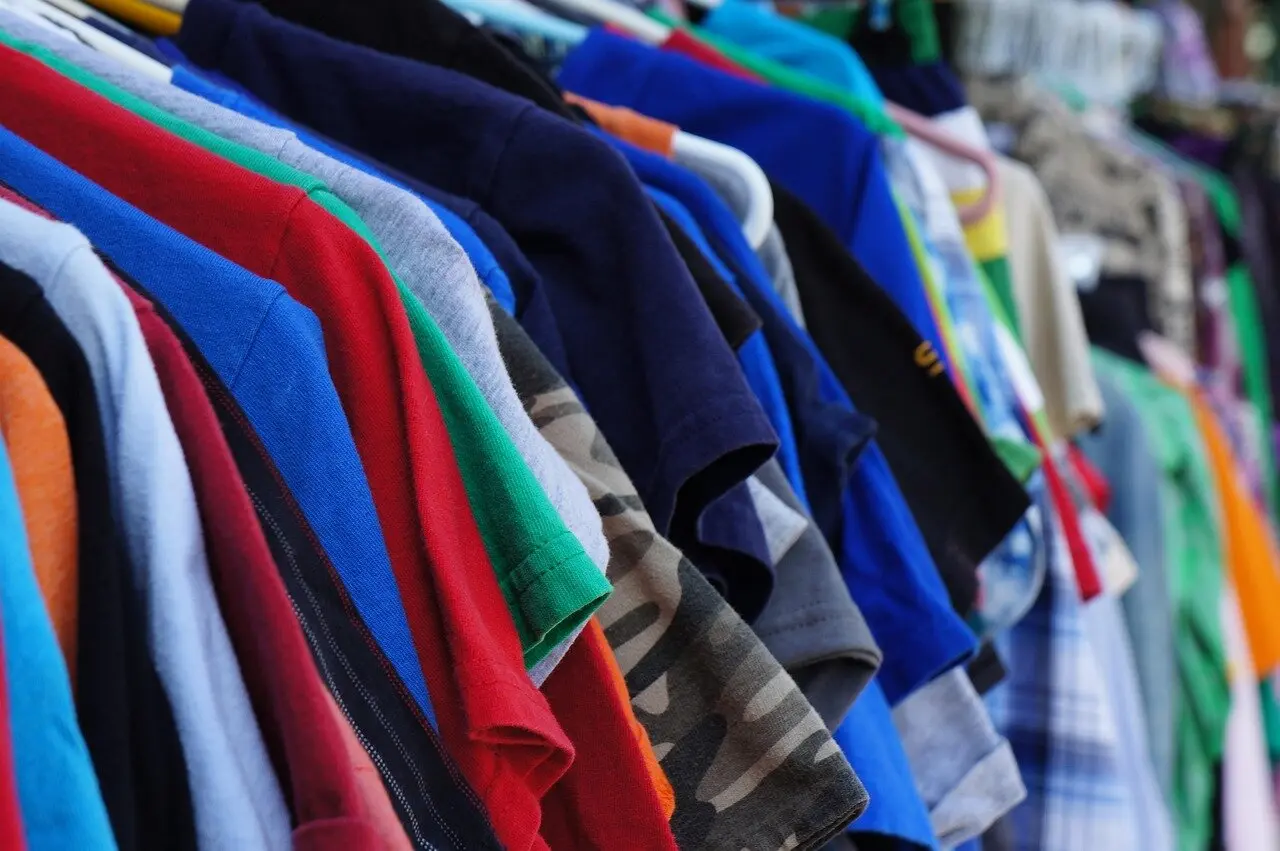
Shirts that still fit someone deserve to be worn. Invite friends, neighbors or your church group to bring clean clothes they no longer want, lay everything out by size and let everyone shop for free. It’s a fun, frugal night, and it clears out closets on all sides. Bag whatever’s left over and drop it at a donation bin on your way home.
Everyday swaps that save money
3. Cleaning rags
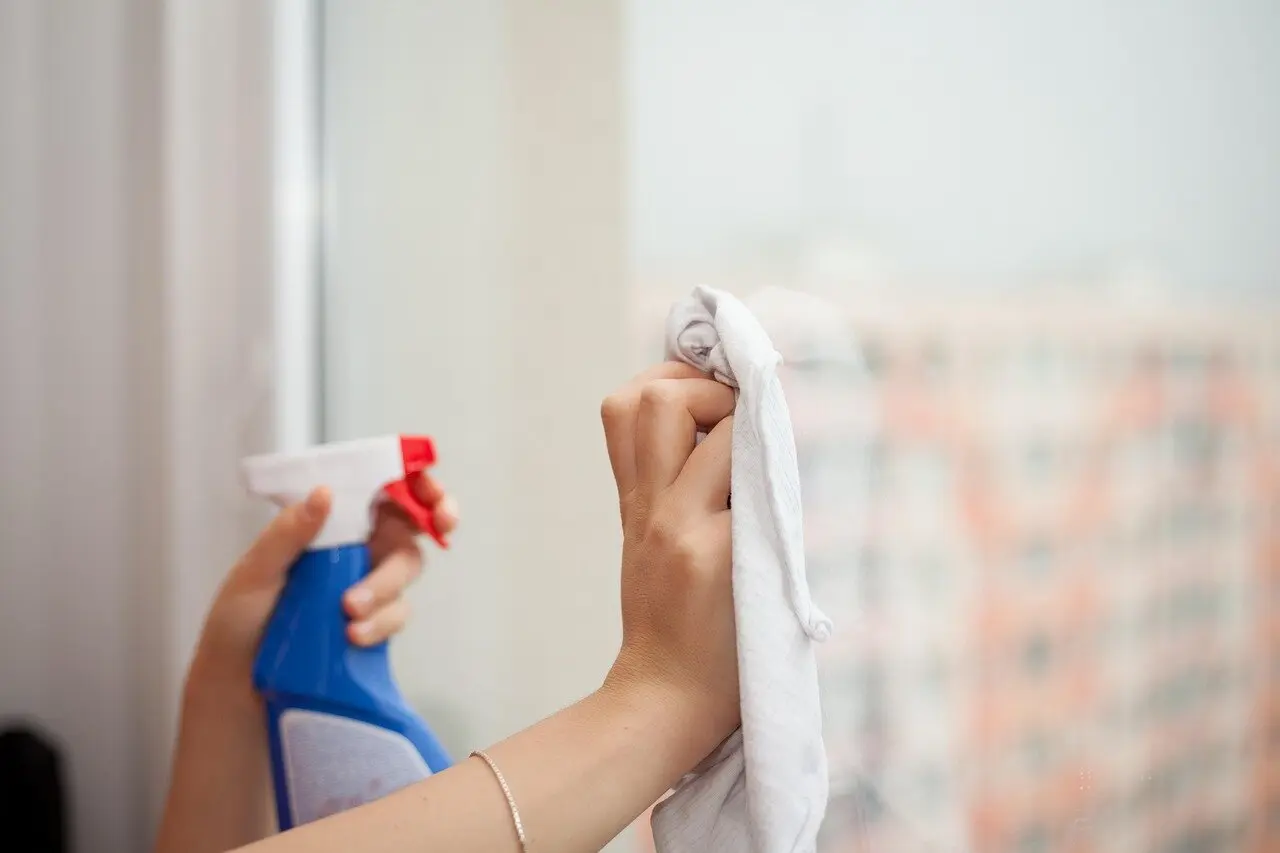
This is still the fastest win. Cut along the side seams, remove the neckband and hems, and cut what’s left into hand-size pieces. Cotton knit picks up dust, wipes mirrors without leaving fuzz and soaks up spills.
It’s real savings, too. A 10-pound box of white T-shirt rags runs about $35 to $50 online. Save white shirts for staining or oiling wood, since they won’t transfer dye.
Safety first
Fire departments warn that rags soaked in oil-based stain, paint thinner or linseed oil can heat up and catch fire on their own as they dry. Never leave them balled up in a pile or a trash bag. Lay them flat outside to dry, or seal them in a metal can filled with water.
4. Unpaper towels and cloth napkins

Cut soft cotton shirts into squares for wiping counters, cleaning up little faces or using as everyday napkins. Knit won’t unravel, so there’s no need to hem. Keep a basket on the counter and a small bin for the used ones, then wash them with your towels.
5. Reusable mop and duster pads
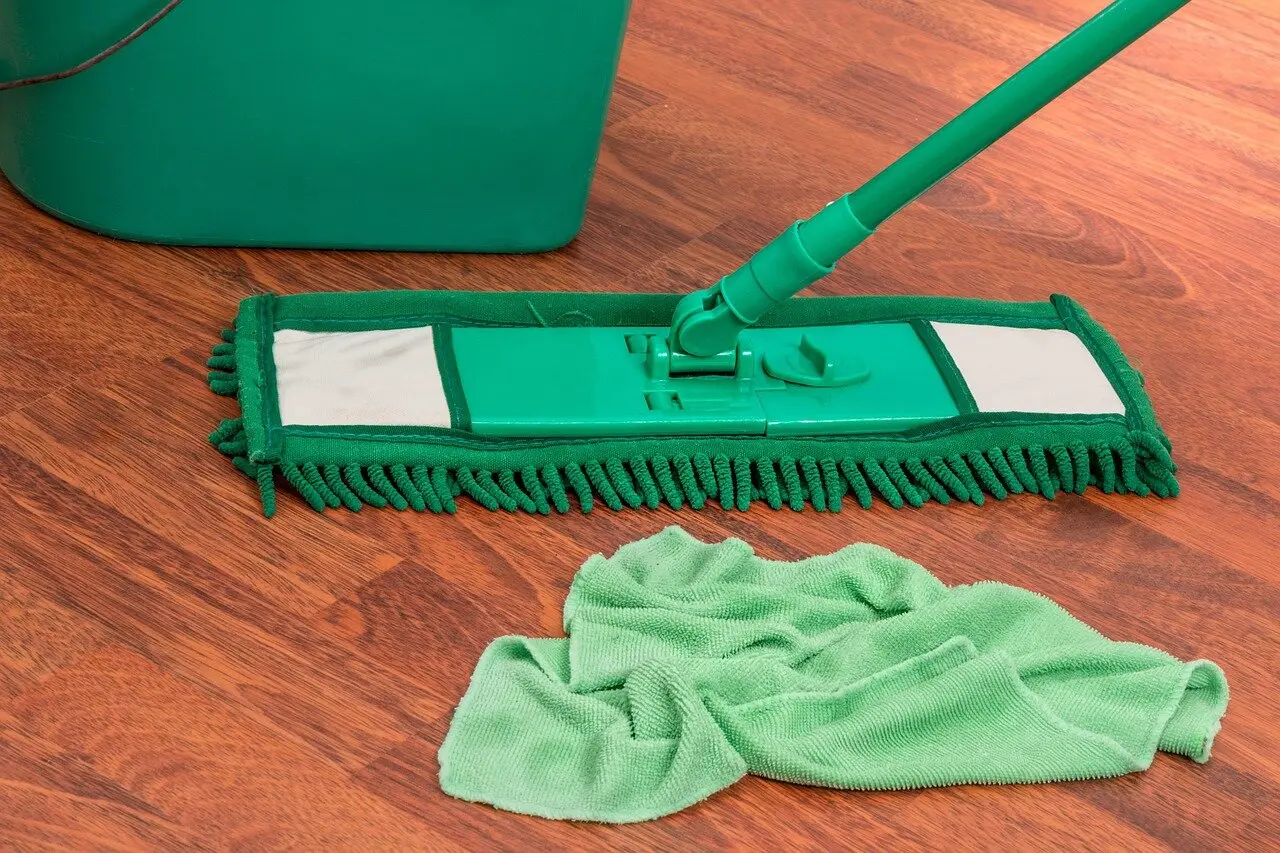
Skip the disposable refills for flat mops and sweepers. Cut a rectangle a little larger than the mop head, wrap it around the bottom and tuck the edges into the grippers. It works damp or dry, and you just toss it in the wash when you’re done.
6. Produce bags
Thin shirts and kids’ sizes make lightweight bags for apples, potatoes and garden harvests. They weigh next to nothing at checkout and wash easily. Use the no-sew mesh method in No. 19 so your produce can breathe.
7. Hair towel
A cotton T-shirt makes a gentle towel for drying hair, and many people with curly hair use one to cut down on frizz. Wrap your damp hair in the shirt for 10 to 20 minutes instead of rubbing it with a bath towel.
8. Gift wrap
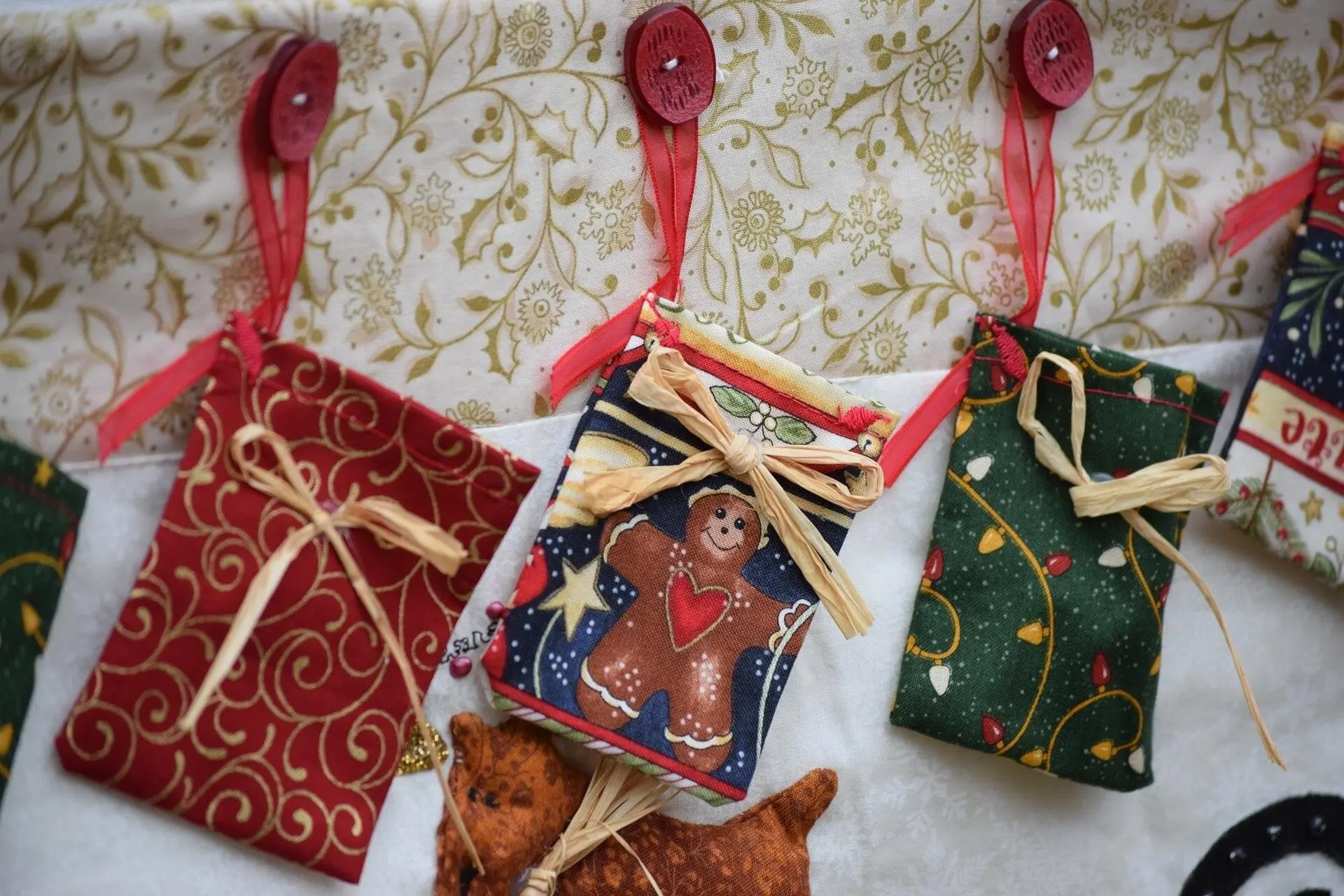
Wrap a present in a bright shirt and knot the corners on top, like Japanese furoshiki cloth wrapping. It saves buying paper, and the wrap can be reused. Pick a shirt without stains for this one. For small gifts, sew little pouches from shirt scraps and tie them with raffia or a T-shirt strip. They can be used again year after year.
9. Garden ties
Cut thin strips to tie tomatoes, peppers and climbing vines to stakes. The knit stretches as stems thicken, so it won’t dig into the plant like wire or twine.
10. Kids’ art smock
An adult-size tee makes a perfect cover-up for painting, gluing and play dough. Slip it on over your child’s clothes and roll or knot the sleeves. It saves their school clothes, and nobody minds a few more stains.
Cozy ideas for cold weather

11. Draft stopper
A drafty door lets heat slip out all winter. Cut a long tube from the body of a shirt, or sew two sleeves end to end, and stitch one end closed. Fill it with T-shirt scraps, adding a cup of dry rice or beans at the bottom for weight, then sew it shut. Lay it along the bottom of the door to block cold air.
12. Rice heat pack
Cut a sleeve off a cotton shirt, sew or tie one end closed and fill it about two-thirds full with uncooked rice. Close the other end. Microwave it for 30 seconds at a time, shaking between bursts, until it’s comfortably warm. Test it on your wrist before you use it on a sore neck or cold feet. Pop it in the freezer and it doubles as a cold pack.
Projects for your pets
13. Pet bed and crate liner

Lay old shirts in a pet bed, crate or small-animal cage. They’re soft, easy to swap out and easy to wash.
14. Cat cube or tent
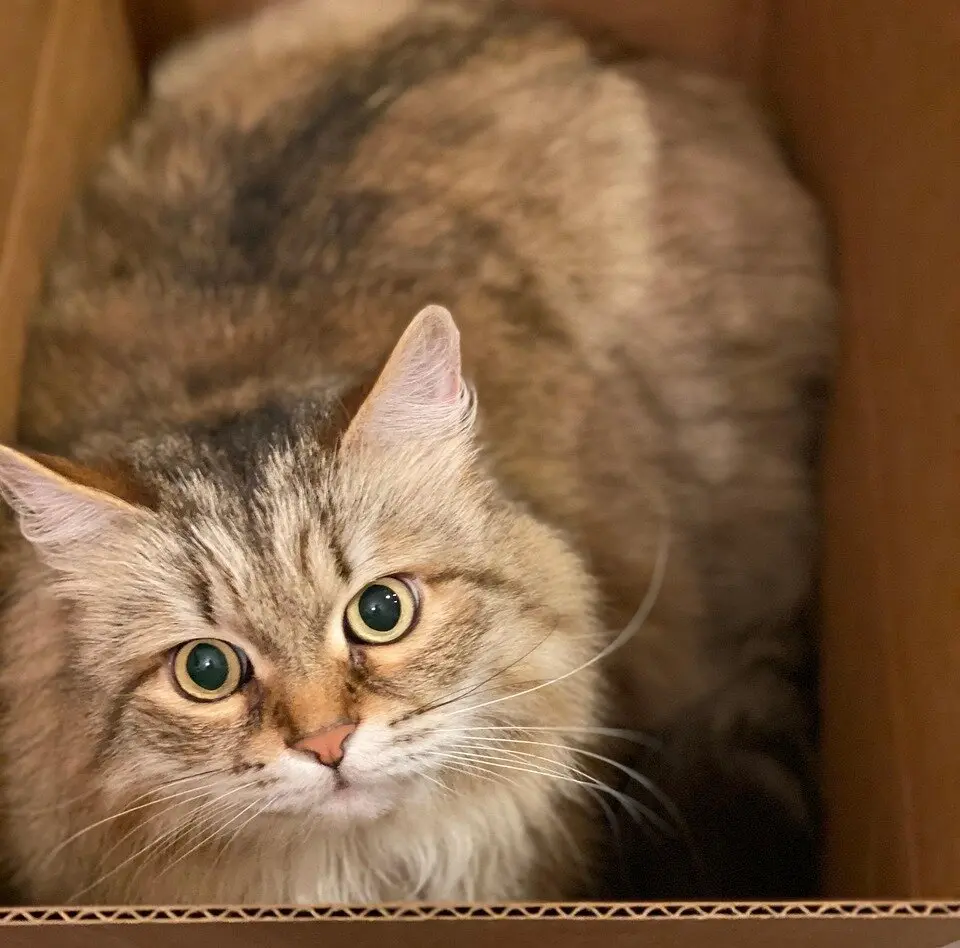
Cats love a hideout, and an old shirt turns a cardboard box into one in minutes. You may have seen these made with sweaters, but a T-shirt works the same way.
Cat cube: Find a sturdy box about 12 to 15 inches on each side and an extra-large shirt that will stretch over it. Cut a round doorway in one side, a little smaller than the shirt’s neck opening. Pull the shirt over the box so the neck lines up with the hole, then fold the neckband in around the edge and tape or glue it to the inside. Tuck the sleeves and hem underneath and tape them to the bottom. A folded towel inside makes it cozy.
Cat tent: Cut a 15-inch square of sturdy cardboard. Straighten two wire hangers, bend each into an arch and cross them in an X over the cardboard. Poke the ends through the corners, bend them flat underneath and tape them down well so no wire pokes out. Pull a medium or large shirt over the dome with the neck hole in front as the doorway, then pin or tie the extra fabric underneath.
15. Cat bed with bolster sides
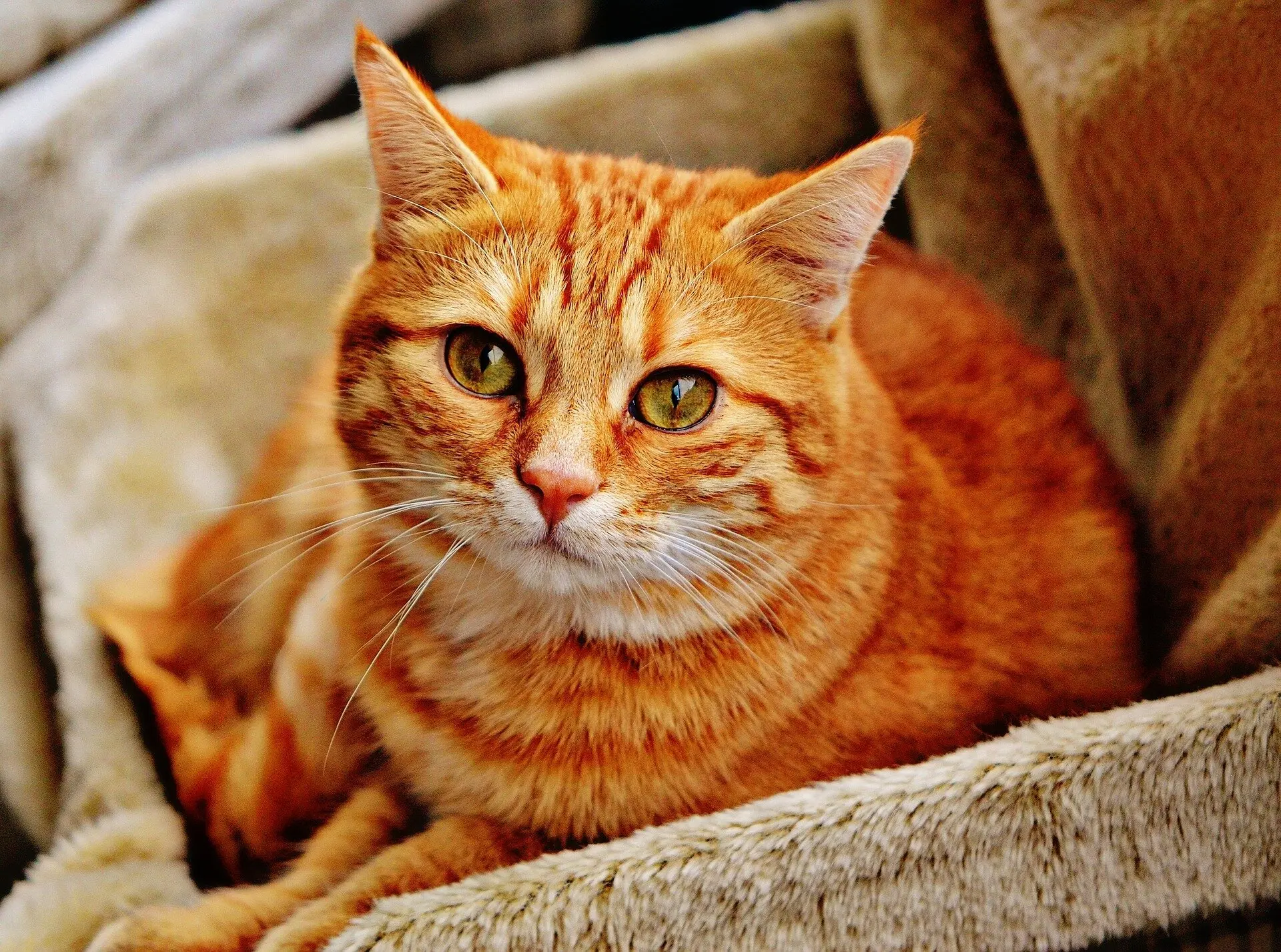
You’ve probably seen this made from an old sweater, but a long-sleeve T-shirt works too. Stitch the neck opening closed and slide a small pillow into the body. Stuff the sleeves with T-shirt scraps, wrap them around the front of the pillow and sew the cuffs together so they form a soft rim. Stitch the bottom hem shut. Short sleeves won’t reach, so with a regular tee, sew a separate stuffed tube from a second shirt and tack it around the edges.
16. Cat toys
Cats go wild for simple T-shirt toys. Roll a scrap tightly into a ball and stitch it so it holds, or sew a small pocket, stuff it with scraps and a pinch of catnip, and stitch it shut for a kicker toy. Keep strings and fringe off cat toys.
17. Braided dog tug toy
Cut three wide strips, knot them at one end, braid them tight and knot the other end. Dogs love the soft texture, and it costs nothing.
Good to know
Veterinarians warn that swallowed string and fabric strips can tangle in a pet’s intestines, which is an emergency. Cats are especially at risk because their tongues make it hard to spit string out. Use the toy only while you play together, put it away afterward and throw it out once it starts to fray.
Quick makes
18. Dye it a new color
A stain or a faded color doesn’t have to end a shirt’s life. Dye it a darker shade with store-bought fabric dye, following the package directions, and small stains disappear into the new color. All-cotton shirts soak up dye best. Try a tie-dye or dip-dye look for kids’ shirts and summer tees.
19. Tote, grocery and market bags

A T-shirt bag folds up small enough to live in your purse or glove box, so you’re never stuck paying for bags at checkout. Start every version the same way: lay the shirt flat, cut off both sleeves just inside the seams and scoop the neckline lower. The shoulder pieces become the handles. Then pick your method.
No-sew knotted bag: Cut 3-inch slits about 1 inch apart through both layers along the bottom hem. Tie each front strip to the back strip behind it in a double knot. Turn the shirt inside out first if you’d rather hide the knots inside the bag.
No-sew braided bottom: Knotting alone leaves small gaps where coins and grapes slip through. To close them, tie each front-and-back pair together, then tie each pair to its neighbor in a second row of knots. The bottom comes out snug and slightly scalloped.
No-sew mesh market bag: Make the knotted bag above, then cut rows of short, staggered slits across the body, like a brick pattern. Pull the bag gently and the slits open into a stretchy net that holds a surprising amount of produce.
No-sew sleeve pouch: Don’t toss the sleeves you cut off. Knot or tie off the narrow end, then cut small slits around the open end and weave a T-shirt strip through them as a drawstring. It’s handy for snacks, chargers or makeup on the go.
Sewn bag: For the strongest bag, flip the shirt inside out, stitch the bottom closed and go over the seam a second time. Fold the handles in half lengthwise and stitch them, too, so they hold up to heavy groceries.
20. Workout tank
Turn a baggy tee into a gym shirt. Cut off the sleeves just inside the seams, lower the neckline and, for a racerback, trim the back into a narrow strip between the shoulder blades. Cut a little at a time; you can always take off more.
21. Throw pillow

A pillow keeps a favorite design on the couch where you’ll actually see it. Pick the method that fits your time and skills.
Whole-shirt pillow: Turn the shirt inside out and stitch the sleeve openings and bottom hem closed. Turn it right side out, stuff it through the neck and sew the neck shut. It keeps the shirt’s shape, sleeves and all, which kids love.
Square pillow: Cut a matching square from the front and back, sew around three sides, stuff it and stitch the opening closed.
No-sew knotted pillow: Cut two matching squares and stack them. Cut 3-inch slits about 1 inch apart around all four sides, then tie each top strip to the one beneath it. Leave one side open, stuff it, then knot that side too.
No-sew pillowcase: Slide a bed pillow into a large shirt and tuck the extra fabric underneath. It takes about 30 seconds.
22. Patches
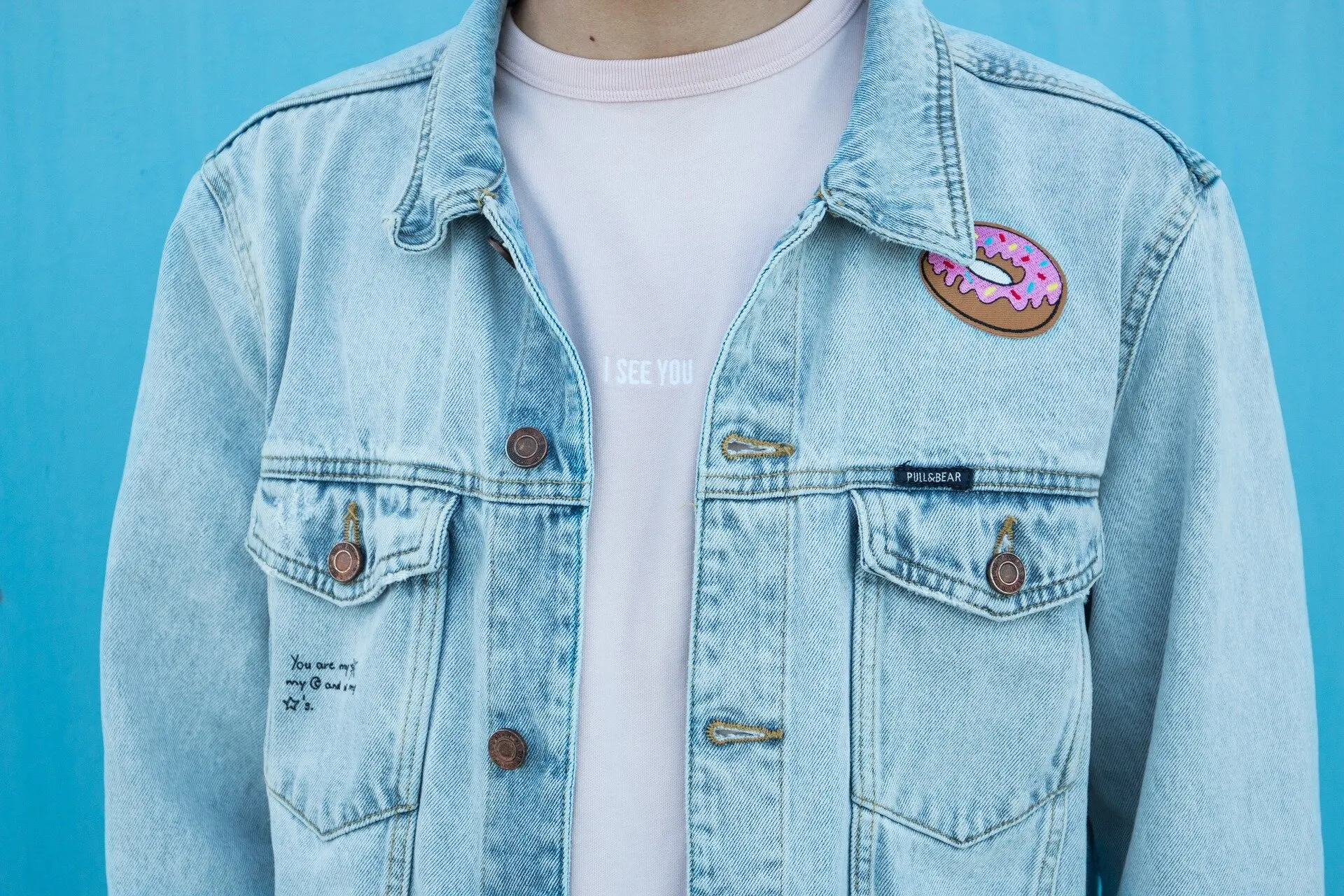
Cut a favorite logo or design out of a shirt that no longer fits and stitch it onto a jacket, tote or hoodie. It’s also a smart way to cover a stain or small hole on another piece of clothing so it stays in your closet longer.
23. Scrunchies and headbands
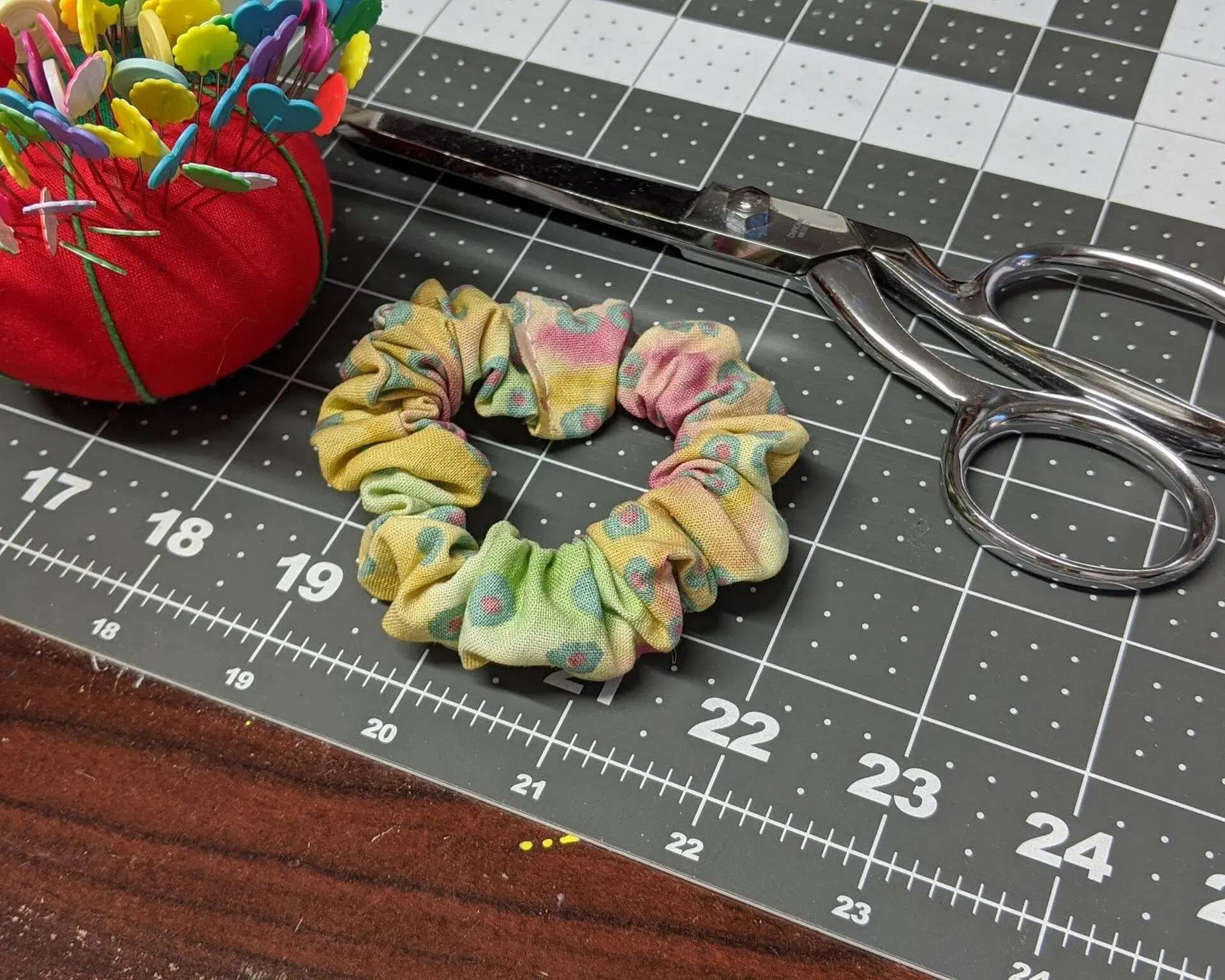
Soft knit is gentle on hair. For a scrunchie, cut a strip about 4 inches wide and 20 inches long, wrap it around a plain hair elastic, fold it in half lengthwise and stitch the edges together. For a no-sew headband, stretch two thin strips, twist them together and knot the ends at the back.
24. Kitchen apron
A big shirt makes a soft, washable apron for cooking, baking or garden work. Lay it flat and cut off the sleeves. Cut up both side seams to the armpits, then cut away the back panel just below the neckband, so you’re left with the front panel hanging from the full neck ring. Slip the ring over your head as the neck strap. Cut two long strips from the back panel for waist ties and stitch them to the sides, or snip a small hole at each side and knot the strips through for a no-sew version.
Keepsake projects
25. T-shirt yarn
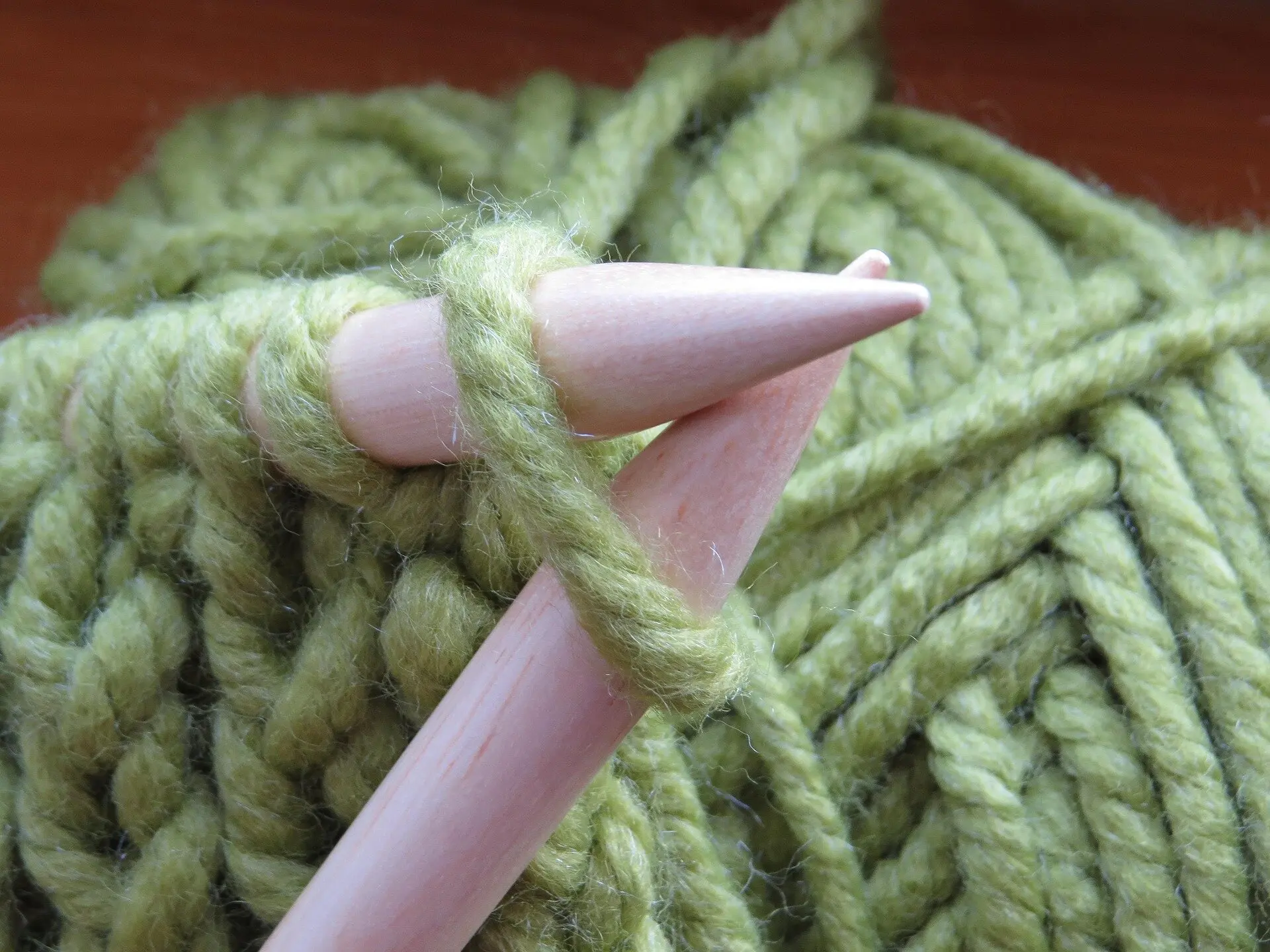
Cut a shirt into one long strip, then pull it gently so the edges curl into soft, round yarn. Shirts without side seams give you the longest strips. Crochet or knit it into dishcloths, baskets, plant hangers and bath mats.
26. Rag rugs
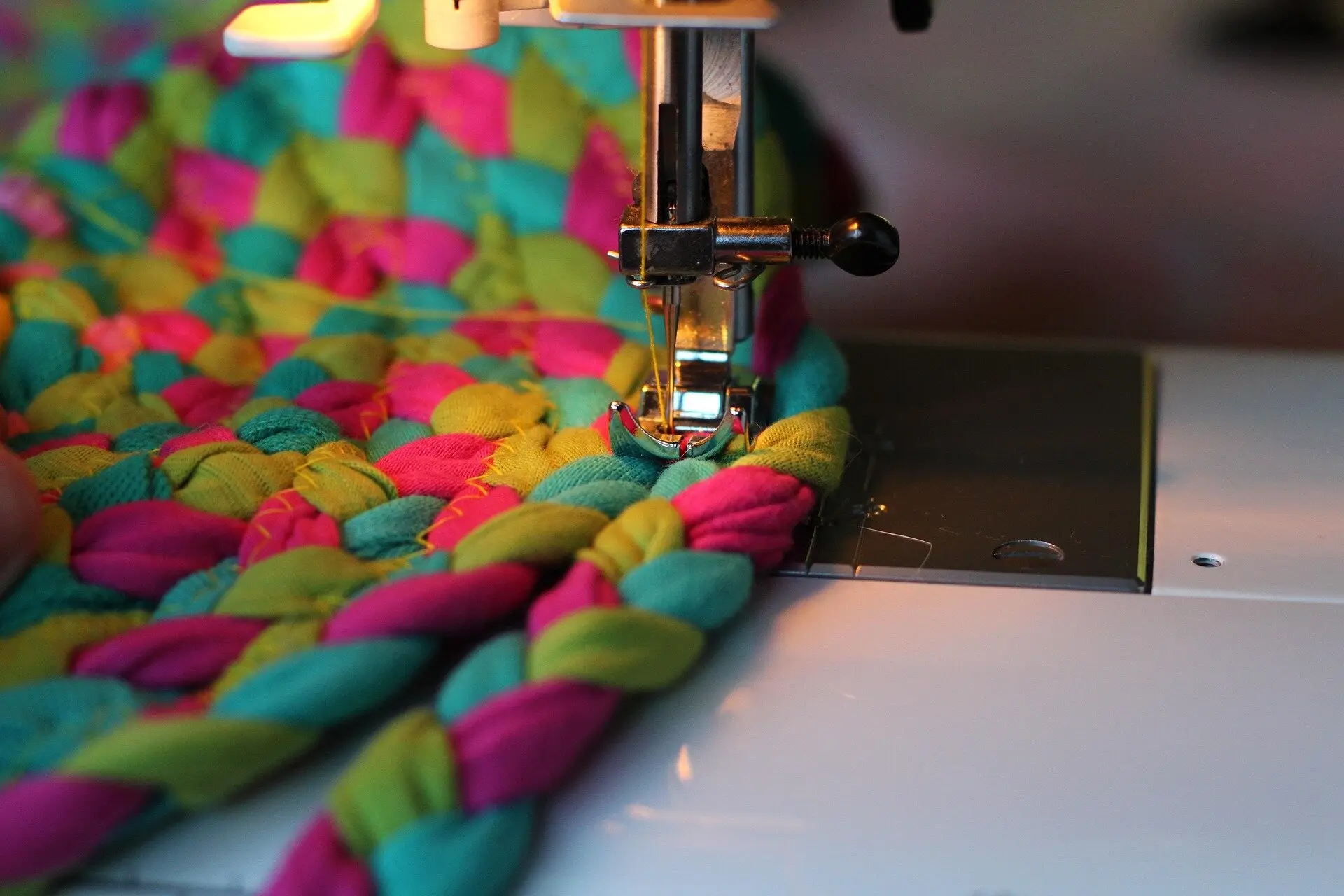
Rugs made from old tees feel soft underfoot, go straight in the washer and turn a pile of mismatched shirts into something colorful. Bright shirts make a cheerful, confetti look, while sticking to two or three colors gives you a calmer rug. Either method below works without knitting needles or a crochet hook.
Braided rug: Cut shirts into strips 1 to 2 inches wide and join them end to end into three long ropes. Braid the ropes together, then coil the braid flat in a spiral, like a cinnamon roll. Stitch or lace each round to the one before it with strong thread as you go. Work on the floor or a big table and keep the coil loose so the rug lies flat instead of cupping.

Latch-hook rug: Buy a piece of rug canvas or nonslip rug-grip mesh and a latch-hook tool from a craft store. Cut shirts into short strips about 1 inch wide and 4 to 5 inches long. Fold a strip over the hook, push the hook under one bar of the canvas, catch both loose ends and pull them back through to make a knot. Fill row after row until the canvas is covered. It’s slow, relaxing work for TV time, and the shaggy finish hides any uneven strips.
27. Memory quilt
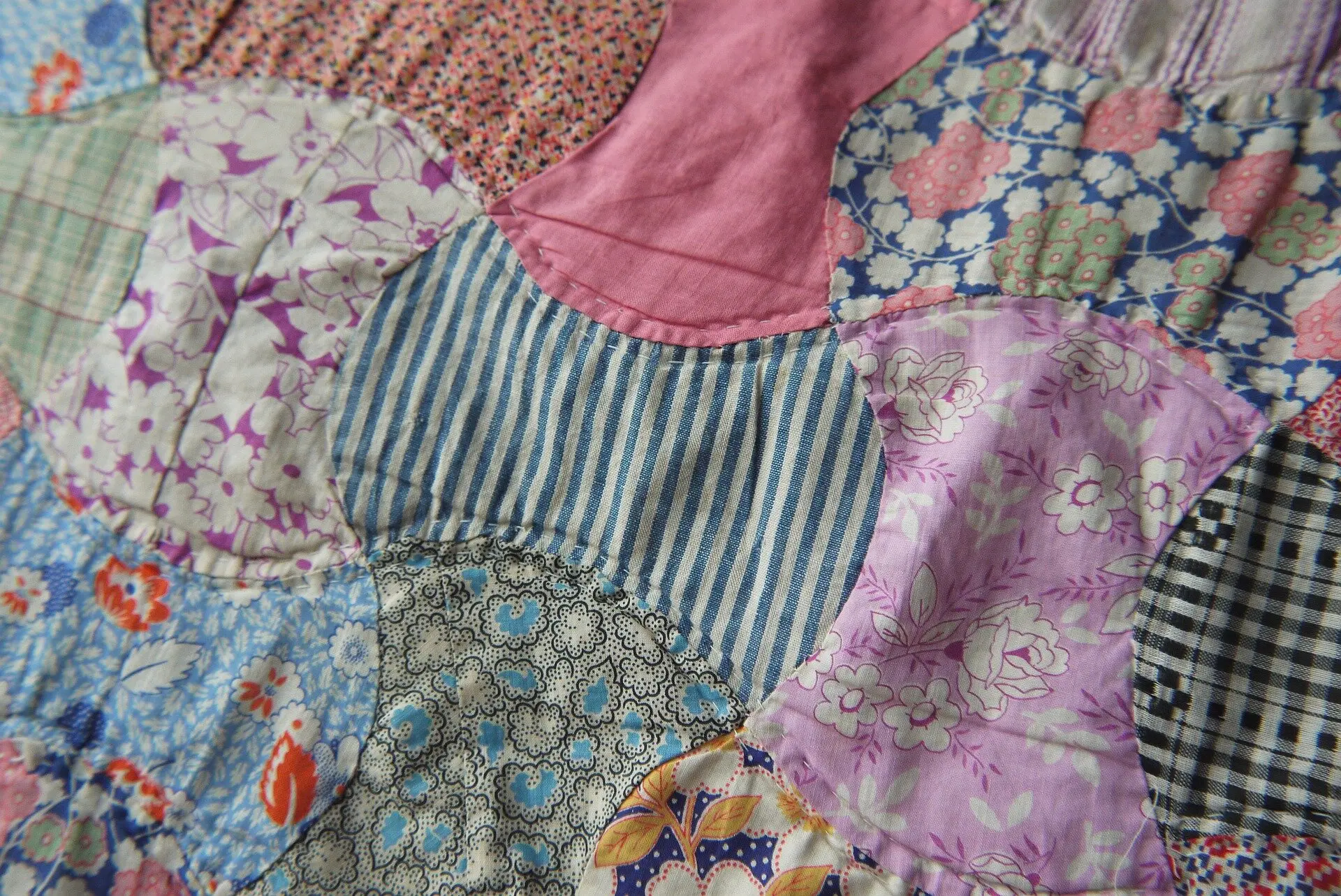
A quilt is the best way to keep a stack of race, school or vacation shirts without the clutter. Cut each shirt into same-size squares, sew them into rows and join the rows. Ironing lightweight fusible interfacing onto the back of each square keeps the stretchy knit from puckering.
Plan on about 36 shirts for a queen-size quilt if you use one side of each shirt. Using both sides, or adding fabric strips between the squares, means you need fewer.
Not a quilter? Mail-order services do the sewing for you. Project Repat, for example, lists queen-size T-shirt quilts starting at $199.99.
28. Memory bear
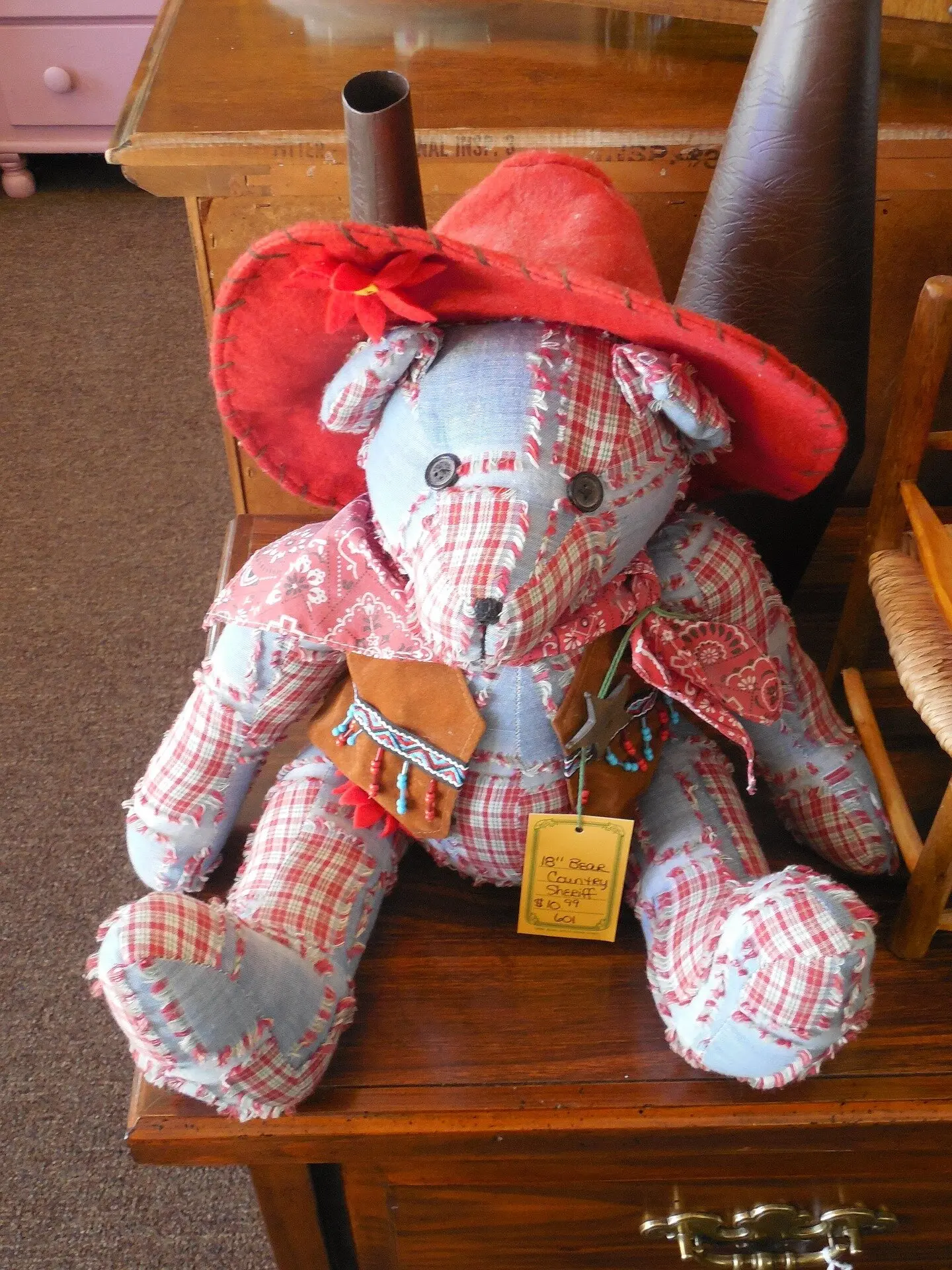
A memory bear is a stuffed teddy bear sewn from shirts that matter, such as a loved one’s favorite tees after they’ve passed, a child’s outgrown shirts or a stack of team jerseys. It’s small enough to hug and keep on a bed or shelf, and it takes only a few shirts.
Print a free or low-cost teddy bear pattern and cut the pieces from your shirts, mixing colors for the arms, legs and ears if you like. Iron lightweight fusible interfacing onto the back of each piece first so the stretchy knit holds its shape. Sew the pieces together, stuff the bear with fiberfill or saved T-shirt scraps and stitch it closed. Center a logo or pocket on the tummy so the most meaningful part shows.
If you don’t sew, many local sewists and online shops will make a memory bear from shirts you mail in.
29. No-sew T-shirt tie blanket
Want a memory blanket without sewing a stitch? Cut each shirt into same-size squares with a 3-inch border, then cut slits around the edges like fringe. Lay the squares out in rows and tie each square’s fringe to its neighbor’s in double knots. It’s chunkier than a quilt, and kids can help.
Waste nothing
30. Use the scraps as stuffing
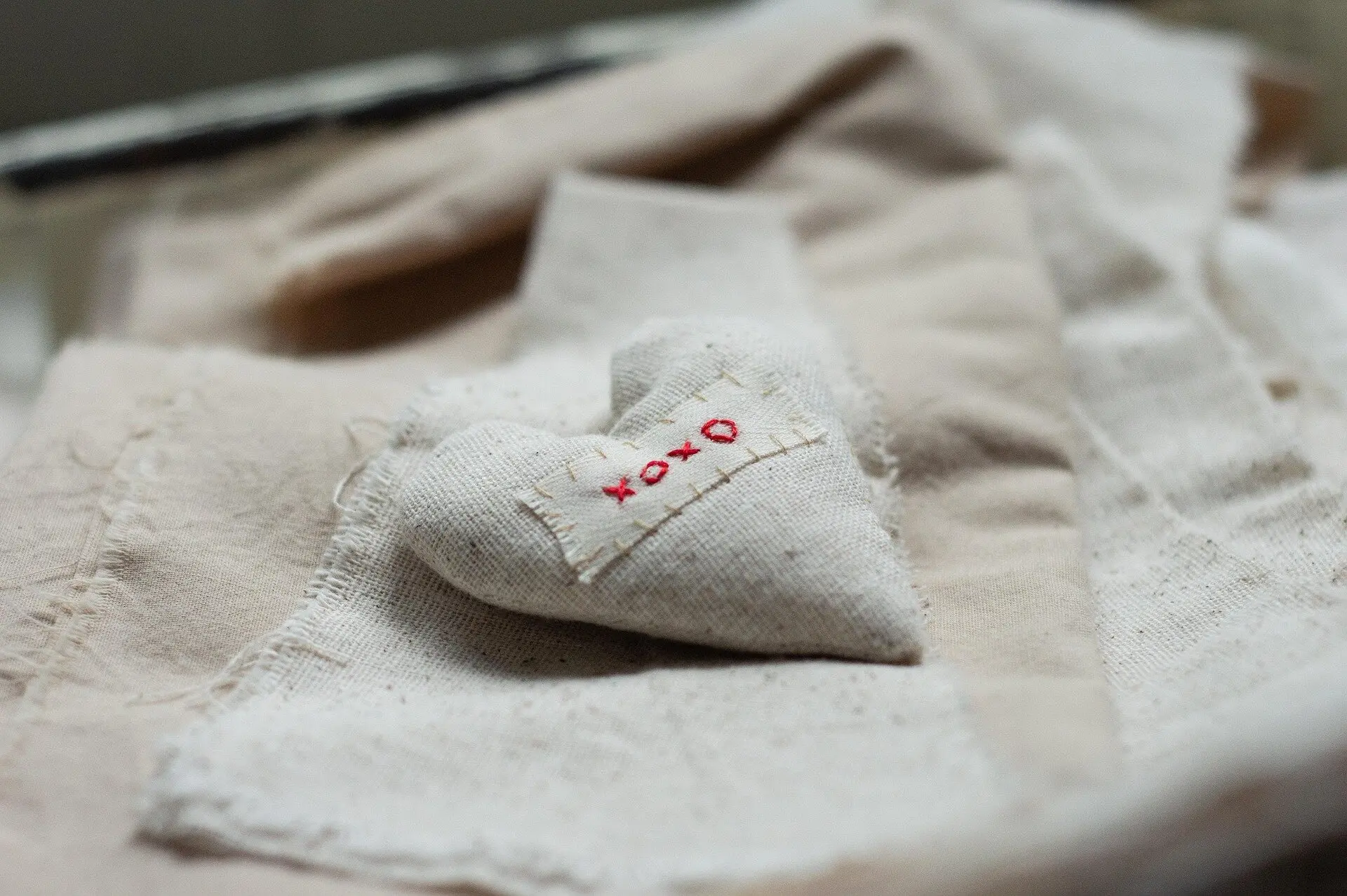
Every project above leaves neckbands, hems and odd bits behind. Don’t toss them. Snip them into small pieces and keep them in a bag as free stuffing for pillows, draft stoppers, pet beds, memory bears and the cat bed bolster. It’s soft, washable and saves buying a bag of fiberfill.
When a shirt is too worn for anything
31. Donate or recycle it, stains and all
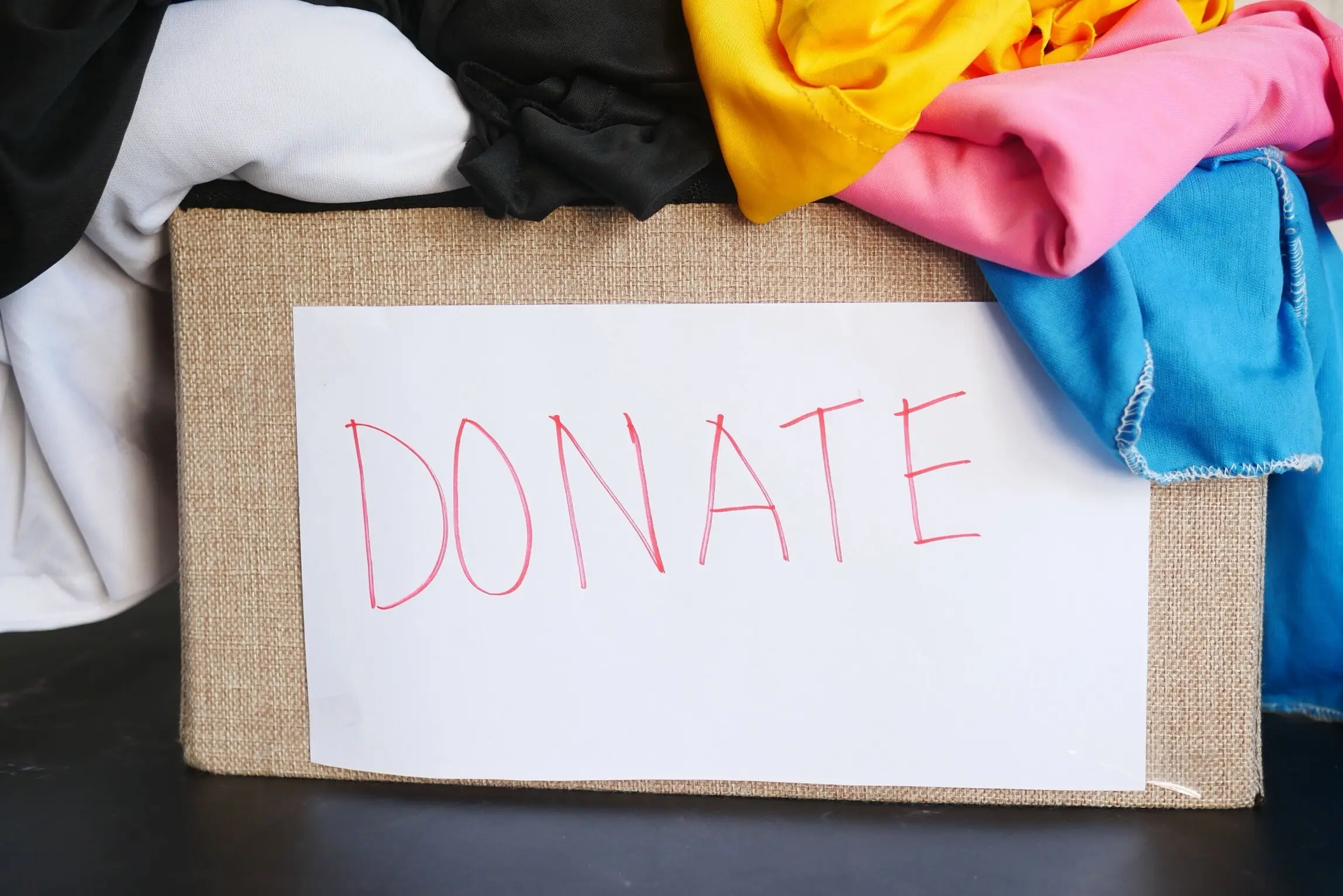
Most people don’t realize this: worn-out shirts can still be donated. The Secondary Materials and Recycled Textiles Association, a textile recycling trade group, says nearly 95% of used clothing and textiles can be reused or recycled, even items that are stained, torn or out of date, as long as they’re dry and odor-free. Sorters resell what’s wearable and turn the rest into wiping rags or fiber for insulation and stuffing.
Recycling is also getting easier. Under California’s new law, clothing makers must fund a statewide program with free drop-off sites and mail-back options, set to roll out by 2030. Some clothing brands and retailers already run take-back programs, so check before you shop.
A few rules make your donation count:
- Keep shirts out of your curbside recycling cart. Take them to a charity, a clothing collection bin or a textile drop-off.
- Wash and dry everything first. Damp or mildewed fabric can spoil a whole bag.
- Throw out anything with bedbugs, moths, mold or chemical spills so it doesn’t contaminate good fabric.
- Bag worn-out pieces separately and label them “textile recycling” so sorters know what they’re getting.
What’s your favorite way to give an old T-shirt a second life? Tell me in the comments.
Frequently asked questions
Are old T-shirts worth any money? Some are. Vintage concert, sports and souvenir shirts, especially single-stitch tees made before the mid-1990s, can sell for anywhere from a few dollars to thousands. Check sold listings on resale sites to see what similar shirts brought in.
Can I recycle or donate stained and ripped T-shirts? Yes, but not in your curbside recycling cart. Take clean, dry shirts to a charity, a clothing collection bin or a textile drop-off. Textile recyclers turn worn shirts into rags and fiber, so ask your local charity whether it passes unwearable items to a recycler.
How many T-shirts do I need for a quilt? Plan on about 36 shirt fronts for a queen-size quilt. You need fewer if you use both the front and back of each shirt or add fabric strips between the squares.
How do I make a rug from old T-shirts? The easiest way is to braid long T-shirt strips and coil the braid into a flat spiral, stitching each round as you go. For a shaggy rug, knot short strips through rug canvas with a latch-hook tool.
How do you make a cat house from a T-shirt? Cut a round doorway in a cardboard box, pull an extra-large T-shirt over it so the neck opening lines up with the hole, and tape the extra fabric underneath. For a dome-shaped tent, cross two bent wire hangers over a cardboard square instead of using a box.
Is it safe to make dog toys from old T-shirts? Yes, with supervision. Fabric strips are dangerous if swallowed, so use braided toys only during playtime and toss them when they start to fray.