The jar is empty, the cereal is gone, and the trash can is right there. Before the lid comes down, it’s worth a second look. A surprising amount of what goes out with the garbage could do another job first, and some of it could save you a trip to the store.
The trick is knowing what’s worth keeping, how much of it to keep, and where it goes, so saving doesn’t turn into a cupboard that won’t close.
This guide covers 25 everyday things to reuse instead of throwing away, room by room, plus what to check before you donate or toss and a few reuse habits to skip.
What’s worth saving?
The best things to reuse instead of throwing away are sturdy and easy to clean: glass jars, deli containers with lids, cereal bags, butter wrappers, clean foil, old towels and T-shirts for rags, gift bags and tissue, a few shipping boxes, and one or two of each kind of cord. Keep a set number of each, in one place.
| Save | How many to keep | When to let it go |
|---|---|---|
| Glass jars | 6 to 12 | Chipped rims or lids that won’t seal |
| Deli and takeout containers | 1 stack | Cracked, cloudy, or stained |
| Gift bags and tissue | 1 bin | When the bin is full |
| Rags from towels and T-shirts | 1 bag | Worn through or greasy |
| Shipping boxes | 2 or 3, flattened | Damp, crushed, or after a year |
| Cords and chargers | 1 or 2 of each kind | When nothing in the house uses it |
| Egg cartons | A few for seed starting | After planting season |
| Mint tins | As many as you use | When you stop reaching for them |
The rule: save with a limit and a place
Saving only pays off if you use what you save. Three simple rules keep it from turning into clutter.
Set a number: Decide how many you’ll keep, such as six jars or two shoeboxes, and recycle the rest.
Give it a home: One bin, one drawer, or one shelf for each kind of thing. If it doesn’t fit, it doesn’t stay.
Use it or let it go: If you haven’t reached for something in a year, it’s not saving you anything. Pass it on.
Kitchen items to reuse
Glass jars
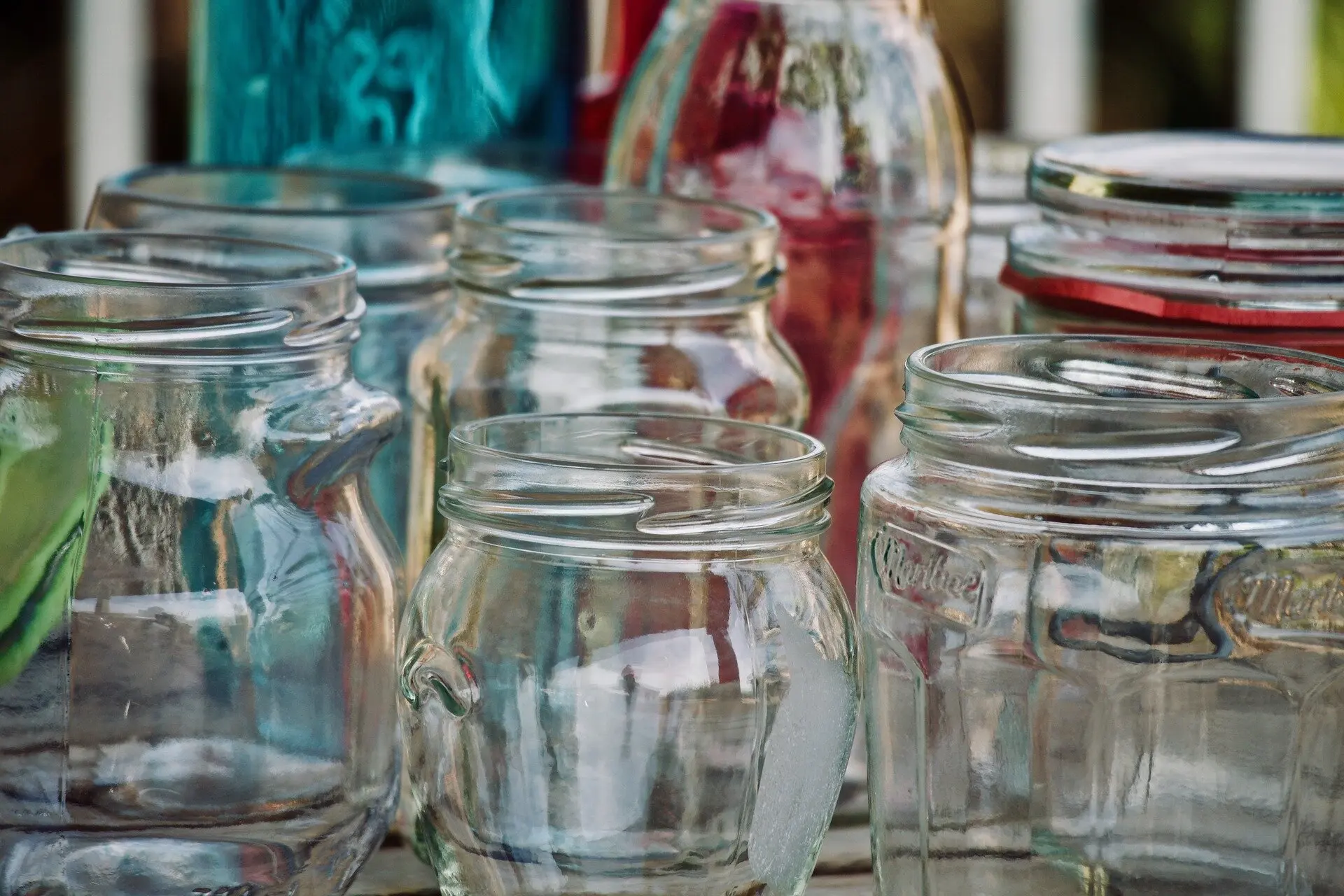
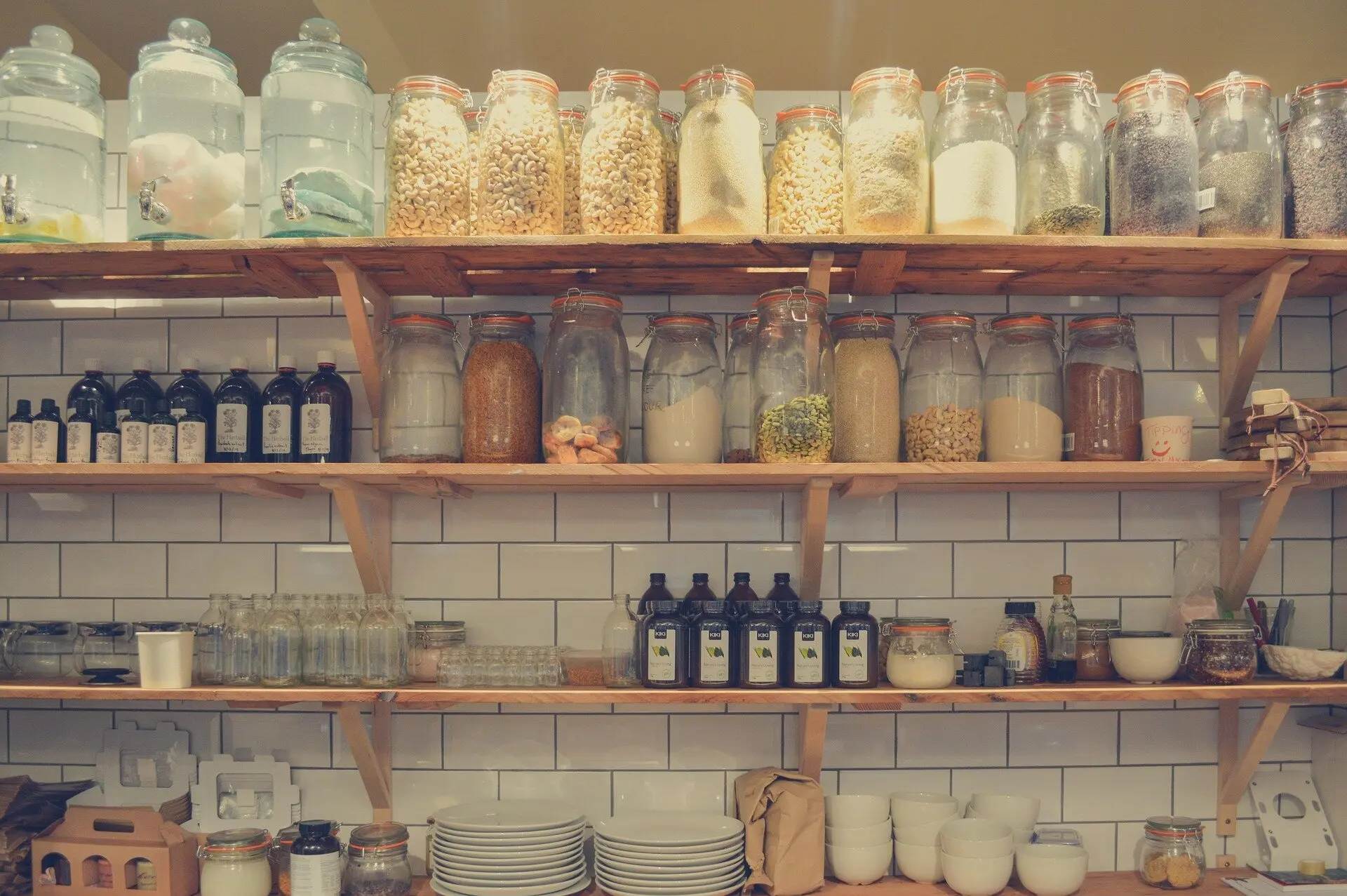
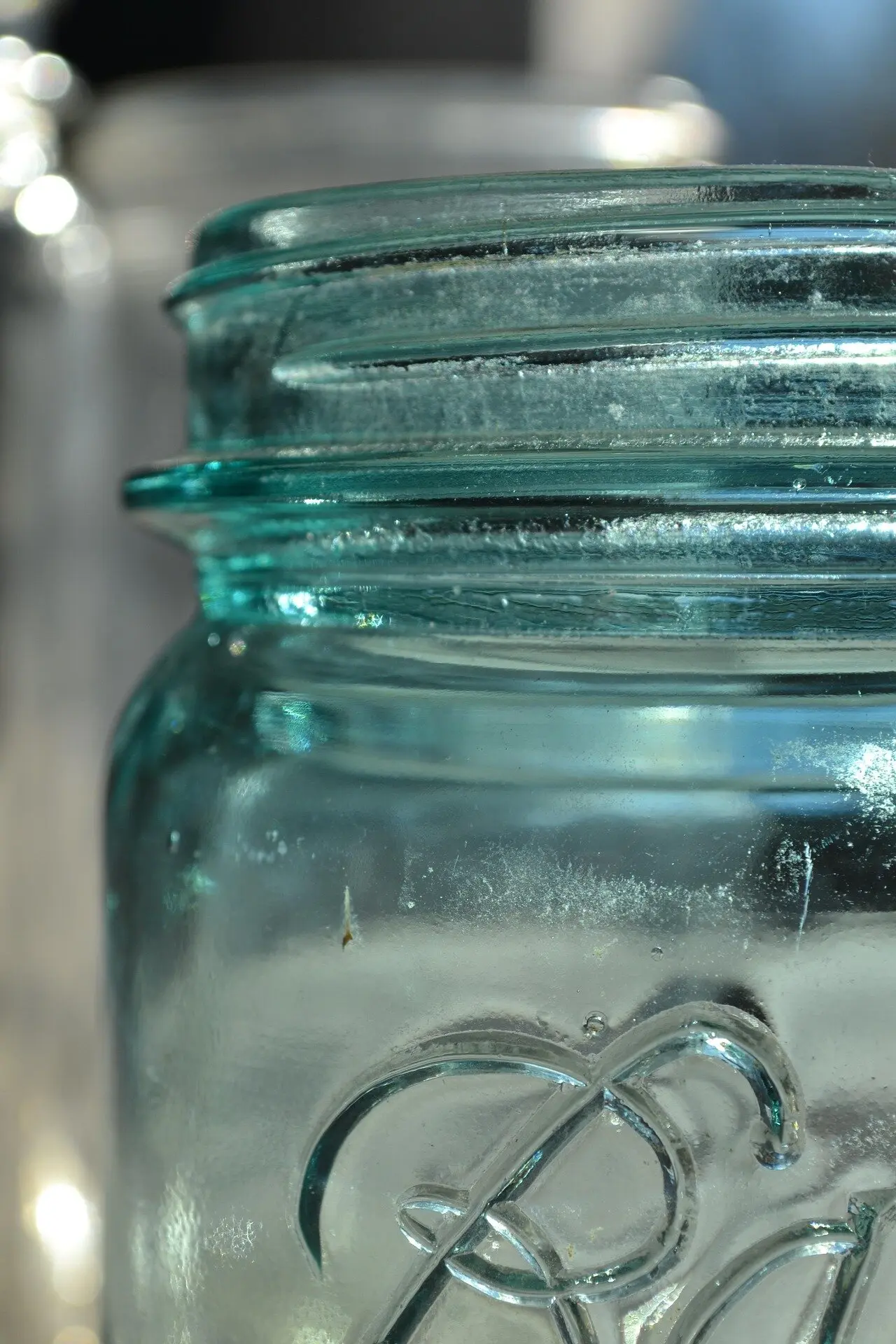
Pasta sauce, pickle, and salsa jars are the best thing to save. They hold leftovers, dry beans, rice, homemade mixes, and bulk spices, and unlike plastic, they never stain or hold on to smells. Soak off the labels in hot, soapy water. A lid that still smells like pickles can sit overnight in water with a spoonful of baking soda.
Here’s a handy fit: many peanut butter jar lids screw right onto regular-mouth canning jars. Just don’t can in store-bought jars, which aren’t made for a canner. My Homemade Mixes library has plenty to fill them with.
Deli and takeout containers
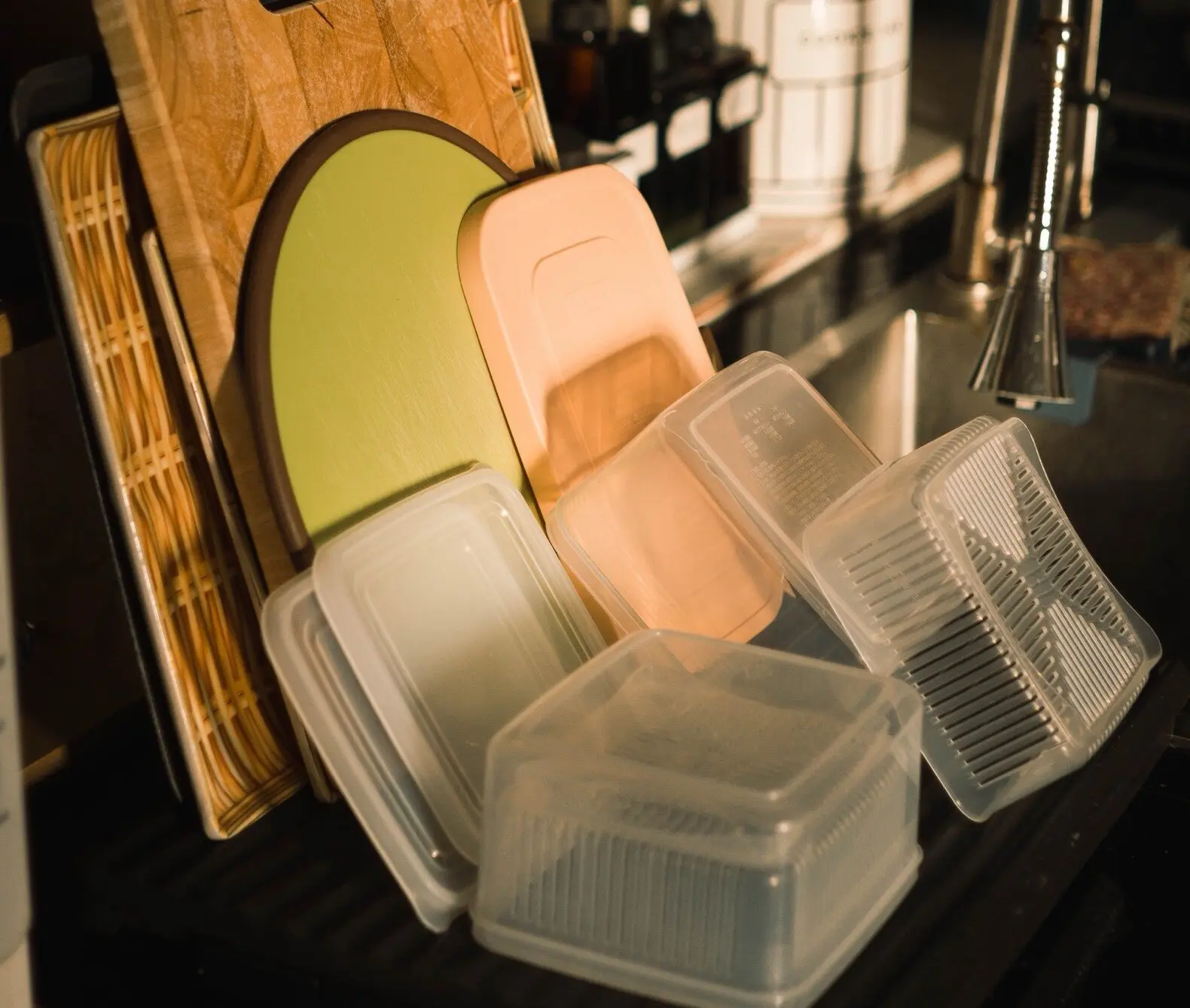
The round, clear deli containers with snap-on lids stack neatly because they’re all the same width. Use the small ones for spices, nuts, and seeds, and the quart size for flour, cornmeal, or a batch of soup for the freezer. Label each one with what’s inside and the date.
Keep them for cold food and pantry storage, not reheating. Margarine tubs and takeout containers can warp or melt in the microwave, according to the U.S. Department of Agriculture. Recycle any that crack, cloud over, or hold on to stains. For bigger tubs, see 50 Clever Ways to Reuse Plastic Tubs and Buckets.
Cereal bags
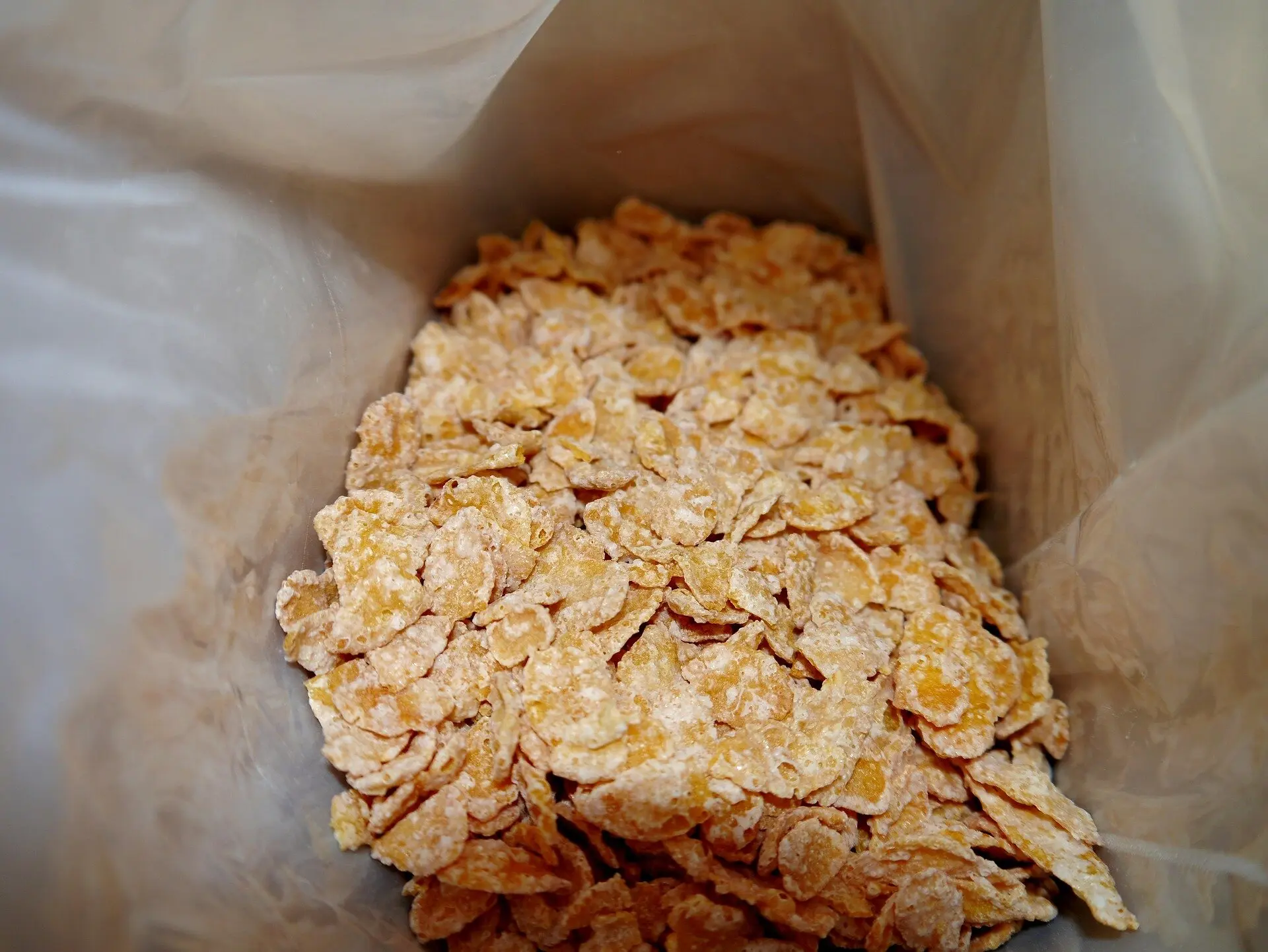
The waxy bag inside a cereal box is stronger than most sandwich bags. Wipe it out and use it to wrap a sandwich or cookies, roll a log of cookie dough, crush crackers with a rolling pin, separate burger patties in the freezer, or line a car trash bin. Keep it out of the microwave and the oven.
Zip-top and bread bags
Zip-top bags that held bread, crackers, cheese, or cooked food can be washed in warm, soapy water, dried inside out over a wooden spoon, and used again. Bread bags make good liners for small trash cans and lunch bags for messy items. Throw away any bag that held raw meat, poultry, or fish.
Butter wrappers
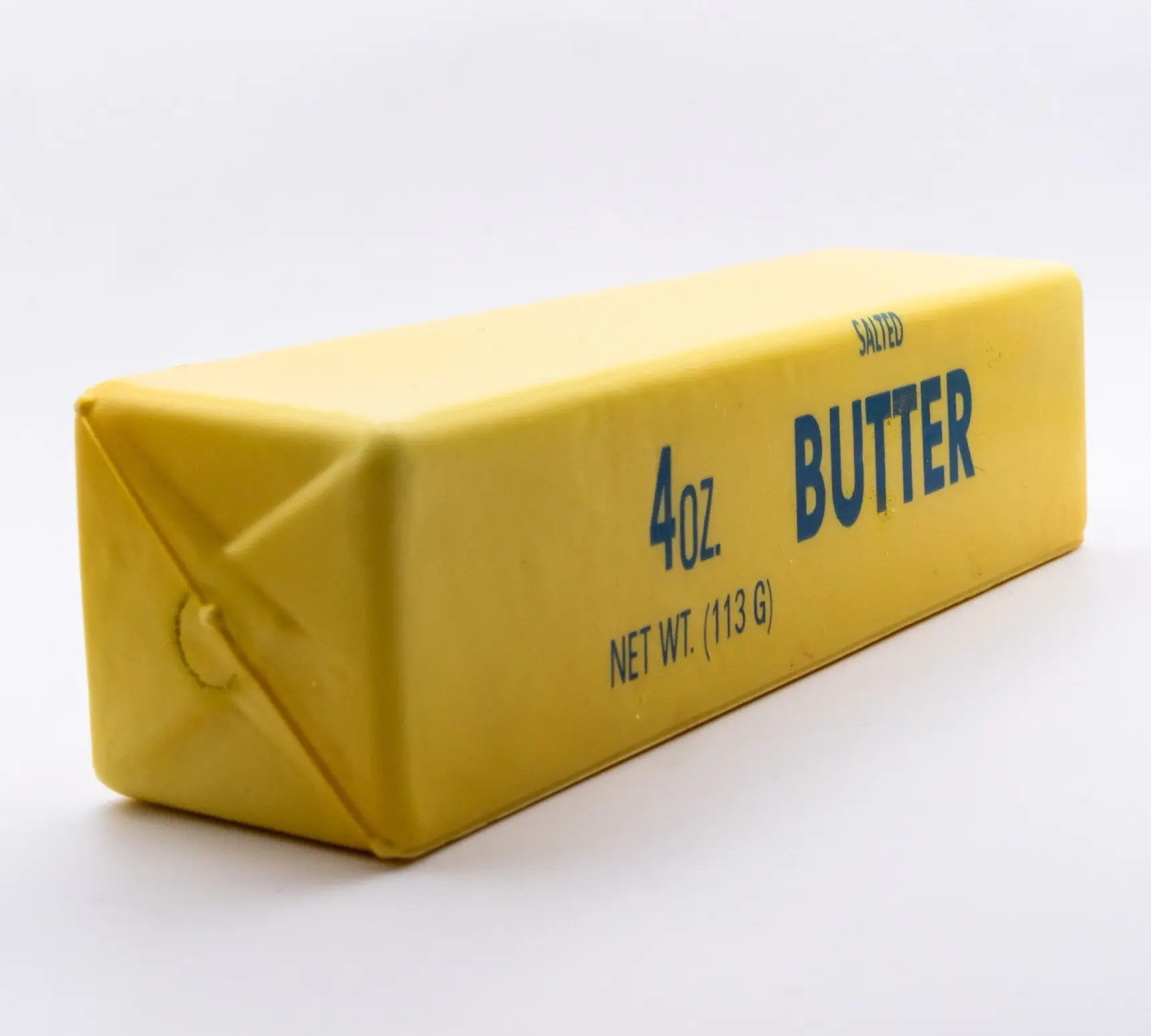
Fold each butter wrapper and keep the stack in a zip-top bag in the freezer. When a recipe says to grease the pan, one wrapper does the job without cooking spray.
Vegetable scraps and bones
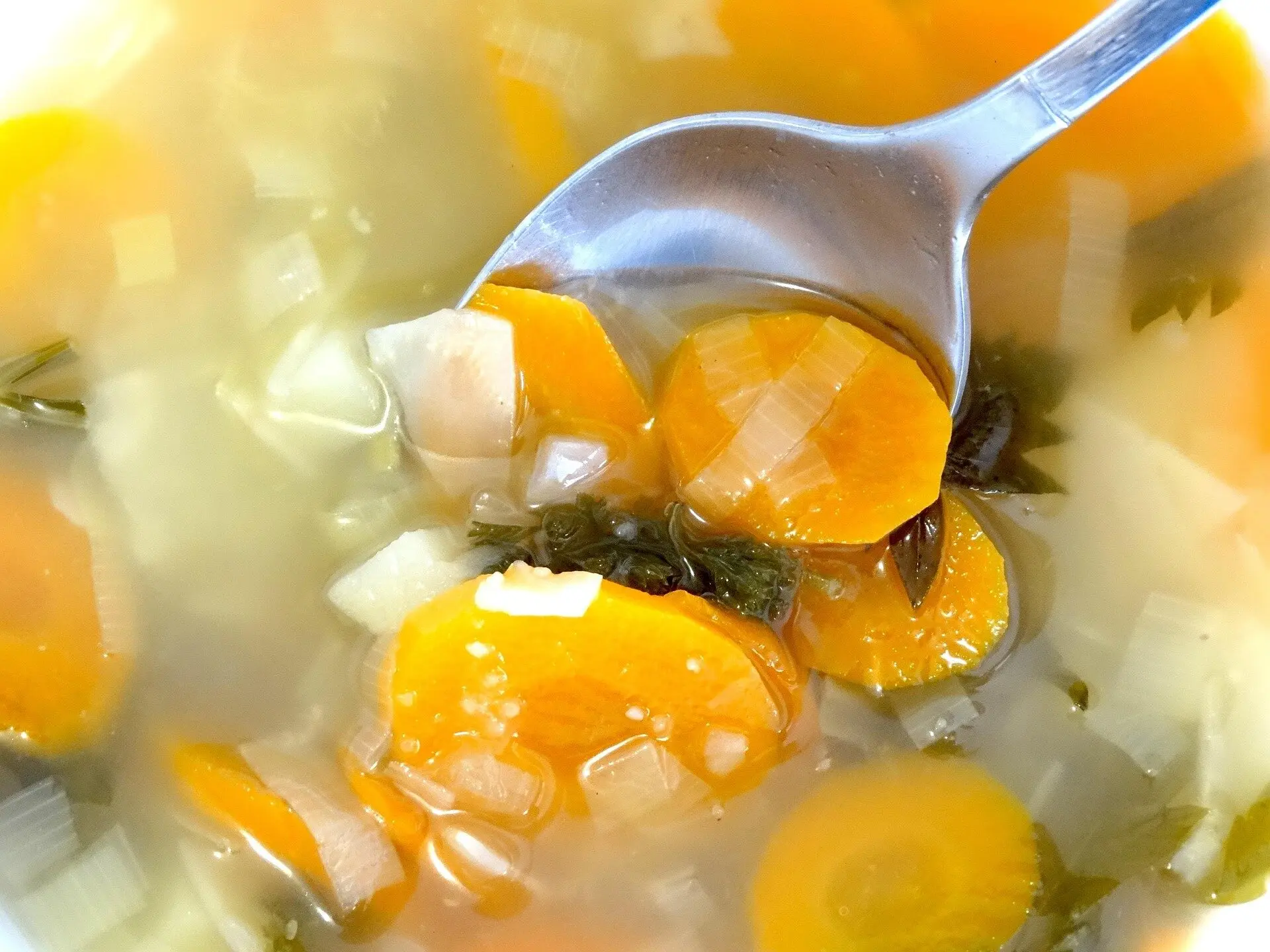
Keep a zip-top bag in the freezer for onion ends, carrot peels, celery leaves, and the bones from a roast chicken. When it’s full, simmer everything in a big pot of water for homemade broth. Skip cabbage and broccoli scraps, which make broth bitter. Stale bread gets the same treatment: whirl the heels into crumbs and freeze them.
Bacon grease
Strain warm bacon grease through a coffee filter into a clean jar, cover it, and keep it in the refrigerator for frying eggs, potatoes, and greens. Toss it if it smells sour or rancid, and never pour grease down the drain.
Used tea bags
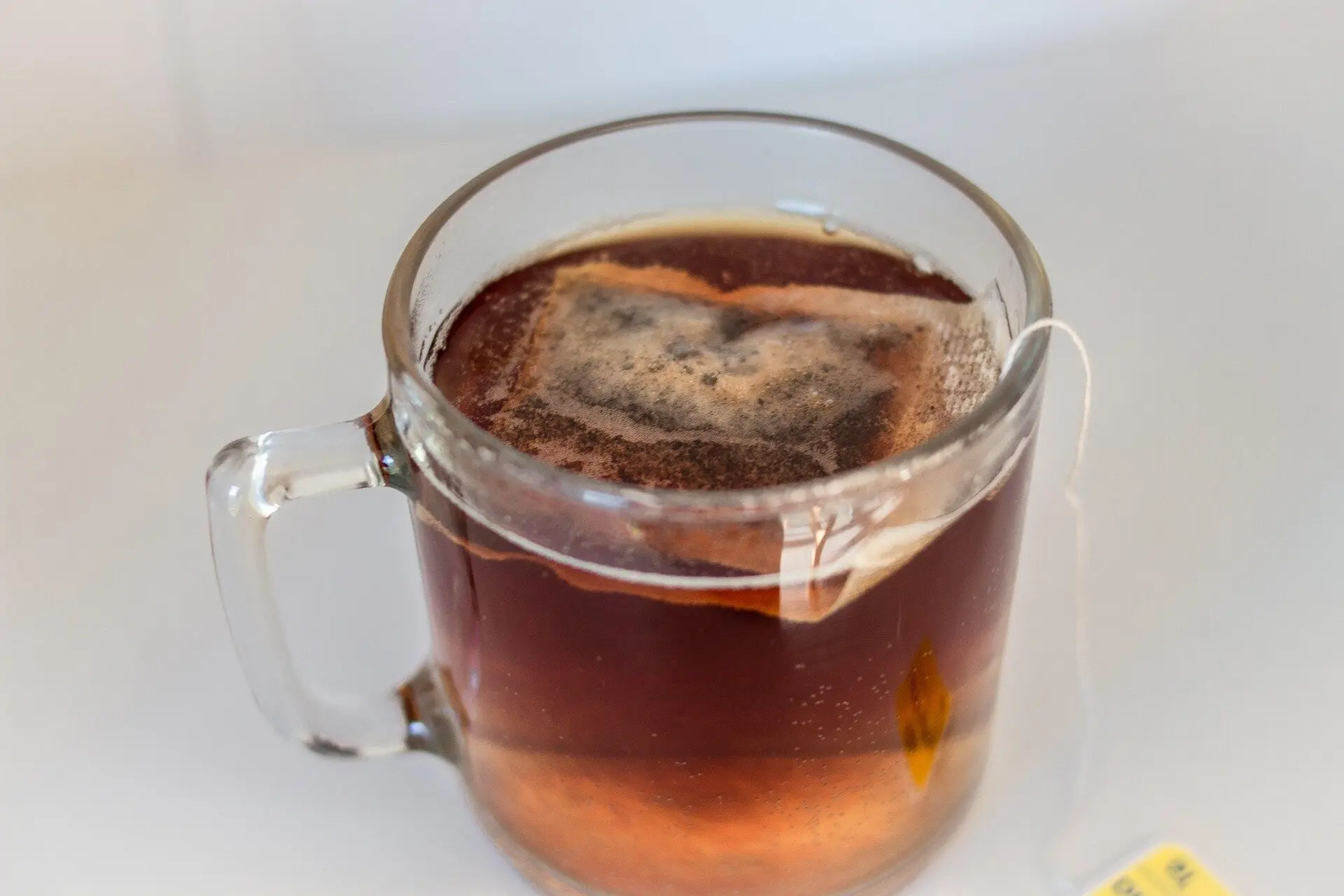
A spent tea bag has more to give. Let it dry completely first, since a damp bag will mold. Dried bags in an open jar help absorb refrigerator odors, and a used bag wiped over a greasy counter cuts the grime (test light counters first, since tea can stain). Save used bags in the freezer until you have five or six, then steep them together for an iced tea concentrate. More ideas in Uses for Used Tea Bags.
Clean aluminum foil
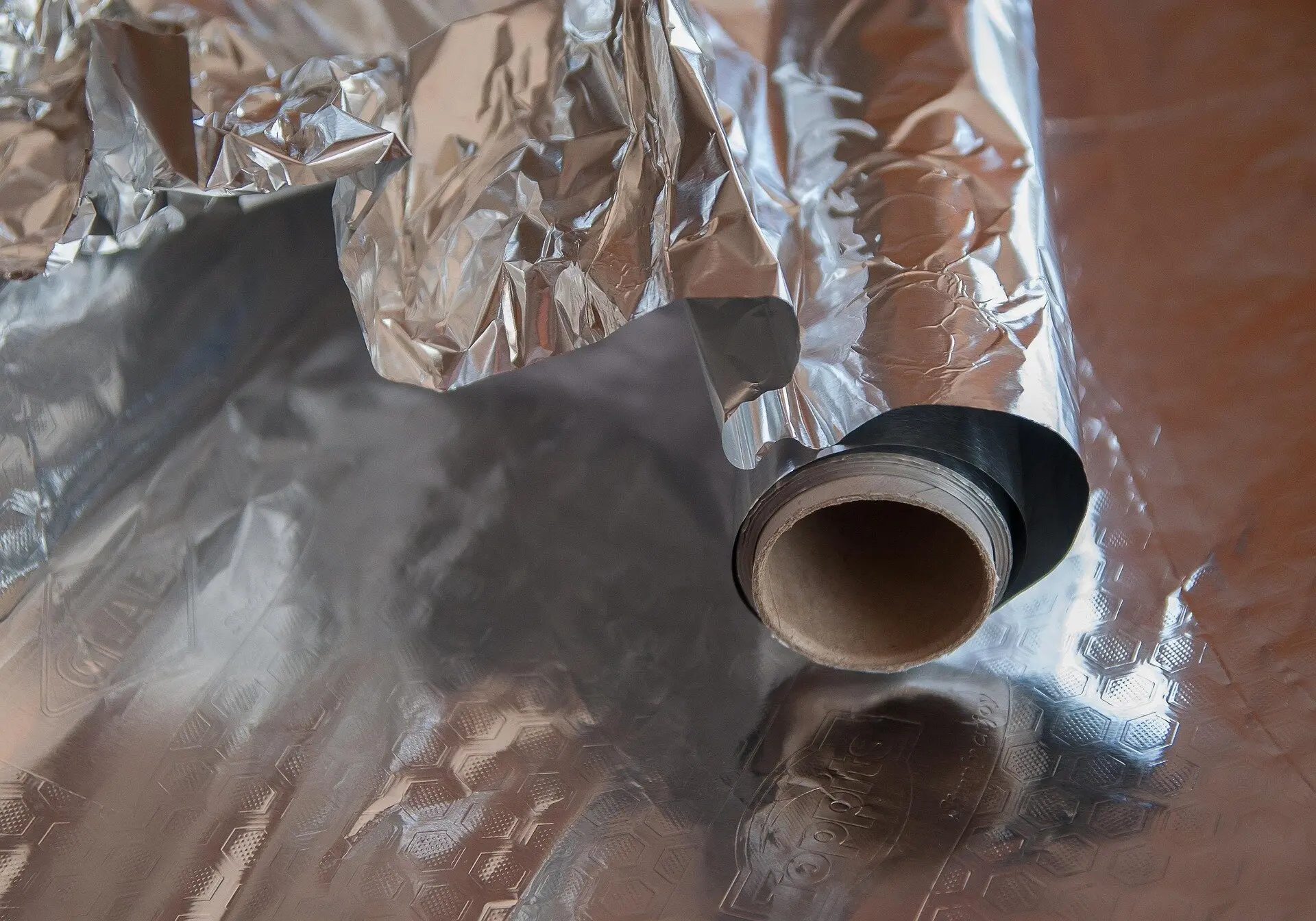
Smooth out clean foil and use it again. When it’s past wrapping, crumple it into balls about 3 inches across and toss two or three in the dryer to cut static, or use a ball as a scrubber on a grill grate or a stainless pan.
Egg cartons
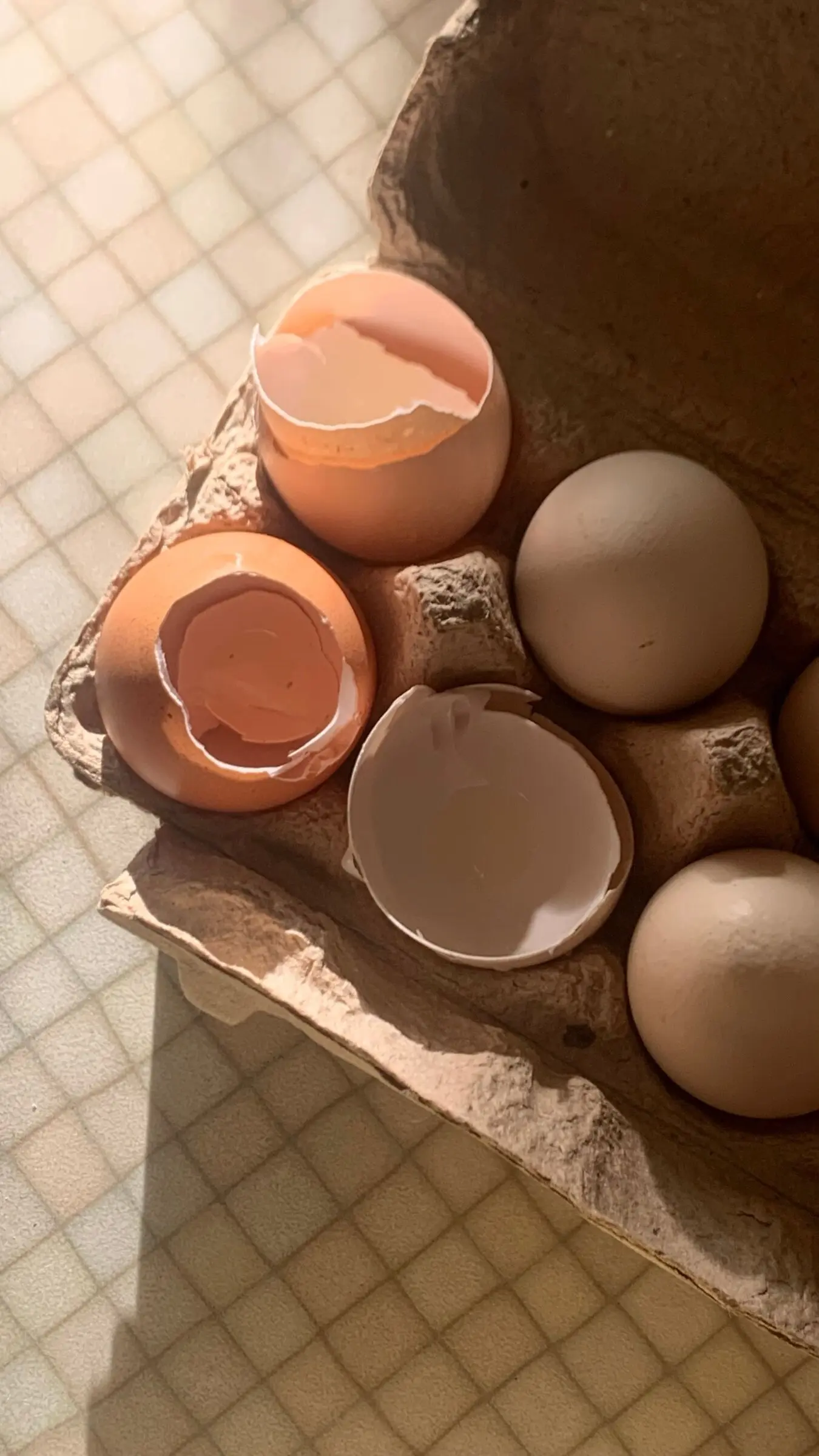
Paper egg cartons make free seed-starting trays: fill each cup with seed-starting mix, and later cut the cups apart and plant them whole, since the paper breaks down in the soil. They also sort small screws, beads, and buttons. Skip foam cartons for seeds, and toss any carton that held cracked or dirty eggs.
Eggshells
Rinse eggshells, let them dry, and crush them for the compost pile or the garden. I also set out crushed eggshells for the birds at nesting time, when females need extra calcium to lay eggs. Bake the shells first at 250°F for about 20 minutes so they’re dry and clean, then crush them into small pieces and scatter them on a tray feeder.
Linens and clothes to reuse
Old sheets
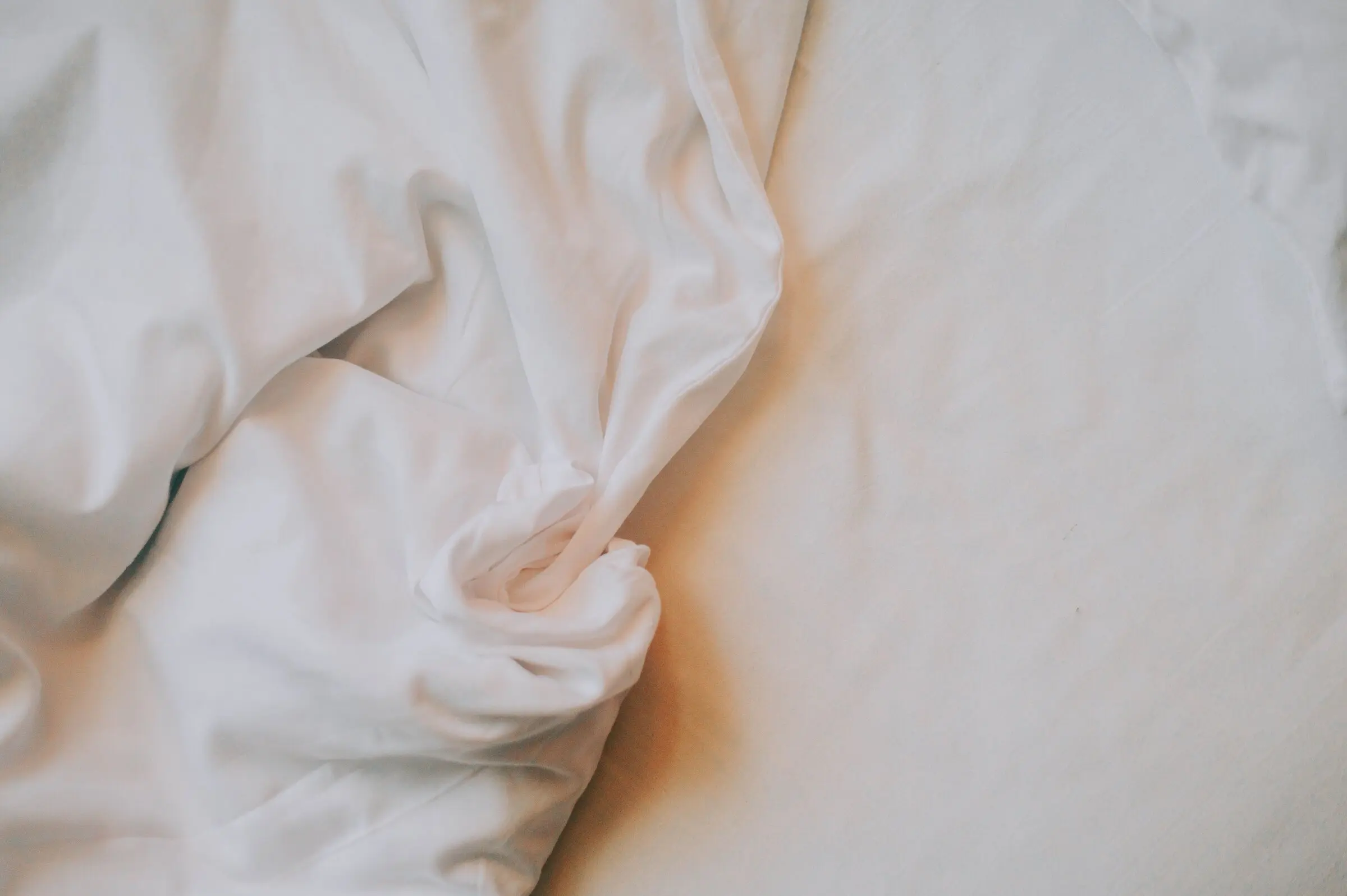
A worn-out sheet makes a drop cloth for painting, a cover for plants on a frosty night, a dust cover for stored furniture, or fabric for a quick project. 25 Clever Uses for Old Sheets has many more ideas.
Towels and T-shirts
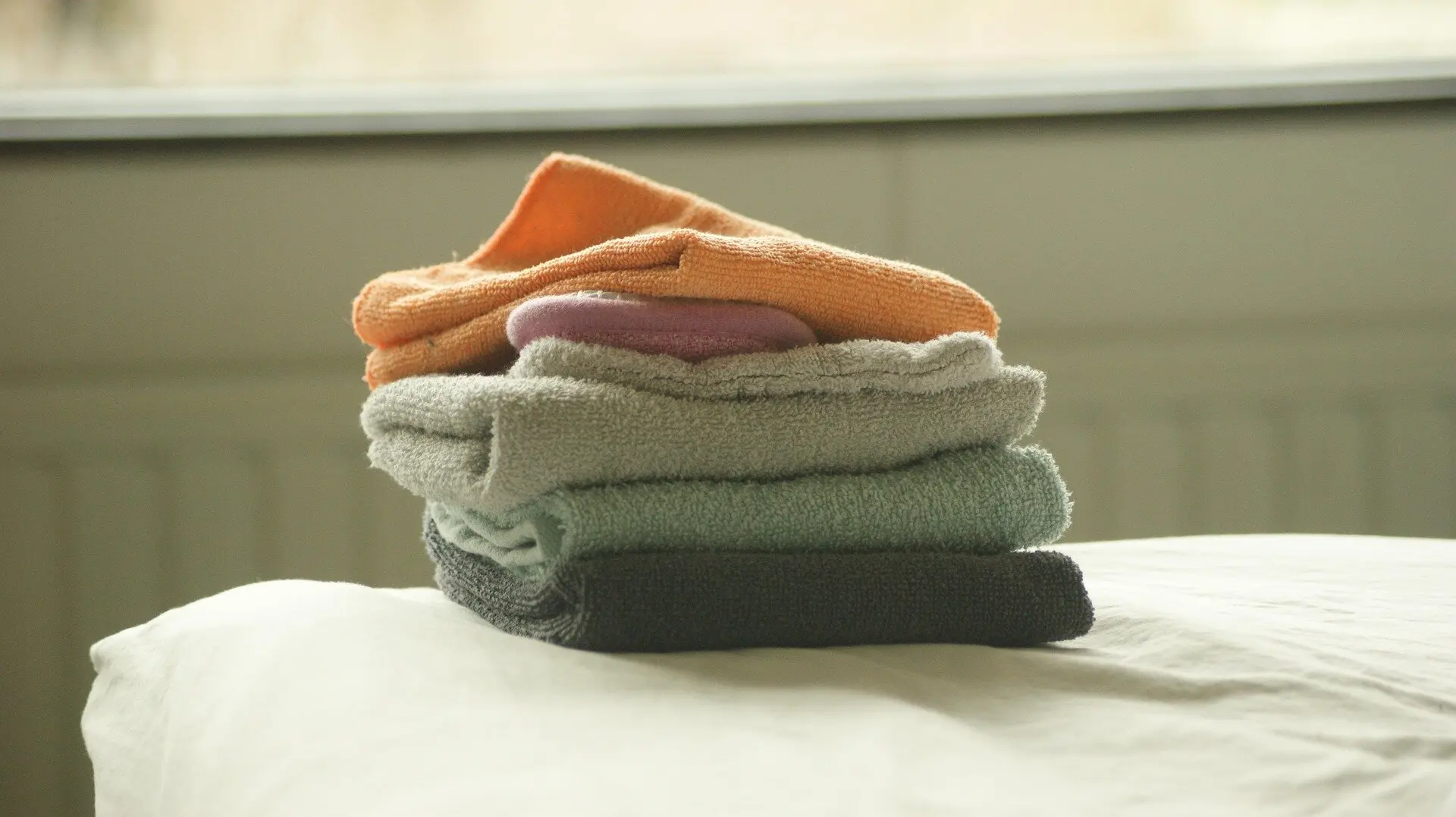
Cut old cotton towels and T-shirts into washcloth-size squares and keep them in a rag bag under the sink. They clean better than paper towels and go right in the wash. A worn bath towel makes a good dog towel by the back door or a garage rag. See What to Do With Old T-Shirts for 31 more ideas.
Odd socks
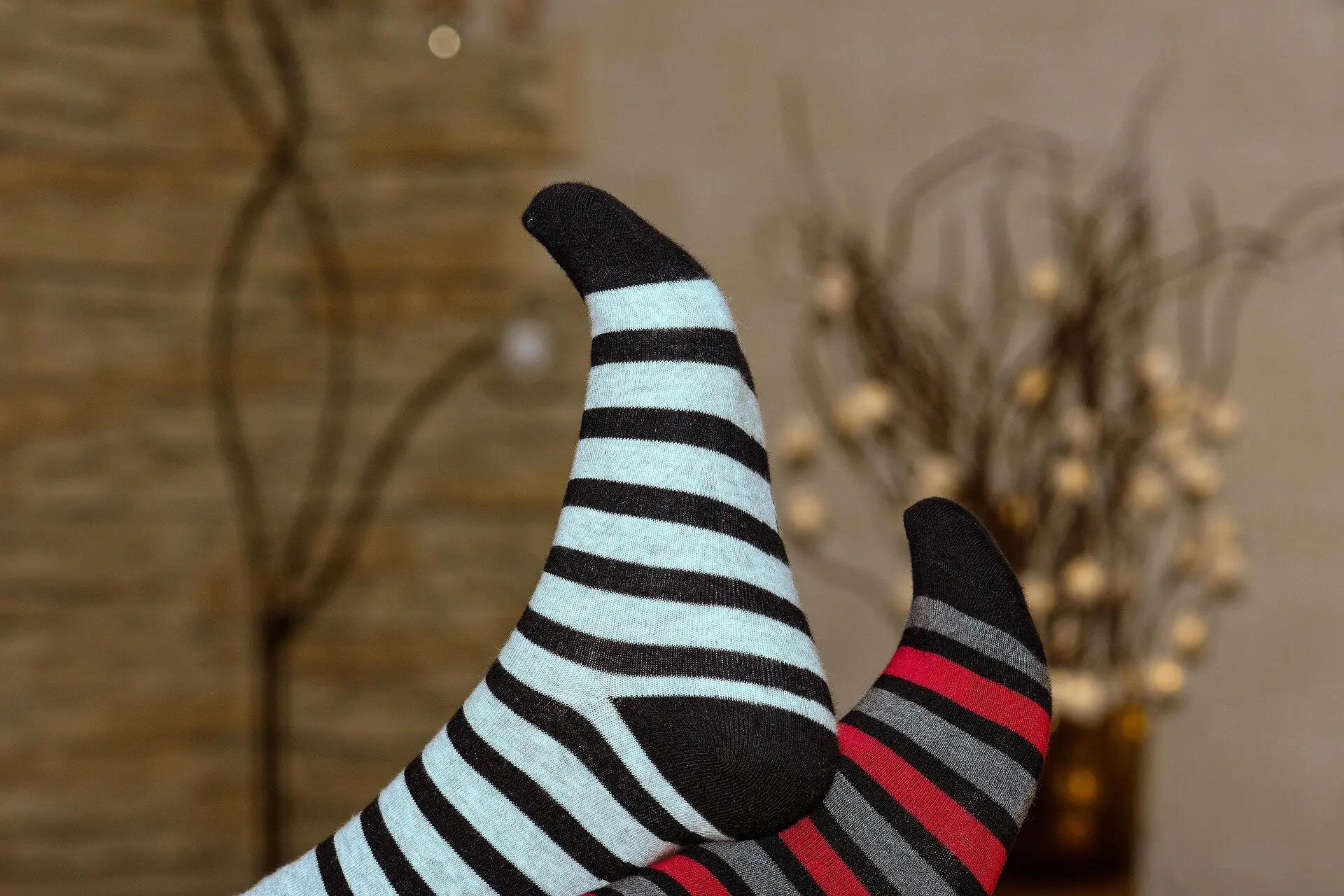
A sock that lost its partner slips over your hand as a dusting mitt for blinds and baseboards.
Spare buttons
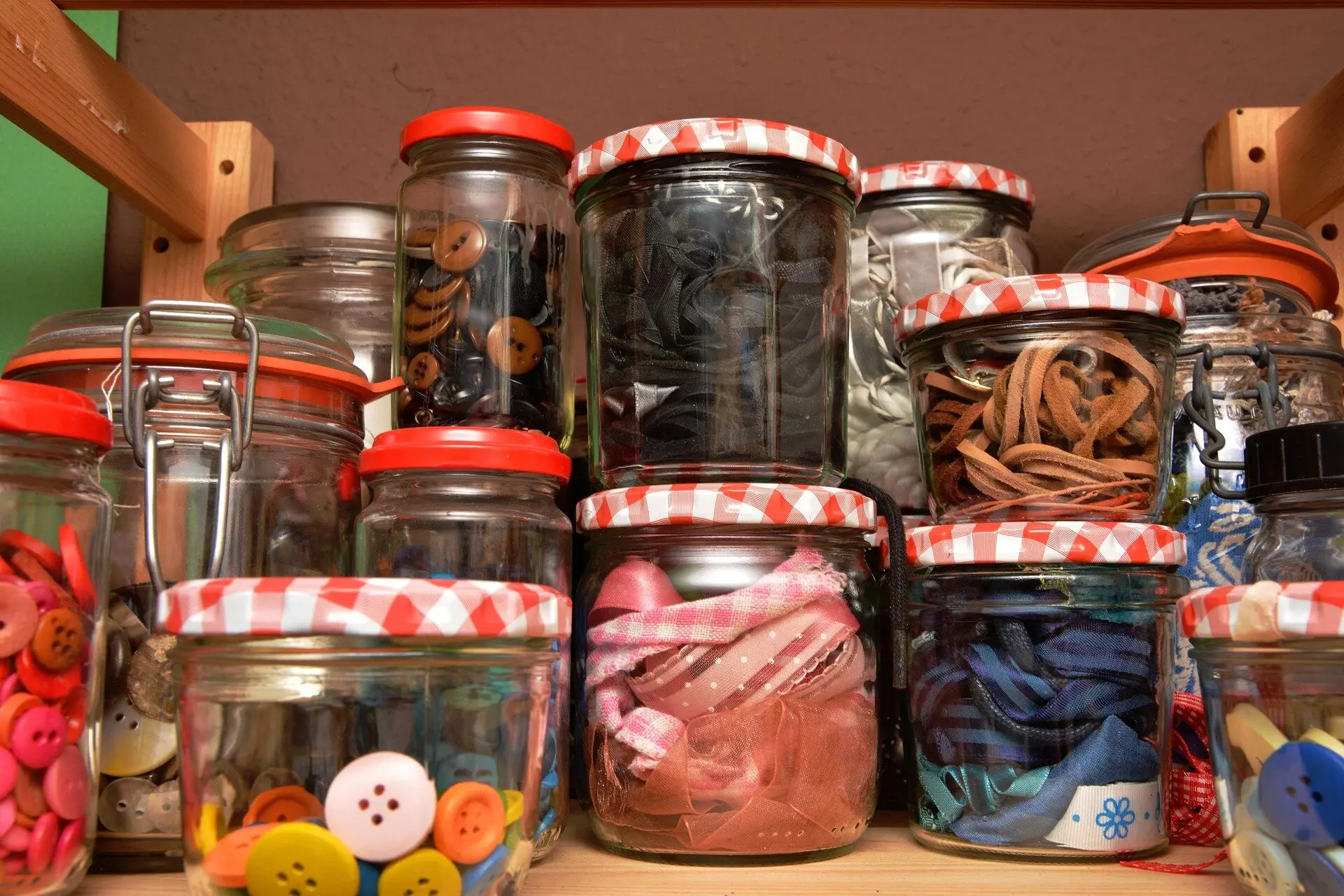
Keep the spare buttons that come with new clothes, and cut the buttons off clothes headed for the rag bag, in one jar or tin. The next time a button pops off, you’ll have a match instead of a trip to the store.
Bathroom items to reuse
The last of the bottle
There’s often another week of shampoo, conditioner, or dish soap stuck at the bottom. Stand the bottle upside down, or add a splash of water and shake. Leftover conditioner works as shaving cream, too. For more, see How to Use Less of Your Household Products and Save Money and 25 Smart Ways to Reuse Empty Dish Soap Bottles.
Old toothbrushes
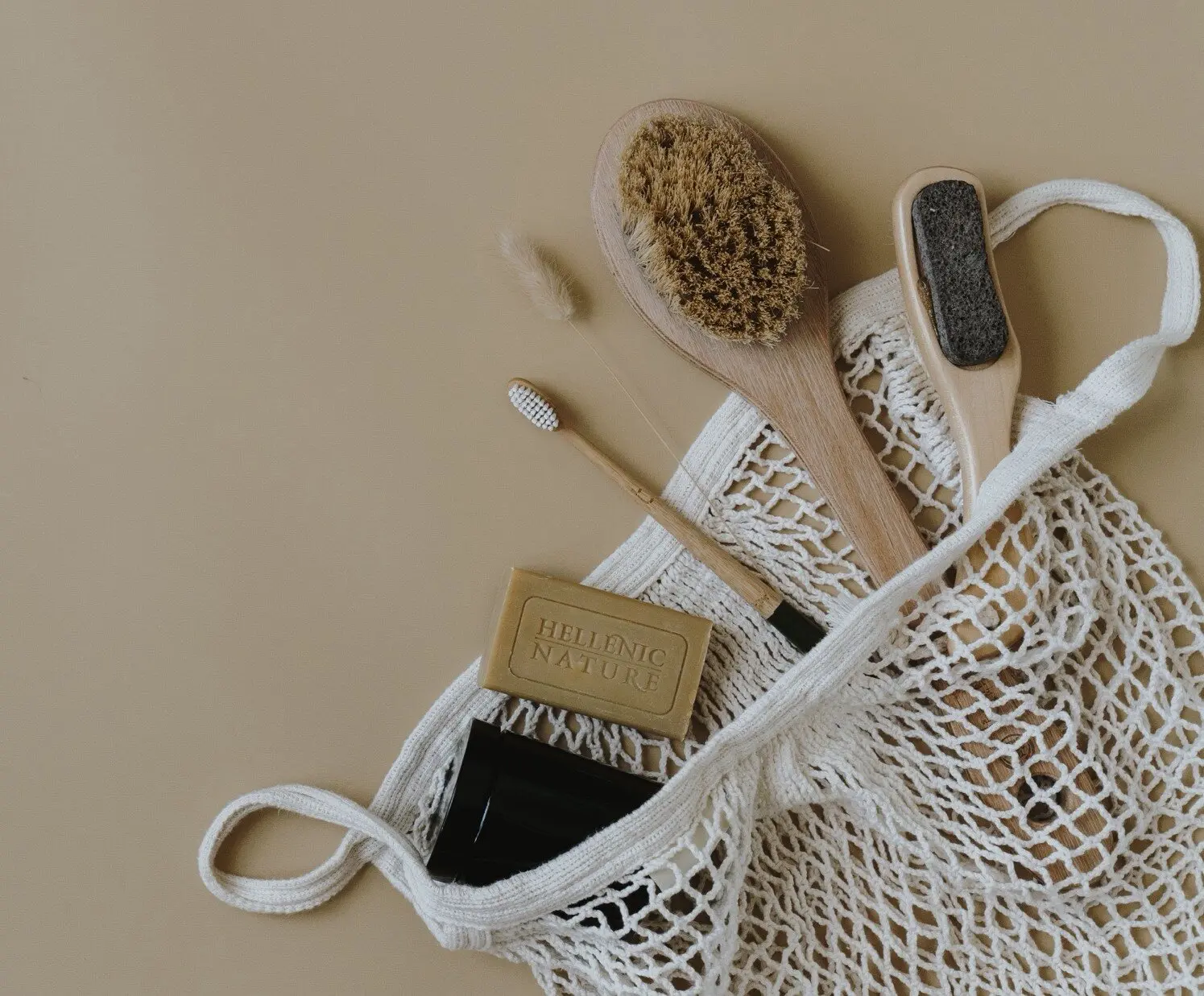
Retire an old toothbrush to the cleaning caddy for grout, faucet bases, window tracks, and the tread of shoes. Mark the handle with a dot of nail polish so it never ends up back in the cup.
Household items to save around the house
Mint tins and small containers
Empty breath mint tins and Tic Tac containers hold safety pins, bobby pins, a few threaded needles, earbuds, quarters for parking meters, or saved garden seeds. Tuck a few bandages in one for your purse or car.
Gift bags, tissue, and ribbon
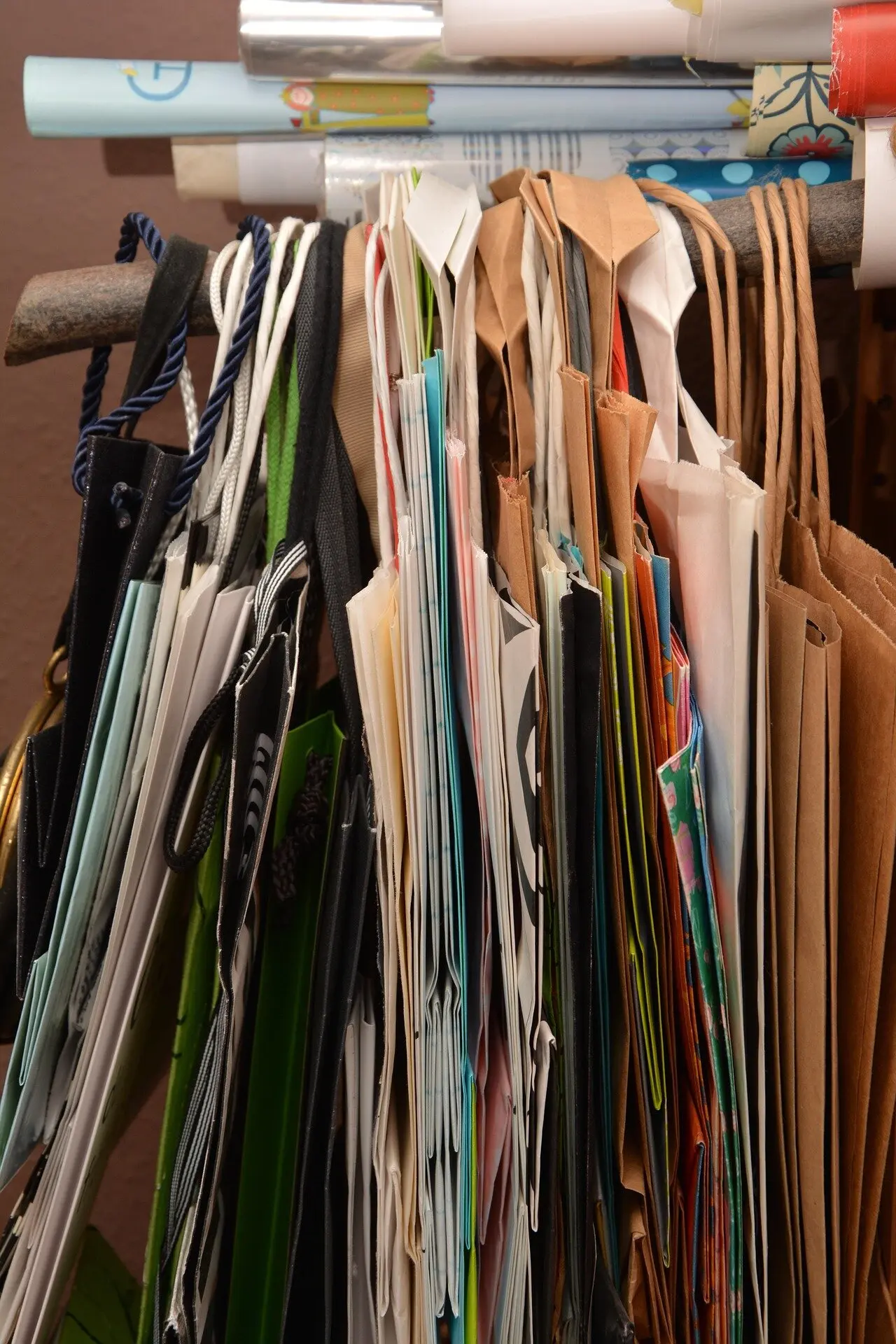
Fold gift bags and tissue paper after birthdays and holidays and keep them in one bin with the scissors, tape, and tags. By the next birthday, the bin covers most of the wrapping. Cut the fronts off greeting cards to use as gift tags.
Shipping boxes
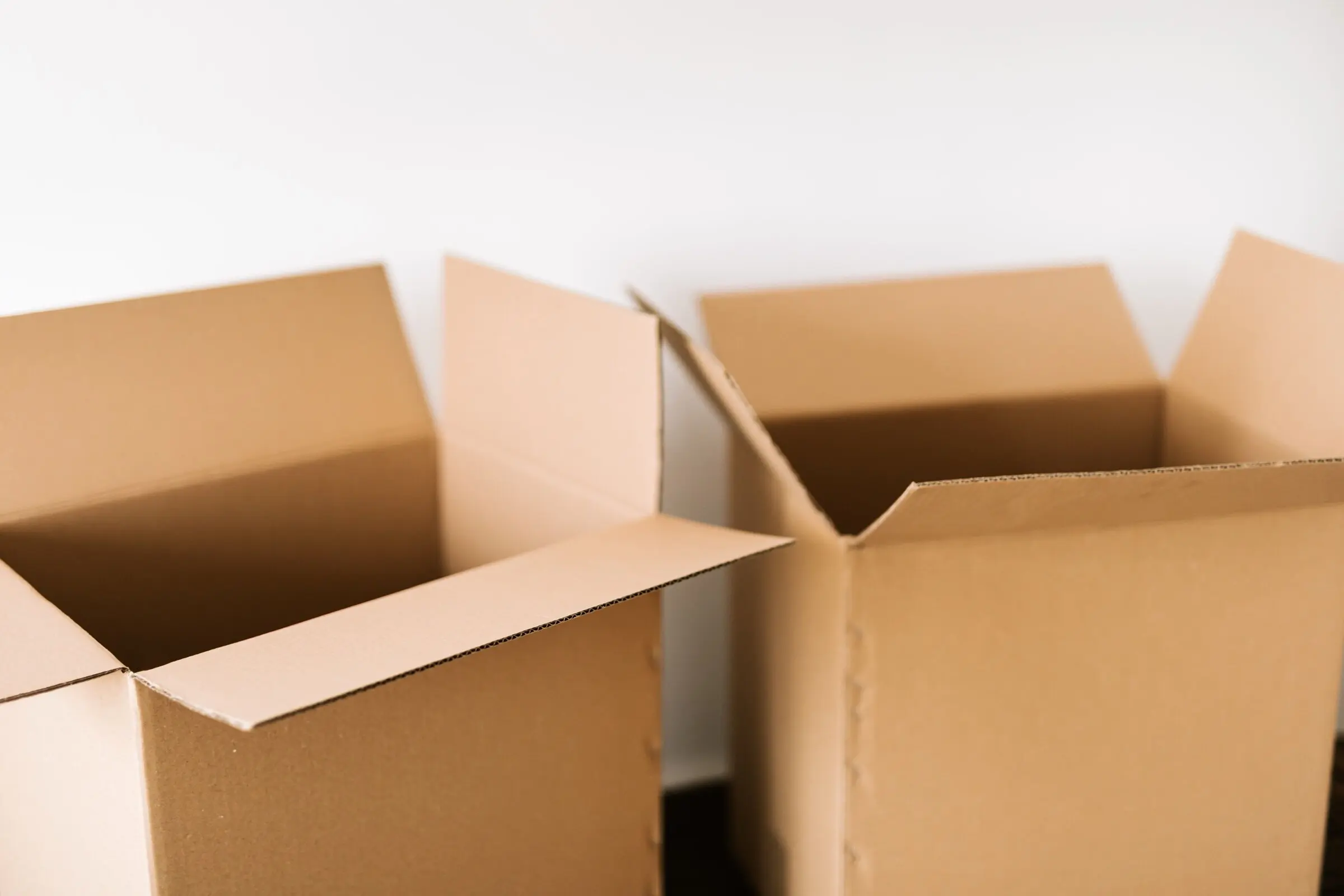
Keep a few sturdy boxes in two or three sizes, flattened, for mailing gifts and packing donations. Don’t use cardboard for long-term storage in a basement or garage, since it soaks up moisture and invites pests. Plastic bins or tins do that job better.
Cords and chargers
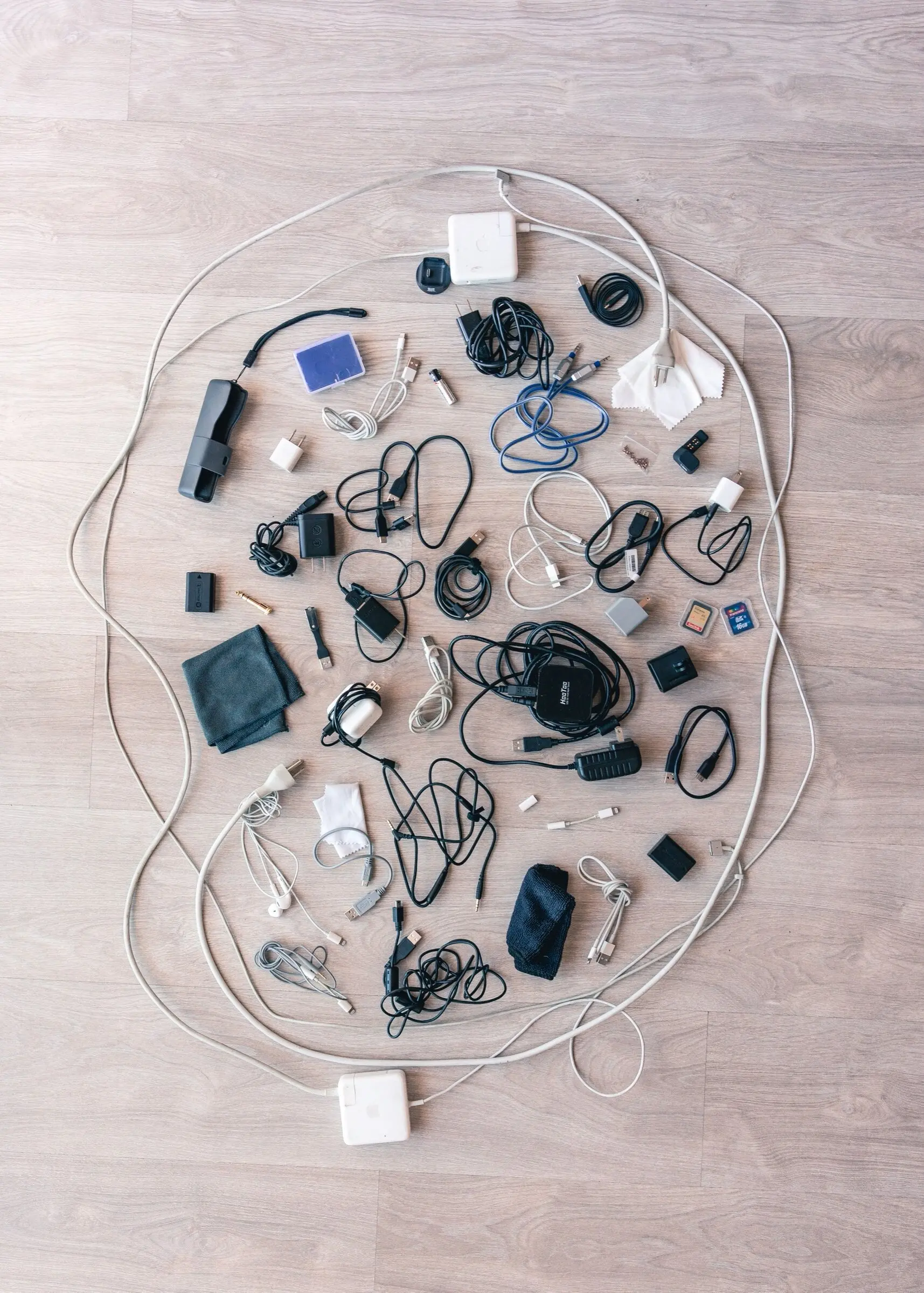
You don’t need every cord you find, but keep one or two of each kind. Wrap each one, label it with what it fits, and keep them all in one container. Donate working extras, and take the rest to an electronics recycler, as the U.S. Environmental Protection Agency recommends, since cords tangle sorting machines in curbside recycling.
Old yoga mats
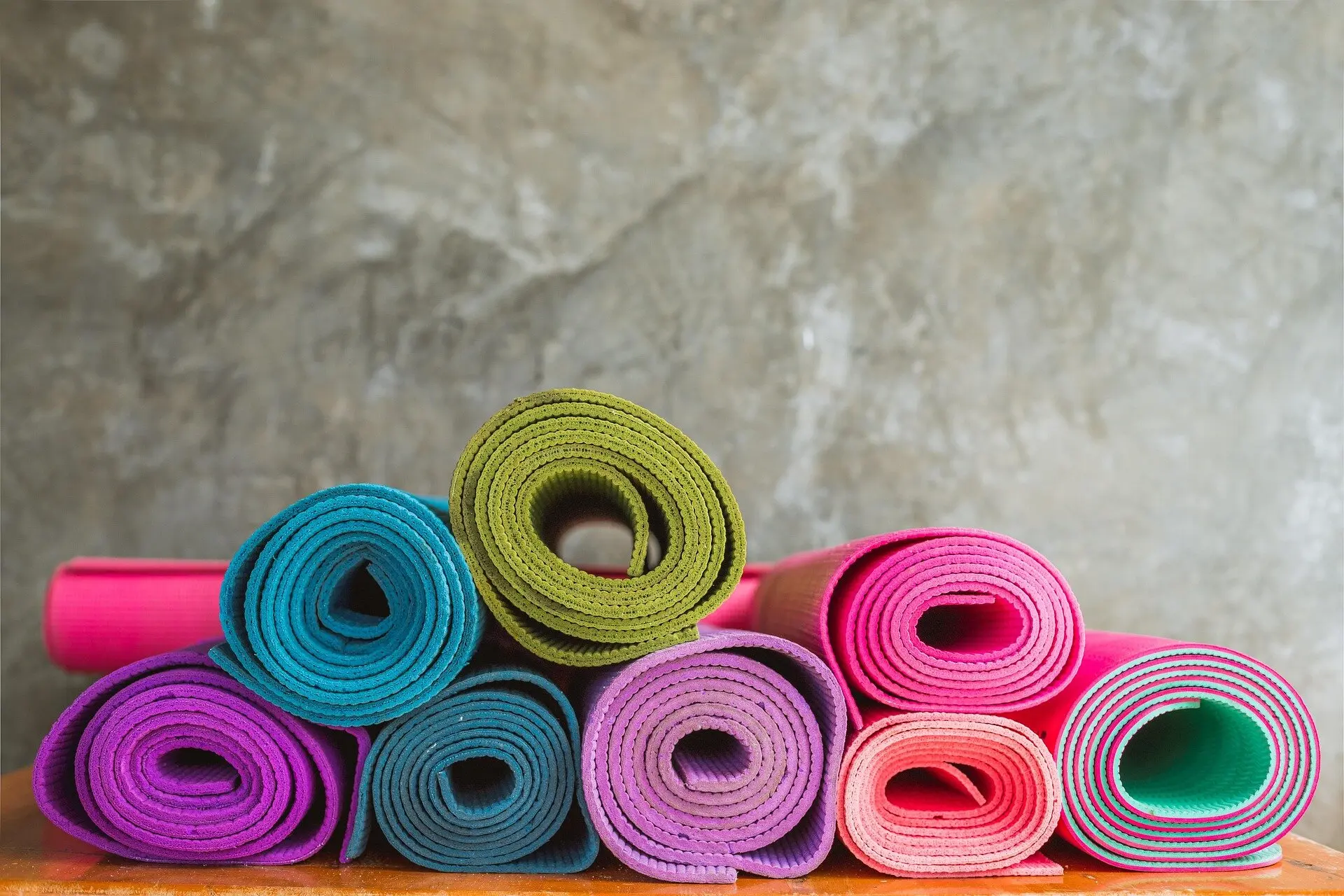
A worn yoga mat still has plenty of grip. Cut it to size for a pad under the litter box, a mat under heavy things on wood floors, a non-slip mat in the tub, or a cushion in the car for bleachers and damp grass.
Paper with a blank side
Junk-mail envelopes and one-sided printer paper make free grocery lists and scratch paper; keep a stack by the fridge. Newspaper, magazines, and the comics wrap small gifts and pad boxes for mailing. Shred anything with your name, address, or account numbers before it goes in the recycling.
Odds and ends worth keeping
Old gift cards: The plastic makes a handy scraper for frosted car windows, stuck-on food, or caulk.
Bread ties and twist ties: Use them to close half-used bags and to keep cords tidy.
Things you should never throw away without checking
Some things in a clean-out are worth more than they look. Before you donate or throw away jewelry, look for marks such as 14K, 925, or sterling, and set aside anything gold, silver, or signed. Vintage glassware, pottery, dishes, clocks, and solid wood furniture can be worth having appraised. A quick look for a maker’s mark on the bottom takes a few seconds.
Don’t save these: dispose of them safely
Some things shouldn’t be saved or tossed in the trash. Old batteries, leftover paint, fluorescent bulbs, motor oil, old medicines, and electronics need a proper drop-off. Check your city or county’s household hazardous waste program, and look for drug take-back days at pharmacies and police stations.
Save these, but not like this
A few reuse habits do more harm than good.
Bags that held raw meat: Throw away any bag or wrapper that held raw meat, poultry, or fish instead of washing it for reuse.
Food containers for chemicals: Once a jar or tub has held cleaners, paint, or garden products, keep it out of the kitchen for good, and label it clearly.
Unlabeled bottles: Never pour cleaners, homemade sprays, or any liquid into an old drink or food bottle. Label every bottle you refill.
Pill bottles: Peel off or black out the prescription label, wash them well, and keep them away from children.
Mixed cleaners: Never combine leftover cleaners to use them up. The American Lung Association warns never to use vinegar and bleach together, and bleach with ammonia or hydrogen peroxide with vinegar is just as risky.
Damp storage: Paper, fabric, and food saved in a damp garage or basement turn moldy fast. Store what you save somewhere dry.
When saving turns into clutter
Reusing instead of throwing away only saves money when you actually use what you keep. If a drawer won’t close, you’re saving duplicates of duplicates, or you’ve forgotten what’s in the bin, it’s time to thin it out. Keep your best few of each thing, recycle the rest, and start again with your limits.
Frequently asked questions
What can I reuse instead of throwing away? Glass jars, deli containers, cereal bags, butter wrappers, clean foil, used tea bags, old sheets, towels and T-shirts, gift bags and tissue, shipping boxes, mint tins, old toothbrushes, and worn yoga mats all have a second job.
What household items should you never throw away? Glass jars, sturdy containers with lids, gift bags and tissue, old towels and T-shirts for rags, one or two of each kind of cord, and anything that might be valuable, such as jewelry or vintage dishes, until you’ve checked it.
Is it safe to reuse plastic takeout containers? Yes, for cold food and pantry storage, if they’re clean and not cracked. Don’t microwave food in thin takeout containers unless they’re marked microwave-safe, and recycle any that crack or stain.
Can you reuse zip-top bags? Yes, if they held dry or cooked food. Wash them in warm, soapy water and dry them inside out. Throw away any bag that held raw meat, poultry, or fish.
What kinds of things aren’t safe to reuse? Bags and wrappers that held raw meat, poultry, or fish, cracked or cloudy plastic food containers, bottles from cleaners or chemicals for anything you eat or drink, and old medicine bottles still carrying a label.
How do you keep reusing from turning into clutter? Set a number for each kind of thing, give each one a single bin or drawer, and pass on anything you haven’t used in a year.
What can you do with old cords and chargers? Keep one or two of each kind, labeled, in one container. Recycle the rest at an electronics drop-off, since cords don’t belong in household recycling or the trash.