
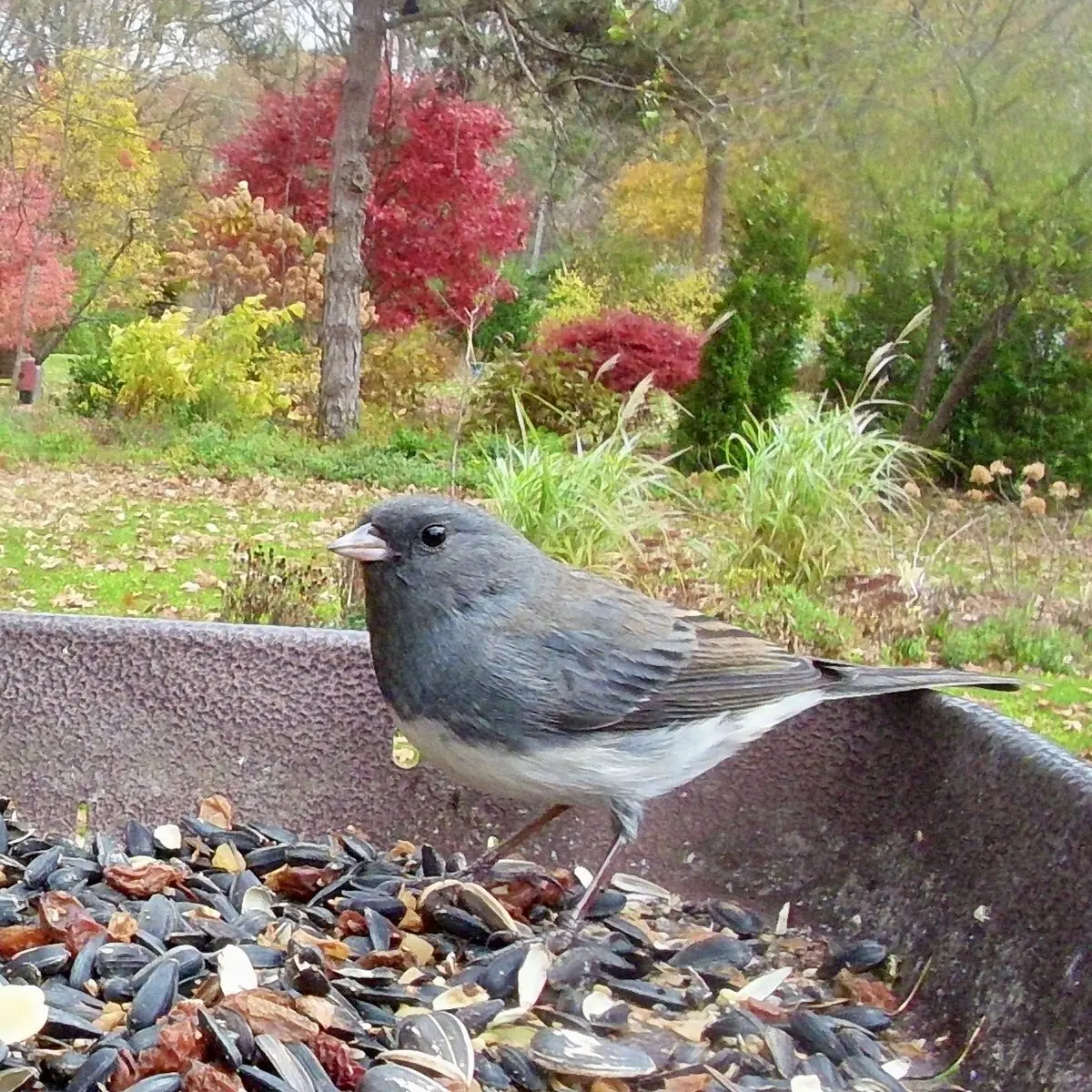
Sparrows are some of the hardest birds for me to remember. Brown, streaky and always on the move, they blur into one “little brown bird” the second they hop behind a shrub. They still reward anyone who takes a second look. This guide to the types of sparrows covers 20 species you can find across North America, from backyard regulars to winter visitors that drop by when the weather turns cold. Each one has its own face pattern, song and feeding habits. Once you learn a few clues, those little brown birds start to look like old friends. I’m learning right along with you.
What counts as a sparrow?
Most birds called sparrows in North America belong to the New World sparrow family, Passerellidae. The Cornell Lab of Ornithology counts 43 species of these commonly found in the United States and Canada, and the family also includes juncos and towhees. The house sparrow is the odd one out. It belongs to the Old World sparrow family, Passeridae, and has no close kinship with the native species. Think of it as the cousin who showed up uninvited and stayed.
This list sticks to the sparrows you have the best chance of meeting in your own yard. The others, from marsh dwellers to grassland specialists, are real but harder to find, and they turn up more often at wildlife areas and nature preserves than at feeders.
How to tell sparrows apart
- Check the head. Rusty caps, bold stripes, eye rings and yellow spots in front of the eye separate many species.
- Look at the chest. Some sparrows have streaks that gather into one dark spot. Others have plain gray or buff chests.
- Watch the tail. A few flash white outer tail feathers when they fly.
- Think about season and habitat. Chipping and American tree sparrows look alike, but they rarely share the same place at the same time of year.
Not sure where to begin? Start with five. Song, chipping, white-throated and house sparrows, plus the dark-eyed junco, account for most of what turns up at a feeder across much of the East. Learn those first, and the rest are easier to sort out by comparison. Check the head first, then the chest. A rusty cap, a white throat, a dark spot on a streaked breast and a gray body with a white belly each point to a different bird.
Winter sparrows
Many of these sparrows breed far to the north. They show up at feeders and in brushy yards from fall into spring, and they tend to arrive hungry.
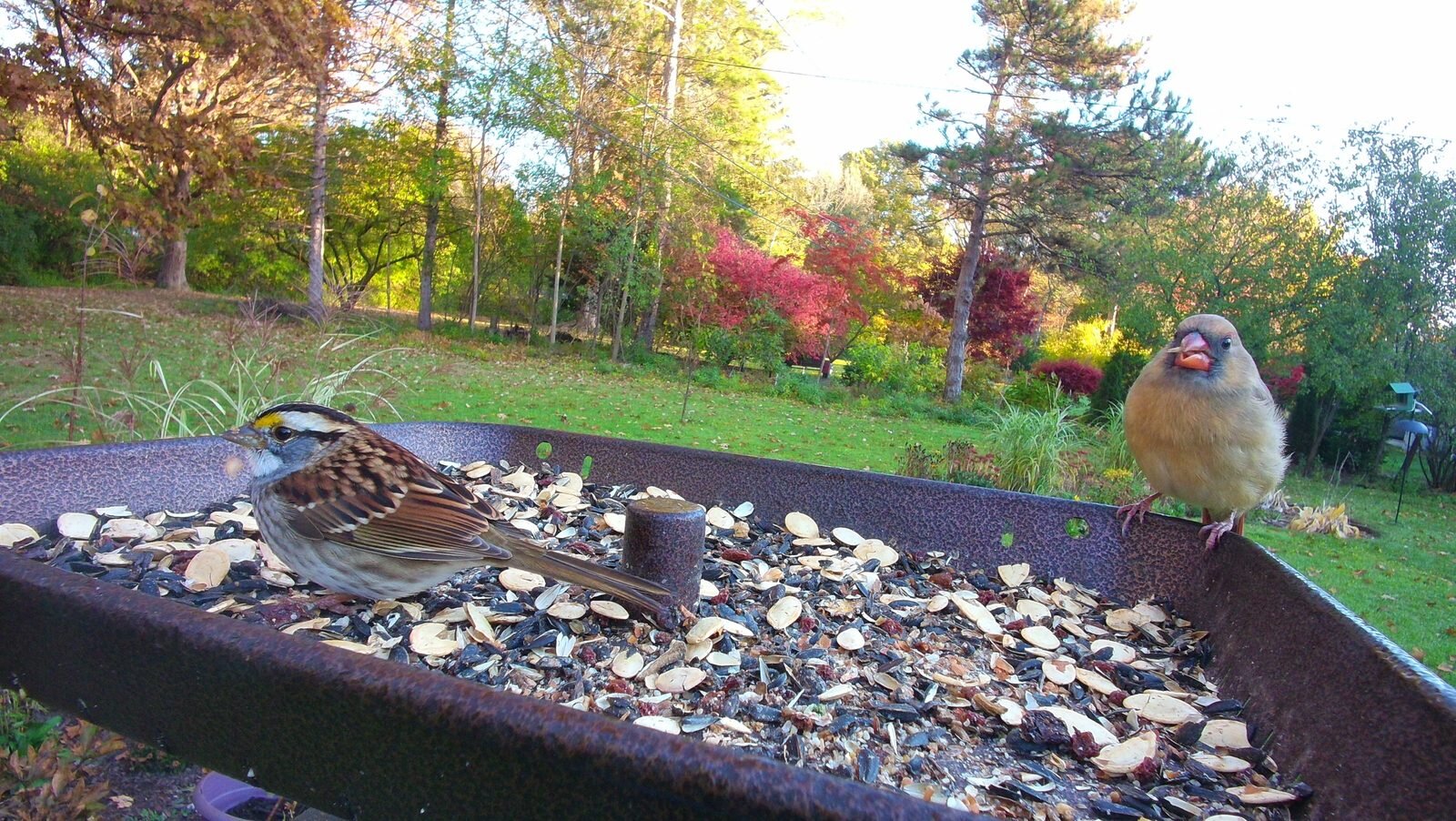
1. White-throated sparrow (Zonotrichia albicollis)
This sparrow looks dressed for dinner, with a crisp white throat, a yellow spot in front of each eye and a striped head. Some birds have white head stripes and others have tan, and Audubon notes that the two forms almost always pair with each other. Opposites really do attract here. White-throats breed mostly across Canada, then spend winter across most of the eastern and southern United States and California. They sometimes sing their whistled “Oh-sweet-Canada” even in winter, as if they’re homesick. They eat millet and sunflower seeds, and a brush pile gives them cover between trips to the feeder.
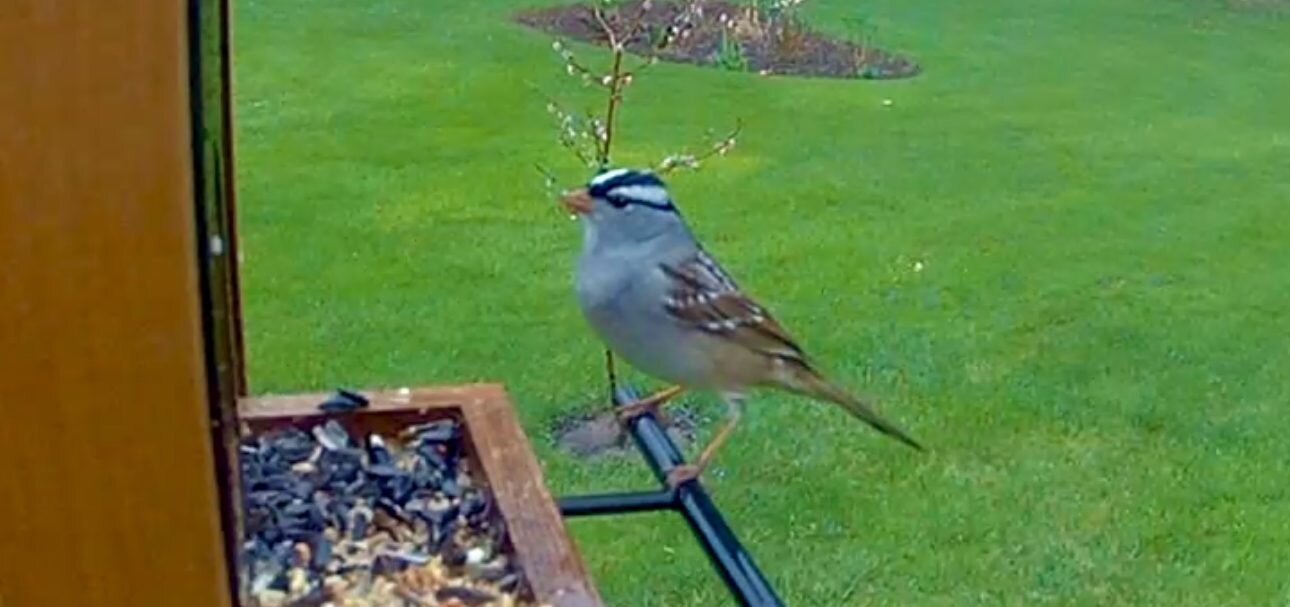
2. White-crowned sparrow (Zonotrichia leucophrys)
A black-and-white striped head, a pale bill and a crisp gray chest make this one of the surest sparrow identifications. Over much of the country these sparrows arrive in the fall and stay until spring, though they live year-round in parts of the West. They scurry through brushy borders and overgrown fields. At feeders they often stay on the ground and eat seeds that other birds drop. A brush pile may keep them in your yard longer.
3. American tree sparrow (Spizelloides arborea)
Plump and long-tailed, this sparrow has a rusty cap, a two-toned bill and a small dark spot on a plain chest. Despite its name, it forages and nests on the ground. Early settlers named it after a similar bird back in Europe. It breeds on the far northern tundra and spends winter in the northern half of the United States, where small flocks work snow-swept fields and feeders. The Cornell Lab says it needs about 30 percent of its body weight in food each day, so a steady supply of seed on cleared ground matters during cold snaps.
4. Fox sparrow (Passerella iliaca)
This large, chunky sparrow has heavy splotches on its chest. Its color ranges from foxy red to gray to dark brown, depending on where it lives. Watch for its scratching move, a hop forward and a quick scratch back with both feet that kicks leaf litter behind it. It’s the sparrow version of a dance move. Fox sparrows breed far north and in western mountains, so many people see them only in winter, under feeders near thickets. They enjoy small seeds and berries, so shrubs, berry bushes and brush piles at the edge of your yard help.
5. Harris’s sparrow (Zonotrichia querula)
North America’s largest sparrow, except for towhees, wears a black bib and crown with a pink bill. It is also the only songbird that breeds in Canada and nowhere else in the world. In winter it settles in the south-central Great Plains, but it wanders widely in migration, and at least one has turned up in every state in the lower 48. In winter flocks, older males with larger bibs often win the best feeding spots. A ground or platform feeder stocked with black oil sunflower seeds, millet or cracked corn may bring one in.
6. Golden-crowned sparrow (Zonotrichia atricapilla)
A large, handsome sparrow with a golden patch on a dark head, it is a common winter bird in weedy or shrubby lowlands and city edges along the Pacific coast. In summer it disappears into the tundra and shrublands from British Columbia to Alaska. Yukon miners heard its song as “no gold here” and nicknamed the bird “Weary Willie.” Golden-crowned sparrows eat seeds from ground feeders, and they also nibble fruits, buds and flowers. They may sample your cabbages, beets and peas, so protect tender crops.
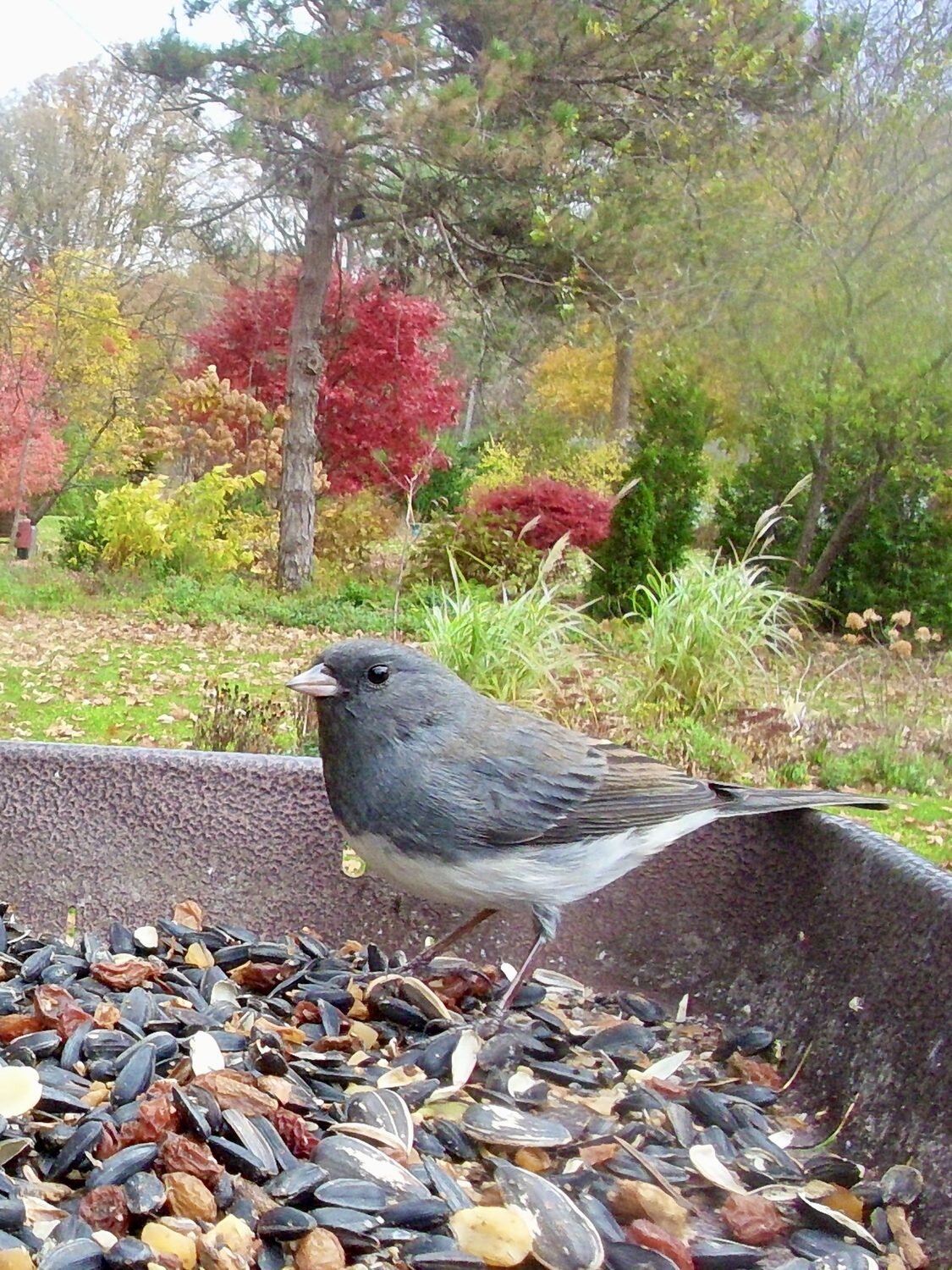
7. Dark-eyed junco (Junco hyemalis)
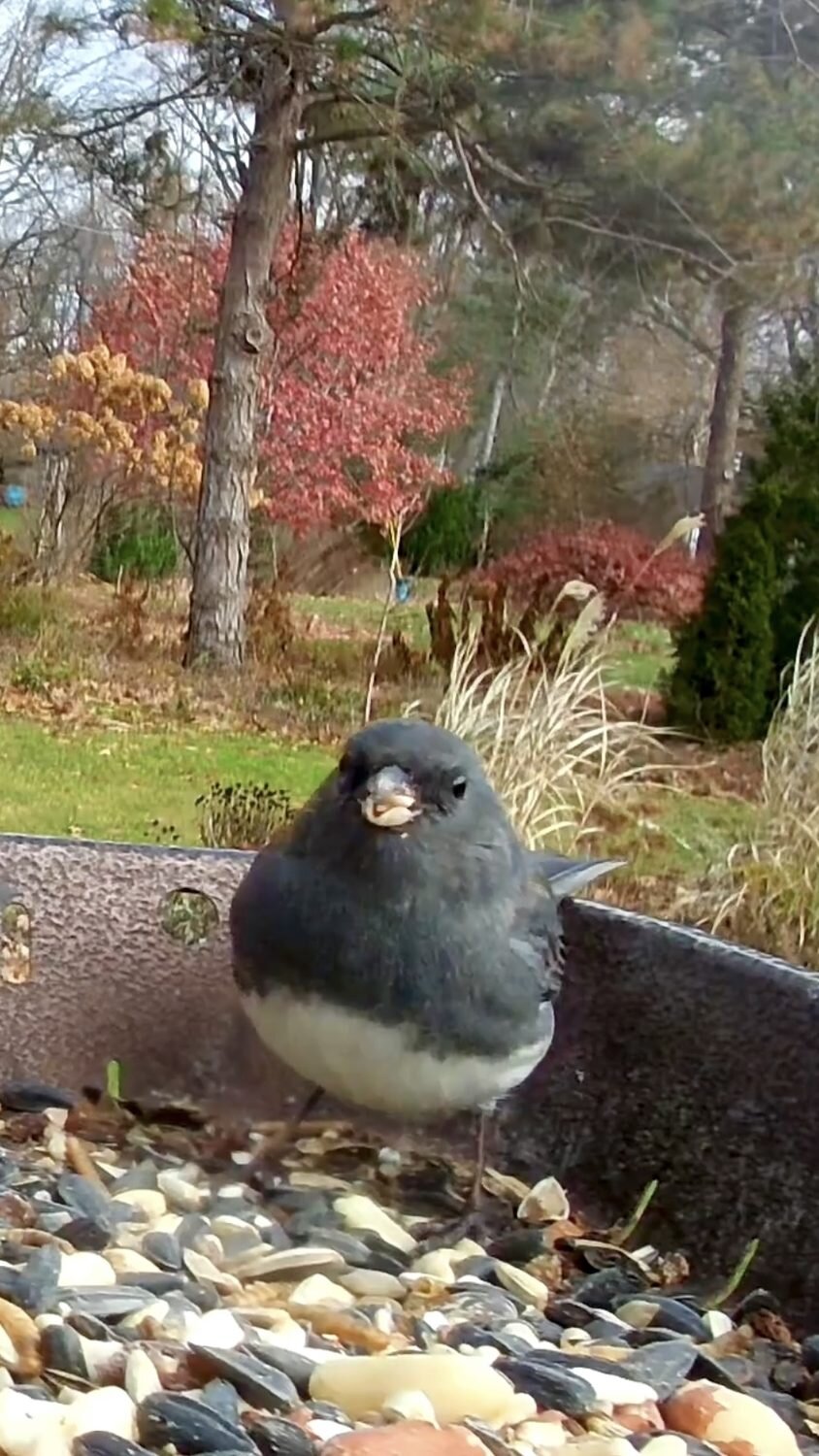
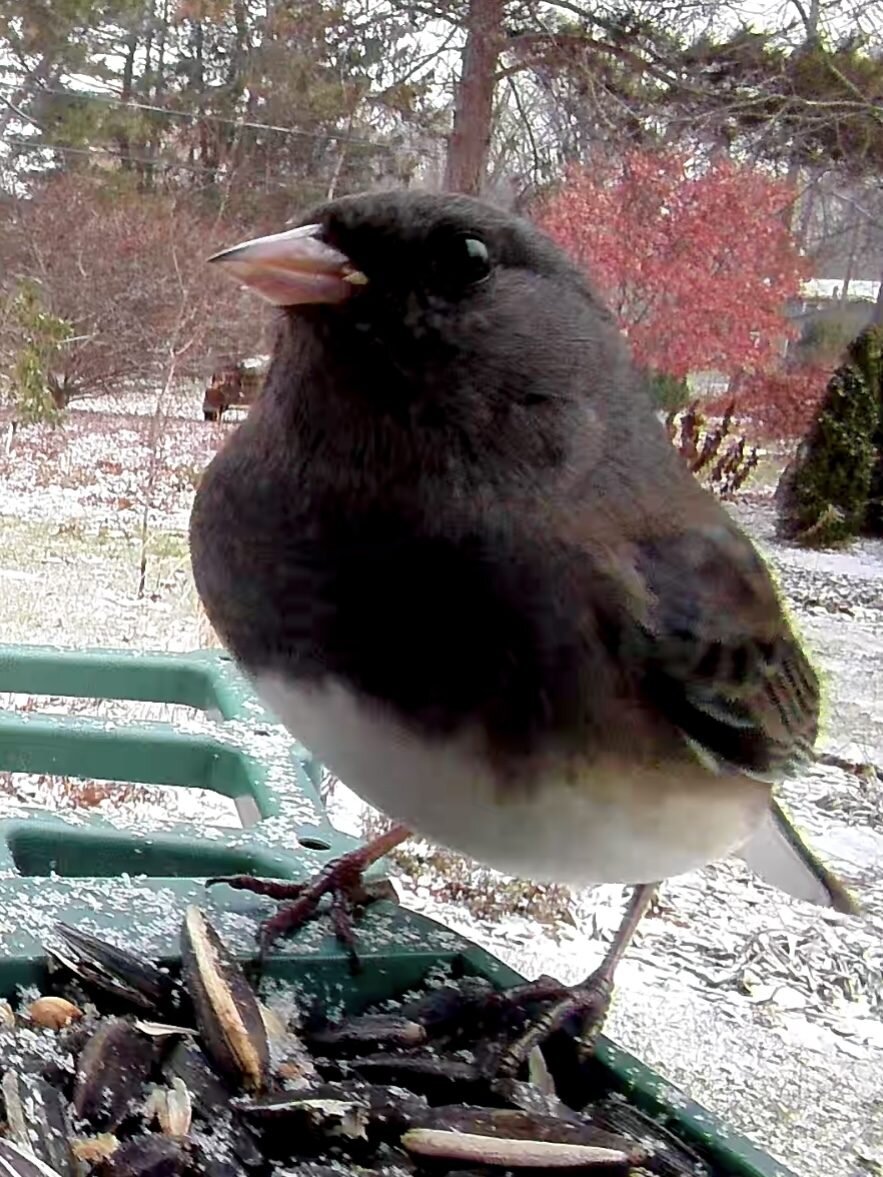
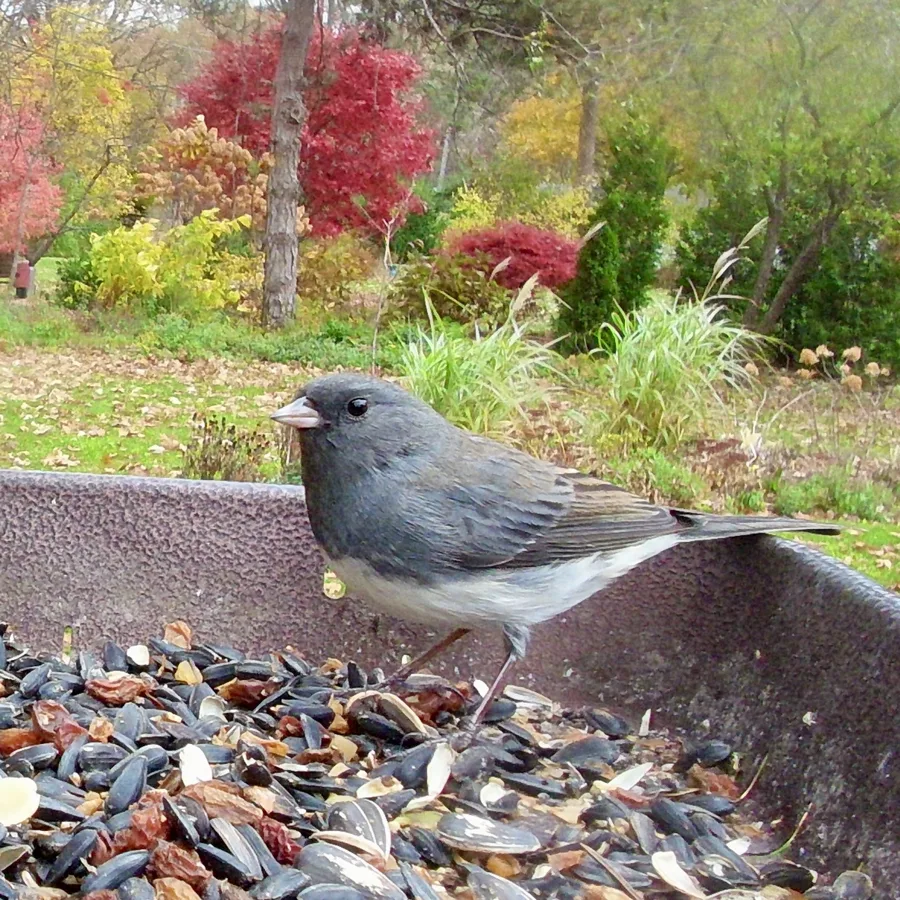
Yes, juncos count as sparrows, and they happen to be my favorites. To me, they look the way a bird should, with plump, round bodies and, as the name promises, dark eyes. These neat birds flash bright white outer tail feathers in flight, and their looks vary by region. Gray “slate-colored” juncos dominate the East, while the brownish “Oregon” form is common in the West. People call juncos snowbirds because they arrive as winter sets in, then hop on the ground under feeders in small flocks. The University of Connecticut says juncos favor white millet, black oil sunflower and nyjer thistle at winter feeders, so scatter some on the ground or a platform.
Spring and summer sparrows
These sparrows fill the warm months with song, and several nest in shrubs or on the ground near yards and fields.
8. Chipping sparrow (Spizella passerina)
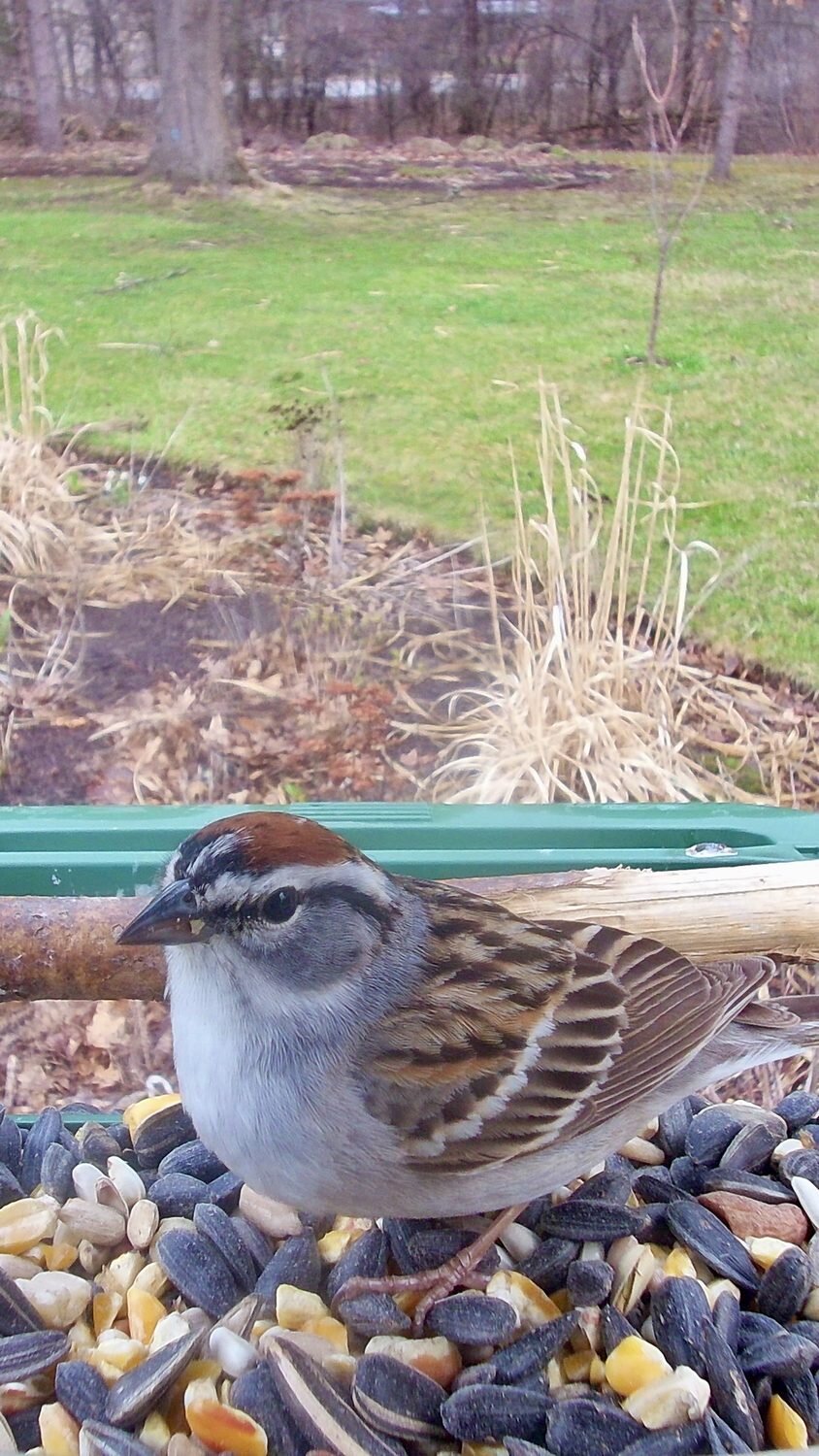
A bright rusty cap, a black line through the eye and a clean gray chest make breeding adults easy to spot. The bird looks different in winter, which can trip up beginners, so don’t feel bad if it fools you. Males sing a long, loud trill that fills spring woodlands and suburbs. Chipping sparrows eat black oil sunflower seeds from feeders and seed mixes scattered on the ground, and they may nest in a shrub or small tree in your yard.
9. Song sparrow (Melospiza melodia)
Look for bold brown streaks on a white chest that gather into a dark spot in the middle. Song sparrows favor shrubby, open or wet areas, and males often perch on a low branch to belt out a stuttering, clattering tune. Their colors shift across the continent, from pale in the desert Southwest to dark and heavily streaked in the Pacific Northwest, so trust the chest pattern over the shade. They visit feeders often, and a shrub border gives them a place to dive for cover.
10. Field sparrow (Spizella pusilla)
This small, warm-toned sparrow has a rusty cap, a neat white eye ring and a pink bill. The male’s song speeds up like a bouncing ball, a familiar sound on summer mornings in the brushy fields and roadsides of the East and Midwest. Field sparrows have declined sharply over the last half-century, partly because they will not nest in suburbs. If you have a wild corner or field edge, let shrubs and weeds grow there, and you may hear one.
11. Eastern towhee (Pipilo erythrophthalmus)
This oversized sparrow of the East wears bold black and warm reddish-brown feathers with a white belly. It lives in the undergrowth, where its rummaging sounds like something much bigger crashing through the leaves. Its scratchy chewink call gives it away, and you may catch a flash of white at the corners of its tail. Towhees visit yards with brushy, shrubby or overgrown borders. If your feeders sit near a vegetated edge, they may venture out to eat fallen seed.
Sparrows of the West and Southwest
Readers west of the Rockies, across the desert Southwest and in southern Texas have sparrows of their own, and many of them stop by yards.
12. Lark sparrow (Chondestes grammacus)
A harlequin face pattern and white tail spots make this large brown sparrow a standout. It lives in the West and the Great Plains, in prairies, grasslands and pastures with scattered shrubs. Males sing a jumble of churrs, buzzes and trills, and their courtship dance can last up to five minutes. The male hops, spreads his tail and droops his wings almost like a strutting turkey. In winter, look for small flocks in brushy areas. Within their range, lark sparrows sometimes visit backyards for seeds.
13. Spotted towhee (Pipilo maculatus)
Think of this big, bold sparrow as the Eastern towhee’s Western cousin. Males gleam black above and wear bright white spots and stripes with warm rusty flanks, while females trade the black for grayish brown. It lives in sun-baked thickets across the West, and it is likely to visit, or even settle in, yards with brushy, shrubby borders. Towhees feed on the ground, so scatter some seed under cover instead of counting on a hanging feeder.
14. California towhee (Melozone crissalis)
Plain brown and long-tailed, this towhee makes up in attitude what it lacks in color. It lives in the hot, tangled scrublands of California and Oregon, and it ranks as a common backyard bird. Its loud, sharp, metallic chip gives it away, and it has a habit of challenging its own reflection, so don’t be surprised if one taps at your car’s side mirror. Seed scattered on the ground or in trays attracts it more than hanging feeders do, and it eats millet, which many other backyard birds skip.
15. Canyon towhee (Melozone fusca)
This big, warm-brown sparrow with a long tail and long legs matches the color of the dirt it walks on, so it keeps a low profile. It lives in the Desert Southwest, and its range does not overlap with the California towhee’s. A rusty patch under the tail helps with identification. Canyon towhees feed mostly on the ground, and they may visit platform feeders for milo, millet and black oil sunflower seeds. Low native shrubs and grasses give them cover.
16. Abert’s towhee (Melozone aberti)
A large, sandy-brown sparrow with a rusty-red patch under the tail and a small blackish patch around the bill, this towhee lives year-round in the Sonoran Desert, in the brushy undergrowth near rivers and streams. Pairs generally stay bonded for life. Spencer Baird named the species in 1852 for Lt. Col. James William Abert, who collected the first specimen in New Mexico. Homes close to brushy streambeds have the best chance of attracting one, and water features, native plants and clean feeding stations help.
17. Black-throated sparrow (Amphispiza bilineata)
A black throat and two bold white face stripes make this desert sparrow easy to pick out. It has a plain gray-brown back and lives in open, shrubby deserts. Within its range it sometimes visits backyards for seeds such as black oil sunflower. Keep some native desert shrubs nearby for cover.
18. Olive sparrow (Arremonops rufivirgatus)
Sparrow-sized and understated, this bird wears an olive back, grayish underparts and a gray head with dull brown stripes. It often forages like a towhee, scratching through leaf litter, and it holds its fairly long tail up while it works. In the United States it lives only in southern Texas, where it may visit yards for seeds. Seed scattered on the ground suits it better than an elevated feeder, so spread some under a shrub and watch the undergrowth.
19. Yellow-eyed junco (Junco phaeonotus)
Its yellow-orange eyes give this junco a fiery look and set it apart from the dark-eyed junco. Otherwise it wears the same gray head, two-toned bill, reddish-brown back and flashing white outer tail feathers. In the United States it is best known from Arizona’s Sky Islands. If you live within its range, it may visit platform feeders or the ground for sunflower seeds and other seeds, which it eats most heavily in winter.
A year-round neighbor
One sparrow stays close to people through the seasons.
20. House sparrow (Passer domesticus)
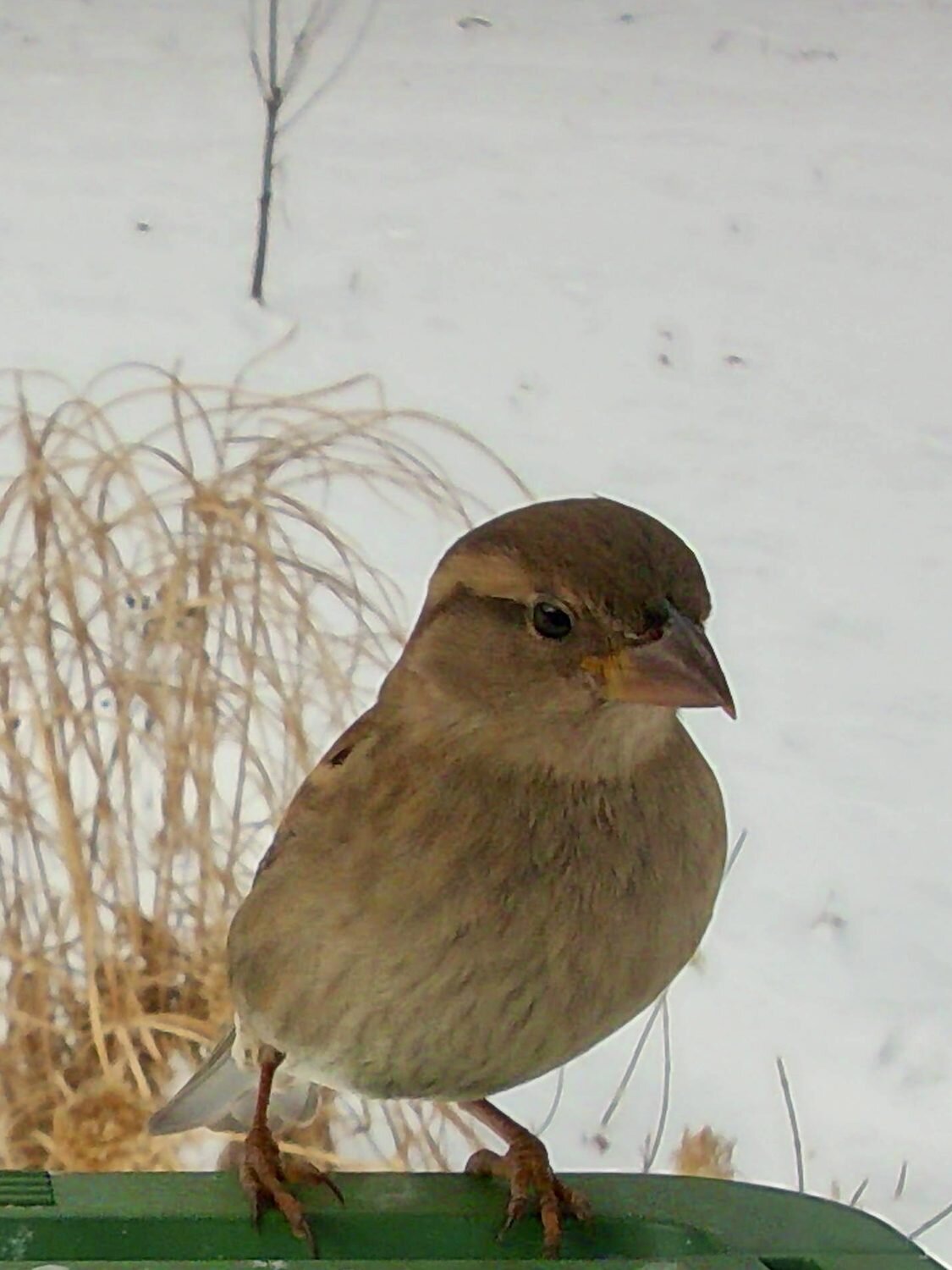
Males wear a gray crown, a black bib and chestnut-brown markings. Females and young birds lack the bold crown and bib. According to the University of Michigan’s BioKIDS project, about 100 of these Old World birds came from England and were released in Brooklyn, New York, in 1851. They now live alongside people nearly everywhere. House sparrows eat most birdseed, especially millet, corn and sunflower. They also take over nest boxes meant for bluebirds, so watch boxes closely in spring.
Frequently asked questions
How many types of sparrows are there, and which ones aren’t on this list?
The Cornell Lab of Ornithology lists 43 species of New World sparrows, a group that also includes juncos and towhees. Two Old World birds, the house sparrow and the Eurasian tree sparrow, round out the sparrows you can see here. This list covers the 20 you’re most likely to find in a yard or at a feeder. The rest sit out for three main reasons.
Some live in habitats most yards can’t offer. Savannah and vesper sparrows stay in fields and grasslands. Seaside and saltmarsh sparrows stay in coastal marshes, and swamp sparrows stay in freshwater marshes. Henslow’s, Baird’s and grasshopper sparrows need open grassland. Sagebrush, Bell’s, Black-chinned and Rufous-crowned sparrows favor dry Western scrub or rocky slopes.
Others are secretive and rarely visit feeders. Lincoln’s, LeConte’s and Nelson’s sparrows slip through thickets and dense marsh grass and are tough to spot even for experienced birders.
A few are regional. Clay-colored and Brewer’s sparrows are mainly birds of the Great Plains and the West.
If you spot something that doesn’t match the 20, a regional field guide or Cornell’s Merlin Bird ID app can help narrow it down.
What is the easiest way to identify a sparrow?
Start with the head and chest, then check the tail, then think about the season and habitat. Snap a photo or jot down what you see, then compare your notes with a field guide.
What do sparrows eat, and how do I attract them?
Most eat small seeds. Offer black oil sunflower seeds, millet and cracked corn on the ground or a platform feeder, since many sparrows prefer to feed low. A brush pile or shrub border gives them cover.
Sparrows may not shout for attention, but they reward patience. Pick one or two from this list, learn their songs and watch where they feed. Soon the streaky brown flock under your feeder will sort itself into neighbors you know by name, and your next quiet morning with a cup of coffee may bring a new one. Did a sparrow in your yard miss the list? Tell me in the comments, and I may add it.
Sources
- Cornell Lab of Ornithology, All About Birds species guide
- Audubon, Audubon Field Guide
- University of Michigan, BioKIDS
- University of Connecticut, Home and Garden Education Center
- Tennessee Wildlife Resources Agency, White-throated Sparrow
- Missouri Department of Conservation, Song Sparrow
- Eastside Audubon Society, Golden-crowned Sparrow
From the QT Bird Community
Join the conversation
Comments on QT Bird articles live in our community. Joining is free: share your tips, ask questions and get replies.
Sign up to PostLog in