
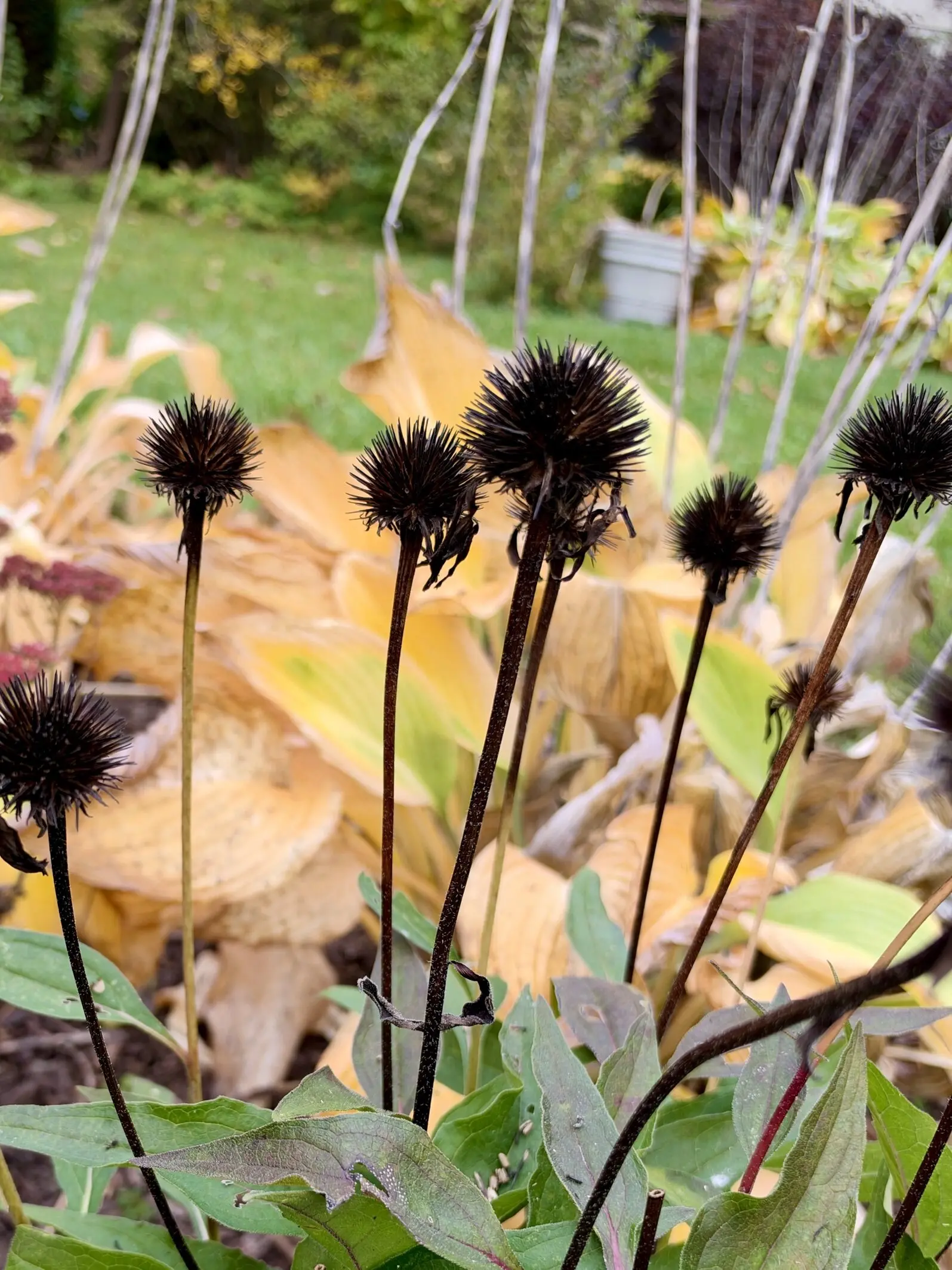
A few hours of work in fall can decide how your garden looks next spring. Done right, winter prep cuts down on plant disease, protects roots and bark from cold and hungry animals, and gives the soil a head start.
Done wrong, it can backfire. Mulch spread too early, a fall pruning job or a garden raked down to bare dirt can all do more harm than good.
This guide walks through 15 ways to prep your garden for winter, in roughly the order you will do them, with advice from university extension services across the U.S.
When to do each task
Timing matters more than most checklists admit. Use your first frost and the day the ground freezes as your guideposts, not the calendar.
| When | What to do |
|---|---|
| Before the first frost | Take notes, test soil, plant spring bulbs and garlic, sow a cover crop, keep watering, put up animal guards |
| After the first killing frost | Dig tender bulbs, pull diseased vegetable plants, cut back perennials if you choose |
| After the ground freezes | Spread winter mulch over perennials, bulbs and garlic |
| Before a hard freeze | Drain hoses and irrigation lines, store containers and clean tools |
1. Take notes and test your soil
Before you pull a single plant, walk the garden with a notebook or your phone. Michigan State University Extension suggests evaluating the garden and taking notes before fall cleanup to help plan next year. Write down which varieties thrived, which struggled and where pests showed up. Once the beds are cleared, those details are hard to remember.
Fall is also a smart time to test your soil. Michigan State University Extension says fall testing gives you more time to plan, labs are less busy than in spring and lime applied in fall has more time to correct acidic soil. Your county Extension office can tell you how to collect a sample and where to send it.
2. Pull diseased plants, and keep them out of the compost
Not all plant debris is equal. Diseased plants left in the garden over winter can carry fungal or bacterial spores that infect next year’s crops, according to South Dakota State University Extension. It advises removing any plants that had disease, roots and all.
Don’t add those plants to a home compost pile. University of Maryland Extension recommends bagging sick plants and putting them in the trash.
Healthy vegetable plants are a different story. South Dakota State University Extension says you can chop them with a mower and spread them over the garden or compost them for next season. Cold-hardy crops such as kale and spinach can stay in the garden.
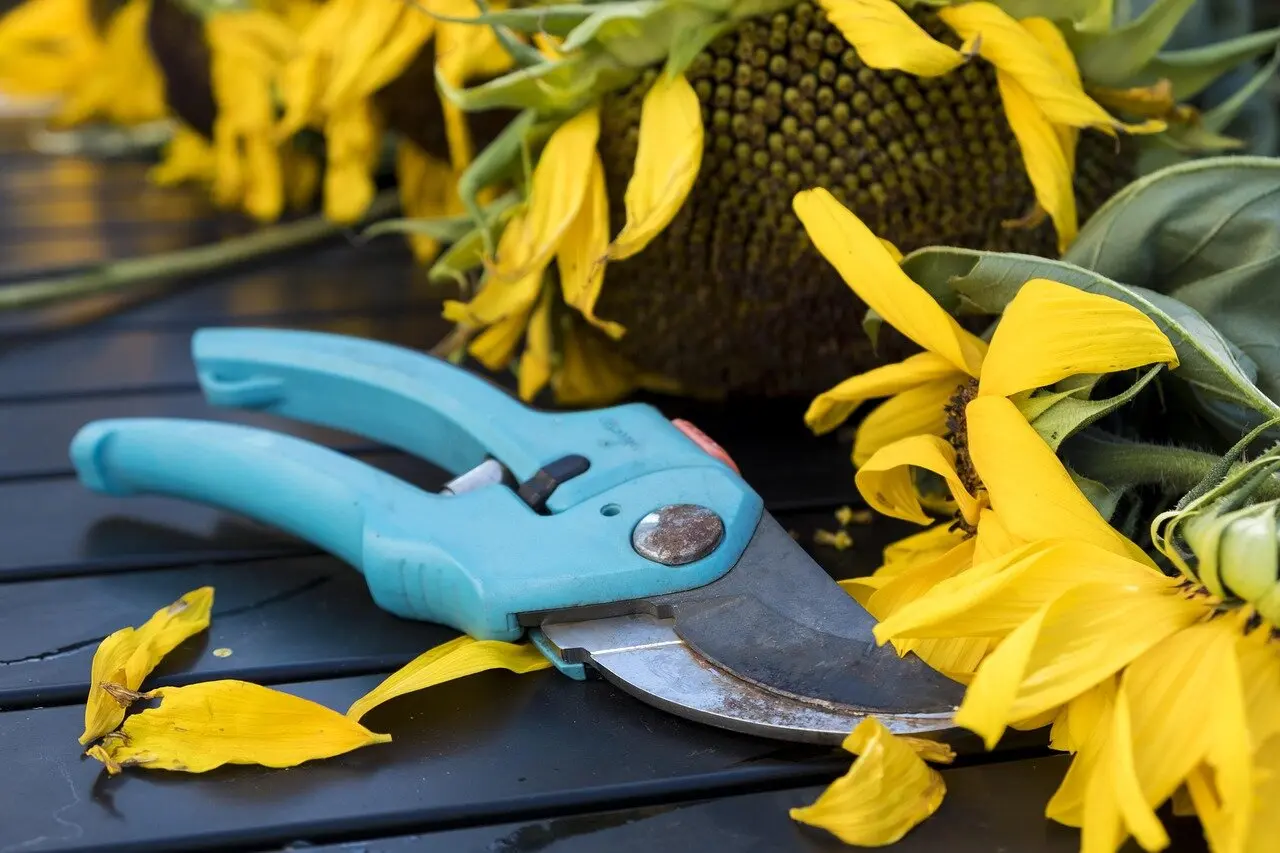
Before you put pruners away, disinfect them. Iowa State University Extension suggests 70% rubbing alcohol or a solution of 1 part bleach to 9 parts water.
3. Leave healthy stems and seed heads standing
Here is where many top-ranking checklists get it wrong. They tell you to cut everything to the ground. Extension experts increasingly say you don’t need to.
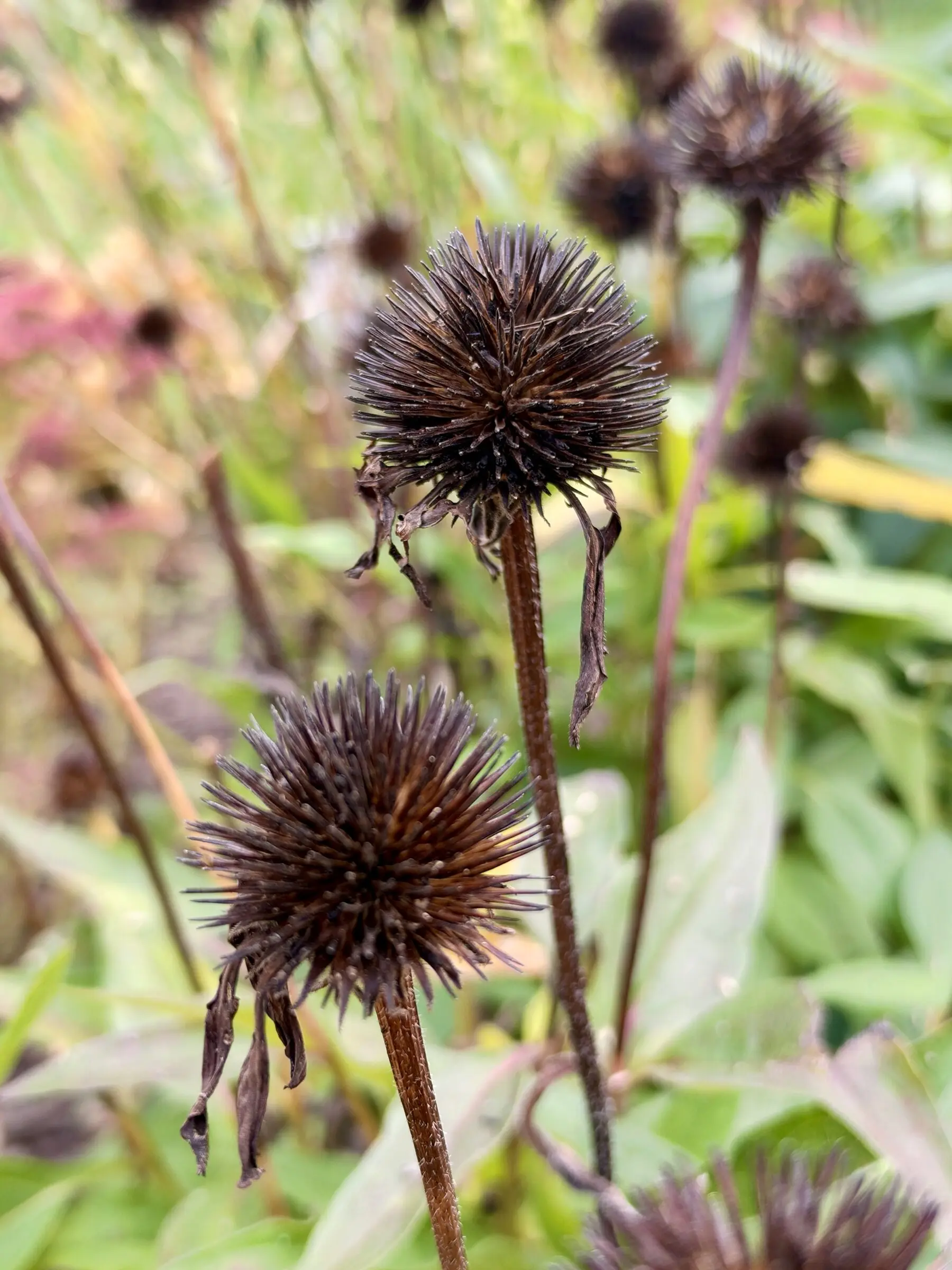
Iowa State University Extension says it is not necessary to clear-cut the perennial garden after the first freeze. Leaving stems, dried flowers and seed heads adds winter interest and can help protect shallow-rooted plants from frost heaving, when freeze-thaw cycles push a plant’s crown up out of the soil.
Standing stems are also winter homes. Illinois Extension says native bees such as leafcutter and mason bees nest and lay eggs in hollow stems, then emerge in spring. Some butterflies spend the winter as pupae attached to dry stems. Michigan State University Extension recommends leaving ornamental grasses and perennial stems for overwintering bees and other beneficial insects.
The exception: Iowa State University Extension says to remove plant material from perennials that had disease or insect problems during the summer.
If you prefer a tidier look, Oregon State University Extension suggests cutting perennials back to 6 to 8 inches above the ground once they go dormant. That height still leaves some stem habitat and helps hold snow in place.
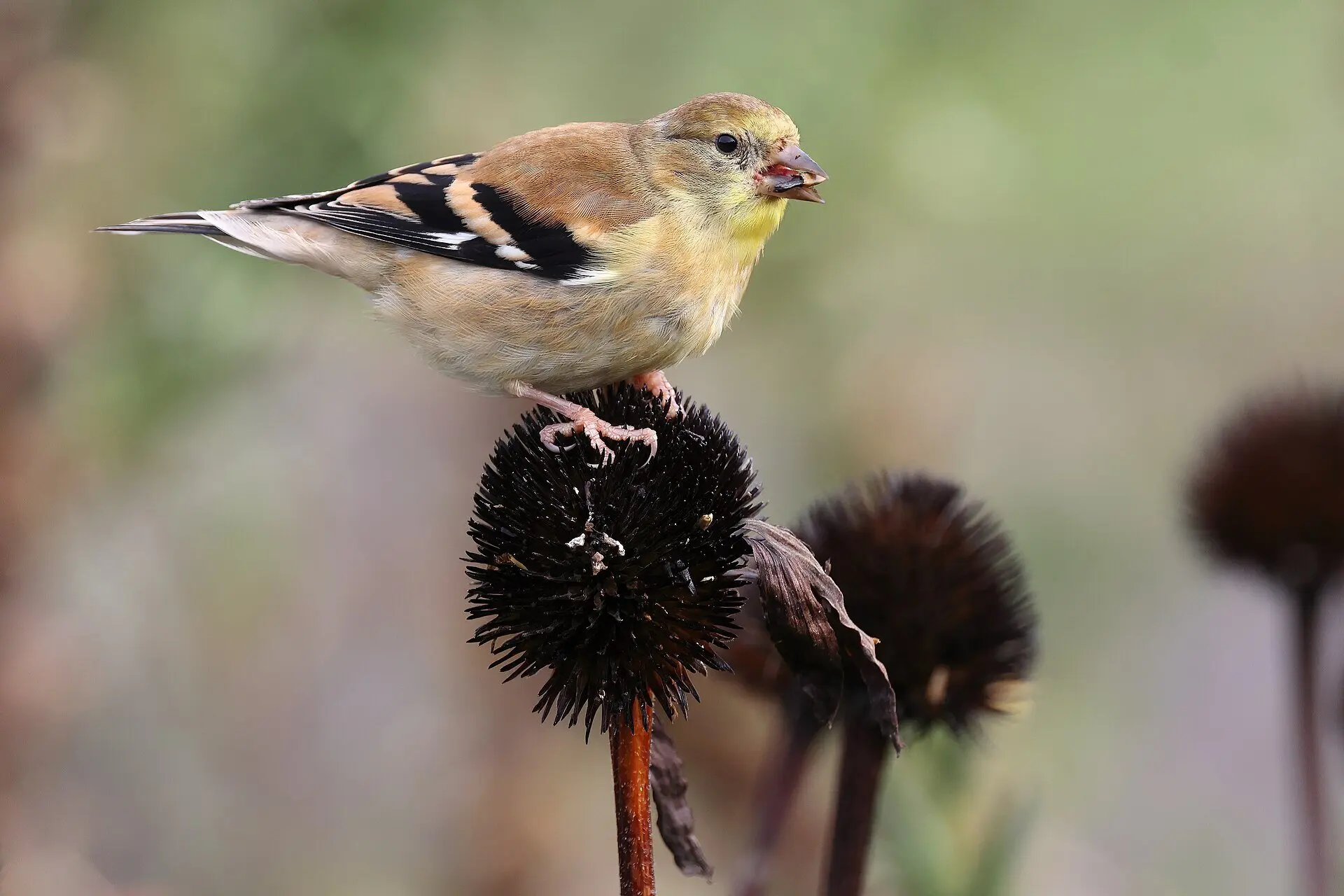
Seed heads can feed birds, too. Nebraska Extension suggests leaving some residue from healthy plants as a winter food reserve for birds and other wildlife.
4. Put fallen leaves to work
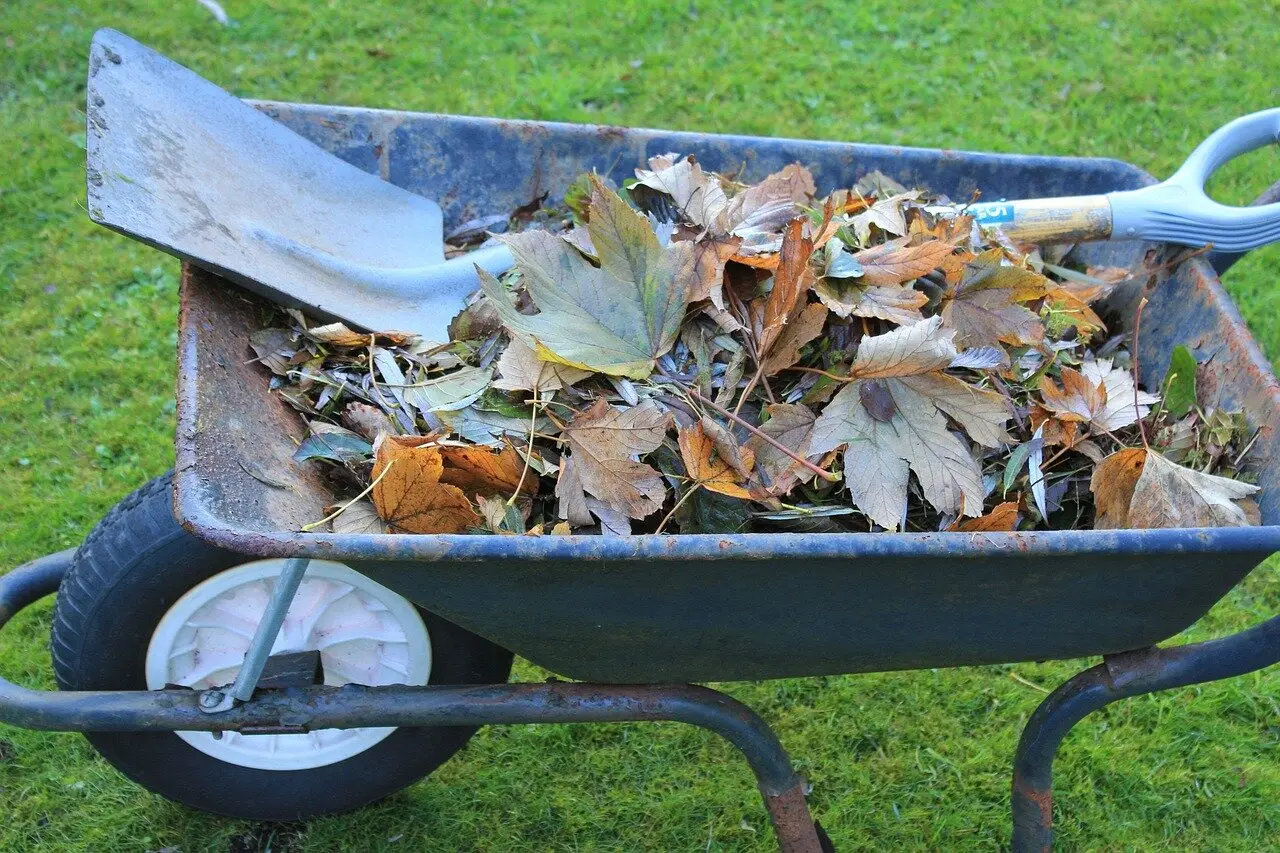
Leaves are free mulch and soil food. Illinois Extension encourages gardeners to “leave your leaves” in beds to shelter overwintering insects.
How you use them matters. University of Wisconsin-Madison Extension notes that whole leaves tend to mat down and may smother plants when used as winter mulch on perennials. Colorado State University Extension says shredded leaves offer good winter protection. Run them over with a mower first.
In the vegetable garden, shredding is less important. University of Maryland Extension says whole leaves that mat down are fine there because you will remove or work them in before planting anyway.
Don’t cover every inch, though. Illinois Extension recommends leaving some patches of bare ground when you mulch with leaves.
5. Feed the soil with compost
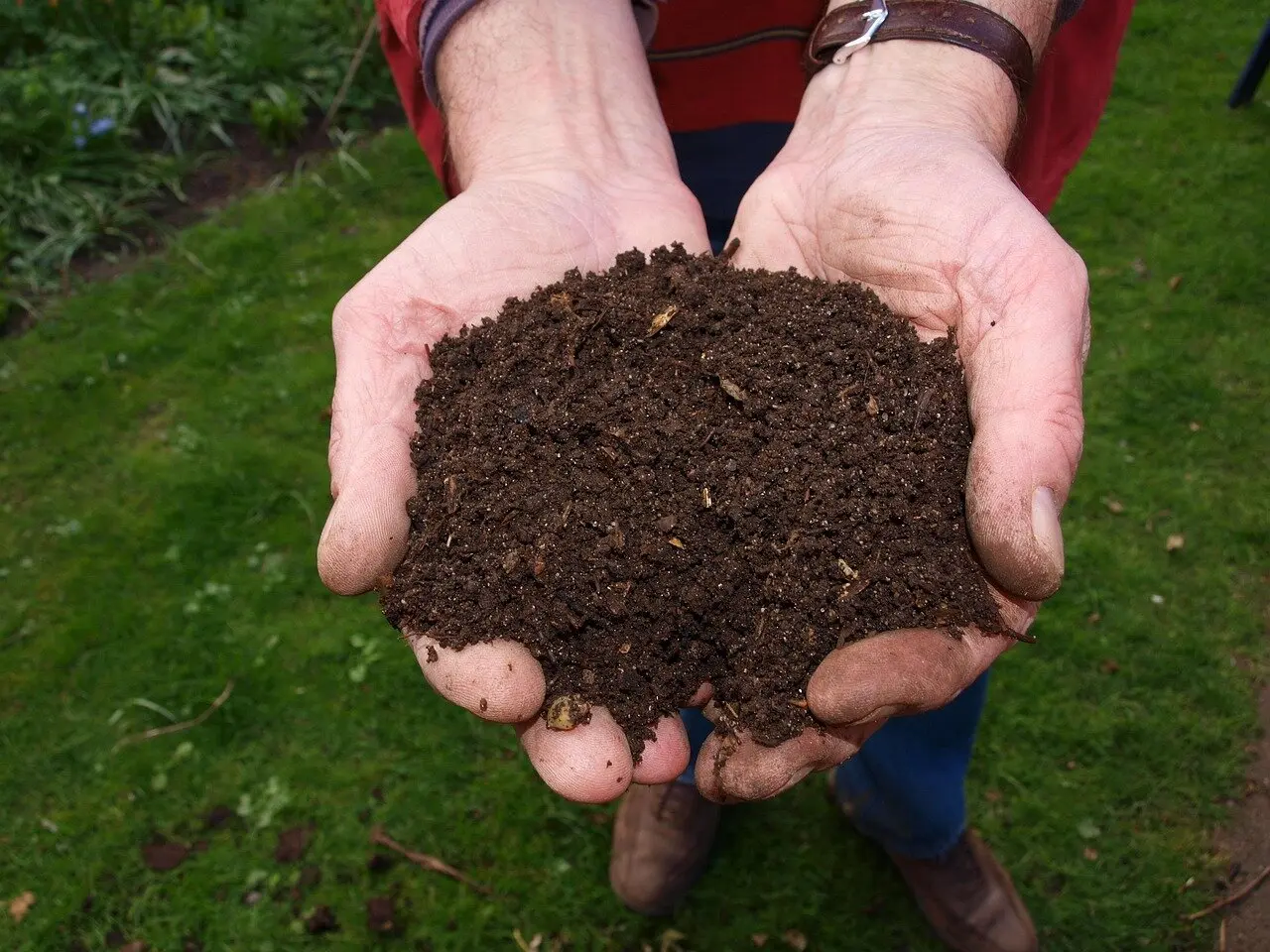
South Dakota State University Extension calls fall the best time to add organic amendments such as well-rotted manure, leaves, compost and disease-free garden waste. Soil life breaks them down over winter, and your beds will be ready to plant sooner in spring.
Spread a layer of compost over empty vegetable beds. University of Maryland Extension notes that finished compost can serve as a mulch on its own.
6. Sow a cover crop
Bare soil can wash or blow away over winter. A cover crop holds it in place. North Carolina State Extension says cereal rye, a top choice for home gardens, prevents erosion, suppresses weeds and adds organic matter.
Illinois Extension recommends broadcasting 4 to 5 pounds of cereal rye seed per 1,000 square feet and watering every other day, unless rain is forecast, until the rye is 4 to 6 inches tall. It calls cereal rye a good option for early October planting, after the window for many other cover crops has closed. Ask your local Extension office about timing where you live.
Two cautions:
- Buy cereal rye, also called winter rye, not ryegrass. North Carolina State Extension says the two are often confused.
- Cereal rye survives the winter and must be cut down or tilled in come spring. Ohio State University Extension notes that it can inhibit the germination of small seeds, so plan accordingly before sowing carrots or lettuce in the same spot.
7. Plant spring-flowering bulbs
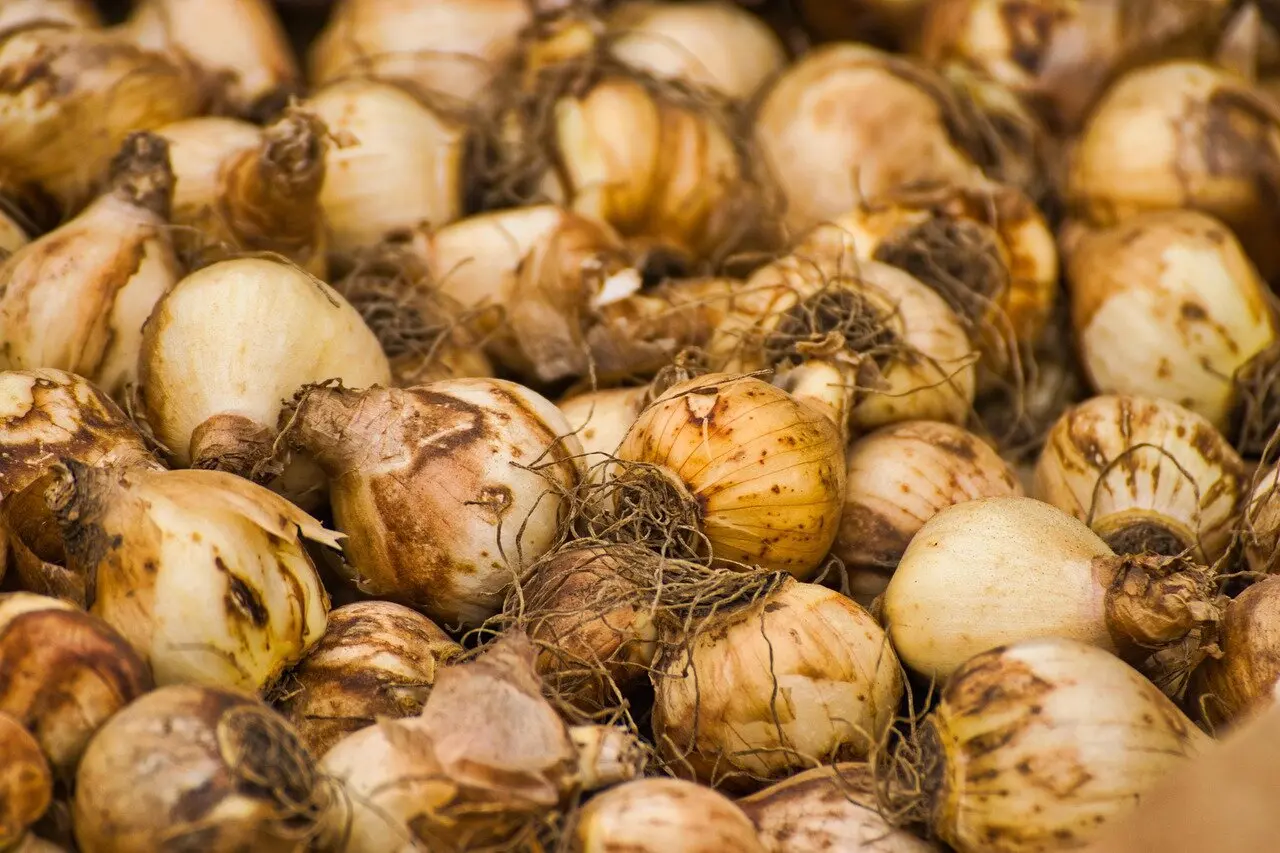
Daffodils, tulips, crocuses and hyacinths need a cold spell to bloom. University of Missouri Extension says bulbs need about 12 weeks of soil temperatures below 38°F to flower.
Wait until the soil cools. North Carolina State Extension recommends planting when the soil temperature is consistently 60°F or below. In warm-winter areas, that may not happen until November.
Plant most bulbs at a depth of about two to three times their height, pointed end up, University of Missouri Extension advises. Good drainage is critical. Bulbs that sit in damp soil over winter will rot, according to the same source.
Once the ground freezes, cover the bed with mulch. Purdue University Extension says this helps keep bulbs from being heaved out of the soil by repeated freezing and thawing.
8. Plant garlic
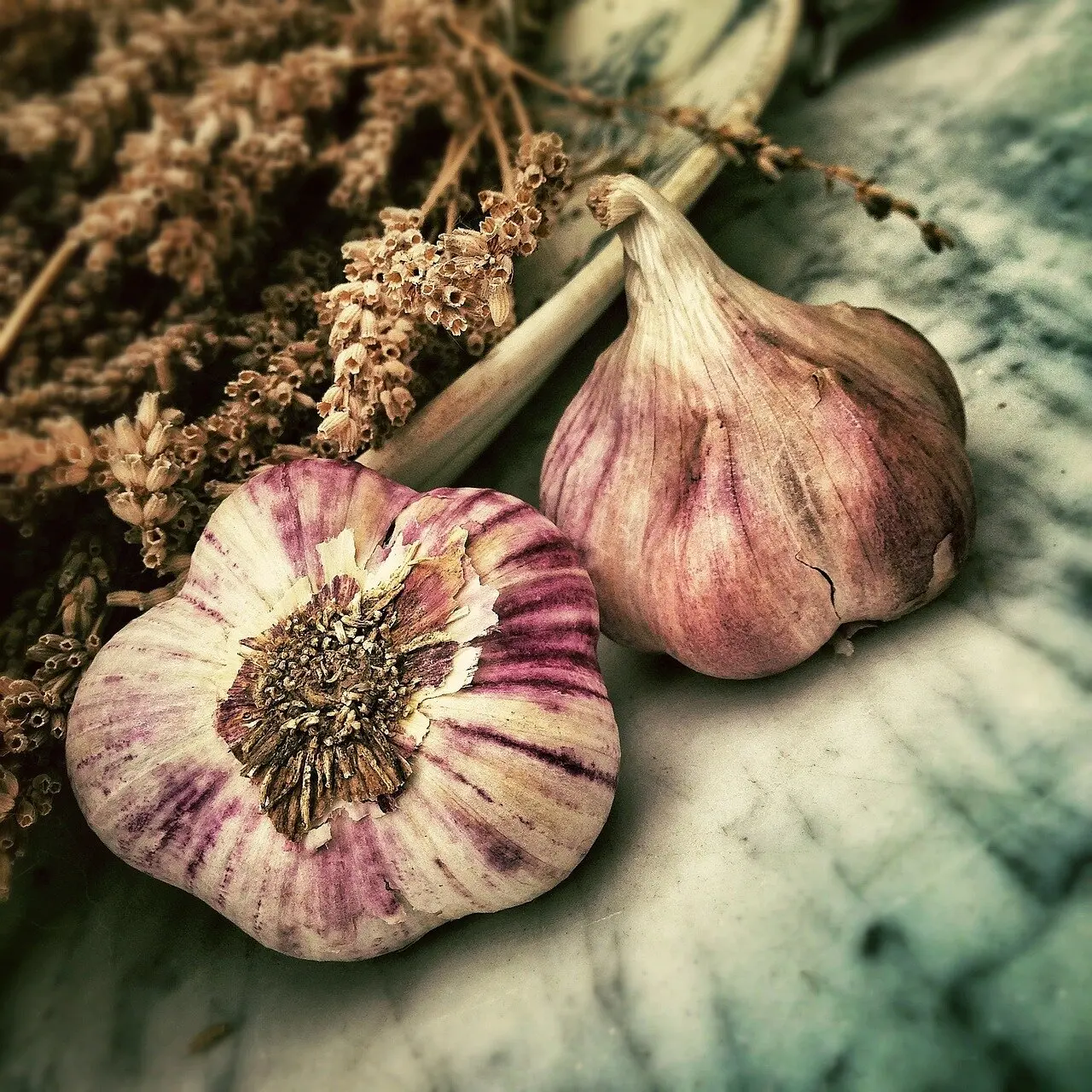
Garlic is one crop you plant in fall and harvest the next summer. Penn State Extension says the best time is about three weeks before the ground freezes, so roots can grow without shoots breaking the surface before winter.
Iowa State University Extension recommends planting cloves 1 inch deep with the pointed side up, then mulching with 4 to 6 inches of weed-free straw. In early spring, move the straw between the rows so the shoots can come through.
Skip grocery store garlic. Penn State Extension says those cloves are not a good choice for planting. Look for seed garlic from a local farmer or garden center.
9. Dig and store tender bulbs
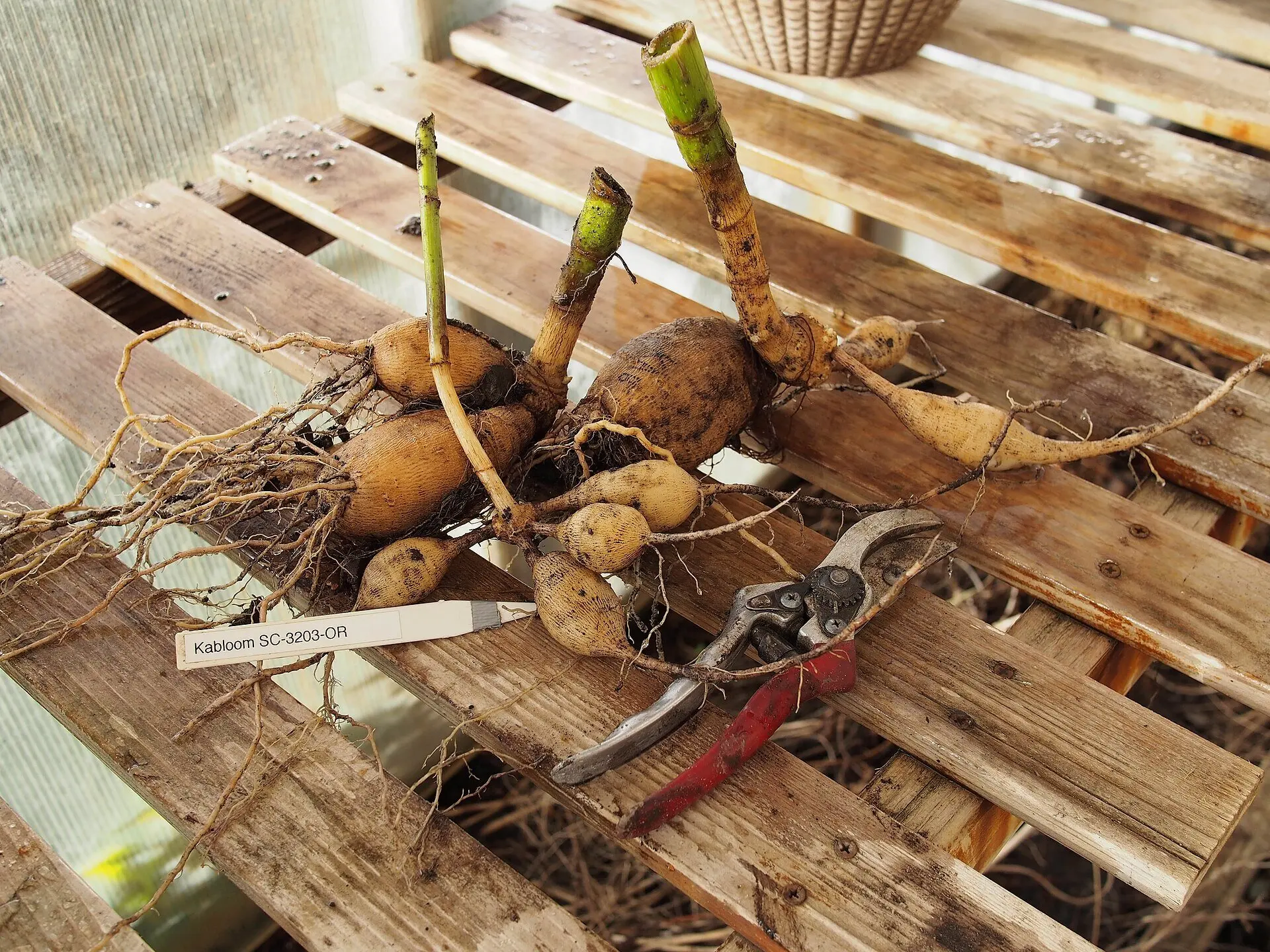
Dahlias, cannas, gladiolus, caladiums, tuberous begonias and elephant ears won’t survive freezing soil in cold climates. University of Kentucky Cooperative Extension recommends digging and storing them each fall.
Michigan State University Extension says most should be dug after the first killing frost. Use a digging fork or spade, and take care not to cut into the bulbs. Cannas and dahlias can be rinsed and then cured for about three days indoors, out of sunlight. A cool basement works well for curing and storing.
University of Kentucky Cooperative Extension says to store tender bulbs in a dry, cool, frost-proof spot. If they tend to dry out in storage, pack them in dry peat, sand, sawdust or vermiculite.
10. Keep watering until the ground freezes
Plants that go into winter thirsty are more likely to suffer damage. University of Wisconsin-Madison Extension says trees, shrubs and perennials should not enter winter under drought stress.
Evergreens need extra attention. They keep losing moisture through their needles and leaves all winter. When the ground is frozen, roots can’t replace that water, and foliage turns brown. This is called winter burn.
University of Wisconsin-Madison Extension recommends about 1 inch of water per week for established evergreens and up to 2 inches for newly planted ones until the soil freezes, if rain falls short. Use a soaker or drip hose near the drip line rather than a sprinkler. Illinois Extension suggests watering enough to moisten the soil 6 to 8 inches deep.
In dry-winter regions, the job doesn’t end at freeze-up. Colorado State University Extension says watering at least monthly during dry winter spells helps plants survive.
11. Hold off on pruning and fertilizing
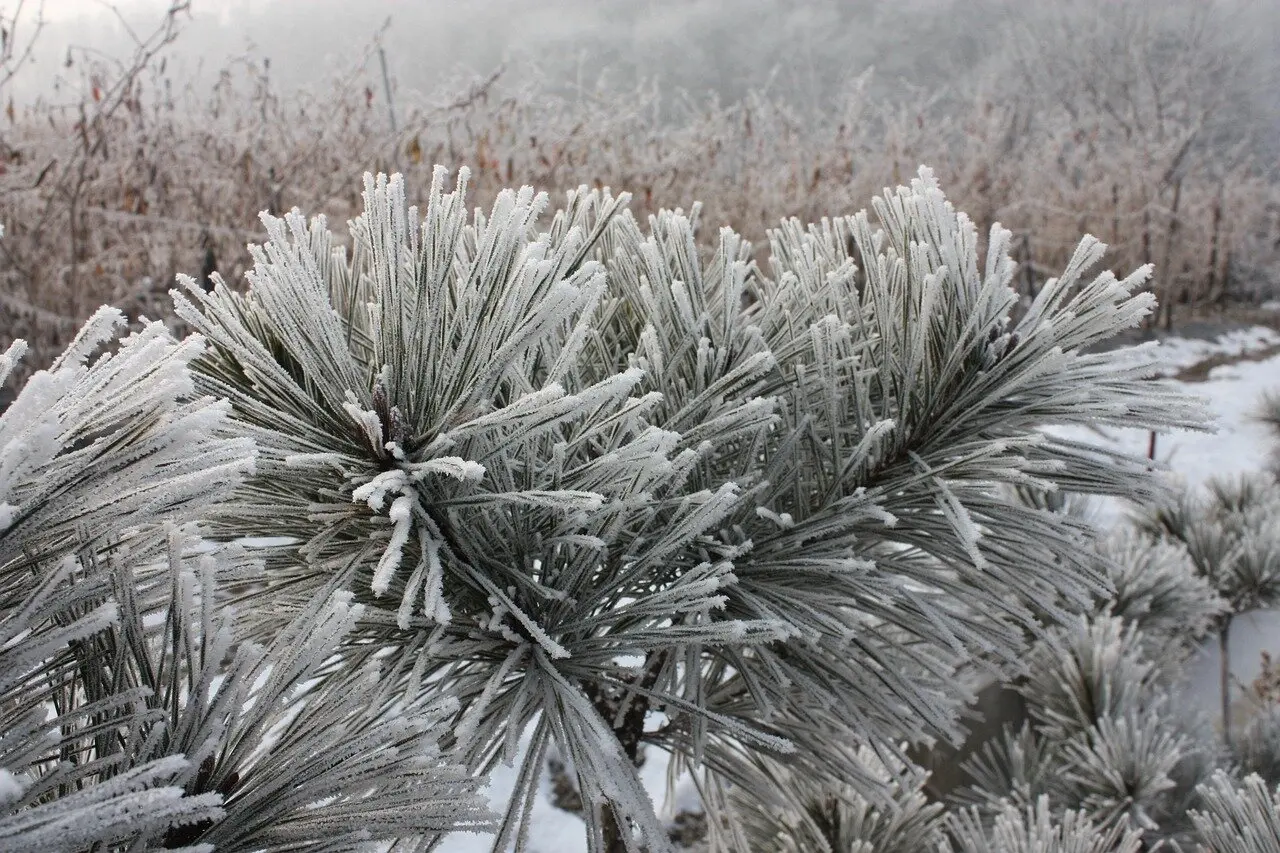
A fall pruning or a late dose of fertilizer can spur new growth. That tender growth won’t have time to harden before cold weather and is likely to be damaged or killed, according to Illinois Extension. Montana State University Extension also advises against late-summer and fall pruning and fertilizing.
In fall, Illinois Extension says, limit pruning on trees and shrubs to removing dead or damaged branches. Save the rest for late winter or early spring.
12. Guard bark from rabbits and voles
When snow covers their usual food, rabbits and voles turn to bark. They can chew all the way around a young trunk, which can kill the tree.
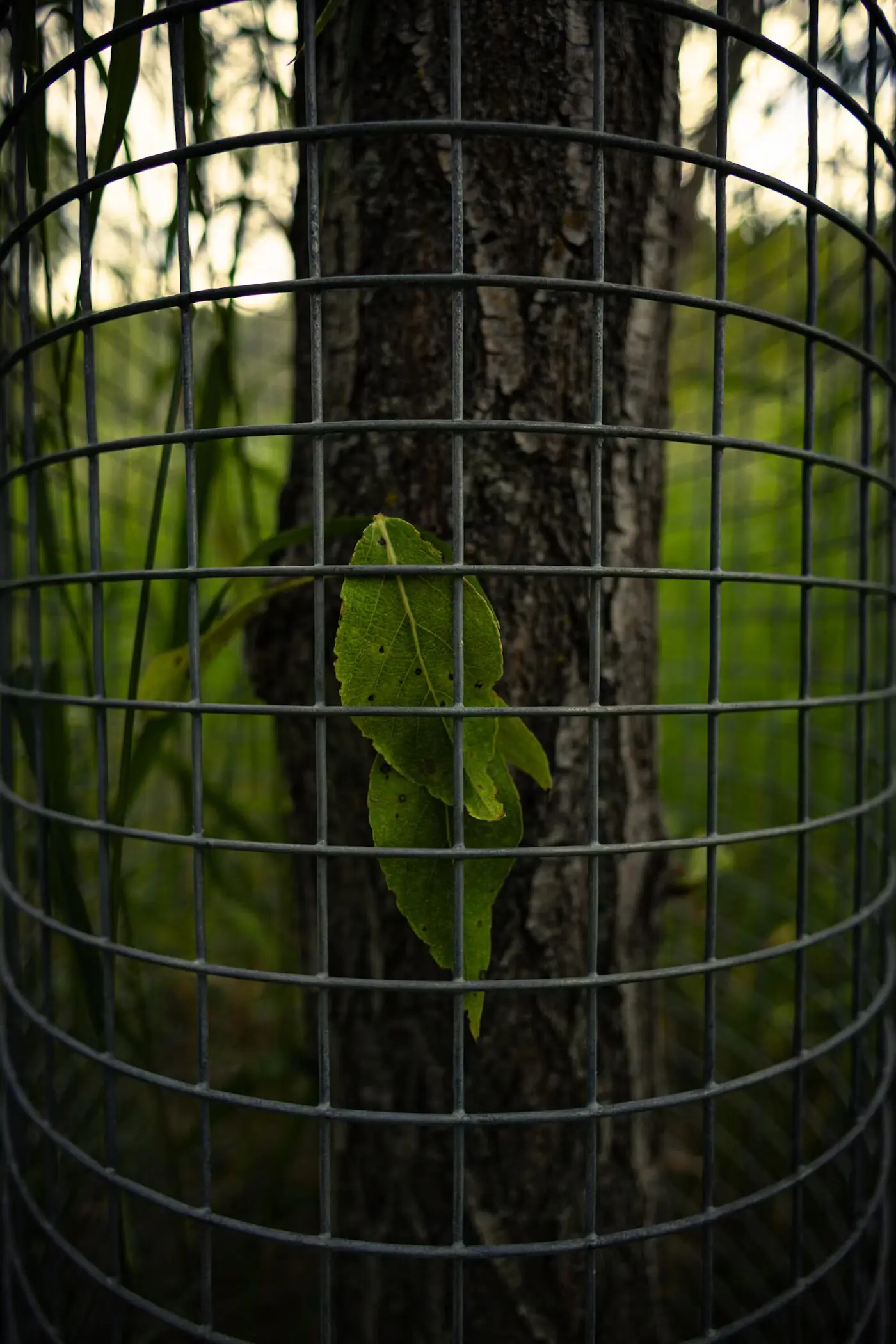
Install guards before the ground freezes. University of Wisconsin-Madison Extension recommends metal hardware cloth with ¼-inch mesh. Chicken wire has holes large enough for voles and mice to slip through. Cut the cylinder a couple of inches wider than the trunk so it doesn’t rub, and wear heavy gloves, because the cut edges are sharp.
Nebraska Extension suggests burying the bottom of the guard about 6 inches so voles can’t tunnel under it. Make it tall enough to stand at least 2 feet above the expected snow line so rabbits can’t reach over the top. Pull mulch back from the trunks of new plants, too. Voles use it as cover.
13. Add winter mulch after the ground freezes
This is the most common winter-prep mistake. Many guides tell you to mulch during fall cleanup. Extension experts say to wait.
Winter mulch isn’t meant to keep the ground from freezing. Its job is to keep it frozen. University of Wisconsin-Madison Extension says the goal is to prevent repeated freezing and thawing, which can damage roots and heave plants out of the soil. Oregon State University Extension recommends applying 2 to 5 inches of mulch after the ground has frozen lightly.
Mulching too early can encourage growth under the mulch that weakens plants, according to University of Minnesota Extension.
Good materials include straw, marsh hay and evergreen boughs, according to University of Wisconsin-Madison Extension. Colorado State University Extension suggests branches cut from a discarded Christmas tree.
In early spring, pull the extra mulch back as soon as the top layer of soil thaws, Iowa State University Extension advises.
14. Protect pots and drain the water lines
Containers. Roots in above-ground pots get about as cold as the air. Penn State Extension recommends choosing plants rated two zones colder than yours if they will stay outside. Clay, ceramic and glazed pots may crack if left exposed. Move them to an unheated garage, shed or basement, or group pots together in a sheltered spot and cover them with straw, shredded leaves or another insulating material.
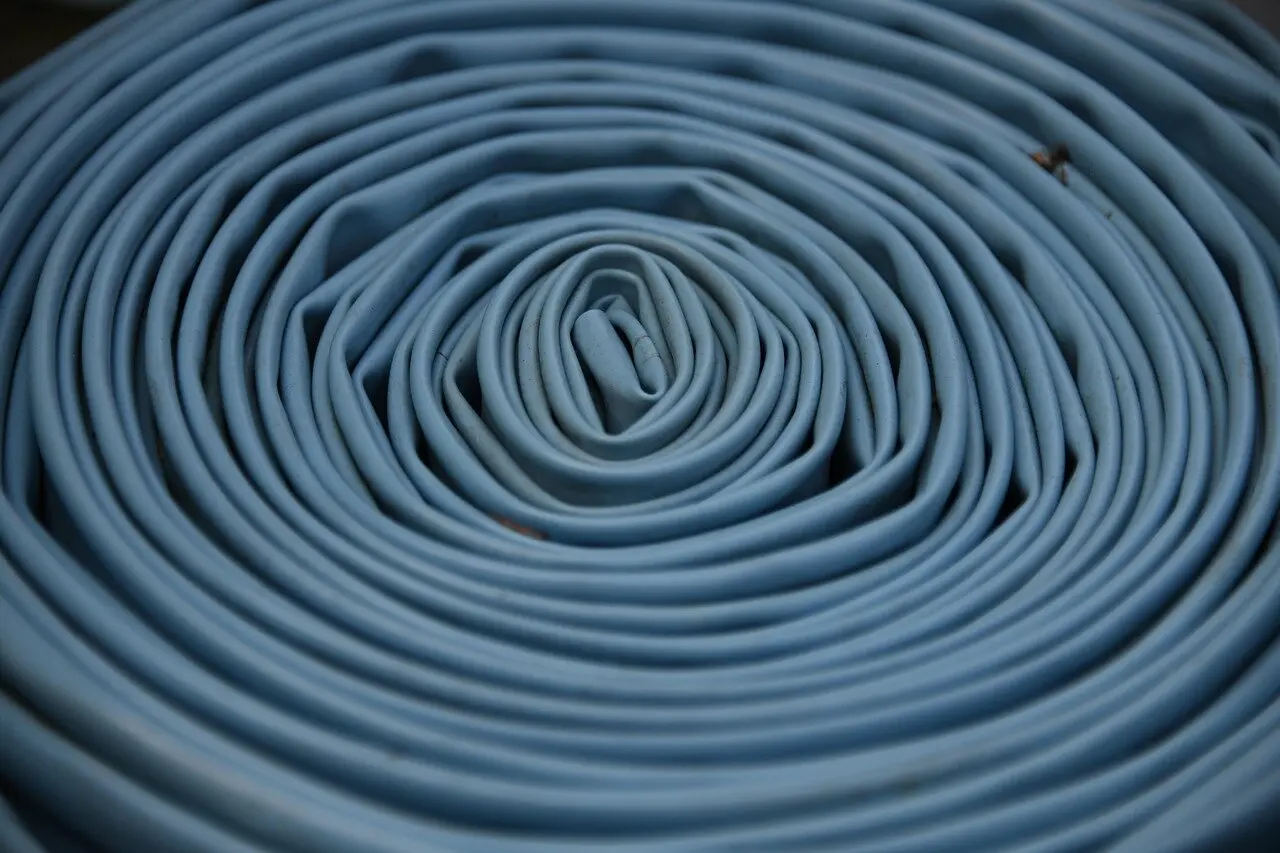
Hoses and irrigation. Water expands as it freezes, which can split hoses and crack fittings. Illinois Extension recommends removing and draining hoses from spigots, storing them in a sheltered place and emptying drip irrigation lines. Empty other things that hold water, too. UConn Extension warns that a glass rain gauge left out can freeze and shatter.
15. Clean, sharpen and oil your tools
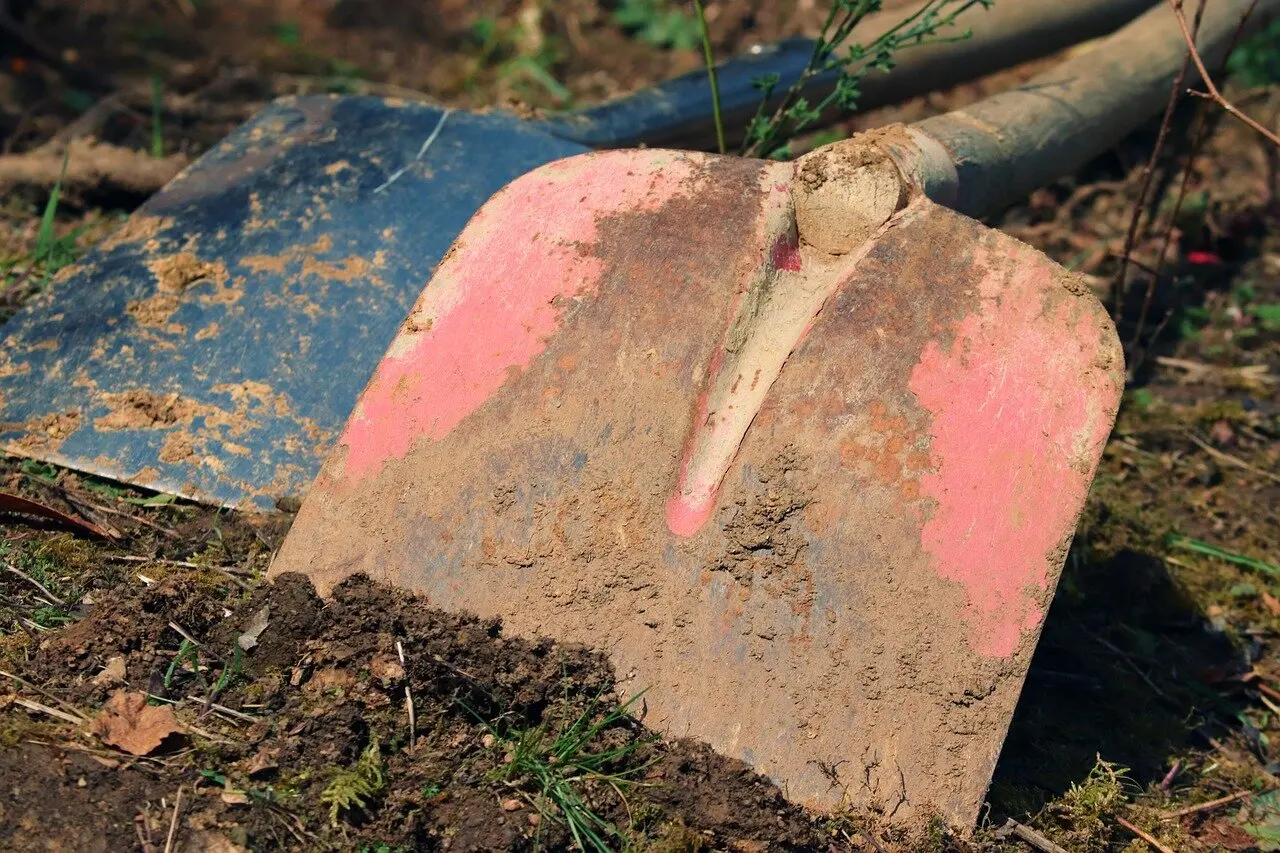
Tools put away dirty are more likely to rust. Illinois Extension recommends cleaning and drying tools, coating metal parts with oil to prevent rust and rubbing wooden handles with boiled linseed oil. Sharpen dull pruners and shovels and file down nicks before storing them.
Don’t skip the mower. Clemson Cooperative Extension notes that weed seeds can hide under the mower deck, ready to spread in spring.
If you garden where winters are mild
Gardeners in the South, along the West Coast and in other mild-winter areas can still use most of this list, with a few adjustments:
- Bulbs: Plant later, once soil cools to 60°F or below. North Carolina State Extension notes that warm soil in its coastal counties often keeps tulips from coming back year after year.
- Frost nights: University of Georgia Extension suggests covering plants with cloth or burlap at night when low temperatures are forecast.
- Containers: Make sure pots drain well. University of Georgia Extension warns that water pooling in pots can freeze and damage roots or the container itself.
- Keep growing: A mild winter is a chance to grow cool-season crops or a cover crop rather than leave beds bare.
Frequently asked questions
When should I start preparing my garden for winter? Start in early fall with tasks such as soil testing, planting bulbs and garlic and sowing cover crops. Save cleanup of tender plants for after the first killing frost, and wait until the ground freezes to spread winter mulch.
Should I cut back perennials in the fall? You don’t have to. Iowa State University Extension says leaving healthy stems and seed heads is largely beneficial, adding winter interest and shelter for insects. Remove plants that had disease or pest problems.
Should I pull vegetable plants out before winter? Yes, if they were diseased. Remove those, roots and all, and throw them away rather than composting them. Healthy plants can be chopped up and left on the beds or composted.
Is it OK to leave leaves on garden beds? Yes. Fallen leaves shelter overwintering insects and feed the soil. Shred them first for use around perennials, because whole leaves can mat down and smother plants.
When should I put down winter mulch? After the ground freezes lightly. Winter mulch is meant to keep soil frozen and prevent freeze-thaw cycles, not to keep the ground from freezing.
Do I need to water my garden in winter? Water trees, shrubs and evergreens regularly until the ground freezes. In dry-winter areas, Colorado State University Extension recommends watering at least monthly during dry winter spells.
From the QT Bird Community
Join the conversation
Comments on QT Bird articles live in our community. Joining is free: share your tips, ask questions and get replies.
Sign up to PostLog in