
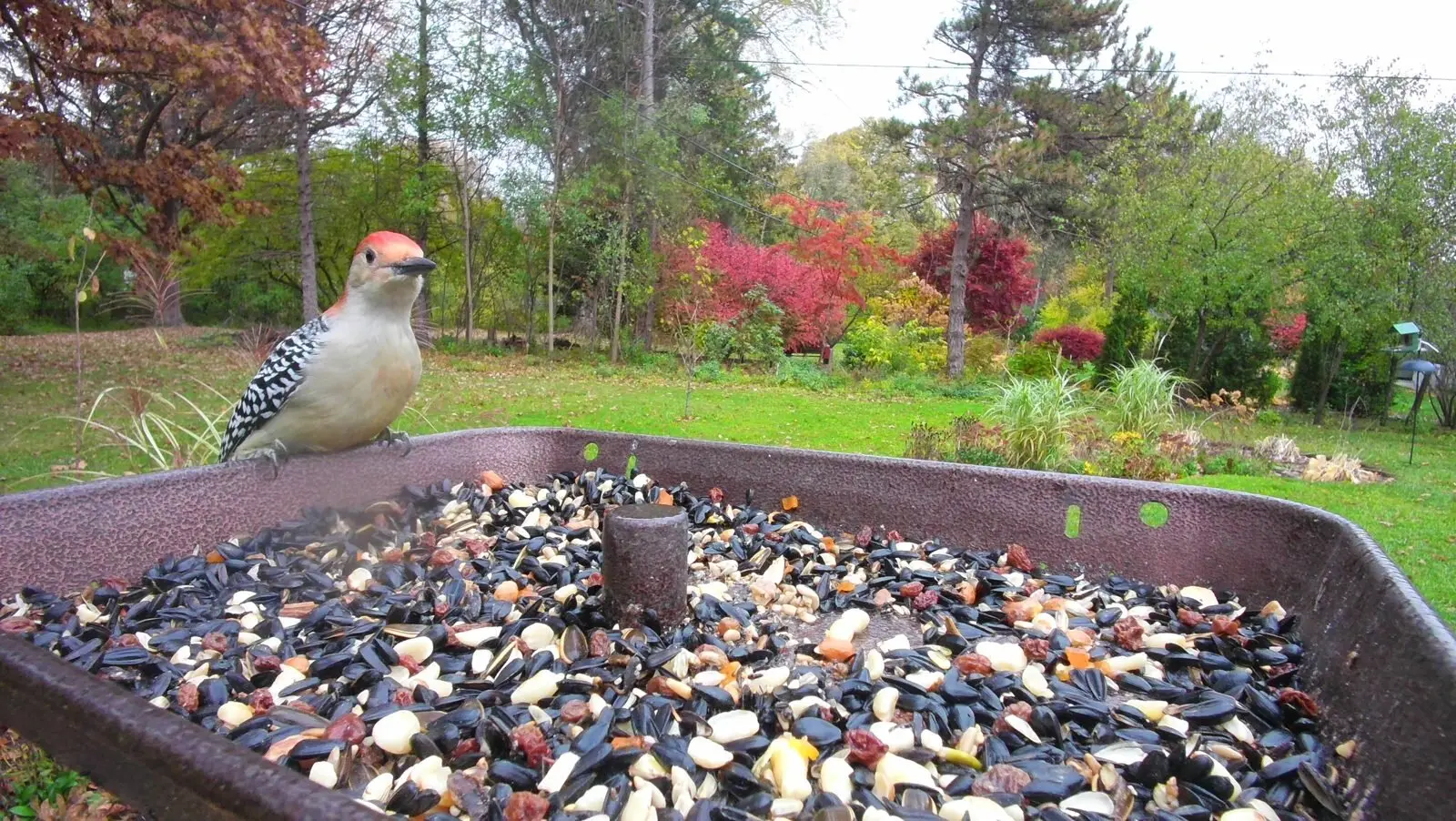
If you’ve ever watched a bird visit your feeder, glimpsed a butterfly on one of your flowers or spotted a squirrel nibbling an acorn, you already know the small thrill of sharing your yard with wildlife. What you may not know is that the same yard could earn official recognition as a Certified Wildlife Habitat from the National Wildlife Federation. Chances are, you’re closer than you think.
The program dates to 1973, and plenty of articles explain it. Many of them are out of date. The fee has gone up, the sustainable-practice rules have changed and the federation now puts far more weight on native plants.
This guide walks through the current requirements, shows what a qualifying balcony and backyard look like, breaks down the real cost and explains what certification can and can’t do for you.
What is a Certified Wildlife Habitat?
A Certified Wildlife Habitat is any outdoor space that provides four things wildlife needs — food, water, cover and places to raise young — and is managed with sustainable gardening practices. The National Wildlife Federation recognizes these spaces through its Garden for Wildlife program.
The idea grew out of science. In 1972, U.S. Forest Service researchers Richard DeGraaf and Jack Ward Thomas published a study showing that the methods wildlife managers use on large natural areas also work in backyards, according to the federation. A year later, an article in National Wildlife magazine launched the federation’s backyard habitat program.
Size doesn’t matter. The federation says any outdoor site can be certified, from a rooftop garden or balcony to a schoolyard, park, place of worship or small business. More than 300,000 sites have earned the designation so far, according to the federation.
Current requirements at a glance
Here is what the National Wildlife Federation’s current certification checklist asks for.
| Habitat element | Minimum needed | Examples that count |
|---|---|---|
| Food | 3 sources | Nectar and pollen, host plants, fallen leaves, seeds and cones, nuts, fruits and berries, bird feeders, nectar feeders |
| Water | 1 source | Birdbath, pond, stream, rain garden, container water garden, mud dish, puddler, water fountain |
| Cover | 2 places | Mature trees, dense shrubs, brush or log piles, evergreens, rock walls, meadow, roosting box |
| Places to raise young | 2 places | Mature trees, dead trees (snags), host plants, dense shrubs, ponds, nesting box, native bee box |
| Sustainable practices | 3 actions | Leave the leaves, compost, harvest rainwater, cut pesticides, turn off outdoor lights at night |
Source: National Wildlife Federation certification checklist.
Many features count twice. A mature tree can provide cover and a place to raise young. A layer of fallen leaves can count as food, cover and a nursery.
What changed from older guides
If you’ve read about this program before, double-check the numbers. Many popular guides still list a $20 fee and say you need practices from two of three sustainability categories.
The federation’s current FAQ lists a $25 fee. Its current checklist asks for at least three sustainable actions, drawn from four categories: soil conservation, water conservation, pollution reduction and controlling non-native species.
The checklist also leans harder on native plants. The federation now suggests striving for at least 70% native plants, up from the 50% to 70% range some older guides cite.
Food: At least 3 sources
Plants should do most of the feeding. The federation’s checklist says native plants provide the basic foods for wildlife, and feeders can supplement them.
Qualifying food sources include nectar and pollen, host plants, a fallen leaf layer, seeds and cones, nuts, fruits and berries, bird feeders and nectar feeders.
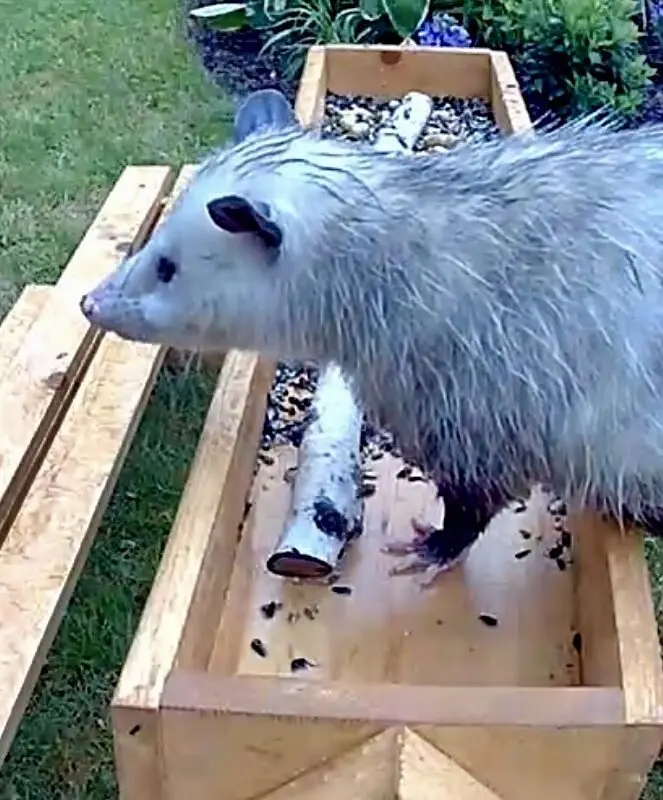
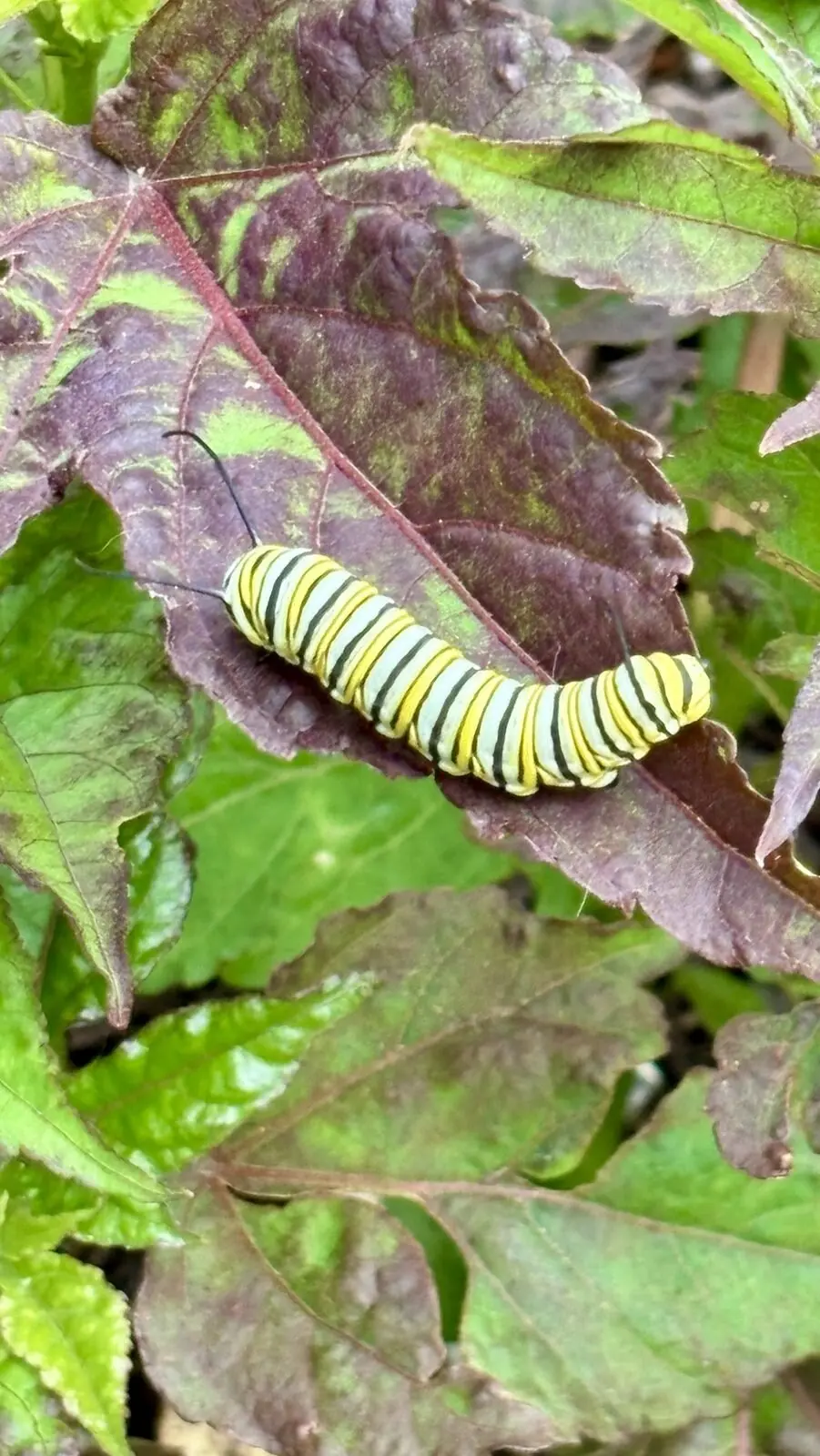
Host plants deserve special attention. These are plants that caterpillars and other insect larvae eat, and they feed far more than butterflies. University of Delaware entomologist Doug Tallamy has cited a study that counted 6,240 to 9,120 caterpillars fed to a single nest of chickadees, according to Kansas State University Research and Extension. Native trees and shrubs that host caterpillars make that possible. A seed feeder does not.
To find host plants for your area, the federation’s Native Plant Finder lets you search by ZIP code.
Water: At least 1 source
Wildlife needs clean water for drinking, bathing and, for some species, breeding. One source is enough.
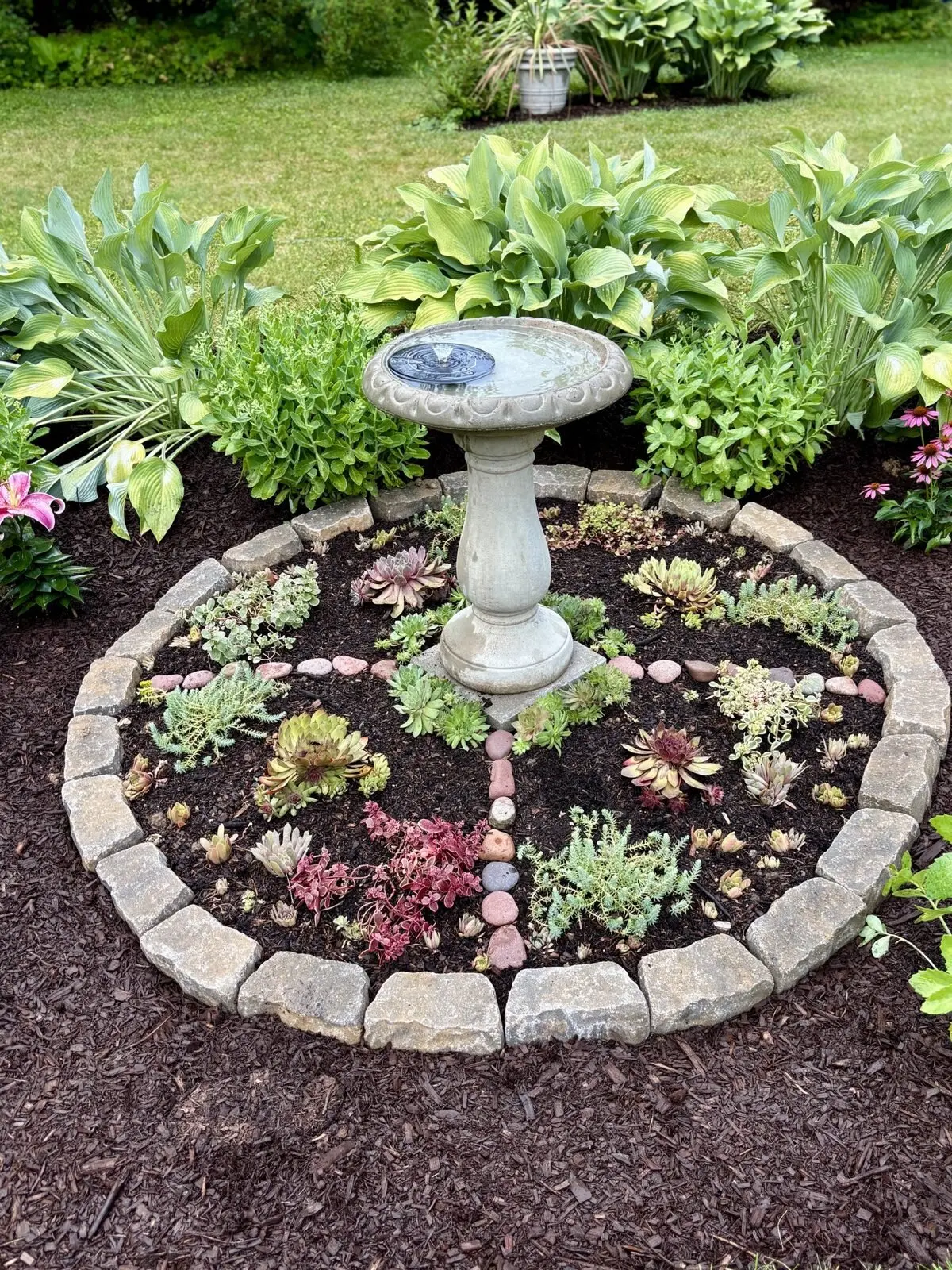
A birdbath is the simplest choice. The checklist also accepts ponds, streams, springs, rain gardens, small container water gardens, water fountains, mud dishes and puddlers. A puddler is a shallow dish of wet sand or gravel where butterflies sip water and minerals.
Keep it clean. Mosquito eggs can hatch within days, so flush birdbath water once or twice a week, University of Florida IFAS Extension advises. The same source notes that most birds wade only as deep as their legs are long, so shallow is better.
Cover: At least 2 places
Cover is shelter from bad weather and hiding places from predators. Prey animals need it, and so do the predators that hunt them.
The checklist lists mature trees, dead trees called snags, fallen logs, dense shrubs and brambles, brush or log piles, fallen leaves, evergreens, groundcover plants, native grasses and sedges, meadows, ponds, rock piles, rock walls, animal burrows and roosting boxes.
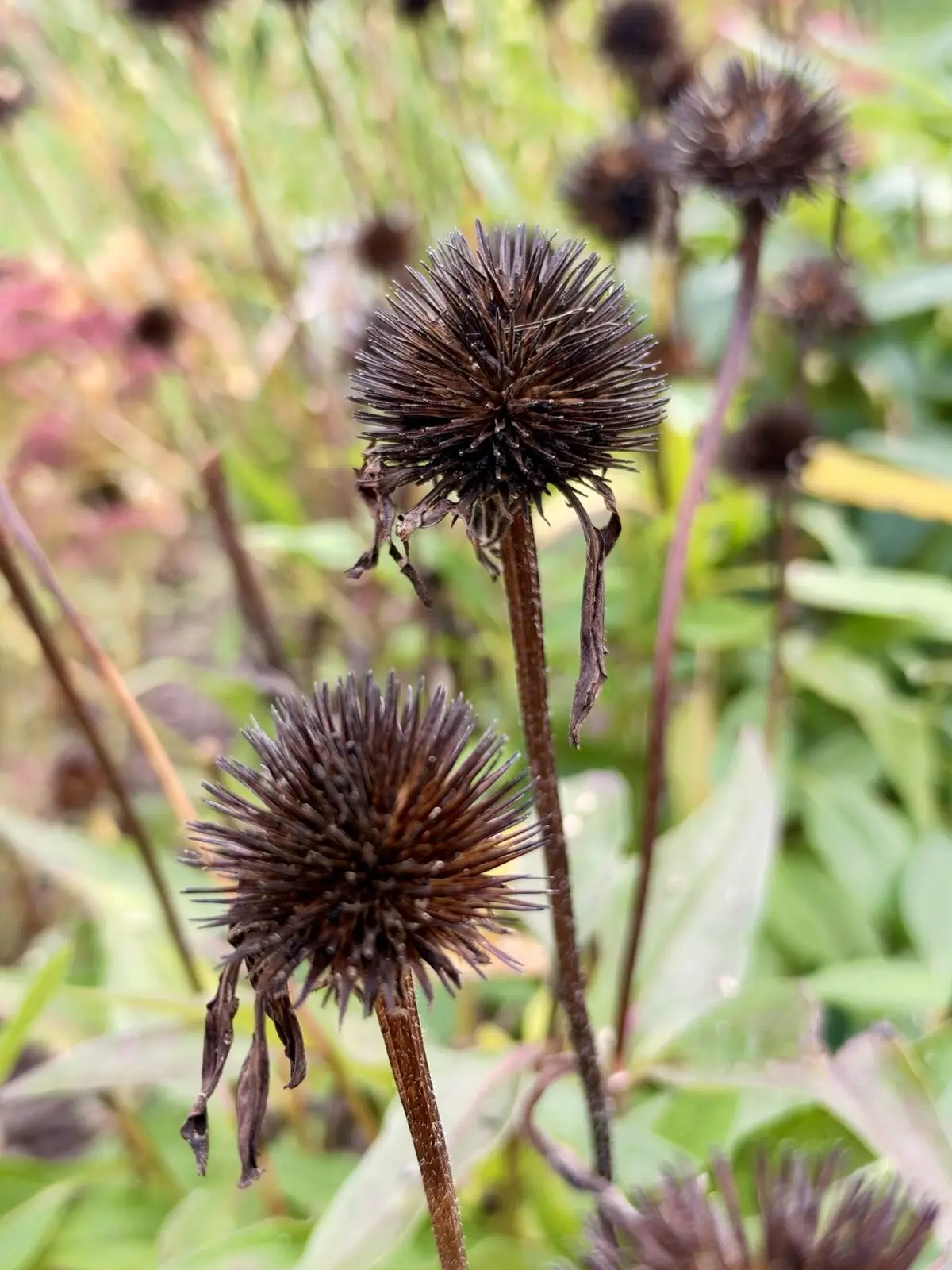
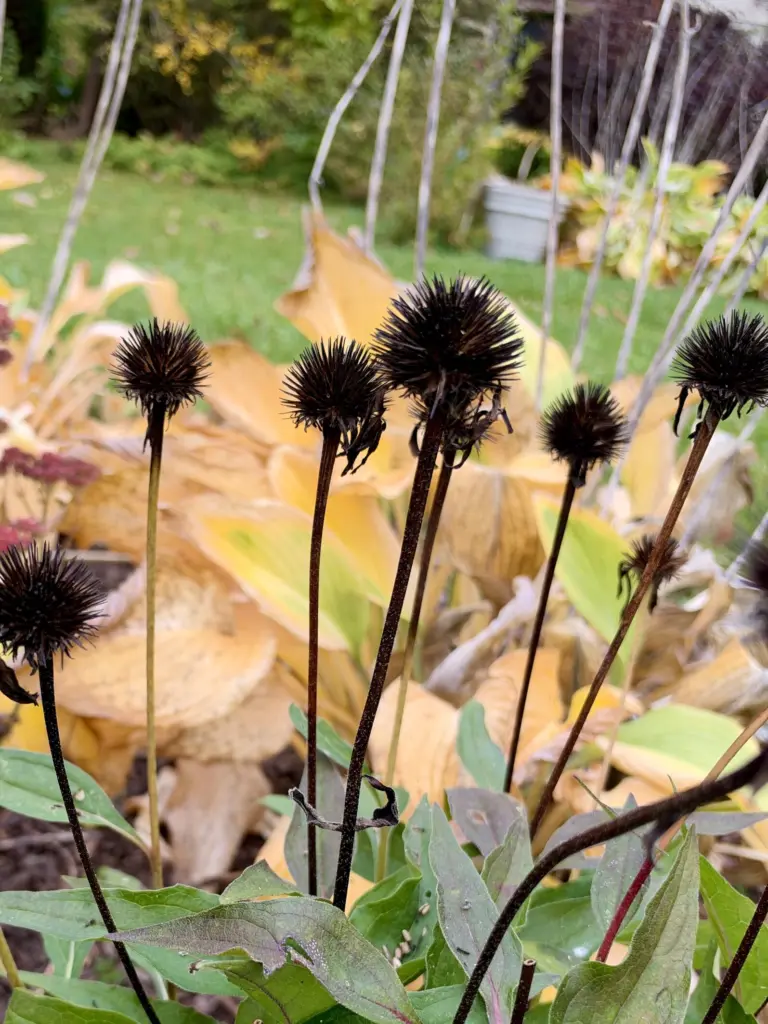
One easy win: leave hollow plant stems standing over winter. The checklist counts overwintered hollow stems 12 inches or taller as both cover and a place to raise young.
Places to raise young: At least 2 places
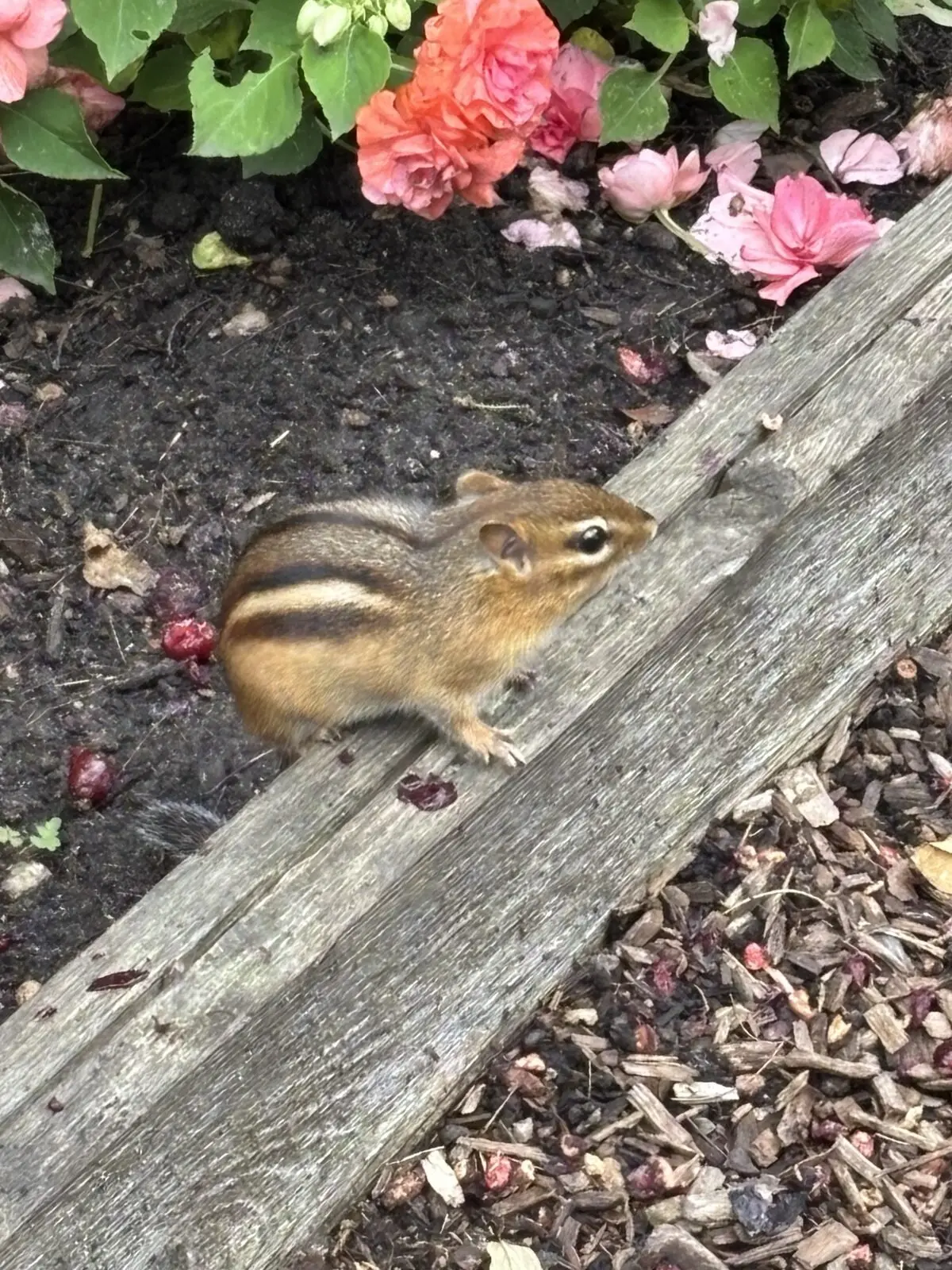
Wildlife needs safe spots for courtship, mating and raising young. The list overlaps heavily with cover.
Qualifying options include mature trees, snags, fallen logs, dense shrubs, brush piles, fallen leaves, overwintered hollow stems, meadows, host plants, groundcover, ponds, container water gardens, animal burrows, nesting boxes and native bee boxes.
Host plants show up here again because caterpillars are young butterflies and moths. A patch of native milkweed, for example, is both food and a nursery for monarchs.
Sustainable practices: At least 3 actions
This is the requirement most older guides get wrong. The current checklist asks for at least three actions from these four categories.
Soil conservation: Use natural mulch such as straw or wood, leave the leaves, make and apply compost, plant cover crops and reduce erosion.
Water conservation: Use drought-tolerant native plants, plant densely, mulch, harvest rainwater, install a rain garden, use efficient irrigation such as a drip hose, use graywater and cut overall water use.
Pollution reduction: Eliminate or greatly reduce chemical pesticides and fertilizers, skip plastic weed liners, switch to electric or hand-powered mowers, turn off outdoor lights at night, use amber LED bulbs outdoors, reuse pots, repair or borrow tools and compost kitchen and garden waste.
Controlling non-native species: Remove non-native plants and animals, practice integrated pest management and replace lawn with native plants. Integrated pest management means using the least harmful control that works, such as hand-picking pests, before reaching for chemicals.
Many gardeners already do three of these without thinking about it.
The 70% native plant goal
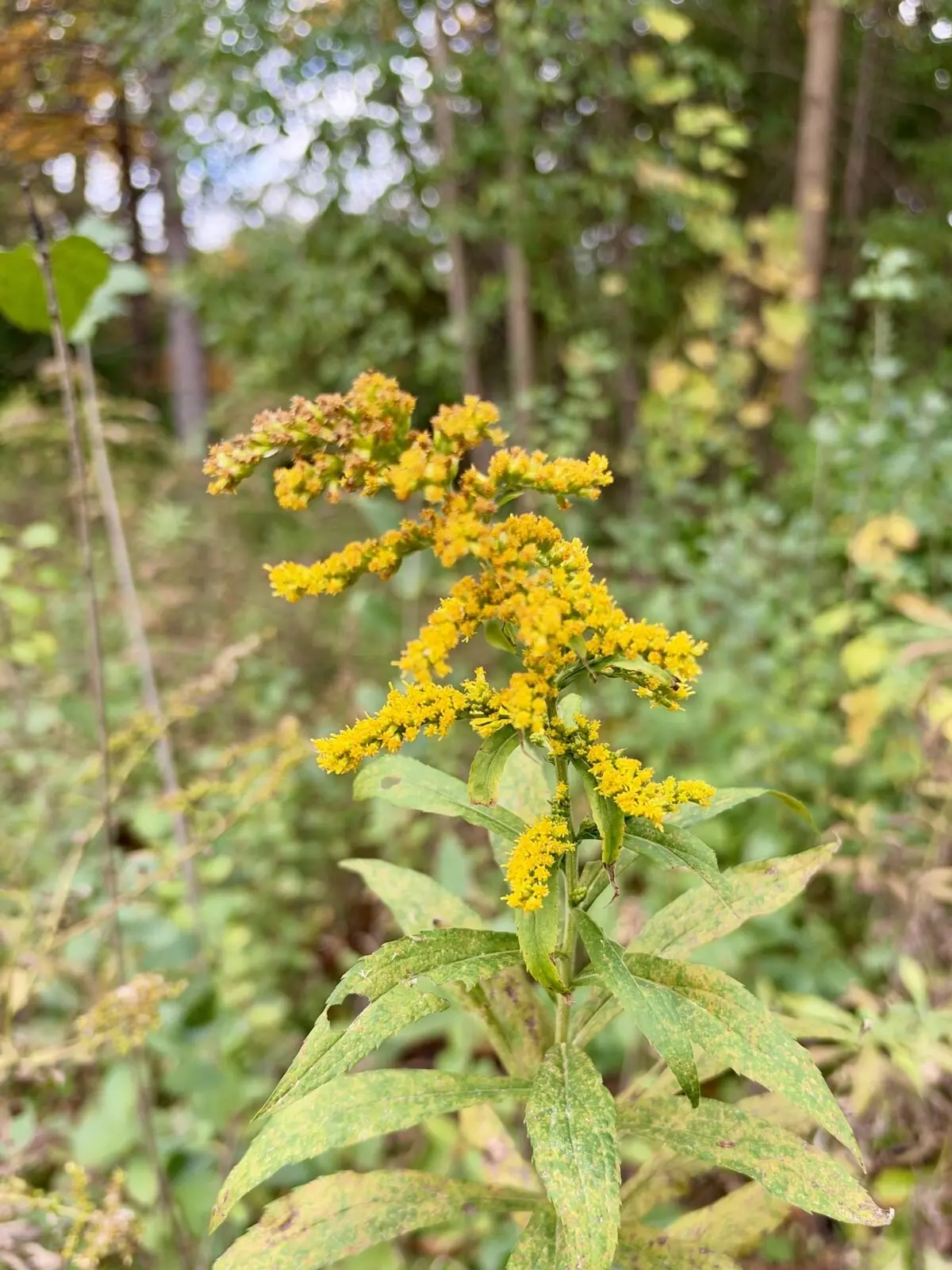
Native plants are not a hard requirement on the application, but the federation calls them the foundation of a wildlife garden. It recommends striving for at least 70% native plants that bloom across multiple seasons and are free of neonicotinoids, a class of insecticide harmful to pollinators.
The payoff is real. The federation reports that native habitat gardens can support twice as much wildlife as properties that are mostly lawn.
You don’t need to rip everything out at once. Swap in natives as older plants die or as you add new beds.
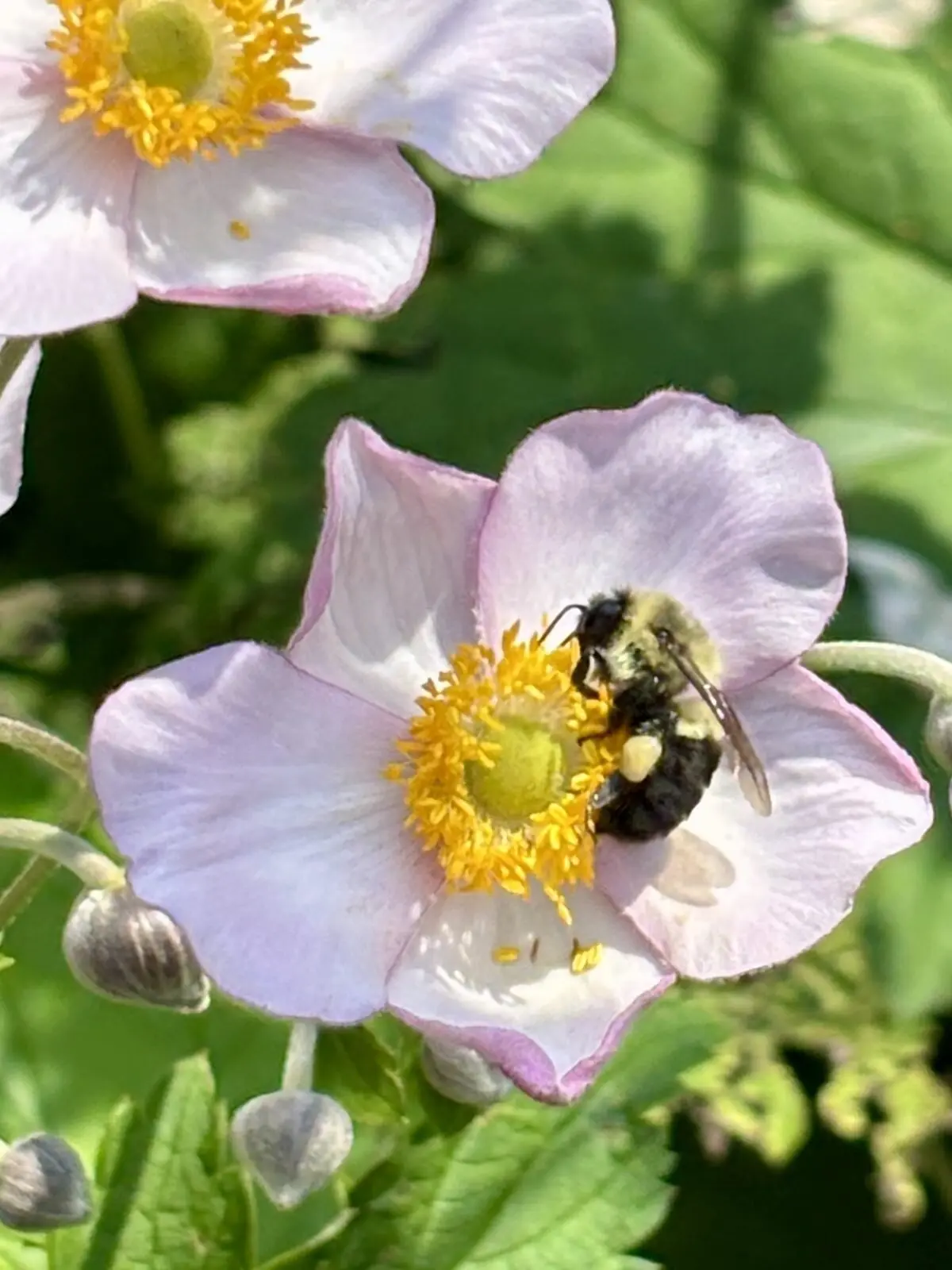
Sample plans: A balcony and a backyard
Here is how two very different spaces could meet every requirement using items from the checklist.
| Requirement | Small balcony | Typical backyard |
|---|---|---|
| Food (3) | Native nectar plants in pots, a native host plant, a nectar feeder | Native flowers, a berry shrub, an oak or other nut tree |
| Water (1) | Container water garden or shallow dish | Birdbath |
| Cover (2) | Groundcover plants in planters, container water garden | Mature tree, brush pile |
| Raise young (2) | Native bee box, host plant | Nesting box, fallen leaf layer under shrubs |
| Sustainable (3) | Turn off lights at night, reuse pots, compost scraps | Leave the leaves, harvest rainwater, stop using pesticides |
Source: Examples built from the National Wildlife Federation certification checklist.
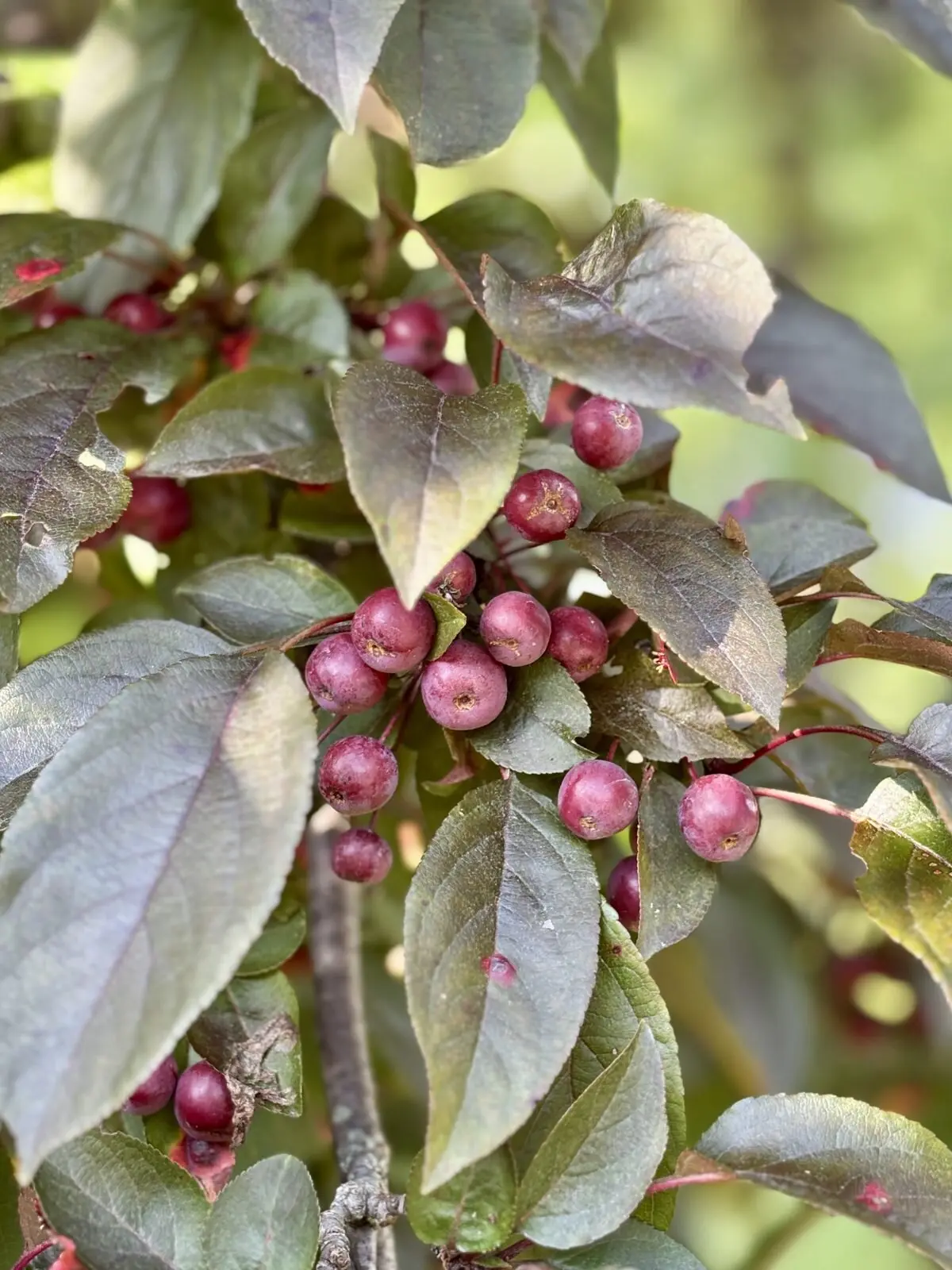
Why fall is a smart time to start
Fall cleanup is where many yards lose habitat. Several of the easiest checklist items happen simply by doing less.
A fallen leaf layer counts as food, cover and a place to raise young. Standing hollow stems 12 inches or taller count for cover and raising young. Leaving the leaves also counts as a sustainable practice. Rake leaves off the lawn and into planting beds instead of bagging them, and you may check off three requirements in one afternoon.
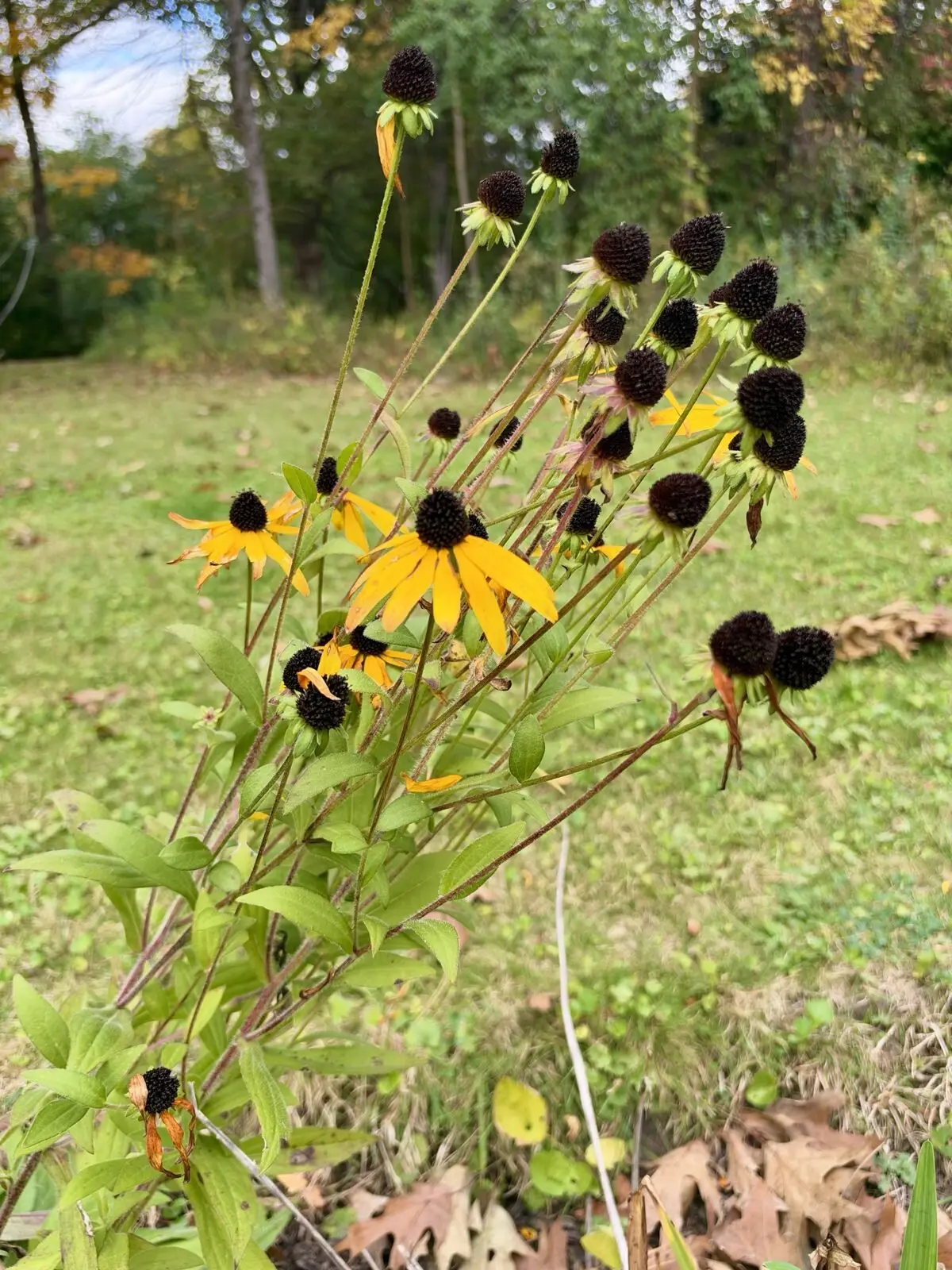
How to apply, step by step
- Check your space. Take the federation’s five-minute habitat quiz or download its certification checklist and walk your yard.
- Fill any gaps. Add a birdbath, a brush pile or a few native plants if you come up short.
- Apply online. Fill out the application on the federation’s Certified Wildlife Habitat website and pay the $25 fee.
- Choose a sign, if you want one. You can bundle a sign on step three of the application. Signs are not included automatically.
- Watch the mail. You’ll receive a personalized certificate. Signs ship separately and can take a few weeks.
If you skip the sign at first, you can buy one later. You’ll need the habitat number printed on your certificate.
What it costs
| Item | Price |
|---|---|
| Certification fee | $25 (free for schools) |
| Classic sign, 9 by 12 inches, recycled aluminum | $35 |
| Garden flag, 12 by 18 inches | $35 |
| Wall plaque, cast aluminum | $89 |
| Garden plaque with stakes, cast aluminum | $99 |
Source: National Wildlife Federation.
The $25 fee includes a one-year federation membership, a one-year subscription to National Wildlife magazine and a monthly Garden for Wildlife e-newsletter, the federation says. A portion of the fee supports state affiliate groups in participating states.
Roughly 30 state affiliates partner with the program, the federation says. If you live in one of those states, your yard is automatically co-certified with the state group, and you can buy a classic sign that carries both logos.
What certification does — and doesn’t — do
Certification does not expire, according to the federation. You only need to recertify if you move and want to certify a new property. Certifications don’t transfer with a house sale, so new owners must apply in their own names.
Certification is not a legal shield. The federation says the program has no legal status at the local, state or federal level and does not override homeowners association rules or zoning laws.
That matters if your HOA restricts bird feeders or tall plantings. The federation suggests working within the rules. If feeders are banned, for example, native plants that produce berries, seeds and nuts can meet the food requirement on their own. The federation also stresses that a wildlife habitat is not the same as letting a yard “go wild,” which can cause neighbor complaints.
A sign can help, too. The federation says signs show neighbors that a natural-looking yard is cared for on purpose.
Take it further
Schools: Schoolyards certify free, according to the federation.
Neighborhoods and towns: The federation’s Community Wildlife Habitat program, started in 1997, recognizes whole communities that certify homes, schools, parks and businesses and do public outreach.
Bonus recognition: The federation says certified habitats can count toward innovation points for properties pursuing LEED green-building certification and can qualify for Doug Tallamy’s Homegrown National Park biodiversity map.
Once you’re certified, keep adding. The federation encourages certified gardeners to keep increasing native plants, habitat features and sustainable practices over time.
Frequently asked questions
How much does it cost to certify a Certified Wildlife Habitat? The application fee is $25, according to the National Wildlife Federation. Schools certify free. Signs are optional and start at $35.
How big does my yard need to be? There is no minimum size. The federation certifies balconies, rooftop gardens, small yards, schoolyards and parks.
Do I need only native plants? No. Native plants aren’t strictly required, but the federation recommends aiming for at least 70% natives because they feed far more wildlife.
Does a bird feeder count as a food source? Yes. Bird feeders and nectar feeders count, but they supplement plants. You still need at least three food sources in total.
Does certification expire? No. Certifications last indefinitely. They do not transfer to a new owner or a new address.
Can my HOA still fine me if my yard is certified? Yes. The federation says certification has no legal status and does not override HOA rules or local ordinances.
Isn’t it just paying $25 for a certificate? Certification works on the honor system. You check your yard against the federation’s checklist and apply online, and no one comes to inspect it. Critics point to that, but the habitat itself is what helps wildlife. The fee supports the federation’s habitat programs, and part of it goes to state affiliate groups in participating states, the federation says. It also says third-party researchers who studied certified sites found more variety and abundance of wildlife.
Will a wildlife habitat attract rats or mice? Feeders can. Bird food scattered on the ground can attract rodents, according to the Cornell Lab of Ornithology’s Project FeederWatch, which advises raking or sweeping under feeders regularly and moving them from time to time. University of California Integrated Pest Management lists wood piles among the hiding spots rodents use, so keep brush and log piles away from your house. If rodents become a problem, you can stop using feeders and let native plants supply the food.
Will leaving the leaves bring more ticks? University of Maryland Extension calls the concern legitimate but notes that ticks turn up in tidy, manicured yards too. It recommends tick repellent and a body check after time outdoors rather than yard sprays, which also kill helpful spiders and mites.
Will a birdbath breed mosquitoes? Not if you keep it fresh. Mosquito eggs can hatch within days, so flush the water once or twice a week, University of Florida IFAS Extension advises.
Won’t my yard look messy to the neighbors? It doesn’t have to. The federation says a wildlife habitat is not the same as letting a yard go wild or overgrown. Neat edges, paths and a sign show the yard is cared for on purpose. The federation calls signs a “cue of care” and says they can inspire neighbors to try wildlife gardening, too.
From the QT Bird Community
Join the conversation
Comments on QT Bird articles live in our community. Joining is free: share your tips, ask questions and get replies.
Sign up to PostLog in