
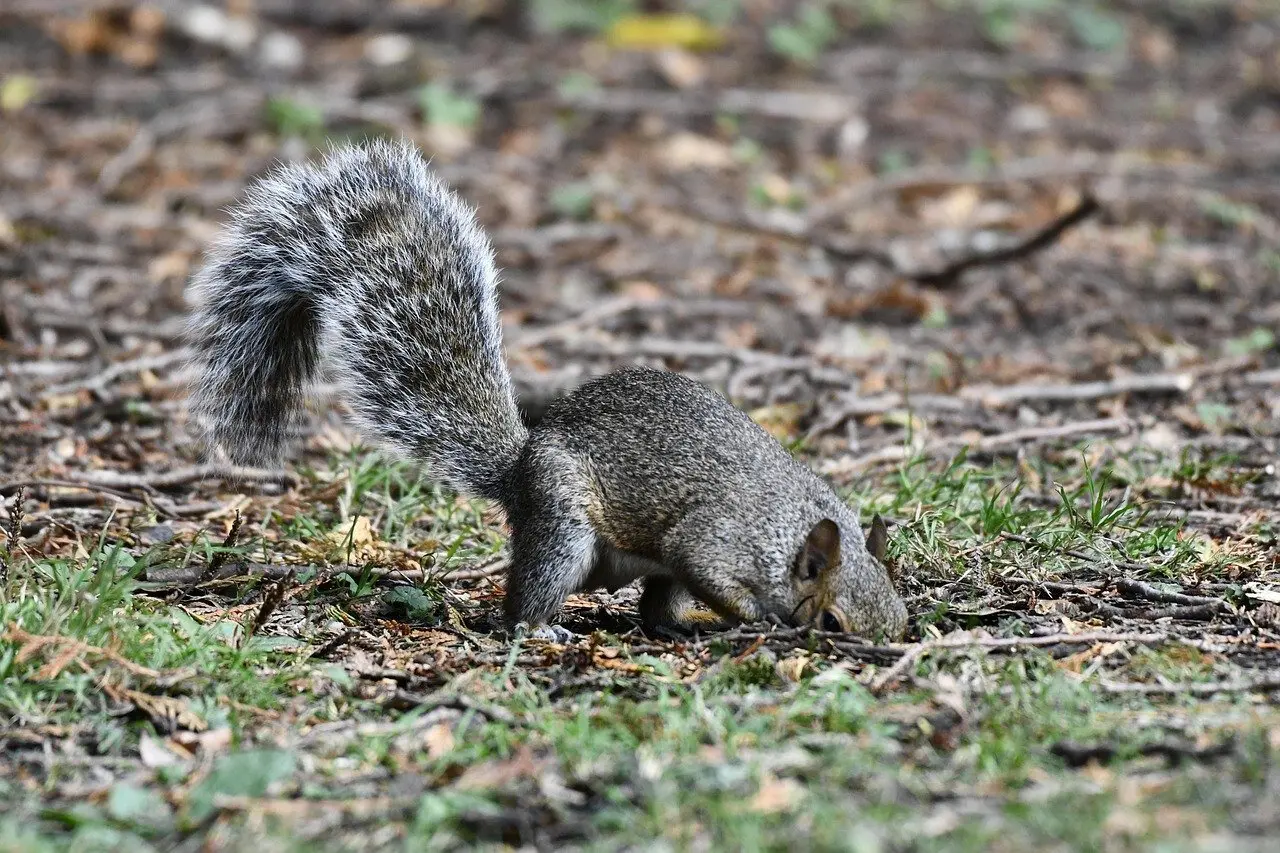
Planting bulbs is a labor of love. You spend a fall afternoon tucking bulbs into their little soil beds. You’ve got the depth and spacing right. Maybe you have a bulb planter to make the task easier. Hope you bought a long-handled one. Haha.
Once done, you feel a big sense of accomplishment, and you’re already picturing how lovely the bed will look in spring.
You wake up the next morning only to discover the bulbs have been dug up and bits of bulbs are scattered across the yard.
Squirrels are the most common culprit, and they are good at what they do. The good news: A few low-cost steps, done at planting time, stop most of the damage.
This guide explains why squirrels dig, which bulbs they skip, which fixes work best and which popular tricks you should leave out.
The short answer
To keep squirrels from digging up bulbs, cover newly planted beds with chicken wire or hardware cloth, plant at the proper depth and firm the soil, and mix in bulbs squirrels avoid, such as daffodils. Remove surface mesh in early spring before shoots emerge.
Why squirrels dig up bulbs
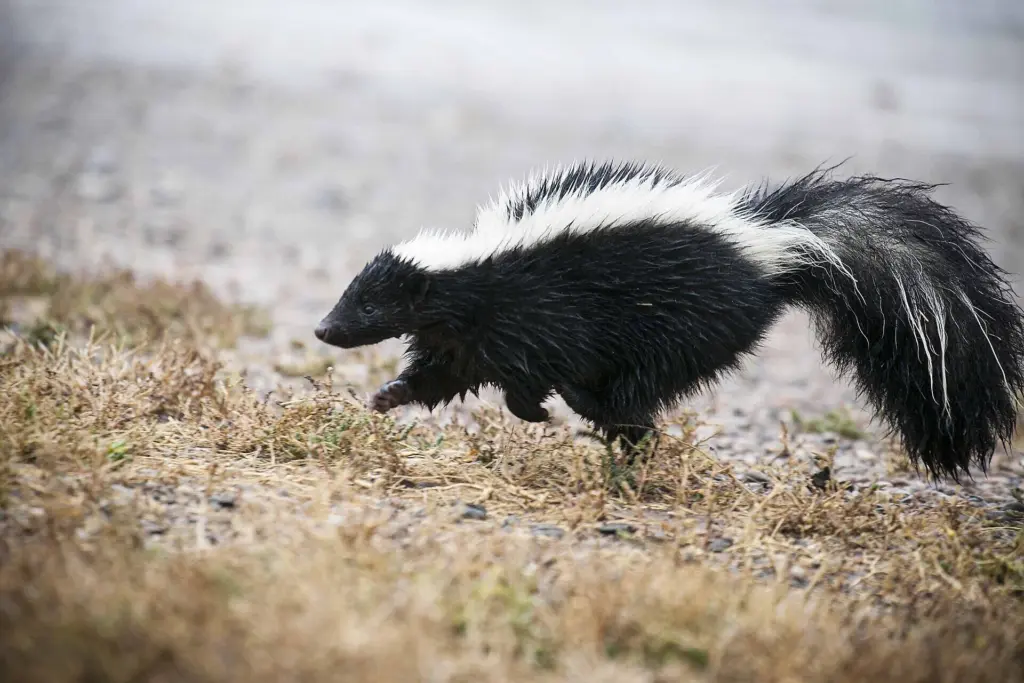
Squirrels don’t hibernate, but they do bury food in the fall to carry them through winter, when food is scarce. The University of California Statewide Integrated Pest Management Program says squirrels dig holes in garden soil and lawns, mostly in fall, to hide nuts, acorns and seeds they may or may not come back for.
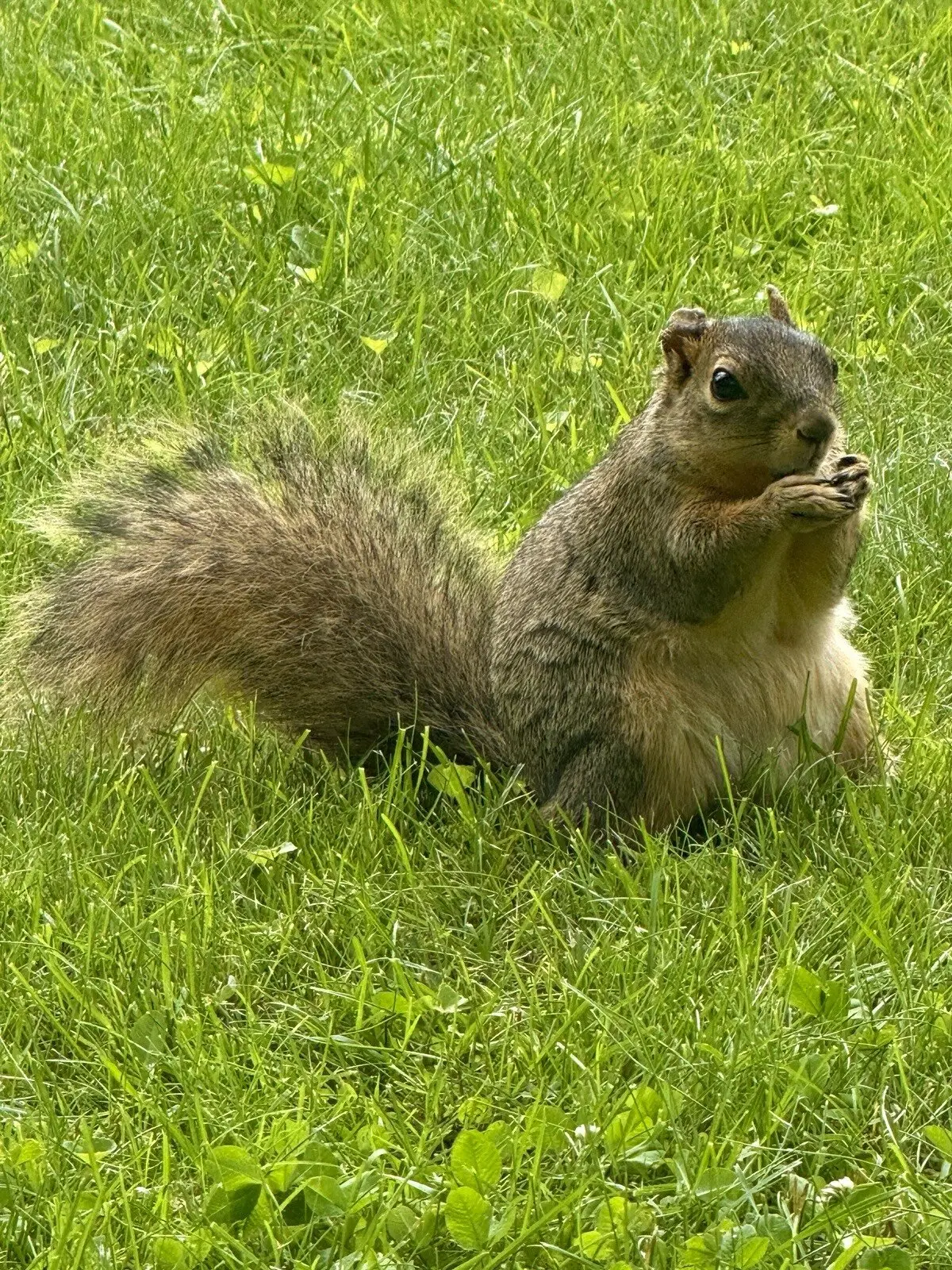
A newly planted bulb bed is an easy target for that habit. Freshly turned soil is loose and easy to dig, and it signals that something was just buried there. As Colorado State University Extension puts it, fresh dirt is like an “X” marking the spot.
Squirrels may also be drawn to the scent of the bulbs themselves. They often stumble onto bulbs while burying nuts, and the scraps left behind at planting time, such as the papery skins, or tunics, that flake off bulbs, can lead them right to the spot, according to the Elisabeth C. Miller Library at the University of Washington. Think of those skins as a trail of crumbs.
That means two things for gardeners. Bulbs are most at risk in the first days and weeks after planting. And many squirrels are digging to bury food, not hunting for your bulbs, so making the bed look and smell undisturbed goes a long way.
Bulbs squirrels love and bulbs they leave alone
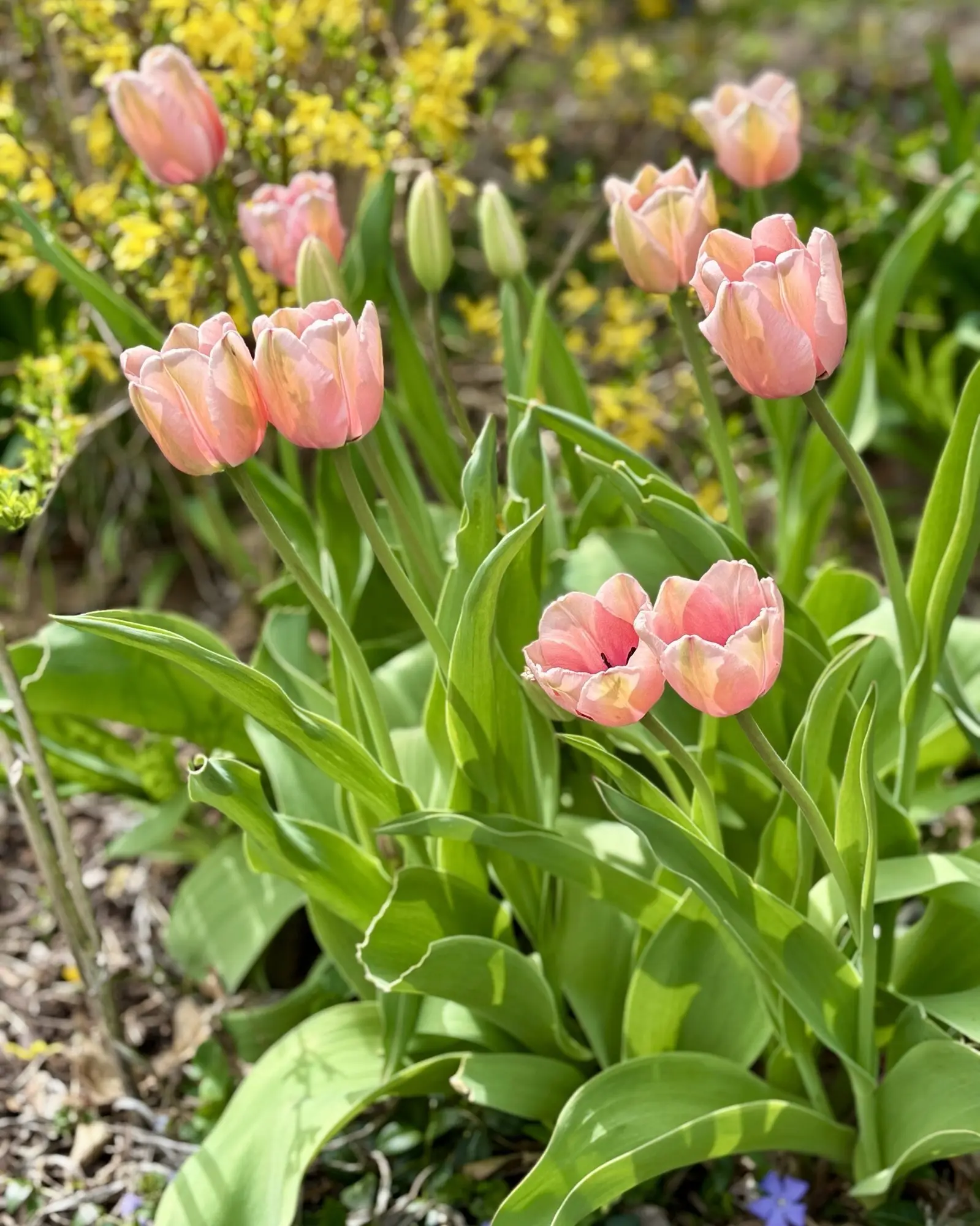
Not all bulbs are on the menu. Tulips and crocuses are squirrel favorites, according to Olbrich Botanical Gardens, a public garden in Madison, Wisconsin. Those two need the most protection.
Daffodils are the standout on the other side. Every part of the plant is poisonous, and animals generally leave it alone. North Carolina State Extension lists the toxic compounds as phenanthridine alkaloids such as lycorine and notes the bulb is the most poisonous part. The same compounds make daffodils toxic to pets and people, so keep bulbs away from dogs that dig.
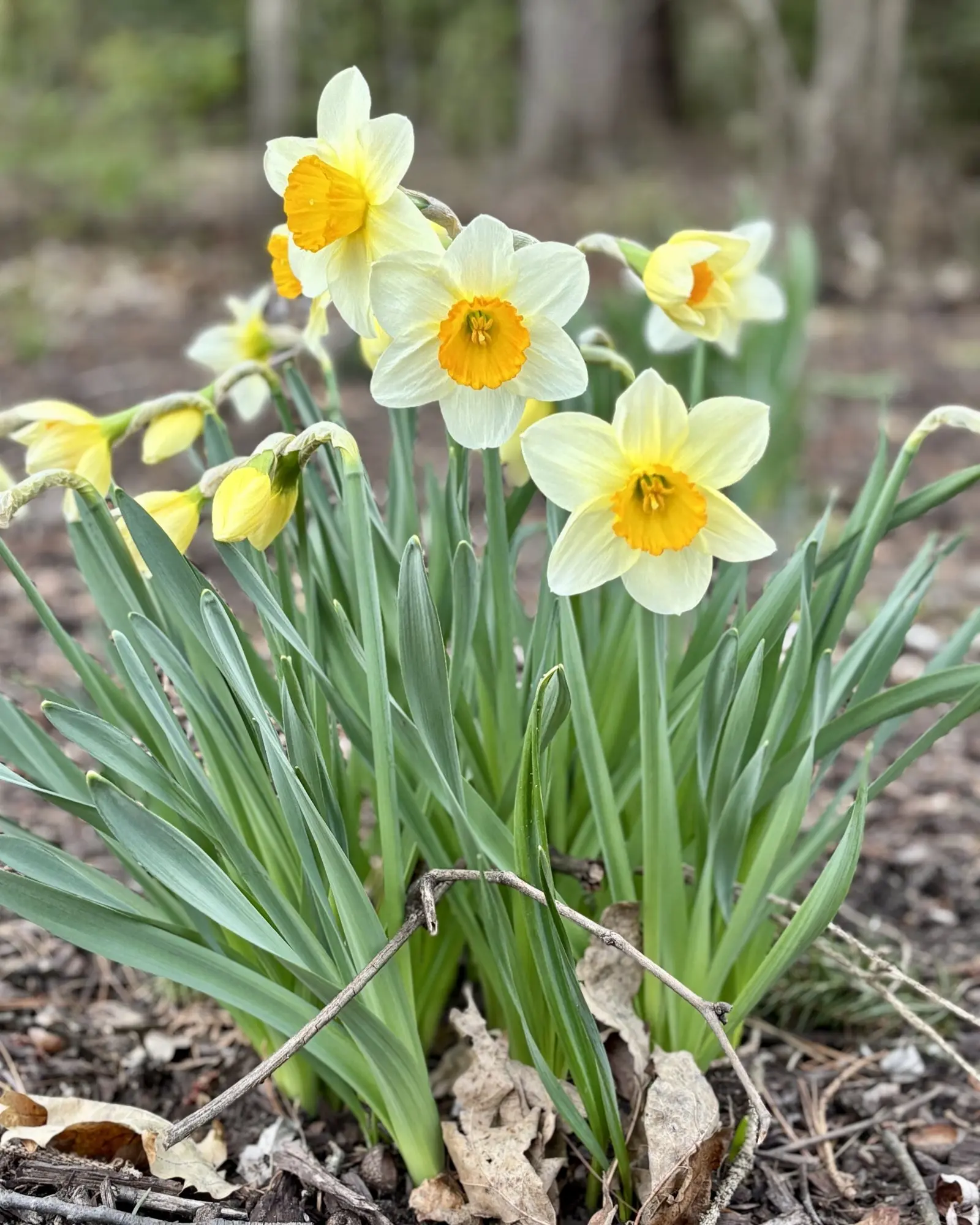
These bulbs show up again and again on extension and public-garden lists of bulbs squirrels tend to leave alone:
| Bulb | Scientific name | Notes |
|---|---|---|
| Daffodil | Narcissus | Poisonous to animals; the most dependable choice |
| Ornamental allium | Allium | Onion family; strong odor |
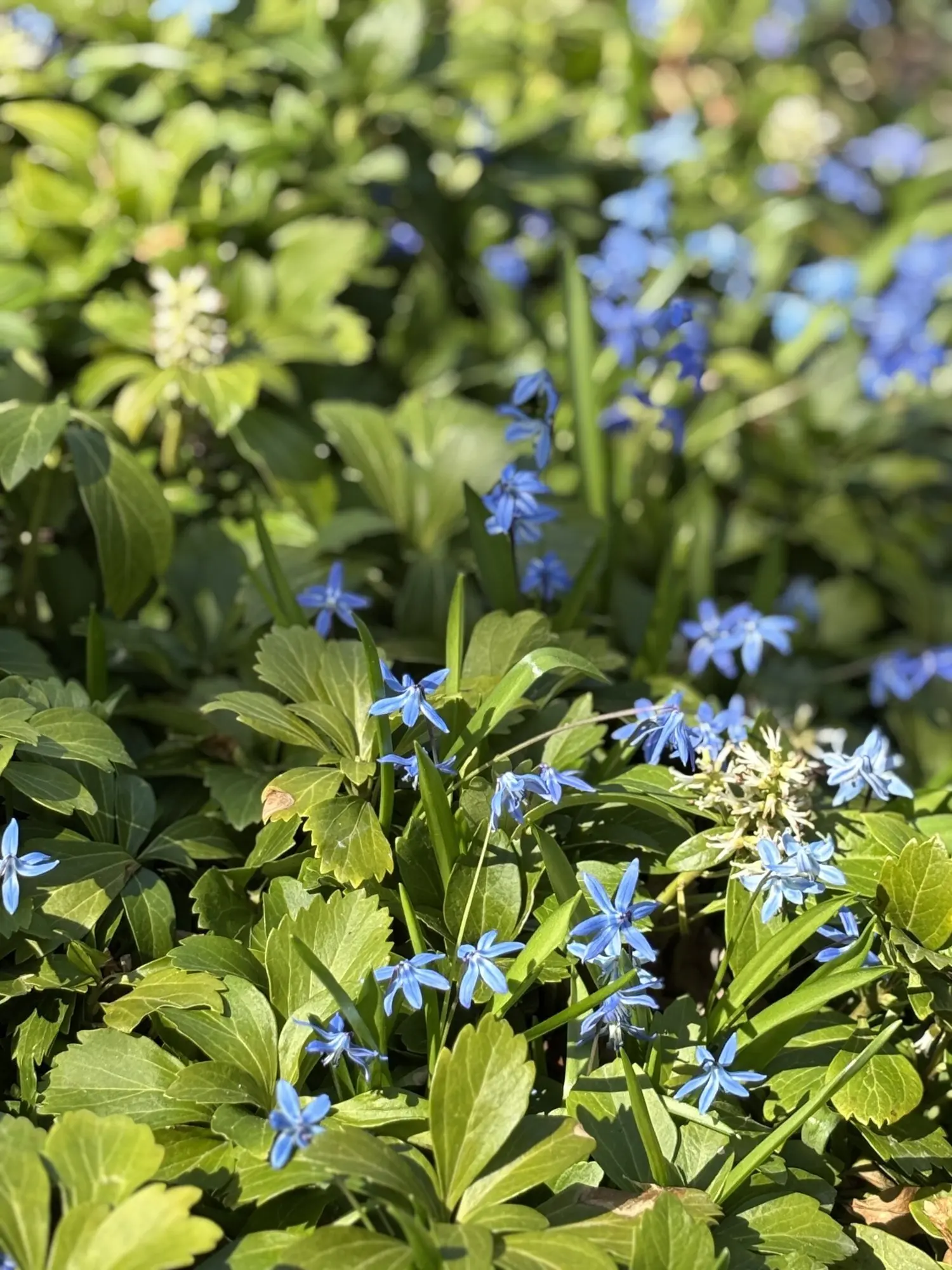
| Siberian squill | Scilla | Small blue early-spring bulb |
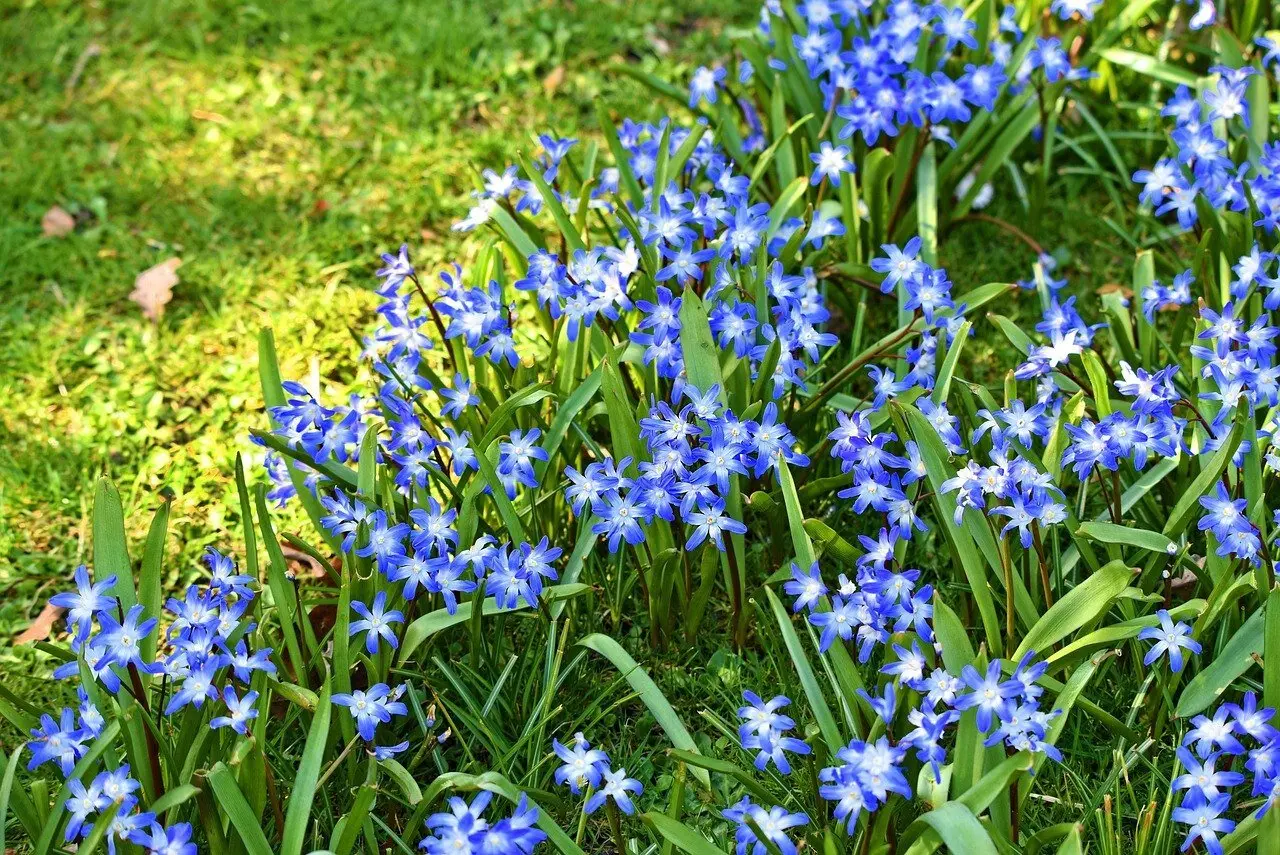
| Glory-of-the-snow | Chionodoxa | Small blue or pink early-spring bulb |
| Snowdrop | Galanthus | One of the first bulbs to bloom |
| Fritillary | Fritillaria | Includes crown imperial, which has a strong odor |
| Spanish bluebell | Hyacinthoides hispanica | Late-spring bell-shaped flowers |
| Grape hyacinth | Muscari | Small spikes of blue flowers |
| Snowflake | Leucojum | White bells tipped in green |
| Grecian windflower | Anemone blanda | Low, daisy-like flowers |
Sources: Olbrich Botanical Gardens; University of Maryland Extension Home and Garden Information Center; Oklahoma State University Extension.
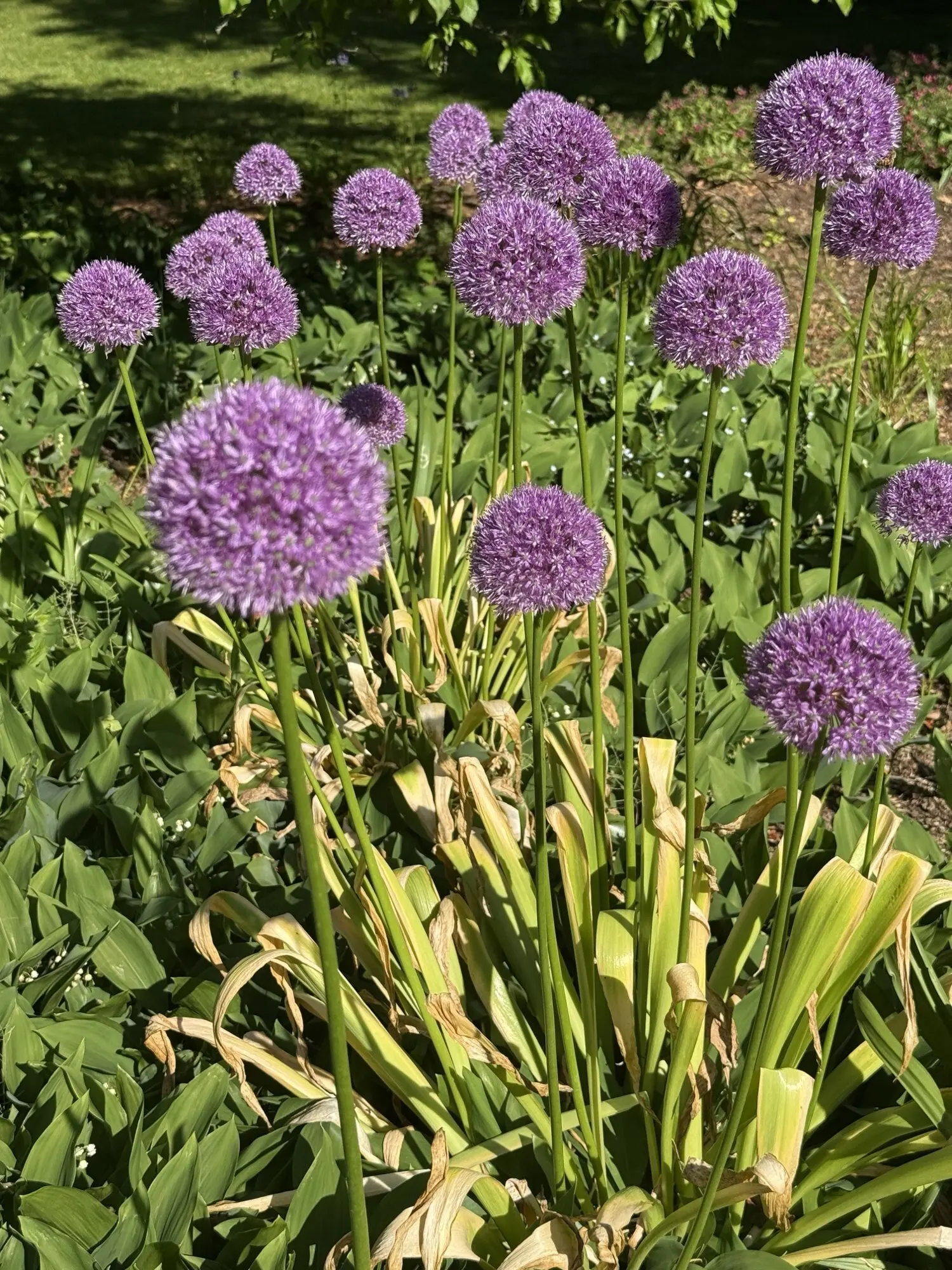
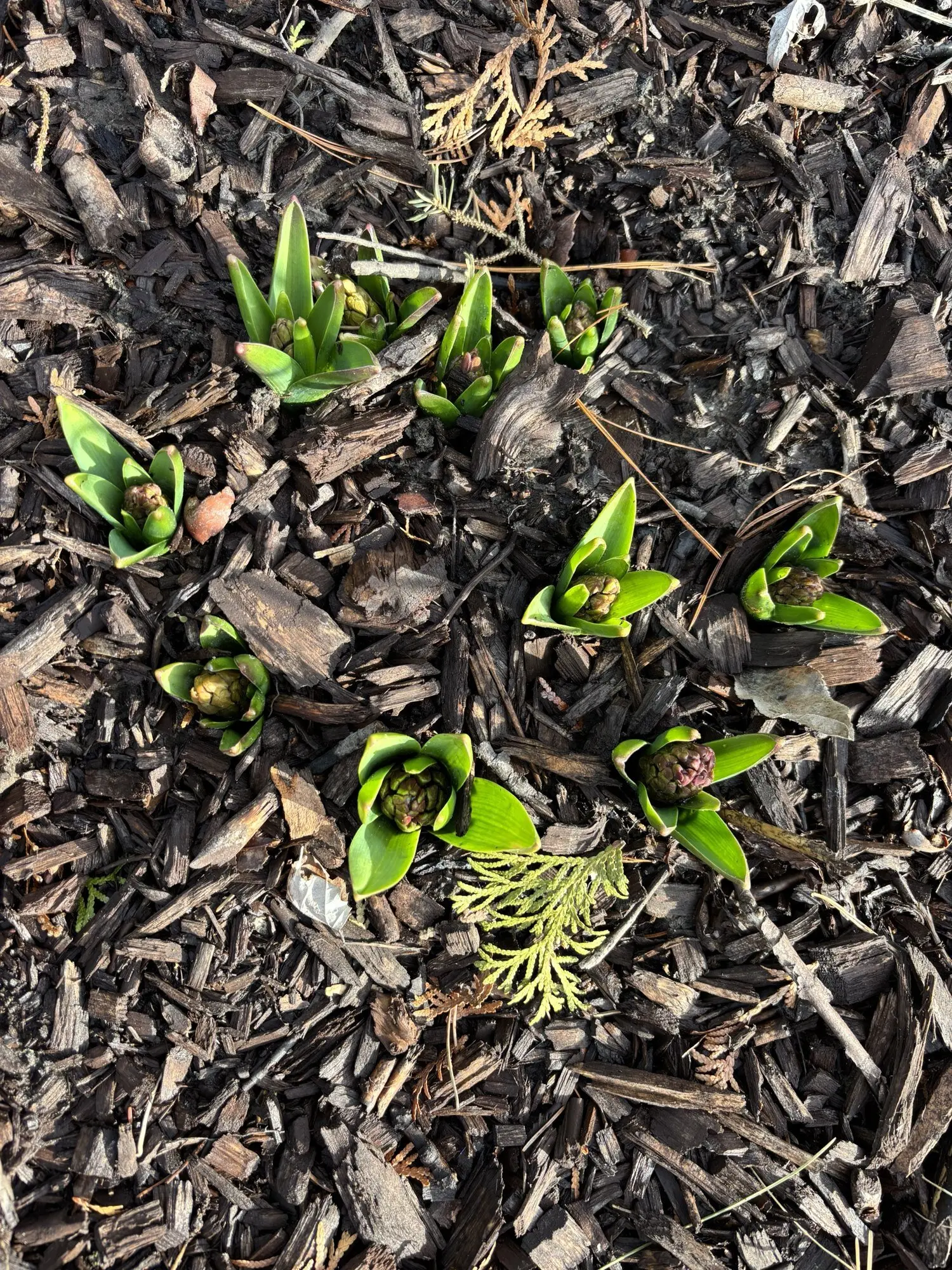
“Resistant” is not the same as “proof.” A hungry squirrel may still dig a hole in a daffodil bed and leave the bulb exposed. And sources do not all agree on hyacinths. Oklahoma State University Extension calls them less favored, while the eXtension Wildlife Damage Management community, a national network of land-grant university experts, names them among the bulbs squirrels dig up. When the experts disagree, assume the squirrels in your yard haven’t read the list. Treat hyacinths as tasty and protect them.
1. Plant at the right depth and firm the soil
Shallow bulbs are easy pickings. Iowa State University Extension recommends planting tulips, daffodils and hyacinths 6 to 8 inches deep and smaller bulbs, such as crocuses and grape hyacinths, 3 to 4 inches deep. After covering the bulbs, tamp the soil down with your hands and water the area to settle it.
Oklahoma State University Extension offers a handy rule of thumb: Plant a bulb about three times as deep as it is tall, and count your mulch as part of that depth. For a 2-inch tulip bulb, that works out to about 6 inches. Measure from the bottom of the bulb, and mark the depth on your trowel handle so you don’t have to guess hole after hole.
Depth alone will not stop a determined squirrel, but it helps. Most rodents give up after digging a few inches, Olbrich Botanical Gardens notes. That’s why a couple of extra inches can be the difference between a bulb that blooms and one that becomes a snack.
2. Put a metal barrier between the squirrel and the bulb
A physical barrier is the most reliable fix, and extension experts agree on it more than any other tactic. Squirrels cannot dig through the mesh, but shoots grow up through the openings. Use metal. Squirrels chew through plastic netting with ease, the University of California IPM program notes, so plastic mesh that looks sturdy at the store won’t hold up in the garden.
There are several ways to set up a barrier. Pick the one that fits your bed.
| Method | Best for | How long it stays |
|---|---|---|
| Chicken wire or hardware cloth laid on the surface | Fast cover for any new bed | Remove in early spring before shoots emerge |
| Chicken wire under mulch, extending past the bed | Larger beds | Through the planting season |
| Hardware cloth buried just below the surface | Beds you want protected for years | Can stay in place |
| Wire baskets or cages around bulbs | Small groups tucked among perennials; areas with voles or moles | Stays in place |
| Burlap staked over a layer of fallen leaves | Gardeners who would rather not handle wire; containers | Remove in late winter |
Surface mesh: the quickest option
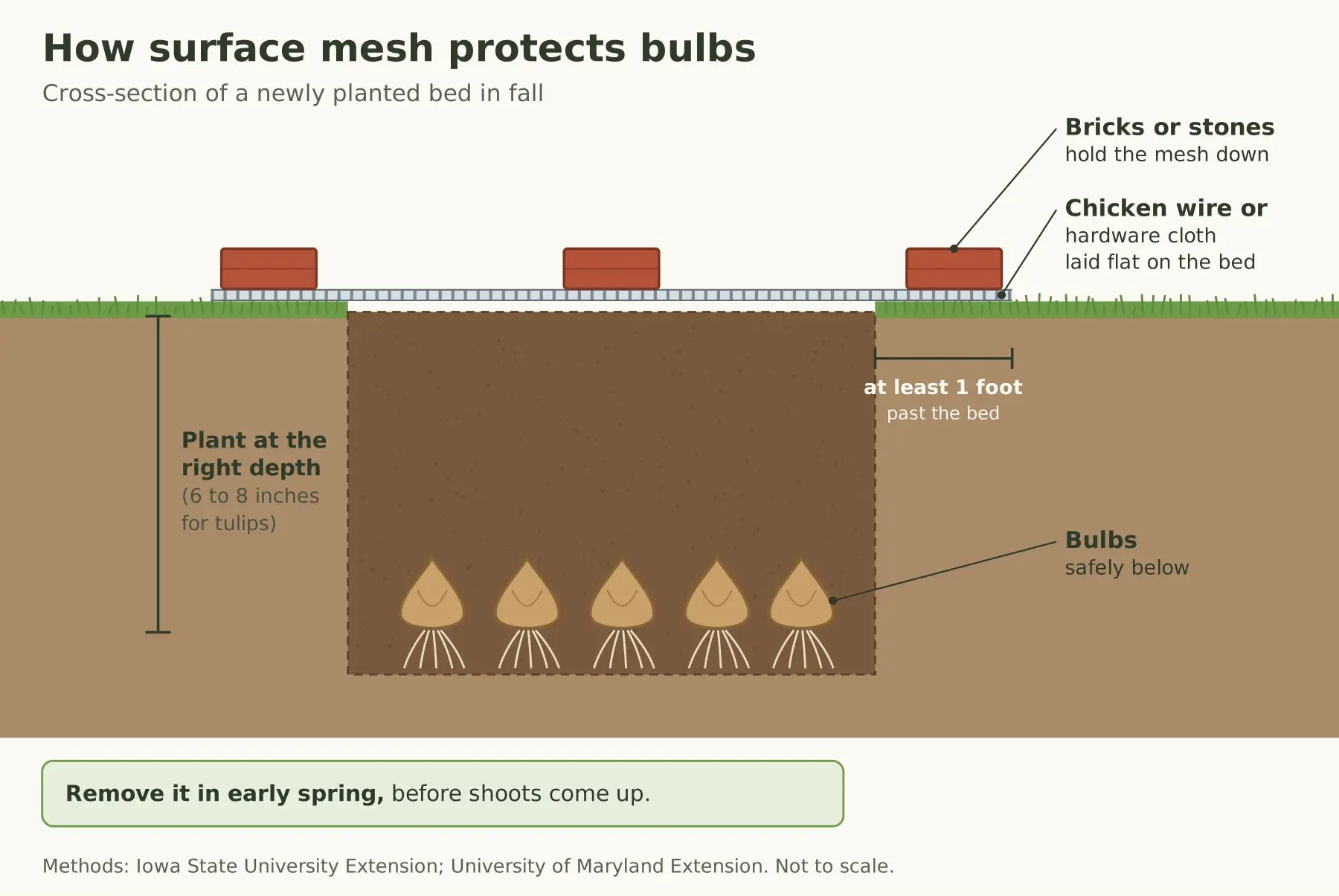
Lay chicken wire or hardware cloth over the planted area and weigh it down with bricks or stones, as Iowa State University Extension suggests. Bend the edges down into the soil or tuck them under mulch so a squirrel can’t nose its way under the side. Take it off promptly in early spring before the foliage begins to come up so shoots do not get tangled.
For bigger beds, University of Maryland Extension’s Home and Garden Information Center suggests 1-inch chicken wire that extends at least a foot past the edge of the bed, covered with mulch. The extra width keeps squirrels from digging in from the sides, and the mulch hides the wire.
Buried hardware cloth: set it and forget it
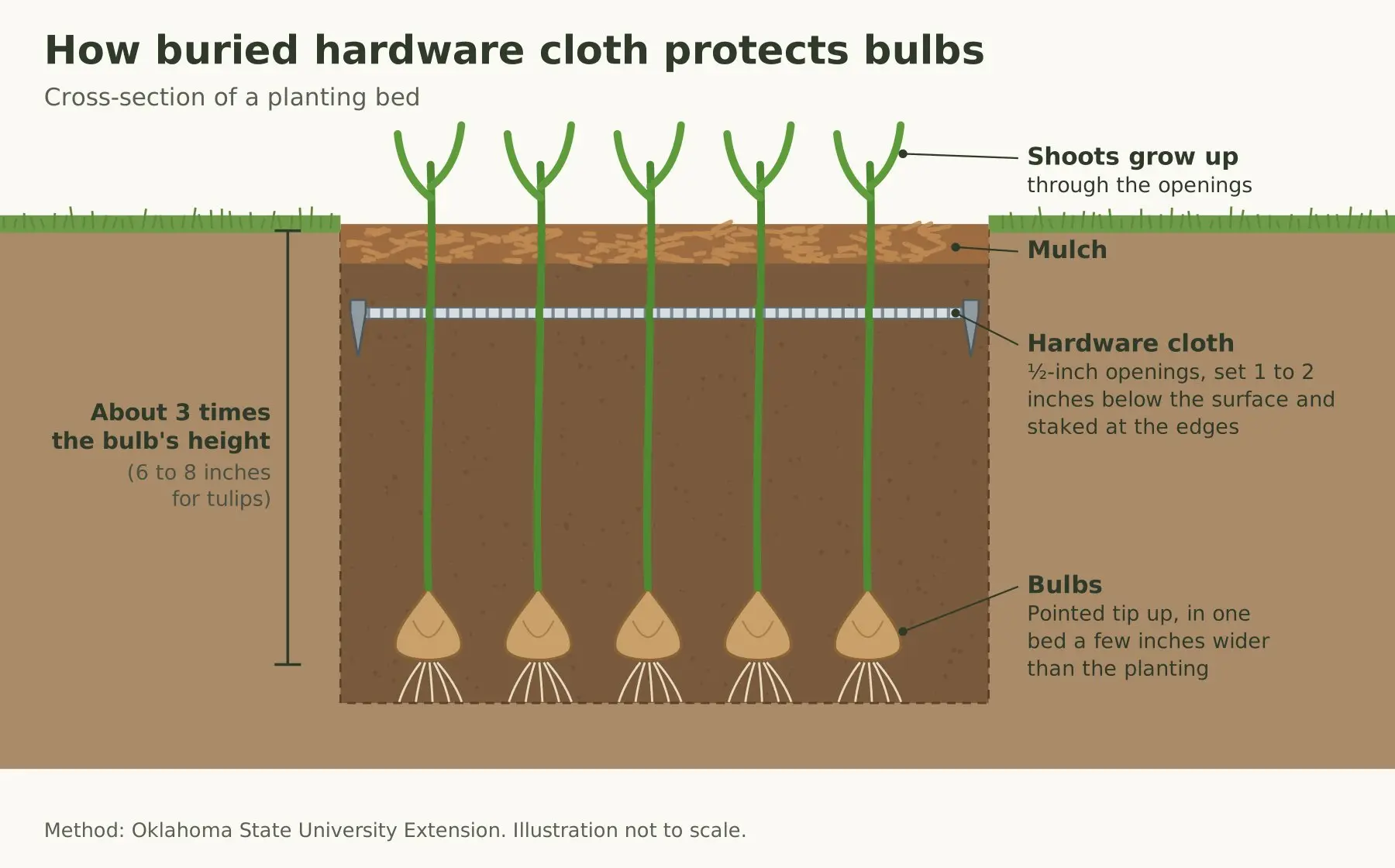
This method takes a little more work at planting time but keeps working year after year. Oklahoma State University Extension recommends hardware cloth with ½-inch openings and these steps:
- Dig one planting bed instead of single holes, a few inches wider on all sides than the planting.
- Set the bulbs, growing tip up, at the right depth.
- Add soil until the bulbs are covered, but stop 1 to 2 inches below the surrounding ground level.
- Lay the hardware cloth over the bed and stake the edges into the soil.
- Finish filling with soil, then add mulch.
The leaves and flower stalks grow through the openings, while digging animals hit metal.
Bulb cages: for tight spots and tunneling pests
If voles or moles are part of your problem, they can reach bulbs from below. Oklahoma State University Extension suggests building small boxes or baskets of chicken wire, placing the bulbs inside and planting the whole cage. The approach also works when you are squeezing a few bulbs in among perennials and do not have room for a full bed.
Burlap and leaves: a no-wire option
A Colorado State University Extension article by a Colorado Master Gardener describes covering each new planting with a generous layer of fallen leaves, topping it with burlap and pinning the burlap down with landscape staples. The writer reports losing no bulbs that season. Uncover the plantings in late winter, about early March in many areas, and leave the leaves to break down in place.
3. Hide the evidence
Because squirrels are drawn to fresh digging, make the bed look like nothing happened.
- Clean up. Pick up loose bulb skins and bits of packaging. Remember those crumbs. Keep a bucket beside you and drop skins in as you go rather than cleaning up at the end.
- Settle the soil. Firm it by hand and water it in. Packed, damp soil looks and feels less like a fresh hiding spot.
- Cover the scar. A layer of mulch or leaves hides the bare patch of turned soil.
4. Use bulbs squirrels avoid as a shield
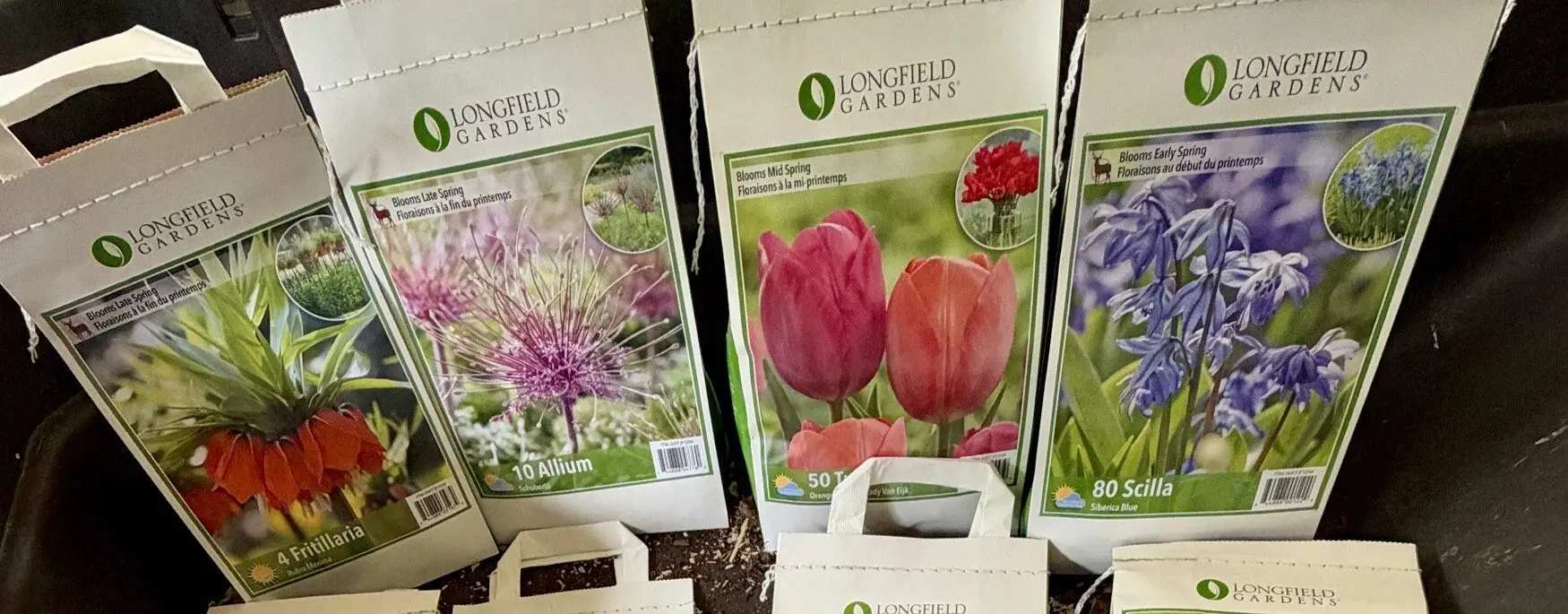
You do not have to give up tulips. Plant them alongside or among squirrel-resistant bulbs, especially daffodils and alliums. A Dutch practice mentioned by the University of Washington’s Miller Library is interplanting crown imperial (Fritillaria imperialis), a tall bulb with a strong odor that squirrels reportedly dislike.
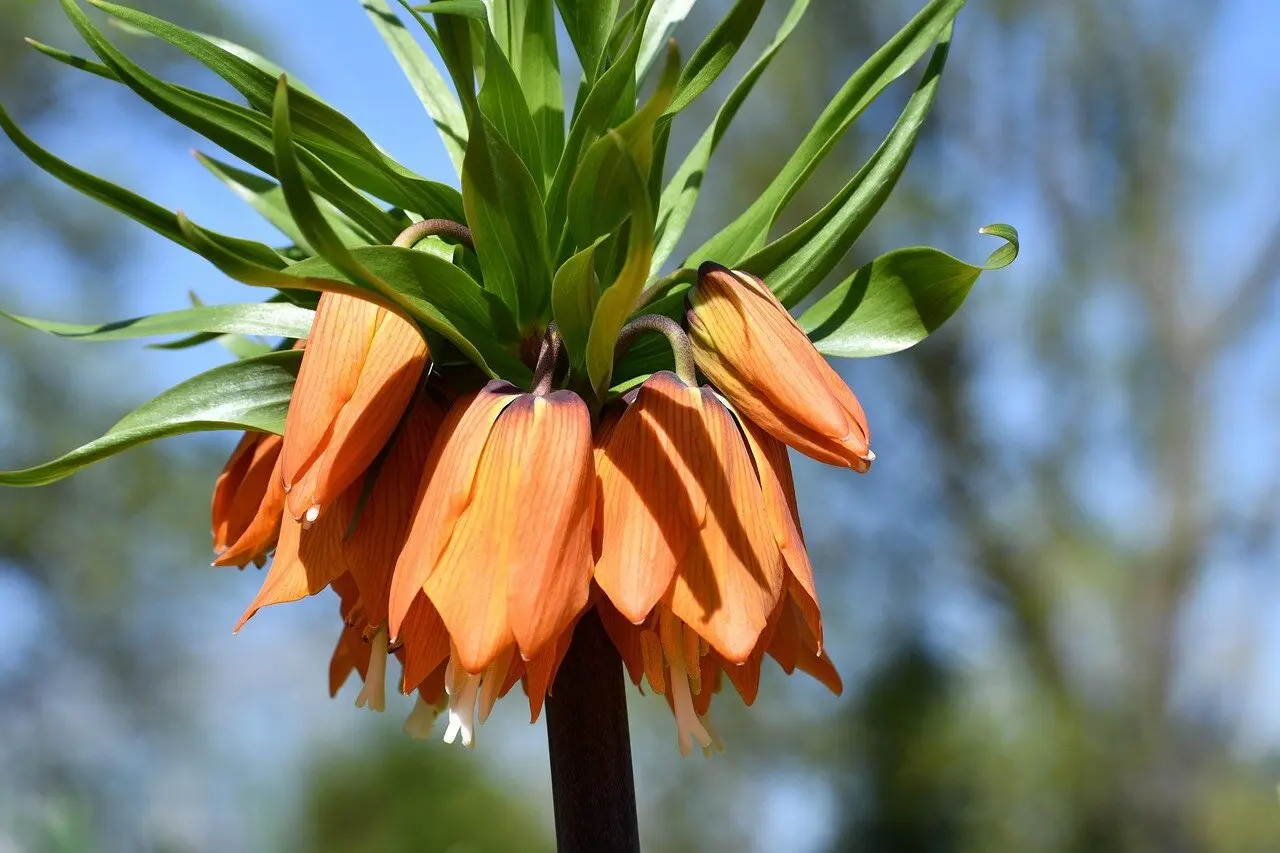
Interplanting lowers the odds rather than guaranteeing protection, so pair it with mesh over your tulips and crocuses.
5. Try a gritty or smelly surface layer
These options make digging less pleasant. They work best as backup to a barrier.
- Crushed oyster shells. University of Maryland Extension suggests a sprinkling of crushed oyster shells, sold at farm supply stores, to discourage digging. The sharp, gritty layer is unpleasant under paws, and shells break down slowly.
- Milorganite. Olbrich Botanical Gardens reports good results from scattering this granular fertilizer, made from processed sewage sludge, over planting sites. Animals dislike the odor. Use fertilizer products according to the label.
6. Take away the extra food
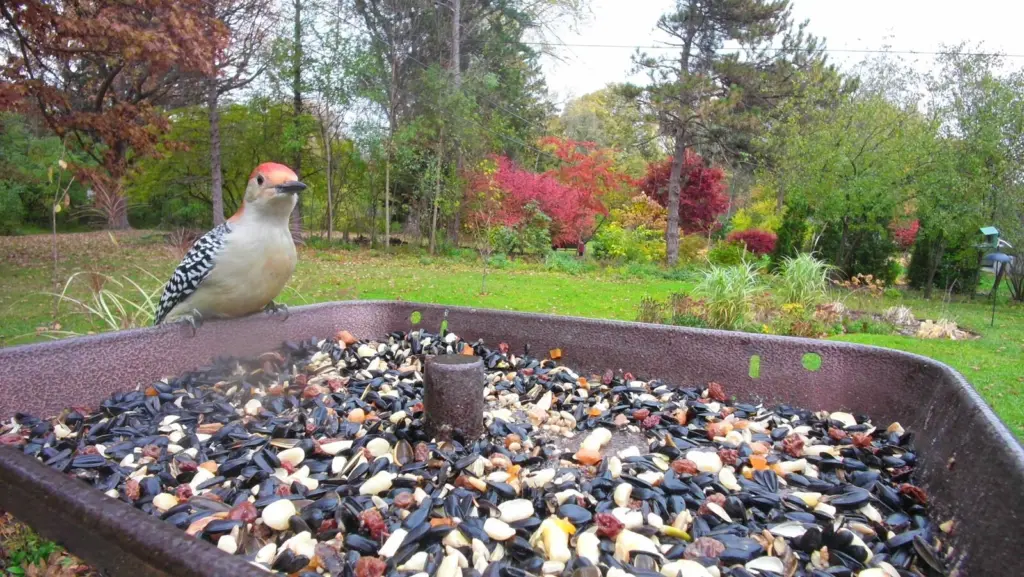
A yard full of easy food draws more squirrels. University of Maryland Extension suggests taking down bird feeders or switching to squirrel-resistant ones and raking up fallen acorns and other nuts. If you’d rather keep feeding birds through fall, at least move the feeder well away from your bulb beds.
What not to do
Several tips that circulate widely online either do not hold up or can cause harm.
Don’t use mothballs. Mothballs are registered pesticides, and their labels allow use only in tightly closed containers for clothes moths, according to University of Florida IFAS Extension. Scattering them outdoors to repel animals is illegal and can harm people, pets and wildlife. One mothball can seriously harm a child who swallows it.
Don’t count on hot pepper. Cayenne and chili powder are popular, but anything sprinkled on the ground has to be reapplied every few days and after every rain, an Ask Extension expert told a Colorado gardener. That’s a lot of upkeep for a bed you planted so you could forget about it until spring. Even registered squirrel repellents have questionable effectiveness, according to the University of California IPM program, and squirrels get used to scare devices within a couple of days.
Don’t start feeding squirrels. Some articles suggest setting out peanuts to distract squirrels. The eXtension Wildlife Damage Management community calls feeding squirrels ill-advised because it encourages their numbers to grow, which means more pressure on your plants later.
Skip the trap. Trapping rarely solves the problem. New squirrels tend to move in to fill the gap, according to the University of California IPM program, and moving a squirrel elsewhere is illegal without a permit in some states, including California. It’s also hard on the squirrels. Humane World for Animals, formerly the Humane Society of the United States, notes that trapping a mother can leave her babies to die in the nest, and relocated squirrels often don’t survive in unfamiliar territory, especially without the food they cached. Protecting the bulbs works better than removing the squirrels.
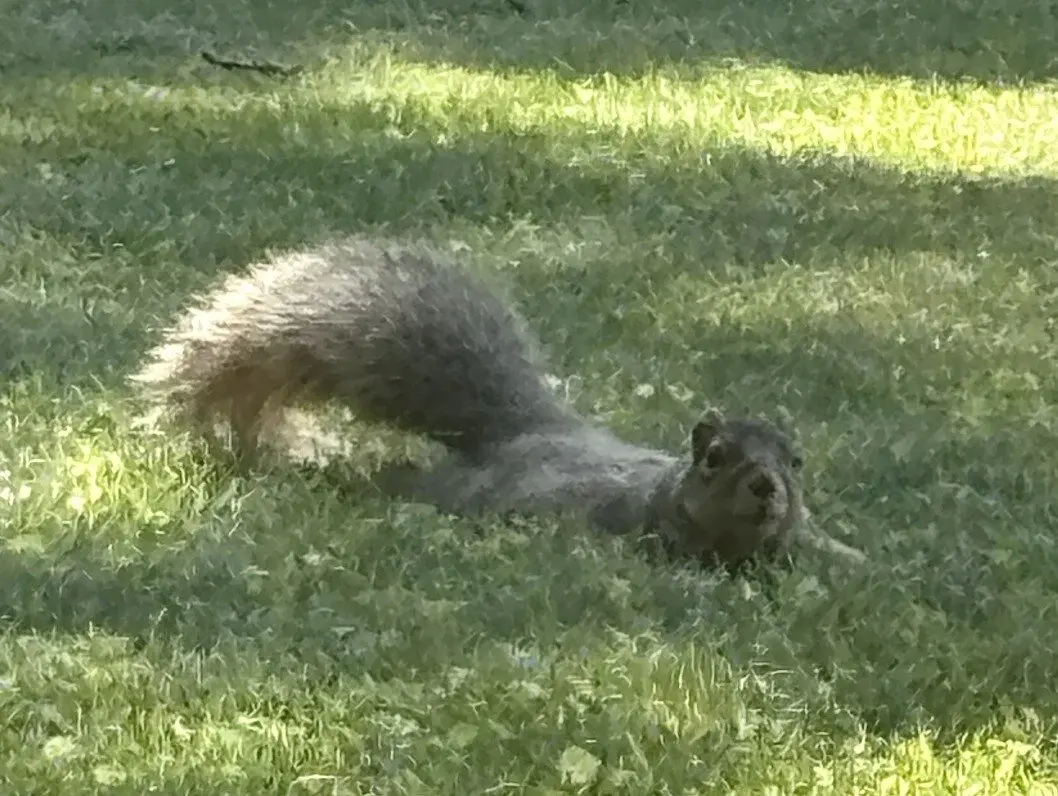
Protecting bulbs in containers
Squirrels dig in pots for the same reasons they dig in beds. The same fixes apply on a smaller scale. A circle of chicken wire or hardware cloth cut to fit the top of the pot and secured at the rim acts as a lid that shoots can grow through. The leaf-and-burlap method works for potted tulips, too. Pots are actually easier to protect than beds because the area to cover is so small.
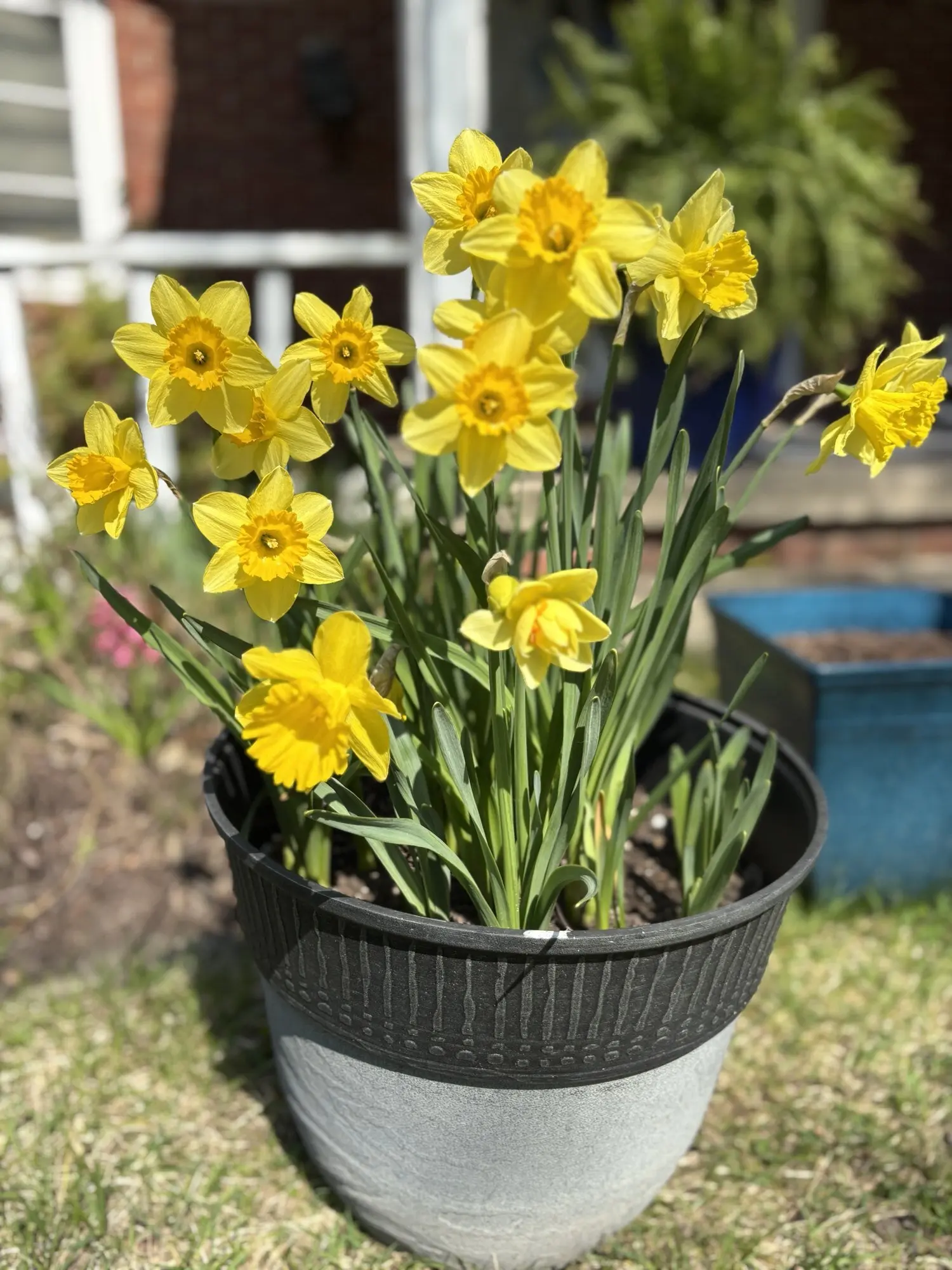
How long do bulbs need protection?
The first season is the most important. Many bulbs, including daffodils, grape hyacinths and crocuses, are perennial and stay in the ground year after year, so you only need to cover them the year you plant them, according to the Colorado State University Extension article. Set a reminder for late winter so you remember to pull covers before shoots come up. Once the soil settles and stops looking freshly dug, squirrels lose interest.
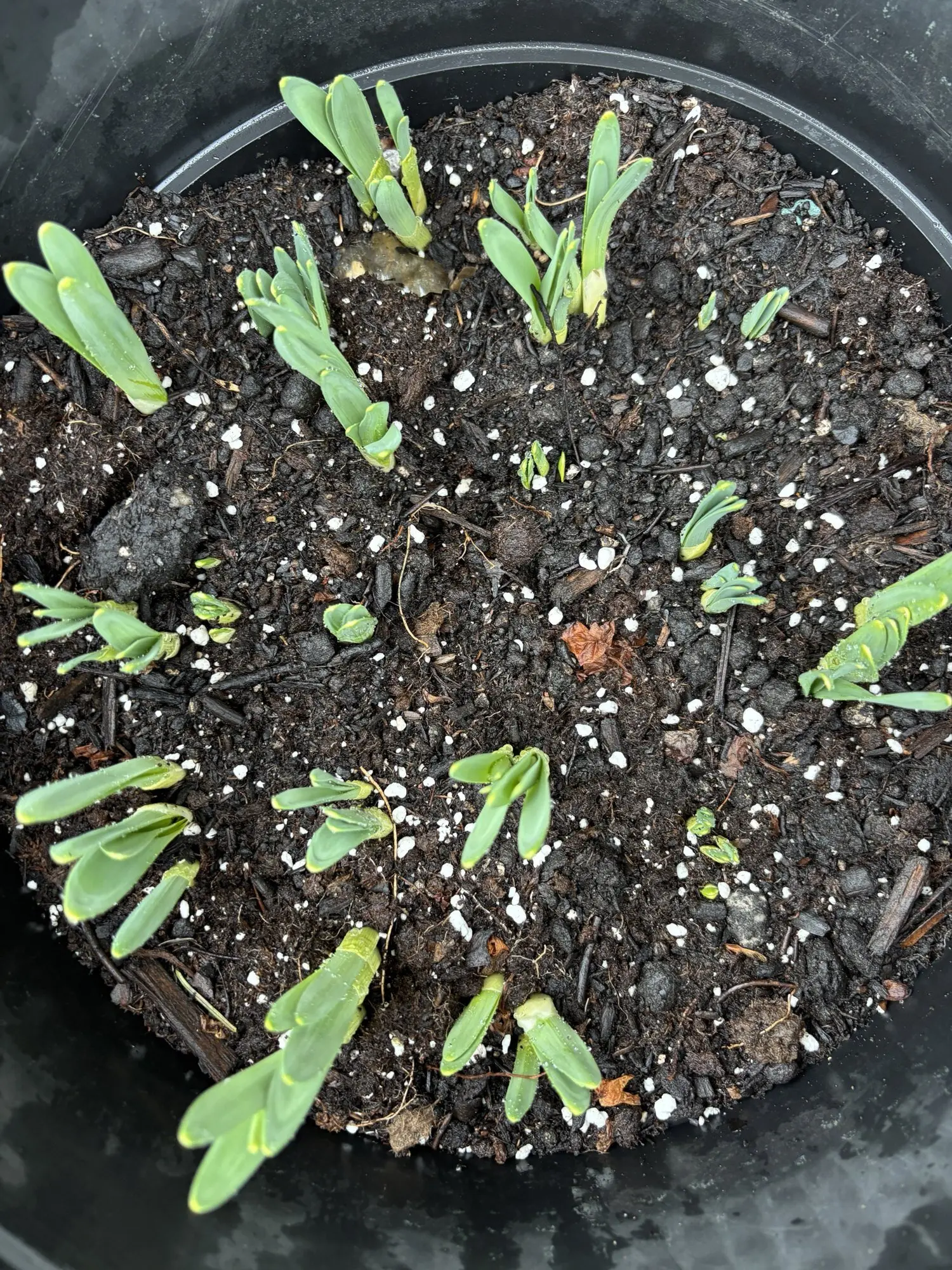
Remove surface mesh, screens or burlap in late winter or early spring, before shoots come up. Buried hardware cloth and wire cages can stay in place.
If squirrels already dug up your bulbs
Act quickly. If a bulb is firm and only lightly nibbled, replant it at the proper depth, firm the soil, water it in and cover the spot with mesh. Toss bulbs that are soft, hollowed out or badly chewed. If the damage happened early in the season and the ground is still workable, you may have time to buy and plant replacements.
My wildlife-friendly compromise: Replant every fall
I adore the squirrels in my yard, and they’re not the only visitors. Deer, rabbits, chipmunks, raccoons and opossums all pass through. A giant oak drops acorns all fall, I put out pumpkin and pumpkin seeds as treats, and baffles keep the squirrels out of my bird feeders. They’re well fed, and they still dig up my bulbs. That’s because burying food is what squirrels do when food is plentiful.
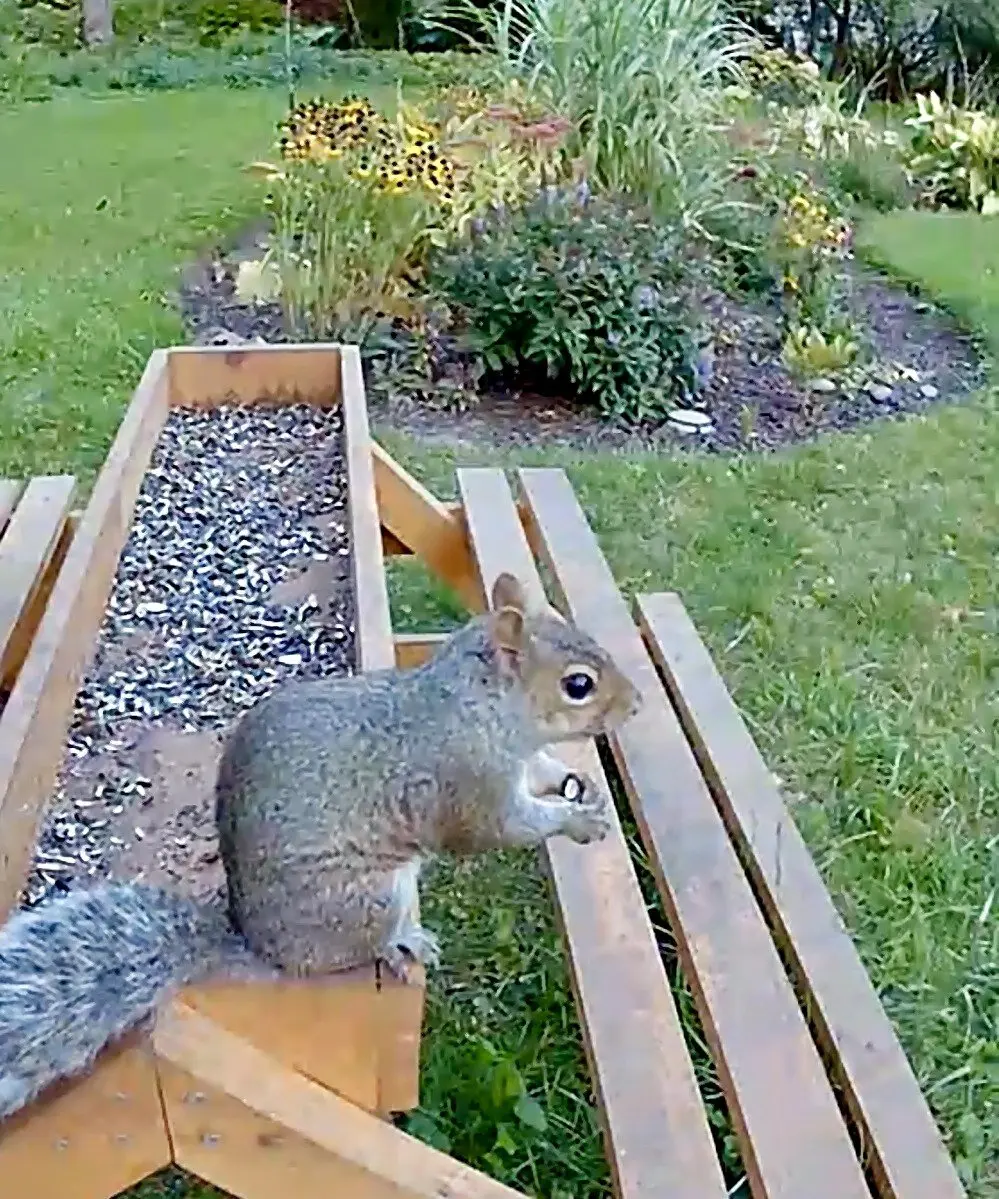
Squirrels aren’t the only bulb lovers, either. Tulips and crocuses are favorites of squirrels and chipmunks at planting time and of rabbits and deer at bloom time, according to Olbrich Botanical Gardens. Short of putting my entire yard in a cage, there’s no keeping everyone out.
So my solution is simple: I plant fresh bulbs every fall and count on losing some. I don’t bother with mesh. I think my squirrels mostly find bulbs by accident while burying their own food, which fits what the experts say about squirrels stumbling onto bulbs. It’s a small price for a yard full of wildlife. If you’d rather not lose any, mesh over your favorites is still the surest fix.
Frequently asked questions
Do squirrels eat daffodil bulbs? Rarely. Daffodils contain toxic alkaloids, and extension sources and public gardens consistently list them as the bulb squirrels and other animals avoid. A squirrel may still dig one up while burying food, so firming the soil and mulching still help.
What is the best way to keep squirrels from digging up tulip bulbs? Cover the bed with chicken wire or hardware cloth after planting. Planting 6 to 8 inches deep and firming the soil adds another layer of protection.
Should I use chicken wire or hardware cloth? Either works. Chicken wire is cheaper and easy to lay over large beds. Hardware cloth with ½-inch openings is stiffer and longer lasting, making it a good choice for buried barriers you plan to leave in place.
Does cayenne pepper keep squirrels away from bulbs? Not reliably. Pepper washes off and must be reapplied often, and extension experts call repellents’ effectiveness against squirrels questionable. Use a metal barrier instead.
Can I leave chicken wire over bulbs all winter? Yes. Leave surface mesh in place through winter, then remove it in early spring before the foliage emerges so shoots do not tangle in the wire. Buried hardware cloth can stay permanently.
Do squirrels dig up hyacinth bulbs? Sometimes. Some extension sources list hyacinths as less favored, while others include them among bulbs squirrels dig up. Protect them with mesh to be safe.
From the QT Bird Community
Join the conversation
Comments on QT Bird articles live in our community. Joining is free: share your tips, ask questions and get replies.
Sign up to PostLog in