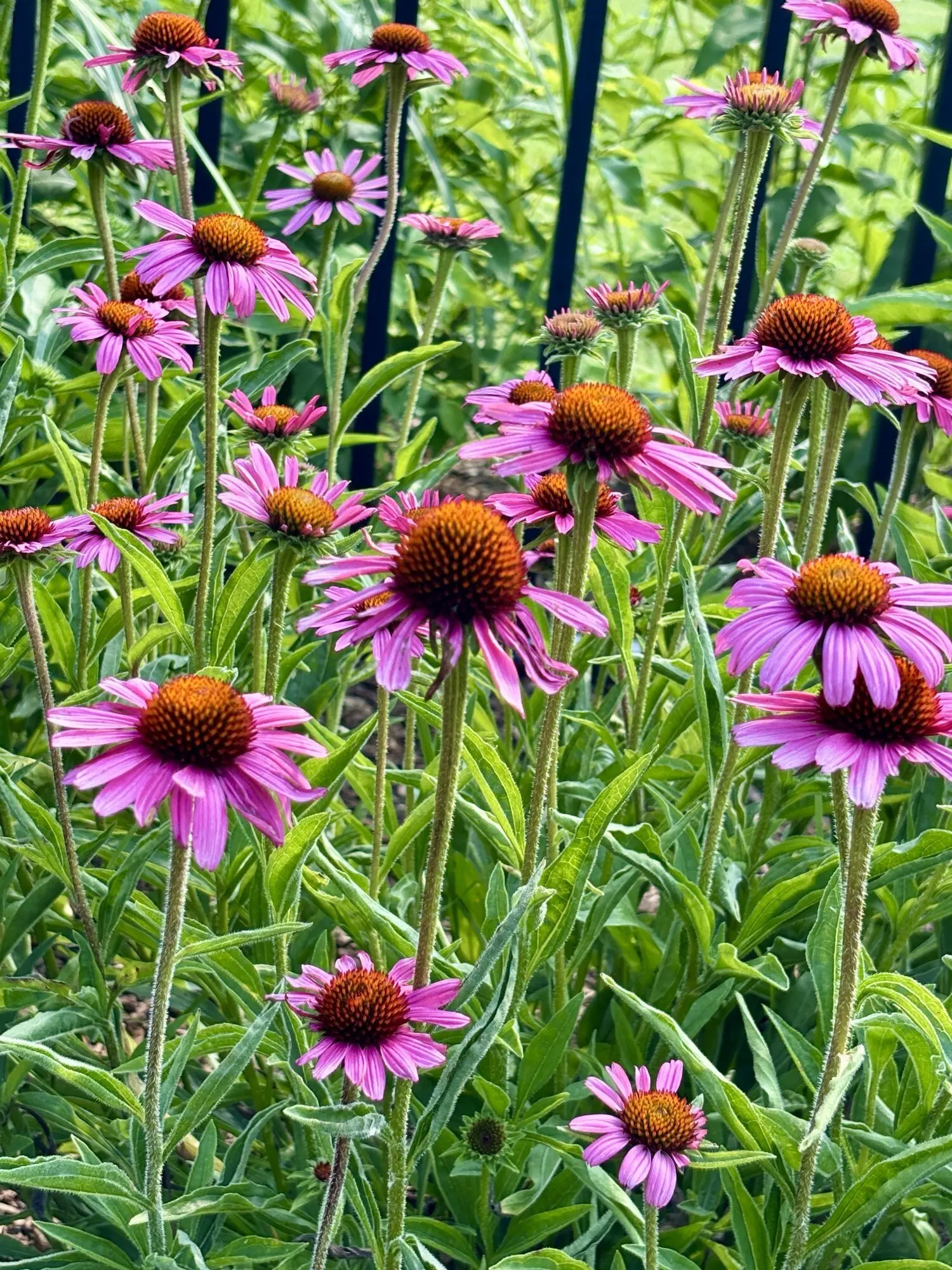
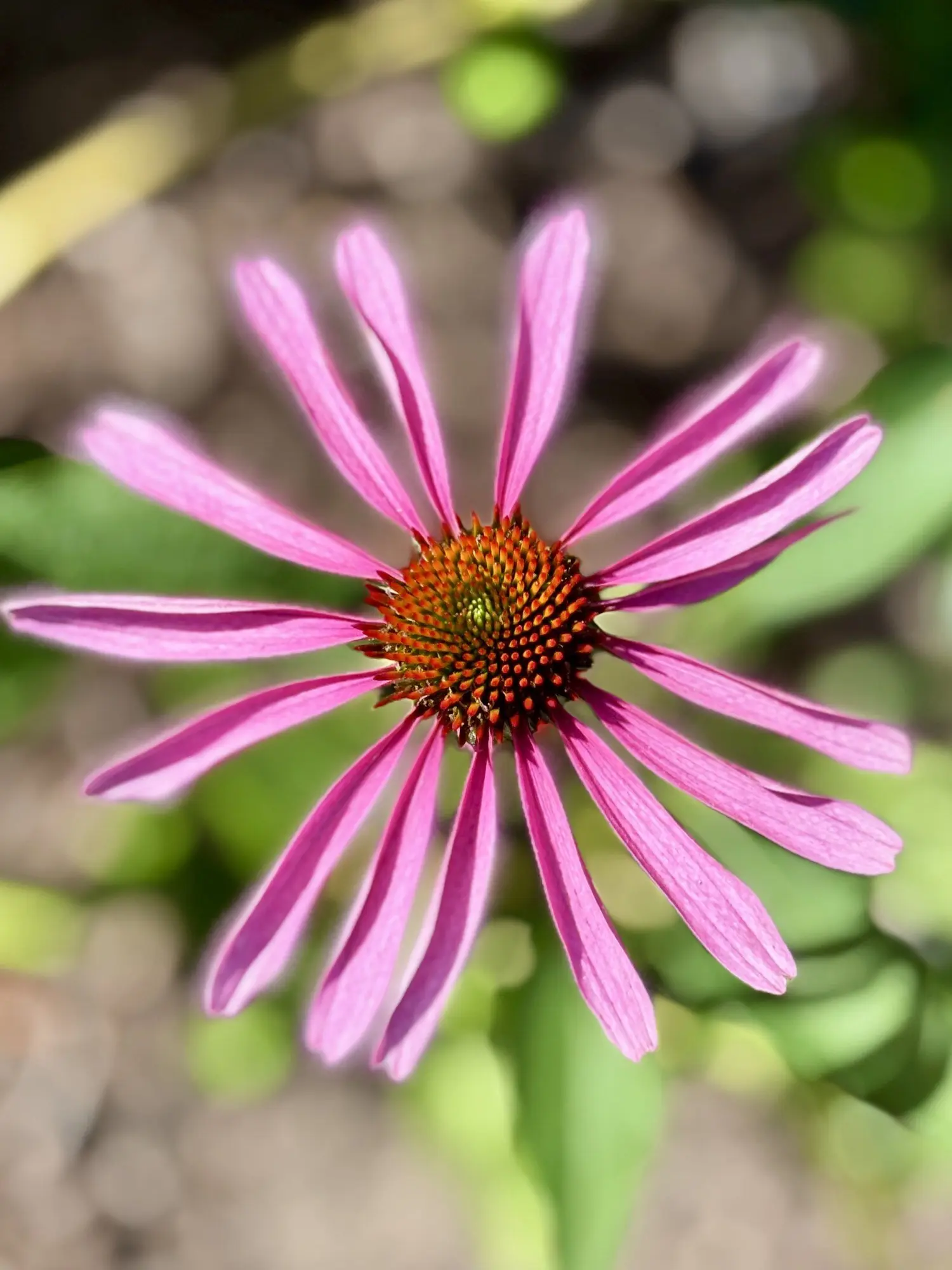
Purple coneflower, also known as echinacea, is one of those plants that seems to do everything. It blooms for weeks in the heat of summer, shrugs off dry spells, feeds bees and butterflies, and then hands the garden over to the goldfinches once the petals fall. Its pinkish-purple petals droop around a spiny, copper-orange cone, and that cone is where the name comes from. Echinacea comes from the Greek word for hedgehog.
It’s a native wildflower of the central and eastern United States, so it’s right at home in a sunny border, a pollinator garden, or a corner of the yard you’d like to let go a little wild. Here’s the thing, though: each plant doesn’t live very long. Knowing that, and letting it do what it does naturally, is the secret to keeping coneflowers in your garden for years.
| Common Name | Purple coneflower, eastern purple coneflower |
|---|---|
| Botanical Name | Echinacea purpurea |
| Family | Asteraceae |
| Plant Type | Perennial (short-lived) |
| Mature Size | 2 to 4 ft. tall, 1½ to 2 ft. wide |
| Sun Exposure | Full sun to part shade; best in full sun |
| Soil Type | Well-drained; handles clay, rocky, and poor soil |
| Soil pH | Adaptable; best near neutral (about 7.0) |
| Bloom Time | June to August |
| Flower Color | Purplish pink (hybrids come in many colors) |
| Hardiness Zones | 3 to 8 (USDA) |
| Native Area | Central and eastern United States |
| Attracts | Bees, butterflies, hummingbirds, goldfinches |
| Deer Resistance | Sources disagree |
| Uses | Cut and dried flowers |
| Toxicity | Not on the ASPCA’s lists of toxic or nontoxic plants |
Care
Light
Give it full sun if you can. Purple coneflower grows in full sun to part shade, but it’s at its best in full sun, according to Missouri Botanical Garden. Full sun means six or more hours of direct sunlight a day.
Soil
Good drainage matters more than rich soil. Coneflowers handle clay, rocky, and poor soil, as long as water doesn’t sit around the roots. They don’t need extra fertilizer, either. Too much lush growth makes stems that flop over.
Water
Water new plants until they’re established. After that, purple coneflower is drought tolerant, Penn State Extension says.
Temperature and humidity
Coneflowers are cold hardy in zones 3 to 8, and some extension services stretch that to zone 9. They take summer heat and humidity in stride.
Pruning
You have two good choices, and both are right. Snipping off faded flowers keeps the plant tidy and can bring more blooms into fall, according to Mississippi State University Extension. Leaving them, though, gives you seed heads for the birds and new seedlings next spring. You can do a little of both: deadhead early in summer, then let the last flowers go to seed.
Types
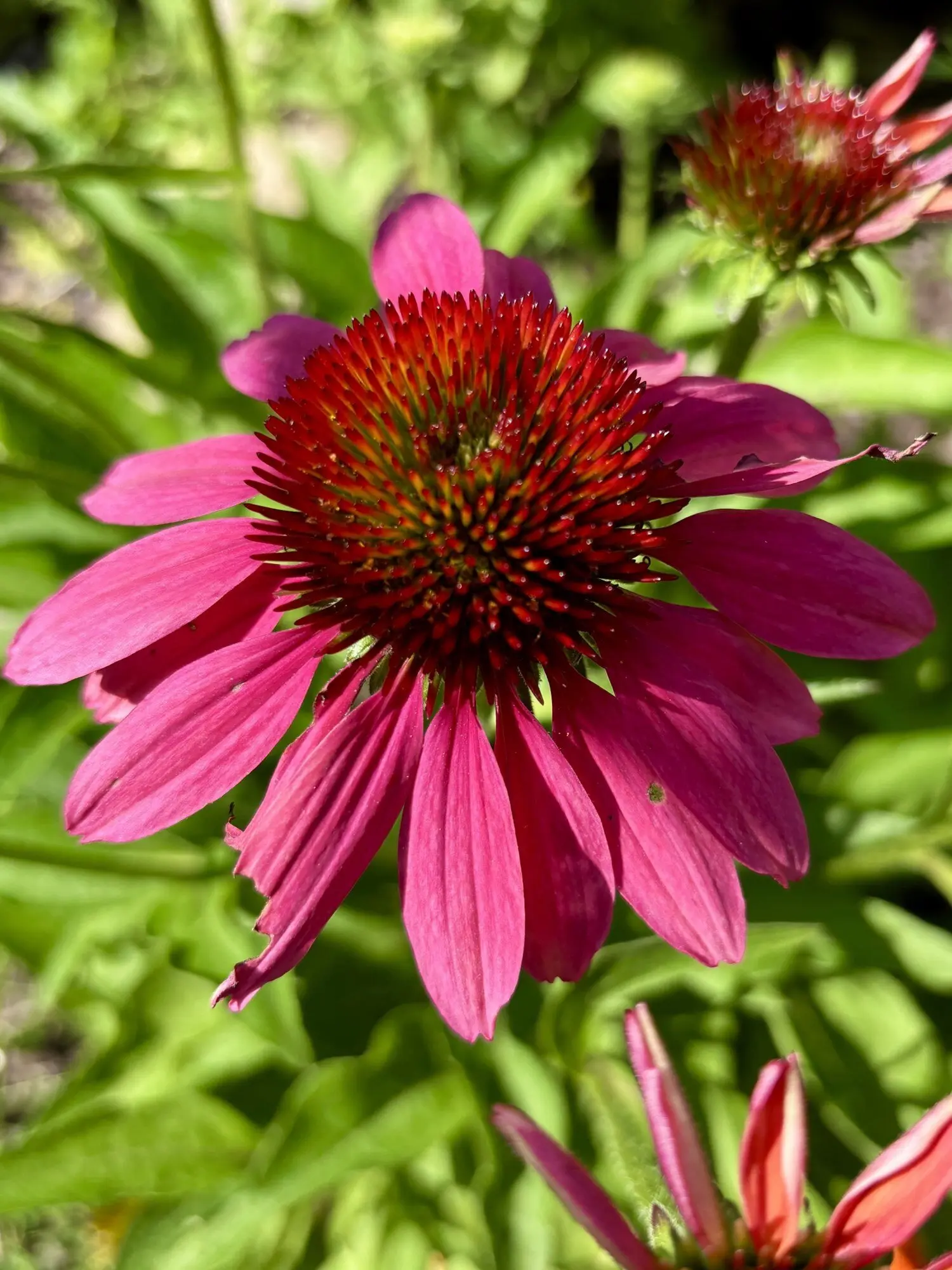
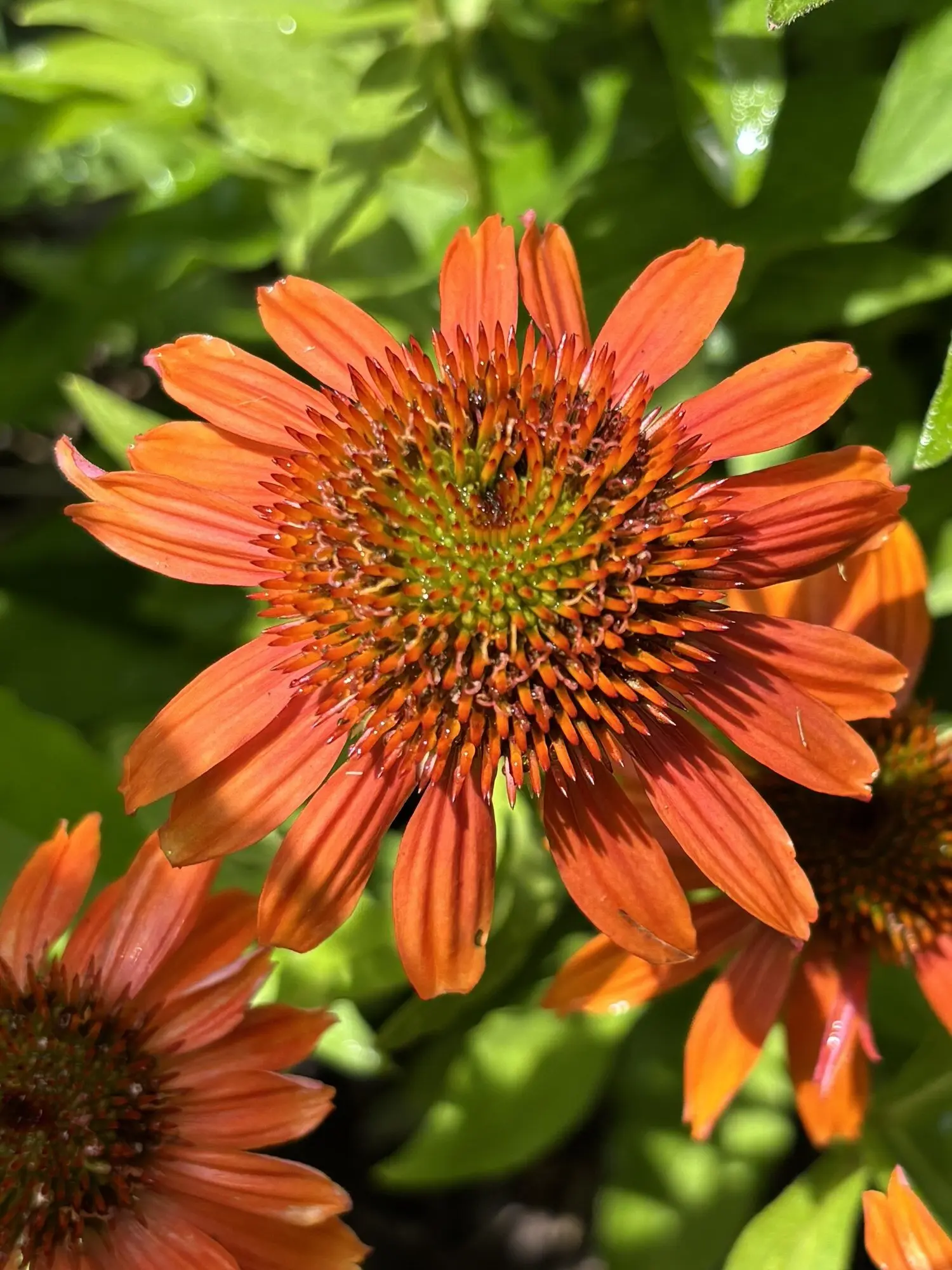
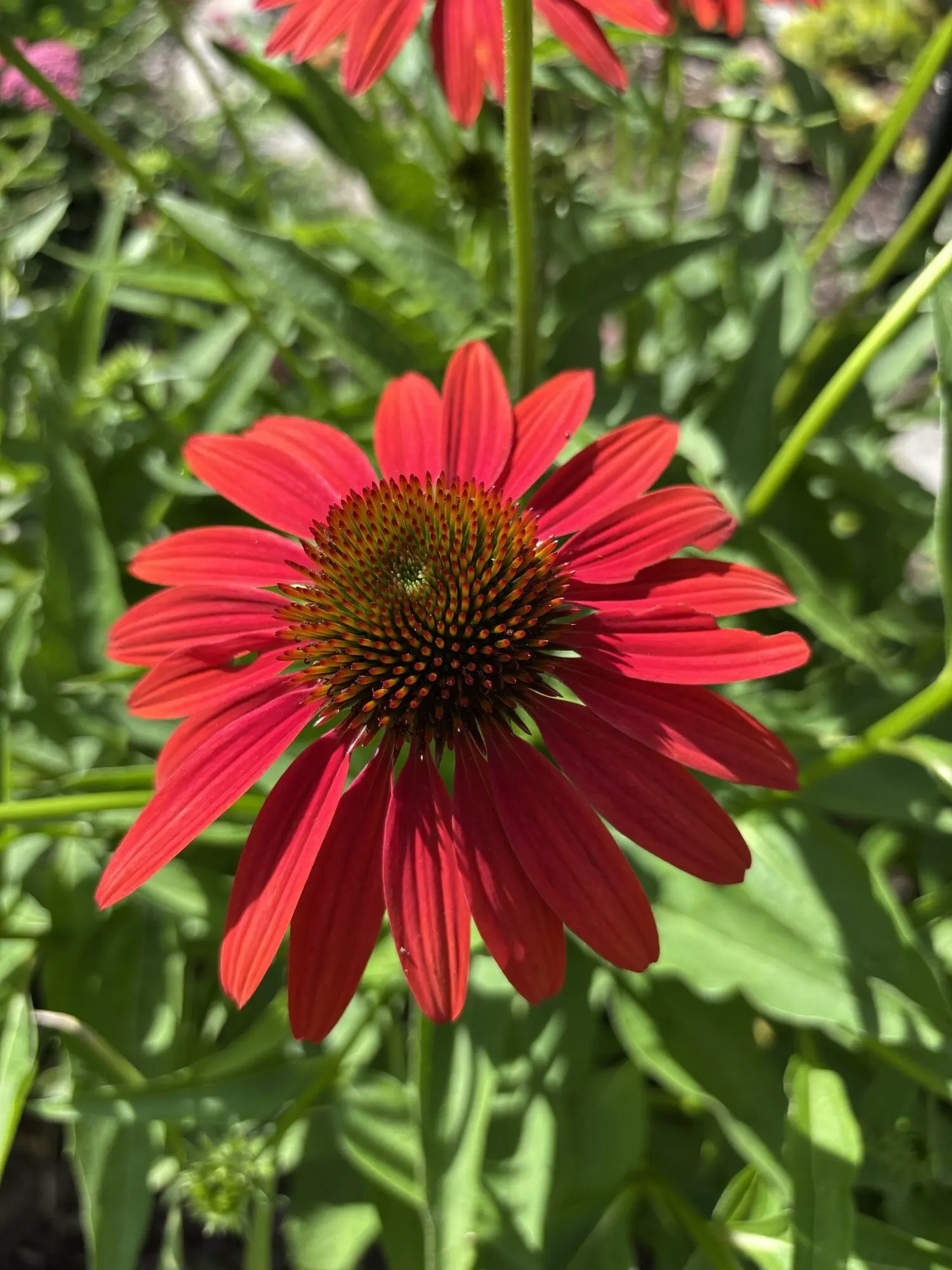
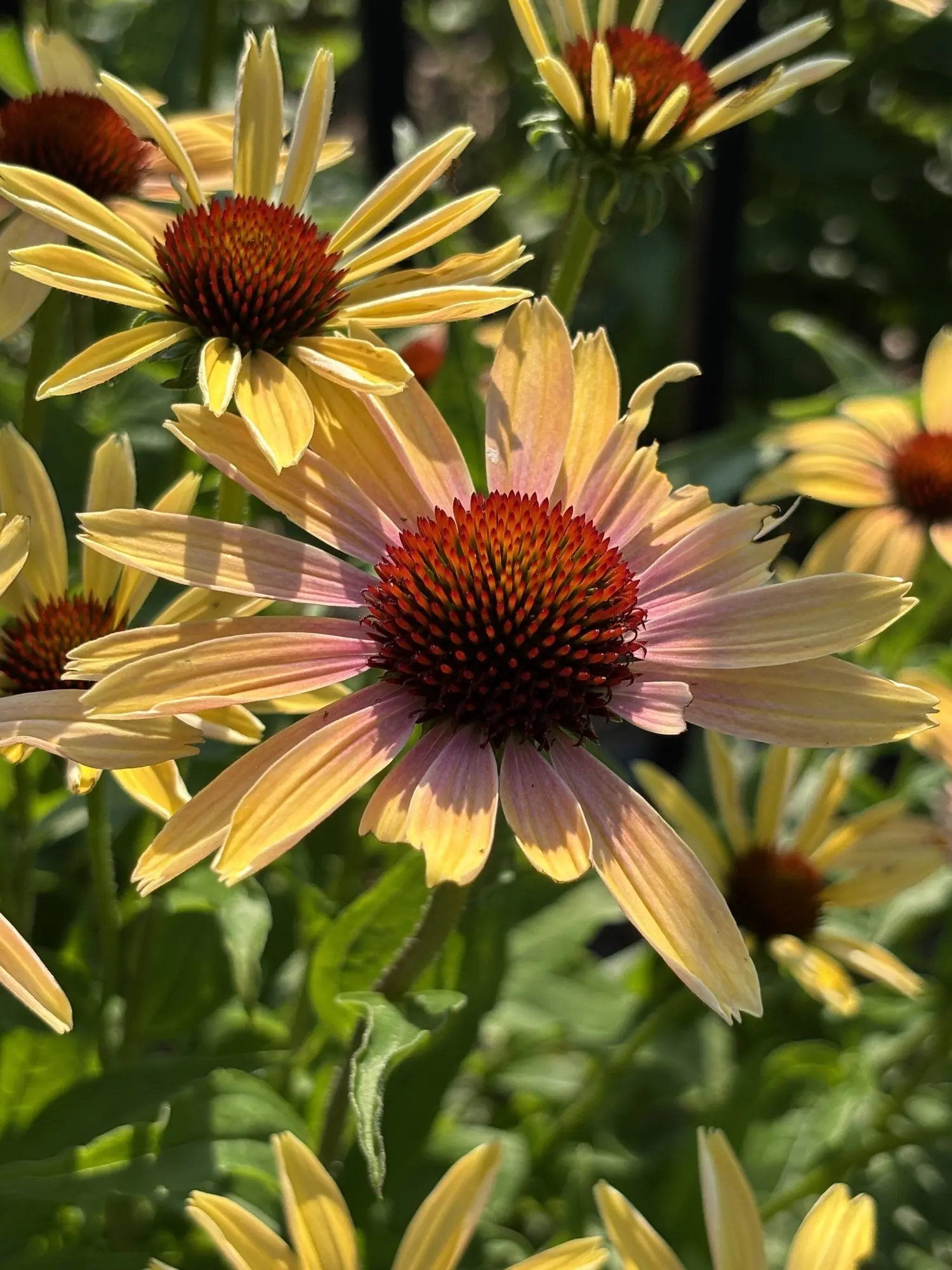
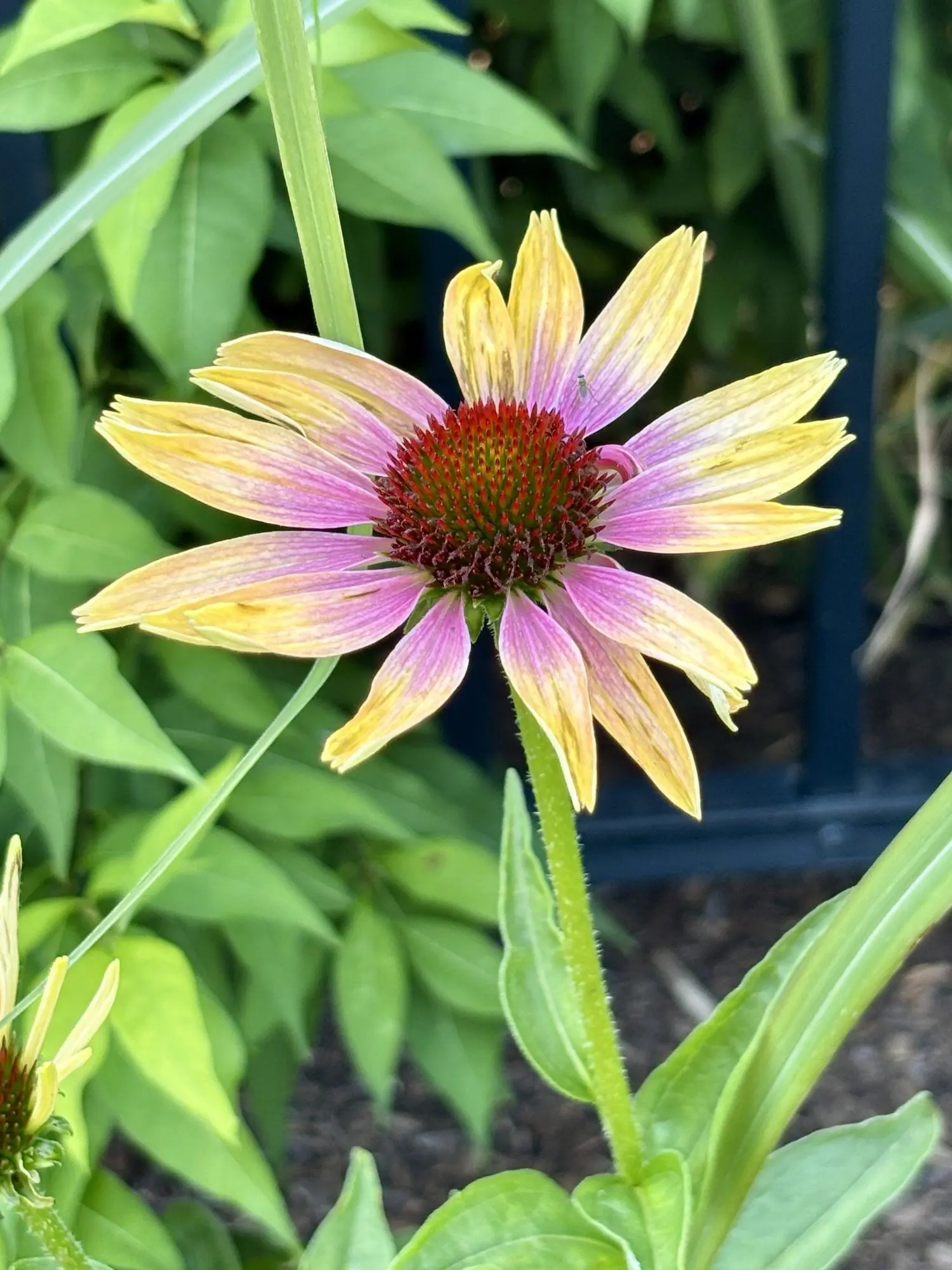
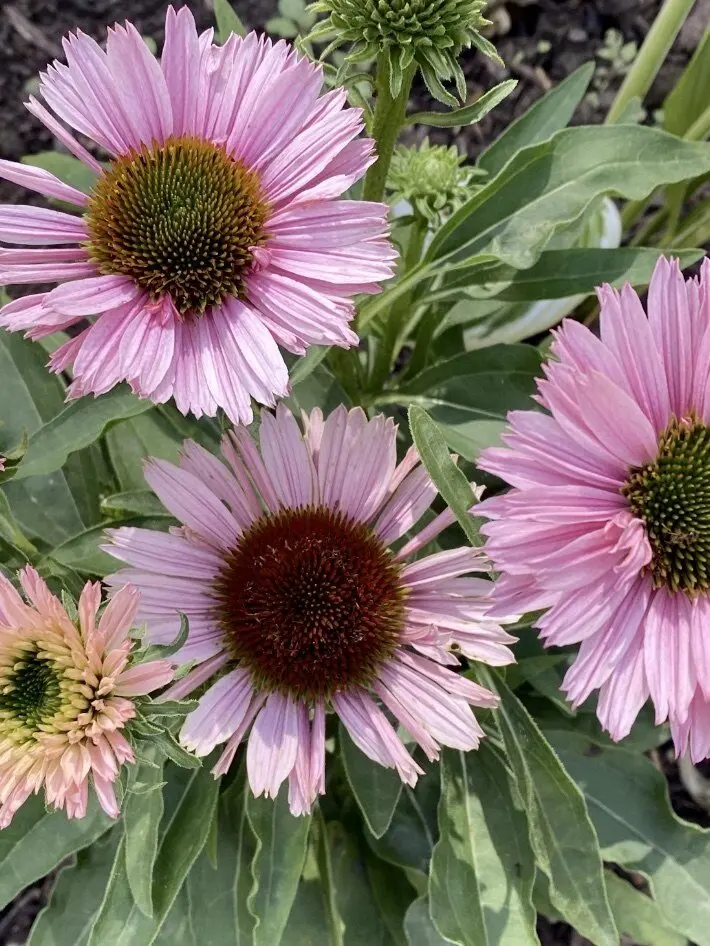
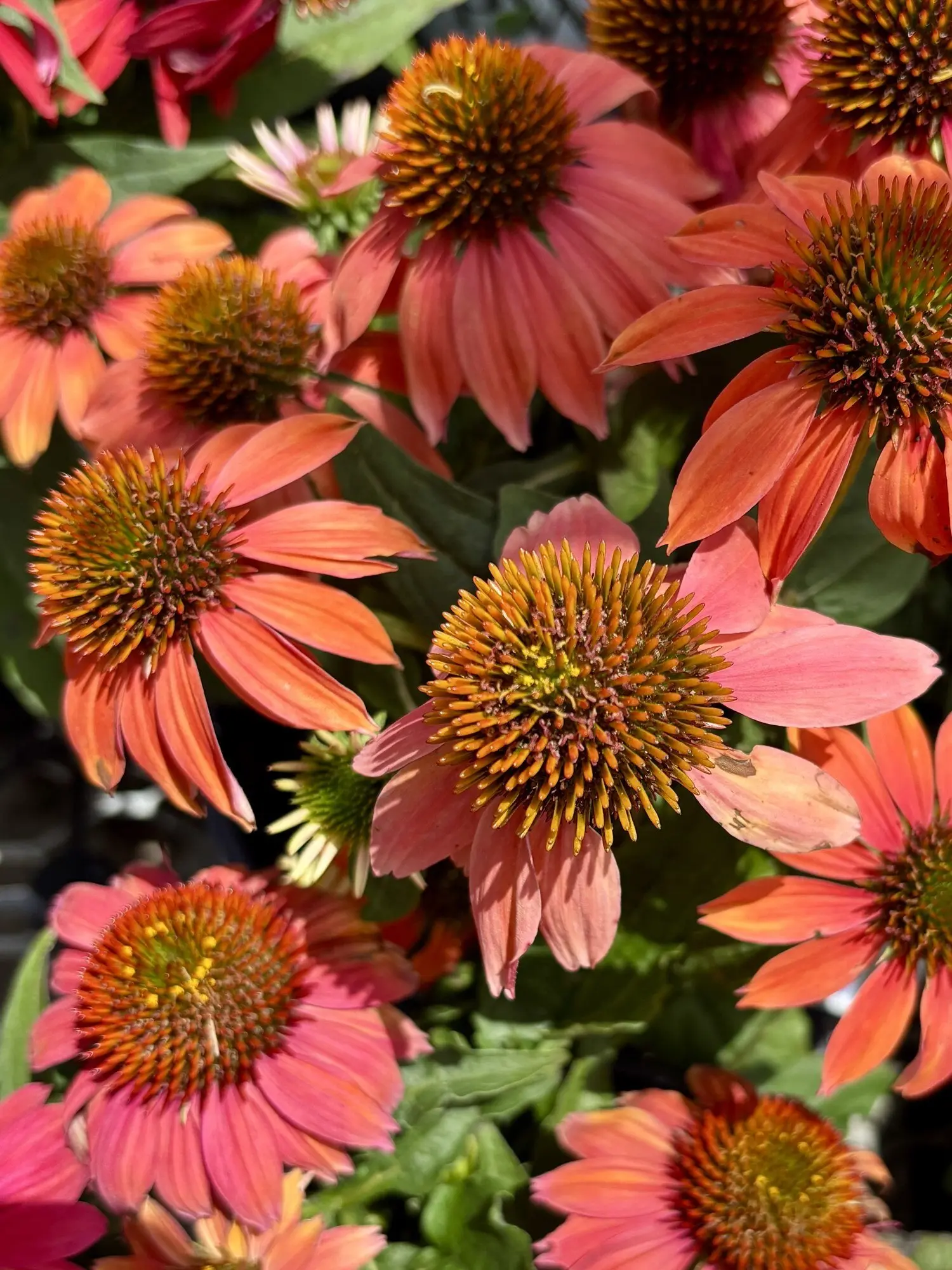
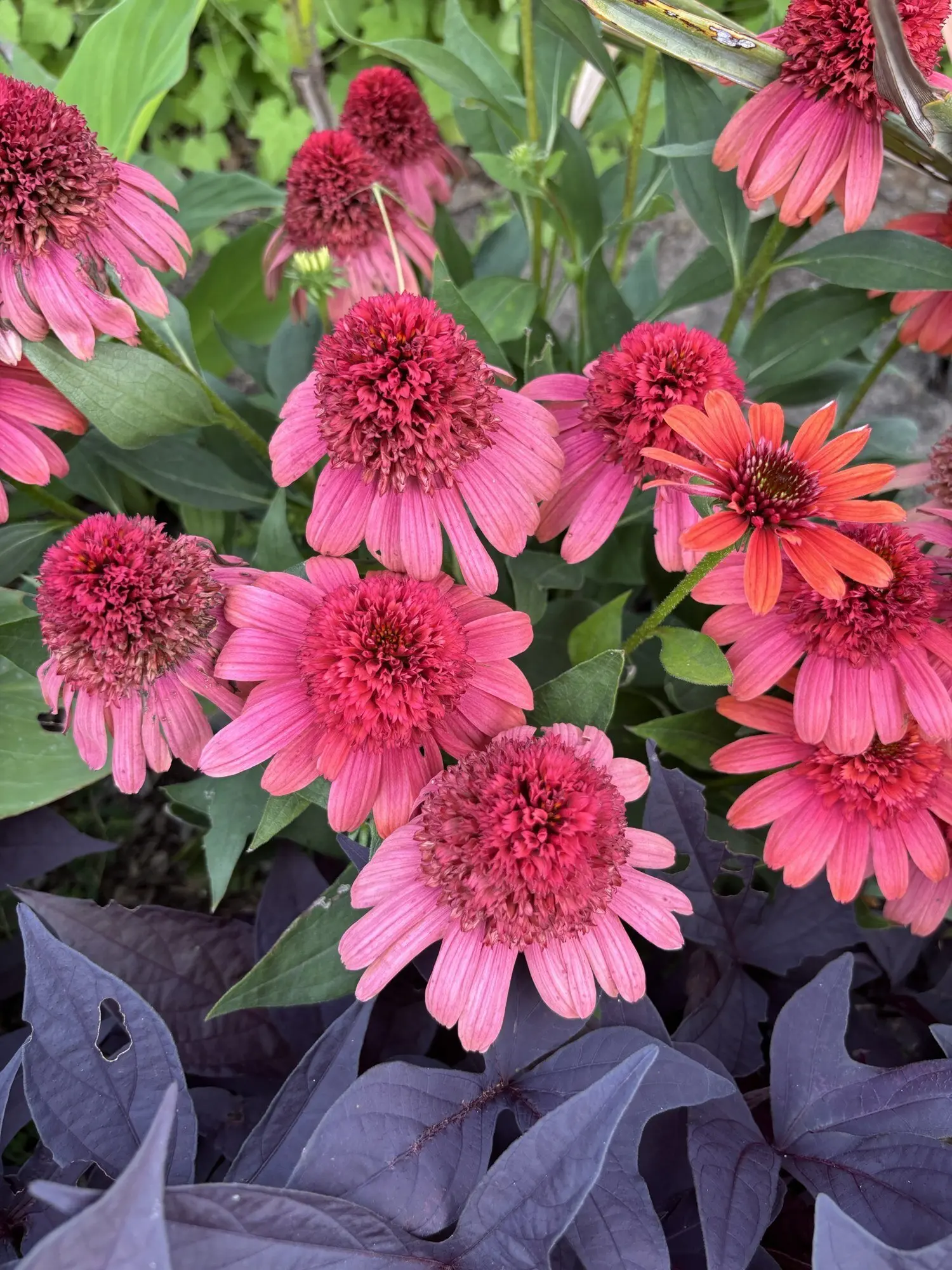
Purple coneflower is the wild, native plant. Hybrids come in white, yellow, orange, coral, red, deep magenta, and soft blends of two colors. Some have double flowers, with a pom-pom of extra petals where the cone would be.
New hybrids come out every year, so instead of a list that goes out of date, here’s what’s worth knowing before you buy:
- Many hybrids don’t last. Gardeners often find that newer hybrids fade away after a season or two, University of Illinois Extension says. The straight species, or a simple seed-grown type, tends to keep coming back.
- Doubles feed less. The extra petals on double flowers block the nectar and pollen, so pollinators get little from them, and they make fewer seeds for birds.
- Check the tag. Height, hardiness, and color vary from one hybrid to the next, so read the plant tag for your zone.
Propagating
Purple coneflower has a shallow, fibrous root system, so it’s easy to dig up and move, according to University of Illinois Extension. That makes division simple. When a clump gets crowded, usually every four years or so, dig it up in spring as new growth is just coming up, cut it into pieces that each have roots and shoots, and replant them.
Not everyone agrees division helps, though. The Lady Bird Johnson Wildflower Center notes that dividing seems to bring on too many stems and too few flowers. Since the plant reseeds so easily, you can also just move volunteer seedlings where you want them.
Growing From Seed
Coneflower seeds sprout best after a cold, moist spell, the way they would outdoors over winter. The easiest way is to let nature do it. Sow seeds in pots in fall and leave the pots outside through winter, Mississippi State University Extension suggests. To start them indoors instead, chill the seeds in something damp, like moist sand in a sealed bag in the refrigerator, for one to three months before sowing.
Be patient with seed-grown plants. They can take two or more years to grow into a good-sized plant.
Leave a few seed heads standing in fall, and the plant will usually do the seeding for you.
Pests and Diseases
Coneflowers are tough, but a few problems turn up:
- Aster yellows. This is the serious one. Leafhoppers spread it as they feed, and it turns the flower into a twisted, green, tufted mess, sometimes with green petals. There’s no fix. Pull out and throw away infected plants so it doesn’t spread, Clemson Cooperative Extension advises. Don’t put them in the compost.
- Japanese beetles. They’re an occasional problem in summer.
- Leaf spot and powdery mildew. Give plants room between them so air can move through and the leaves dry quickly.
- Mites. Tiny eriophyid mites live inside the flower buds and feed on the flowers. Cut affected plants to the ground in fall and throw away the debris.
Bloom
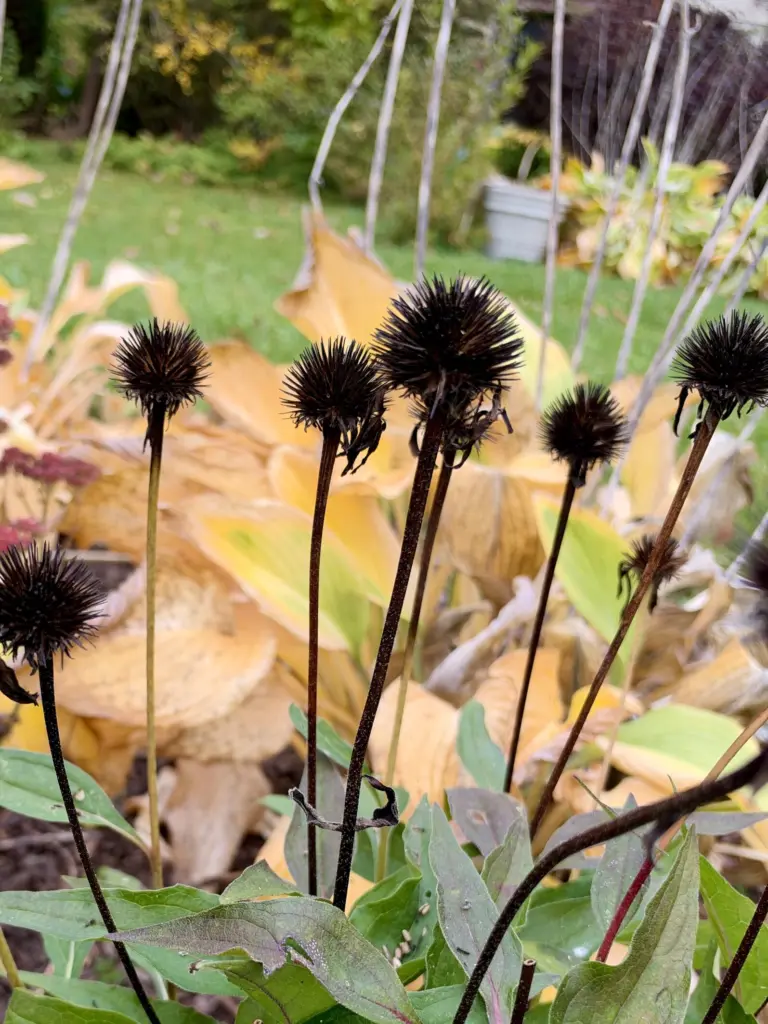
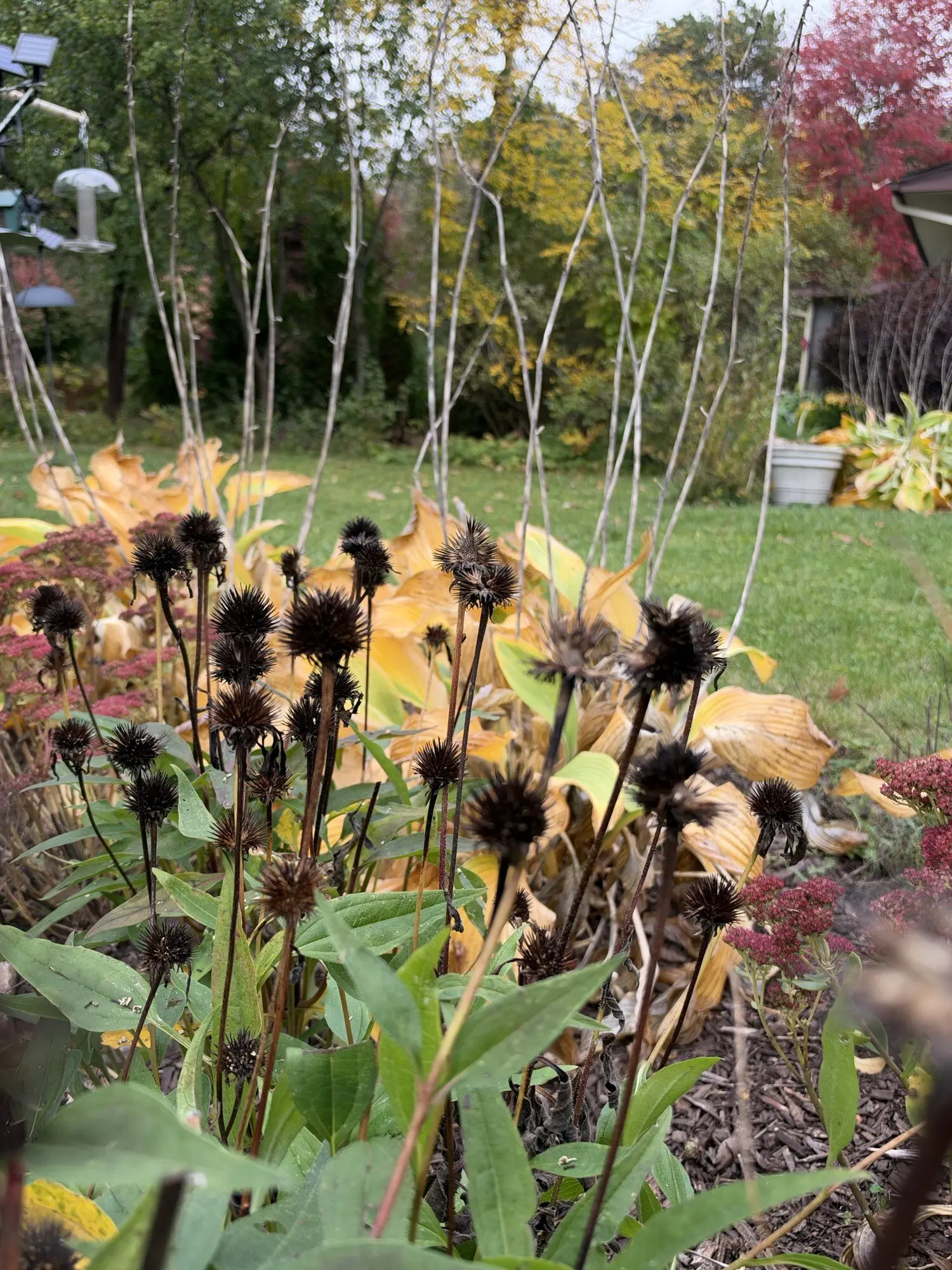
Purple coneflower blooms from June to August in most of the country, with the biggest show in early summer and a few flowers on and off after that. Once the petals fall, the cone darkens to nearly black and the stems stay standing well into winter.
For the Birds and Pollinators
Bees and butterflies visit all summer, and hummingbirds stop by, too. But the real show starts after the flowers fade. The dark seed heads are a favorite of American goldfinches, which feed on them into winter.
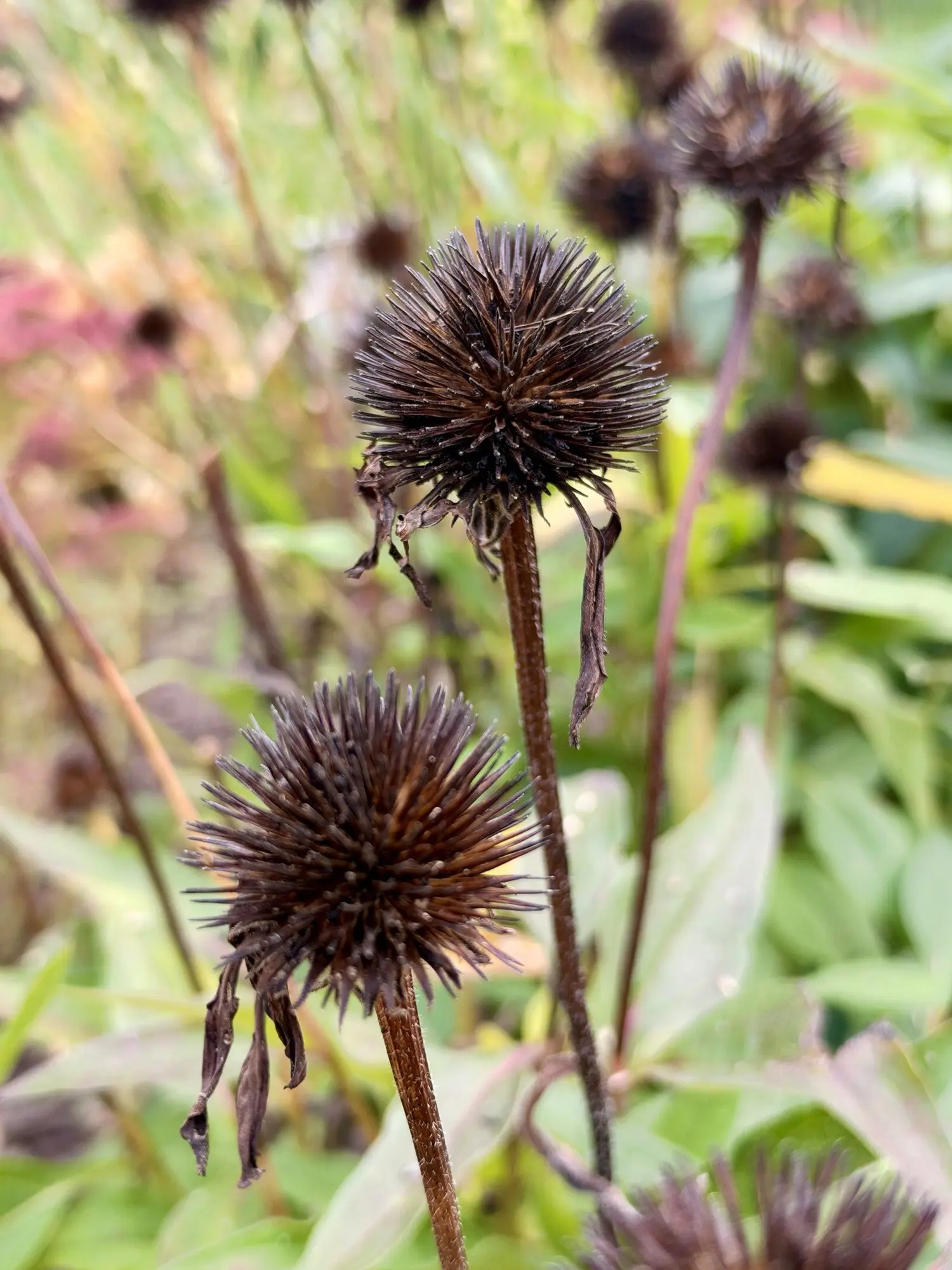
That’s why you’ll want to leave at least some seed heads standing through fall and winter. In spring, cut the old stalks back, but leave them 8 to 24 inches tall. Native bees spend the winter inside old flower stalks, and purple coneflower is one of the plants they use, according to the Maryland Department of Natural Resources.
Uses
Purple coneflower makes a good cut flower, and the flowers and seed heads dry well, too. Dried or pressed, they’re lovely.
Common Issues
My coneflower disappeared. It may not be your fault. Individual plants of purple coneflower usually live only two to three years, University of Illinois Extension says. The patch carries on because the plants reseed, so leave some seed heads and let the seedlings grow. Cool, wet winters can also rot the crowns, which is why good drainage matters so much.
The stems flop over. Too much lush growth makes weak stems. Skip the fertilizer and give it full sun.
The flowers are green and twisted. That’s aster yellows. See Pests and Diseases above.
My hybrid didn’t come back. That’s common with newer hybrids. Plant the straight species, or treat a fancy hybrid as a bonus if it returns.
Frequently Asked Questions
Do coneflowers come back every year? Yes, they’re perennials, but each plant usually lives only a few years. Leave some seed heads in fall, and new seedlings will keep the patch going.
Are coneflowers deer resistant? It depends on who you ask. Missouri Botanical Garden lists purple coneflower as tolerant of deer, but Penn State Extension says it isn’t deer resistant. If deer are a problem in your yard, plan to protect it.
Should I deadhead coneflowers? You can. It keeps the plant tidy and may bring more flowers. Stop deadheading by late summer so seed heads form for the birds.
When should I cut back coneflowers? Wait until spring. The standing stems and seed heads feed birds over winter and shelter native bees. Cut the old stems back in spring, leaving them 8 to 24 inches tall.
Do coneflowers spread? They spread by seed. Purple coneflower freely reseeds if some seed heads are left in place. If you’d rather it didn’t, deadhead before the seeds ripen.
Do coneflowers like sun or shade? Full sun is best. They’ll grow in part shade, too.