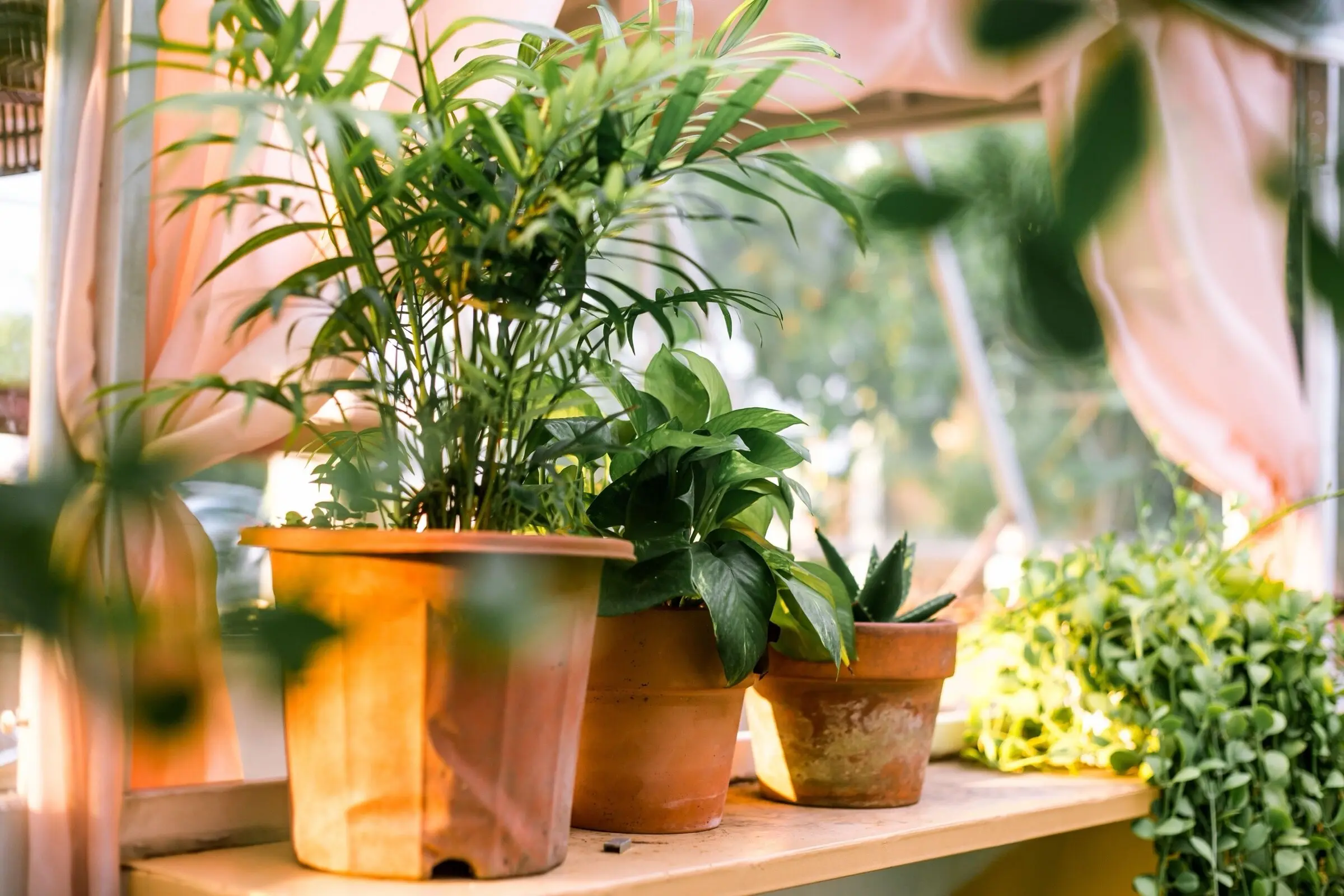
It’s easy to pick a pot because it looks good on the shelf. But the pot does a lot more than hold your plant. It controls how fast the soil dries out, how much air the roots get, and whether water drains away or sits at the bottom and rots the roots. A lot of houseplant problems that look like watering mistakes are really pot mistakes.
This guide to choosing pots for houseplants covers the three things that matter most: drainage, size, and material. It also covers what to do with a beautiful pot that has no hole, when it’s time to move up a size, and which pots suit which plants.
Does a houseplant pot need drainage holes?
Yes. If you take away only one thing from this guide, make it this one. A pot needs at least one drainage hole in the bottom.
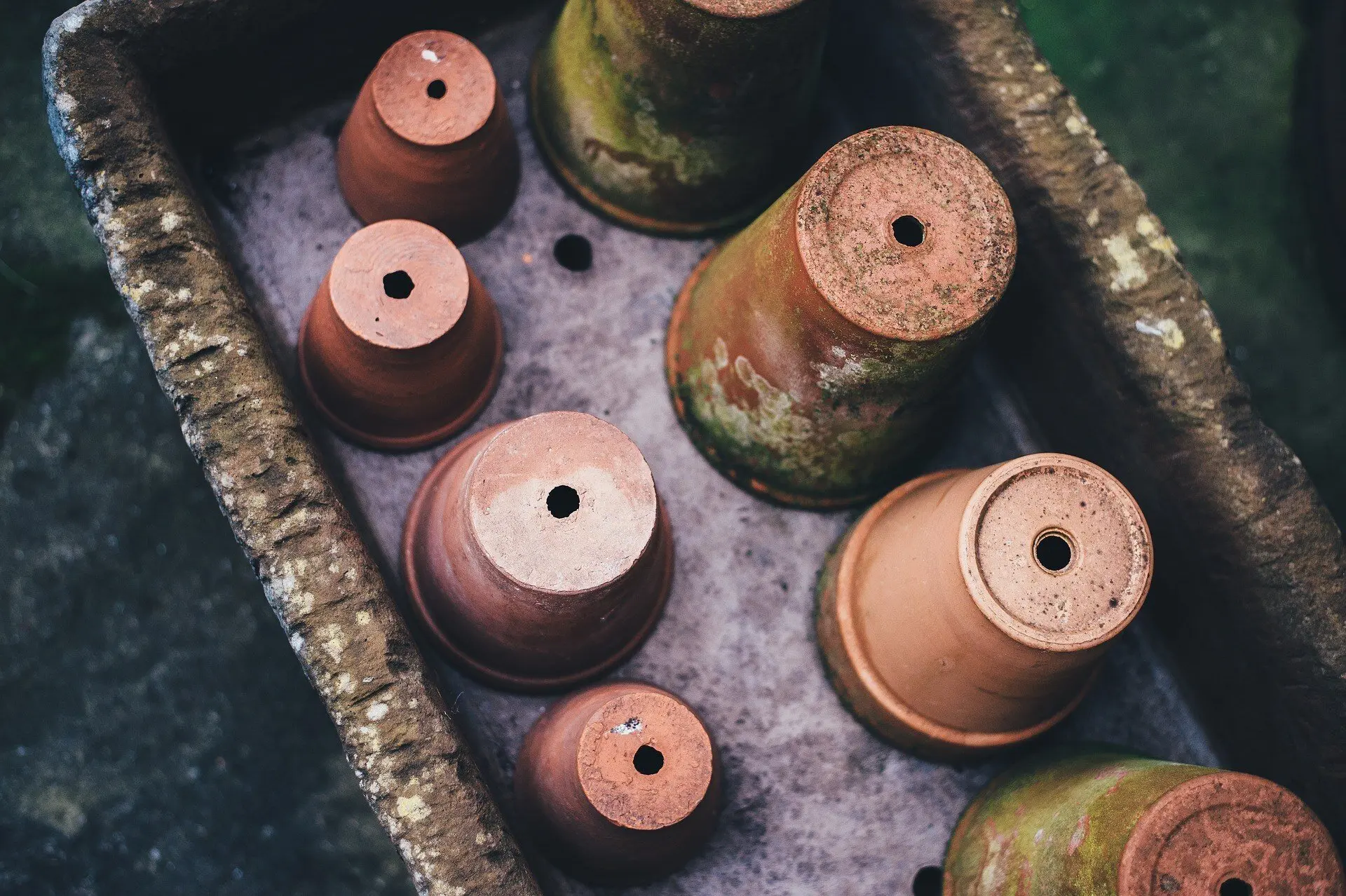
When you water, the extra water has to go somewhere. In a pot with a hole, it runs out the bottom. In a pot without one, it collects at the bottom, and the roots sitting in it can’t get air. That’s how root rot starts, and by the time you see yellow leaves or a mushy stem, the damage is already done.
A pot with a hole also lets you water the right way. You can soak the soil until water runs out the bottom, which wets all of the roots and flushes out minerals that build up from fertilizer and tap water.
Skip the gravel layer. You’ll still see advice to put rocks or broken pot pieces in the bottom of a pot for drainage. It doesn’t work. Water doesn’t move easily from fine soil into a coarse layer of gravel, so it actually stays in the soil above it, right where the roots are. The University of Missouri’s Integrated Pest Management program says a gravel layer makes drainage worse, not better. Fill the whole pot with a good potting mix instead.
What size pot does my plant need?
When it’s time for a new pot, go up just one size. It’s tempting to skip a few sizes so you don’t have to repot again for a while. Don’t. A pot that’s too big holds a lot of soil the roots can’t reach yet. That extra soil stays wet for days after watering, and wet soil with no roots in it is an invitation for root rot and fungus gnats.
A pot that’s too small causes the opposite problem. The roots fill the pot, the soil dries out within a day or two, and the plant stops growing.
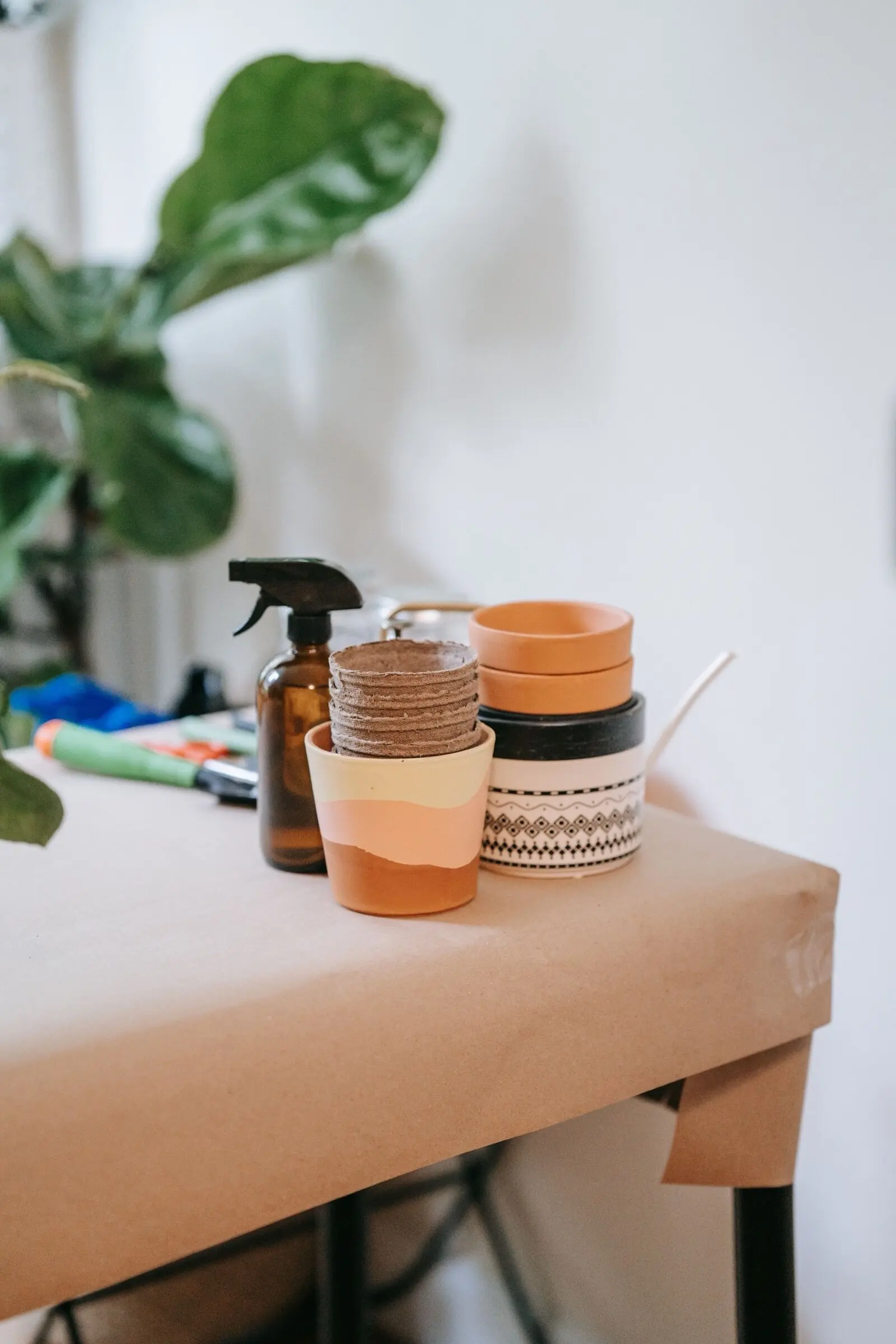
The sweet spot is a pot 1 to 2 inches wider than the root ball, according to PlantTalk Colorado, a program of Colorado State University Extension. For a big floor plant in a 10-inch pot or larger, you can go up 2 to 4 inches.
Think about shape, too. Most houseplants do fine in a standard pot that’s about as tall as it is wide. But some plants have different needs:
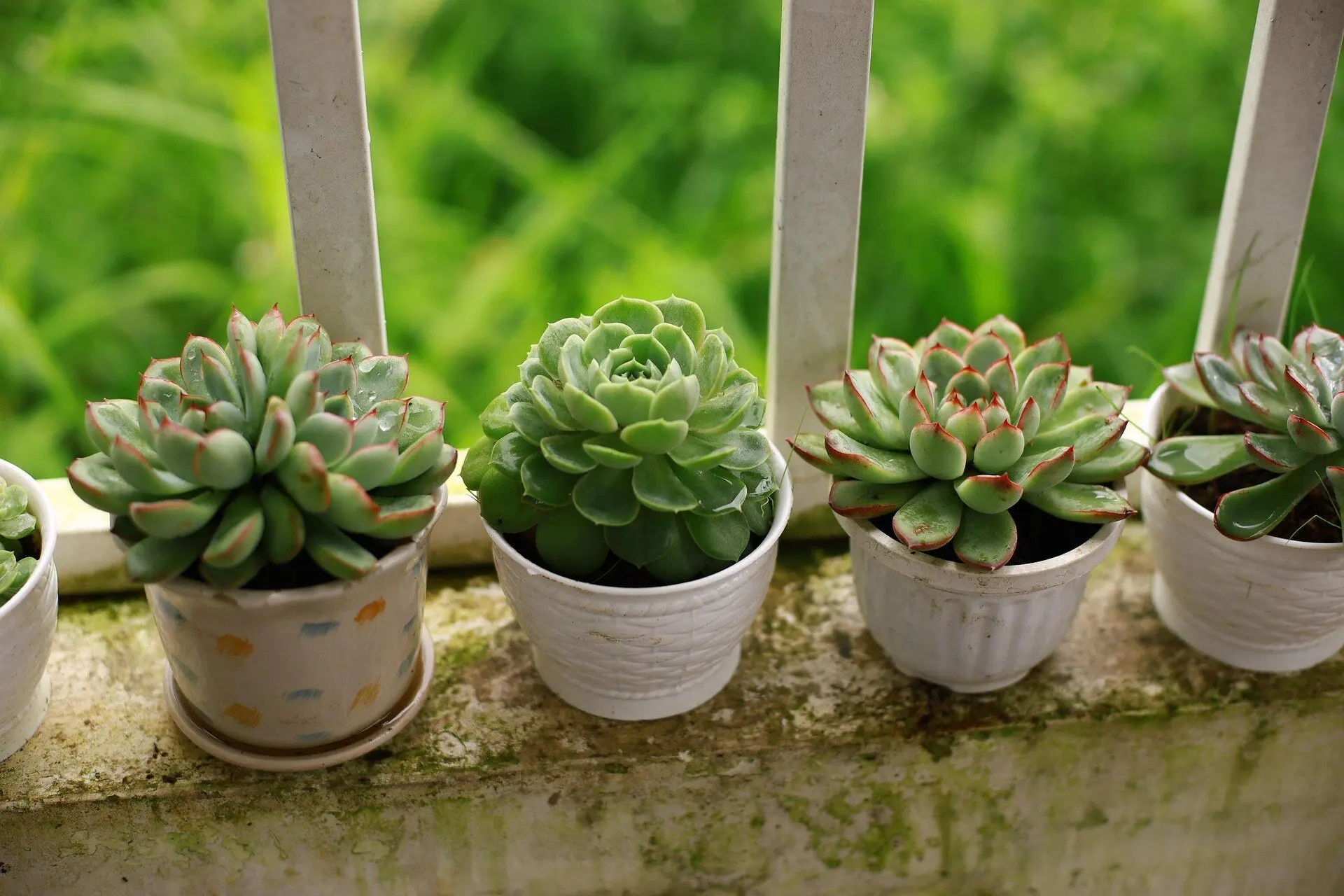
- Shallow pots suit succulents, cacti, and other plants with short roots. A shallow pot holds less soil, so it dries out faster.
- Deeper pots suit plants with long roots, like snake plants that spread by thick underground stems, and tall, top-heavy plants that need weight at the bottom to keep from tipping.
- Wide, low pots suit plants that spread sideways, like peperomias and prayer plants.
How do I know it’s time for a bigger pot?
Most houseplants need a bigger pot every year or two while they’re young, and less often once they reach the size you want. Your plant will tell you when it’s ready.
According to Penn State Extension, these are the most common signs a plant has outgrown its pot:
- Roots growing out of the drainage holes
- Soil that dries out much faster than it used to
- Slow growth, even in spring and summer when you’re feeding it
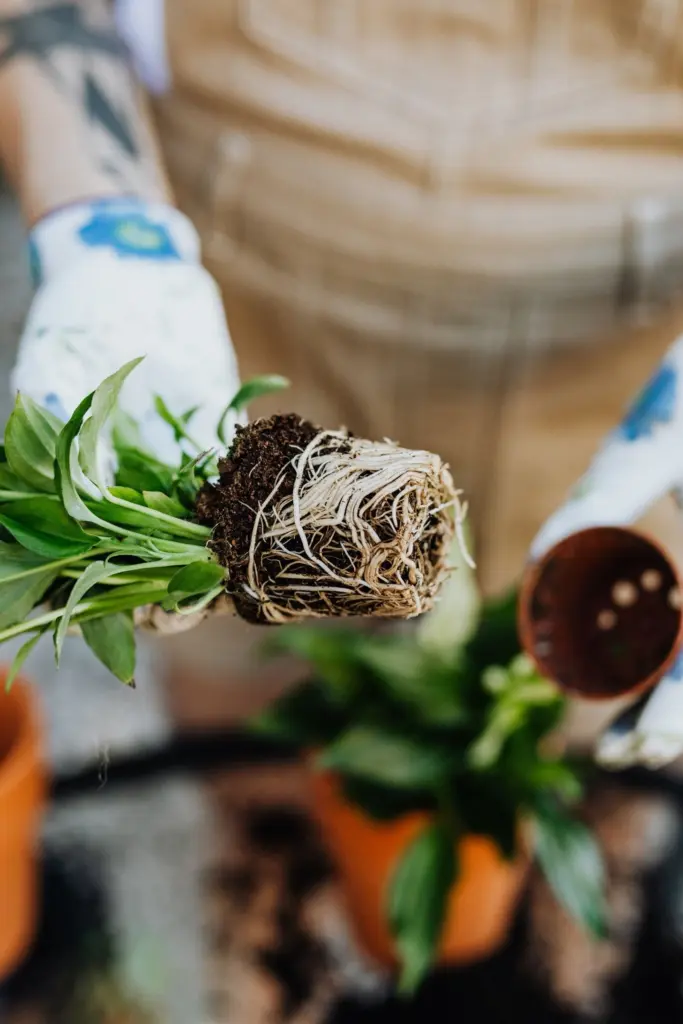
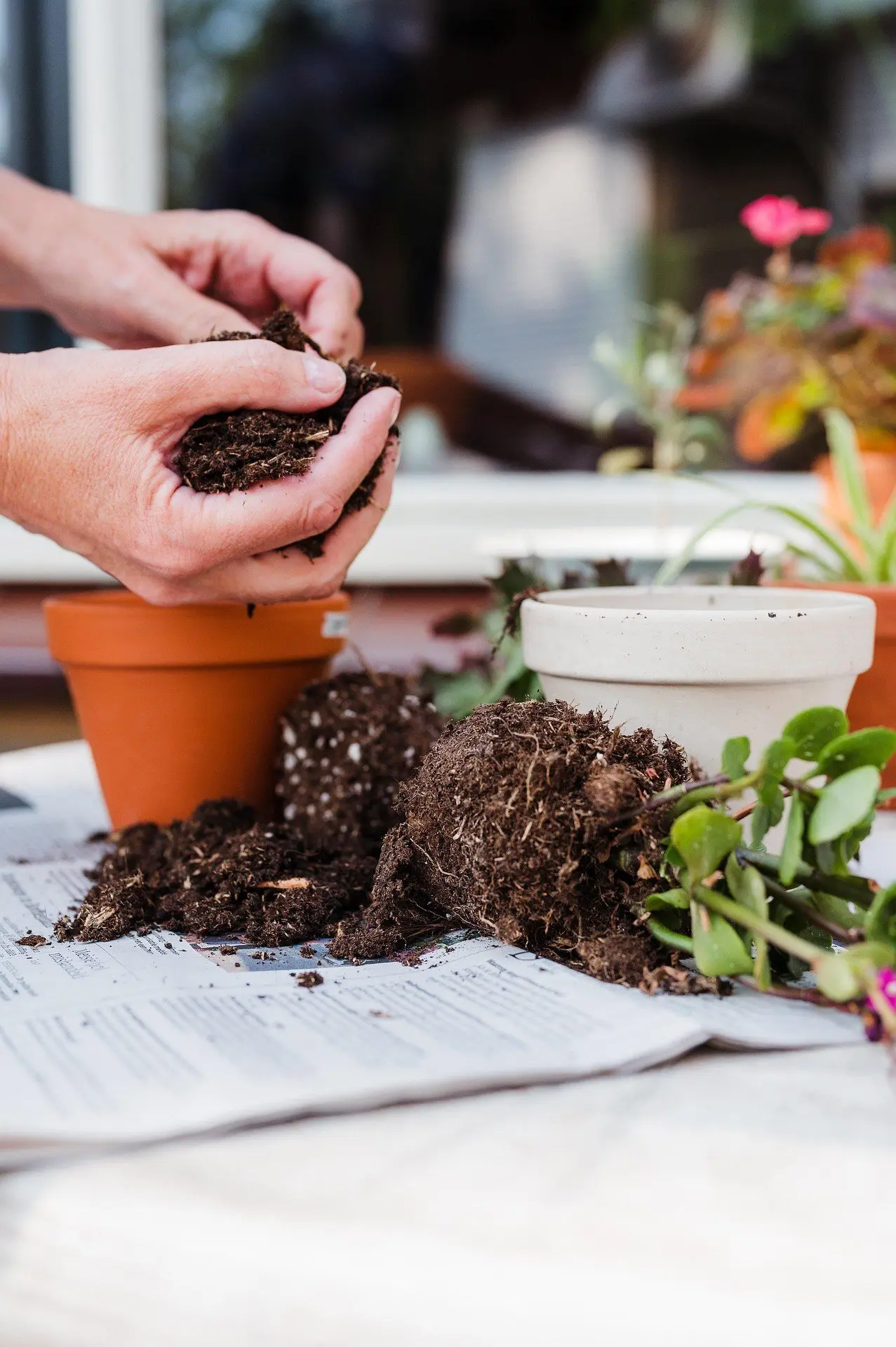
To be sure, slide the plant out of its pot. If the roots are circling around the outside of the root ball, or there’s more root than soil at the bottom, it’s time. If you still see plenty of soil and only a few roots, put it back. It’s happy where it is.
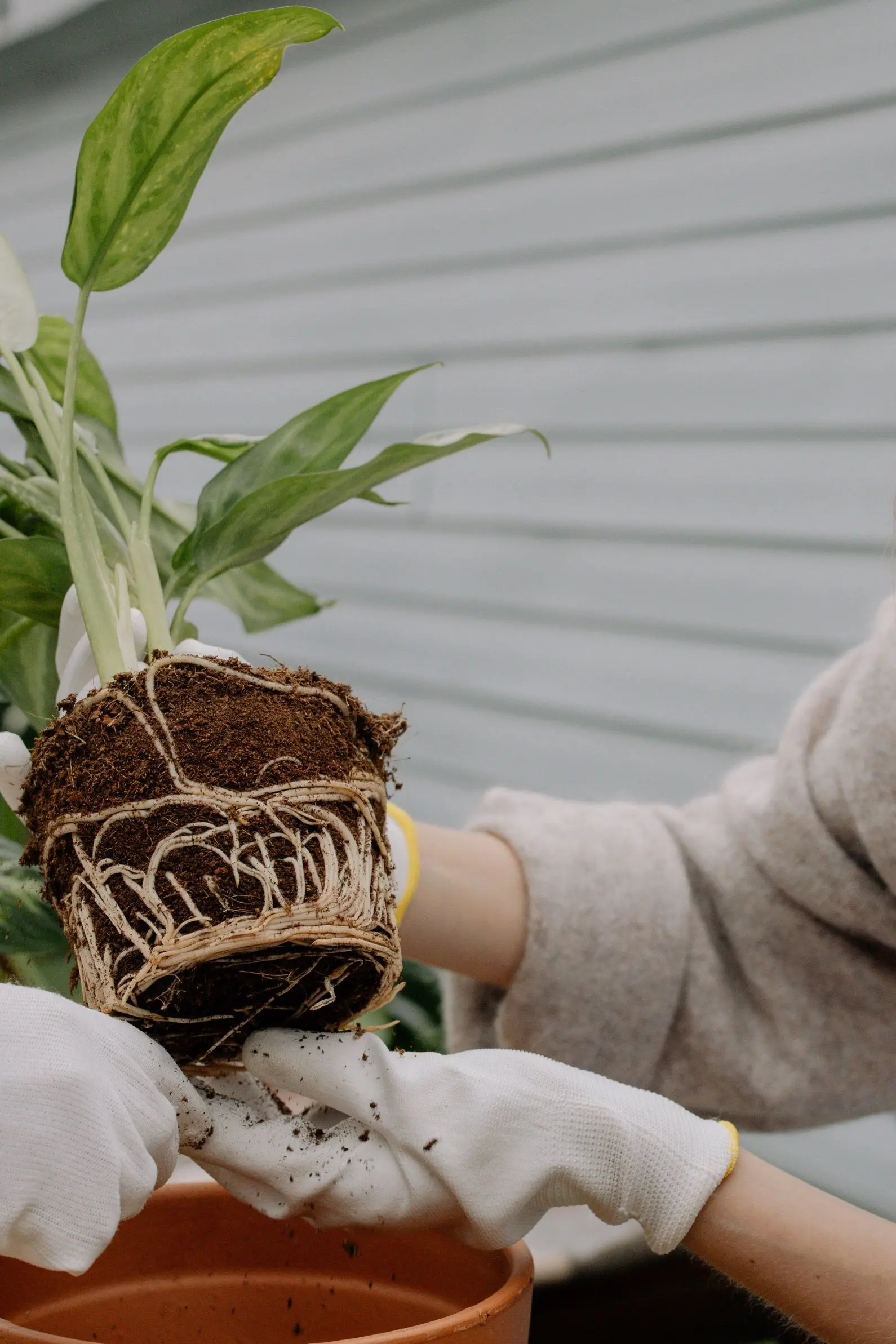
Spring is the best time to move a plant into a bigger pot, since that’s when it’s actively growing and can fill in the new soil quickly.
Keeping a plant the same size. If your plant is as big as you want it, you don’t have to keep moving it up. Slide it out, trim off about an inch of roots around the outside and bottom, and put it back in the same pot with fresh potting mix.
Which pot material is best?
There’s no single best material. Each one changes how fast the soil dries out, so the right choice depends on the plant and on you. If you tend to overwater, a pot that dries out faster helps. If you tend to forget, a pot that holds moisture longer helps.
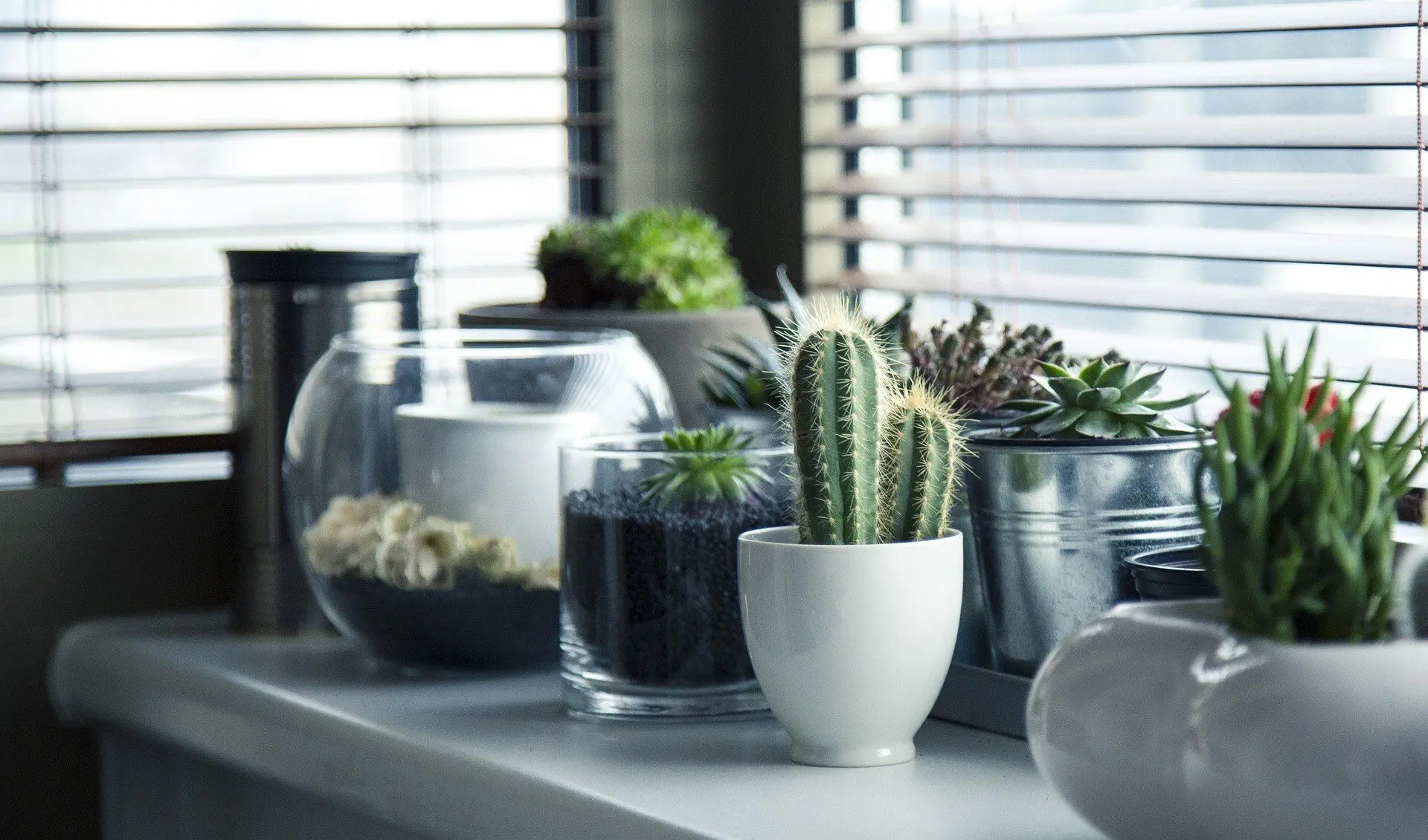
Terra cotta and unglazed clay
Terra cotta is the classic clay pot, and it’s a favorite for good reason. Clay is porous, so air and water move through the walls. That means the soil dries out faster and the roots get more air, which helps prevent root rot. Clay acts like a wick that pulls extra moisture out of the soil, according to Nebraska Extension in Lancaster County, which makes it a forgiving choice if you tend to water too much.
Terra cotta is perfect for succulents, cacti, snake plants, and anything else that likes to dry out between waterings. It’s heavy, so it keeps tall plants from tipping, and it’s inexpensive.
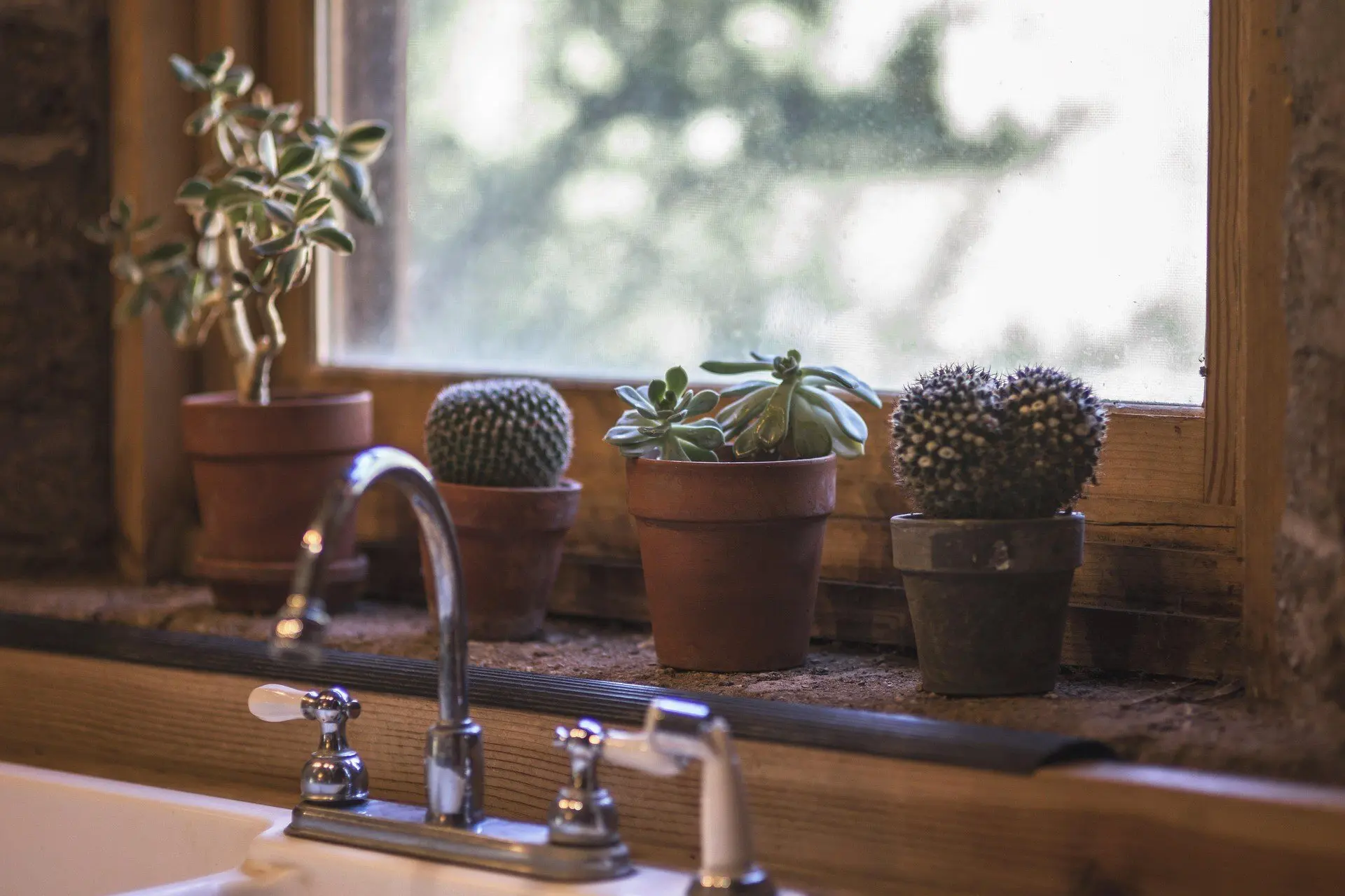
The downsides: plants in clay need water more often, clay breaks if you drop it, and it can freeze and crack if you leave it outside in winter. Over time, it also develops a white crust on the outside. That’s mineral salts from fertilizer and tap water wicking through the clay. It doesn’t hurt the plant, and you can scrub it off if you don’t like the look.
Plastic
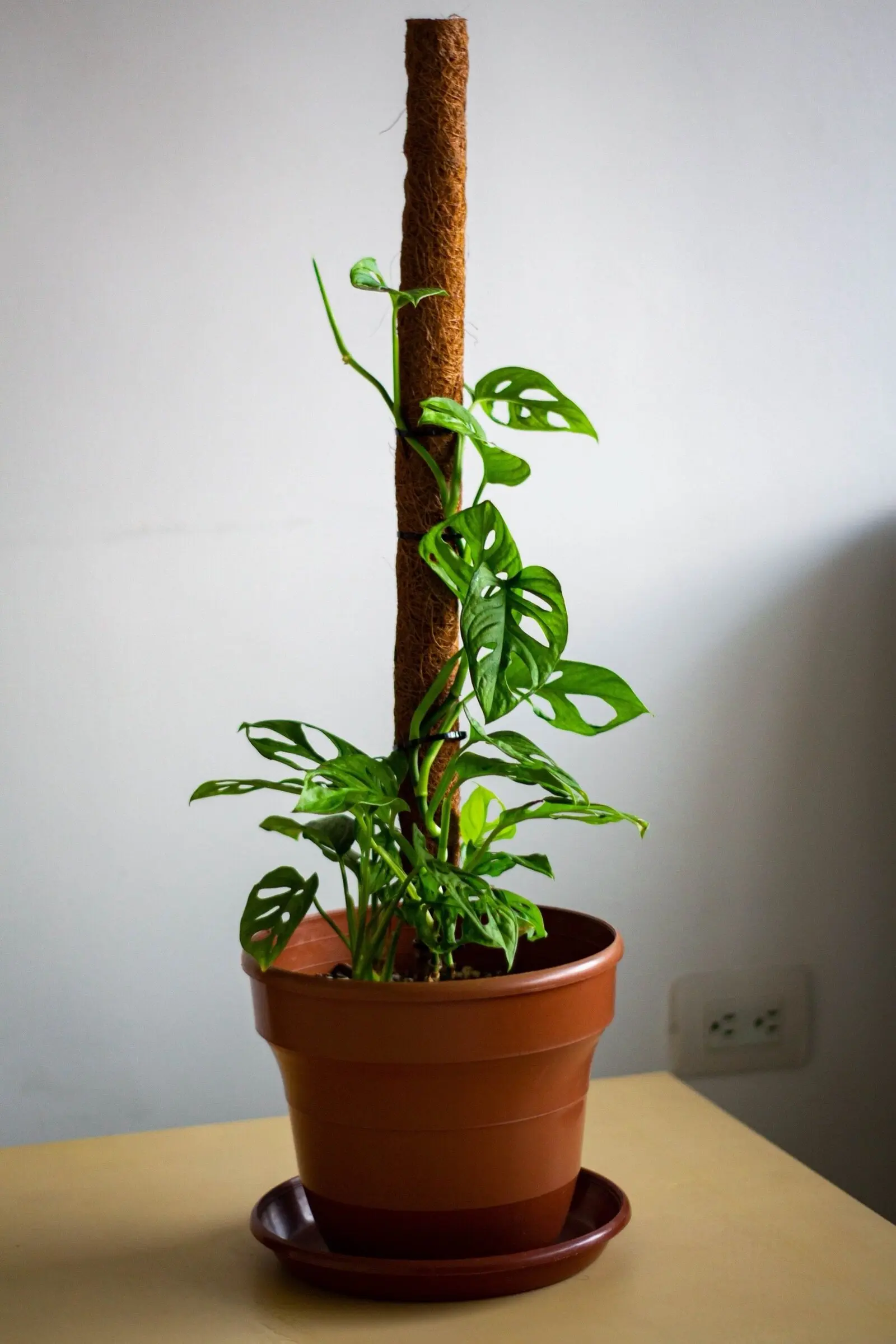
Plastic pots are lightweight, cheap, and they come in every color. They hold moisture longer than clay, which makes them a good fit for plants that like to stay evenly moist, like ferns, calatheas, nerve plants, and peace lilies. They’re also the easiest choice for very large plants, since a big plastic pot is much lighter to move than a big clay one.
Most plants come home from the store in a thin plastic nursery pot. There’s nothing wrong with leaving a plant in one, especially if you set it inside a decorative pot.
The downsides: plastic holds water longer, so it’s easier to overwater. Cheap plastic can get brittle and fade in strong sun, and dark plastic in a sunny window can heat the soil.
Glazed ceramic
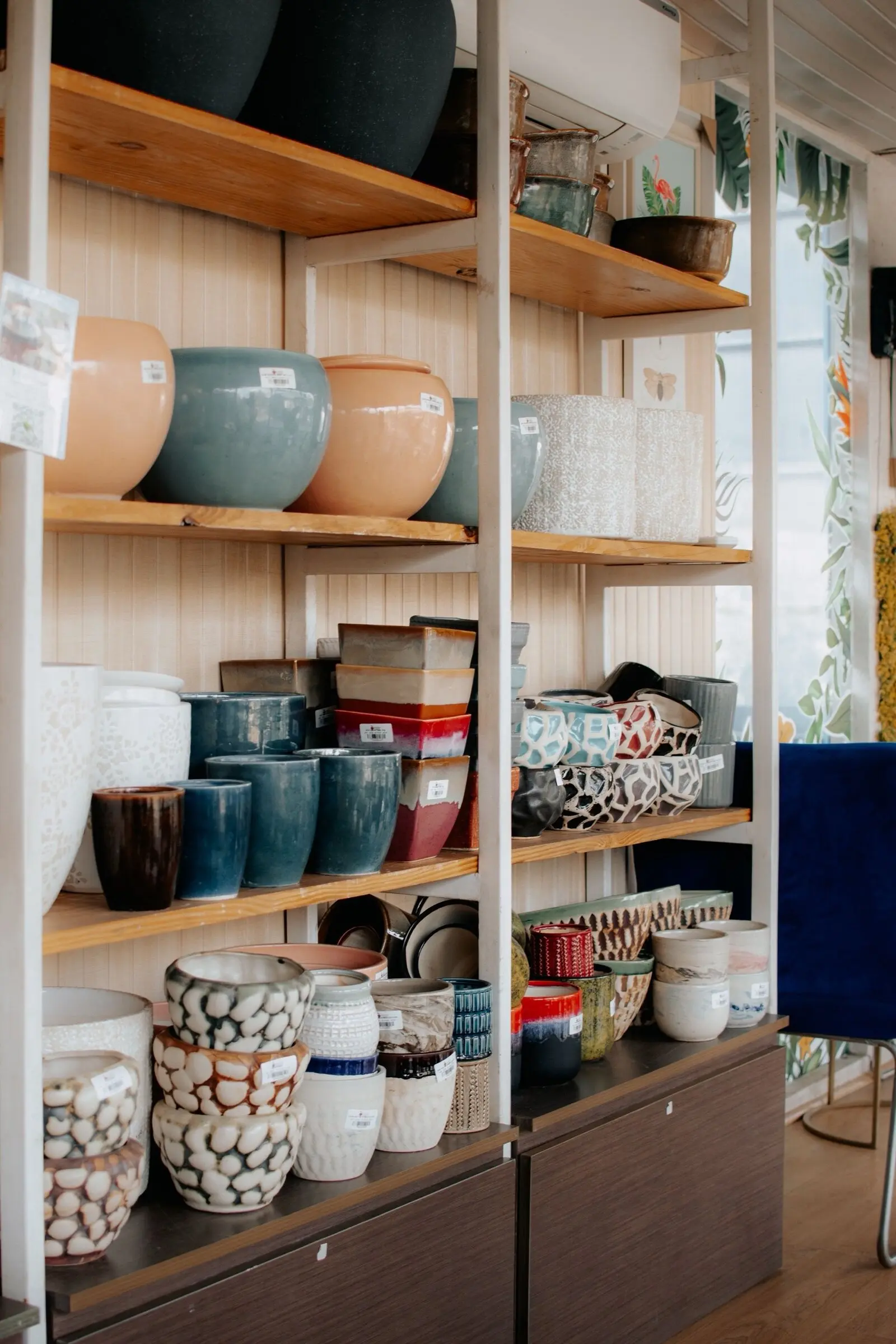
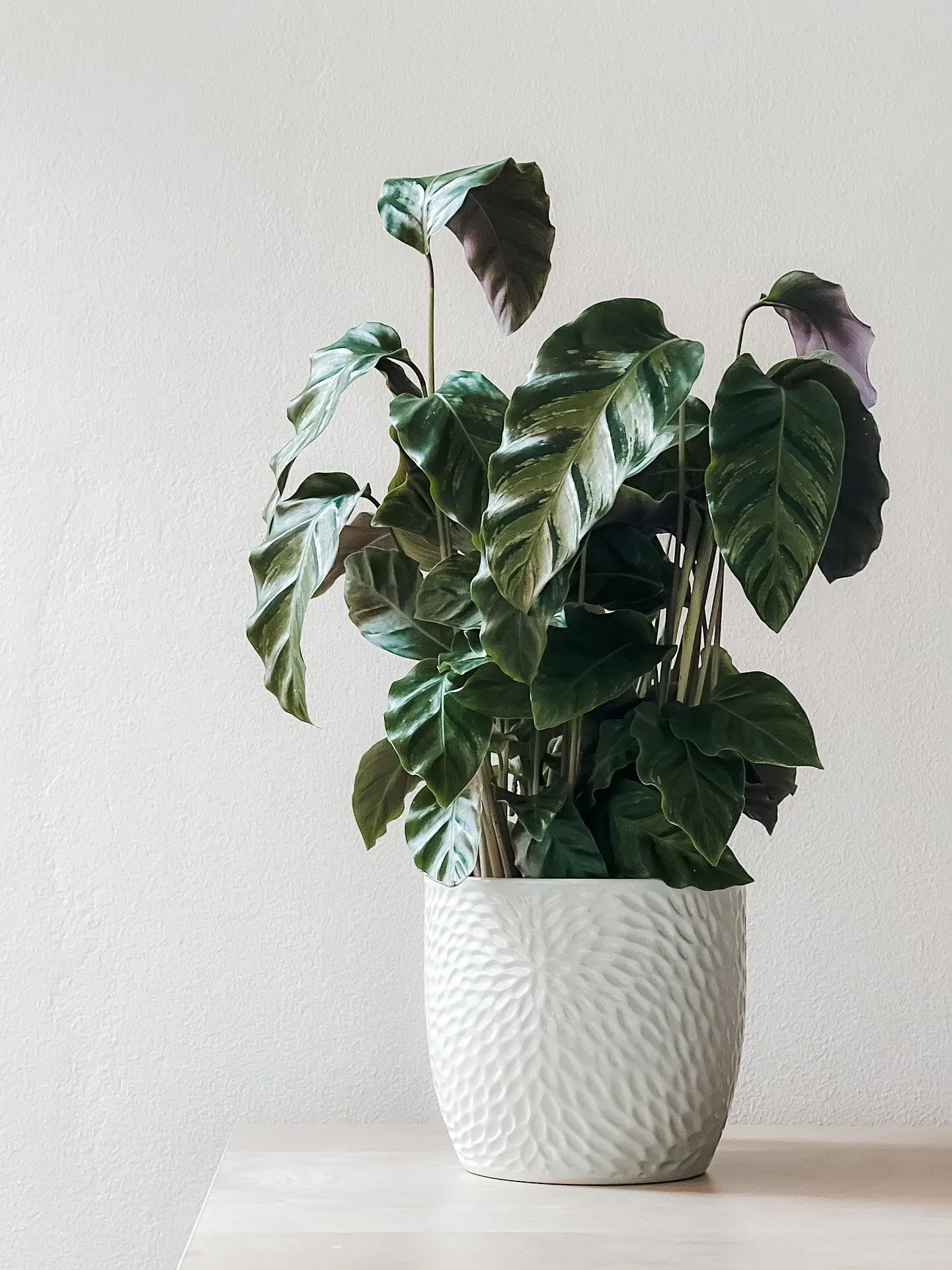
Glazed ceramic pots are the pretty ones, in every color and pattern. The glaze seals the clay, so they hold moisture about like plastic does, but they’re heavier and more stable. They’re a good all-around choice for most tropical houseplants.
Check the bottom before you buy. Many glazed ceramic pots are sold without a drainage hole. If yours doesn’t have one, use it as a decorative outer pot (more on that below).
Self-watering pots
Self-watering pots have a water reservoir in the bottom. The soil pulls water up from the reservoir as it dries, through the same kind of wicking that makes a paper towel soak up a spill. That’s called capillary action, according to the University of Kentucky Cooperative Extension Service.
Self-watering pots are handy for thirsty plants, for people who travel, and for anyone who tends to forget to water. They’re a poor fit for succulents, cacti, snake plants, and other plants that need to dry out, since the soil never really gets dry. Let the reservoir run empty now and then, and water from the top every so often to flush out built-up minerals.
Other materials
- Metal pots look sleek, but most don’t have drainage and can rust. Use them as an outer pot.
- Wood looks natural but rots over time. Line it, and avoid treated wood.
- Concrete and stone are very heavy and very stable, which makes them good for large floor plants. They can raise the pH of the soil when they’re new.
- Baskets need a plastic liner or a nursery pot inside to keep water off the floor.
- Clear plastic pots let you see the roots and the moisture level, which is why orchid growers love them.
Here’s how the main materials compare:
| Material | How fast soil dries | Weight | Best for | Watch out for |
|---|---|---|---|---|
| Terra cotta | Fast | Heavy | Succulents, cacti, snake plants, overwaterers | Needs water more often; breaks easily |
| Plastic | Slow | Light | Ferns, calatheas, peace lilies, large plants | Easy to overwater |
| Glazed ceramic | Slow | Heavy | Most tropical houseplants | Often sold without a drainage hole |
| Self-watering | Very slow | Varies | Thirsty plants, travelers, forgetful waterers | Not for plants that like to dry out |
| Concrete or stone | Medium | Very heavy | Large floor plants | Hard to move |
What if my favorite pot has no drainage hole?
You don’t have to give up a beautiful pot just because it has no hole. You have two good options.
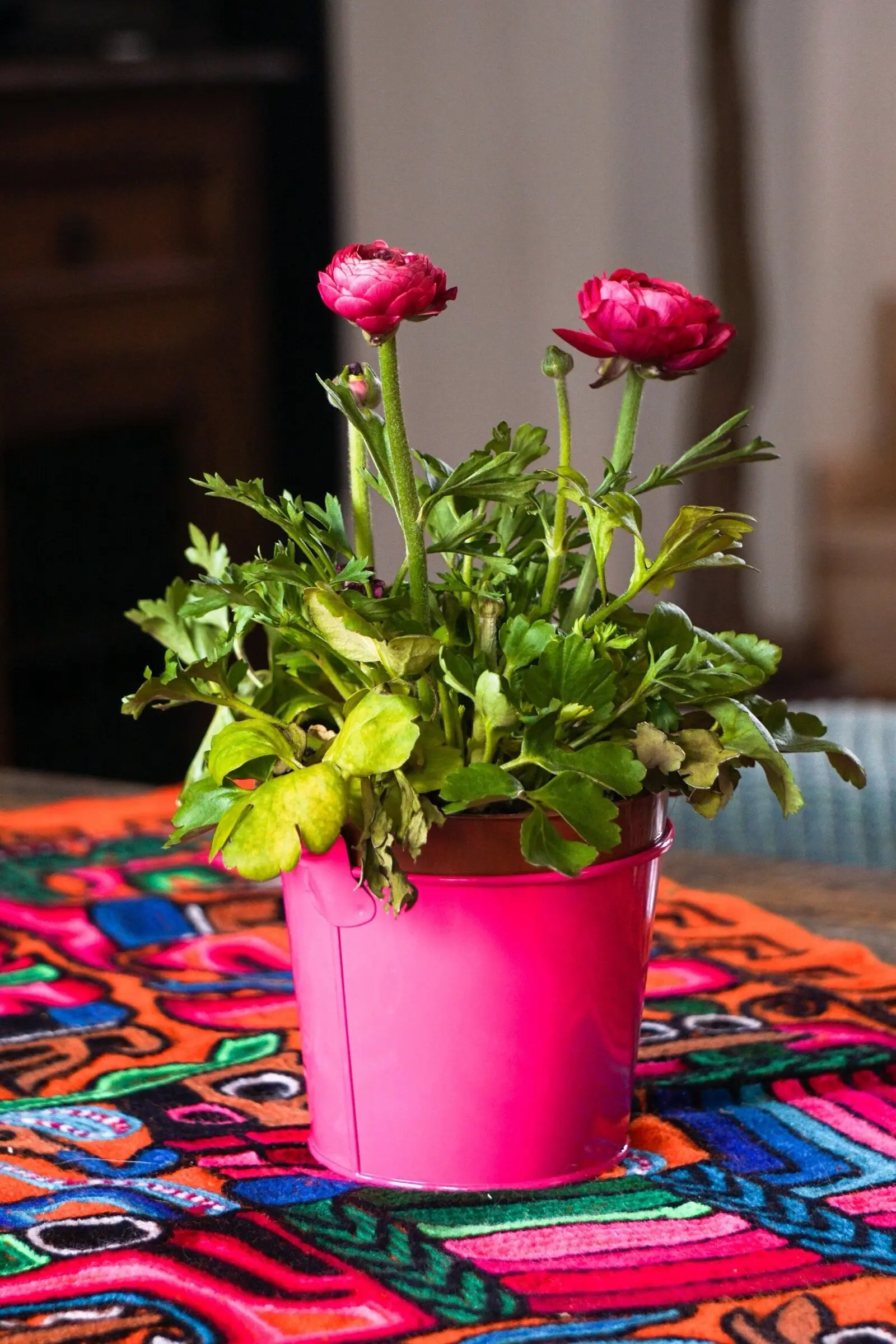
Use it as a cachepot. A cachepot is a decorative outer pot that holds a plain pot inside it. Keep the plant in a plastic nursery pot with drainage holes, and set that inside the decorative pot. When it’s time to water, lift the inner pot out, water it in the sink, let it drain, and put it back. Check the bottom of the outer pot now and then to make sure water isn’t collecting there.
This is how I keep most of my plants in pretty pots. It also makes repotting much easier, since you’re only moving the plain inner pot. A small block or a layer of pebbles under the inner pot keeps it up out of any water that does drip through.
Drill a hole. You can drill a drainage hole in ceramic or terra cotta with a diamond-tipped or tile drill bit. Put painter’s tape over the spot to keep the bit from slipping, drill slowly, and keep the spot wet as you go. Wear eye protection. Glazed pots can crack, so try it on a pot you’re not too attached to first.
Do I need a saucer?
If your pot has a drainage hole, you’ll want a saucer or tray under it to protect your floors and furniture. Look for one that’s a little wider than the bottom of the pot.
Just don’t let the pot sit in the water that collects there. Dump the saucer about 15 to 30 minutes after watering. Clay saucers can also let moisture seep through and leave marks on wood, so put a cork pad or a plastic liner under them.
Matching the pot to the plant
Here’s a quick guide to pots for the plants in my care articles:
| Plant | Best pot | Why |
|---|---|---|
| Snake plant, jade plant, ZZ plant, succulents | Terra cotta, shallow to medium depth | Dries out fast; heavy enough to keep tall plants upright |
| Pothos, philodendrons, monsteras, rubber plants | Plastic or glazed ceramic with drainage | Holds moisture evenly between waterings |
| Fiddle leaf fig and other tall plants | Heavy ceramic, concrete, or terra cotta | Keeps a top-heavy plant from tipping |
| Ferns, calatheas, nerve plants, peace lilies | Plastic, glazed ceramic, or self-watering | Stays evenly moist longer |
| Bromeliads and orchids | Small terra cotta or orchid pot with extra holes | Roots need lots of air and a chunky mix |
| Spider plants, pothos, hoyas | Hanging basket with a drip tray | Shows off trailing stems and keeps them away from pets |
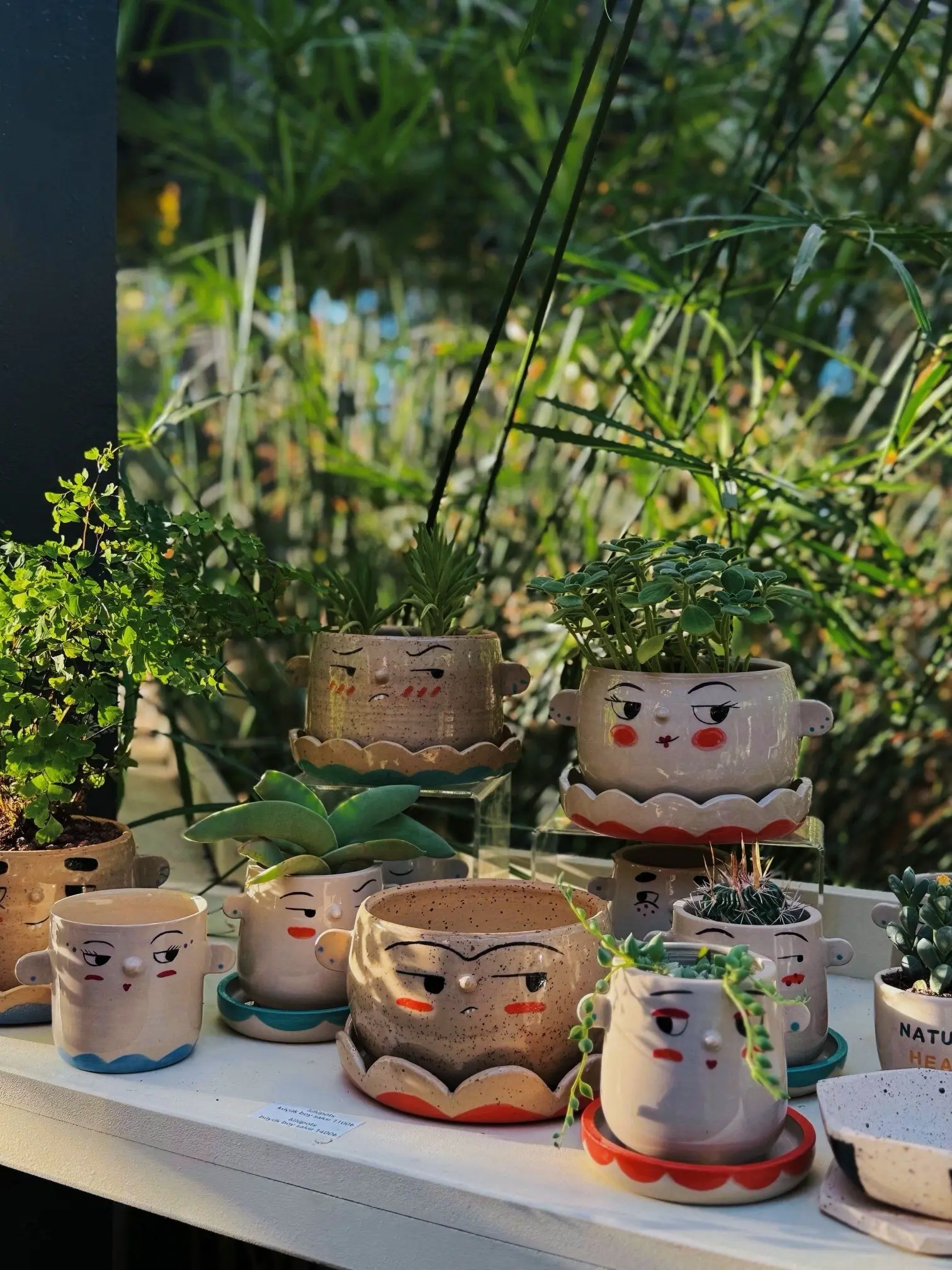
Tips for big plants and hanging baskets
Large floor plants get heavy fast once you add soil and water. Before you pick a pot for a big plant, think about how you’ll move it. A plant caddy with wheels makes cleaning around it and turning it toward the light much easier. A lightweight plastic or fiberglass pot inside a heavier decorative pot gives you stability without the strain.
For hanging baskets, look for one with an attached drip tray or a liner, so water doesn’t drip on your floor. Make sure the hook is screwed into a ceiling joist or a sturdy anchor. A freshly watered hanging basket weighs a lot more than it looks.
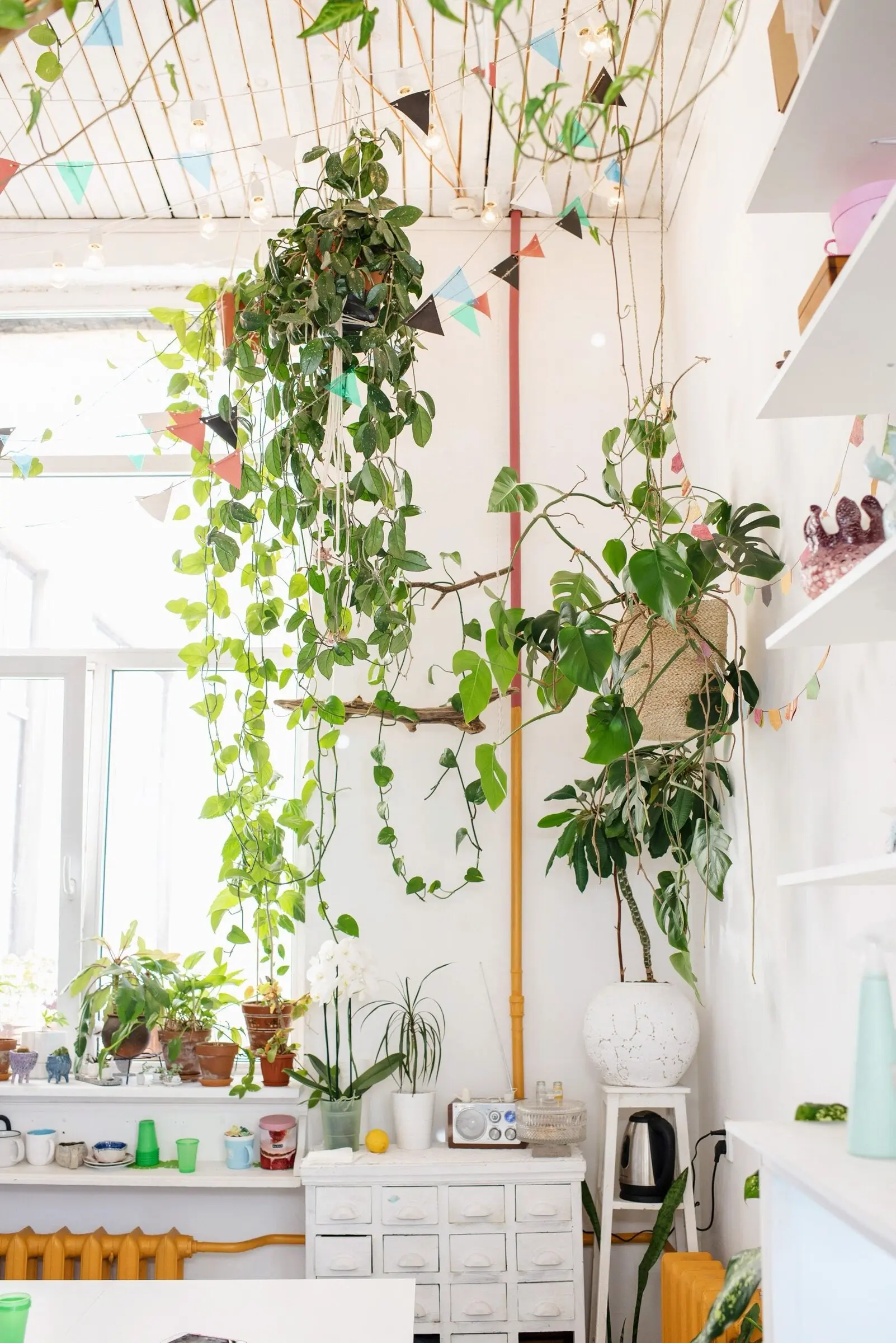
Reusing old pots
Old pots are perfect for new plants, but clean them first. Old soil can carry disease organisms, insect eggs, and mineral buildup.
- Knock out the old soil and scrub the pot with warm, soapy water.
- Scrub off any white mineral crust with a stiff brush. A little vinegar helps on stubborn spots.
- Disinfect the pot in a solution of 1 part bleach to 9 parts water, as Penn State Extension recommends, then rinse well.
- Let it dry before you plant in it.
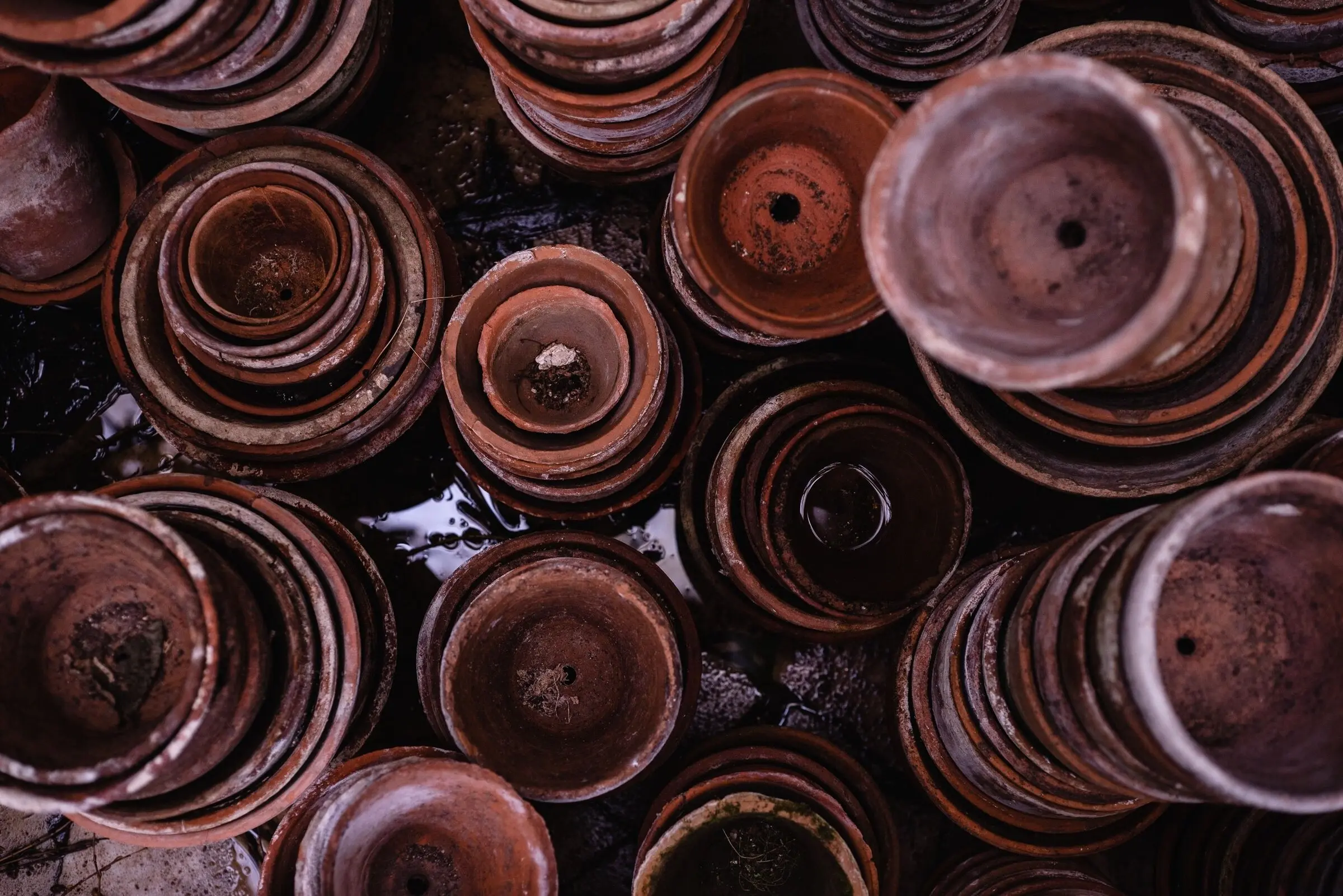
New terra cotta pots need a little prep, too. Soak them in water for a few hours or overnight before planting. Dry clay pulls water out of fresh potting mix, so a soak keeps it from drying out your newly potted plant.
Quick pot checklist
- Make sure it has a drainage hole, or use it as a cachepot.
- Go up only 1 to 2 inches when you move to a bigger pot.
- Choose terra cotta for plants that like to dry out and plastic or glazed ceramic for plants that like moisture.
- Pick a heavy pot for tall plants.
- Use a saucer, and empty it after watering.
- Clean old pots before you reuse them.
The right pot won’t fix everything, but it makes watering a lot easier to get right. Match the pot to the plant, give it a drainage hole, and keep the size snug, and you’ve solved half of your plant problems before they start.
Frequently asked questions
How much bigger should a new pot be? For most houseplants, choose a pot 1 to 2 inches wider than the current one. Large floor plants can go up 2 to 4 inches. A pot that’s much bigger holds extra soil that stays wet and can cause root rot.
Can I put a plant in a pot without drainage holes? It’s best not to plant directly in one. Instead, keep the plant in a nursery pot with drainage holes and set it inside the decorative pot. Lift it out to water.
Is terra cotta or plastic better for houseplants? It depends on the plant. Terra cotta dries out faster, which suits succulents, cacti, and snake plants. Plastic holds moisture longer, which suits ferns, calatheas, and other plants that like to stay moist.
Should I put rocks in the bottom of a pot for drainage? No. A layer of gravel actually keeps more water in the soil above it. Fill the pot with potting mix and make sure it has a drainage hole.
Are self-watering pots good for houseplants? They work well for plants that like steady moisture and for people who travel or forget to water. Skip them for succulents, cacti, and snake plants, which need to dry out between waterings.
When should I repot a houseplant? Repot when roots grow out of the drainage holes, the soil dries out very quickly, or growth slows. Spring is the best time.