Fall cleanup feels like the responsible thing to do. Rake the leaves, cut the garden to the ground, haul it all to the curb and the yard looks ready for winter.
But a lot of what gets bagged each autumn isn’t trash. It’s winter housing. Butterflies and moths, bumble bee queens, native bees, fireflies, spiders and even salamanders ride out the cold in leaf litter, hollow stems, brush piles and soil. When that material leaves the yard, they leave with it.
The good news is that helping them mostly means doing less. Most of it comes down to how you handle leaves, so that’s where we’ll start. Here are 10 common fall cleanup mistakes and what to do instead.
Leaves: the biggest job in a fall yard
For most people, fall cleanup means leaves. Raking, blowing, mowing, bagging and burning them can eat up whole weekends, and a lot of wildlife gets swept up along the way. Handle leaves well and you’ve done much of the work of a wildlife-friendly yard. Four of the most common mistakes involve them.
1. Bagging and hauling away all the leaves
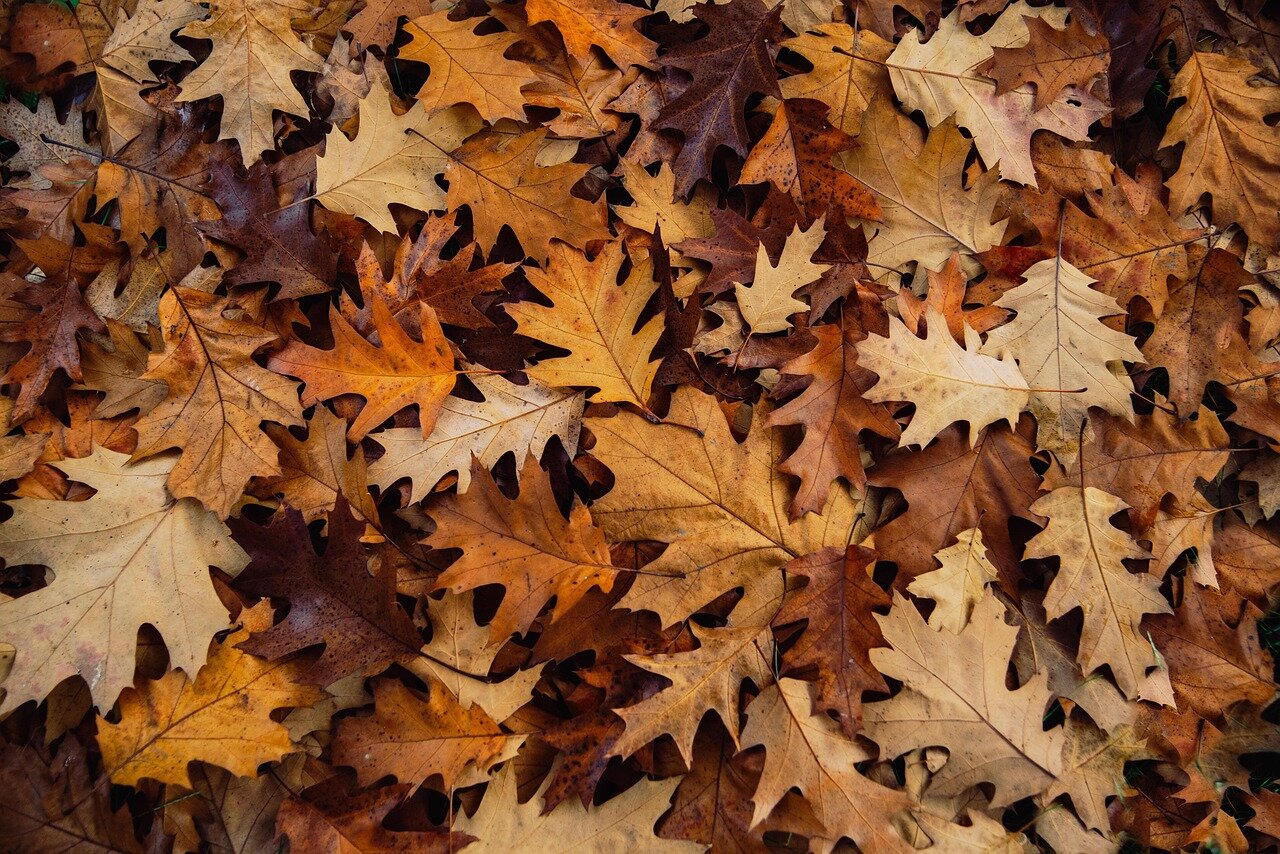
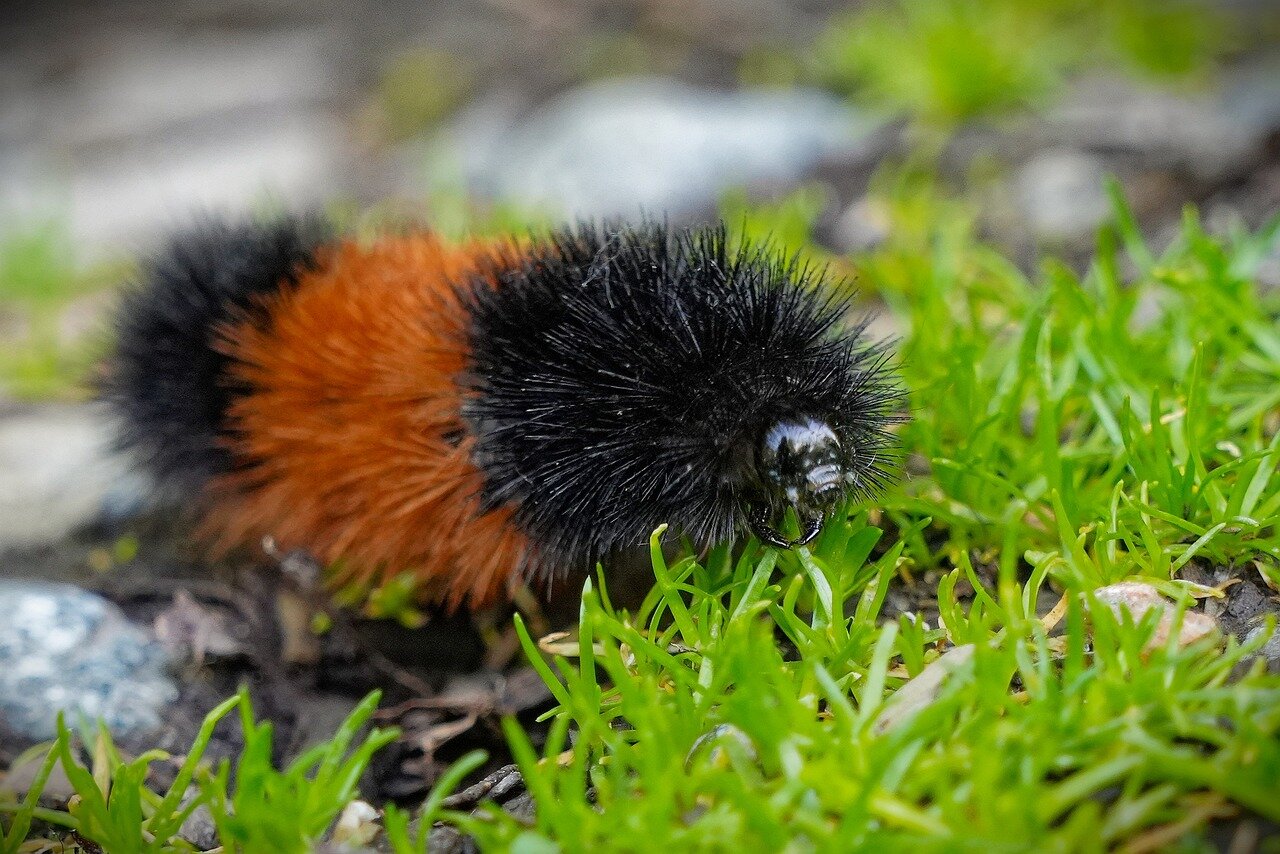
Those leaves you’re about to bag are full of tenants. Most butterflies and moths don’t fly south for the winter. They stay put as eggs, caterpillars or chrysalises, tucked into fallen leaves for cover, the Xerces Society, an insect conservation group, says. Woolly bear caterpillars curl up in leaf litter, and bumble bee queens shelter there, too, according to Colorado State University Extension.
Bag the leaves, and those insects go to the curb with them. When University of Maryland researchers compared yards where leaves were raked away with yards where they were left alone, the raked yards had 45% fewer butterflies and moths emerge the next spring and 67% fewer spiders.
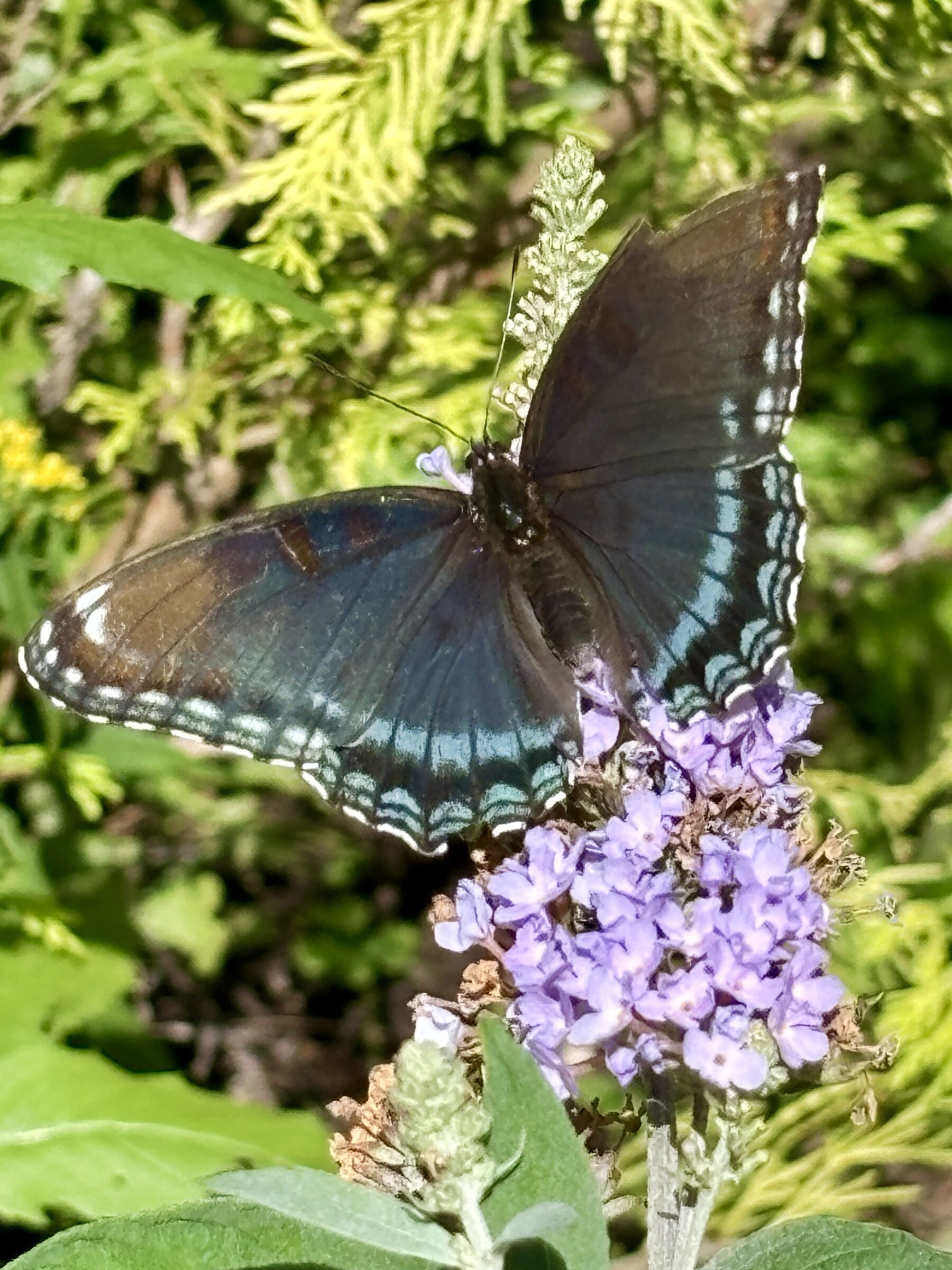
Red-spotted purples visited my Michigan garden this summer, and by early fall their season is winding down. They don’t migrate. The adults live only a short time, while the next generation spends the winter as tiny caterpillars tucked into rolled-up leaves, waiting for spring.
You’re also throwing away free fertilizer. As leaves break down, they feed the soil, which is why the National Wildlife Federation calls sending them to a landfill the worst option.
Do this instead: Rake leaves off the lawn and into garden beds, around the base of trees and under shrubs. They don’t have to stay exactly where they fell. Moving them a few feet still keeps everything living in them safe.
2. Running leaves through a mulching mower
This one surprises people, because mulch-mowing is usually sold as the eco-friendly choice. For the soil and the landfill, it is. For wildlife, it’s a different story.
A mower doesn’t just chop leaves. It chops whatever is in them. Shredding can destroy the eggs, caterpillars and cocoons hidden in the litter, and shredded leaves don’t give the same cover as whole ones, the Xerces Society says.
Do this instead: Think about where the leaves are. Move the heavy drop off the lawn and into beds whole, using a rake or blower. A light scattering left on the grass can be mowed in. Keep the mower out of beds, borders and the ground under trees, where most leaf-litter wildlife spends the winter.
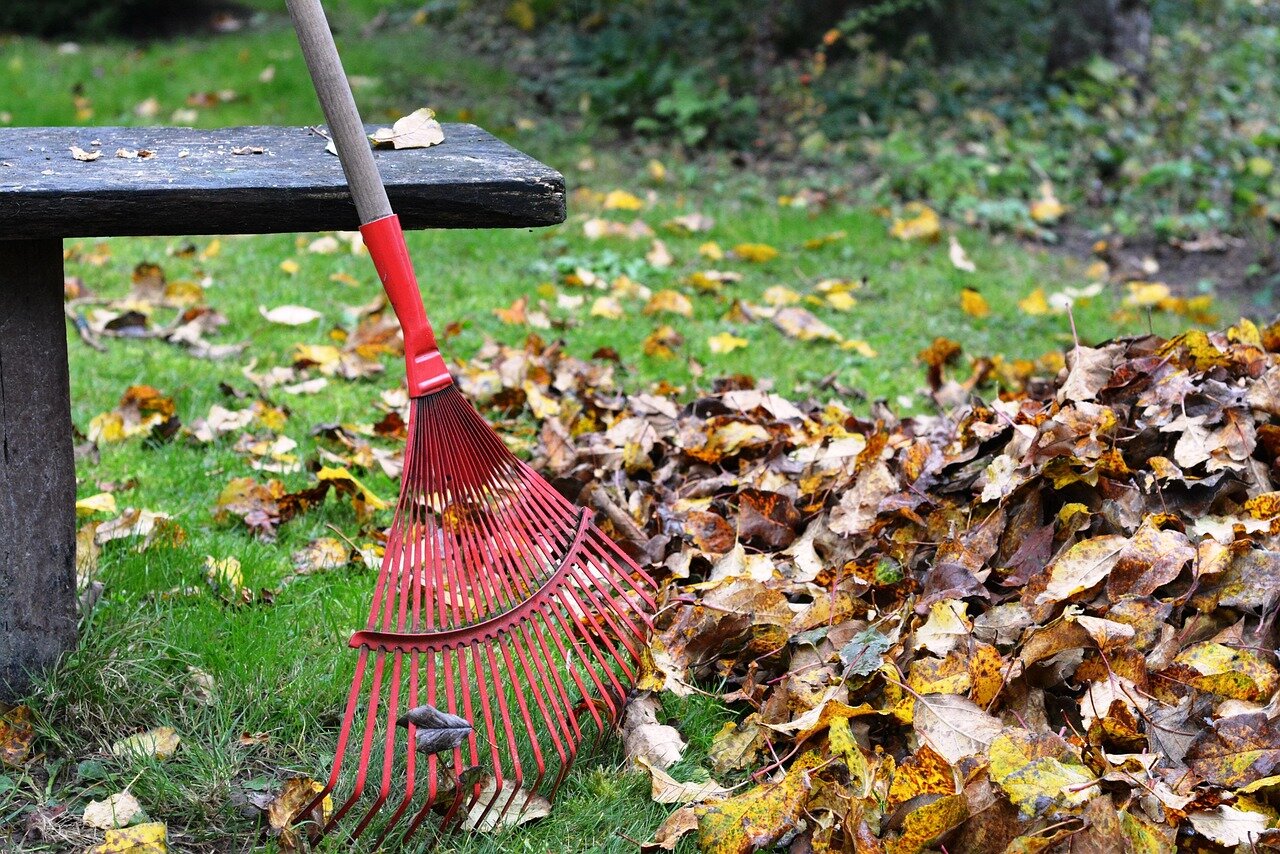
3. Letting leaves end up in the street or smothering the lawn
“Leave the leaves” doesn’t mean leave them everywhere.
Leaves that land in the street wash into storm drains and rot, releasing phosphorus and nitrogen into streams and lakes. In a U.S. Geological Survey study in Madison, Wisconsin, clearing leaves from streets before rain cut phosphorus in stormwater by about 80%.
The lawn has limits too. A thick mat of leaves that completely covers the grass can smother it, according to the Purdue Landscape Report. The fix isn’t to bag them. It’s to move them somewhere they help.
Do this instead: Keep leaves off sidewalks, driveways and streets and away from storm drains. Move thick layers off the lawn and into beds.
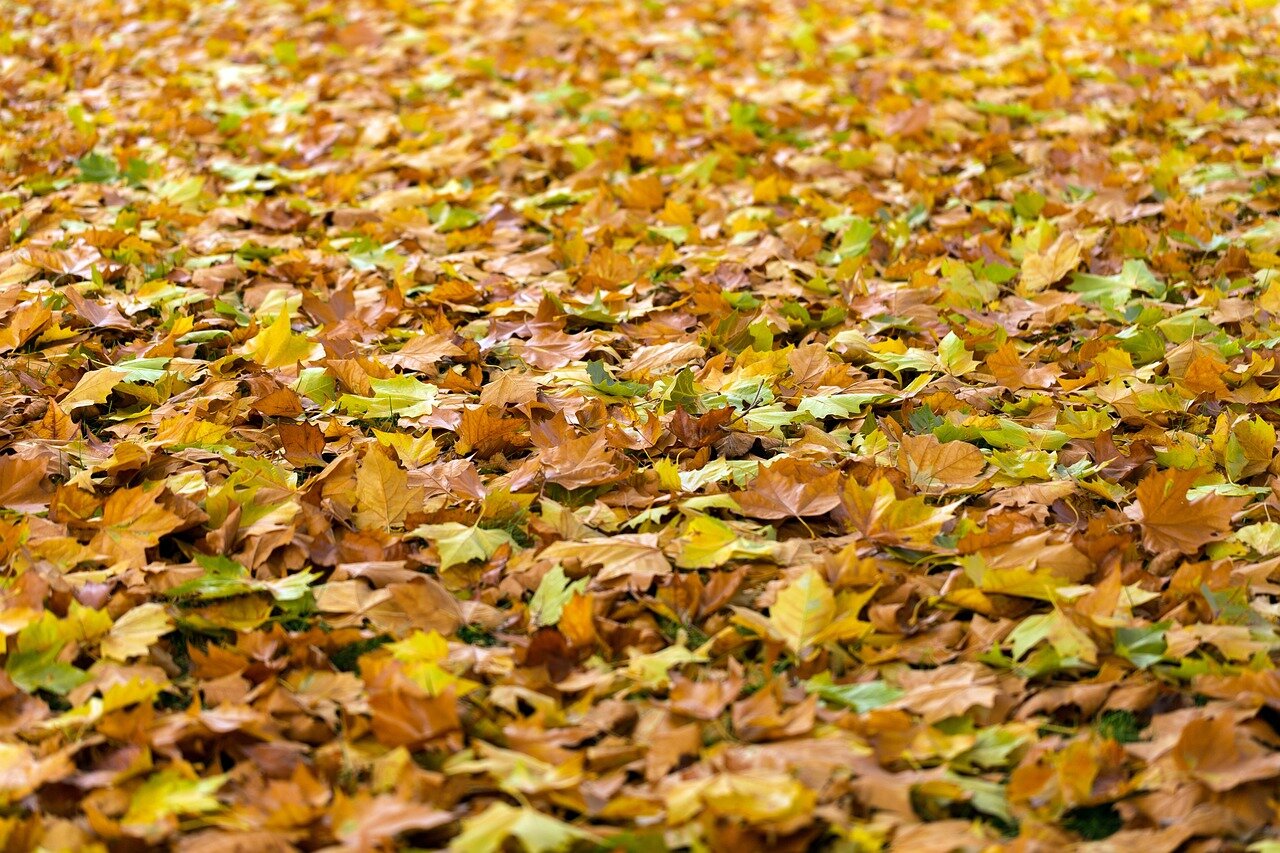
4. Burning leaf piles
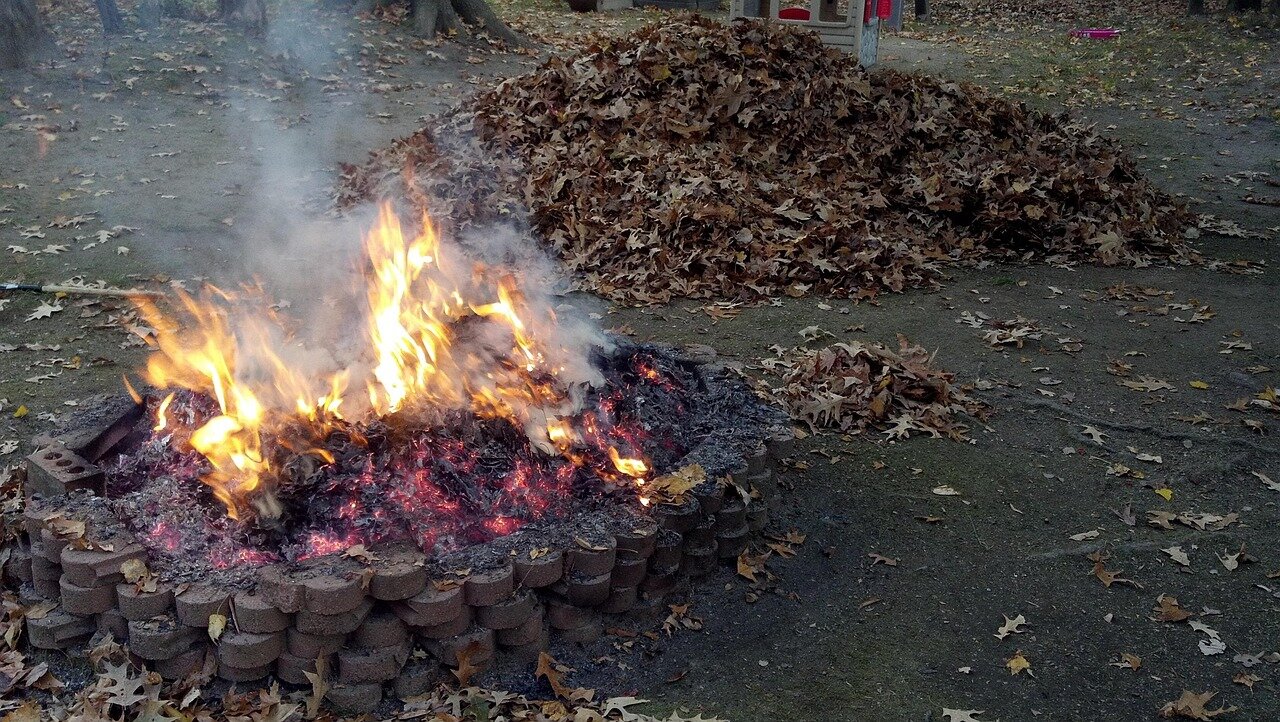
Burning is the end of the line for anything sheltering in a leaf pile. It’s also hard on people. The U.S. Environmental Protection Agency says burning leaves causes air pollution, health problems and fire hazards, and it’s against the law in many communities.
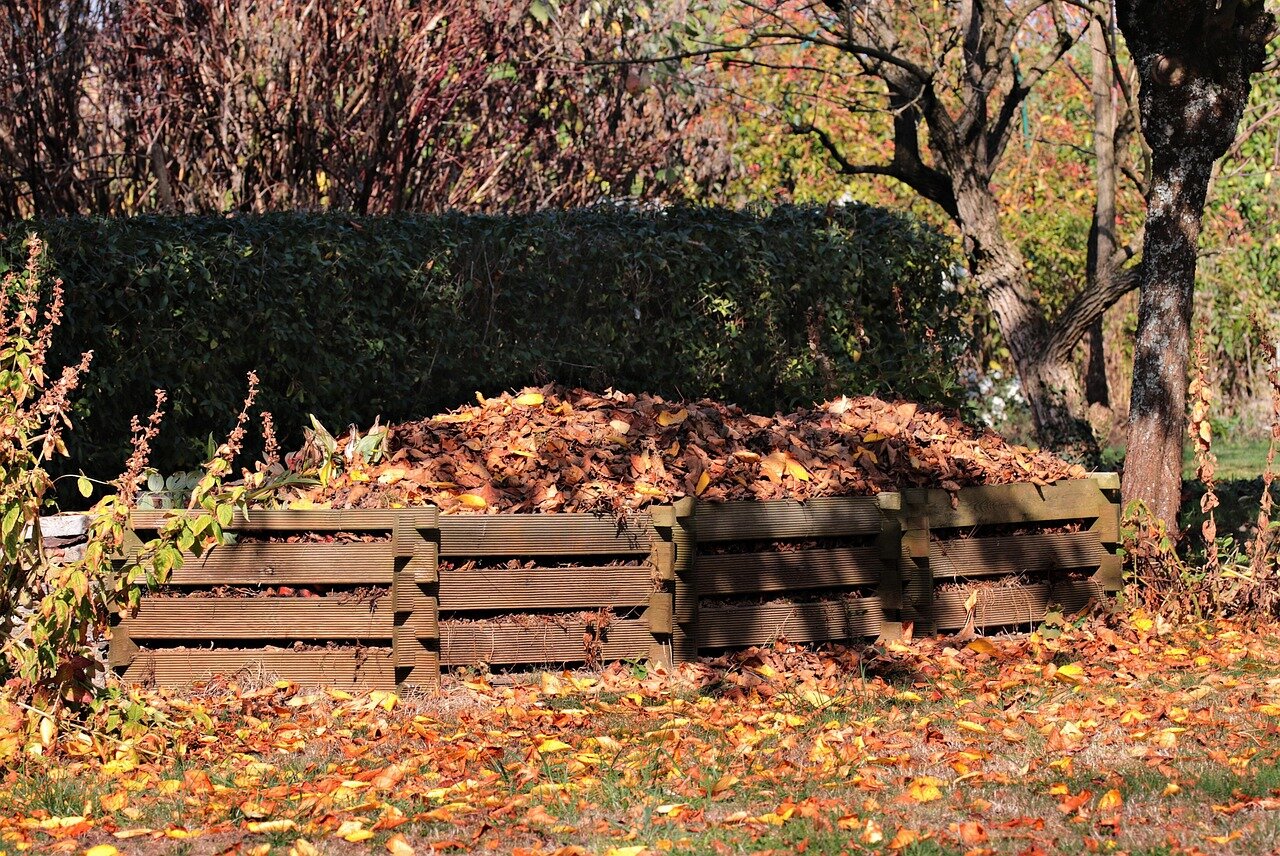
Do this instead: Use leaves as mulch in beds, pile them in an out-of-the-way corner or compost them. If you have the room, an unturned leaf pile left to break down on its own doubles as winter shelter.
Beyond the leaves: stems, wood, soil and flowers
Leaves aren’t the only winter shelter. Dead stems, fallen branches, bare soil and late flowers all carry wildlife through the cold months, and the usual fall cleanup clears out every one of them.
5. Cutting every perennial to the ground
Dead stems and seed heads may look untidy, but they’re doing two jobs at once: shelter and food.
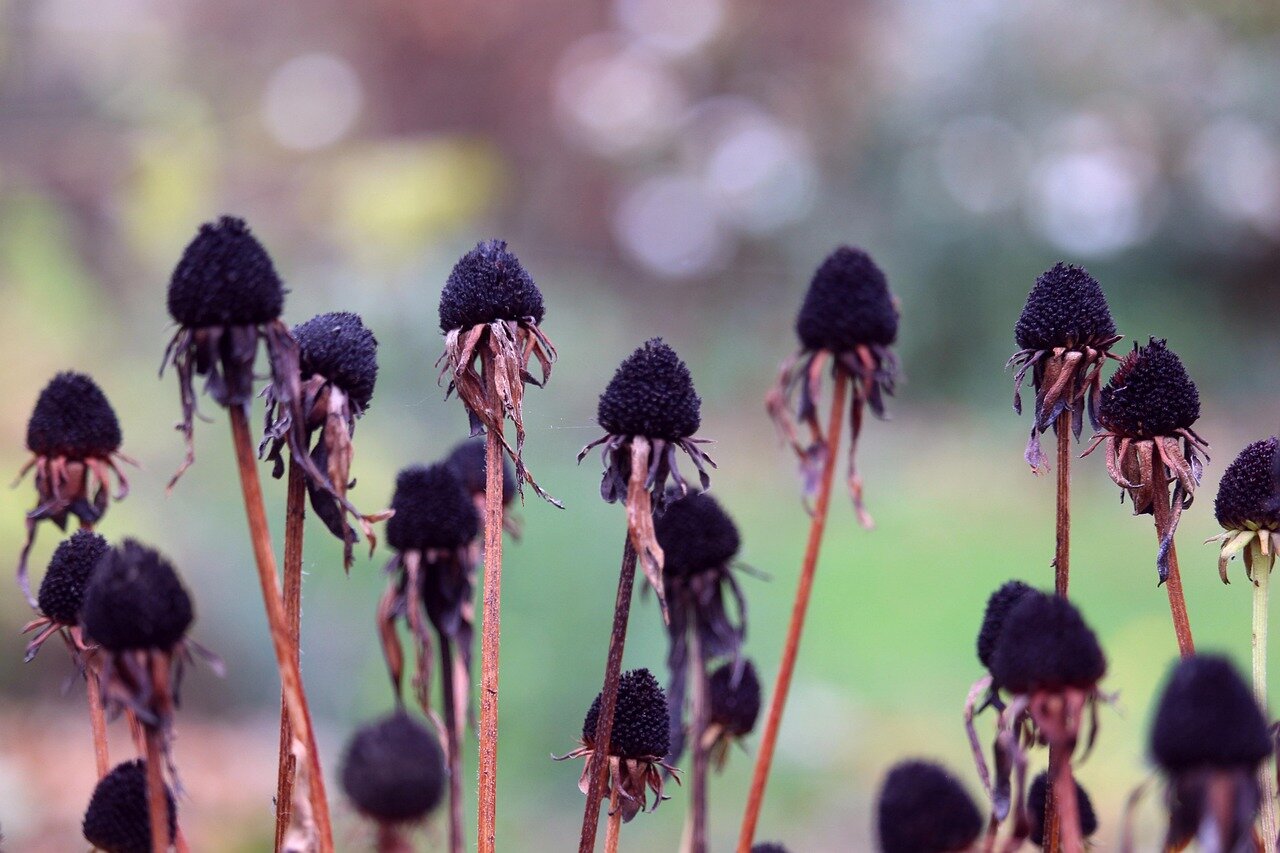
Hollow stems are nurseries. Native bees such as leafcutter and mason bees lay eggs inside them and emerge in spring, and some butterflies spend the winter as chrysalises fastened to dry stems, according to Illinois Extension. Seed heads on coneflowers, sunflowers and native grasses feed birds when there’s little else to eat. Leave them up and you’ll have goldfinches, chickadees and other songbirds working the garden all winter, the National Wildlife Federation says.
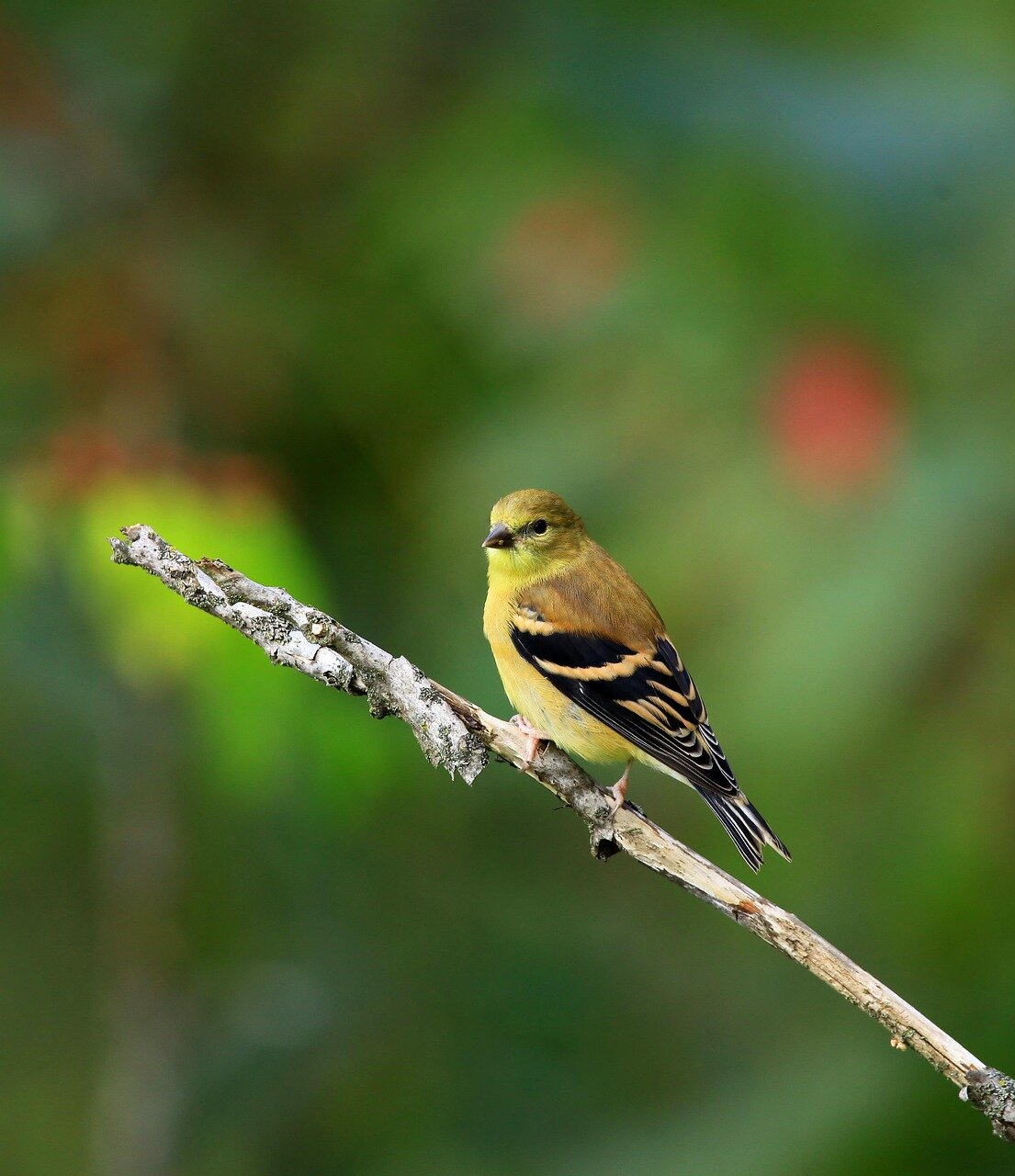
Do this instead: Leave stems standing through winter. When you cut them back in spring, leave 10 to 12 inches of stem behind. The National Wildlife Federation says native bees will move into those stubs and nest. You can still save seeds for next year. I’ve already collected some from my garden while other seed heads are still drying. Just leave plenty standing for the birds.
6. Throwing out branches, logs and brush
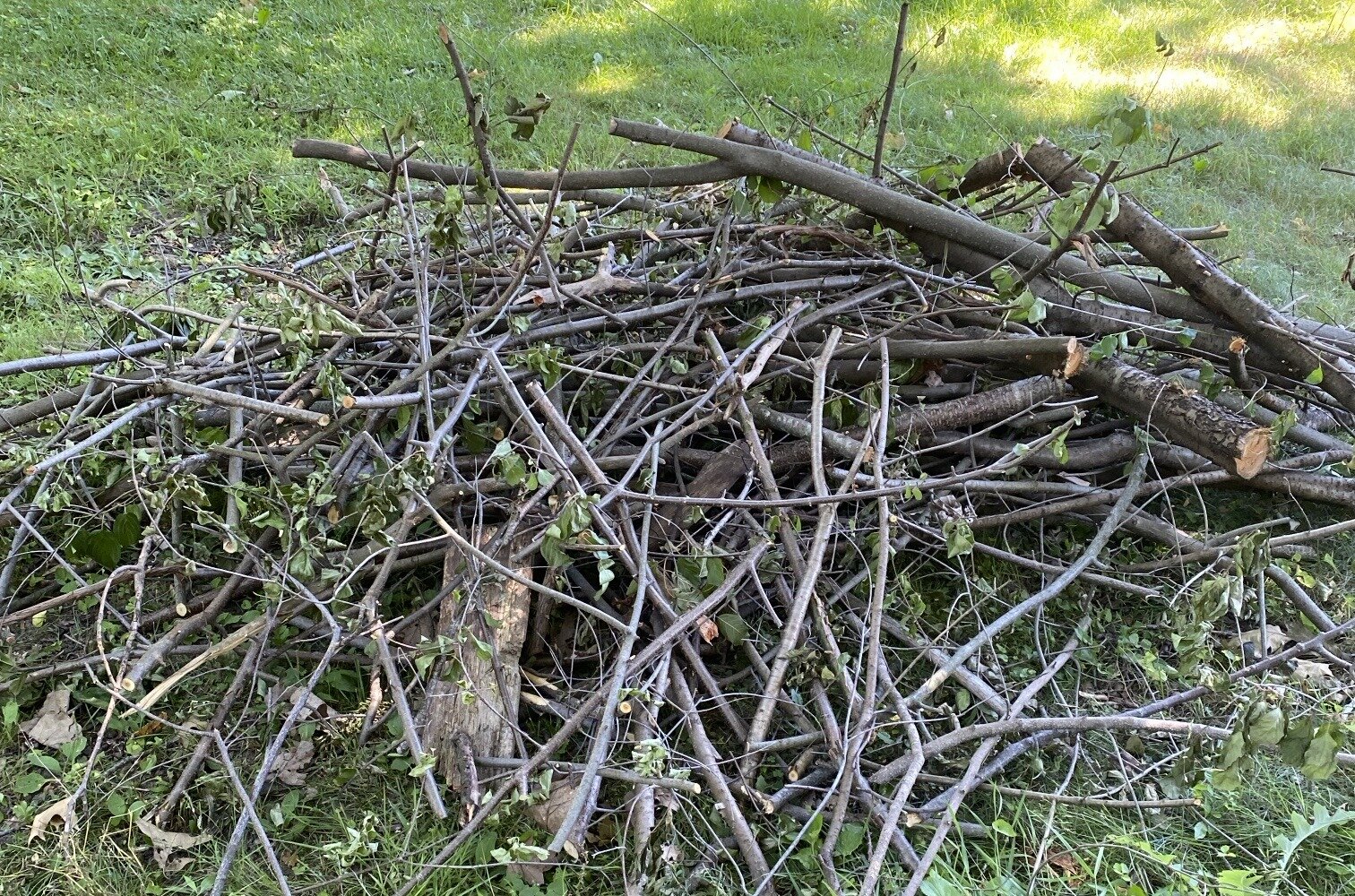
A pile of sticks looks like a chore. To wildlife, it’s a winter shelter with dozens of rooms.
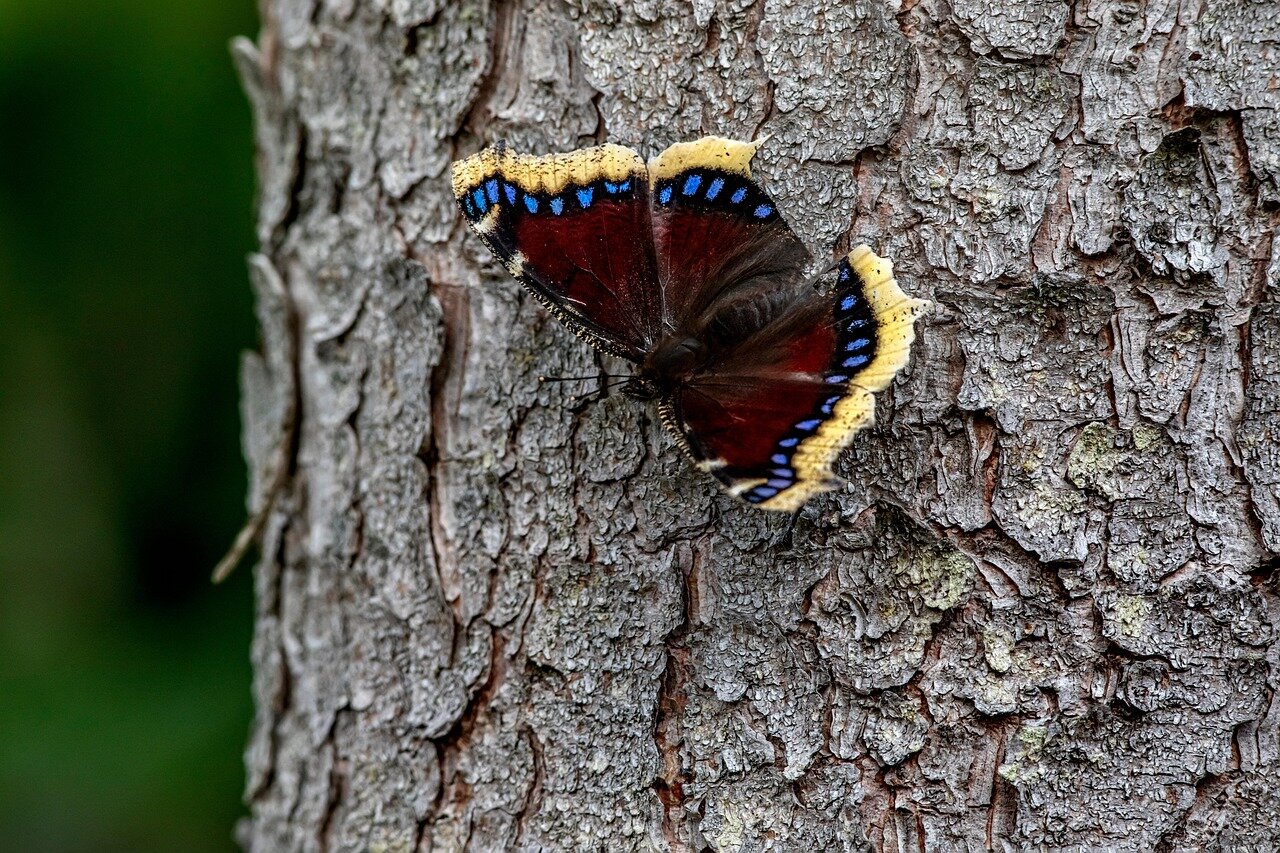
Many insects hibernate in fallen wood, and mourning cloak butterflies spend the winter as adults wedged into the gaps of brush piles, the Xerces Society says. That’s why they’re often the first butterflies you see on a warm day in early spring.
Do this instead: Stack branches into a loose pile in a back corner or along the edge of the woods. If you want it out of sight, tuck it behind a hedge. Illinois Extension recommends a brush pile over bagging branches.
7. Tilling, digging or mulching every inch of soil
When most people picture bees, they picture a hive. But most bees live underground. About 70% of bee species nest in the soil, often right in yards and garden beds, according to the Xerces Society.
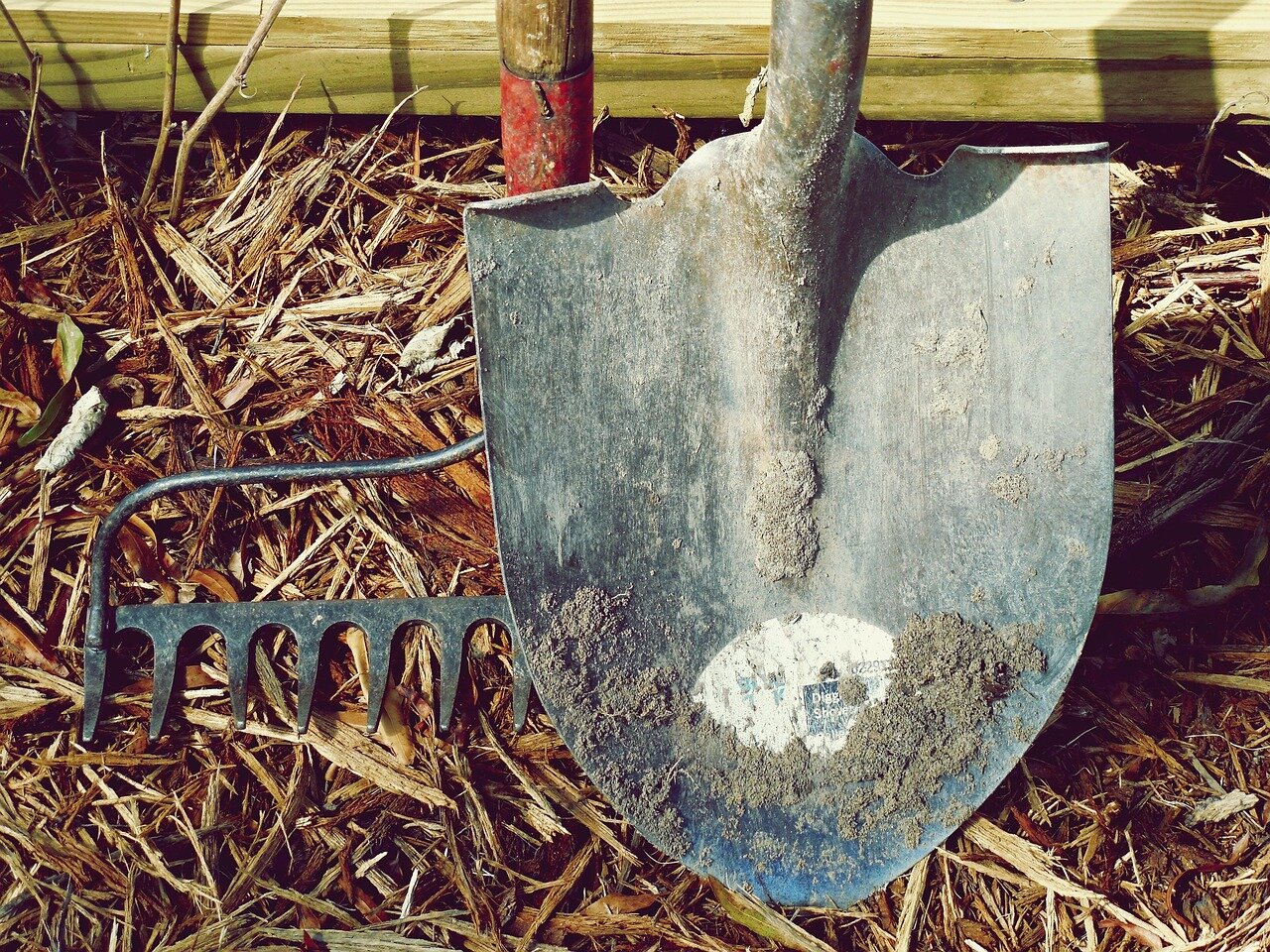
That means fall tilling and digging can wreck nests you never knew were there. Heavy mulch causes a quieter problem: it keeps bees from digging in at all. Those small holes in a sunny patch of bare ground may not be an anthill, Illinois Extension notes. They may be bee nests.
Do this instead: Keep digging shallow and limited. Leave a few sunny spots bare and unmulched. If you find clusters of small holes, mark them so you can work around them.
8. Spraying weeds and cutting down late bloomers
By fall, most flowers are done. The few that are still blooming matter a lot.
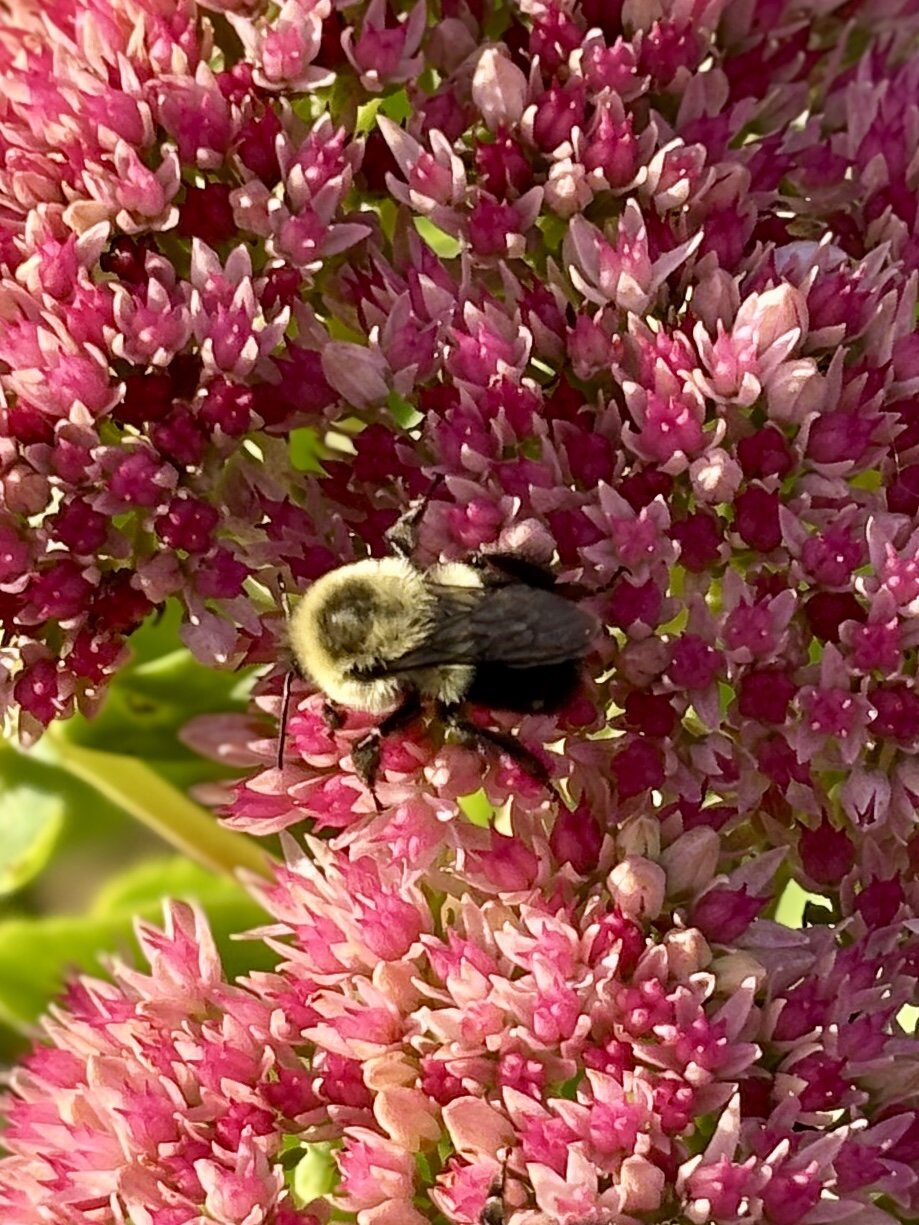
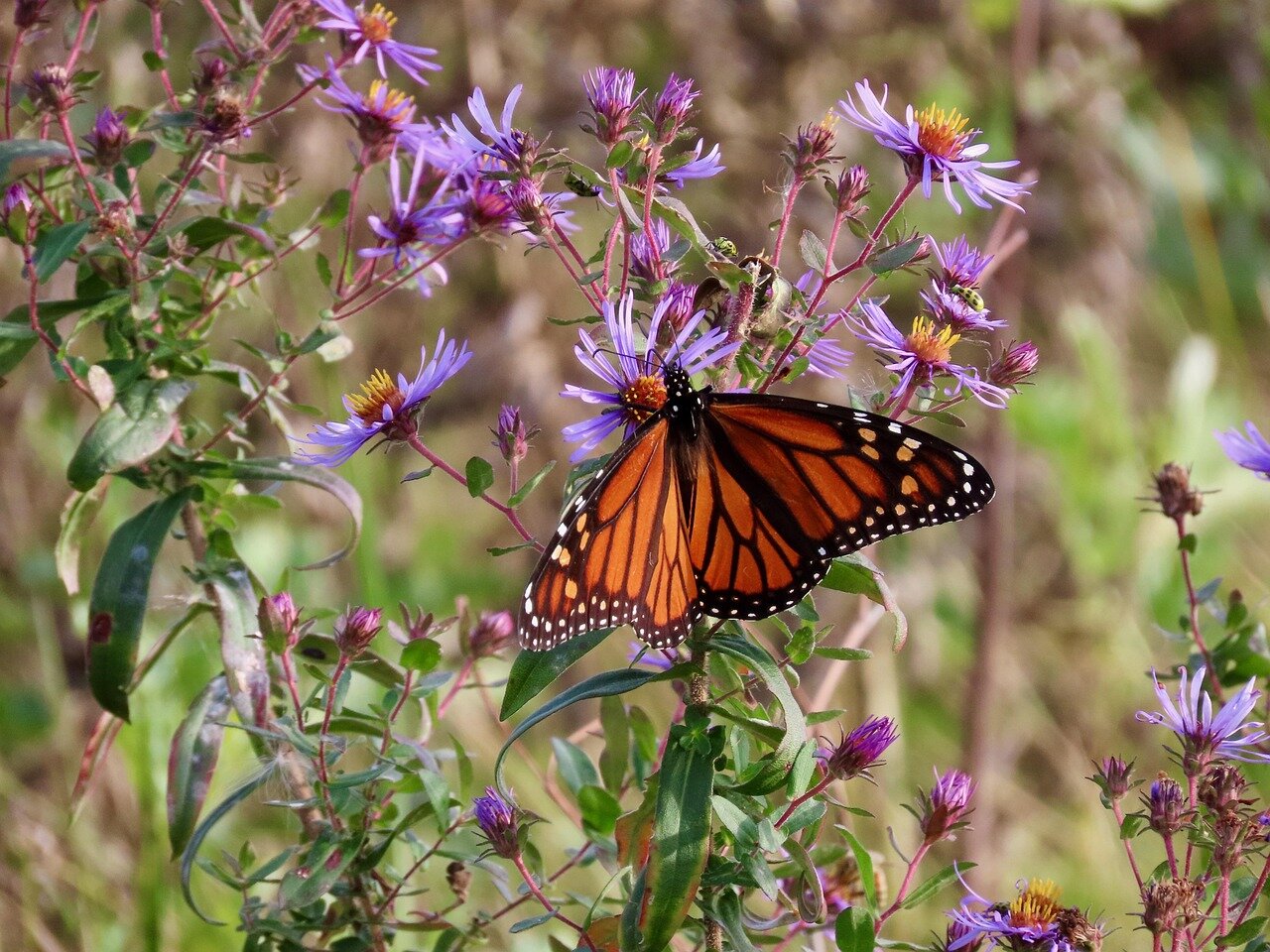
Migrating monarchs and native bees depend on late flowers to fuel up, the National Wildlife Federation says. So do bumble bee queens. They’re the only members of the colony that survive the winter, and they need late-season nectar and pollen to build up fat before they hibernate. Goldenrods and asters are two of the best sources.
Spraying weeds now takes away some of that food. Herbicides can also harm pollinators and other insects, according to the Xerces Society.
Do this instead: Let fall bloomers finish before you cut anything back. Skip fall weed killers and “weed and feed” products, and let a few blooming weeds stay a while longer.
9. Neglecting bird feeders and birdbaths
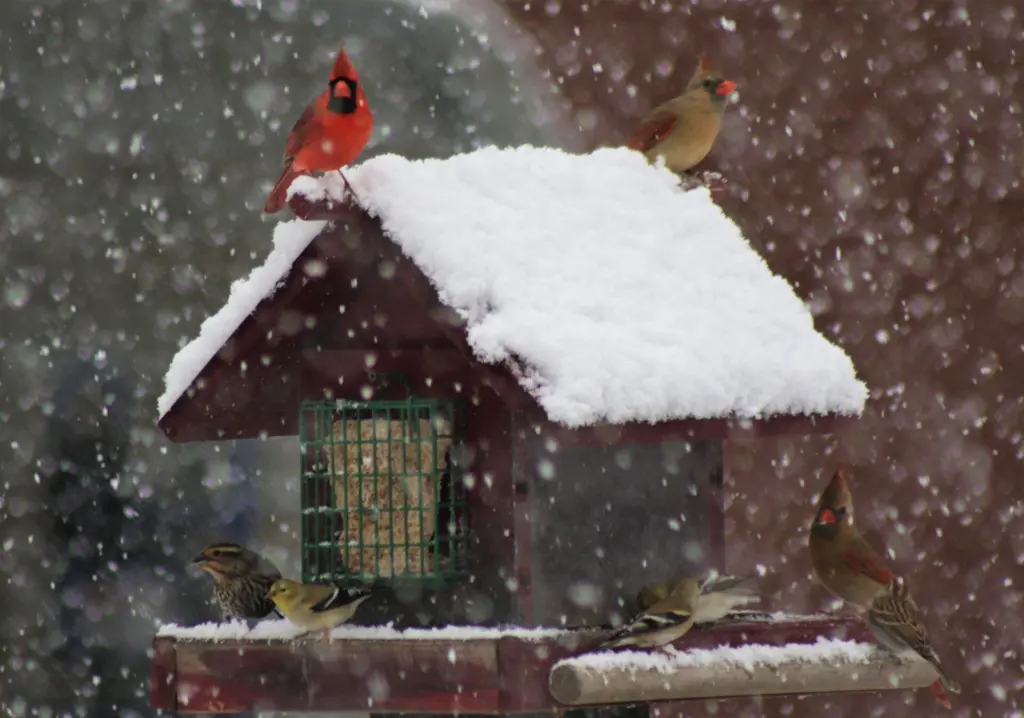
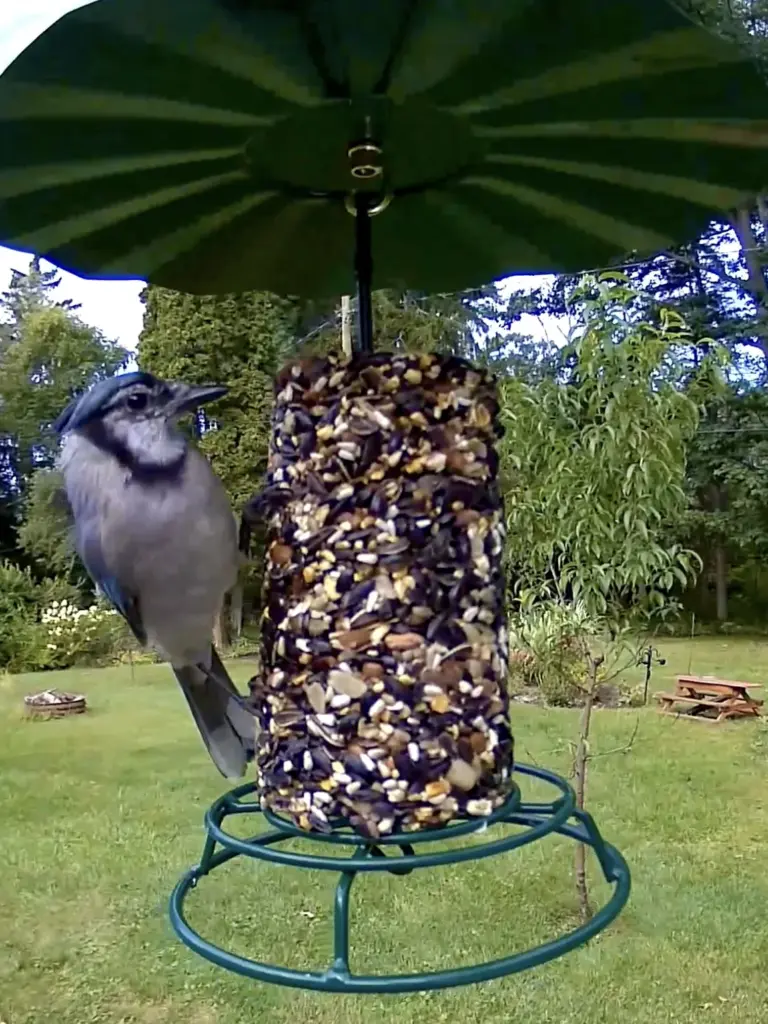
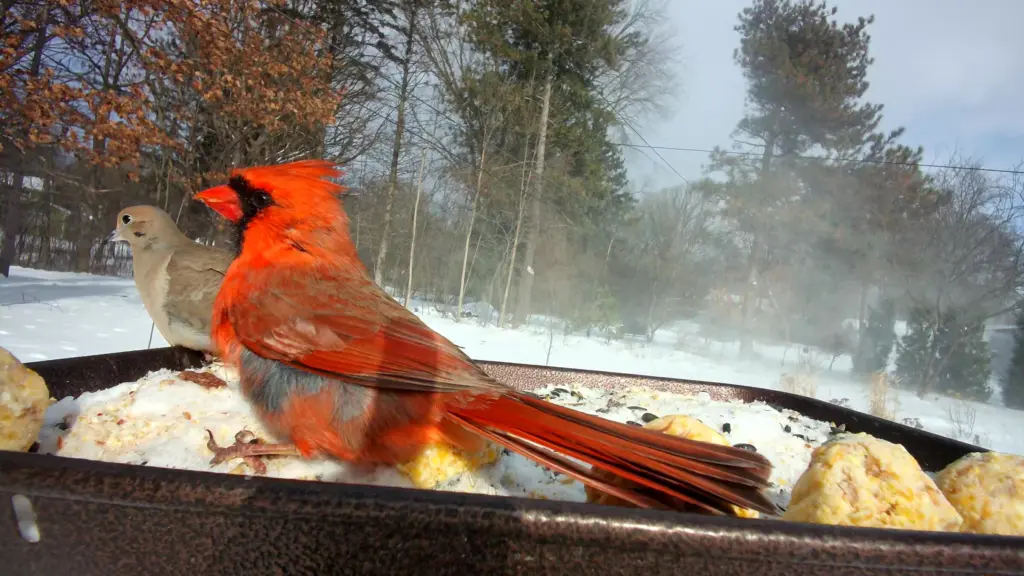
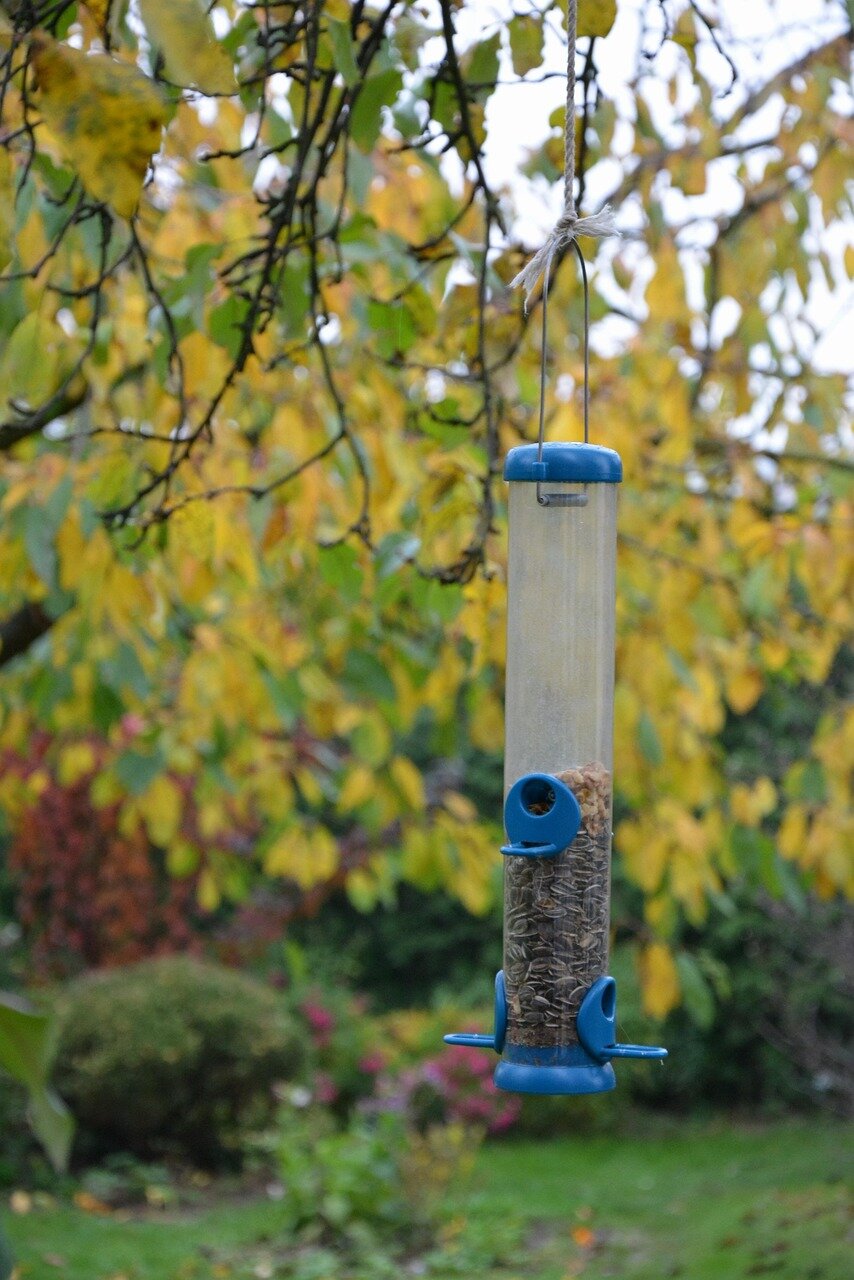
More birds crowd around feeders as the weather cools, and a crowded feeder spreads disease fast. Salmonella is a common culprit.
The fix is simple. Mississippi State University Extension recommends the Centers for Disease Control and Prevention method: wash feeders in warm, soapy water, then soak them for 10 minutes in 1 part bleach to 9 parts water. Birdbaths need attention too. The Idaho Department of Fish and Game recommends emptying and refilling them daily, scrubbing them every two weeks and raking up spilled seed under feeders.
Do this instead: Put feeder and birdbath cleaning on a regular schedule. Wear gloves and wash your hands afterward.
10. Cleaning up too early in spring
All the good you do in fall can be undone on the first warm weekend in spring. Insects need their cover until the weather is reliably warm, and some bees don’t emerge until late May, according to the Xerces Society.
Do this instead: Use a few easy cues from the Xerces Society. Wait until nights stay in the 50s, about when you’d plant tomatoes outdoors. In northern states, mid- to late April is the earliest to start cutting back perennials and clearing debris. Better yet, wait until apple and pear trees finish blooming. By then, most native bees are out.
When the mowing and trimming start again, watch your step. Wildlife rehabilitators treat animals hurt by mowers and string trimmers every spring, the Blue Ridge Wildlife Center in Virginia says.
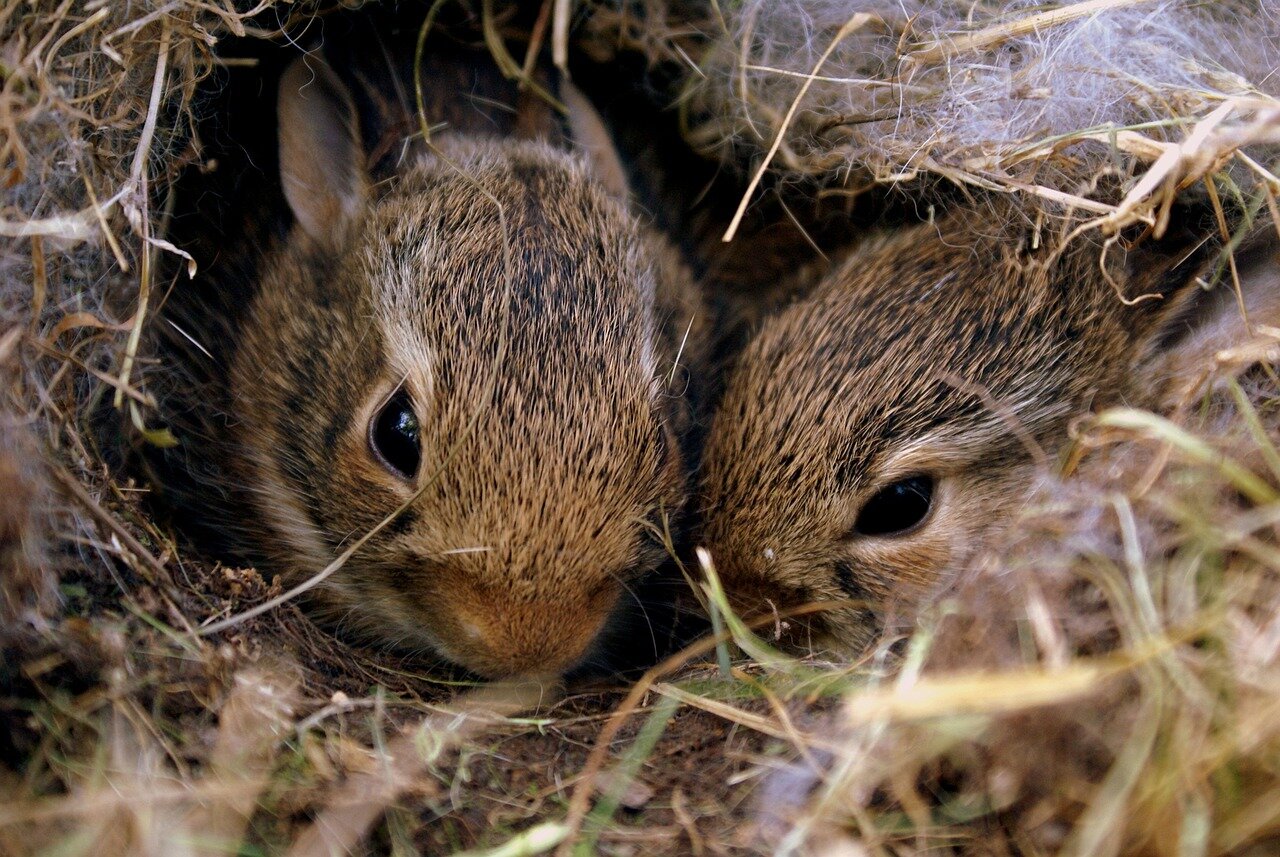
Baby rabbits are especially easy to hit. Cottontails breed from February to September and raise their young in a shallow, fur-lined hollow right in the lawn, according to University of Maryland Extension. The mother visits only about twice a day, so a nest is easy to miss, and one that looks abandoned usually isn’t.
Before you mow, walk the yard and run a broom through tall grass to flush out toads and other animals and to spot nests. If you find one, the Wildlife Center of Virginia recommends keeping the mower at least 10 feet away while the babies are there, or covering the nest with an upside-down laundry basket while you mow and removing it when you’re done.
When a fall cleanup is the right call
Leaving things messy doesn’t mean leaving disease behind. If pests or diseases showed up in a vegetable garden or flower bed this year, clean up that plant debris so the problem doesn’t carry over to next season, Illinois Extension advises. Pull diseased plants and rotting fruit from those beds and leave the healthy ones alone.
How to keep a wildlife-friendly yard looking neat
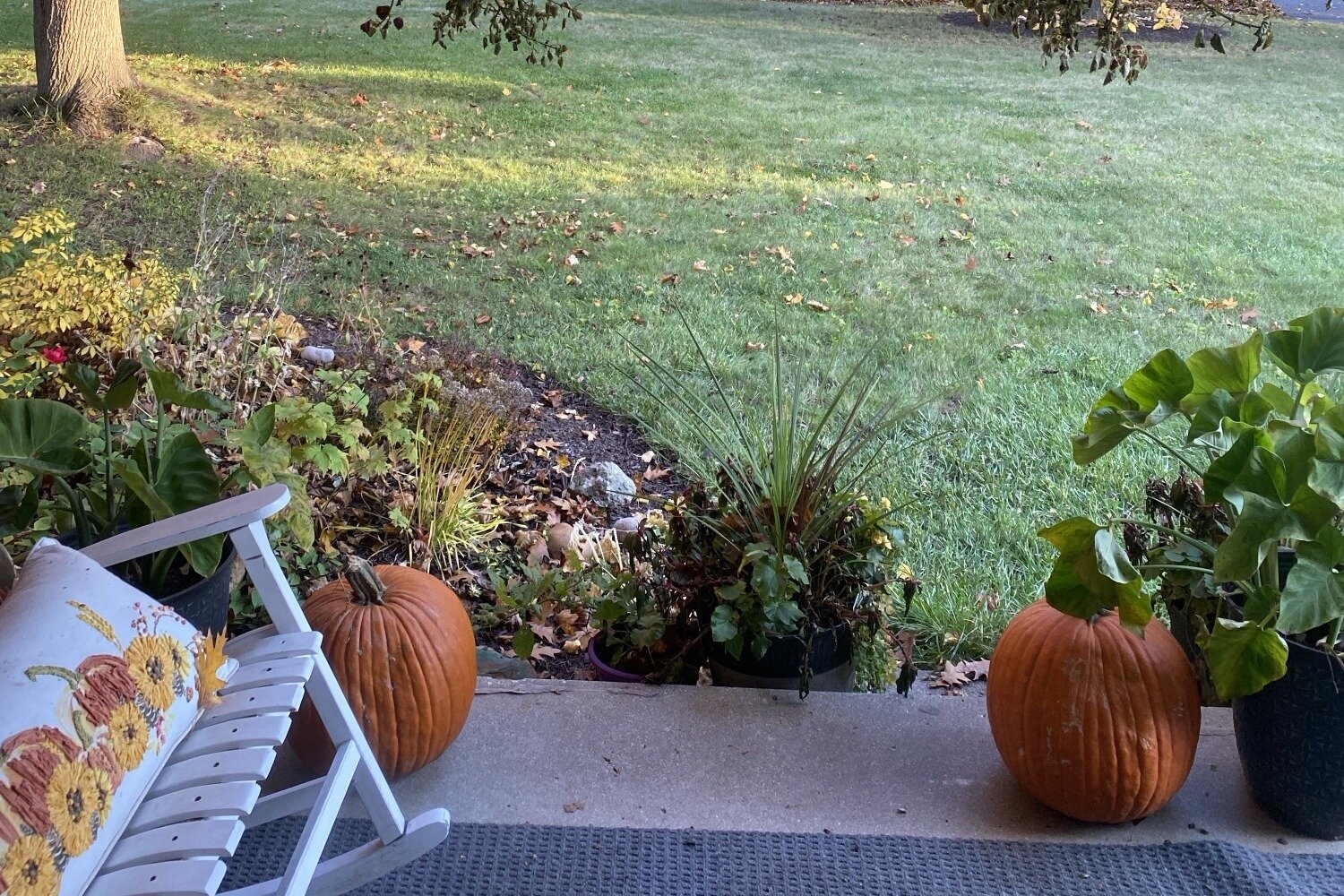
Not everyone wants a wild yard, and some cities and homeowners associations expect raked lawns. A few compromises go a long way:
- Keep the front lawn and walkways tidy, and let back beds and borders stay wild.
- Rake leaves into neat, defined beds rather than leaving them scattered.
- Hide brush piles behind shrubs, or use logs as edging around a planting bed.
- Add a small “Leave the Leaves” or wildlife habitat sign so neighbors know the look is on purpose.
Frequently asked questions
Is it bad to rake leaves?
Raking isn’t the problem. Hauling leaves away is. Raking them off the lawn and into garden beds or under shrubs keeps the habitat on your property.
Is mulching leaves with a lawn mower good for wildlife?
It’s better than bagging for the soil, but shredding can destroy the eggs, caterpillars and cocoons in the leaves. Mow in only a light layer on the lawn, and keep beds full of whole leaves.
When should I cut back perennials?
Leave stems standing over winter and cut them in spring once nights stay in the 50s. Leave 10 to 12 inches of stem for nesting bees.
What insects live in fallen leaves over winter?
Many butterflies and moths, bumble bee queens, fireflies, spiders and beetles use leaf litter for winter shelter, including woolly bear caterpillars.
Will leaving leaves kill my lawn?
A thin layer is fine. A thick mat that completely covers the grass can smother it, so move heavy layers into beds.
How do I avoid hurting baby rabbits when I mow?
Walk the yard first and look for a shallow, fur-lined nest in the grass. Keep the mower at least 10 feet away while babies are present, or cover the nest with an upside-down laundry basket while you mow.