
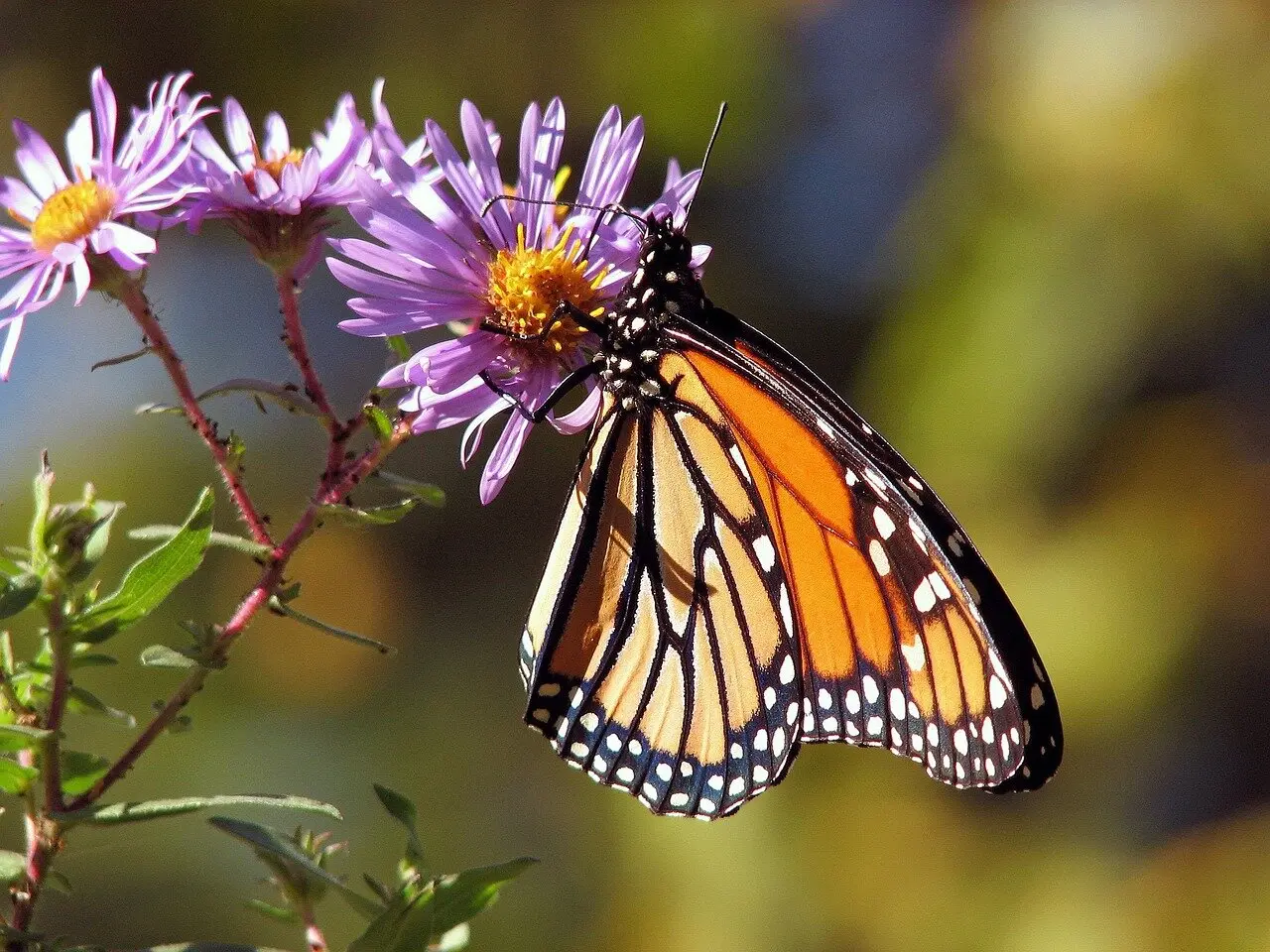
For gardeners with heavy clay or low spots that hold water, spring can be heartbreaking. Bulbs rot, perennials drown and the yard turns to mud. The good news is that some of the best plants for bees, butterflies and hummingbirds don’t just tolerate wet soil. They thrive in it.
What ‘wet soil’ really means
Wet soil isn’t necessarily about how much rain falls. Heavy rain can certainly cause it, especially for homes near creeks and rivers that rise and spill over during storms. But in many yards, the bigger factor is how long water stays in the ground after it falls.
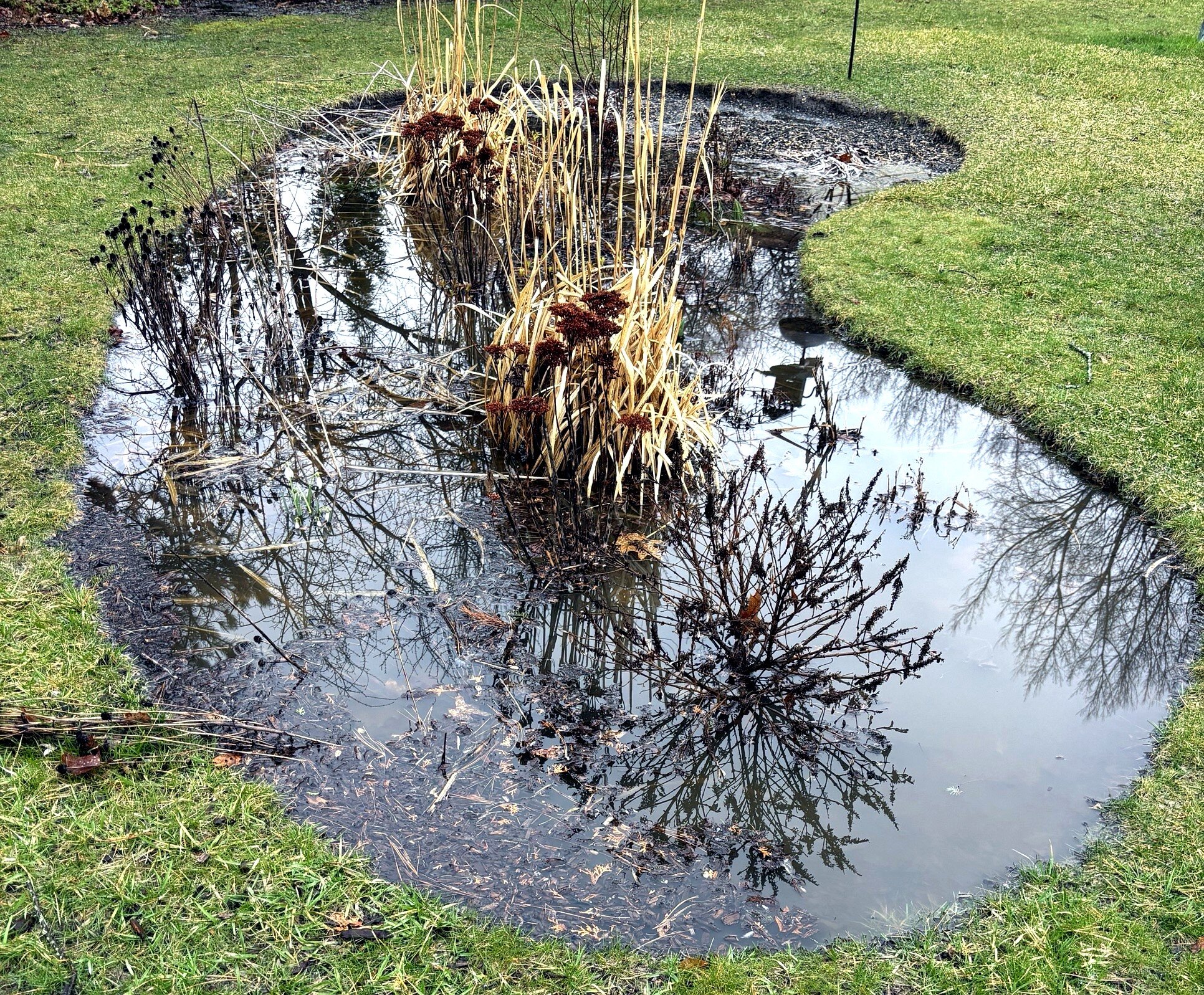
Timing matters, too. The water table, the level below which the ground is saturated, rises in late winter and spring as water soaks in and drops in summer, according to the U.S. Geological Survey. A sudden thaw can make things worse. When rain and fast-melting snow hit frozen ground in southern Wisconsin in March 2019, the water couldn’t soak in and ran off into ditches, streams and rivers instead, the National Weather Service reported. That’s why soggy yards and flooded beds often show up in spring, just as bulbs and perennials start to grow.
In many states, the culprit is clay. Clay particles pack tightly together, so water soaks in slowly and drains even slower. Add a low spot in the yard, and rainwater has nowhere to go.
Common trouble spots include:
- Low areas where puddles linger for hours or days after a storm
- Beds near downspouts or at the bottom of a slope
- Yards with heavy clay soil
- Yards near creeks, rivers, ponds or ditches that can overflow
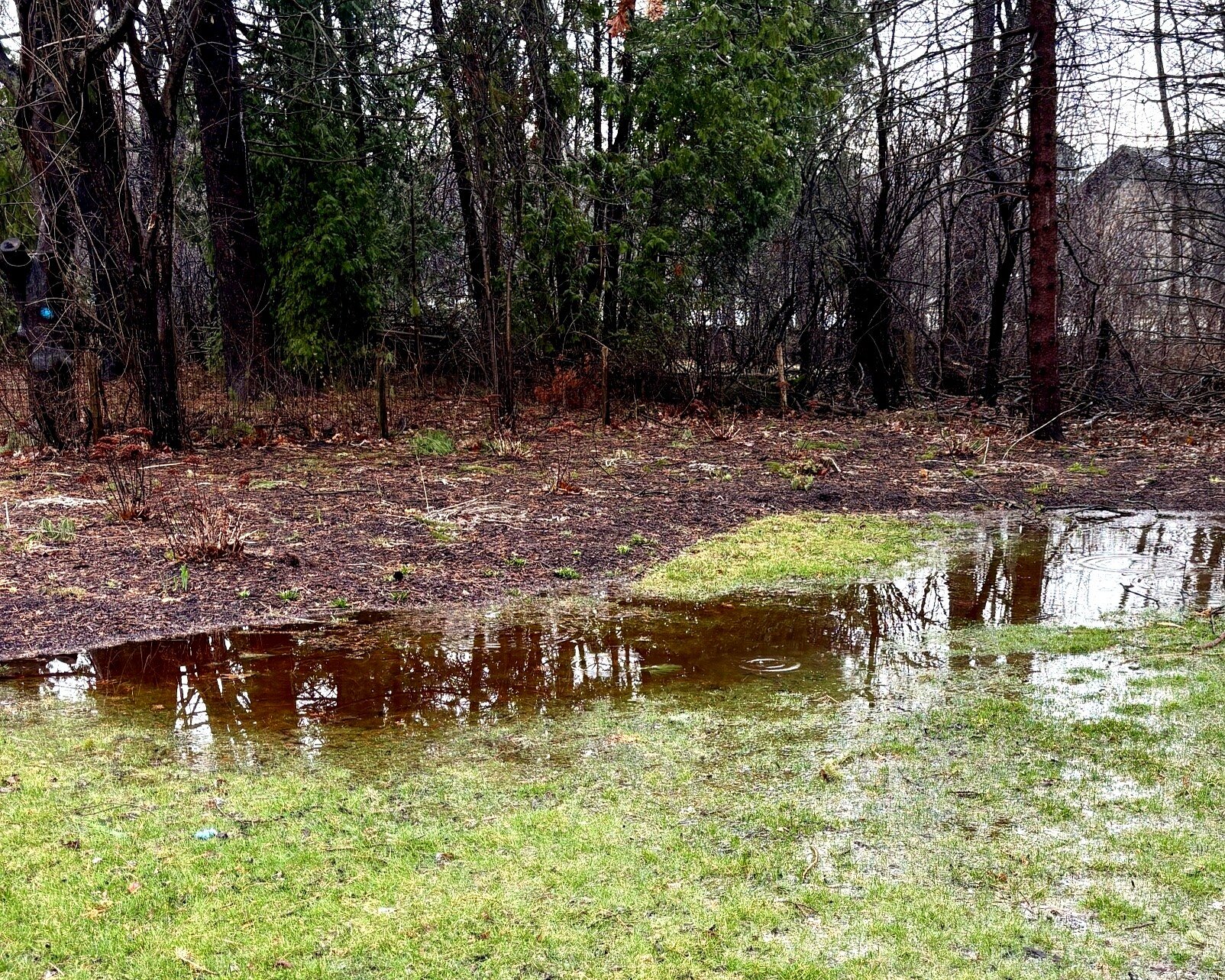
Not sure what you have? Try a simple drainage test from Cornell Cooperative Extension. Dig a hole 1 foot deep, fill it with water and let it drain. Refill it right away, measure how far the water drops in 15 minutes and multiply by four. If the water drops less than 1 inch an hour, you have poorly drained soil, and moisture-loving plants are a good fit.
Why not just fix the soil?
It’s a fair question. Gardeners can amend clay, but it has real limits.
It’s slow. Adding compost and other organic matter is the best way to improve clay, but it can take years to see results, according to University of Illinois Extension.
It takes a lot of material. Amending a whole yard deeply means tons of compost and plenty of digging.
It doesn’t stop water from collecting. If rain runs downhill into a low spot, better soil won’t change where it ends up.
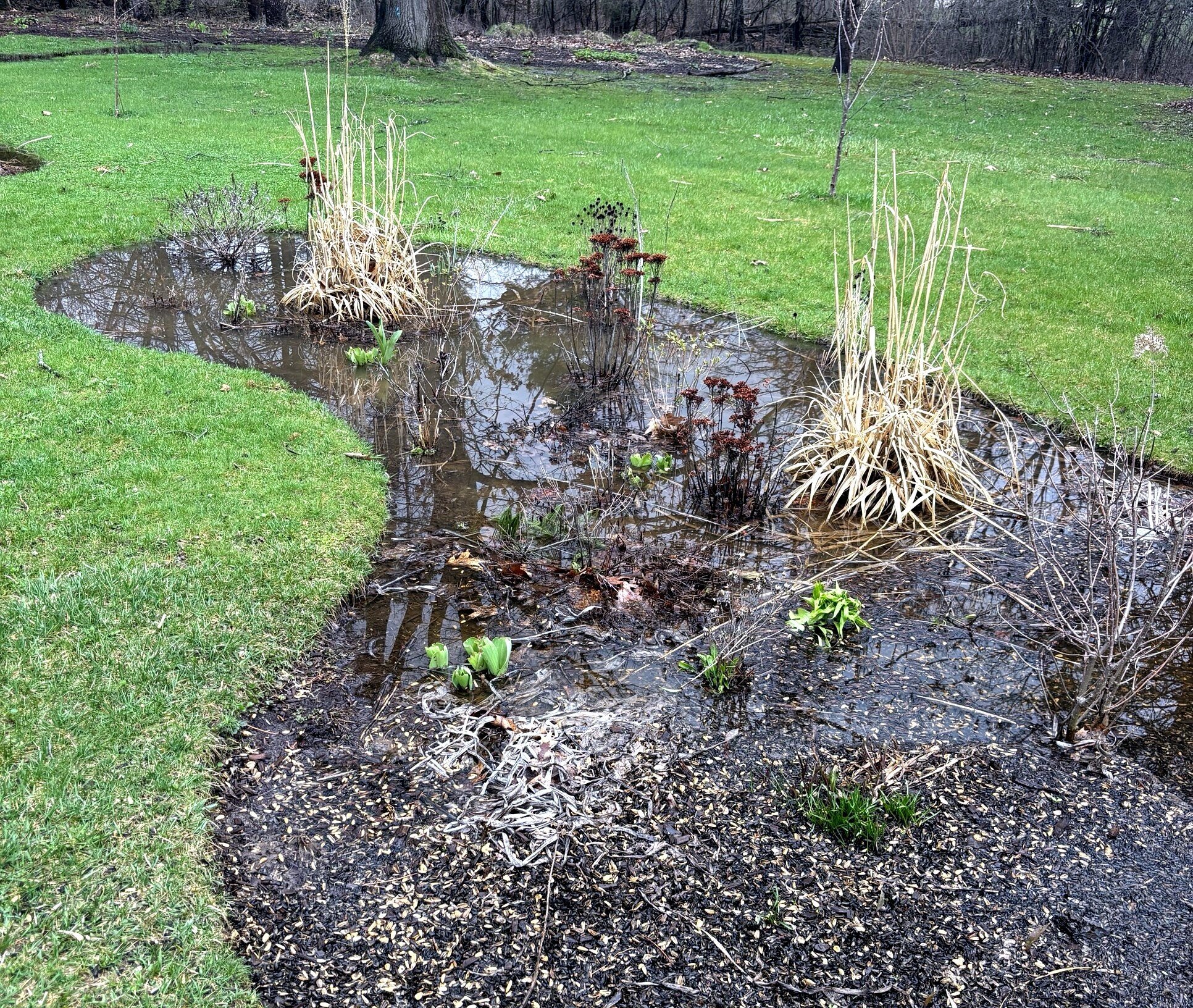
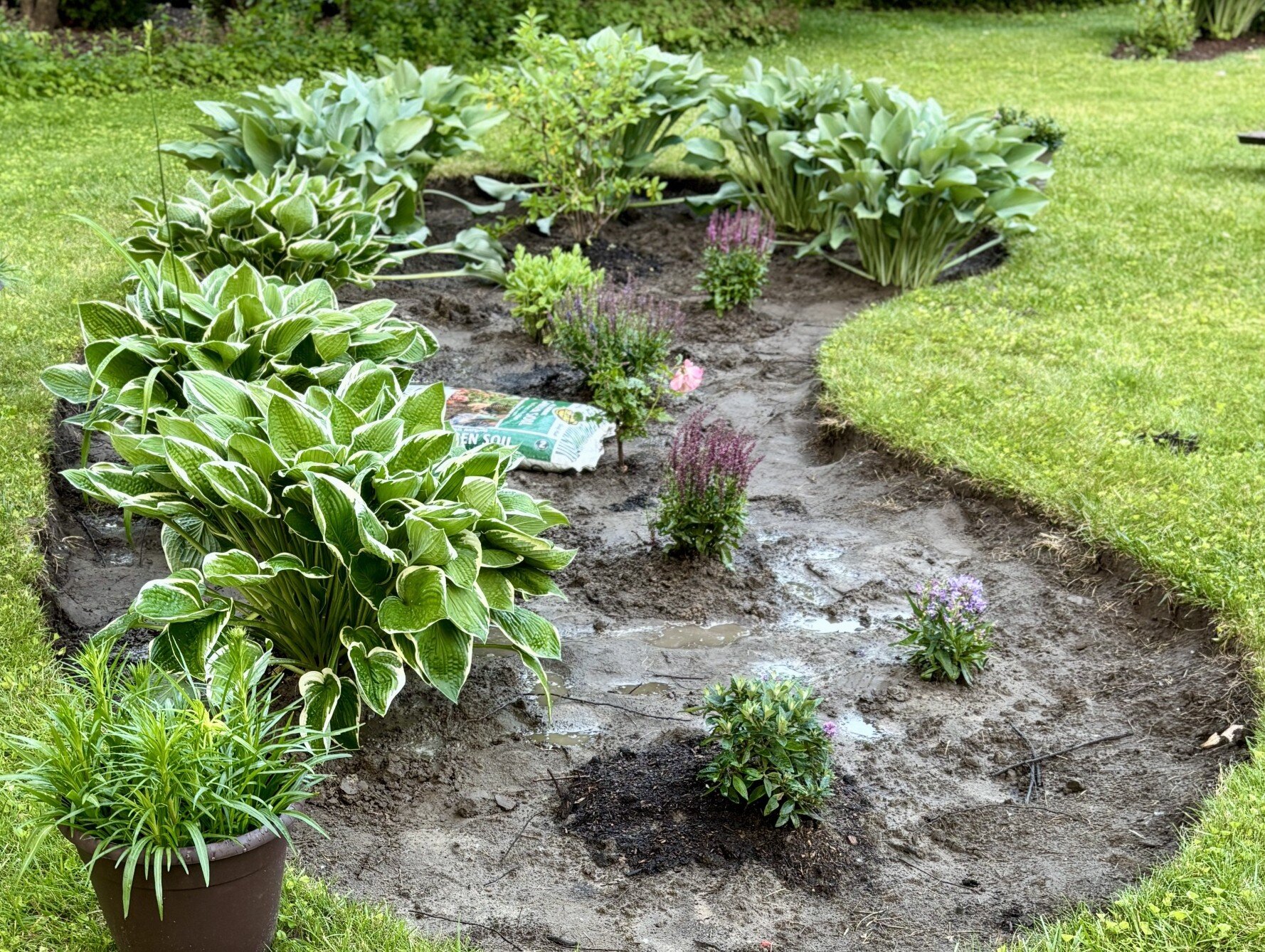
It can’t drain ground that’s already full. Poorly drained soil is more common in low-lying areas, according to Utah State University Extension. Near creeks, rivers and wetlands, the water table is often high, so water has nowhere to go. In yards with a high water table, raising the soil level with raised beds or berms may be the only solution, Colorado State University Extension says.
Amending a single planting hole can backfire. Loose soil surrounded by dense clay acts like a bathtub. Water pools right around the roots.
One more warning: don’t add sand to clay. Changing clay’s structure would take roughly equal parts sand and clay, Illinois Extension says. Smaller amounts can create soil more like concrete.
Amending still helps over time, so keep adding compost where you can. But for spots that will always be soggy, the easier path is choosing plants that love those conditions.
Native pollinator plants for wet clay
These plants are native across much of the eastern and central U.S., where they grow wild in wet meadows, marshes and stream banks. They thrive in moist to wet soil and feed bees, butterflies and hummingbirds, according to the Lady Bird Johnson Wildflower Center at the University of Texas at Austin. Plant a mix so something is blooming from late spring through fall.
| Plant | Blooms | Height | Attracts |
|---|---|---|---|
| Cardinal flower | May to October | 1 to 6 feet | Hummingbirds |
| Blue flag iris | May to August | Up to 3 feet | Hummingbirds |
| Swamp milkweed | June to October | Up to 5 feet | Monarchs, bees, hummingbirds |
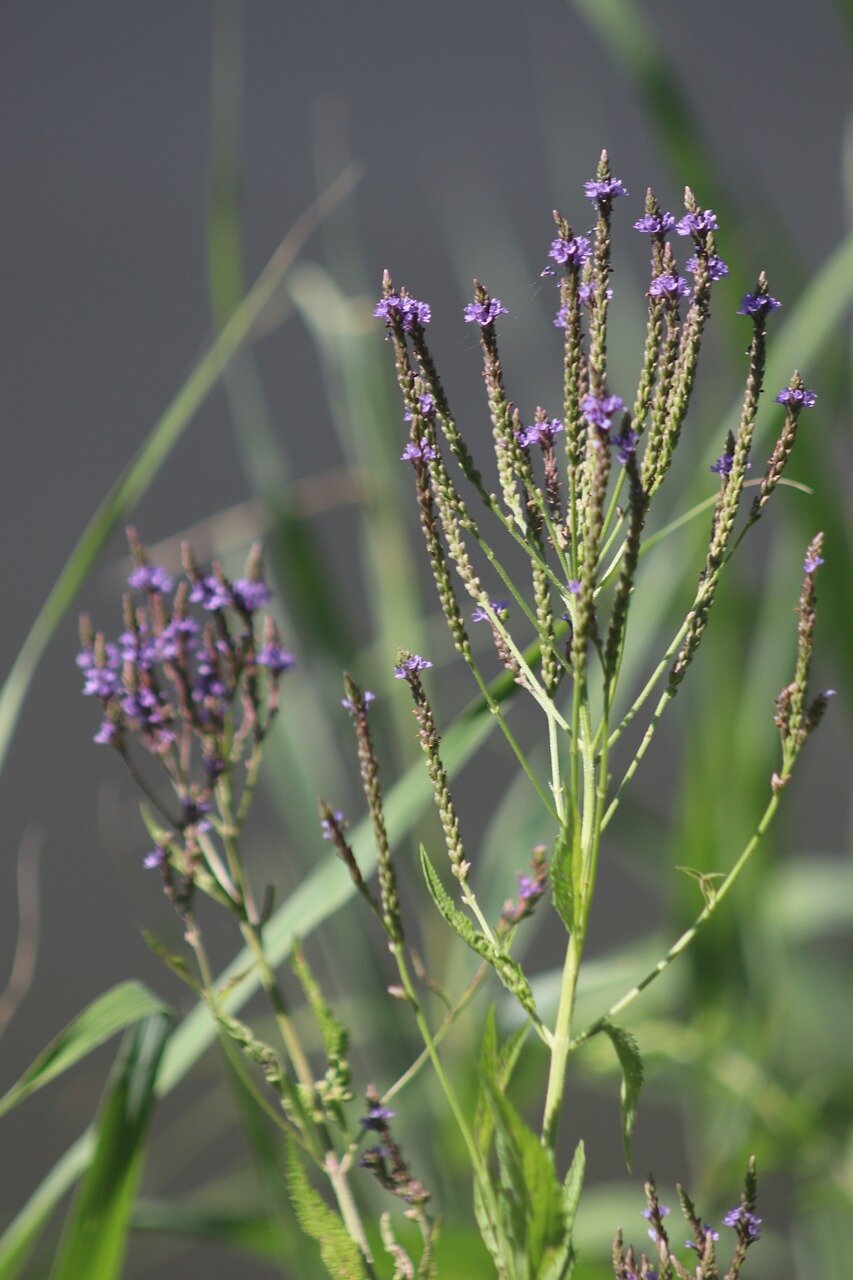
| Blue vervain | June to September | 2 to 6 feet | Bees, butterflies |
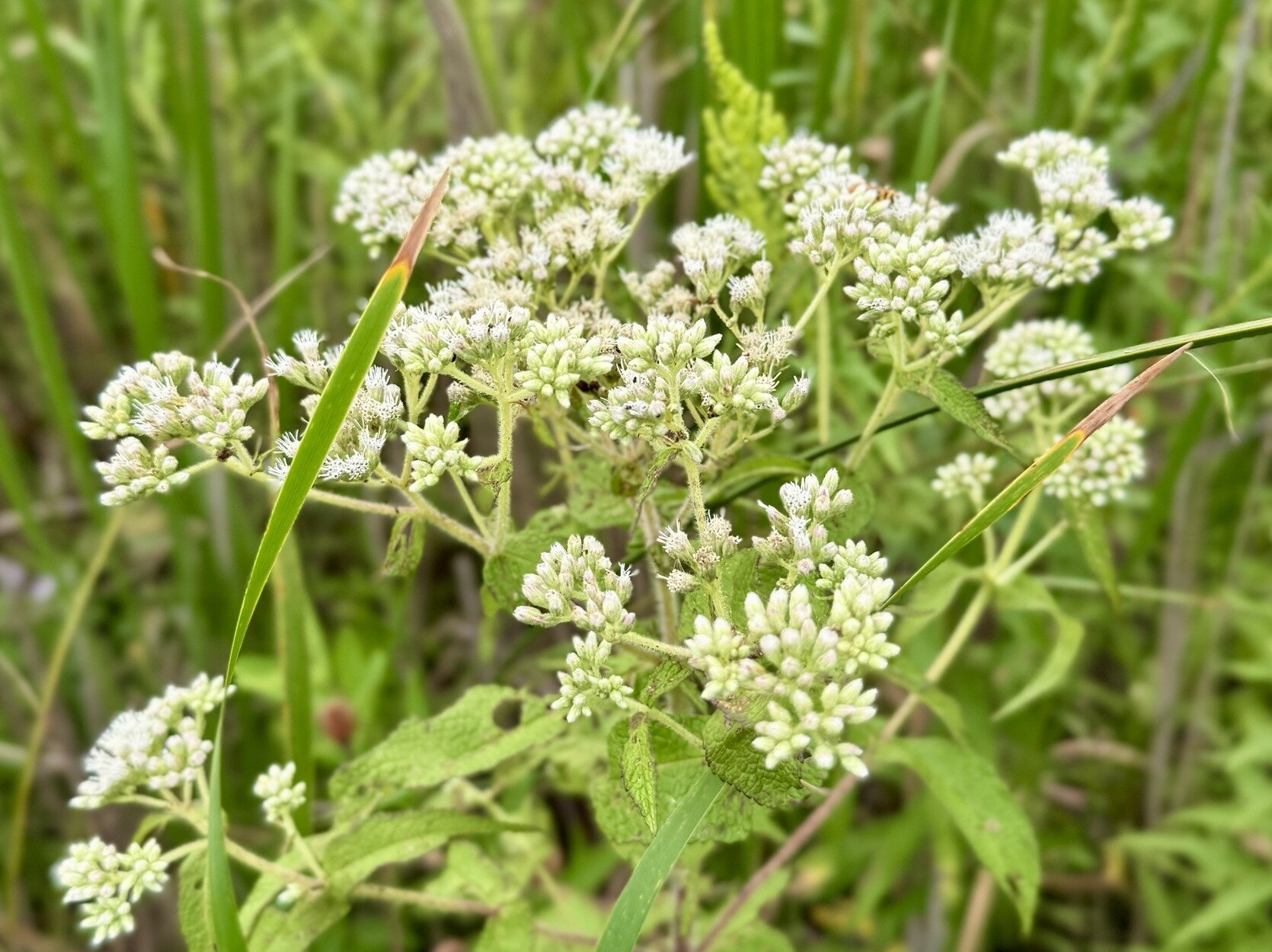
| Boneset | June to October | 3 to 6 feet | Bees, butterflies |
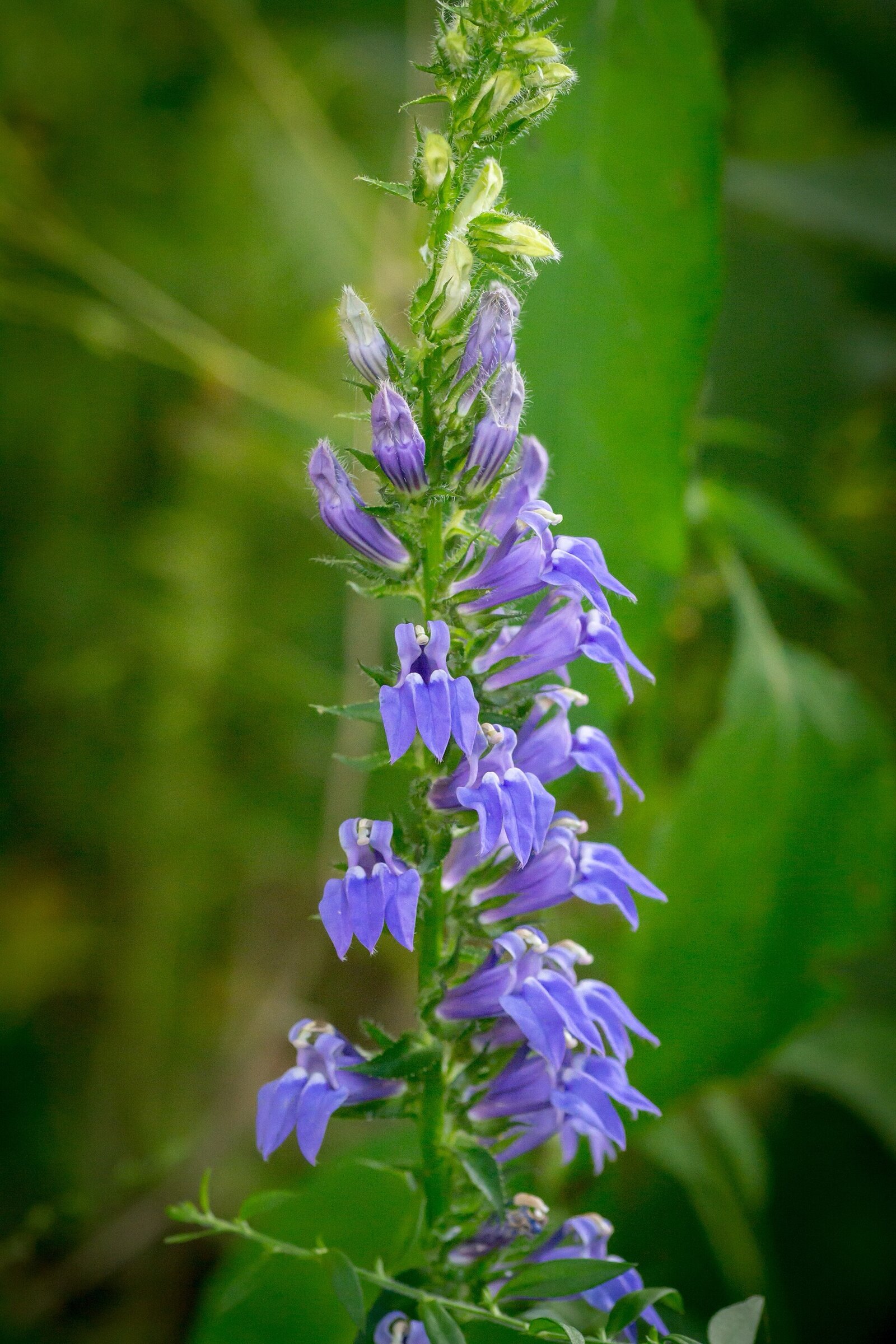
| Great blue lobelia | July to October | 2 to 5 feet | Bumblebees, hummingbirds |
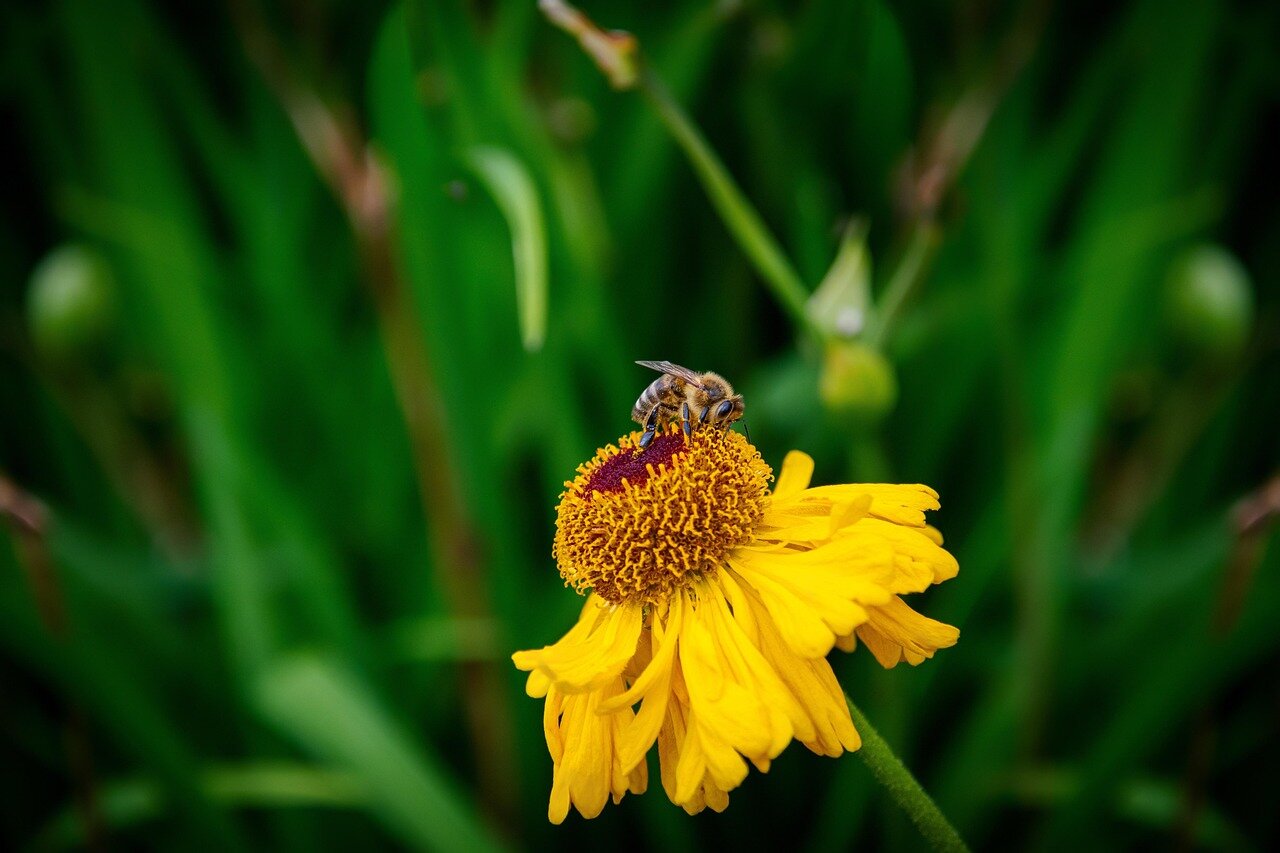
| Sneezeweed | July to October | 2 to 5 feet | Butterflies |
| Spotted Joe Pye weed | August to October | 2 to 6 feet | Butterflies |
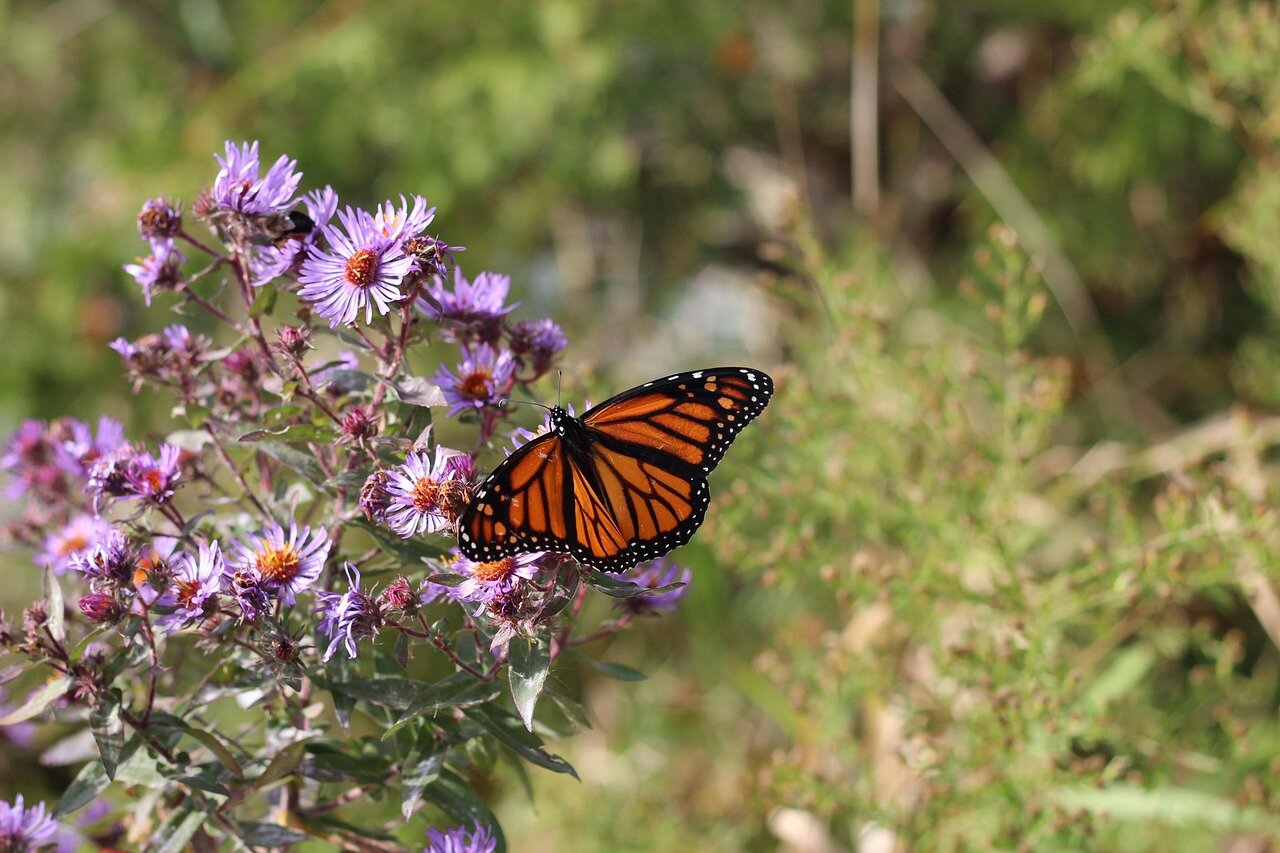
| New England aster | August to October | Up to 6 feet | Bees, butterflies including monarchs |
Source: Lady Bird Johnson Wildflower Center. Bloom times cover each plant’s full native range, so expect a shorter season in northern states.
A closer look at each plant:
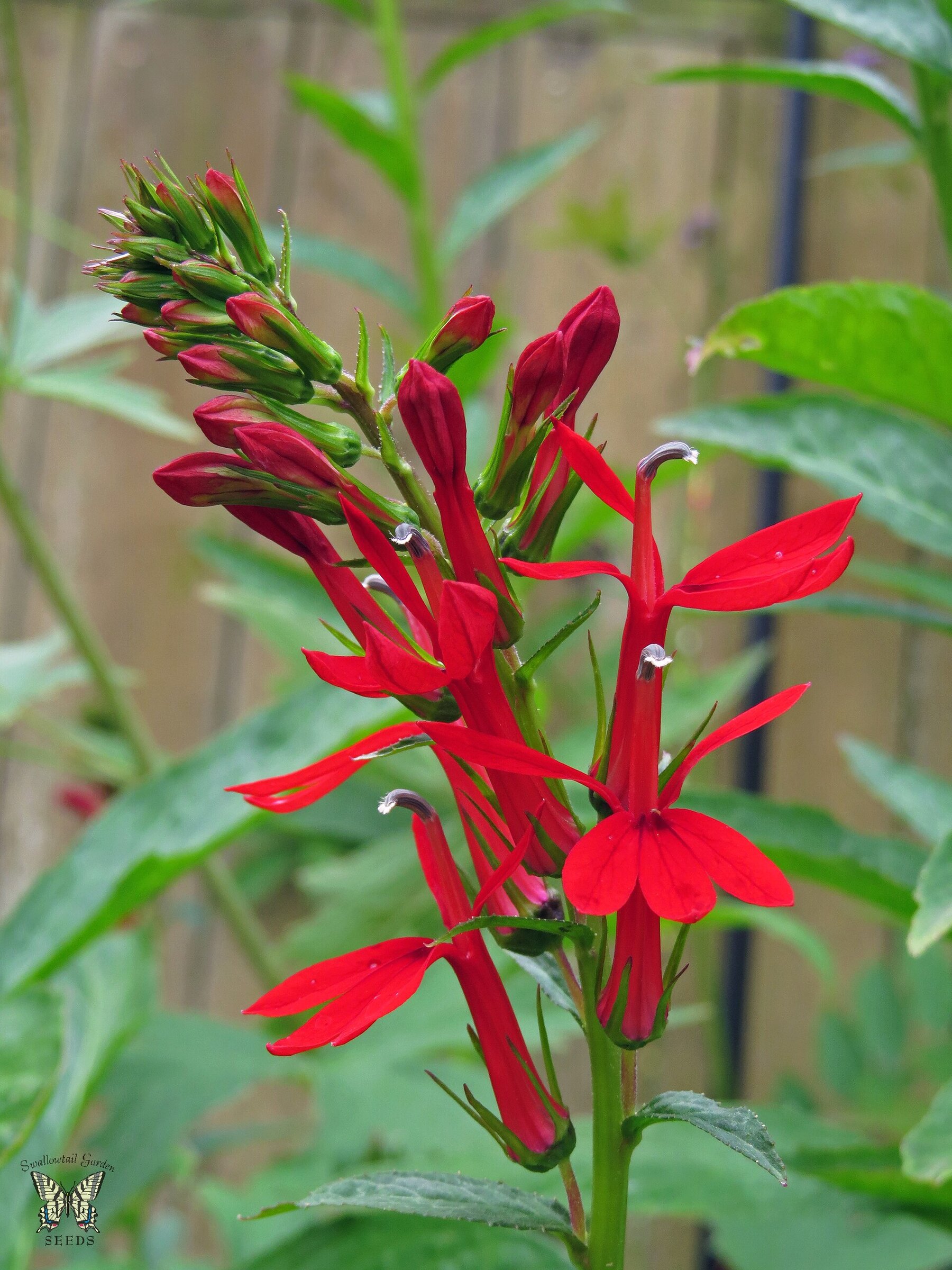
Cardinal flower brings brilliant red blooms and depends on hummingbirds for pollination. It needs soil that stays moist.
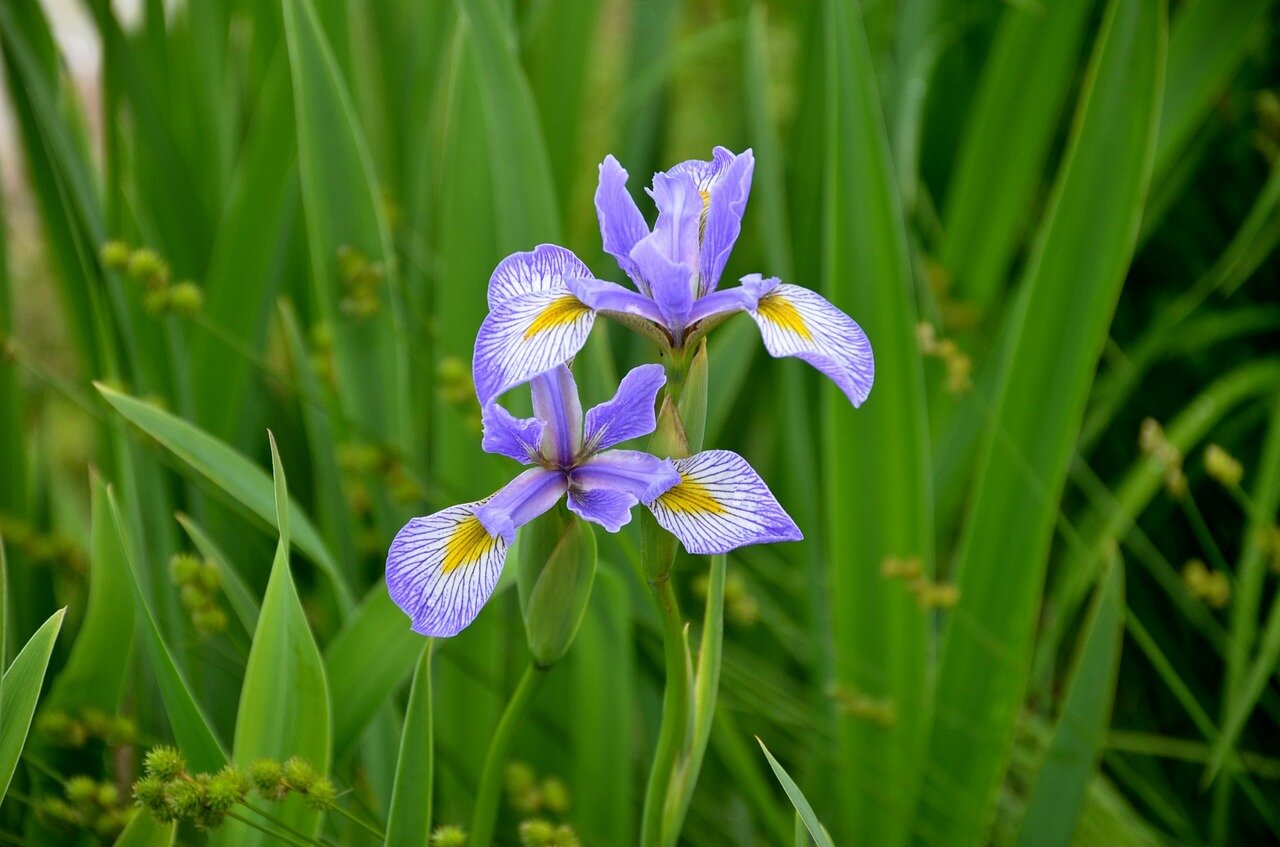
Blue flag iris grows in moist to wet soil and can even survive being completely underwater, the Wildflower Center says. Hummingbirds visit its blooms.
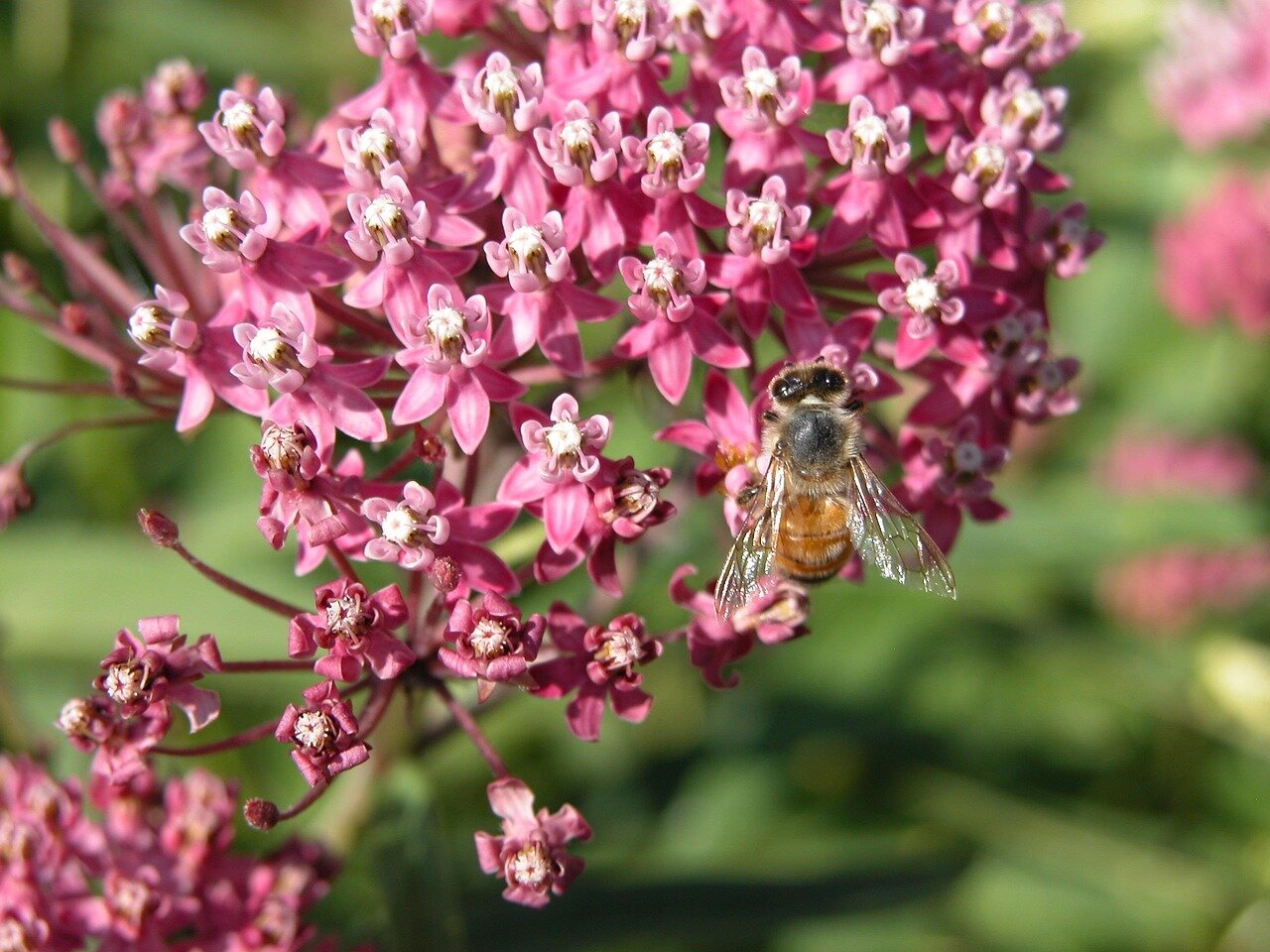
Swamp milkweed is a host plant for monarch caterpillars and has special value for native bees and bumblebees, the Wildflower Center says. It grows in a clump of upright stems.
Blue vervain has special value for native bees, and bumblebees are among its most important pollinators. It’s also a host plant for the common buckeye butterfly.
Boneset thrives in moist to wet soil, even in bogs, and draws native bees and butterflies.
Great blue lobelia is especially valuable to bumblebees and also draws hummingbirds. It doesn’t tolerate drought, which makes it a natural fit for damp spots.
Sneezeweed needs a damp site and grows wild in wet meadows and along stream banks. Butterflies visit its yellow blooms.
Spotted Joe Pye weed can reach 6 feet. Put it at the back of a bed, where its pinkish-purple flower heads offer nectar to butterflies.
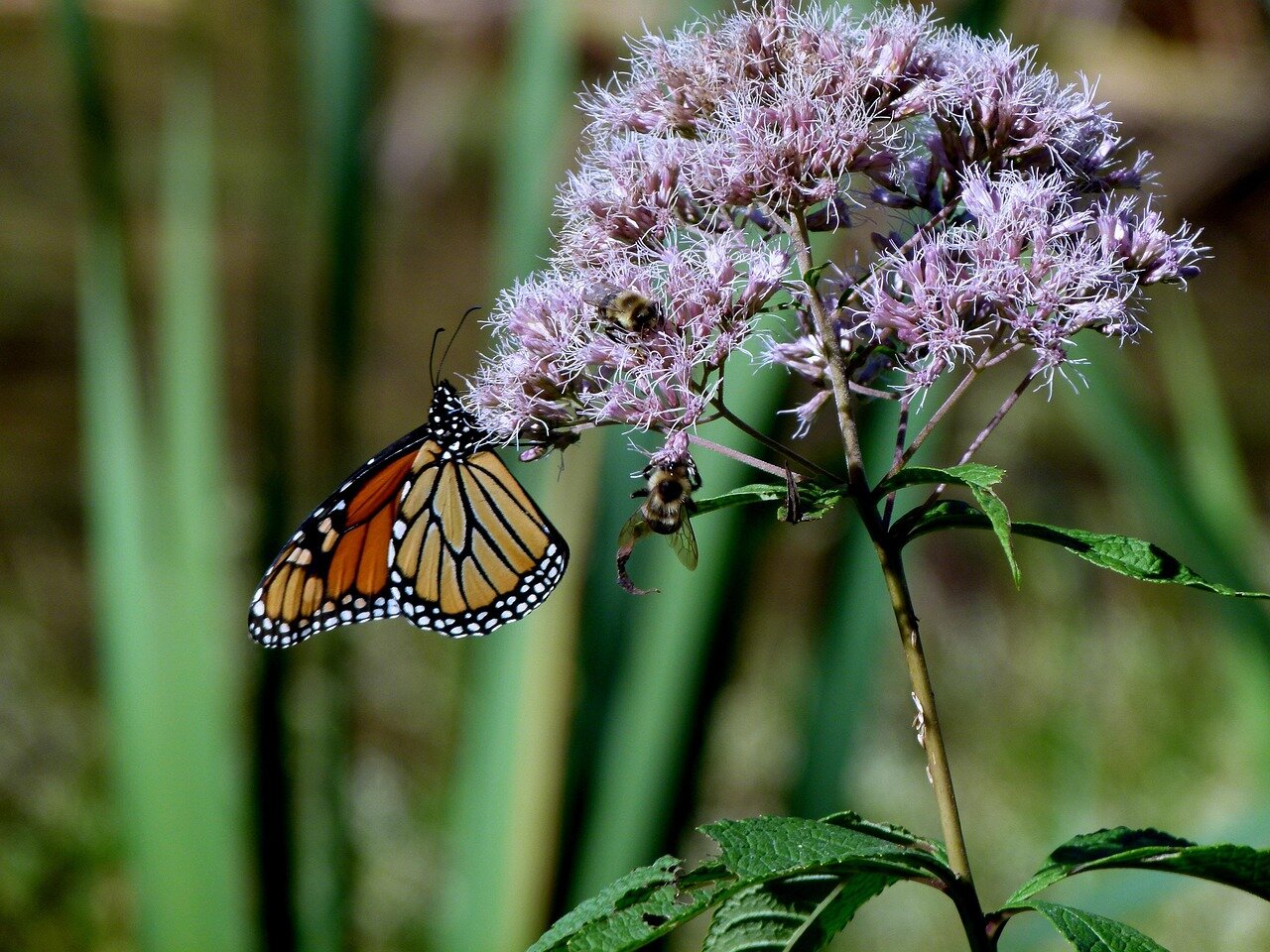
New England aster blooms late in the season, when many flowers have faded. It’s a nectar source for monarchs and draws bees and butterflies. It can spread aggressively, so give it room.
Bulbs that can handle wet feet
Tulips are a poor match for soggy ground. Iowa State University Extension advises against planting them where water collects, since cool, wet conditions can lead to disease. I learned that the hard way this spring, when flooding wiped out about 80% of my bulbs, along with many of my perennials. A few bulbs handle moisture far better:
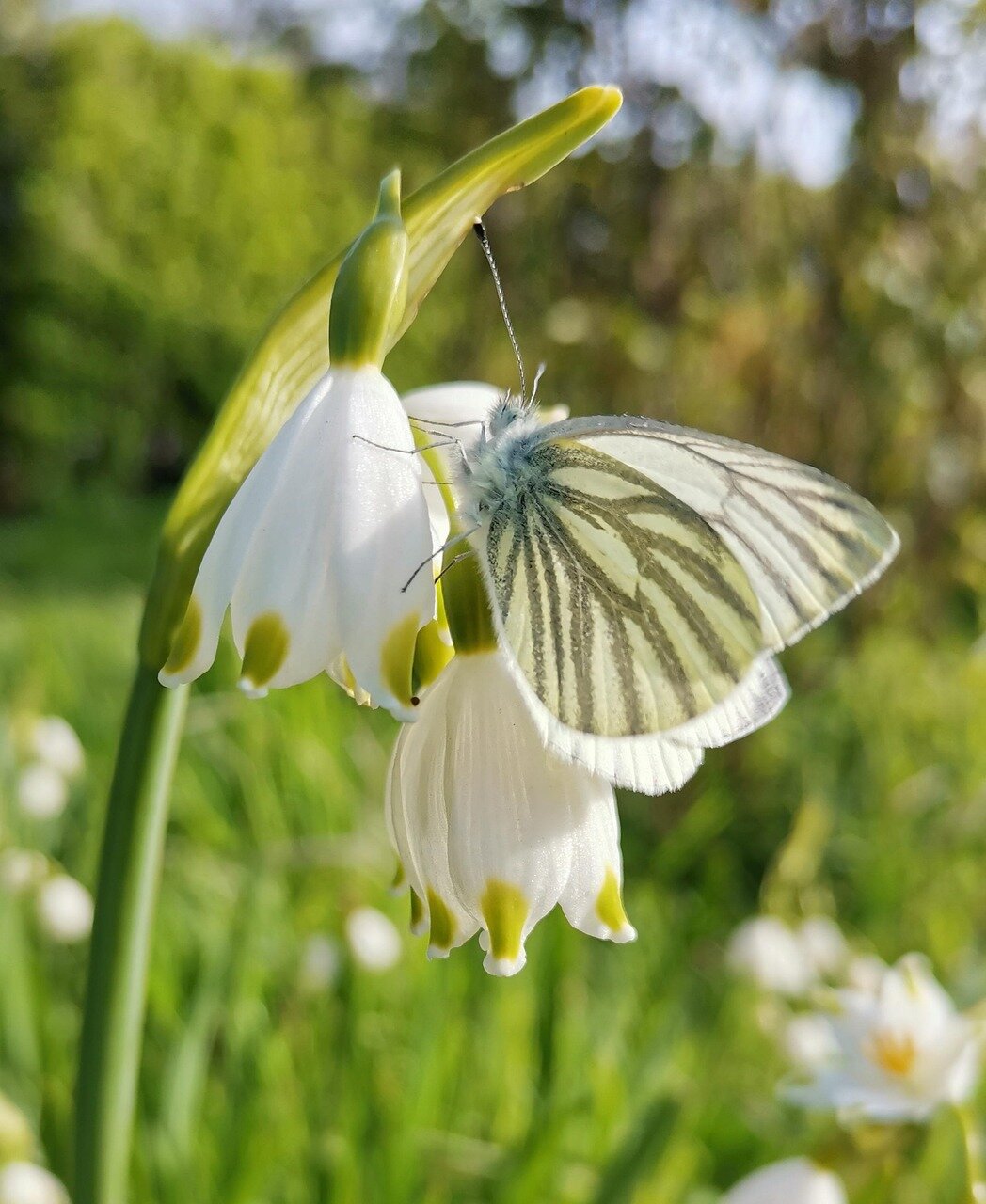
Summer snowflake (Leucojum) has nodding white bells that bloom in midspring despite the name. It tolerates clay and occasionally wet soil, according to North Carolina State Extension. It’s native to Europe and western Asia and is considered invasive in Delaware, so check your state’s list before planting.
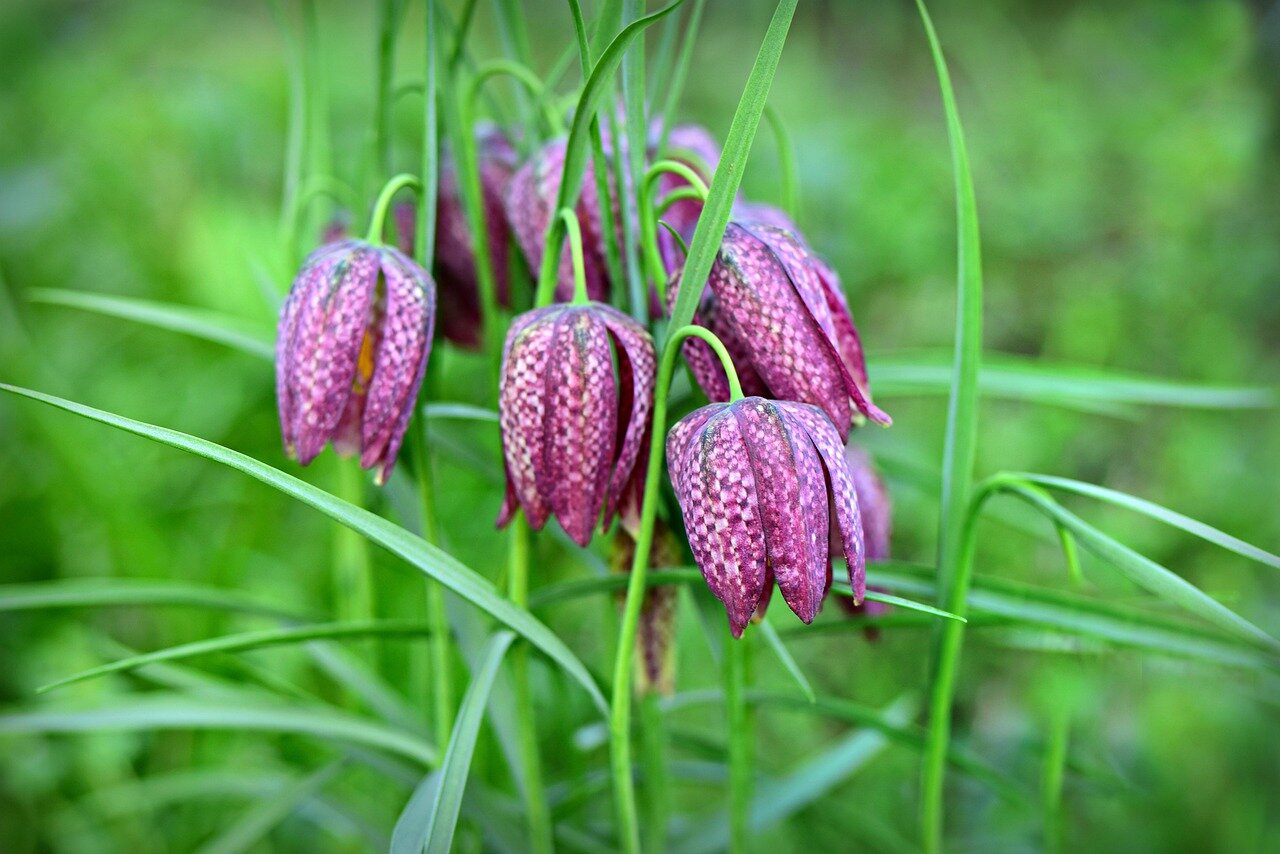
Snake’s head fritillary has unusual checkered purple bells in spring. It grows naturally in grassy floodplains and meadows in Europe and likes moist soil, North Carolina State Extension says.
Camassia sends up spikes of blue, star-shaped flowers in spring. The western species, common camas, grows in spots that are moist in spring and dry out by summer, according to the Wildflower Center. It suits areas that are soggy in spring rather than wet year-round.
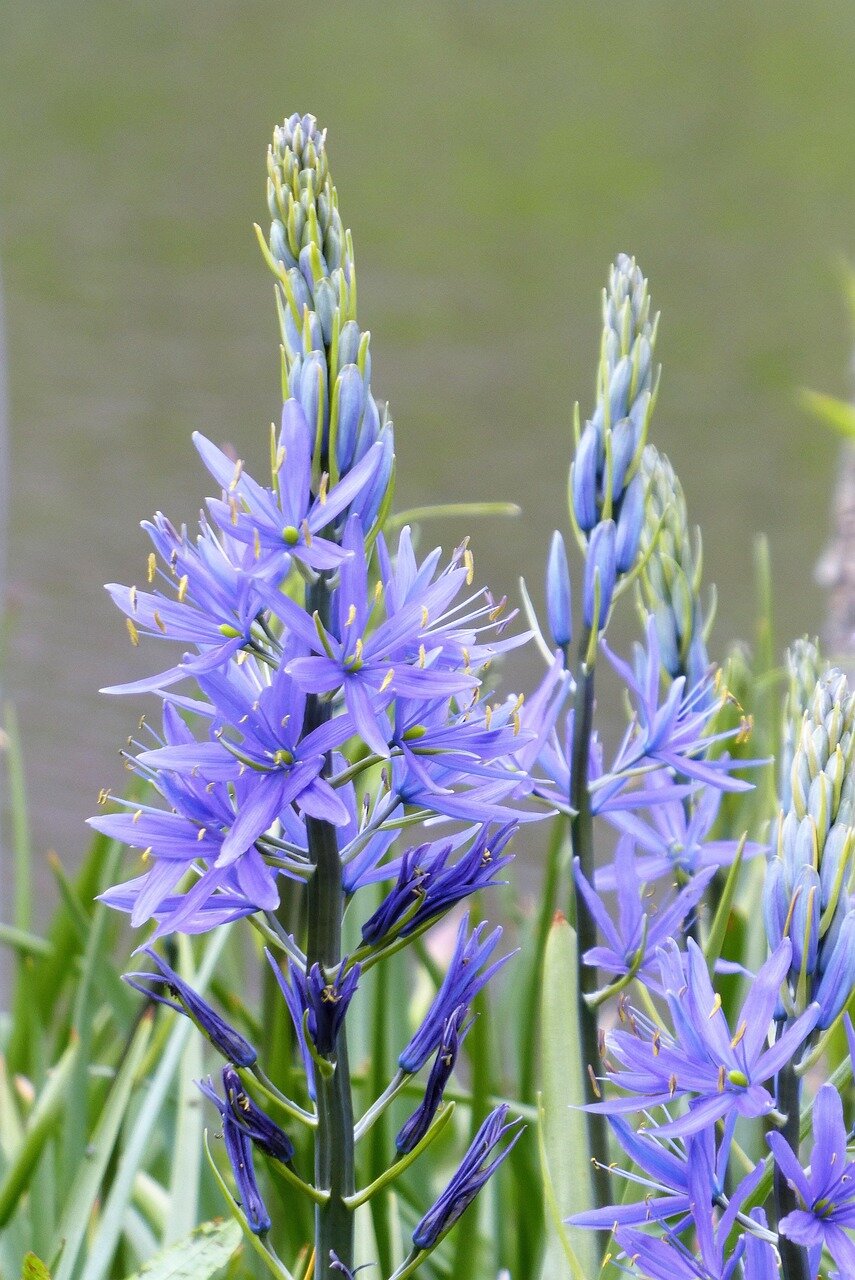
Fall is planting time, and bulbs can go in until the ground freezes. For extra insurance, plant them on a slight mound rather than in the lowest spot.
Other ways to work with the water
Wet-loving plants can handle saturated soil, but even they struggle under standing water for weeks. These options help:
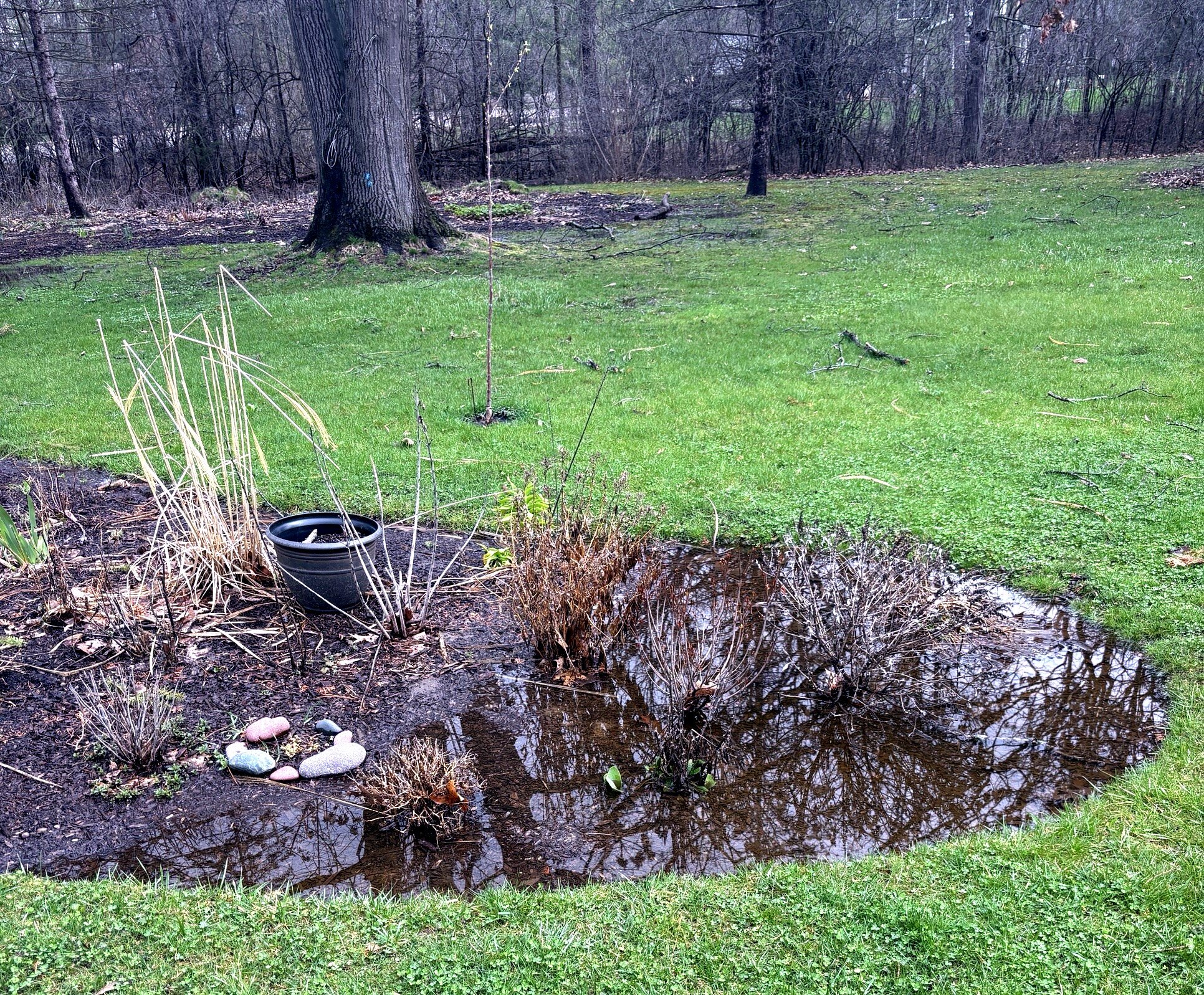
Raised beds and berms. Mounding soil 8 to 12 inches above the surrounding ground keeps roots above the water line. It’s the best spot for plants that need drainage, including most bulbs.
Rain gardens. A rain garden is a shallow, planted basin that catches runoff from roofs and driveways. A rain garden guide from the University of Wisconsin-Extension and the Wisconsin Department of Natural Resources recommends a depth of 3 to 8 inches, placement at least 10 feet from the house foundation and a design that drains within five days. Many of the plants above are rain garden staples. Before you dig, contact 811, the free national service that has utility lines marked.
Redirect downspouts. An extension or buried pipe can carry roof water away from beds that keep flooding.
Let the soggy spots work for you
That low, muddy corner of the yard doesn’t have to be a loss. With the right plants, it can become the busiest spot in the garden, buzzing with bees and visited by butterflies and hummingbirds all season.
Start small. Pick two or three plants from the list, plant them where water collects and watch what thrives. For advice specific to your area, check with your state’s cooperative extension service, which offers free resources on native plants and rain gardens.
Frequently asked questions
What flowers grow in wet clay soil?
Native perennials such as cardinal flower, blue flag iris, swamp milkweed, blue vervain, boneset, great blue lobelia, sneezeweed, Joe Pye weed and New England aster thrive in moist to wet soil. They also feed bees, butterflies and hummingbirds.
How can I tell if my soil drains poorly?
Dig a hole 1 foot deep, fill it with water and let it drain. Refill it, measure how far the water drops in 15 minutes and multiply by four. Less than 1 inch an hour means poorly drained soil.
Can I fix clay soil so it drains better?
Adding compost improves clay over time, but it can take years. Skip the sand, which can make clay harder. In low spots or yards with a high water table, raised beds or wet-tolerant plants are often the better solution.
What bulbs can handle wet soil?
Summer snowflake tolerates clay and occasionally wet soil, and snake’s head fritillary likes moist ground. Camassia suits spots that are soggy in spring but dry out by summer. Most tulips rot in waterlogged soil.
What is a rain garden?
A rain garden is a shallow, planted basin that catches runoff from roofs and driveways. It’s typically 3 to 8 inches deep, sits at least 10 feet from the house foundation and drains within five days.
From the QT Bird Community
Join the conversation
Comments on QT Bird articles live in our community. Joining is free: share your tips, ask questions and get replies.
Sign up to PostLog in