

A frugal home isn’t about doing without or always choosing the cheapest option. It’s about taking care of what you have, making thoughtful decisions, and creating simple routines that save time, money, and effort. Often, it’s the little things you do consistently that make the biggest difference.
These 10 practical habits can help you reduce waste, keep household expenses in check, and make everyday life run a little more smoothly. You’ll learn how to get started, how often to practice each habit, and why some money-saving shortcuts can actually cost you more in the long run.
What are frugal living habits?
Frugal living habits are everyday routines that cut waste, so your money goes to what matters to you. In a home, that means cooking from what you have, keeping food from spoiling, caring for what you own, using less energy, and pausing before you buy. Each one is small. Together, they add up month after month.
Frugal or cheap?
Frugal people spend carefully and buy for the long run. Cheap people chase the lowest price, even when it costs more later or leaves someone else short.
A frugal cook buys a whole chicken, roasts it, makes soup from the leftovers, and simmers the bones for broth. A cheap cook buys the bargain pack of chicken that turns gray in two days and gets thrown out.
Every habit below is the frugal kind.
1. Know where the money goes

You can’t trim what you can’t see. For one month, write down everything the household spends, from the electric bill to the drive-through coffee. A small notebook on the counter works as well as an app.
At the end of the month, circle the three biggest surprises. Those are where your first habits belong.
How to start: Put a notebook and pen by the door, and write down every purchase the day you make it.
2. Plan meals from what you already have
The most expensive meal is the one you didn’t plan. Before you write a grocery list, open the fridge, freezer, and pantry, and build three or four dinners around what’s already there. Plan one leftover night, then shop only for what’s missing.
My free Meal Planner keeps the week on one page, and How to Save Money on Groceries walks through your first week of shopping smarter.
How to start: Plan just this week’s dinners, starting with the food that will spoil first.
3. Run your kitchen first in, first out
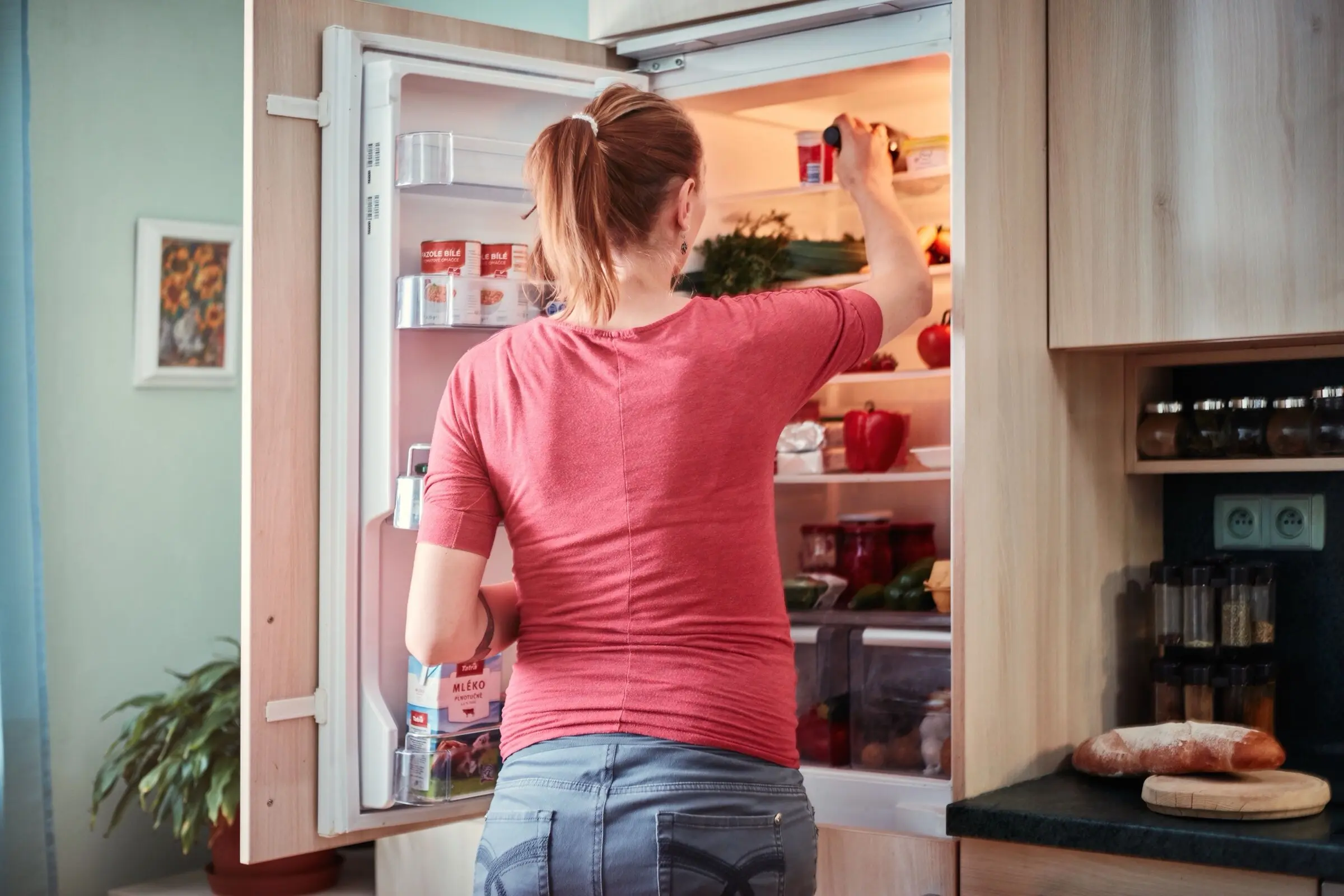
Food that gets pushed to the back gets forgotten, and it adds up: the U.S. Department of Agriculture estimates that 30% to 40% of the food supply is wasted. When you put groceries away, move the older cans, boxes, and jars to the front and put the new ones behind them.
Do the same in the refrigerator. Give one shelf or clear bin a job: food that needs to be eaten soon. Check it before you cook or pack a lunch. Tape a list to the freezer door of what’s inside and cross things off as you use them, so nothing turns into a frosty mystery.
How to Stock a Pantry on a Budget and my freezer meals guides go further.
How to start: Pull everything out of one pantry shelf, check the dates, and put it back oldest first.
4. Cook once, eat twice

Cooking from scratch is cheaper than takeout, but cooking twice as much is cheaper still. Make a big pot of chili, soup, or a roast, then plan a second meal from it or freeze half in meal-size containers. Pack the extras for lunch instead of buying one.
Label every container with what it is and the date. Food kept frozen at 0°F stays safe indefinitely, the USDA says, but it tastes best within a few months, so eat the oldest first.
Cook Once, Eat Twice has dozens of ideas.
How to start: Double one recipe this week and freeze the second batch.
5. Make your own staples and cleaners
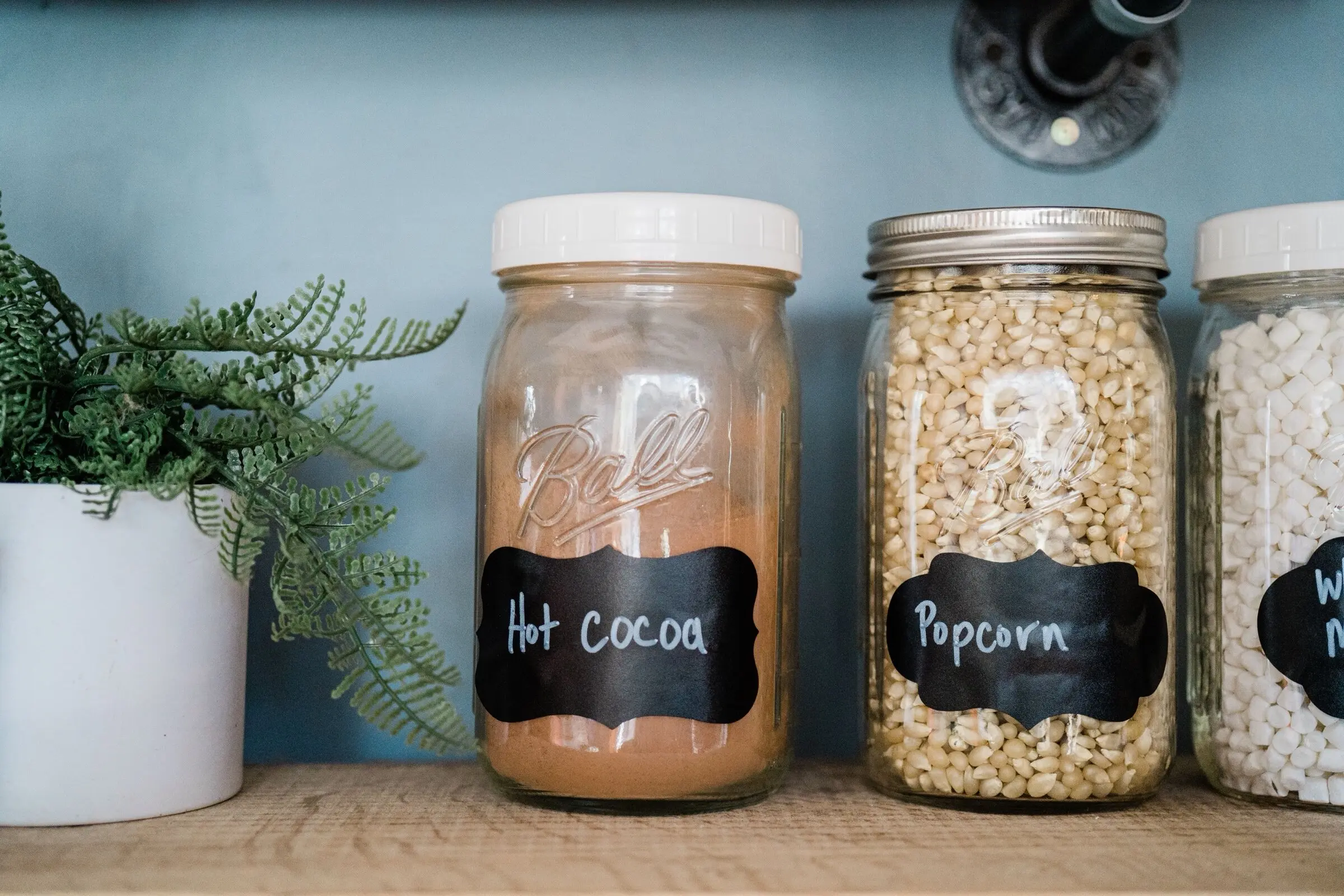
Many things in the cart are pantry basics someone else measured for you. Taco seasoning, pancake mix, hot cocoa, and salad dressing cost much less when you mix them yourself, and you decide how much salt and sugar goes in. My Homemade Mixes library has hundreds of recipes.
The same goes for cleaning. Vinegar, baking soda, and dish soap handle most everyday jobs, and my Homemade Cleaners library has a recipe for nearly every one. The Stain Library covers the spills.
Safety first
Never mix bleach with vinegar, ammonia, or other cleaners. The fumes can be harmful. Use one product at a time, rinse, and label every homemade cleaner.
How to start: Make one mix you buy often, such as taco seasoning, and keep it in a labeled jar.
6. Wash cold and dry on the line

Most of the energy a washing machine uses goes to heating the water, according to the Energy Star program. Everyday loads come just as clean in cold water, and colors last longer. Save hot water for sheets and towels when someone has been sick.
Then let the air do the drying. A wooden drying rack indoors or a clothesline outside costs nothing to run and is gentler on clothes than the dryer. Even hanging just the jeans and towels shortens every dryer load.
How to start: Switch the washer dial to cold and leave it there.
7. Turn the heat down and stop the drafts

Heating and cooling are the biggest energy costs in most homes. Turning the thermostat back 7°F to 10°F for eight hours a day can save as much as 10% a year on heating and cooling, the U.S. Department of Energy says. Overnight is the easiest time to do it, under a warm blanket, and a programmable thermostat does it for you.
Drafts undo the savings. On a breezy day, hold a lit incense stick near the edges of doors and windows. Where the smoke wavers, air is leaking. A door sweep, foam weatherstripping, and a tube of caulk seal most of it in an afternoon. My guide to preparing your home for winter has the rest.
How to start: Set the thermostat a few degrees lower tonight and see how the house feels.
8. Fix it first
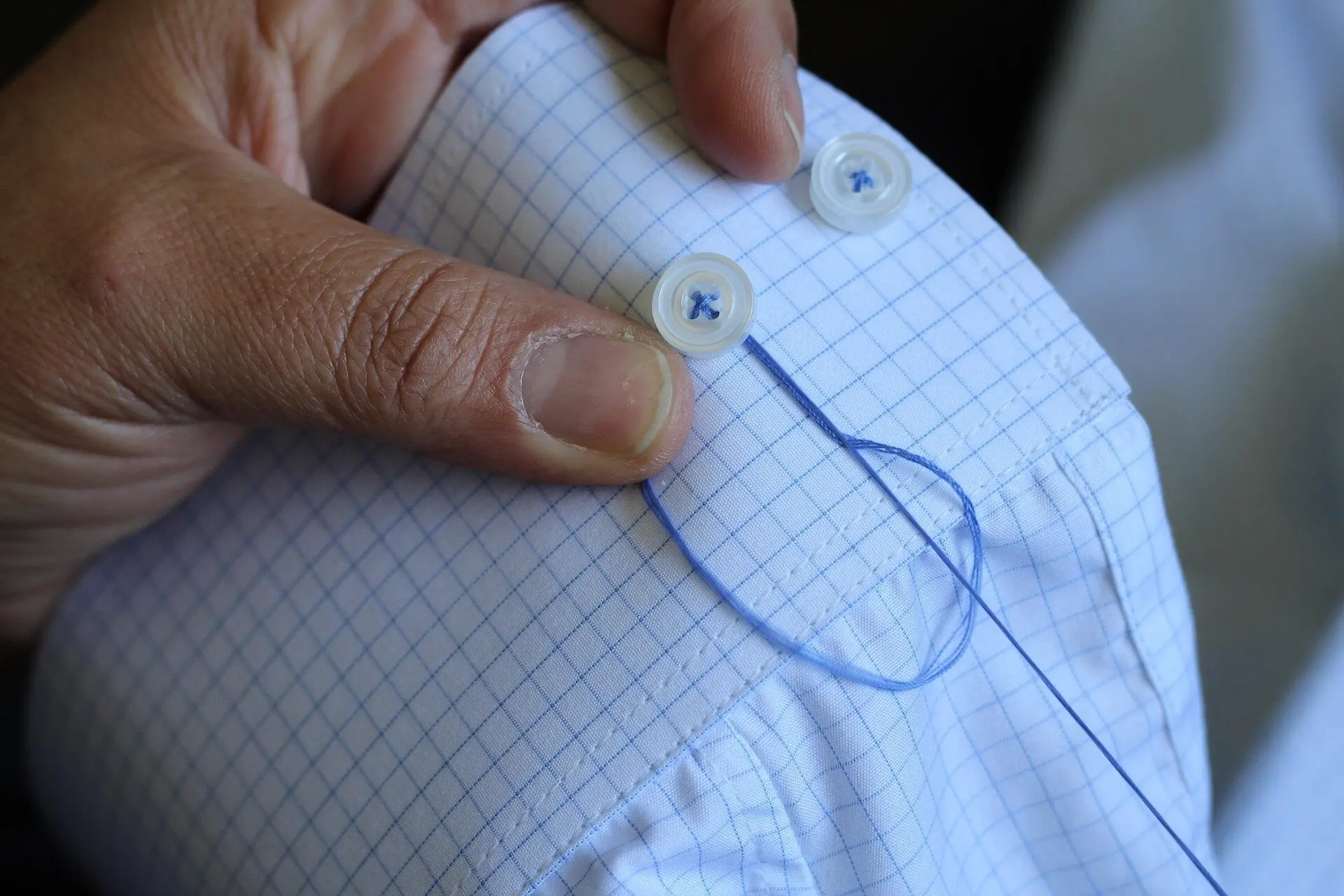
Before you replace something, see whether it can be saved. Sew the button back on, glue the wobbly chair leg, replace the worn vacuum belt, or tighten the loose cabinet hinge. The part number for most small repairs is printed right on the old part.
Keep a small repair kit in one place: a sewing kit, wood glue, a screwdriver set, a tape measure, and a roll of duct tape. When something is truly worn out, see what’s still useful in it. Before You Toss It covers 25 everyday things worth a second job.
How to start: Gather your repair kit into one box, then fix the one small thing that has bothered you longest.
9. Wait before you buy, then buy once
For anything that isn’t a need, put it in the online cart or on a list and walk away for at least 24 hours. If you still want it tomorrow, it may be worth buying. Most of the time, the urge passes.
When you do buy, check secondhand first. Thrift stores, yard sales, and online marketplaces are full of furniture, kitchen tools, books, and kids’ clothes with years of life left. For the things you use every day, buy the best you can afford, once. A good stand mixer, a cast-iron skillet, or a sturdy pair of boots that lasts for years costs less over time than replacing cheap ones. My KitchenAid stand mixer is one of those buys.
Skip used car seats and bike helmets. You can’t see the damage from an old crash.
How to start: Start a “wait list” on your phone or the fridge, and add anything you’re tempted to buy.
10. Use what’s free

A frugal home borrows before it buys. Your library card brings books, movies, audiobooks, and magazines, and many branches also lend museum passes, cake pans, sewing machines, and tools. Parks, nature trails, free concerts, and library story times cost nothing.
Neighbors are a resource, too. Swap garden tools, ladders, and kids’ clothes, trade babysitting, or join a local swap or “buy nothing” group to give away what you don’t need and find what you do.
How to start: Look up your library’s lending list and borrow one thing you were about to buy.
The 10 habits at a glance
| Habit | Time to start | How often |
|---|---|---|
| Know where the money goes | 5 minutes a day | Every day for a month |
| Plan meals from what you have | 20 minutes | Once a week |
| First in, first out | 15 minutes | Every grocery trip |
| Cook once, eat twice | An extra 15 minutes | Once or twice a week |
| Make your own staples and cleaners | 10 minutes per mix | When you run out |
| Wash cold, dry on the line | 1 minute | Every load |
| Turn the heat down, stop the drafts | An afternoon | Every night, every fall |
| Fix it first | 15 minutes | When something breaks |
| Wait before you buy | 1 minute | Every purchase |
| Use what’s free | 10 minutes | Once a month |
Where to start
Don’t take on all 10 at once. That’s how frugal living starts to feel like a chore.
Pick three: Choose one habit for the kitchen, one for the home, and one for spending.
Start with food: You buy groceries every week, so the kitchen habits pay off fastest.
Give it a month: A new routine takes a few weeks to stick. Once it does, add another.
When frugal goes too far
Some cost-cutting costs more than it saves. Skip these.
Cutting the heat too far: Cold homes are hard on babies, older adults, and anyone who is ill. Save on heating with a programmable thermostat and weatherstripping instead.
Stretching food past safe: Frugal means using food before it spoils, not eating it after. When in doubt, throw it out.
Risky repairs: Fix a button or a hinge yourself, but hire a licensed, insured electrician, plumber, or gas technician for anything that could start a fire or a leak.
Stockpiling into clutter: A bulk buy or a saved container is only a bargain if you use it. If the pantry or the garage is overflowing, it’s time to use up before you buy more.
Worn-out safety gear: Keep up with tires, brakes, smoke alarms, and car seats. Test smoke alarms once a month, the U.S. Fire Administration advises. These aren’t the places to stretch.
Frequently asked questions
What are frugal living habits? Everyday routines that cut waste so your money goes further, like planning meals from what you have, cooking at home, washing in cold water, fixing things before replacing them, and waiting before you buy.
What’s the difference between frugal and cheap? Frugal people spend carefully and buy what lasts. Cheap people pick the lowest price even when it costs more later or shortchanges someone else.
Which frugal habits save the most money? The ones that touch food and energy, since you pay for both every month. Planning meals, using up what you buy, and turning the thermostat back usually make the biggest difference.
How do I start living frugally? Track your spending for a month, then pick three small habits, one each for the kitchen, the home, and spending. Practice them for a month before adding more.
Is frugal living worth it? For most households, yes. Small routines repeated every week add up, and many of them, like cooking at home and using what you have, also mean less waste and less clutter.
Can frugal living go too far? Yes. Never cut corners on heat for vulnerable family members, food safety, licensed repairs, or safety gear such as tires, smoke alarms, and car seats.



From the QT Bird Community
Join the conversation
Comments on QT Bird articles live in our community. Joining is free: share your tips, ask questions and get replies.
Sign up to PostLog in