
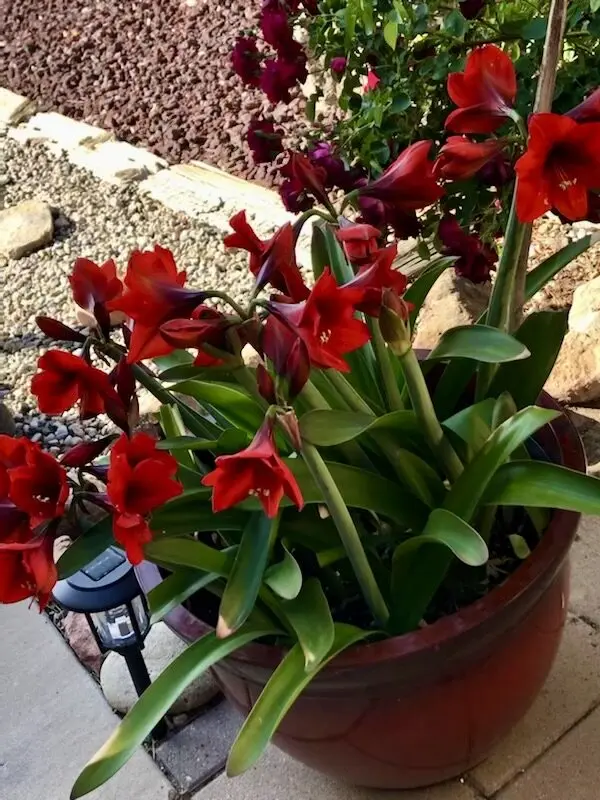
What should you do with amaryllis after it blooms? Many people toss the plant once the holiday flowers fade, but the bulb can bloom again next winter, and the faded flower can leave behind something even more interesting: a seed pod, if you pollinate it. This guide shows you how to store the bulb for next year, plus how to dry, save and plant amaryllis seeds. You can do both, with one catch worth knowing first.
Why save amaryllis seeds?
Most gardeners never ask, because they never knew the pod held seeds. Here’s the case for saving them.
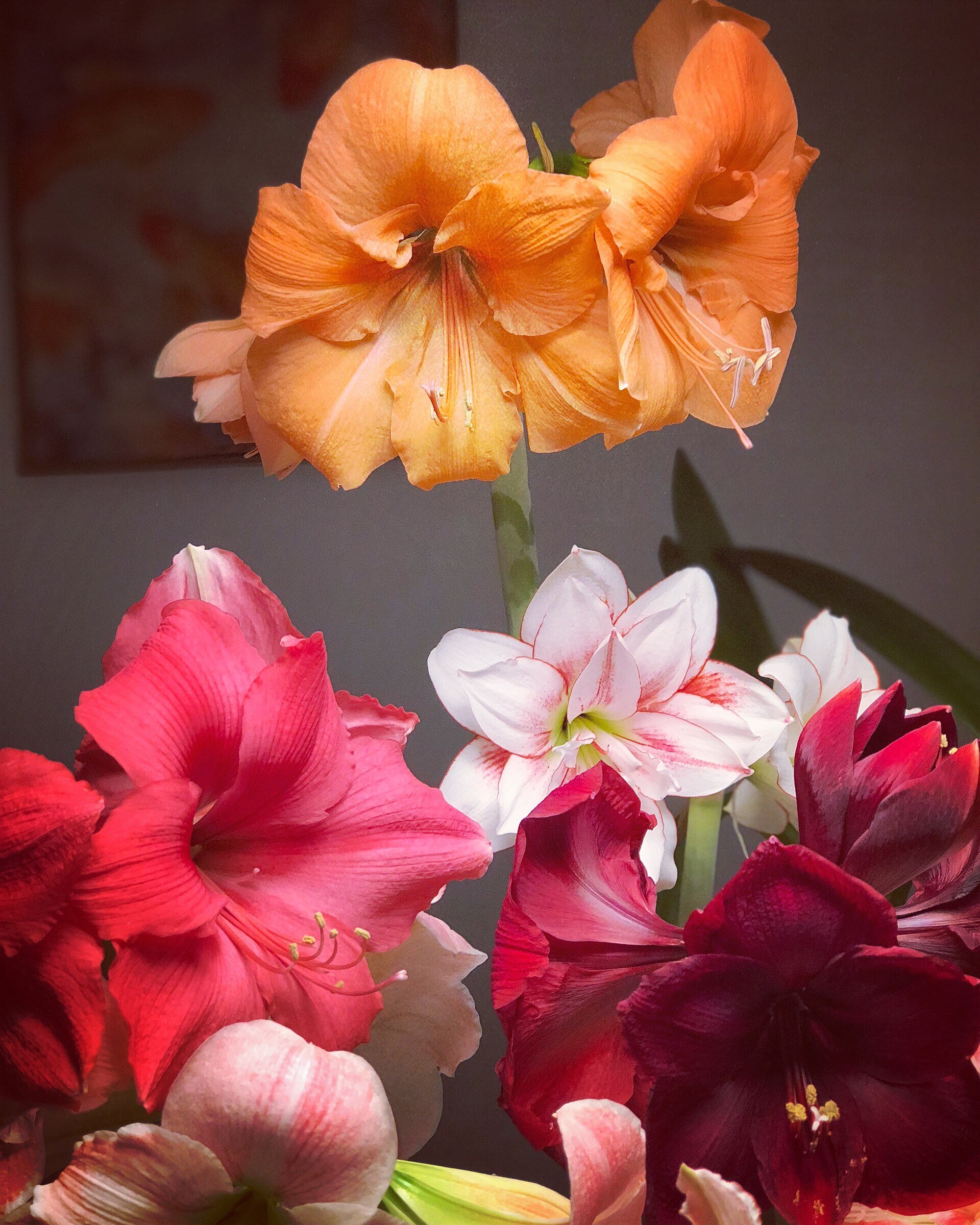
You might create something new. Most amaryllis are hybrids, so every seed is a roll of the dice. Clemson University Cooperative Extension reports that most seedlings bloom with striped flowers, even when both parents have solid colors, and many take a more trumpet-like shape. Occasionally a seedling equals or beats its parents.
You get more plants. One pod can hold many seeds, so a single holiday gift can turn into a windowsill full of plants. Seeds are rarely sold, so saving your own is often the only way to get them.
You raise something from scratch. Seedlings take two to five years to bloom. Patient gardeners count that as part of the fun, since the first flower comes from a flat black seed you dried yourself.
When to replant the bulb instead
Replant the bulb when you want the same flower back. A bulb is a clone of the plant that bloomed, so it flowers again about six to eight weeks after potting, according to Iowa State University Extension and Outreach.
Here’s the catch. A ripening pod pulls energy from the bulb that would otherwise go into next year’s flowers. If blooms matter most, cut the pod off. If you want seeds, let only one pod ripen and keep caring for the bulb all summer.
How to save the bulb for next year
If your bulb came in wax
Many holiday amaryllis arrive sealed in wax. After the flowers fade, gently peel the wax away, along with any plastic wrap or wire base underneath. Then pot the bulb in soil so the roots and leaves can recover and feed it for next year.
Cut the stalk and keep the leaves
Once a flower stalk fades, cut it 1 to 2 inches above the bulb. Cut each stalk only as it fades, because a second stalk often follows. Leave the leaves alone. They collect sunlight and feed the bulb for the next round of flowers. Set the pot in your brightest window, water it regularly and feed it every two to four weeks with a diluted fertilizer.
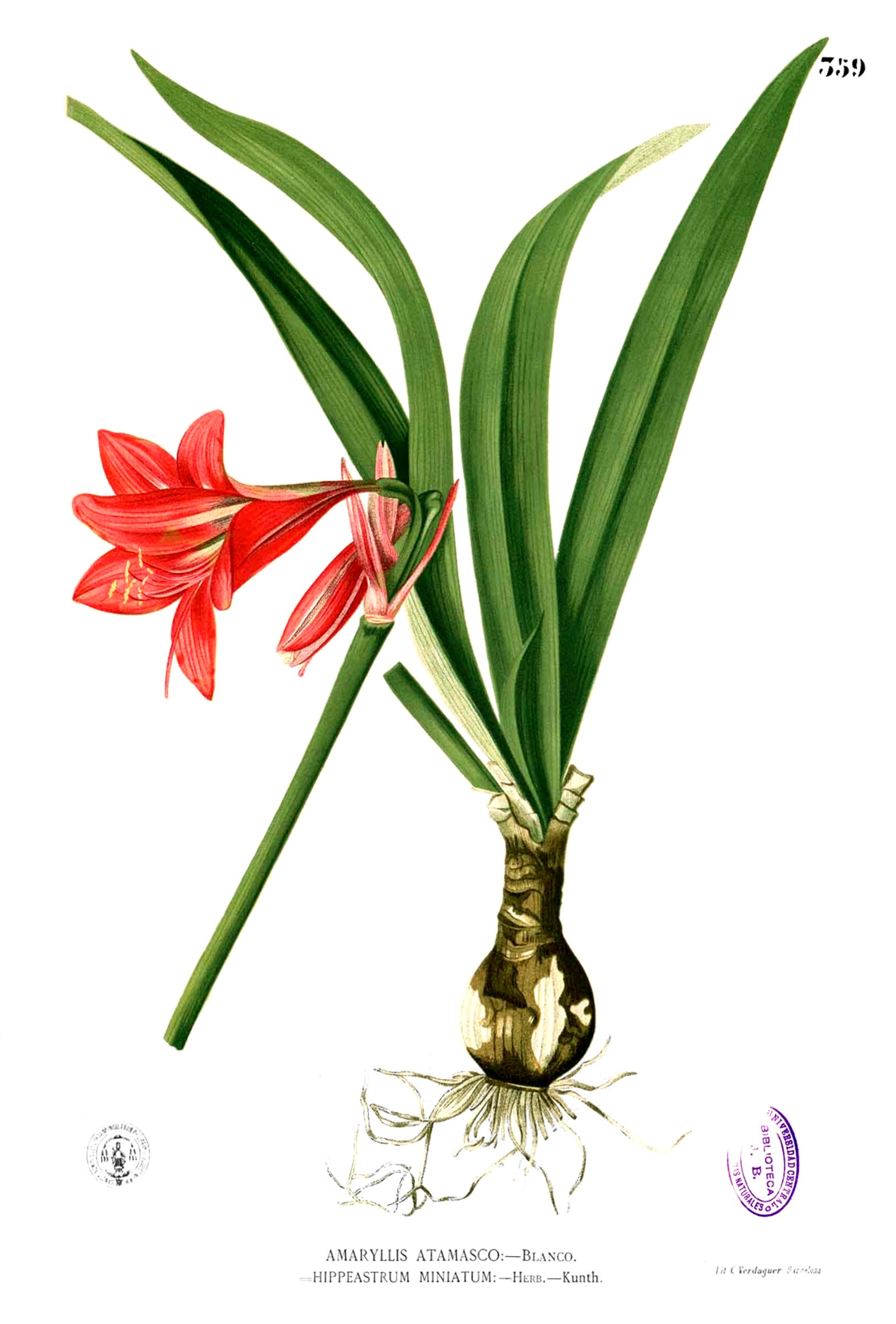
Give it a summer outdoors
After the last frost, move the pot outside. Start in shade and give it more sun over seven to 10 days so the leaves don’t scorch. Keep feeding once or twice a month through July.
Rest the bulb
In late September, bring the pot inside before any frost, move it to a cool, semi-dark spot and stop watering. The leaves will yellow and turn brown. Cut them off, then keep the bulb, pot and all, at 50°F to 55°F for at least eight to 10 weeks, as Iowa State recommends. An unheated garage or basement works if it stays cool but well above freezing.
Prefer to skip the rest? Extension specialists offer another route. Keep the plant green in a bright, 50-to-55-degree spot through fall.
Wake it up
After the cool period, water the bulb and move it to a bright place at 70°F to 75°F. Flowers follow in about six to eight weeks. To time blooms for a certain date, add the rest period to the growing time and count backward. Don’t feed a bulb that has no leaves yet. Clemson warns that fertilizer can kill the roots, so wait until green growth appears.
Pot it right
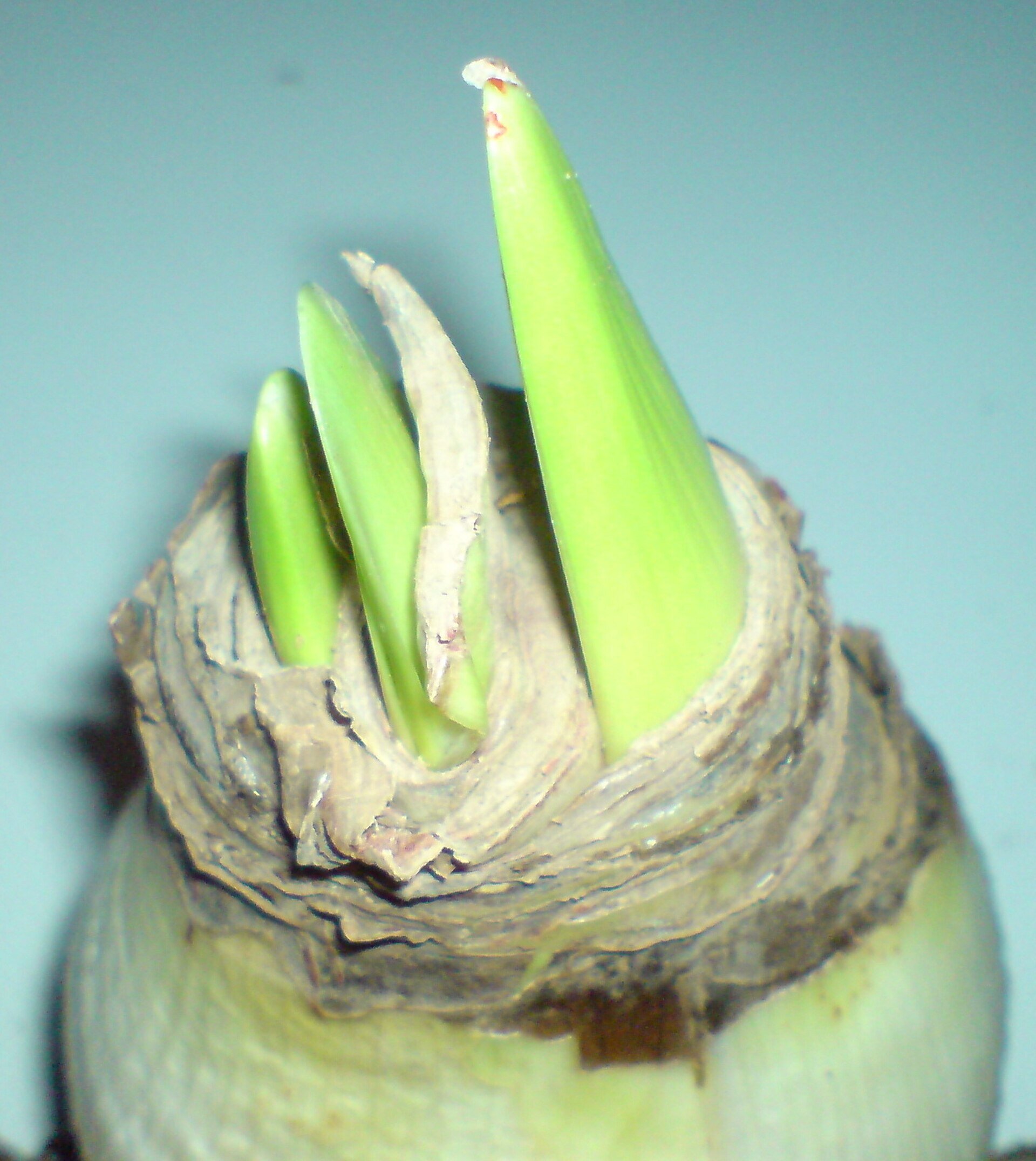
Amaryllis likes a snug pot, with about 1 to 2 inches of room around the bulb. Set the bulb so a third to half of it sits above the soil. That keeps the bulb’s neck dry and helps prevent rot. Repot into fresh mix only every three to four years.
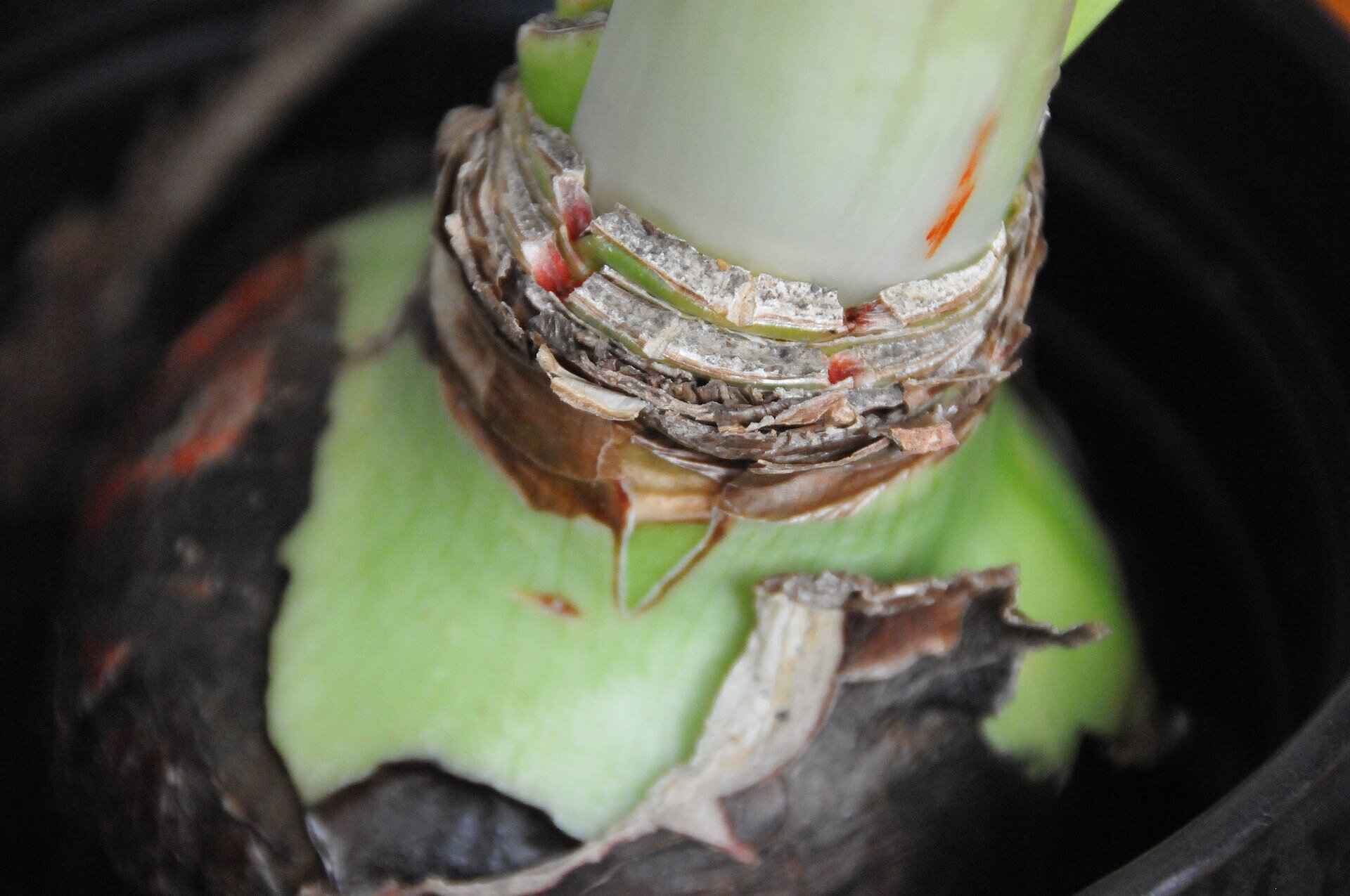
Want an exact copy? Try an offset
Baby bulbs, called offsets, often grow beside the parent. Each one is a clone, so it matches the plant that made it. Leave them attached for a fuller pot, or separate each one after the rest period and give it a small pot of its own.
How to dry and save amaryllis seeds
Pollinate by hand
Pollination just means moving pollen from one part of the flower to another. Outdoors, bees and other insects do it for you. Indoors, in winter, no insects visit, so a holiday amaryllis almost never sets a pod on its own. You have to do it yourself, and it takes about two minutes.
Look inside an open flower. You’ll see two parts:
- The stamens. These are the thin stalks, usually six, tipped with yellow or gold anthers. The anthers carry the pollen, which looks like fine dust.
- The pistil. This is the longer stalk in the center. The tip, called the stigma, catches pollen.
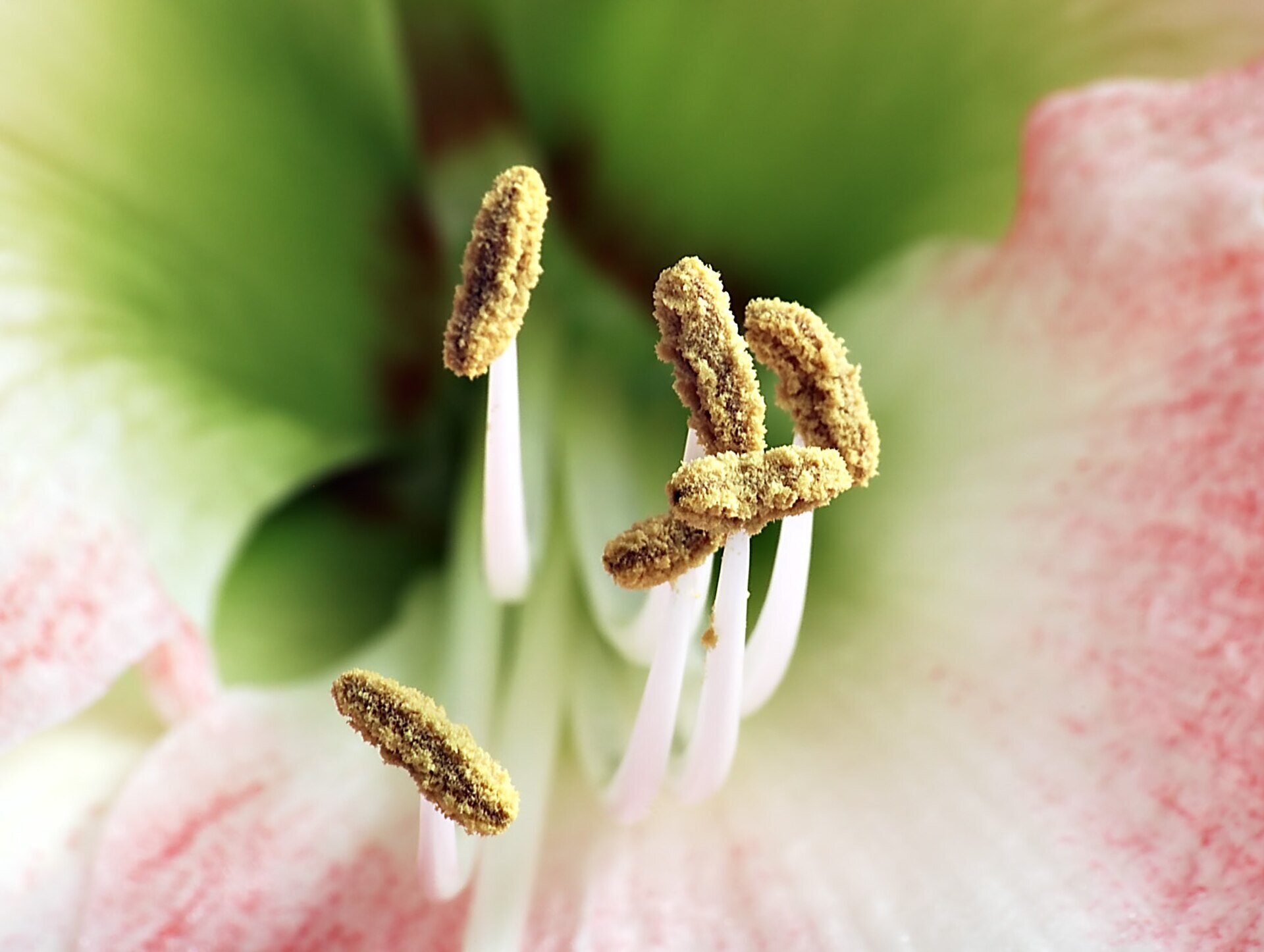
Then follow these steps:
- Wait for the right moment. The flower is ready when the anthers look dusty and the stigma at the tip of the center stalk spreads open into three lobes.
- Collect pollen. Brush a small, soft paintbrush across the anthers until it’s dusted with yellow.
- Dab it on the stigma. Touch the brush gently to the tip of the center stalk.
- Repeat for a few days while the flower stays open.
A flower can pollinate itself, though pollen from a second plant tends to give better results. If you have two amaryllis in bloom, carry pollen from one to the other with the same brush. The flower wilts within a day or so once pollination works.
Wait for the pod to split
If pollination worked, a small green pod swells at the base of the fading flower. It takes about four to six weeks to ripen. Don’t cut it open early. Seeds from an unripe pod aren’t ready. The pod is ripe when it turns yellow or brown, dries and cracks along its seams.
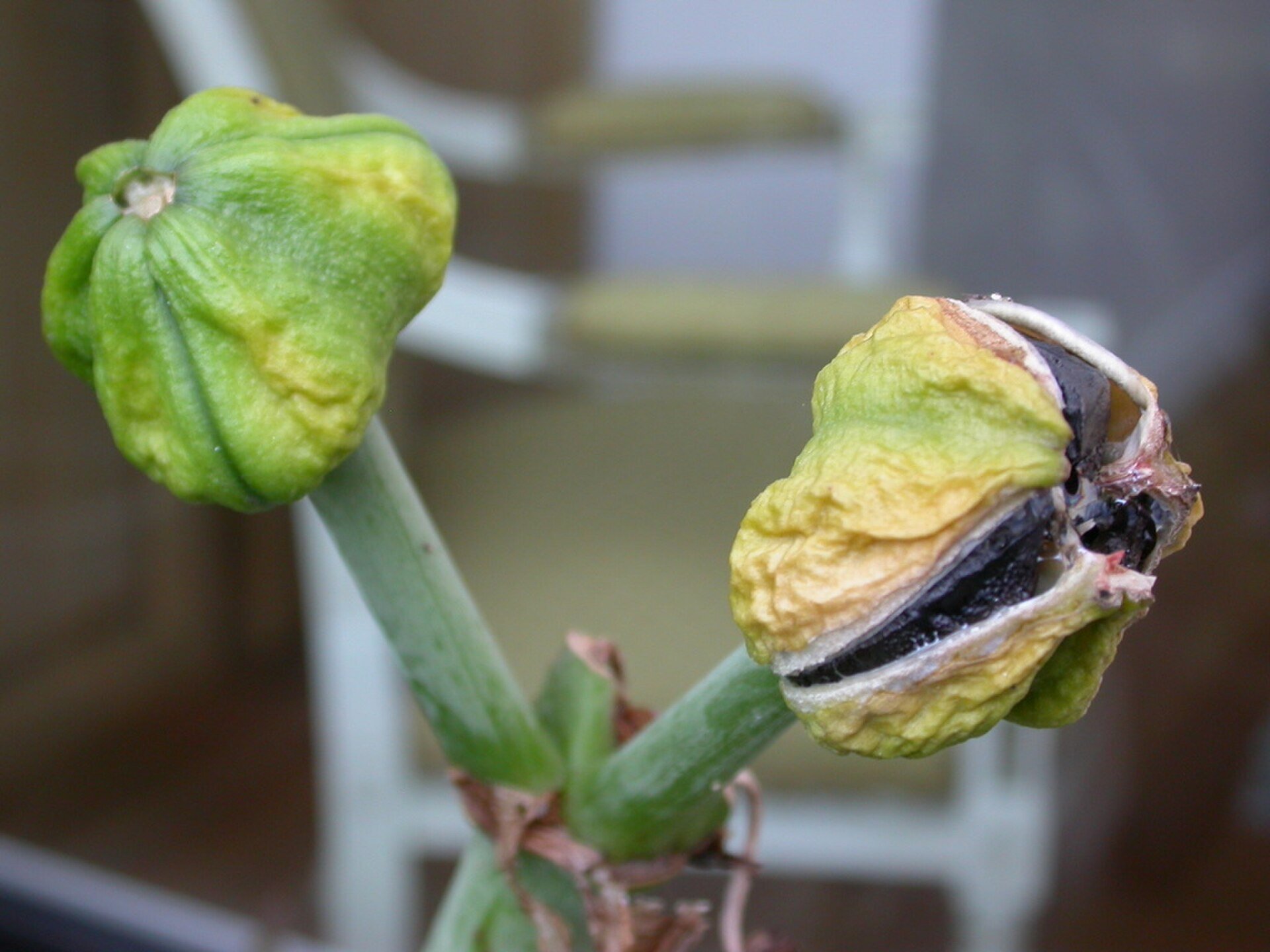
Dry the seeds
Cut the split pod from the stalk and set it in a dark spot for a few days. Then shake the seeds onto a plate. Good seeds are flat, black and paper thin. Toss any that look damaged or moldy. Spread the rest on a paper plate for a few more days, up to a week.
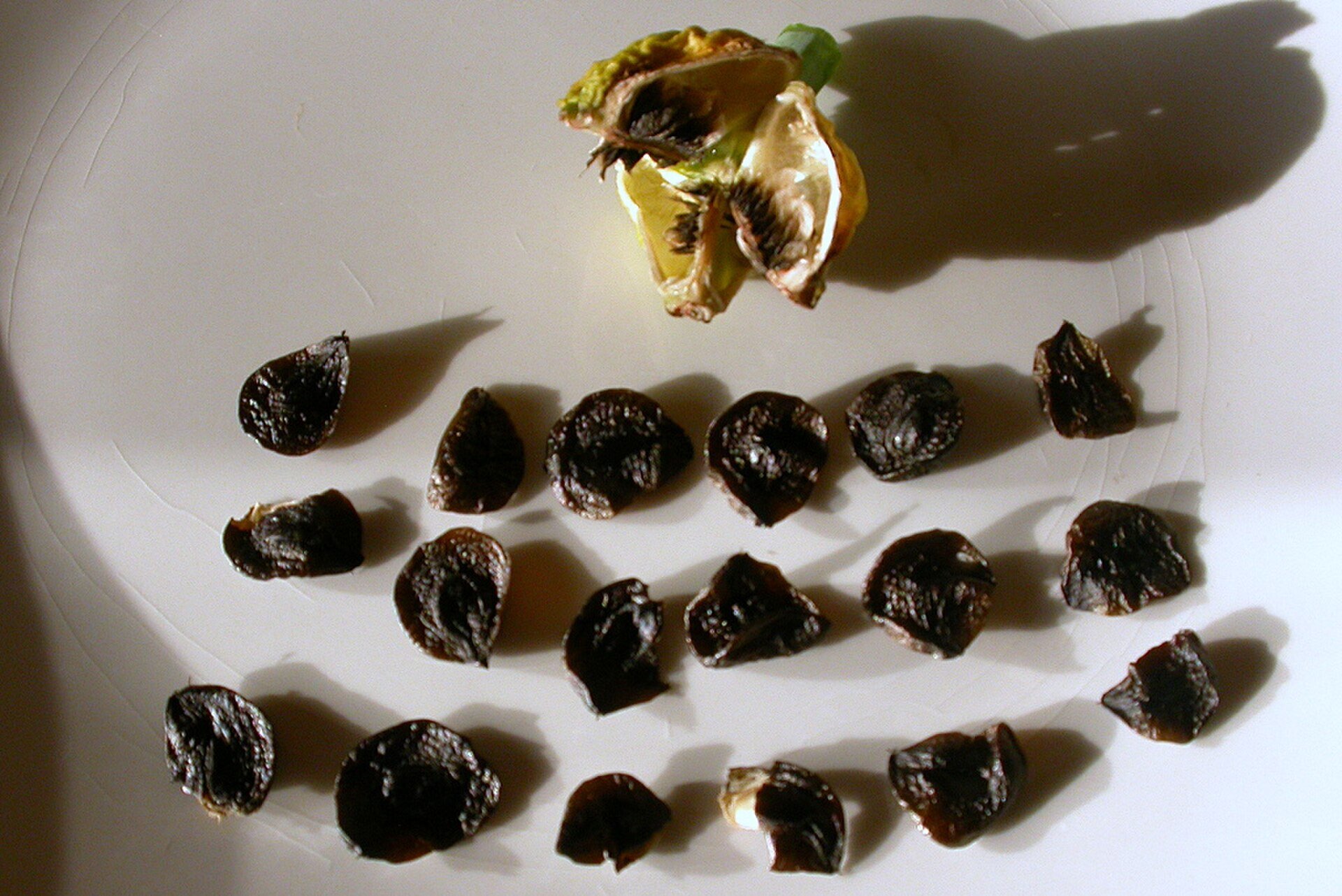
Don’t worry if some seeds never sprout. Some varieties produce sterile seeds, and not every seed grows. Keep in mind that amaryllis bulbs and plants are poisonous, so keep pods and seeds out of reach of pets and children too.
Store only if you must
Amaryllis seeds have a short shelf life, so plant them soon. If you must wait, advice varies. Clemson says to refrigerate seeds until sowing. Gardening columnist Jeff Rugg disagrees, noting that tropical seeds shouldn’t get cold, and suggests a sealed bag in a spot in the 60s for a week or two.
How to plant amaryllis seeds
Sow barely covered
Fill a clean container that has drainage holes with sterile seed-starting mix, vermiculite or coarse sand. Cover each seed lightly with about 1/8 to 1/4 inch of mix. Clemson suggests 1/4 inch, and University of Florida Extension says a light cover is enough. Space the seeds about an inch apart. Water well, then keep the mix damp but not soggy in a warm spot out of direct sun. Clemson reports sprouts in under two weeks, though waiting three to five weeks is common.
Or sprout them first
Sprouting first lets you plant only the seeds that grow. Lay seeds on a damp paper towel inside a sealed bag and mist daily, or float them in an inch of lukewarm water. Roots appear in one to four weeks. When a root reaches about 1/2 inch, poke a small hole in the mix with a toothpick and set the root in it. The seed itself can rest on top.
Caring for amaryllis seedlings
Young seedlings look like blades of grass or chive. Give them bright, indirect light, and add a grow light in winter. Let the top inch of soil dry between waterings, and feed lightly with a diluted fertilizer. Don’t force dormancy. For the first two or three years, young plants keep growing through winter.
Label each pot with the date and be patient. Expect two to five years before the first flower, and expect a flower unlike its parent.
Frequently asked questions
What should I do with amaryllis after it blooms? Cut the faded stalk 1 to 2 inches above the bulb, keep the leaves growing and feed the plant. Rest the bulb in the fall, then wake it up for new blooms.
Can you grow amaryllis from the seeds of a holiday plant? Yes, if the flower was pollinated and the pod ripened. Seedlings take years to bloom and may look different from the parent.
How long do amaryllis seeds take to sprout? Sprouts can appear in under two weeks, but waiting three to five weeks is common. Fresh seeds and warmth help.
Whether you replant the bulb, plant the seeds or do both, amaryllis rewards patience. One year you’ll cut a spent stalk and tuck the bulb away for its rest. A few years later, a seedling you labeled in a forgotten pot may open its first flower, and no one else on the block will have one like it.

From the QT Bird Community
Join the conversation
Comments on QT Bird articles live in our community. Joining is free: share your tips, ask questions and get replies.
Sign up to PostLog in