
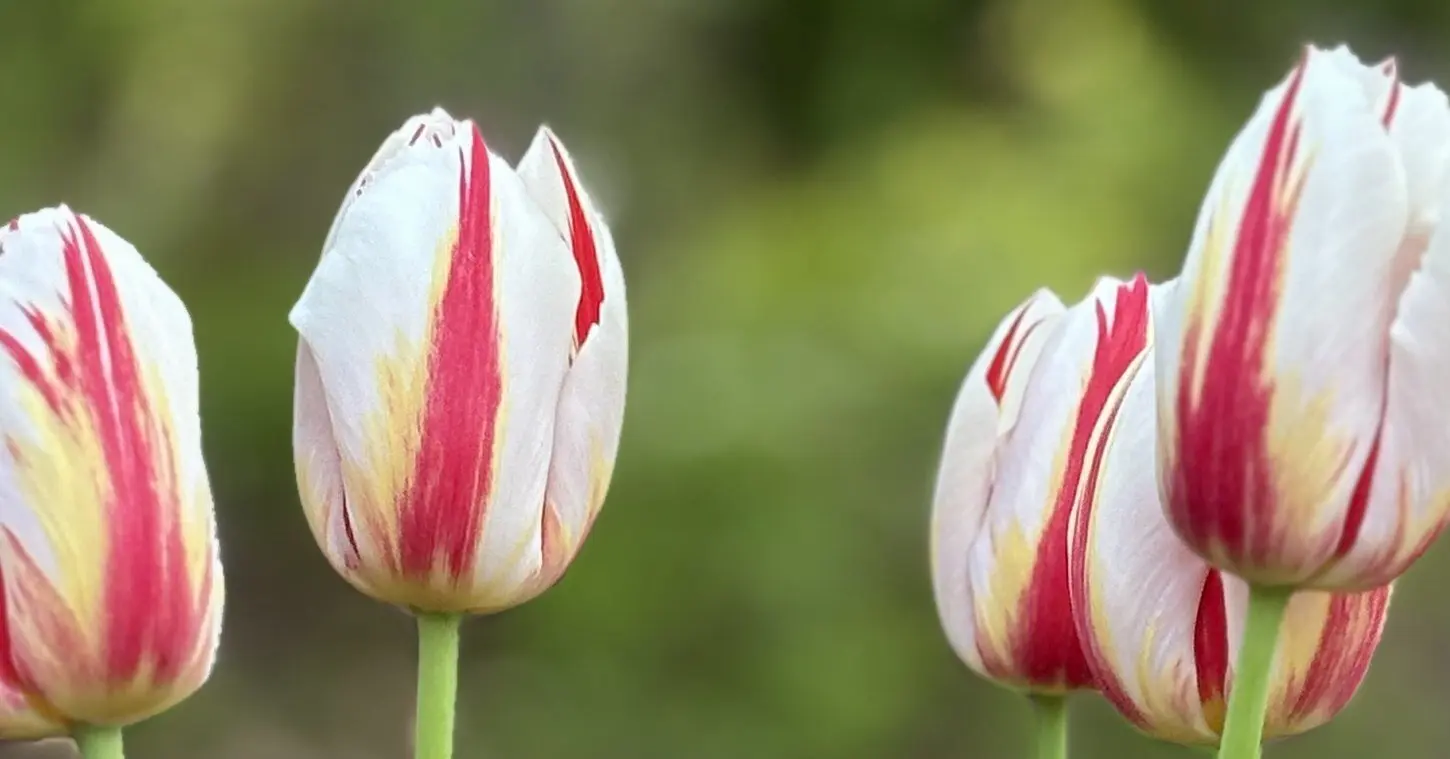
Fall feels like a time for winding down, yet it’s the best moment to plan ahead for spring. The bulbs to plant in fall go into cool soil now, spend winter quietly growing roots and push up through leftover snow just when everyone needs cheering. An hour or two of digging this month pays off in March, April and May. Even better, many of these bulbs ask for little more than a hole and a drink of water, and plenty of them discourage deer and other nibblers on their own.
Fall bulb planting basics
Plant when the soil cools below about 60°F, ideally at least four weeks before the ground freezes, so roots have time to settle in. Michigan State University Extension points to October as ideal in Michigan because soil stays warm while the air cools.
Depth matters most. University of Illinois Extension suggests planting each bulb two to three times as deep as it is wide, measuring from the bottom of the bulb. Set bulbs pointed end up, water well and choose a spot that drains. Bulbs sitting in soggy clay rot. Most do best in full sun, and spots under deciduous trees work too, since many bulbs bloom before the leaves open.
1. Daffodils (Narcissus)
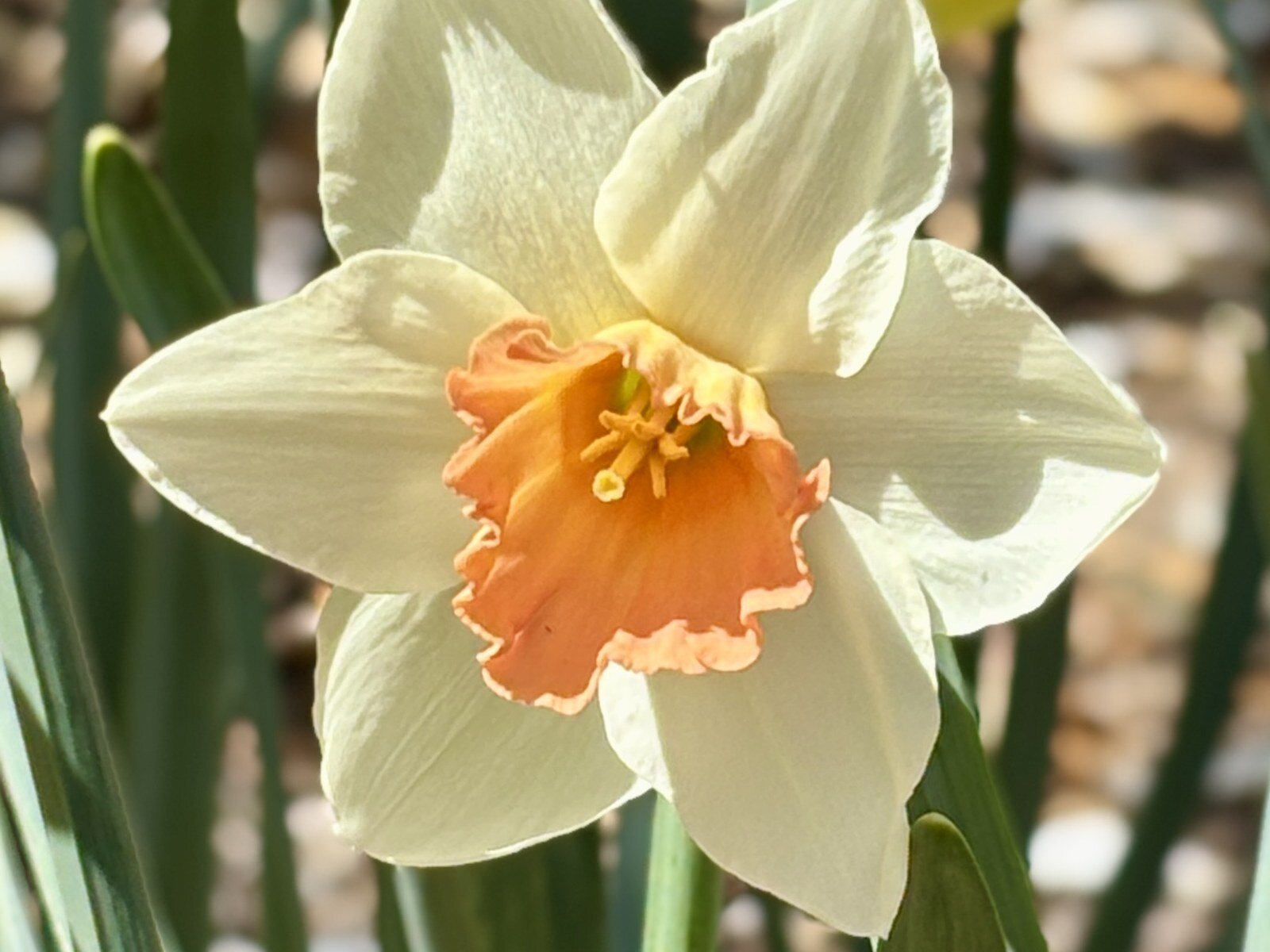
Daffodils are the dependable ones. Their yellow, white and orange trumpets arrive in early spring, and a mix of early, midseason and late varieties stretches the show over several weeks. The bulbs are poisonous, so deer and rodents leave them alone. Daffodils also multiply and return for decades, which makes them the closest thing to a forever bulb. Plant them about 6 inches deep in full sun, then let the leaves yellow before you cut them back so the bulb can recharge. When a clump gets crowded and the blooms shrink, divide it. University of Missouri Extension says that usually happens every 5 to 10 years. Dig the clump once the leaves die back, separate the offsets and replant in October.
2. Tulips (Tulipa)
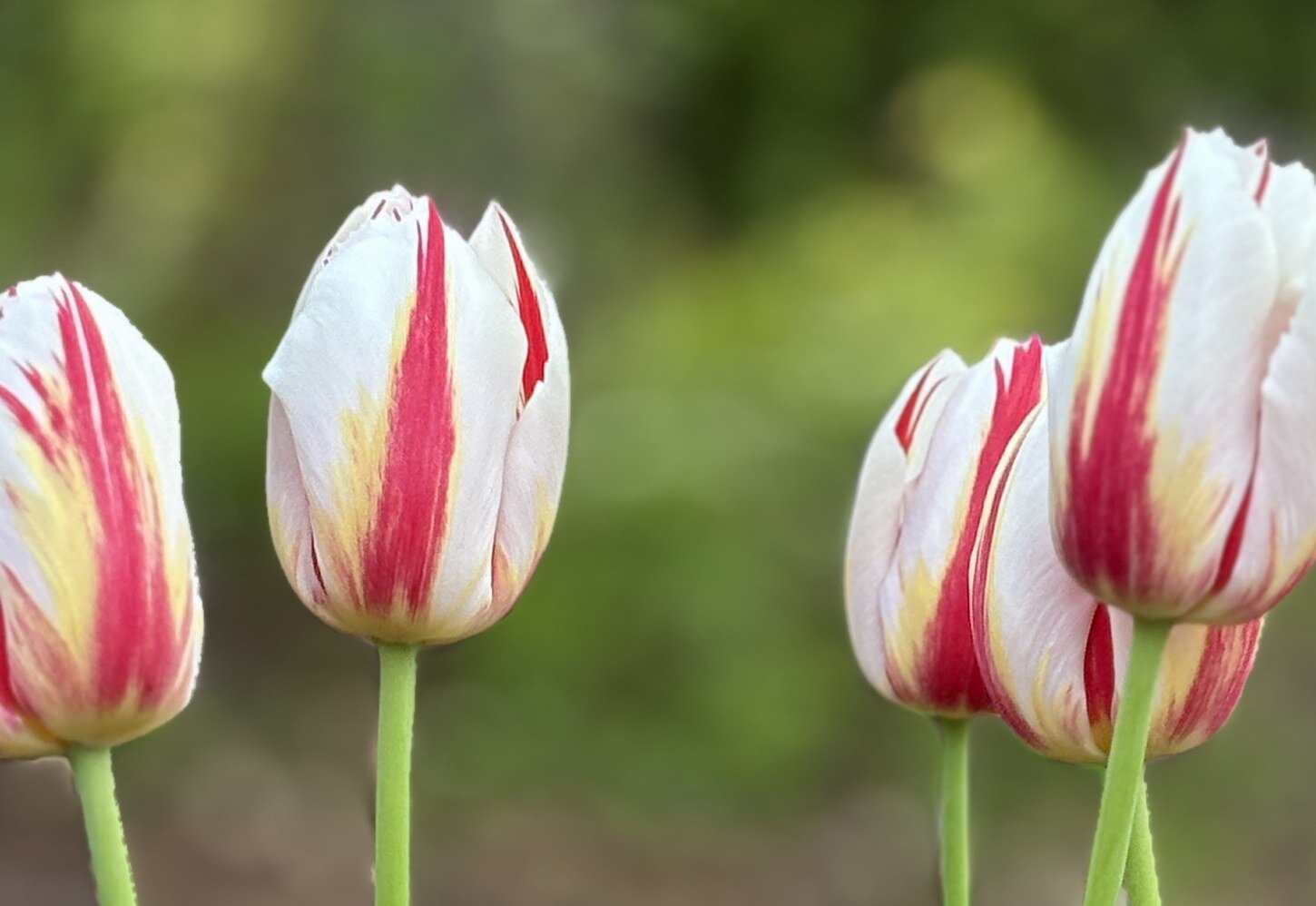
No spring garden feels complete without tulips, with their wide range of colors, shapes and heights. Be realistic, though. Many showy hybrids bloom best the first spring or two and then fade, so plan to replant them. Species tulips such as Tulipa clusiana can return for many years, Darwin hybrids often last three to five, and fancy doubles and parrots are best treated as annuals. Don’t bother dividing tulips. Just replant fresh bulbs when the show fades. Deer and rodents love tulips, so plant them on the deeper side of the range and lay chicken wire over the bed until shoots emerge. In mild-winter areas, chill the bulbs in the refrigerator for several weeks first.
3. Crocuses (Crocus)
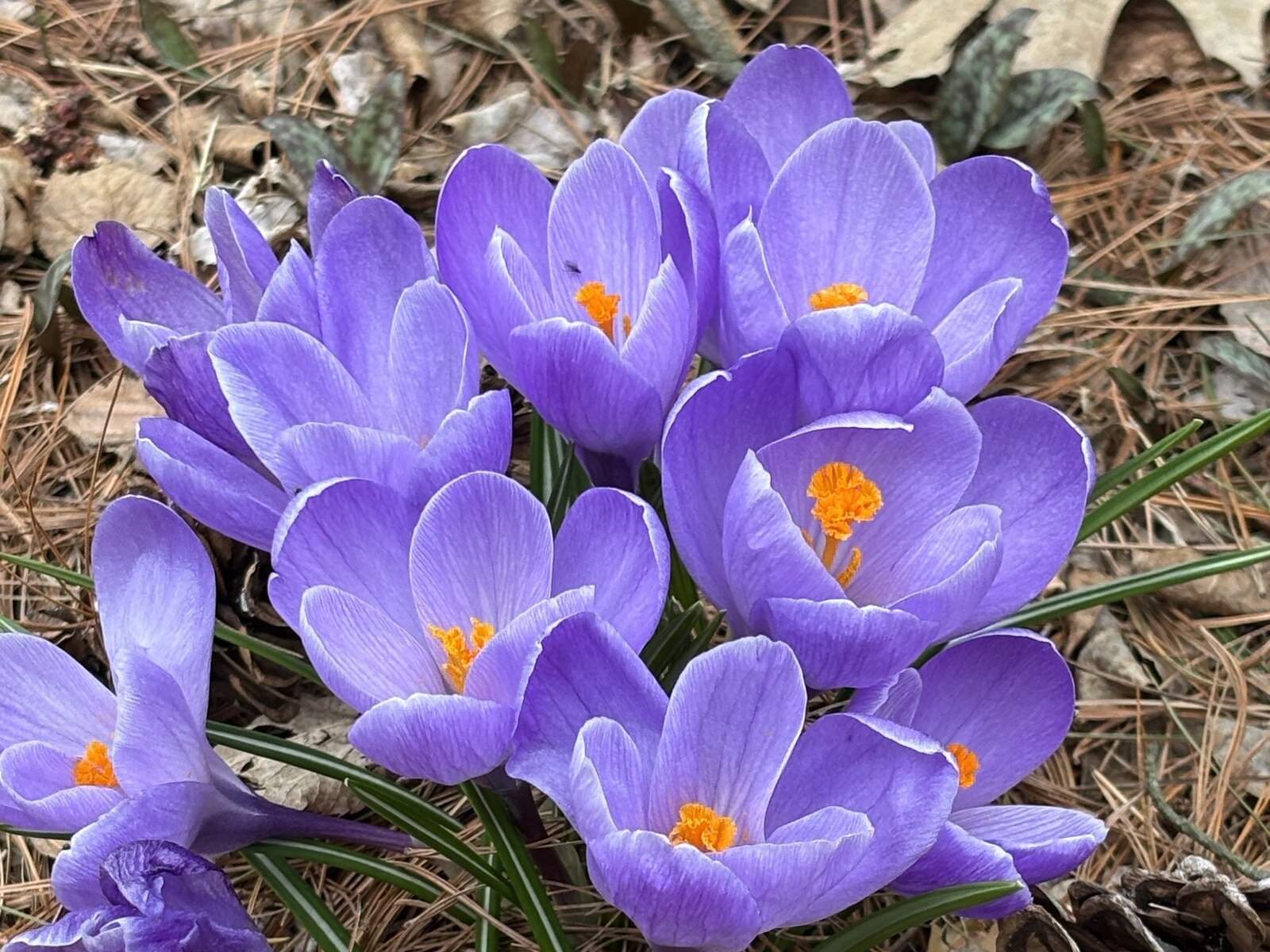
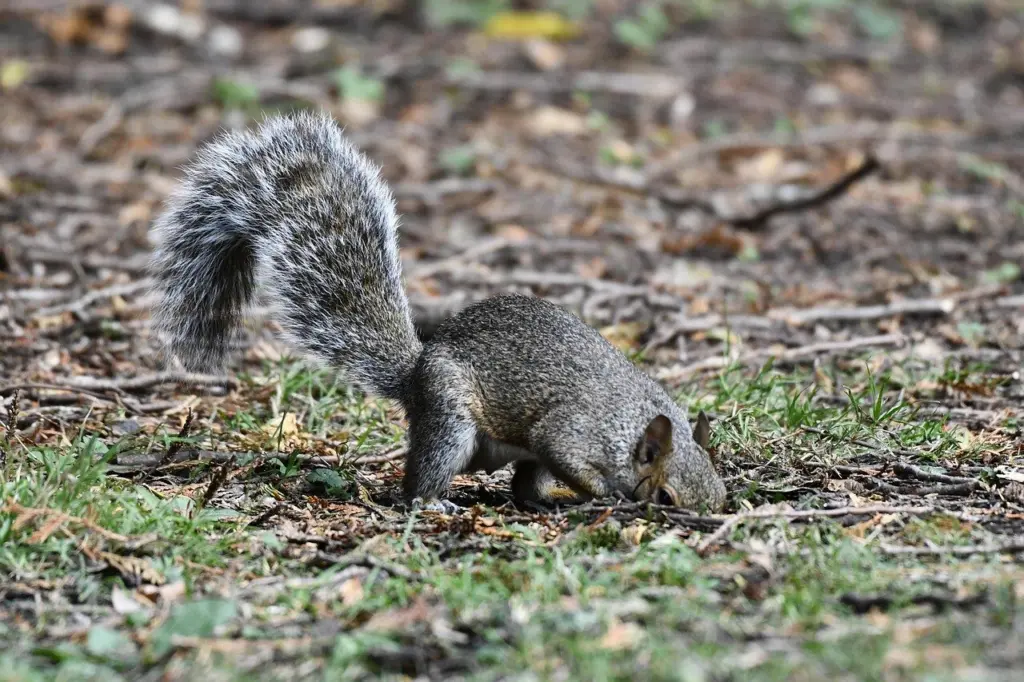
Crocuses are among the first flowers to appear, often poking through snow, and they give hungry early bees a meal. They grow from corms rather than true bulbs, but you plant them the same way, 3 to 4 inches deep in drifts of 20 or more. University of Missouri Extension describes crocus lawns as an easy way to get early color, since the foliage fades quickly after bloom. Hold off mowing until the leaves yellow. Crocuses last for years and multiply into bigger patches. If a patch thins out after several years, dig the corms after the foliage dies back, separate them and replant right away. Squirrels and voles sometimes dig corms, so wire cages help in problem spots.
4. Hyacinths (Hyacinthus orientalis)
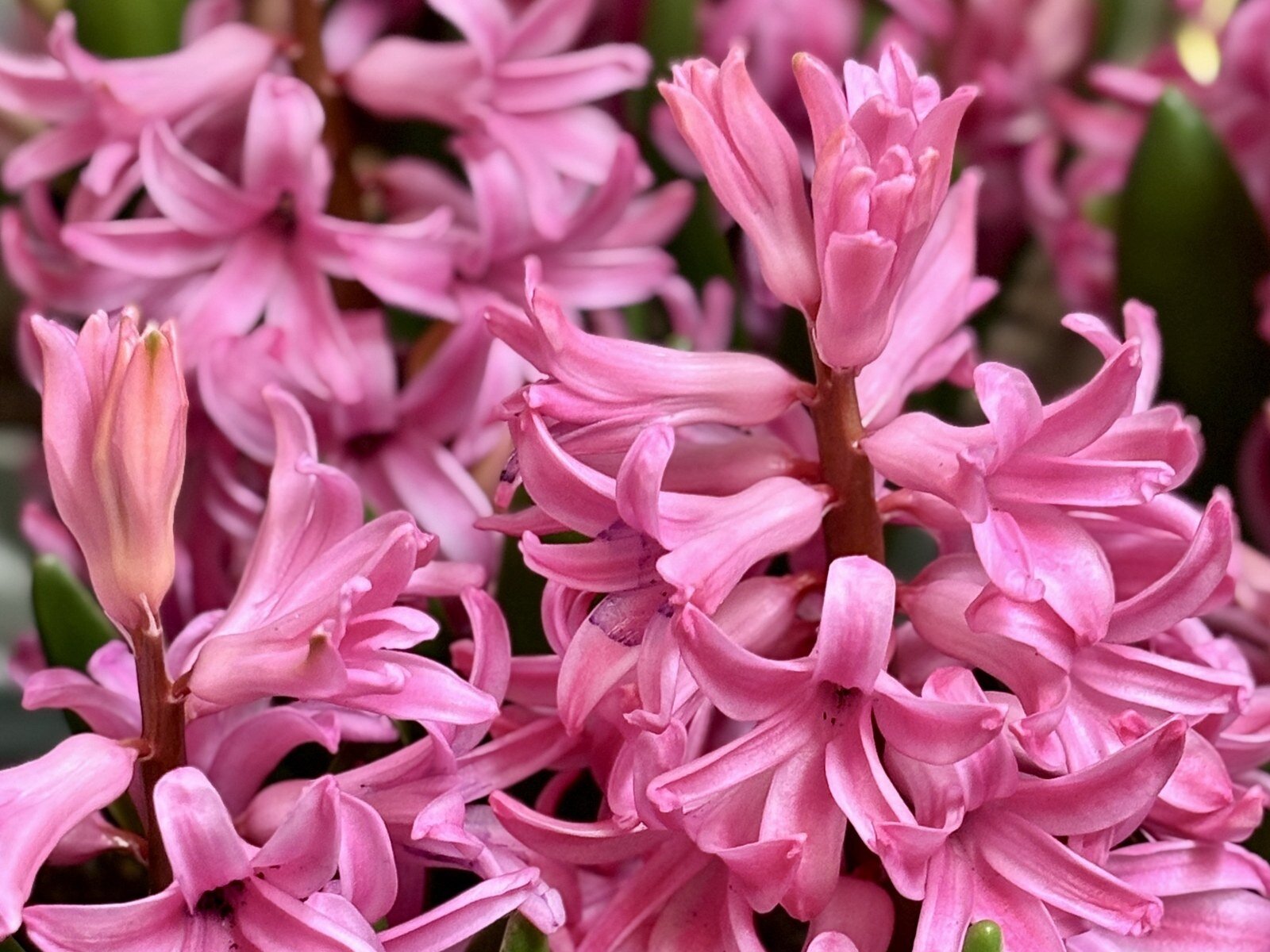
Hyacinths bring a perfume that can fill a doorway. Oklahoma State University Extension recommends planting them in groups of five or more, about 5 inches apart and 4 to 5 inches deep. They look their best the first spring, then gradually shift to looser, thinner spikes, so many gardeners add fresh bulbs every few years. Don’t expect to divide them. Plant them where you walk past often. Wear gloves, because the bulbs can irritate skin, but the same compounds make squirrels and groundhogs less interested.
5. Alliums (Allium)
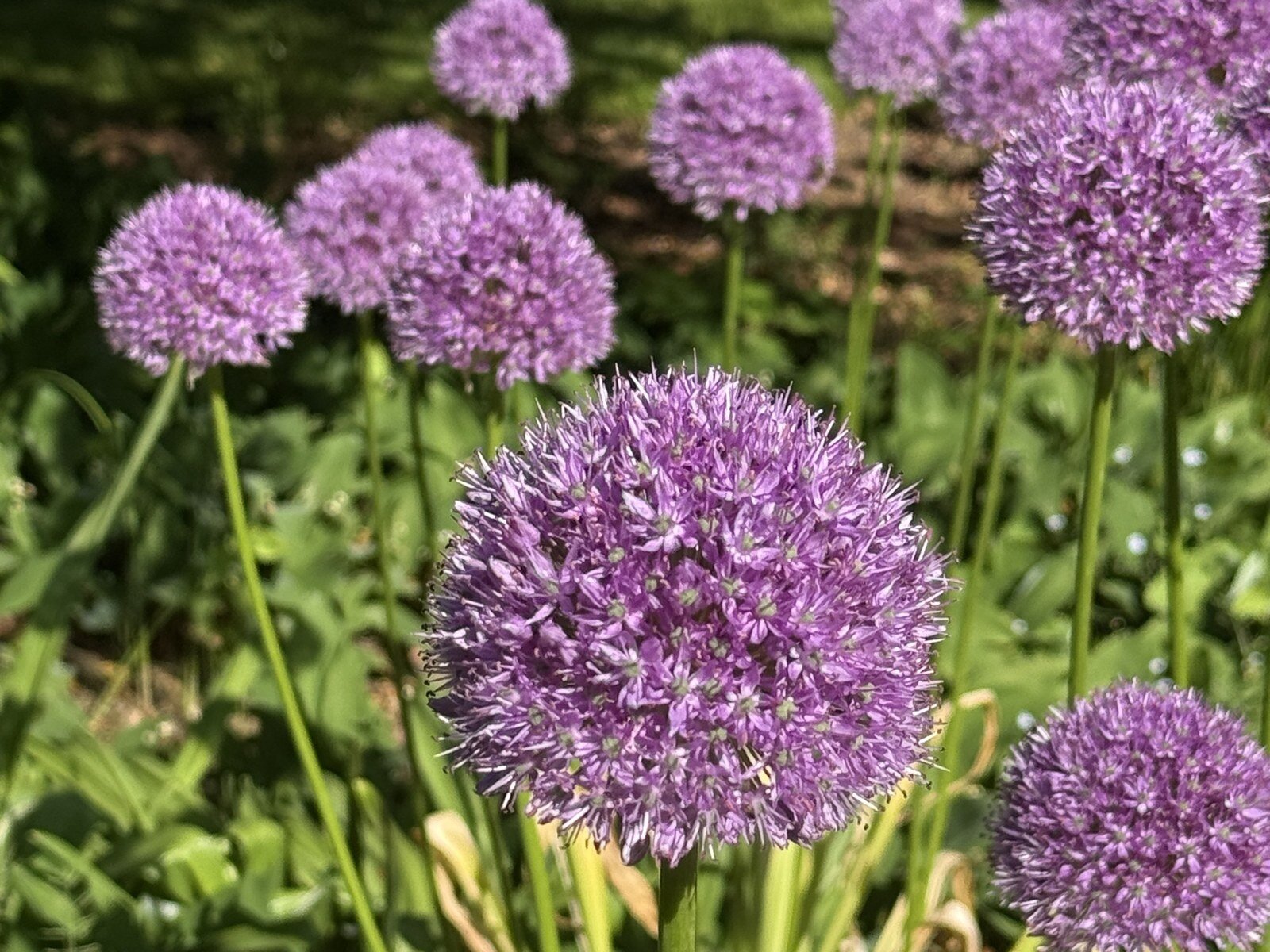
Alliums send up purple, white or lavender globes in late spring and early summer, just as tulips finish. Bees and butterflies flock to them. Their onion scent keeps deer and rabbits away. Large types such as giant allium go about 6 inches deep, while small ones need only 2 to 3 inches. The leaves often yellow by bloom time, so tuck the bulbs behind low, mounding perennials that hide them. Alliums come back for years, and the larger types slowly produce small offset bulbs. Dig the clump in fall, pull the offsets away and replant them to make more plants. Small ones may take a few years to bloom.
6. Grape hyacinths (Muscari)
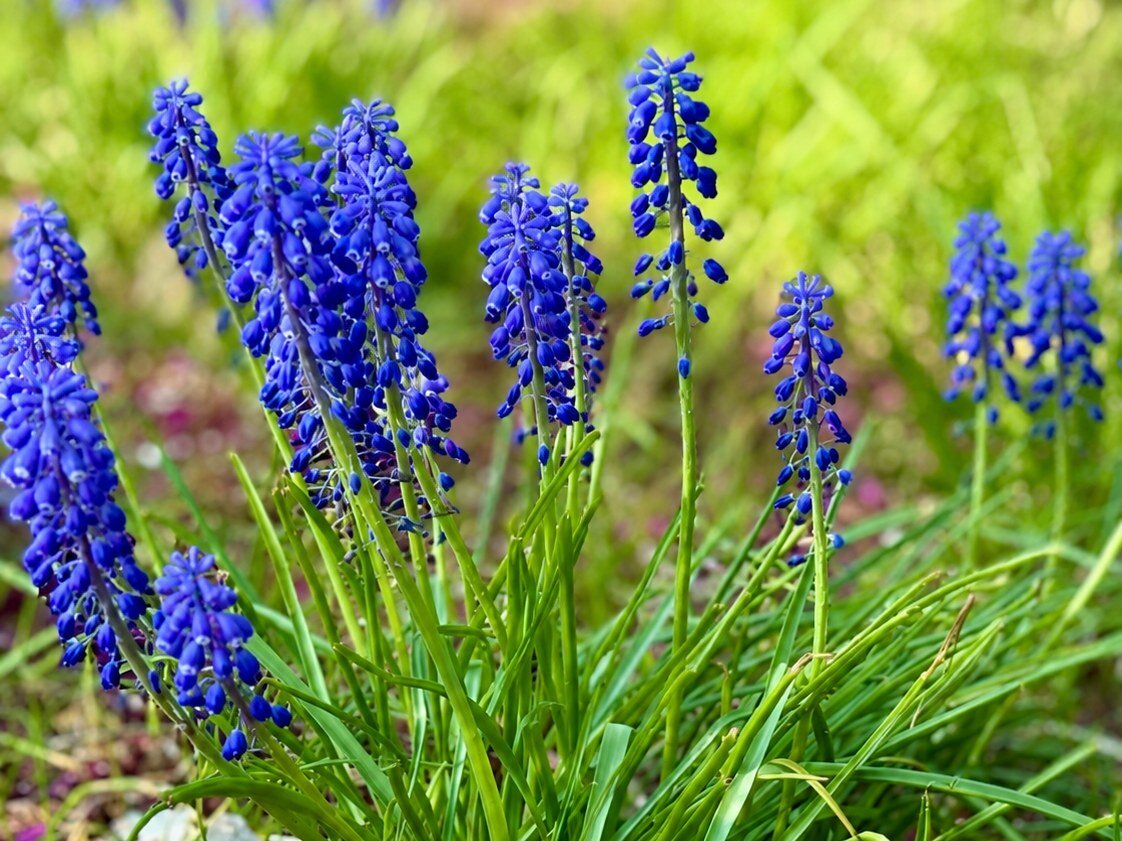
Grape hyacinths look like tiny bunches of blue grapes and bloom in early to mid-spring. They naturalize easily, and they look best in masses of 25 or more. Plant compact types 2 inches deep and larger ones about 4 inches deep, 3 inches apart. Don’t worry when leaves appear in fall. That’s normal, and you can skip mulch until the ground freezes. Deer and rodents tend to pass them by. Choose the spot carefully, because they spread quickly and can take over. They last for many years, and you can divide crowded clumps after the leaves die back if you want to share them or thin them out.
7. Snowdrops (Galanthus)
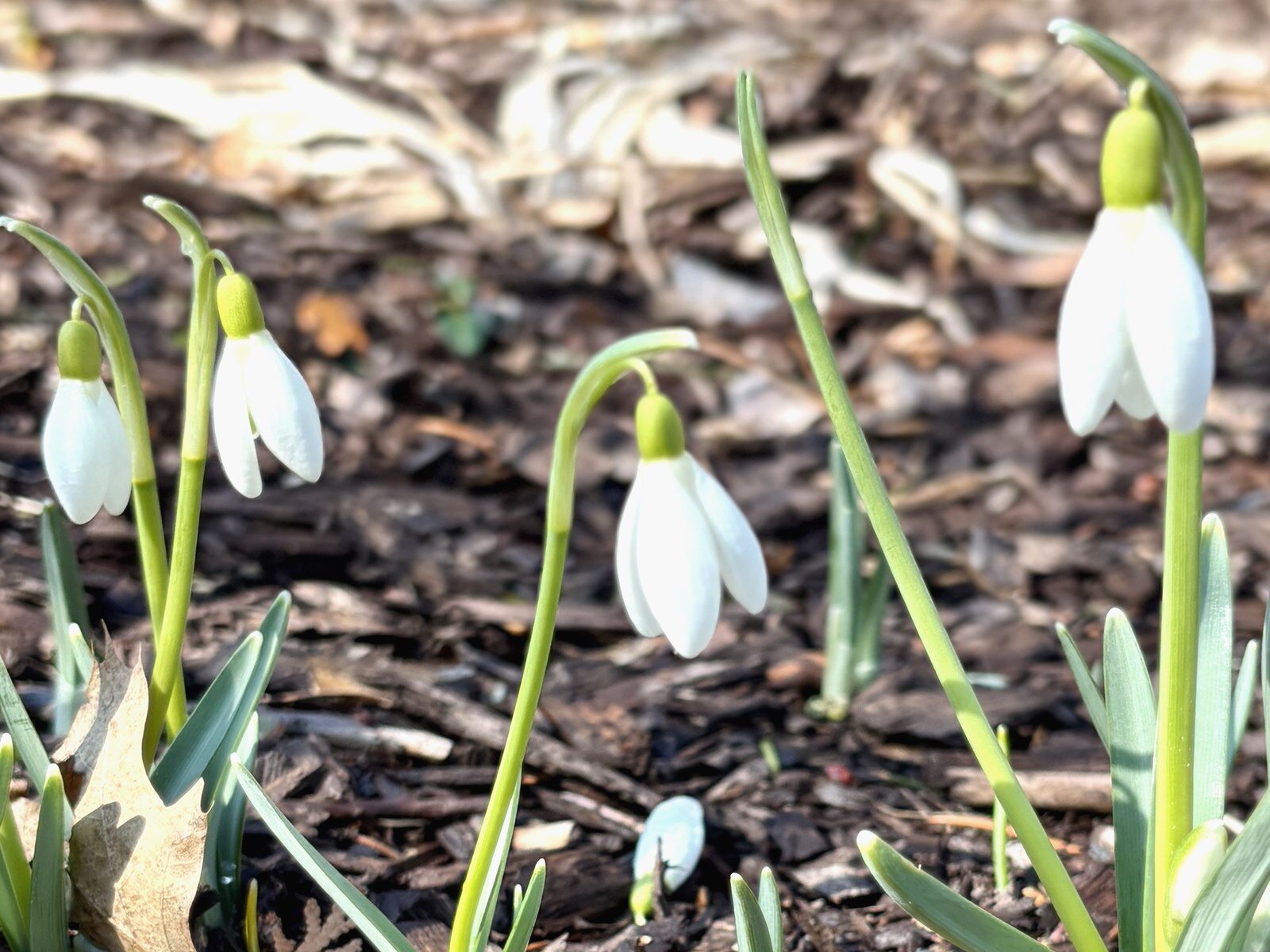
Snowdrops are small, nodding white bells that often bloom in early March before the snow has gone, according to University of Illinois Extension. They are slow to settle in, but once they do, they form tidy colonies that last for decades. Divide clumps right after bloom while the leaves are still green, and replant at once. Plant dry bulbs 3 inches deep and 3 inches apart once nights fall into the 40s and 50s. Garden centers sometimes sell clumps in leaf after bloom, and those tend to establish more easily. Tuck them under a deciduous tree or shrub, where they get light before the leaves open.
8. Glory-of-the-snow (Chionodoxa forbesii)
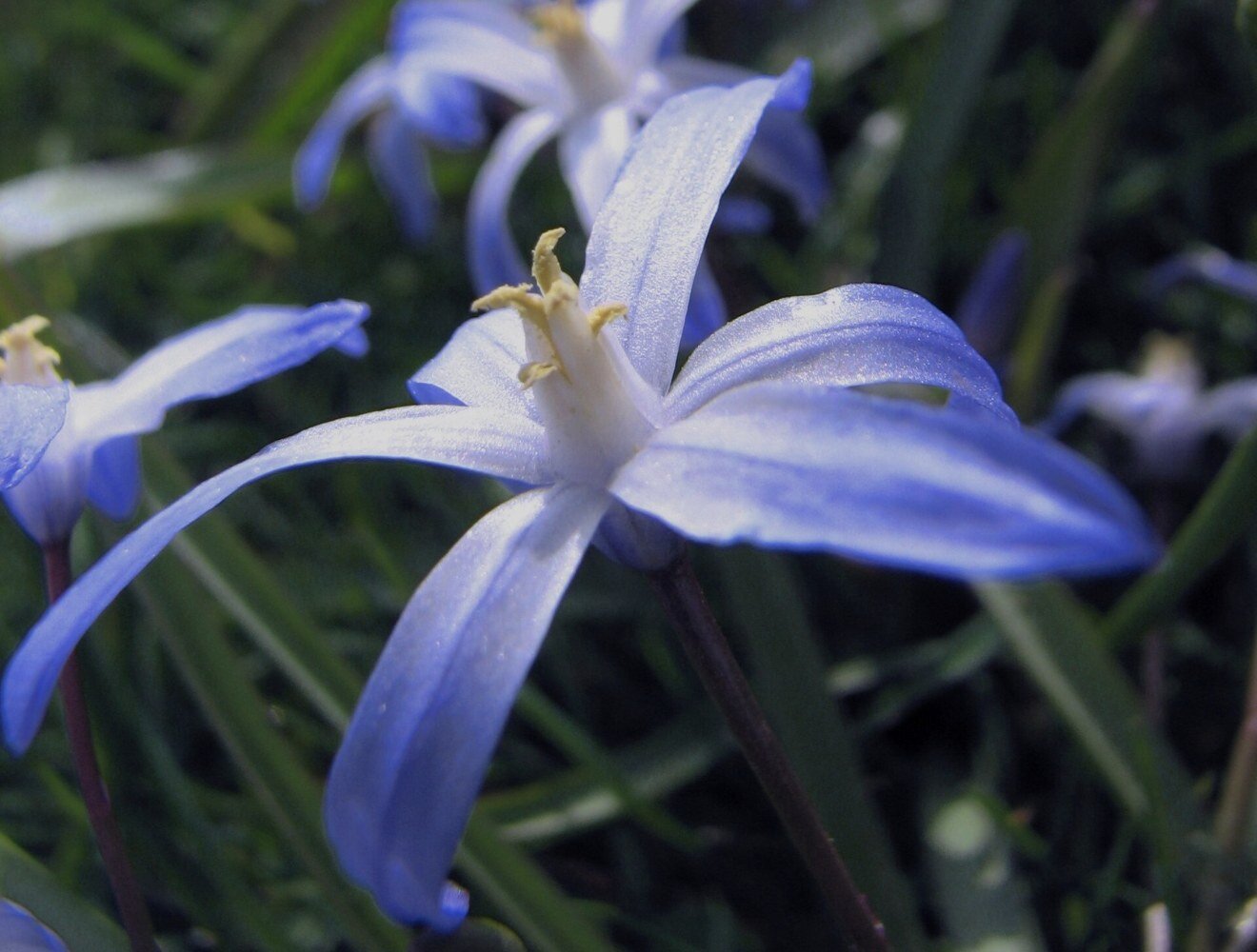
Glory-of-the-snow earns its name by blooming while patches of snow still linger. White-eyed blue stars sit on stems only 4 to 6 inches tall, and some varieties come in white or pink. The bulbs multiply readily, so a small start becomes a drift in a few years. Plant them about 3 inches deep and 3 inches apart under deciduous trees and shrubs, where they finish blooming before the leaves cast shade. They also do well in a sunny lawn or a rock garden. Glory-of-the-snow lasts for years, and you can divide it after the leaves die back if a drift gets thick.
9. Siberian squill (Scilla siberica)
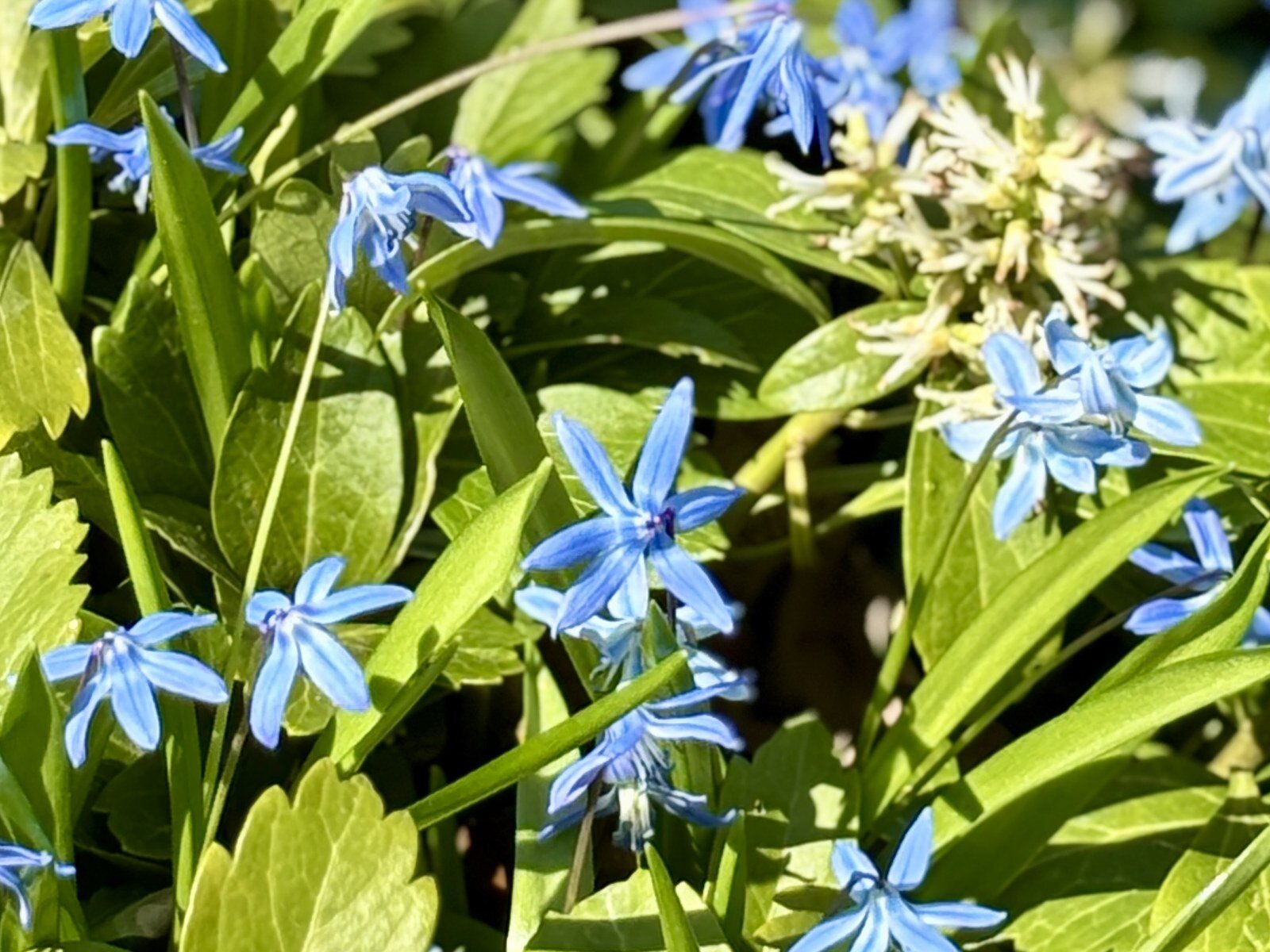
Siberian squill delivers a true, vivid blue in April, with nodding bells on short stems. It’s tough, hardy in zones 2 to 8, and happy in lawns, under trees and along borders. It spreads by seed and offsets, and it will carpet a yard whether you plan for that or not. Plant bulbs about 4 inches deep and 2 to 3 inches apart. Deer typically skip it. Yellow daffodils make a classic partner. Siberian squill lasts for many years and rarely needs dividing. If you want to move some, dig clumps after the leaves yellow.
10. Grecian windflower (Anemone blanda)
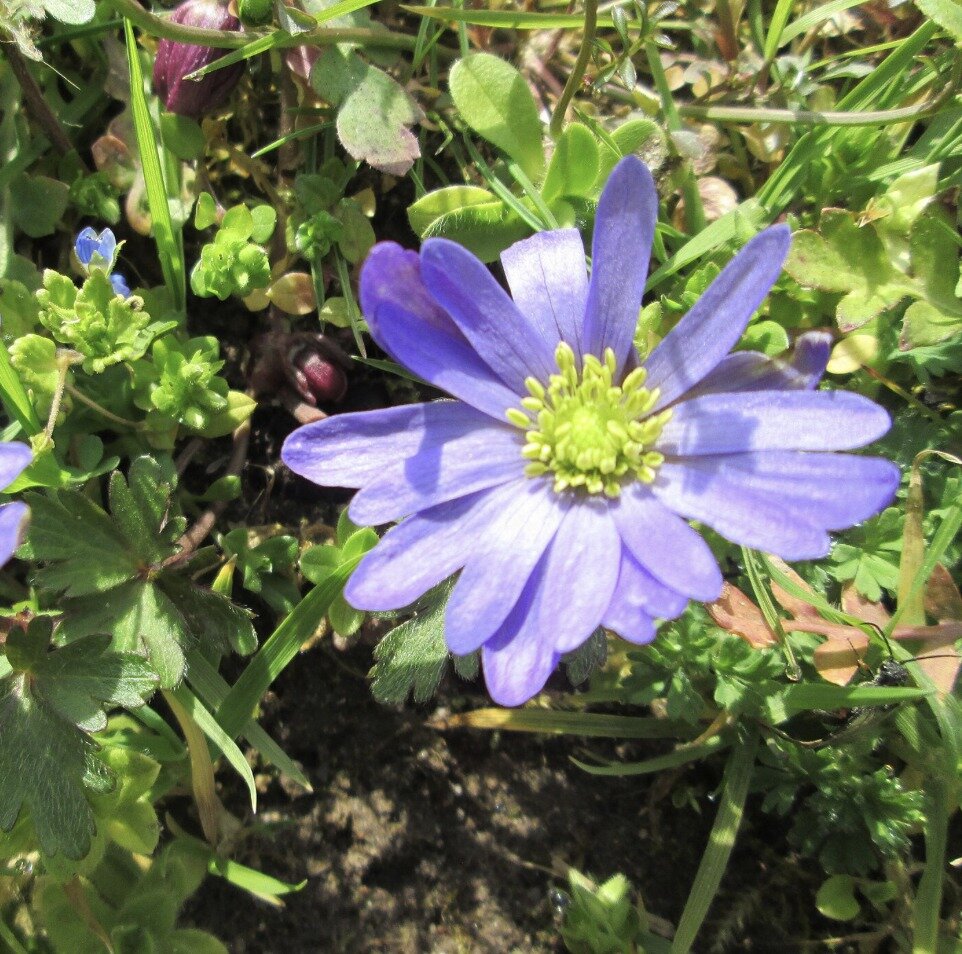
Grecian windflower, or Anemone blanda, spreads a carpet of daisy-like flowers in blue, pink and white over ferny foliage in early to mid-spring. The plants stay just 4 to 8 inches tall, so they suit the front of a border, the ground under shrubs and trees, or a lawn, much like crocuses. Deer and rodents tend to leave them alone. The “bulbs” are actually small, hard tubers that look like bits of dried bark, and they start growing sooner if you soak them in lukewarm water for a few hours before planting. Set them 2 to 3 inches deep and 3 to 4 inches apart in groups of five or more. They’re hardy in zones 4 to 8. Plants return for years, and you can divide the tubers after the foliage fades. The foliage fades gracefully after bloom, so plant them among perennials that emerge later and cover the gap.
11. Reticulated iris (Iris reticulata)
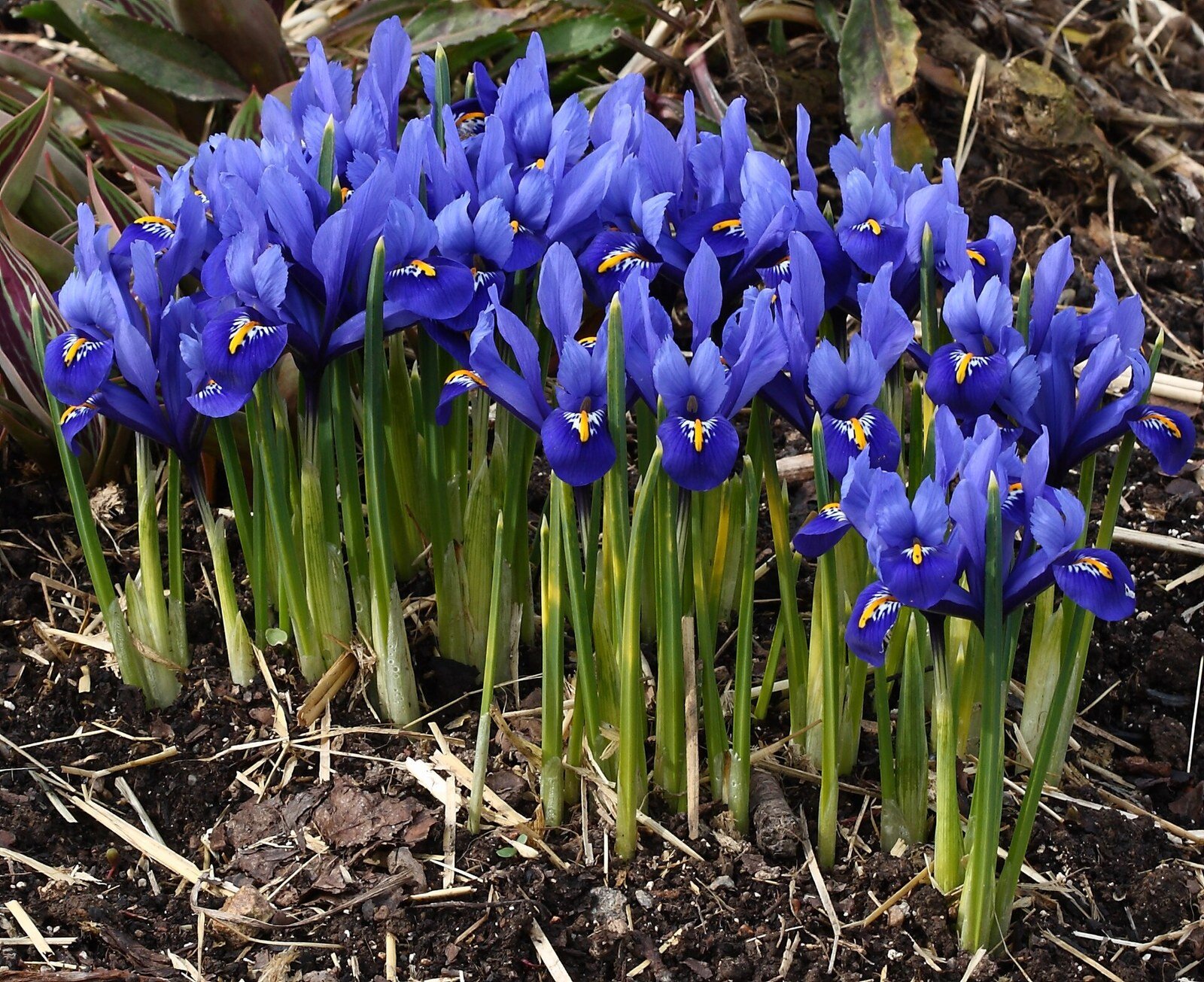
Unlike bearded iris, which grow from rhizomes, this little iris grows from a true bulb. The dwarf plants stand 5 to 6 inches tall and bloom in late winter or very early spring, in rich blues and purples, sometimes with a light fragrance. Each bloom lasts about two weeks. Be aware that this iris can fade after a few years. When a clump slows down, dig it after the leaves die back, separate the small bulbs and replant them. Many gardeners also add a few fresh bulbs every couple of years. Plant bulbs about 4 inches deep, and they stay at that depth because they multiply from offsets. They need sharp drainage, and they do well in pots near a door or window, where you can enjoy them on a cold day.
12. Crown imperial (Fritillaria imperialis)
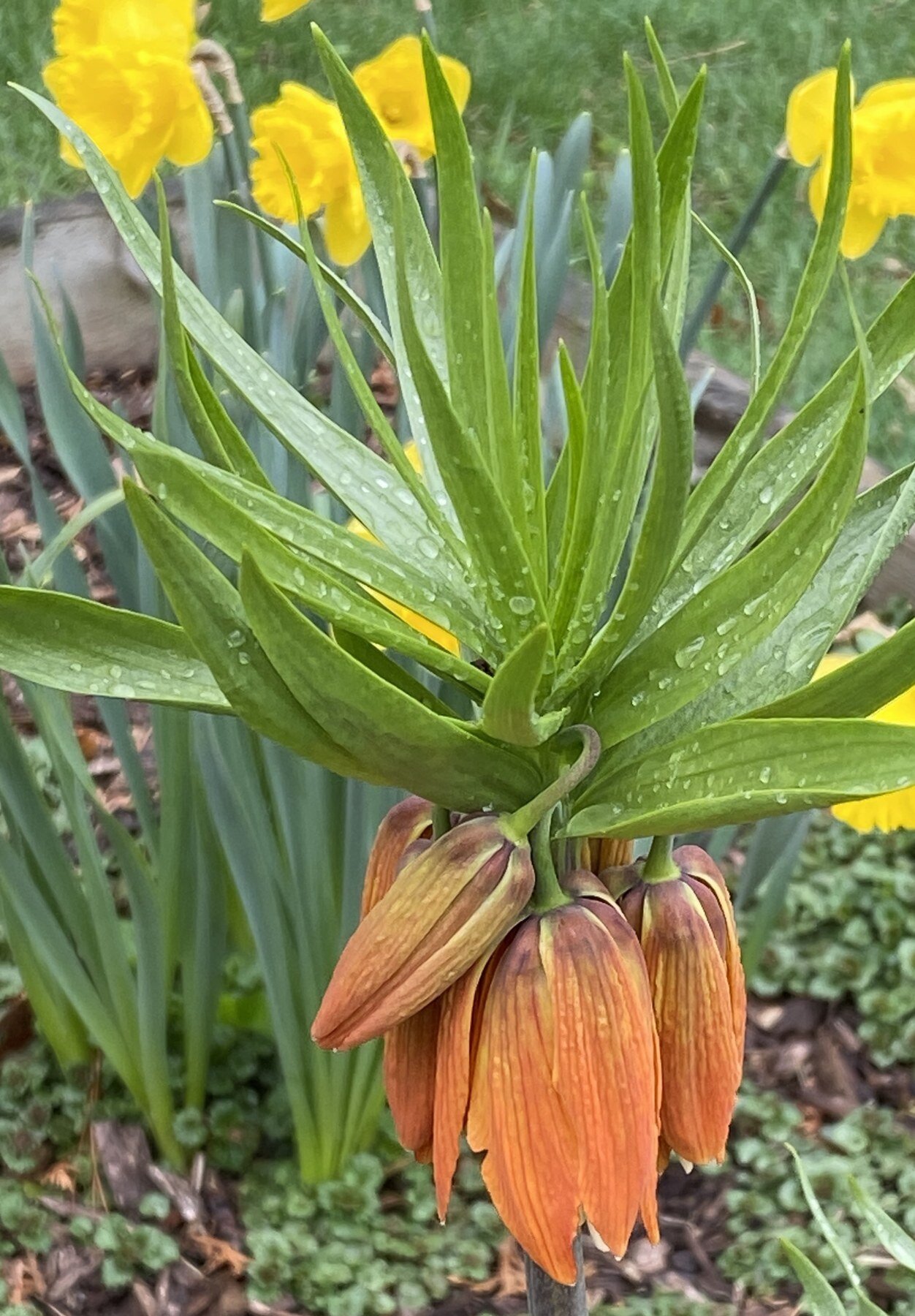
This is the showstopper. Crown imperial reaches 3 to 4 feet tall, with orange, red or yellow bells hanging beneath a tuft of green leaves like a crown. The bulb gives off a skunky, musky smell that deters deer, voles and other nibblers, so plant it away from your front door. Set the large bulb about 8 inches deep and lay it on its side so rain doesn’t collect in the hollow top and cause rot. It’s hardy to zone 4 but not recommended for the deep South. Give it rich, well-drained soil and leave it undisturbed. Crown imperial can last for years in the right spot, but it resents being moved, so skip dividing it.
Fall bulb questions
When is the best time to plant bulbs in the fall? Plant once soil cools below about 60°F and ideally at least four weeks before the ground freezes. Gardeners in cold climates usually plant from mid-September to mid-October, and you can keep going into early winter as long as the soil is workable. Earlier gives roots more time.
How deep should I plant spring bulbs? Aim for two to three times the bulb’s height, measuring from the bottom, with the pointed end up. That means about 2 to 4 inches for small bulbs like grape hyacinths and snowdrops, and 6 inches or more for big ones like daffodils and alliums.
How long do spring bulbs last? Not forever. Daffodils, snowdrops, crocuses, squill and glory-of-the-snow can return for decades. Tulips and hyacinths often fade after a few springs, so replant them. Crowded clumps of daffodils, crocuses, snowdrops and grape hyacinths can be divided, while tulips, hyacinths and crown imperial are best left alone.
Which bulbs do deer and squirrels leave alone? Daffodils, alliums, grape hyacinths, Siberian squill, Grecian windflower and crown imperial are the most reliable. Deer and rodents often ignore hyacinths too. Tulips are the exception, since deer and rodents readily eat them.
Planting bulbs is one of the kindest things you can do for your future self. On a gray morning next spring, those little blue squill and bright daffodils will remind you that the digging was worth it. Pick a few favorites, set them in the ground this month and let winter do the rest.


From the QT Bird Community
Join the conversation
Comments on QT Bird articles live in our community. Joining is free: share your tips, ask questions and get replies.
Sign up to PostLog in