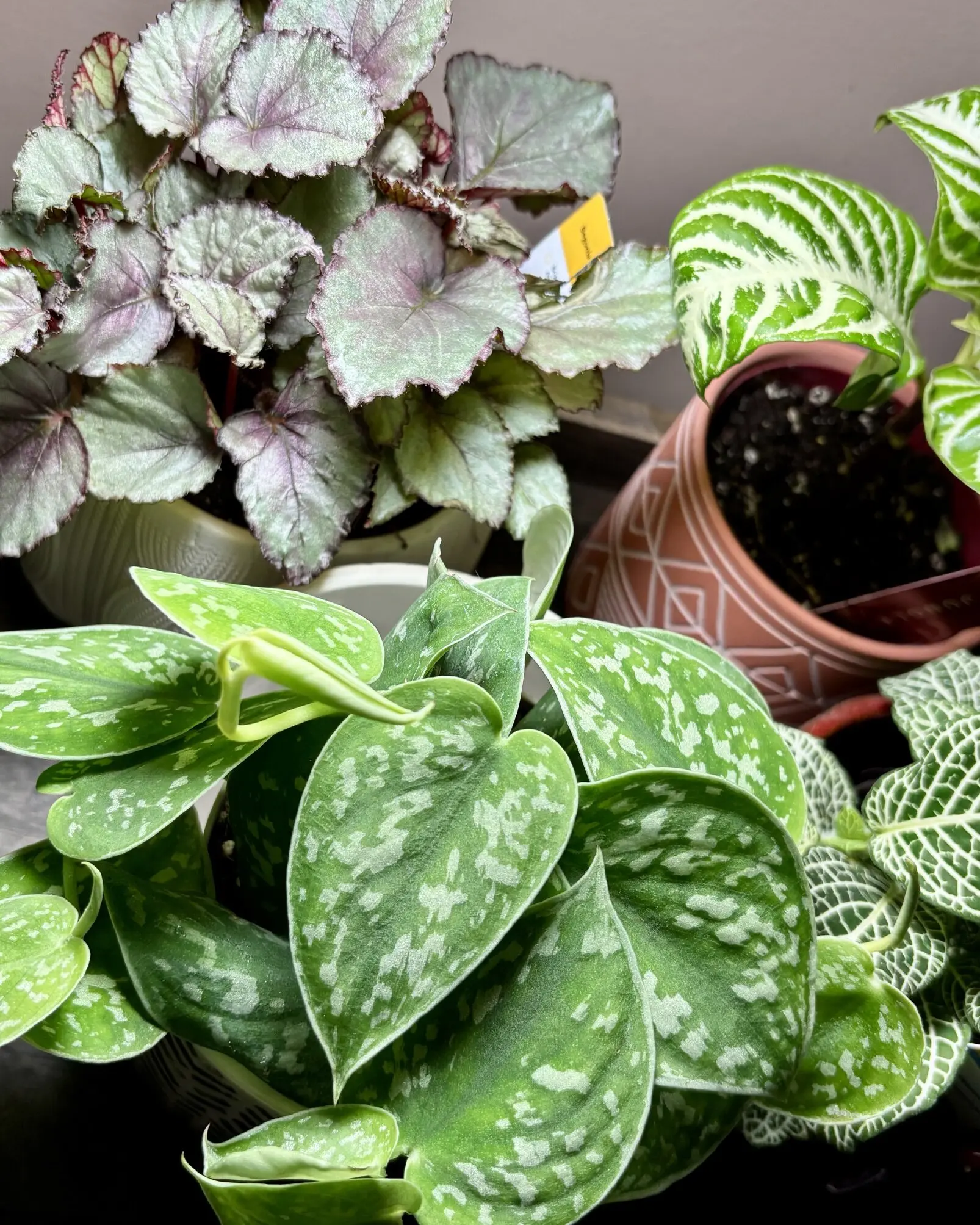
Maybe you’ve killed a plant or two. Maybe you’ve never owned one and don’t know where to start. Either way, you’re in the right place. Houseplant care for beginners comes down to a handful of basics, and once they click, keeping plants alive gets a lot less mysterious.
Most plants don’t die from neglect. They die from too much love, usually too much water, or from being put in the wrong spot. This guide walks you through choosing an easy plant, setting it up for success, and the simple routine that keeps it growing.
Start with an easy plant
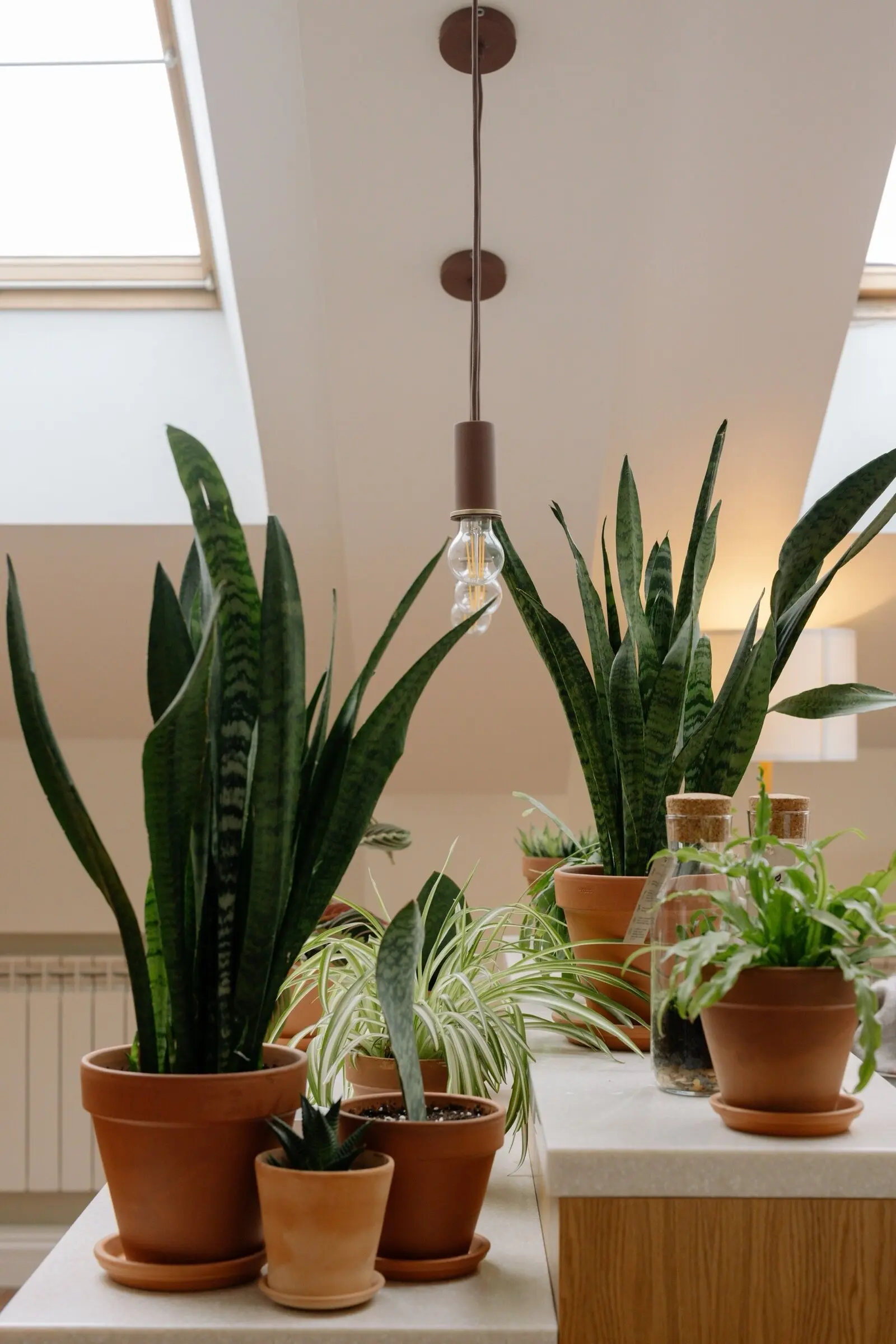
The best way to build confidence is to start with a plant that forgives a few mistakes. These all come from my plant care articles, and each one is a good first plant:
| Plant | Light | Water | Pet-safe? |
|---|---|---|---|
| Snake plant | Low to bright, indirect | Let soil dry completely | No |
| Spider plant | Medium to bright, indirect | When top 1 to 2 inches are dry | Yes |
| Satin pothos | Medium to bright, indirect | When top 1 to 2 inches are dry | No |
| Chinese evergreen | Low to bright, indirect | When top 1 to 2 inches are dry | No |
| Peace lily | Medium to bright, indirect | Keep evenly moist | No |
| Baby rubber plant | Medium to bright, indirect | When top 1 to 2 inches are dry | Yes |
| Jade plant | Bright, with some direct sun | Let soil dry completely | No |
| Polka dot plant | Bright, indirect | Keep evenly moist | Yes |
| Aluminum plant | Bright, indirect | When top inch is dry | Yes |
The trick is to match the plant to the spot you have, not the other way around. A snake plant will put up with a dim corner. A jade plant needs a sunny window. Look at where you want a plant first, then pick one that likes that light.
How to pick a healthy plant at the store
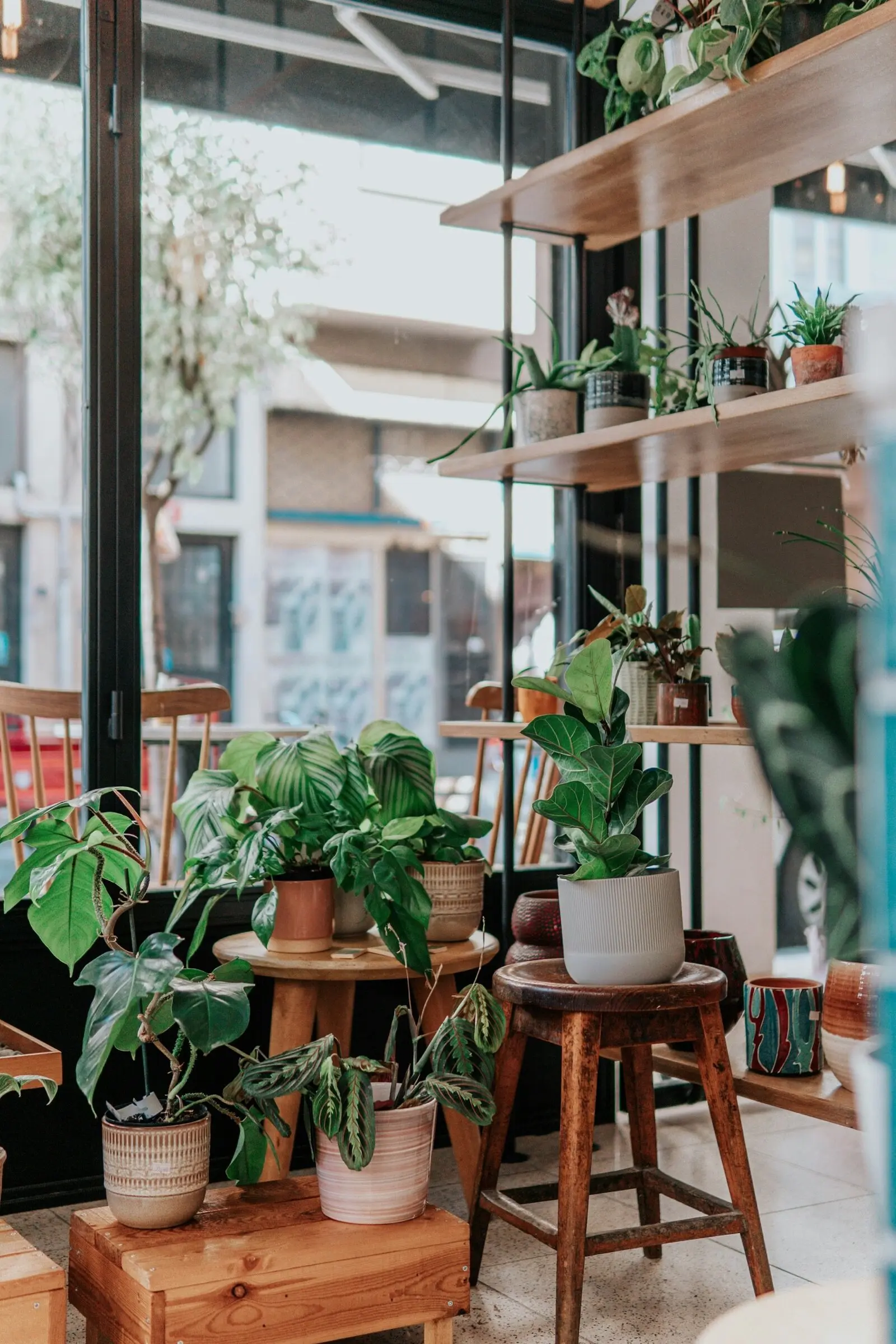
A healthy plant gives you a head start. Before you buy, take a minute to look it over:
- Leaves: Look for good color with no brown edges, spots, or yellowing lower leaves.
- Shape: Pick a full, balanced plant, not one that’s leggy, sparse, or tipped over.
- Pests: Check the stems and the undersides of the leaves for webbing, white cottony bits, or tiny bugs.
- Roots: Roots poking out the drainage holes mean the plant has outgrown its pot and will need repotting soon.
- Label: Make sure it has a tag with the plant’s name, so you can look up its care.
When you get home, keep your new plant away from your other plants for a while. University of Illinois Extension recommends keeping a new plant separate for 2 to 3 weeks, so any pests you missed have time to show up before they spread.
The first few weeks at home
Don’t panic if your new plant drops a leaf or two, or a few leaves turn yellow. It just moved from a greenhouse with perfect light and humidity into your living room, and it needs time to adjust. That’s normal, and it usually settles down within a few weeks.
To help it settle in:
- Hold off on repotting. Moving to a new home is stressful enough. Wait until the plant is settled, and repot in spring if it needs it.
- Skip the fertilizer. Most new plants come from the grower well fed.
- Check the soil often. Nursery pots can dry out fast, or stay soggy, so feel the soil every few days until you learn how quickly yours dries.
- Leave it in one spot. Moving a plant around while it’s adjusting just adds more stress.
Light: get this right first
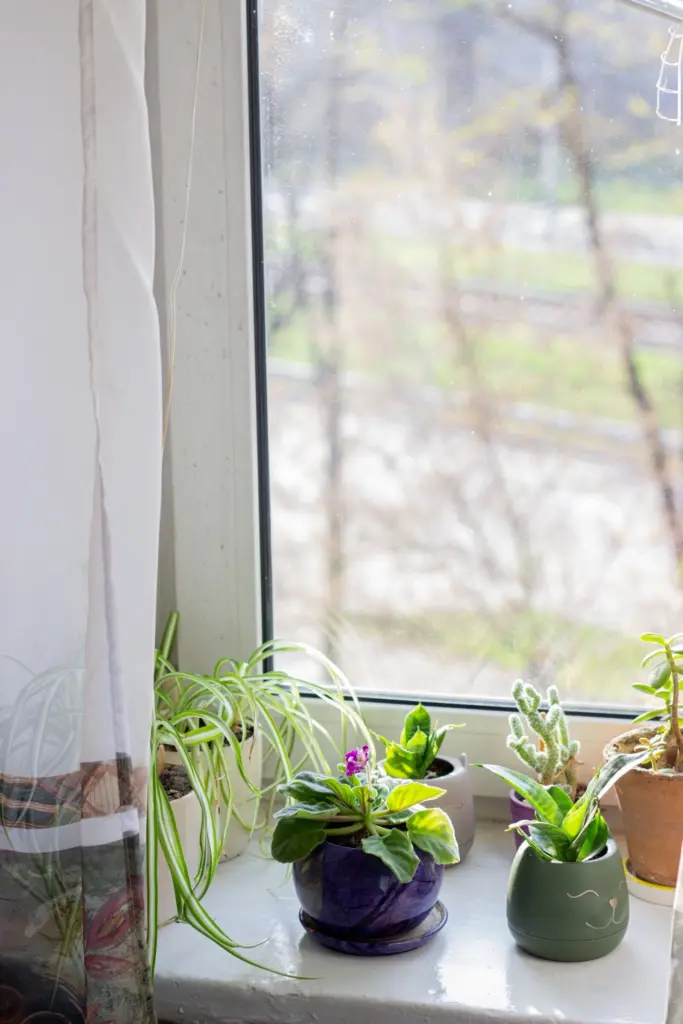
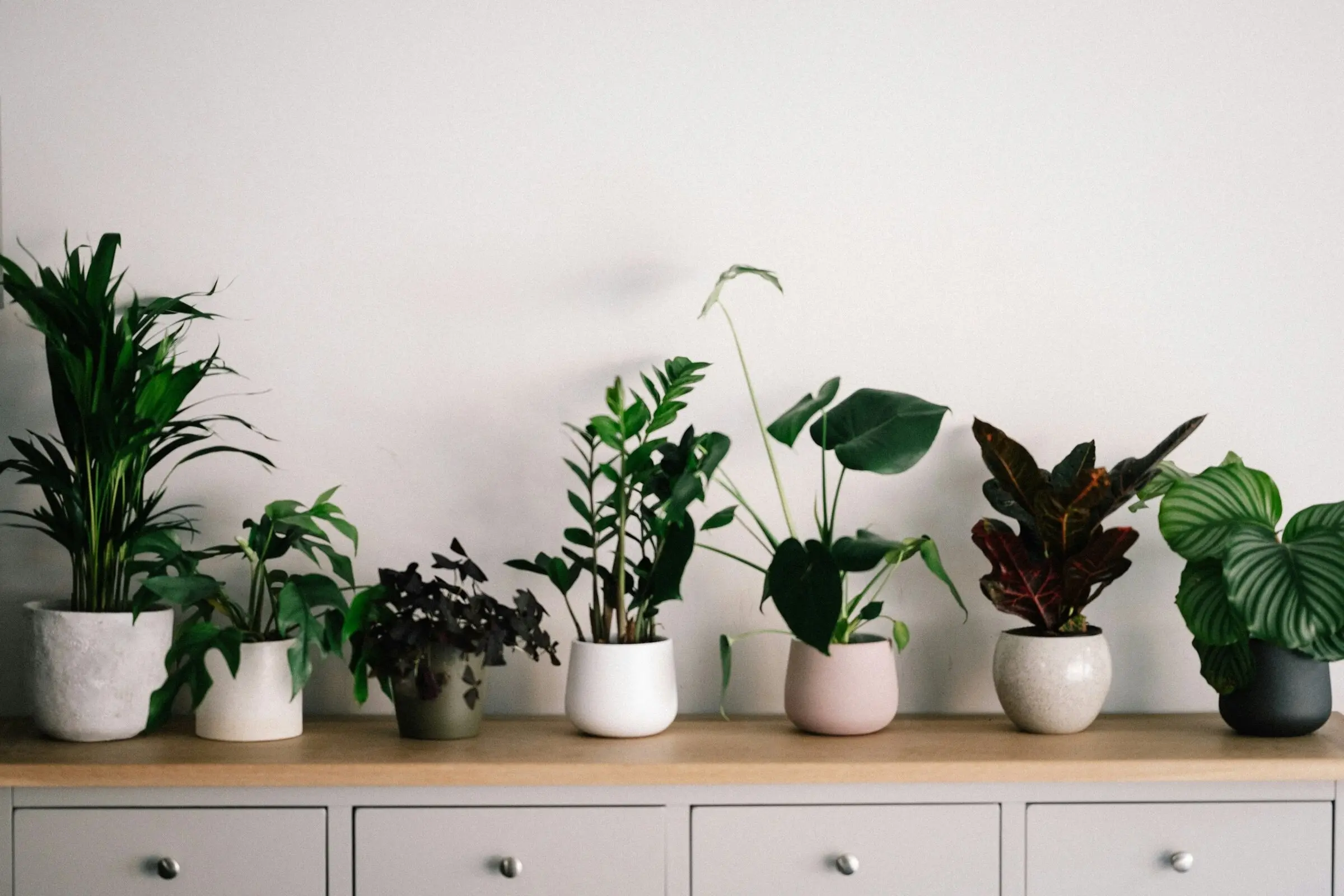
Light is food for a houseplant, so it’s the most important thing to get right. Most houseplants want bright, indirect light, a bright spot where the plant sees plenty of sky but harsh sun isn’t beating on the leaves for hours.
A few quick rules:
- East-facing windows are the easiest for most houseplants.
- South and west windows are brighter. Set most tropical plants a few feet back, or filter the sun with a sheer curtain.
- North windows suit only true low-light plants.
- Long, stretched stems and small new leaves mean a plant needs more light.
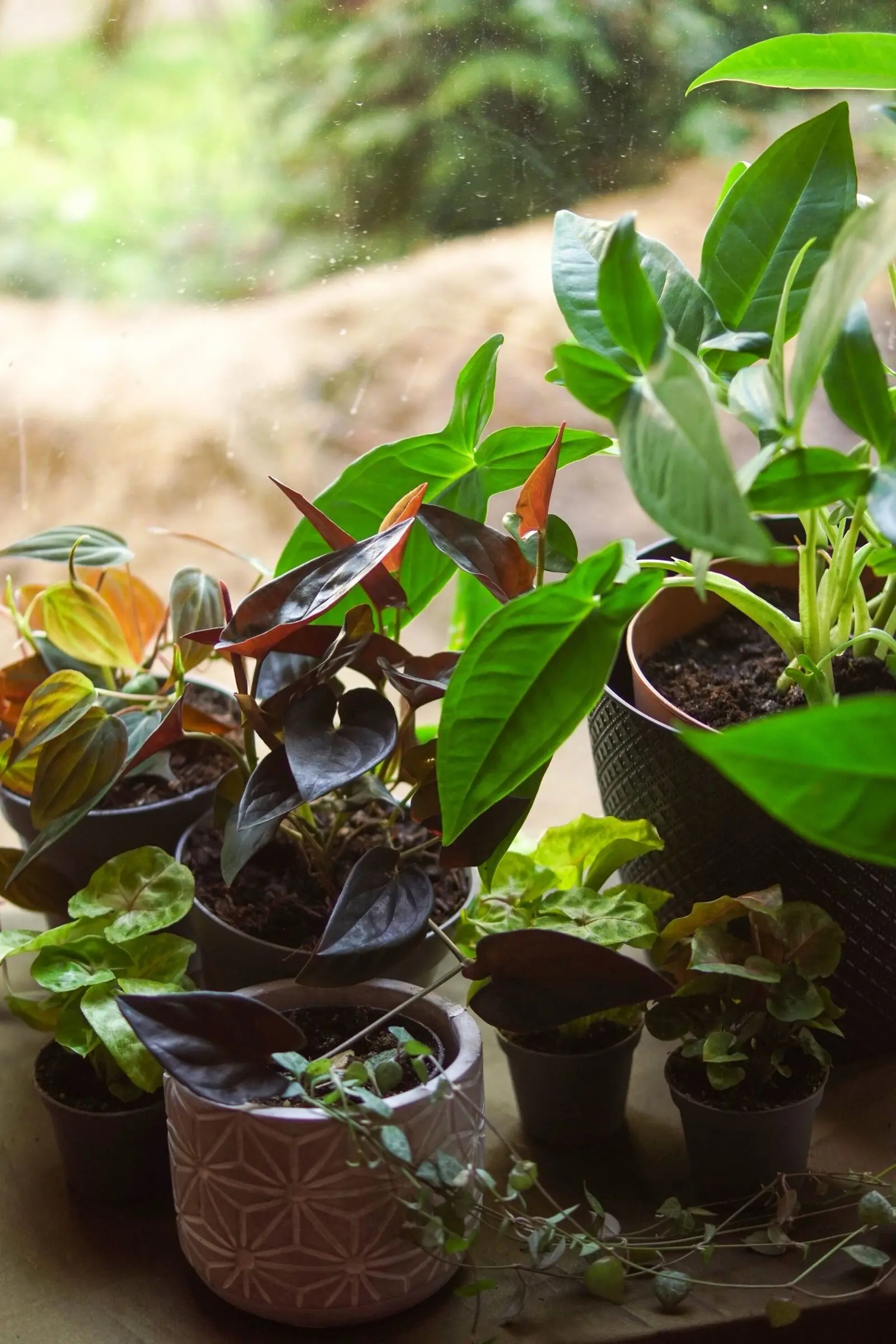
My guide, How Much Light Does My Plant Need?, goes into reading your windows, signs of too much and too little light, and when a grow light helps.
Water: check before you pour
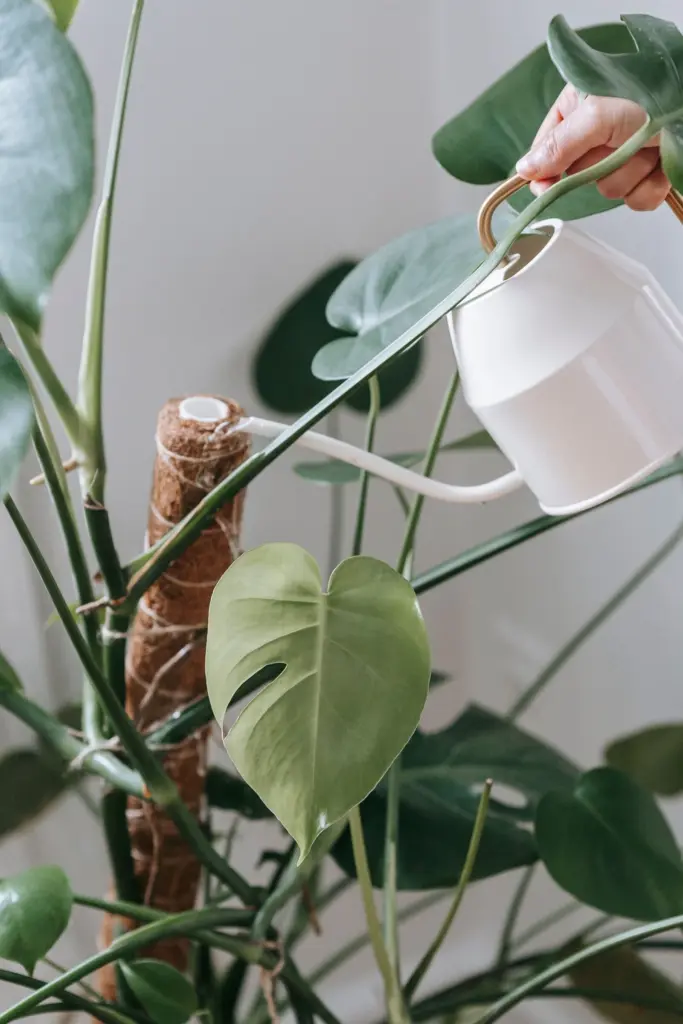
Overwatering kills more houseplants than anything else. The fix is simple: check the soil before you water, every time.
Push your finger into the soil up to the first or second knuckle. For most houseplants, water when it feels dry at that depth. Then water thoroughly, until water runs out the drainage holes, and empty the saucer so the pot isn’t sitting in water.
Succulents, cacti, jade, and snake plants want their soil to dry out completely. Ferns, nerve plants, and peace lilies like it to stay evenly moist. Everything else falls somewhere in between.
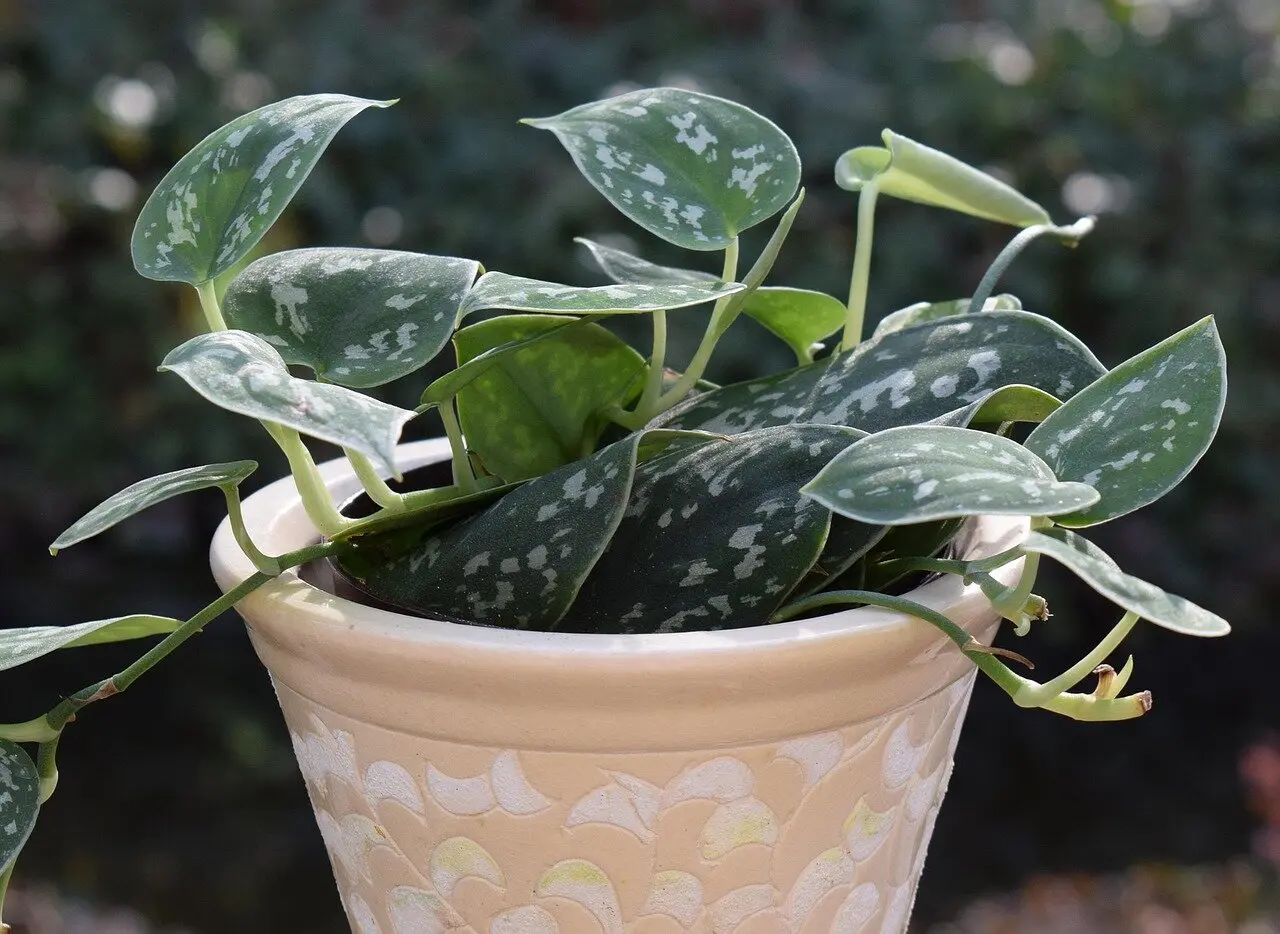
My guide, How to Water Houseplants, covers watering in more detail, including bottom watering, winter watering, and how to tell overwatering from underwatering.
Temperature and humidity
If you’re comfortable, your plants probably are, too. Most houseplants come from the tropics, so they like the same temperatures we do. Most indoor plants do best at 65°F to 75°F and shouldn’t sit below 55°F, according to Iowa State University Extension and Outreach.
Cold is usually more of a problem than heat. Keep plants away from:
- Drafty doors and windows in winter
- Cold windowpanes, where leaves can get chilled if they touch the glass
- Heating vents, radiators, and air conditioners
Humidity is the other half. Many tropical plants prefer more humidity than our homes have, especially in winter when the heat is running. If you see crispy, brown leaf edges, dry air is a likely cause. To raise humidity around your plants:
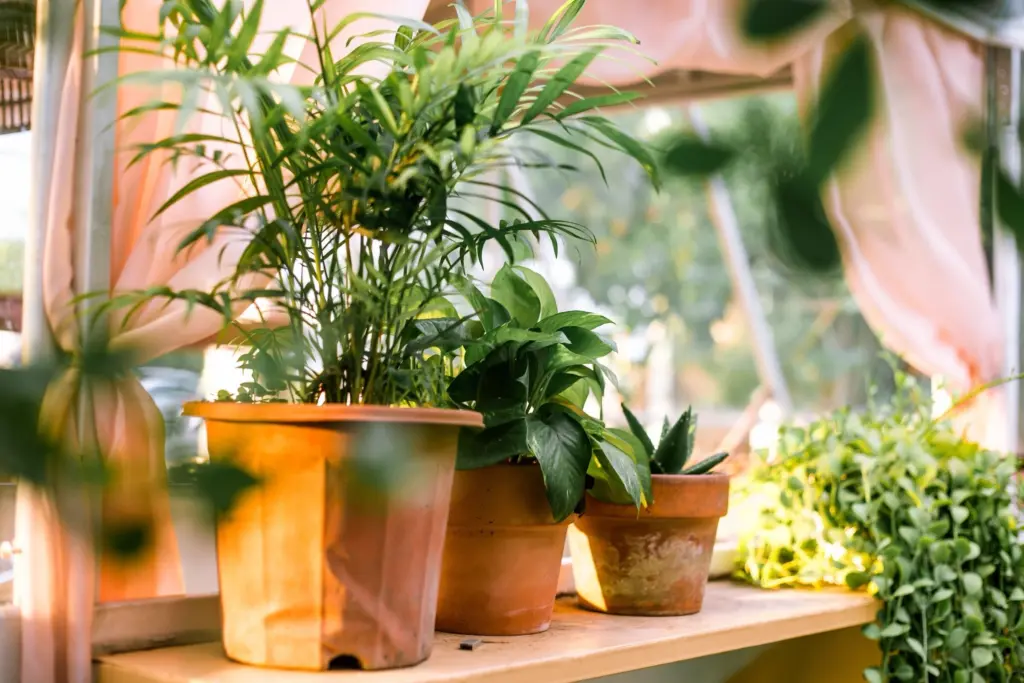
- Group plants together. They raise the humidity around each other.
- Set pots on a tray of pebbles and water, with the pot sitting above the water line, not in it.
- Run a small humidifier near your plants.
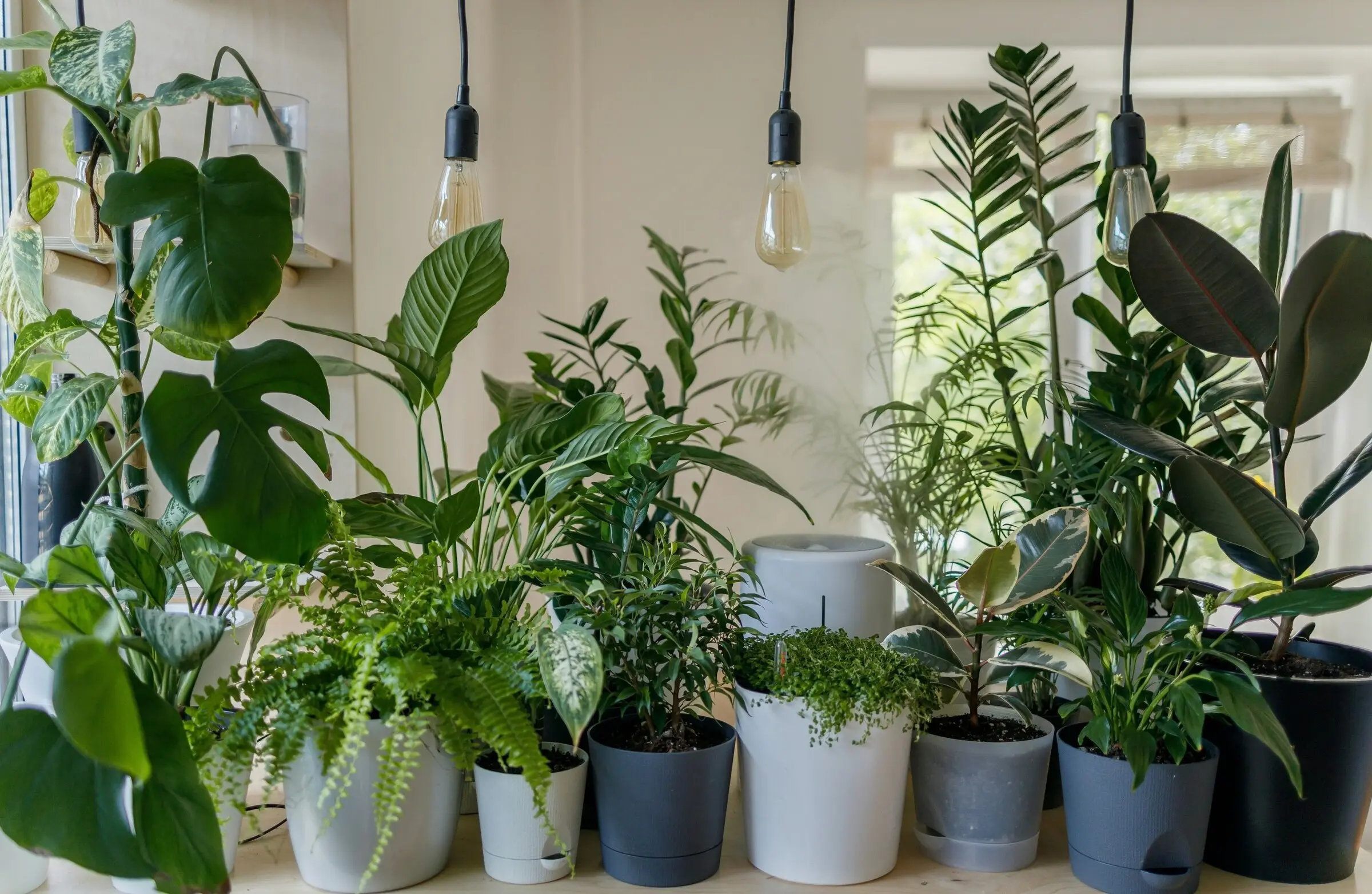
Misting feels helpful, but the moisture evaporates within minutes, so it doesn’t raise humidity for long.
Feeding your plants
Houseplants live in a small amount of soil, so they eventually use up its nutrients. A little fertilizer during the growing season keeps them healthy.
According to the University of Missouri Extension, fertilizing about once a month is enough for most houseplants while they’re putting out new growth or flowers. Skip it in fall and winter, when growth slows.
A few beginner tips:
- Use a balanced, water-soluble houseplant fertilizer, mixed at half the strength on the label. Houseplants grow slowly, and it’s easy to overdo it.
- Water first, then feed. Never fertilize a plant that’s wilted or bone dry, because it can burn the roots.
- White crust on the soil or the rim of the pot means fertilizer salts are building up. Water thoroughly a few times to flush them out.
- More fertilizer won’t fix a plant in poor light. Light comes first.
When and how to repot
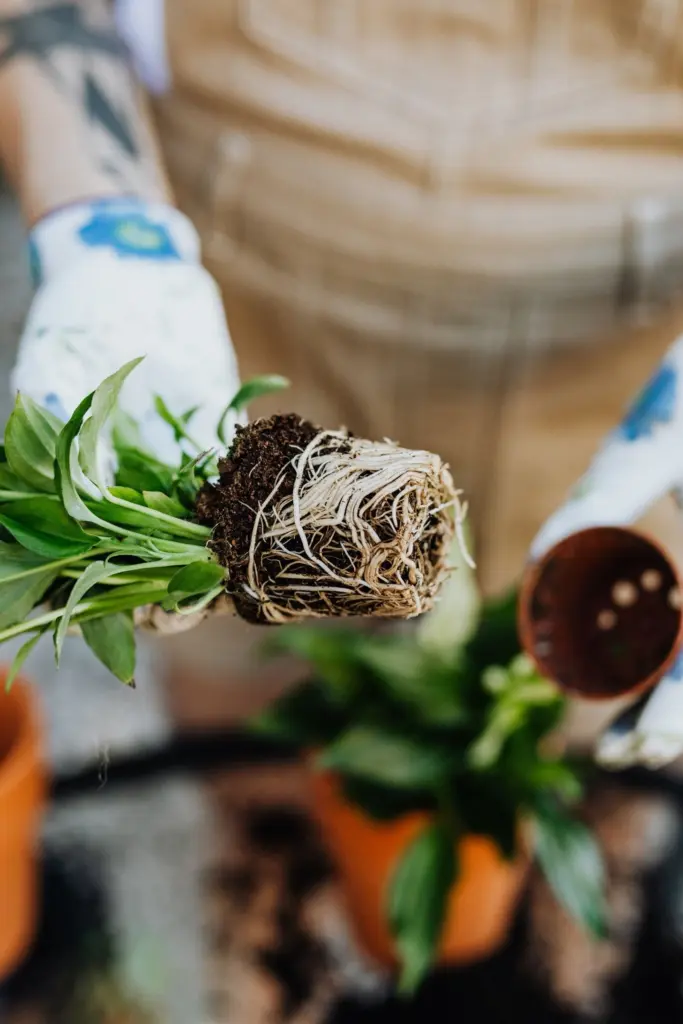
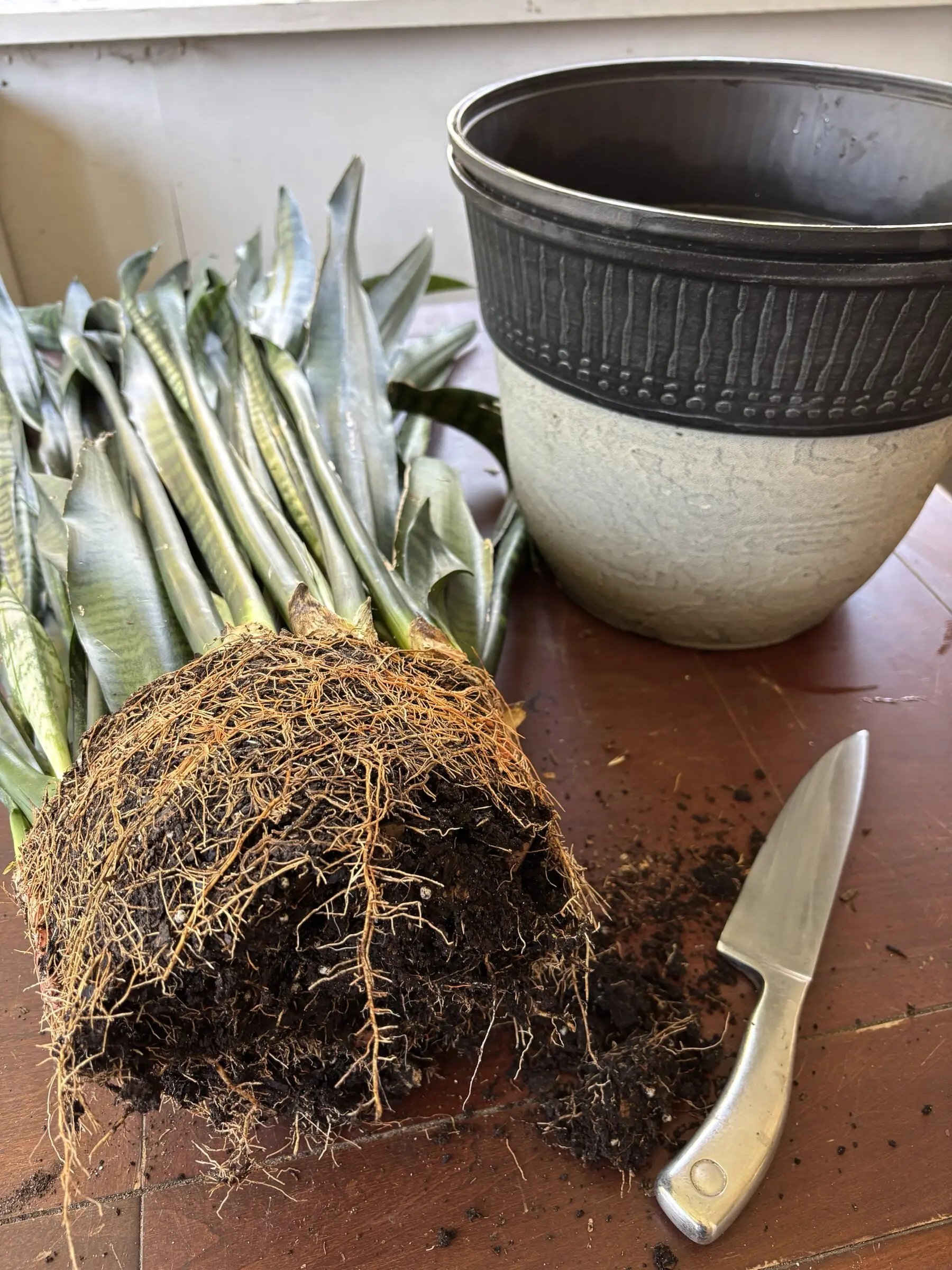
Repotting sounds intimidating, but most houseplants only need it every year or two. Signs it’s time:
- Roots growing out the drainage holes or circling the surface of the soil
- The soil dries out much faster than it used to
- The plant is top-heavy and tips over easily
- Growth has slowed, even with good light and care
Spring is the best time. Choose a pot just 1 to 2 inches wider than the old one, with a drainage hole. A pot that’s too big holds extra wet soil around the roots, which can lead to root rot. Use fresh potting mix made for indoor plants, or a cactus mix for succulents. Water well after repotting, then let the soil dry a bit before watering again.
Keep leaves clean and tidy
Dust blocks light and gives pests a place to hide. Every few weeks, wipe big leaves gently with a damp cloth. For plants with lots of small leaves, a lukewarm shower in the sink or tub works well. Skip leaf-shine products, which can clog the leaves.
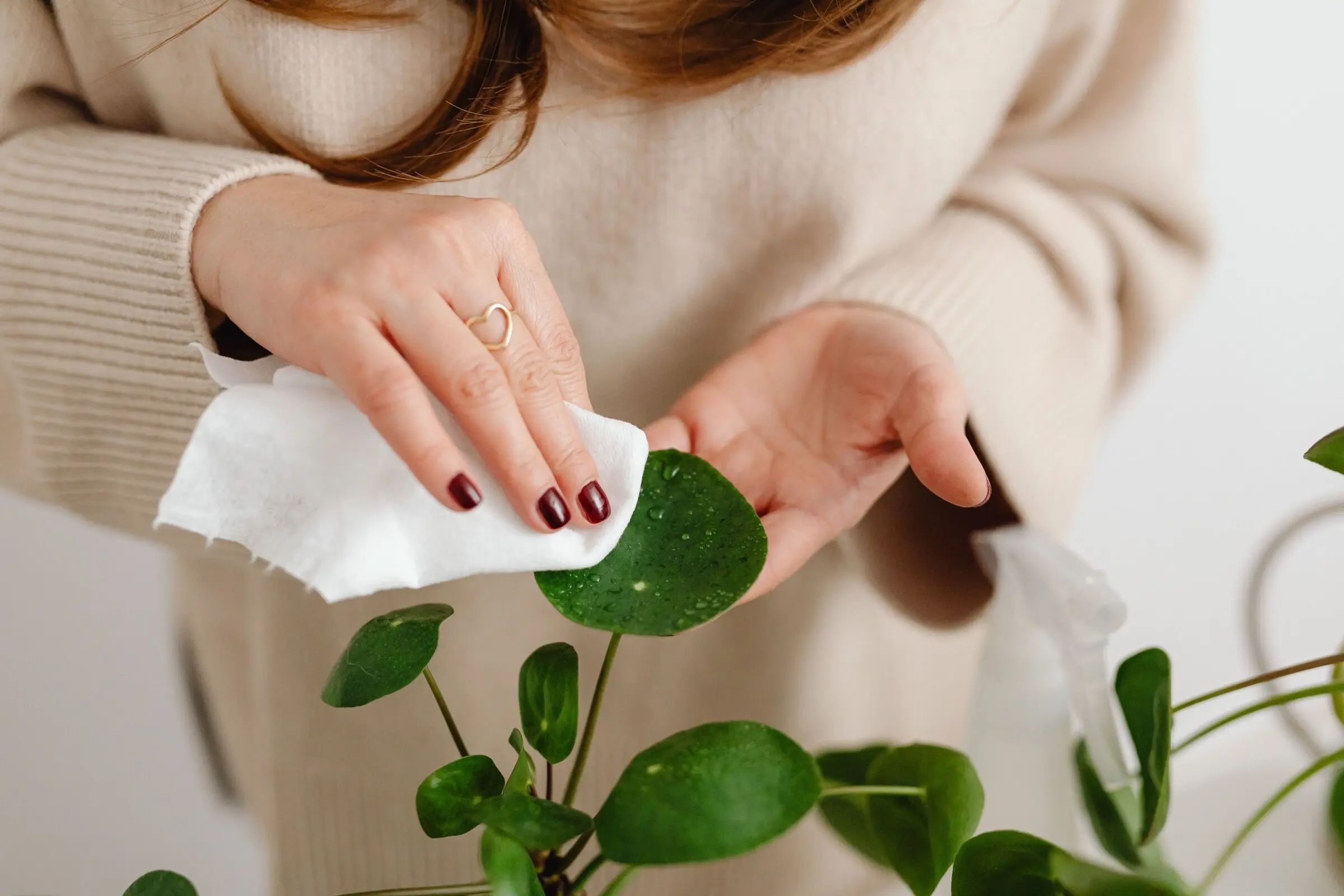
While you’re at it:
- Pinch or trim off yellow and brown leaves at the base.
- Trim long, leggy stems to keep plants full. Many of those cuttings will root into new plants.
- Give each plant a quarter turn every week or two, so it grows straight instead of leaning toward the window.
Common houseplant pests
Even careful plant parents get pests now and then. The key is catching them early. Every time you water, take a quick look at the undersides of the leaves and where the leaves meet the stems.
Spider mites are tiny and leave fine webbing and a speckled, dusty look on leaves. They love dry air.
Mealybugs look like little bits of white cotton tucked between leaves and along stems.
Scale looks like small brown or tan bumps on stems and leaves that don’t wipe off easily.
Aphids are small, soft, green or black bugs, often clustered on new growth.
Fungus gnats are tiny black flies buzzing around the soil. They breed in soil that stays wet.
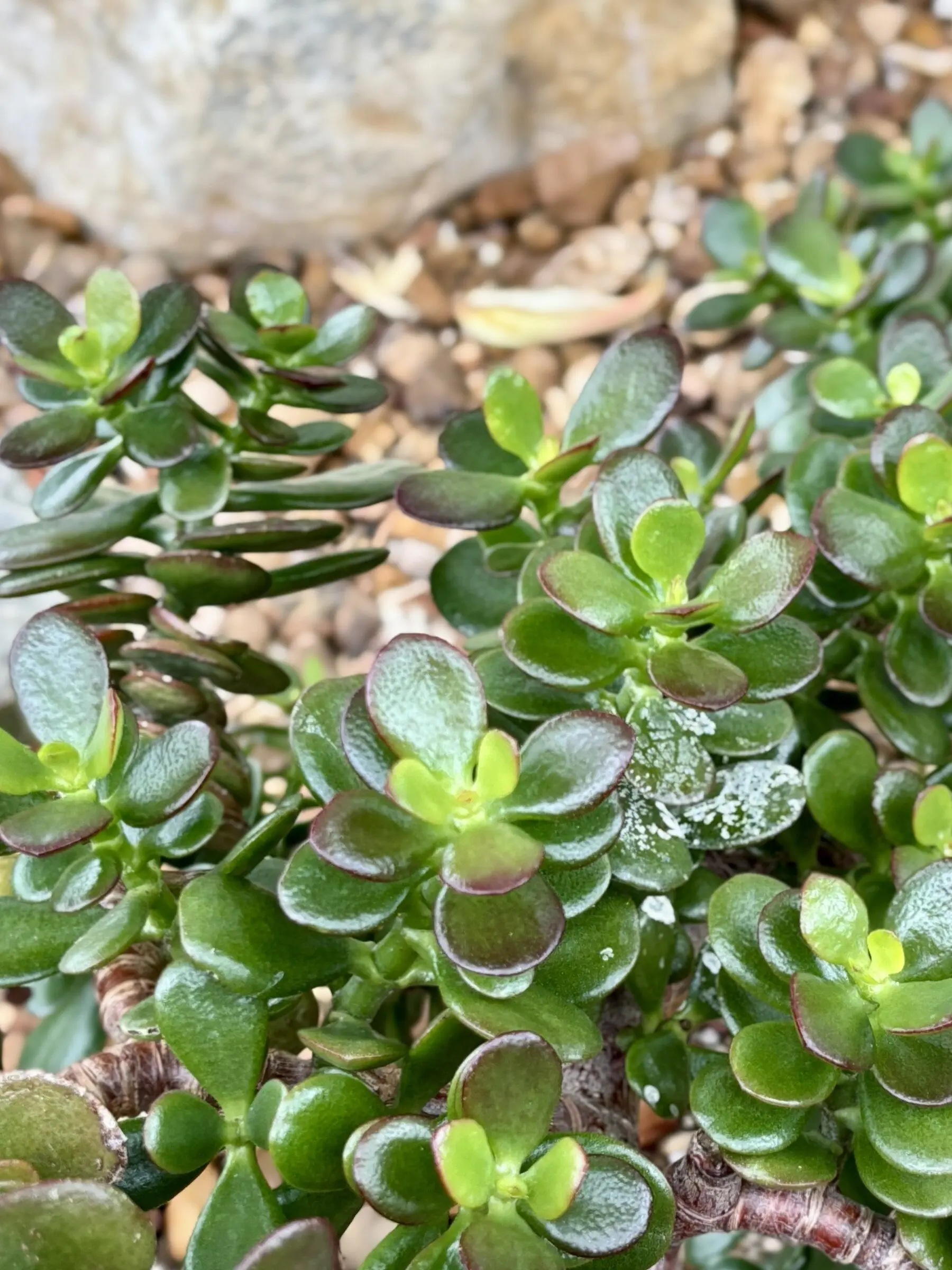
If you find pests, move the plant away from your others right away. Wipe off what you can, dab mealybugs and scale with a cotton swab dipped in rubbing alcohol, and treat the plant with insecticidal soap or neem oil, following the label. Check again every few days, since it often takes a few rounds.
For fungus gnats, the best fix is letting the soil dry out more between waterings, according to Oregon State University Extension Service. The gnats lay their eggs in damp soil, so a drier surface breaks the cycle.
Are houseplants safe for pets?
Many popular houseplants, including pothos, philodendrons, monsteras, snake plants, peace lilies, and Chinese evergreens, can irritate a pet’s mouth and stomach if chewed. If you have cats or dogs, it’s worth checking a plant before you bring it home. The American Society for the Prevention of Cruelty to Animals keeps a searchable list of plants that are toxic and nontoxic to pets.
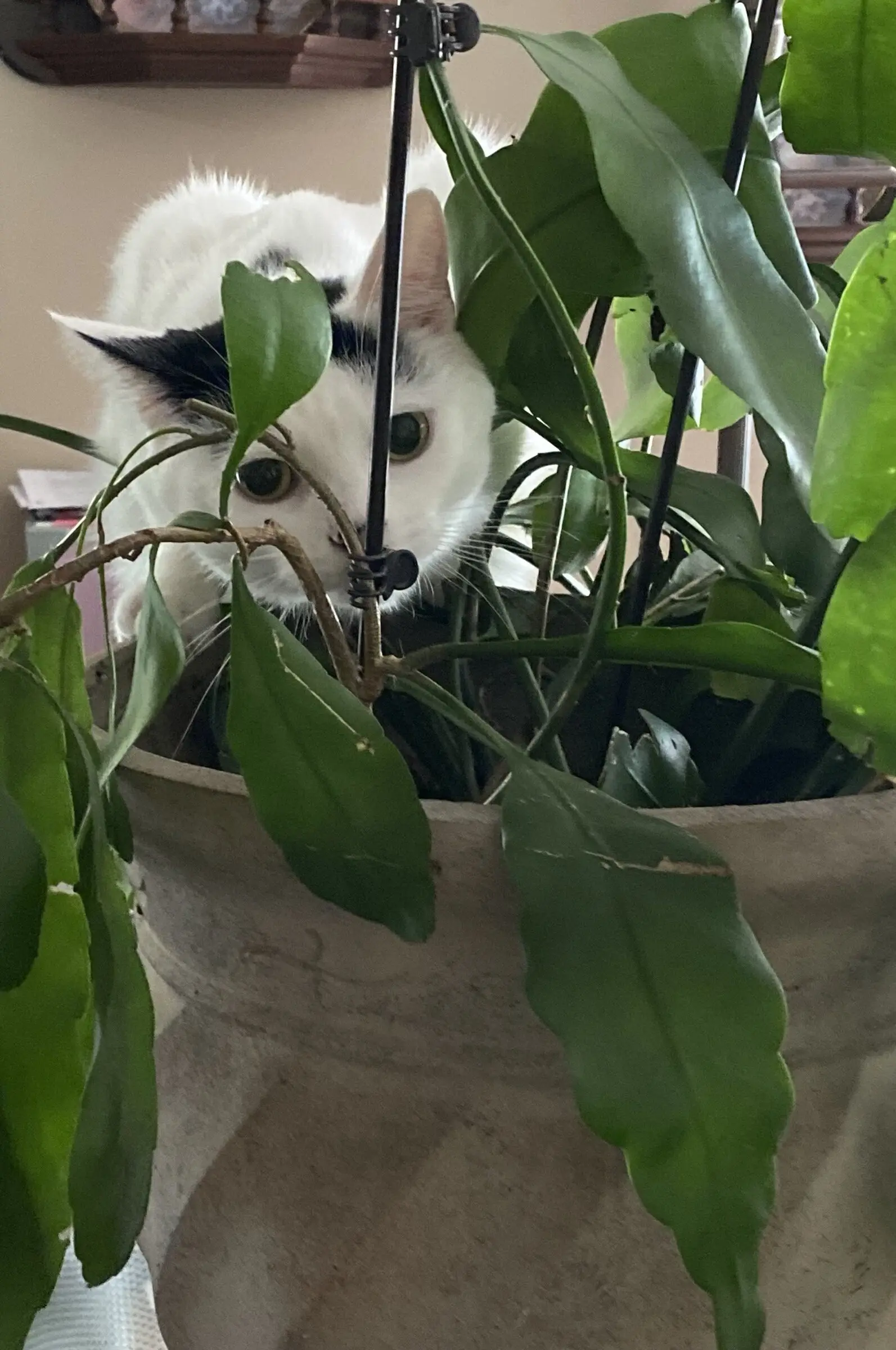
Some good pet-friendly choices from my plant library:
- Spider plant
- Baby rubber plant
- Polka dot plant
- Nerve plant
- Rattlesnake plant
- Aluminum plant
- Bromeliads
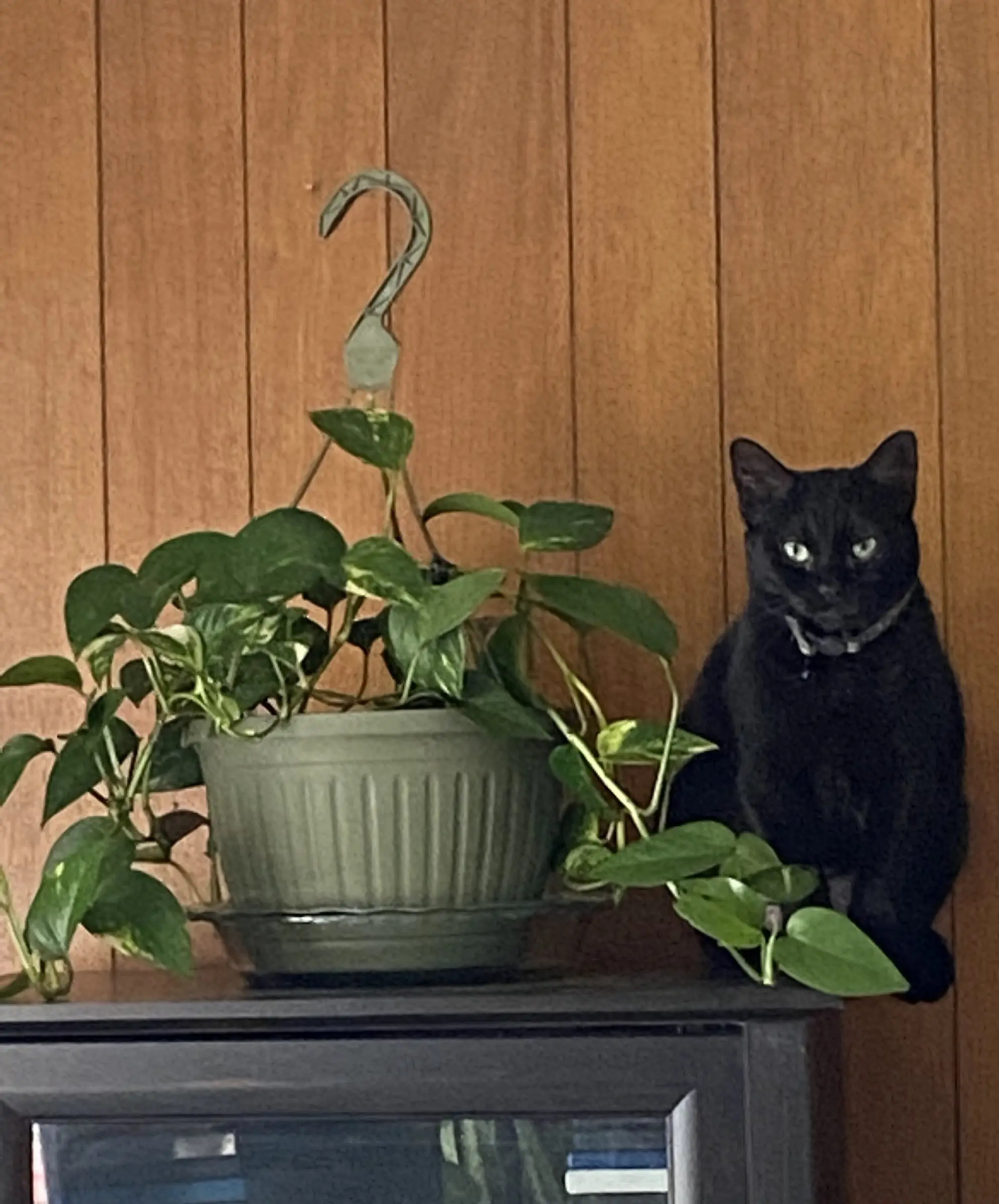
Even nontoxic plants can upset a pet’s stomach if they eat a lot, so a hanging basket or high shelf is still a good idea for curious chewers. Just remember that cats climb, so a high shelf works better for dogs than for a determined cat.
Do houseplants clean the air?
You’ve probably heard that houseplants purify the air. It’s a nice idea, but it doesn’t hold up in a real home. A review of 30 years of research by Drexel University engineers found that you’d need 10 to 1,000 plants per square meter of floor space to clean the air as well as normal air exchange from ventilation or a couple of open windows does.
That doesn’t mean plants aren’t good for your home. They bring life and color, they give you something to care for, and many people find tending them relaxing. Just don’t count on them to replace an open window or an air purifier.
Grow your first new plant
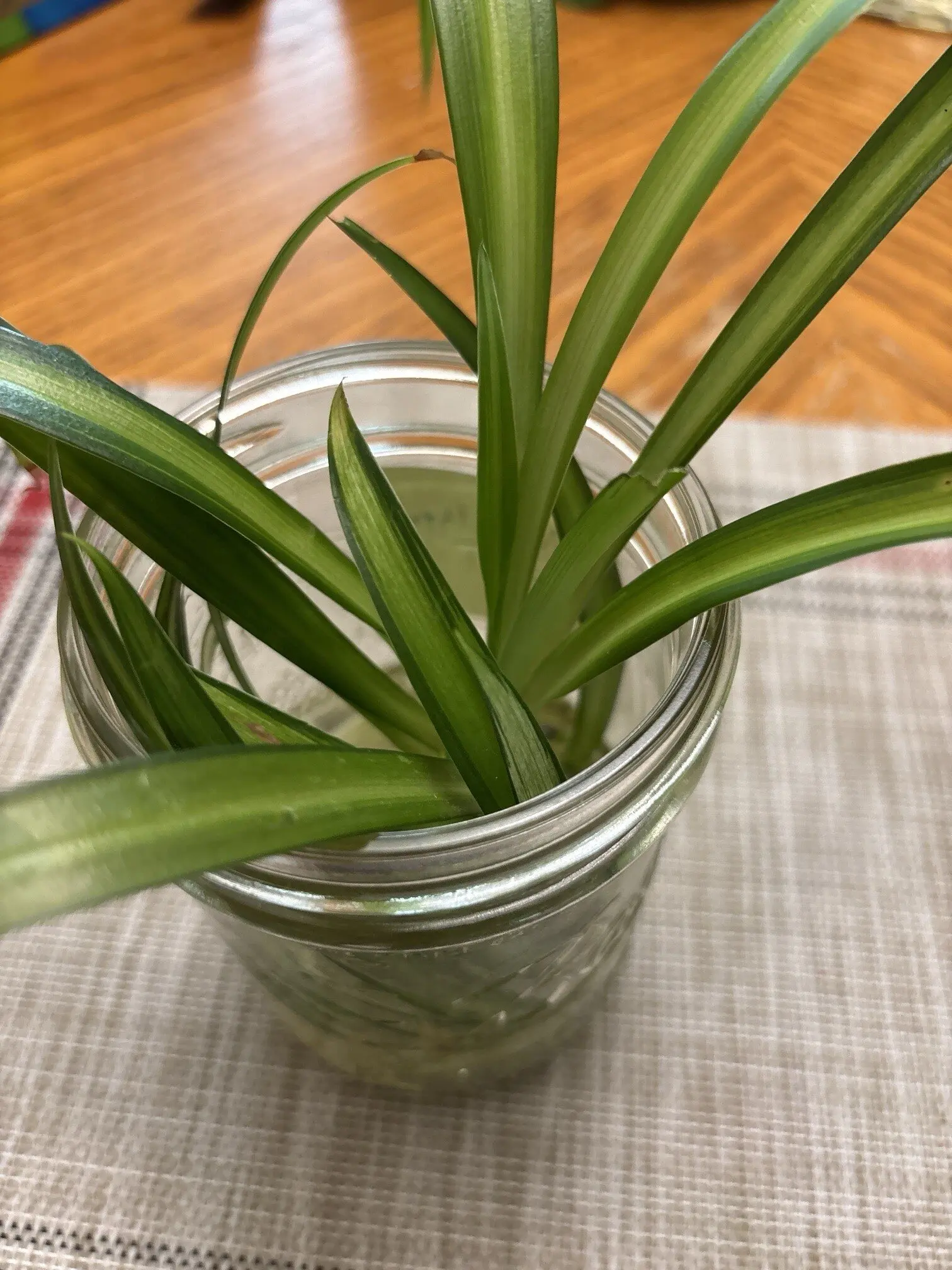
One of the most fun parts of houseplant care is making new plants for free. Spider plants, pothos, and many philodendrons root easily in a glass of water. Snip a healthy stem with at least one node, the bump where a leaf meets the stem, and set it in water. Change the water every few days, and pot it up once the roots are a couple of inches long.
Common beginner mistakes
- Watering on a schedule. Check the soil instead.
- Pots without drainage holes. Water has nowhere to go, and roots rot.
- The wrong plant for the spot. A sun lover in a dark corner will slowly decline, no matter how well you water it.
- Too big a pot. Extra soil stays wet too long.
- Too much fertilizer. It burns roots. Less is more.
- Moving plants around constantly. Let them settle in one good spot.
- Ignoring early warning signs. A yellow leaf or a few bugs are easy to fix. A plant that’s been struggling for months is much harder to save.
A simple care routine
You don’t need to fuss over your plants every day. A simple routine covers most of what they need:
| How often | What to do |
|---|---|
| Every few days | Check the soil, and water the plants that are dry |
| Every week or two | Turn plants a quarter turn, and look under leaves for pests |
| Every few weeks | Wipe dusty leaves, and trim yellow or brown leaves |
| Monthly, spring and summer | Feed with half-strength fertilizer |
| Fall | Move light-loving plants closer to windows, and water less |
| Spring | Repot plants that have outgrown their pots |
Start with one or two easy plants, learn their habits, and add more as you go. Before long, you’ll know what a thirsty plant looks like at a glance.
Frequently asked questions
What is the easiest houseplant for beginners? Snake plants are hard to beat. They tolerate low light, go weeks without water, and rarely have pests. Spider plants and satin pothos are close behind.
How often should I water my houseplants? There’s no set schedule. Check the soil, and water most houseplants when the top 1 to 2 inches feel dry. Succulents and snake plants should dry out completely.
Why are my new plant’s leaves turning yellow? A few yellow leaves are normal while a new plant adjusts to your home. If many leaves yellow, check whether the soil is staying too wet.
Do houseplants need fertilizer? Yes, but not much. Feed about once a month in spring and summer, at half strength, and skip it in fall and winter.
Should I repot a plant right after I buy it? No. Give it a few weeks to adjust first. Repot in spring if the roots have outgrown the pot.
Which houseplants are safe for cats and dogs? Spider plants, baby rubber plants, polka dot plants, nerve plants, and rattlesnake plants are good pet-friendly choices. Check the ASPCA’s plant list before buying anything new.