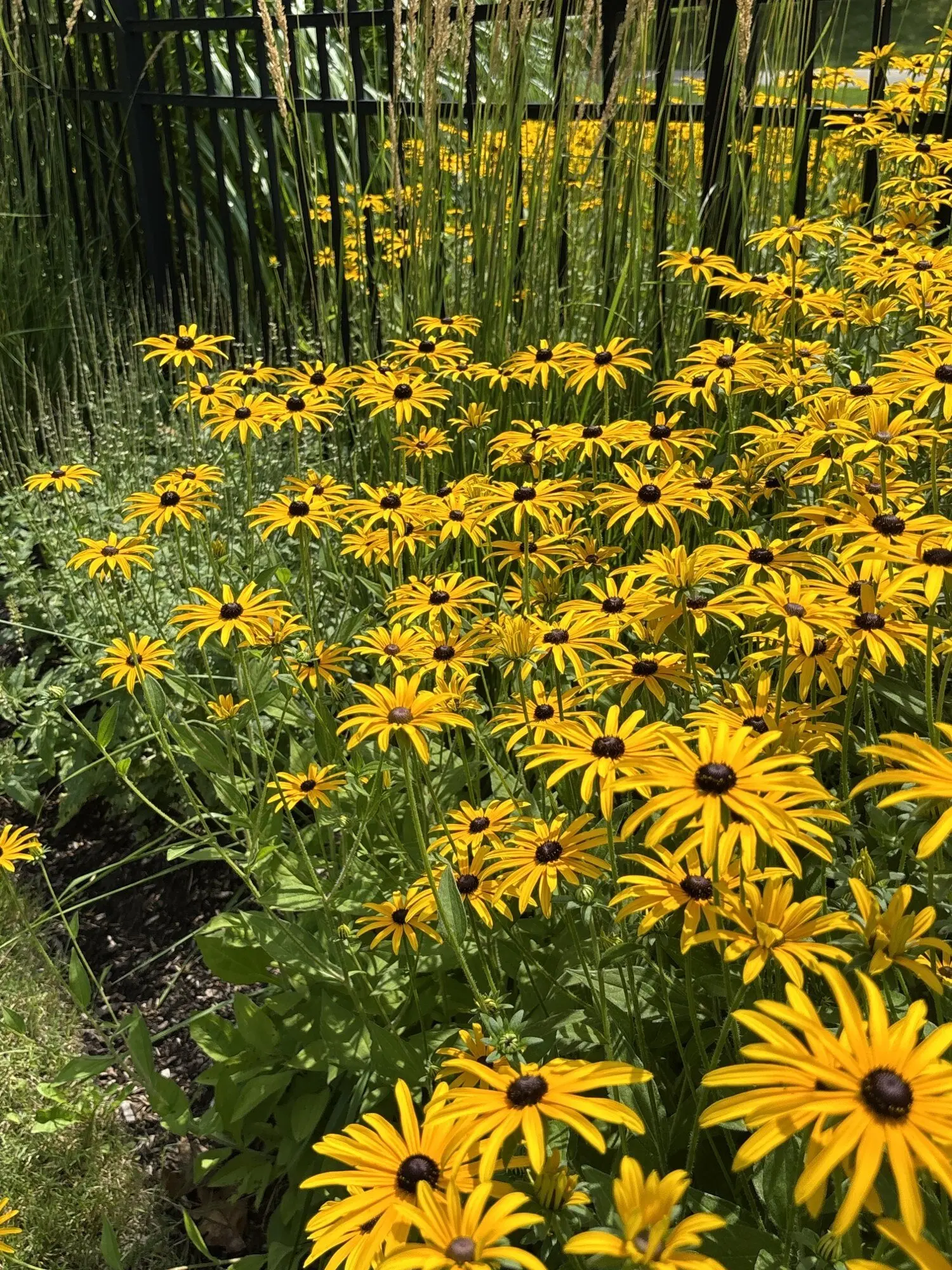
Few flowers say summer like a black-eyed Susan. Golden petals, a dark brown center, and a long bloom season make it a familiar sight on roadsides and in gardens alike. It’s tough, it’s native, and once the petals drop, the seed heads feed goldfinches into fall.
Here’s the thing, though: “black-eyed Susan” is the common name for two different plants. One is a short-lived wildflower that keeps itself going by dropping seed. The other is a longer-lived perennial that spreads into wide clumps. They look a lot alike, but they grow differently, so it helps to know which one you have.
| Common Name | Black-eyed Susan, orange coneflower |
|---|---|
| Botanical Name | Rudbeckia hirta and Rudbeckia fulgida |
| Family | Asteraceae |
| Plant Type | R. hirta: biennial or short-lived perennial; R. fulgida: perennial |
| Mature Size | 1 to 3 ft. tall, 1 to 2 ft. wide |
| Sun Exposure | Full sun; tolerates part shade |
| Soil Type | Well-drained; moist to dry; handles clay |
| Soil pH | Acidic, below 6.8 (classic black-eyed Susan) |
| Bloom Time | R. hirta: June to October; R. fulgida: late summer to October |
| Flower Color | Golden yellow with a dark brown center |
| Hardiness Zones | 3 to 9 (USDA), depending on the kind |
| Native Area | Eastern and central North America |
| Attracts | Bees, butterflies, goldfinches |
| Deer Resistance | Moderate; deer sometimes browse it |
| Uses | Cut flowers |
| Toxicity | Not on the ASPCA’s lists of toxic or nontoxic plants |
Two kinds of black-eyed Susan
The classic black-eyed Susan (Rudbeckia hirta) is the wildflower of fields and roadsides. It’s a biennial or short-lived perennial, according to North Carolina State Extension, and the Lady Bird Johnson Wildflower Center adds that it can even act as an annual, depending on where it grows. Sow it in early spring and it often blooms the first year. Each plant doesn’t last long, but it freely self-seeds, so a patch tends to stay. Hirta means hairy, for the short, stiff hairs on its leaves and stems.
The perennial black-eyed Susan, also called orange coneflower (Rudbeckia fulgida), is the one that comes back year after year. It spreads by underground stems called rhizomes into large clumps, NC State says. It usually blooms later in summer.
| Classic (R. hirta) | Perennial (R. fulgida) | |
|---|---|---|
| Life span | Short; keeps going by seed | Comes back for years |
| Spreads by | Seed only | Underground stems and seed |
| Main bloom | Early to midsummer | Late summer into fall |
Care
Light
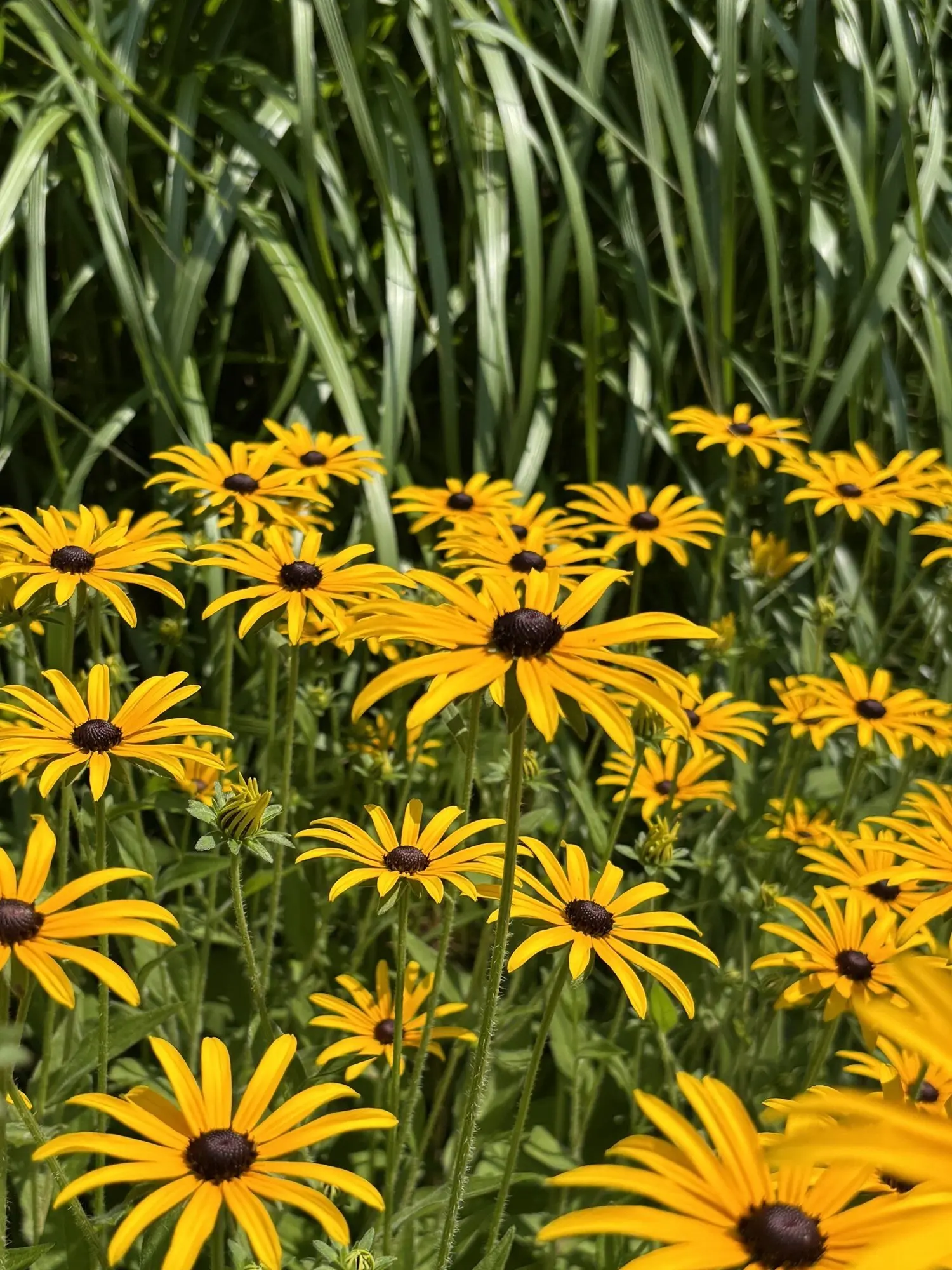
Full sun gives you the most flowers, with six or more hours of direct sunlight a day. Both kinds tolerate some shade, according to NC State and Clemson Cooperative Extension.
Soil
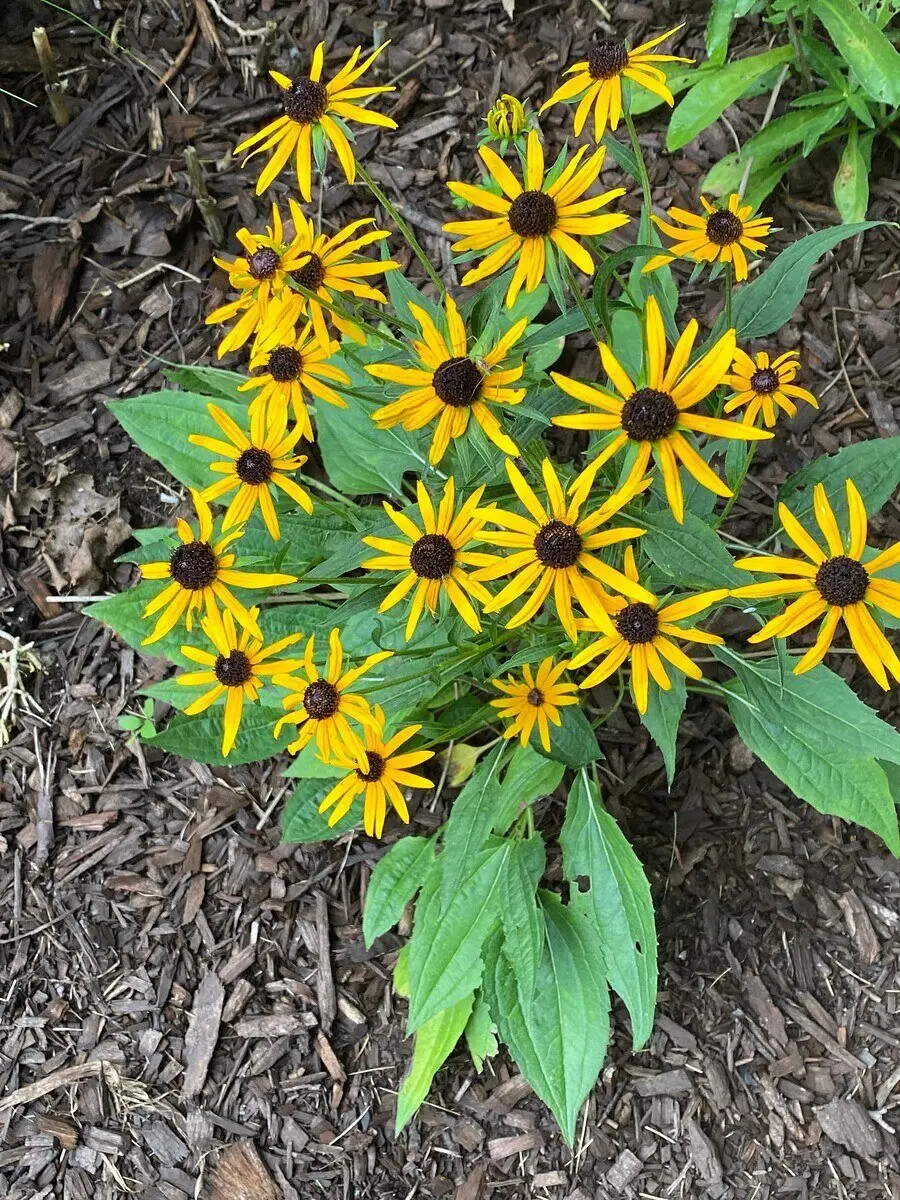
Black-eyed Susans aren’t fussy. They grow in clay, loam, or sandy soil, as long as it drains. The classic kind handles everything from moist to dry, and the perennial kind does well in any soil that isn’t soggy.
Water
Water new plants until they’re settled. After that, black-eyed Susans tolerate drought and summer heat, Clemson says, and need extra water only in a long dry spell.
Temperature and humidity
Both kinds are hardy from about zone 3 to zone 9, depending on the kind, and the perennial one bears up under hot, humid summers, NC State notes.
Pruning
Snipping off faded flowers keeps the blooms coming, according to Clemson, and NC State says deadheading stretches the classic kind’s bloom into mid-fall. Leave the last flowers of the season, though. The seed heads feed the birds and drop seed for next year.
Types
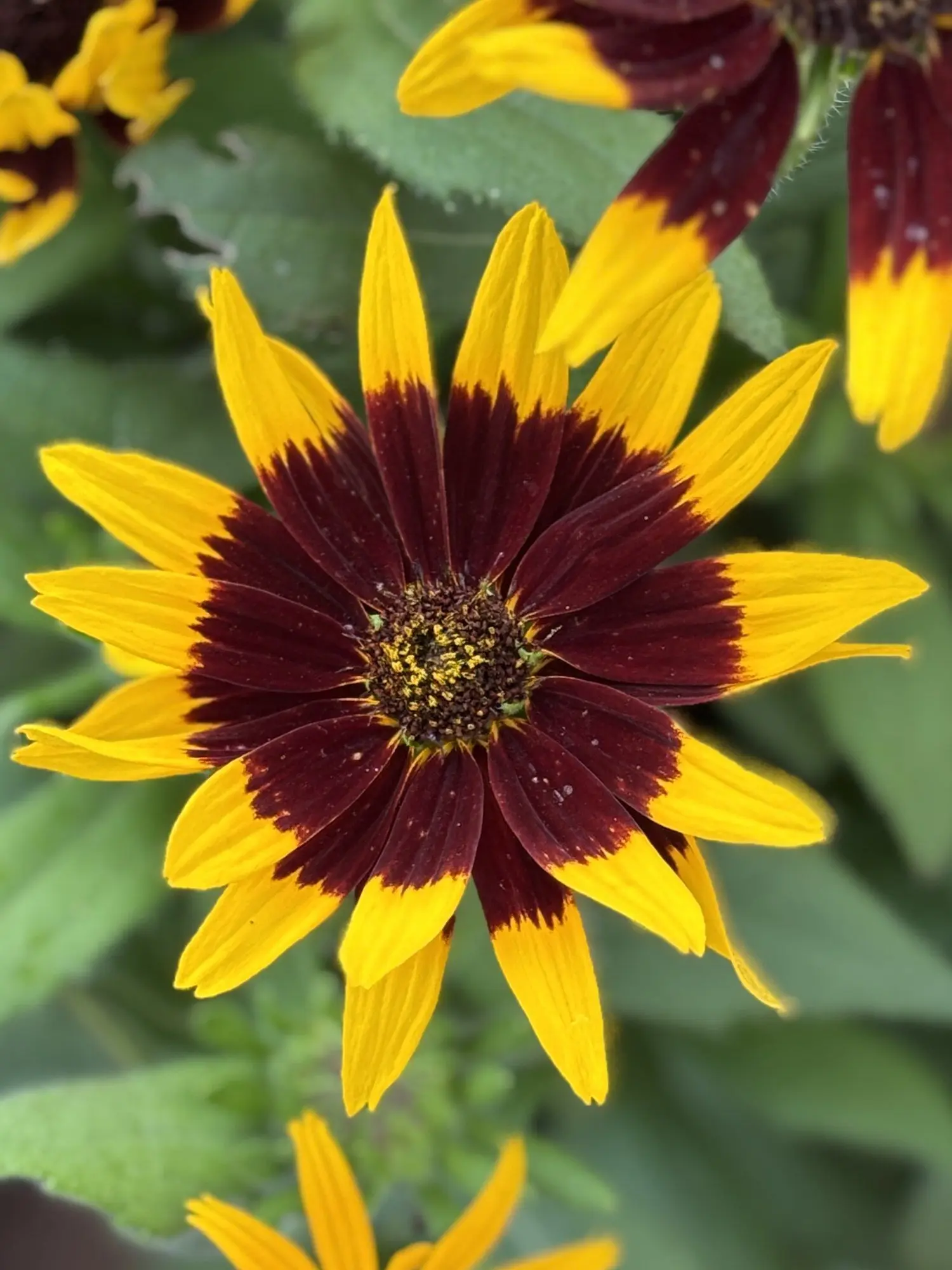
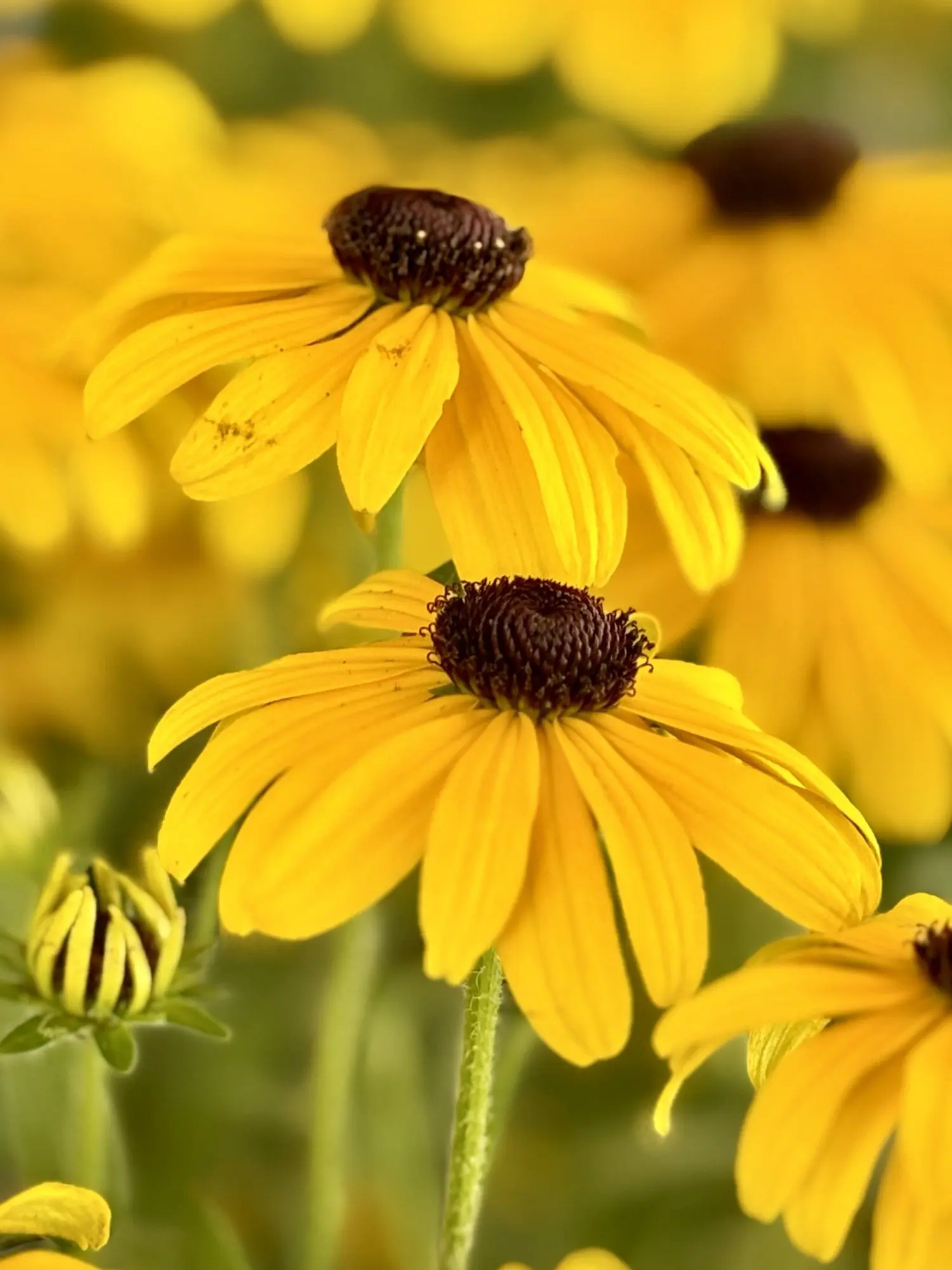
Hybrids of the classic black-eyed Susan come in more than plain gold, like this bicolor one. New ones come out every year, so rather than a list that goes out of date, check the plant tag for height, color, and whether it’s the short-lived or the perennial kind.
Propagating
The perennial kind is easy to divide. When a clump gets crowded, about every three to four years, dig it up in early spring or fall and replant the pieces, Clemson advises.
The classic kind has no spreading roots and reproduces only by seed, according to Illinois Wildflowers. Let it go to seed, and move the volunteer seedlings where you want them.
Growing From Seed
Black-eyed Susan seed needs a cold spell to sprout well. The easy way is to sow it outdoors in fall and let winter do the work. For spring sowing, chill the seed first, about three months at 40°F, according to both the Lady Bird Johnson Wildflower Center and Clemson.
Pests and Diseases
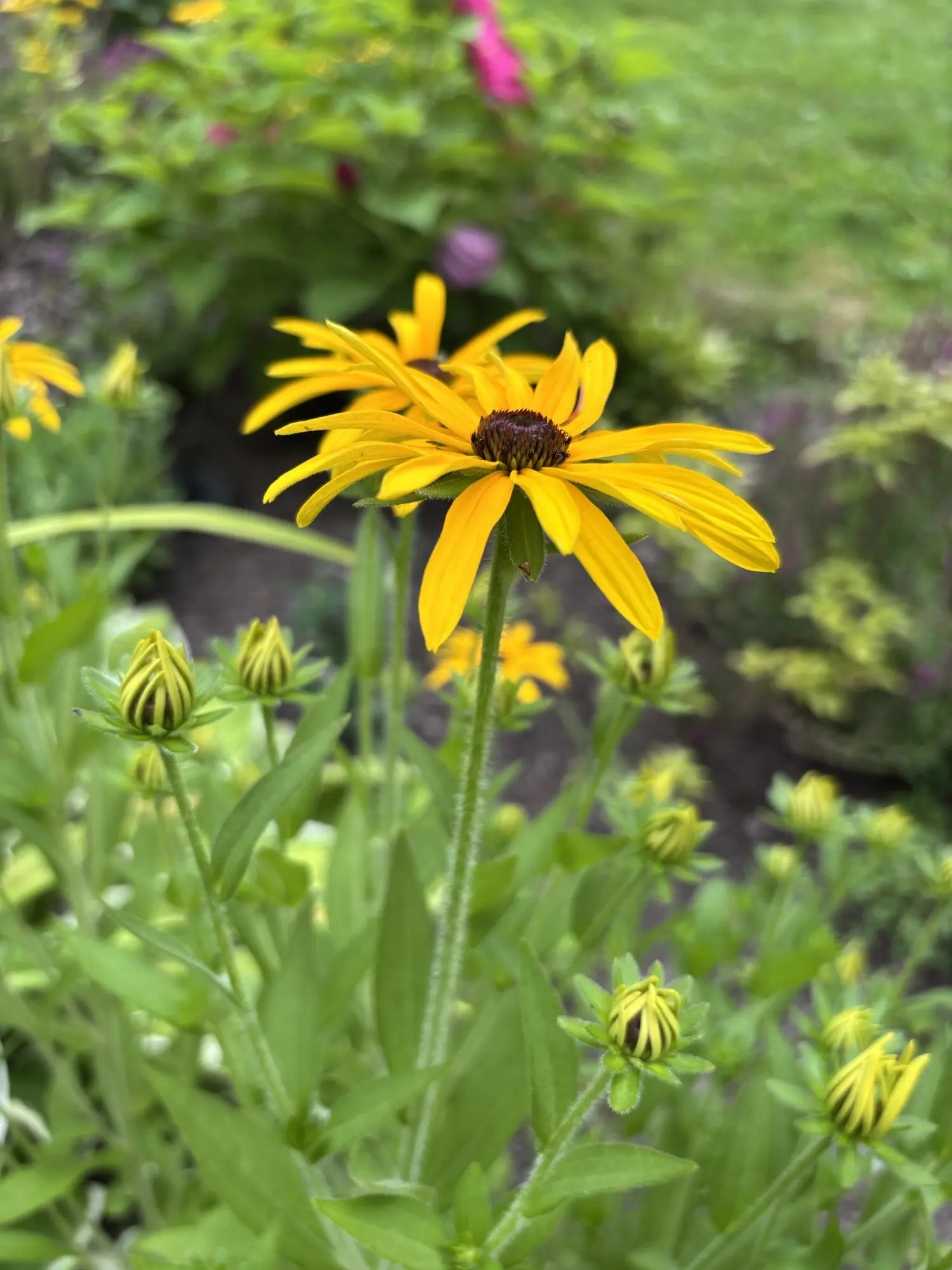
- Leaf spot. Small, dark brown spots start on the lower leaves and spread upward. Septoria leaf spot is common on some popular perennial varieties, according to Purdue University and the University of Delaware. It’s mostly cosmetic, and the plants keep blooming. Space plants for air, water at the base, and remove the spotted leaves at the end of the season.
- Powdery mildew. A white coating on the leaves in humid weather. Good spacing helps.
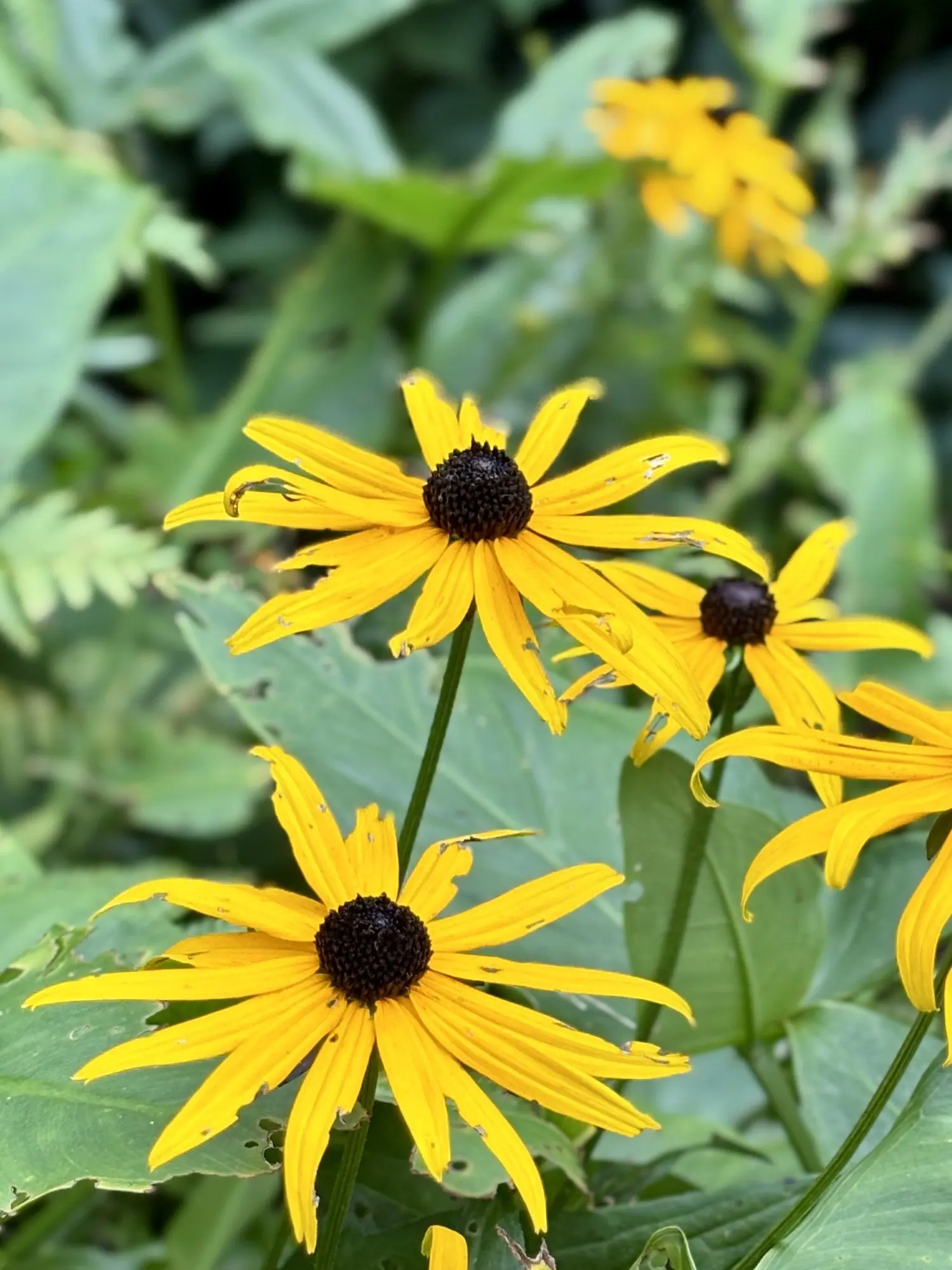
Chewed leaves aren’t always a pest. Black-eyed Susan is a host plant for the silvery checkerspot butterfly, whose caterpillars feed on the leaves, according to NC State and the University of Maryland Extension. A few holes mean you’re raising butterflies.
Bloom
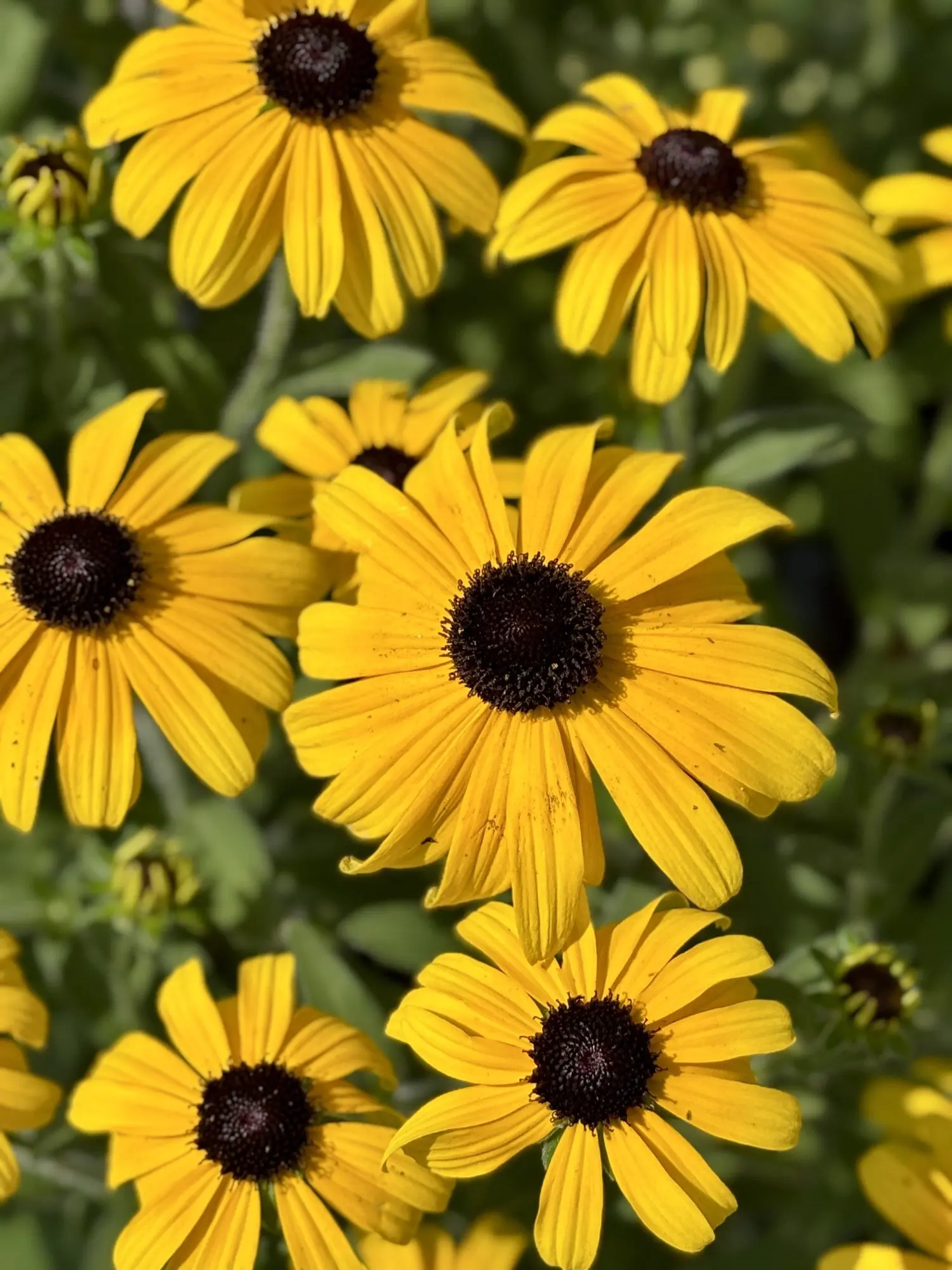
The classic kind blooms from about June into October, and the perennial kind picks up in late summer and carries on until fall. Plant both, and you’ll have golden flowers from early summer into fall.
For the Birds and Pollinators
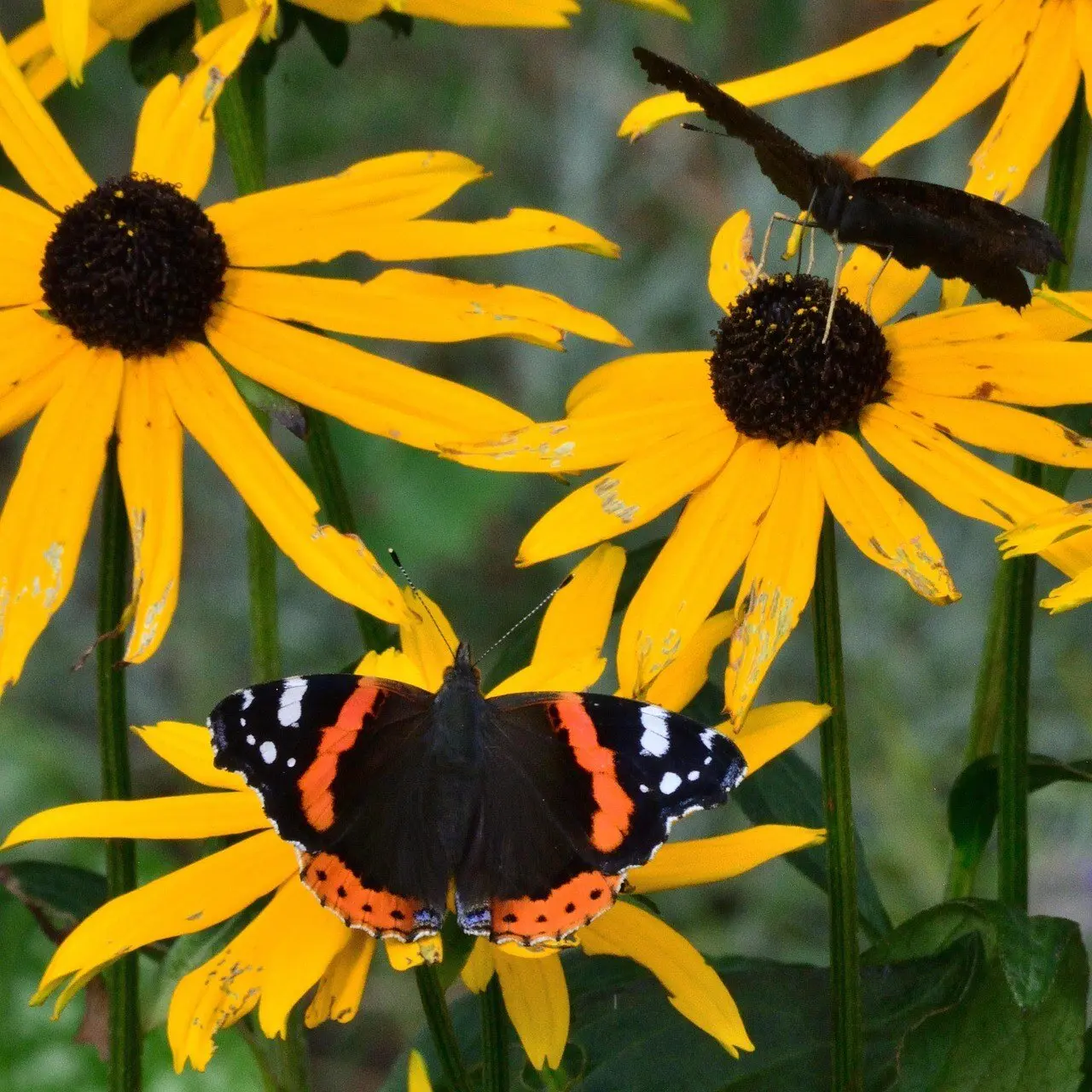
Bees and butterflies visit the flowers all summer. The University of Maryland Extension says the plant draws “a particularly wide diversity of pollinating insects.”
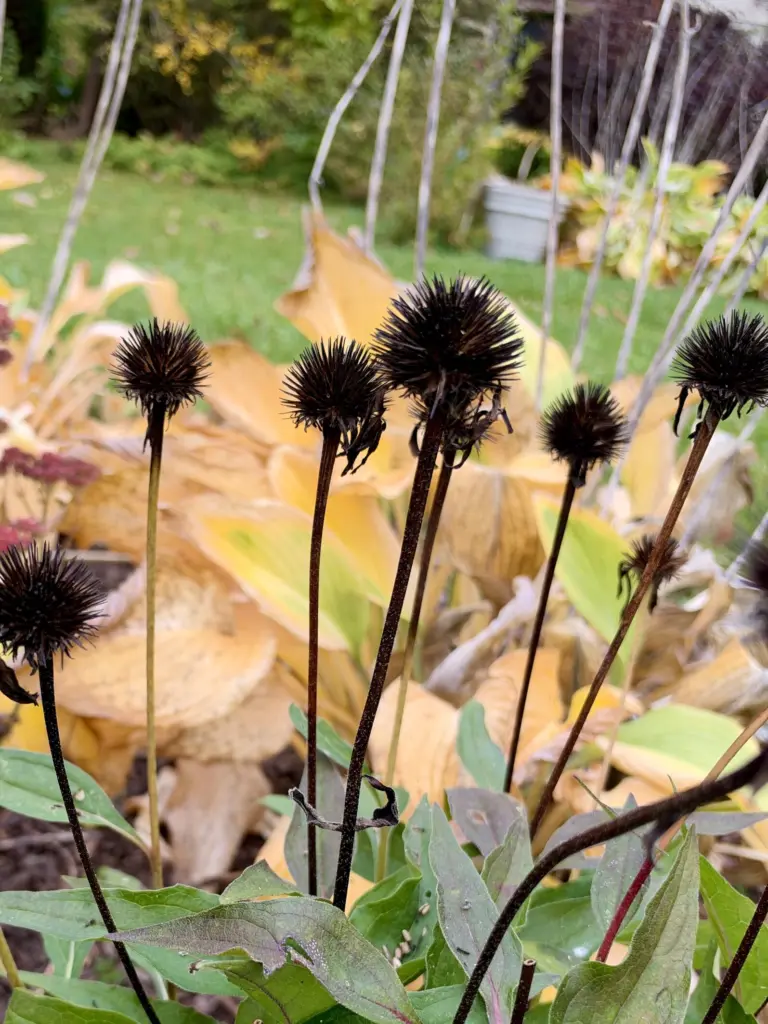
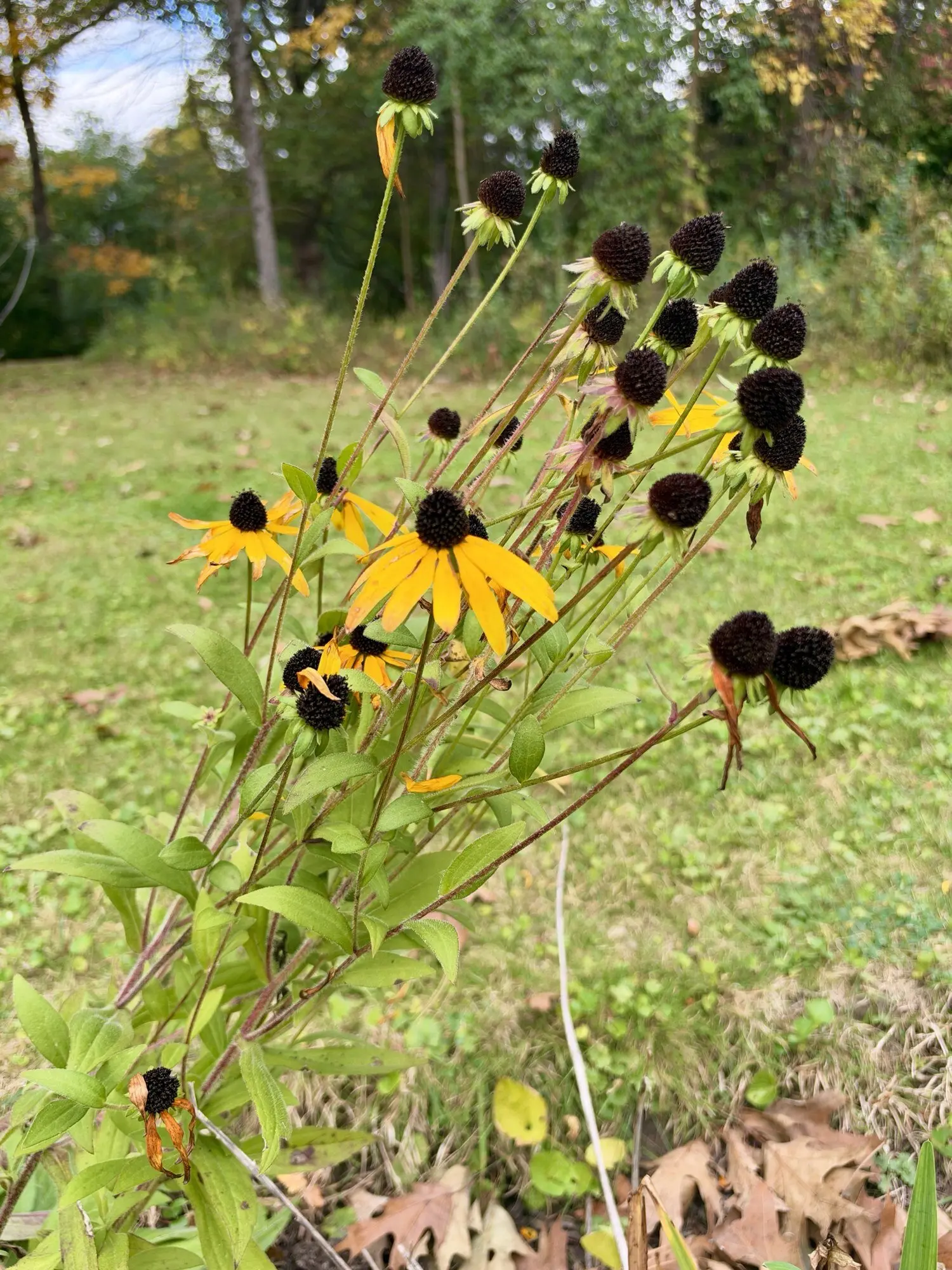
Once the petals drop, the dark seed heads take over. American goldfinches eat the seeds in fall, NC State and the University of Maryland Extension both say. Leave the stems standing into winter, and you’ll have birds to watch and seed for next year’s plants.
Uses
Black-eyed Susans make long-lasting cut flowers, and cutting them encourages more blooms, according to NC State. The University of Maryland Extension calls it an excellent cut flower.
A Bit of History
Black-eyed Susan has been Maryland’s official state flower since 1918, according to the Maryland State Archives.
Common Issues
My black-eyed Susans disappeared. If they were the classic kind, that’s normal. Each plant lives only a short time, and the patch carries on by seed. Leave some seed heads in fall.
Spots on the leaves. That’s most likely leaf spot. See Pests and Diseases above.
The patch is taking over. The perennial kind spreads by underground stems, and the classic kind freely self-seeds. Divide the clumps or pull extra seedlings.
Frequently Asked Questions
Do black-eyed Susans come back every year? The perennial kind does. The classic kind is short-lived, but it reseeds, so the patch usually comes back.
Are black-eyed Susans deer resistant? Moderately. NC State calls the classic kind moderately deer resistant, but deer do browse it at times.
Are black-eyed Susans safe for pets? Black-eyed Susan isn’t on the ASPCA’s lists of toxic or nontoxic plants for dogs or cats. Keep pets from chewing on any garden plant.
When do black-eyed Susans bloom? From early summer into fall. The classic kind starts around June, and the perennial kind takes over in late summer.
Should I cut back black-eyed Susans in fall? Wait until spring. The seed heads feed goldfinches, and the seed starts next year’s plants.
Can I grow black-eyed Susans from seed? Yes. Sow in fall, or chill the seed for about three months before sowing in spring.