
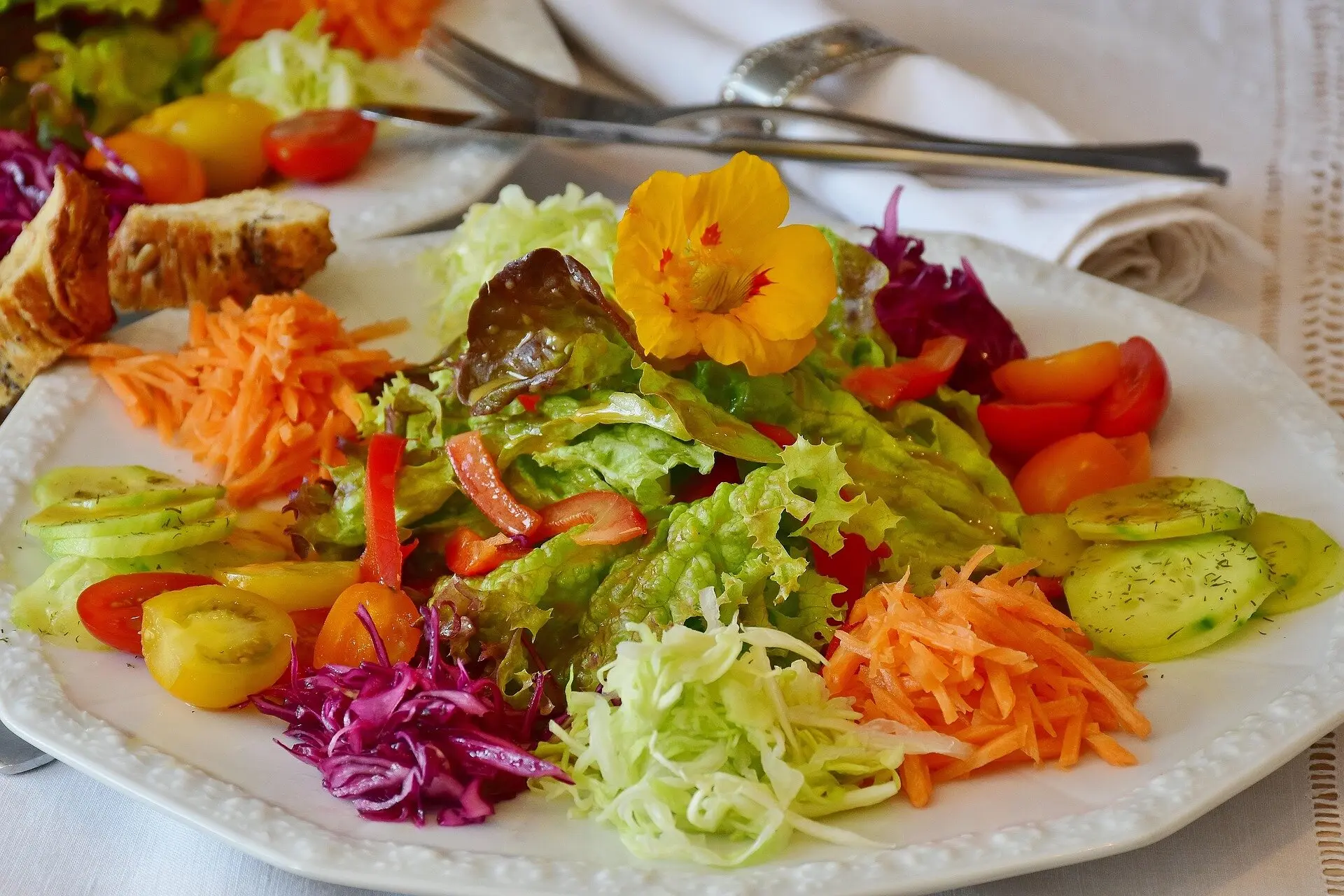
A few violets pressed into the frosting of a cake. Bright orange nasturtiums tossed through a summer salad. Purple chive blossoms scattered over deviled eggs. Edible flowers turn everyday food into something people stop to admire, and many of them are already growing in your yard or your herb pots.
The catch is knowing which flowers are safe. Some of the prettiest blooms in the garden are poisonous, and even a safe flower can carry pesticides you’d never want to eat.
This guide covers the safety rules, where to find flowers grown for eating, how to pick and store them, 16 easy edible flowers and what they taste like, and simple ways to use them, from flower ice cubes to candied violets.
Safety rules for edible flowers
Eating flowers is safe when you follow a few firm rules. Learn these before you pick a single petal.
Be sure of the name: Common names get confusing, and two different plants can share one. Check the Latin name on the seed packet or plant tag. If you’re not sure what a flower is, don’t eat it.
Skip florist and nursery flowers: Flowers from florists, garden centers, and nurseries aren’t grown to be eaten, Colorado State University Extension warns. They are often treated with sprays that aren’t meant for food.
Skip the roadside: Wildflowers along roads and ditches pick up exhaust and runoff, and the edges of farm fields may have been sprayed.
Grow them clean: Use flowers from plants that haven’t been sprayed and weren’t fed with fresh manure.
Eat the petals: For most flowers, the petals are the part to eat. Pull out the stamens and pistils in the center, which taste bitter, and pinch off the white base of rose petals.
Start small: Some people react to flowers that are perfectly safe for others, especially people with hay fever or asthma. The first time you try a new flower, eat just a little and see how you feel.
Safety first
Many common garden and bouquet flowers are poisonous. Never eat lily of the valley, foxglove, larkspur or delphinium, daffodils, hyacinths, sweet peas, azaleas, oleander, calla lilies, autumn crocus, bleeding heart, or clematis. Of the lilies, only daylilies are edible. If someone eats a flower you can’t identify, call Poison Control at 1-800-222-1222.
Where to get edible flowers
The surest source is your own garden. Grow edible flowers from seed in a bed or pot you don’t spray, and you’ll know exactly what’s on them. Nasturtiums, calendula, borage, and pansies all grow easily from a packet of seed, and most edible flowers want 6 to 8 hours of sun a day.
Herb gardens are full of them, too. Let a few chives, basil plants, dill, or thyme go to flower, and you’ll have a second harvest from the same pot.
If you’d rather buy them, look in the produce section. Small clamshell packs of edible flowers sold with the fresh herbs are grown to be eaten, according to University of Minnesota Extension. Farmers markets often sell them in summer, too. Ask the grower whether they were sprayed.
Dried edible flowers, like hibiscus, chamomile, lavender, and rose petals, are sold in the tea and spice aisles. Buy ones labeled for food or tea, not potpourri, which is often scented and dyed.
How to pick and keep edible flowers
Pick flowers in the morning, once the dew has dried, when they’re fully open and at their best. Skip tight buds and flowers that have started to wilt, since both can taste bitter. Check each one for small insects.
Rinse flowers gently under cool water, or swish them in a bowl, and lay them on a paper towel to dry. Don’t scrub them like lettuce, or the petals will bruise.
Flowers are best the day you pick them. To hold them a day, lay them between damp paper towels in a covered container or a zip-top bag in the refrigerator. Add them to food at the last minute, since petals wilt on a warm dish or under dressing.
To bring limp flowers back, float them in a bowl of ice water for a few minutes. Most of them crisp right up.
16 edible flowers and what they taste like
1. Violets, pansies, and Johnny jump-ups
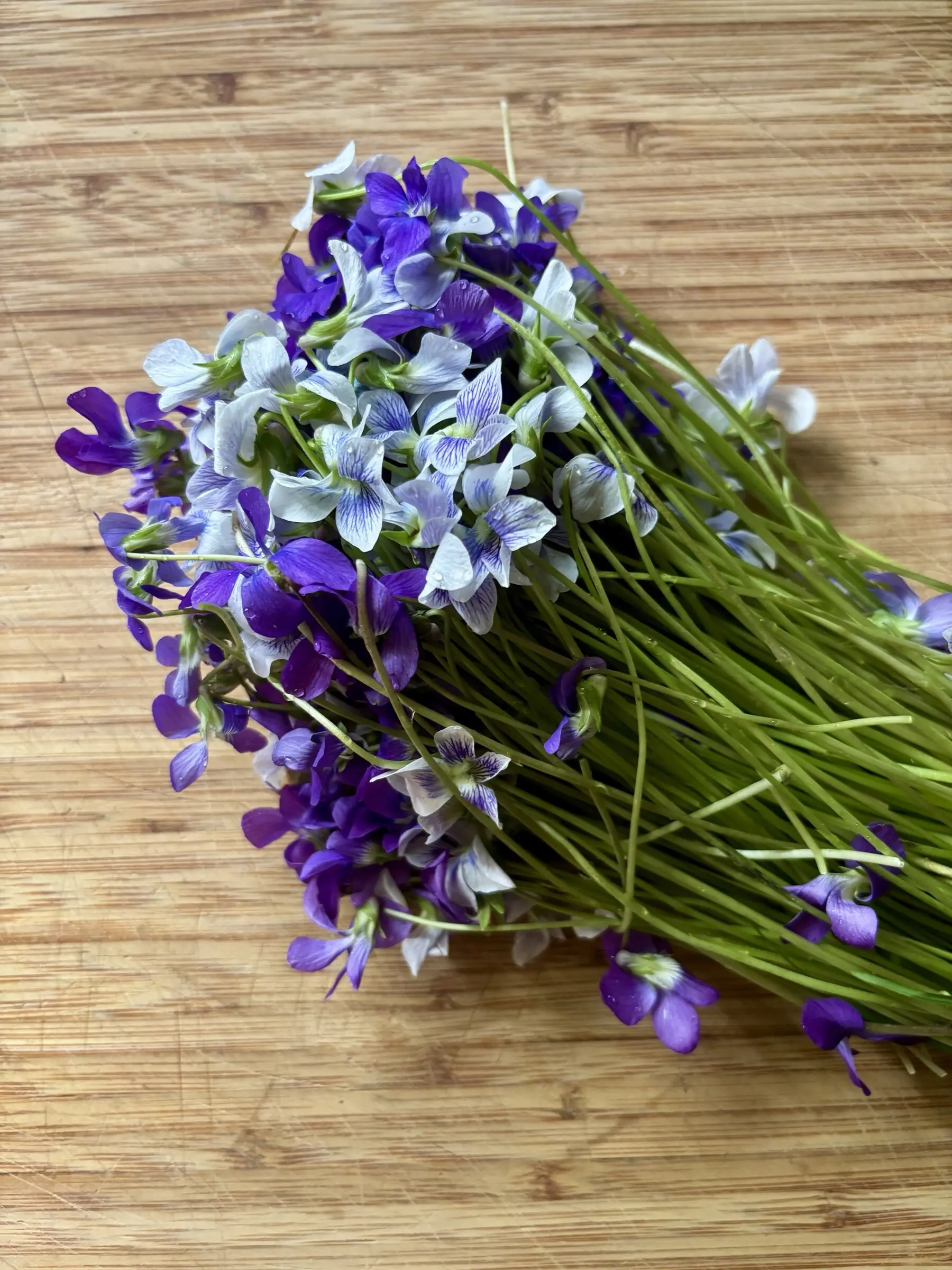
Violets taste sweet and mild, and pansies and Johnny jump-ups taste a little grassier. All three are pretty pressed into cookies, frozen in ice cubes, or candied for cake decorating. Wild violets also make a beautiful pale purple jelly. I made mine for home use and shared a little with the orioles. My wild violet jelly recipe shows you how.
2. Nasturtiums
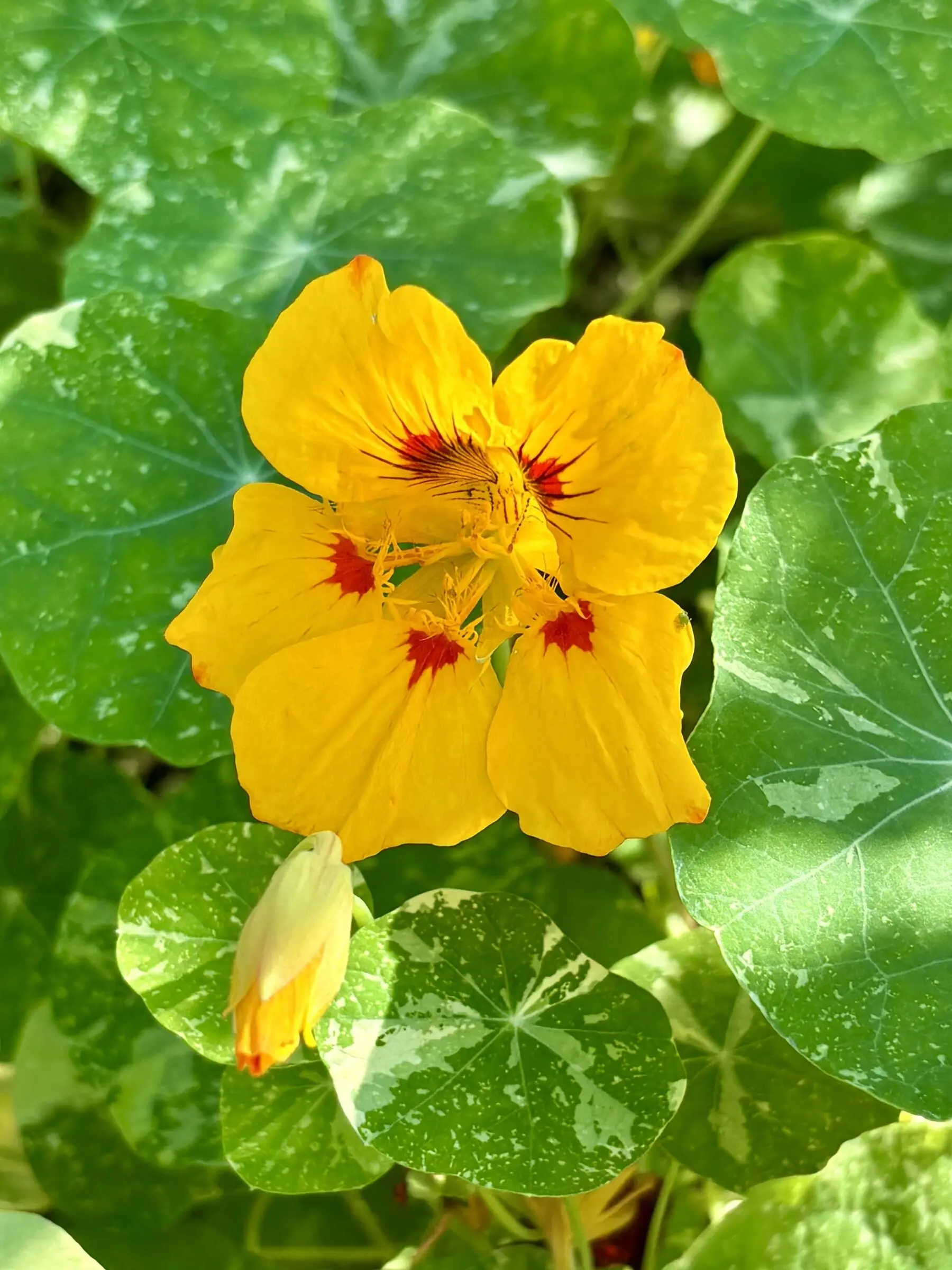
Peppery, like watercress, with bright orange, red, and yellow blooms. Toss them in salads, tuck them into sandwiches, or stuff the larger flowers with herbed cream cheese. The round leaves are peppery and edible, too.
3. Calendula
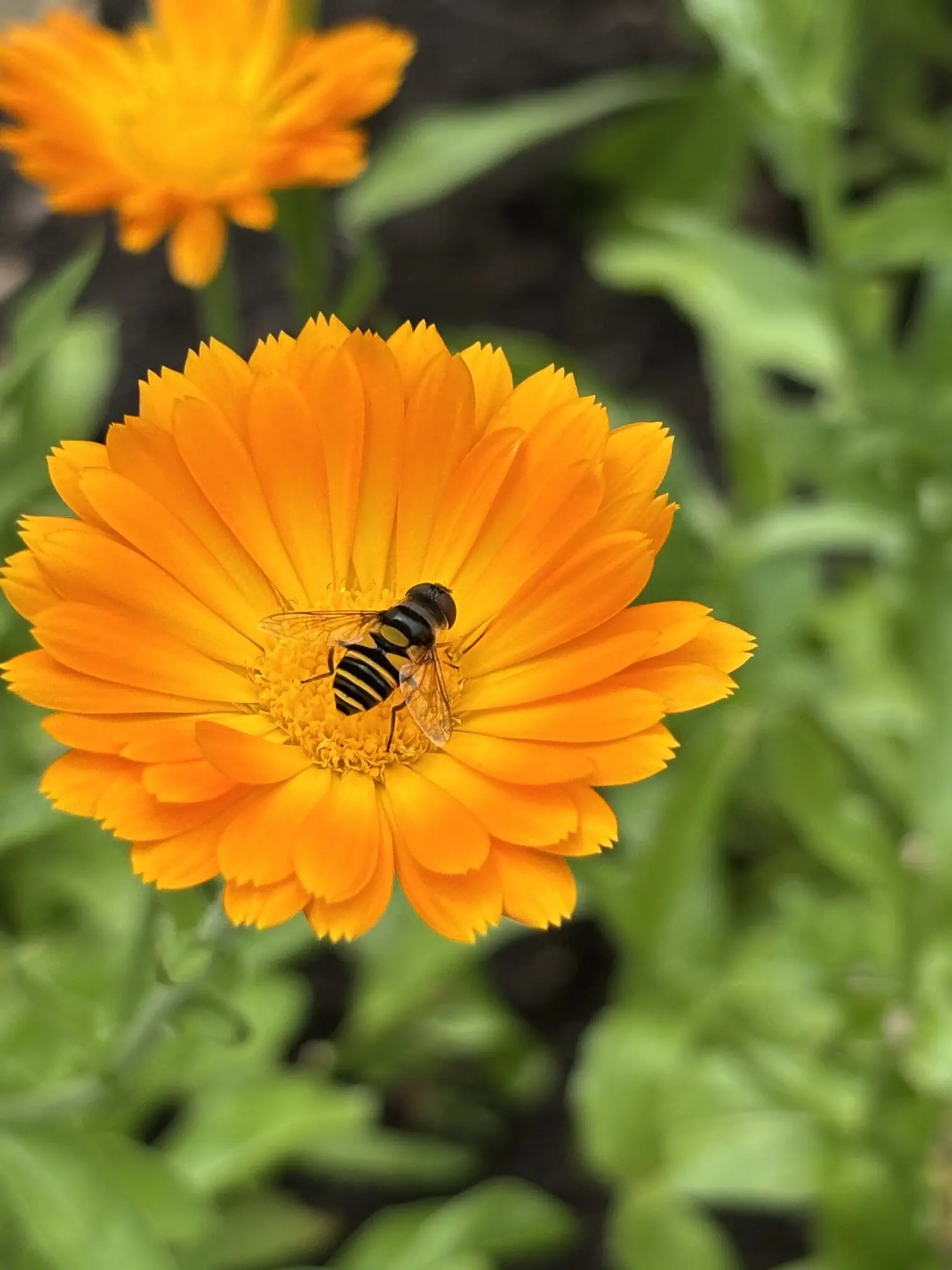
Tangy and slightly peppery, with orange and yellow petals that color food like saffron. Pull the petals from the center and stir them into rice, scrambled eggs, butter, or soup.
4. Borage
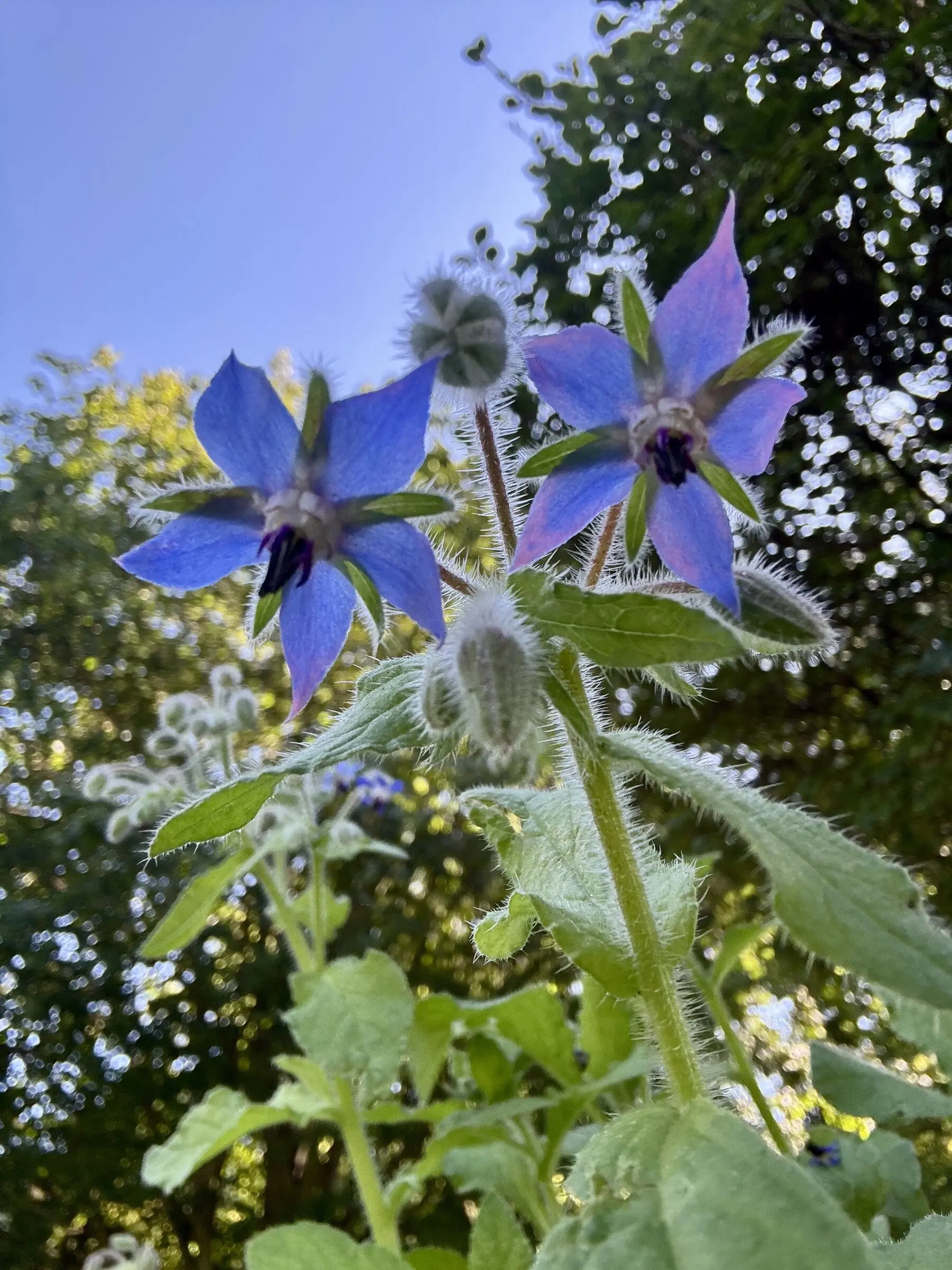
Star-shaped blue flowers that taste like cucumber. Float them in lemonade or iced tea, freeze them in ice cubes, or scatter them over a cucumber salad. Large amounts act as a diuretic, so use them as a garnish, not by the bowlful.
5. Chive blossoms
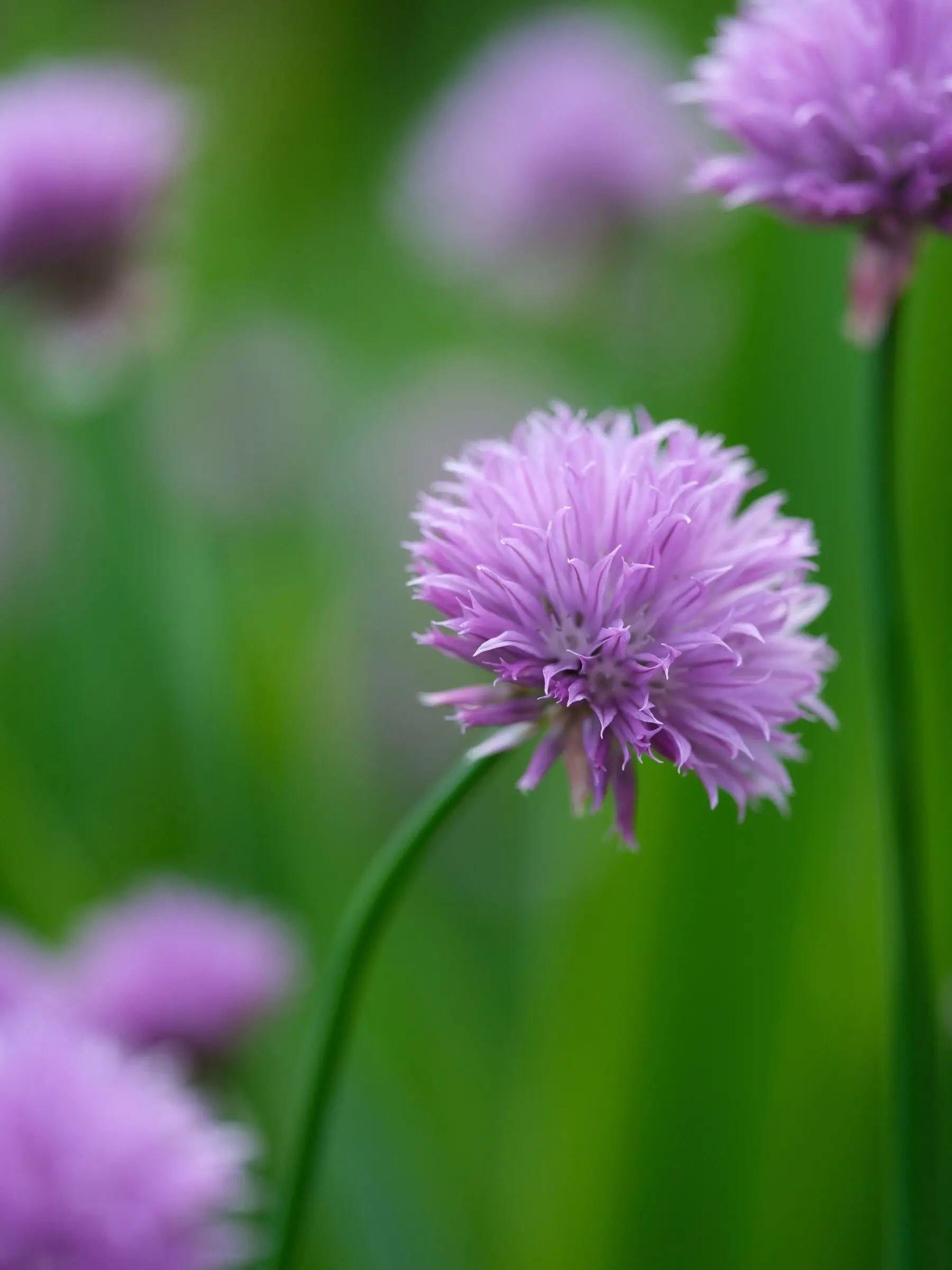
Mild onion flavor in a pretty lavender puff. Pull the little florets apart and sprinkle them over eggs, potato salad, and soup. Steep a jar of blossoms in white vinegar for two weeks, and the vinegar turns pink with a gentle onion flavor.
6. Squash blossoms
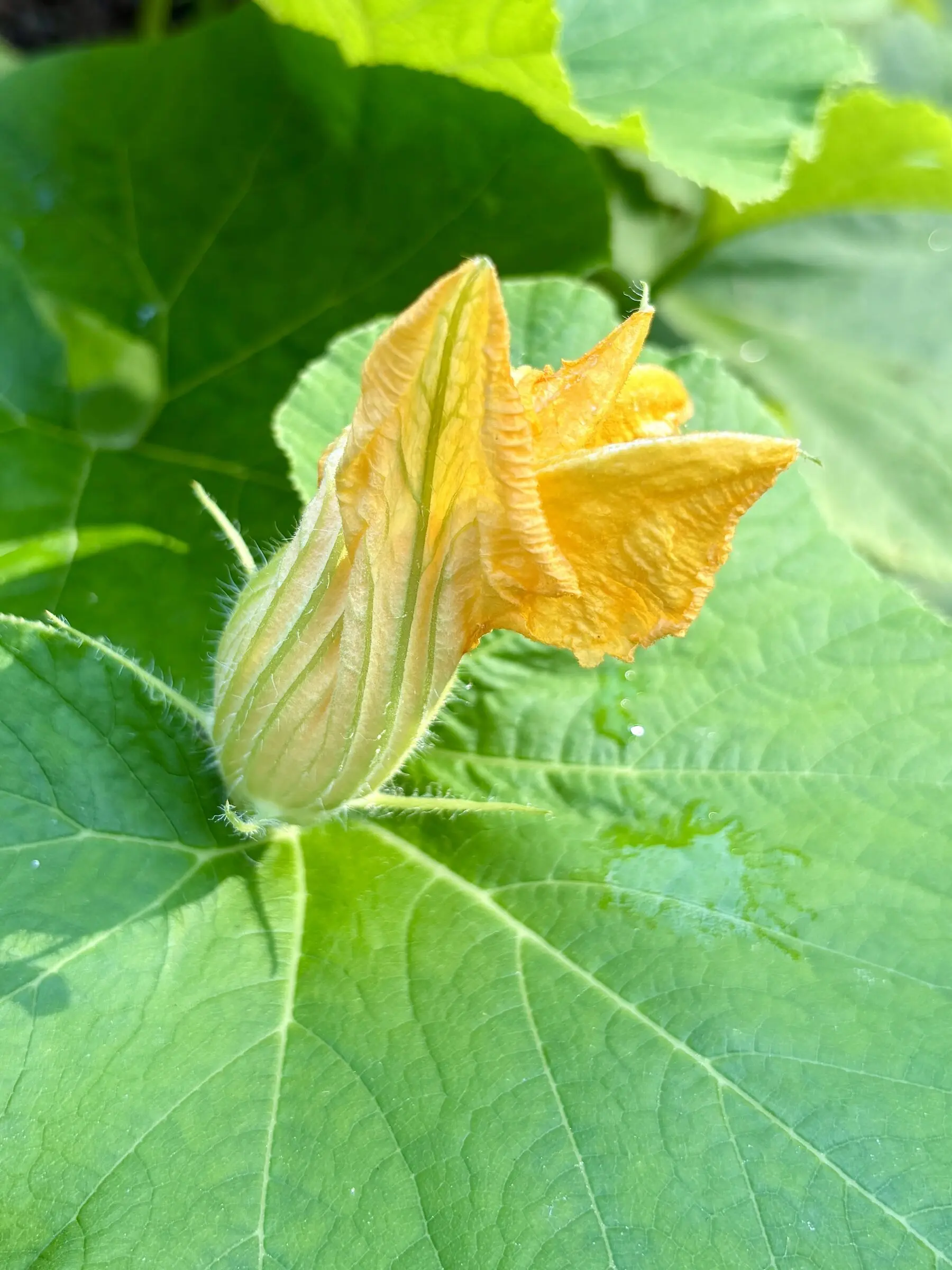
Mild and slightly sweet, from zucchini, summer squash, and pumpkin plants. Stuff them with ricotta and fry them, or slice them into quesadillas. Pick the male flowers, the ones on long thin stems, and the plant keeps making squash. Remove the stamen inside before cooking.
7. Roses
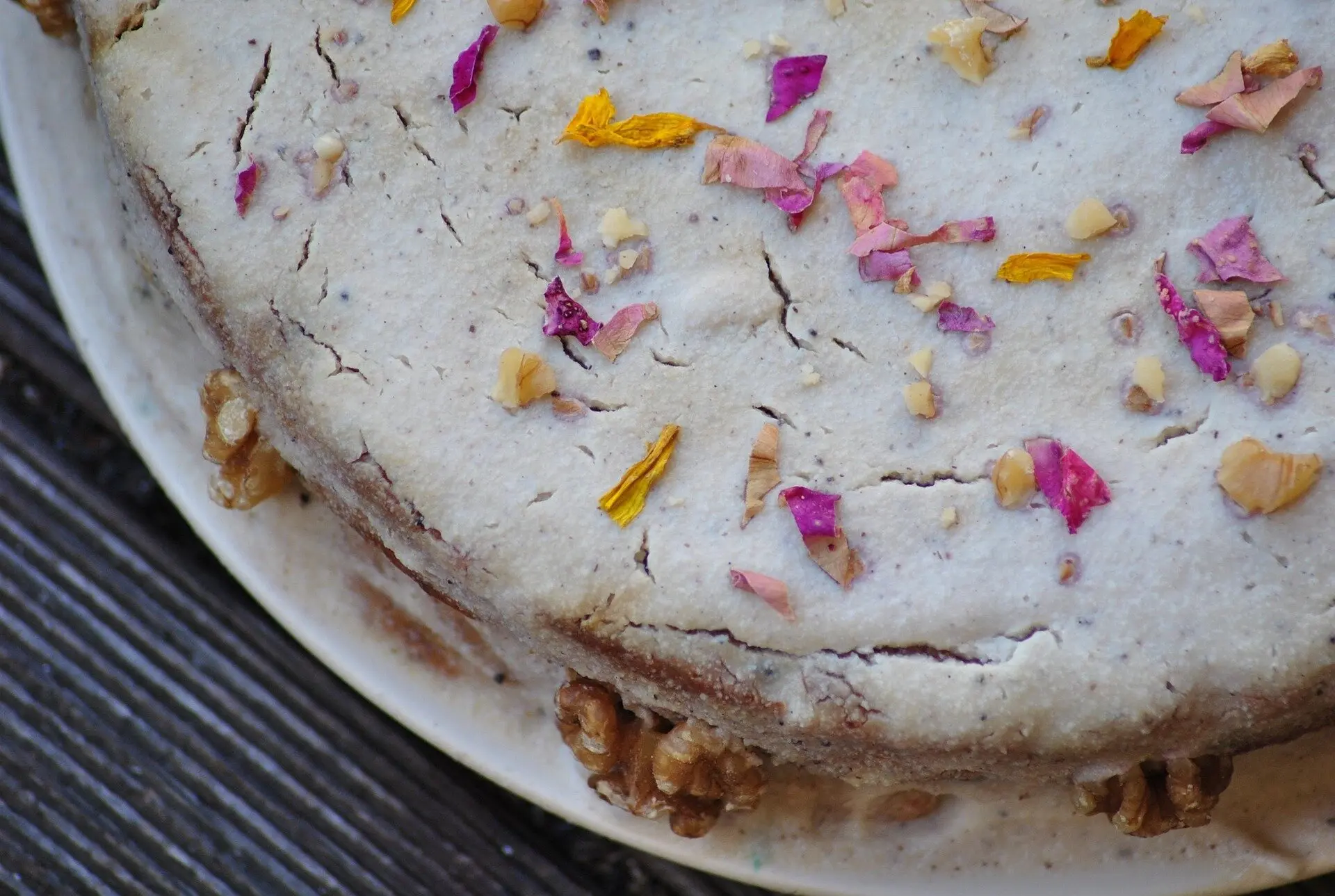
Perfumed and sweet, with the strongest flavor in the most fragrant roses. Use only petals, with the white base trimmed off. Layer them with sugar for rose sugar, steep them for syrup, or scatter them over desserts.
8. Lavender
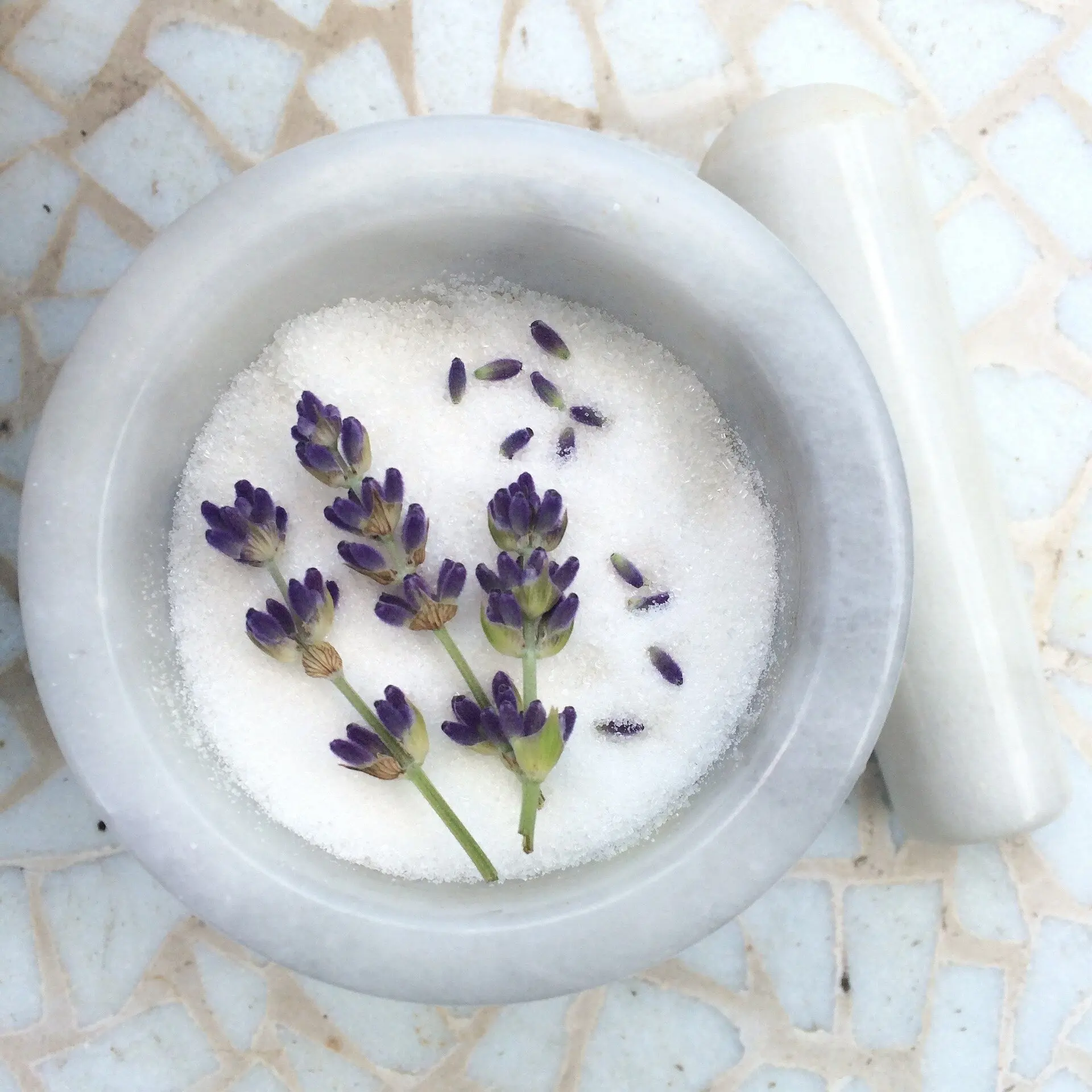
Floral and strong, so a little goes a long way. Too much tastes like soap. English lavender (Lavandula angustifolia) has the sweetest flavor for cooking. Grind a tablespoon of dried buds into a cup of sugar for shortbread, lemonade, and scones.
9. Chamomile
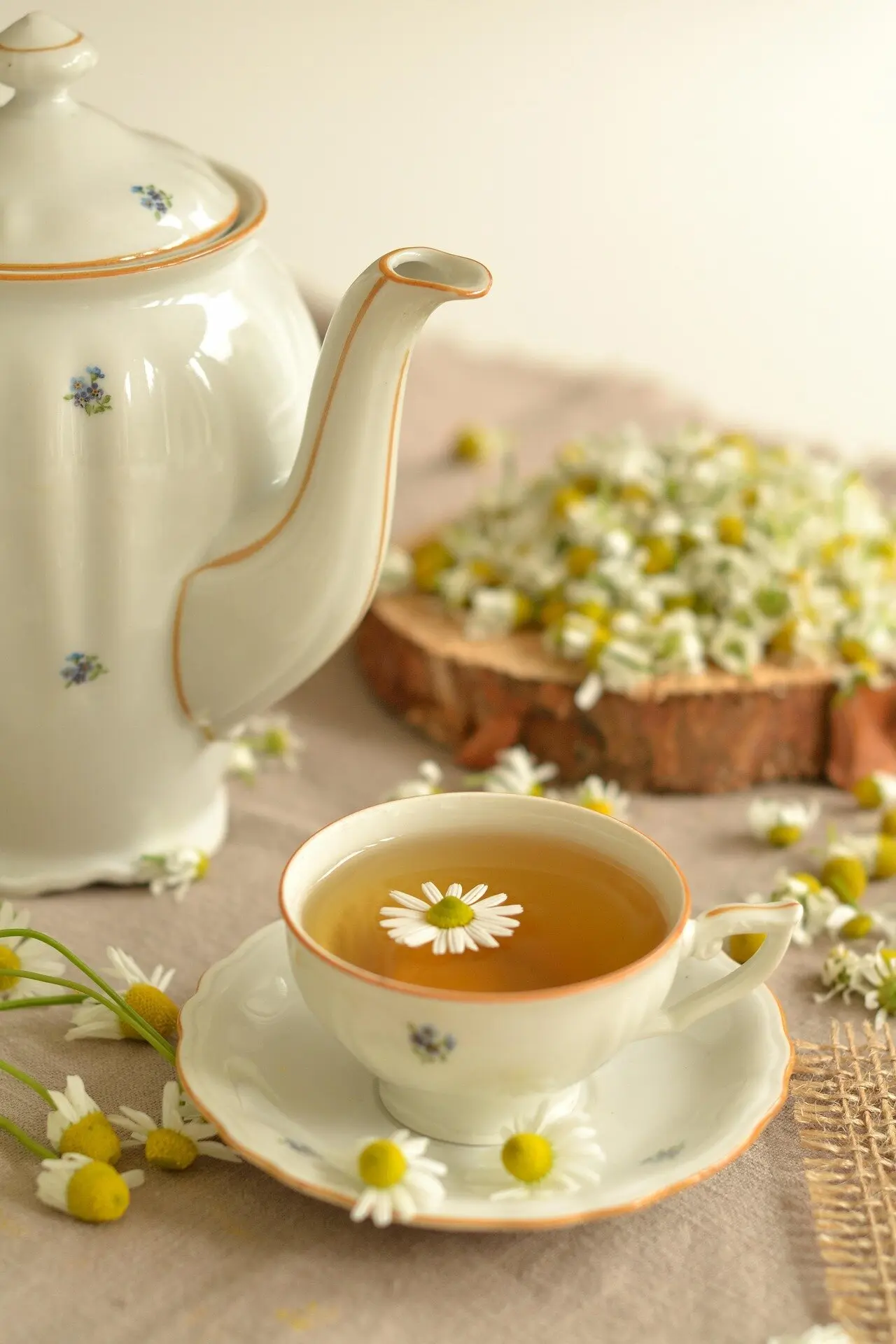
Sweet and apple-like. Steep the dried flowers for tea, or simmer them into a syrup for iced tea and yogurt. People allergic to ragweed may react to chamomile, so start with a small cup.
10. Lilac
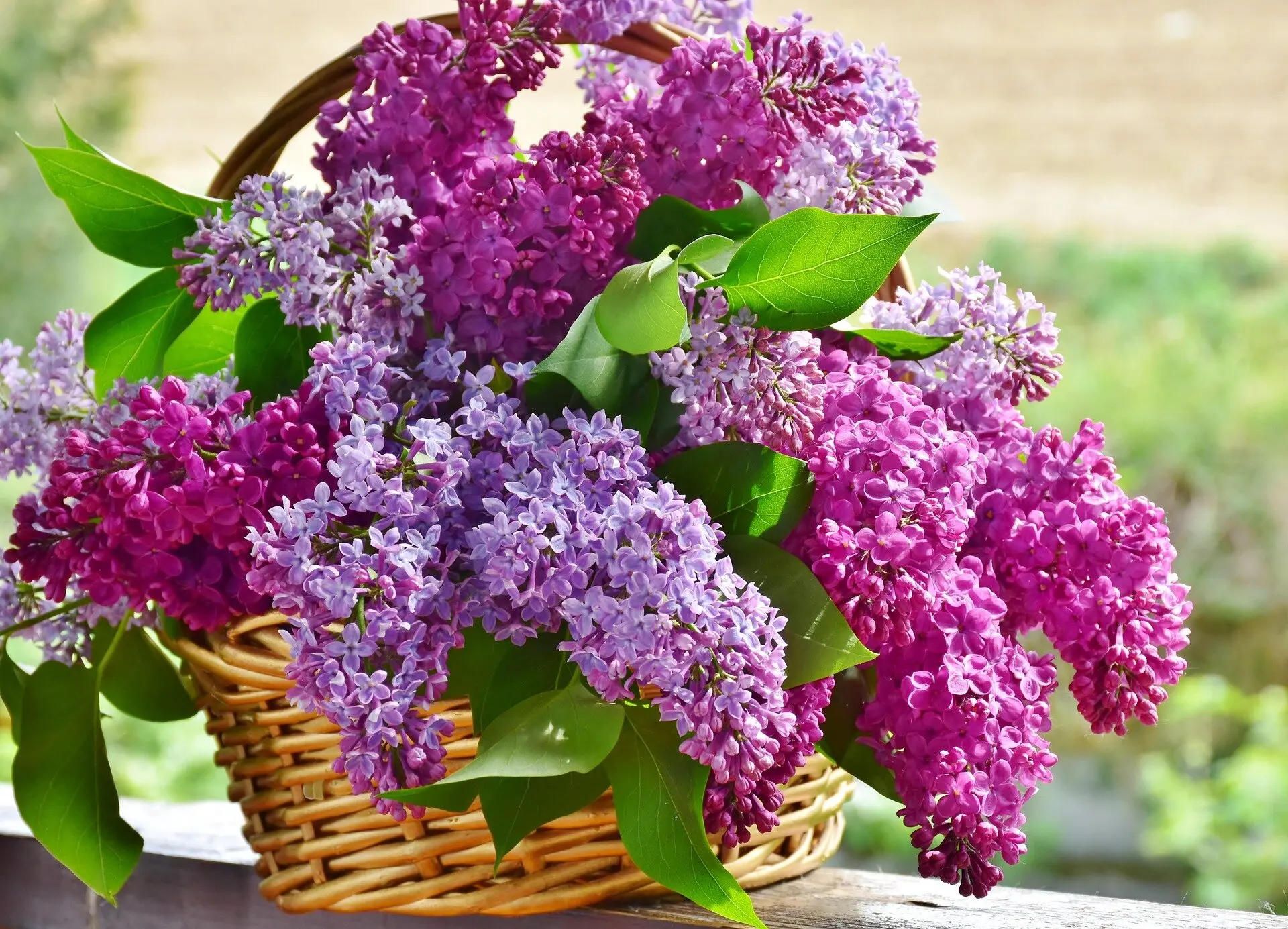
Perfumed, sometimes slightly bitter, depending on the bush. Strip the tiny flowers from the stems for lilac sugar, lilac syrup, or a scatter over a spring cake. The season is short, so make syrup while they bloom.
11. Hibiscus
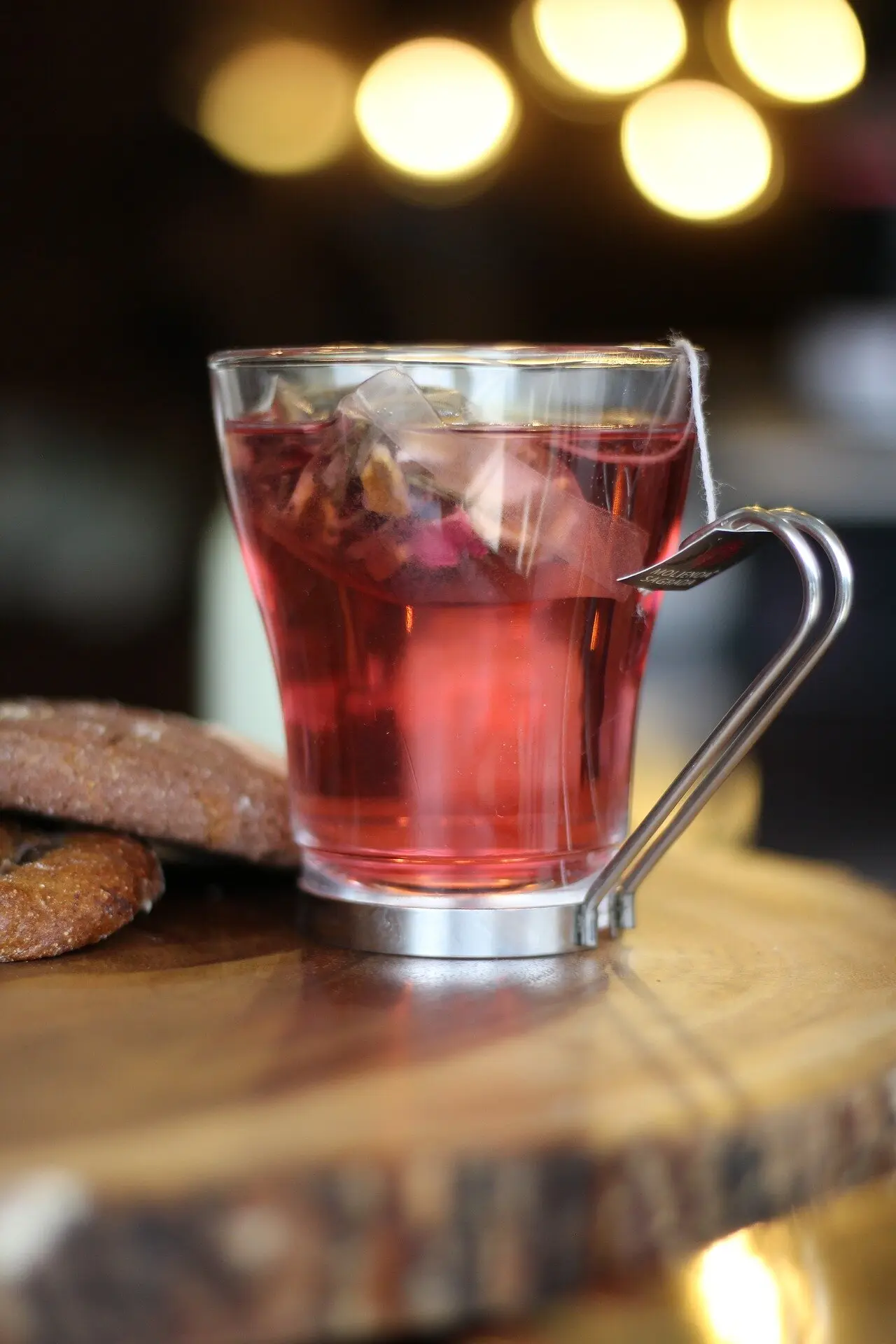
Tart, with a cranberry-like flavor and a deep red-pink color. Dried hibiscus makes a bright iced tea and a beautiful syrup for lemonade and sodas.
12. Bee balm
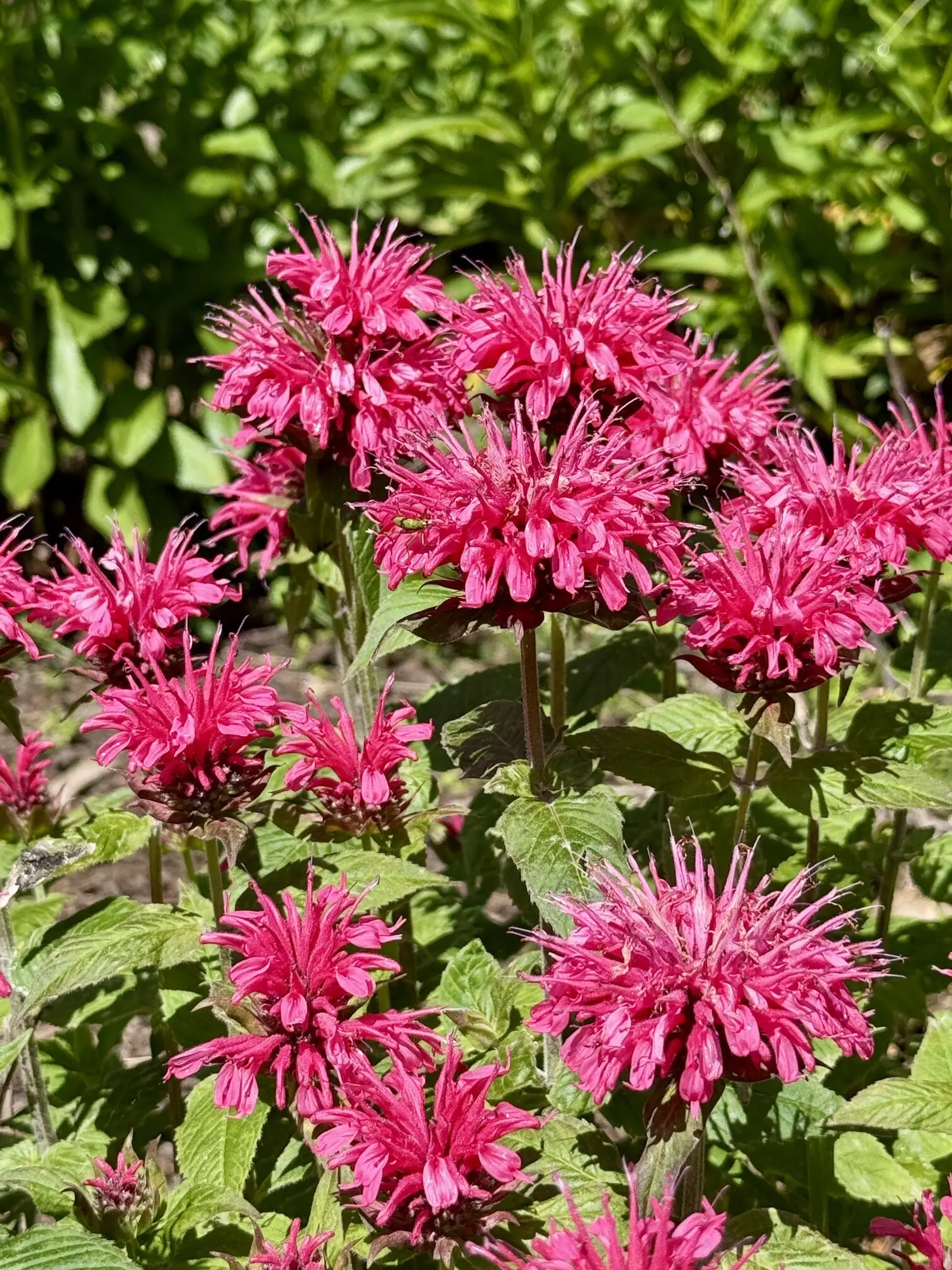
Citrusy and minty with a little heat, a lot like the bergamot in Earl Grey tea. The shaggy red, pink, and purple blooms also bring hummingbirds and bees to the garden. Pull the petals apart for salads, or steep fresh or dried flowers and leaves for tea.
13. Dandelions
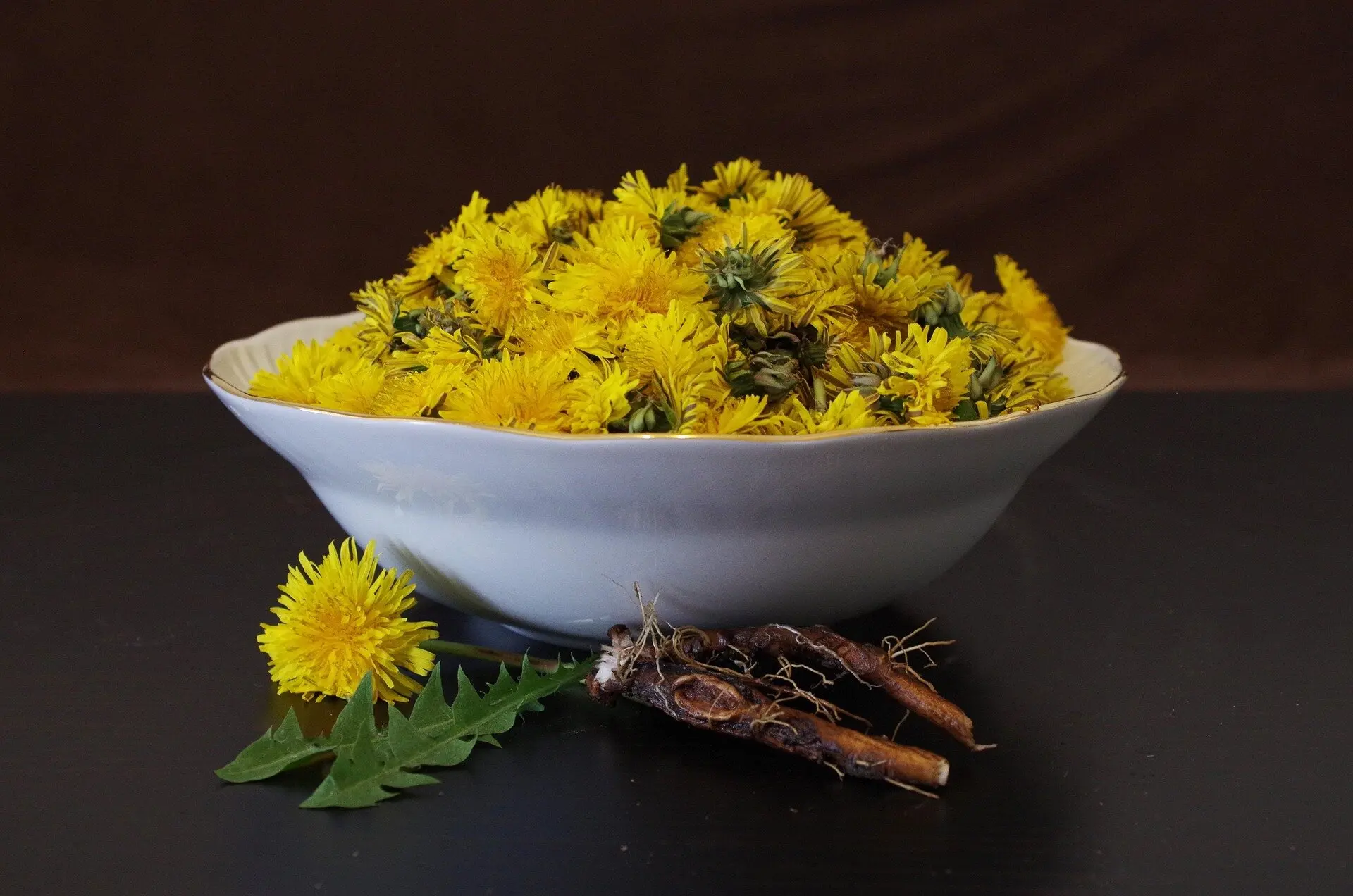
Young flowers taste sweet and honeylike, and older ones turn bitter. Dip whole flower heads in pancake batter and fry them for fritters. Pick them only from a lawn that has never been sprayed.
14. Daylilies
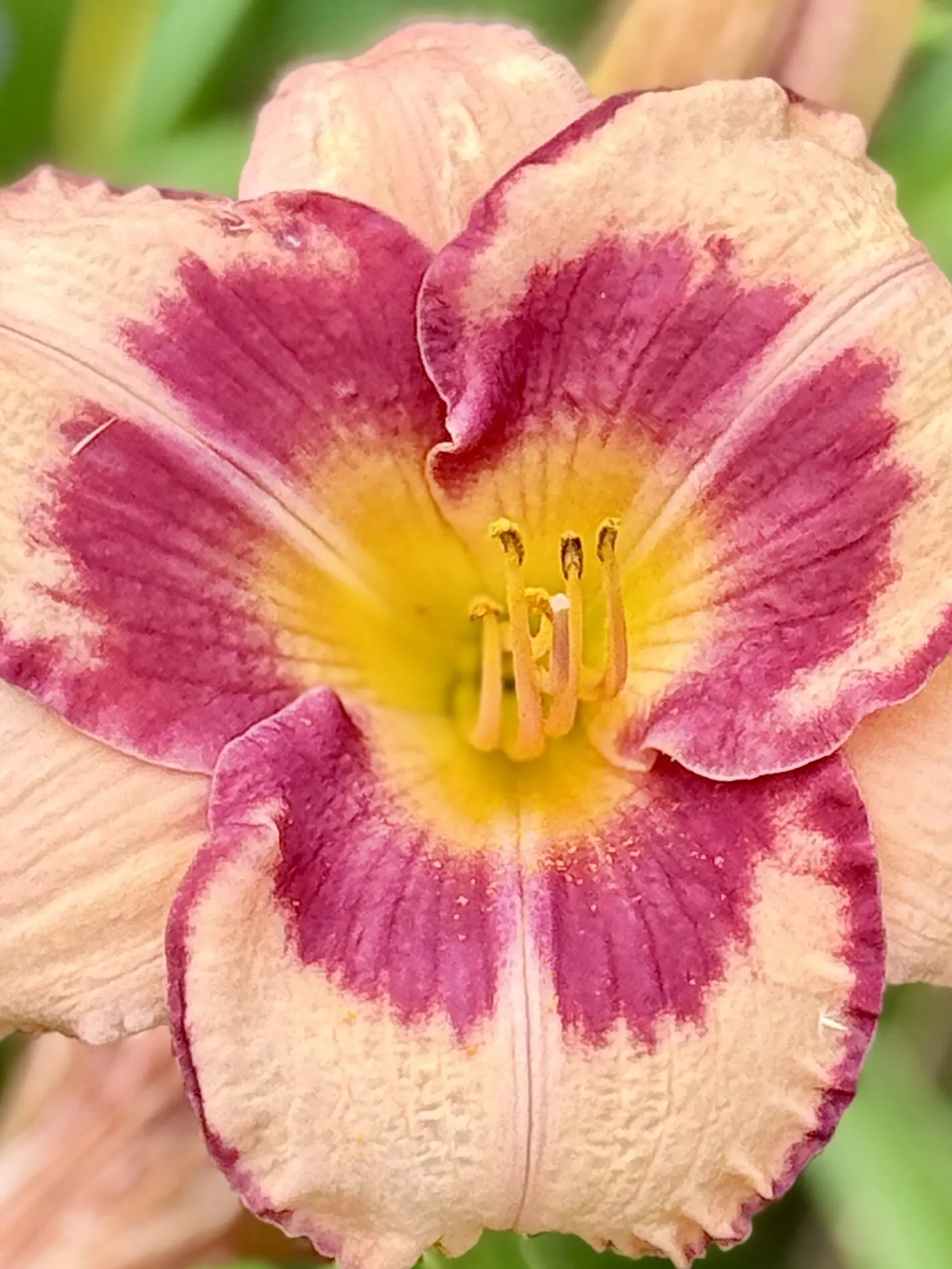
The unopened buds taste like green beans when sautéed, and the open flowers are milder. Daylilies can upset the stomach in large amounts, so eat them in moderation. Be sure they’re true daylilies (Hemerocallis), since other lilies are not edible.
15. Herb flowers
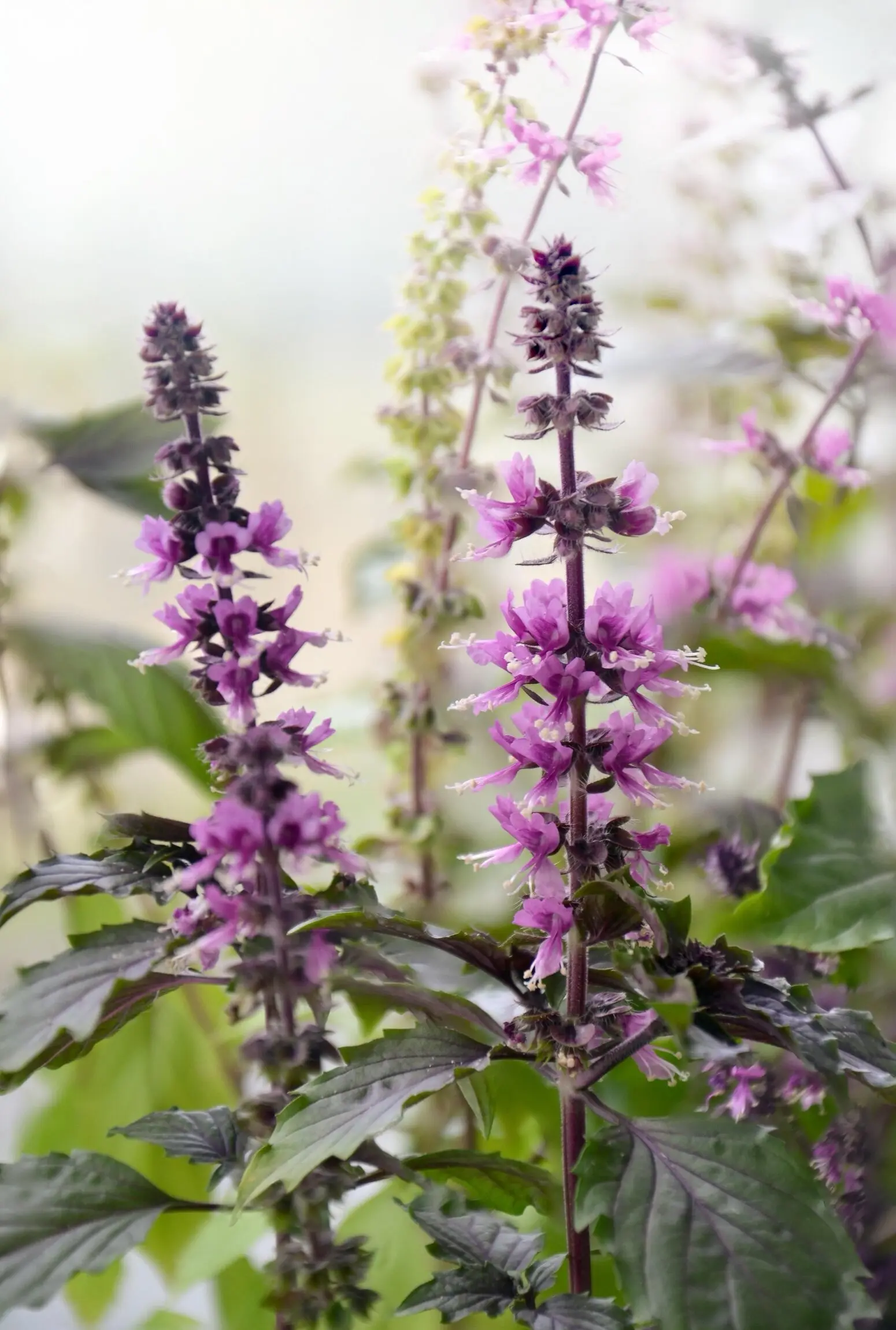
Basil, thyme, oregano, dill, cilantro, rosemary, and mint flowers taste like a milder version of the leaves. Sprinkle them over the same dishes you’d season with the herb.
16. Garden pea blossoms
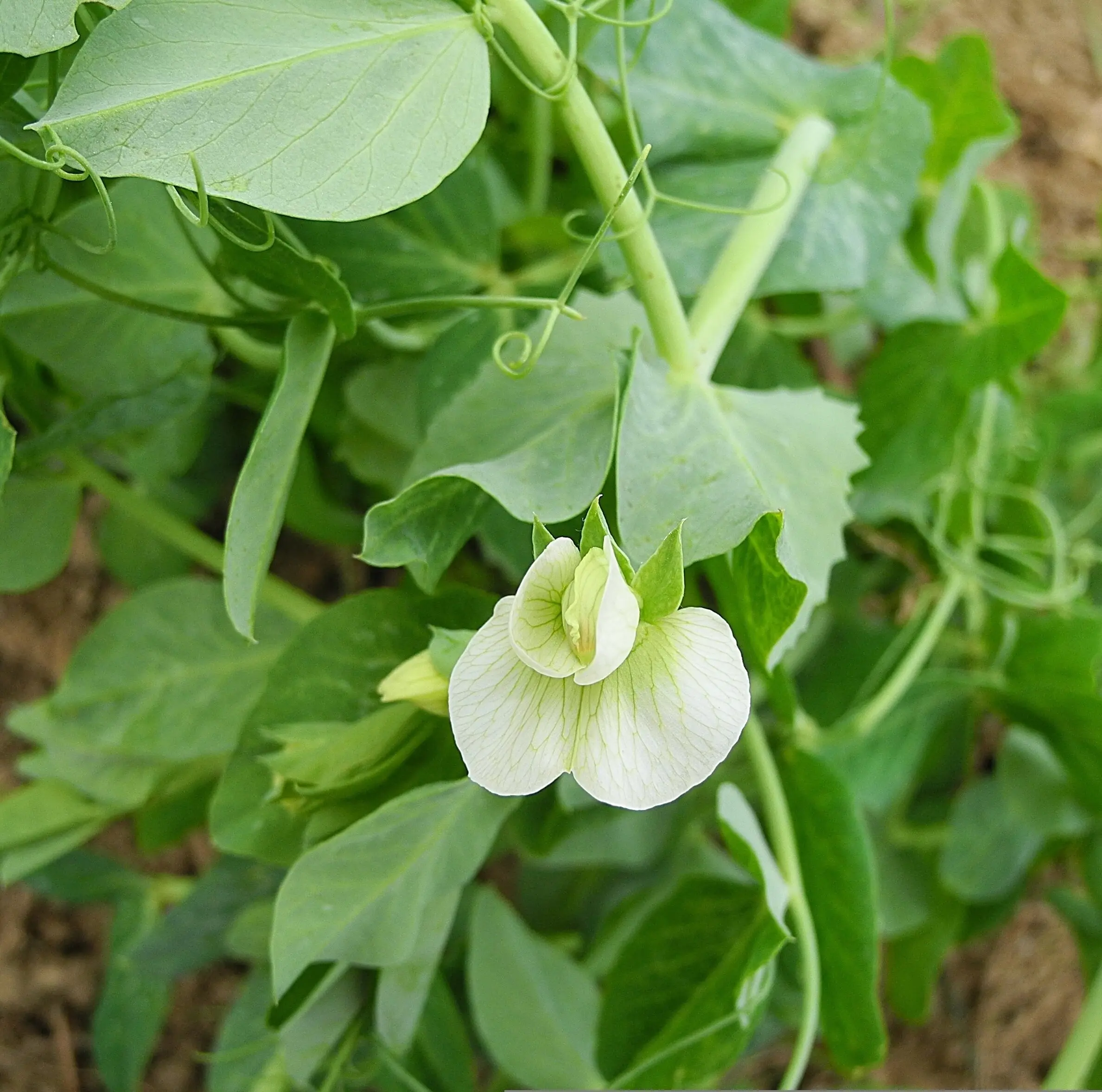
Sweet and fresh, like a raw pea. Use them in salads and on cakes. Use only garden peas, snap peas, and snow peas. Ornamental sweet peas look similar but are poisonous.
Simple ways to use edible flowers
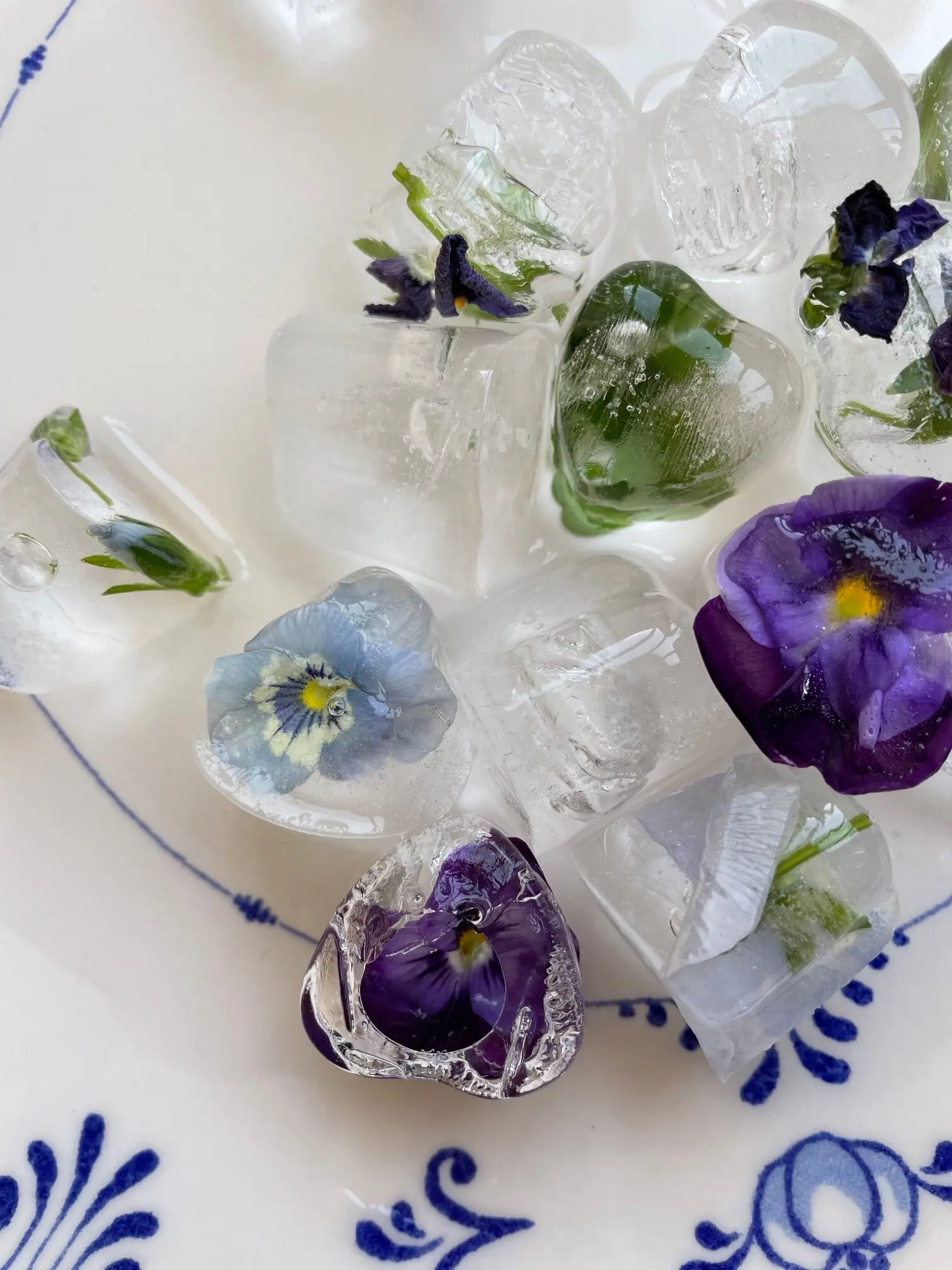
Flower ice cubes: Fill an ice cube tray halfway with water, add a flower to each cube, and freeze. Top them off with more water and freeze again so the flowers stay in the middle. Boiled and cooled water freezes clearer.
Flower sugar: Layer fresh rose petals or lavender buds with sugar in a jar for a week, then sift out the flowers. Use it in shortbread, tea, and lemonade.
Flower butter: Stir chopped petals and herb flowers into softened butter, roll it into a log, and chill. It’s lovely on warm bread, corn on the cob, and grilled fish.
Flower syrup: Simmer 1 cup of sugar and 1 cup of water until the sugar dissolves, pour it over a cup of petals, and let it steep until cool. Strain, refrigerate, and use within two weeks.
Candied flowers: Brush violets, pansies, or rose petals with beaten egg white, dust them with superfine sugar, and let them dry on parchment overnight. Use pasteurized egg whites or meringue powder for safety. Store them airtight, and they’ll keep for weeks.
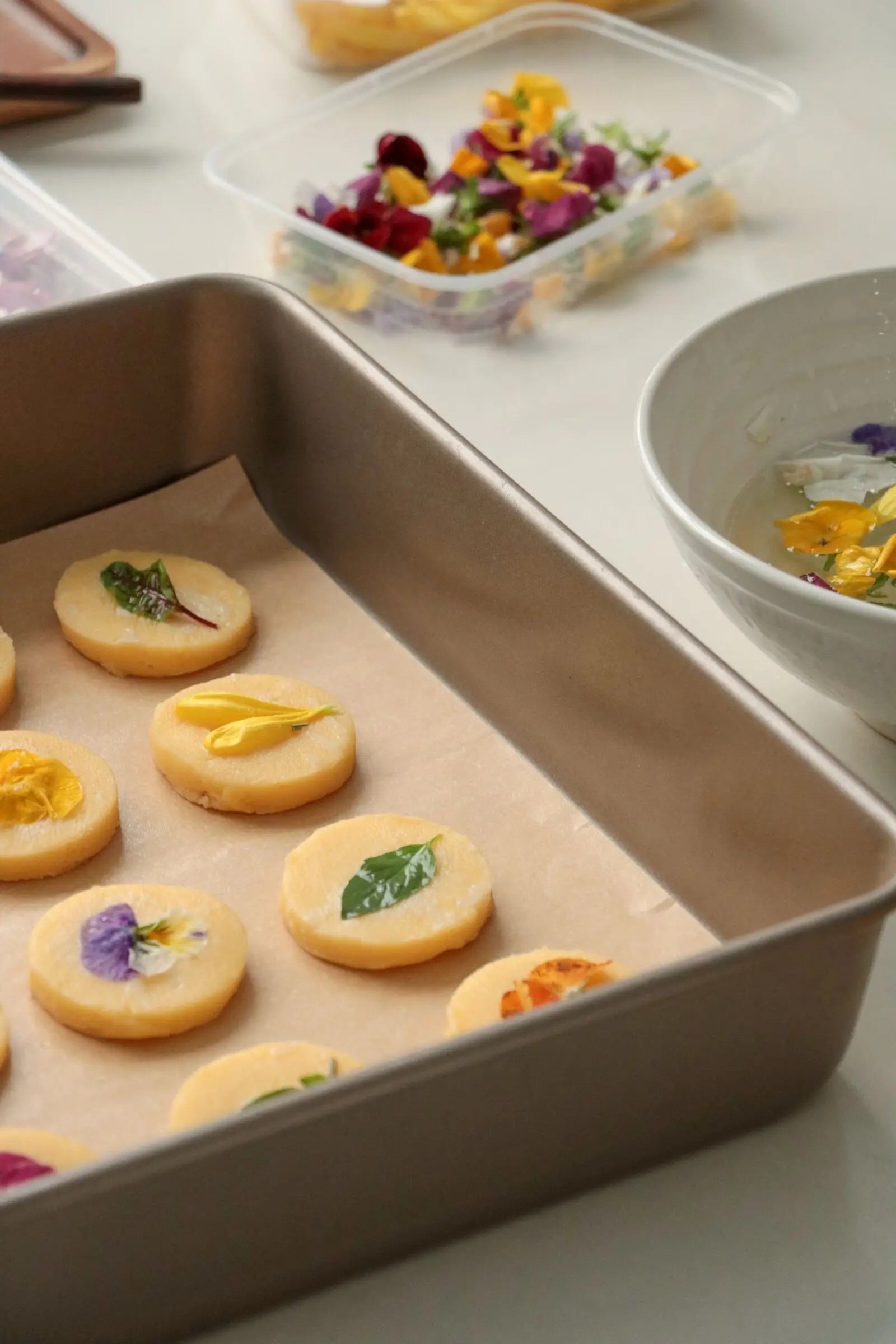
Pressed into cookies: Press flat violas or pansies onto shortbread or sugar cookies before baking, or onto frosted cookies after.
Drying edible flowers
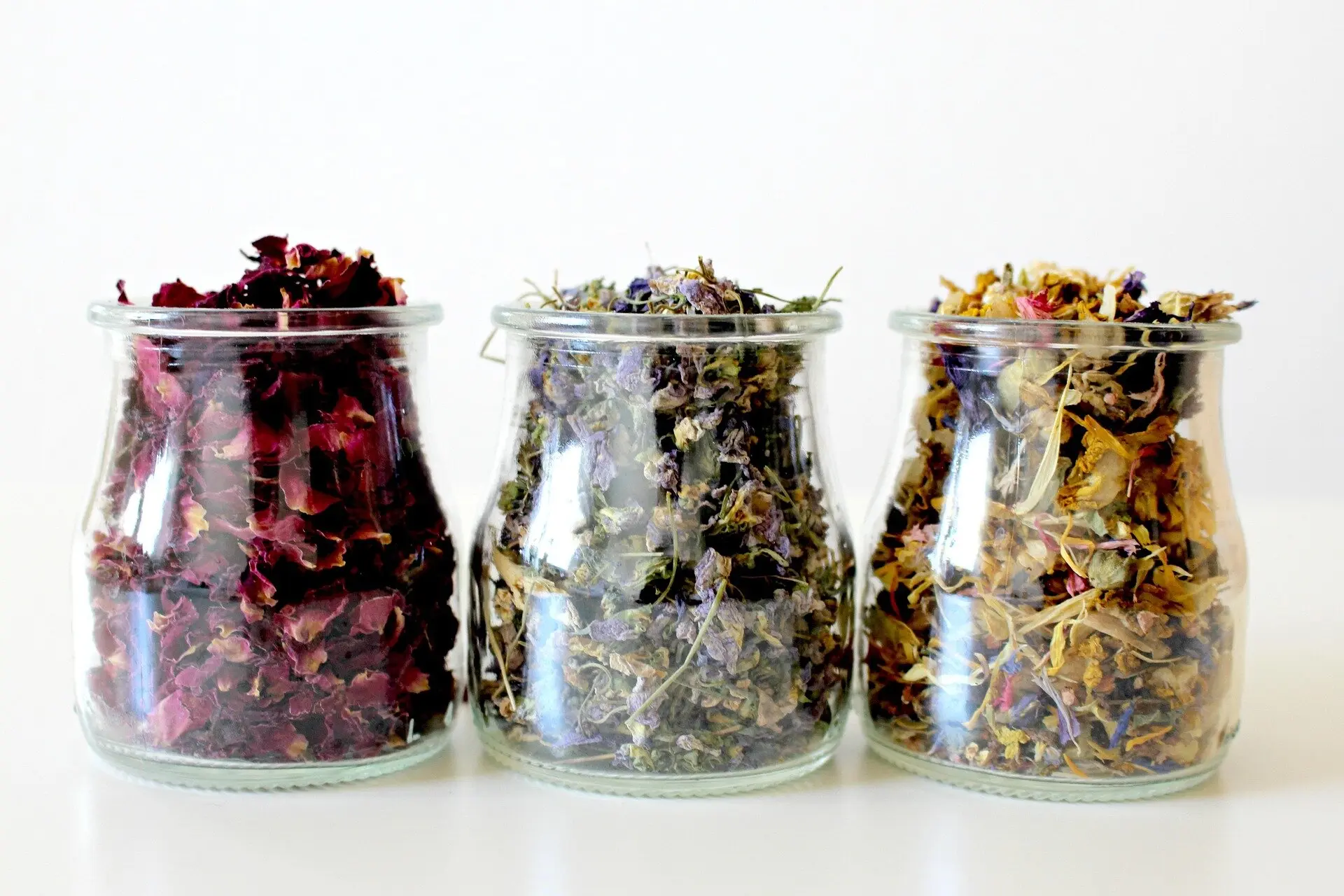
To dry your own, spread petals or whole small flowers in a single layer on a screen or a paper towel. Set them in a warm, dark spot with good air flow until they’re crisp, usually a few days to a week. Store them in a labeled, airtight jar in a cool, dark cupboard. Dried flowers are stronger than fresh, so use about a third as much.
Frequently asked questions
What flowers are edible? Some of the easiest are violets, pansies, nasturtiums, calendula, borage, chive blossoms, squash blossoms, roses, lavender, chamomile, and the flowers of most culinary herbs. Always confirm a plant’s name before eating it.
Can you eat flowers from the florist? No. Florist and nursery flowers aren’t grown to be eaten and are often treated with sprays not meant for food.
Which part of a flower do you eat? Usually the petals. Remove the stamens and pistils in the center, and trim the bitter white base from rose petals.
Do edible flowers need to be washed? Yes. Rinse them gently in cool water and let them dry on a paper towel just before using them.
How long do edible flowers last? Fresh flowers are best the day you pick them and keep about a day in the refrigerator between damp paper towels. Dried flowers keep for months in an airtight jar.
Are sweet peas edible? No. Sweet peas are poisonous. Garden pea, snap pea, and snow pea blossoms are the edible ones.
From the QT Bird Community
Join the conversation
Comments on QT Bird articles live in our community. Joining is free: share your tips, ask questions and get replies.
Sign up to PostLog in