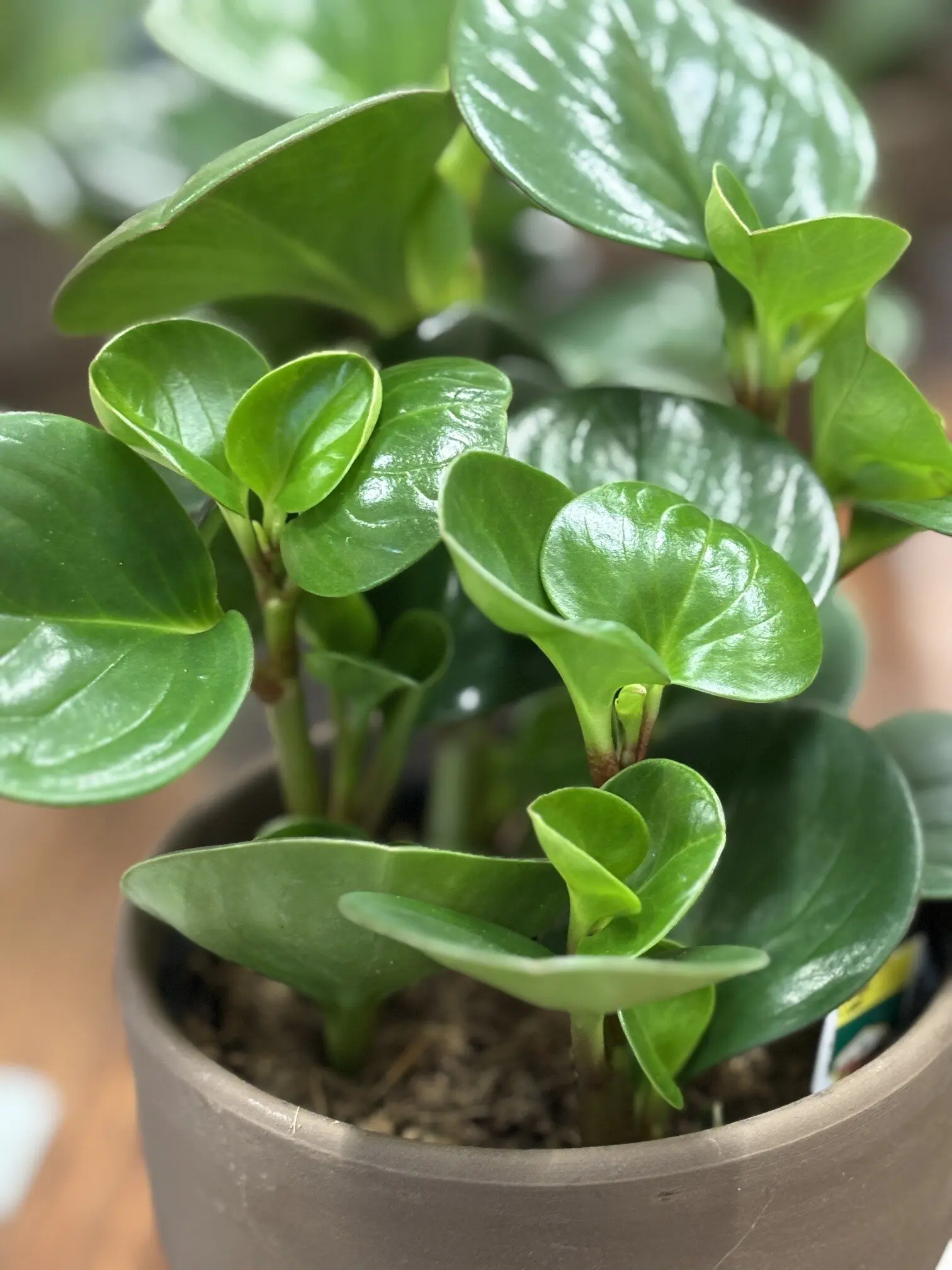
Baby Rubber Plant, also known as Peperomia obtusifolia or American Rubber Plant, is a compact little houseplant with thick, glossy, round leaves that look almost polished. Despite the name, it isn’t related to the rubber plant (Ficus elastica) at all. It just has the same shiny, rubbery leaves in a much smaller package. It’s a peperomia, in the pepper family (Piperaceae), and its genus name means “resembling pepper.” It’s native to southern Florida, Mexico, the Caribbean, and northern South America, where it grows on the forest floor and on trees. It’s hardy only in zones 10-12, so for most of us it’s a houseplant all year. You’ll find the classic solid green form, plus variegated types splashed with cream or yellow, like ‘Variegata’ and ‘Marble.’
It’s a slow, tidy grower that stays small, usually 8-12 inches tall, so it fits right in on a desk, a windowsill, a bookshelf, or a crowded plant stand. It’s an easy plant for beginners and, good news, it’s safe for pets.
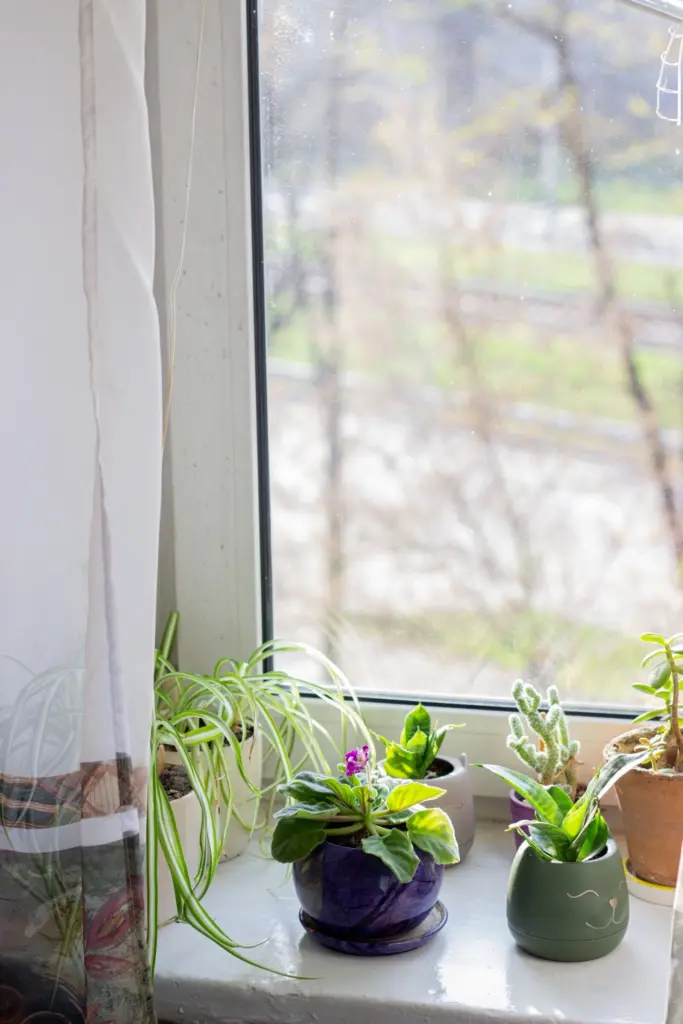
It likes medium to bright, indirect light. It will tolerate lower light, but it gets leggy, with long stretches of stem between the leaves. Keep it out of hot direct sun, which can scorch the leaves. An east-facing window, or a few feet back from a south or west window, is ideal. Solid green types handle lower light better than variegated ones, which need brighter light to keep their markings.
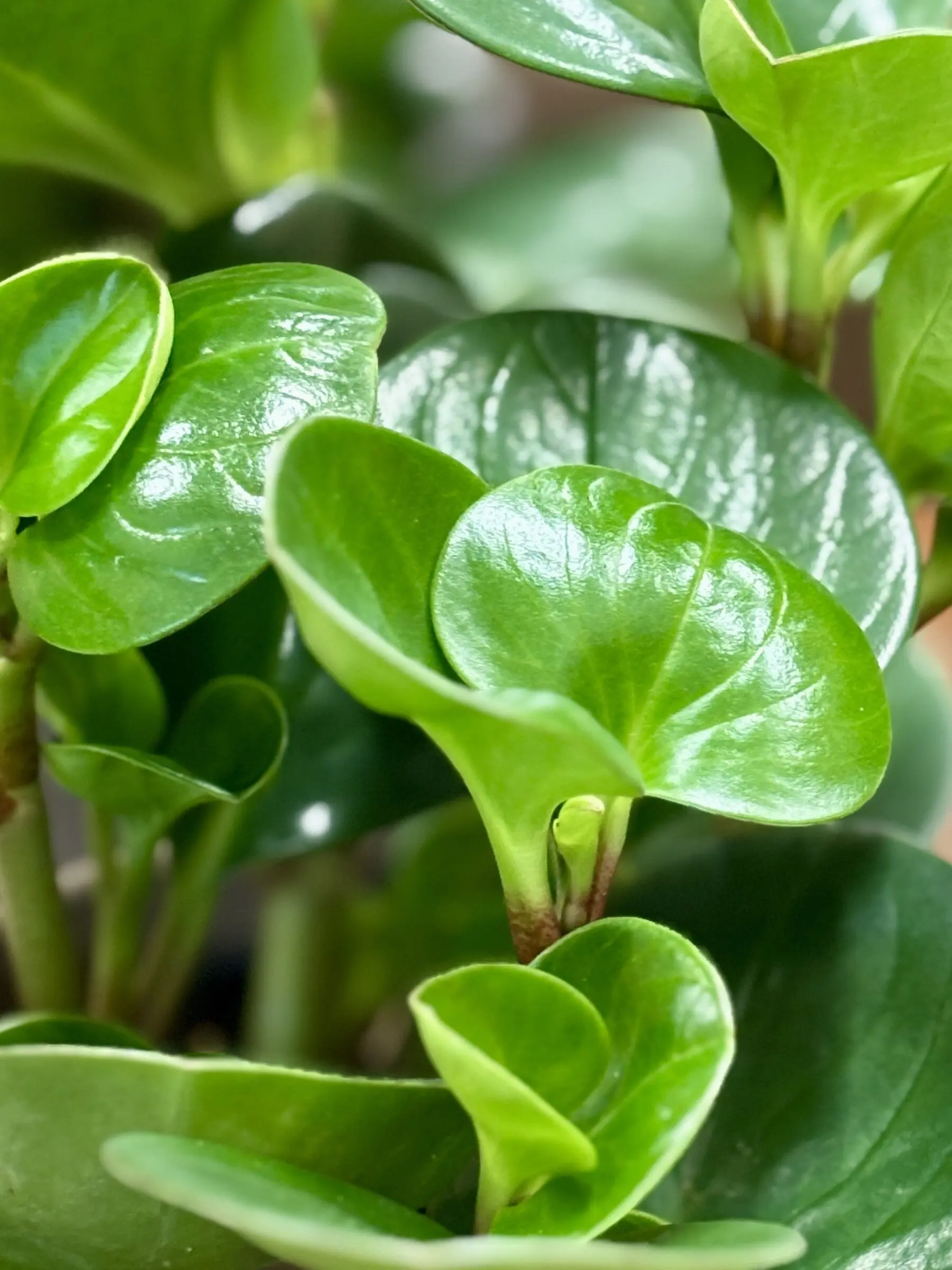
Those thick leaves store water, a lot like a succulent, so this plant is forgiving if you forget a watering. Overwatering is the real danger. Let the top 1-2 inches of soil dry out between waterings, then water thoroughly until it runs out the drainage holes. Empty the saucer so it isn’t sitting in water. That usually means watering every 1-2 weeks in spring and summer, and less often in winter. Go by the soil, not the calendar. If the leaves start to look a little soft or droopy, it’s thirsty. If they turn yellow, or the stems get mushy at the base, it’s getting too much water.
It’s happiest at 65°F to 80°F. Keep it away from cold drafts, cold windows in winter, and heating vents. Below 50°F, it can be damaged. Average household humidity is fine, though it appreciates a pebble tray or grouping it with other plants in dry winter months.
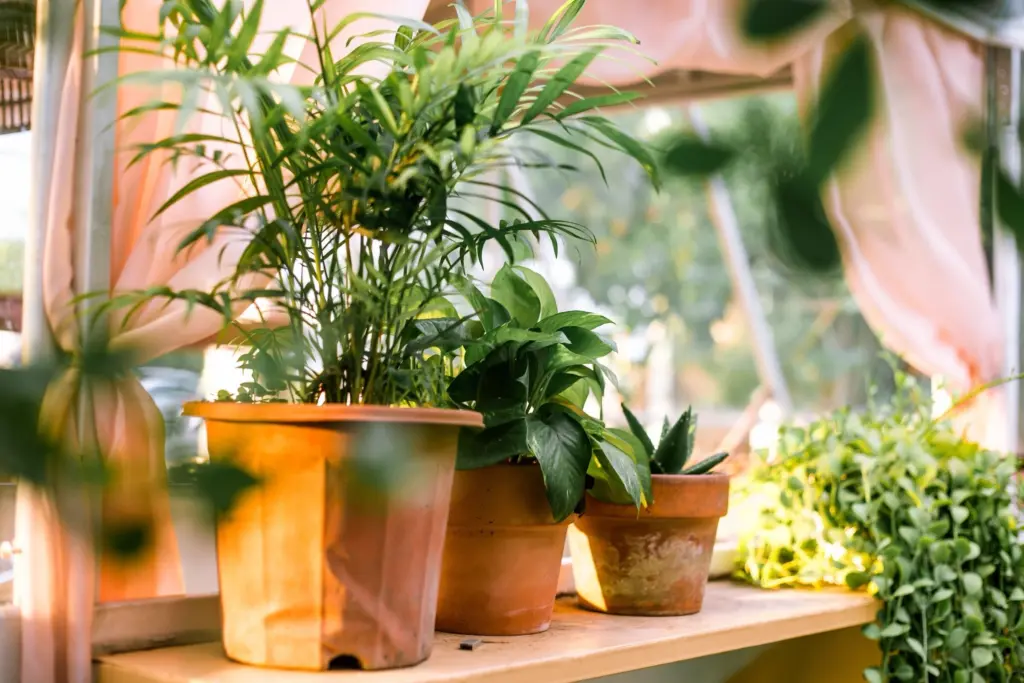
Use a light, chunky, well-draining mix. Regular potting soil with plenty of perlite or orchid bark mixed in works well, or a mix of potting soil and cactus mix. A pot with drainage holes is a must, and terra cotta helps the soil dry out between waterings. Feed it a balanced water-soluble fertilizer at half strength once a month in spring and summer, and skip it in fall and winter. It’s a light feeder.
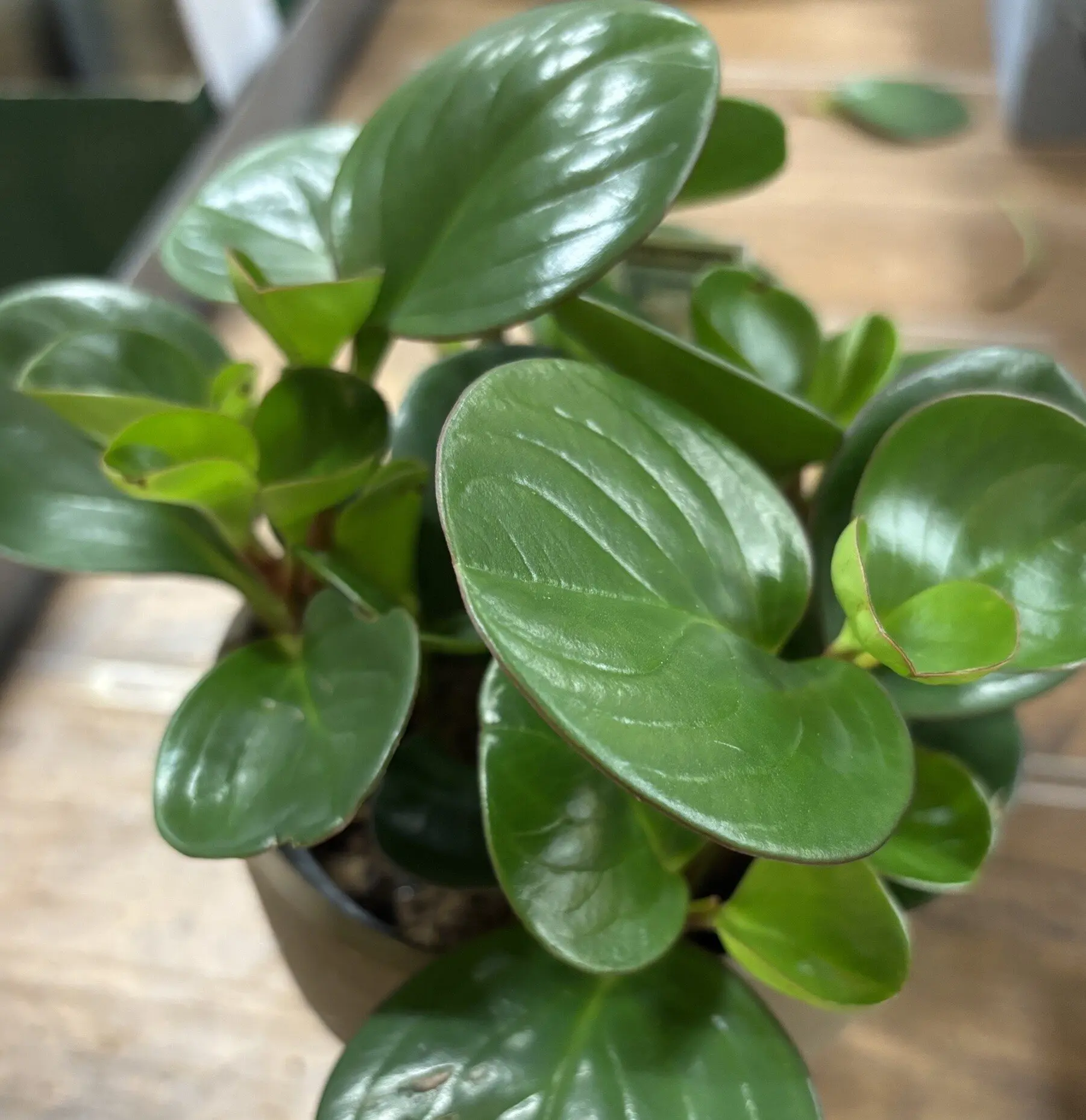
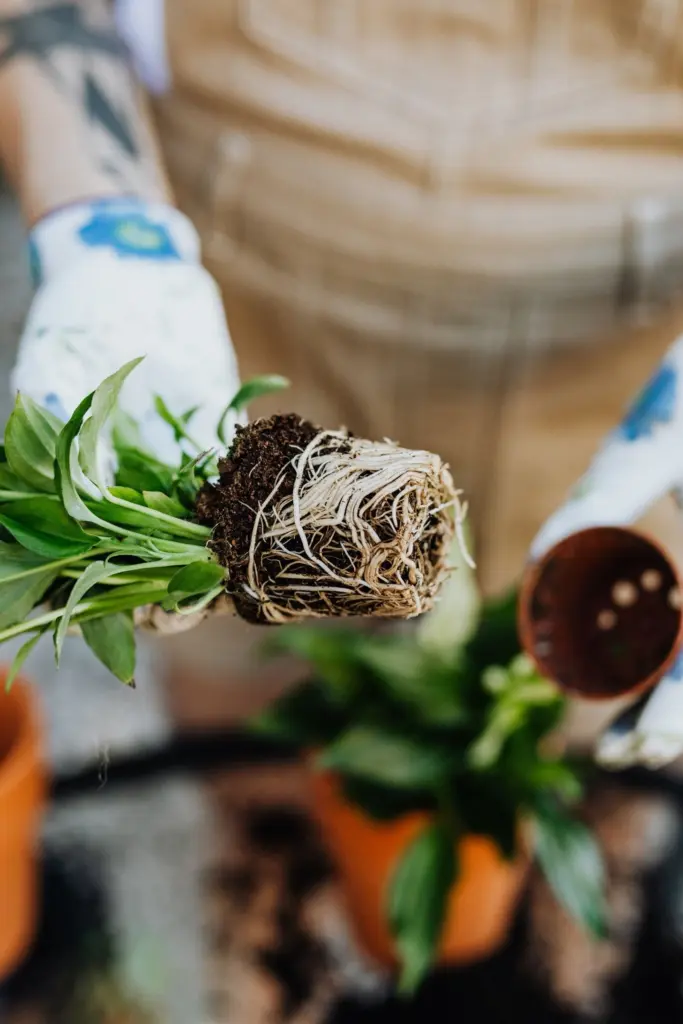
Baby rubber plants have small root systems and like being snug in their pots. Repot only every 2-3 years in spring, or when roots start coming out of the drainage holes. Go up just one pot size. A pot that’s too big holds extra wet soil, which can lead to root rot.
To keep it full and bushy, pinch or trim the stem tips in spring and summer. Cut just above a leaf, and the plant will branch out below the cut. If it starts leaning toward the window, give it a quarter turn every week or two. Wipe the leaves with a damp cloth now and then to keep them glossy and dust free.
It’s easy to propagate. Take a stem cutting 3-4 inches long with a few leaves and at least one node, the spot where a leaf meets the stem. Remove the lowest leaf, let the cut end dry for a few hours, then root it in water or moist potting mix. You can even root a single leaf with a short piece of its stem in moist soil, though it takes longer. Roots usually form in 3-6 weeks. Your pinched-off tips make perfect cuttings. Variegated types should be propagated from stem cuttings so the new plant keeps its markings.
Mature plants sometimes send up thin, upright flower spikes that look a little like a mouse’s tail. They aren’t showy, and many growers snip them off so the plant puts its energy into leaves.
Most problems come back to water and light:
- Yellow leaves, a mushy stem base, or leaves dropping suddenly usually mean overwatering or root rot. Let the soil dry out, and check that the pot drains.
- Soft, wrinkled, or droopy leaves mean it’s thirsty.
- Long, bare stems and small leaves mean it needs more light.
- Brown, crispy patches can be sunburn from direct sun.
- Watch for mealybugs (white cottony bits), spider mites (fine webbing under the leaves), and fungus gnats in soil that stays too wet. Neem oil or insecticidal soap takes care of mealybugs and mites. Letting the soil dry out more takes care of gnats.
Baby rubber plants are considered non-toxic to cats and dogs, which makes them a great pick for pet owners. Still, it’s best to keep any houseplant out of reach of pets that like to nibble.
Small, shiny, forgiving, and pet-safe. I’d put it in the beginner-friendly category. It’s one of the best first plants you can buy.
| Common Name | Baby Rubber Plant, American Rubber Plant, Pepper Face |
|---|---|
| Botanical Name | Peperomia obtusifolia |
| Family | Piperaceae |
| Mature Size | 8-12 in. tall and wide |
| Sun | Medium to bright, Indirect |
| Soil | Light, well-drained, Slightly acidic |
| Native Area | Florida, Mexico, Caribbean, South America |
| Toxicity | Non-toxic to pets |